The Ultimate Guide to Luxury Brands
The complete, definitive guide to luxury brands.
Welcome to the ultimate resource on luxury brands. This guide covers everything you need to know.
Is Alexander McQueen a Designer Brand? Unveiling the Truth Behind the Label
Is Alexander McQueen a designer brand? Yes, Alexander McQueen is undoubtedly a designer brand and a prominent one at that. Founded by the acclaimed British fashion designer, Lee Alexander McQueen, this brand has been making waves in the fashion industry with its boundary-pushing designs and dramatic shows since it was launched in 1992.
After Lee McQueen’s untimely death in February 2010, Sarah Burton took over as
Creative Director of the Alexander McQueen brand. Under her leadership, the
brand continues to uphold its founder’s legacy of innovation and artistry. It
was Burton who designed Kate Middleton’s wedding dress for her marriage to
Prince Charles – an iconic piece that cemented Alexander McQueen’s status in
fashion history.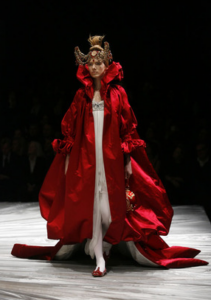
From their first menswear collection to their latest Autumn Winter or Spring Summer lines, every season is eagerly anticipated by the fashion world. Whether you’re drawn to their skull scarf made famous by celebrities like Sarah Jessica Parker and Lady Gaga or captivated by their spectacular runway shows featuring models like Kate Moss, there’s no denying that Alexander McQueen is a titan of design both on the high street and high-end catwalks worldwide.
The Rise of Alexander McQueen: A Designer Brand’s Journey
In the world of fashion, there are few names as iconic as Alexander McQueen. Often, I’m asked, is Alexander McQueen a designer brand? Without hesitation, my answer is always a resounding yes! The journey of this remarkable British designer is a testament to his unparalleled contribution to the fashion industry.
Our story begins with Lee Alexander McQueen, an English fashion prodigy born into a humble family in London. From early on, it was clear that Lee had an innate talent for design. With scissors and fabric being his favorite playthings as a child, he soon embarked on his path to becoming one of the most renowned fashion designers in history.
After working at several high-profile brands including Romeo Gigli and Givenchy (as head designer no less), McQueen launched his own label in 1992. This was where he truly made his mark. His controversial yet innovative designs quickly gained recognition from both critics and celebrities alike - everyone from Sarah Jessica Parker to Lady Gaga was seen flaunting his creations.
McQueen’s death in February 2010 sent shockwaves through the fashion world.
However, under the new creative director Sarah Burton - who had worked closely
with him since 1996 - the brand continued to thrive. One notable piece created
by her includes Kate Middleton’s wedding dress which was widely praised for its
intricate design and craftsmanship.
The success of the Alexander McQueen brand isn’t just about beautiful dresses or avant-garde runway shows though; it’s also about how they’ve been able to successfully market their products such as their now-iconic skull scarf worn by countless celebrities like Kate Moss.
But perhaps one of the biggest indicators of this brand’s status as an international designer powerhouse came when they were named International Designer at British Fashion Awards not once but four times!
As we delve deeper into this extraordinary tale, we can’t overlook another significant milestone - ‘Savage Beauty’, a retrospective exhibition held at New York’s Metropolitan Museum following Mcqueen’s death became one of the top ten most visited exhibitions in the museum’s history showcasing why Alexander Mcqueen is indeed a designer brand worth noting.
Despite all odds and even after losing its founder Lee Mcqueen too soon, the resilience shown by Sarah Burton has ensured that today, whether it be Las Vegas or London – wherever you are – if you’re talking about leading-edge high-end style – You’re definitely mentioning Alexander Mcqueen.
[affiliatable id=‘269625’]
Understanding the Unique Style of Alexander McQueen
When you ask, “Is Alexander McQueen a designer brand?”, you’re tapping into a legacy that’s become legendary in the fashion industry. Alexander McQueen, helmed by creative director Sarah Burton since the untimely death of founder Lee Alexander McQueen, is indeed a powerhouse among international designer brands.
Lee McQueen launched his own label in 1992 after apprenticing with British designers like Romeo Gigli. His unique style quickly caught the attention of the Gucci Group, who appointed him head designer for their line in 1996. However, it was his eponymous brand, Alexander McQueen, where he truly made waves in fashion history.
McQueen’s work was nothing short of revolutionary. From his Autumn/Winter ’95 collection featuring Kate Moss as a hologram to Lady Gaga donning his designs on red carpets and music videos—he pushed barriers at every turn. He was known for dramatic silhouettes and innovative designs that often blurred the lines between art and fashion design.
Following Lee McQueen’s death in February 2010, Sarah Burton took over as chief designer for the Alexander Mcqueen brand. She continued to uphold its reputation as one of Britain’s leading fashion houses while adding her personal touch to each collection she released.
Under Burton’s leadership, there were several notable moments for the brand: Kate Middleton chose an elegant lace wedding dress designed by her for her marriage to Prince Charles, marking another significant milestone for this illustrious house of fashion.
The iconic skull scarf became synonymous with the brand during Burton’s tenure and has been sported by celebrities from Sarah Jessica Parker to Johnny Depp; it remains a bestseller today.
Since its inception decades ago, Alexander Mcqueen has consistently demonstrated an ability to merge avant-garde concepts with wearable high-fashion pieces—a testament not just to its original creator but also to its current creative director’s exceptional talent.
So yes! Without any shadow of a doubt – Alexander Mcqueen is not just a designer brand; it’s an institution within itself that continues shaping global trends season after season - be it Spring/Summer or Autumn/Winter collections.
From being featured prominently at exhibitions at institutions like Victoria & Albert Museum and Metropolitan Museum—the most visited exhibition in the museum’s history—to opening up stores far wide including Las Vegas—this English Fashion House has left indelible marks across all corners of the globe which makes it stand tall amongst other esteemed brands worldwide!
Final Thoughts: Is Alexander McQueen a True Designer Brand?
Having delved deep into the history and philosophy of the Alexander McQueen brand, I can confidently affirm that it is indeed a bona fide designer label. The late Lee Alexander McQueen, from whom the brand takes its name, was an acclaimed British fashion designer who left an indelible mark on the fashion industry.
In conclusion, when you purchase an item from Alexander McQueen, you’re not just buying clothes or accessories – you’re investing in a piece of art borne out of innovative design concepts and meticulous craftsmanship. You’re partaking in a legacy that spans decades within the fashion world - one that has been recognized time and again by institutions such as the Metropolitan Museum (with their record-breaking Savage Beauty exhibition) and Albert Museum (who named Lee International Designer of the Year).
So yes! Without question or doubt, Alexander Mcqueen is truly an admirable designer brand; its influence resonates beyond mere seasonal trends but serves as an inspiration for aspiring fashion designers across the globe.
Other suggested articles:
Unveiling the Elegance of Italian Designer Shirts
Is Tory Burch a Designer Brand?
Is DKNY a Designer Brand? A Look at Donna Karan’s Iconic Fashion House
For over 30 years, Donna Karan has been a prominent figure in the fashion world, establishing herself as a fashion designer with a keen eye for craftsmanship, style, and innovation. The fashion house she founded, Donna Karan New York (DKNY), has become an iconic brand that has stood the test of time. However, the question remains: Is DKNY a designer brand?
What is a Designer Brand?
Before we dive into the history of DKNY and Donna Karan, let’s first define what a designer brand is. A designer brand is a luxury brand that has a high-end and exclusive reputation. Designer brands often use high-quality materials, intricate craftsmanship, and unique designs to create premium products that are not accessible to the general public.
Designer brands are often associated with high-end fashion, but they can also extend to other luxury products, such as watches, perfumes, and handbags. Some well-known designer brands include Louis Vuitton, Ralph Lauren, Christian Dior, and Giorgio Armani.
DKNY’s History
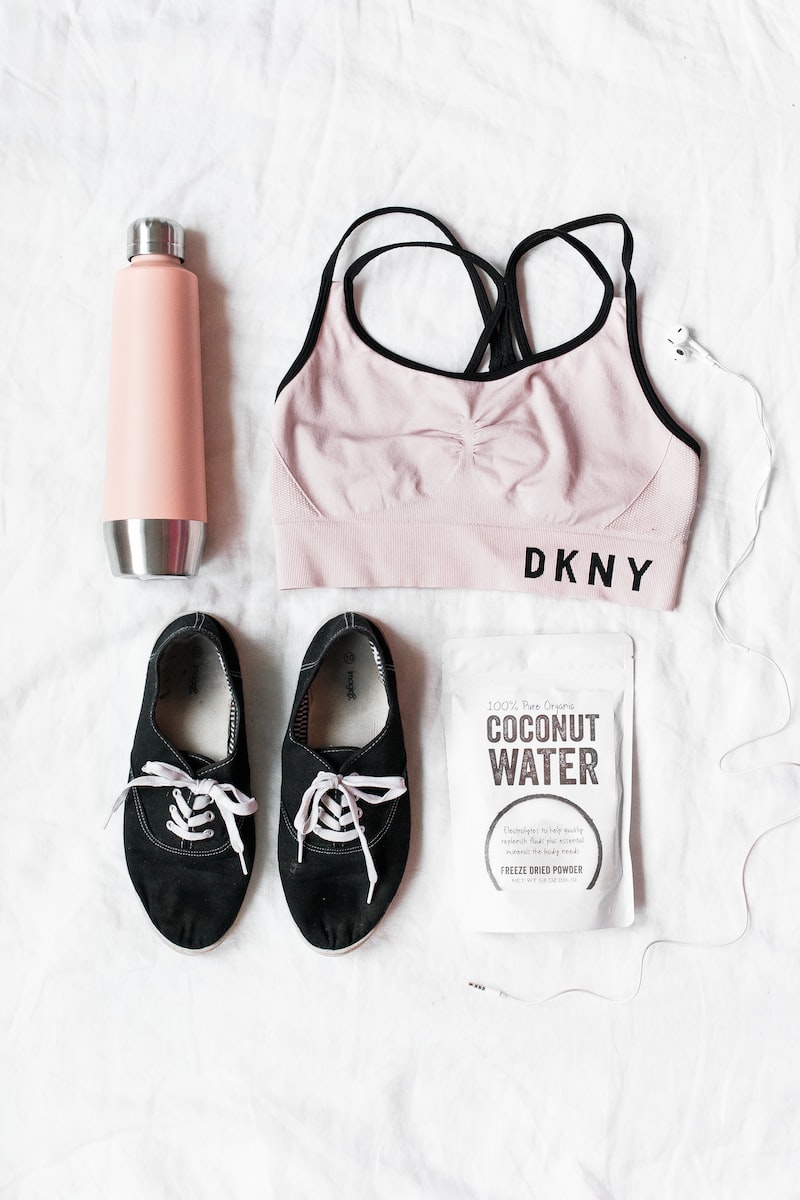
Donna Karan began her career in the fashion industry as an assistant designer at Anne Klein, where she quickly rose through the ranks and eventually became the head designer. However, in 1985, Karan left Anne Klein and founded her eponymous fashion label, Donna Karan New York.
The DKNY brand was founded in 1989, as a more accessible brand that aimed to target a younger demographic. DKNY was designed to be a lifestyle brand, offering everything from premium clothing to handbags and accessories. The brand quickly gained popularity, and by the mid-1990s, DKNY had become a household name.
DKNY Products
The DKNY brand has expanded its offerings over the years, including DKNY Jeans, DKNY Underwear, and DKNY Active. However, the brand’s core products remain its handbags and accessories.
DKNY handbags are known for their high-quality materials, intricate craftsmanship, and unique designs. The brand pays attention to every detail, from the detachable logo chain on the Sutton Tote bag to the adjustable shoulder strap on the Elissa Shoulder bag.
DKNY bags are made from rich sutton leather and cow leather, ensuring that each bag is durable and long-lasting. The brand also offers a range of sizes and styles, from small crossbody bags to large tote bags, ensuring that there is a DKNY bag for every occasion.
[affiliatable id=‘268779’]
Is DKNY a Designer Brand?
So, is DKNY a designer brand? The answer is not straightforward. DKNY is not a traditional designer brand, like Louis Vuitton or Christian Dior, but it is also not a department store brand like Tory Burch or Alexander McQueen. Instead, DKNY is considered an accessible luxury brand.
Accessible luxury brands offer high-quality products at a more affordable price point than true luxury brands. DKNY’s prices are higher than most department store brands, but lower than the prices of more luxurious brands. This makes DKNY a more accessible brand that offers high-quality products without breaking the bank.
However, DKNY does offer some designer-level products, such as its premium clothing line and high-end handbags. These products are made from high-quality materials and feature intricate craftsmanship, making them more akin to true luxury brands.
DKNY’s collaborations with other luxury brands, such as Louis Vuitton Moet Hennessy, also indicate that the brand is seen as a more accessible luxury brand. These collaborations allow DKNY to tap into the luxury market without alienating its core customer base.
Why DKNY is a Good Brand
Regardless of whether DKNY is considered a designer brand or an accessible luxury brand, there is no denying that the brand is well-loved by its customers. Here are a few reasons why DKNY is a good brand:
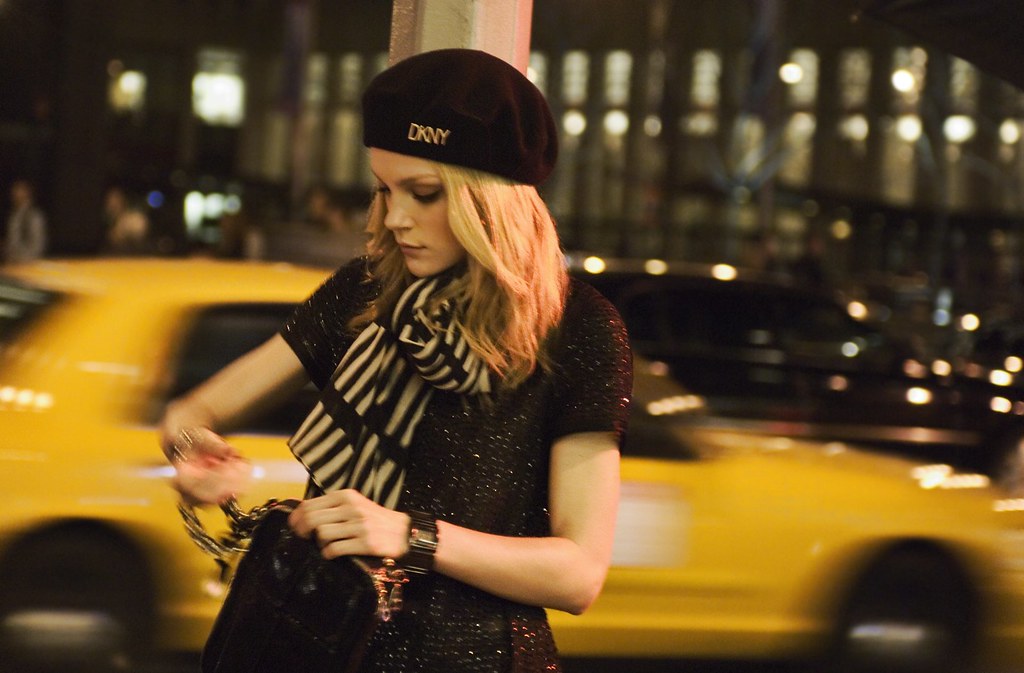
- Attention to Detail: As mentioned earlier, DKNY pays attention to every detail in its products, ensuring that each item is of high quality and built to last.
- Range of Products: DKNY is a full lifestyle brand that offers a range of products, from premium clothing to handbags and accessories. This ensures that there is something for everyone in the DKNY lineup.
- Innovation: DKNY is always pushing the boundaries of fashion and design, with its products featuring unique designs and materials that set them apart from other brands.
- Accessibility: DKNY’s products are accessible to a wide range of customers, thanks to its more affordable price point.
- Donna Karan Legacy: Donna Karan is a well-respected fashion designer who has left her mark on the industry. Her legacy is evident in the craftsmanship and attention to detail that is found in DKNY’s products.
DKNY Brand Logo
The DKNY brand logo is an iconic symbol that has become synonymous with the brand. The logo features the letters “DKNY” in bold, black letters, with a red line running through the middle of the letters “DKNY”. The logo is simple yet eye-catching, and it has become instantly recognizable to customers around the world.
The Future of DKNY
Donna Karan International, the parent company of DKNY, was sold to luxury brand G-III Apparel Group in 2016. Since then, the brand has undergone some changes, with a new head designer, Donna Ivy Faske, taking over the reins.
DKNY continues to showcase its collections at New York Fashion Week, with its latest collections featuring a mix of classic designs and innovative new looks. The brand also continues to expand its offerings, with new products like the DKNY Kids line.
Despite the changes, one thing remains constant: DKNY’s commitment to offering high-quality products at an affordable price point. Whether you consider DKNY a designer brand or an accessible luxury brand, there is no denying that the brand has earned its place in the fashion world.
Conclusion: Is DKNY a Designer Brand?
While there may be debate about whether DKNY is a designer brand or an accessible luxury brand, one thing is clear: the brand is a good brand. DKNY’s products are well-made, innovative, and accessible to a wide range of customers. The brand has a rich history and legacy, with Donna Karan’s influence still felt in the craftsmanship and attention to detail found in DKNY’s products. With a new head designer and a continued commitment to offering high-quality products at an affordable price point, DKNY is poised for continued success in the fashion world. Whether you’re in the market for a premium handbag or a stylish piece of clothing, DKNY is a brand worth considering.
Is Michael Kors a Designer Brand?
Is Michael Kors a Designer Brand? Michael Kors is a fashion brand that is widely known for its luxury products. It was founded by Karl Anderson Jr., who changed his name to Michael Kors, in 1981. The brand offers a wide range of products, from handbags to clothing and accessories. Over the years, Michael Kors has become one of the most popular and successful American designer brands. However, there is an ongoing debate about whether Michael Kors is a designer brand or not. In this blog post, we will explore the history of Michael Kors, the characteristics of a designer brand, and analyze whether Michael Kors fits into this category.
What is a Designer Brand?
Before we delve into the history of Michael Kors, it is important to understand what a designer brand is. Designer brands are known for their unique and distinctive designs, high-quality materials, and high price tags. They are often associated with luxury, exclusivity, and status. Some of the top designer brands include Louis Vuitton, Bottega Veneta, Ralph Lauren, and Tory Burch.
Michael Kors Brand History
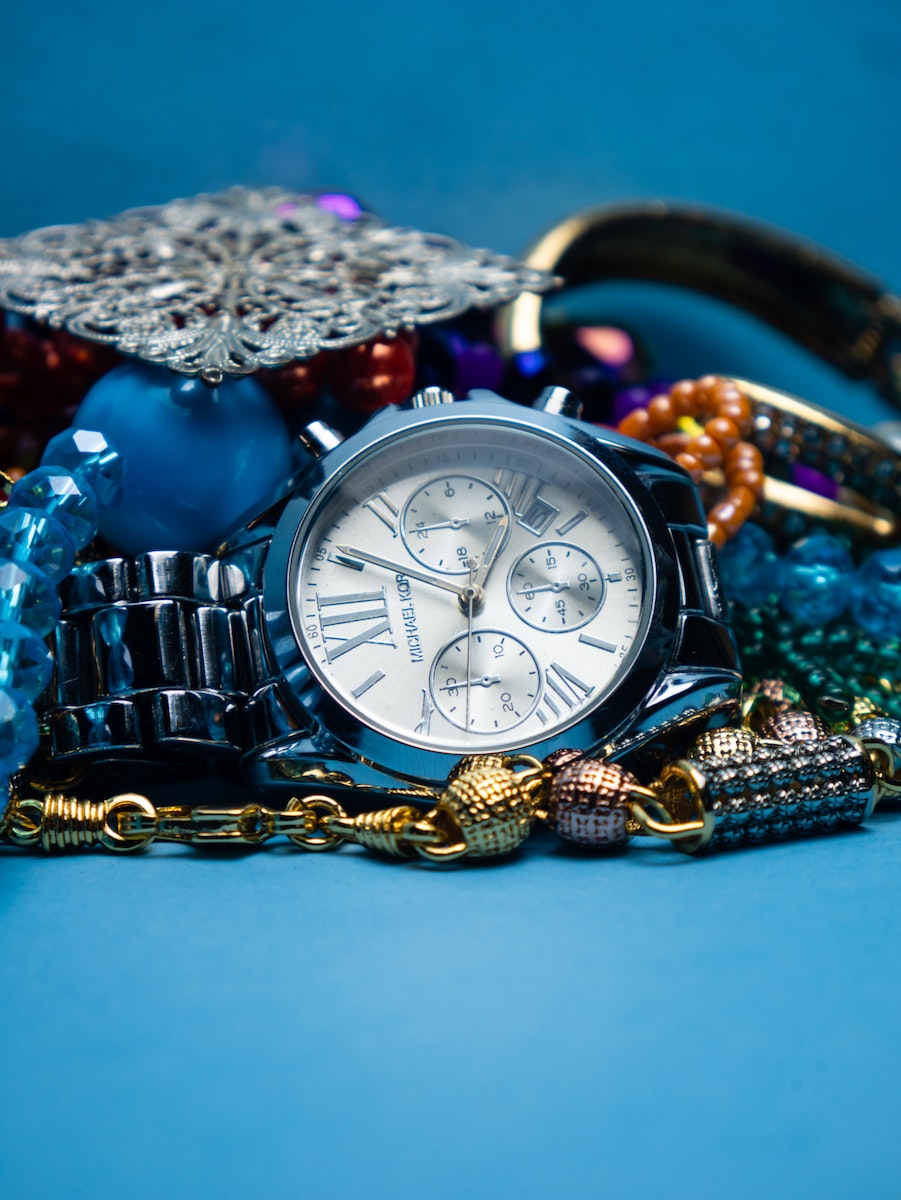
Michael Kors was born Karl Anderson Jr. in Long Island, New York. He changed his name to Michael Kors at the age of 19. After studying at the Fashion Institute of Technology in New York, Kors started selling clothes at a French boutique called Lothar’s. In 1981, he launched his own brand, which quickly gained popularity in the fashion world. Michael Kors made his debut at New York Fashion Week in 1984, and his brand has been a fixture in the fashion scene ever since.
Michael Kors Products
Michael Kors offers a wide range of products, including handbags, clothing, shoes, and accessories. The brand is known for its stylish handbags, which are often seen on the arms of celebrities like Kate Hudson and Jennifer Lopez. Michael Kors handbags come in a variety of styles, from totes to crossbody bags, and are made from high-quality materials. The brand’s clothing and accessories are also popular among fashion-conscious consumers. Michael Kors items are sold at high-end department stores like Saks Fifth Avenue and Neiman Marcus, as well as on the brand’s website.
[affiliatable id=‘269910’]
Michael Kors Brand Reception
Michael Kors is a popular brand that is well-received by consumers and fashion critics alike. The brand has a strong presence in the fashion industry and is often seen on the red carpet. Celebrities like Michelle Obama and Taylor Swift have been spotted wearing Michael Kors pieces, further increasing the brand’s popularity. Michael Kors has also been featured on the hit TV show Project Runway, where Kors served as a judge for 10 seasons.
Is Michael Kors a Designer Brand?
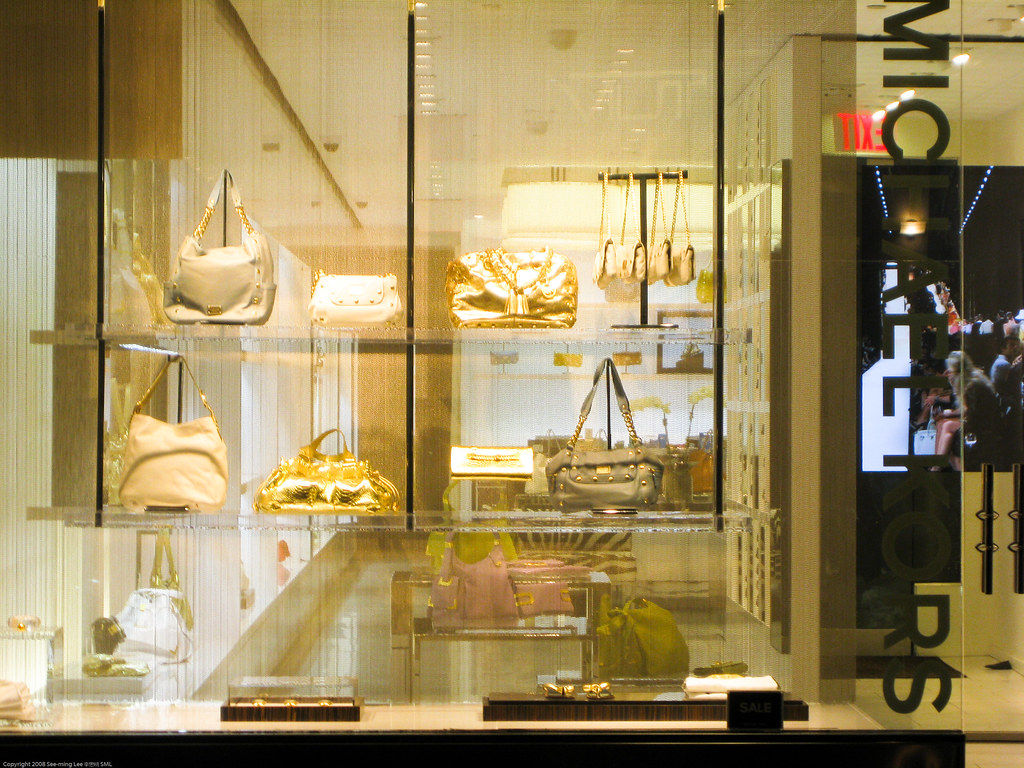
Now, the question remains: is Michael Kors a designer brand? The answer is not straightforward. While Michael Kors is known for its luxury products and high-quality materials, it is not considered a true luxury brand like Louis Vuitton or Bottega Veneta. Michael Kors is often referred to as an affordable luxury brand, which means that its products are priced lower than those of other luxury brands but still offer good quality and stylish designs.
Michael Kors Collection Label
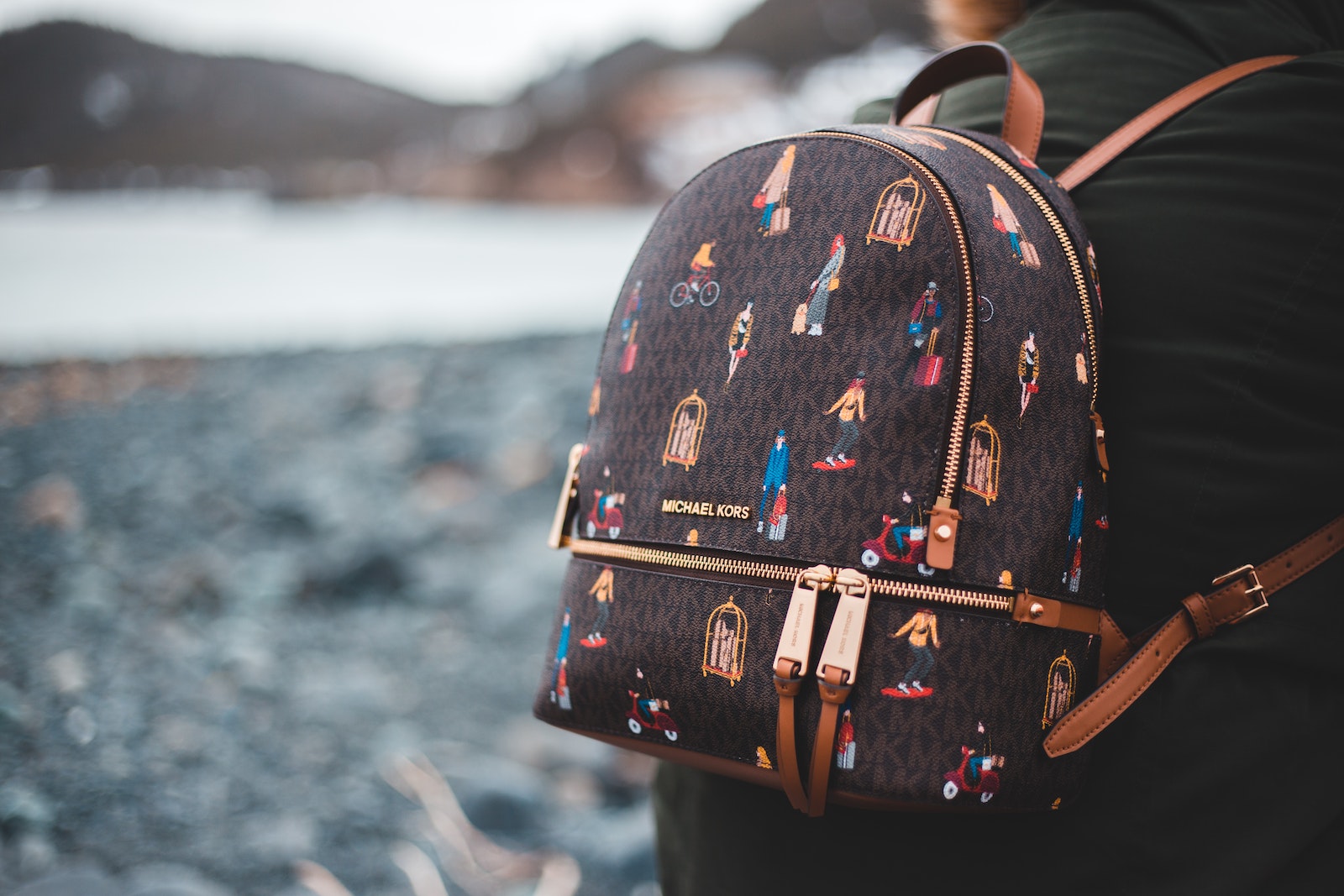
However, Michael Kors does have a higher-end line called the Michael Kors Collection label, which features limited edition bags and more expensive pieces. This line is sold at select department stores and on the Michael Kors website. The Michael Kors Collection label is often compared to other luxury brands like Ralph Lauren and Tory Burch, but it is still not considered a true luxury brand.
Target Market and Personal Style
Michael Kors’ target market is often described as the fashion-conscious consumer who wants to look stylish without breaking the bank. The brand is also known for its personal style, which is often described as sporty and glamorous. Michael Kors’ designs have a classic feel with modern touches, making them perfect for the everyday wardrobe.
Final Thoughts: Is Michael Kors a Designer Brand?
In conclusion, it can be said that Michael Kors does not fit into the category of a true designer brand like Louis Vuitton or Bottega Veneta. However, it does have a more luxurious line called the Michael Kors Collection label, which offers higher-end products at select stores. The brand is popular with fashion-conscious consumers who appreciate its style and affordability. Whether or not you consider Michael Kors to be a designer brand comes down to personal preference. Ultimately, it is up to the consumer to decide.
Is Bulova a Luxury Brand?
Are you one of the many people asking: Is Bulova a luxury brand? If you are, then keep on reading to find out!
Bulova is an American luxury watch brand that was established in 1875 by Joseph Bulova. The brand is known for its innovative technology, precision engineering and sleek design. Over the years, Bulova has earned a reputation for creating high-end timepieces that combine style, craftsmanship and technology. With a long and rich history of producing premium quality watches, Bulova has established itself as a leading name in the luxury watch industry.
Bulova: Unveiling Luxury in Timepieces
When it comes to horology, few names command the respect and admiration that Bulova does. The question that often arises in discussions is, “Is Bulova a luxury brand?” The answer, however, is not as straightforward as one might think. Bulova has managed to carve out a unique place in the world of watches, blending elements of luxury and high-quality craftsmanship into its timepieces.
Bulova is considered to be a high-quality brand, with a history dating back to the late 19th century. The brand’s commitment to precision and innovation has earned it a reputation that’s synonymous with reliability. Its timepieces, adorned with intricately designed diamond dials, reflect a meticulous attention to detail that places them in a category of their own.
Often referred to as an entry-level luxury brand, Bulova offers a range of timepieces that straddle the line between opulence and accessibility. These watches embody the essence of luxury, making them attainable to a wider audience of enthusiasts. However, opinions about whether Bulova qualifies as a luxury watch brand can vary.
While some consider Bulova a luxury brand due to its premium materials, exquisite craftsmanship, and timeless designs, others argue that it doesn’t fit the traditional mold of high-end watchmakers. The distinction between luxury and accessible luxury can be subtle, and Bulova’s positioning falls into the latter category for some watch aficionados.
In the world of haute horlogerie, where exclusivity and heritage often define luxury, Bulova’s stance as a brand that combines quality with accessibility sets it apart. Its extensive product range caters to various preferences and occasions, offering both classic and contemporary designs that cater to diverse tastes.
Is Bulova a Luxury Brand?
So, is Bulova a luxury brand? Bulova is considered a luxury brand in the sense that it offers high-end timepieces with premium materials, intricate design, and advanced technology. The brand has a long history of producing innovative watches and is known for its precision engineering and elegant design. The Bulova watch company focus on quality and attention to detail has helped it establish a reputation for producing luxury watches that are both functional and stylish.
In terms of market positioning, Bulova falls into the category of “accessible luxury” – offering products that are more affordable than the top-tier luxury brands, while still maintaining a level of quality and craftsmanship that is associated with luxury. The brand’s watches are often more affordable than comparable timepieces from other luxury brands, making them a more accessible option for those who are looking to purchase a luxury watch but don’t want to spend a large amount of money.
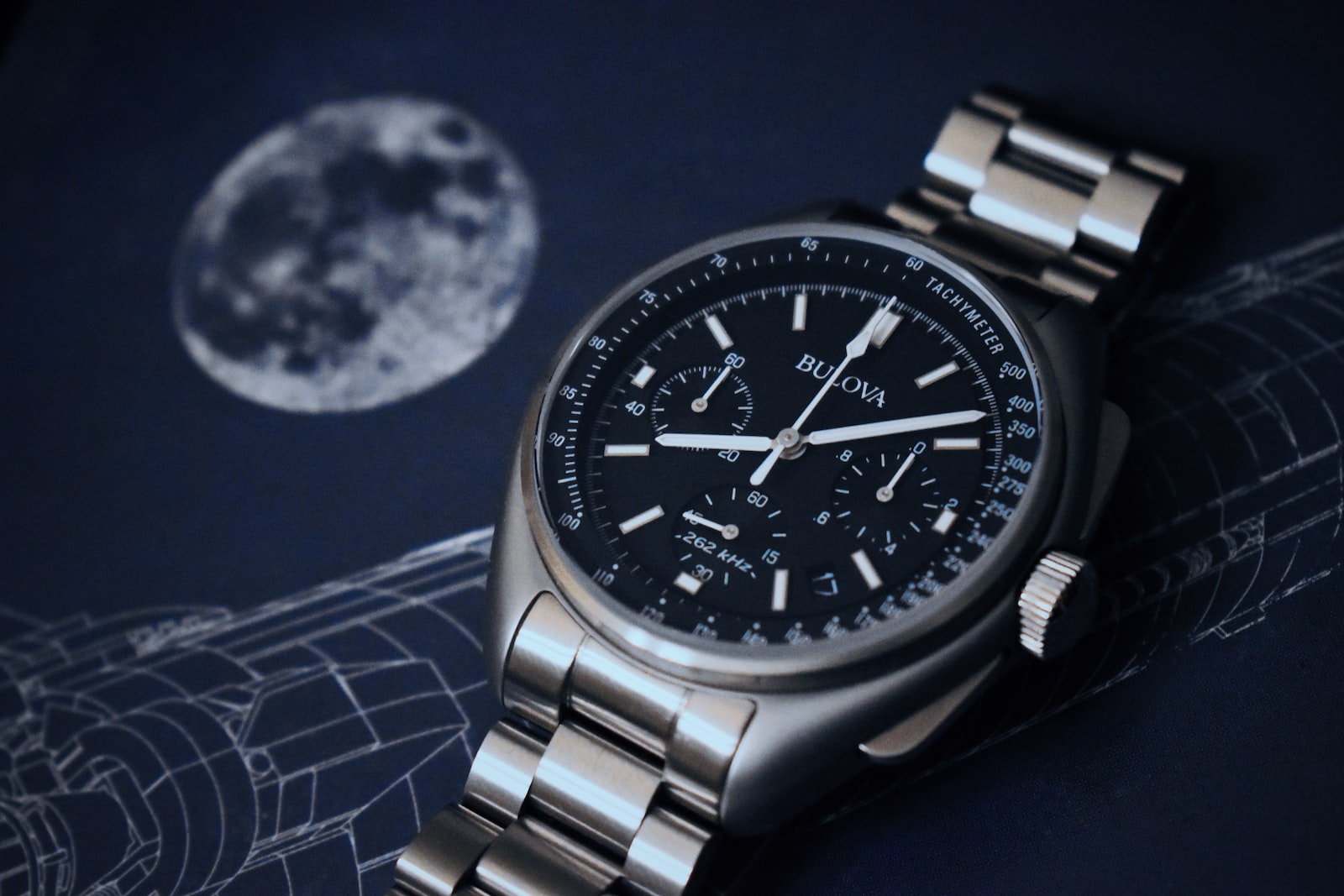
It’s worth noting that not all Bulova watches are considered luxury. The brand offers a range of products at different price points, with some models geared towards a more affordable market segment, and others positioned as luxury products. So, the answer to whether Bulova is a luxury brand ultimately depends on the specific product and collection being considered.
Bulova offers a range of timepieces, with some models considered luxury watches due to their quality, craftsmanship, and price point.
Is Bulova a Famous Brand?
Yes, Bulova is a well-known brand, particularly in the United States. The company has a long history dating back to 1875 and has established a reputation for producing high-quality, innovative stainless steel timepieces. Over the years, Bulova has been known for its precision engineering, elegant design, and attention to detail, which has helped it earn a place among the leading names in the watch industry.
While Bulova may not be as widely recognized as some of the more established luxury watch brands like Rolex, Omega, or Patek Philippe, the brand is still considered a household name in many countries and has a strong following among watch enthusiasts. Additionally, Bulova has a strong presence in the advertising, marketing and brand awareness world, with many high-profile collaborations and partnerships that have helped to increase the brand’s visibility and recognition.
[affiliatable id=‘268922’]
Who Owns Bulova?
Bulova is currently owned by Citizen Watch Company, a Japanese company that is one of the largest watch manufacturers in the world. Citizen acquired Bulova company in 2008, and since then, the two brands have been operating under the same corporate umbrella. Citizen is known for its innovative technology and commitment to quality, which has helped it establish itself as a leading name in the watch industry. With the acquisition of Bulova, Citizen has been able to expand its portfolio to include premium and luxury watches, as well as increase its reach and presence in international markets.
Is Bulova Worth It?
Whether or not Bulova is worth it depends on a variety of factors, including personal taste, needs, and budget. Here are some points to consider:
- Quality: Bulova is known for producing high-quality, precision-engineered timepieces including Bulova Marine Star and Bulova Lunar Pilot. The brand uses premium materials and advanced technology to create watches that are both functional and stylish.
- Price: Bulova offers a range of products at different price points, with some models positioned as luxury watches, and others more affordably priced. The brand’s products are generally considered more accessible than comparable timepieces from other luxury brands, making them a good option for those who are looking for a luxury watch but don’t want to spend a large amount of money.
- Style: Bulova brand is known for its sleek and elegant design with its unique quartz movement, which has helped it establish a reputation as a leading name in the watch industry. Whether you prefer a classic, minimalist style or a more modern, high-tech look, Bulova has something to offer.
- Brand reputation: Bulova has a long and rich history of producing high-quality, innovative timepieces. The brand is known for its precision engineering, attention to detail, and focus on quality, which has helped it establish a reputation as a leading name in the watch industry.
You might also want to check out Balenciaga vs Gucci: A Tale of Two Fashion Houses
Ultimately, whether or not Bulova is worth it depends on your individual needs and refined lifestyle preferences. If you’re looking for a high-quality without the hefty price tag, well-designed watch that offers good value for money and looks good on your dress watch, then Bulova may be worth considering. Just be sure not to fall for a fake Bulova watch. However, if you’re looking for a top-tier luxury brand with a more established reputation, then you may want to consider other options.
Other suggested articles:
Tips on How to Keep My Rolex in Good Condition
Italian Sportswear Brands: Top Choices for Style and Performance
Italy, a country synonymous with fashion, extends its sartorial expertise to the realm of sportswear. Italian sportswear brands have long been celebrated for their ability to blend elegance with functionality, crafting pieces that don’t just perform on the field but also turn heads off it. From the bustling streets of Milan to the serene landscapes of Tuscany, these brands capture the essence of Italian craftsmanship, offering a perfect mix of style and performance.
As an enthusiast of athletic fashion, I’ve always been fascinated by how Italian sportswear brands manage to maintain their iconic style while meeting the demands of modern athletes. Whether you’re looking for gear that enhances your performance or simply want to add a touch of Italian flair to your wardrobe, these brands offer something for everyone. Join me as we explore the top Italian sportswear brands that have redefined athletic fashion with their innovative designs and timeless appeal.
History of Italian Sportswear Brands
Italian sportswear brands possess a rich history shaped by innovation, tradition, and Italian style. Italy’s renowned for its fashion legacy, extending to the sportswear industry, where elegance meets performance. In the late 1940s, brands like Diadora emerged, gaining a foothold by crafting durable and stylish sportswear. With over 70 years of experience, Diadora is synonymous with quality and craftsmanship. As casual culture developed, fans grew fond of Italian brands that promised both functionality and sophistication.
Diversity defines Italian sportswear brands, each city contributing to its unique identity and heritage. While Juventus in Turin aligns with Kappa, other brands like Macron in Bologna and Erreà in Parma emphasize regional distinction. The combination of city and brand plays a crucial role in shaping each brand’s legacy, blending tradition with innovative designs.
Sportswear brands from Italy are highly regarded for their exceptional quality and style, contrasting foreign brands with their distinct focus on the art of design and details. In recent years, they have gained global recognition through fashionable sports apparel that appeals to both professional athletes and casual enthusiasts. While some brands, like Fendi and Gucci, originate from Italian high fashion, others focus solely on sports to showcase versatility in design.
Italian sportswear brands continue to influence the world of sports fashion by combining tradition and innovation. They remain at the forefront of the market, emphasizing performance and materials while maintaining the elegance and style that Italy is famous for.
Iconic Italian Sportswear Brands
Italian sportswear brands have a long legacy of integrating elegance with high performance, setting them apart in the global fashion scene. These brands maintain a unique identity while influencing the sportswear industry with their innovative designs and enduring appeal.
Contributions to Global Fashion
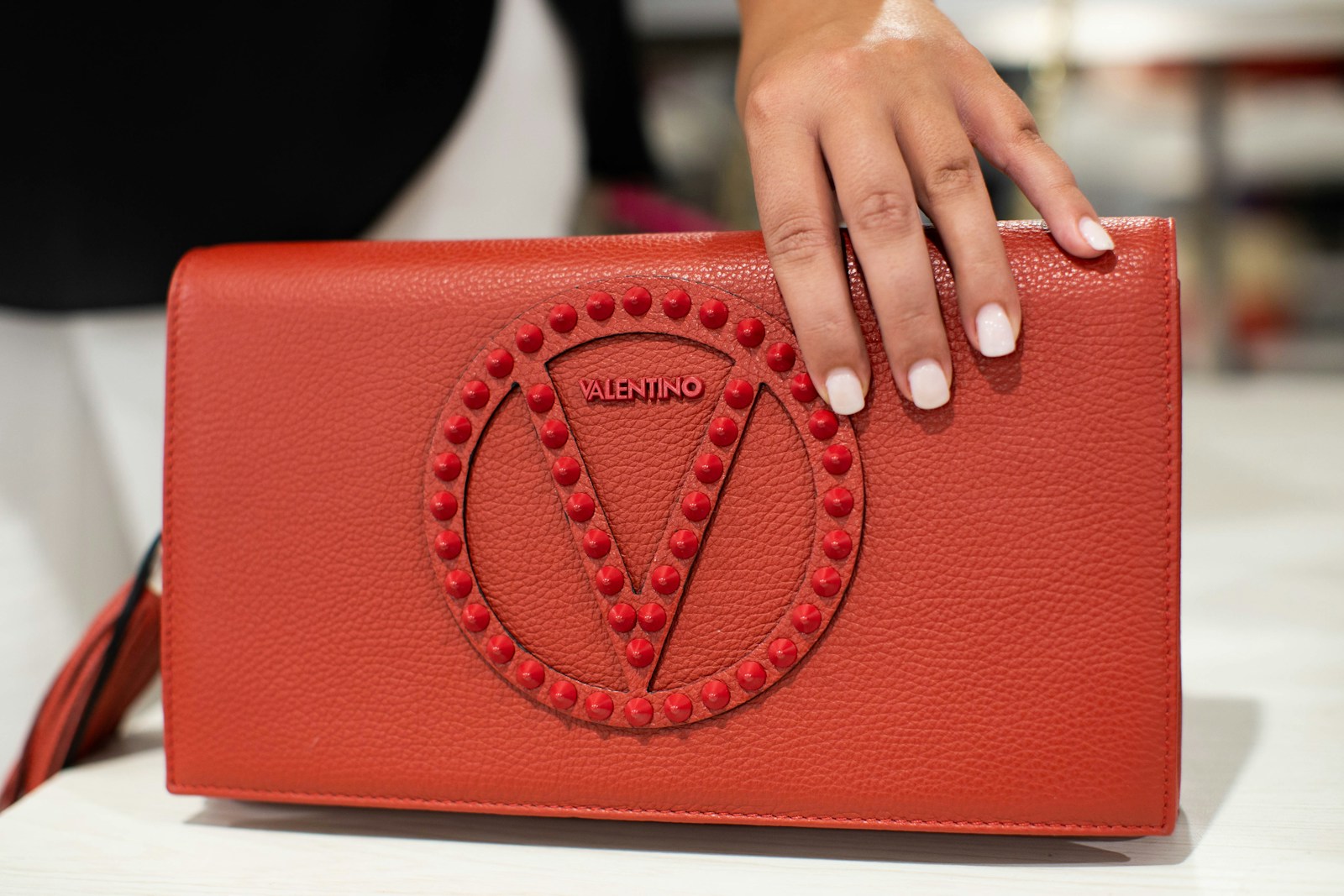
Italian sportswear brands have reshaped global fashion, merging function with unmistakable Italian style. Diadora, with its origins in the late 1940s, exemplifies this by blending durability with refined craftsmanship. Valentino’s sophisticated designs are favored globally, highlighting Valentino Red and floral embroidery as iconic elements that grace red carpets.
In the world of professional sports, Kappa holds a significant place, notably
with its sponsorship of Juventus football team. Kappa brings Turin’s distinct
flair to its sports apparel, balancing tradition with innovation. Bologna’s
Macron offers advanced sportswear technology for teams and athletes. Its quality
apparel supports high performance, gaining respect among professional athletes.
Another brand, Fendi Rome, started in the 1920s and transformed luxury sports
fashion with its signature FF logo and innovative materials, influencing high
fashion. Stone Island, rooted in Modena, reshapes the sportswear industry with
its focus on tactile materials and unique dyeing processes. From tennis to
basketball, Italian sportswear brands continue setting trends and meeting modern
athletes’ demands.
Key Characteristics of Italian Sportswear
Italian sportswear harmonizes timeless elegance with cutting-edge technology. The seamless blend of aesthetics and function ensures Italian sportswear brands stand out in the sportswear industry.
Quality and Craftsmanship
The hallmark of Italian sportswear lies in its impeccable quality and craftsmanship. Italian brands like Diadora and Erreà from Parma are known for their meticulous attention to detail and superior materials. Whether crafting sportswear or footwear, Italy’s reputation for quality ensures products don’t just perform well, but also endure the test of time. The heritage ingrained in these cities plays a crucial role in maintaining high standards, positioning them as leading Italian sportswear brands globally.
Innovation and Design
Italian sportswear brands prioritize innovation and design to stay ahead in the competitive market. Massimo Osti’s Stone Island in Modena stands out for its unique fabric treatments and temperature-sensitive materials that change color. This innovativeness exemplifies how Italian fashion transcends traditional boundaries, introducing cutting-edge technology in sportswear. Italian style remains at the forefront, driving global fashion trends and merging high fashion with functionality. Brands like Sergio Tacchini, renowned for their tennis apparel, showcase the blend of sporty elegance that has gained popularity among professional athletes and casual enthusiasts alike.
Popular Italian Sportswear Brands
Italian sportswear brands epitomize the fusion of Italian style and top-tier performance. Their rich histories showcase a commitment to quality and elegance in athletic wear.
Notable Brands and Their Histories
Italian sports brands like Diadora, Kappa, and Macron are steeped in history. Diadora, founded in 1948 in Treviso, blends craftsmanship with durability, making its mark globally with tennis and running shoes. It stands as a symbol of the meticulous attention to detail and quality found in Italian sportswear.
Kappa, established in Turin, is renowned for its distinctive logo and strong ties with football. Sponsoring the Juventus football team, Kappa demonstrates its commitment to merging function and Italian style, solidifying its presence as a leading Italian sportswear brand.
Macron, headquartered in Bologna, has gained respect for its advanced sportswear technology. Gaining traction in recent years, it supplies apparel to many clubs and professional athletes, ensuring quality and performance are paramount in its designs.
Stone Island, known for innovative materials and unique fabric treatments, was founded by Massimo Osti in 1982 in Modena. Its focus on modern textiles and transformation in sports fashion sets it apart, illustrating how Italian sportswear thrives on innovation and style.
Parma-based Erreà is recognized for its commitment to sustainable practices and superior sporting clothes. It delivers exceptional sportswear, with its eco-friendly approach gaining popularity among athletes.
These iconic brands collectively contribute to Italy’s prestigious reputation in the sportswear industry, maintaining the legacy of Italian elegance, tradition, and cutting-edge innovation.
Impact on Athletic Performance
Italian sportswear brands excel in enhancing athletic performance. They blend style and technology to create sportswear that supports athletes in achieving their best. Every detail in their clothing, from fabric selection to stitching, contributes to improved mobility and comfort. High-performance materials like moisture-wicking fabrics and breathable textiles help athletes stay cool and dry during intense sessions.
Kappa and Macron, leading Italian sportswear brands, provide gear that’s integral to a football team’s success. Juventus Kappa illustrates how tailored apparel enhances performance by offering dynamic support during matches. Macron’s innovation in sports technology is crucial for creating gear that withstands rigorous sports conditions, boosting professional athletes’ performance.
Stone Island, known for its experimental fabric treatments, influences not just style but also functionality. The advanced materials used in their activewear adjust to environmental changes, potentially improving endurance and reducing fatigue. This combination of Italian style and cutting-edge technology sets Italian brands apart in the sportswear industry, ensuring athletes can perform at peak levels.
Italian sportswear brands have truly mastered the art of blending elegance with performance. Their commitment to quality craftsmanship and innovative design sets them apart in the global market. From Diadora’s rich history to Stone Island’s cutting-edge materials, these brands continue to redefine athletic fashion. Whether you’re a professional athlete or a casual enthusiast, Italian sportswear offers a unique fusion of style and functionality that’s hard to match. As we look to the future, it’s clear that these brands will remain influential, inspiring new trends while honoring their storied traditions.
Italian sportswear brands offer a perfect blend of style, performance, and craftsmanship, making them a top choice for athletes and fashion enthusiasts alike. Whether you’re looking to enhance your athletic wardrobe or simply appreciate Italian design, these brands deliver on all fronts. For more inspiration, explore our guides on glassware for your home bar, handmade rugs, and the benefits of yoga. Dive into styling tips with our article on how to style a monochrome outfit or discover the art of crafting the perfect martini. There’s always more to explore when refining your lifestyle!
Frequently Asked Questions
What makes Italian sportswear brands unique?
Italian sportswear brands stand out for their blend of timeless elegance and cutting-edge technology. These brands focus on impeccable quality and craftsmanship, often using superior materials and innovative fabric treatments. Each city in Italy contributes to a brand’s unique identity, such as Kappa from Turin and Macron from Bologna, resulting in apparel that appeals to both professional athletes and casual enthusiasts. This combination of style, performance, and innovation helps maintain their prestigious reputation in the sportswear industry.
Which Italian sportswear brands are most recognized globally?
Some of the most recognized Italian sportswear brands include Diadora, Kappa, Macron, Stone Island, and Erreà. Diadora is known for its craftsmanship in tennis and running shoes, while Kappa is famous for its strong ties to football. Macron is celebrated for advanced sportswear technology, Stone Island for its innovative materials, and Erreà for sustainable practices. These brands are globally respected for their quality and contribution to the sports fashion industry.
How do Italian sportswear brands enhance athletic performance?
Italian sportswear brands excel by using high-performance materials such as moisture-wicking fabrics and breathable textiles, improving mobility and comfort during intense activities. Brands like Kappa and Macron offer tailored apparel supporting football teams, while Stone Island’s experimental fabric treatments focus on functionality and endurance. This blend of style and technology ensures athletes can perform at their peak, setting Italian sportswear brands apart from others.
What are some key characteristics of Italian sportswear?
Italian sportswear is defined by its harmonious mix of elegance and innovative technology. Key characteristics include the use of high-quality materials, meticulous attention to detail, and a commitment to integrating fashion with functionality. Brands emphasize both traditional craftsmanship and modern advancements, resulting in sportswear that is stylish yet performance-driven, catering to a global audience of athletes and fashion enthusiasts alike.
How have Italian sportswear brands influenced global fashion?
Italian sportswear brands have significantly influenced global fashion by combining functional athletic wear with unmistakable Italian style. By merging traditional craftsmanship with innovative design, these brands have set trends in both high fashion and sports performance apparel. Notably, brands like Fendi and Stone Island have made transformative impacts with luxury sportswear and unique materials, showcasing how Italy continues to shape the sports fashion landscape worldwide.
Is Celine a Designer Brand? Unraveling the Luxury Fashion Mystique
Is Celine a designer brand? Absolutely, and it’s not just any designer brand. Celine is a renowned French fashion house that has been making waves in the world of luxury brands for decades. The Celine brand has carved out an impressive position in the competitive landscape of high fashion, standing shoulder to shoulder with heavyweights like Louis Vuitton, Michael Kors, Chanel and Christian Dior.
The story of Celine starts with its founder, Céline Vipiana, who began her journey in 1945 by creating made-to-measure children’s shoes. With an emphasis on practical clothing and leather goods for the everyday woman – think wool skirt suits and chic leather vests – she quickly expanded into women’s ready-to-wear fashion. Under her guidance, the brand became synonymous with a unique style that blends a minimalist aesthetic with sophisticated tailoring.
Fast forward to today, and you’ll find that Celine bags, such as the iconic Luggage Tote and Trapeze bag have become must-have items in every fashionista’s closet. These designer handbags are crafted from the highest quality materials like lizard skin which reflects their high resale value due to their craftsmanship and timeless appeal. From Phoebe Philo’s tenure as creative director emphasizing personal style to Hedi Slimane’s indie rock-inspired collections; both have added layers of richness to this French Luxury Fashion House’s history.
Unveiling the Legacy of Celine: A Designer Brand
Yes, Celine is a designer brand. It’s one of the top fashion houses in France and is globally recognized for its sophisticated aesthetic. Known primarily for its luxury handbags and leather goods, it continues to dominate the world of high-end fashion.
Founded in 1945 by Céline Vipiana as a made-to-measure children’s shoe boutique in Paris, this French Fashion House has come a long way. By the 1960s, it had expanded into women’s ready-to-wear fashion and leather accessories. It wasn’t just any expansion though; it marked Celine’s entry into the elite club of luxury brands.
When we speak about iconic handbags, one cannot overlook the most famous Celine
bag, the Luggage Tote. This bag became hugely successful due to its unique style
and highest quality materials used in production - often exotic leathers like
lizard skin! The practicality paired with elegant design also helped boost its
popularity among everyday women who yearned for practical clothing without
compromising on style.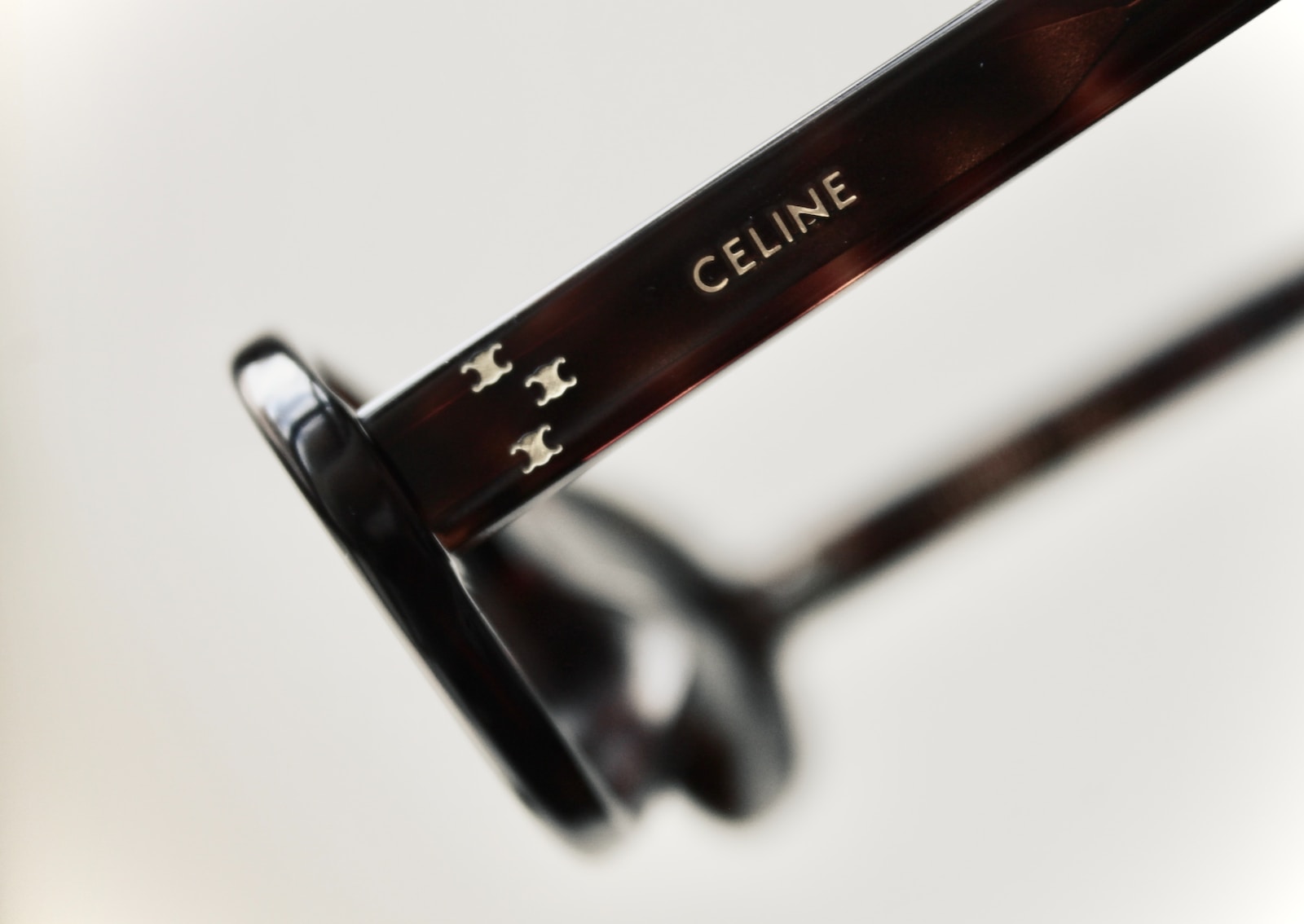
In terms of leadership, there have been notable figures at Celine steering its course through an ever-changing fashion world. Phoebe Philo brought forth a minimalist aesthetic when she was appointed creative director from 2008 to 2018
- a period many regard as golden years for Celine.
Then came Hedi Slimane who shook things up when he took over from Philo - changing both Celine’s logo and direction toward indie rock-inspired looks complete with slim-fit leather vests and wool skirt suits – much to some fans’ dismay but also attracting new followers to brand.
The rich history of this brand doesn’t stop there though! In fact, you’ll find that Celine is part of LVMH Group, which happens to be one of the largest luxury conglomerates worldwide hosting other renowned names such as Louis Vuitton, Christian Dior and Marc Jacobs among others.
As part of this group under Bernard Arnault’s command since 1987 (who bought it from Vipiana’s husband Richard), they’ve managed to uphold their distinct identity while benefiting from synergy with these other amazing brands within their portfolio.
For those wondering about Chanel bags or comparing Michael Kors vs Céline or even Dior quality against theirs – remember every brand brings something different to the table. Each has their own personal style influenced by various creative directors throughout time creating diverse offerings in the market today!
So next time you’re eyeing that luxury bag whether it be Chanel Bag or Lady Dior or even a Saint Laurent number- don’t forget about checking out what Céline collection has on offer too! You might just find your dream designer handbag waiting right there.
[affiliatable id=‘269688’]
The Artistic Influence Behind Celine’s Fashion
Diving into the world of fashion, I can’t help but acknowledge the significant impact of Celine, a top-tier luxury French fashion house. Founded in 1945 by Céline Vipiana, this brand set out as a made-to-measure children’s shoe business. But it wasn’t long before its sophisticated aesthetic evolved, placing it firmly among prestigious designer brands.
The evolution of the Celine brand is an intriguing tale. In 1960, both Celine and her husband Richard decided to expand their brand repertoire to include women’s ready-to-wear fashion and leather goods. They introduced luxury handbags that quickly became iconic in the fashion industry due to their unique style and highest-quality materials.
In the late ’90s, after being acquired by the LVMH group - a luxury conglomerate led by Bernard Arnault - things took an exciting turn for this French luxury label when Michael Kors was appointed creative director. His tenure brought about unprecedented success for the brand; however, it was during Phoebe Philo’s reign as creative director that most Celine bags reached cult status.
Philo revitalized Celine with her minimalist aesthetic, making practical clothing chic again and introducing some of the most sought-after bags like luggage totes and phantom bags. Her designs catered perfectly to everyday women who valued both style and functionality.
Under Hedi Slimane’s leadership since 2018 (formerly at Saint Laurent), we’ve seen another transformation within this powerhouse brand. Slimane’s indie rock-inspired collections have been met with mixed reviews yet high demand; his vision introduces edgier elements while honoring Vipiana’s legacy of delivering functional yet luxurious pieces.
Here are some noteworthy facts about key influences on Céline:
-
Michael Kors (1997-2004): Introduced jet-set sportswear-inspired collections.
-
Phoebe Philo (2008-2018): Elevated minimalism; created cult-favorite bags such as luggage totes.
-
Hedi Slimane (2018-present): Brought rock’n’roll influence; expanded menswear line.
When it comes down to whether or not Céline is considered a designer brand: Yes! It indisputably holds its place among other esteemed fashion houses such as Chanel, Louis Vuitton, Marc Jacobs,and Christian Dior. Their handcrafted leather bags - be it lizard skin or calfskin - rival those from any top-tier designer label in terms of both design aesthetics and resale value.
In essence, the artistic influence behind Celine’s Fashion is a testament to its rich history, a combination of high-profile creative directors pushing boundaries while preserving its founding principles: creating practical yet stylish designs using only premium materials. It’s clear why each new collection continues to be highly anticipated in today’s dynamic fashion world – because they always deliver!
Final Thoughts - Is Celine a Designer Brand?
Celine, without a doubt, is indeed a designer brand. This French fashion house has solidified its place in the fashion world with its sophisticated aesthetic and luxurious goods. The Celine brand’s rich history and evolution have only added to its status as a luxury French fashion house.
Looking back at its journey from Monte Carlo where it originally set up shop to becoming part of one of the biggest names in retail–LVMH Group–you can say that yes, unequivocally so: ‘Is Celine a designer brand?’ Absolutely!
In conclusion, diving deep into any discussion about whether or not ‘is Celine a designer brand’ can bring forth various perspectives depending on individual experiences with this iconic label. But I believe most will agree: when you think about sophistication combined with practicality wrapped up into unique designs made from luxurious materials – yes indeed! We’re talking about none other than true representation of designer brands - CELINE!
The 10 Most Expensive Handbag Brands in the World
Handbags have been an essential fashion accessory for women since time immemorial. However, in the modern world, they have become much more than that. Handbags have become a status symbol and a way to showcase one’s luxury lifestyle. The fashion world is full of expensive handbag brands that are popular among fashion enthusiasts. In this blog post, we’ll take a closer look at the 10 most expensive handbag brands in the world.
Criteria for selection - Most Expensive Handbag Brands
A luxury brand should offer high-quality materials, expert craftsmanship, and fashionable designs in order to be considered for the list. The 10 most expensive handbag brands were selected based on several criteria, including brand reputation, materials used, craftsmanship, and exclusivity. These brands have a long history of producing high-quality luxury bags that are sought after by fashion enthusiasts worldwide.
The Top 10 Most Expensive Handbag Brands
Louis Vuitton
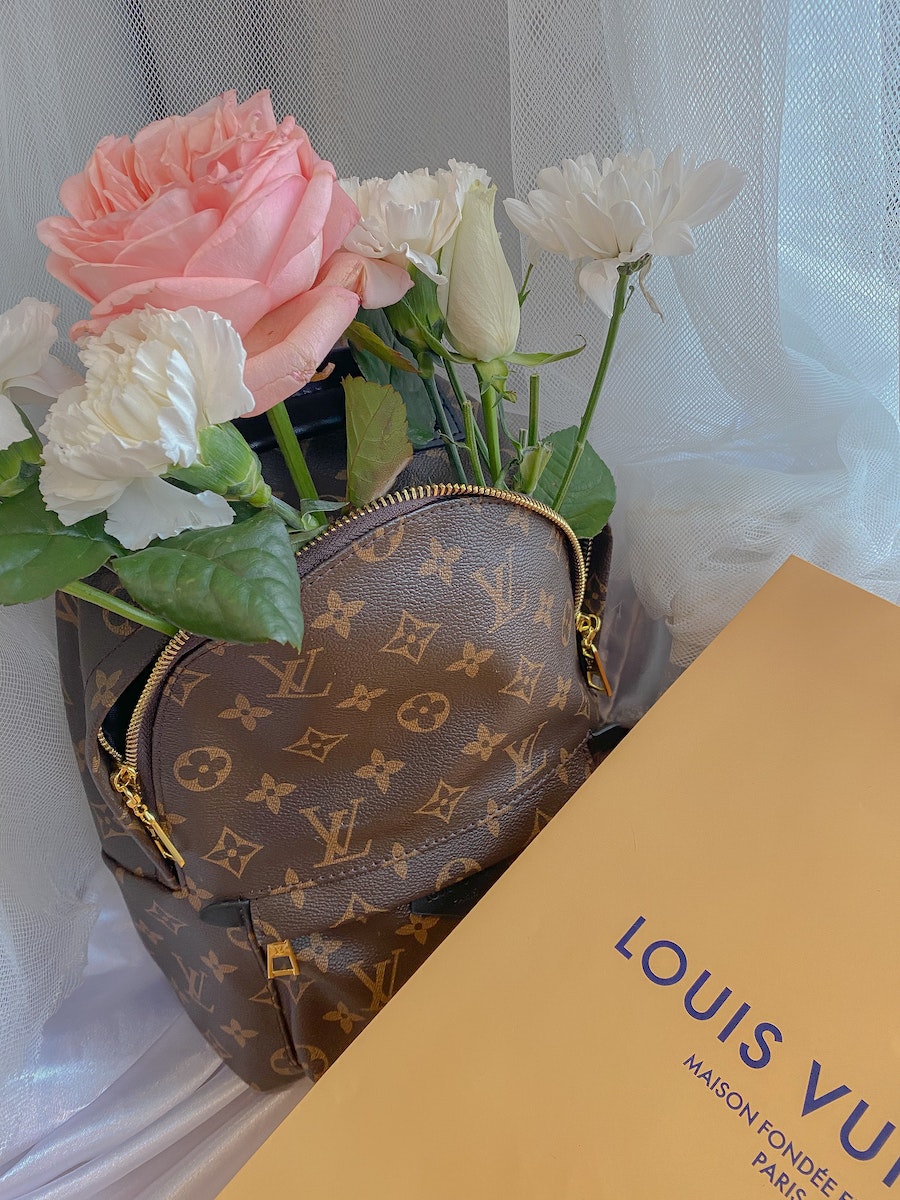 Louis Vuitton is a French luxury fashion house and one of the most valuable luxury brands in the world. The brand is known for its designer bags, luggage, and accessories. The brand’s most expensive purse brand is the City Steamer PM, made from white crocodile skin and costing over $50,000. Purse brands from Louis Vuitton come in a variety of unique styles and prices.
Christian Dior
Christian Dior is a luxury fashion house founded by the French designer Christian Dior. The brand’s most expensive handbag is the Lady Dior Bag, named after Princess Diana. The bag features the iconic Dior cannage pattern and starts at around $4,000.
Marc Jacobs
Marc Jacobs is an American fashion designer known for his eponymous fashion line and his work as the creative director of Louis Vuitton. The brand’s most expensive tote bag is made from patent crocodile skin and costs over $50,000.
Burberry
Burberry is a British luxury fashion house known for its iconic trench coats and check patterns. The brand’s most expensive handbag is the Patchwork Tote, made from leather and wool and costing over $2,000.
Prada
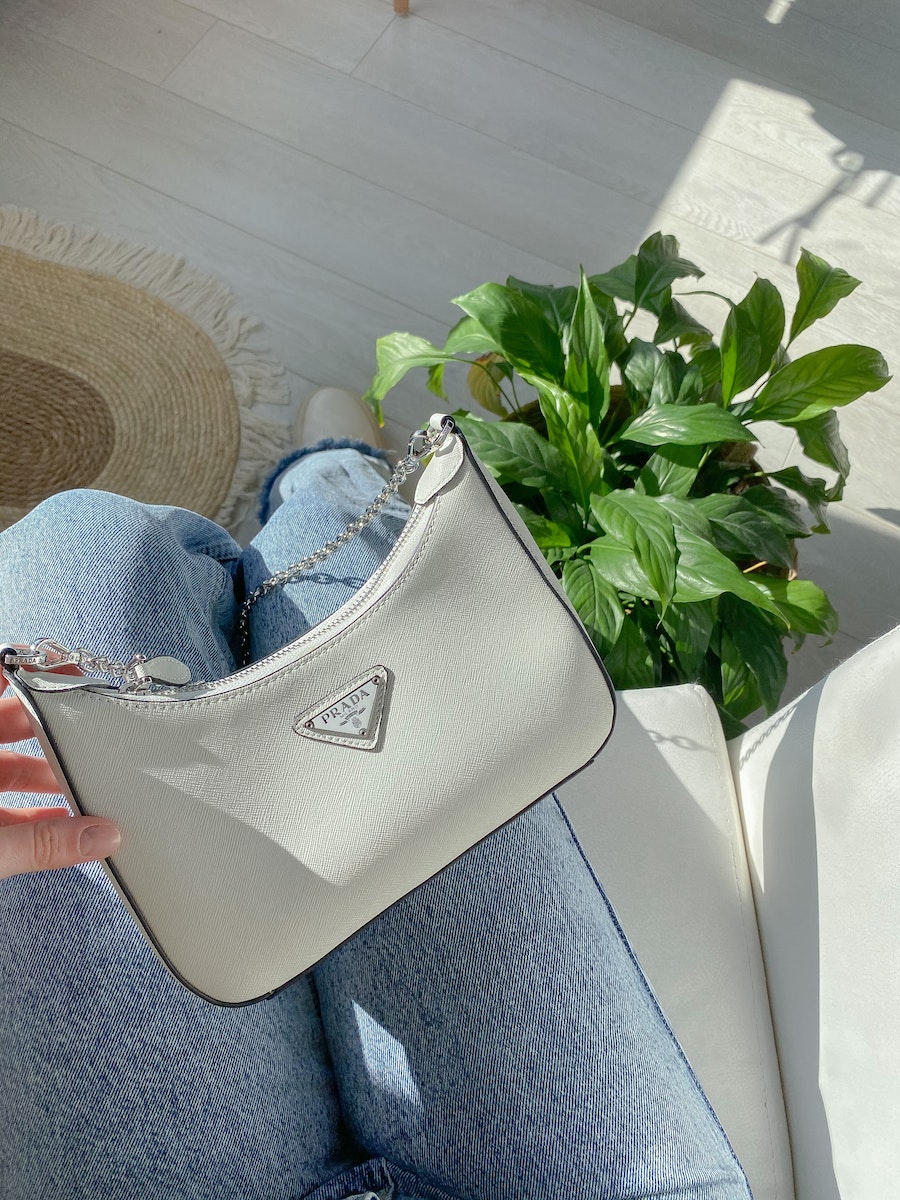 Prada is an Italian luxury fashion house known for its leather goods and ready-to-wear collections. The brand’s most expensive designer bag is the Crocodile Tote, made from genuine leather and crocodile skin and costing over $40,000.
Chanel
Chanel is a French fashion house known for its iconic quilted handbags and little black dresses. The brand’s most expensive handbag is the Chanel Diamond Forever Classic Bag, made from white gold and covered in 334 diamonds. The bag costs over $261,000.
Yves Saint Laurent
Yves Saint Laurent is a French fashion house founded by Yves Saint Laurent and his partner Pierre Bergé. The brand’s most expensive handbag is the Sac de Jour Crocodile Bag, made from crocodile skin and costing over $30,000.
Hermès
Hermès is a French luxury fashion house known for its iconic Birkin and Kelly bags. The brand’s most expensive handbag is the Himalaya Birkin, made from white crocodile skin and featuring 18-karat gold hardware. The bag costs over $500,000.
Bottega Veneta
Bottega Veneta is an Italian fashion house known for its leather goods and luxury accessories. The brand’s most expensive handbag is the Crocodile Knot Clutch, made from crocodile skin and costing over $25,000.
Lana Marks
Lana Marks is a luxury leather goods shop that specializes in creating exclusive handbags. The brand’s most expensive handbag is the Cleopatra Clutch, made from alligator skin and featuring an 18-karat gold and diamond clasp. The bag costs over $400,000. This expensive handbag brand has been worn by many celebrities. These are the top 10 most expensive handbag brands in the world. Each of these brands offers luxurious products crafted from high-quality materials and designed to last for years. They are perfect for those looking to add a touch of luxury into their wardrobe without spending an arm and a leg. Whether you’re looking for a statement piece or an everyday bag, these brands provide something to suit every taste and budget. [affiliatable id=‘269192’]
Examples of iconic handbags from each brand
Louis Vuitton is one of the most iconic luxury brands in the world, and its designer handbag collection is highly coveted. Some of the most popular Louis Vuitton bags include the Speedy Bag, the Neverfull Tote, and the Alma Bag. Each of these bags features the iconic LV monogram and is made from high-quality materials like leather and canvas. Christian Dior is another French fashion house known for its luxurious handbags. The Lady Dior Bag is one of the brand’s most iconic designs, with its quilted cannage pattern and top-handle design. The bag was famously carried by Princess Diana, which only added to its allure and popularity. Marc Jacobs is a designer brand known for its modern and chic aesthetic, and its tote bags are no exception. The brand’s most popular tote is the Gotham Tote, which is made from high-quality leather and features a sleek and modern design. Burberry is known for its iconic check patterns and trench coats, but the brand also has a collection of designer handbags. The Banner Bag is one of the brand’s most popular designs, with its classic design and signature check pattern. Prada is an Italian luxury fashion house that is known for its designer bags and ready-to-wear collections. The Galleria Tote is one of the brand’s most popular designs, with its simple and classic design and high-quality materials. Chanel is a fashion industry giant that has been creating iconic bags for decades. The Chanel 2.55 is one of the brand’s most popular designs, with its quilted pattern and signature chain strap. The bag was created by Coco Chanel in 1955 and remains a timeless and classic design to this day. Yves Saint Laurent is another French fashion house known for its designer bags and haute couture collections. The Sac de Jour is one of the brand’s most popular designs, with its sleek and modern design and high-quality materials. Hermès is a luxury fashion house that is known for its iconic Birkin and Kelly bags. The Birkin Bag is one of the most desirable handbags in the world, with its classic and timeless design and high-quality materials. Bottega Veneta is an Italian fashion house that is known for its luxurious leather goods and accessories. The Knot Clutch is one of the brand’s most iconic designs, with its elegant and simple design and high-quality materials. Lana Marks is a luxury leather goods shop that is known for creating exclusive and limited edition bags. The Cleopatra Clutch is one of the brand’s most expensive and exclusive designs, with its alligator skin and 18-karat gold and diamond clasp.
Bottom Line: The 10 Most Expensive Handbag Brands in the World
The handbag world is full of expensive and exclusive brands that are highly coveted by fashion enthusiasts worldwide. From French luxury fashion houses like Louis Vuitton and Hermès to Italian fashion houses like Prada and Bottega Veneta, each brand has its own unique design and style. These bags are made from high-quality materials and feature exquisite craftsmanship, making them highly desirable and valuable. While these bags may not be accessible to everyone, they remain an important part of the fashion industry and the world of luxury goods. Other suggested articles:
Is Prada a Designer Brand?
Prada, a name synonymous with luxury and sophistication, is indeed a designer brand. Founded by Mario Prada in 1913, this coveted Italian brand has cemented its position in the hierarchy of global top luxury brands. Initially starting as a leather goods shop catering to the Italian aristocracy, it’s now an iconic fashion house renowned for its high-quality craftsmanship and innovative designs.
The evolution of Prada into one of the world’s most recognized luxury fashion brands is largely attributed to Miuccia Prada, Mario’s youngest granddaughter. Taking over the family business in 1978, she revolutionized Prada from a leather goods company to an empire that dominates the global luxury market. Under her creative directorship, Prada expanded into women’s clothing, and accessories including the famous Prada backpack and other fashion accessories, helping broaden their appeal in the fashion world.
Is prada a designer brand? In contrast to other brands like Louis Vuitton or Christian Dior which have been part of larger luxury groups from early on; Prada has managed to retain control within its founding family. This independence has allowed them to maintain a unique identity that sets them apart in the crowded luxury industry. Whether you’re considering their haute couture or ready-to-wear line - each product carries an unmistakable “Prada” stamp - highlighting quality materials and innovative design.
Understanding the Concept of Designer Brands
When you hear the term “designer brand”, what comes to mind? Perhaps it’s the likes of Louis Vuitton or Christian Dior, or maybe even Coco Chanel. In a broader sense, designer brands are typically synonymous with luxury, quality craftsmanship, and high cost - elements that help them stand out in a saturated fashion market.
Now, you might be asking yourself: “Is Prada a designer brand?” The simple answer is yes. Founded by Mario Prada in 1913 as a leather goods shop for the Italian aristocracy and European industrialists, Prada quickly became known for its high-quality products - particularly travel accessories and handbags. Known for their exquisite attention to detail and luxurious materials, these items were sought after by those who appreciated fine craftsmanship.
Over time, under the creative direction of Miuccia Prada (Mario’s granddaughter), the brand expanded beyond leather goods into womenswear and other fashion accessories. This move solidified Prada’s status in the luxury fashion industry globally. Today, when people speak of top luxury brands or luxury fashion brands worldwide, it’s almost inevitable that Prada will be mentioned.
So why does this matter to you? Well, understanding how Prada fits into the concept of designer brands can give you insight into key trends within the global luxury market. For instance:
- Designer Brands Appeal to Younger Consumers: With product lines targeting younger audiences amidst an increasingly competitive market share,
- Luxury Sales Are Growing: Despite economic uncertainty in recent years, sales growth remains promising within the luxury goods market.
- Quality Over Quantity: Designer brands like Prada continue to prioritize high-quality craftsmanship over mass production.
History and Evolution of Prada
The story of this iconic luxury brand begins in 1913 with Mario Prada and his brother Martino, who opened a leather goods shop in Milan. Initially, they sold animal goods and imported English steamer trunks and handbags.
Prada’s journey to becoming one of the top luxury brands in the global luxury market can be traced back to when Miuccia Prada, Mario’s granddaughter, took over the family business in 1978. She had an understanding of the fashion world that was ahead of her time. Miuccia launched her first womenswear line in 1989 which gained immediate recognition from fashion editors worldwide for its minimalist aesthetic.
Under Miuccia’s leadership, Prada expanded beyond leather goods into different product categories including ready-to-wear clothing, shoes, and other accessories like the renowned Prada backpack. This broad range turned Prada into more than just another name among luxury fashion brands; it became a force that reshaped the entire industry.
It’s worth noting that throughout its history, Prada has been known for its high-quality craftsmanship. From their own leather goods business to their expansion into women’s clothing and travel accessories - everything bearing the Prada brand promises exceptional quality.
The luxury market, especially for brands like Louis Vuitton or Christian Dior, is fiercely competitive. To remain relevant amidst other smaller brands trying to carve out their market share means constant evolution while still staying true to your roots. And that’s exactly what makes Prada stand out.
Over time as CEO and creative director respectively, Patrizio Bertelli (Miuccia’s husband) and Miuccia herself have taken bold steps towards new markets while remaining loyal to their core customer base. They’ve successfully appealed to younger consumers without alienating older ones by maintaining a balance between innovative designs inspired by contemporary culture and traditional Italian aristocracy aesthetics associated with original Mario Prado designs.
In recent years there has been significant growth in sales thanks to strategic acquisitions such as Church’s (a British shoe company) and Car Shoe (an Italian shoemaker), diversifying Prada’s product lines even further.
Today Prada stands tall as an official supplier to the Italian Royal House — a status signified by its logo featuring Savoy coat-of-arms encircled by knotted rope design — yet continues evolving alongside changing times within the global luxury market while maintaining its reputation as one of world’s leading designers known for innovation.
Is Prada a Designer Brand? The Facts
So you’re wondering, “Is Prada a designer brand?”. The answer is an emphatic yes! Let’s dive into the details of this iconic fashion house.
Founded in 1913 by Mario Prada, the Prada brand has grown to become one of the top luxury brands in the global luxury market. Initially starting as a leather goods shop, Mario and his brother Martino were able to gain prominence through their quality craftsmanship.
It wasn’t until Miuccia Prada, Mario’s granddaughter, took over the family business that the expansion truly began. She launched her first ready-to-wear line in 1989 which catapulted Prada into becoming one of the leading luxury fashion brands.
Over time, other product categories such as shoes and travel accessories expanded the brand’s reach further within the luxury industry. Today, it competes with other major players like Louis Vuitton and Saint Laurent.
Notably, Prada became an official supplier to the Italian royal house due to its high-quality products showcasing its commitment to excellence from the early days. This ties back to their original logo featuring the Savoy coat of arms and knotted rope design signifying this honor bestowed upon them by the Italian aristocracy.
Prada’s wide range of offerings now includes women’s clothing lines like Miu Miu aimed at younger consumers giving it an edge in gaining market share among younger audiences who are keen on embracing luxury sales.
The contributions of Miuccia cannot be understated here either - she brought about significant creative direction which led to global success for the company over the past few years. Also worth noting is how they’ve managed to remain relevant amidst changing trends while maintaining a loyal customer base – a testament to constant innovation at the heart of company ethos.
In summary:
- Prada is indeed a renowned designer brand
- It was established as a leather goods business by Mario Prad
- Expanded under leadership of Miuccia into broader areas within fashion world
- Has strong presence in global luxury market competing with top-notch brands
- Continues to innovate keeping abreast with industry trends while retaining its core values
Comparing Prada with Other Designer Brands
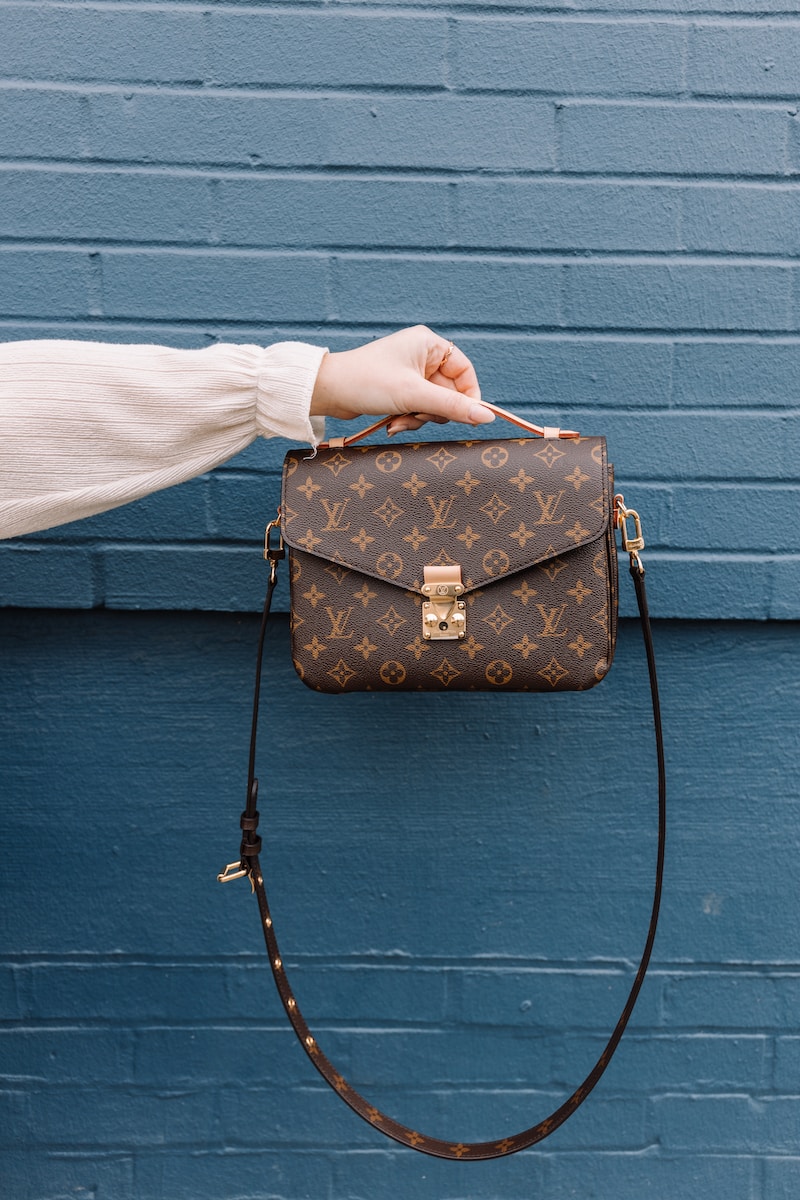
When you’re looking for high-quality, fashionable pieces to add to your wardrobe, Prada is a name that often comes to mind. But how does it stack up against other top luxury brands in the global fashion market?
Prada started as a small leather goods shop serving the Italian aristocracy and has since grown into one of the world’s leading luxury fashion brands. Under the creative direction of Miuccia Prada since 1978, this family business has remained relevant in the ever-changing fashion world.
Prada’s collection spans from ready-to-wear apparel and handbags to accessories such as narrow belts and travel accessories. It also includes a broad range of product categories like footwear under its Car Shoe line. The brand’s commitment to quality craftsmanship and innovative design sets it apart from other designer brands.
What makes Prada stand out among iconic names like Louis Vuitton or Christian Dior is its unique blend of traditional Italian craftsmanship with modern style sensibility. While Louis Vuitton is known for its classic monogram designs, and Christian Dior for haute couture, Prada continually pushes boundaries in terms of design while maintaining high standards for quality.
In comparison to smaller luxury brands or newcomers in the industry, Prada boasts an impressive market share due largely to their loyal customer base spanning generations. They’ve managed this by successfully appealing not only to an older demographic but also younger consumers who appreciate their versatility
- whether it be a chic Prada backpack for everyday use or elegant evening wear.
Over the past few years, sustainable practices have become increasingly important within the fashion industry. In response, many brands are striving towards more transparent supply chains and eco-friendly materials. While some argue that there’s room for improvement in this area when comparing Prada with other designer labels such as Stella McCartney or Eileen Fisher who are widely recognized for their sustainability efforts.
Final Thoughts: Positioning Prada in the Fashion Industry
Prada is undeniably a top-tier designer brand that has etched its name among the world’s most luxurious brands. Starting as a small leather goods shop, Prada has dramatically evolved and expanded over the years under the visionary leadership of Miuccia Prada. Boasting a rich history and maintaining a strong independent identity within the fiercely competitive luxury market, Prada continues to be a commendable example of innovative design and quality craftsmanship.
While the brand has several areas to further innovate and improve- particularly in terms of sustainability when compared to other brands, it continues to command a powerful presence and appeal to a diverse range of consumers. As a result, the Prada name remains iconic and synonymous with luxury and sophistication.
Is Juicy Couture a Designer Brand?
You’ve likely heard of Juicy Couture, famous for its velour tracksuits that became a pop culture phenomenon in the early 2000s. But have you ever wondered, “Is Juicy Couture a designer brand?” This question might seem straightforward, yet it opens up a discussion about what truly defines a designer label in today’s fashion industry.
Exploring Juicy Couture’s journey from its inception to its current status can shed light on its designer label credentials. As you dive into the world of high fashion and casual luxury, you’ll discover how this brand has influenced trends and whether it holds the prestigious title of a designer brand. Let’s unravel the story behind those iconic tracksuits and the brand that made loungewear luxurious.
The Rise of Juicy Couture
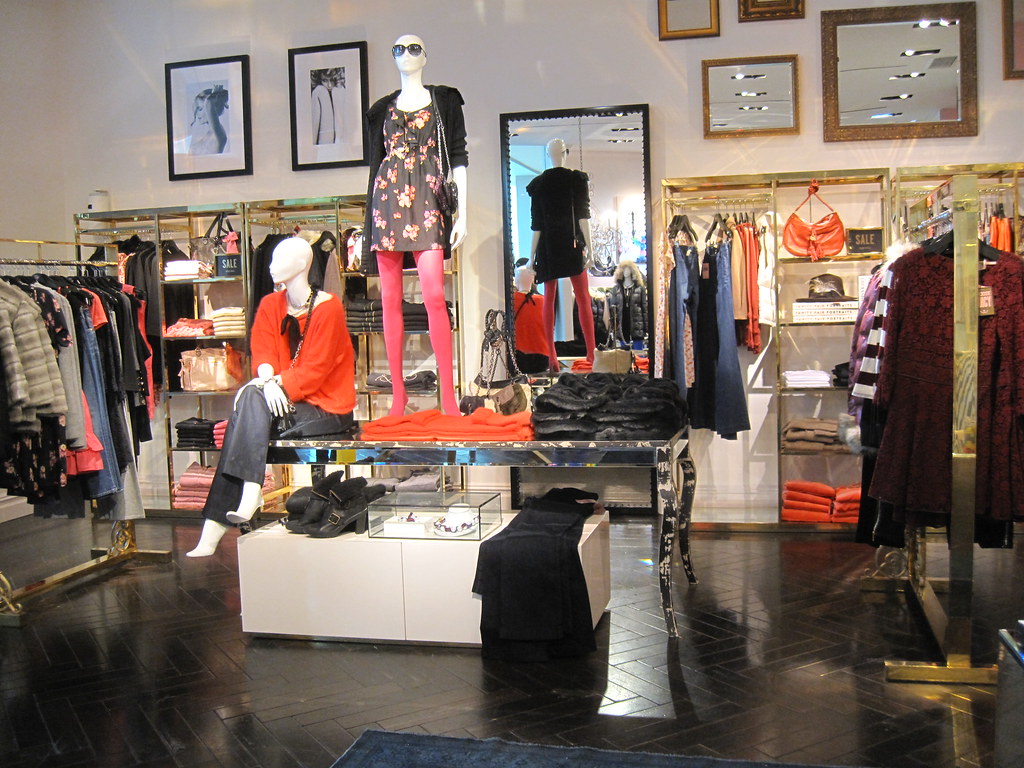
Juicy Couture emerged as a notable player in the fashion industry, captivating the market with its distinctive velour tracksuits. Exploring the label’s ascent provides insight into how it potentially classes as a designer brand.
Origins and Early Success
Juicy Couture was founded in 1997 by Pamela Skaist-Levy and Gela Nash-Taylor in Los Angeles. The brand quickly carved a niche for itself with its fun, glamorous aesthetic centered around the velour tracksuit—an item that became synonymous with 2000s fashion. Initially aiming to offer luxurious basics to young women, the brand’s charm and the casual yet chic design of its products captured Hollywood’s attention, prompting endorsements from high-profile celebrities like Paris Hilton and Britney Spears. This significant celebrity influence catapulted the brand to mainstream success, and by the early 2000s, Juicy Couture’s products were being stocked in upscale department stores such as Saks Fifth Avenue and Neiman Marcus.
Evolution into a Lifestyle Brand
As Juicy Couture’s popularity soared, the brand expanded beyond apparel, venturing into accessories, jewelry, shoes, and fragrances, thus transitioning into a broader lifestyle label. This expansion was driven by the brand’s ability to keep pace with evolving fashion trends while maintaining its core identity of luxury casual wear. A substantial turning point came when Liz Claiborne Inc. acquired the company in 2003, enabling greater distribution and marketing resources.
The brand maintained its “happy brand” image by continuously introducing playful and trendy designs, which kept it relevant in a competitive market. By evolving its product lines and maintaining visibility in celebrity circles, Juicy Couture solidified its position as a multifaceted lifestyle brand, continually appealing to both new and loyal customers across the globe.
Defining Designer Fashion
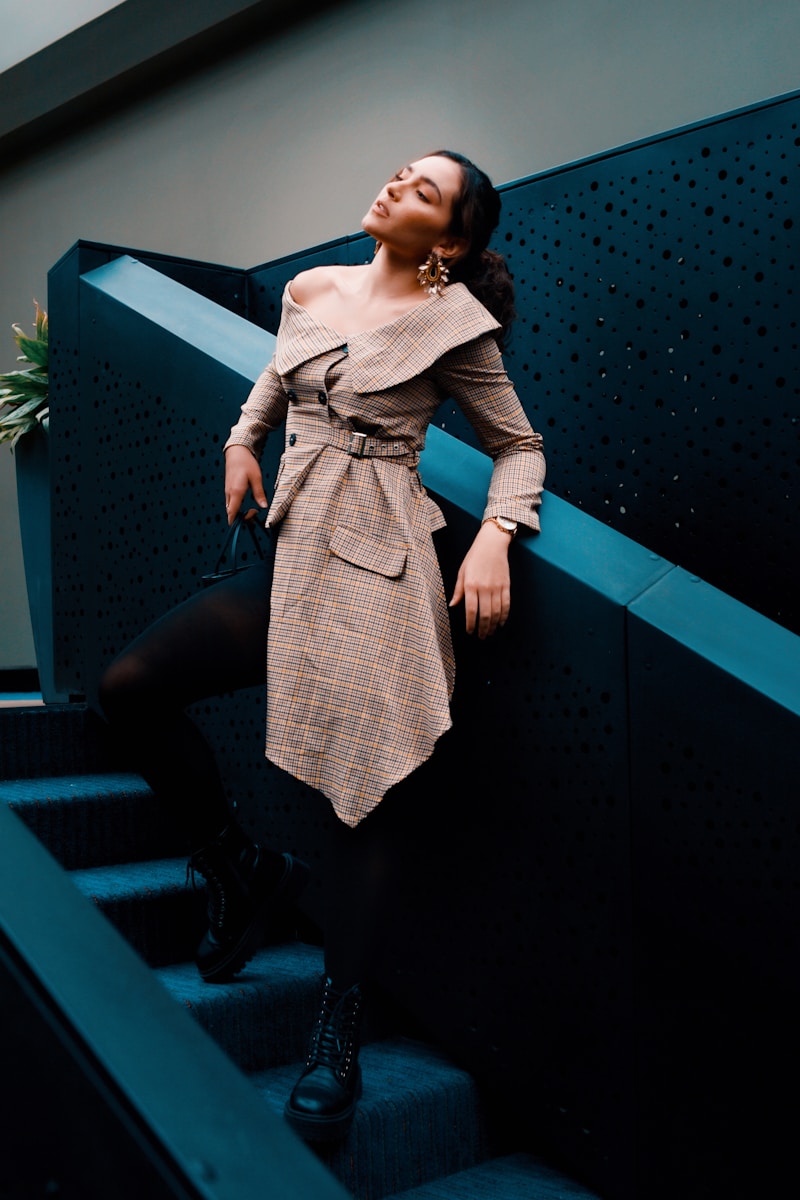
Navigating the realm of designer fashion involves understanding key attributes that distinguish designer brands from mainstream labels. Designer fashion is typically characterized by exclusivity, high-quality materials, original designs, and a strong brand identity. These elements combine to create garments and accessories that not only appeal to aesthetic tastes but also command higher prices due to their distinctiveness and craftsmanship.
What Constitutes a Designer Brand?
A designer brand stands out through its commitment to quality and innovation. The hallmark of such a brand lies in its use of luxury materials and meticulous attention to detail in crafting each piece. Whether it’s the finesse of the stitching or the uniqueness of the design, designer brands maintain a consistent standard that reflects their prestige in the fashion industry. Moreover, these brands are often spearheaded by influential designers whose visions shape the industry’s trends and whose names are synonymous with fashion itself.
Juicy Couture’s Place in Designer Fashion
Juicy Couture, initially famed for its velour tracksuits, embodies many qualities of a designer brand. With a focus on luxury casual wear, Juicy Couture combines comfort with opulence, a fusion that gained it a spot in upscale department stores from the early 2000s. Under the ownership of Liz Claiborne and its subsequent acquisition by Authentic Brands Group, Juicy Couture expanded its range to include accessories, jewelry, and fragrances, further cementing its identity as a versatile fashion label. This broadening of its product line, paired with continued innovation in design, secures Juicy Couture’s relevance and authority as a designer brand in the competitive fashion market.
Iconic Products and Style
Juicy Couture has carved a niche for itself with its distinct and trend-setting products that symbolize luxury casual wear. With iconic items that have left a lasting impact on fashion trends, the brand has blurred the lines between comfort and couture.
Tracksuits and Their Cultural Impact
Juicy Couture’s velour tracksuits quickly became a symbol of early 2000s pop culture, popularized by high-profile celebrities like Britney Spears and Paris Hilton. These tracksuits, embodying both comfort and bling with their soft fabric and flashy embellishments, have made a significant cultural footprint.
As a result, they transitioned from casual lounge wear to being a chic statement piece, often seen in upscale department stores and symbolizing a leisurely yet luxe lifestyle. The rise of “Athleisure wear” was notably impacted by Juicy Couture, positioning velour tracksuits as a fashionable option suitable for both gym and social outings.
Expansion into Accessories and Fragrance
Beyond clothing, Juicy Couture expanded its empire into accessories and fragrances, broadening its market reach and enriching its brand identity. Signature accessories like handbags, jewelry, and sunglasses feature playful and posh designs that resonate with a young, fashionable audience.
Their fragrance line, launched in the mid-2000s, includes popular scents like ‘Viva La Juicy,’ which has become a staple among fragrance enthusiasts seeking youthful, vibrant scents. Together, these product expansions have solidified Juicy Couture’s reputation as a versatile and comprehensive lifestyle label, extending the luxurious and whimsical style of its apparel to every part of its fans’ lives.
Critical Reception and Industry Recognition
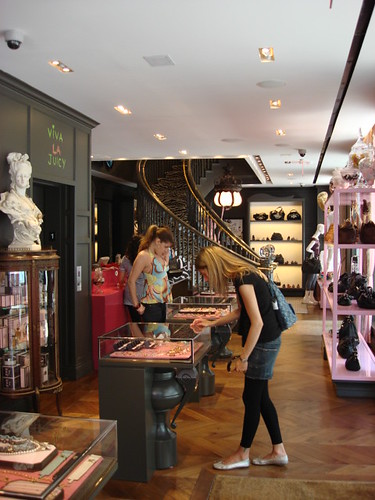
Juicy Couture’s journey through the fashion industry has been marked by prominent accolades and widespread recognition, showcasing its status as a definitive luxury casual wear brand. The label’s innovative approach to luxury and comfort has positioned it as a stalwart in the world of designer fashion.
Fashion Industry Awards and Nominations
Receiving several nominations and accolades, Juicy Couture has continually been acknowledged for its contributions to fashion. Among its recognitions, the brand was nominated for the prestigious CFDA (Council of Fashion Designers of America) Awards, which signifies high achievement in design and underscores the brand’s influence on fashion trends. The nominations highlight the brand’s adeptness in blending casual luxury with designer aesthetic, making Juicy Couture synonymous with upscale casual wear found in venues like Saks Fifth Avenue and Neiman Marcus.
Celebrity Endorsements and Public Perception
Celebrities have played a pivotal role in elevating Juicy Couture’s public image, with icons such as Paris Hilton and Britney Spears famously donning Juicy Couture tracksuits during the early 2000s. These endorsements have not only helped define the brand’s chic and comfortable style but also attracted a following both among high-profile personalities and the general public.
The association with well-known figures contributes significantly to the upscale and glamorous perception of the brand, reinforcing Juicy Couture’s legacy as a fashion label deeply embedded in popular culture and luxury.
Wrapping Up: Is Juicy Couture a Designer Brand?
Juicy Couture has indeed carved out a niche for itself as a designer brand. With its broad array of products and a distinct style that blends luxury with casual comfort, it’s clear why the brand holds a special place in the fashion industry. Your understanding of its journey from trendy tracksuits to a full-fledged luxury label shows just how versatile and enduring Juicy Couture is. Whether you’re a longtime fan or a newcomer to the brand, there’s no denying its significant impact and the unique flair it brings to designer fashion.
Other suggested articles:
Is Michael Kors a Designer Brand?
Is Vera Bradley a Designer Brand?
How to Wear a Swing Dress in Winter
What Makes a Brand Luxury? Understanding the Key Factors
Luxury brands have always held a special place in the hearts and minds of consumers. Whether it’s a designer handbag, a luxury watch, or a high-end car, luxury items have a certain allure that’s hard to resist. But what exactly makes a brand luxury? Is it the quality of the product, the brand heritage, the exclusivity, or something else entirely? In this blog post, we’ll explore the key factors that make a brand luxury, and why they matter to consumers.
What Makes a Brand Luxury?
A brand can be considered luxury for many reasons, depending on the context. However, there are certain traits that all luxury brands share. Let’s take a look at some of them.
Quality: The Foundation of Luxury
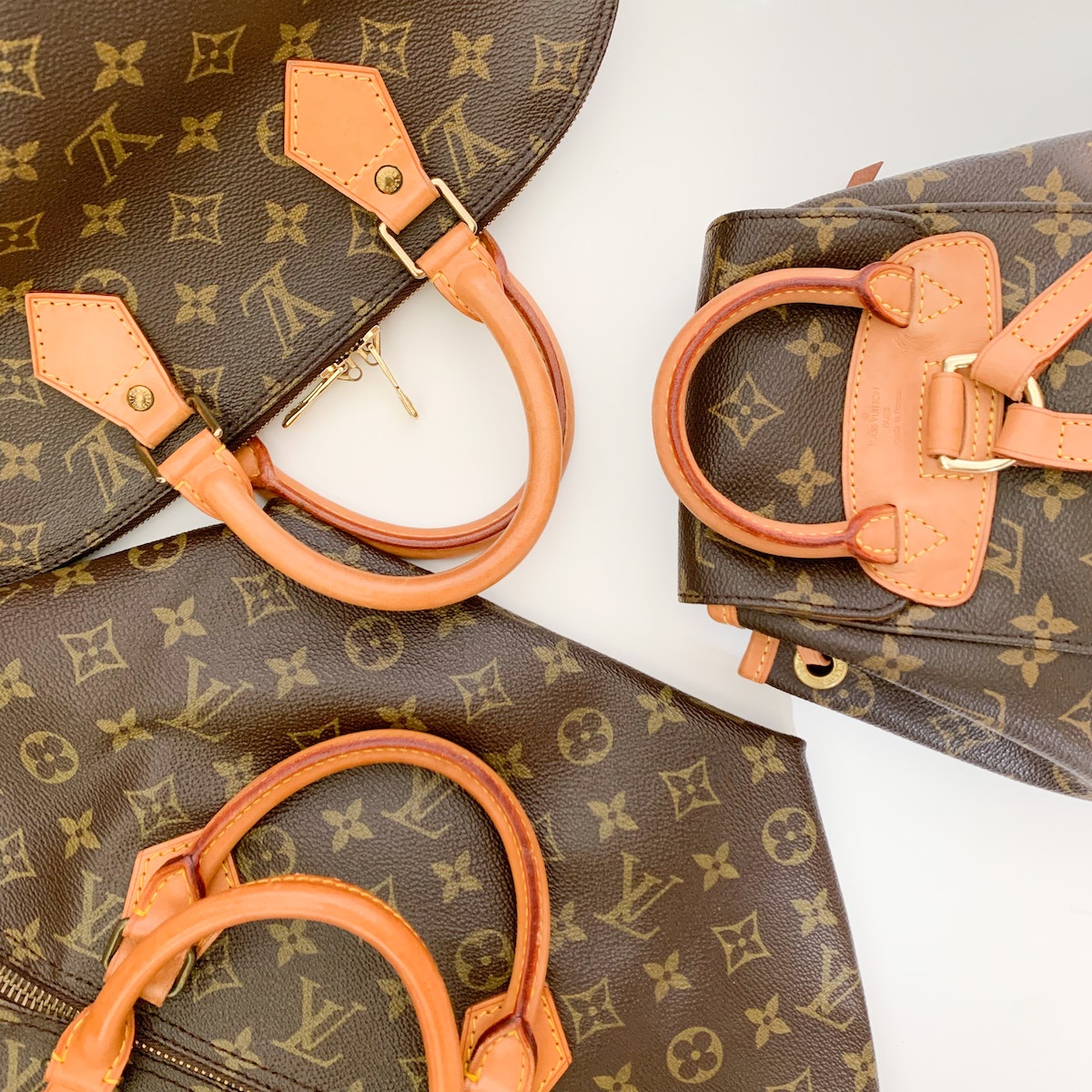
One of the most important factors that defines luxury is quality. Luxury brands are known for their use of high-quality materials and craftsmanship, which gives their products a sense of exclusivity and durability that can’t be matched by cheaper, mass-produced items. Louis Vuitton is a good example of a luxury brand that places a high value on quality. The brand is known for its leather goods, which are made from the highest quality leather and crafted with great attention to detail.
But quality alone isn’t enough to make a brand luxury. It’s the combination of quality, exclusivity, and heritage that creates a brand’s symbolic value and appeal.
Brand Heritage: The Importance of Tradition
Luxury brands also draw on their heritage and history to create a sense of tradition and exclusivity. Many luxury brands have been around for decades or even centuries, and their longevity gives them a sense of legitimacy and authority that can’t be matched by newer brands. For example, Giorgio Armani has been creating luxury fashion since the 1970s, and his brand is now synonymous with high-end Italian fashion.
Exclusivity: The Power of Scarcity
Another key factor in luxury branding is exclusivity. Luxury brands often limit the availability of their products to create a sense of scarcity and desirability. This creates a sense of excitement and anticipation around new product launches, and can help to justify the high prices that luxury products often command.
Ralph Lauren is a good example of a luxury brand that uses exclusivity to its advantage. The brand has created a lifestyle around its products, and its limited-edition collections are highly sought after by fashion-conscious consumers.
Brand Image: The Power of Perception
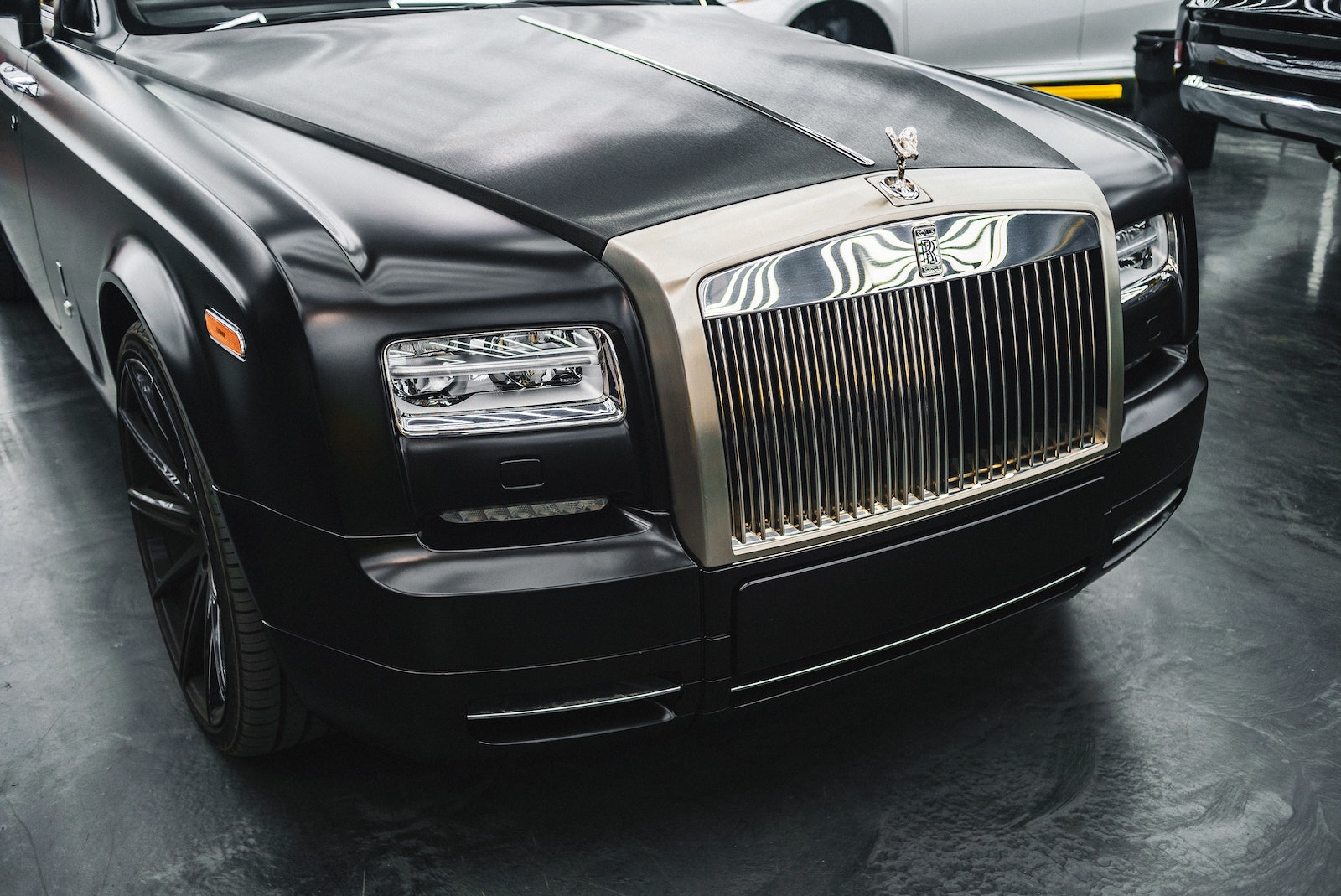
Luxury brands also place a great deal of emphasis on their brand image. The way a brand is perceived by consumers can be just as important as the actual quality of the products it sells. Luxury brands often use advertising, events, and celebrity endorsements to create a sense of glamour and prestige around their products.
Rolls Royce is a good example of a luxury brand that uses its brand image to its advantage. The brand is associated with high status associations such as royalty, celebrities, and high-ranking officials. This helps to reinforce the perception of Rolls Royce as a luxury brand and creates a strong sense of customer loyalty.
Price: The Role of Affordability
Luxury brands are often associated with high prices, and this is certainly true in many cases. However, it’s important to note that affordability can also play a role in luxury branding. Luxury consumers are willing to pay a premium for products that offer superior performance or a unique brand promise. In some cases, this might mean paying more for a luxury item that’s made from the highest quality materials or that features a unique design aesthetic.
New Luxury Brands: The Changing Face of the Industry
The luxury industry is constantly evolving, and new luxury brands are emerging all the time. These brands often appeal to new consumer values, such as social responsibility and creative expression. They may target niche segments, such as mobile professionals or eco-conscious consumers, and offer products that are both high-quality and affordable.
One good example of a new luxury brand is Toms, a company that sells shoes and eyewear and has a strong social responsibility mission. For every pair of shoes or eyewear purchased, the company donates a pair to someone in need. This brand promise has helped Toms stand out in a crowded market and appeal to a new generation of luxury consumers who value social responsibility.
Staying Power: The Biggest Challenge for Luxury Brands
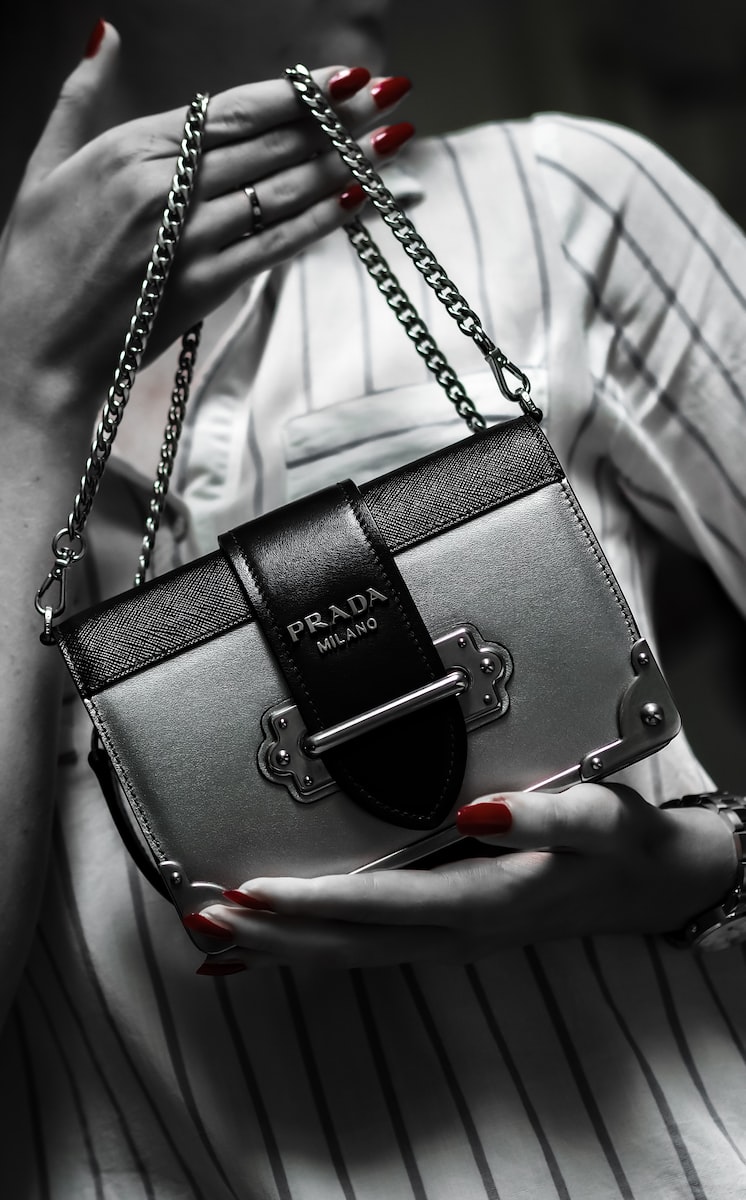
While the luxury market is highly desirable, it’s also highly competitive. Luxury brands face a number of challenges, including staying relevant and adapting to changing consumer values. One of the biggest challenges for luxury brands is staying true to their brand promise and maintaining the perceived value of their products.
Brand Positioning: The Key to Success
To succeed in the luxury market, brands need to have a strong brand positioning. This means identifying the unique value proposition that sets them apart from other luxury brands, and communicating that value proposition in a clear and compelling way. Brand positioning is essential for creating a strong sense of customer loyalty and building brand equity.
[affiliatable id=‘268778’]
Multiple Dimensions of Luxury
While quality, exclusivity, and heritage are key factors in luxury branding, there are multiple dimensions to luxury. For example, luxury can be defined in terms of the emotional experience that a brand provides, such as the feeling of exclusivity or the sense of satisfaction that comes from owning a luxury item. Luxury can also be defined in terms of the social standing that a brand confers, such as the sense of prestige that comes from owning a high-end luxury car.
Conclusion: What Makes a Brand Luxury:
What makes a brand luxury? The answer is not simple, as luxury is a complex and multi-dimensional concept. However, quality, exclusivity, and heritage are key factors that define luxury, along with the brand’s symbolic value and the emotional experience that it provides to consumers. While luxury brands face many challenges, including staying relevant and adapting to changing consumer values, a strong brand positioning and a commitment to quality and exclusivity can help these brands succeed in a highly competitive market.
Whether you’re a luxury brand looking to stay ahead of the competition, or a consumer looking to make luxury purchases, it’s important to understand the key factors that make a brand luxury. By focusing on quality, exclusivity, heritage, and brand image, luxury brands can create a strong sense of customer loyalty and build a lasting brand equity that can withstand the test of time.
Other suggested articles:
Is Armani a Designer Brand?
Is Armani a designer brand? When it comes to the world of fashion, few names carry the same weight and prestige as Giorgio Armani. Renowned for his impeccable craftsmanship and sophisticated aesthetic, Giorgio Armani has firmly established himself as an icon in the fashion industry. With a portfolio that encompasses various sub-brands and a wide range of luxury goods, the Armani brand has become synonymous with opulence and style. In this comprehensive exploration, we delve into the illustrious history and diverse offerings of the Armani fashion house, shedding light on what makes it a quintessential designer brand.
The Genesis of a Fashion Empire
Giorgio Armani, the visionary behind the eponymous brand, hails from the northern Italian town of Piacenza. It was here that he began his journey into the world of fashion, initially working as a window dresser. His innate talent and keen eye for detail soon caught the attention of the fashion industry, propelling him into the realm of haute couture.
Teaming up with business partner Sergio Galeotti in the 1970s, Giorgio Armani embarked on a journey that would forever alter the landscape of luxury fashion. Together, they established the Armani brand, Armani Junior laying the foundation for what would become one of the most influential fashion houses in the world.
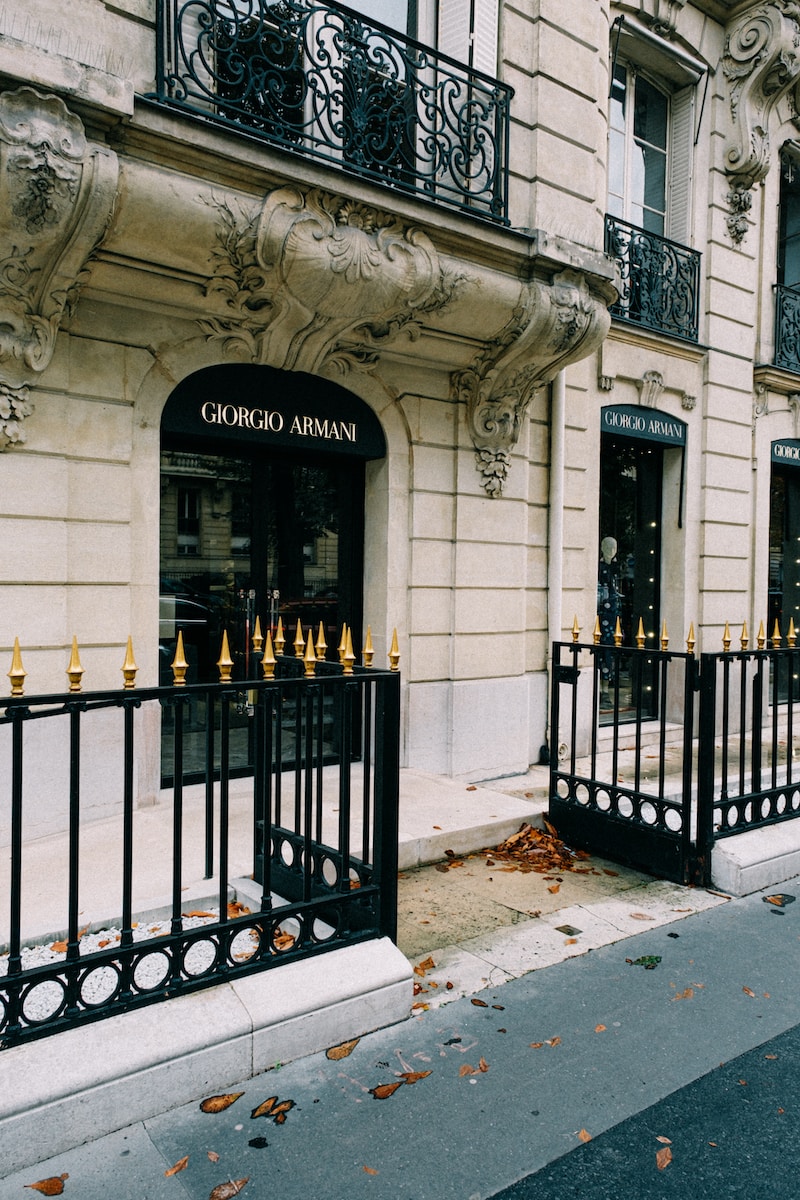
Is Armani a Designer Brand?: A Multifaceted Brand
The Armani brand encompasses a diverse array of sub-brands, each catering to different segments of the market. Among these, Giorgio Armani, Emporio Armani, and Armani Exchange stand out as the most prominent.
Giorgio Armani represents the pinnacle of the Armani fashion empire. Known for Armani jeans, its timeless elegance and exquisite tailoring, this line epitomizes the luxury brand’s commitment to impeccable quality and sophisticated design. Giorgio Armani’s creations grace the runways of Milan Fashion Week, setting the standard for haute couture worldwide.
Emporio Armani brand, on the other hand, embodies a more youthful and dynamic spirit. Emporio Armani stores caters to a younger demographic, offering a contemporary interpretation of the Armani aesthetic. With its cutting-edge designs and fashion-forward approach, Emporio Armani has become a go-to choice for those seeking a modern yet refined look.
Armani Exchange is the only line within the Armani brand that is primarily focused on casual wear. Embracing a more relaxed and urban sensibility, this sub-brand caters to the fast-paced lifestyle of the modern urbanite. With a focus on accessible luxury brand, Armani Exchange brings the luxury brands signature style to a broader audience.
[affiliatable id=‘269286’]
Beyond Fashion: The Armani Lifestyle
The influence of the Armani privé fashion brand extends far beyond the realm of apparel. From Armani Hotels to Armani Residences, Giorgio Armani has created a world where luxury knows no bounds. The Armani Hotel Milano, located in the heart of Milan, stands as a testament to the brand’s commitment to providing an unparalleled experience of opulence and sophistication.
In addition to luxury hotels, the Armani name graces a range of other ventures, including Armani Beauty, fashion watches, and even a collection of eyewear. These ventures exemplify the brand’s dedication to delivering quality and style in every facet of life.
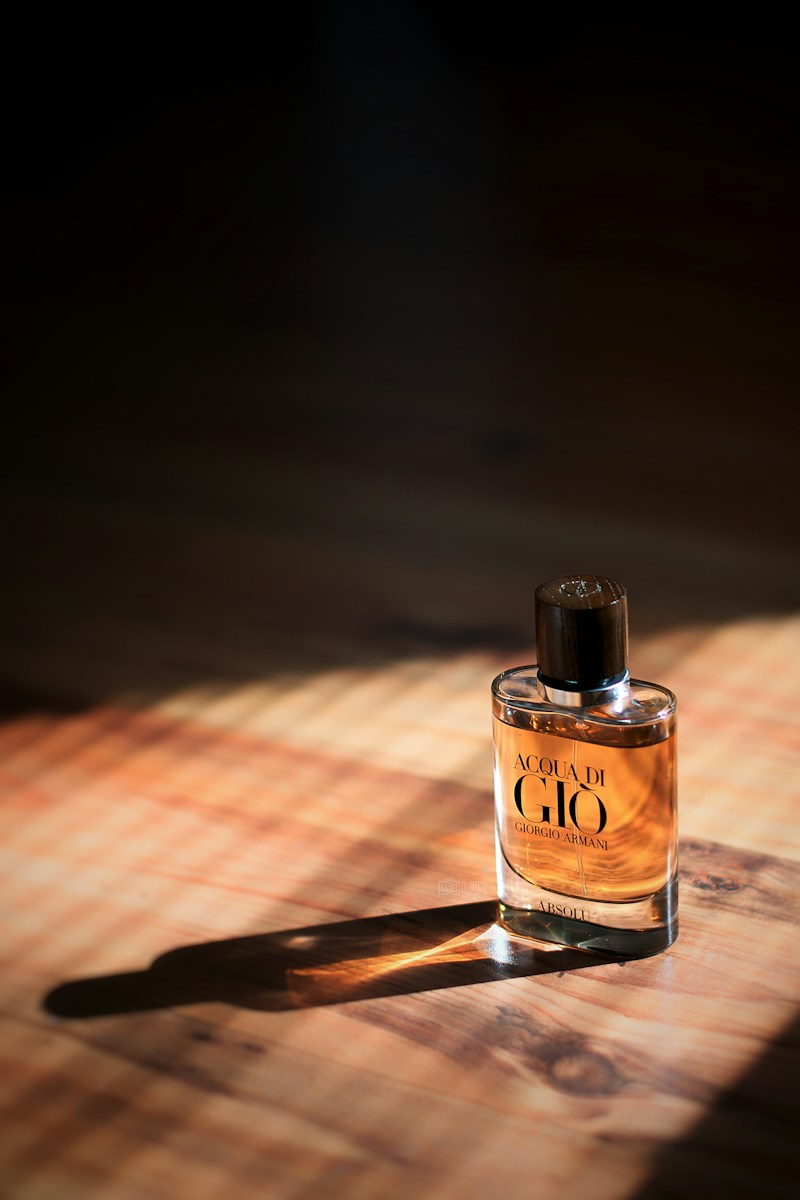
Armani: A Pioneer in Sustainable Fashion
In recent years, Giorgio Armani has emerged as a prominent figure in the movement towards sustainable fashion. The brand has made substantial commitments to environmental responsibility, exemplified by its participation in the Fashion Pact—a coalition of fashion industry leaders dedicated to addressing the environmental impact of the fashion world.
Italian hospitals also benefited from the Armani brand’s philanthropic endeavors during the global health crisis, as they received donations to support their vital work. This demonstration of social responsibility showcases Armani’s dedication to making a positive impact on the world.
A Legacy of Excellence
In the fiercely competitive world of luxury fashion, the Armani brand continues to stand as a beacon of elegance and quality. With a portfolio that spans multiple sub-brands and ventures, Giorgio Armani has created a fashion empire that resonates with audiences around the globe. From the red carpets of Hollywood to the bustling streets of major cities, the Armani name is synonymous with timeless style and uncompromising luxury. As the brand continues to evolve and adapt to the ever-changing landscape of fashion, one thing remains certain: Armani will forever be revered as a true designer brand.
Why Luxury Candles Are the Best Gift for Christmas?
Let’s be honest; no matter who it is, finding a present is a difficult task. It takes a lot of planning, thought, and effort to find the ideal present for a friend or family member. When buying the ideal gift, candles are an excellent option.
Scented candles are always well received and there’s something for everyone since they’re so adaptable. Here are several reasons why scented candles make the ideal present for almost everybody.
Cost-Effective Gifts That Show You Care
Scented candles are a wonderful alternative if you’re on a tight budget but still want to show your loved one how much you care. You can purchase high-quality scented candles for as little as $20-$45, allowing you to easily pick one that matches your budget.
Unique Meaningful Gifts
The best feature of scented candles is their variety of perfumes. There’s something for everyone with a wide range of fragrances, from fruity and sweet to floral and musky, as well as everything in between.
The sense of smell is the only one directly linked to memory and emotion. Because scented candles have the capacity to transport us to a beautiful place, whether imagined or recalled, they are ideal presents for individuals who have no interest in perfume.
Provides Aromatherapy
What is a more effective method of expressing your concern for someone than letting them know you want them to be happy and positive? Candles scented with essential oils stimulate receptors in the brain linked with producing feelings of optimism.
Who wouldn’t want to relax and unwind after a long day by lighting a candle? It’s great to have this self-care present for yourself so you can reap the numerous advantages of aromatherapy, even if it isn’t given as a gift.
Long-Lasting Enjoyment
A high-quality unscented scented candle will continue to give off fragrance for many months and years. They offer a lot of hours of fragrance once lighted. They are an exquisite addition to any home and will fill your whole house with a wonderful scent that you can enjoy for a long time.
Adds Beauty to Space
Candles are a wonderful way to bring beauty into any area; nevertheless, many people don’t light them. Candles have an incredible power to transform any room’s appearance. Whether lit or not, their beautiful jars and subtle fragrance release add an elegant focal point to any space.
This is why they are such great presents for others and yourself. They may be used in a variety of ways.
We hope you enjoyed learning about why scented candles are wonderful presents. Check out the New Zealand Collection for a unique range of scented candles that capture distinct New Zealand experiences. The sounds of the New Zealand wilderness are a great way to unwind and relax. Some people even go as far as having their own still-life pieces created from local flora, reptiles, and creatures found in the wild.
[affiliatable id=‘269320’]
What Makes a Luxury Candle?
Merriam-Webster defines luxury as “something extra to pleasure or comfort that is not necessarily required.”
Candles have been a vital source of light and warmth for thousands of years. However, the use of incandescent light bulbs, fluorescent lamps, and LEDs has essentially made their original purpose obsolete. Today, the majority of people like to purchase candles for three basic reasons: decor, ambience, and aromatherapy.
Luxury candles, by definition, are expensive. However, not all expensive candles are luxury candles. If you’re looking for a way to distinguish genuine luxury candles from ordinary home flames, here are some characteristics that separate them out.
The Fragrance
The scents that attract and entice customers to luxury candles are created by a delectable, specially curated combination of fragrance oils.
Traditional store-variety candles are often limited to one or two basic fragrances, resulting in them being overwhelming and one-dimensional. Luxury candles, on the other hand, include a symphony of smells that blend together to produce a full-bodied olfactory experience with a harmony of top, middle, and bottom fragrance notes.
The Wax
Wax with high quality is essential for good candles. The type of wax used to fill the container has an impact on how long a candle lasts and how it smells dispersed.
Candles are made from paraffin, which is the most affordable form of wax. Although paraffin works well for holding fragrance and color, it generates soot when burned. It’s also not very environmentally beneficial because paraffin is a non-degradable byproduct of oil.
Higher-end options such as coconut wax, beeswax, and soy wax are more frequently used in luxury candles. For example, our candles are made of natural soy wax, which burns more slowly than paraffin and allows you to enjoy the atmosphere and scent up to 50 percent longer. Soy wax is a versatile scent carrier that doesn’t need chemical amplifiers to produce a powerful, well-balanced fragrance throw.
The Wick
Candles have many forms and sizes; the candle’s construction, though, is still quite basic. The type of wick used in a candle has a significant influence on how it burns and fills a space with fragrance.
You may anticipate a clean burn at a constant, moderate temperature with a high-quality candle. The appropriate wick makes it all possible.
The thickness of the wick, its material make-up, and the way it’s braided (or not) are all meticulously planned to match the candle’s size, type of wax, and distinct scent combinations.
The Container
A luxury candle’s container is its “face.”
Unlike the run-of-the-mill candles that are produced in large quantities, a luxury candle is meant to be as much of a visual and olfactory delight for our eyes as it is for our noses. The composition, hue, weight, and design all impact the overall sensory experience, which tells a multidimensional narrative.
Each luxury candle company has its own design style for the container; some are intricate geometric forms, while others are constructed of high-quality materials.
The Packaging
Packaging is also critical for identifying luxury candles as unique, particularly when giving them as a special and treasured gift to loved ones.
Fabulously fragrant candles are an investment for consumers, much as a luxury car or property. They put in significant time, care, and money into creating meaningful, high-quality packaging that provides a literal red carpet for the premium candle within.
The colors, shapes, materials, and storytelling elements come together to create a memorable first impression of the brand and helps build anticipation for what’s to come.
https://www.therefined.co/how-to-make-your-perfume-last-longer/
Is Gucci a Designer Brand?
The name Gucci is synonymous with luxury, style, and exclusivity. But, is Gucci a designer brand? To answer this question, it is essential to delve into the brand’s history, its iconic products, and its impact on the fashion world. In this blog post, we will explore Gucci’s journey from its humble beginnings to its current status as one of the most influential fashion houses in the world.
Defining a designer brand
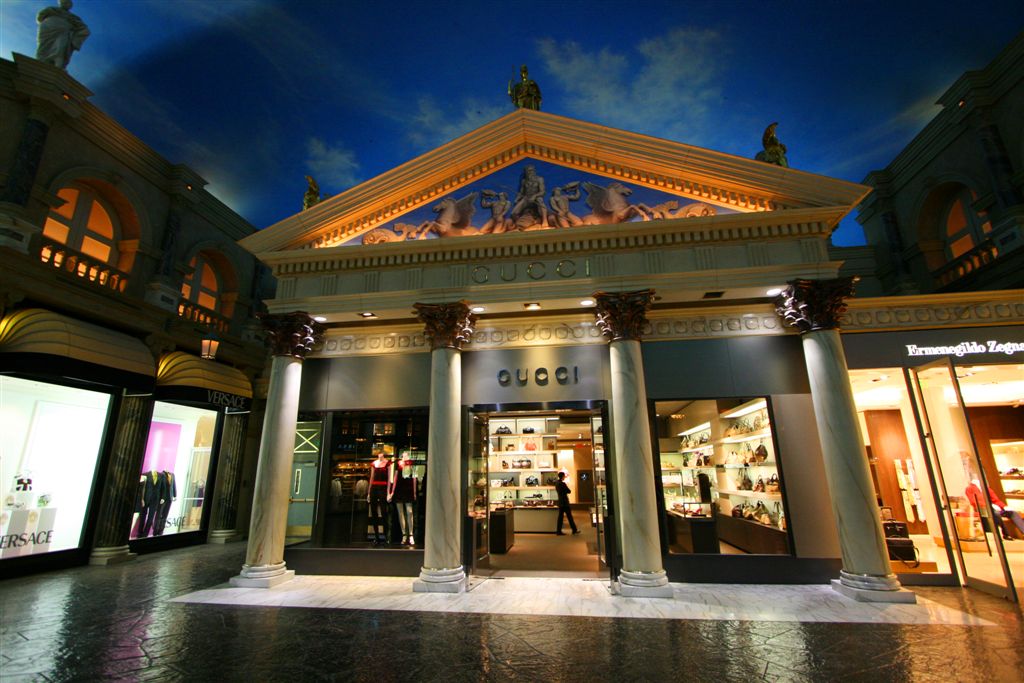
A designer brand is characterized by high-quality materials, unique and innovative designs, a high price point, exclusivity, and a strong brand identity and recognition. Gucci, founded by Guccio Gucci in 1921, has consistently met these criteria throughout its history, making it a worthy contender in the world of designer brands. From its early beginnings as a leather goods store to its current presence in the fashion industry, Gucci remains a force to be reckoned with.
Gucci’s journey to becoming a designer brand
In the early 1920s, founder Guccio Gucci opened his first store in Florence, Italy, specializing in leather goods such as suitcases and saddlery. Gucci’s products were known for their quality, craftsmanship, and innovative designs, which incorporated imported leather and specially woven hemp. During World War II, when imported leather was scarce, Gucci introduced its signature bamboo bag, which became an instant classic.
Guccio’s sons, Aldo, Rodolfo, and Vasco, joined the family business in the 1930s and expanded its product range to include shoes, handbags, and accessories. The iconic green-red-green web, inspired by the saddle girth, was introduced in the 1950s and became a symbol of the brand. The Gucci loafer, with its distinctive horsebit detail, was also introduced around this time and quickly gained popularity among the Hollywood elite, including Grace Kelly and Elizabeth Taylor.
In the 1960s, the Gucci family opened their first Gucci store in New York, solidifying the brand’s presence in the United States. The brand continued to grow, with Rodolfo Gucci opening the first Milan store in 1972, and Gucci America being established in 1974. By the 1980s, Gucci stores could be found in major cities around the world. Aldo Gucci was appointed the company’s president in 1981 and created some of the most iconic designs the brand has ever produced.
Despite its growing success, the Gucci family faced internal turmoil, which culminated in the sale of the company to Investcorp, a Bahrain-based investment firm, in 1988. Maurizio Gucci, the last family member to run the company, was eventually forced out in 1993. Following his departure, the Gucci Group was formed, which included other luxury brands such as Bottega Veneta and Alexander McQueen.
[affiliatable id=‘268777’]
Creative directors and their impact on Gucci
The appointment of Tom Ford as creative director in 1994 marked a turning point for the brand. Ford’s bold designs, including the infamous “Gucci G-string,” revitalized the fashion house and made it a critical and commercial success. Ford also introduced the Gucci Pour Homme fragrance, which became a bestseller.
Following Ford’s departure in 2004, Frida Giannini was appointed creative director. Previously a handbag designer for the brand, Giannini expanded Gucci’s product range to include ready-to-wear clothing, accessories, and fragrances. During her tenure, the brand launched the popular Gucci Flora fragrance and the Gucci Crest, a symbol of its heritage.
In 2015, Alessandro Michele was appointed creative director, and his eclectic, whimsical designs have since breathed new life into the brand. Under Michele’s direction, Gucci has gained a new generation of fans, with celebrities like Harry Styles and Lady Gaga donning his creations on the red carpet.
Gucci’s brand identity and recognition
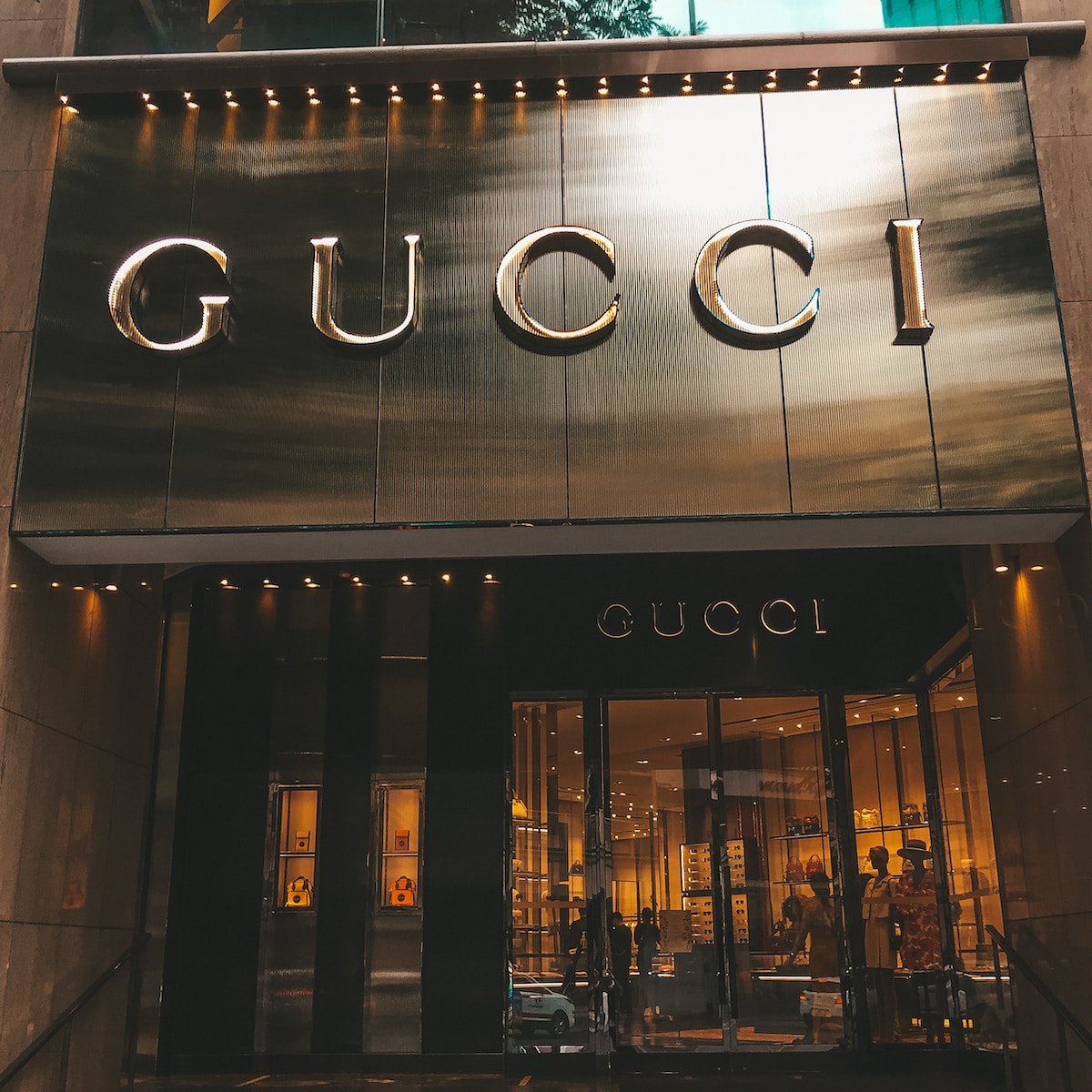
Throughout its history, Gucci’s designs have evolved, yet the brand has maintained a strong sense of identity. The GG logo, which was introduced in the 1960s, remains a symbol of luxury and exclusivity. In addition to the logo, other iconic designs, such as the bamboo bag, the horsebit loafer, and the green-red-green web, have become synonymous with the brand.
Gucci’s presence in high-profile events and its collaborations with celebrities and other designers have further solidified its status as a designer brand. Most recently, the House of Gucci, a film starring Lady Gaga and Adam Driver, has brought the brand’s history and legacy into the spotlight.
Gucci’s exclusivity and price point
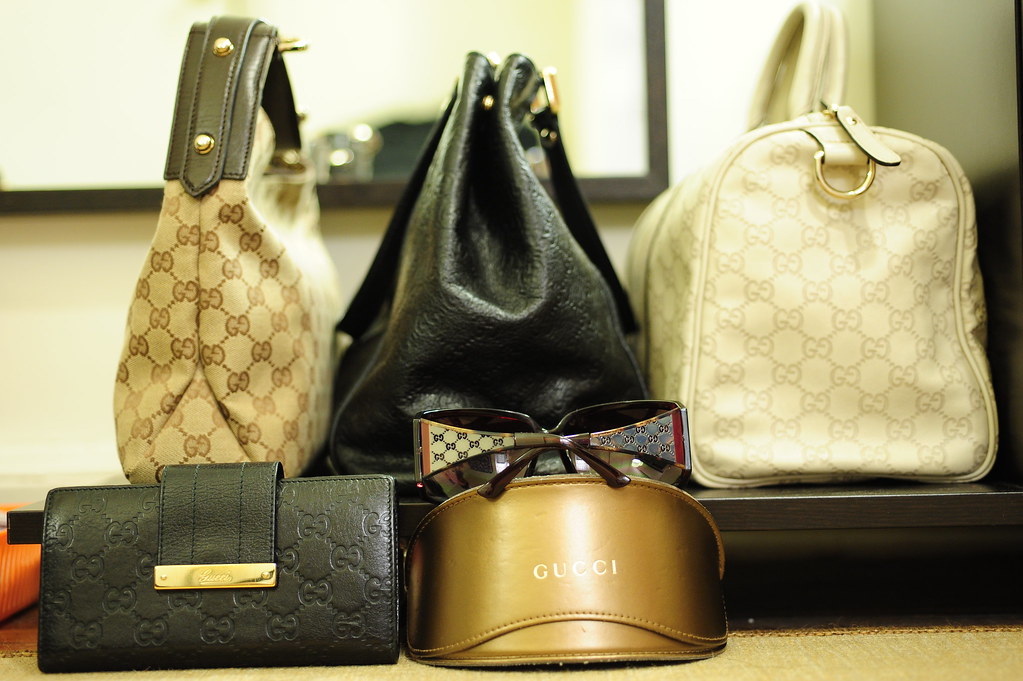
Gucci’s pricing strategy reflects its status as a designer brand. Its products are priced at a premium, which is justified by the quality of the materials used and the craftsmanship involved in their production. Limited-edition collections and collaborations, such as the Gucci x Alexander McQueen collection, further enhance the brand’s exclusivity.
So, Is Gucci a Designer Brand?
Gucci’s history, its innovative designs, and its impact on the fashion world make it a true designer brand. From Guccio Gucci’s humble beginnings in Florence to the brand’s current status as a global powerhouse, Gucci remains a symbol of luxury, style, and exclusivity. While personal preferences and individual style will always play a role in the world of fashion, Gucci’s undeniable influence and legacy make it worthy of the designer brand title.
Other suggested articles:
Is Giani Bernini a Designer Brand?
Is Ted Baker a Designer Brand?
Exquisite Escapes: Unveiling the Top Luxury Travel Destinations on Earth
With the hustle and bustle of daily life, who doesn’t dream about jetting off to top luxury travel destinations? I’m talking about places where you can relax on your own private beach, dine in world-class restaurants, and fall asleep in lavish suites. Yes, these are the kind of luxury holiday destinations that make all your stresses seem a million miles away. Perhaps it’s a tiny island in the South Pacific with pristine beaches and private plunge pools that catches your fancy. Or maybe it’s an exclusive resort nestled among Costa Rica’s incredible national parks. You might even be picturing a peaceful town near fine-dining restaurants or golf courses. Whatever your preference, the best luxury destinations offer an unparalleled experience for discerning travelers seeking out something truly special. Imagine waking up in a boutique hotel like Fogo Island Inn, having gourmet meals prepared by your own personal chef, or enjoying spa treatments after scuba diving around nearby islands. Maybe you’re dreaming of sipping cocktails by infinity pools overlooking stunning beaches at sunset or exploring rich cultural heritage sites during the day before returning to private villas with outdoor showers and hot tubs. These are just glimpses into what a luxurious vacation can look like when you choose top-notch luxury travel destinations from around the world.
Unveiling the Top Luxury Travel Spots
When it comes to top luxury travel destinations, nothing says opulence like having your own private beach. Imagine soaking up the sun on pristine beaches or taking a dip in your own private pools, all in the heart of some of the most luxurious vacation spots around the world. Fogo Island Inn is one such destination that offers discerning travelers an exclusive resort experience. Nestled in Canada’s remote Newfoundland, it’s a boutique hotel that features contemporary guest rooms with floor-to-ceiling windows, outdoor showers, and even private plunge pools for some suites. It’s more than just lavish suites though; this destination is also known for its rich cultural heritage and fine dining restaurants offering gourmet meals. If you’re searching for a getaway closer to nature, then Costa Rica might be one of your best luxury holiday destinations. This beautiful country boasts incredible national parks teeming with exotic wildlife, hot springs for ultimate relaxation, and stunning beaches perfect for surfing or scuba diving. The capital city San José is equally as mesmerizing with its vibrant nightlife and historical sites. For those who prefer something more secluded, how about a tiny island escape? A trip to Musha Cay in the Bahamas will provide you with the luxury holiday dreams are made of. You’ll have access to 11 islands all to yourself! Scenic boat trips between nearby islands are included in your stay at this top luxury travel spot. The South Pacific also beckons with exquisite destinations like Fiji’s Laucala Island Resort – another gem among top luxury travel destinations around the world. Here you can enjoy spa treatments by day while nights offer peace under the stars from your very own private villas each equipped with infinity pools overlooking pristine beaches - could there be anything better? And let’s not forget about British Virgin Islands’ Necker Island owned by Sir Richard Branson himself! This volcanic island paradise offers guests their own personal chef creating gourmet meals from local ingredients as well as butler service attending every need throughout their luxurious vacation. It’s clear that luxury travel destinations come in many forms whether it’s a peaceful town nestled against breathtaking landscapes or an exclusive resort right on stunning beaches – but they all guarantee one thing: an unforgettable experience filled with pampering and indulgence catering specifically to luxury travelers like me.
Key Features of These Elite Destinations
When it comes to top luxury travel destinations, the world is your oyster. So, what sets these elite locales apart? Let’s delve into their key features. First off, the idea of a private island with your own private beach isn’t just a fantasy - it’s a reality in many luxury holiday destinations. Picture yourself on a tiny island in the South Pacific or maybe even the British Virgin Islands. You’re savoring gourmet meals prepared by your own personal chef and enjoying spa treatments at an exclusive resort, right on your private beach. These aren’t just any beaches; we’re talking pristine beaches that’ll take your breath away. And when you’ve had enough sun for the day? Retreat to lavish suites complete with outdoor showers and hot tubs overlooking stunning vistas around the world. Of course, privacy doesn’t stop at beaches in these best luxury holiday destinations. Many feature private villas boasting their very own private pools or even plunge pools for those balmy afternoons. Imagine luxuriating in infinity pools that seem to merge seamlessly with nearby islands’ horizons or cooling off from Costa Rica’s tropical heat in your pool. But let me tell ya, not all these incredible national parks and natural beauty spots are about relaxation alone! Plenty of luxury travel destinations offer activities for adventurous souls too. Scuba diving near volcanic islands, and golf courses designed by pro athletes - there’s no end to what you could do! Now onto accommodations: From boutique hotels like Fogo Island Inn nestled amid beautiful volcanic mountains to luxurious vacation homes replete with butler service (yes, you heard me right – your own private butler!) and fitness centers equipped with state-of-the-art gear. But hey! It wouldn’t be a true luxury travel destination without fine-dining restaurants now would it? Whether it’s capital city hotspots offering international cuisine or peaceful town eateries showcasing rich cultural heritage through local fare – discerning travelers can enjoy culinary delights galore! Finally, let’s not forget amenities tailored specifically for luxury travelers; think spa treatments under open skies, boat trips around nearby islands and guest rooms where every little detail is taken care of by attentive staff members. So whether you’re looking for tranquility on pristine beaches or an adrenaline rush via scuba diving adventures – rest assured knowing that top-notch experiences await across all our top luxury travel destinations!
Final Thoughts: Choosing Your Luxury Getaway
When it comes to selecting your next vacation, top luxury travel destinations should be at the forefront of your list. Whether you’re dreaming about lounging on your own private beach or exploring stunning landscapes, there’s a dreamy destination out there just for you. Private islands like those in the South Pacific offer an exclusive resort experience where every villa boasts its own private pools and pristine beaches. Imagine waking up in a lavish suite and diving into clear blue waters right from your room’s doorstep. Or perhaps indulge in spa treatments while gazing at breathtaking views of the ocean. For some, a luxury holiday means experiencing rich cultural heritage while enjoying high-end amenities. Destinations such as Fogo Island Inn, with its fine dining restaurants and incredible national parks nearby, strike that perfect balance between indulgence and immersion in local culture. If a bustling capital city is more your style, consider luxury destinations like Costa Rica with its beautiful volcanic mountain views from private villas accompanied by gourmet meals prepared by your own personal chef. For the sportier luxury travelers among us - golf courses surrounded by natural beauty are an added allure to this beautiful country. Other suggested articles:
Luxurious Relaxation at Home: Transforming Your Space into a Personal Oasis
Exclusive Experiences: Luxurious Relaxation for Special Occasions and Celebrations
Is Louis Vuitton a Designer Brand?
When you think of high fashion, luxury, and sophistication, Louis Vuitton likely comes to mind. But what makes Louis Vuitton one of the most sought-after brands in the world? Is Louis Vuitton a designer brand? The answer is clear: Yes. This French powerhouse has been setting trends in the fashion industry since its inception.
Founded by Monsieur Louis Vuitton himself back in 1854, this luxury brand began as a luggage company known for its innovative flat-top trunks. Over time, under the creative direction of successors like Georges Vuitton, and later designers such as Marc Jacobs, it has evolved into a full-scale fashion empire spanning clothing, shoes, accessories, perfumes, and even books via its ‘Louis Vuitton City Guide’ series.
Today’s Louis Vuitton is much more than just a label; it’s an embodiment of style and status. With iconic products such as the ‘Louis Vuitton Speedy Bag’ or signature patterns like the LV Monogram and Damier Graphite Canvas that are instantly recognized worldwide, this valuable luxury brand continues to shape global fashion trends while staying true to its roots in craftsmanship and quality.
Understanding the Concept of Designer Brands
Louis Vuitton is not just a designer brand; it’s one of the most valuable luxury brands in the world. Founded in 1854 by Louis Vuitton himself, this French fashion house has been synonymous with style and quality for over a century.
Louis Vuitton began as a small workshop producing high-quality trunks and luggage. Over time, it grew into an iconic label known for its innovative design and exceptional craftsmanship. The LV monogram, which adorns many products from the brand including their classic canvas bags, has become one of the most recognized symbols in luxury fashion.
The company introduced several unique features that set them apart early on. One example is their waterproof canvas which they used to make travel trunks more durable and practical - this was revolutionary at the time! They also developed various signature patterns such as Damier Graphite Canvas and Monogram Multicolore Canvas range that are still popular today.
Innovation didn’t stop there! Under Marc Jacobs’ creative direction (1997-2013), Louis Vuitton expanded beyond leather goods into ready-to-wear clothing, shoes, accessories and even jewelry - becoming a full-fledged luxury brand. Following Jacobs, Nicolas Ghesquière took over as creative director continuing to push boundaries while maintaining respect for the brand’s long history.
Here are some key facts about Louis Vuitton:
- Georges Vuitton, son of founder Louis Vuitton collaborated with famous artists like Takashi Murakami.
- In 2001: The Marc Jacobs-designed collaboration with Stephen Sprouse saw classic LV monogram bags splashed with graffiti reading ‘Louis Vuitton’.
- In 2012: Yayoi Kusama’s collection featured her signature polka dots over classic monograms.
This continuous innovation combined with their commitment to quality makes Louis Vuitton undoubtedly a designer brand par excellence!
As part of your understanding of designer brands like Louis Vuitton, it’s also important to realize how these labels create demand through exclusivity – from limited edition collections to personalized bespoke pieces. Not everyone can afford an item from these brands which adds to their allure and prestige.
So yes, not only is Louis Vuitton a designer brand but it’s also one that continues to shape global fashion trends while remaining true to its heritage – making it truly timeless!
The Legacy of Louis Vuitton: A Brief History
Let’s delve into the rich history of Louis Vuitton, one of the world’s most iconic luxury brands. It all started back in 1854 when Louis Vuitton, a French box-maker and packer, founded his namesake company. You might wonder, “is Louis Vuitton a designer brand?” Well, it definitely is! In fact, it’s renowned for its timeless design pieces that transcend generations.
The first Louis Vuitton building opened its doors in Paris on Rue Neuve des Capucines. Here, they sold flat-topped trunks made from Trianon canvas – quite different from today’s widely recognized LV monogram. These trunks were revolutionary at their time due to their ease of stackability compared to traditional rounded-top luggage pieces.
Fast forward to 1896; George Vuitton, Louis’ son, introduces the iconic LV monogram as an homage to his father who died in 1892. This marked a significant turning point for the brand and established its status as a global symbol for luxury.
From this point onwards, the Louis Vuitton company introduced several groundbreaking products including:
- The Steamer bag: A smaller piece meant to be kept inside Vuitton luggage trunks
- The Keepall bag: A lighter overnight travel bag
- The Noé bag: Originally designed to transport five bottles of champagne
In later years under Marc Jacobs’ creative direction (1997 - 2014), collaborations with artists like Stephen Sprouse and Takashi Murakami brought contemporary art into the brand’s classic designs—such as graffiti reading “Louis Vuitton” or colorful variations of the LV Monogram on bags.
Today, you’ll find everything from high-fashion clothing and accessories to perfumes and watches under the Louis Vuitton label. Their signature products include items such as the Speedy Bag and Neverfull Tote—each carrying unique elements from various eras across their long-standing history.
Understandably so, Louis Vuitton brand has become synonymous with elegance and quality over its more than 160-year history—holding strong during periods of economic downturns and changing fashion trends. In fact, according to Forbes 2021 ranking list,Louis Vuitton emerged as one of the top ten most valuable luxury brands in the world, boasting a staggering $47 billion dollar brand value.
So next time you spot an iconic handbag or stumble upon an Espace Louis-Vutton City Guide remember not only are you engaging with one of today’s leading brands but also becoming part of a historic legacy that has shaped fashion industry standards around globe.
[affiliatable id=‘268256’]
What Makes Louis Vuitton a Top-Tier Designer Brand?
When you ask, “Is Louis Vuitton a designer brand?”, the answer is an emphatic yes. But what sets Louis Vuitton apart from other luxury brands in the world? Here’s why it stands as one of the most valuable luxury brands today.
Firstly, it’s all about history and heritage. Founded by Louis Vuitton himself back in 1854, the Louis Vuitton company has been synonymous with stylish travel since its inception. The brand started with innovative stackable trunks that revolutionized luggage and has evolved into a complete luxury lifestyle brand. From their signature LV monogram to collaborations with famed designers like Marc Jacobs, the label consistently fuses tradition with innovation.
Craftsmanship is another hallmark of this esteemed brand. Each Louis Vuitton bag, from classics like the Speedy to newer models such as those introduced by Kim Jones, showcases meticulous attention to detail and superior quality materials. Whether it’s leather goods or ready-to-wear items, each piece reflects an enduring commitment to fine craftsmanship.
The next factor lies within exclusivity. A cornerstone of any top-tier designer label is its ability to create desire through limited availability. Scarcity increases demand and allows for premium pricing – something that Louis Vuitton excels at maintaining across all product lines.
Lastly, let’s discuss branding and marketing strategies which have played pivotal roles in establishing Louis Vuitton as a global powerhouse among luxury brands. Through strategic celebrity endorsements (brand ambassadors), iconic advertising campaigns showcasing their products worldwide corporation status reflects how effectively they’ve built and sustained their image over time.
Criticisms and Controversies Surrounding Louis Vuitton
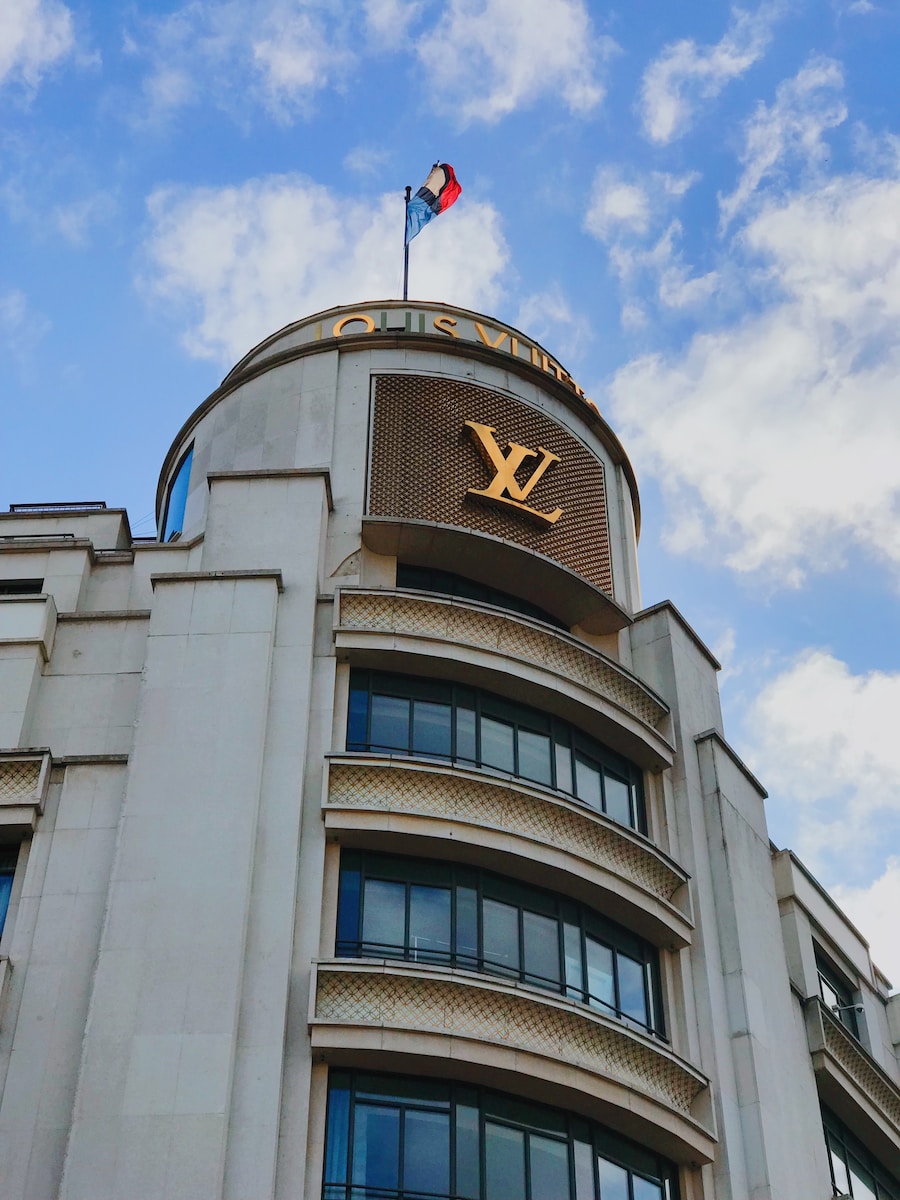
Despite being one of the most valuable luxury brands worldwide, Louis Vuitton hasn’t been immune to criticisms and controversies. This section delves into some issues that have surrounded the brand over time.
One major criticism against Louis Vuitton is its high price tag. With a simple Louis Vuitton bag costing upwards from $1,000, critics argue that the brand has become synonymous with conspicuous consumption and is out of reach for many consumers. While it’s true that Louis Vuitton is a designer brand targeting affluent customers, some say this exclusivity creates social division.
Another controversial aspect associated with Louis Vuitton is its approach towards protecting its trademark LV monogram. The company had several legal battles against companies allegedly infringing on their logo design or selling knock-off versions of their products. These lawsuits have drawn both support and criticism; while it’s crucial for any business to protect its intellectual property rights, some observers argue that Louis Vuitton’s aggressive strategy could stifle creativity in fashion design.
In addition to these criticisms, collaborations between Marc Jacobs, former creative director at Louis Vuitton, and artists such as Takashi Murakami introduced colorful alterations to the classic monogram canvas pattern which were met with mixed reactions from traditional fans who valued the iconic brown leather goods more.
Furthermore, there have been instances where certain designs by the luxury brand sparked controversy due to cultural insensitivity. For example, a collection inspired by Jamaican colors was criticized because it showcased incorrect colors
- an error attributed to lack of research about the culture they intended to celebrate.
Finally, like many luxury brands in the world today, Louis Vuitton faces occasional backlash concerning sustainability practices around production and waste generation. Despite attempts made by Georges Vuitton (founder’s son) in implementing eco-friendly materials like Epi leather line in handbags production; environmentalists continue calling for greater transparency regarding sourcing materials used in manufacturing these iconic bags.
To summarize:
- High price tags associated with products
- Aggressive defense of trademark
- Mixed reactions towards collaboration designs
- Cultural insensitivity claims
- Sustainability concerns
While these controversies may impact perceptions about Louis Vuitton, it’s important to also consider steps taken by the brand towards addressing them - such as introducing more sustainable materials into production processes or engaging cultural consultants when designing collections inspired by various cultures across globe.
Final Thoughts: Is Louis Vuitton a Designer Brand?
In conclusion, Louis Vuitton is indeed a top-tier designer brand. This is evident from its rich history dating back to 1854, its commitment to innovation and quality, and its continuous influence on global fashion trends. The company’s legacy of craftsmanship, distinctive styles, and collaboration with renowned artists continues to set it apart as a leader in luxury fashion. Like any successful international brand, Louis Vuitton has its share of controversies and criticisms.
However, it has consistently demonstrated an ability to adapt and evolve, maintaining respect for its heritage while responding to changing consumer tastes and societal trends. Despite intense competition, Louis Vuitton continues to thrive as one of the most valuable luxury brands in the world today, with its timeless appeal resonating with consumers across different generations and geographies.
Other suggested articles:
Is Dior a Designer Brand?
Is Dior a designer brand? This query brings us to the heart of the fashion industry, where luxury brands reign supreme, their names synonymous with elegance, status, and high-quality craftsmanship. Nestled prominently among these is Dior, a French luxury goods company famed for its influence and enduring presence.
Origins of Dior
Every grand label stems from humble beginnings. Christian Dior started as a modest gallery owner, running a small art gallery in Paris. However, with the outbreak of World War II, he had to close his gallery and join the French army. Upon returning to Paris post-war, Dior decided to enter the women’s fashion industry, where he secured a job as a design assistant at the renowned fashion house, Robert Piguet.
Following a brief stint at Piguet, he moved to the esteemed Parisian couture house fronted by Lucien Lelong. Here, he honed his skills, preparing himself for a solo venture that would revolutionize the fashion world. In 1946, with financial backing from Marcel Boussac, the wealthiest cotton fabric manufacturer in France, Dior officially launched the Christian Dior couture division from a townhouse at 30 Avenue Montaigne.
Christian Dior’s first collection, presented in 1947, represented a stark departure from the grim, utilitarian styles of the World War era. It introduced soft shoulders, cinched waists, and full skirts, reviving Paris’s status as a fashion capital. Carmel Snow, the then-editor of Harper’s Bazaar, famously exclaimed, “It’s such a new look!” The term “New Look” stuck, baptizing Dior’s first collection, establishing the Dior name in the fashion industry, and marking the beginning of the Christian Dior brand.
[affiliatable id=‘268261’]
Dior as a Design House
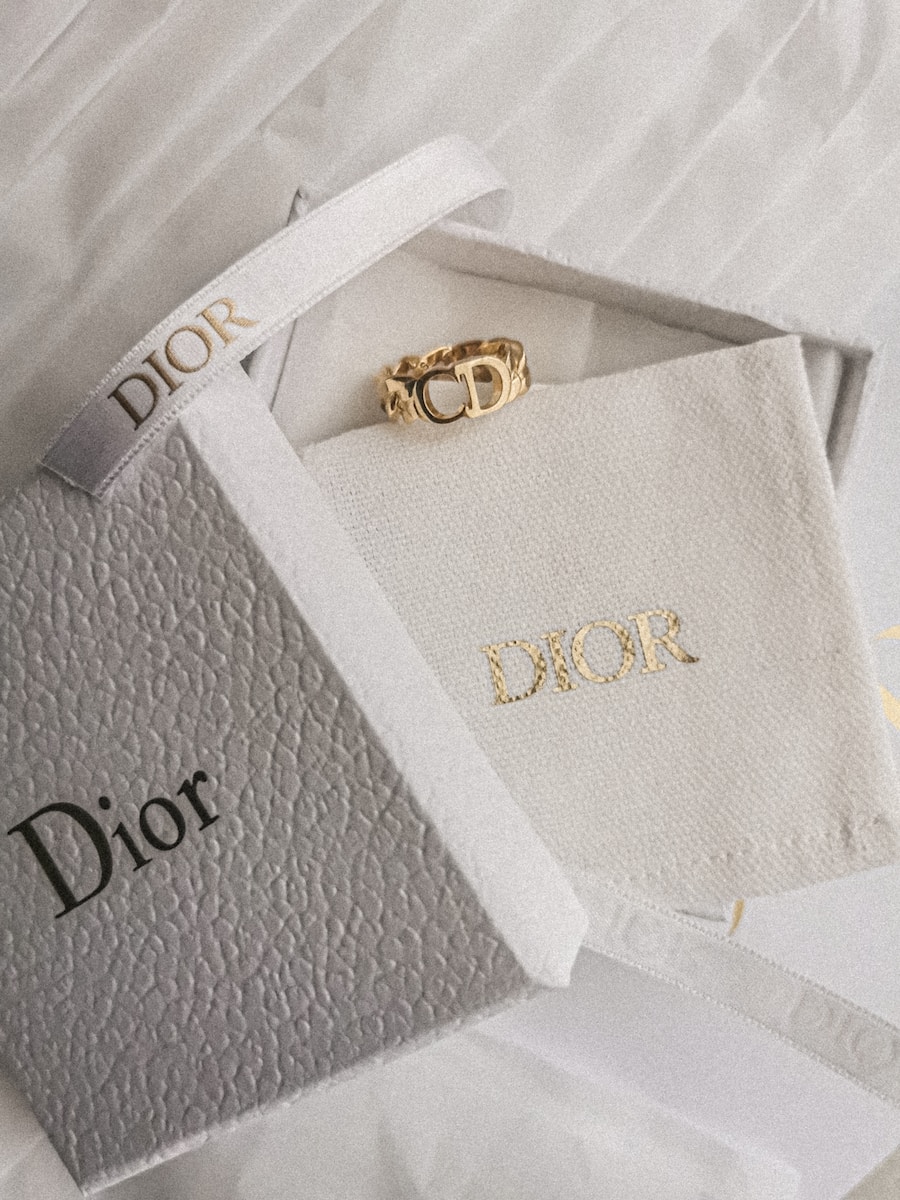
Given its exceptional standing as a luxury brand, Dior’s designs are not products of solitary efforts but creations of a fashion house teeming with talent. Dior’s assistant, Monsieur Raymonde Zehnacker, was a significant asset. Following Christian Dior’s unexpected death in 1957, he became the brand’s creative director, cementing its reputation in haute couture.
Marc Bohan, who succeeded Zehnacker, made impactful contributions, particularly on Dior Homme and Baby Dior. Perhaps the most controversial figure in Dior’s history is John Galliano, appointed in 1996. Despite his unmatched talent, Galliano’s tumultuous tenure ended due to scandal. Still, Dior, undeterred, moved forward, bringing Raf Simons onboard as the women’s artistic director in 2012.
In 2016, it appointed its first female director, Maria Grazia Chiuri, solidifying Dior’s progressive stance. The brand encapsulates fashion sketches transformed into fabric in the form of elegant clothes, accessories, perfumes, and so much more. Each collection, whether it be for the Dior Homme, Miss Dior perfume, or a Dior handbag, represents the tireless workings of a fashion house.
The Evolution of Dior as a Brand
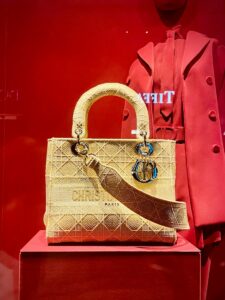
From fashion shows at Avenue Montaigne to a prominent position in every fashion capital globally, Dior has seen constant evolution. While its haute couture line, Dior Haute Couture, remains a mark of exceptional craftsmanship, Dior increasingly embraced ready-to-wear fashion lines for men and women to make fashion more accessible. The luxury goods company further broadened its portfolio with iconic products like the Saddle Bag, creating high-end consumer goods and finding a stable place within the LVMH group.
Dior has also remained conscious about its global influence, focusing on fashion sustainability and even launching a new collection of best Dior sneakers made using eco-friendly material. It’s indeed moments like these when it stands head and shoulders above typical designer brands.
The Future of Dior
In more than a decade of its existence, Dior has never lost its shine. The brand, under its parent company, LVMH, and its CEO, Bernard Arnault, continues to dominate the fashion industry with innovation and excellence. Whether it’s clothing, perfume, handbags, or high fashion sneakers, Dior places paramount importance on quality, reflecting its commitment to remain a powerhouse in the fashion world.
Further, its doors remain open to new creative directors, promising exciting changes to the dynamic fashion world. The world watches with bated breath as each new collection evokes the essence of the fashion house Christian Dior pioneered, combining it with contemporary trends that resonate with new-age fashion connoisseurs.
Final Thoughts - Is Dior a Designer Brand?
While the use of this term often depends on subjective interpretation, using objective criteria, the answer is a resounding ‘yes.’ To many, Dior exceeds this label, reaching the echelons of a legacy brand. With its foundation rooted in history and wings spread into the future, Christian Dior SE continues to make waves in the fashion industry, etching its influence one fashion season at a time, adding a fabulous new chapter to its illustrious story. Undoubtedly, Dior isn’t just a brand, it’s a fashion phenomenon.
Other suggested articles:
- Is Gucci a Designer Brand?
- Is Giani Bernini a Designer Brand?
- Is Calvin Klein a Designer Brand?
- Is DKNY a Designer Brand?
High-End Pantry Organization: 10 Chic Solutions for Luxury Kitchen Storage
In the world of luxury kitchen design, attention to detail is paramount. From meticulously selecting countertops to investing in state-of-the-art appliances, crafting a high-end kitchen demands both style and functionality. Amidst these considerations, one often underestimated yet pivotal aspect is high-end pantry organization. A meticulously organized pantry not only streamlines meal preparation but also introduces an element of sophistication to your culinary environment. This comprehensive guide explores 10 elegant solutions designed to achieve optimal pantry management and elevate your kitchen organization to a luxurious standard.
1. Utilizing Pantry Shelves Efficiently
Pantry shelves are the backbone of any well-organized pantry. They provide essential storage space for pantry items ranging from canned goods to baking supplies. When designing your upscale kitchen organization plan, consider adjustable shelves that can accommodate items of various heights and sizes. Pull-out shelves offer easy access to items stored at the back, ensuring nothing gets lost in the depths of your pantry. Custom shelving units allow you to maximize every inch of available space, creating a tailored storage solution that suits your needs perfectly.
2. Elegant Pantry Storage Containers
 Luxurious food storage containers not only keep your pantry items fresh but also add a touch of sophistication to your kitchen decor. Opt for clear containers made from high-quality materials that are both dishwasher safe and airtight. This not only preserves the integrity of your pantry items but also enhances the visual appeal of your pantry shelves. Different sizes and shapes accommodate everything from loose items like snacks to staples such as flour and rice, ensuring a cohesive and organized pantry space.
3. Organizing Pantry Items by Category
A well-organized pantry begins with categorizing pantry items effectively. Use bins, baskets, and labeled containers to group similar items together. This approach not only saves time when cooking but also prevents clutter and maximizes storage space. For instance, dedicate specific areas for storing spices, canned goods, and baking supplies. Clear labeling ensures everything is easily accessible and identifiable, maintaining the elegance and efficiency of your high-end pantry organization.
4. Vertical Storage Solutions
In upscale kitchen organization, utilizing vertical space is key to maximizing storage potential. Consider installing pantry door racks for storing spices or small jars, making efficient use of otherwise unused space. Wall-mounted shelves provide additional storage for items that are accessed frequently, while tall, narrow shelving units optimize floor-to-ceiling space. These solutions not only save space but also create a visually appealing display of your pantry essentials.
5. Maximizing Small Spaces
 Even in compact kitchens, there are chic solutions for organizing your pantry effectively. Lazy Susans are perfect for corner cabinets, allowing easy access to items stored at the back. Wire bins and stackable containers utilize vertical space efficiently, accommodating everything from snacks to small appliances. Custom-built freestanding cabinets offer additional storage options while complementing the luxurious aesthetic of your kitchen pantry.
6. Functional Pantry Systems
Investing in a high-end pantry system can elevate your kitchen organization to new heights. These systems often feature custom-built shelving, pull-out drawers, and integrated storage solutions for small appliances and specialty items. Freestanding cabinets with adjustable shelves provide flexibility and ample storage, ensuring there’s enough room for all your pantry essentials while maintaining a streamlined and elegant appearance.
7. Storing Specialty Items and Small Appliances
In a luxury kitchen, every detail matters, including how specialty items and small appliances are stored. Designate specific areas for storing items such as baking supplies and spices, ensuring they are easily accessible yet neatly organized. Dishwasher-safe containers and stackable bins are ideal for storing items that require regular cleaning and maintenance, maintaining the pristine condition of your pantry.
8. Maintaining a Well-Organized Pantry
 The key to a well-organized pantry lies in regular maintenance and attention to detail. Check expiration dates regularly to ensure pantry items remain fresh and safe for consumption. Rotate items to prevent wastage and maintain an orderly pantry space. Consider hiring a professional organizer for expert guidance on maximizing your pantry’s potential and creating a system that suits your lifestyle and culinary preferences.
9. Incorporating Design Elements
Integrating design elements into your pantry organization enhances both functionality and aesthetic appeal. Choose storage containers that complement your kitchen cabinets and countertops, creating a cohesive look throughout your culinary space. Labeling shelves and containers adds a personalized touch while ensuring everything has its place. These design elements not only enhance the luxury of your kitchen but also streamline your cooking and meal preparation process.
10. Professional Organization Services
For those seeking the ultimate in luxury kitchen organization, hiring a professional organizer can provide invaluable expertise. A professional can assess your pantry space, recommend custom storage solutions, and create a complete guide for maintaining an organized pantry. Their knowledge and experience ensure that every inch of your pantry is utilized efficiently, from maximizing vertical space to creating designated areas for different pantry items.
Wrapping Up: High-End Pantry Organization
In conclusion, premium pantry management and high-end pantry organization are essential components of a luxury kitchen. By implementing these 10 chic solutions, you can transform your pantry into a stylish and functional space that enhances both the efficiency of meal preparation and the overall aesthetic of your home. Whether you’re storing canned goods or showcasing your collection of spices, investing in a well-organized pantry ensures your kitchen remains a centerpiece of elegance and culinary excellence. By focusing on maximizing storage space, utilizing elegant pantry storage containers, and integrating efficient vertical storage solutions, you can create a pantry that not only meets but exceeds your expectations of luxury kitchen organization. Embrace these chic solutions and watch as your kitchen pantry becomes a symbol of sophistication and practicality in your home. Other suggested articles: Intelligent Home Systems: Smart Solutions for Modern Luxury Living Elegant Entryway Design: 10 Sophisticated Ideas for Refined Home Entrances Luxurious Relaxation at Home: Transforming Your Space into a Personal Oasis
Is Chanel a Designer Brand? Unraveling the Truth About This High-End Fashion
Is Chanel a designer brand? Without a doubt, the answer is yes. The Chanel brand, initiated by the iconic Gabrielle ‘Coco’ Chanel, has been an influential force in the fashion industry for over a century. From its humble beginnings as ‘Chanel Modes,’ it’s now recognized globally as a luxury fashion brand renowned for its chic elegance and timeless appeal.
In her early years, Coco Chanel revolutionized women’s fashion with her simple yet sophisticated designs - think the classic Chanel suit, with its straight-line skirts and cardigan jacket style. She introduced comfort and functionality to women’s clothing at a time when corsets were still prevalent. Her impact on European fashion was profound, making her one of the most influential figures in the world of haute couture.
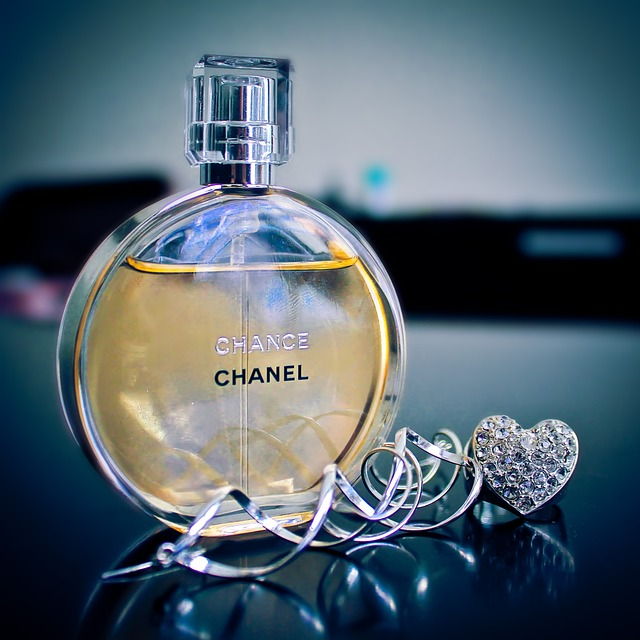
As you delve deeper into this storied brand, you’ll discover more than just clothing. The empire expanded beyond Chanel dresses and skirt and jacket suits, branching out into accessories like Chanel jewelry (remember those iconic white pearls?), eyeglass frames, and even perfumes (who could forget Marilyn Monroe’s famous quote about wearing just Chanel No 5?). Today their range includes everything from luxurious Chanel shoes to exquisite Chanel earrings, all bearing that recognizable interlocking double-C logo – an emblem of luxury and sophistication.
Unraveling the Legacy of Chanel
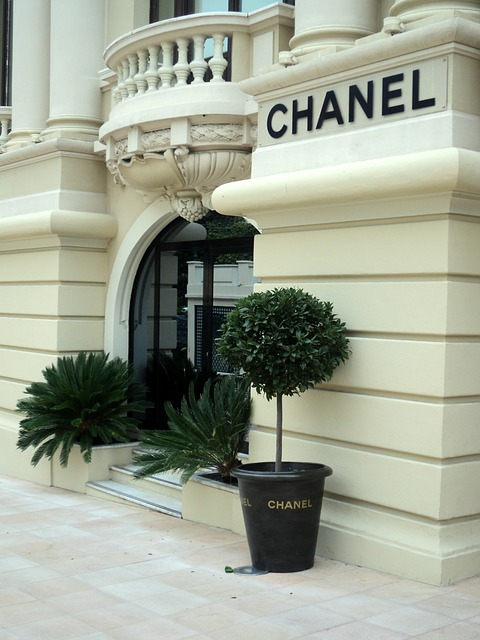
When it comes to luxury fashion brands, few hold as much sway as Chanel. Yes, indeed, Chanel is a designer brand. The legacy of this iconic brand begins with its founder, Gabrielle “Coco” Chanel. Coco’s vision and distinctive style continue to influence the world of women’s fashion even today.
As a budding fashion designer in the early 20th century, Coco Chanel opened her first shop in Paris – ‘Chanel Modes’. It was here that she began shaping European fashion by introducing comfortable yet stylish Chanel clothing for women. Her designs were a stark contrast to the constrictive and over-embellished styles that dominated women’s fashion at the time.
Chanel became known for her simplistic yet elegant pieces such as skirt and jacket suits, straight-line skirts reaching just below knee-length - a daring length for that era - and dresses made from jersey fabric. One of her most revolutionary contributions was definitely the ‘little black dress’, an enduring staple in any woman’s wardrobe.
But it wasn’t only about clothing; Coco also left her mark on accessories and jewelry design. She launched Parfums Chanel in partnership with Pierre Wertheimer, featuring fragrances that are still coveted today. And let’s not forget the iconic Chanel suit with metal and leather chains or cardigan jacket which remains synonymous with understated elegance.
The luxury brand expanded under Karl Lagerfeld’s creative direction after Coco Chanel died. He infused new life into classic designs while honoring Coco’s original vision. Today, you can find everything from haute couture gowns to eyeglass frames among Chanel products, all bearing the signature interlocked double-C logo – another testament to Gabrielle Chanel’s innovative spirit.
In addition to clothing and accessories, many people are drawn towards their exclusive collections like high-end Chanel jewelry, including bijoux de diamants (diamond jewelry) adorned with white pearls or exotic skins used in handbags embodying elegance and sophistication at every turn.
With its global headquarters nestled on Rue Cambon in Paris since World War I era till date, Chanel continues to be a major player in not just the European but global fashion industry influencing trends season after season.
Through initiatives like ‘CHANEL Culture Fund’, they’ve shown commitment towards supporting artisanal manufacturing & preserving artisanship skills endangered by modern industrial practices which further solidifies their status as one of the leading couture houses worldwide.
So there you have it: whether we’re talking about their timeless black dress or trendsetting Spring collection pieces; whether it’s Marilyn Monroe endorsing their perfumes or contemporary influencers sporting their latest creations – there’s no denying that Chanel is the designer brand par excellence!
[affiliatable id=‘269900’]
Evaluating Chanel’s Place in Designer Brand Hierarchy
Is Chanel a designer brand? Absolutely, and not just any designer brand. Chanel has forever etched its name into the annals of the fashion industry. It’s a beacon in the world of haute couture and luxury fashion brands.
The story begins with Gabrielle “Coco” Chanel, who launched her first fashion venture, Chanel Modes, in 1910. Coco Chanel transformed women’s fashion with her revolutionary designs that challenged European norms prevalent during the First World War era. The iconic Chanel suit, composed of a knee-length skirt and cardigan jacket, is still emblematic of sophistication today.
Chanel’s influence wasn’t restricted to clothing alone though. The brand also pioneered costume jewelry, introducing metal and leather chains along with white pearls to mainstream fashion accessories. In fact, Chanel earrings and other pieces of Chanel jewelry are treasured items among luxury collectors worldwide.
Under Coco Chanel’s guidance, the house expanded its reach to perfume production as well — launching Parfums Chanel. Who could forget Marilyn Monroe’s famous quote about wearing nothing but a few drops of Chanel No. 5 to bed?
However, it wasn’t always smooth sailing for this French Maison following Coco Chanel’s death in 1971. Yet under the creative direction by Karl Lagerfeld from 1983 until his demise in 2019, the brand continued thriving as an epitome of elegance and desirability.
Whether it’s their spring collection dresses or navy blue eyeglass frames; whether it’s exotic skins used for handbags or quilted construction in their signature black dress — every piece echoes high-end craftsmanship that distinguishes this luxury brand from others.
Today, maintaining its global headquarters at Rue Cambon Paris where Coco first opened her boutique over a century ago — Chanel stands tall as one of the leading players in the women’s fashion industry.
Despite facing tough competition from other luxury brands like Gucci & Louis Vuitton; despite battling global crises such as World War II or the more recent COVID-19 pandemic — through all these times, the brand Chanel has shown resilience while continuing to support artisanal manufacturing techniques essential for haute couture creations.
So yes! Not only is Chanel a designer brand – it’s an integral part of our cultural fabric that has significantly affected European and indeed global fashion trends ever since its inception.
Final Thoughts - Is Chanel Truly a Designer Brand?
Absolutely, without a doubt, Chanel is not just a designer brand but an iconic luxury fashion brand. Coco Chanel’s influence on the women’s fashion industry has been profound and lasting. Her innovative designs have shaped the course of fashion history.
Whether you’re talking about a classic navy blue cardigan jacket adorned with metal and leather chains or luxurious quilted construction handbags crafted from exotic skins - there’s no questioning it:
Chanel is indeed an unparalleled designer brand that has left an indelible mark on both European fashion culture and the global women’s fashion industry at large.
Is Moncler a Designer Brand?
Moncler, a name synonymous with high-end fashion, has stirred debates and raised eyebrows regarding its status as a designer brand. Known for its iconic Moncler jackets and innovative designs, the brand has carved a unique niche in the fashion world. In this blog post, we will delve deep into the history and evolution of Moncler, explore its signature pieces like Moncler pour Lionel Terray and Moncler Genius, and weigh in on the controversy: Is Moncler a Designer Brand?? So, let’s put on our Moncler coats and embark on a journey through the world of luxury outerwear.
Moncler: A Brief History
Moncler was founded in 1952 by René Ramillon in the alpine town of Monestier de Clermont, near Grenoble. The brand initially started as an official supplier to the French downhill ski team during the Grenoble Winter Olympics. Their first claim to fame? Crafting the world’s first down jackets. These down jackets were designed to withstand the harshest climates, making Moncler a name associated with both style and functionality.
What Defines a Designer Brand?
Before we decide whether Moncler fits the designer brand criteria, let’s first establish what makes a brand “designer.” Typically, a designer brand is characterized by its premium quality, unique design elements, and a strong brand identity. Moncler certainly fits the bill in these aspects.
Moncler’s Signature Style
Moncler’s signature style is all about blending luxury with functionality. Their iconic quilted jackets, often featuring fur trims, are a testament to this blend. Moncler jackets have become a fashion statement, especially in the colder months. From the streets of Paris to the slopes of the Italian expedition, Moncler jackets are a common sight. The brand’s reversible fabrics and innovative designs have made them a fashion powerhouse.
High-End Collaborations
One of the aspects that have elevated Moncler’s designer status is its collaboration with other luxury brands and designers. Notable collaborations include partnerships with Giambattista Valli, Palm Angels, and Craig Green. These partnerships have created a specialist range of Moncler products, further solidifying its position in the fashion world.
Moncler Genius Project
In recent years, the Moncler Genius project has taken the fashion world by storm. Under this project, Moncler collaborates with various designers to create unique collections. Richard Quinn is one of the designers who have contributed to this project. This initiative has not only pushed the boundaries of fashion but has also challenged the notion of what a designer brand can be.
Moncler’s Market Position
Moncler’s pricing and market positioning also contribute to its status as a designer brand. With a range of products, from Moncler Gamme Rouge to Moncler Gamme Bleu, the brand caters to a high-end clientele. The price tags on Moncler coats and jackets reflect their luxury status.
The Controversy: Is Moncler Truly a Designer Brand?
The debate surrounding Moncler’s designer status is fueled by factors like its French origins, its collaboration with the French expedition, and the abbreviation of “Monestier de Clermont.” Some argue that these elements make Moncler more of an outdoor brand rather than a designer label. However, considering its illustrious history and innovations, it’s hard to deny Moncler’s place in the world of luxury fashion.
Verdict: Is Moncler a Designer Brand?
In conclusion, Moncler’s journey from outfitting the French ski team to collaborating with renowned designers and pushing the boundaries of fashion demonstrates its designer status. The fusion of style, innovation, and functionality in Moncler jackets and other products cements its place in the luxury fashion world. While the controversy may persist, there’s no denying the impact and influence of Moncler as a designer brand.
[affiliatable id=‘268258’]
Moncler Group’s Evolution
The story of Moncler began in the quaint mountain village near Grenoble, Monestier de Clermont, in 1952. Founded by René Ramillon, the brand initially made its mark as the official supplier to the French downhill ski team during the Grenoble Winter Olympics. It was during this time that Moncler introduced the world to its pioneering creation – down jackets designed to withstand the harshest mountain climates. These jackets were essentially high-fashion sleeping bags, blending style and functionality seamlessly.
Moncler’s Luxury Outerwear
Moncler’s ascent to becoming a luxury brand is undeniably linked to its iconic outerwear, particularly its quilted jackets. These jackets, often adorned with fur trims, have transcended their functional roots and evolved into genuine fashion statements. Whether on the bustling streets of Paris or the snowy slopes of an Italian expedition, Moncler jackets are emblematic of sophistication and comfort. Their reversible fabrics and innovative designs have transformed them into fashion powerhouses, attracting a discerning clientele.
Moncler’s Unique Collaborations
Another facet that distinguishes Moncler as a designer brand is its ability to forge high-end collaborations. These partnerships extend to various luxury brands and designers, including Giambattista Valli, Palm Angels, and Craig Green. Such collaborations result in specialized ranges of Moncler products, solidifying the brand’s position in the upper echelons of the fashion industry.
Moncler Genius Project
In more recent years, Moncler has launched the Moncler Genius project, which has left an indelible mark on the fashion world. Under this initiative, Moncler collaborates with a diverse array of designers to create truly unique collections. Designers like Richard Quinn have been instrumental in pushing the boundaries of what a designer brand can be. This forward-thinking approach challenges conventional norms, further enhancing Moncler’s reputation as a luxury fashion brand.
Moncler’s Market Position
A key element that solidifies Moncler’s status as a luxury brand is its pricing and market positioning. Catering to a high-end clientele, Moncler offers a range of products, from Moncler Gamme Rouge to Moncler Gamme Bleu. The price tags associated with Moncler coats and jackets are indicative of their luxury status. It’s this exclusivity that maintains the brand’s allure in the world of high fashion.
Final Thoughts: Is Moncler a Designer Brand?
In conclusion, the journey of Moncler, from its humble beginnings outfitting the French ski team to its current status as a global fashion powerhouse, undeniably reflects the evolution of a designer brand. The brand’s ability to seamlessly blend style with functionality through its iconic quilted jackets, often adorned with fur trims, has redefined luxury outerwear. Moreover, Moncler’s commitment to high-end collaborations and innovative projects like the Moncler Genius initiative has challenged the conventional norms of the fashion industry, pushing the boundaries of what a designer brand can represent.
While debates may persist regarding its origins and association with the great outdoors, Moncler’s illustrious history, its enduring impact on fashion, and its exclusive market positioning leave little room for doubt. Moncler has rightfully earned its place as a distinguished designer brand, embodying the fusion of style, innovation, and functionality. In a world where fashion is both an art form and a statement of personal identity, Moncler stands tall as a beacon of luxury and innovation, offering the world a unique blend of warmth and style that is, without a doubt, designer in every sense.
Other suggested articles:
Is Celine a Designer Brand? Unraveling the Luxury Fashion Mystique
Is Jimmy Choo a Designer Brand?
Balenciaga vs Gucci: A Tale of Two Fashion Houses
Why Do We Buy Designer Brands? Advantages and Disadvantages
In this post, we will delve into the reasons why do we buy designer brands, as well as discuss the advantages and disadvantages.
Luxury brands have become an essential part of our modern lifestyle. People from all walks of life, regardless of their social status, buy luxury brands and are willing to spend hefty amounts of money on designer clothing, luxury brand accessories, and other luxury goods. But what is it about designer brands that make them so attractive to consumers?
5 Reasons for Buying Designer Brands
1. Perceived Quality: One of the primary reasons why people choose to buy designer brands is due to the perceived quality of the products. Consumers believe that designer products are made with high-quality materials and superior craftsmanship, which ensures that the products will last longer and perform better than their non-designer counterparts.
2. Social Status: Another reason why people buy designer brands is to enhance their social status. Owning designer items is a symbol of wealth and success, and it helps people feel more confident and respected in society. People are often willing to pay a premium for designer products, as they perceive them to be a marker of their social standing.
3. Self-Expression: Designer brands also allow individuals to express their unique sense of style and personality. Many designer companies offer limited edition collections and exclusive collaborations, enabling consumers to acquire one-of-a-kind pieces that showcase their individuality.
4. Emotional Connection: Consumers may also develop an emotional connection with designer brands, as they may associate the brand with positive memories or experiences. Luxury consumption can be a powerful motivator for consumers to continue purchasing from the brand, even if they are aware of the premium price they are paying.
5. Investment: Some consumers view designer products as an investment, as the value of certain luxury items can appreciate over time. This is particularly true for limited edition pieces or items from iconic designers, which may become highly sought after by collectors.
Advantages of Buying Designer Brands
1. Quality and Durability: As mentioned earlier, one of the primary reasons people opt for designer brands is the perceived quality and durability of the products. This is in contrast to cheaper brands, which may deteriorate over time and not maintain the same relative quality as their higher-end counterparts.
While this may not always be the case, generally speaking, designer products are made with high-quality materials and superior craftsmanship, ensuring that they last longer and perform better than non-designer products.
- Style and Exclusivity: Luxury products often offer unique and stylish products that are not available elsewhere. This allows consumers to stand out from the crowd and showcase their personal sense of style. Additionally, limited edition collections like luxury clothing and exclusive collaborations can provide consumers with even more exclusive and hard-to-find items.
3. Better Resale Value: Designer products tend to have better resale value compared to non-designer items, as they are often seen as more valuable and desirable. This can be particularly advantageous for consumers who view their designer purchases as an investment, as they may be able to sell their items for a higher price in the future.
4. Enhanced Confidence and Self-Esteem: Owning and wearing designer items can boost an individual’s confidence and self-esteem, as they may feel more attractive, successful, and respected by their peers. This can have a positive impact on various aspects of their life, such as their social interactions and professional endeavors.
Disadvantages of Buying Designer Brands
1. High Cost: One of the most significant disadvantages of buying designer brands is the high cost associated with these products. Designer items often come with a hefty price tag, which can be a significant financial burden for many consumers. This can lead to overspending and financial stress, particularly for those who prioritize designer purchases over more essential needs.
2. Perpetuating Materialism: The desire for designer brands and luxury items can perpetuate a culture of materialism, where individuals are constantly seeking to acquire more possessions to showcase their wealth and success. This can lead to a never-ending cycle of consumption, as people become dissatisfied with their current possessions and continually seek out newer, more expensive items.
3. Quality Inconsistency: While many designer brands are known for their quality and durability, this is not always the case. Some designer products may not live up to their high price tag, either due to poor craftsmanship or the use of lower-quality materials. This can result in consumers feeling disappointed and deceived by the brand, as they may have expected a superior product for the price they paid.
4. Counterfeit Products: The popularity of designer brands has led to a thriving market for counterfeit products, which can often be difficult to distinguish from authentic items. This can result in consumers inadvertently purchasing fake designer products, which may be of inferior quality and potentially unsafe.
5. Ethical Concerns: Some designer brands have been associated with unethical practices, such as the use of child labor, animal cruelty, or environmentally harmful production methods. Consumers who prioritize ethical and sustainable practices may struggle to find designer brands that align with their values.
Final thoughts - Why Do We Buy Designer Brands?
So, why do we buy designer brands? In conclusion, there are several reasons why people choose to buy genuine luxury brands, including perceived quality, social status, self-expression, emotional connection, and investment potential. While there are advantages to buying designer products, such as quality, exclusivity, and resale value, there are also several disadvantages, including high costs, materialism, quality inconsistency, counterfeit products, and ethical concerns.
Ultimately, it is up to each individual to weigh the pros and cons of purchasing designer brands and decide whether the advantages outweigh the disadvantages for their personal needs and values.
Is Kate Spade a Designer Brand?
Kate Spade is a fashion brand that has taken the world by storm. It was founded by Katherine Noel Brosnahan, an American fashion designer, and businesswoman, who was commonly known as Kate Spade. The brand started with the production of handbags and has since expanded to include clothing, jewelry, shoes, eyewear, and other fashion items. However, the question that has been asked over the years is whether Kate Spade is a designer brand. In this blog post, we will delve into the question, Is Kate Spade a designer brand?
Definition of a Designer Brand
A designer brand is a fashion brand that produces high-quality products, including clothing, bags, shoes, and accessories. Designer brands are usually known for their unique styles, classic designs, and high-quality materials. Designer brands are often categorized as luxury brands and are known for their high-end products and price points. Designer brands are usually owned by a fashion designer or a group of designers who are known for their fashion talent and personal style. Designer brands often cater to a specific audience and are known for their exclusivity and limited production.
Kate Spade’s Brand Identity
Kate Spade is an American fashion brand that was founded in New York City in 1993 by Kate Spade and her husband, Andy Spade. The brand was initially known for its high-quality leather bags, which were a major reason for its success. Kate Spade’s bags were practical, stylish, and reliable everyday bags that were perfect for the modern woman. Kate Spade’s bags were made of high-quality leather and were available in various styles, including tote bags, handbags, and purses.
The brand’s success led to the opening of the first Kate Spade store in New York City in 1996. The brand’s expansion continued, and it soon became a household name, with its products being sold in major department stores, including Saks Fifth Avenue, Neiman Marcus, and the Neiman Marcus Group. Kate Spade’s bags became a must-have fashion item, and the brand expanded its product line to include clothing, shoes, jewelry, and other accessories.
Design Aesthetic of Kate Spade
Kate Spade’s design aesthetic is known for its unique styles, bold colors, and classic designs. The brand’s bags are usually made of high-quality leather, including saffiano leather and pebbled leather. Kate Spade’s bags are often adorned with the brand’s signature scarf-tied handles and silver-tone hardware. Kate Spade’s logo, which is a spade, is often used as a decorative element on the brand’s products.
Kate Spade’s bags are often compared to those of other designer brands, including Michael Kors, Tory Burch, and Coach. Kate Spade’s bags are often considered to be more affordable than those of high-end brands like Louis Vuitton and Ralph Lauren. Kate Spade’s bags are often characterized by their practicality and their ability to cater to the needs of the modern woman. Kate Spade’s bags are also known for their ability to incorporate classic styles with modern designs.
Kate Spade’s Price Points

Kate Spade’s products are known for their lower price points compared to those of other luxury brands. The brand’s bags, clothing, and accessories are known for their affordability and accessibility. Kate Spade’s bags are usually priced between $200 and $500, which is lower than the prices of bags from high-end brands like Louis Vuitton and Ralph Lauren. However, Kate Spade’s bags are usually more expensive than those of other American brands like Coach and Michael Kors.
The quality of Kate Spade’s products has been a subject of debate over the years. Some consumers believe that Kate Spade’s bags are made of high-quality materials and are worth their price, while others believe that the quality of Kate Spade’s products is lower than that of high-end brands. Despite this debate, Kate Spade’s products are known for their good quality and durability. Kate Spade’s bags are made of high-quality leather and are well-made, ensuring that they last for years.
The Tragic Loss of Kate Spade
In 2018, the fashion world was shocked by the apparent suicide of Kate Spade. Her death was a tragedy for the fashion industry and the millions of people who loved her brand. Kate Spade’s death raised questions about the pressure that comes with being a fashion designer and the toll it can take on mental health.
After Kate Spade’s death, her husband, Andy Spade, released a statement in which he revealed that he and Kate had been legally separated for several months before her death. He also revealed that Kate had been struggling with anxiety and depression and was seeking treatment for her mental health issues.
Kate Spade Bags Today
After Kate Spade’s death, the brand was acquired by Coach and is now known as Tapestry. The brand still produces bags in Kate Spade’s signature style, but with updated designs. The brand has expanded its product line to include clothing, shoes, jewelry, accessories, home decor items, and stationery. While the prices of Kate Spade’s products have increased since the brand was acquired by Coach, they are still considered affordable and accessible to many consumers.
Kate Spade handbags remain popular today, and the brand is considered a staple in many wardrobes. The iconic bags are known for their classic designs, bold colors, and high quality.
If you have a Kate Spade bag, you know that it is a timeless addition to your wardrobe that will last for years to come.
[affiliatable id=‘268401’]
Kate Spade Products
Kate Spade brand handbags come in a variety of colors, shapes, and sizes. The brand also offers other products such as clothing, shoes, jewelry, accessories, home decor items, and stationery. Kate Spade’s clothing is classic and timeless with bold colors and prints. The brand’s shoes have been praised for their comfort and style. Kate Spade also offers jewelry, ranging from necklaces and earrings to rings and bracelets. The brand’s accessories are designed to be both practical and stylish, such as wallets, keychains, scarves, and hats. Finally, their stationery line includes notebooks, pens, stickers, journals, cards, and more.
Kate Spade purses and accessories are known for their affordability, accessibility, and quality. Whether you’re looking for a timeless classic or something modern and quirky, Kate Spade has something to offer everyone. The brand continues to be a leader in the fashion industry today with its iconic styles and commitment to creating products that make women look and feel great.
The Future of Kate Spade
In 2017, Tapestry Inc. (formerly known as Coach Inc.) acquired Kate Spade for $2.4 billion. Tapestry Inc. is a multinational fashion company that owns several luxury brands, including Coach and Stuart Weitzman. The acquisition of Kate Spade by Tapestry Inc. has raised questions about the future of the brand and whether it will continue to produce high-quality products.
Despite the acquisition, Kate Spade’s products continue to be popular among fashion enthusiasts. The brand’s products are still available in major department stores, and the brand continues to produce new collections each season. The brand’s commitment to producing high-quality products has not wavered, and the brand continues to be known for its reliable everyday bags and stylish designs.
Final Thoughts: Is Kate Spade a Designer Brand?
Kate Spade is a designer brand that produces high-quality products, including bags, clothing, shoes, and accessories. The brand is known for its unique styles, classic designs, and high-quality materials. Kate Spade’s bags are practical, stylish, and reliable everyday bags that cater to the needs of the modern woman. The brand’s products are available at a lower price point compared to those of high-end brands, making them accessible to a broader audience.
Despite the tragic loss of Kate Spade, her brand continues to thrive, and its commitment to producing high-quality products has not wavered. Kate Spade’s products are still popular among fashion enthusiasts and continue to be sold in major department stores. The future of the brand remains bright, and it is expected to continue producing high-quality products that cater to the needs of its customers.
Is Dolce and Gabbana a Designer Brand? Unveiling the Truth Behind the Label
Is Dolce and Gabbana a designer brand? The answer is a resounding yes! Dolce and Gabbana is not just any fashion brand; it’s an iconic luxury fashion house that has left an indelible mark on the global fashion industry. Founded by Italian designers Domenico Dolce and Stefano Gabbana in 1985, this dynamic duo has shaped the world of high-end fashion with its distinctive style.
Their first store opened its doors in Milan, setting the stage for what would become one of the best international designer brands. Since then, they’ve remained at the forefront of luxury fashion brands with collections that fuse Italian culture and Mediterranean style. From Sicilian dress-inspired pieces to crystal embellished body suits, their designs have graced many prestigious runways including Milan Fashion Week.
Dolce & Gabbana continues to maintain a strong brand identity within the competitive realm of luxury brands. Their perfume collection alone, such as ‘Perfume Dolce’, won them accolades from French Parfum Academy. In fact, their fourth collection was named ‘Most Innovative Men’s Collection’ at the Elle Style Awards - a testament to their continuous evolution and impact in the world of high fashion.
Understanding the Brand: Dolce and Gabbana
When it comes to luxury fashion brands, few names evoke such powerful imagery as Dolce and Gabbana. As one of Italy’s most iconic labels, this fashion house has long represented a certain Mediterranean style that’s both sophisticated and seductive. But you might still wonder, is Dolce and Gabbana a designer brand? Well, I’m here to shed some light on this.
Domenico Dolce and Stefano Gabbana, two Italian designers who started their eponymous brand in 1985, are the creative minds behind this powerhouse. Their first collection was an instant hit among the British and Italian press. The duo built on their initial success by opening their first store in Milan that very same year, leveraging their distinctive style into a strong brand identity.
In the world of high-end fashion - where changes happen at breakneck speed -
maintaining relevance is no easy feat. However, Dolce & Gabbana managed not only
to stay relevant but also thrive by continuously introducing innovative designs
that blend Italian culture with contemporary trends.
Their fourth collection was inspired by Sicilian dress patterns which showcased their deep roots in Italian tradition while appealing to modern fashion lovers around the globe. Over time, they’ve diversified into various sectors of the fashion industry including perfumes (with ‘Perfume Dolce’ being quite popular) and accessories along with men’s and women’s ready-to-wear lines.
A look at any Dolce & Gabbana creation will reveal why they’re considered one of the best international designers today. From crystal embellished body suits worn by stars like Sophia Loren to runway looks paraded during Milan Fashion Week – every piece tells a story while adhering to the overarching aesthetic of D&G.
The label’s influence extends beyond clothing; it’s left its mark on other areas within the luxury market too - from fragrances endorsed by celebrities to stunning eyewear collections. In fact, in 2002 they received Elle Style Awards for “Most Innovative Men’s Collection” demonstrating their unyielding commitment to pushing boundaries in design.
In essence then:
-
Dolce & Gabbana is indeed a designer brand,
-
It has been shaped over three decades by talented Italian designers Domenico Dolce & Stefano Gabbana,
-
It consistently remains at the forefront of global luxury fashion houses due to its unique blend of traditional Italian elements with contemporary flair,
-
And finally - yes! Its creations are regarded among all-time favorites for many connoisseurs within the modern-day fashion world.
That pretty much covers our introduction to understanding what makes up this iconic brand!
Identifying Attributes of a Designer Brand
When we speak about luxury fashion brands, the name Dolce and Gabbana often rings a bell. So what attributes make Dolce and Gabbana a designer brand? Let’s take a closer look.
First off, Dolce and Gabbana is an Italian luxury fashion house founded by two Italian designers Domenico Dolce and Stefano Gabbana. This powerhouse duo has been making waves in the fashion industry since they launched their first collection back in 1985. Their distinctive style quickly gained them recognition amongst the best international designers.
But it’s not just their longevity in the business that makes them stand out, it’s also their strong brand identity. Dolce and Gabbana have become synonymous with Mediterranean style – think crystal embellished body suits, Sicilian dresses, and Sophia Loren-inspired looks. The inspiration drawn from Italian culture is palpable in every piece they create. This distinctive style sets them apart from other luxury fashion houses.
Another key attribute of this high-profile designer brand is its presence at major events like Milan Fashion Week. A favorite among both the British and Italian press, their collections often steal the show with innovative designs that leave fashion lovers eagerly anticipating what they’ll come up with next.
Dolce and Gabbana isn’t just limited to clothing either; it has branched into other avenues within the same fashion house such as perfumes (remember “Perfume Dolce”?), accessories, eyewear, watches - even children’s wear! Their ability to diversify while maintaining a consistent brand image further cements them as an iconic designer label within the luxury market.
So if you’ve ever asked yourself “is Dolce and Gabbana a designer brand?”, now you know! From winning awards like “Most Innovative Men’s Collection” at Elle Style Awards to having an impactful presence on global platforms like Milan Fashion Week - yes, without a doubt, Dolce & Gabbana indeed counts among international luxury fashion brands.
[affiliatable id=‘269299’]
Final Thoughts: Is Dolce and Gabbana a Designer Brand?
Indeed, when we address the question, “Is Dolce and Gabbana a designer brand?” the answer is an unambiguous yes. Known for their distinctive style and strong brand identity, Domenico Dolce and Stefano Gabbana have created one of Italy’s most influential luxury fashion brands.
The powerhouse duo behind this Italian brand has been shaping the fashion world since they broke onto the scene at Milan Fashion Week in 1985. From their first store opening to their latest collection, every piece of clothing underlines the unique Mediterranean style that’s become synonymous with Dolce & Gabbana.
In addition to clothing lines for both men and women, they’ve also made waves in the perfume market with offerings like ‘Dolce’. It even won accolades from French Parfum Academy - another testament to their versatile talent.
Looking back at Dolce & Gabbana’s brand history reveals not just successful clothes or perfumes but more importantly - it shows the evolution of an idea born out same fashion house into a global luxury brand loved by all!
So there you have it! The legacy of Italian designers Domenico Dolce & Stefano Gabbana is deeply ingrained within our society making it one of few true luxury fashion houses out there today!
Other suggested articles:
Is Jimmy Choo a Designer Brand?
Is Balenciaga a Designer Brand? Unveiling the Truth Behind the Luxury Label
Without a doubt, Balenciaga is indeed, a globally recognized fashion house, but is Balenciaga a designer brand?
Its origin traces back to the early 1900s when acclaimed Spanish couturier, Cristóbal Balenciaga, founded this luxury fashion house in Spain. Known for his impeccable craftsmanship and innovative designs, Balenciaga’s influence on the world of haute couture has been profound and enduring.
The tumultuous period of the Spanish Civil War led Cristóbal to relocate his
establishment from Spain to Paris - turning it into a successful Paris couture
house. The Balenciaga Couture label became synonymous with avant-garde designs
that frequently sent ripples through the fashion world. His creations were so
bold and unique that Christian Dior once referred to him as “the master of us
all”.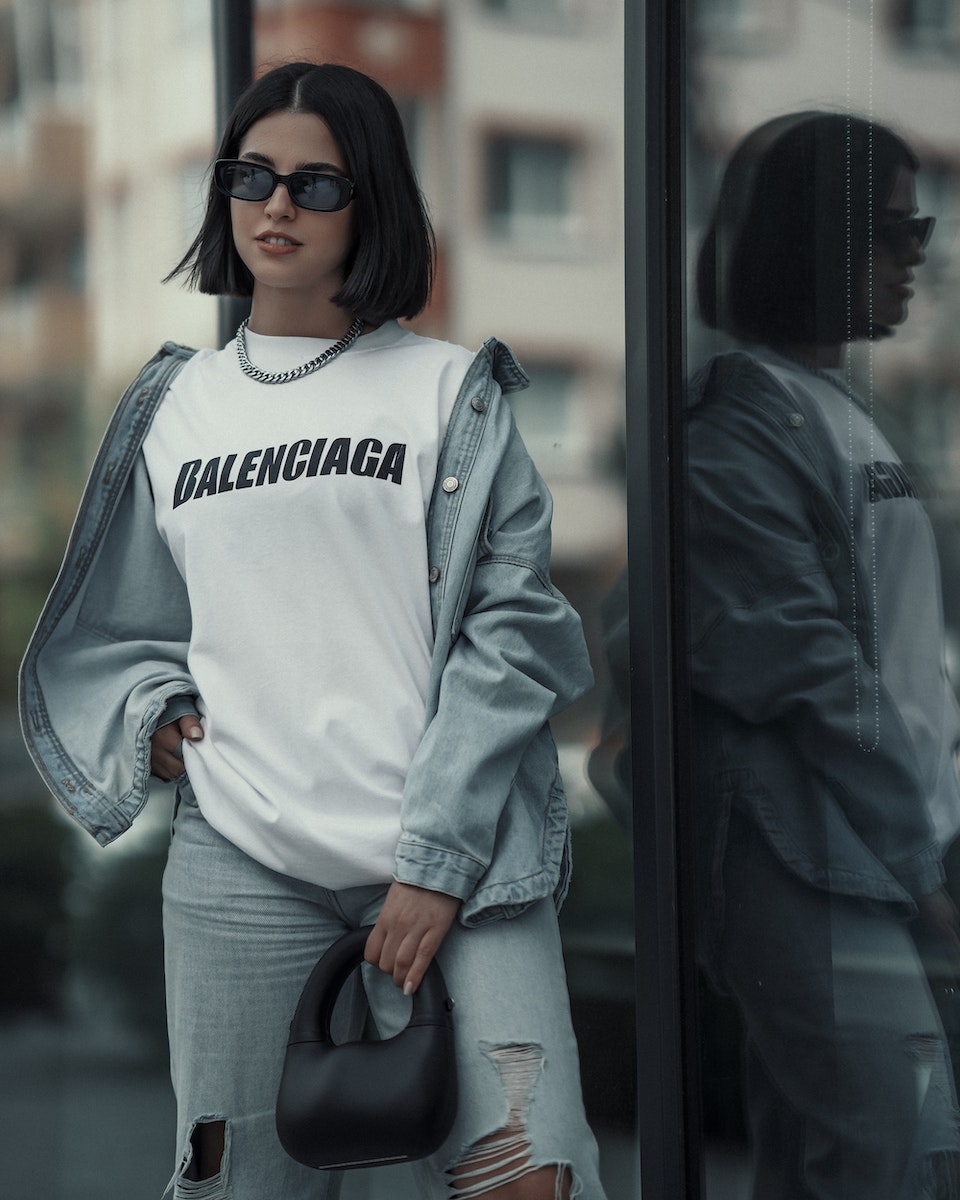
While Cristobal decided to close down his fashion house in 1968 due largely to changes in women’s fashion, Balenciaga made its triumphant return decades later. Today, it continues to dominate global runways with its eclectic mix of ready-to-wear clothing and accessories - from the iconic ‘Balenciaga Triple S’ sneakers to beaded embellished scarves. The legacy of Cristobal lives on under the guidance of new head designers who diligently work towards pushing boundaries while staying true to the original ethos of this revered brand.
Understanding the Origin of Balenciaga
Let’s start this journey with a question: Is Balenciaga a designer brand? The answer is a resounding yes! As an iconic luxury fashion house, Balenciaga holds a prominent place in the global fashion world.
Founded by Cristóbal Balenciaga in 1917, it quickly established itself as one of the most successful couture houses in Spain. However, during the Spanish Civil War, Cristobal moved his operations to Paris - making it into an eminent Paris Couture House. Here, he continued to revolutionize women’s fashion with timeless designs like the sack dress and baby doll dress.
Balenciaga was hailed by Christian Dior as “the master of us all” and indeed he was. His creations were coveted by many who didn’t mind buying Balenciaga’s expensive creations because they knew they were investing in quality and style. Even famous figures such as Hubert de Givenchy served under him before establishing their own successful couture houses.
In 1968 though, Cristóbal Balenciaga famously decided to close his renowned fashion house rather than compromise on haute couture bills or adjust clothing retail delivery dates. The world mourned for what seemed like an end to an era of exquisite design - from beaded embellished scarves to ivory duchess satin trimmed wedding gowns (like the one Nicole Kidman wore).
Fast forward some years later, and we see how resilient this brand truly is. In 1986 Jacques Bogart S.A acquired Balenciaga, reopening it under new management but still respecting its rich history by maintaining access to Balenciaga house archives.
The first ready-to-wear line launched under this new phase did not disappoint; with every piece bearing that distinct signature style that screams ‘Balenciaga’. Over time, head designers like Alexander McQueen have kept up the tradition of innovation while adding their unique flairs too!
Today, you’ll find everything from haute couture dresses to trendy Balenciaga sneakers under this label—each product echoing its founder’s commitment to craftsmanship and quality.
So there you have it: From its inception on Avenue George V in Paris till today; whether it’s about stiff duchess satin worn elegantly or casual yet stylish triple S sneakers – one thing remains constant – Balenciaga is indeed a designer brand, standing high alongside names like Louis Vuitton within luxury fashion circles.
[affiliatable id=‘269601’]
Is Balenciaga a Designer Brand: The Facts
The fashion world recognizes Balenciaga as one of the most prestigious and influential houses in the haute couture scene. It’s an unmistakable part of the luxury fashion house landscape. Cristóbal Balenciaga, a Spanish designer, established this Paris couture house back in 1917.
Let’s dig into some facts about this esteemed brand:
- Balenciaga is renowned for its avant-garde and innovative designs. Christian Dior even once referred to Cristóbal Balenciaga as “the master of us all.”
- The brand has given birth to iconic creations like the sack dress and baby doll dress. These pieces have left a significant imprint on women’s fashion.
- Some items from Balenciaga, such as their sneakers, have become cult favorites in recent years.
- Noteworthy designers including Hubert de Givenchy and Alexander McQueen have worked under the Balenciaga label at different points in their careers.
Despite being recognized globally today, it wasn’t always smooth sailing for this brand. In fact, during the Spanish Civil War, Cristóbal Balenciaga famously decided to move his operations to Paris due to political unrest.
Over time, however, it has grown into one of the most successful couture houses. Its influence can be seen not just through direct imitations but also through how it shapes broader trends within high-end fashion circles.
Even after Cristóbal Balenciaga closed his doors in 1968 due partly to rising haute couture bills (yes! running such a luxury fashion house is expensive), his legacy lived on through those he mentored - designers who went on to establish their own successful couture houses.
Today’s head designer continues to draw inspiration from both current trends and priceless gems found within the Balenciaga house archives, creating collections that blend tradition with modernity while still adhering closely to ready-to-wear timelines (clothing retail delivery dates).
From wedding gowns donned by celebrities like Nicole Kidman (remember that ivory Duchess satin trimmed gown she wore?) or even beaded embellished scarves seen on runways; every piece under this brand reflects its dedication towards maintaining its status as a revered player in global haute couture.
So when you ask me “is Balenciaga a designer brand,” I’d confidently say yes! It boasts an impressive history filled with innovation and influence; plus it remains at the forefront of luxury fashion today - making it more than worthy of its esteemed placement alongside giants like Louis Vuitton on Avenue George V in Paris!
Just remember though: buying Balenciaga’s expensive creations doesn’t come cheap – but then again, when did true style ever do?
Summing Up Balenciaga’s Status in Fashion
Let’s cut to the chase: is Balenciaga a designer brand? Absolutely. Born out of Paris, it’s more than just a luxury fashion house; it’s an icon of style and innovation.
In conclusion then yes; whether we’re talking about haute couture bills or simply admiring another pair of those coveted Triple S sneakers – there’s no doubt about it – when you see that familiar ‘Balenciaga’ label stitched onto an item… You know you’re dealing with luxury fashion at its best.
Is Giani Bernini a Designer Brand?
When it comes to fashion, there are few things more important than brands. They can give you an instant idea of the quality, style, and status of a product. With the rise of the internet and the ease of online shopping, it can be difficult to differentiate between designer brands and non-designer brands. This has led to many debates, including the question, Is Giani Bernini a designer brand? In this article, we will explore this question and provide some insight into what makes a brand a designer brand.
What is a Designer Brand?
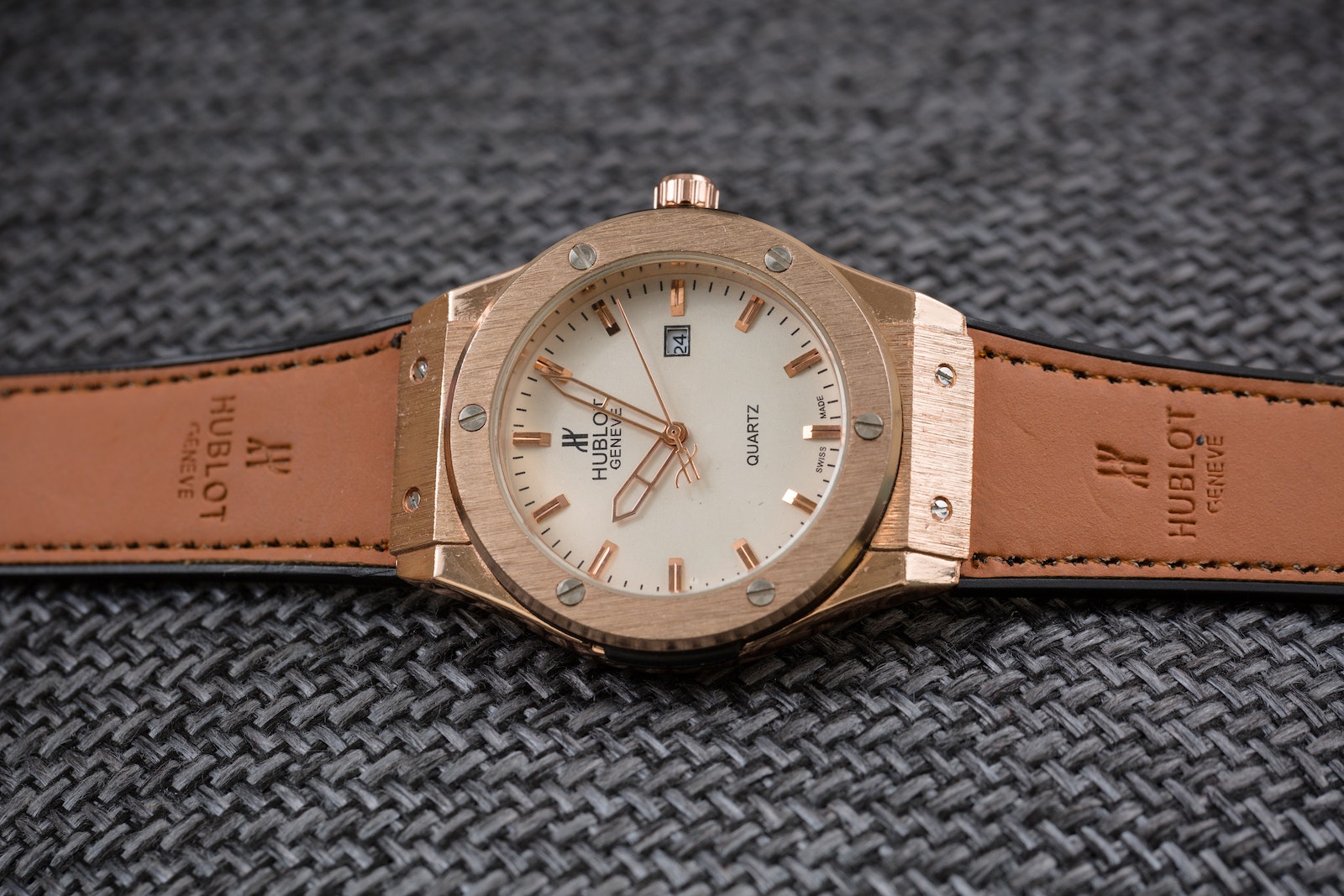
Before we can discuss whether Giani Bernini is a designer brand, we need to define what a designer brand is. A designer brand is a brand that produces high-end, luxury items that are known for their exceptional quality, craftsmanship, and designs. These brands typically use high-grade materials, such as genuine leather, and have a reputation for being both expensive and exclusive. Designer brands are often associated with fashion houses that have a long history in the fashion industry, and their products are typically designed for formal occasions or high-end events.
Giani Bernini: The Brand
Giani Bernini is a brand that produces bags and purses that are sold exclusively at Macy’s department stores. The brand was founded in 1985 by Bernini and is known for its simplicity, practicality, and affordability. Giani Bernini produces bags for both casual and formal occasions, making them a versatile choice for anyone looking for a bag that can be worn on any occasion.
The brand produces a wide variety of bags, including shoulder bags, crossbody bags, and body bags. The bags are made from durable materials and are designed with exterior pockets that make them practical for everyday wear. Giani Bernini offers an exceptional assortment of designs and styles, ranging from hot pink and lavender purple to more traditional styles that are perfect for formal occasions.
Is Giani Bernini a Designer Brand?
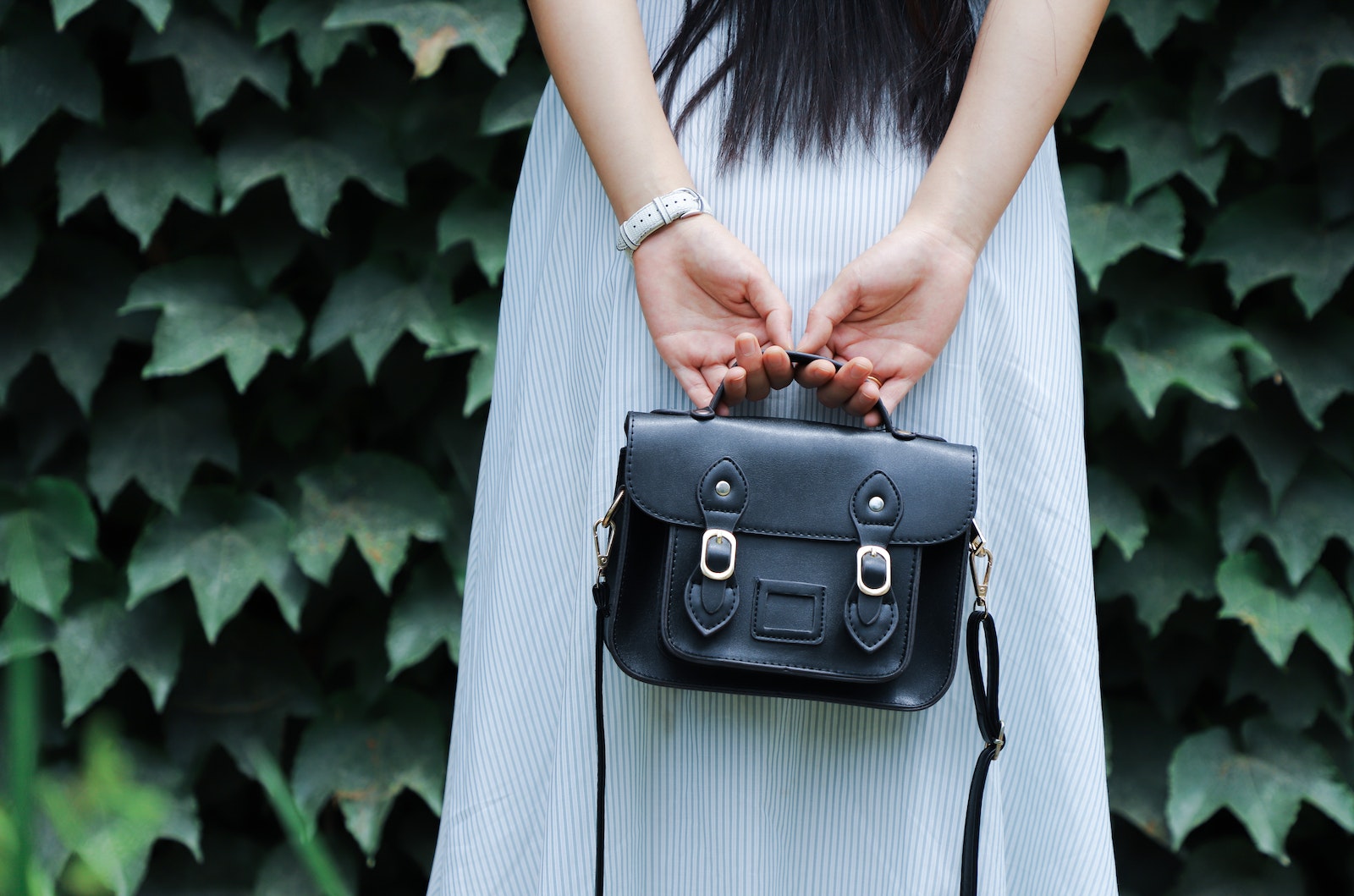
When it comes to answering the question of whether Giani Bernini is a designer brand or not, the answer is not straightforward. On one hand, Giani Bernini produces bags that are both affordable and practical, making them accessible to a wider audience. This makes the brand less exclusive and less associated with luxury brands.
On the other hand, the brand’s bags are made from high-quality materials, such as genuine leather, and the brand offers exceptional styles that are not found in many other brands. Additionally, Giani Bernini’s bags are known for their superior craftsmanship, which sets them apart from bags made from cheaper materials.
While Giani Bernini may not be a traditional designer brand, the brand stands out in the fashion industry by producing high-quality pieces that are accessible to a wider audience. Giani Bernini produces bags that are both practical and stylish, making them a good brand for anyone looking for a good quality bag that doesn’t break the bank.
The Giani Bernini logo is also an iconic symbol of quality and style, making it a recognizable brand in the fashion industry.
Giani Bernini Products
The Giani Bernini product line includes a wide range of bags and purses, from small crossbody bags to large totes. The brand also offers wallets, keychains, and other accessories that add a finishing touch to any look. All pieces are crafted with high-grade materials for durability and style.
Reasons to Buy Giani Bernini Bags
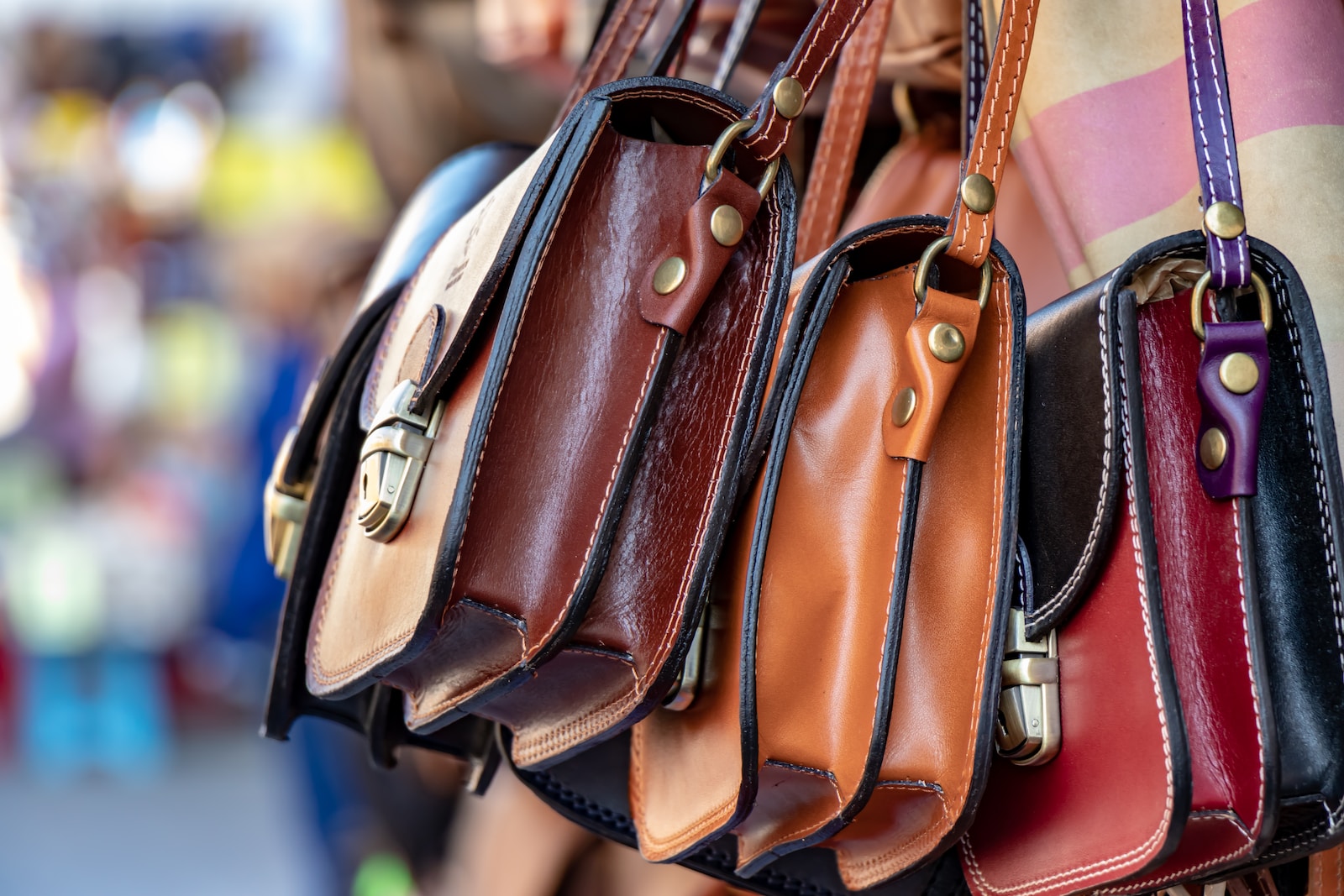
If you’re considering buying a Giani Bernini bag, here are some reasons why they are worth considering:
- High-Quality Materials: Giani Bernini uses the highest quality materials, such as genuine leather, to produce their bags. This ensures that the bags are both durable and stylish.
- Affordable Prices: Giani Bernini’s bags are affordable, making them accessible to a wider audience.
- Exceptional Styles: Giani Bernini offers exceptional styles that are not found in many other brands. This makes them a good choice for anyone looking for a unique bag.
- Practical Bags: Giani Bernini’s bags are designed with practicality in mind, making them a good choice for everyday wear.
- Superior Craftsmanship: Giani Bernini’s handbags are known for their superior craftsmanship, which sets them apart from bags made from cheaper materials.
- Versatile Bags: Giani Bernini produces bags for both casual and formal occasions, making them a versatile choice for anyone looking for a bag that can be worn on any occasion.
- Genuine Leather: Many of Giani Bernini’s bags are made from real leather, giving them a luxurious feel and look.
- Custom Bag: Giani Bernini also offers a custom bag service, allowing customers to design their own bag that is unique to them.
- Inexpensive Luxury: While Giani Bernini may not be a traditional luxury brand, they offer luxury bags at a more affordable price point.
- Exquisite Collection: Giani Bernini’s bags come in an exceptional assortment of designs and styles, making it easy to find a bag that suits your personal style.
Are Giani Bernini Bags Worth It?
If you’re looking for a good quality bag that is both stylish and practical, then Giani Bernini bags are definitely worth considering. While they may not be a traditional designer brand, they offer bags made from high-quality materials that are both durable and stylish. Giani Bernini’s bags are also affordable, making them accessible to a wider audience.
Additionally, Giani Bernini offers exceptional styles that are not found in many other brands, and the brand’s bags are known for their superior craftsmanship. This sets them apart from bags made from cheaper materials, making them a good investment for anyone looking for a bag that will last. Giani Bernini handbags are also versatile and can be worn on any occasion. All these factors make Giani Bernini a good choice for anyone looking for a stylish and practical bag.
Bag Varieties for Every Occasion
Bags have become an essential part of modern fashion, transcending their utilitarian purpose to become symbols of personal style. From shoulder bags to totes, each bag variety serves a unique purpose and aesthetic. With countless options available, finding the right bag to match your outfit and occasion has become an art form.
Unveiling the Giani Bernini Legacy
Giani Bernini, a name synonymous with timeless elegance and practical design, has etched its legacy into the world of fashion. The brand’s inception in 1985 marked the beginning of a journey that would revolutionize the perception of bags and purses. Giani Bernini products have managed to capture the hearts of women across generations, making them an integral part of their personal style.
Elevating Style with Luxury Brands
In a world where clothing is no longer merely a necessity but an expression, luxury brands hold a unique allure. They possess the power to transform a simple outfit into an ensemble that exudes sophistication and refinement. Giani Bernini, though not traditionally labeled as a luxury brand, introduces an aesthetic that blends practicality with an understated sense of luxury, making its products a coveted addition to any collection.
[affiliatable id=‘269491’]
Exploring the Realm of High-End Fashion
The allure of high-end brands lies not only in their exquisite products but also in the aura of exclusivity they carry. These brands are often associated with renowned designers who meticulously craft each piece to perfection. While Giani Bernini might not carry the label of a traditional high-end brand, its products bridge the gap between everyday functionality and high-fashion aesthetics, catering to a wider audience.
Crafting Excellence: The Essence of Quality
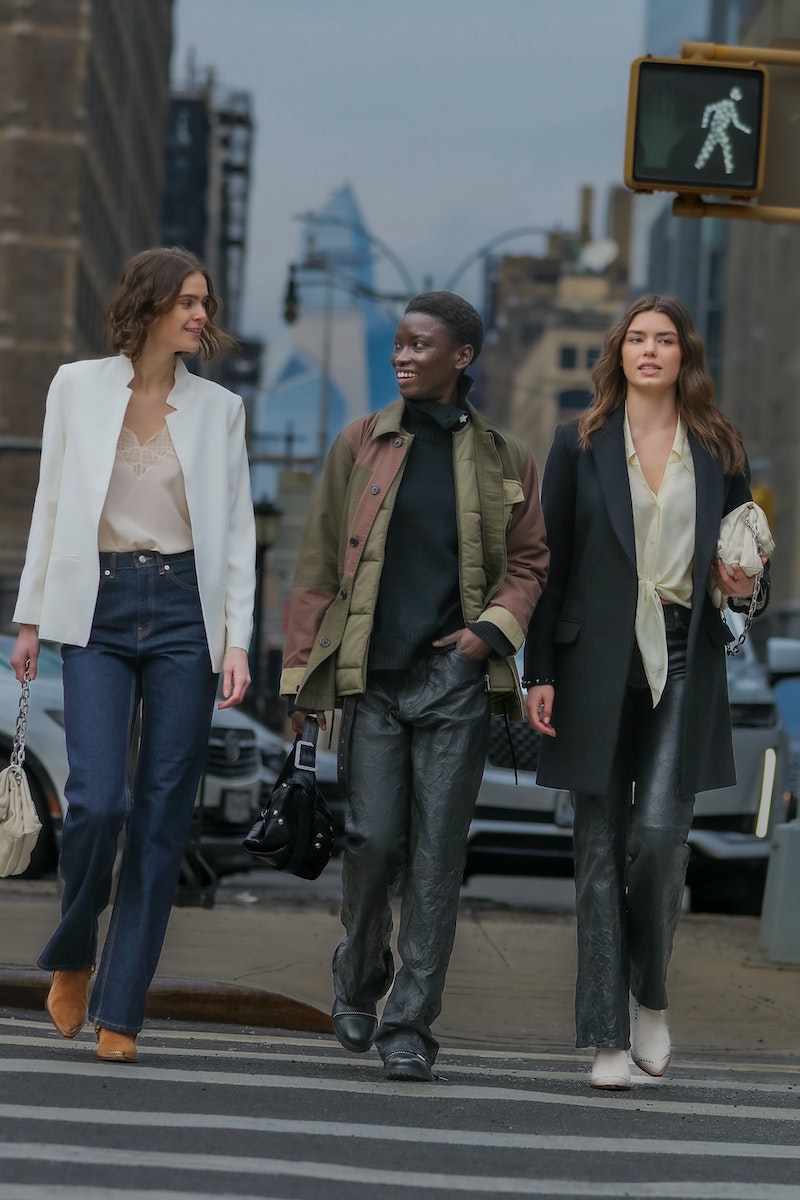
Quality is the cornerstone of any esteemed brand’s foundation. The craftsmanship, choice of materials, and attention to detail determine the lifespan of a product. Giani Bernini understands this essence of quality and prides itself on utilizing top-tier materials like genuine leather to create products that stand the test of time. Every stitch and seam embodies the brand’s commitment to excellence.
Purses: A Fusion of Fashion and Functionality
For women, a purse is not just an accessory; it’s a reflection of their personality and needs. Giani Bernini purses understand this intricate relationship between fashion and functionality. Whether it’s a casual outing or a formal event, Giani Bernini purses offer a seamless blend of practicality and style. From vibrant colors to timeless designs, these purses cater to every woman’s unique taste.
The Giani Bernini Aesthetic: An Everyday Elegance
Giani Bernini products embody an aesthetic that marries sophistication with everyday practicality. This unique blend ensures that every Giani purse or handbag is not only a fashionable statement but also a functional companion. The brand’s designs cater to women who appreciate the beauty in simplicity, seamlessly integrating into various outfits and occasions.
Giani Bernini Purses: Empowering Women’s Style
Giani Bernini purses transcend being mere accessories; they empower women to make a statement. Whether you’re a career-driven woman or an adventurous spirit, there’s a Giani purse for you. From classic black to vibrant hues, these purses speak to the diverse lives and personalities of modern women. With Giani Bernini, a purse is not just an accessory but a tool for expressing individuality.
The Evolution of the Giani Brand
Over the years, the Giani brand has evolved beyond being a mere label. It has become a representation of quality, style, and practicality. Giani Bernini products continue to break the boundaries of traditional designer labels, offering women a chance to embrace high-end aesthetics without compromising on affordability. The evolution of the Giani brand signifies a shift towards inclusive luxury and timeless elegance.
Giani Bernini Products: Beyond Trends, Beyond Time
Trends come and go, but timeless style endures. Giani Bernini products embody a design philosophy that transcends fleeting fashion fads. These pieces are not just accessories; they are investments in enduring style. With a focus on quality materials and expert craftsmanship, Giani Bernini offers products that stand as a testament to the brand’s commitment to creating pieces that defy the constraints of time and trend.
Women and Giani Bernini: A Lasting Connection
Giani Bernini products are more than just fashion items; they are companions on life’s journey. Women of all ages and backgrounds find a lasting connection with the brand’s offerings. Whether it’s a young girl’s first purse or a seasoned woman’s daily essential, Giani Bernini products have a way of intertwining with the stories and experiences of the women who carry them.
Incorporating Color: The Giani Bernini Palette
Color is a powerful tool in the realm of fashion, allowing individuals to express their mood and personality through their choices. Giani Bernini understands the significance of color and incorporates a diverse palette into its designs. From muted tones that exude sophistication to vibrant hues that add a touch of playfulness, the Giani Bernini palette ensures that there’s a bag for every emotion and occasion.
Is Vera Wang a Designer Brand?
“Vera Wang,” a name synonymous with elegance, sophistication, and luxury, has
become a household name over the years. From wedding dresses to perfume, Vera
Wang has built an empire that not only caters to a niche market but has also
transcended the barriers of high fashion to become accessible to the masses. The
question remains, however, is Vera Wang a designer brand? This article delves
into the history, evolution, and the present-day status of Vera Wang to better
understand the brand’s positioning in the fashion world.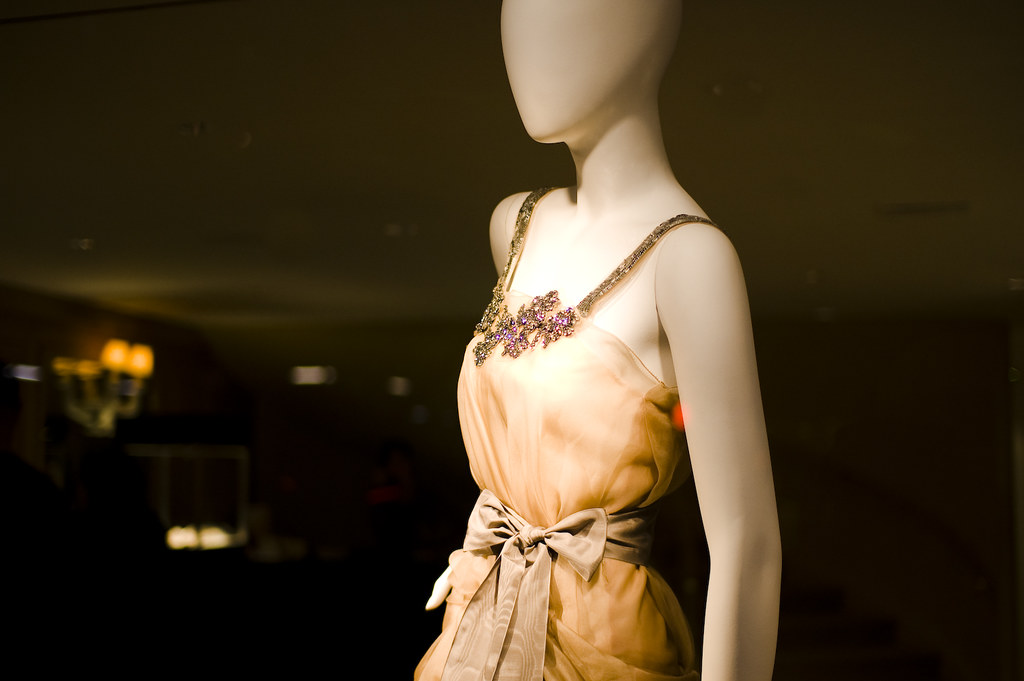
The Birth of Vera Wang
Vera Ellen Wang’s journey into the fashion world began in 1989 when she was unable to find her dream wedding gown. A former figure skater and fashion editor for Vogue and Ralph Lauren, Wang, who is from Sarah Lawrence College knew she wanted something unique, and her search for the perfect wedding dress led her to create her own. This marked the beginning of a career that has spanned over three decades and has made her one of the most sought-after designers in the world. From the onset, Wang’s designs were characterized by their classic lines, intricate detailing, and exquisite fabrics. In 1990, she opened her flagship store on Madison Avenue in New York City, where her couture bridal gowns quickly caught the attention of fashion-forward brides and celebrities. Over the years, Wang’s clientele has included iconic names such as Chelsea Clinton, Ivanka Trump, Kim Kardashian, and Victoria Beckham.
The Evolution of Vera Wang as a Designer BrandIs Vera Wang a Designer Brand
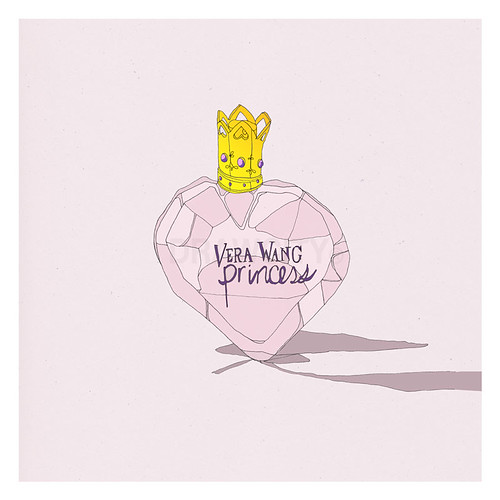
Vera Wang’s initial success with her couture bridal gowns soon paved the way for her to expand into other areas of fashion. In 2000, the fashion designer launched her ready-to-wear line, which featured a mix of elegant evening wear and sophisticated separates. This line allowed her to reach an even broader audience, as she was no longer catering solely to brides. With the growth of her brand, Wang decided to venture into other areas of the fashion and lifestyle industry. In 2002, she partnered with Wedgwood to create a line of fine china and crystal products, further solidifying her status as a go-to designer for all things wedding-related. Other collaborations followed, including partnerships with Kohl’s, Zales, and David’s Bridal, which allowed her to offer more affordable and accessible products to her growing fan base. One of the most significant milestones in Vera Wang’s career as a designer was her entry into the fragrance market. In 2002, she launched her first perfume, Vera Wang for Women, which quickly became a best-seller. The success of her first fragrance led to the creation of several more scents, including Princess, a perfume targeted at a younger demographic, which became one of the most popular fragrances in the United States.
Vera Wang Today
Is Vera Wang a Designer Brand
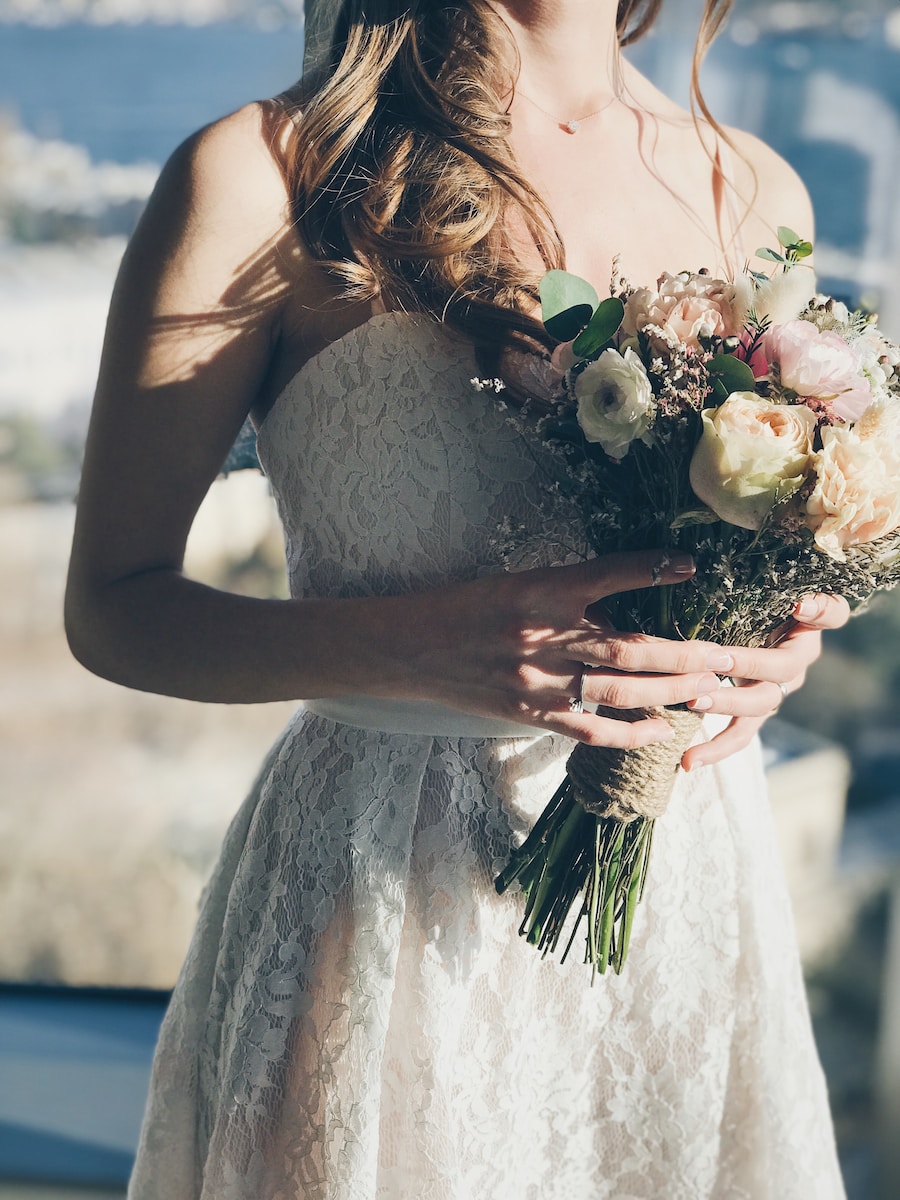
Today, Vera Wang’s brand has evolved into a fully-fledged lifestyle empire, encompassing everything from bridal gowns and ready-to-wear clothing to eyewear, fragrances, and home goods. Her designs continue to be sought after by celebrities and fashion-conscious individuals alike. In recent years, Wang has been lauded for her ability to adapt to the ever-changing fashion landscape. Her collections have continued to evolve, with Wang experimenting with new fabrics, silhouettes, and design techniques. Her Spring 2020 bridal collection, for example, featured bold colors such as yellow and lavender, a stark departure from her traditional all-white bridal gowns. Furthermore, Wang has embraced the digital age, with her social media presence playing a significant role in the promotion of her brand. She actively engages with her followers on platforms such as Instagram and Twitter, providing a glimpse into her world as a designer and giving fans an intimate look at her design process.
Is Vera Wang a Designer Brand?
There is no doubt that Vera Wang is a designer brand. Her creations have consistently pushed the boundaries of traditional bridal wear and ready-to-wear fashion, earning her a place among the most esteemed designers in the world. Her ability to maintain the highest quality in her designs, while still catering to a wide range of customers through collaborations and diffusion lines, is a testament to her skills as a designer and entrepreneur. Vera Wang’s designer status is further solidified by her numerous awards and accolades, including the Council of Fashion Designers of America (CFDA) Womenswear Designer of the Year in 2005 and the André Leon Talley Lifetime Achievement Award from the Savannah College of Art and Design in 2011. In 2021, she was awarded the Medal of Chevalier of the Order of Arts and Letters in France, highlighting her influence and contribution to the world of fashion. Moreover, Vera Wang’s designs have become a staple on red carpets and high-profile events, with countless A-list celebrities choosing to wear her creations for their most important moments. This level of popularity and recognition among the Hollywood elite has further cemented Vera Wang’s position as a designer brand. The impact of Vera Wang’s brand on the fashion industry is undeniable. Her designs have set trends and influenced countless other designers, and her name has become synonymous with luxury, elegance, and sophistication. Today, Vera Wang’s designer status is not only reserved for her bridal and ready-to-wear collections but also extends to her fragrances, accessories, and home goods, allowing her to reach an even broader audience. [affiliatable id=‘269280’]
The Rise of Vera Wang as a Prominent Fashion Designer
Vera Wang’s journey from a competitive figure skater to one of the most prominent fashion designers in the world is nothing short of inspirational. Born and raised in New York City, Vera’s passion for fashion was evident from a young age. She pursued her interest by studying at the prestigious Sorbonne in Paris, where she gained a deep understanding of couture techniques and design principles. After returning to New York, Wang’s talent was recognized when she became the youngest-ever fashion editor at Vogue magazine. Her eye for style and her ability to spot emerging trends quickly set her apart in the competitive world of fashion journalism. However, it was her role as a design director at Ralph Lauren that truly propelled her career to new heights. In 1990, Vera Wang took a bold step and opened her own boutique, focusing on bridal wear. At that time, traditional bridal gowns dominated the market, but Wang’s unique vision and contemporary designs revolutionized the industry. Her exquisite attention to detail, impeccable craftsmanship, and innovative use of luxurious fabrics attracted brides-to-be who sought something different, something that reflected their individuality.
Vera Wang’s Contribution to Bridal Fashion and Beyond
Vera Wang’s impact on bridal fashion is immeasurable. Her designs broke away from the cookie-cutter wedding gowns, introducing modern and sophisticated silhouettes that embraced femininity in a new way. Wang’s designs beautifully blended traditional elements with contemporary flair, creating dresses that became symbols of elegance and timelessness. The Vera Wang bridal collections exude romance, capturing the essence of every bride’s dreams. From cascading tulle skirts to intricate lace detailing, each gown showcases the designer’s commitment to making every woman feel like a princess on her special day. Not only did she redefine the wedding dress industry, but she also became a trendsetter for bridal fashion worldwide. Beyond bridal wear, Vera Wang expanded her empire into ready-to-wear, eveningwear, accessories, and even fragrance lines. Her brand’s growth demonstrated her versatility as a designer and her ability to cater to the diverse needs of women seeking sophistication and style in all aspects of their lives.
Celebrating Style and Elegance: The Vera Wang Brand
The Vera Wang brand stands as a symbol of style, elegance, and empowerment. Throughout the years, it has become synonymous with luxury and grace, attracting celebrities, fashion icons, and brides alike. Vera’s approach to design revolves around understanding the desires and aspirations of women, and this empathetic connection is what has solidified her brand’s place in the hearts of millions. From the red carpet to royal weddings, Vera Wang’s creations have graced some of the most significant events worldwide. Celebrities like Michelle Obama, Alicia Keys, and Victoria Beckham have donned her designs, reaffirming her status as a designer favored by the elite.
So, Is Vera Wang a Designer Brand?
Vera Wang is undoubtedly a designer brand, with a rich history and a bright future ahead. From her humble beginnings as a frustrated bride-to-be to her current position as a world-renowned designer, Vera Wang has built an empire that continues to inspire and captivate the fashion world. Her brand’s evolution and expansion into various areas of the fashion and lifestyle industry, along with her unwavering commitment to quality and innovation, ensures that Vera Wang’s designer status remains unchallenged.
Other suggested articles:
Is Ted Baker a Designer Brand?
Is Moschino a Luxury Brand?
Italian fashion house Moschino is a unique brand in the luxury fashion market. With its signature quirky designs, bold use of color, and pop culture references, Moschino stands out from other designer labels. Is Moschino a luxury brand?
Moschino Brand
Established in 1983 by Franco Moschino, the label quickly gained attention for its bold aesthetic and creative take on classic design elements. Since then, Moschino has become a household name synonymous with luxury fashion. The brand is favored by celebrities and fashion influencers alike for its daring styling and high-quality fabrics.
Moschino has gained recognition on the international stage, winning several awards over the years including Designer of the Year at the British Fashion Awards in 2008, Best International Designer at the Elle Style Awards multiple times, and The International Award from the Council of Fashion Designers of America in 2008.
The brand is also renowned for its collaborations with major fashion houses such as Givenchy, Versace, and Balmain. These partnerships have resulted in unique designs that reflect Moschino’s unique style aesthetic.
Moschino has its own primary fashion line highlighting ready-to-wear clothing and leather accessories, which is shown at the world-renowned Milan fashion week. Additionally, they have two diffusion lines containing pieces that are more affordable without compromising style or quality. These lines, named Boutique Moschino and Love Moschino respectively, offer cutting edge designs that won’t break the bank.
[affiliatable id=‘268791’]
Is Moschino a luxury brand?
It is clear that Moschino has earned its place in the world of luxury fashion. The brand is highly recognized by major fashion organizations and its customer base includes some of the biggest names in entertainment. With its high-quality fabrics and unique designs, it is fair to say that Moschino is a luxury fashion house. Therefore, it can be concluded that Moschino is indeed a luxury brand.
What is Moschino most famous for?
Moschino is an Italian fashion company that focuses on leather goods, fragrances, shoes, and luggage. Its bag designs are well-known around the world for being stylish and affordable. The company is also well-known for its use of bright colors, bold prints, and pop culture references. In the fashion industry, Moschino is most famous for its unique designs, innovative collaborations, and attention-grabbing runway shows.
Is Moschino an affordable luxury brand?
Moschino is one of the affordable luxury brands that offer luxury fashion for a fraction of the price. The brand is known for its use of high-quality fabrics and attention to detail, making it a great option if you are looking for designer items that won’t break the bank. However, some pieces from Moschino can still be on the expensive side, so make sure to check out their collections to find something within your budget.
Other luxury brands that are similar to Moschino
If you are looking for other luxury fashion brands that have a similar aesthetic and quality as Moschino, there are several options available. One brand is Dolce & Gabbana which offers classic designs with an Italian flair. Another option is Balmain, which has bold pieces filled with intricate details and embroidery. Other similar brands include Versace, Fendi, and Gucci.
Celebrities that wear Moschino
Moschino is a popular brand amongst celebrities, with many wearing their pieces on the red carpet. Some of these famous faces include Kim Kardashian, Rihanna, Gigi Hadid, and Beyonce. Moschino also boasts a long list of celebrity collaborations with the likes of Rihanna and Jeremy Scott designing capsule collections for the brand.
Final thoughts: Is Moschino a luxury brand?
Overall, Moschino is a luxury fashion house that offers unique and stylish designs at an affordable price point. It is clear to see why the brand has become a favorite among celebrities and fashion enthusiasts alike. With its signature style and high-quality fabrics, it is safe to say that Moschino is a luxury brand. So if you are looking to add some statement pieces to your wardrobe, Moschino has something for everyone.
https://www.therefined.co/is-bulova-a-luxury-brand/
https://www.therefined.co/how-to-make-your-perfume-last-longer/
Is Wrangler a Designer Brand?
When it comes to jeans, the question “is Wrangler a designer brand?” often arises. Wrangler has a rich history in the denim fabric industry, with its roots dating back to the early 20th century. From an emerging textile industry in North Carolina to a fashion brand recognized worldwide, Wrangler has established itself as an authentic and affordable jeans line. But with the changing times and evolving denim fashion, is Wrangler a designer brand now?
Origins of Wrangler: From Hudson Overall Company to Blue Bell Overall Company
Wrangler’s roots can be traced back to 1904 when a man named C.C. Hudson left his job as a salesman at a downtown grocery store on South Elm Street in Greensboro, North Carolina. Hudson, along with a few others, bought several sewing machines and started a business originally called the Hudson Overall Company. The company later changed its name to the Blue Bell Overall Company after merging with the Casey Jones Company.
During the 1930s, the Blue Bell Company acquired the rights to Casey Jones and bought a workwear company, Spring Hill Farm, owned by a man named Rodeo Ben. Rodeo Ben was known for producing high-quality products, such as rodeo pants with scratch rivet pocket reinforcement. The merging of these companies signaled a shift towards a focused jeans line, which laid the foundation for the Wrangler brand.
The Birth of Wrangler: First Wrangler Jeans and Rodeo Involvement
In 1946, Blue Bell launched the first Wrangler jeans, designed specifically for cowboys and rodeo professionals. These jeans were unique because Rodeo Ben, a tailor by trade, worked with professional rodeo cowboys like Jim Shoulders to create a product that met their needs. The first Wrangler jeans featured a revolutionary rear pockets design, which included a seam that prevented chafing, making them perfect for professional rodeo cowboys.
Be endorsed by the Pro Rodeo Cowboy Association - Wrangler’s real-life experience is inspiration. The brand’s association with professional rodeo cowboys helped cement its image as an authentic jeans brand rooted in the values of the American West.
A Designer Named Bernard Lichtenstein was Hired
As Wrangler jeans grew in popularity, the brand further expanded its presence in the rodeo industry. The relationship with professional rodeo cowboys helped to solidify Wrangler’s image as an authentic jeans brand rooted in the values of the American West.
Is Wrangler a Designer Brand? Modern Wrangler and the Denim Industry
In recent decades, Wrangler has positioned itself as a fashion brand that offers unmatched quality and timeless design. With innovative technology and sustainable practices, Wrangler has become a major player in the denim industry while staying true to its core brand values.
One of the innovations that Wrangler has implemented in recent years is the new foam dyeing process called Indigood, which uses a foam dyeing technique to color denim fabric without the need for water. This process not only saves water but also reduces the use of harmful chemicals in the production. It demonstrates Wrangler’s commitment to sustainable fashion and environmental responsibility.
Design - Wrangler is more than just denim. From jackets to sweatshirts, the brand’s apparel line is designed for both style and function. Wrangler’s reputation for quality ensures that each piece is rated good, and often rated great, by the American consumer.
Inclusion of Supply Chain and Sustainable Practices
In 2019, Wrangler became part of Kontoor Brands, a leading global lifestyle apparel company. With this new chapter in Wrangler’s story, the brand continues to innovate and stay relevant in the ever-changing denim market.
Timeless Design, Quality, and Affordability: The Essence of Wrangler Jeans
Despite evolving with the times, Wrangler remains true to its roots in providing quality denim that is both stylish and functional. With designs ranging from classic fits to trendy styles, Wrangler adapts to changing fashion demands without compromising on quality.
Clothing - Beyond denim, Wrangler offers a wide range of apparel that captures the spirit of the American West. From rugged jeans to versatile shirts, each piece embodies the brand’s commitment to authenticity and style.
Wrangler’s Rich Legacy and Designer Aspirations
Wrangler’s rich legacy in producing quality denim products makes it ripe for establishing itself as a designer brand. However, the question “is Wrangler a designer brand?” becomes subjective, as the definition of a ‘designer’ brand varies vastly.
For some, a designer brand may be associated with high prices, limited-edition collections, and celebrity endorsements. In this sense, Wrangler may not necessarily fit the mold. For others, a designer brand refers to a brand that excels in quality, innovation, and style. From this perspective, Wrangler exhibits all the hallmarks of a designer brand.
Wrangler’s Enduring Appeal and Quality
While Wrangler may not be a designer brand in the traditional sense, its commitment to quality, innovation, and style sets it apart from other denim brands. Its rich history in the denim industry, collaborations with professional rodeo cowboys, and adoption of sustainable practices make it a brand that customers can trust.
So, is Wrangler a designer brand? The answer depends on one’s perspective on what makes a brand ‘designer.’ Regardless of this label, Wrangler continues to be a respected name in the denim industry that provides timeless design, unmatched quality, and functional jeans at affordable prices.
[affiliatable id=‘268785’]
Wrangler’s Sustainability Practices
Wrangler is a renowned clothing company known for its high-quality denim and strong association with the cowboy culture. As one of the leading brands in the fashion industry, Wrangler has managed to strike a balance between design and sustainability, positioning itself as an everyday performance denim brand that appeals to a diverse range of consumers, from rodeo cowboys to fashion enthusiasts.
While Wrangler is primarily recognized as a designer brand, it stands out in the market due to its commitment to sustainable practices. The company understands the importance of responsible design and its impact on the environment. Consequently, Wrangler has implemented various initiatives to reduce its carbon footprint and promote ethical practices throughout its supply chain.
One notable aspect of Wrangler’s sustainability practices is its endorsement by the Pro Rodeo Cowboy Association (PRCA). This partnership demonstrates Wrangler’s deep-rooted connection to real-life experiences within the rodeo community. The brand’s close ties with rodeo cowboys have allowed it to gather valuable insights and experiences, which serve as inspiration for their innovative designs and clothing technologies.
In its quest for sustainable innovation, Wrangler hired a designer named Bernard Lichtenstein, whose expertise in eco-friendly design techniques significantly influenced the brand’s sustainability journey. Lichtenstein’s vision aligns with Wrangler’s mission to be an environmentally responsible brand without compromising on style and performance.
Wrangler has positioned itself as more than just a fashion brand; it is an embodiment of the American spirit. With a strong focus on the American consumer, Wrangler has captured the hearts of people who appreciate durable and stylish clothing. The Wrangler brand is synonymous with ruggedness, durability, and authenticity.
As a pioneer in the denim industry, Wrangler has made remarkable progress in enhancing the sustainability of its products. The brand’s denim is sourced from trusted partners like Tejidos Royo, a company known for its commitment to sustainable manufacturing practices. This partnership ensures that Wrangler’s denim production follows strict environmental guidelines and reduces the overall ecological impact.
One of the standout sustainable practices adopted by Wrangler is the use of foam-dyed denim. This innovative dyeing technique significantly reduces water consumption, resulting in a more environmentally friendly manufacturing process. By reducing its water usage, Wrangler is contributing to conserving precious natural resources.
In a recent press release, Wrangler highlighted its commitment to creating a transparent and ethical supply chain. The brand recognizes the importance of responsible sourcing and ensures that its suppliers adhere to strict ethical standards. By maintaining a transparent supply chain, Wrangler aims to build trust with its customers and industry stakeholders alike.
The sustainability efforts of Wrangler have been widely recognized, with its clothing rated highly by independent sustainability rating agencies. Products like jackets, sweatshirts, and shirts are often rated as “good” or even “great” for their environmental impact, cementing Wrangler’s position as a leader in sustainable fashion.
Wrangler has proven that a designer brand can be synonymous with sustainability. By combining its rich history and association with the cowboy culture with a strong commitment to environmentally responsible practices, Wrangler has successfully become an everyday performance denim brand that caters to a wide range of consumers. With continued dedication to sustainability, Wrangler sets an inspiring example for other fashion brands to follow, demonstrating that it is possible to be both fashionable and environmentally conscious.
Is Champion a Designer Brand?
Is Champion a designer brand? When it comes to athletic apparel, few brands are as well-known and respected as Champion. The iconic “C” logo on the left sleeve of its t-shirts and hoodies is instantly recognizable, and its high-quality products have made it a favorite among athletes and casual wearers alike. However, there has been some debate in recent years about whether Champion is truly a designer brand. In this blog post, we’ll take a closer look at the history and characteristics of the Champion brand to determine whether it qualifies as a luxury brand or simply a good brand that produces high-quality clothing.
The History of Champion
Champion was founded in 1919 as the Knickerbocker Knitting Company, a wholesale clothing company based in Rochester, New York. The company began producing innovative athletic apparel in the 1930s and soon became a leading supplier of uniforms for college and professional sports teams. In 1952, the company changed its name to Champion Knitting Mills, Inc., and by the 1960s, it had expanded its product line to include t-shirts, sweatshirts, and other durable items.
Champion’s popularity continued to grow throughout the last decade of the 20th century, thanks in part to its “reverse weave” sweatshirt, which featured a unique knitting technique that prevented shrinking and provided extra durability. The company became the official outfitter of the USA basketball “Dream Team” in 1992, and its products were worn by some of the world’s most famous athletes.
In 1996, Champion was acquired by the Sara Lee Corporation, which owned a number of other clothing and consumer goods brands. The acquisition helped Champion expand its reach even further, and it continued to produce high-quality sportswear and athletic apparel for the mass market.
Champion’s Characteristics as a Brand
So, what makes a brand a “designer” brand, and how does Champion measure up? Designer brands are typically associated with luxury, exclusivity, and high fashion. They are often characterized by high-quality materials, unique designs, and high price points. Luxury brands are also known for their collaborations with other high-end fashion designers and for their ability to set trends in the fashion industry.
Champion certainly has some of these characteristics. Its products are known for their high quality and durability, and they are often priced above the average for sportswear and athletic apparel. Champion has also partnered with a number of high-end fashion designers in recent years, including Rick Owens and Jennifer Lopez. These collaborations have helped to elevate Champion’s brand image and bring it into the world of high fashion.
However, there are some characteristics of Champion that do not align with the traditional definition of a designer brand. For example, while Champion’s products are certainly high-quality, they are not necessarily exclusive or limited in availability. Champion is a mass-market brand, and its products are widely available through a variety of retailers.
Champion is also known for its association with the sportswear industry, rather than the high-fashion world. While the brand has certainly expanded its product line beyond athletic apparel in recent years, it is still primarily known for its t-shirts, hoodies, and other sportswear.
The Iconic Champion Logo
The Champion logo, consisting of the brand name in a simple, bold font, has become an iconic symbol in American fashion. The logo first appeared on the left sleeve of Champion t-shirts in the 1930s, and has since been prominently featured on many of the brand’s products.
The logo’s popularity can be attributed to its simplicity and recognizability. It has become a symbol of quality and durability, and is often worn proudly by athletes and fans alike. In recent years, the logo has also become a popular fashion statement, with celebrities such as Jennifer Lopez and Rick Owens incorporating Champion hoodies and t-shirts into their street style.
Despite its simplicity, the Champion logo has become a key part of the brand’s identity and success. It is a testament to the brand’s commitment to producing high-quality products that are both durable and fashionable, and has helped Champion to become one of the most recognizable names in the sportswear industry.
Durable and High-Quality: A Look at Champion Products
Champion’s commitment to producing durable and high-quality clothing has been a key factor in its success. From its early days as Knickerbocker Knitting Company and later as Champion Knitting Mills Inc., the brand has focused on producing innovative and durable clothing for athletes and active individuals.
One of Champion’s most iconic products is the reverse weave sweatshirt, which is designed to provide extra durability and prevent shrinking. The sweatshirt’s unique knitting technique has become a hallmark of the Champion brand, and has helped to establish the brand’s reputation for producing high-quality clothing.
Champion’s product line has expanded over the years to include a wide range of athletic apparel, shoes, and accessories. The brand’s clothing is often designed with practical features for athletes, such as moisture-wicking fabric and reinforced seams, while also incorporating fashionable elements for everyday wear.
Overall, Champion’s commitment to producing durable and high-quality products has helped the brand to establish a loyal following of customers who appreciate the brand’s combination of style and functionality. Whether you’re an athlete looking for performance gear or a fashion-conscious individual looking for comfortable and durable clothing, Champion’s product line has something for everyone.
[affiliatable id=‘268265’]
Consumer Perception of Champion
Ultimately, whether or not Champion is considered a designer brand may come down to consumer perception. While the brand is certainly popular and respected, it may not be seen as a luxury or high-fashion brand by everyone. Champion’s target market is primarily young adults and teenagers who are looking for comfortable, stylish sportswear at a reasonable price point.
However, the brand has certainly gained popularity in recent years thanks to its collaborations with high-end fashion designers and its increased presence in the fashion world. Many customers now view Champion as a brand that offers high-quality products at an accessible price point, making it a good brand rather than a luxury brand.
Champion’s durability and comfort are also key factors in its popularity among customers. The brand’s reverse weave sweatshirt, in particular, has become one of its most popular garments thanks to its unique knitting technique that provides extra durability and prevents shrinking. Additionally, Champion’s shoes and garments are often designed with practical features for athletes and active individuals, such as moisture-wicking fabric and reinforced seams.
Champion’s success has also been driven by its partnerships with sports teams and universities. The brand has become a staple of collegiate sports uniforms, and its logo is often worn proudly by athletes and fans alike. In recent years, Champion has expanded its product line to include capsule collections inspired by specific teams and universities, further solidifying its position as a sportswear brand.
Champion’s Collaborations and Partnerships
In recent years, Champion has collaborated with a range of designers, brands, and celebrities to create unique collections and limited-edition pieces. These collaborations have helped to increase Champion’s popularity and expand the brand’s reach to new audiences.
One notable collaboration was with designer Rick Owens, who created a capsule collection featuring his signature avant-garde style mixed with Champion’s classic sportswear aesthetic. The collection included oversized hoodies, graphic t-shirts, and other pieces that combined Owens’ distinctive design with Champion’s high-quality products.
Champion has also partnered with popular streetwear brands like Supreme and Kith, as well as luxury retailers like Saks Fifth Avenue, to create exclusive collections that blend Champion’s classic style with the partner brand’s unique aesthetic.
In addition to collaborations with designers and brands, Champion partnered with athletes and sports teams to create official outfitter collections. For example, Champion is the official outfitter of the University of Michigan football team, and has created a range of apparel featuring the school’s colors and logo.
These collaborations and partnerships have helped to elevate Champion’s status from a sportswear brand to a versatile and fashionable label with broad appeal. By working with a range of partners, Champion has been able to tap into new markets and attract a wider range of customers, while still maintaining its commitment to producing high-quality products.
Final Thoughts: Is Champion a Designer Brand?
So, is Champion a designer brand? The answer may be subjective, depending on how one defines a designer brand. While Champion has certainly expanded its brand image in recent years and has collaborated with high-end fashion designers, its core identity as a sportswear brand that produces high-quality and durable clothing remains unchanged.
Ultimately, Champion’s popularity and success can be attributed to its ability to produce high-quality products at an accessible price point, while also maintaining a strong connection to the sportswear industry. The brand’s iconic logo and product line, including the reverse weave sweatshirt and athletic apparel, have become staples of American fashion over the past few decades.
Regardless of whether one considers Champion a designer brand or not, there is no denying the brand’s impact on the clothing industry and its popularity among consumers. As part of the HanesBrands Inc. family since 2016, Champion continues to produce innovative and high-quality clothing for athletes and casual wearers alike, ensuring its position as a beloved brand for years to come.
Other suggested articles:
Is Diesel a Designer Brand?
When you think of high-end fashion, names like Gucci, Louis Vuitton, and Chanel might spring to mind. But what about Diesel? Is Diesel a designer brand? This question often sparks debate among fashion enthusiasts and shoppers alike. As someone deeply immersed in the world of fashion, I’ve taken a closer look at what sets designer brands apart and where Diesel fits into this glamorous puzzle.
Diesel has long been synonymous with daring and edgy denim, but does that alone qualify it as a designer label? In exploring this, I’ll delve into Diesel’s brand identity, its market positioning, and the unique aesthetic that might just redefine what we consider ‘designer’. Understanding Diesel’s place in the fashion hierarchy not only helps in making informed purchasing decisions but also enriches our appreciation of fashion as an art form. Join me as we unravel the mystique surrounding this iconic brand.
Is Diesel a Designer Brand?
Diesel, known for its bold denim and dynamic fashion presence, has carved a niche in the world of designer brands. I’ll delve into Diesel’s distinctive brand identity and its evolution from a denim pioneer to a staple in designer casual wear.

The Identity and Origins of Diesel
Diesel launched in 1978 by Renzo Rosso in Molvena, Italy. Initially focusing on denim, Diesel, also part of Rosso’s fashion group Only The Brave, quickly expanded to represent a broader lifestyle choice which encompassed a range of apparel and accessories. This Italian company inspired by Renzo’s vision for a brand that would stand for passion, individuality, and self-expression.
With its roots firmly planted in innovative denim designs, Diesel & DIESEL USA distinguished itself with unique washes and manufacturing techniques that appealed to those looking for premium denim brands. As the Diesel brand grew, its product line evolved to include not just denim but also a stylish array of clothing and accessories which embody a rugged, refined aesthetic indicative of high-quality Italian craftsmanship.
How Diesel Differentiates from Other Brands
Diesel sets itself apart from other fashion brands through its approach to fashion marketing and its distinct design philosophy. Renowned for avant-garde tactics, the brand’s advertising campaigns are often provocative, pushing boundaries and challenging societal norms, this helping them to capture the attention of a diverse, young audience worldwide.
Under the guidance of creative directors like Glenn Martens, Diesel remains at the forefront of fashion innovation. Diesel’s recent collections under Glenn’s leadership showcase an adventurous blend of designs that meld high fashion with street level relevance, a hallmark that positions Diesel not just as a fashion brand, but more a symbol of contemporary lifestyle.
Furthermore, Diesel’s commitment to quality and its ability to remain connected with the lifestyle and preferences of young people around the globe continue to give Diesel a distinctive edge in the competitive luxury market. Instead of merely following trends, Diesel creates them, making each piece a staple in the wardrobe of the fashion-conscious.
Through Diesel’s persistent innovation and distinct brand voice, It’s clear why they are considered a key player among designer casual wear brands in the fashion industry.
Milestones in Diesel’s History
In tracing the trajectory of Diesel, I recognize its remarkable transition from a premium denim brand to a titan of the fashion industry. This shift is marked by significant milestones that underline Diesel’s prowess in blending high fashion sensibilities with street-relevant designs.
The Evolution from Denim to Fashion Dominance
Diesel began its journey in 1978, rooted deeply in the creation of jeans that were distinct and durable. Under the guidance of Renzo Rosso, Diesel transformed from focusing primarily on denim to becoming a beacon of full-range luxury fashion. From the introduction of Diesel Black Gold in 2007, a line dedicated to bridging the gap between contemporary casual wear and luxury fashion, to the relentless expansion into Diesel Kid, Diesel Living, and more, the brand’s portfolio diversification stands as a testament to its evolution.
The progression from crafting jeans to fashioning a comprehensive designer casual wear line highlighted Diesel’s ability to innovate and adapt. As the creative directive shifted with the inclusion of Belgian designer Glenn Martens, the brand further established itself with avant-garde designs and strategic positioning in fashion capitals such as New York, which spotlighted Diesel during major events like Fashion Week.
Key Innovations and Collaborations
Diesel’s history is punctuated by innovative design and groundbreaking collaborations that have solidified its status within the luxury fashion sector. Notably, Diesel’s partnership with prominent figures and brands across different categories has spurred creativity and broadened its appeal. Collaborations with celebrities like Julia Fox and influential brands enhance their product lines while resonating deeply with young people globally.
Furthermore, Diesel’s inventive marketing strategies, such as provocative ad campaigns and robust digital communication, have not only cultivated a unique brand image but also captured the attention of a diverse customer base. Each collaboration has served as a vital component in Diesel’s strategy, fortifying its luxury brand identity and reinforcing its commitment to quality and distinctiveness in the fashion world.
Through these developments, Diesel has seamlessly integrated high fashion with everyday functionality, ensuring that each piece from jeans to leather jackets carries the unmistakable stamp of Diesel’s design philosophy. This seamless integration marks Diesel’s ascendance in the fashion industry, setting benchmarks for other premium denim brands.
Diesel in the Fashion Industry
Established as a beacon of innovative design, Diesel has significantly shaped the fashion industry. The brand merges high fashion with practical functionality, distinguishing itself from traditional designer labels.
Contributions to Modern Fashion
Diesel’s influence extends across various facets of modern fashion. Known for its premium denim and designer casual wear, the brand has set benchmarks in the industry. Diesel’s approach involves:
- Reinventing Denim: Launching cutting-edge designs in denim, the brand stays ahead of trends, making it pivotal among premium denim brands.
- Expanding Product Lines: Diesel’s evolution with lines like Diesel Black Gold and Diesel Kid illustrate its versatility beyond basic denim, touching everything from luxury to everyday wear.
- Integrating Technology and Fashion: Diesel’s ad campaigns and Diesel store concepts often feature technological integrations, creating a modern shopping experience that resonates with today’s tech-savvy consumers.
These initiatives show Diesel’s commitment to leading in fashion innovation, not just participating.
Influence on Urban and Youth Culture
Diesel’s impact on urban and youth culture is profound and far-reaching. By tapping into the zeitgeist of contemporary urban lifestyles, Diesel has cultivated a strong following. Highlights of Diesel’s influence include:
- Cultural Resonance: With ad campaigns and collaborations that reflect youth culture, Diesel places itself at the heart of what it means to be young and urban.
- Fashion as a Statement: Diesel clothing often doubles as a medium for personal expression among youth, with designs that speak to a bold, independent lifestyle.
- Community and Lifestyle Branding: By promoting more than just clothing—such as through Diesel Living and partnerships with artists and musicians—Diesel fosters a sense of community among its consumers.
Diesel’s ability to resonate with young, stylish audiences globally enhances its status as a leading fashion brand, cementing its role as an influencer in contemporary culture. Through these endeavors, Diesel doesn’t just participate in the fashion industry; it drives it forward.
The Revival and Future of Diesel
Diesel continues to thrive as a leader in designer casual wear, drawing from its roots in premium denim to invigorate its brand with modern strategies and sustainability initiatives. With Glenn Martens at the helm, the brand’s forward-looking approach positions it well in the evolving fashion landscape.
Strategic Moves for Brand Refresh
In recent years, I’ve observed Diesel making strategic moves to refresh its brand identity and maintain its status in the fashion industry. They’ve adopted innovative marketing strategies and revamped their product lines to appeal to contemporary tastes. Diesel’s recent fashion shows showcased not only their classic denim collection but also their avant-garde designs, blending luxury with functionality in a way that resonates with today’s fashion-forward consumers. Moreover, the introduction of limited-edition collections and collaborations with high-profile figures and artists has further strengthened Diesel’s brand as a staple in luxury fashion. Such collaborations help to keep the offerings fresh and culturally relevant, ensuring that the connection with young, style-conscious audiences remains strong.
Sustainable Practices and Contemporary Directions
Sustainability is another key area where Diesel is making significant strides. By incorporating eco-friendly materials and processes into their production, Diesel is setting an example in the fashion world. Their commitment to reducing the environmental impact of their operations involves the use of responsibly sourced fabrics and the implementation of more sustainable manufacturing techniques. As I delve deeper, it becomes clear that these initiatives are not just about adhering to trends but are a central part of their long-term strategy to align more closely with the values of their consumers. Additionally, Diesel’s recent campaigns focus on promoting a lifestyle that respects the environment, which enhances their image as a contemporary and responsible brand. Through these efforts, Diesel not only secures its place as a leader in the luxury fashion industry but also demonstrates a commitment to the planet and its people.
Diesel has undeniably secured its place as a designer brand with a distinctive blend of innovation, luxury, and cultural relevance. With Renzo Rosso at the helm and Glenn Martens’ creative vision, the brand continues to push the boundaries of traditional fashion. Its commitment to sustainability and adapting to new market dynamics further cements Diesel’s role as a forward-thinking leader in the fashion industry. As Diesel evolves, it remains at the forefront of style and social trends, making it more than just a label but a lifestyle embraced by many around the world.
Frequently Asked Questions
What defines Diesel’s brand identity?
Diesel is recognized for its innovative approach and edgy design aesthetic, which has made it a prominent name in luxury fashion. Under the leadership of Renzo Rosso, Diesel has embraced a bold, rebellious identity that resonates with a youthful audience.
How has Diesel transformed the fashion industry?
Diesiegel has revolutionized the fashion industry with its avant-garde denim designs and successful fusion of high fashion with streetwear. Its contributions extend to unique marketing strategies and product diversifications, setting trends and influencing urban and youth culture.
What role does technology play in Diesel’s operations?
Diesel integrates cutting-edge technology into both its product designs and business operations, enhancing product functionality and optimizing customer engagement. This technological approach supports their innovative marketing and sustainability goals.
What makes Diesel appealing to younger generations?
Diesel appeals to younger demographics through dynamic campaigns and collaborations that reflect contemporary lifestyles and emphasize community and inclusivity. Its designs resonate with the bold and expressive attitudes of youth culture.
What are Diesel’s sustainability initiatives?
Diesel is committed to environmental responsibility, focusing on sustainable practices in its manufacturing processes and product lines. This includes using eco-friendly materials and promoting sustainable consumption behaviors among its customers.
Is Anne Klein a Designer Brand? Unveiling the Legacy
Anne Klein, an American fashion designer, is a brand synonymous with classic American style. From junior sophisticates to modern women dressing today, Anne Klein items have been a go-to brand for working women, fashion enthusiasts, and women’s wear. But is Anne Klein a designer brand? In this blog post, we’ll take a deep dive into the brand, its history, and its relevance in the fashion industry.
Anne Klein’s Beginnings
Anne Klein was born Hannah Golofski in Brooklyn, New York, in 1923. After graduating from Girls’ Commercial High School, she attended the Traphagen School of Fashion in New York City. Upon graduation, Anne worked as a freelance designer for various clothing manufacturers, including Maurice Rentner and Evan Picone.
In 1968, Anne Klein launched her own eponymous fashion brand, Anne Klein & Co. The brand became known for its classic styles and high-quality materials. Anne Klein was one of five American designers to receive the Coty Fashion Hall of Fame award in 1975.
Anne Klein’s Impact on Women’s Fashion
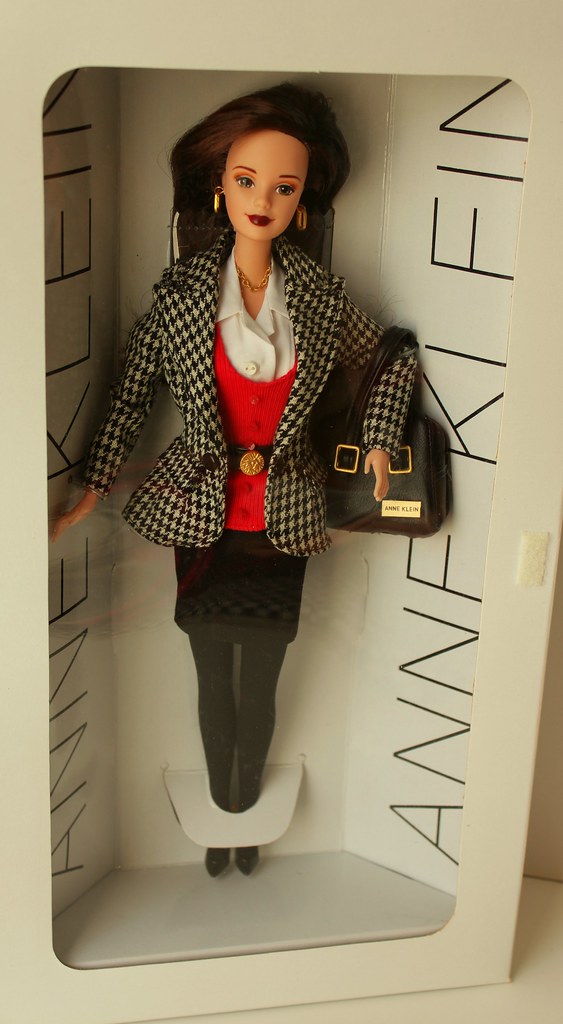
Anne Klein’s designs empowered women to dress for themselves rather than for men. Her modern separates, adjustable straps, and attention to detail made her a popular choice for women of all ages. Anne Klein was the first designer to create a collection of clothing and other accessories specifically for working women.
In 1974, Anne Klein won the National Cotton Council Award for her contribution to the American fashion industry. Her designs were so popular that the brand expanded to include Anne Klein Studio, which featured affordable clothing for women who wanted good quality clothes without breaking the bank.
After Anne Klein’s death in 1974, Ben Klein, her husband, became the principal designer for the brand. The brand continued to thrive, and in 1983, Anne Klein & Co. became a publicly traded company.
[affiliatable id=‘268266’]
Anne Klein’s Legacy
Today, Anne Klein continues to be a force in women’s fashion. Lindsey Taylor Wood, the founder of WHP Global, a brand management company, recently acquired Anne Klein. She plans to modernize the brand while staying true to its roots. Anne Klein watches are still popular among women of all ages, and the brand continues to produce high-quality clothes and accessories.
In the 1980s, Ralph Lauren, Calvin Klein, and other fashion brands rose to prominence. These brands focused on luxury items and were often out of reach for the average American woman. Anne Klein, on the other hand, focused on classic American style and affordable clothes. Anne Klein’s commitment to good quality clothes and accessories at an affordable price made her brand accessible to women across the country.
Anne Klein’s Impact on the Fashion Industry
Anne Klein was a pioneer in the American fashion industry. She created clothes that were not only fashionable but also functional. Her designs were versatile and could be dressed up or down. Anne Klein’s legacy can be seen in the modern women’s fashion industry.
Claire McCardell, another American designer, was known for her sportswear designs that focused on comfort and function. McCardell’s designs influenced Anne Klein’s designs. Anne Klein’s classic styles continue to be relevant today, and her impact on the fashion industry can be seen in the clothes we wear and the designers we admire.
Anne Klein’s Battle with Breast Cancer
In 1974, Anne Klein was diagnosed with breast cancer. She continued to work throughout her treatment, and after her death, the Anne Klein company established the Anne Klein Breast Center at the Mount Sinai Medical Center in New York City.
Today, the Anne Klein brand continues to support breast cancer research through its partnership with the Fashion Footwear Association of New York. The brand has also supported various breast cancer charities through the sales of limited-edition items.
Final Thoughts: Is Anne Klein a Designer Brand?
Anne Klein’s impact on the fashion industry cannot be overstated. Her commitment to good quality clothes at an affordable price made her brand accessible to women across the country. Anne Klein’s classic styles and attention to detail continue to be relevant today, and her legacy can be seen in the modern women’s fashion industry.
As the brand continues under the leadership of WHP Global, it will be interesting to see how the brand evolves while staying true to its roots. Anne Klein’s designs empowered women to dress for themselves and paved the way for other American designers to create clothes that were not only fashionable but also functional.
Anne Klein’s battle with breast cancer and her continued support of breast cancer research is a testament to her dedication to empowering women both through her designs and her philanthropy.
Modern women dress today with confidence, thanks in part to Anne Klein’s legacy. She is an iconic designer whose commitment to creating timeless styles while inspiring and empowering women will be remembered for years to come. There is no doubt that Anne Klein is a designer brand.
Other suggested articles:
The Importance of Personal Branding
Personal branding is more important than ever. For professionals aiming to advance their careers, entrepreneurs looking to expand their businesses, or individuals wanting to establish a strong online presence, grasping the concept of personal branding is essential. This guide explores the significance of personal branding, its impact, and offers actionable strategies to create a standout personal brand.
Understanding Personal Branding

What is Personal Branding?
At its core, personal branding is the practice of marketing yourself and your career as a brand. It involves identifying your unique value proposition and communicating it effectively to your target audience. Unlike traditional branding, which often focuses on products or services, personal branding centers around the individual. It reflects who you are, what you stand for, and how you want others to perceive you.
The Role of Personal Branding in Professional Identity
Your personal brand is your reputation. It shapes how you are perceived in the professional world, influences opportunities, and impacts your relationships with co-workers, clients, and your audience. A strong personal brand not only highlights your skills and expertise but also conveys your personality, values, and vision. This is crucial for brand development, as a well-defined brand enhances your professional image.
Why Personal Branding Matters
Enhancing Your Value Proposition
In a world where consumers and employers have endless options, having a clear and compelling value proposition is vital. Your personal brand communicates the unique benefits you offer, setting you apart from the competition. This differentiation is crucial, especially in saturated markets where many are vying for attention.
Building a Memorable and Effective Personal Brand
A strong personal brand is memorable. It sticks in the minds of those who encounter it, leading to greater opportunities. This memorability can translate into job offers, partnerships, or even clients who are eager to work with you. In short, an effective personal brand enhances your visibility and credibility, making you more appealing to potential employers or customers.
Impact on Relationships
Personal branding also plays a critical role in the relationships you build throughout your career. A well-defined personal brand fosters trust and authenticity, which are essential for strong professional relationships. As you connect with others, your personal brand helps establish rapport, creating opportunities for collaboration and growth.
Key Elements of a Personal Brand
Defining Your Brand Identity and Personality
To create a successful personal brand, you need to start with a clear understanding of your identity. What are your values? What passions drive you? Your personal brand should reflect your authentic self. Take the time to articulate your brand personality, whether it’s professional, casual, fun, or authoritative.
The Importance of Consistency in Branding
Consistency is key when it comes to personal branding. This includes visual elements such as your logo and graphic design, as well as your messaging across platforms. A consistent brand image not only enhances recognition but also reinforces trust. Make sure your online profiles, business cards, and any other branding materials align with your personal brand.
Establishing Your Tone of Voice and Brand Voice
Your tone of voice is how you communicate with your audience, while your brand voice encompasses the overall personality of your brand. Whether you choose a casual or formal tone, it’s important to maintain consistency across all your content—be it blog posts, social media updates, or professional communications. This consistency helps your audience connect with you on a deeper level.
Developing Your Personal Branding Strategy
Steps to Build Your Personal Brand
Building a personal brand is a process that requires thoughtful planning and execution. Here are some key steps to help you get started:
- Decide Your Niche: Identify what sets you apart from others in your field. This could be a unique skill, a specific area of expertise, or even your personal story. Focusing on a niche helps you target a specific audience and makes your brand more relatable.
- Create Content: Content is a powerful tool in personal branding. Use blogs, social media platforms (like X/Twitter), and your website to share valuable insights, knowledge, and experiences. Consistently creating quality content establishes you as an authority in your niche and engages your audience.
- Network and Build Relationships: Networking is essential for personal branding. Attend industry events, engage with others on social media, and participate in online forums. Building relationships with peers, mentors, and potential clients can open doors to new opportunities.
Example Strategies for Creating a Personal Brand on Social Media
Social media platforms provide an excellent opportunity to showcase your personal brand. Here are some strategies:
- Be Active: Regularly post content that reflects your brand values and expertise. Engage with your audience by responding to comments and participating in discussions.
- Visual Consistency: Use consistent colors, fonts, and imagery across your profiles to create a cohesive brand image.
- Authenticity: Share personal stories and experiences. Authenticity resonates with audiences and fosters a deeper connection.
Crafting Your Online Presence

Importance of Social Media in Building Your Personal Brand
Social media platforms are powerful tools for personal branding. They allow you to reach a broader audience and showcase your expertise in real-time. The key is to leverage these platforms effectively to build and maintain your personal brand.
Tips for Creating Engaging Content
Creating content that resonates with your audience is vital. Here are some tips:
- Know Your Audience: Understand who your target audience is and what content they find valuable. Tailoring your content to meet their needs will enhance engagement.
- Use Visuals: Incorporate images, videos, and infographics into your content. Visual elements are more likely to capture attention and improve retention.
- Tell Stories: Sharing personal stories or case studies can make your content more relatable and memorable.
How to Maintain a Consistent Brand Image Across Platforms
Consistency across all platforms is essential. Here are a few strategies to achieve this:
- Audit Your Profiles: Ensure that all your social media profiles align with your personal brand. This includes profile pictures, bios, and cover images.
- Develop a Content Calendar: Plan your content in advance to maintain consistency in messaging and posting frequency.
- Monitor Your Engagement: Regularly analyze your engagement metrics to understand what resonates with your audience and adjust your strategy accordingly.
Monitoring and Evolving Your Brand
The Process of Evaluating and Refining Your Personal Brand
Building a personal brand is not a one-time effort; it requires continuous evaluation and refinement. Regularly assess your brand’s performance and perception. Are you reaching your target audience? Are your messages resonating? Use feedback and analytics to make necessary adjustments.
Tools and Strategies for Maintaining Relevance
Several tools can help you maintain your personal brand:
- Social Media Management Tools: Use tools like Hootsuite or Buffer to schedule posts and analyze engagement metrics.
- Brand Monitoring Tools: Tools like Google Alerts can help you stay informed about what’s being said about your brand online.
- Feedback Loops: Regularly solicit feedback from your audience to understand their perceptions and make improvements.
Importance of Staying Authentic
As your brand evolves, it’s crucial to remain authentic. Authenticity builds trust and loyalty, which are vital for long-term success. Ensure that any changes to your brand still align with your core values and personality.
Wrapping Up
The importance of personal branding in today’s digital landscape cannot be overstated. A strong personal brand enhances your value proposition, builds lasting relationships, and sets you apart from the competition. By understanding the key elements of personal branding, developing a solid branding strategy, and leveraging social media, you can create a memorable and effective personal brand that resonates with your target audience.
As you embark on this journey, remember to stay true to yourself. Authenticity is the cornerstone of a successful personal brand. Take the first step today—decide to build your personal brand, create valuable content, and connect with your audience. Your personal brand is your greatest asset, and with the right strategies, you can turn it into a powerful tool for success.
Other suggested articles:
- Business Mistakes we made in our 20’s
- The Comprehensive Guide to Cocktail Attire for Men
- Can You Wear Color to an Interview?
- High Society Networking: Building Relationships with Class
- Eloquent Communication: The Power of Gracious Conversations
Is Jimmy Choo a Designer Brand?
Is Jimmy Choo a designer brand? The answer to that question is an absolute yes. Jimmy Choo, founded in 1996 by bespoke shoemaker Jimmy Choo and Vogue UK’s former accessories editor Tamara Mellon, has grown from humble beginnings into one of the world’s most renowned luxury shoe brands. Today, it’s hard to walk down a street in New York or Milan without spotting a pair of iconic Jimmy Choo shoes on fashion-conscious individuals.
The first Jimmy Choo store opened its doors in London’s fashionable Motcomb Street, showcasing handmade women’s shoes characterized by exceptional Italian craftsmanship and sophisticated design. The eponymous shoe brand quickly gained popularity among Hollywood royalty and red carpet regulars for its sexy cuts, towering heels, streamlined silhouettes, and minimalistic styling.
In 2001, the brand expanded beyond footwear with the introduction of handbags under their Jimmy Choo Ltd umbrella. Further cementing their status as a global luxury brand was the 2011 acquisition by Michael Kors Holdings (now Capri Holdings), positioning them alongside other notable fashion industry players. Despite changes over time – including Jimmy Choo’s departure and Sandra Choi taking over as Creative Director – the core values of standout style and top-tier quality remain integral to each new collection released at every Jimmy Choo couture show.
Who Is Jimmy Choo?
When you think of luxury footwear, the name Jimmy Choo instantly comes to mind. But who exactly is Jimmy Choo? Let’s delve into that question.
Born in Penang, Malaysia, Jimmy Choo was raised in a family of shoemakers. He honed his craft at London College of Fashion before launching his eponymous shoe brand, making a mark in the fashion industry with his exceptional Italian craftsmanship and sophisticated design.
Choo quickly launched himself into the global spotlight when he designed a pair of slinky red carpet-ready slingbacks for Princess Diana. From humble beginnings in an old hospital building on Motcomb Street in London to being adorned by Hollywood royalty and British Empire’s elite alike - it’s clear that Jimmy Choo has become much more than just another shoe label. His handmade women’s shoes are now synonymous with luxury and style.
The first Jimmy Choo store opened its doors in 1996 on New York’s chicest shopping street, Madison Avenue. This marked a pivotal moment not only for the brand but also for the entire luxury shoe industry. The opening brought about an influx of new customers including Michelle Obama and Kate Middleton, Duchess of Cambridge which led to a rapid expansion across department stores like Saks Fifth Avenue.
In 2001, Choo sold his 50% stake in Jimmy Choo Ltd to Equinox Luxury Holdings Ltd., though he remained involved with the couture line under Jimmy Choo Couture. The ready-to-wear shoes and accessories lines were helmed by Sandra Choi - niece of Jimmy Choo who graduated from London College Central Saint Martins.
At this point, you might be wondering: “Is Jimmy Choo really still involved?” After selling his namesake company, Mr. Choo focused on creating one-of-a-kind couture shoes under Jimmy Choo Couture. While he no longer oversees day-to-day operations at Jimmy Choos Ltd, his influence remains strong as ever throughout all collections.
In 2017, Michael Kors acquired Jimmy Choos Ltd after recognizing the potential growth and value of this iconic British brand in the global market. Today it continues to command respect among other brands within the fashion industry worldwide due to its fashionable designs coupled with minimalistic styling which appeals greatly to their sophisticated clientele.c
This journey from small brand beginnings through towering heights epitomizes how dedication can lead from crafting handmade shoes towards ruling over an entire segment within fashion houses globally thereby answering your query - yes indeed! “Is Jimmy Choo a designer brand?” It surely is!
[affiliatable id=‘268260’]
Understanding the Jimmy Choo Brand
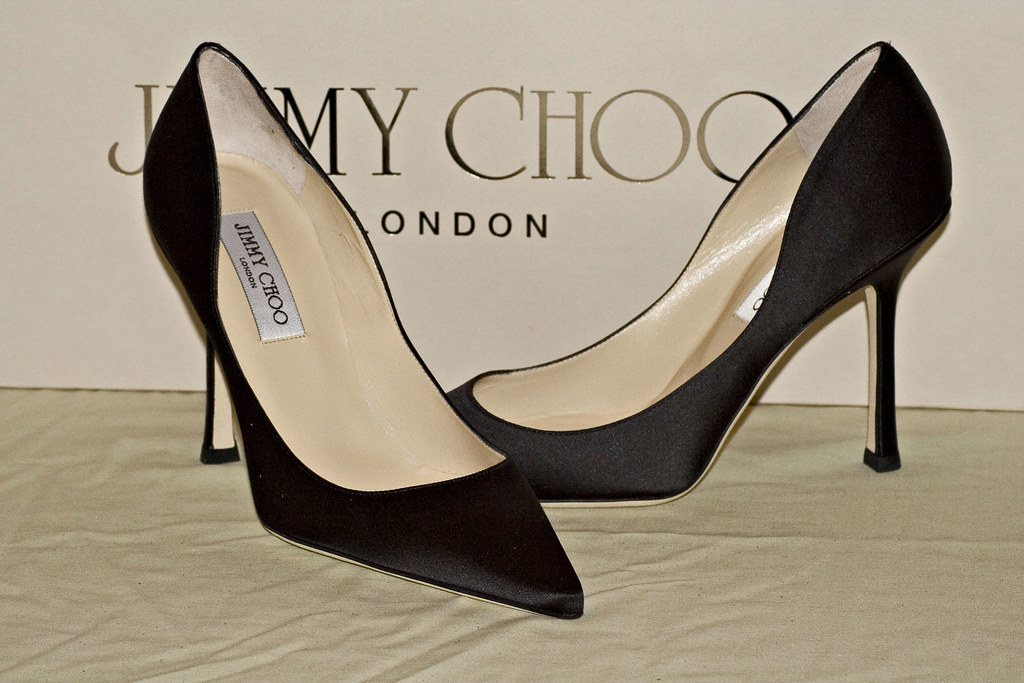
When you ask, “Is Jimmy Choo a designer brand?” The answer is a resounding yes. Indeed, Jimmy Choo has become synonymous with luxury and style in the world of high-end footwear.
The story of this renowned brand begins in London’s East End, where its namesake founder learned his craft at the London College of Fashion before launching his eponymous shoe label. Distinguished by their exceptional Italian craftsmanship, Jimmy Choo shoes quickly became coveted pieces within the fashion industry and among a sophisticated clientele that appreciates handmade women’s shoes.
In 1996, Choo sold his 50% stake in the company to Tamara Mellon, then Vogue UK’s accessories editor. This marked a significant turning point for the Jimmy Choo brand, which soon moved beyond its humble beginnings as a small brand offering couture shoes crafted by hand.
Under Mellon’s direction and with Sandra Choi—Choo’s niece—as creative director, Jimmy Choo Ltd expanded into ready-to-wear shoes that retained their luxurious edge while reaching a broader market. The first Jimmy Choo store opened on Motcomb Street in London—quickly followed by locations in New York and then Los Angeles.
Today, you’ll find these iconic towering heels showcased beautifully in upscale department stores like Saks Fifth Avenue or chic standalone boutiques—the latter often referred to as a “Jimmy Choo Store.” Signature styles such as sexy cut slingbacks or streamlined silhouette pumps have graced red carpets around the world on Hollywood royalty including Kate Middleton, Michelle Obama, and even late Princess Diana—an early fan of Jimmy Choo Couture line.
Moreover, an array of other products—from handbags to accessories—are now available under this prestigious label making it more than just one of your typical shoe brands. It’s earned accolades from top fashion entities including Footwear News and British Fashion Council for its contribution to luxury footwear design.
What sets apart Jimmy Choos is not only their fashionable design but also their minimalistic styling—a testament to Mellons’ vision for creating understated yet elegant footwear with just enough flair to make them distinctive—and desirable—to discerning customers worldwide.
So next time you’re considering investing in luxury shoe brands remember: not only are you getting unparalleled quality when buying Jimmy Choos; you’re also investing in more than two decades worth heritage from one of Britain’s finest fashion exports.
Final Thoughts - Is Jimmy Choo a Designer Brand?
Jimmy Choo is not only a designer brand but also an epitome of luxury and style in the world of high-end footwear. From its humble beginnings in a small workshop on London’s Motcomb Street, Jimmy Choo has grown into a globally-renowned brand, treasured for its towering heels and minimalistic designs worn on red carpets and high-fashion boulevards worldwide.
Over the years, the brand has evolved, expanding its product offering beyond shoes to include handbags and accessories under the creative direction of successors after Choo’s departure. Today, despite changes, Jimmy Choo remains a testament to artisanal excellence, marrying time-honored Italian craftsmanship with contemporary style.
The brand’s resilience and ever-growing popularity reaffirm its position as a leading player in the global luxury market. So, when asked if Jimmy Choo is a designer brand, the answer resounds with an unequivocal yes.
Other suggested articles:
Is Guess a Designer Brand?
You might be wondering is Guess a designer brand? If you’ve ever wondered whether Guess qualifies as a designer brand, you’re in the right place. Today, we’ll delve into the world of Guess, examining its status as a luxury brand and uncovering the captivating story behind its creations.
Is Guess a Designer Brand A Journey through History
Established in 1981 by brothers Paul and Maurice Marciano, Guess has evolved into an iconic fashion label that transcends time and trends. With its roots in Los Angeles, this multinational lifestyle luxury brand initially gained fame for its denim jeans featuring vintage-inspired prints and artistic wash effects. Over the years, Guess’s offerings have expanded to encompass a diverse range of apparel, accessories, and footwear, catering to both men and women.
In the contemporary fashion landscape, Guess stands out as a global industry leader that consistently pushes the envelope of style and design innovation. Renowned for its unwavering dedication to quality craftsmanship and timeless pieces suitable for any season, Guess’s presence is felt far and wide, available at major retailers and esteemed department stores.
Guess’s Distinctive Designs
Unlike other luxury fashion brands often recognized for a single defining item, Guess is a true designer brand celebrated for its distinctive and versatile style. Marrying classic silhouettes with contemporary elements, Guess’s collections exude playfulness, sophistication, and versatility, ranging from casual everyday wear to elegant evening attire. The brand’s attention to detail is evident through intricate embroidery, bold hardware accents, and unique fabric washes that add an extra layer of charm to each piece.
Notably, Guess has garnered a dedicated following among celebrities, models, and fashion enthusiasts alike. From their iconic denim jackets to attention-grabbing dresses, Guess consistently delivers daring yet refined designs that never fail to make a lasting impression.
[caption id=“attachment_1676” align=“aligncenter” width=“200”]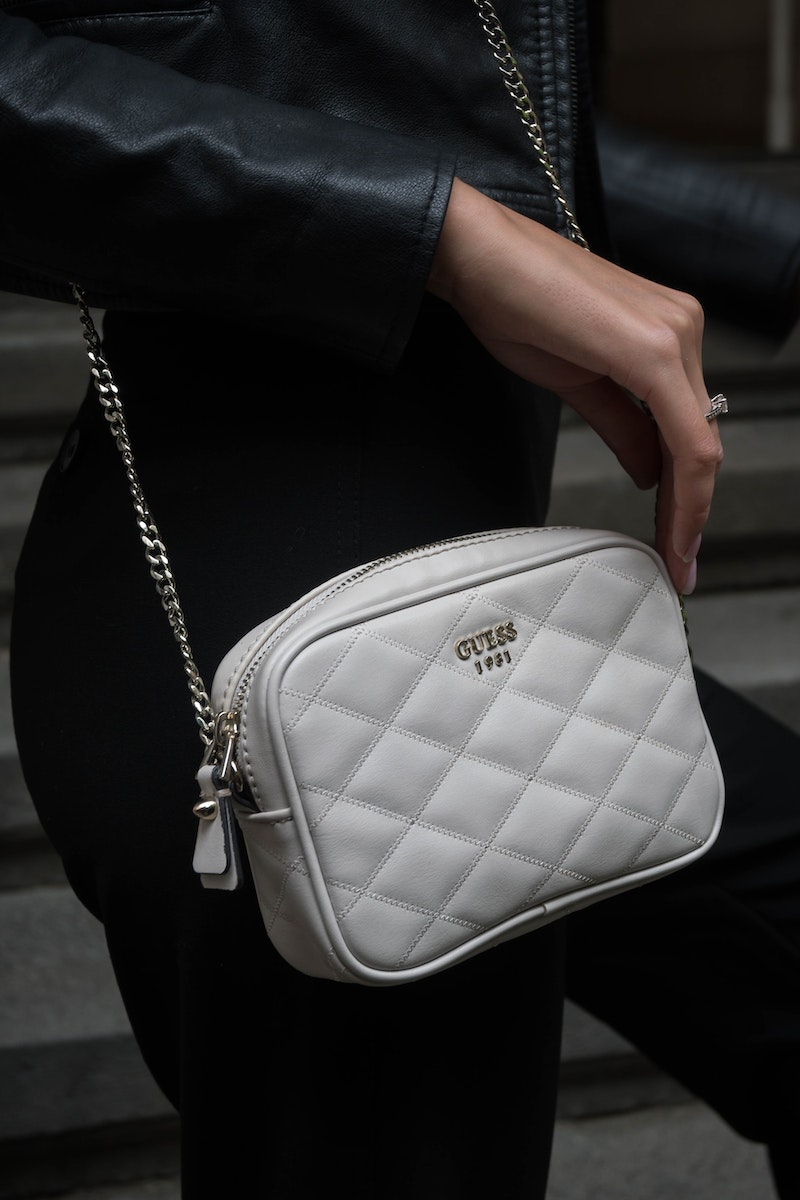 Is Guess a Designer Brand[/caption]
Unveiling the Luxury: Is Guess Worth the Investment?
Resoundingly, the answer is yes! Guess, as a luxury brand, offers value that transcends its price point. With a commitment to delivering enduring quality and style, Guess’s pieces are designed to endure through numerous seasons. Moreover, the brand caters to a wide range of budgets, ensuring that its offerings are accessible to all.
Guess’s reputation for stylish designs and impeccable craftsmanship has firmly cemented its position in the hearts of loyal supporters. Whether you’re in search of chic Guess shoes, fashionable Guess bags, or elegant Guess watches, the brand offers an extensive array of products to suit various preferences.
[affiliatable id=‘269506’]
The Designer Status: Definitively Guess
Rest assured, Guess is undeniably a designer brand. Its profound influence on the fashion industry and its dedicated fan base speak volumes about its status. Guess consistently crafts timeless pieces adorned with modern nuances that empower individuals to stand out and express themselves uniquely. For those who prioritize quality craftsmanship and captivating designs, Guess presents an impeccable choice.
Embracing a steadfast commitment to quality and innovation, Guess has ascended to the echelons of premier designer brands globally. Don’t miss the chance to explore Guess’s latest collections, as they showcase must-have items capable of elevating any wardrobe.
Decoding the Guess Logo
The Guess logo, a graceful G-shaped emblem conceived by Georges Marciano in 1981, has become synonymous with the brand’s dedication to timeless fashion infused with contemporary flair. This emblem encapsulates Guess’s vision of harmonizing the past with the present, resulting in enduring style statements.
Nurturing Your Guess Items
To ensure the longevity of your Guess pieces, practicing proper care is essential. For machine-washable items, turn them inside out and opt for cold water cycles. Tumble drying on low is advisable. However, always heed the care label’s instructions, as some pieces may require special handling.
Shield your Guess treasures from direct sunlight and excessive heat to preserve their vibrant colors and fabric integrity. By giving your Guess items the attention they deserve, you’ll ensure they remain as captivating as the day you acquired them.
[caption id=“attachment_1677” align=“aligncenter” width=“200”] Is Guess a Designer Brand[/caption]
How to Spot Fake Guess Products:?
Spotting fake products is essential to ensure you’re investing in genuine items that reflect the brand’s quality and reputation. If you’re wondering how to distinguish between real and counterfeit Guess products, this guide will equip you with the knowledge you need.
1. Examine the Logo
Start by closely inspecting the Guess logo. Counterfeit products often have inconsistencies in font, size, or spacing. Genuine Guess logos are well-crafted and consistent across all items. Pay attention to the shape and alignment of letters in “Guess” and ensure that it matches the official branding.
2. Quality of Materials
Guess is renowned for its premium materials and craftsmanship. Counterfeit items often use inferior fabrics and materials. Feel the fabric, stitching, and hardware; genuine Guess products maintain a high standard of quality. If something feels off or subpar, it could be a red flag.
3. Stitching and Seams
Authentic Guess products boast meticulous stitching and neatly finished seams. Sloppy or uneven stitching is a sign of a fake item. Inspect the seams on clothing, bags, and accessories for any irregularities or loose threads.
4. Hardware and Zippers
Check the hardware, such as zippers, buttons, and clasps. Authentic Guess items feature sturdy, well-made hardware that operates smoothly. Counterfeit products may have flimsy hardware or zippers that jam or break easily.
5. Labels and Tags
Counterfeit products often have poorly attached or misspelled labels and tags. Carefully examine tags for accurate spelling, stitching, and placement. Authentic Guess items have high-quality, securely attached labels that reflect the brand’s attention to detail.
6. Packaging
Guess takes pride in its packaging, which is often elegant and well-designed. Counterfeit items might come in cheap or poorly printed boxes or bags. Look for any discrepancies in the packaging’s design, color, or logo placement.
7. Price
While deals and discounts are enticing, be cautious if the price seems too good to be true. Extremely low prices could indicate a counterfeit product. Research the typical price range for Guess items to have a better understanding of what to expect.
8. Seller Reputation
Purchase from reputable sources such as official Guess stores, authorized retailers, or well-established online platforms. Avoid buying from questionable websites, street vendors, or social media sellers with limited credibility.
9. Authenticity Labels and Certificates
Some Guess products come with authenticity labels or certificates. These can include holograms, QR codes, or unique serial numbers. Verify the authenticity of these features by cross-referencing them with official Guess resources.
10. Research and Comparison
Familiarize yourself with authentic Guess products by researching the brand’s official website, social media accounts, and authorized retailers. Compare product images, details, and features to spot any discrepancies between genuine and fake items.
[caption id=“attachment_1678” align=“aligncenter” width=“300”] Is Guess a Designer Brand[/caption]
Unveiling the Designer Essence of Guess
In essence, Guess is unequivocally a designer brand, celebrated for its premium craftsmanship, timeless designs, and unwavering dedication to innovation. From its iconic denim jackets to show-stopping dresses, Guess caters to diverse tastes and occasions, making it a must-have presence in any fashion-savvy individual’s closet.
As you explore Guess’s latest collections, you’ll witness firsthand the blend of artistry and luxury that defines the brand. It’s only a matter of time before you too join the ranks of Guess aficionados who appreciate and embrace the brand’s unique blend of style and sophistication.
Other interesting brands worth checking…
Is Valentino a Designer Brand? Unraveling the Truth About Luxury Fashion
Is Valentino a designer brand? Yes, Valentino is undeniably a designer brand. This luxury fashion house has been delivering exquisite haute couture and ready-to-wear collections since its inception in 1960 by none other than Valentino Garavani, an acclaimed Italian fashion designer. Speaking of the brand’s origins, it was initially known as Maison Valentino, with the ‘maison’ referring to its status as a respected and high-ranking player in the world of fashion.
In fact, Valentino is more than just a mere label - it’s synonymous with elegance, craftsmanship, and timeless style that transcends trends. The name “Valentino” itself carries substantial weight in the industry; it’s not just an Italian surname but also stands for quality and prestige within the realm of luxury brands.
However, there often arises some confusion between Mario Valentino and Valentino Garavani due to their shared first name (and passion for fashion). Here’s where I’ll clear up any ambiguity: Mario Valentino is another distinguished Italian designer who had his own successful leather shoe brand long before Garavani launched his eponymous line. The two are entirely separate entities; both have made significant contributions to the fashion industry yet operate independently under their respective labels.
Unveiling Valentino: Is It a Designer Brand?
Let’s peel back the curtain on Valentino. To answer the question, “is Valentino a designer brand?” - The answer is an emphatic yes. Just like Balenciaga and Gucci, Valentino, or more accurately Valentino Garavani, is indeed a premium brand in the fashion industry.
This Italian fashion house was founded by none other than Valentino Clemente Ludovico Garavani himself. This talented Italian fashion designer launched his own fashion house, Maison Valentino, back in 1960 in Rome. So when you covet those Valentino bags or admire their haute couture collection, it’s all thanks to this iconic figure.
But wait! There’s another Mario Valentino too? Yes, that’s correct! Mario Valentino is also an Italian leather shoe and bag brand but doesn’t confuse it with Maison Valentino. Remember folks, not all things with ‘Valentino’ name are created equal.
Now let’s dive deeper into the luxury brands realm where Maison Valentino resides alongside Louis Vuitton and Karl Lagerfeld. This illustrious label has been synonymous with global luxury and has stood as a pillar of excellence within the world of high-end fashion for over six decades now.
From Sophia Loren to royal wedding dresses, from exclusive couture pieces to ready-to-wear lines which provide dynamic and varied wardrobe options, they’ve got it all covered under their creative direction led by Pierpaolo Piccioli since 2016 (following Maria Grazia Chiuri’s departure).
With signature elements like ‘Valentino Red’ dresses and highly sought-after accessories such as handbags featuring removable shoulder straps - the brand continues to be a trendsetter in today’s ever-competitive market.
Their reputation doesn’t fall when compared to other leather goods providers either - offering top-notch quality that blends seamlessly with timeless design aesthetics; elevating them into the premium brand category among designers making clothes.
So next time someone asks “Is Mario Valentino a luxury?” or queries “Who owns Maison Valentinos?”, you’ll know exactly how to respond because you’ve got your facts straight about this phenomenal player in the world of global luxury brands.
To sum it up: whether it’s about creating that perfect red carpet look or simply adding elegance to your everyday ensemble – if it carries the real ‘Valentini’ tag – rest assured you’re investing in one of the finest creations from one of Italy’s most respected houses of fashion.
[affiliatable id=‘269511’]
The History and Influence of Valentino
If you’ve ever found yourself asking “Is Valentino a designer brand?” then I’m here to clear things up for you. Yes, Valentino is indeed a prominent designer brand, an Italian fashion house known around the globe. Let’s delve into its rich history and lasting influence.
Valentino was founded by an accomplished Italian fashion designer, Valentino Garavani, back in 1960. Garavani had honed his craft under apprenticeship with local designers before launching his own fashion house – Maison Valentino. His designs quickly gained recognition within the industry; they were lauded for their elegance and classic style.
A defining moment came when Hollywood star Sophia Lauren wore one of Valentino’s red dresses to the Oscar ceremony in 1954. This event made headlines worldwide and put both the color ‘Valentino Red’ and the maison itself on the map.
By 1978, another Italian designer named Mario Valentino had also made a name for himself in the luxury brands market with his leather shoe brand. Despite sharing a common first name and industry niche, there’s no relation between Mario Valentino and Valentino Garavani.
In fact, at times confusion arose due to this similarity — some even coined it as ‘Mario Valentino Falls’. Nevertheless, both brands have carved out their own paths successfully; while Mario excelled with leather goods like bags having removable shoulder strap features or different types of shoes; Maison Valentino became synonymous with haute couture collection pieces.
The creativity behind Maison Valentino didn’t stop at Garavani’s retirement either — Maria Grazia Chiuri & Pierpaolo Piccioli took over as co-creative directors leading to numerous innovative collections that upheld House’s traditions while venturing into new territories. This dynamic duo split in 2016 when Chiuri left for Dior leaving Piccioli as sole creative director.
Today Maison Valentino stands tall amongst its contemporaries like Louis Vuitton & Karl Lagerfeld in the premium category of the fashion world offering not just exclusive couture pieces but also varied wardrobe essentials catering from wedding dress needs to casual wear demands.
So yes! For those wondering: “Is Valentino a luxury brand?” - It certainly is! And it’s not just any luxury brand but one steeped in history, marked by innovation & recognized as an influencer within high-fashion circles globally.
Final Thoughts - Understanding Valentino’s Place in the Fashion Industry
To answer the question, “Is Valentino a designer brand?” - Yes, it most certainly is. The name ‘Valentino’ refers to Italian fashion designer Valentino Garavani’s label, which is globally recognized as a luxury brand.
In summary:
-
The real ‘Valentino’ refers to Maison Valentino founded by Italian fashion designer, Valentino Clemente Ludovico Garavani.
-
With iconic designs like red dresses and varied wardrobe pieces, they’ve made their mark within the high-end category.
-
Continuous innovation under strong leadership (most recently Pierpaolo Piccioli) carries forward Garavani’s legacy.
-
Mario’s leather goods should not be confused with those from Maison Valentino.
So there you have it! Is Valentino a designer brand? It absolutely is – and what’s more? It stands shoulder-to-shoulder with other titans like Louis Vuitton or Karl Lagerfeld in terms of popularity and prestige within the world of fashion.
Is Fendi a Designer Brand?
If you’re wondering, ‘Is Fendi a designer brand?’ The simple answer is: Yes. Delving into its history, the iconic creations, and world-recognized symbols, you will understand what makes Fendi a global power and luxury brand in the fashion industry.
Recognizing a Designer Brand
To spell it out, a designer brand is characterized by exclusivity, high-quality materials, high cost, and unique savoir-faire. Typically, they are created by renowned fashion designers and offer an array of accessories, ready-to-wear, handbags, shoes, jewelry, and home furnishings. And Fendi remarkably meets all these criteria.
About Fendi

Founded in Rome in 1925 as a small fur and leather shop by Adele and Edoardo Fendi, Fendi has grown into an iconic Italian brand. The luxury label started from humble beginnings but quickly gained recognition for its excellent craftsmanship and the use of the finest materials, particularly in fur and leather goods.
Is Fendi a Designer Brand? Signature Features of Fendi
This family business has grown beyond a fur workshop and a leather shop. It is now synonymous with quality, style, and luxury. The 6/1 rule is apparent in the brand’s double F logo that the Fendi family represents: founded by a couple and their five daughters. The double F stands for Fendi Fun or Fun Furs.
One of the cornerstone creations of the brand is the Fendi Baguette bag, loved by fashionistas worldwide since its debut in the late 1990s. Coined the ‘it-bag’ after featuring on the arm of Sarah Jessica Parker in the popular television series Sex and the City, the Fendi Baguette bag epitomizes Fendi’s meticulous attention to detail, unique designs, and the seamless blend of style and functionality - the soul of Italian craftsmanship.
Designer Credentials of Fendi
Every aspect of the Fendi brand aligns perfectly with the prerequisites of a designer brand. Its artistic directors and designers like Karl Lagerfeld, Silvia Venturini Fendi, Delfina Delettrez Fendi, and Kim Jones have pushed fashion boundaries and shattered conventional norms to create exceptional designer goods.
Karl Lagerfeld joined the fashion house in 1965 as the creative director for fur and women’s ready-to-wear, and he introduced the double F logo. His work was instrumental in transforming Fendi from a regional furrier into a global fashion powerhouse.
[affiliatable id=‘269913’]
Industry Experts’ Take on Fendi
The industry’s influential figures and reviews have always highlighted Fendi as a staple luxury brand. Many purveyors of fine fashion revere Fendi for its ability to weave modern chic elements with classic Italian craftsmanship.
Silvia Venturini Fendi, the granddaughter of the founders, joined the Fendi label in the early 90s. She was the mastermind behind Fendi’s most iconic bag to date – the Fendi Baguette bag and has been central in upholding Fendi’s designer status.
The Palazzo Della Civiltà Italiana became Fendi’s global headquarters in 2015, another strike underlining Fendi’s status as a luxury brand. The brands like Chanel, Gucci, Prada, and others share this elite status, all of which are recognized globally for their perfect blend of style, luxurious finishes, and superior quality.
Public Perception of Fendi
Public Perception of Fendi has remained consistent over the years - it is the benchmark of Italian luxury - which reflects its flawless synthesis of tradition, innovation, modernity, and timelessness. Acquiring an item from Fendi is not just about owning a piece of clothing, accessory, or handbag; it’s about getting an artwork meticulously crafted with the finest of materials.
The brand’s stable popularity and esteem came into view when Fendi staged a couture show atop the Trevi Fountain in Rome during its 90th-anniversary celebration. Rome, home to Fendi, is one of the fashion capitals, further certifying the brand’s high-end status.
Summary
After examining the brand’s rich history, distinctive offerings, and reputation in the fashion industry, our verdict on ‘Is Fendi a designer brand?’ is a resounding Yes. Their cutting-edge designs, consistent innovation, unrivaled craftsmanship, and sustainable luxury practices set Fendi apart.
The brand’s evolution, nurtured by creative and artistic directors, its commitment to craftsmanship, high quality materials, and exclusive designs account for their global recognition. Today, Fendi stands as a successful Italian fashion house and luxury brand of LVMH - Moët Hennessy Louis Vuitton, the world’s leading luxury products group, which acquired it in a strategic move in 2001.
Fendi recognizes its identity as a game-changer in the fashion world and its legacy as a leader in the evolving world of luxury. Fendi’s ability to reinvent itself, by pioneering new techniques, and merging innovation with tradition, is perhaps its supreme testament to its designer status.
Other suggested articles:
- Is Vera Wang a Designer Brand?
- Is Ted Baker a Designer Brand?
- Discover the World of Italian Knitwear Brands
- Ted Baker Bags
Why Is Vicuna Wool So Expensive? Luxury’s Rare Treasure
When it comes to luxury fabrics, few can match the allure and exclusivity of vicuña wool. But why is vicuña wool so expensive? The answer lies in the unique blend of rarity, labor-intensive production, and unmatched quality. With only around 350,000 vicuñas left in the wild, these delicate creatures, found solely in the Andes mountains, are protected by strict conservation efforts.
Vicuñas can only be shorn once every three years, making their wool incredibly scarce. This scarcity, combined with the meticulous process of hand-harvesting the wool, significantly drives up its cost. Despite its high price tag, the fabric’s unparalleled softness and warmth make it a coveted choice for luxury fashion brands.
The cultural heritage of vicuña wool further enhances its value. Historically revered by the Incas as a symbol of royalty, this fabric continues to captivate modern designers, solidifying its status as one of the most prestigious materials available.
What Is Vicuña Wool?

Vicuña wool comes from the fleece of the vicuña, a small camelid native to the Andes Mountains. Known for possessing the finest fibers among all wool types, vicuña wool has a diameter of just 12 microns, even finer than cashmere. Renowned for its softness and warmth, it remains unmatched among luxurious fabrics. The wool’s exceptional properties are an outcome of the vicuña’s adaptation to the harsh alpine climates, making it a top choice for luxury garments.
Vicuna wool vs cashmere is a frequent topic in the luxury fashion world. While both are synonymous with elegance, vicuña fiber is significantly finer and rarer, contributing to its superior softness and exclusivity. Cashmere, although luxurious, cannot rival the cultural and historical prestige tied to vicuña wool.
Vicuñas are protected species, with conservation efforts led by the Peruvian government and surrounding countries safeguarding their numbers. Ethical vicuña wool sourcing involves controlled shearing processes, ensuring each animal is unharmed and can continue to contribute wool over its lifetime. The traditional Inca methods of shearing have been revived, which honor the ancient practice of capturing, shearing, and releasing the animals, aligning with sustainable and ethical standards.
Infused with cultural significance, vicuña wool was once reserved for Incan royalty. This historic association with prestige continues to shape its allure in the modern fashion industry. The labor-intensive gathering process and the wool’s rarity and quality contribute to why vicuña wool remains among the most luxurious and expensive in the world.
The Making of Vicuña Wool
Vicuña wool, cherished for its rarity and quality, requires a meticulous process for production. The delicate fibers, measuring only 12 microns, result in an exceptional fabric that stands out even among other luxurious fibers like cashmere.
Traditional and Modern Practices
Inca tradition deeply influences the harvesting of vicuña wool. During ancient times, community-driven practices involved capturing and releasing vicuñas after shearing, ensuring sustainability. This practice resurfaces today, with the current vicuña population benefiting from regulated shearing methods that emulate historical techniques.
Modern-day practices blend ancestral methods with contemporary standards to ensure ethical vicuña wool sourcing. The animals are carefully shorn to avoid distress, then released back into their high-altitude homes across the Andes Mountains. This controlled approach not only safeguards the sacred animal but also contributes to its conservation.
Challenges in Production
Producing vicuña fabric presents several challenges. First, the species’ status as an endangered species limits the frequency of shearing to once every three years, resulting in scarce wool availability. This infrequency, alongside labor-intensive processes, partially explains why vicuña wool is so expensive.
Another challenge lies in the harsh Andean environment where vicuñas live. The altitude, ranging from 12,000 to 16,000 feet, means that harvesting requires specialized knowledge and equipment to ensure both the safety of the workers and the animals.
Moreover, conservation rules strictly control the vicuña’s population to prevent poaching. These regulations ensure that the production of vicuña wool continues sustainably, balancing luxury market demands with ecological responsibility.
Unique Properties of Vicuña Wool
Vicuña wool is renowned for its unique combination of characteristics that contribute to its status as one of the most luxurious fabrics globally. Its extraordinary softness and warmth make it unparalleled in the realm of luxury textiles.
Softness and Warmth
The fibers of vicuña wool are incredibly fine, measuring just 12 microns in diameter, which explains why it’s softer than cashmere. This fineness allows the wool to provide a silky texture that feels smooth against the skin. In comparison to cashmere, the softness of vicuña wool creates an unrivaled tactile experience.
Additionally, the warmth provided by vicuña wool is exceptional. Adapted to the cold, harsh climates of the Andes Mountains, this wool insulates air effectively, maintaining warmth without adding bulk. This combination makes garments crafted from vicuña wool not only luxurious but also functional for various climates.
Rarity and Exclusivity
Vicuña wool’s rarity stems from several factors, including the limited population of vicuñas and their status as a protected species. Conservation efforts, led by the Peruvian government, are essential to maintaining sustainable populations of these South American camelids. These animals are ethically sourced and can be shorn only once every three years, ensuring minimal impact on their natural habitat and well-being.
The exclusivity of vicuña wool is further amplified by the labor-intensive shearing process, which adheres to age-old Inca traditions. This meticulous approach ensures that each fiber is harvested ethically, maintaining the high value associated with vicuña fabric. Its exclusiveness is a result of both its unmatched quality and ethical vicuña wool sourcing, positioning it among the most desired luxury materials.
Cost Factors of Vicuña Wool
The high cost of vicuña wool stems from its exclusivity and the meticulous production process. These factors, combined with its supreme quality, make it one of the most luxurious fabrics globally.
Limited Supply and High Demand
Vicuña wool is exceptionally rare, with each vicuña, a protected species in the Andes Mountains, only producing about 500 grams of wool every two to three years. The controlled shearing, managed by conservation guidelines, ensures ethical sourcing but contributes to its limited availability. This scarcity, coupled with high demand from luxury fashion markets, elevates its price significantly. The limited supply against growing demand creates a competitive market, where vicuña products like coats and sweaters become sought-after luxury items.
Comparisons with Other Luxury Fabrics
When comparing vicuña wool to other luxury fabrics such as cashmere or silk, vicuña fiber stands out due to its remarkable softness and warmth. Its fibers measure just 12 microns in diameter, finer than even baby cashmere, providing unparalleled comfort and insulation. While cashmere and merino offer similar qualities, they lack the exclusivity and cultural heritage tied to vicuña. Vicuña’s connection to Inca traditions adds a historical allure, setting its luxury status apart in the textile world.
[affiliatable id=‘269709’]
Historical and Cultural Significance
Vicuña wool’s historical importance dates back to pre-Columbian times when it was considered a precious asset in Andean communities. The Incas revered the vicuña, regarding it as sacred and exclusive to royalty. They valued its soft coat for weaving garments reserved for nobility, contributing to its present-day status among the most luxurious fabrics. This rich history adds cultural depth to its allure and influences its value in modern markets.
The Peruvian Andes serve as the vicuña’s native habitat where ancient traditions continue to influence ethical vicuña wool sourcing. Andean camelid shearing ceremonies, known as chaccu, represent a revival of these time-honored practices. Rooted in community engagement, these events ensure conservation and protection of this endangered species while respecting Inca tradition. Community efforts also highlight the animal’s status as a national treasure, maintaining its historical and cultural significance today.
Due to its historical ties, vicuña wool is more than just a material; it’s a symbol of cultural heritage that enhances its luxury appeal. The Peruvian government, along with local communities, plays a vital role in preserving this legacy by regulating sustainable and ethical practices. The luxurious vicuña fabric, valued for its exceptional softness and warmth, finds its place in high-end markets globally. Its rich background, coupled with remarkable properties, sets it apart from other luxury materials like cashmere, cementing its prominence in the textile world.
Ethical and Environmental Considerations
Ethical vicuña wool sourcing plays a crucial role in preserving vicuña populations. Conservation efforts in their native habitats like the Peruvian Andes protect these sacred animals from poaching. By adhering to sustainable practices, communities maintain balance between economic gain and species protection. The Peruvian government enforces strict regulations ensuring only controlled shearing during traditional ceremonies known as chaccu.
Sourcing vicuña wool ethically involves community-driven initiatives. These practices not only minimize the animals’ stress during shearing but also empower local Andean communities. By blending ancestral methods with modern safeguards, herders foster a respectful relationship with the environment. This commitment leads to sustainably harvested vicuña fiber that meets high ethical standards.
Environmental considerations focus on maintaining biodiversities within vicuña habitats. Vicuñas, a protected species, are integral to the ecosystem in regions they inhabit like the Andes Mountains in Peru and northern Chile. Conservation initiatives aim to preserve these delicate ecosystems while promoting vicuña wool as a luxurious yet environmentally conscious choice.
Final Thoughts: Why Is Vicuna Wool So Expensive
Understanding why vicuña wool is so expensive reveals a fascinating blend of rarity, tradition, and craftsmanship. This luxurious fabric’s high cost is justified by its exceptional qualities and the meticulous processes involved in its production. The dedication to ethical and sustainable practices ensures that vicuña wool remains a treasured material in the luxury fashion world. It’s more than just a fabric; it’s a symbol of cultural heritage and ecological responsibility. As demand continues to grow, the commitment to preserving both the vicuña species and their habitat remains crucial, making each piece of vicuña wool not only a luxury item but a testament to sustainable luxury.
Other suggested articles:
- How to Wear a Spaghetti Strap Dress in the Winter
- How to Wear a Swing Dress in Winter
- The Perfect Suit: Finding the Right Fit for Any Occasion
- Clothing for Older Men: Timeless Style Tips and Tricks
- How to Wear and Style Scarves Elegantly
Is Fossil a Designer Brand?
When it comes to the world of fashion and accessories, it’s natural to wonder where a particular brand stands in terms of quality, style, and prestige. One brand that often comes up in these discussions is Fossil. Is Fossil a designer brand? Are Fossil bags, watches, and other fashion accessories on par with luxury brands like Louis Vuitton or Michael Kors? In this blog post, we will explore the history, offerings, and reputation of the Fossil brand and determine whether it can be considered a designer brand or not.
What is a Designer Brand?
[caption id=“attachment_2443” align=“aligncenter” width=“300”]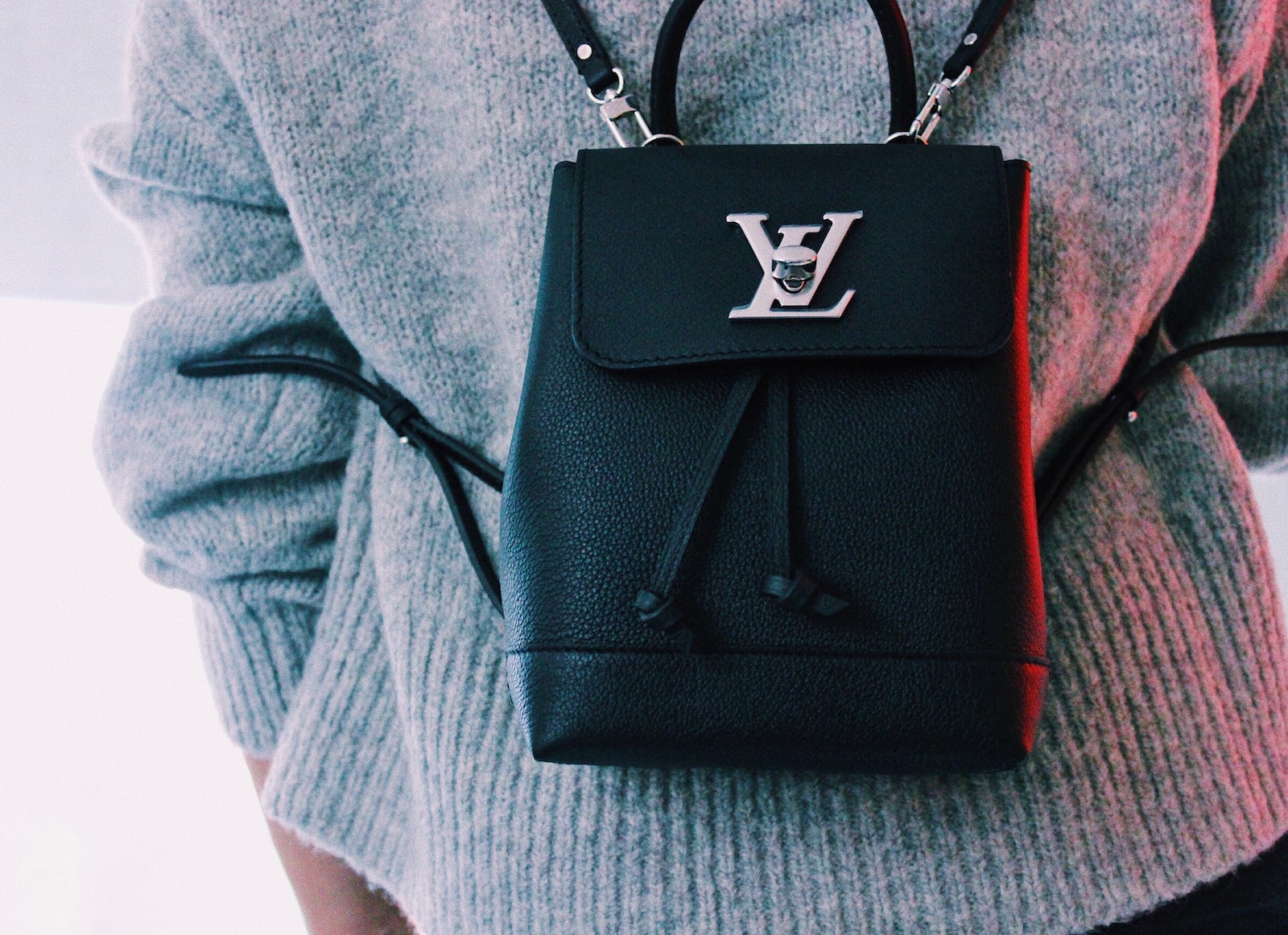 Designer Brand[/caption]
Before diving into the world of Fossil, it is essential to understand what constitutes a designer brand. A designer brand refers to a brand that offers high-quality products made from top-quality materials, often featuring unique and innovative designs. These brands are typically more expensive than their counterparts, as they focus on exclusivity and a high level of craftsmanship. Examples of well-known designer brands include Louis Vuitton, Gucci, and Chanel.
Characteristics of designer brands include the use of high-quality materials, innovative and unique designs, exclusive products, a high price range, and endorsements or collaborations with celebrities. These brands are often seen as status symbols, and owning their products is a way of displaying one’s taste and affluence.
Fossil’s History and Brand Identity
Fossil was founded in 1984 by Tom Kartsotis, an American designer with a passion for vintage watches. Initially, Fossil focused on offering stylish and affordable watches and soon expanded its product range to include handbags, wallets, and other fashion accessories. Today, Fossil is a globally recognized brand with a presence in department stores, standalone boutiques, and online platforms.
The Fossil brand is known for its vintage-inspired designs, drawing on classic American styles to create timeless products that appeal to a wide audience. The brand’s products are often characterized by their attention to detail, functionality, and affordability, making them popular choices for those seeking stylish accessories without breaking the bank.
Fossil’s Position in the Fashion Industry
[caption id=“attachment_2444” align=“aligncenter” width=“300”]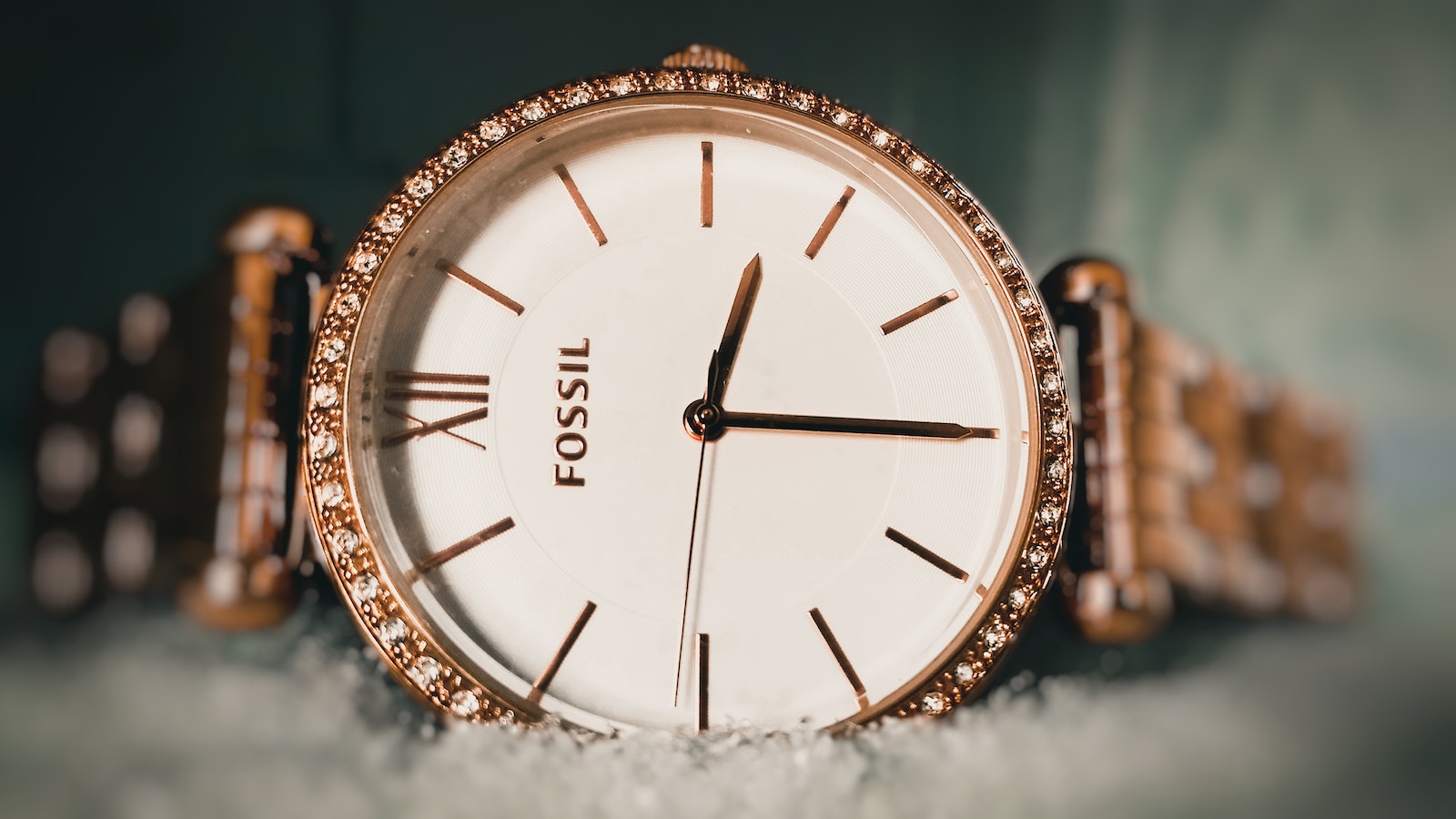 Is fossil a designer brand[/caption]
To determine whether Fossil can be considered a designer brand, we must compare its products and brand identity to those of established designer brands. In terms of quality, Fossil products are generally made from good-quality materials, such as real leather for handbags and wallets, and stainless steel for watches. While the materials used may not be as luxurious as those employed by high-end designer brands, they are certainly durable and reliable.
In terms of design, Fossil products often feature unique and creative elements that set them apart from other brands. However, it is worth noting that Fossil’s design philosophy is more focused on classic, timeless designs rather than groundbreaking innovation. This makes Fossil products versatile and accessible, but they may not have the same level of exclusivity as products from luxury brands.
Fossil Launches New Collection of Luxury Watches
[caption id=“attachment_2445” align=“aligncenter” width=“200”]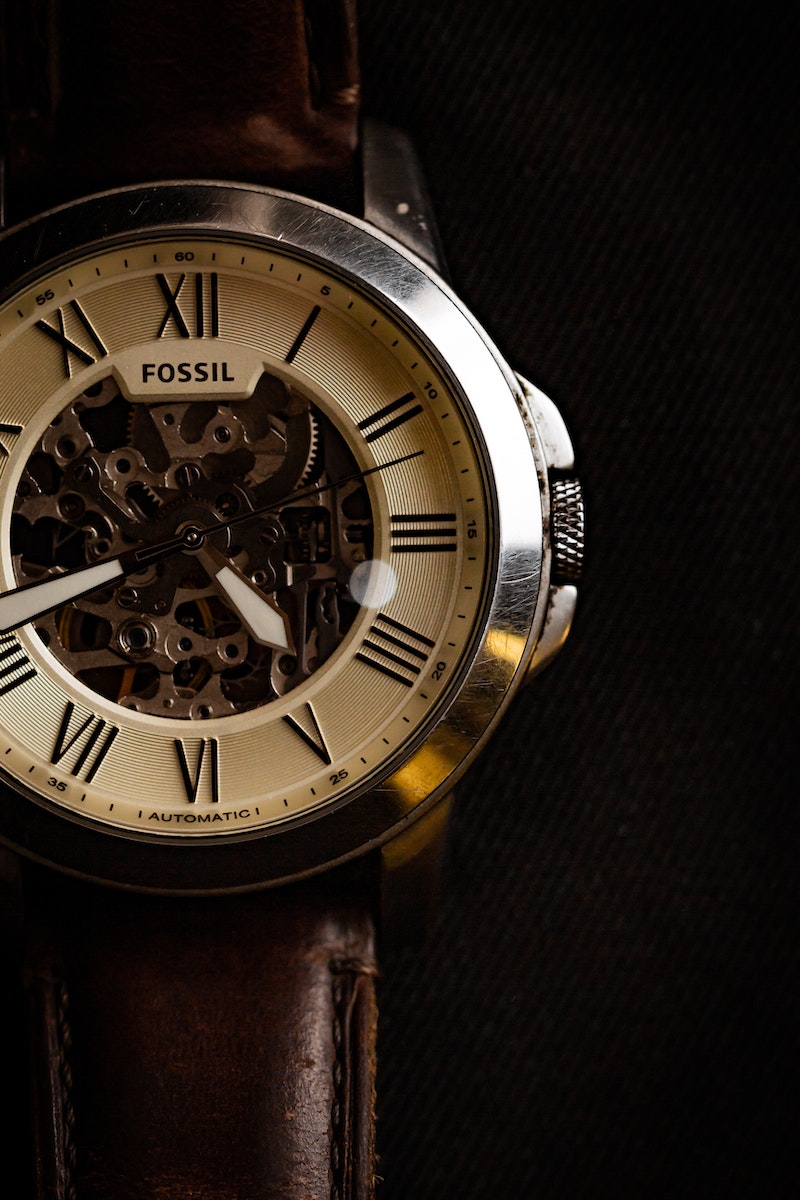 Is fossil a designer brand[/caption]
Fossil is known for producing an array of timepieces, ranging from minimalist designs to intricate, statement pieces. With the recent launch of its luxury watch collection, Fossil has shown its ambition to expand into the luxury market. These watches are meticulously crafted, using the finest materials and innovative technology, solidifying Fossil’s place as a brand that offers both style and substance.
Consumer Perception and Fossil’s Identity
Consumer perception of Fossil varies widely, with some viewing the brand as a respected and stylish option for fashion accessories, while others may see it as a more affordable and less prestigious alternative to luxury brands. Ultimately, the perception of Fossil as a designer brand may depend on individual opinions and experiences with the brand’s products.
Fossil Opens New Boutiques
Fossil’s commitment to expanding its brand presence is evident with the opening of new standalone boutiques in key fashion capitals. These boutiques showcase Fossil’s diverse range of products, from watches to bags and jewelry, providing consumers with an immersive brand experience. The inviting and modern store designs mirror the brand’s approach to affordable luxury.
Is Fossil a Designer Brand? The Verdict
After examining the characteristics of Fossil products, their position in the fashion industry, and consumer perception, it is difficult to definitively classify Fossil as a designer brand. While their products are made from good-quality materials and feature stylish, timeless designs, they do not possess the same level of exclusivity and prestige as luxury brands like Louis Vuitton or Gucci.
However, it is essential to recognize that Fossil occupies an important space in the fashion industry, offering well-crafted and accessible accessories to those who may not have the budget for luxury brands. Fossil’s commitment to quality control, stylish designs, and affordability make it a respected brand in its own right, even if it may not carry the same weight as a luxury designer label.
Luxury and the Perception of Fossil
The term “luxury” carries with it a certain allure, conjuring images of opulence, exclusivity, and exceptional craftsmanship. When discussing Fossil, the question often arises: is it a luxury brand? This inquiry is intriguing, as Fossil sits in an interesting space between accessibility and sophistication.
Bagging Elegance: Fossil’s Approach to Luxury Accessories
Fossil is renowned for creating a designer brand respected for its quality yet affordable fashion items. The brand’s collection of bags is a testament to this balance. From sleek leather to modern designs, Fossil offers a range of options that can be perceived as luxury items without the hefty price tag. While it may not bear the same weight as traditional high-end luxury brands, Fossil’s reputation for craftsmanship and style continues to attract those seeking accessible luxury.
Deciphering Luxury Branding: Is Fossil Truly a Luxury Brand?
Fossil has carved a niche as a designer brand with affordable and modern-looking handbags. However, the debate over whether Fossil can be classified as a luxury brand rages on. Some argue that the brand offers products that reflect elements of luxury, making it a luxury brand if you think so. Others, however, contend that while Fossil is a respected and stylish option, it is not a luxury brand in the traditional sense. This ongoing dialogue highlights the complexity of defining luxury in the ever-evolving world of fashion.
The Luxury Experience: Unveiling the Fossil Brand
[caption id=“attachment_2446” align=“aligncenter” width=“300”] Fossil Wristwatch[/caption]
Fossil’s identity as a luxury brand may differ depending on who you ask. Some view Fossil as a luxury brand that stands alongside well-established names, while others argue it doesn’t carry the same prestige. Fossil is not a luxury brand in the conventional sense, but it holds the potential to be considered a premium brand among those seeking stylish products that don’t compromise on quality.
[affiliatable id=‘269495’]
Luxury Products: Beyond the Label
What constitutes a luxury product is a complex subject, and Fossil’s place within this definition is no exception. Its line of watches, for instance, has garnered both acclaim and critique. A watches review reveals that while Fossil may not be synonymous with high-end luxury, it offers an impressive array of timepieces that cater to various tastes and budgets. Brands like Orient Watches and Fossil Watches offer different aspects of the luxury experience, creating a diverse landscape for consumers.
Elegance Refined: Fossil’s Jewelry Collection
Among Fossil’s offerings, its jewelry collection stands as a testament to its commitment to style and quality. Fossil jewelry brings a touch of luxury to everyday life, with pieces that seamlessly blend sophistication and accessibility. From minimalist designs to intricate details, Fossil’s jewelry line appeals to those who seek the perfect balance between elegance and affordability.
Timeless Timepieces: Fossil’s Watch Collection
When considering Fossil’s identity as a brand, its watches hold a special place. While it may not boast the same company history as some luxury watchmakers, Fossil watches made their mark by offering accessible timepieces that maintain an air of sophistication. The brand’s collaboration with iconic names like Casio showcases its ability to provide diverse options for people seeking the perfect watch.
Fossil as a Good Brand
In the world of fashion accessories, Fossil has been a mainstay for decades, offering a wide range of products, from watches to handbags, wallets, and more. The question of whether Fossil is a good brand is subjective and depends on individual preferences, expectations, and experiences. However, there are several factors to consider when evaluating Fossil’s reputation and offerings.
Fossil is a brand that successfully bridges the gap between premium quality and accessibility. With a diverse array of products that cater to various tastes and budgets, Fossil’s presence in the fashion industry remains influential. Whether you appreciate the timeless elegance of their watches, the functionality of their bags, or the charm of their jewelry, Fossil continues to prove that a good brand doesn’t always have to be defined by luxury prices.
Is Burberry a Designer Brand?
Is Burberry a designer brand? When you’re considering high-end fashion, Burberry certainly comes to mind. Yes, Burberry is indeed a designer brand**,** known worldwide for its iconic designs and superior craftsmanship. Established by Thomas Burberry in 1856, this British luxury brand has carved out a significant place for itself in the global luxury market.
The brand’s prestige isn’t just about age, though. It’s rooted in Burberry’s consistent commitment to quality and innovative design. The famous trench coat - an enduring symbol of the brand - was introduced by Thomas Burberry himself who invented the water-resistant fabric gabardine, transforming trench coats into a wardrobe staple across Great Britain and beyond during World Wars.
To give you more context on how Burberry stands alongside other luxury brands like Louis Vuitton or Christian Dior: it doesn’t disappoint! In fact, it holds its ground firmly in the luxury fashion industry with its vast assortment of ready-to-wear clothing and accessories made from high-quality materials that justify its higher price points.
Understanding the Concept of Designer Brands
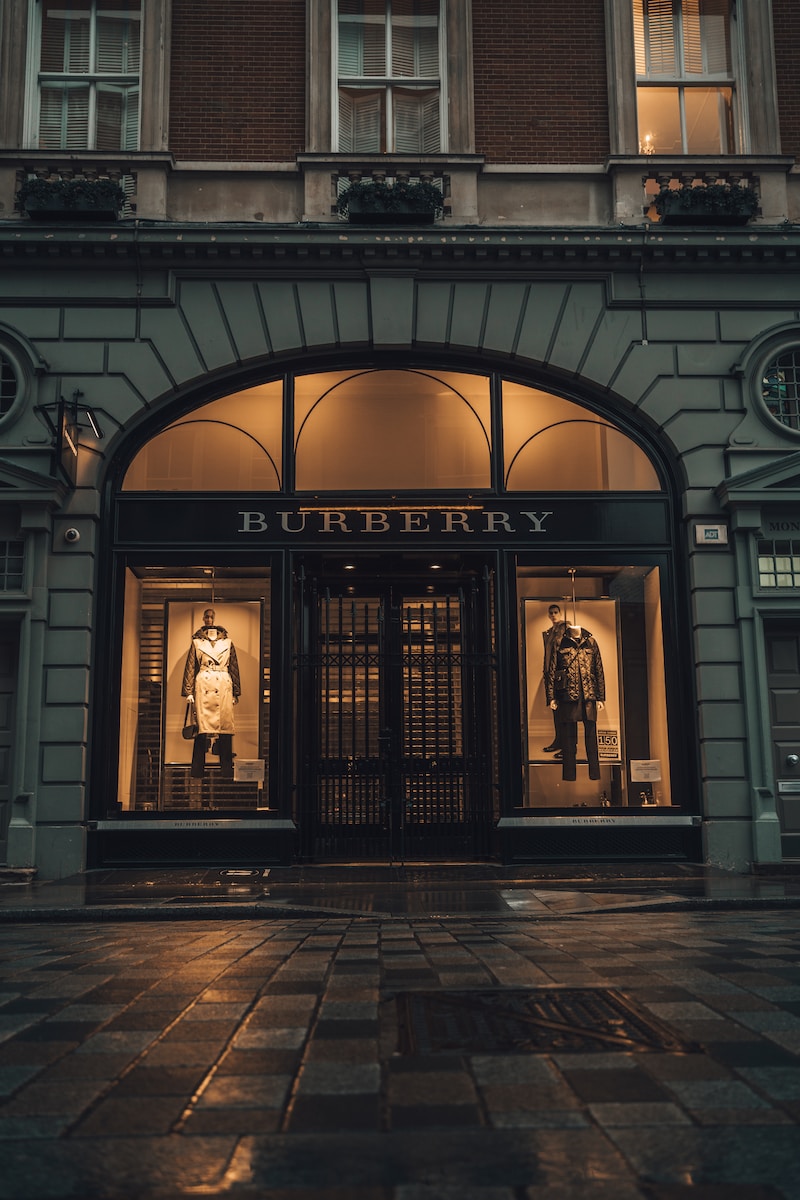
When you’re talking about luxury brands, Burberry certainly comes to mind. Known globally for its distinctive British luxury style, Burberry is indeed a designer brand, just like Louis Vuitton or Christian Dior. Founded by Thomas Burberry in 1856, this British brand has become synonymous with high-quality materials and superior craftsmanship.
So what makes Burberry a designer brand? The answer lies not only in its history but also its consistent adherence to delivering top-notch quality. From the iconic trench coats to ready-to-wear clothing and accessories, each piece from Burberry showcases meticulous attention to detail and innovation. For instance, Burberry’s gabardine, a water-resistant fabric invented by Thomas himself for trench coats, revolutionized the fashion world.
In terms of brand value and reputation, it’s crucial to note that designer brands like Burberry have strict control over their products’ production process. The use of high-end luxury materials combined with unique designs adds up to create an exclusive product line that further solidifies its presence in the luxury market.
As with other top brands such as Louis Vuitton (famed for their LV monogram), part of being a designer label is creating signature pieces easily recognizable worldwide. In this vein, one cannot overlook the famous Burberry check pattern or their renowned trench coat, both significant contributors towards establishing it as a global player in the luxury fashion industry.
While comparing Burberry with other brands like Hugo Boss might seem appropriate due to their similar position within the accessible luxury pricing tier, it’s important not to forget that every designer label brings something unique to the table. Whether it’s through cutting-edge creative direction led by prominent figures such as Chief Creative Officer Riccardo Tisci or through collaborations with celebrities including Emma Watson serving as Global Brand Ambassador – these strategic moves all work towards enhancing a brand’s prestige and standing within the competitive fashion landscape.
Decoding the Burberry Brand: History and Evolution
When you hear the name “Burberry,” what comes to mind? Is Burberry a designer brand that resonates with luxury and style? The answer is certainly yes. Known globally as a premier British luxury label, Burberry comfortably sits in the high echelons of the international fashion world.
Thomas Burberry started his eponymous brand back in 1856. It’s fascinating how this small outfit based out of Basingstoke, England, went on to become an icon in the luxury market. The journey began with focus on outdoor attire but soon pivoted towards high fashion.
One cannot discuss Burberry without mentioning its iconic trench coats. Thomas Burberry invented gabardine - a breathable, weatherproof, and tear-resistant fabric that revolutionized rainwear at that time. During World War I, Burberry was commissioned by Britain’s War Office to adapt its officer’s coat for contemporary warfare - leading to the birth of the now-famous trench coat.
Fast forward to modern times, Burberry is much more than just its trench coats; it’s become synonymous with British luxury and craftsmanship across clothing lines and accessories akin to other top brands such as Louis Vuitton or Christian Dior.
Ownership of a piece from this luxurious collection - whether it be their signature Burberry trench coat, ready-to-wear clothing line or leather goods featuring the distinctive ‘check’ pattern - denotes a certain level of sophistication and class. This recognition doesn’t come easy; it reflects decades spent perfecting designs while maintaining strict control over the quality of materials used in production.
Today’s consumers recognize Burberry as one of those accessible luxury brands pricing their products higher than mainstream labels yet remaining within reach for those seeking entry into the world of high-end fashion. This balance has allowed them continued sales growth even amidst various challenges encountered by many companies operating within the luxury industry.
When comparing Burberry against other brands like Hugo Boss or Louis Vuitton (LV), you’ll notice each has carved its own niche within this competitive landscape. LV continues to rule when it comes to monogrammed leather goods while Hugo Boss is known for its sleek business suits. Yet when it comes down to quintessential British heritage stitched into every item they produce – be it clothes or accessories – Burbury leads among these top-tier names in the global fashion industry.
[affiliatable id=‘268258’]
The Hallmarks of Burberry: Is Burberry a Designer Brand?
Burberry has ascended the ranks to become a quintessential symbol of British luxury. Its status as a high-end designer label is indisputable, with its trademark trench coats and iconic check pattern recognized globally.
In the realm of luxury brands, Burberry often gets compared to titans like Louis Vuitton. However, what sets it apart is the unique blend of traditional British heritage with modern fashion sensibilities. With its roots firmly planted in Great Britain, Burberry’s designs are an ode to superior craftsmanship and high-quality materials.
A key identifier of this revered fashion house is the famous Burberry trench coat. Invented during World War I for military use, these trench coats have since evolved into wardrobe staples around the world. Made from sturdy gabardine fabric invented by Thomas himself, they’re celebrated for their durability and water resistance.
However, it’s not just about clothing at Burberry; accessories also take center stage in their collection. From leather goods sporting the distinctive LV monogram to scarves boasting that signature check pattern - every piece reflects the brand’s prestige and commitment to quality.
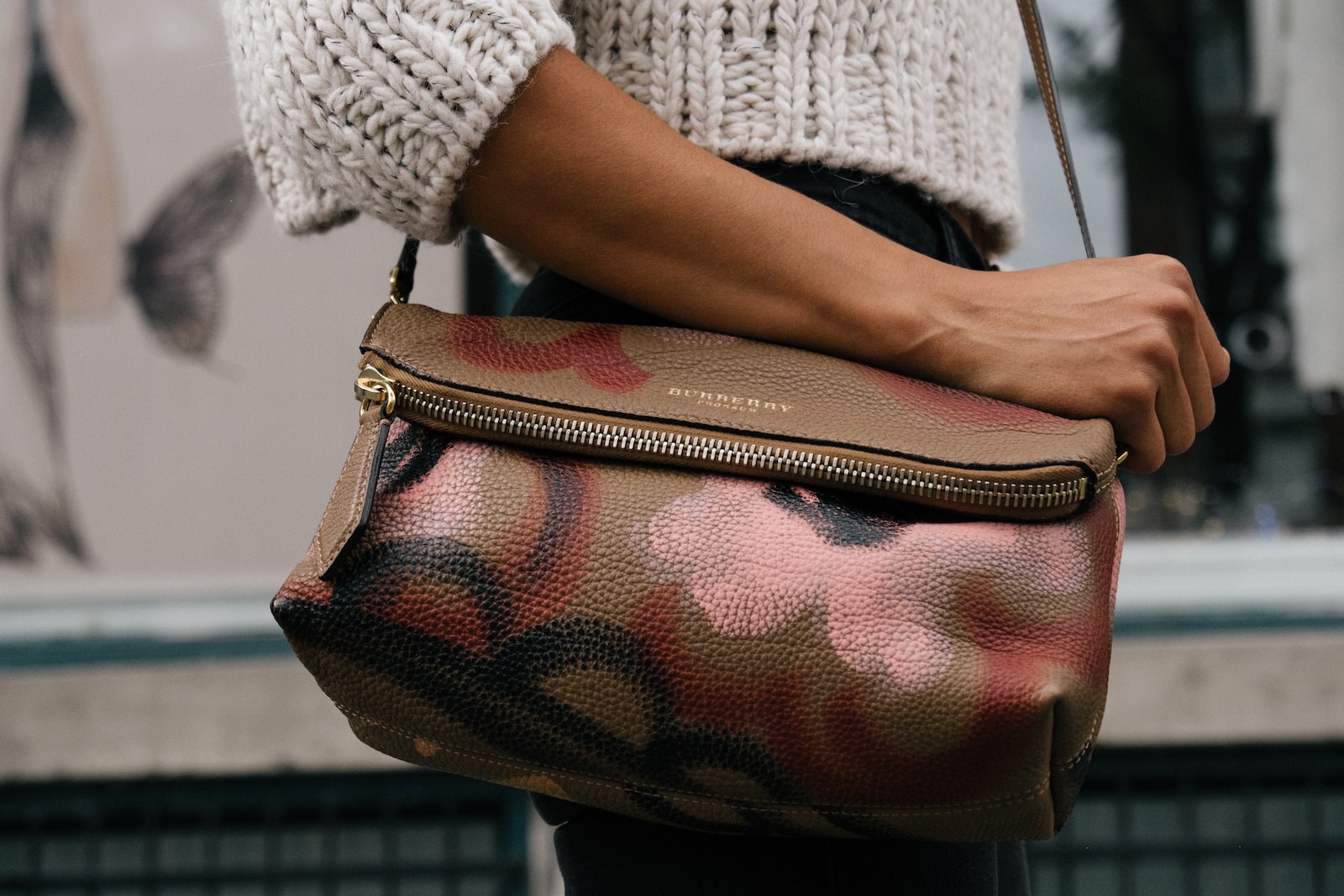
Another trait that cements Burberry’s position in the luxury market is its consistent sales growth on London Stock Exchange over the years - proof positive that it’s no fleeting trend but a lasting power player in the global luxury industry.
The brand’s reputation isn’t confined solely to realms of manufacturing stylish garb and accessories either – it’s equally committed to sustainable practices as well! Under creative director Riccardo Tisci and chief executive Marco Gobbetti’s guidance, they aim to be climate positive by 2022 – setting an example for other brands in the high-end spectrum too!
Moreover, Emma Watson being chosen as their global brand ambassador serves as a testament to their immense popularity among celebrities worldwide!
So yes indeed - when we’re talking about “designer brands,” Burberry absolutely fits into that category with ease! It’s a name synonymous with accessible luxury; whether you’re looking at ready-to-wear pieces or higher-priced items like exotic skins handbags or tailored suits made using the highest quality fabrics– there’s something for everyone who appreciates fine design and superior craftsmanship.
Comparing Burberry to Other Designer Labels
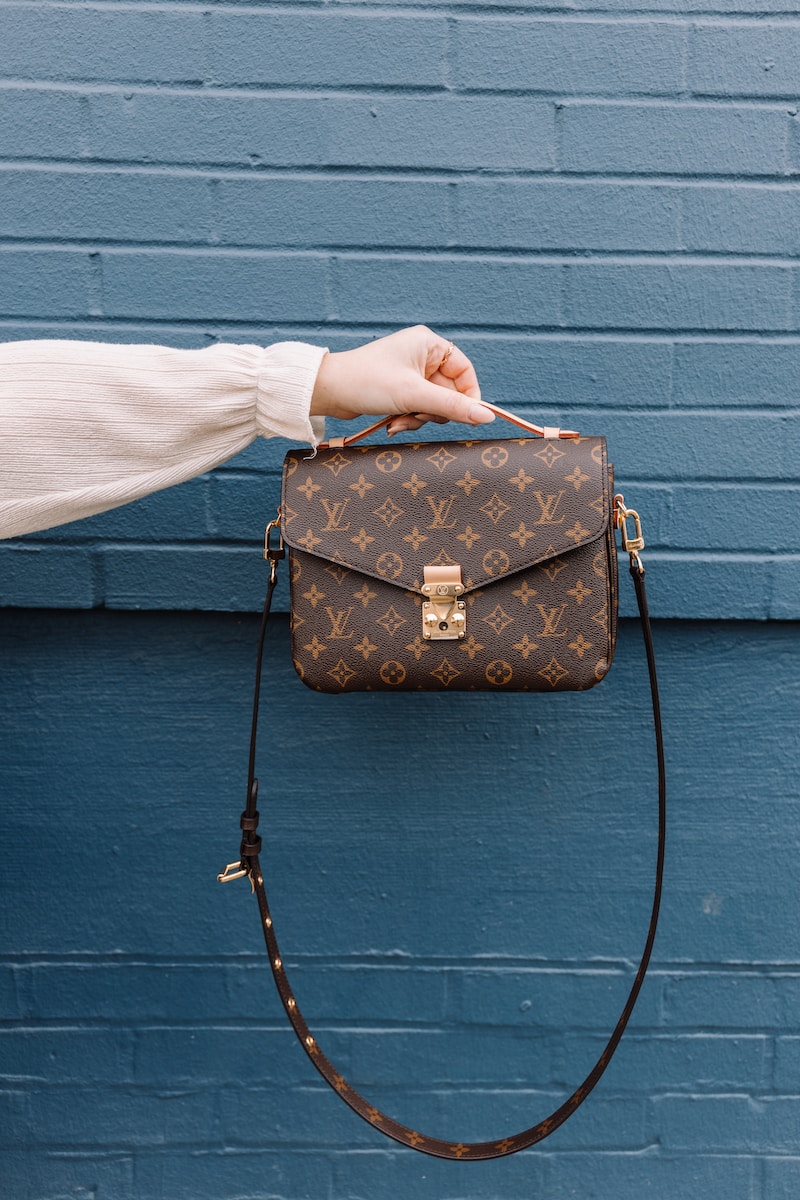
When you hear the term ‘luxury brand’, names like Louis Vuitton, Christian Dior, and of course, Burberry might spring to mind. But how does Burberry stack up against these other high-end competitors in the luxury fashion industry?
Founded by Thomas Burberry in 1856, this British luxury fashion house has a history as rich and impressive as its counterparts. Known globally for its iconic Burberry trench coat and unmistakable check pattern, it’s clear that Burberry is indeed a designer brand that holds its own.
One way to compare these powerhouses is by examining their product lines. Louis Vuitton, for instance, shines in the realm of leather goods with their famous LV monogram taking center stage on many products. On the other hand, Burberry finds strength in clothing items where their trench coats have become wardrobe staples worldwide.
However, pricing also plays a significant role when comparing brands within the luxury market. While Louis Vuitton is considered one of the top brands at the higher end of the spectrum due to their strict control over pricing and distribution channels, Burberry’s position on this scale can vary widely depending on the collection or specific item.
Having been listed on London Stock Exchange since 2002 reflects positively on Burberry’s reputation in terms of financial stability and growth potential - an important factor when considering investment into any brand. In fact, recent sales growth reports show a positive upward trend for this British icon.
In terms of branding strategies too, there are key differences worth noting. For example: while Louis Vuitton often collaborates with contemporary artists to keep designs fresh and innovative; under new creative direction from Riccardo Tisci (Chief Creative Officer), Burberry underwent a branding overhaul introducing a new logo and monogram which modernized its image while staying true to its British heritage.
Both labels boast an impressive list of celebrity endorsements - Emma Watson serves as global ambassador for Burberry, whereas Louis Vuitton has had long-standing relationships with numerous A-listers such as Angelina Jolie.
Despite these differences though,** both brands share common values rooted in superior craftsmanship**, use of high-quality materials, and commitment towards sustainability goals – aiming to be climate positive by 2025.
So yes! When it comes down to it; whether you’re looking at product offerings or business strategies - Burberry stands tall among other designer labels showcasing why it continues being relevant & respected not just within Great Britain but across the international fashion world too!
Final Thoughts - Is Burberry Truly a Designer Brand?
Burberry is indeed a prominent designer brand that has secured a significant place for itself in the global luxury market. Its history, commitment to quality, and innovative designs set it apart as an emblem of British luxury and style. Like other luxury brands such as Louis Vuitton and Christian Dior, Burberry showcases meticulous detail and superiority in its product lines, from its iconic trench coat and ready-to-wear clothing to accessories.
Apart from being an enterprise synonymous with prestige and elegance, it also takes strides toward sustainability. Each brand within the luxury market, whether Burberry, Hugo Boss, or Louis Vuitton, carries a distinctive approach and persona despite sharing common values of superior craftsmanship and high-quality materials. Therefore, owning a piece from Burberry not only symbolizes class and sophistication but an appreciation of design heritage, innovation, and sustainability.
Other suggested articles:
- Is Wrangler a Designer Brand?
- Is Versace a Designer Brand?
- Is Celine a Designer Brand?
- Is Dior a Designer Brand?
Luxury Fashion Brands for Men: Unveiling the Aesthetic
I’ve always found luxury fashion brands for men to be an intriguing topic. It’s not just about the clothes, it’s about the story behind each brand, their unique approach to style, and the impeccable quality they offer. These brands define luxury fashion in a way that transcends trends and seasons. Take Louis Vuitton, for instance - a name synonymous with luxury. Since its establishment in 1854, this French house has been creating magnificent pieces of haute couture and ready-to-wear collections. On one hand, you have timeless classics like their monogrammed luggage, which continues to be sought after by stylish globetrotters. On the other hand, there are their modern-era menswear collections under creative director Virgil Abloh – bold, fashion-forward, and embodying Louis Vuitton’s global reach. Then we have Ralph Lauren, an American designer who transformed his own line of ties into one of the world’s most recognized names in luxury fashion. The brand’s aesthetic is deeply rooted in classic styles made from fine fabrics like cashmere and silk. Whether it’s Wall Street executives or polished prep-school students, Ralph Lauren resonates with a wide range of men looking for high-quality fabrics married with clean lines and timeless designs. Among other brands worth mentioning is Emporio Armani – Giorgio Armani’s line is aimed at a younger audience while maintaining its commitment to high-quality materials and craftsmanship. From crew neck t-shirts to tailored suits, Emporio Armani offers a slice of Italian elegance that is both accessible and aspirational. [affiliatable id=‘269311’]
Exploring the World of Men’s Luxury Fashion Brands
When it comes to men’s luxury fashion, a handful of names always take center stage. These luxury fashion brands for men have shaped and continue to mold the contemporary fashion scene with their unique approach, high-quality fabrics, and timeless aesthetics. Louis Vuitton, for instance, has been a beacon in the world of luxury brands since its inception. Known globally for its distinctive designs and craftsmanship, this brand’s aesthetic seamlessly merges classic styles with modern trends - creating sought after pieces that resonate with both seasoned style enthusiasts and younger audiences alike. Another stalwart in this realm is Ralph Lauren, an American designer whose name has become synonymous with luxury. From its initial focus on ties, Ralph Lauren quickly expanded into menswear collections - evolving into a comprehensive lifestyle brand known for its clean lines and classic Americana feel. Not to be overlooked is Giorgio Armani, whose eponymous label epitomizes Italian elegance. With his own line Emporio Armani as well as more accessible offshoots like Armani Exchange, he caters to various tastes without sacrificing his trademark simplicity or attention to fine fabrics. Also worth noting among luxury fashion brands for men is Saint Laurent – a brand that continues pushing boundaries under the creative direction of Anthony Vaccarello. Building on Yves Saint Laurent’s legacy (including iconic creations like the “Le Smoking” suit), Vaccarello brings a fresh yet respectful perspective to each collection. Finally, there’s Dior Men steered by Kim Jones who previously worked at Louis Vuitton before taking over from Kris Van Assche at Dior. His ability to blend haute couture elements into ready-to-wear menswear while maintaining Christian Dior’s original vision has earned him praise from critics and fans alike – proving once again that innovation fuels longevity in the high-stakes world of high fashion. In conclusion: whether you’re drawn towards Paul Smith’s quirky British charm or Tom Ford’s unapologetically opulent take on tailoring – remember that exploring these brands can offer much more than just wardrobe additions. It opens up an inspiring journey through decades of design evolution driven by some truly visionary individuals.
What Sets Apart Top Luxury Fashion Brands for Men
It’s the uniqueness, quality, and timeless appeal that sets top luxury fashion brands for men apart. Let’s delve into what makes these brands the crème de la crème of menswear collections. Louis Vuitton, a name synonymous with luxury fashion, has continuously maintained its position as one of the most sought-after brands for men. From classic styles to contemporary fashion, Louis Vuitton’s broad range appeals to a diverse audience. The brand’s aesthetic is deeply rooted in high-quality fabrics and fine craftsmanship. Similarly, Ralph Lauren has retained its status quo in the world of luxury fashion since it launched its own label in 1967. Known for its clean lines and American Designer-inspired styles, Ralph Lauren represents an infallible mix of modern-era design with a dash of classic inspiration. The namesake brand Giorgio Armani, along with Emporio Armani and Armani Exchange, showcases Giorgio Armani’s unique approach toward menswear. His designs encapsulate everything from Wall Street-ready suits to casual t-shirts - all made from the highest quality fabrics. Ever since launching his own line post-Second World War, Christian Dior’s eponymous brand continues to be a staple on every list of luxury fashion brands for men. As Creative Director Kim Jones maintains a balance between haute couture heritage and forward-thinking design, Christian Dior remains at the forefront of high-fashion innovation. Meanwhile, other brands like Saint Laurent have managed to maintain their global reach while evolving over time. Introduced by Hubert de Givenchy in 1954 as le smoking suit - it was revolutionized by designers like Tom Ford and John Galliano under LVMH group leadership - targeting younger audiences with more fashionable-forward choices like crew neck t-shirts or slim-fit jeans without compromising on their luxurious feel What truly sets top luxury fashion brands apart isn’t just their long history or big names involved (like Lady Gaga being the recent face for Dom Pérignon champagne by LVHM or Adam Driver walking down the runway during a recent Rick Owens show) but also their ability to innovate while maintaining consistency within each collection – whether that means sticking true to original design principles (like Bottega Veneta under Tomas Maier), making daring decisions (such as hiring Hedi Slimane as Celine creative director despite his controversial past at Saint Laurent) or even branching out beyond traditional clothing items into lifestyle products.
Final Thoughts: The Allure and Prestige of Men’s Luxury Fashion
When it comes to luxury fashion brands for men, names like Louis Vuitton, Ralph Lauren, Giorgio Armani, and Saint Laurent immediately spring to mind. Each has its distinct brand aesthetics that resonate with a wide range of individuals seeking high-quality fabrics and unique designs. These brands aren’t just about creating clothes; they’re about crafting an experience. I’ve seen how they use fine fabrics to intertwine classic styles with contemporary fashion elements. Their collections often reflect the modern era’s fashion-forward approaches while honoring the past’s sartorial traditions. So if you’re looking at investing in luxury fashion items or simply wish to appreciate fine craftsmanship, remember these names: Louis Vuitton for its timeless appeal; Giorgio Armani for its sleek silhouettes; Ralph Lauren for its all-American charm; and Saint Laurent for its daring innovation. Each embodies an aspect of what makes men’s luxury fashion so intriguingly captivating — it’s not just about dressing up but also expressing one’s personality through clothes crafted using innovative techniques by some of the world’s most respected designers. Other suggested articles:
Luxury Fashion Brands for Men: Unveiling the Aesthetic
Stylish Brunch Attire for Men: Dress to Impress & Enjoy
The Comprehensive Guide to Cocktail Attire for Men
Luxury Home Office Designs: 10 Premium Solutions for Opulent Workspaces
In today’s fast-evolving work environment, the home office has transcended its traditional role to become a sanctuary of productivity and style. A high-end office setup isn’t just about functionality—it’s about crafting an upscale workspace that inspires creativity and reflects personal taste. Whether you’re designing a modern home office, exploring minimalist home office ideas, or seeking to blend functionality with sophistication, this guide explores 10 premium solutions for creating opulent workspaces in your home.
10 Luxury Home Office Solutions
 The demand for luxury home office designs has surged as professionals seek to create productive yet aesthetically pleasing work environments within their homes. From premium desk designs to luxurious office chairs, every element plays a crucial role in shaping a workspace that harmoniously combines functionality with style.
1. Premium Desk Designs: The Heart of Luxury
Central to any luxury home office is the desk—a cornerstone that sets the tone for the entire space. Premium desk designs go beyond mere functionality; they serve as focal points that marry sophistication with practicality. Whether opting for minimalist lines or a modern twist, choosing the right desk is essential for creating a workspace that inspires creativity and productivity.
2. Luxurious Office Chairs: Comfort and Style
Alongside a premium desk, selecting the perfect office chair is paramount. A luxury office chair not only enhances comfort but also complements the overall style of the workspace. Ergonomic designs and luxurious materials ensure that every moment spent sitting is as productive as it is comfortable.
3. Elegant Storage Solutions: Shelves, Cabinets, and Drawers
Achieving a clutter-free environment is essential for maintaining focus and productivity. Integrating shelves, cabinets, and drawers provides essential storage while enhancing the office’s aesthetic appeal. Thoughtfully placed storage solutions blend seamlessly with the office’s design, ensuring both functionality and elegance.
4. Natural Light: Enhancing Productivity and Ambiance
Incorporating natural light transforms the atmosphere of any home office. Large windows and strategic positioning maximize daylight exposure, creating a bright, airy environment that boosts mood and productivity. Harnessing natural light is not only sustainable but also essential for creating a harmonious workspace.
5. Personalization and Decor: Reflecting Individual Style
Personalizing your luxury home office adds a distinctive touch that resonates with your personality and taste. From curated art pieces to unique decor items, infusing personal style into the workspace creates an environment that inspires and motivates. Experimenting with colors, textures, and themes allows for creative expression while maintaining a sophisticated ambiance.
6. Multifunctional Furniture: Beyond the Workspace
 Opt for furniture pieces that serve dual purposes, such as dining table or guest room setups. These multifunctional additions transform the office into a versatile space that seamlessly integrates work and lifestyle needs. Choosing furniture that complements the office’s design ensures a cohesive and functional environment.
7. Technology Integration: Seamlessness and Efficiency
Incorporating technology seamlessly into the luxury home office enhances efficiency and connectivity. Concealed wiring, integrated charging stations, and ergonomic setups cater to modern work demands while maintaining the office’s aesthetic integrity. Smart technology solutions elevate the workspace, making it a hub of productivity and innovation.
8. Aesthetic Harmony: Balancing Form and Function
Achieving aesthetic harmony involves balancing form and function in every aspect of the office’s design. From the layout of furniture to the selection of colors and materials, every detail contributes to a cohesive and visually appealing workspace. Emphasizing clean lines, rich textures, and sophisticated finishes creates a space that exudes elegance and professionalism.
9. Wellness and Comfort: Creating a Healthy Workspace
Prioritizing wellness in a luxury home office promotes overall well-being and productivity. Ergonomic furniture, adjustable lighting, and indoor plants like snake plants contribute to a comfortable and health-conscious environment. Enhancing air quality and reducing stress levels ensure that the workspace supports both physical and mental health.
10. Global Inspiration: Drawing from Diverse Influences
Drawing inspiration from global design trends and cultural influences enriches the luxury home office experience. Whether influenced by New York’s sleek urban style or the world’s rich architectural heritage, incorporating diverse elements adds depth and sophistication to the workspace. Exploring global trends allows for innovation while maintaining timeless elegance.
Home Office Ideas: Exploring Creative Designs
 When brainstorming home office ideas, consider how you can infuse your workspace with unique elements that resonate with your personal style and professional needs. Minimalist home office designs, for example, emphasize clean lines and uncluttered spaces, creating an environment where simplicity and functionality harmonize perfectly. A minimalist approach not only enhances productivity but also creates a calming atmosphere conducive to focused work.
Creating the Perfect Home Office: Where Form Meets Function
Achieving the perfect home office involves creating a work space where form meets function effortlessly. The desk often serves as the focal point, anchoring the room’s design while providing a practical workspace. Pairing it with a luxurious office desk chair ensures both comfort and style, setting the tone for a productive work environment. Consider incorporating a dining table for versatile use or to serve as a secondary workspace when needed, adding to the office’s functionality without compromising on aesthetics.
Final Thoughts: Luxury Home Office Designs
In conclusion, crafting a luxury home office is a meticulous process that goes beyond mere furniture and decor selection—it’s about curating an environment where harmonious flavors combine perfectly to create an overwhelming taste experience. By prioritizing premium solutions such as elegant desk designs, luxurious office chairs, and thoughtful decor choices, you can craft a workspace that not only enhances productivity but also enriches your lifestyle. Embrace creativity, draw inspiration from diverse influences, and transform your home office into a sanctuary of elegance and efficiency. Whether you’re in New York or anywhere else in the world, the principles of luxury office design transcend geographical boundaries. It’s about creating an airy, bright, and functional space that reflects sophistication and productivity, tailored to your unique tastes and needs. Remember, a well-designed home office isn’t just a room—it’s a statement. Implementing these 10 premium solutions allows you to redefine your home office as a place where work meets inspiration and productivity meets personal style. Start exploring today to elevate your workspace with grace and efficiency. Other suggested articles:
Social Etiquette: How to Be a Gracious Host or Guest Unveiling the Secrets
Dress Codes: Understanding Their Impact on Workplace Culture
Navigating Business Casual vs Business Professional
Wardrobe Essentials for Everyday Elegance: A Stylish Guide
International Etiquette: Cultural Tips for Global Communication
Discover the World of Italian Knitwear Brands
Italy has long been synonymous with luxury, quality, and style, and Italian knitwear brands have played a significant role in that stellar reputation. Known for their attention to detail, use of the highest quality materials, and a strong commitment to style and innovation, Italian luxury fashion brands have woven their magic into the hearts of people across the world. In this post, we’ll delve deep into the world of Italian knitwear and explore some of the best knitwear labels and their offerings – from cashmere sweaters to stylish cardigans, and everything in between. By the time you’re done reading, you’ll no doubt want to incorporate some beautiful knitwear into your wardrobe!
The Art of Italian Knitwear
 Undoubtedly, Italian knitwear brands are known for their unparalleled craftsmanship, which forms the backbone of their products. Every piece of clothing carries with it a sense of pride and heritage, as skilled artisans put their expert touch to each garment – from sweaters and cardigans to turtlenecks and dresses. With careful attention to detail and a keen eye for design, these craftsmen create beautiful knitwear that is both functional and fashionable. In fact, many fashionistas consider Italian knitwear an essential wardrobe staple for cold weather, as it not only keeps you warm but also adds an element of luxury and style to your ensemble. Another factor that sets Italian knitwear brands apart is the quality of materials used. From the softest cashmere to the warmest wool, every fiber that goes into the making of these garments is meticulously chosen with a focus on providing the highest quality product possible. Additionally, many Italian brands have started using recycled materials in an effort to create more sustainable fashion, thereby striking a balance between luxury and environmental consciousness. Of course, we cannot discuss Italian knitwear brands without mentioning the creativity and innovation that underlies these luxury labels. Italy’s rich fashion history is filled with iconic designers like Gianni Versace, Alessandro Michele, and many others who have left their indelible mark on the world of fashion. Today’s Italian knitwear labels are no different – constantly pushing the envelope, incorporating new materials, techniques, and styles to create contemporary and timeless pieces that are loved by people of all ages. [affiliatable id=‘269757’]
Top Italian Knitwear Brands
 Now that you have an understanding of the craftsmanship and skill that go into Italian knitwear, let’s discuss some of the most well-regarded and creatively innovative Italian knitwear brands:
1. Loro Piana
As a luxury house founded in 1924 by Pietro Loro Piana, this Italian brand has established itself as one of the most prestigious names in the world of luxury knitwear, accessories, and clothing. With a strong focus on the highest quality materials – including rare vicuna wool, cashmere, and Egyptian cotton – Loro Piana is widely recognized for their exquisitely crafted garments that exemplify sophisticated elegance. The company’s cashmere sweaters, in particular, are sought-after staples among discerning customers who value quality and timeless style. Loro Piana is also dedicated to ethical and sustainable practices, ensuring that their products are made in a responsible manner. Their commitment to these practices includes sourcing materials from suppliers that adhere to strict animal welfare and environmental standards. Additionally, the brand is also a part of the Textile Exchange, a global non-profit that focuses on sustainability and promoting best practices in the textile industry.
2. Missoni
Established in 1953, Missoni started as a small knitwear workshop in Italy and has since grown into an iconic Italian label known for its luxurious, colorful, and eclectic designs. Founded by husband and wife duo, Ottavio and Rosita Missoni, the brand rose to fame due to their unique and innovative knitwear collections that feature bold patterns and eye-catching textures. Today, Missoni’s creative director, Angela Missoni, continues the family’s legacy and weaves fashion magic into everything from knitwear to accessories and even homeware. Over the years, Missoni has also undertaken a variety of collaborations and partnerships, showcasing their commitment to innovation and creativity. The brand’s high-profile collaborations include Converse, Havaianas, and Adidas, to name a few. These partnerships serve as a testament to Missoni’s influence and impact on global fashion.
3. Brunello Cucinelli
Brunello Cucinelli, the founder of this eponymous luxury label, began his foray into fashion with cashmere sweaters in the 1980s and has since expanded his offerings to showcase stylish and comfortable clothing for both men and women. Influenced by Italian style and attention to detail, Brunello Cucinelli’s knitwear collections are characterized by their classic designs, top-quality materials, and impeccable craftsmanship. Made in Italy and often featuring an understated color palette, these garments adhere to the concept of “casual luxury” – making them a perfect addition to any wardrobe. In addition to their stellar clothing and accessory offerings, Brunello Cucinelli is also known for its emphasis on philanthropy and the betterment of society. The company is dedicated to projects that aim to preserve Italy’s cultural heritage, and a portion of its profits is routinely allocated to these initiatives. By doing so, they exemplify the true essence of luxury – both in style and substance.
4. Cruciani
Established in 1992 by designer Luca Caprai, Cruciani is an Italian brand specializing in luxury knitwear and jewelry that has since gained a cult following for its unique and whimsical designs. Known for their signature macramé lace bracelets, which gained worldwide popularity, Cruciani soon extended its product range to feature stylish knitwear, including sweaters, cardigans, and more. The brand is famous for its playful patterns, bright colors, and high-quality materials. Cruciani’s brand identity is characterized by its commitment to Made in Italy products, emphasizing its connection to Italy’s rich cultural heritage and longstanding reputation for craftsmanship. With a focus on innovation and contemporary designs, Cruciani has carved a niche for itself in the world of Italian knitwear by offering chic and fashionable knits at an affordable price.
Up-and-coming Italian Knitwear Brands
While the established brands continue to dominate in the world of Italian knitwear, there are several emerging designers proving that they can compete with the best with their unique styles and sustainable approaches to fashion. Labels such as Max Mara, Stone Island, and Bottega Veneta are gaining recognition, sharing characteristics like the use of the highest quality materials, attention to detail, and commitment to craftsmanship. These new labels are also focusing on ethical production and the use of recycled materials, making them appealing to the growing environmentally-conscious consumer base.
The Influence of Italian Knitwear on Global Fashion
 Italian knitwear brands have garnered international recognition, gracing the runways of fashion weeks around the world and being embraced by celebrities and style icons alike. They have become synonymous with luxury, quality, and elegance, attracting a global clientele who appreciates their commitment to craftsmanship and pushes the envelope through innovation and creativity. Over the years, many celebrities have been spotted donning Italian knitwear, further solidifying its place in the fashion elite. From red carpet events to glamorous photo shoots, these stylish knit garments have been featured prominently by the who’s who of Hollywood and beyond. By collaborating with influencers and celebrities, Italian knitwear brands are constantly expanding their reach and proving that their timeless and stylish garments are desirable wardrobe staples, even outside of Italy.
The Future of Italian Knitwear
As we look to the future of Italian knitwear, sustainability, and innovation, play a crucial role in the continued growth and success of these brands. Crafting garments with a focus on ethical and environmentally friendly practices, such as incorporating recycled materials and promoting responsible manufacturing, will not only keep Italian knitwear brands at the forefront of the fashion world but also ensure their longevity by meeting the demands of an increasingly eco-conscious clientele. Moreover , the ever-evolving world of fashion requires constant innovation and creativity to stay relevant and vibrant. Italian knitwear brands are well-positioned to meet this challenge by continually pushing the boundaries of design, embracing new techniques, and finding inspiration in diverse aspects of art and culture. As they continue to evolve, you can expect to see a heightened focus on versatility, incorporating the latest in fabric technology, and a true melding of fashion with functionality. Lastly, expanding the global market presence of Italian knitwear brands will be crucial for their ongoing success. Through e-commerce, strategic partnerships, and global outreach, these luxury labels will bring the magic of Italian knitwear to even more people worldwide, thereby cementing their status as leaders in the luxury fashion industry.
Final Thoughts
There is something truly special about Italian knitwear brands – the marriage of luxury, craftsmanship, and innovation makes them stand out in a marketplace teeming with options. Beautifully crafted garments, made with the highest quality materials, and designed to stay stylish and warm, make Italian knitwear an essential wardrobe staple for many fashion enthusiasts. If you haven’t already, it’s high time that you discover the enchanting world of Italian knitwear for yourself, whether it’s classic luxury brands like Loro Piana or Brunello Cucinelli, or lesser-known, yet innovative designers that are making waves in the fashion scene. These timeless and essential pieces will not only elevate your style but also provide you with warmth and comfort as you brave cold weather outfits. Experience first-hand the impeccable craftsmanship, style, and luxury that Italian knitwear brands have to offer, and add some of their stunning pieces to your wardrobe. Once you’ve experienced Italian knitwear, you’ll never look back – it truly is the epitome of fashion, luxury, and style. Other suggested articles:
Can You Wear Corduroy in the Summer?
What to Wear with Black Coated Jeans?
Is Aldo a Designer Brand? A Dive Into its History
Is Aldo a designer brand? The world of fashion is a vast and ever-changing landscape that can be difficult to navigate. With new trends, styles, and designers continuously emerging, it can be hard to know what qualifies as a designer brand or luxury brands.
One such luxury brand that walks the line between designer and fast fashion is Aldo, a Canadian-based retailer known for its stylish and affordable footwear and accessories. To explore whether Aldo fits the criteria of a designer brand, we must delve into its history, design process, and overall brand image.
A Brief History of Aldo
The Aldo Group was founded in 1972 by Aldo Bensadoun, who was inspired by his family’s long-standing history in the shoe business. His father was a shoe retailer, while his grandfather was a cobbler in Morocco. Born in Morocco and raised in France, Bensadoun moved to Montreal, Canada, in the late 1960s to study engineering. However, his passion for the shoe industry led him to switch his focus to business, and he ultimately decided to launch his own brand.
Aldo began as a small shoe concession within a popular clothing store in Montreal called Le Château. The brand’s initial concept was to create fashionable, high-quality Aldo shoes at affordable prices. This approach proved to be successful, and in 1978, the first standalone Aldo store opened in Montreal. The brand quickly expanded throughout Canada and later entered the American market in the 1990s. Today, Aldo operates over 3,000 stores in more than 100 countries, making it a global footwear powerhouse.
The Design Process at Aldo
One of the key factors that distinguish a designer brand from a fast-fashion brand is the design process. Designer brands often have their own in-house design teams and prioritize originality, quality, and craftsmanship in their products. While Aldo does have a team of designers working to create their footwear and accessories collections, their approach is more focused on staying ahead of trends and providing customers with stylish options at accessible prices.
Aldo’s design team is known to travel the world, seeking inspiration from various fashion hubs such as Paris, Milan, and New York. They attend fashion weeks, trade shows, and analyze trend forecasts to ensure that their products remain on-trend and in-demand. This commitment to staying ahead of fashion trends is one of the reasons why Aldo has become a go-to destination for fashion-forward consumers seeking the latest styles at affordable prices.
Despite their focus on trends, Aldo does not compromise on quality. The brand sources high-quality materials for its products and works closely with manufacturers to ensure that each item meets their standards for craftsmanship and durability. While Aldo may not be considered a luxury designer brand, it does offer a level of quality that sets it apart from many fast-fashion retailers.
The Aldo Brand Image
To evaluate whether Aldo is a designer brand, it is essential to consider its brand image and the perception it has among consumers. Aldo has positioned itself as a fashion-forward, accessible brand that caters to a wide range of customers seeking stylish and on-trend footwear and accessories. Their target demographic includes both men and women, typically aged 18 to 34, who value fashion and are willing to invest in quality products without breaking the bank.
Aldo has collaborated with various designers and celebrities over the years to elevate its brand image and appeal to a broader audience. Some notable collaborations include working with designer Misha Nonoo, singer-songwriter Solange Knowles, and actress Julianne Hough. These partnerships have helped Aldo gain credibility and recognition within the fashion industry, further solidifying its status as a reputable brand that offers both style and quality.
However, it is essential to note that while Aldo may be more upscale than many fast-fashion retailers, it does not possess the same level of prestige or exclusivity associated with high-end designer brands. Aldo’s price points, while higher than some fast-fashion brands, are still relatively affordable price, which contributes to the good brand ’s accessibility and mass appeal.
[affiliatable id=‘269040’]
Are Aldo Bags Real Leather?
Aldo is a popular brand that sells a wide variety of bags, including handbags, backpacks, and crossbody bags. While Aldo does offer some bags that are made of genuine leather, not all of their bags are made from this material.
The best way to determine whether an Aldo bag is made from real leather is to check the product description or tag. If the bag is made from genuine leather, it will usually be stated clearly. Additionally, the bag may have a distinctive leather smell and texture.
If you are unsure about whether an Aldo bag is made from real leather, you can also try contacting the company’s customer service department or visiting one of their retail stores to ask about the materials used in their bags.
Final Thoughts: Is Aldo a Designer Brand?
The answer to whether Aldo is a designer brand depends on how one defines “designer.” If a designer brand is considered to be one that offers original and high-quality products, created by a team of professional designers who prioritize craftsmanship and style, then Aldo could be considered a designer brand to some extent.
However, if a designer brand is defined by its exclusivity, prestige, and luxury status, then Aldo may not fit the bill. While the brand does offer stylish and quality products, it remains accessible and affordable to a wide range of consumers, which is not typically associated with luxury designer brands.
Ultimately, Aldo occupies a unique space in the fashion industry, blending elements of both designer and fast-fashion brands. It offers consumers a more affordable and accessible alternative to high-end designer brands while still providing fashion-forward, quality products that set it apart from many fast-fashion retailers. In this sense, Aldo can be considered a designer brand in its own right, carving out a niche for itself in the ever-evolving world of fashion.
Is Marc Jacobs a Designer Brand?
As fashion enthusiasts, we often find ourselves asking, “Is Marc Jacobs a designer brand?” The answer is a resounding yes. Marc Jacobs is an iconic fashion designer who has made his mark on the fashion industry, creating a brand that is synonymous with luxury and style. In this article, we will delve into the history of the Marc Jacobs brand, its relationship with Louis Vuitton, and the various aspects of the brand, from bags to beauty products.
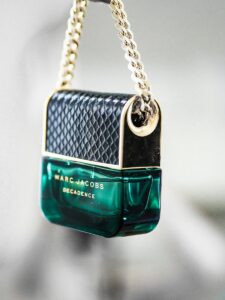
The Rise of Marc Jacobs - A Fashion Designer’s Journey
Fashion designer Marc Jacobs was born in 1963 in New York City. His love for fashion began at an early age, and he went on to study at the High School of Art and Design and later at the prestigious Parsons School of Design in New York.
In 1986, Jacobs launched his eponymous label with the help of his business partner, Robert Duffy. Their venture, Jacobs Duffy Designs, focused on creating women’s clothing and accessories. The first collection was an instant success, earning Jacobs the Perry Ellis Award for New Fashion Talent, presented by the Council of Fashion Designers of America (CFDA).
With the Marc Jacobs International Company, the designer expanded his offerings to include menswear, accessories, and footwear. Marc Jacobs bags, in particular, have gained immense popularity for their unique designs, quality materials, and craftsmanship. From tote bags to crossbody bags, the brand offers a variety of styles for every taste.
Marc Jacobs and Louis Vuitton - A Match Made in Fashion Heaven
In 1997, Marc Jacobs took on the role of Creative Director at Louis Vuitton, one of the world’s most renowned luxury brands. During his tenure, he expanded the brand’s offerings to include ready-to-wear clothing and collaborated with various artists, such as Stephen Sprouse and Takashi Murakami, to create limited-edition collections. Jacobs’ work at Louis Vuitton helped solidify his reputation as one of the fashion industry’s top designers.
[affiliatable id=‘268405’]
Is Marc Jacobs a Designer Brand in the Same Sense as Louis Vuitton, Michael Kors, and Tory Burch?
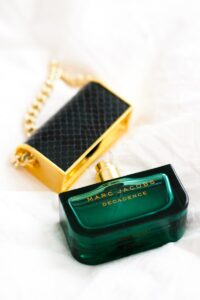
Marc Jacobs is indeed a designer brand. The Marc Jacobs label is often compared to other luxury brands like Louis Vuitton, Michael Kors, and Tory Burch, and for good reason. The brand offers high-quality products with unique designs, and the price tags reflect that. For example, Marc Jacobs bags are expensive compared to low-end brands, but they are also more affordable than some other luxury brands like Louis Vuitton.
The Marc Jacobs Beauty line is another testament to the brand’s designer status. Launched in 2013, the beauty line offers makeup, skincare, and fragrances that are as stylish and luxurious as the brand’s clothing and accessories.
Marc Jacobs’ Impact on the Fashion Industry
Jacobs’ influence on the fashion industry cannot be overstated. He has been awarded numerous accolades, including the CFDA’s Womenswear Designer of the Year and the Fashion Industry’s Highest Tribute, the Geoffrey Beene Lifetime Achievement Award. His innovative designs and willingness to take risks have made him a favorite among fashion enthusiasts and fellow designers alike.
One of Jacobs’ most significant contributions to the fashion industry is his ability to spot new fashion talent. He has mentored several successful designers, including Kate Spade and Tory Burch, helping them develop their own lines and brands.
The Legacy of the Marc Jacobs Brand
From his first collection in the 1980s to his work at Louis Vuitton and the establishment of the Marc Jacobs International Company, Marc Jacobs has proven himself as a force to be reckoned with in the fashion world. The Marc Jacobs brand continues to be a favorite among fashion-forward consumers, thanks to its stylish and versatile products that cater to everyday use as well as special occasions.
In conclusion, there is no doubt that Marc Jacobs is a designer brand. From the high-end clothing and accessories to the beauty line, the brand offers luxury and style in every product. As a trailblazer in the fashion industry, Marc Jacobs has cemented his status as one of the most influential designers of our time, and his brand continues to be a source of inspiration for both new and established fashion talent.
Other suggested articles:
Is Calvin Klein a Designer Brand?
Is Jimmy Choo a Designer Brand?
Is Ben Sherman a Designer Brand?
When you’re exploring the world of fashion, the question “is Ben Sherman a designer brand?” might pop up in your mind. Known for its quintessential British style, Ben Sherman has been a significant name in men’s apparel since 1963. But does it hold the coveted title of a ‘designer’ brand? Let’s delve into what makes a brand not just popular but truly ‘designer.’
Understanding the hallmarks of designer labels—quality, uniqueness, and a strong identity—will help you figure out where Ben Sherman stands in the fashion hierarchy. Whether you’re a fashion aficionado or just looking to update your wardrobe, knowing the pedigree of your clothing can make all the difference in how you shop and style yourself.
Ben Sherman History: The Origins
In exploring whether Ben Sherman qualifies as a designer brand, understanding its origins affirms its storied place in fashion history. Founded in 1963, Ben Sherman has not only become synonymous with modern British style but also holds a significant influence on British youth culture.
The Man Behind the Brand
The Ben Sherman brand was the brainchild of Arthur Benjamin Sugarman, who later changed his name to Ben Sherman. Born in 1925 in Brighton, England, Sherman moved to America as a young man, where he was inspired by the classic American Ivy League style.
Returning to Brighton in 1963, he began his own clothing company, initially producing shirts. His unique approach combined the button-down style popular in America with the craftsmanship and attention to detail that were hallmarks of British tailoring. This fusion created a distinctive look that resonated with the style-conscious youth of the time.
Rise to Prominence
Ben Sherman’s rise to prominence was propelled by the original Ben Sherman shirt, which debuted in 1963. Known for its quality fabric, iconic back hook, and candy stripes and checks, the shirt became a staple of wardrobes among the mod youth subculture in England. The appeal of Ben Sherman shirts grew rapidly, their association with popular music movements like ska and Mod only serving to heighten their allure.
By integrating sharp tailoring with vibrant patterns and colors, Ben Sherman established itself not only as a key player in the British fashion scene but as a global brand recognized for its innovative and stylish contributions to men’s casual wear.
Defining a Designer Brand
Understanding what constitutes a designer brand helps in evaluating whether Ben Sherman meets these criteria. A designer brand typically stands out due to its distinctive style, high-quality materials, and a strong brand identity that resonates with its audience on various levels, from casual wear to formal attire.
What Makes a Brand Designer?
A designer brand is often characterized by its originality and unique aesthetic that sets it apart from mainstream clothing lines. It reflects a certain exclusivity and targets a market segment that values craftsmanship and the story behind the products.
For Ben Sherman, the integration of British styling with nods to American Ivy League influences creates garments that are not just clothing but statements of identity. High-quality fabrics and distinct designs like the classic Ben Sherman shirt contribute to its recognition as a designer brand.
Comparing Industry Standards
When you compare Ben Sherman to other prestigious labels in the designer menswear category, look at factors like material quality, design innovation, and market influence. Designer brands maintain high standards in these areas to create products that offer more than just utility—they provide a sense of style and prestige.
Ben Sherman’s commitment to maintaining quality, combined with its iconic status in British youth culture and association with movements like Mod and ska, underpins its status as a designer brand, aligning it with industry leaders in the global fashion landscape.
Ben Sherman’s Impact on Fashion
British fashion brands like Ben Sherman have profoundly influenced the fashion landscape through their distinctive design philosophies and iconic styles. Positioned as a cornerstone in British fashion, Ben Sherman seamlessly integrates traditional British tailoring with a contemporary twist, appealing to generations past and present alike.
Innovations and Iconic Styles
Ben Sherman introduced the button-down shirt to the UK market in 1963, revolutionizing men’s casual wear. This shirt, characterized by its back hook and box pleat, became an emblem of youth culture and is often associated with various music scenes including Mods, Ska, and rock bands.
The brand’s commitment to innovation is also evident in its use of bold, often candy-stripes and bright checks that became synonymous with British youth culture. Ben Sherman did not just focus on aesthetics but also on the quality of fabric, sourcing materials from reputable mills to ensure durability and comfort. These innovations have allowed the brand to maintain its appeal and relevance in the ever-evolving fashion industry.
Influence on Modern Trends
Ben Sherman’s influence extends beyond classic menswear into the broader sphere of modern trends. The brand’s signature style and pieces, like the sharp, tailored Ben Sherman shirt, have been reinterpreted through the decades, continually influencing new generations. The mix of classic tailoring with bold prints and colors showcases how traditional elements can be transformed to meet contemporary tastes.
Not only does this approach keep the brand relevant, it also influences other designers and brands within the global fashion scene, perpetuating a legacy that continually evolves while staying true to its roots. Moreover, Ben Sherman’s consistent emphasis on quality and distinctive British style allows it to continuously engage with current trends while shaping future fashion movements.
Evaluating the Brand’s Legacy
Ben Sherman has not merely established itself as a designer brand; it’s become synonymous with the British youth culture and fashion evolution. Embodying a legacy that transcends decades, Ben Sherman represents more than just high-quality clothing; it’s a marker of cultural significance and enduring style.
Consumer Perception and Market Position
Ben Sherman has cultivated a strong market presence characterized by a unique blend of British tailoring and modern sensibilities. Your recognition of the ‘Ben Sherman shirt’ likely aligns with perceptions of quality and an iconic look, pivotal for a designer brand.
Surveys often reveal that consumers regard Ben Sherman as synonymous with durable fabrics and distinctive designs, such as the classic button-down shirts originally popularized in the 1960s. By maintaining its original ethos while adapting to contemporary tastes, Ben Sherman continues to resonate with both loyal patrons and new customers seeking both sophistication and casual wear.
Contributions to Design and Culture
Since the first Ben Sherman shirt crafted by Arthur Benjamin Sugarman in 1963, the brand has consistently contributed to the dynamics of fashion with innovations that blend function with fashion. Known for introducing candy stripes and bright checks, Ben Sherman has set trends often emulated across the global brand landscape.
Its contribution extends beyond the fabric; Ben Sherman has been instrumental in crafting the wardrobe of British music scenes, from mods and rockers to ska and indie bands. Celebrating an ethos of original thinking and sharp designs, Ben Sherman’s influence on cultural attire is profound, constantly inspiring new generations to adopt its blend of style and comfort with a sharp, tailored look. This dedication to design and influential culture cements Ben Christian’s standing not just as a brand, but as a cornerstone of modern British style.
Wrapping Up: Is Ben Sherman a Designer Brand?
Ben Sherman has undeniably earned its title as a designer brand. With its roots deeply embedded in British culture and its innovative approach to menswear it’s maintained a significant influence on fashion trends globally. Its commitment to high-quality materials distinctive design and strong brand identity aligns perfectly with the hallmarks of esteemed designer labels.
Whether you’re a fashion aficionado or someone who appreciates finely crafted apparel Ben Sherman offers more than just clothing—it offers a piece of cultural history. As you consider adding to your wardrobe remember that choosing Ben Sherman means opting for a blend of tradition and modern style that continues to shape the fashion industry.
Other suggested articles:
Is Kenneth Cole a Designer Brand?
Is Vera Bradley a Designer Brand?
Vera Bradley is a brand that is well-known for its unique and colorful designs, particularly in the bags and purses category. Since its inception in 1982 by Patricia Miller and Barbara Bradley Baekgaard, the company has been a favorite of women looking for stylish yet practical bags. But is vera bradley a designer brand? In this blog post, we’ll explore the answer to this question and take a closer look at what makes Vera Bradley a unique brand.
Background on Vera Bradley
Before we dive into the question of whether Vera Bradley is a designer brand, let’s first look at the company’s history and products. Vera Bradley was founded by two friends, Patricia Miller and Barbara Bradley Baekgaard, in Fort Wayne, Indiana. The company started with just $500 and a shared love for French Provencal country fabrics. Their first products were classic bags that were inspired by their need for functional yet stylish luggage for travel.
Over the years, Vera Bradley has expanded its product line to include home accessories, office supplies, and other products beyond just bags. The company’s designs are often characterized by their distinctive florals and colorful patterns, which are created by a team of designers who draw inspiration from everything from wallpapering companies to nature.
Vera Bradley bags, in particular, are a favorite among customers. The company’s most popular pattern is Java Blue, which features a blue and brown floral design. Vera Bradley bags are made from a variety of materials, including recycled cotton, and are known for their durability and practicality.
The company is also known for its commitment to sustainability. In 2020, Vera Bradley pledged to source 100% of its cotton from sustainable sources by 2025, and it has also introduced a line of recycled cotton bags. Additionally, the company has a foundation, the Vera Bradley Foundation for Breast Cancer, which has raised over $36 million for breast cancer research since its inception in 1993.
Is Vera Bradley a Designer Brand?: Criteria for a Designer Brand
Now that we’ve looked at Vera Bradley’s background and products, let’s turn our attention to what constitutes a “designer brand.” There are a few criteria that are typically used to determine whether a brand is considered a designer brand:
- Quality of materials: Designer brands are typically made from high-quality materials that are durable and long-lasting.
- Unique designs: Designer brands are known for their distinctive and innovative designs that set them apart from other brands.
- Reputation in the fashion industry: Designer brands are often highly regarded in the fashion industry and are associated with luxury and exclusivity.
- Price points: Designer brands are typically more expensive than other brands due to the quality of materials and unique designs.
[affiliatable id=‘268264’]
Evaluation of Vera Bradley
Now that we’ve established the criteria for a designer brand, let’s evaluate whether Vera Bradley meets these criteria.
Quality of materials: Vera Bradley bags are known for their durability and practicality. The company uses a variety of materials, including recycled cotton, to create its bags. While the materials used are not necessarily on par with those used by luxury brands, they are still of high quality and are designed to last.
Unique designs: Vera Bradley is known for its distinctive florals and colorful patterns. While the designs may not be as innovative as those of some luxury brands, they are certainly unique and set Vera Bradley apart from other brands.
Reputation in the fashion industry: While Vera Bradley is not typically considered a luxury brand, it is still highly regarded in the fashion industry. The company has been around for over 30 years and has a loyal following of customers who appreciate the company’s distinctive designs.
Price points: Vera Bradley bags are generally priced in the mid-range, with prices ranging from around $50 to $200. While this is certainly more expensive than some other brands, it is still more affordable than luxury brands. The company does offer some higher-priced products, such as leather bags and luggage, but these are not the focus of the brand.
Based on these criteria, it’s safe to say that while Vera Bradley brand may not be considered a traditional luxury brand, it does meet some of the criteria for a designer brand. The company’s unique designs and commitment to quality make it stand out from other brands in the market.
Innovative Designs and Collaborations
One of the things that sets Vera Bradley apart from other brands is its willingness to experiment with new designs and collaborations. Over the years, the company has partnered with a number of well-known brands and franchises, such as Harry Potter, Star Wars, and Warner Bros., to create limited-edition products.
In addition to these collaborations, Vera Bradley has also introduced new designs and patterns on a regular basis. The company’s design team is constantly working on new ideas and products, which helps to keep the brand fresh and relevant.
Vera Bradley designs are always changing, but the company’s commitment to quality remains the same. Whether you’re looking for a classic bag or something more unique and special, Vera Bradley has something for everyone.
Community Involvement and Philanthropy
Another important aspect of Vera Bradley’s brand is its commitment to bettering communities and giving back. The Vera Bradley Foundation for Breast Cancer, which was founded in 1993, has raised millions of dollars for breast cancer research. The company also partners with a number of local organizations to support causes such as education and the arts.
Vera Bradley also has a program called “New Hope Girls” that helps to empower and employ women in the Dominican Republic. The program provides jobs and training for women who have experienced trauma or abuse, and it has been successful in helping to improve the lives of these women.
Final Thoughts: Is Vera Bradley a Designer Brand?
So, is Vera Bradley a designer brand? While the answer may not be a straightforward yes or no, it’s clear that the company has many of the characteristics that are associated with designer brands. Vera Bradley’s unique designs, commitment to quality, and community involvement make it stand out from other brands in the market.
At the end of the day, whether a brand is considered a designer brand is subjective and open to interpretation. What’s important is that customers find value in the products and feel a connection to the brand. And for many women around the world, Vera Bradley products represent a bit of brightness and joy in their daily lives.
Other suggested articles:
Is Tory Burch a Designer Brand?
Tory Burch is a well-known American fashion designer who has made a name for
herself in the fashion industry with her signature style and sophisticated
designs. She launched her eponymous brand in 2004, and since then, it has become
one of the most recognized and sought-after designer brands in the world. The
Tory Burch brand offers a wide range of products, including clothing, shoes,
handbags, and accessories, all designed with a unique blend of timeless elegance
and modern flair. But is Tory Burch a designer brand? In this article, we will
explore the definition of a designer brand and whether Tory Burch fits the
bill.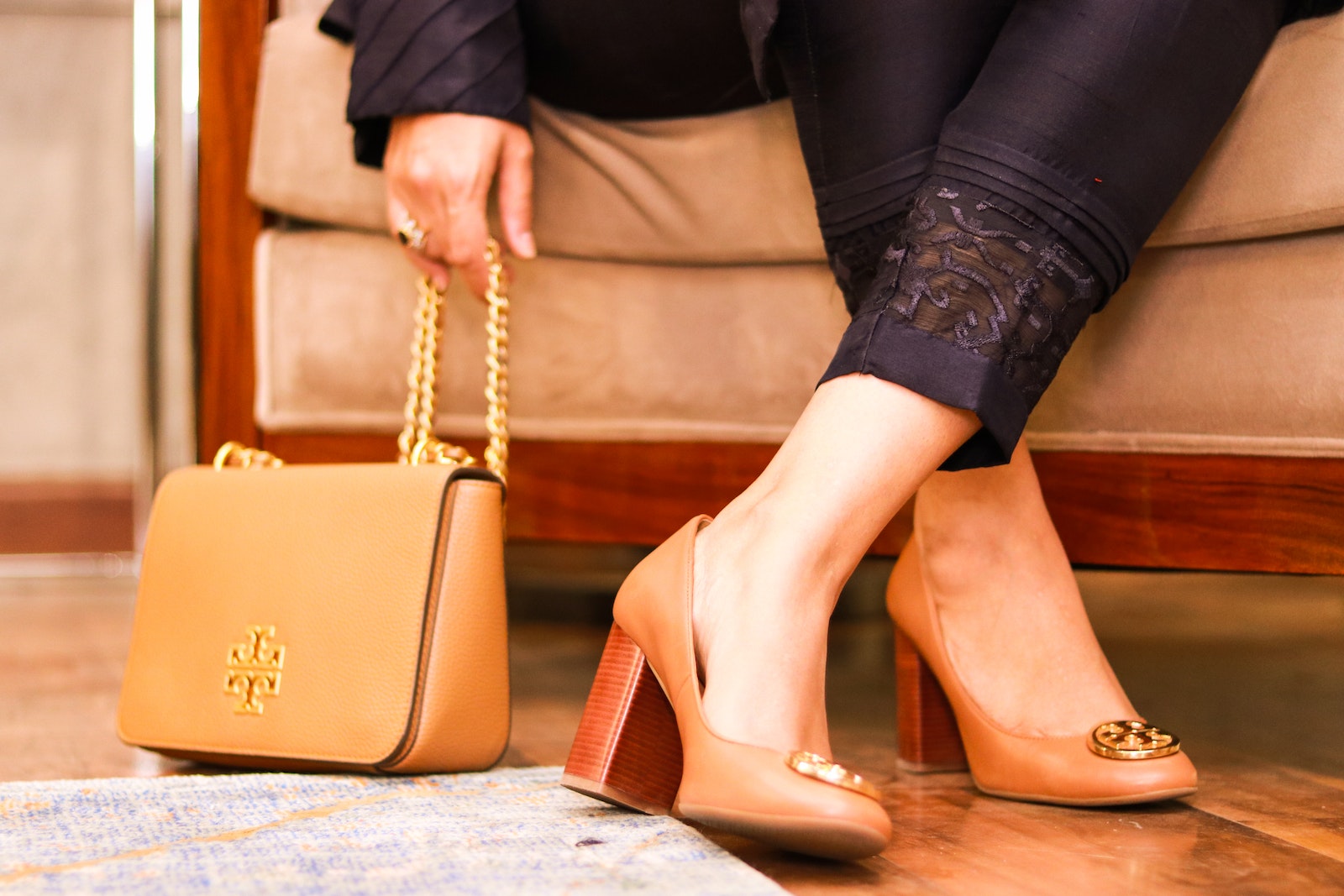
Tory Burch Historyis tory burch a designer brand
Tory Burch is an American fashion designer and entrepreneur born in Valley Forge, Pennsylvania, in 1966. She grew up in a wealthy family and attended the University of Pennsylvania, where she studied art history.
After college, Burch moved to New York City and worked in public relations and marketing for several fashion brands, including Ralph Lauren, Vera Wang, and Loewe. In 2004, she launched her eponymous brand, Tory Burch, with a collection of women’s clothing and accessories inspired by her own personal style.
The fashion label quickly gained popularity for its preppy, bohemian aesthetic, which combines classic silhouettes with bold patterns and colors. Burch’s designs were also known for their attention to detail, incorporating unique elements like embroidery, beading, and intricate hardware.
Over the years, the Tory Burch brand has expanded to include tory sport, footwear, handbags, fragrances, and a range of lifestyle products. Today, the brand has a global presence, with more than 300 stores worldwide and a strong online presence. Burch herself has also become a prominent figure in the fashion industry, serving on the boards of several organizations including Tory Burch Foundation and receiving numerous awards for her contributions to the field.
What Is A Designer Brand?Is Tory Burch a Designer Brand
A designer brand is a luxury brand that produces high-end, luxury products that are often associated with a specific designer or design team. Designer brands are typically known for their innovative and creative designs, high-quality materials, and attention to detail.
Designer brands often have a higher price point than other brands due to the craftsmanship, exclusivity, and premium materials used in the production of their products. These brands may also have a reputation for setting trends and influencing the fashion industry as a whole.
Some well-known luxury brands include Chanel, Gucci, Prada, Michael Kors and Louis Vuitton. However, there are also many emerging fashion designers that are gaining popularity in the fashion world. In general, a designer brand is a brand that emphasizes creativity, quality, and exclusivity in its products, often with a strong association with a specific designer or design team.
So, Is Tory Burch a Designer Brand?
Yes, Tory Burch is considered a high end luxury brand. The brand offers high-end, luxury products that are known for their unique and sophisticated designs, high-quality materials, and attention to detail. Tory Burch is also associated with its founder and designer, Tory Burch, who is a prominent figure in the fashion industry.
While some may argue that Tory Burch is not as exclusive or high-end as other designer brands like Chanel or Gucci, it still meets the criteria of a designer brand. The brand’s products are priced at a premium level and are considered aspirational items by many consumers. Additionally, Tory Burch has gained a significant following among fashion-conscious consumers and has a strong presence in the fashion industry.
[affiliatable id=‘269906’]
Are Tory Burch Bags Long Lasting?
Tory Burch bags are generally known to be of high quality and durable, which means they can last a long time if properly cared for. The brand uses premium materials such as leather and canvas in the construction of their bags, which are chosen for their durability and strength. Additionally, Tory Burch bags are often designed with practical features such as sturdy hardware and reinforced stitching to ensure they can withstand daily wear and tear.
However, the lifespan of a Tory Burch bag also depends on how well it is maintained. Proper care and maintenance, such as storing the bag in a cool, dry place and cleaning it with appropriate products, can help extend its lifespan. It is also important to avoid overloading the bag or subjecting it to excessive weight or pressure, as this can cause damage to the structure or hardware.
In summary, Tory Burch bags are generally considered to be long-lasting and durable if they are well taken care of. However, the lifespan of any bag will depend on how frequently it is used, the conditions it is exposed to, and how well it is maintained.
Why Is Tory Burch Famous?
Tory Burch is famous for her eponymous brand, which has become one of the most recognized and sought-after designer brands in the world. There are several reasons why Tory Burch has gained widespread popularity and acclaim in the fashion industry:
- Signature Style: Tory Burch’s designs are known for their signature blend of timeless elegance and modern flair. Her preppy, bohemian aesthetic combines classic silhouettes with bold patterns and colors, creating a unique and distinctive style that has gained a large following.
- High-Quality Products: The Tory Burch brand offers high-quality, luxury products that are designed with attention to detail and crafted from premium materials. The brand’s commitment to quality has helped it to stand out in a crowded marketplace.
- Global Presence: Tory Burch has a strong global presence, with over 300 stores worldwide and a strong online presence. The brand’s products are available in many countries, making it accessible to a wide range of consumers.
- Entrepreneurial Spirit: Tory Burch is also known for her entrepreneurial spirit and business acumen. She has built a successful brand from the ground up, overcoming challenges and setbacks to create a brand that is now valued at billions of dollars.
Related posts…
The Allure of Italian Fashion: Exploring the Best Italian Fashion Brands
Italian fashion has long been revered for its craftsmanship, elegance, and sophistication. With a rich history rooted in the Renaissance era, Italian fashion brands have continually evolved and adapted to global trends while maintaining their unique identity. In this blog post, we will delve into the world of Italian fashion, explore iconic Italian brands, and discuss how you can incorporate Italian style into your wardrobe.
The Birth of Italian Fashion
 Italian fashion can trace its roots back to the Renaissance period, when the cities of Milan, Rome, and Florence emerged as major fashion hubs. The influence of art and culture from this time can still be seen in the designs of modern Italian fashion houses. Today, Italian fashion brands are renowned for their attention to detail, use of high-quality materials, and an emphasis on tailoring and fit. These characteristics have led to Italy becoming a major player in the global fashion industry.
Key Italian Fashion Designers and Brands
Italy is home to some of the most influential fashion designers and brands in the world. Here, we will explore some of the best Italian fashion brands and the creative minds behind them.
1. Giorgio Armani
Known for his minimalist fashion designs and exceptional tailoring, Giorgio Armani has been a dominant force in the fashion industry for more than four decades. His empire includes several lines, such as Emporio Armani, Armani Exchange, and the high-end Giorgio Armani collection.
2. Prada
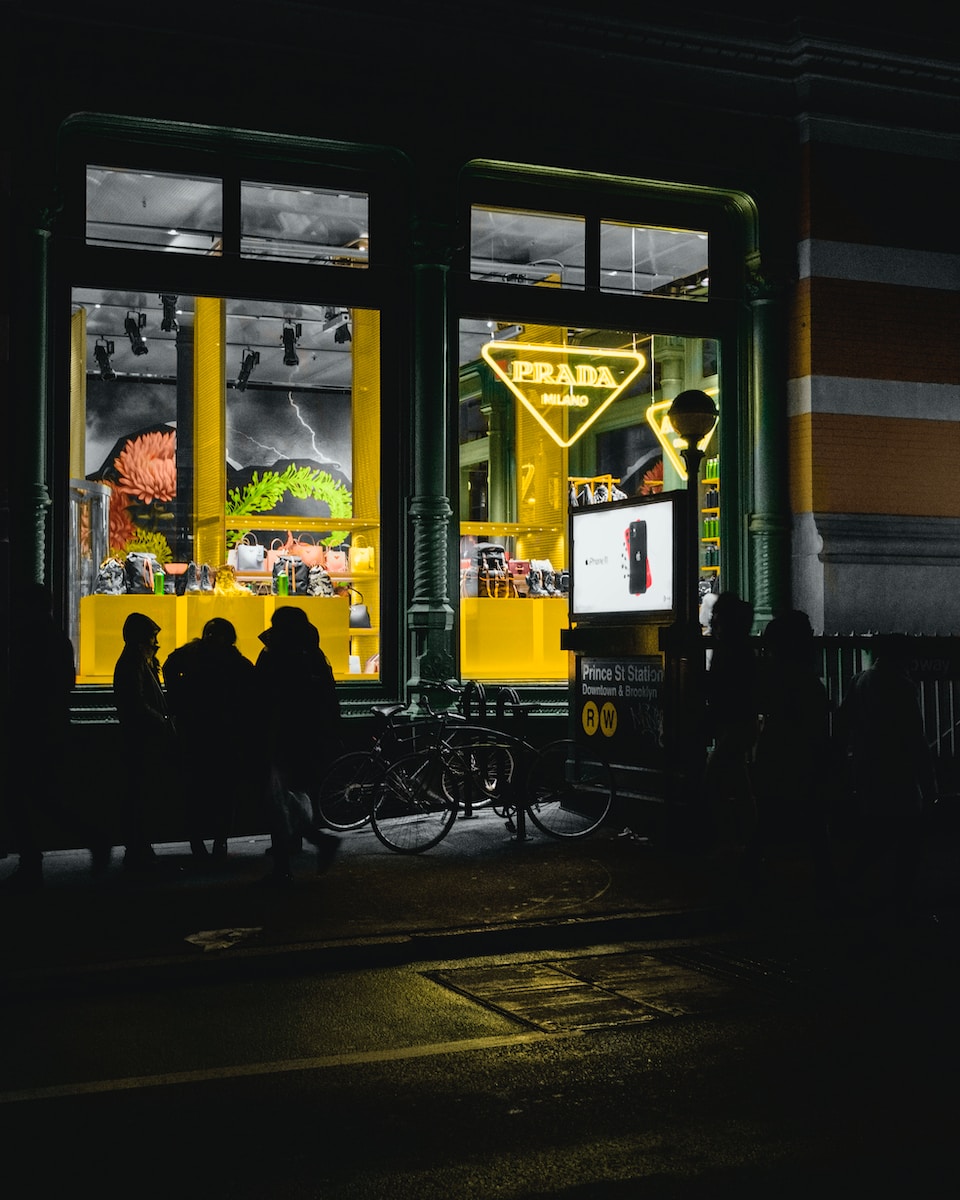 Founded by Mario Prada in 1913 as a leather goods company, Prada has transformed into one of the most iconic Italian fashion brands under the creative direction of Miuccia Prada. Known for its innovative designs and unique textile blends, Prada remains a favorite among fashion enthusiasts and editors alike.
3. Gucci
Established in 1921 by Guccio Gucci, this Italian fashion house has become synonymous with luxury and sophistication. Gucci’s creative director, Alessandro Michele, has revitalized the brand with his eclectic designs, drawing inspiration from various artistic periods and incorporating modern elements.
4. Dolce & Gabbana
Founded in 1985 by Domenico Dolce and Stefano Gabbana, this Italian fashion brand is known for its glamorous, daring, and bold designs. Their clothing and accessories often feature intricate embroidery, vibrant prints, and luxurious fabrics.
5. Versace
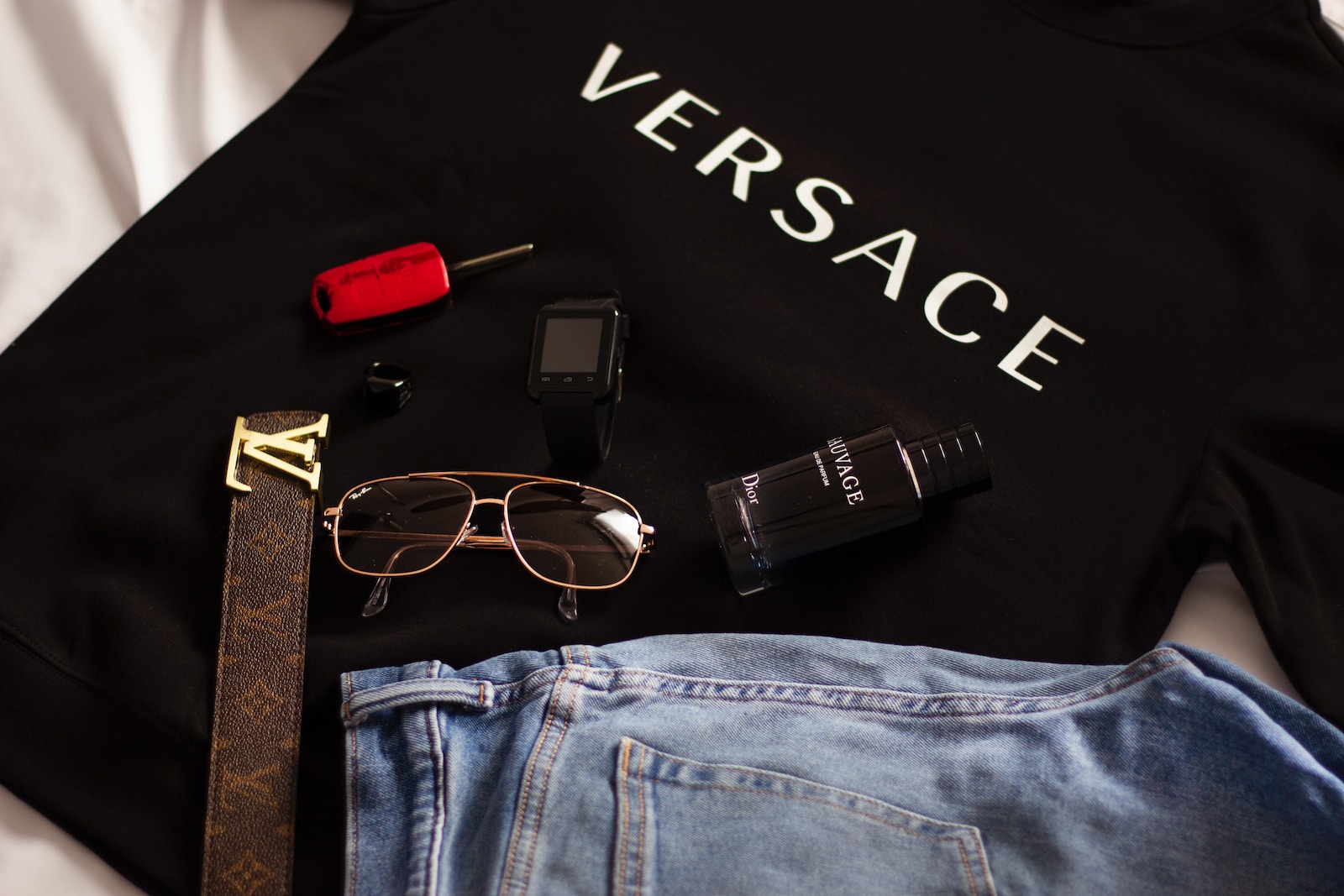 Established in 1978 by Gianni Versace, this iconic Italian fashion house is known for its opulent and extravagant designs. After Gianni’s untimely death in 1997, his sister Donatella Versace took over as creative director, continuing the brand’s legacy of creating show-stopping ensembles and accessories.
6. Fendi
Founded in Rome in 1925, Fendi began as a fur and leather goods company. Today, the brand is known for its innovative designs, luxurious materials, and impeccable craftsmanship. The late Karl Lagerfeld served as Fendi’s creative director for over 50 years, helping to shape the brand into a global fashion powerhouse.
7. Valentino
Established in 1960 by Valentino Garavani, this Italian fashion house is known for its elegant and romantic designs. Valentino’s creations, which often feature intricate lace and delicate embroidery, have been worn by countless celebrities and royal figures.
Italian Fashion Through the Years
The evolution of Italian fashion can be seen through the various trends and styles that have emerged from Italy’s most famous fashion houses. From the soft tailoring of Giorgio Armani to the bold prints of Versace, Italian fashion brands have consistently pushed the boundaries of design and influenced global fashion trends. One of the most iconic Italian fashion moments in Hollywood history was Audrey Hepburn’s little black dress designed by Hubert de Givenchy in the film “Breakfast at Tiffany’s.” The dress, which featured an elegant boat neckline and minimalist design, became synonymous with Hepburn’s effortlessly cool style and remains a fashion staple to this day. In recent years, Italian brands like Bottega Veneta and Stone Island have gained popularity for their unique combination of luxury and practicality. Bottega Veneta’s creative director, Daniel Lee, has been praised for his modern take on the brand’s signature woven leather goods, while Stone Island is known for its innovative use of fabrics, such as cotton fabric bonded with reflective materials.
Italian Designer Brands: A Fusion of Heritage and Innovation
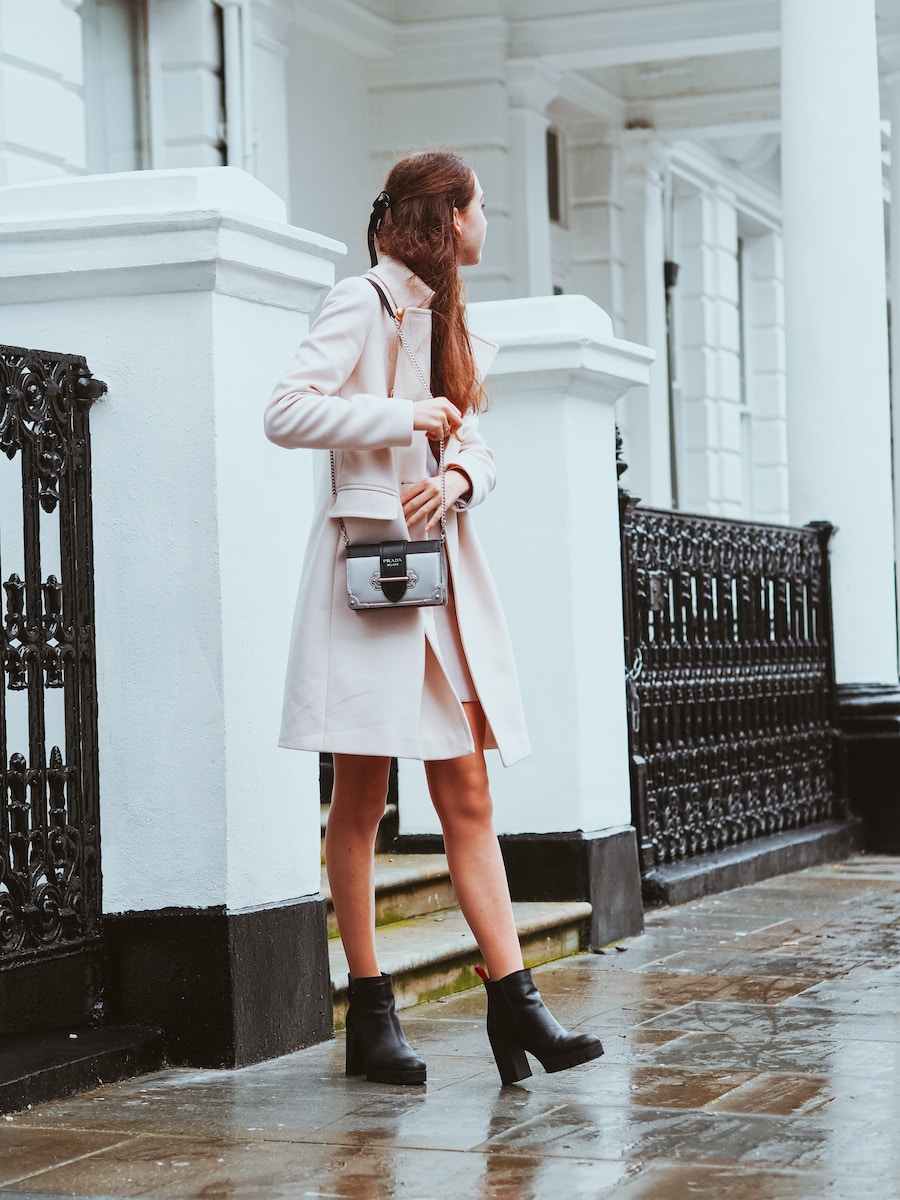 The allure of Italian designer brands lies in their ability to merge traditional craftsmanship with contemporary design. These prestigious brands have not only shaped the Italian fashion landscape but have also left an indelible mark on the global fashion industry. Italy is home to a multitude of renowned designer brands, each offering its unique take on Italian style and luxury. From the timeless elegance of Giorgio Armani to the groundbreaking designs of Prada, Italian designer brands continue to captivate fashion enthusiasts with their innovative creations and meticulous attention to detail. Brands like Gucci and Versace showcase bold, opulent designs that push the boundaries of fashion while maintaining their Italian roots. Emerging Italian designer brands, such as MSGM and No. 21, are also making waves in the fashion world, infusing modern trends with traditional Italian craftsmanship. These rising stars offer a fresh perspective on Italian style, appealing to younger generations and fashion-forward individuals. With an impressive array of Italian designer brands to choose from, it is easy to find pieces that resonate with your personal style and preferences. Whether you gravitate toward the minimalist aesthetic of Max Mara or the vibrant patterns of Missoni, Italian designer brands offer something for everyone. By incorporating these iconic brands into your wardrobe, you can effortlessly elevate your look and embrace the elegance and sophistication synonymous with Italian fashion.
Incorporating Italian Fashion into Your Wardrobe
To add a touch of Italian flair to your wardrobe, consider investing in some high-quality Italian clothing brands. Look for pieces that combine timeless design with exceptional craftsmanship, such as a beautifully tailored suit from Giorgio Armani or a luxurious leather handbag from Fendi. When styling Italian fashion pieces, don’t be afraid to mix and match different designers and brands. Embrace the eclectic nature of Italian style by pairing a bold, printed dress from Dolce & Gabbana with minimalist accessories from Prada. Italian luxury brands are also a great way to add a touch of sophistication and glamour to your look. Choose timeless pieces such as an elegant necklace from Bulgari or a statement watch from Panerai that will never go out of style.
Final Thoughts: The Allure of Italian Fashion
Italian fashion has long been admired for its elegance, sophistication, and exceptional quality. Some best Italian clothing brands, such as Gucci, Versace, and Armani have become globally recognized for their luxurious products and Trendsetting designs. With an array of timeless pieces to choose from, it’s easy to incorporate Italian style into your wardrobe. From high-end luxury items to everyday basics, Italian designer brands offer something for everyone. Whether you are looking for a classic accessory or the latest fashion trend, Italian designer brands can help you create looks that are both timeless and stylish. So why not treat yourself to a stunning Italian dress or a beautifully crafted leather handbag from one of Italy’s best fashion houses? You’ll not only look stylish but also support an industry that continues to inspire and shape the fashion world. Other suggested articles:
Is Vera Wang a Designer Brand?
What is the Cheapest Luxury Brand?
Is Kenneth Cole a Designer Brand?
Is Kenneth Cole a designer brand? Kenneth Cole is a well-known brand in the fashion industry that offers a wide range of clothing, shoes, and accessories. Founded in 1982, the brand is named after its founder, Kenneth Cole, who started his career as a shoe designer. Over the years, the brand has become synonymous with contemporary fashion that combines style, quality, and affordability.
While the brand is often associated with footwear, it has expanded to include a
variety of fashion products, ranging from clothing and handbags to jewelry and
watches. Despite its popularity, there is often debate among fashion enthusiasts
about whether or not Kenneth Cole can be classified as a designer brand. In this
article, we will explore the history of the brand and examine its place in the
fashion industry.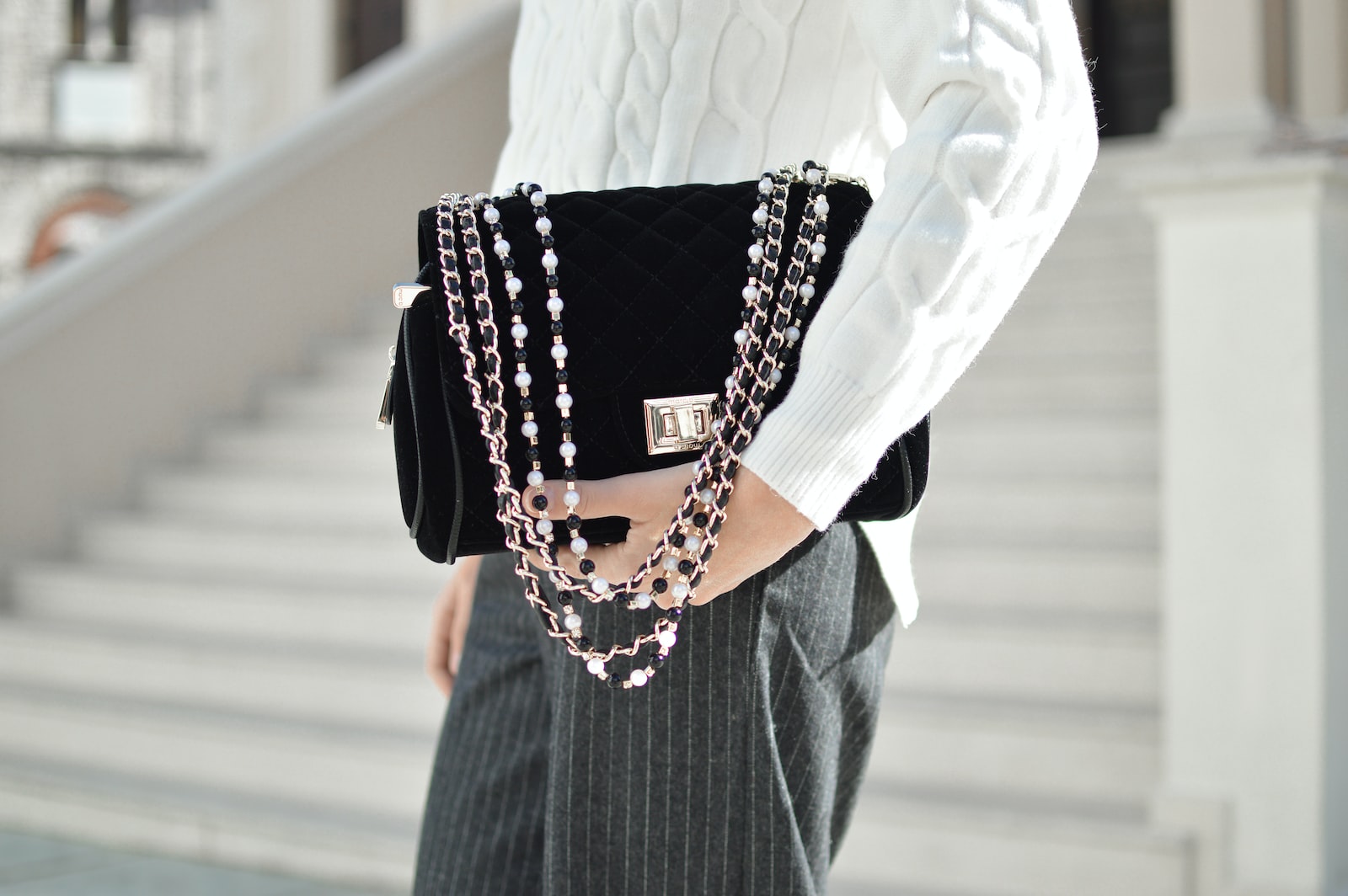
Kenneth Cole HistoryIs Kenneth Cole a Designer Brand
Kenneth Cole Incorporated which is now known as Kenneth Cole Productions was founded in 1982 by Kenneth Cole, a young designer who wanted to create fashionable shoes that were both comfortable and affordable. Initially, the brand operated as a shoe company, but over time, it expanded its product offerings to include clothing, accessories, Kenneth Cole watches and fragrance, making it an American fashion house.
One of the defining moments in the brand’s history occurred in 1987, when Kenneth Cole decided to launch his first collection of men’s and women’s shoes at a trade show in New York City. Instead of renting a traditional showroom, he parked a truck on the street outside the show and displayed his shoes inside. To gain attention and generate buzz, he also created a bold banner that read “Kenneth Cole Productions, Inc.” and pretended to be a film company shooting a movie called “The Birth of a Shoe Company.” This guerrilla marketing strategy worked, and the brand quickly gained national attention.
In the years that followed, Kenneth Cole continued to innovate and expand, introducing new product lines and collaborating with other designers and brands. In 1994, the brand launched its first men’s and women’s clothing collections, which were met with critical acclaim. The brand also expanded into fragrance, launching its first fragrance, Kenneth Cole for Men, in 2002.
Today, Kenneth Cole brand is a global fashion brand that is known for its modern, sophisticated designs and commitment to social activism. The brand has Kenneth Cole Foundation, Kenneth Cole Fellows and won numerous awards and accolades for its innovative products and marketing campaigns, and it continues to be a leading force in the fashion industry. They own Kenneth Cole Collection, Kenneth Cole Reaction Line and Kenneth Cole New York.
What Does Designer Brand Mean?Is Kenneth Cole a Designer Brand
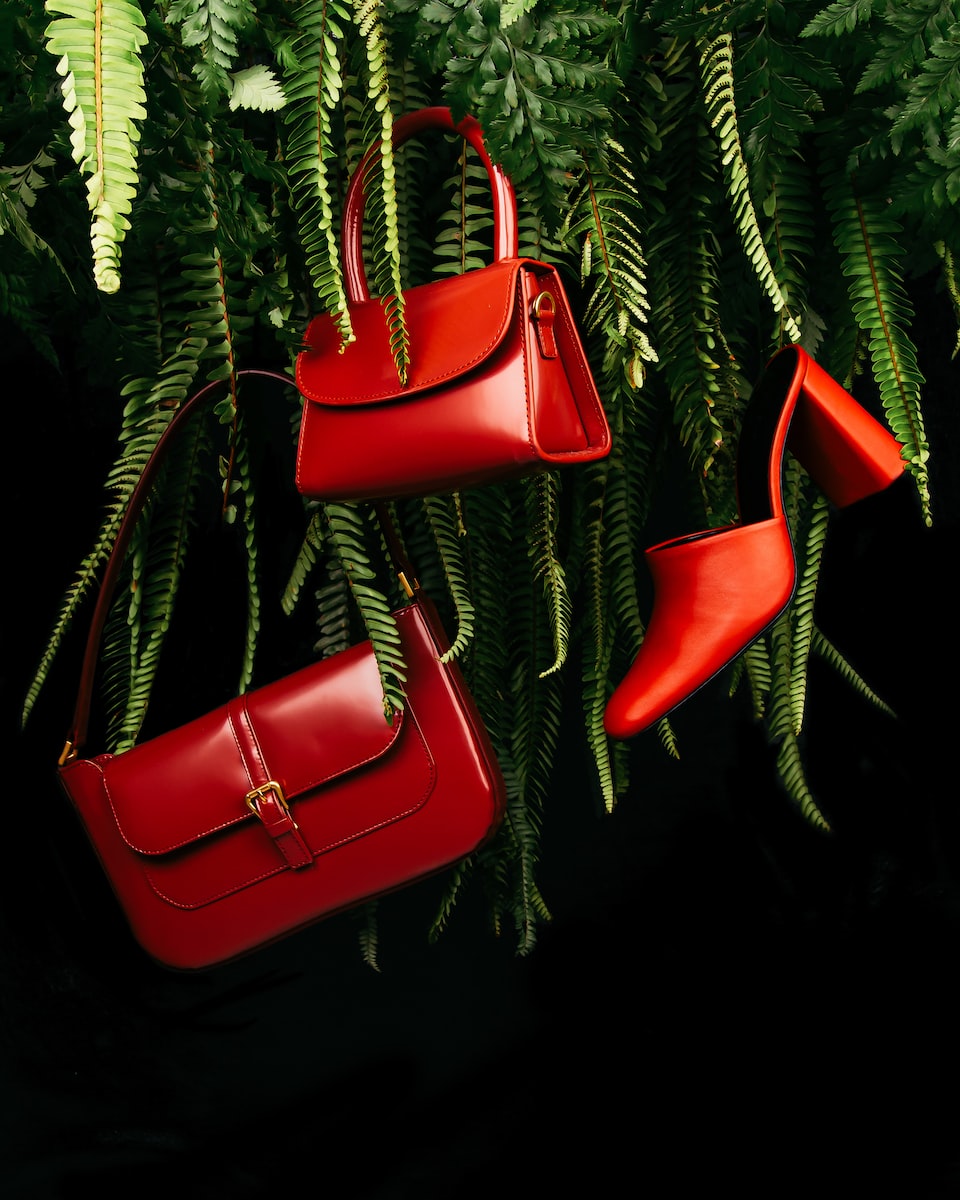
A designer brand is a fashion label that is associated with a high level of quality, exclusivity, and luxury. Designer brands are known for their premium materials, superior craftsmanship, and attention to detail, and they often command higher prices than other fashion brands.
Designer brands are typically created by a fashion designer or a team of designers who have a unique vision and aesthetic. These brands often have a strong identity and are instantly recognizable by their signature styles, logos, and marketing campaigns.
Designer brands may offer a range of fashion products, including clothing, shoes, accessories, and fragrance. They may also collaborate with other designers, artists, or celebrities to create limited-edition collections or exclusive products.
While the term “designer brand” is often associated with luxury fashion and high-end pricing, there are also more accessible designer brands that offer premium products at a lower price point. Ultimately, what sets designer brands apart is their commitment to quality and craftsmanship, and their ability to create fashion products that are both functional and aesthetically pleasing.
[affiliatable id=‘269180’]
So, Is Kenneth Cole a Designer Brand?
Kenneth Cole is considered by some to be a designer brand, while others classify it as a contemporary fashion brand. The brand is known for its modern, sophisticated designs and commitment to quality, and it has won numerous awards and accolades for its innovative products and marketing campaigns.
While Kenneth Cole may not have the same level of exclusivity or high-end pricing as some other designer brands, it is still recognized as a leader in the fashion industry and offers products that are well-designed, well-made, and on-trend like Reaction Kenneth Cole.
The brand has a strong identity and aesthetic, and it continues to innovate and evolve, introducing new product lines and collaborating with other designers and brands. Kenneth Cole Productions sold numerous products like Kenneth Cole shoes, making it popular to shoppers.
Ultimately, whether or not Kenneth Cole is considered a designer brand depends on one’s definition of the term. While the brand may not fit the traditional mold of a luxury fashion brand, it is still widely respected and admired for its commitment to quality and style.
Related articles you might like…
Is Calvin Klein a Designer Brand?
The question “Is Calvin Klein a designer brand?” may pop up frequently, and the short answer is: Yes, absolutely. Calvin Klein is a premium American fashion brand, widely coveted for its minimalistic and modern design aesthetic. Founded in 1968, it’s one of the fashion industry’s heaviest hitters.
From the undeniably iconic Calvin Klein underwear to the ever-fashionable Calvin Klein jeans, this brand made its name by offering high-quality products to consumers around the globe. CK Calvin Klein, the luxury line of the brand, elevates everyday staples with its unique, designer touch. Add in the vast Calvin Klein collection of everything from clothing to accessories, and it’s clear why Calvin Klein stands tall in the world of designer brands.
But it’s not just about the clothing—Calvin Klein stands out from other fashion brands with its striking ads. Remember the famous Calvin Klein adverts featuring celebrities from Kate Moss to the Kardashian family? These campaigns help to reflect the brand’s cutting-edge image, further solidifying its status as a top-tier designer label. Whether you’re after the Calvin Klein home range or can’t wait to try the latest Calvin Klein jeans, one thing’s certain: when you invest in Calvin Klein, you’re investing in a truly spectacular designer brand.
Understanding the Term ‘Designer Brand’
When you encounter the term ‘designer brand’ like Calvin Klein, it’s typically referring to a brand that produces high-quality, luxurious products and is recognized and admired in the fashion industry. Designer brands often carry a prestige associated with their name and are known for their outstanding quality, fashionable designs, and usually come with a premium price tag.
As for Calvin Klein, the brand has accrued an impressive resume over the years since the first Calvin Klein collection was launched in 1968. From iconic Calvin Klein jeans and CK Calvin Klein underwear, to the Calvin Klein Collection for high-end fashion, and even the Calvin Klein Home collection - the brand caters to many different price points and product categories with a huge array of Calvin Klein products.
Let’s take a look at the Calvin Klein Underwear line, for example. It’s known worldwide, and its adverts featuring celebrities including Mark Wahlberg and the Kardashian family, have left an indelible mark in fashion world. Whether for men’s underwear or women’s underwear line, Calvin Klein offers superior comfort, excellent fit, and undeniable style – what many would anticipate from a designer brand.
The Calvin Klein Jeans line is no different. Calvin Klein revolutionized the denim industry with its famous jeans, offering it as high-quality and fashionable alternatives to traditional jeans. The Calvin Klein jeans have, over time, become a desired commodity for many, boosting the brand’s reputation in the fashion industry.
Adding to its designer brand status, Calvin Klein promotes ethical consumption, using eco-friendly fabrics and focusing on fair trade practices. The brand’s commitment to sustainability and outstanding quality grants it a place among other top tier brands.
So, next time when you see Calvin Klein adverts or when you’re perusing the racks at department stores, you’ll know you’re dealing with a legitimate designer brand. Whether you’re shopping for a Calvin Klein T-shirt, faux leather coat, or a pair of famous jeans, you can have the confidence that you’re investing in a product that represents the best of what the fashion industry has to offer.
The History of Calvin Klein
Calvin Klein became a household brand name mostly due to its famous line of underwear and jeans. Though its appealing undergarments and denim line still holds a major part in the fashion industry, its product range is much diverse now, offering you a plethora of selections.
Starting off in 1968, Calvin Klein’s journey was not an overnight success. In fact, the company’s initial focus didn’t even involve underwear or jeans—it was coats. Calvin’s first offering was a line of simple yet high quality men’s and women’s coats that were sold in small New York department stores. The first true recognition the brand got was when a Bonwit Teller buyer passed by Klein’s coat shop in New York and liked what he saw.
Over the years, CK Calvin Klein expanded its product range by introducing a line of fashionable underwear. In fact, it was his line of men’s underwear that truly established Calvin Klein as a global brand. In the 1980s, Calvin Klein underwear started to see astronomical success, and Calvin Klein became synonymous with suggestive and memorable advertising—a strategy that solidified the brand’s appeal.
The Calvin Klein Jeans line debuted in 1978 and hit the ground running. The line was heavily marketed with commercials featuring teenage star Brooke Shields, and the phrase “Nothing comes between me and my Calvins” is still iconic today. The jeans were a huge success and quickly became synonymous with Calvin Klein, paving the way for the establishment of Calvin Klein as a bonafide designer brand.
It’s important to note that Calvin Klein is now backed by PVH Corp, the parent company of other top-tier brands like Tommy Hilfiger, Van Heusen, and Michael Kors. PVH’s support allows CK to maintain their high standard of quality while expanding their reach across the globe.
Aside from the internationally-known underwear and jeans line, Calvin Klein offers a wide variety of high quality products including the esteemed Calvin Klein Collection. The collection features a range of luxury products, from designer clothes and accessories to shoes and fragrances, distinguished by superior craftsmanship and sophistication.
As the brand’s popularity continued to grow, so did its audience. The Calvin Klein brand is now a favorite among many celebrities such as Mark Wahlberg and the Kardashian family, which further strengthened the brand’s image and reach.
Though CK Calvin Klein has a rich history and a line-up of mainstream products, the brand continues to innovate and evolve. It remains a trailblazer in the fashion industry, catering to a wide demographic with its various lines and price points, and establishing a prominent role in the fashion world. A legacy that is only set to continue, unstoppably, in the years to come.
Calvin Klein: More Than Just the Brand Name
Calvin Klein is not just any brand; it’s a highly recognized designer brand. When you mention Calvin Klein, the first things that likely spring to mind are the iconic Calvin Klein underwear and jeans. These products have become synonymous with the Calvin Klein brand, even as much as the CK Calvin Klein logo itself.
A Luxury Brand with Variety
The label has established its reputation as a top-tier designer brand partly thanks to its wide-ranging Calvin Klein collection, including not only the famous Calvin Klein underwear and Calvin Klein jeans but also the highly fashionable Calvin Klein home range. This luxury brand’s extensive output demonstrates its versatile approach to fashion, providing various price points and options for different types of consumers.
More Than Fashion
But what if we told you that there’s more to the Calvin Klein name than clothing? Calvin Klein is indeed much more than just a leader in the fashion industry. This brand offers an array of products, from the perennially popular men’s underwear and women’s clothing lines to home decor items. Calvin Klein truly covers all bases when it comes to offering high-quality and fashionable goods.
Beyond the Basics
Now, when we’re talking about Calvin Klein, we can hardly skip over the famous Calvin Klein adverts. It’s the powerful and trending advertising, featuring big names like Mark Wahlberg and the Kardashian family, that has solidified Calvin Klein as a household name. Coupled with unique strategies like promoting ethical consumption through their use of eco-friendly fabrics, Calvin Klein goes above and beyond to maintain its standing as a global fashion icon.
Comparisons to Other Brands
It’s true that Calvin Klein is often compared to other popular fashion brands like Ralph Lauren, Tommy Hilfiger, and Michael Kors. Still, many consumers affirm the unique qualities of Calvin Klein products, praising its outstanding quality and creative direction. If you’ve ever picked up a CK Calvin Klein product, you’ll know they’re not exaggerating.
So, is Calvin Klein considered a good brand? The name isn’t just perched high up on the billboards at the New York Fashion Week or plastered on storefronts in bustling department stores for no reason. It’s there because Calvin Klein is a designer brand that consistently delivers products and experiences of the highest standards to its customers worldwide. The first Calvin Klein collection paved the way, and the label has continued its legacy of excellence with every release, making it one of the most respected and revered high-end brands in the global retail market.
[affiliatable id=‘268263’]
Comparing Calvin Klein to Other Designer Brands
It’s imperative to compare Calvin Klein to other designer brands. Known for its iconic underwear line and jeans, Calvin Klein holds a strong position amongst premium labels. CK Calvin Klein, Calvin Klein Jeans and Calvin Klein Collection are seen across department stores worldwide, boasting a diverse range of products.
Calvin Klein, along with Tommy Hilfiger and Ralph Lauren, are American fashion brands, forming stalwarts of the industry. While all these brands emphasize style and quality, they cater to slightly different markets. Notably, Calvin Klein has a wider product range, from fashionable underwear to high-end clothes. Calvin Klein is known for creating a fashion world stir with their adverts, and their first Calvin Klein collection at the New York Fashion Week left an indelible mark on the industry.
A brief look at Tommy Hilfiger shows it operates in a similar space as Calvin Klein, with a focus on preppy, American designs. Meanwhile, Ralph Lauren is known for its classic and sophisticated style. Yet, Calvin Klein has carved out its niche, offering products from undergarments to perfumes. The question of whether Calvin Klein offers the same level of luxury as high-end brands such as Michael Kors or Kate Moss might appear subjective. However, Calvin Klein’s popularity and global retail sales numbers are testament to many consumers viewing it as a luxury brand.
In the realm of underwear brands, Calvin Klein’s approach is idiosyncratic. The Calvin Klein underwear men’s line and women’s line are renowned for their comfort, sleek designs, and premium feel. Calvin Klein’s women’s clothing is also seen as top-tier – be it faux leather jackets, understated coats, or their grey label women’s collection.
In terms of pricing, Calvin Klein is accessible to a wider audience than many high-end brands, without compromising on quality. Their garments, whether it’s a T-shirt or coat, are known for using high quality materials promoting both good quality and ethical consumption.
The Calvin Klein vs other brands debate could be endless; however, there’s no doubting Calvin Klein’s position as an iconic fashion brand. It’s become part of pop culture, seen so often in New York stores and department stores around the world, with famous celebrities like Mark Wahlberg leading their promotional campaigns.
Final Thoughts: Is Calvin Klein a Designer Brand?
Calvin Klein is undeniably a designer brand revered in the fashion industry. Standing tall among giants in the industry like Ralph Lauren and Michael Kors, the brand has consistently delivered high-quality products since its inception in 1968. Calvin Klein is not just about clothing; it offers a vast array of products from undergarments to home decor items - a testament to its versatility. With iconic advertising campaigns and a commitment to ethical practices, Calvin Klein remains one of the most distinct and respected designer brands in the global market. So, whether you’re considering purchasing Calvin Klein products for their quality, their eco-friendly practices, or the prestige associated with the name, you’re indeed investing in a top-tier designer brand.
Other suggested articles:
Is Nine West a Designer Brand?
Intelligent Home Systems: Smart Solutions for Modern Luxury Living
Welcome to the future of living – where your home is not just a place to reside but a smart haven that adapts to your needs. In this blog post, we’ll delve into the world of Intelligent Home Systems, exploring the latest in AI-powered home automation and advanced home intelligence. Discover how smart devices, voice control, and seamless connectivity redefine modern luxury living.
Definition of Intelligent Home Systems
Picture a home that learns your habits, anticipates your needs, and adjusts its settings accordingly. This is the essence of Intelligent Home Systems – an integrated network of smart devices and technologies that enhance convenience, security, and energy efficiency.
The Rise of AI-Powered Home Automation
AI-powered home automation is at the forefront of this revolution. It enables your home to not only respond to pre-set commands but also learn from your behaviors, creating a personalized and adaptive environment. Importance of Advanced Home Intelligence in Modern Living As we embrace the era of advanced home intelligence, it’s crucial to understand the impact on our daily lives. Beyond the convenience, these systems contribute to a more sustainable and efficient lifestyle.
Smart Home Devices

1. Smart Lights
Illuminate your home with intelligence. Smart lights, integrated into Intelligent Home Systems, offer more than just on/off functionality. They sync with your routines, adjusting brightness and color temperature. Imagine the ambiance changing effortlessly as you command, “Hey Google, set all the lights to cozy mode.”
2. Smart Door Locks
Enhance your home’s security with smart door locks. These devices offer advanced features such as keyless entry, remote access, and integration with smart home hubs. Your safety is at your fingertips – or rather, your voice command.
3. Smart Speakers
Meet the voice of your home – smart speakers. Beyond playing your favorite tunes, they serve as the central hub for your Intelligent Home System, connecting and controlling various devices through voice commands. “Alexa, lock the doors and turn off the lights” becomes a reality.
Connectivity and Integration
1. Utilizing the Google Home App
The Google Home app serves as the command center for your Intelligent Home System. Connect and manage all your smart devices seamlessly. From adjusting thermostat settings to checking security camera feeds, it’s all at your fingertips.
2. Seamless Integration with Voice Assistants
Intelligent Home Systems thrive on integration. Whether it’s Alexa or Google Assistant, your voice becomes the ultimate remote control. Say goodbye to fumbling with apps – a simple command sets your home in motion.
3. Connect Devices for Security Systems
Your security is interconnected. Linking smart devices creates a comprehensive security system. Picture this: your smart doorbell detects movement, triggering smart lights to illuminate and security cameras to record. A connected fortress at its finest.
IV. Best Smart Home Gadgets

1. Smart Thermostats
Optimize your energy consumption with smart thermostats. These devices learn your temperature preferences, adjust accordingly, and can be controlled remotely. Say goodbye to wasted energy and hello to lower bills.
2. Smart Bulbs for Energy Efficiency
Lighting plays a pivotal role in energy consumption. Smart bulbs, part of Intelligent Home Systems, allow you to control brightness and color, contributing to energy savings. “Dim the lights” takes on a whole new meaning.
3. Garage Door Openers with Remote Access
Ever left the house wondering if you closed the garage door? With intelligent garage door openers, that worry is a thing of the past. Check and control your garage door remotely, ensuring peace of mind wherever you are.
4. Smart Displays and Their Role in Controlling Multiple Devices
Bring it all together with smart displays. These devices provide a visual interface to control multiple smart devices. Imagine seeing who’s at the door, adjusting the thermostat, and checking your calendar all from one screen.
5. Voice-Controlled Smart Locks
Convenience meets security with voice-controlled smart locks. Lock and unlock doors with a simple command. No need to search for keys – your voice is the key to entry.
V. Smart Home Platforms
Google Home
1. Compatibility with Various Devices
Google Home is a powerhouse in the world of Intelligent Home Systems. Its compatibility with a wide range of devices ensures a seamless and integrated experience, acting as a central smart home hub for your home.
2. Integrating Google’s Nest Hubs
Take it a step further by integrating Google’s Nest Hubs. These hubs act as central command stations, providing not only voice control but also visual feedback through displays. Your home becomes an interconnected web of smart living.
Apple HomeKit
1. Wireless Connectivity and Remote Access
Apple HomeKit focuses on seamless wireless connectivity and remote access. Control your home devices using Siri, ensuring a hands-free and efficient experience. Your commands become the orchestration of an intelligent symphony.
2. Voice Control with Siri
Siri, Apple’s voice assistant, takes center stage in HomeKit. From adjusting the lights to setting the thermostat, Siri becomes your virtual home manager, responding to your every command.
VI. Security Systems

1. Security Cameras and Video Doorbells
Keep an eye on your home with integrated security cameras and video doorbells. Receive alerts, view live feeds, and even communicate with visitors – all from the palm of your hand.
2. Cloud Storage for Enhanced Security
Cloud storage adds an extra layer of security to your Intelligent Home System. Store footage and data off-site, ensuring your information remains protected even in the event of local device malfunctions.
3. Smart Plugs and Their Role in Security
Smart plugs not only offer energy efficiency but also contribute to security. Schedule lights to turn on/off when you’re away, giving the illusion of an occupied home. A simple yet effective deterrent.
VII. Future Developments
1. More Devices with Voice Control
As technology advances, expect an influx of devices embracing voice control. From kitchen appliances to home entertainment systems, your voice becomes the universal remote.
2. Integration of AI in Home Automation
The future holds exciting possibilities with the integration of AI in home automation. Imagine a home that learns not just your routines but anticipates your needs, making intelligent decisions to enhance your comfort.
3. Energy-Saving Innovations
With a growing focus on sustainability, future developments in Intelligent Home Systems will prioritize energy-saving innovations. From solar-powered smart devices to AI-driven energy management, homes will become more eco-friendly.
Final Takeaway
Intelligent Home Systems redefine modern luxury living. The convenience, security, and energy efficiency they offer are unparalleled. From smart lights to security systems, each device plays a crucial role in creating a home that adapts to your needs. As we look ahead, the adoption of smart home technology becomes not just a luxury but a necessity. Embrace the future of living, where your home is not just a place but an intelligent companion that enhances your lifestyle. Intelligent Home Systems are not just about technology; they are about transforming the way we live. Make your home a smart home, and step into a future where every command brings your living space to life. Other suggested articles:
Less Is Luxe: the Role of Minimalism in Refined Living
Daily Elegance: Living Each Day With a Refined Approach (3 Tips)
Is Tom Ford a Designer Brand?
Is Tom Ford a designer brand? Absolutely. In the world of high fashion, Tom Ford stands among the most esteemed and well-known labels. Imagined and brought to life by its eponymous creator, the Tom Ford brand embodies a modern blend of timeless elegance and edgy sophistication.
Known as an innovative fashion designer, Tom Ford first made his mark as the transformative creative director for Gucci, then later for Yves Saint Laurent. Under his stewardship, these established luxury brands saw revitalized interest and remarkable sales growth. However, desire for creative autonomy led him to establish his own label in 2006.
The birth of the Tom Ford brand marked a new chapter in American fashion history. This wasn’t just another fashion brand; it was a full-scale luxury group offering everything from menswear and accessories to beauty products under its umbrella – aptly named Tom Ford Beauty, a partnership with cosmetics giant Estée Lauder Companies. Today, whether you’re seeking cutting-edge men’s clothing or premium quality cosmetics, you’ll find them under this prestigious banner.
An Overview of Tom Ford’s Career
When asking, “Is Tom Ford a designer brand?” it’s essential to delve into the illustrious career of its founder, Tom Ford, himself. A creative visionary who has made significant contributions to the world of fashion and beauty, his journey is indeed worth exploring.
Ford spent his early years studying art history in New York before making a shift toward fashion. He kickstarted his career as a design director at Perry Ellis but was soon drawn by the allure of European fashion houses. His move to Paris marked an important milestone in his life as he joined Yves Saint Laurent (YSL), one of the renowned luxury brands.
At YSL, he served as the brand’s creative director, overseeing all aspects related to women’s ready-to-wear products. His time at YSL not only honed his skills but also established him as a pivotal figure in transforming the brand into an international powerhouse.
Following this successful stint, Ford moved onto another Italian luxury group - Gucci. Under his leadership along with CEO Domenico De Sole, Gucci saw its sales soar from $230 million in 1994 to almost $3 billion by 2003. This turnaround story cemented Ford’s reputation as a capable leader and an astute business partner.
In 2005, after leaving Gucci and YSL behind, he announced the launch of his own label - TOM FORD BRAND under Estée Lauder Companies’ umbrella. The brand started with accessories and beauty products under Tom Ford Beauty line and later expanded into menswear.
While managing multiple roles within Tom Ford Brand, including being its Creative Director and Chairman, he also ventured into film production with two critically acclaimed films – ‘A Single Man’ starring Colin Firth and ‘Nocturnal Animals’ featuring Jake Gyllenhaal and Amy Adams.
Today, TOM FORD stands tall among other high-end luxury brands with estimated sales upwards of $2 billion annually according to industry insiders. Its product range includes clothing for men and women along with accessories like sunglasses and perfumes under Tom Ford Beauty line.
The Journey Towards Becoming a Designer Brand
Let’s delve into the fascinating journey of how Tom Ford became a designer brand. Tom Ford started off as an Art History major before making his way to New York, where he found his true calling in fashion design.
Before launching his own label, Ford spent more than a decade as Creative Director at luxury brands like Gucci and Yves Saint Laurent. His sharp eye for exquisite designs turned the faltering fashion houses into global powerhouses. In 2005, after leaving Gucci, he introduced the world to the Tom Ford brand, starting with accessories and beauty products through a partnership with Estée Lauder Companies.
The following year saw the launch of Tom Ford’s menswear line, which was met with overwhelming success. It wasn’t until 2010 that he decided to expand his brand and add womenswear to his portfolio. This decision came on the heels of Amy Adams wearing one of his creations on the red carpet, which garnered widespread acclaim.
While being successful in fashion, Tom Ford also ventured into film production with successes like “A Single Man” starring Colin Firth and “Nocturnal Animals” featuring Jake Gyllenhaal and Amy Adams. All these ventures have not only boosted Ford’s profile but also added unique elements to his brand image.
Ford’s longtime business partner Domenico De Sole played an instrumental role in both shaping and steering this luxury group towards its current glory. Under their joint leadership, they’ve managed not just to create but maintain one of today’s most recognizable luxury brands in both fashion and beauty sectors - the iconic Tom Ford brand.
With annual sales reaching $2.8 billion (as per last available figures), it’s safe to say that yes indeed, is Tom Ford a designer brand? Absolutely!
However, it didn’t stop there. In addition to men’s and women’s wear, fragrances under “Tom Ford Beauty”, eyewear collection are crucial parts of this evolving empire; all reflecting Mr. Ford’s personal style aesthetic that is synonymous with sexiness, timeless elegance,and superior craftsmanship.
Today, the company operates numerous directly operated stores across premier locations worldwide including New York, London, and Los Angeles showcasing a complete range from ready-to-wear clothing to accessories,to beauty ranges; all carrying the unmistakable stamp of what has now become iconic-the TOM FORD label.
[affiliatable id=‘268253’]
How Tom Ford Fits into the Designer Category
Let’s dive in to discuss how Tom Ford fits into the designer category. So, is Tom Ford a designer brand? You bet it is! It’s not just a fashion label; it’s an embodiment of luxury and elegance that has made its mark in the world of high-end fashion.
Ford spent his early years honing his creative vision at esteemed fashion houses like Gucci and Yves Saint Laurent. As their Creative Director, he transformed these brands from fading entities into powerhouses. His success as a creative director wasn’t limited to reviving luxury brands; when he stepped down from his role at Gucci, he didn’t stop there. He launched his own label - the Tom Ford brand.
The Tom Ford brand was born in 2006 with Domenico De Sole as its chairman. From menswear to accessories and beauty products, this brand exudes class and sophistication in every piece it creates. In collaboration with Estée Lauder Companies, they introduced Tom Ford Beauty, cementing their place among top-tier luxury brands.
The magic touch of this celebrated fashion designer didn’t end with clothing lines or cosmetics though. He directed two films: “A Single Man” starring Colin Firth and “Nocturnal Animals” featuring Amy Adams and Jake Gyllenhaal. Both were critically acclaimed, showcasing yet another facet of this multi-talented individual’s capabilities.
As if conquering the worlds of fashion design and film weren’t enough, Tom also showed business acumen by forming an extraordinary partnership with Richard Buckley for over three decades until Buckley’s passing in 2021.
To answer your question on whether Tom Ford is a designer brand – yes indeed! It’s more than just a name; it represents exceptional artistry underpinned by strategic business sense. And while some might argue that it’s not your typical ‘designer’ label considering its diverse portfolio spanning across different industries – isn’t versatility one hallmark of great design?
Now you know how Tom Ford fits into the grand scheme of things among other revered designer labels - through immense talent, keen business acumen, relentless creativity, and most importantly - delivering quality that exceeds expectations time after time.
Final Thoughts: Is Tom Ford Considered a Designer Brand?
In conclusion, Tom Ford is unequivocally a designer brand, representing not only opulent luxurious fashion but also a diverse portfolio that spans across numerous industries. This label is a testament to the sheer talent, business acumen, and relentless passion of its founder, Tom Ford. Having established itself as a leader in the world of high fashion, the Tom Ford brand symbolises an unapologetic blend of timeless elegance, sartorial sophistication, and matchless quality. Its remarkable journey from a concept to a beloved label, under the helm of an outstanding creative visionary, showcases the epitome of design excellence. Thus, it stands as a distinctive and highly respected name, carving its niche in the heritage of global fashion.
Other suggested articles:
Is French Connection a Designer Brand?
You might’ve heard of French Connection, but is French Connection a designer brand? This question often pops up among fashion enthusiasts and shoppers looking for that perfect blend of style, quality, and prestige. French Connection has carved out a unique niche in the market, but understanding its place in the fashion hierarchy can help you make more informed choices about where to invest your wardrobe budget.
Established in the early ’70s, French Connection gained popularity with a cleverly abbreviated logo and a flair for contemporary designs. But does it hold the same cachet as other revered designer clothing labels? We’ll delve into what makes a brand ‘designer’ and see how French Connection brand measures up against the criteria. Whether you’re a style-savvy shopper or just curious about fashion labels, knowing more about where French Connection stands can enhance your shopping experience.
Understanding Designer Brands

In the context of the fashion industry, designer clothing labels stand as benchmarks of quality, innovation, and exclusivity. These brands not only provide a signature style but also influence trends and hold a prestigious reputation in the market.
Criteria for a Brand to Be Considered Designer
A brand gains recognition as a designer brand through several distinguishing facets. First, it demonstrates a unique artistic vision, often personified by a leading designer or a creative team whose perspective is distinct and visionary.
High-quality materials and craftsmanship are imperative, ensuring longevity and superior comfort in the products offered. Lastly, designer labels maintain a level of exclusivity through limited distribution and higher price points, setting them apart from mainstream commercial brands.
How French Connection Compares
French Connection, established in 1972 by Stephen Marks, positions itself uniquely within the designer label sphere. Despite its innovative marketing and contemporary designs, it spans a balance between designer and high-street brand qualities. The brand ensures a blend of quality and style at a price point more accessible than typical luxury designer labels.
Through distinctive advertising campaigns and a solid brand identity, French Connection offers a slice of designer appeal without the extensive exclusivity or the steep prices often associated with designer labels. By maintaining a presence in both standalone and department stores, French Connection makes designer-like fashion more attainable for a broader audience.
Thus, while it may not align with the full spectrum of traditional designer brand criteria, French Connection certainly carves a niche that resonates with style-conscious customers looking for quality and affordability.
The History of French Connection
French Connection stands as a notable player in the realm of contemporary fashion brands, established firmly by its unique blend of innovation and accessibility in designer clothing. As you explore the rich history of this brand, you’ll gain insight into how it has shaped and adapted to the ever-evolving fashion landscape, distinguishing itself among other well-recognized British fashion brands.
Founding and Evolution
French Connection was founded in 1972 by Stephen Marks, who sought to create a fashion brand that could deliver high style and quality at moderate price points. From its inception, the brand targeted a broad market by offering a mix of well-designed, fashionable clothing for both men and women. The evolution of French Connection has been marked by its responsive adaptation to market trends while maintaining its commitment to affordable quality.
Its strategy has included an expansion into the international market, marked by the establishment of standalone and department store presences. This global expansion has meticulously leveraged local tastes and preferences, cementing French Connection’s image as a versatile and adaptive player in the fashion industry.
The FCUK Branding Impact
In the late 1990s, French Connection launched a revolution in fashion marketing with the introduction of the bold and memorable FCUK (French Connection United Kingdom) branding. This cheeky play on words not only garnered immediate attention but also sparked significant controversy, creating a buzz that catapulted the brand into new heights of public awareness.
The FCUK campaign proved immensely successful in establishing brand identity, emphasizing French Connection’s edgy and forward-thinking approach to fashion. This audacious move not only distinguished it from other brands but also demonstrated its prowess in utilizing advertising to shape and expand its market influence. As a result, French TextBoxConnection solidified its place not just as a purveyor of clothes but as a harbinger of contemporary and trendy designs, resonating deeply with youthful and style-conscious consumers.
French Connection’s Market Position
French Connection has carved out a space that bridges the gap between high-street and high-end, challenging the traditional definitions within the fashion industry. Its strategic positioning taps into the advantages of both segments, appealing widely to consumers looking for quality, style, and affordability.
Product Lines and Consumer Perception
Wide Array of Offerings
At French Connection, its product range includes clothing for men and women, accessories, and even licensed products like watches and fragrances. This extensive product mix caters to a broad audience, enhancing its accessibility and ensuring there’s something for every shopper.
Positive Consumer Feedback
The public perceives French Connection positively, thanks in part to its innovative marketing campaigns and consistent quality. Trends and timeless designs merge to create collections that maintain a balance of style and practicality, fulfilling consumer desire for fashionable yet durable clothing.
Recent Trend Adaptations
French Connection’s quick adaptation to contemporary fashion trends solidifies its status in the marketplace. By integrating minimalist designs into collections, it satisfies consumer demand for trendy yet sophisticated styles, broadening its appeal and reinforcing its market position.
Price Points and Brand Accessibility
Varied Price Tags
French Connection’s pricing strategy reflects a mid-range point that aligns with its hybrid market positioning. While slightly higher than typical high-street brands, prices remain more accessible than those of traditional designer labels, ensuring affordability for a diverse customer base.
High Street Presence
Strategically located French Connection retail outlets enhance brand accessibility significantly. You’ll find these stores in major cities worldwide, in both standalone locations and high-end department stores. This broad distribution ensures that consumers everywhere can experience what the brand has to offer directly.
Online Shopping Convenience
Moreover, French Connection has effectively embraced e-commerce, expanding its reach. The convenience of shopping online allows customers from various locations access to the brand’s full catalogue, including exclusive online-only items, thus adapting to modern shopping preferences and expanding market penetration.
Advertising and Brand Awareness
French Connection’s strategic advertising and brand awareness campaigns have played a pivotal role in defining its market status. Engaging with your interests in styles and trends, the brand crafts campaigns that blend timeless style with contemporary fashion, enhancing its identity as a designer brand within the competitive market.
Marketing Strategies That Shaped the Brand
French Connection employs innovative marketing strategies that captivate and engage a diverse clientele. Notably, the brand launched the controversial “FCUK” advertising campaign, which utilized a clever play on words to grab attention globally. This bold move not only ignited discussions but also cemented French Connection’s image as a bold and edgy player in the fashion industry. Additionally, the brand’s consistent focus on minimalist designs responds promptly to the evolving tastes of style-conscious consumers, ensuring relevancy and retention of interest in its offerings.
Controversies and Public Reception
While French Connection’s marketing has been ground-breaking, it hasn’t been without its controversies. The “FCUK” campaign, for example, sparked significant debate due to its provocative acronym, impacting public perception and reception. Your reflection on these campaigns might vary; some consumers applauded the brand for its innovative approach, while others found it off-putting. Despite these mixed reactions, the buzz generated has undeniably kept French Connection in the public eye, aiding its brand prominence and recall in the crowded fashion marketplace.
French Connection Today
Diving into the current landscape of French Connection, you’ll discover a brand that actively shapes its legacy through innovative strategies and global expansion. French Connection today stands as a testament to adaptive fashion practices that meet contemporary demands.
Current Brand Strategy and Offerings
French Connection continuously evolves its brand strategy to stay relevant and competitive in the fashion industry. The company’s offerings now focus on minimalist designs mixed with trendy elements, which cater to a broad demographic of style-conscious individuals seeking both luxury and affordability. Notably, the brand has expanded its product lines to include not just apparel but also accessories and licensed products like watches and eyewear, thereby enhancing its market coverage.
A significant aspect of its strategy includes a strong emphasis on ethical fashion, which attracts environmentally and socially conscious consumers. By integrating sustainable practices, French Latitude not only boosts its brand appeal but also aligns with global environmental standards.
Global Presence and Operations
French Connect has meticulously built a robust operational network spanning numerous countries. Its global presence is anchored by both physical stores and a dynamic online platform that ensures accessibility to a worldwide clientele. The strategic placement of standalone stores in key fashion capitals, coupled with partnerships with major department stores, facilitates the brand’s reach across different continents.
Moreover, the digital shopping experience offered by French Connection compleates a seamless integration of eCommerce, enhancing customer engagement and satisfaction. This dual approach not only diversifies the brand’s consumer base but also strengthens its market position by offering multiple touchpoints for customers to experience and purchase its products.
Wrapping Up: Is French Connection a Designer Brand?
French Connection stands as a pivotal player in the fashion industry bridging the gap between luxury and mainstream markets. You’ll find its offerings not only accessible but also in step with current trends and ethical standards. As you explore the evolving landscape of fashion remember that French Connection’s commitment to minimalist design and sustainability is shaping the future of how we dress. Whether you’re updating your wardrobe or seeking new style inspiration French Connection continues to be a go-to brand that meets diverse consumer needs with flair and integrity.
Other suggested articles:
Is Aldo a Designer Brand? A Dive Into its History
Is Nike a Designer Brand? Exploring the Fusion of Sports and Luxury
Balenciaga vs Gucci: A Tale of Two Fashion Houses
In the world of luxury fashion, few names stand out as much as Balenciaga and Gucci. These two iconic brands have captured the hearts of fashion enthusiasts around the globe, with their innovative designs and rich history. In this blog post, we will dive deep into the world of Balenciaga vs Gucci, comparing their histories, styles, target audiences, and more. Whether you’re a die-hard fan of one or the other, or simply curious about these two titans of the fashion world, this comprehensive comparison will help you understand what sets them apart and decide which brand aligns more with your personal style and preferences.
History and Background
Balenciaga
 Founded in 1917 by the legendary Spanish designer Cristóbal Balenciaga, the Balenciaga fashion house quickly became synonymous with haute couture. Balenciaga’s early training in tailoring and his keen eye for detail set the stage for the brand’s rise to prominence. The first fashion house Balenciaga opened was in San Sebastian, Spain, but the Spanish Civil War forced him to move to Paris, where he opened his eponymous fashion house on Avenue George V in 1937. Over the years, Balenciaga became known for his innovative designs, including the sack dress, baby doll dress, cocoon coat, and balloon skirt. His creations were often praised for their artistic integrity and ability to accentuate women’s bodies. Celebrity clients, such as fashion icon Gloria Guinness and Mona von Bismarck, helped cement Balenciaga’s reputation as an exclusive couturier. The Balenciaga house closed in 1968 but was later revived under new creative directors, including Michel Goma, Nicolas Ghesquière, Alexander Wang, and current creative director Demna Gvasalia.
Gucci
Guccio Gucci founded the Gucci brand in 1921 in Florence, Italy. Initially specializing in leather goods, the brand soon expanded into clothing, accessories, and other luxury items. Gucci’s signature double G logo and iconic green-red-green stripe became synonymous with high fashion and status. Over the decades, the brand has seen several creative directors, including Tom Ford, Frida Giannini, and currently Alessandro Michele. Gucci is now part of the Kering Group, which also owns other luxury fashion houses such as Saint Laurent and Alexander McQueen.
Brand Aesthetics and Style
Balenciaga
The Balenciaga aesthetic has evolved significantly over the years, but the brand’s core emphasis on innovative designs and impeccable craftsmanship has remained constant. Cristóbal Balenciaga’s early creations, such as the sack dress and baby doll dress, were groundbreaking in the post-war era, offering a fresh take on women’s fashion. Later creative directors, such as Nicolas Ghesquière and Demna Gvasalia, have continued to push the envelope with futuristic designs and eclectic streetwear-inspired collections.
Gucci
 Gucci’s style is heavily influenced by Italian craftsmanship and attention to detail. The brand’s aesthetic has gone through various transformations over the years, from the elegant and sophisticated designs of the 1950s and 1960s to the bold and provocative styles of the Tom Ford era in the 1990s. Current creative director Alessandro Michele has brought a fresh, eclectic, and romantic vibe to Gucci, incorporating vintage-inspired elements, bold patterns, and whimsical touches into the brand’s designs.
Target Audience and Brand Positioning
Balenciaga
Balenciaga’s target audience is fashion-forward individuals who appreciate innovative designs and high-quality craftsmanship. The brand is positioned at the very top of the luxury fashion market, with a strong focus on exclusivity and artistic expression. Balenciaga has collaborated with various celebrities and influencers, such as Rihanna and Kanye West, further reinforcing its status as a leading fashion house.
Gucci
Gucci’s target audience is diverse, ranging from young, trendy individuals to mature, sophisticated consumers who appreciate timeless luxury. The brand is positioned as a global luxury fashion house, offering a wide range of products, including clothing, accessories, and fragrances. Gucci’s collaborations with celebrities like Harry Styles and Lady Gaga have helped maintain the brand’s relevance and appeal to a wide audience.
Price Range and Product Offerings
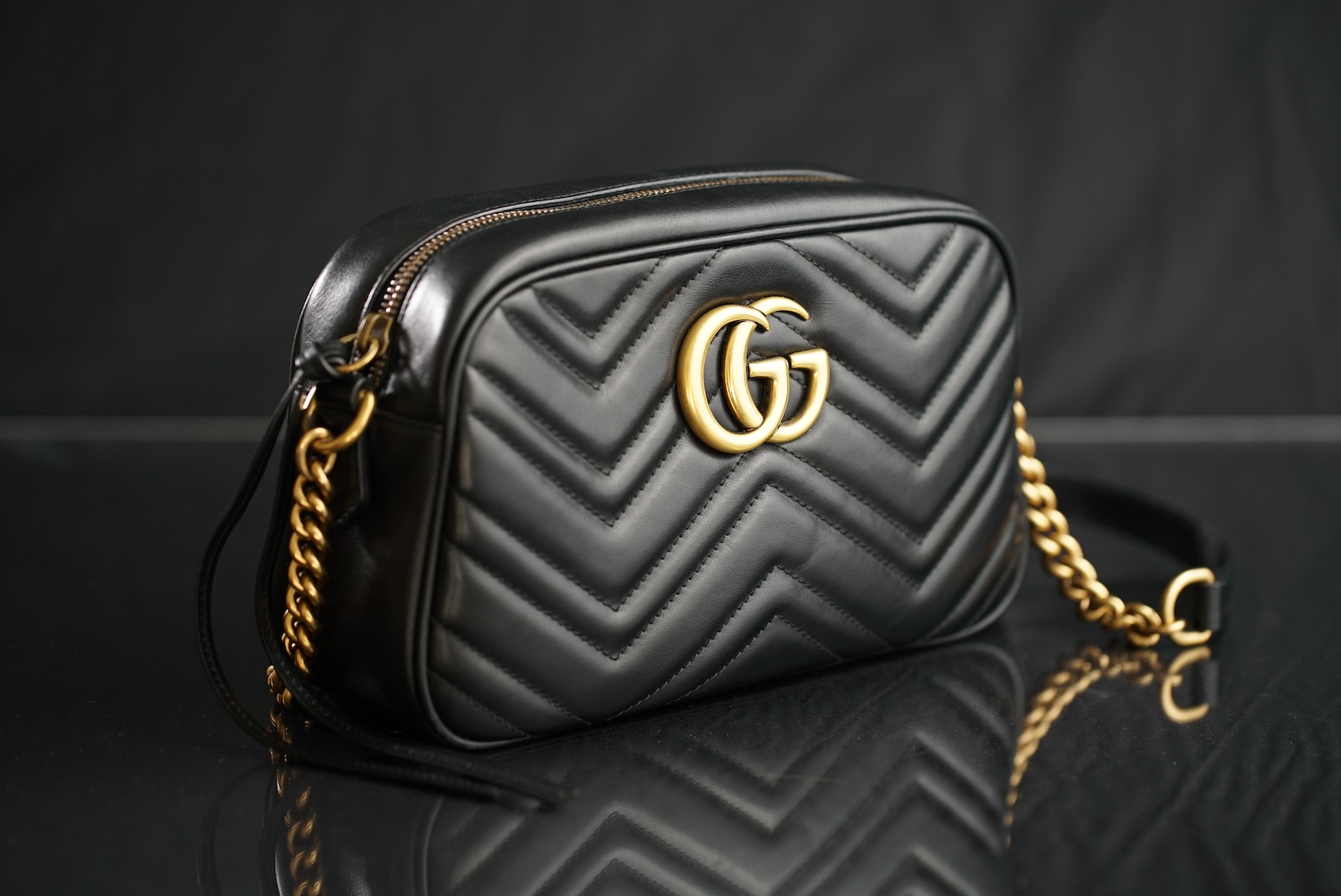
Balenciaga
Balenciaga’s price range is in line with other luxury fashion houses, with items such as t-shirts and accessories starting at a few hundred dollars and runway pieces reaching into the thousands. The brand offers a wide range of products, including clothing, footwear, accessories, and fragrances. Balenciaga has also released limited-edition items and collaborations, such as the highly coveted Balenciaga x Crocs collaboration.
Gucci
Gucci’s price range is also on par with other luxury fashion brands, with items like wallets and belts starting at a few hundred dollars and couture pieces reaching well into the thousands. The brand’s product offerings include clothing, accessories, footwear, fragrances, and home décor. Gucci has also released limited-edition items and collaborated with various artists and designers, such as the recent Gucci x Balenciaga “hacking” project.
Sustainability and Ethical Practices
Balenciaga
In recent years, Balenciaga has made strides in incorporating sustainability and ethical practices into its business model. The brand has committed to reducing its environmental impact, using more sustainable materials, and implementing responsible manufacturing processes. Balenciaga has also partnered with various charitable organizations, such as the World Food Programme, to give back to communities in need.
Gucci
Gucci has also taken steps to prioritize sustainability and ethical practices, with initiatives such as the Gucci Equilibrium program aimed at reducing the brand’s environmental impact and promoting social responsibility. The brand has committed to using more sustainable materials, reducing waste, and ensuring fair working conditions for its employees. Additionally, Gucci has partnered with various charitable organizations and launched initiatives, such as the Gucci Changemakers program, to support underrepresented communities and promote diversity and inclusion. [affiliatable id=‘268776’]
Brand Reputation and Customer Experience (Balenciaga vs Gucci)
Balenciaga
Balenciaga enjoys a strong reputation in the luxury fashion industry for its innovative designs, artistic integrity, and commitment to craftsmanship. The brand’s customer experience is focused on providing a luxurious and exclusive shopping experience, both in-store and online. Reviews from customers often highlight the brand’s unique designs and high-quality products.
Gucci
Gucci’s reputation in the fashion world is built on its long-standing history, iconic designs, and commitment to Italian craftsmanship. The brand’s customer experience is centered around providing a luxurious and personalized shopping experience, whether in-store or online. Customer reviews often praise Gucci’s timeless designs, attention to detail, and exceptional customer service.
Gucci Brand: Legacy of Elegance and Evolution
Gucci has etched its name in the annals of fashion history with a legacy that embodies elegance and evolution. From its humble beginnings in Florence, Italy, to its current status as a global fashion powerhouse, Gucci has exemplified the art of reinvention. The brand’s journey has been a tale of constant innovation, seamlessly blending tradition with modernity to create timeless pieces that captivate hearts and minds alike. With each passing era, Gucci has managed to stay ahead of the curve, setting trends that others follow. From the iconic double G logo to the daring and boundary-pushing designs of Alessandro Michele, Gucci’s evolution is a testament to its commitment to pushing the boundaries of fashion and art. The brand’s ability to adapt and evolve while staying true to its essence has solidified its position as a true icon in the world of luxury.
Fashion Brands: Crafting Trends and Redefining Luxury
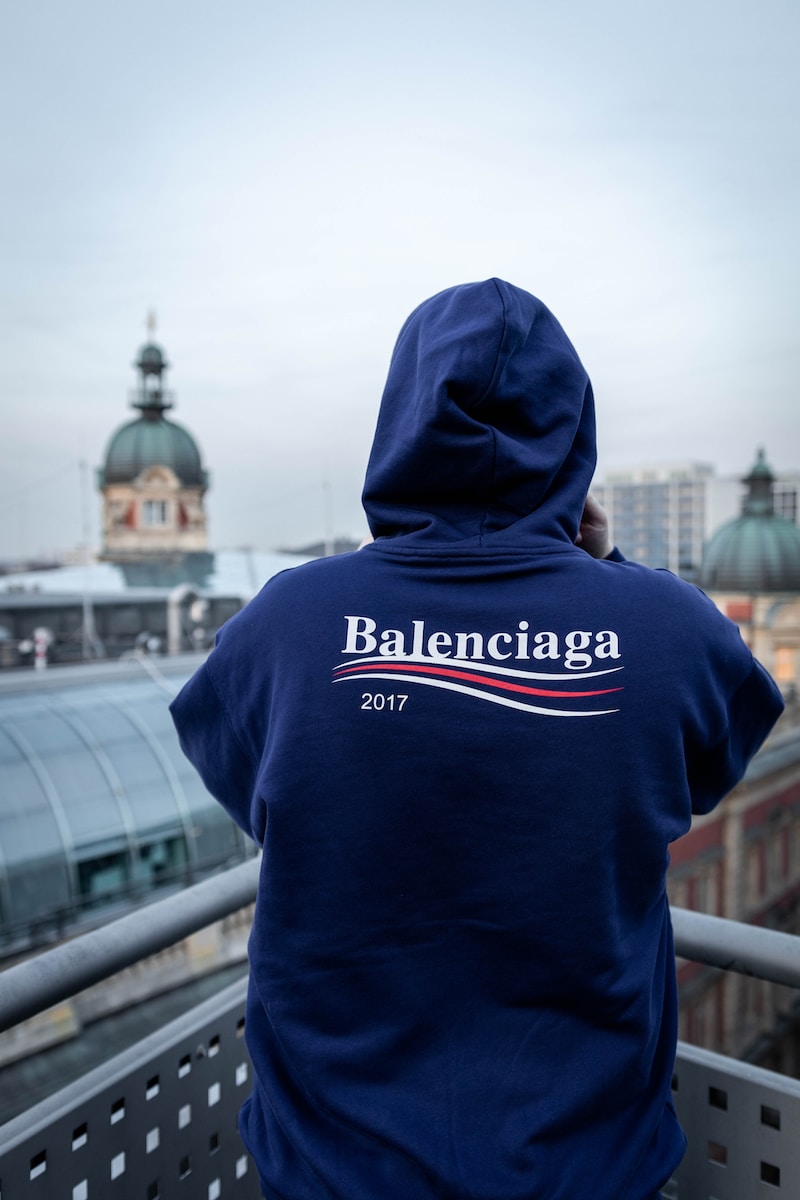 The realm of fashion brands is a dynamic and ever-evolving landscape where creativity knows no bounds. At the forefront of this whirlwind are fashion houses like Balenciaga and Gucci, tirelessly crafting trends and redefining the very essence of luxury. These brands are more than just names; they are visionaries that shape the way we perceive style and elegance. Balenciaga and Gucci are two distinct powerhouses that have made indelible marks on the fashion world. Balenciaga’s avant-garde approach to design and its knack for pushing the envelope have challenged conventions and sparked conversations. Meanwhile, Gucci’s fusion of Italian craftsmanship with contemporary aesthetics has paved the way for a new era of opulence. As these fashion brands continue to evolve, they remind us that luxury is not just about products; it’s about experiences, emotions, and stories. The journey of a fashion brand is a narrative that unfolds on the runway, in the streets, and in the hearts of individuals who embrace its creations.
Luxury: Where Exclusivity Meets Impeccable Craftsmanship
Luxury is a realm where dreams are woven into fabric and threads of aspiration create masterpieces that transcend time. It’s a world where exclusivity meets impeccable craftsmanship, where every stitch is a testament to dedication and artistry. Balenciaga and The clash of Balenciaga vs Gucci is a saga that spans decades, continents, and styles. While Gucci’s products are generally more expensive than Balenciaga’s, their respective positions in the fashion hierarchy reflect their unique approaches to luxury. Gucci’s towering presence in the fashion landscape compared to Balenciaga’s avant-garde innovation sets the stage for a captivating dichotomy. From the United States to the cobblestone streets of Florence, these brands have left an indelible mark on the world of fashion. Whether you’re a fan of the timeless elegance offered by Gucci or the daring experimentation championed by Balenciaga, there’s a piece of both brands that resonates with various aspects of life. The luxury brands have become synonymous with more than just clothing and accessories; they embody an entire culture, a lifestyle that intersects with interests, desires, and dreams. So, whether you’re strolling through a high-end shop in Paris, flaunting a designer bag on the streets of New York, or experiencing the velvety touch of leather against your skin, Balenciaga and Gucci remind us that fashion is more than fabric—it’s an expression of art, identity, and the pursuit of a life well-lived. These brands have solidified their positions as luxury giants, forever leaving their imprints on the very essence of style, luxury, and the stories that shape our lives.
Is Kenzo a Designer Brand?
Founded in 1970 by Kenzo Takada, the Kenzo brand has become synonymous with bold designs and vibrant colors. But is Kenzo a designer brand? In this exploration, we’ll delve into the rich history and creative direction of Kenzo, shedding light on its evolution as a prominent fashion house.
Kenzo Takada: Pioneering a Borderless Fashion Movement
[Kenzo Takada](https://en.wikipedia.org/wiki/Kenzo_(brand)#:~:text=Kenzo%20(stylized%20as%20KENZO%20PARIS,Kenzo%20S.A.), a fashion designer trailblazer in the fashion industry, established his eponymous brand with a distinctive vision - to celebrate cultural diversity through Kenzo clothing. His designs broke boundaries, introducing a fresh perspective to the fashion world.

Galerie Vivienne: The Birthplace of Kenzo’s Creativity
Located in the heart of Paris, Galerie Vivienne served as the backdrop for Kenzo’s first boutique. This quaint, historic space became the canvas for his innovative creations, setting the stage for his brand to flourish.
The Kenzo Brand: A Tapestry of Bold Collections
Kenzo Jungle: A Paradigm Shift in Fashion
Kenzo’s groundbreaking ‘Kenzo Jungle’ fashion brand collection, inspired by his love for nature, marked a turning point in the fashion industry. Bold colors, daring patterns, and an unabashed celebration of nature’s wonders defined this iconic line.
Collaborations and New Directions
Kenzo’s collaborative spirit extended beyond the confines of his label. Partnering with artists and designers, he forged new paths in the fashion landscape, leaving an indelible mark on the industry.
From Paris to New York: Kenzo’s Global Influence
Expanding beyond its Parisian roots, Kenzo’s influence reached New York, captivating audiences with its eclectic designs. The brand’s foray into the American market signaled a new chapter in its international journey.
The Transition: New Creative Directors and a Fresh Perspective
Leon and Carol Lim: Shaping Kenzo’s Modern Identity
With the appointment of Leon and Carol Lim as co-creative directors, Kenzo underwent a transformation, embracing a fusion of diverse influences and styles. Their dynamic leadership breathed new life into the brand, attracting a global following.
Bold Designs and Bright Colors: The Kenzo Aesthetic
Under Leon and Carol Lim’s guidance, Kenzo’s collections exuded an energy and vibrancy that resonated with a younger, trendsetting audience. The brand’s unique style, characterized by bold colors and daring patterns, gained a cult following.
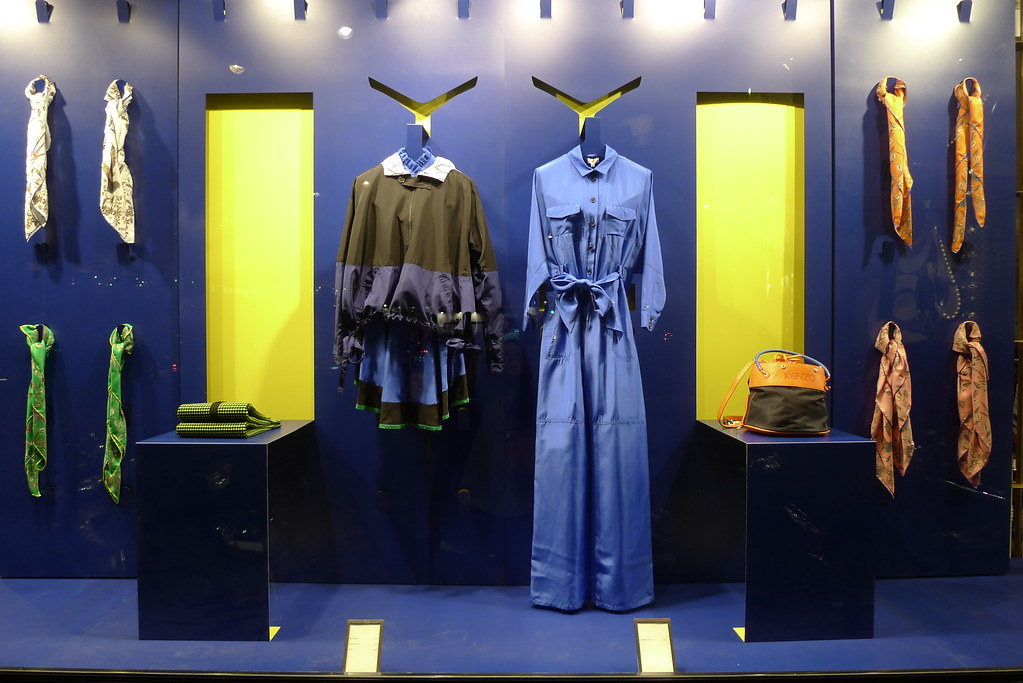
Kenzo’s Continued Evolution: From Jungle Jap to Hennessy Louis Vuitton
From Jungle Jap to Hennessy Louis Vuitton: The Kenzo Legacy
The acquisition of Kenzo by Hennessy Louis Vuitton marked a pivotal moment in the brand’s history. This strategic move propelled Kenzo into a new era, solidifying its position among the elite fashion houses.
New Artistic Direction: Felipe Oliveira Baptista Takes the Reins
With Felipe Oliveira Baptista as the new artistic director, Kenzo’s legacy continued to evolve. His fresh perspective and innovative designs including Kenzo sport ushered in a new chapter for the brand, further cementing its relevance in the fashion world.
Beyond Clothing: Kenzo’s Influence in Perfume and Accessories
Fragrances and Accessories: Extending the Kenzo Aesthetic
Kenzo’s foray into fragrances and accessories offered enthusiasts an opportunity to experience the brand’s distinctive style in new ways. The scent of Kenzo and the allure of its accessories became integral elements of the brand’s identity.
A Global Phenomenon: Kenzo’s Impact on Pop Culture
From celebrities like Britney Spears to cultural icons like Jay Z, Kenzo’s influence extended far beyond the fashion realm. Its bold designs and innovative creations found a place in the hearts of artists and trendsetters worldwide.
Final Thoughts: Is Kenzo a Designer Brand?
The answer to the question, “Is Kenzo a designer brand?” is a resounding Yes. This affirmation is a testament to Kenzo Takada’s visionary approach to fashion. From humble beginnings in Galerie Vivienne to its current status as a global fashion powerhouse, Kenzo stands as a beacon of creativity, celebrating the beauty of different cultures in every stitch and fragrance. With each collection, the brand continues to push boundaries, proving that true art knows no borders.
Other suggestions:
Is Vera Wang a Designer Brand?
Is Kate Spade a Designer Brand?
Is Jimmy Choo a Designer Brand?
Is Versace a Designer Brand?
As fashion lovers, we often come across the question – is Versace a designer brand? To answer this, let’s delve into the history, characteristics, and impact of the Versace brand on the fashion industry.
Gianni Versace, the founder of the eponymous brand, began his journey in the fashion world in the 1970s. He was an Italian fashion designer who quickly gained recognition for his innovative approach to design and his ability to create unique, high-quality garments. In 1978, Gianni Versace founded his own fashion house, which has since become a symbol of luxury and exclusivity.
The Versace brand is synonymous with luxury, opulence, and high fashion. It has been a major player in the fashion industry for over four decades, with its signature bold prints, bright colors, and overt sexuality. The brand has become a favorite of celebrities and fashionistas alike, boasting a legion of dedicated fans, including the likes of Princess Diana, Michael Jackson, and Elton John.
Characteristics of a Designer Brand
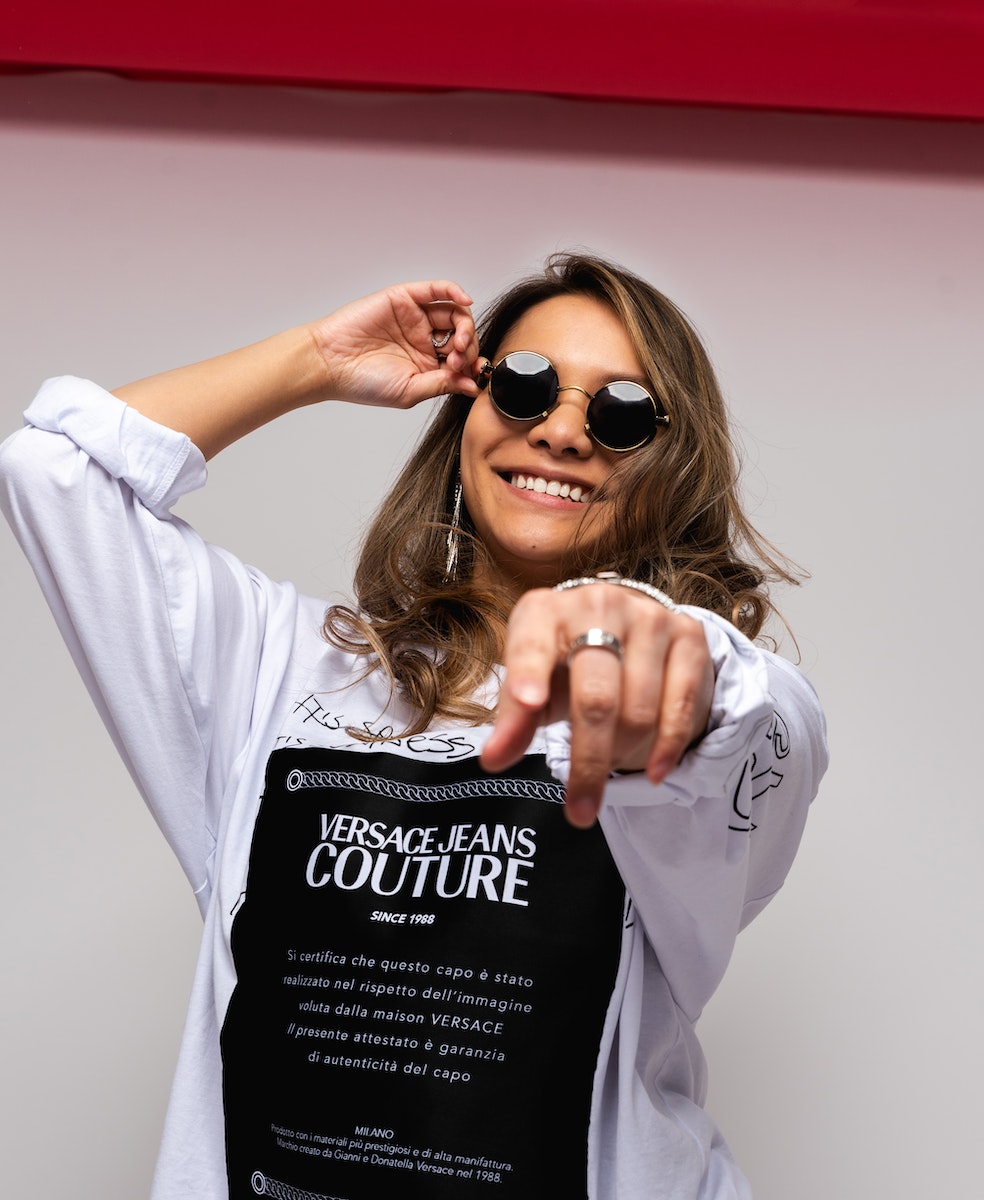
To understand why Versace is considered a designer brand, let’s first explore the characteristics that define a luxury brand in the fashion industry:
1. High-quality materials and craftsmanship: Designer brands are known for using the finest materials and ensuring the highest level of craftsmanship in their products. This results in garments that are not only visually stunning but also durable and comfortable to wear.
2. Unique and innovative designs: A luxury brand sets itself apart from other fashion brands by offering innovative and unique designs that stand out from the competition. These designs often push the boundaries of what is considered fashionable and are often ahead of their time.
3. Exclusivity: Designer brands often produce limited quantities of their products to maintain a sense of exclusivity and rarity. This ensures that owning a piece from a luxury brand feels like owning a rare and valuable treasure.
4. Strong brand identity and recognition: Successful designer brands have a strong and recognizable identity that sets them apart from other brands. This identity is often reinforced through the use of iconic logos, signature design elements, and strategic marketing campaigns.
5. Influence on fashion trends and popular culture: Designer brands often have a significant impact on fashion trends and popular culture, both through their runway collections and collaborations with other artists and designers.
How Versace Fits the Criteria for a Designer Brand
1. High-quality materials and craftsmanship: The Versace brand is renowned for its use of luxurious fabrics, such as silk, leather, and fine wool, as well as its meticulous attention to detail in construction and finishing. This ensures that Versace clothing and accessories are of the highest quality and built to last.
2. Unique and innovative designs: Gianni Versace was known for his bold and daring designs that often featured bright colors, intricate patterns, and unconventional silhouettes. This design philosophy continues under the creative direction of his sister, Donatella Versace, who has maintained the brand’s reputation for pushing the boundaries of fashion.
3. Exclusivity and luxury: Versace is a luxury brand that offers high-end, exclusive products at premium price points. The brand’s flagship Palazzo Versace stores are located in the world’s most prestigious shopping districts, further reinforcing its status as an elite fashion brand.
4. Strong brand identity and recognition: The iconic Medusa logo is instantly recognizable as a symbol of the Versace brand. Additionally, the brand’s association with high-profile celebrities, such as Naomi Campbell, Jennifer Lopez, and Linda Evangelista, has further cemented its place in the fashion world.
5. Influence on fashion trends and popular culture: Versace has had a significant impact on the fashion industry, particularly in the 1990s, when its designs were often seen on the runway and in popular culture. The brand’s collaborations with artists, such as Elton John, and its presence on the red carpet have solidified its status as a trendsetter and cultural icon.
The Versace Collection: A Fusion of Elegance and Style
When discussing the Versace brand, it’s crucial to highlight the Versace Collection, a line that beautifully showcases the brand’s fusion of elegance and style. The Versace Collection offers a more accessible and versatile range of luxury products that cater to a broader audience. This line features a mix of contemporary designs and classic Versace elements, making it an excellent choice for those who wish to incorporate the brand’s signature aesthetic into their wardrobe without venturing into the realm of haute couture.
The Versace Collection includes a wide array of products, from ready-to-wear clothing to accessories, such as handbags, shoes, and small leather goods. This line expertly blends the opulence and glamour that the brand is known for with more wearable, everyday pieces. The use of high-quality materials, intricate detailing, and the iconic Medusa logo ensures that each item in the Versace Collection retains the essence of the luxury brand.
The Versace Collection is also known for its collaboration with various artists and designers, resulting in unique and limited-edition pieces that offer a fresh take on the brand’s signature style. This creative approach demonstrates the brand’s commitment to innovation and its desire to cater to different fashion preferences.
[affiliatable id=‘268924’]
Versace’s Continued Evolution as a Designer Brand
Following Gianni Versace’s tragic death in 1997, his sister Donatella took over the reins as artistic director of the company. Under her leadership, the Versace brand has continued to evolve and adapt to changes in the fashion industry and consumer preferences. Donatella has successfully maintained the brand’s core identity while also introducing fresh ideas and modern designs.
In addition to its signature clothing collections, Versace has expanded into other product lines, such as accessories, home furnishings, and jewelry. The brand now offers a wide range of luxury products that cater to different tastes and lifestyles.
The Versace brand has also been the subject of significant corporate developments in recent years. In 2018, the Versace family sold a majority stake in the company to Capri Holdings Limited, the parent company of Michael Kors and other luxury brands. This acquisition has provided the brand with additional resources and support to continue growing and expanding its global presence.
Final Thoughts: Is Versace a designer brand?
So, is Versace a designer brand? The answer is a resounding yes. With its combination of high-quality materials, unique designs, exclusivity, strong brand identity, and influence on the fashion industry, Versace has undeniably earned its place as a leading luxury fashion brand.
From its beginnings as a small Italian fashion house to its current status as an international luxury powerhouse, the Versace brand has remained a symbol of opulence, glamour, and high fashion. As the brand continues to evolve under the creative direction of Donatella Versace and the guidance of Capri Holdings, it is poised to remain a favorite of fashion lovers and celebrities alike for years to come.
Other suggested articles:
Is Giani Bernini a Designer Brand?
Sophisticated Designer Harness for Your Fashionable Dog
When walking with a zigzagging Chihuahua or a Great Dane that doesn’t want to wait for the streetlight to go, experienced dog owners understand that the traditional leash and dog collars combination isn’t adequate.
That’s when a designer dog harness might be useful and give you more confidence and control — but there are a lot of factors to consider before making a purchase. “Consider why you’re purchasing a harness for your dog. Is it to relieve tension on their neck? Is it to take pressure off their neck?”
Do you feel secure when walking on the leash? Dr. Zay Satchu, chief veterinary officer and co-founder of Bond Vet, asks. “Is it because you like the style or is it for a different reason? These are all good reasons to use a harness, but knowing why will help you hone in on the right one for your pup.”
Because each dog is unique in terms of personality, body type, and specific walking habits, each will require something different in a harness. What’s appropriate for a French bulldog may not be suitable for a bullmastiff, and this does not take into account the preferences of the owner.
We consulted with professional dog walkers, trainers, and more than one Labradoodle-owning veterinarian to determine which harnesses are the best for each kind of dog and its owner. If you’re relatively certain what you’re searching for, going directly to the table of contents will save time. If that doesn’t work, continue reading for nine outstanding harnesses that our experts highly recommend, as well as the one I picked for my own dog, Uli, after trying out dozens of them.
What we’re looking for?
Comfort and security: A harness that is too loose or uncomfortable poses a serious risk to your dog’s safety. If the harness is too large, the dog may slip out of it and damage themselves.
If the harness is too tight, it might prevent the dog from breathing properly and freely moving about. Inflating a too-tight harness can irritate the skin because it rubs against it frequently. Look for a harness that’s tailored to your dog’s size and in some cases their body type, as even within the categories of tiny, medium, and large, there are marked differences.

The greatest harnesses can be adjusted in multiple places to accommodate barrel-chested dogs as well as slenderer breeds. Some dogs, such as flat-faced Boston Terriers with breathing difficulties, will require harnesses that cater to their specific requirements.
As a result, it’s advisable to begin your hunt by asking your veterinarian for suggestions. Keep in mind that the harness you choose should cater to your dog’s preferences as well. I discovered a harness with thin straps that she barely feels because Uli is sensitive to bulky material under her arms.
We tried on a few different kinds before we discovered one that she would want to walk in. Finally, Chowdhury recommends using a lightweight carabiner to connect your dog’s harness to a collar for added safety while training. We’ll use both a harness and a collar with skittish dogs or rescues who are afraid of truck noises or other loud noises.
Designed of long-lasting and machine-washable materials: The ideal harness for your dog should be comfortable to wear all day. And if you’re able to succeed, you’ll want it to be durable and simple to clean. Fortunately, most brands consider these aspects when designing their harnesses. Nonetheless, we have given extra points to those that are made of materials that can withstand extended wear and tear and can be tossed in the washer on a regular basis.
Both front and rear leash-attachment points are recommended by Kraut: Look for harnesses with leash-attachment points in both the front (on the underside of the harness, closer to the dog’s chest) and the back.
A front-clip harness is ideal for a big dog. A front-clip harness, on the other hand, is a poor option for a tiny dog since the leash will get caught beneath them all of the time. So, with a little dog, you should use the leash clasp on the rear to avoid having the leash dangle in front of their faces.
The harness company would be a good fit for your business, no matter how big or small your dog is. As long as it can clip in the front and rear, Kraut would prefer it. Harnesses with extra attachment locations allow you to use a double-ended leash for greater command.
Although not all of the harnesses on this list have both front and rear leash rings or loops, we’ve noted the ones that do and don’t below.
Over-the-head, step-in, or around-the-neck: The way you get your dog into a harness varies drastically depending on the type you choose. Some are rather simple and involve slipping over the dog’s head and clipping behind their back.
Some harnesses are more complicated, feeling like a difficult puzzle to solve. Whether they’re effective or not is debatable, but the best harnesses should be simple to figure out and pleasant for your dog to use. Many people overlook the importance of socializing their dogs with new equipment such as harnesses.
You want to make sure it’s a good experience for them. Food is a fantastic way to divert their attention away from the fact that you’re putting things over their head. If your dog is scared of being lifted, try using a step-in harness.
Best overall dog harness
PetSafe 3-in-1 Harness
As a dog walker, the proper harness makes his work much easier. It’s a significant problem for us. We’re rushing all over town picking up dogs all day, so if you make a mistake and get your dog the wrong one, we lose sleep.
If you can’t try one on or buy it online, the best option is to get one with fully adjustable straps like the one recommended by Pet Safe. It has five adjustable buckles that may be tightened or loosened at various locations.
It also has a top-mounted handle for more control, front and back metal rings for leash attachment, and reflective stitching for safety, as well as an adjustable vehicle control strap to keep your dog seated while you’re driving.
Best harness for small dogs
Puppia Authentic RiteFit Harness With Adjustable Neck
For tiny dogs, the Puppia harness is highly recommended by both Stephanie Liff, a co-owner of Pure Paws Veterinary Care, and Nelli Chowdhury, the creator and owner of Brooklyn Tails & Trails. We adore Puppia products. It’s soft, mesh, lightweight, and very comfortable for little dogs, according to Chowdhury. They’re simple to keep clean for dogs that live high off the ground and get filthy frequently. You may just throw it in the wash if you have a muddy winter or whatever else is going on. The Puppia is made of breathable, cushioned polyester mesh and has a step-in design with Velcro and a strong clip around the dog’s back that closes with Velcro.
Best harness for big dogs
Coastal Pet K9 Explorer Reflective Dog Harness
For large dogs, we like to use something with some kind of reflecting detail, according on Chowdhury. They’re perfect for German shepherds or boxers, as well as other large breeds. It’s padded and reflective in case you’re out at night with your dog or walking him in low light. Because these dogs have a lot of strength and are rather big, the straps on this harness are extremely robust. The chest pad is especially useful for protecting sore or harness burn on powerful dogs that pull hard.
Best harness for flat-faced dogs
Gooby — Perfect Fit X Harness, Small Dog Choke Free Step-in Harness
In flat-faced dogs, whose naturally shaped faces frequently make breathing difficult, Dr. Chris Kraut, Dr. Jurema Chowdhury, and Dr. Marina Liff emphasized the need for a harness that doesn’t compress the neck and chest. Pugs and Boston terriers have flat faces, thus they need a harness that will protect their throat and neck area. The X-shaped front of this one is made specifically for that purpose, and its breathable and cushioned mesh fabric is both comfy and machine washable. It’s another step-in design that closes with a robust clip around the dog’s back.
Best harness for toy- and teacup-breed dogs
PetSafe Come With Me Kitty Harness and Bungee Leash, Harness for Cats
This harness, which is actually intended for cats, is a fantastic choice if your dog falls into the toy or teacup group. The straps are gentle and thin, so they don’t feel bulky or elicit discomfort in the armpits. There are a variety of adjustments on each side for torso girth, as well as sliding adjustments around the neck and chest, providing for a more personalized fit. If the dog (or cat) pulls, the harness tightens somewhat, adding security and assisting with training.Plus, it has a bungee leash that absorbs any shock your dog may receive when she barks at pit bulls in the park as Uli does on a regular basis.
Best harness for hiking and off-leash training
Ruffwear Front Range Harness
“The Ruffwear Front Range harness is a great choice for hiking-type activities,” Cawley says, adding that it’s what professional trainers use to teach dogs about off-leash etiquette. You may attach your dog’s leash to the front or back of the harness for extra security while training or clip it to the front to prevent pulling on walks. The harness is made with a soft foam padding that won’t irritate a dog’s skin, and the wide straps ensure that it doesn’t. It also has bright trim and a pocket for attaching tags, which are usually attached to a collar.
Best cooling harness
Dog Cooling Vest Harness
A cooling vest may be beneficial for dogs that overheat, especially when the summer heat is long and intense. Rachel Bowers of Brooklyn Bark Dog Walking and Pet Sitting suggests this one for when it’s hot but not scorching (and thus still safe for a brief walk). To make it colder on those days, she submerges the vest in water and rolls it out before putting it in the refrigerator or freezer. Short-haired dogs should wear vests like this, according to Dr. Lee.
Best harness for dogs who pull
PetSafe Easy Walk Harness
The popular PetSafe’Easy Walk harness was mentioned by multiple professionals, including Satchu, Raysor, and Bowers. Chowdhury is also a fan and uses it on all four of her dogs. It’s reasonably priced, available on Amazon Prime, and excellent since my dogs pull a lot. They’re a lot of fun, says Chowdhury. They’re inquisitive and want to taste and smell everything. But it’s also popular among dog walkers because it’s very straightforward to attach and It works in any direction, according to Kraut. The top and bottom of this product are both multicolored, so it’s easy to tell them apart. Multiple clasps allow you to adjust the length depending on their preference.
Best harness for dogs who lunge or eat off the ground
PetSafe Gentle Leader Head Collar
Veterinarians Dr. Jeff Weber and Dr. David Cawley, as well as dog trainer Kraut, suggest that a head collar, often known as a pleasant leader, be considered in addition to the Gentle Leader. Many dogs require a soft-headed lead, according to veterinarian Dr. David Cawley. The name comes from the word “charger,” which is a term used in dog-dog agility to describe a dog that charges at other dogs. I’m not talking about walkies or off-leash enjoyment. When we’re out walking, there are plenty of dogs who will lunge at kids or a skateboarder coming by. If you’re in a situation where you need to have complete control of that dog at a moment’s notice, and if you can control their head, then you effectively have total control of the situation. It’s also helpful for dogs who ingest everything they find on the street, which is a problem in Brooklyn.
Is Ted Baker a Designer Brand?
In this article, we’ll explore whether is Ted Baker a designer brand, if it meets the criteria of a designer brand and what sets it apart from other fashion labels.
Ted Baker is a British fashion brand known for its quirky and stylish clothing, accessories, and Ted Baker’s products and service.
Founded in 1988, the brand has gained popularity for its unique take on classic
designs, blending traditional and contemporary styles to create a distinctive
aesthetic. With a reputation for quality and attention to detail, many people
wonder whether Ted Baker qualifies as a designer brand. In this context, a
designer brand typically refers to a brand that employs high-end fashion
designers to create unique and exclusive collections. 
Ted Baker History
Ted Baker store is a British fashion brand that was founded in 1988 by Raymond Kelvin. The company started as a small shirt store in Glasgow, Scotland, and quickly expanded to other cities in the UK. The brand’s success was due in part to its unique approach to design, which combined traditional styles with contemporary details and prints.
By the 1990s, Ted Baker stores had become a household name in the UK, with stores opening in London, Manchester, and Leeds. The brand continued to grow throughout the decade, launching its first womenswear collection in 1995 and opening its first international store in Amsterdam in 1998.
In the early 2000s, Ted Baker expanded further, opening stores in the US and Asia. The brand also began to diversify its offerings, introducing a range of accessories, fragrances, and home goods. In 2012, Ted Baker launched its first ever footwear collection, which was well-received by fashion critics and consumers alike.
Today, Ted Baker has over 500 stores worldwide and is considered one of the most successful fashion brands to come out of the UK. While the brand has faced some challenges in recent years, including a scandal involving the behavior of its founder, Ted Baker remains a popular choice for consumers looking for stylish and affordable fashion.
Is Ted Baker a Designer Brand?is ted baker a designer brand
Whether or not Ted Baker qualifies as a luxury brand can be a matter of interpretation. Some might consider the brand as a designer brand, while others may see it as ordinary designer label.
Traditionally, luxury brands are known for creating exclusive, high-end fashion collections, often collaborating with renowned designers to create unique pieces. While Ted Baker’s designs are known for their distinctive aesthetic and attention to detail, the brand does not typically collaborate with outside designers or create exclusive collections in the same way that many designer brands do.
Instead, Ted Baker operates as a more accessible, contemporary fashion brand, offering a range of Ted Baker products, Ted Baker handbags, Ted Baker woman clothing and fashion accessories
at a mid-range price point. The brand’s focus on quality, unique prints, and playful details sets it apart from other high-street fashion brands, but it may not be considered a traditional designer brand in the strictest sense of the term.
In short, while Ted Baker may not be considered a traditional designer brand, it is a well-known and respected fashion brand that has established its own unique style and aesthetic in the fashion industry.
[affiliatable id=‘269186’]
What Sets Ted Baker Apart From The Other Brands?Is Ted Baker a Designer Brand
Ted Baker sets itself apart from other premium brands in several ways, including:
- Distinctive Design: Ted Baker’s designs are known for their distinctive style, which blends traditional and contemporary elements to create a unique aesthetic. The brand’s focus on quality, playful prints, and attention to detail gives its clothing and accessories a distinct character that sets them apart from other fashion brands.
- Customer Service: Ted Baker prides itself on offering excellent customer service both in-store and online. The brand’s staff is trained to be friendly, helpful, and knowledgeable, making the shopping experience more enjoyable and personal for Ted Baker customers.
- Brand Identity: Ted Baker has a strong brand identity that is consistent across all of its products and marketing materials. distinctive Ted Baker logo, colors, and playful tone of voice are instantly recognizable and help to create a sense of familiarity and loyalty among customers.
- Innovation: Ted Baker PLC is known for its innovative approach to fashion, often experimenting with new materials, designs, and technology to create unique products. For example, the brand was one of the first to incorporate digital technology into its stores, allowing customers to try on clothes virtually.
- Sustainability: In recent years, Ted Baker has made a commitment to sustainability, focusing on reducing waste, using sustainable materials, and supporting ethical practices in its supply chain. This commitment to sustainability sets the brand apart from other fashion brands that have been criticized for their negative impact on the environment and workers’ rights.
Is Coach a Luxury Brand?
Are you wondering is Coach a luxury brand? Today, we will go through the history
of Coach and the current position in the luxury market.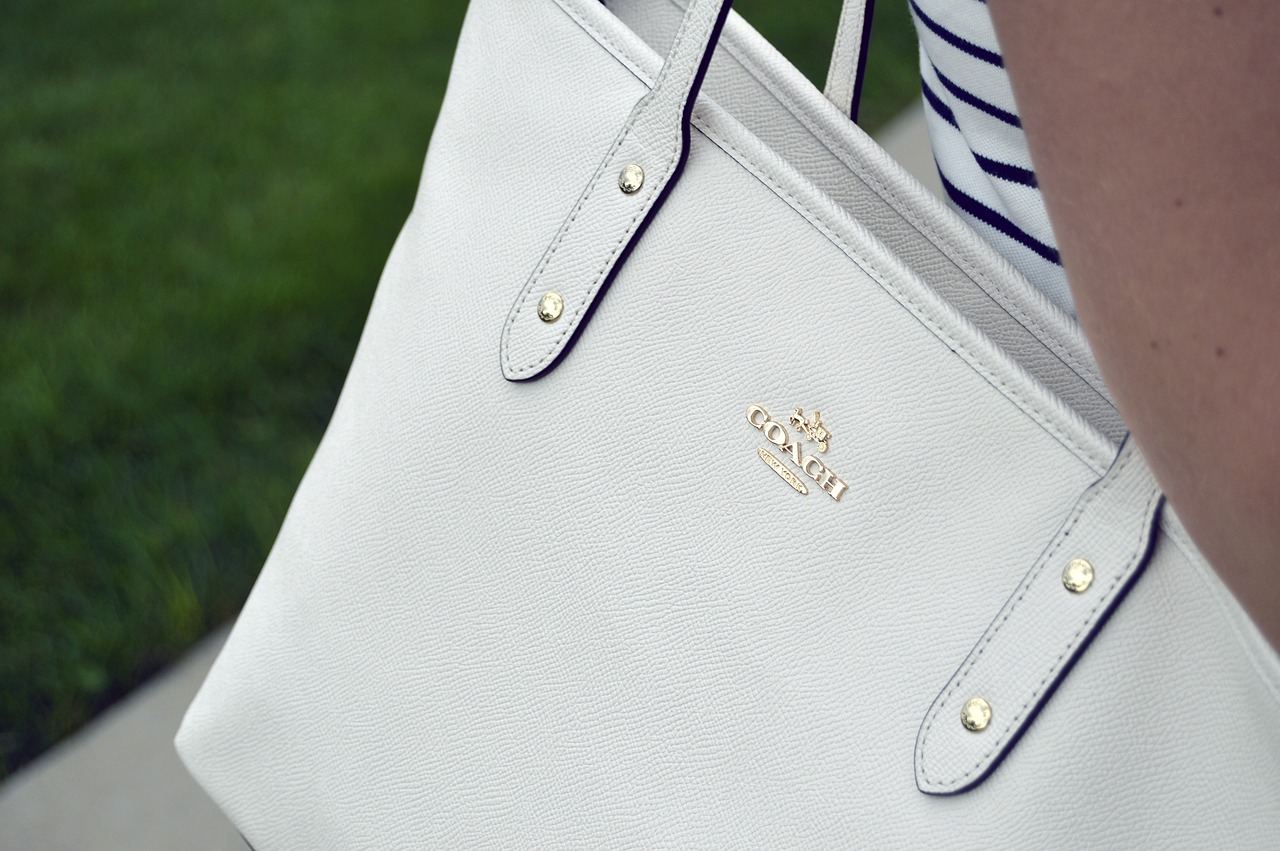
Coach History
Coach started back in 1941 when six leather artisans decided to combine their skills and expertise to create beautiful, wearable leather products. Throughout the years, Coach has evolved and expanded its product range to include more than just coach bags and small leather goods. The brand now offers a full range of lifestyle items, including clothing, shoes, and accessories.
Today, just like Louis Vuitton bags, Coach is still one of the most recognizable
names in luxury fashion. The brand has a strong presence in major department
stores around the world, as well as its own stores and outlets. It also has a
strong online following with dedicated fans across all social media
platforms.
The Current Position of Coach in the Luxury Market
Coach is seen as a luxury brand by many fashion enthusiasts. The brand offers high-end products with quality craftsmanship and modern designs. Many consumers prefer to buy Coach because of its reputation for affordability, which makes it more accessible than some other luxury brands.
So, Is Coach a Luxury Brand?
The answer is yes. Coach has been in the high-end fashion industry since 1941, so it can be considered a luxury brand. With its stylish and timeless designs, Coach is one of the most sought after brands in the world. The company’s products are known for their quality craftsmanship and beautiful materials, offering both classic and modern looks that are sure to please any fashion fan. With its strong presence in major department stores, as well as its own stores and outlets, Coach has become a leader in the luxury market.
[affiliatable id=‘269496’]
What Makes a Luxury Designer Brand?
Designer and luxury brands tend to differ from high-street products in a few key ways. High-end brands like coach handbags usually have higher quality materials and craftsmanship, as well as modern designs that are made to last. Luxury brands also tend to be more expensive than mid range luxury brand, due to their quality and the impressive branding associated with them.
Is Coach Worth Buying?
Overall, Coach brand is a great choice for luxury fashion and accessories. Its products including their coach bag, coach purses are stylish and timeless, making them perfect for both everyday wear and special occasions. The brand’s quality craftsmanship ensures that its items will last you a long time, while its affordable prices make it an accessible option for those on a budget. Whether you’re looking for a statement piece or an everyday item, Coach has something for everyone.
How To Take Care Of My Coach?
Taking care of your Coach products is essential if you want them to last a long time. To ensure that your items are in pristine condition, make sure to follow these simple steps:
• Clean regularly – use a soft cloth and mild soap to wipe down leather or canvas bags.
• Protect from sun damage – keep away from direct sunlight whenever possible.
• Store properly – hang or store items in a cool, dry place when not in use.
• Waterproofing – apply waterproofing spray to leather items before exposure to rain or snow.
• Repair any damage immediately – if you notice any scratches, tears, or cracks on the material, take it to a professional repair shop for proper care.
• Choose appropriate cleaning products – use a mild soap and soft cloth on leather items, while canvas items can be spot-cleaned with warm water and detergent.
• Don’t overstuff your bag– avoid overstuffing your bags to prevent them from stretching out or becoming misshapen.
• Use a fabric freshener – spray a fabric freshener on canvas items to keep them looking fresh and new.
Following these simple tips will help ensure that your Coach products look as good as new for years to come. With proper care and maintenance, you can enjoy your luxury pieces for many years to come.
Is Coach a Luxury Brand Bottom Line
Ultimately, the answer to “is coach a luxury brand?” is yes. The company has been in the luxury fashion industry since 1941 and continues to be one of the most recognizable names in the market. With its stylish designs, quality craftsmanship, and affordable prices, Coach is a great choice for anyone looking to add a touch of luxury to their wardrobe.
More interesting brands for you…
Balenciaga vs Gucci: A Tale of Two Fashion Houses
Ethical Luxury Lifestyle: 10 Eco-Conscious Habits for Stylish Living
In today’s world, where sustainability and ethical practices are becoming increasingly important, the concept of ethical luxury lifestyle is gaining traction. It combines the allure of luxury with a commitment to eco-consciousness, promoting sustainable elegance and green living without sacrificing style. This blog post explores 10 actionable habits for integrating ethical practices into your luxurious lifestyle, highlighting the significance of choices like supporting sustainable luxury fashion brands, opting for eco-friendly materials, and embracing slow fashion.
1. Choose Sustainable Luxury Fashion Brands
 When it comes to embodying an ethical luxury lifestyle, the brands you choose make a significant impact. Opting for sustainable luxury fashion brands such as Stella McCartney and others that prioritize ethical practices ensures you’re supporting environmentally responsible and socially conscious initiatives. These brands often lead the way in sustainable fashion, using organic cotton and recycled materials to minimize environmental impact while maintaining high standards of quality and style.
2. Opt for Sustainable Materials
Sustainable materials are at the core of ethical luxury fashion. From organic cotton and recycled fabrics to innovative materials like recycled nylon, these choices help reduce the fashion industry’s carbon footprint. By selecting garments made from sustainable materials, you contribute to a more sustainable fashion industry that values environmental responsibility without compromising on luxury and aesthetic appeal.
3. Embrace Slow Fashion
In contrast to fast fashion, which promotes rapid turnover and mass consumption, slow fashion encourages thoughtful purchasing decisions and emphasizes durability and timeless style. Embracing slow fashion means investing in high-quality pieces that are ethically produced, thus supporting fair labor practices and reducing waste. This approach not only enhances your wardrobe with enduring elegance but also supports a more sustainable fashion industry overall.
4. Support Local and Artisan Communities
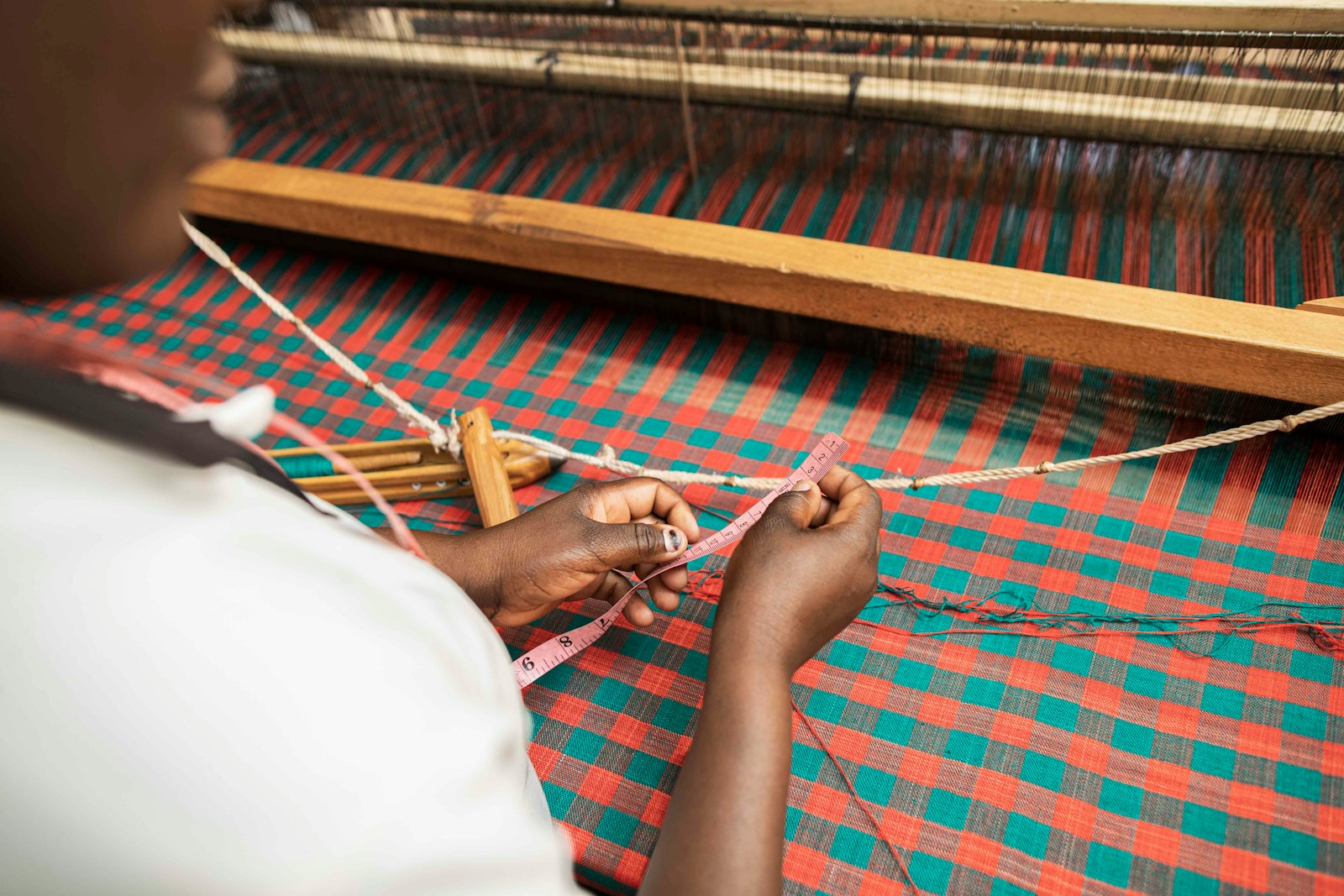 Empowering local and artisan communities is another cornerstone of ethical luxury living. Many luxury brands collaborate with artisans worldwide, ensuring fair wages and preserving traditional craftsmanship. By supporting these initiatives, you contribute to community development and cultural sustainability, fostering a deeper connection between fashion consumption and social responsibility.
5. Promote Supply Chain Transparency
Transparent supply chains are essential for ethical luxury brands. They ensure accountability throughout the production process, from sourcing raw materials to manufacturing and distribution. Brands that promote supply chain transparency prioritize fair labor practices and environmental sustainability, providing consumers with the information needed to make informed choices about their purchases.
6. Reduce Environmental Impact
Reducing environmental impact is a critical aspect of ethical luxury living. By opting for sustainable sourcing and production methods, luxury brands can minimize their carbon footprint and conserve natural resources. Choosing products that adhere to these principles not only supports environmental sustainability but also sets a precedent for more sustainable practices within the luxury fashion industry.
7. Advocate for Ethical Considerations
Ethical considerations should be integrated into every stage of the fashion industry. From design to manufacturing processes, ethical practices ensure that garments are produced with respect for both people and the planet. Brands that prioritize ethical considerations contribute to a fashion revolution that values transparency, fair treatment, and environmental responsibility.
8. Recycle and Upcycle
 Recycling and upcycling luxury fashion items play a crucial role in promoting a circular economy. By giving new life to pre-loved garments or repurposing materials, you reduce waste and support sustainable consumption habits. Luxury brands increasingly incorporate recycled materials and offer upcycling services, encouraging consumers to participate in conservation efforts while maintaining a stylish wardrobe.
9. Educate Yourself and Others
Education is key to fostering a more sustainable fashion industry. Understanding the impact of luxury consumption and the benefits of ethical practices empowers consumers to make conscientious choices. By educating yourself and spreading awareness, you contribute to a fashion industry that prioritizes social responsibility, environmental sustainability, and fair labor practices.
10. Balance Style with Ethics
Achieving a balance between style and ethics is achievable in today’s luxury market. Many contemporary styles and designer brands embrace ethical practices without sacrificing aesthetic appeal. By prioritizing high-quality materials, sharp tailoring, and sustainable production methods, you can build a wardrobe that reflects your personal style while aligning with your values of ethical luxury living.
The Rise of Ethical Luxury
The concept of ethical luxury represents a significant shift in consumer values within the luxury fashion industry. Traditionally associated with exclusivity and opulence, luxury brands are now increasingly expected to demonstrate environmental responsibility and ethical practices. This shift is driven by a growing awareness of sustainability issues, climate change, and social justice concerns among consumers worldwide. Luxury brands that embrace ethical practices not only cater to a conscientious consumer base but also position themselves as leaders in a more sustainable fashion industry. This evolution reflects a broader movement towards transparency, accountability, and a commitment to minimizing the industry’s environmental and social impact.
Impact of Ethical Luxury on the Fashion Industry
The adoption of ethical practices in luxury fashion has a profound impact on the industry as a whole. Beyond individual brands, this shift influences manufacturing processes, supply chain management, and consumer behavior. It encourages a reevaluation of production methods, promoting sustainable sourcing, reduced waste, and fair labor practices. Moreover, the influence of ethical luxury extends beyond environmental and social considerations to encompass economic sustainability. By supporting local communities and artisanal craftsmanship, luxury brands contribute to cultural preservation and economic empowerment. This holistic approach fosters a more resilient and inclusive fashion ecosystem.
Wrapping Up: Ethical Luxury Lifestyle
In conclusion, adopting an ethical luxury lifestyle involves more than just purchasing high-end clothing—it’s about making informed choices that prioritize sustainability, ethical practices, and social responsibility. By implementing the 10 eco-conscious habits discussed in this blog post, you can contribute to a more sustainable fashion industry while enjoying the elegance and allure of luxury living. Together, we can shape a future where ethical considerations are at the forefront of the luxury fashion industry, promoting a harmonious balance between style and sustainability. Other suggested articles:
Exploring Iconic Luxury Fashion Brands for Women: A Must-Read Guide
What is the Cheapest Luxury Brand?
Is Nine West a Designer Brand?
When it comes to fashion brands, there is a lot of confusion surrounding what exactly qualifies as a designer brand. One name that often comes up in this conversation is Nine West. But is Nine West a designer brand? In this article, we will take a closer look at the Nine West brand to answer this question.
What is a Designer Brand?
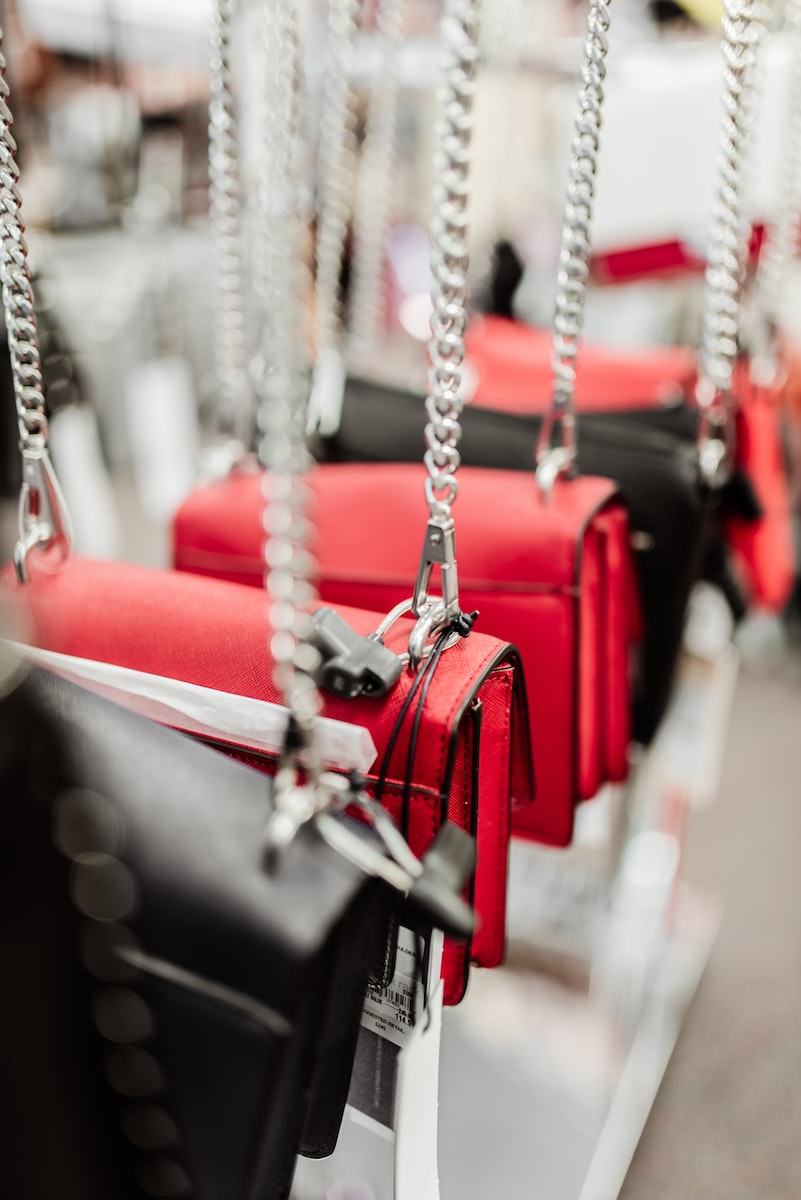
Before we can determine whether Nine West is a designer brand or not, it’s important to define what we mean by “designer brand.” A designer brand is typically a high-end fashion brand that is associated with luxury and exclusivity. Designer brands often have a recognizable name, logo, and aesthetic, and they are known for producing high-quality, high-end fashion products that are often expensive.
Designer brands often use high-quality materials and pay close attention to detail in the design and production of their products. These brands are often associated with celebrities and high-end fashion events, and their products are typically sold in high-end retail stores.
[affiliatable id=‘268920’]
The History of Nine West
Nine West is a fashion brand that was founded in 1978 by Jerome Fisher and Vince Camuto. The brand started as a footwear brand and quickly gained popularity for its stylish designs and affordable prices. In the years that followed, Nine West expanded its product offerings to include handbags, watches, and other accessories.
In 1999, Nine West was acquired by the Jones Apparel Group, a large clothing and apparel sector company. In 2018, Nine West and several other brands were sold by the Jones Group to the Authentic Brands Group, a brand development and licensing company.
Is Nine West a Designer Brand?
Now that we know a little more about Nine West’s history and products, let’s take a closer look at whether Nine West is a designer brand. There is no doubt that Nine West is a good brand, and their products are often stylish and well-made. However, when we compare Nine West to other designer brands, there are a few key differences.
First and foremost, Nine West’s products are much more affordable than those of many designer brands. While Nine West does offer some high-end products, the majority of their products are priced for everyday wear. This sets them apart from more expensive designer brands like Gucci, Prada, or Chanel.
Secondly, Nine West’s products are often sold in more accessible retail stores, like malls or other retailers, rather than in high-end boutiques or designer stores. This is another factor that sets them apart from other designer brands.
Finally, Nine West’s products are often more focused on practicality than high-end luxury. While their shoes and handbags are stylish and fashionable, they are often designed with practical features like shock absorption or work tools in mind. This makes them a good brand for everyday wear but sets them apart from brands that focus exclusively on high-end fashion.
Is Nine West a Luxury Brand?
When it comes to luxury fashion brands, Nine West is not at the same level as brands like Gucci or Prada. While their products are stylish and well-made, they are generally more affordable than other designer brands and focus more on practicality than high-end design. For these reasons, we would not consider Nine West a luxury fashion brand. However, Nine West is a great choice for stylish, affordable fashion pieces that can be worn every day. With its history of quality and affordable designs, Nine West is a great brand for fashion-conscious shoppers who don’t want to break the bank.
Consumer Perception of Nine West

Despite these differences, Nine West still has a positive reputation in the fashion industry. They are known for producing high-quality products at affordable prices, and their products are often stylish and on-trend. Nine West offers a wide selection of products, including dress shoes, shoulder bags, and purses, in a variety of styles and designs.
Nine West’s products are also known for their high quality. The company uses raw materials and pays close attention to detail in the design and production of their products. This ensures that their products are durable and long-lasting.
In recent years, Nine West has been making a concerted effort to stay on top of current trends in the fashion industry. They have brought on a new creative director and have been introducing new styles and designs, including animal prints and floral prints. This has helped to keep the brand fashion-forward and relevant.
Nine West Products
Nine West brands offer a wide variety of footwear, accessories, and apparel for women. Their product line includes dress shoes, casual shoes, sandals, boots, handbags, wallets, watches, sunglasses, and jewelry. They also have a line of apparel such as dresses, skirts, tops and sweatshirts.
Their products are known for their stylish designs and on-trend styles. They also focus on providing comfort and quality, with features like shock absorption technology in their dress shoes and water-resistant material in their handbags.
Nine West shoes are also known for their affordability, making them a great choice for budget-conscious shoppers. Their products are often sold at discounted prices, and they offer promotions and sales throughout the year.
Nine West bags and accessories are also known for their quality and craftsmanship. Their handbags are made with high-quality leather, and their wallets have a stylish and sophisticated look. Nine West’s watches are also known for their classic style, featuring metal straps and analog faces.
Nine West purses are also known for their versatility and range of styles. They come in a variety of sizes, colors, and materials including leather, canvas, and nylon.
Overall, Nine West is a great brand for fashion-forward shoppers who want stylish products without breaking the bank. Their product line includes both casual and formal options that are perfect for everyday wear.
Final Thoughts: Is Nine West a Designer Brand?
So, is Nine West a designer brand? The answer is no, Nine West is not a traditional designer brand. However, this does not mean that Nine West is not a good brand. On the contrary, Nine West offers high-quality products that are stylish and well-made. Their products are often sold at affordable prices, making them accessible to a wider audience.
Nine West’s focus on practicality and everyday wear is actually a strength, as it allows them to appeal to a broader audience. They offer a wide selection of products, including shoes, handbags, and accessories, in a variety of styles and designs. Their products are also known for their high quality, which ensures that they are durable and long-lasting.
Overall, while Nine West may not be a traditional designer brand, it is still a good brand that offers high-quality products at affordable prices. Their products are stylish and on-trend, and their focus on practicality and everyday wear makes them accessible to a wider audience. So, if you’re looking for fashionable and high-quality products that won’t break the bank, Nine West is definitely worth checking out.
Other suggested articles:
Is Moschino a Luxury Brand?
Is Michael Kors a Designer Brand?
What is the Cheapest Luxury Brand?
Luxury brands are known for their high-quality products, exclusive image, and high price tags. However, not all luxury brands are created equal when it comes to pricing. Some luxury brands are more affordable than others, making them accessible to a wider range of consumers. So, what is the cheapest luxury brand? This question may have a subjective answer, as what is considered affordable to one person may not be to another.
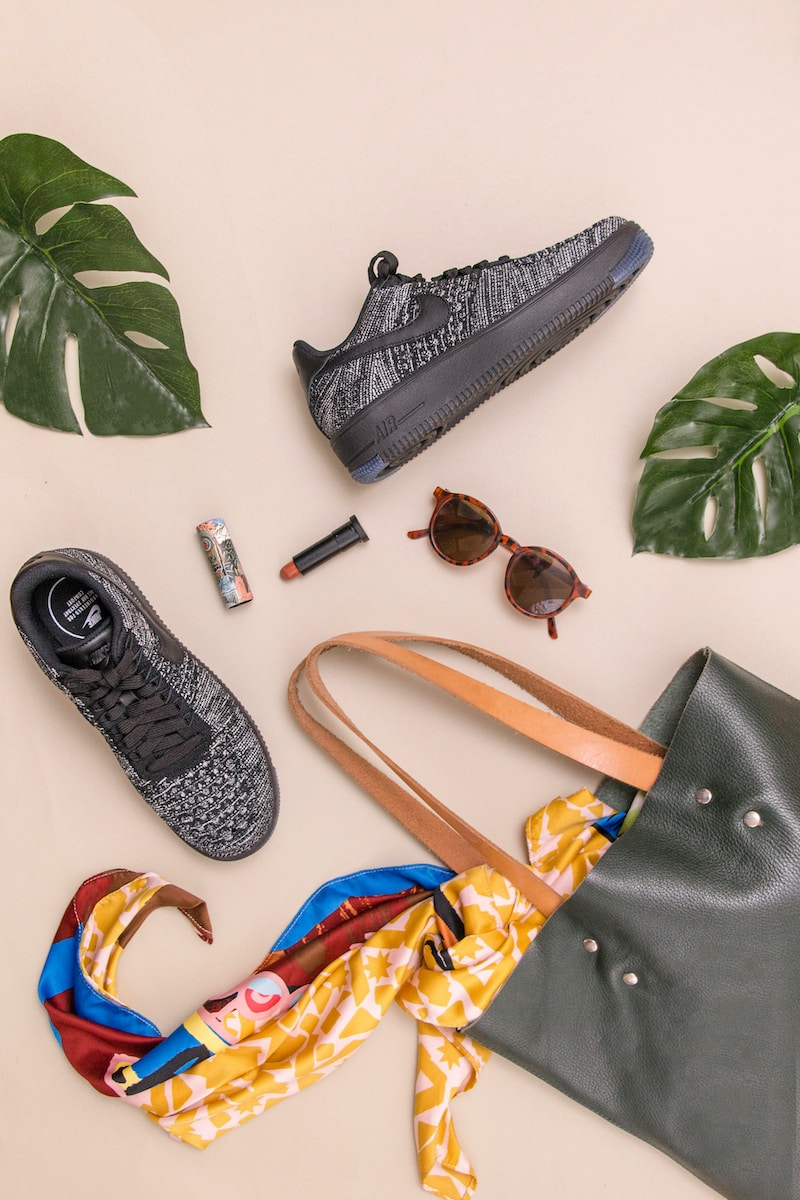
Nonetheless, there are certain luxury brands that offer high-end products at a more accessible price point, and they may be worth considering for those who want to indulge in luxury without breaking the bank. In this article, we will explore some of the cheapest luxury brands available and what makes them stand out in the competitive world of high-end fashion and accessories.
[affiliatable id=‘269709’]
10 Cheapest Luxury Brands
Here are 10 of the affordable luxury brands, listed in no particular order:
- Kate Spade: Known for its colorful and playful designs, Kate Spade offers a range of luxury accessories such as handbags, wallets, and jewelry and vintage styles at a more affordable price point compared to other luxury brands.
- Coach: Another brand known for its handbags and leather goods, Coach offers a range of affordable luxury accessories with its signature craftsmanship and classic design.
- Michael Kors: Michael Kors is a fashion brand that offers a variety of products in the fashion industry, including watches, affordable designer brands, shoes, and clothing. The brand’s designs are modern and sophisticated, but the price point is relatively affordable compared to other luxury brands.
- Marc Jacobs: With a focus on high-end fashion and accessories, Marc Jacobs offers a range of luxury products, including handbags, shoes, and clothing, at a more affordable price point compared to other luxury brands.
- Tory Burch: Known for its iconic Reva ballet flats and preppy style, Tory Burch offers a range of luxury accessories such as handbags, jewelry, and sunglasses at a more accessible price point.
- Ralph Lauren: With a focus on classic American style, Ralph Lauren offers a range of luxury clothing, accessories, and home decor at a relatively affordable price point compared to other luxury brands.
- Furla: An Italian brand known for its high-quality leather goods, Furla offers a range of luxury handbags, wallets, and accessories at a more affordable price point compared to other luxury brands.
- Longchamp: With its iconic Le Pliage tote bag, Longchamp is a French brand known for its luxury accessories, including handbags, luggage, and leather goods, at a more accessible price point.
- Ted Baker: A British brand with a focus on contemporary fashion and quirky designs, Ted Baker offers a range of luxury clothing, accessories, and footwear at a more affordable price point compared to other luxury brands.
- Versace Jeans Couture: While Versace is known for its high-end luxury products, its Jeans Couture line offers a range of more affordable luxury luxurious fabrics and accessories with the brand’s signature graphic t shirts bold designs and Italian craftsmanship.
- Lucky Brand: Known for its denim and bohemian bold prints inspired fashion, Lucky Brand offers a range of affordable luxury ready to wear clothing, shoes, and accessories for men, women, and kids.
Why do People Buy Designer Brands?
People buy designer brands for a variety of reasons, which often encompass aspects of prestige, quality, style, and social status. Luxury brands offer a sense of exclusivity and craftsmanship that appeals to consumers seeking to elevate their image and differentiate themselves from the mainstream. Here are some key factors that drive people to purchase designer brands:
- Prestige and Status: Owning luxury or designer items communicates a certain level of affluence and social standing. People buy luxury brands to showcase their success and gain recognition among their peers.
- Quality and Craftsmanship: Luxury brands are known for their superior quality and attention to detail. Consumers are willing to invest in designer items that are meticulously crafted and made to last, offering a level of durability and longevity not found in mass-produced clothing.
- Unique and Stylish Designs: Designer brands often lead the way in fashion trends, offering innovative and exclusive designs that appeal to fashion-forward individuals. These unique styles allow consumers to express their individuality and personal taste.
- Celebrity Endorsement: Celebrities and influencers often endorse luxury brands, creating aspirational associations with these products. Consumers are enticed by the idea of owning the same items worn or used by their favorite stars.
- Sustainable and Ethical Practices: Some luxury fashion brands have embraced sustainability and ethical practices, such as using organic cotton, eco-friendly materials, or supporting fair labor conditions. Consumers who prioritize ethical consumption may choose designer brands that align with their values.
- Long-Term Investment: Luxury clothing is sometimes seen as an investment, especially for classic and timeless pieces that retain their value over time. Some consumers view purchasing designer items as a way to own something of enduring worth.
- Experiential Shopping: The shopping experience itself at luxury boutiques can be immersive and luxurious, adding to the allure of the brand. Personalized service, exclusive events, and attentive staff contribute to the overall appeal.
As for the cheapest luxury brand, it can be challenging to pinpoint a single brand as the absolute cheapest, as luxury brand pricing can vary widely depending on the specific item, collection, and market. Some relatively more affordable luxury fashion brands may offer entry-level products or have occasional sales and promotions, making their items more accessible to a broader audience.
The appeal of designer brands lies in the combination of prestige, craftsmanship, unique designs, and the desire to express one’s style and status. The shift towards sustainability and ethical practices has also influenced the choices of conscious consumers, who seek luxury brands that align with their values. The allure of luxury fashion and the experience of shopping for these brands contribute to their enduring popularity in the fashion industry.
What is the Cheapest Luxury Brand? - Bottom Line
While luxuriously affordable brands are typically associated with high price tags, there are best luxuriously affordable brands that offer high-quality products at a more affordable price point. These brands often focus on a specific niche or have streamlined their production and distribution processes to keep costs lower while still maintaining a high level of quality and design in the fashion world.
By choosing one of these more few brands, consumers can enjoy the experience of luxury without breaking the bank and you are helping for a cause. Some of these brand give back to UN World Food Programme.
However, it’s important to note that “affordable” is subjective and what one person may consider affordable may not be the same for another person. Ultimately, it’s up to each individual to decide what luxury brand fits their budget and personal style.
Other suggested articles:
Is Marc Jacobs a Designer Brand?
Is Tommy Hilfiger a Designer Brand?
https://www.therefined.co/is-coach-a-luxury-brand/
Exploring Iconic Luxury Fashion Brands for Women: A Must-Read Guide
In the world of luxury fashion brands for women, it’s not just about clothing, it’s about the entire ensemble. Luxury fashion is a realm where creativity meets craftsmanship, and where unique designs are woven with high-quality materials to create pieces that are as much art as they are apparel. Whether it’s the classic style of Ralph Lauren or the punk-inspired offerings from the Italian brand Gucci, there truly is something for everyone in this luxurious landscape. Let me take you on a stroll through the lavish lanes of some of these luxury clothing brands. We’ll delve into their histories, explore their offerings, and maybe even sneak a peek at what makes them tick. From French fashion houses like Louis Vuitton and Christian Dior to American staples like Ralph Lauren, each brings something unique to the table.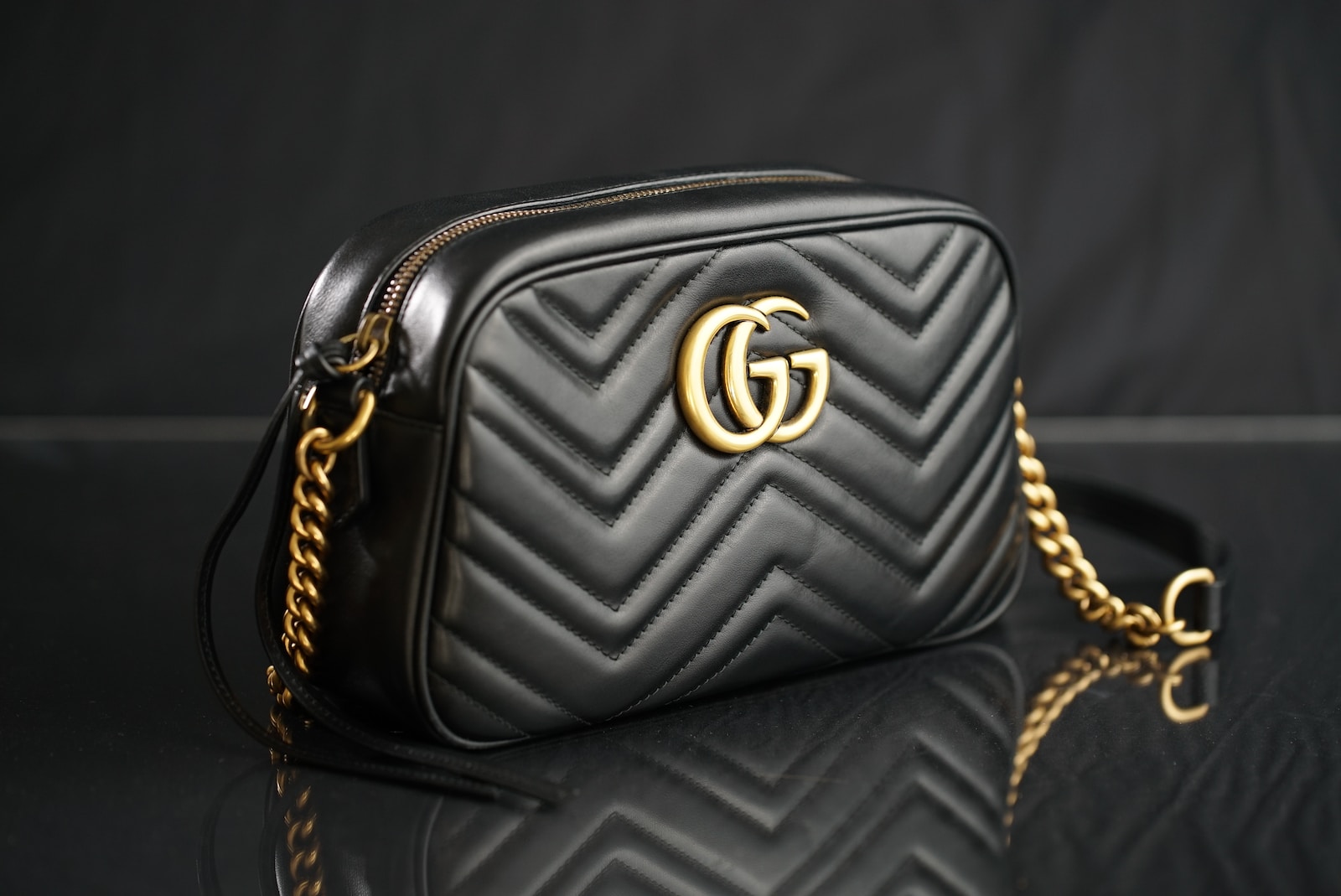 For instance, Louis Vuitton - arguably one of the most valuable luxury brands worldwide - has become synonymous with luxury leather goods since its establishment in 1854. Known globally for their iconic monogram pattern and high-quality leather goods, they’ve managed to stay relevant throughout changing times by continually reinventing themselves under various creative directors. On another note stands Christian Dior – a French fashion house renowned for its haute couture creations and ready-to-wear lines that have significantly influenced the fashion world.
Unveiling Top Luxury Fashion Brands for Women
When it comes to luxury fashion brands for women, the names that often come to mind are those steeped in history and prestige. These luxury clothing brands have set the bar high, defining trends and redefining elegance in the fashion world. Louis Vuitton, a French fashion house, is one of these illustrious names. Known for its valuable luxury brand status, Louis Vuitton’s iconic LV monogram can be seen on high-quality leather goods worldwide - especially its coveted luxury handbags. The brand’s play logo has become synonymous with refined taste and timeless style. Another leader among the best luxury clothing brands is Christian Dior. Also hailing from a French fashion house, Dior is revered for its haute couture creations and ready-to-wear designs that exude classic style while incorporating modern trends. Christian Dior’s unique blend of tradition and innovation has solidified its role as a key player in the world of luxury fashion. Let’s not forget Ralph Lauren, an American brand known for capturing the essence of comfortable yet sophisticated lifestyle dressing. From Victorian-era-inspired pieces to punk-inspired clothing lines, Ralph Lauren proves that versatility can coexist with luxury in women’s fashion.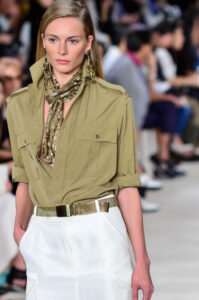 The Italian brand Gucci also deserves mention here. Its signature mix of bold patterns and prints with high-quality leather goods has dramatically increased the brand’s popularity over recent years. Gucci’s creative director has successfully melded historical references with contemporary styling to create captivating collections season after season. Lastly, we have Chanel, another French powerhouse whose influence extends beyond just ready-to-wear clothing to encompass fragrance, cosmetics, and jewelry realms as well. Their iconic double-C logo on their handbags represents more than just a badge; it’s a statement piece recognized globally as the pinnacle of luxury. These aren’t merely labels; they’re institutions that represent creativity at its finest in women’s luxury fashion. [affiliatable id=‘269284’]
Impact of Luxury Female Fashion on Style Trends
Luxury fashion brands for women have significantly influenced style trends over the years. Looking at luxury clothing brands like Louis Vuitton and Christian Dior, it’s clear to see their impact on the fashion world. These major players continually reinvent styles, set trends, and inspire a multitude of other designers. Louis Vuitton, known as one of the best luxury clothing brands globally, has been shaping global fashion since its inception in 1854. Famous for its luxury handbags, this French fashion house also makes waves with its ready-to-wear clothing line. The creative director’s ability to weave contemporary themes into classic designs makes Louis Vuitton’s collections unique and trendsetting. Similarly, Christian Dior has left an indelible mark on the world of haute couture. As another influential French fashion house, Dior is celebrated for infusing elements from Victorian-era fashion into modern designs - transforming these historical concepts into current style trends. But it’s not just about French powerhouses; Italian brand Gucci brings a different flavor to the table with its bold and eclectic designs. Known for high-quality leather goods mixed with punk influences, Gucci has become a go-to luxury brand for those who prefer an edgier aesthetic. We can’t disregard American influence either - Ralph Lauren represents one of the best luxury brands hailing from this side of the pond. Its preppy-chic apparel offers a classic style that transcends seasons – consistently positioning Ralph Lauren as a key player in setting international style trends. These examples show how valuable luxury brands craft and dictate what becomes fashionable worldwide: - French Fashion House: Louis Vuitton - Best Luxury Clothing Brands: Christian Dior - Luxury Leather Goods: Gucci - Classic Style Influencer: Ralph Lauren The rise in popularity of these brands’ designer collections reflects consumers’ willingness to invest in quality and timeless pieces rather than fast-fashion items that quickly lose relevance. Overall, I’d say that these luxury fashion houses play a pivotal role in shaping international style trends by using their creative directors’ vision to offer fresh twists on classic looks while maintaining their signature brand aesthetics.
Final Thoughts: The Allure of Women’s Luxury Fashion
To conclude this journey into women’s luxury fashion realm, I’d say that while we celebrate these phenomenal designers’ work today - both old and new - we’re also eagerly anticipating what tomorrow brings. From ready-to-wear clothing lines to trendy accessories, there’s always something exciting happening in this dynamic industry! As we look forward to new collections and trends set by these illustrious houses and their creative directors; remember that at heart- all good design stems from an understanding of quality materials (like fine silks or leathers), craftsmanship & innovation- elements that truly make these brands worth their weight in gold! So keep exploring because there are plenty more gems out there waiting to be discovered. Other suggested articles:
Discover the World of Italian Knitwear Brands
Is Theory a Designer Brand?
Is Lacoste a Designer Brand?
When you think of iconic fashion brands, Lacoste likely springs to mind with its famous crocodile logo. But what exactly places Lacoste in the designer category? “Is Lacoste a Designer Brand?” This question pops up frequently among fashion enthusiasts and shoppers looking to define the brand’s status in the ever-evolving fashion hierarchy.
I’ve delved into the world of Lacoste, exploring its origins, evolution, and current standing in the fashion industry to shed some light on this query. From its inception as a sportswear icon to its present-day influence, understanding where Lacoste fits within the designer realm is not just about the logo but the legacy it carries. Join me as I unpack the elements that might just qualify Lacoste as a bona fide designer brand.
Is Lacoste a Designer Brand: Defining a Designer Brand
To understand whether Lacoste fits the criteria of a designer
brand, it’s essential to
define what characteristics embody such a status within the fashion world.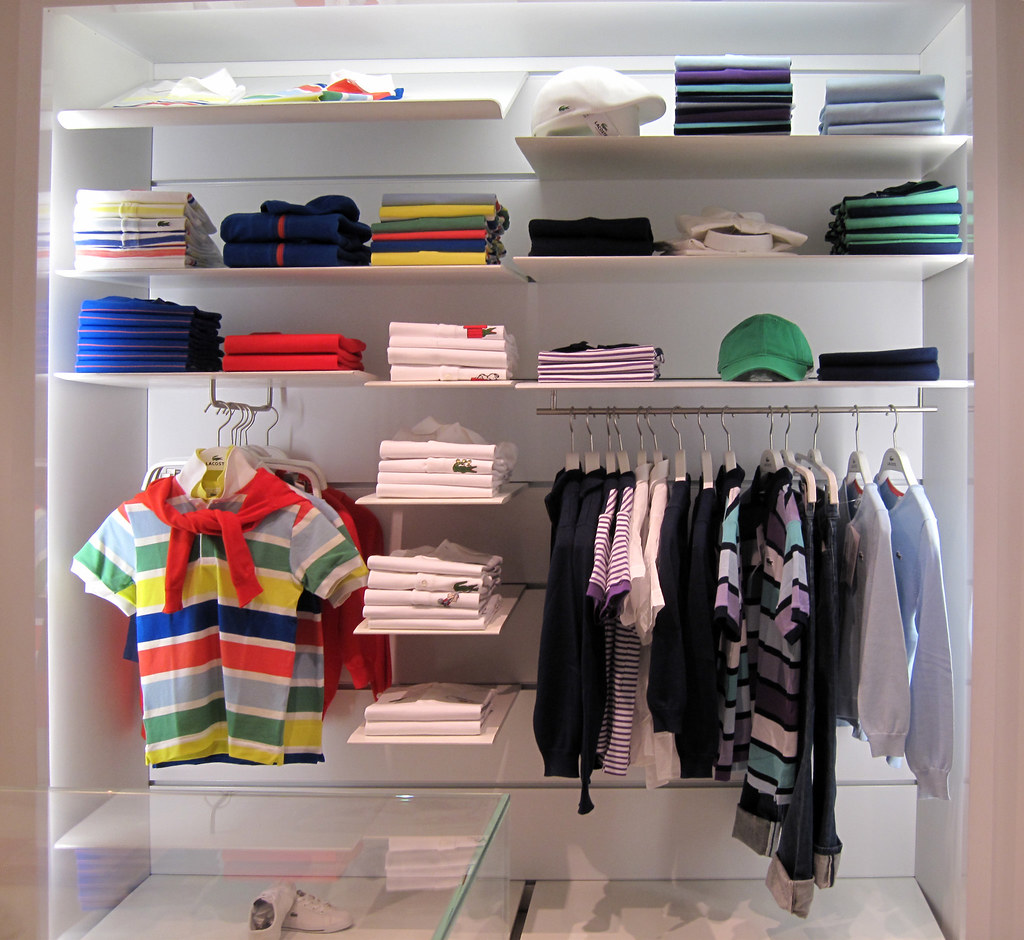
Criteria for Designer Status
Designer brands distinguish themselves through several definitive attributes:
- Distinctive Design Aesthetic: Brands qualify as designer if they offer a unique stylistic approach that sets them apart. Lacoste, for example, offers a refined blend of sporty and classic styles, highlighted by its iconic crocodile logo, which presents both a symbol of prestige and a mark of consistent quality.
- High Quality of Materials: A hallmark of designer brands is the use of superior materials. Lacoste’s polo shirts, synonymous with luxury sportswear, are crafted from high-quality cotton which ensures durability and comfort whilst maintaining a polished look.
- Limited Production and Exclusivity: Designer labels often produce fewer pieces to maintain exclusivity. While Lacoste is globally recognized and widely available, certain collections and collaborations are produced in limited quantities, enhancing their designer appeal.
- Brand History and Heritage: A rich heritage can elevate a brand to designer status. Founded by tennis legend René Lacoste in 1933, Lacoste carries a legacy intertwined with innovation and timeless style in the sportswear sector.
- Pricing Strategy: Designer brands often come with higher price points, reflecting their quality and exclusivity. Lacoste’s pricing aligns with the luxury market, positioning it within the upper echelon of sportswear and casual fashion brands.
Comparison With Other Brands
When compared to other brands perceived as high-end or designer, such as Ralph Lauren and Gucci, Lacoste holds its own by offering:
- Iconic Style and Recognition: Like Ralph Lauren with its polo player logo, Lacoste’s crocodile emblem is globally recognized and associated with a status of luxury and quality paralleling other designer brands.
- Market Position and Consumer Perception: Similar to how consumers view Louis Vittuon for its luxury leather goods, Lacoste is renowned for merging fashion with function, making it a staple in both wardrobe and culture across generations.
- Product Range and Versatility: While brands like Chanel and Gucci excel in haute couture, Lacoste provides a broad, accessible range of products that extend beyond just apparel, including footwear, fragrances, and accessories, yet still retains a luxury brand appeal.
Through this comparison, it’s evident that Lacoste exhibits key characteristics akin to established designer brands, thus reinforcing its designer brand status in the competitive fashion industry.
The Origins of Lacoste
The journey of Lacoste, known widely for its iconic crocodile logo, began as a tale of innovation and prestige in the world of luxury sportswear. Founded by tennis legend René Lacoste, the brand quickly transcended the sport, establishing itself as a symbol of luxury and designer style.

From Tennis Courts to Global Recognition
René Lacoste first made a mark in the tennis world, not only as a world-renowned player but also as an innovator of fashion on the court. It was in the late 1920s that he created the first ever polo shirt, specifically designed to provide better comfort and movement during games. This polo shirt, adorned with the now-iconic crocodile logo, revolutionized sportswear, introducing functionality paired with elegance.
The polo shirt’s practical design and distinctive style captured the attention of a broader audience, propelling Lacoste from a specialist in tennis apparel to a celebrated luxury lifestyle brand. Throughout the decades, the brand’s expansion into fragrances, footwear, and accessories continued to elevate its status. Lacoste’s ability to blend sport with fashion garnered global appeal, establishing it firmly within the luxury brand sector.
The Impact of René Lacoste
René Lacoste’s legacy on the fashion industry stretches far beyond the confines of tennis courts. He imbued Lacoste with a spirit of tenacity and innovation, qualities that became the cornerstone of the brand. His nickname, “the Crocodile,” is reflected in the logo, symbolizing his perseverance on the tennis court. This personal touch added an authentic flair to the brand, enhancing consumer connection.
The founding principles laid down by Lacoste were not just about crafting comfortable, functional clothes but also about pushing the boundaries of traditional sportswear to create timeless, iconic pieces. René’s vision propelled the brand to experiment and innovate, which in turn has helped maintain Lacossalce’s relevance in the ever-evolving fashion industry.
Lacoste’s Design Philosophy
Lacoste’s design philosophy harmonizes innovation with elegance, merging its sporty origins with lifestyle elements to create a sophisticated yet practical fashion line. This section explores how Lacosté continuously evolves while staying true to its heritage.
Innovation in Sportswear
Lacoste famously revolutionized tennis apparel by introducing the iconic polo
shirt in the 1920s. Known for its unique, breathable fabric and the classic
crocodile logo, this polo not only offered comfort and freedom of movement but
also brought a polished aesthetic to sportswear. Additionally, Lacoste has
employed innovative materials and technology to enhance the functionality of its
sportswear lines. From moisture-wicking fabrics to designs that feature UV
protection, Lacoste ensures each product combines quality, comfort, and
performance. This focus on innovation aligns closely with the brand’s commitment
to excellence and offers consumers sporty yet fashionable choices.
Transition Into Lifestyle Branding
Moving beyond the tennis courts, Lacoste has successfully transitioned into a comprehensive lifestyle brand. Expanding its portfolio to include footwear, leather goods, eyewear, watches, and fragrances, the brand crafts these products with the same attention to detail and quality as its historic polo shirts. Each item showcases the sleek, refined style characteristic of the brand, maintaining the essence of luxury sportswear while catering to a broader audience. The integration of sport-inspired designs into everyday fashion items underscores Lacoste’s design philosophy of blending practicality with luxury. This has not only reinforced its status as a luxury brand but also broadened its appeal to consumers worldwide who seek a casual yet sophisticated style in their daily lives.
Price Point and Market Position
Following its journey from a tennis-oriented apparel to a transcendent luxury lifestyle brand, Lacoste situates itself uniquely in the fashion industry. Spanning from premium to near-luxury categories, Lacoste’s market strategy ensures its apparel remains accessible while exuding sophistication and quality.
Luxury vs. Premium Categories
Lacoste’s branding strategy cleverly blurs the lines between premium and luxury sectors. The brand often aligns with luxury through its high-quality materials and craftsmanship. Compared to stalwarts like Gucci or Louis Vuitton, Lacoste positions itself with a slightly more accessible price point, thus retaining its label as a premium brand rather than pure luxury. The pricing strategy ensures that quality and style remain uncompromised, making Lacoste a favored choice among those who seek luxury sportswear without the steep luxury price tags. For instance, its iconic polo shirts, renowned for their cotton quality and timeless design, embody luxury but are priced within a more attainable range compared to true luxury brands.
Consumer Perception
Consumer perception of Lacoste holds that it represents a sophisticated, yet practical approach to fashion. This view is enhanced by its consistent focus on quality sports and lifestyle apparel, complemented by a broad array of accessories from eyewear to fragrances. The iconic crocodile logo serves as a symbol of prestige and understated luxury, boosting its status among consumers who value elegance and sporty style in their day-to-day wear. Responding to a global audience, Lacoste maintains a strong brand image that resonates with a sense of timeless sophistication and durability, aspects highly prized in the fashion world. Thus, while not positioned at the pinnacle of luxury, Lacoste enjoys a robust reputation as a high-end, reliable brand in the eyes of its international consumer base.
Lacoste’s Influence on Fashion
Lacoste has significantly shaped the fashion landscape, seamlessly blending sportswear with luxury and ultimately redefining the casual wear sector. The brand’s evolution from a tennis apparel manufacturer to an emblematic lifestyle brand emphasizes its far-reaching influence.
Iconic Designs and Cultural Impact
Lacoste’s designs, particularly the iconic polo shirt, have left an indelible mark on both the fashion industry and popular culture. Introduced in the 1920s, the Lacoste polo, often recognized by its emblematic crocodile logo, integrates the practicalities of sportswear with the elegance of everyday fashion. This design not only appealed to athletes, like tennis players, but also became a staple in the wardrobes of the fashion-savvy public, symbolizing a blend of comfort and class. Over decades, the polo shirt has been featured across multiple contexts, from golf courses to high-fashion events, showcasing its versatility and timeless appeal. The shirt’s design embodies the spirit of its founder, René Lacoste, marrying functionality with style—a principle that drives the brand to this day.
Contemporary Collaborations and Expansions
In recent years, Lacoste has expanded its influence by entering into strategic collaborations with other luxury brands and designers, including Louis Vuitton and Ralph Lauren. These partnerships have allowed Lacoste to infuse new aesthetics and innovations into its collections while maintaining the classic touch that fans expect. For example, collaborations have resulted in limited-edition collections that combine Lacoste’s sporty essence with the haute couture elements of partners like Gucci. Moreover, Lacoste has continuously adapted to the current fashion demands by expanding into new product categories such as accessories, leather goods, and fragrances. Each new launch showcases Lacoste’s commitment to innovation, quality, and sustainability, ensuring the brand remains relevant and cherished by new generations while honoring its heritage. These efforts highlight Lacoste’s successful expansion and adaptation strategies, securing its place as a leading figure in both the luxury sportswear and broader lifestyle sectors.
Reflecting on Lacoste’s journey from a sports apparel brand to a beacon of luxury lifestyle, it’s evident that it has carved a unique niche in the fashion industry. The brand’s commitment to quality, innovation, and sustainability has not only enhanced its product offerings but also reinforced its market position as a hybrid of premium and luxury. Lacoste’s ability to maintain its heritage while innovatively expanding into new territories and collaborations underscores its status as a designer brand. With its iconic crocodile emblem, Lacoste continues to symbolize elegance and prestige, appealing to a global audience that values both style and substance.
Frequently Asked Questions
Who owns Lacoste?
Maus Frères SA, a Swiss holding company based in Geneva, owns Lacoste. They manage multiple businesses, including department stores and other brands.
Is Lacoste still popular?
Yes, Lacoste remains popular. Its polo shirts are particularly iconic and come in various styles tailored to different sports and lifestyle needs, maintaining its status as a staple in fashion.
Why is Lacoste a preferred brand among wealthy individuals?
Lacoste is cherished by the affluent due to its long-standing reputation for quality and heritage. Established in the 1930s with the invention of the polo shirt, its premium pricing reflects its brand value and historic significance.
What makes Lacoste unique?
Lacoste stands out due to its blend of sporty elegance, luxurious design, and the famous crocodile logo. It holds a significant place in fashion history and continues to be a top choice globally for its stylish and high-quality garments.
How expensive is Lacoste?
Lacoste products are priced between mainstream and high-end luxury items, making them more premium than high-street brands but not as costly as the most expensive luxury brands, representing a balance of quality and affordability.
Is Adidas a Designer Brand?
When it comes to the world of fashion, one question has been the subject of much debate and discussion: “Is Adidas a designer brand?” With its iconic three stripes and a long history of producing athletic footwear and apparel, Adidas has undoubtedly carved out a prominent place in the fashion and sports industry. In this in-depth exploration, we will delve into the history of Adidas, its collaborations with luxury brands, and the design elements that may qualify it as a designer brand.
The Roots of Adidas
Adidas, as we know it today, has a fascinating origin story. It all began in the small town of Herzogenaurach, Germany, where the Dassler brothers, Adi and Rudolf, founded the Dassler Brothers Shoe Factory in the early 1920s. Their shoe production initially catered to sports, particularly track and field. However, the brothers’ partnership eventually soured, leading to the creation of two separate companies, Adidas and Puma, in the mid-1940s.
Adidas, short for “Adi Dassler,” retained its focus on creating sports shoes and athletic apparel. Adi Dassler’s commitment to producing high-quality, performance-oriented products laid the foundation for what Adidas represents today.
The Rise of the Three Stripes
The unmistakable three stripes, which have become synonymous with Adidas, were introduced in the early 1950s. This iconic logo, known as the trefoil logo, quickly gained recognition and is now one of the most recognizable symbols in the world of sports apparel. But does the presence of a renowned logo alone qualify Adidas as a designer brand?
Defining Designer Brands
To answer this question, it’s essential to understand what typically defines a designer brand. Designer brands are often associated with several key attributes:
- Luxury: Luxury brands are known for their high price points, exclusive materials, and limited production, making their products aspirational for many.
- Innovation: Designer brands often push the boundaries of fashion, using unique materials and avant-garde designs to create one-of-a-kind pieces.
- Collaborations: Designer brands frequently collaborate with renowned fashion designers and artists to create limited-edition collections, adding an air of exclusivity.
- Brand Credibility: The reputation of a designer brand plays a significant role. Consistency in delivering high-quality products enhances brand credibility.
Adidas: A Sportswear Giant
Adidas, as a sportswear giant, has certainly made significant strides towards aligning with the characteristics of a designer brand. Here are some factors to consider:
Luxury Collaborations
Adidas has ventured into luxury collabs with brands like Louis Vuitton, Stella McCartney, and Yohji Yamamoto. These collaborations bring high-end fashion expertise into the world of sports apparel, creating a unique fusion of style and functionality.
Signature Shoes and Apparel
Adidas is known for its signature shoe lines like Adidas Originals, Adidas Equipment (EQT), and Predator Football Boots. These lines often incorporate cutting-edge technology and innovative designs, challenging the boundaries of athletic footwear.
Athlete Endorsements
The brand has secured endorsements from top athletes and celebrities like Pharrell Williams and the collaboration with Kanye West through the Adidas Yeezy line. These partnerships elevate Adidas’ status in the fashion world.
Lifestyle Shoes
In addition to sports shoes, Adidas has a range of lifestyle shoes that cater to fashion-conscious consumers, blurring the lines between athletic and casual footwear.
The Counterarguments
However, there are counterarguments to consider. Critics argue that Adidas is primarily a sportswear brand, and its core focus is on producing sports shoes and athletic apparel. The brand’s origins and continued commitment to sports may not align with the traditional image of a designer brand.
The Evolution of Adidas: From Sports Shoes to Luxury Brand
As we’ve explored in the previous sections, Adidas has made remarkable strides in blurring the lines between sports and fashion. In this section, we’ll delve deeper into its evolution from a sports shoe company to a luxury brand, examining its brand strategy, key acquisitions, and the diverse range of Adidas products.
A Strategic Brand Evolution
Brand Strategy and Diversification
One pivotal aspect of Adidas’s transformation into a luxury brand is its brand strategy. The brand recognized the need to diversify its product portfolio to appeal to a broader range of consumers. While sports shoes and apparel remain at the core of its offerings, Adidas strategically expanded into lifestyle shoes, including the iconic Adidas Originals line. This diversification allowed the brand to cater to both athletes and fashion-conscious consumers, broadening its reach.
Adidas Group and Key Acquisitions
Adidas’s journey to luxury brand status was significantly influenced by its strategic acquisitions. The Adidas Group, which includes brands like Reebok and TaylorMade-Adidas Golf, has contributed to the brand’s growth and diversification. In 2005, Adidas acquired Reebok, a move aimed at strengthening its presence in the global athletic footwear market. This acquisition not only expanded its product range but also introduced Adidas to new consumer segments.
The Impact of EQT
Adidas EQT, short for “Equipment,” is another testament to the brand’s evolution. The EQT line focuses on performance and innovation, embracing the brand’s roots in sports. These Adidas shoes not only cater to athletes but also appeal to those seeking high-quality, functional footwear. Adidas EQT combines cutting-edge technology with a sleek design, making it a sought-after choice for sports enthusiasts and trendsetters alike.
[affiliatable id=‘268251’]
Beyond the Footwear: Adidas Apparel and Gear
Adidas’s journey from sports shoes to a luxury brand extends beyond footwear. The brand has successfully ventured into a wide range of athletic apparel and gear, solidifying its status as a versatile fashion powerhouse.
Adidas Apparel: A Style Statement
Adidas apparel is a testament to the brand’s commitment to fashion and function. From sportswear to casual clothing, Adidas has created a comprehensive range of apparel that meets the diverse needs of its customers. The brand’s distinctive logo and three stripes have become fashion staples, gracing shirts, jackets, pants, and accessories. Adidas apparel is more than just clothing; it’s a style statement that blends comfort, performance, and fashion seamlessly.
Sporting Gear: Quality and Innovation
Adidas’s commitment to quality and innovation extends to its sporting gear. Whether it’s official match balls for major sports events or accessories for athletes, the brand’s dedication to excellence is evident. The production of Predator football boots, for instance, showcases the meticulous craftsmanship and cutting-edge technology that go into creating sporting gear that enhances the performance of athletes.
The Verdict
In the end, the classification of Adidas as a designer brand hinges on perspective. While Adidas undoubtedly exhibits designer elements with its luxury collaborations, signature shoes, and influence in the fashion world, it still retains its identity as a sportswear brand. It’s a brand that bridges the gap between athletic and casual wear, providing consumers with a diverse range of choices.
Is Adidas a Designer Brand?
The answer lies in the eye of the beholder. The brand’s ability to maintain a strong foothold in both the sports and fashion worlds is a testament to its versatility and innovation.
In conclusion, Adidas may not fit the traditional mold of a designer brand, but it certainly blurs the lines and challenges the status quo. Whether you see it as a designer brand, a sportswear giant, or something in between, one thing is clear: Adidas has left an indelible mark on the world of fashion, and its journey is far from over.
Other suggested articles:
Is Theory a Designer Brand? Unraveling the Essence of Luxury in Contemporary
This article aims to delve into the intricacies of Theory’s unique identity, exploring whether is Theory a designer brand. In the fast-paced world of fashion, the label “designer brand” carries a certain cachet, conjuring images of high-end runway shows, opulent materials, and avant-garde creations. However, nestled amidst this realm of luxury is Theory, a brand that challenges conventional notions of what it means to be a designer label. Founded by Andrew Rosen in the vibrant fashion hub of New York, Theory has carved its niche by creating sleek American sportswear that transcends trends and resonates with a diverse clientele.
A Brief Insight into Theory Brand
The Genesis of Theory
Founded in 1997, Theory emerged as a distinctive voice in the fashion landscape, aiming to bridge the gap between high-quality materials and contemporary design. Andrew Rosen, the visionary behind the brand, sought to offer an alternative to the ostentatious and often impractical luxury fashion prevalent at the time. His brainchild, Theory, set out to create a collection of minimalist designs characterized by their versatility and timelessness.
Creating Sleek American Sportswear
At its core, Theory is synonymous with creating sleek American sportswear that forms the cornerstone of a contemporary women’s wardrobe. The brand’s philosophy centers around the fusion of functionality, style, and high-quality fabrics. This approach has resulted in a line of clothing that effortlessly marries sophistication with wearability, allowing Theory to occupy a unique space in the fashion world.
Theory: The Luxury Paradigm Redefined
Luxury Beyond the Superficial
While the term “luxury brand” often conjures images of opulent fabrics and extravagant designs, Theory’s definition of luxury runs deeper. It lies in the meticulous craftsmanship, the high level of detail, and the impeccable tailoring that goes into every piece. By prioritizing quality over extravagance, Theory establishes itself as a purveyor of genuine, understated luxury.
High-Quality Materials and Fabrics
One of Theory’s distinguishing features is its unwavering commitment to high-quality materials. From sumptuous cashmere to fine silks, every fabric is handpicked to ensure both comfort and durability. This emphasis on quality extends beyond the finished product, permeating every step of the design and production process.
Minimal Designs, Maximum Impact
Theory’s design ethos revolves around minimalism - a deliberate choice to create pieces that transcend passing trends. This focus on timelessness imbues Theory’s creations with a sense of enduring style, allowing them to seamlessly integrate into a customer’s existing wardrobe, year after year.
Theory Unveils: From Women’s Pants to Men’s Clothing
A Diverse Portfolio
While Theory initially gained acclaim for its women’s apparel, the brand has since expanded its offerings to include a range of men’s clothing. This extension of the brand’s signature sleek aesthetic to menswear reflects a commitment to providing sophisticated, versatile options for individuals across the style spectrum.
From Women’s Pants to Chic Dresses: A Comprehensive Collection
Theory’s product line is a testament to its versatility. From impeccably tailored women’s pants that exude confidence to chic dresses that effortlessly transition from day to night, each piece in the collection embodies the brand’s dedication to creating a comprehensive, cohesive wardrobe for the modern individual.
The Global Footprint: Theory in the Market
In 2003, Theory was acquired by Fast Retailing, a global retail holding company. This strategic acquisition provided Theory with the resources and infrastructure needed to expand its reach on a global scale, solidifying its presence in key fashion markets around the world.
Theory Stores: A Sanctuary of Style
With flagship stores in major cities worldwide, Theory has established itself as a go-to destination for those seeking a balance between contemporary sophistication and timeless elegance. Each store is meticulously curated to reflect the brand’s ethos, providing customers with an immersive experience that goes beyond mere shopping.
Final Thoughts: Is Theory a Designer Brand?
In the realm of fashion, Theory stands as a testament to the enduring significance of balance, quality, and timeless design. By creating sleek American sportswear that transcends fleeting trends, Theory has redefined the notion of a designer brand. With a focus on high-quality fabrics, minimal designs, and an unwavering commitment to craftsmanship, Theory remains a beacon of sophistication in a world of ever-changing styles. Whether it’s women’s pants or men’s clothing, Theory has successfully carved a niche for itself, proving that true luxury lies in the enduring value of well-crafted, versatile apparel.
Is Chloe a Designer Brand?
The question “Is Chloe a designer brand?” has been a subject of intrigue and discussion among fashion enthusiasts for decades. Chloe, a prominent French fashion house, has made a significant mark in the world of haute couture and luxury ready-to-wear pieces. In this comprehensive exploration, we delve into the history, evolution, and key figures behind Chloe, shedding light on its status as a revered designer brand.
The Genesis of Chloe: Gaby Aghion’s Vision
Gaby Aghion: The Pioneer
Chloe owes its existence to the visionary Gaby Aghion, who founded the fashion label in 1952. Aghion’s revolutionary approach was to break free from the constraints of traditional couture and introduce a more accessible, luxury ready-to-wear line. This marked a paradigm shift in the fashion industry, setting the stage for Chloe to become a trailblazer in the world of design.
The Bohemian Aesthetic: Chloe’s Distinctive Style
Chloe quickly gained recognition for its distinctive bohemian style, characterized by flowing fabrics, ethereal silhouettes, and a carefree spirit. This unique aesthetic captured the imagination of the fashion-forward crowd and established Chloe as a brand synonymous with effortless elegance and unconventional chic.
Chloe through the Decades: From Karl Lagerfeld to Natacha Ramsay-Levi
Karl Lagerfeld’s Iconic Stint
Under the creative direction of legendary designer Karl Lagerfeld in the 1960s, Chloe experienced an unprecedented surge in popularity. Lagerfeld’s avant-garde vision transformed Chloe into a global fashion powerhouse, attracting the likes of iconic figures such as Kate Moss and Naomi Campbell. The Paddington bag, an emblematic creation from this era, remains an enduring symbol of Chloe’s influence.
Phoebe Philo and Clare Waight Keller: Shaping Modern Chloe
In the 21st century, Chloe continued its legacy of innovation with creative directors Phoebe Philo and Clare Waight Keller at the helm. Philo’s minimalist approach and Waight Keller’s romantic sensibilities redefined Chloe’s aesthetic, appealing to a new generation of fashion enthusiasts. The Drew bag, a contemporary classic, became an instant sensation, solidifying Chloe’s status as a purveyor of luxury leather goods.
Natacha Ramsay-Levi: The Visionary Force
Natacha Ramsay-Levi, Chloe’s current creative director, has taken the reins with gusto. Her bold designs and visionary outlook have propelled Chloe into the modern era, seamlessly blending heritage with a forward-thinking perspective. With her leadership, Chloe continues to evolve, pushing boundaries and setting trends in the dynamic world of high fashion.
Chloe: More Than Fashion
Maison Chloe: Where Tradition Meets Innovation
Maison Chloe, established in 2008, stands as a testament to the brand’s commitment to preserving its rich heritage while embracing the future. This cultural space in Paris not only showcases Chloe’s exquisite creations but also serves as a hub for exhibitions, events, and collaborations, further cementing its status as a true fashion institution.
Chloe’s Global Reach: Regional Offices and Beyond
Chloe’s influence extends far beyond the borders of Paris. With regional offices strategically positioned around the world, the brand has successfully established a global presence, catering to a diverse and discerning clientele. This expansive reach speaks to Chloe’s enduring appeal and unwavering commitment to delivering exceptional design to fashion enthusiasts worldwide.
The Business Side of Chloe: Carlos Rodriguez and Christiana Bailly
Carlos Rodriguez: Guiding the Ship
As CEO of Chloe, Carlos Rodriguez plays a pivotal role in steering the brand towards continued success. His strategic acumen and deep understanding of the fashion industry have been instrumental in ensuring Chloe’s position as a leader in the luxury fashion landscape.
Christiana Bailly: Fusing Artistry and Business
In her role as General Manager, Christiana Bailly brings a unique blend of creativity and business savvy to Chloe. Her expertise in both design and commerce has been instrumental in maintaining Chloe’s reputation for excellence in the ever-competitive world of fashion.
Final Thoughts: Is Chloe a Designer Brand?
The question “Is Chloe a designer brand?” is unequivocally answered by its illustrious history, celebrated designers, and a global influence that spans decades. From Gaby Aghion’s groundbreaking vision to Natacha Ramsay-Levi’s innovative leadership, Chloe has consistently pushed the boundaries of fashion, leaving an indelible mark on the industry. With a commitment to quality, innovation, and a distinctive bohemian spirit, Chloe stands as a true icon in the realm of luxury fashion.
Other suggested articles:
Is Vera Wang a Designer Brand?
Is Louis Vuitton a Designer Brand?
Is Givenchy a Designer Brand? Unraveling the Mystique Behind the Label
Is Givenchy a designer brand? The answer is an absolute yes. Givenchy, as it stands today, represents one of the most revered names in the fashion industry. This French luxury fashion house was founded by Hubert de Givenchy in 1952, and since then, it’s been synonymous with a blend of elegance and modernity.
The House of Givenchy began its journey with Hubert de Givenchy launching his first collection featuring floaty skirts and blouses that soon became popular among the high society. His designs caught the eye of famous movie star Audrey Hepburn, who not only became a loyal customer but also a close friend to the designer. It was Hepburn’s influence that propelled Givenchy into international stardom—with her spotted wearing Givenchy in films like “Breakfast at Tiffany’s”, this luxury brand quickly grew in recognition.
Over time, various creative directors have led the evolution of this iconic brand; from John Galliano to Alexander McQueen, Riccardo Tisci to Clare Waight Keller—the latter being responsible for Meghan Markle’s stunning wedding dress when she married Prince Harry. Today, Matthew Williams serves as the Creative Director for this celebrated French fashion house—continuing to define its modern vision while staying true to its haute couture roots.
Unveiling the Truth: Is Givenchy a Designer Brand?
When asked, “Is Givenchy a designer brand?” I can confidently attest that yes, it most certainly is. In fact, Givenchy ranks among the pantheon of high-end luxury fashion brands in the world.
Founded by French fashion designer Hubert de Givenchy in 1952, The House of Givenchy quickly established itself as a beacon of haute couture clothing and style. From its base on Avenue George V in Paris, France’s iconic capital city of fashion and arts, this French luxury fashion house has consistently turned heads with its bold designs.
Hubert de Givenchy launched his first collection to rave reviews for its modern
vision incorporating floaty skirts and chic blouses that were both elegant and
practical. His friendship with famous movie star Audrey Hepburn became one of
the defining moments in the brand’s history. She was more than just a muse; she
became an emblem for the brand wearing Givenchy creations both on- and
off-screen.
It wasn’t long before other A-list stars were spotted wearing Givenchy. Meghan Markle’s wedding dress? That was designed by Clare Waight Keller for none other than our beloved House of Givenchy. And who could forget when Kim Kardashian wore that stunning floral patterned dress at New York Fashion Week?
Over time there have been shifts in creative direction within the house. After Hubert de Givenchy retired in 1995, we’ve seen several big names at the helm including John Galliano, Alexander McQueen, Riccardo Tisci, and most recently Matthew Williams.
However, what remains consistent through every design era is their commitment to using only the finest materials while maintaining their unique aesthetic - from haute couture clothing to accessories and even perfumes like ‘Givenchy Gentleman’, boasting an irresistible floral scent that captures hearts worldwide.
So yes, Givenchy is not just a designer brand, but indeed one steeped in rich history and prestige within the fashion industry. It’s become synonymous with elegance and sophistication – features every modern man or woman seeks when choosing attire for special occasions or even everyday wear.
This makes me wonder though – why is such a popular brand often questioned about its status? Could it be because they seamlessly blend ostentatious high fashion offerings with more accessible options like fragrances or sunglasses? Regardless of these musings though, it remains clear that Givenchy stands tall as one of French’s proudest exports in global luxury brands today!
[affiliatable id=‘269322’]
Delving into Givenchy’s Status as a Luxury Brand
Let me tell you, the answer to “is Givenchy a designer brand” is a resounding yes! The House of Givenchy, a notable French luxury fashion house, was founded by none other than Hubert de Givenchy in 1952. It has since been synonymous with haute couture and luxury fashion.
Givenchy garnered attention when Hubert de Givenchy launched his first collection. He introduced a modern vision of femininity with floaty skirts and blouses - concepts that were novel during that era. This marked the beginning of Givenchy as an influential brand in the fashion industry.
One cannot discuss Givenchy without mentioning the iconic Audrey Hepburn. When Hepburn met Hubert de Givenchy, it sparked one of the most famous friendships in the history of fashion. The actress became an ambassador for the brand, sporting exclusive designs both on-screen and off-screen. Her little black dress from “Breakfast at Tiffany’s” became an emblem for Givenchy and left an indelible mark on high fashion.
Fast-forwarding to recent times, Clare Waight Keller, who was appointed creative director in 2017, kept up this legacy by designing Meghan Markle’s wedding dress when she married Prince Harry. This cemented Givenchy’s position as not just another French fashion house but also as an influencer over global trends.
The succession of talented creative directors like Alexander McQueen, John Galliano, Riccardo Tisci, and currently Matthew Williams have undoubtedly played their part in keeping up with evolving trends while maintaining their distinctive style. Their unique perspectives are reflected every season in New York Fashion Week where each new Givenchy collection is eagerly awaited.
In addition to clothing collections spanning across men’s wear (recall ‘Givenchy Gentleman’), women’s wear and accessories; there’s also a line-up of popular Givenchy perfumes gracing shelves worldwide boasting floral scents which capture essence just as exquisite as their haute couture clothing.
Furthermore, being spotted wearing Givenchy has become somewhat of a status symbol among celebrities today – remember when Kim Kardashian wore that floral number to her first Met Gala?
So why is it such a popular brand? Well simply put; its blend of tradition and modernity along with premium quality materials make it irresistible for anyone seeking luxury coupled with comfort!
All these factors together assert unequivocally: Yes! Givenchy is indeed a designer brand.
Wrapping Up: The Verdict on Givenchy as a Designer Label
So, is Givenchy a designer brand? Absolutely! Givenchy, the French luxury fashion house, stands tall in the world of high fashion. Hubert de Givenchy launched this iconic brand back in 1952. Since then, it has grown into one of the most respected names in the fashion industry.
The House of Givenchy first gained worldwide recognition when Audrey Hepburn met Hubert de Givenchy and became his muse. Their collaboration transformed Hepburn into a fashion icon, with her spotted wearing Givenchy’s designs both on and off-screen. It was also the first time that such a famous movie star had closely aligned themselves with a specific designer.
To put it simply:
-
Hubert de Givenchy launched one of today’s top luxury brands.
-
The House of Givenchy has been synonymous with trend-setting haute couture for decades.
-
Stars from Audrey Hepburn to Kim Kardashian wore stunning ensembles from various collections.
-
With each new creative director comes fresh innovation keeping Givenchy relevant & admired in an ever-evolving industry.
In conclusion - yes! The answer is a resounding yes! Whether you’re drawn by its historical ties with Hollywood glamour or captivated by its current innovative designs - there’s no denying - Givench is undoubtedly a designer label par excellence!
Other suggested articles:
Is Anne Klein a Designer Brand?
Is MKF a Designer Brand? Exploring the World of Contemporary Fashion
Is MKF a designer brand? In the ever-evolving landscape of fashion, new brands are constantly emerging, each trying to make their mark in the industry. Among these fresh faces, some have managed to establish themselves as popular choices for style-conscious consumers, while others are still striving to gain recognition. One such brand that has gained considerable traction in recent years is MKF. But can it be considered a designer brand? Let’s take a closer look at the world of contemporary fashion and the factors that determine whether a brand can be categorized as designer or not.
MKF is a relatively new brand in the fashion industry, primarily known for its handbags, wallets, and accessories. The brand was founded by Maya Kaminsky, an entrepreneur and fashion enthusiast, whose vision was to create a line of affordable yet stylish bags and accessories for women. With a focus on quality craftsmanship, unique designs, and affordability, MKF has managed to garner a loyal following amongst fashion-conscious women. The brand’s target audience is women who appreciate high-quality products without breaking the bank, and they have successfully managed to deliver these values to their customers.
But what exactly constitutes a designer brand? Generally, designer brands are characterized by several factors, including exclusivity, high-quality materials, and craftsmanship, unique designs, and a strong brand identity. Designer brands often come with a higher price tag and are associated with luxury, prestige, and status. They are primarily known for their innovative designs and are often associated with the world of high fashion. Examples of such brands include Gucci, Louis Vuitton, Michael Kors brand and Chanel.

Is MKF a Designer Brand?
So, does MKF fit into this category? Let’s examine the brand more closely to determine whether it can be considered a designer brand.
Firstly, MKF’s products showcase unique and innovative designs, which is a crucial factor in defining a designer brand. MKF handbags and accessories feature a mix of bold colors, patterns, and textures, resulting in eye-catching and fashionable products. The brand’s design team is continuously working to develop new designer handbags, designs and stay ahead of the latest trends. This commitment to innovation and creativity is undoubtedly a characteristic shared by many designer brands.
Secondly, MKF places a strong emphasis on quality craftsmanship and materials. Their products like MKF bags, k farrow handbags are made from high-quality, vegan leather, ensuring longevity and durability. The brand also prides itself on its attention to detail, with each product showcasing intricate stitching and hardware. This commitment to quality is another characteristic that aligns MKF with designer brands in the industry.
MKF’s Selling Point

However, it is essential to acknowledge that MKF’s collection is designer retailer, primary selling point is affordability. Their products are priced significantly affordable prices than those from established designer brands like Michael Kors, Gucci or Louis Vuitton. While this is undoubtedly an advantage for budget-conscious consumers, it could be argued that MKF’s lower price point may hinder its ability to be considered a true designer brand. Designer brands are often associated with luxury and exclusivity, and their high price tags are a reflection of this. By offering products at a more affordable MKF collection, affordable designer style bags, MKF may be perceived as a more accessible and less exclusive brand.
Additionally, MKF’s brand identity is not as strong or well-established as those of other designer brands. While the brand has gained a loyal following, it is not yet a household name, nor does it have the same level of prestige and status associated with brands like Chanel or Versace. This lack of a strong brand identity could further contribute to the argument that MKF is not a designer brand.
On the other hand, some may argue that the traditional concept of a designer brand is evolving. As consumers become increasingly aware of the impact of their purchasing decisions, there is a growing demand for more ethical and sustainable fashion choices. MKF’s commitment to using vegan leather and offering affordable, high-quality products could be seen as a reflection of this shift in consumer preferences. In this sense, MKF may be viewed as part of a new generation of designer brands that prioritize accessibility and sustainability without compromising on quality and style.
[affiliatable id=‘269759’]
Final Thoughts - Is MKF a Designer Brand?
In conclusion, whether or not MKF can be considered a designer brand depends on one’s interpretation of the term. While the brand showcases many characteristics associated with designer brands, such as unique designs and quality craftsmanship, its lower price point and less established brand identity may hinder its categorization as a designer brand. However, as the fashion industry evolves and consumers’ priorities shift, MKF could potentially be recognized as part of a new wave of designer brands that focus on accessibility, sustainability, and ethical practices without sacrificing style and quality.
Other suggested articles:
How to Match Colors in Men’s Fashion
Is Vera Bradley a Designer Brand?
Is Jimmy Choo a Designer Brand?
Is Hugo Boss a Designer Brand? Unveiling the Truth
When it comes to luxury fashion, the name Hugo Boss often comes to mind. As one of the largest German clothing companies, the brand has a rich history and a strong presence in the fashion industry. However, some may still wonder, “Is Hugo Boss a designer brand?” In this blog post, we will delve deep into the world of Hugo Boss, analyzing the brand’s products, history, and reputation to answer this burning question.
Brief History of Hugo Boss
[caption id=“attachment_1933” align=“aligncenter” width=“433”] man standing in front of Boss Hugo Boss store[/caption]
The story of Hugo Boss began in 1924 when Hugo Ferdinand Boss started the clothing company in Metzingen, Germany. Initially, the company produced work uniforms and ready-made suits, but after the Second World War, it shifted towards producing fine menswear. The company received a significant boost in the 1970s when Eugen Holy’s sons took over and started modernizing the brand, introducing the now-iconic Hugo Boss logo and expanding the product range to include sophisticated designs, shoes, and leather goods.
Today, Hugo Boss AG is a multinational corporation that sells clothing, footwear, fragrances, and accessories for men and women under the brands Boss and Hugo. The company operates through a three-brand strategy, with Boss being the premium brand, Hugo catering to younger customers, and Boss Orange offering sportswear and casualwear.
What Constitutes a Designer Brand?
To understand whether Hugo Boss is a designer brand, we first need to define what constitutes a designer brand in the fashion industry. Generally, designer brands share the following characteristics:
-
High quality materials and craftsmanship: Designer brands use premium materials and employ skilled artisans to produce their products, ensuring top-notch quality and durability.
-
Unique and innovative designs: Designer brands are known for their cutting-edge, fashion-forward designs that set them apart from mainstream fashion.
-
Premium pricing: Designer products typically come with a high price tag, reflecting the quality of materials and craftsmanship involved.
-
Exclusive distribution channels: Designer brands often have limited distribution, selling their products through exclusive brand stores, high-end department stores, or their online store.
-
Strong brand identity and recognition: Designer brands have a distinct brand image and are easily recognized by their logos, designs, and marketing campaigns.
Analyzing Hugo Boss as a Designer Brand
[caption id=“attachment_1934” align=“aligncenter” width=“475”] is hugo boss a designer brand[/caption]
Now that we have defined the characteristics of a designer brand, let’s analyze Hugo Boss based on these criteria.
1. Quality of materials and craftsmanship
Hugo Boss is renowned for its use of high-quality materials and excellent craftsmanship. The brand’s products, such as Hugo Boss suits, Hugo Boss shirts, and Hugo Boss clothing in general, are made from premium fabrics and are carefully constructed to ensure durability and comfort. The company’s commitment to quality extends to its footwear, accessories, and leather goods. This emphasis on quality materials and craftsmanship aligns with what one would expect from a designer brand.
2. Unique and innovative designs
Hugo Boss is known for its sophisticated and innovative designs. The brand’s clothing ranges from elegant suits and dresses to stylish casual wear, all characterized by sharp tailoring, attention to detail, and a modern aesthetic. The brand has also collaborated with other designers and artists to create unique capsule collections, such as the recent vegan men’s suit in partnership with designer Stella McCartney. This commitment to innovation and unique design places Hugo Boss in the realm of designer brands.
3. Premium pricing
As a luxury brand, Hugo Boss products come with a premium price tag. While not as expensive as some high-end designer brands like Gucci or Prada, Hugo Boss clothing and accessories are priced higher than mainstream fashion brands such as Tommy Hilfiger and Ralph Lauren. This premium pricing reflects the quality and exclusivity associated with designer brands.
4. Exclusive distribution channels
Hugo Boss products are sold through a network of exclusive Hugo Boss stores, high-end department stores, and the brand’s online store. This selective distribution strategy ensures that the brand maintains its premium image and aligns with the exclusivity expected from a designer brand.
5. Strong brand identity and recognition
Hugo Boss has a strong brand identity, easily recognized by its logo and sophisticated designs. The brand’s marketing campaigns and celebrity endorsements, featuring stars like Hailey Bieber and Khaby Lame, further solidify its position as a leading fashion brand. This strong brand recognition is a key characteristic of designer brands.
[affiliatable id=‘269699’]
The Debate Surrounding Hugo Boss as a Designer Brand
[caption id=“attachment_1935” align=“aligncenter” width=“427”] Hugo Boss Store[/caption]
Despite the evidence supporting the notion that Hugo Boss is a designer brand, there is still some debate surrounding its status in the fashion world. Some argue that the brand’s relatively lower prices and broader product range make it more of a premium brand than a true designer brand. Additionally, Hugo Boss’s association with the Nazi Party during World War II and its production of uniforms for the National Socialism movement have led some to question the brand’s designer status.
On the other hand, proponents of Hugo Boss as a designer brand point to its commitment to quality, innovation, and exclusivity. They argue that the brand’s history should not overshadow its accomplishments in the fashion industry and its position as a leading luxury brand.
Influential Factors on Public Perception
Several factors influence public perception of Hugo Boss as a designer brand, including:
-
Marketing and advertising campaigns: Hugo Boss’s marketing campaigns, featuring high-profile celebrities and models, help to solidify its image as a luxury fashion brand.
-
Media coverage and reviews: Positive media coverage of Hugo Boss products, fashion shows, and industry events also contribute to the brand’s reputation as a designer brand.
-
Word of mouth and personal experiences: Customers who have had positive experiences with Hugo Boss clothing and accessories are likely to share their opinions, further reinforcing the brand’s designer status.
Final Thoughts: Is Hugo Boss a Designer Brand?
In conclusion, the evidence strongly suggests that Hugo Boss is indeed a designer brand. The brand’s commitment to quality, innovation, and exclusivity, along with its strong brand recognition and premium pricing, align with the characteristics of designer brands. While there may be some debate surrounding its status, personal preferences and tastes ultimately determine whether one considers Hugo Boss a true designer brand.
The fashion industry is constantly evolving, and the definition of a designer brand may shift over time. However, one thing is certain: Hugo Boss has firmly established itself as a leading luxury brand, offering high-quality, stylish products that cater to the discerning tastes of its customers.
Other suggested articles:
Is Giani Bernini a Designer Brand?
Classic Menswear Brands: Elevate Your Wardrobe with Timeless Elegance
When I think about style that stands the test of time, classic menswear brands immediately come to mind. These are the labels that have not only defined generations but have also set the standards for quality and durability in men’s fashion. From bespoke suits to timeless outerwear, these brands offer more than just clothing; they provide a legacy. Exploring these iconic labels, I’ve discovered that their appeal lies in their ability to blend tradition with modernity. Whether you’re building your first professional wardrobe or looking to upgrade your current pieces, understanding the history and distinctive qualities of these brands can significantly enhance your style quotient. Let’s delve into what makes classic menswear brands a cut above the rest and why they remain pivotal in the world of fashion.
Evolution of Classic Menswear Brands
Classic menswear brands have evolved over the years. They now blend a rich heritage with contemporary style, creating a unique wardrobe for the modern man. These labels epitomize luxury, showcasing how historical brands adjust to modern demands while maintaining their core values. 
Historical Significance in Men’s Fashion
Classic menswear brands have played a crucial role in defining men’s fashion globally. Brands like Tom Ford and Savile Row are known for their bespoke tailoring, which has set the gold standard in men’s fashion. This tradition of custom-made suits has offered distinguished styles in men’s wardrobes for centuries, influencing both the appearance and the etiquette of menswear. Over time, these brands have become symbols of prestige and style, characterized by garments like suit jackets, dress shirts, and classic suits, crafted from the finest materials. The influence of British tailors in classic menswear remains significant. The bespoke suits, British style, which emphasizes precise tailoring and superb fabrics, such as those found in brands like Richard James and Savile Row, continue to be sought after. They showcase a commitment to craftsmanship that resonates with luxury menswear consumers worldwide.
Defining Traits of Classic Brands
Classic menswear brands, including icons like Ralph Lauren and Giorgio Armani, are recognized for several defining traits. Firstly, timeless style paired with high-quality craftsmanship stands out. These brands prioritize decent quality, using only the finest materials like cashmere and silk, and maintain a consistent house style that reflects heritage fashion. This ensures that every piece, from cashmere sweaters to classic suits, adheres to a high standard of quality. Another defining trait is their ability to innovate within the framework of their legacy. Despite their long histories, classic brands consistently manage to integrate modern elements into their designs, making them fashion-forward yet timeless. For instance, Ralph Lauren’s Purple Label skillfully blends iconic American style with luxurious modernity, appealing to both traditional and contemporary audiences. Classic brands also focus on a complete range of menswear—from bespoke suits to ready-to-wear garments—covering everything needed in a man’s wardrobe. This approach makes them a one-stop shop for customers seeking both tradition and trend in their attire.
Key Elements of Classic Menswear
Classic menswear epitomizes a blend of tradition and precision, pivotal in defining men’s style over the decades. Celebrated brands maintain a relentless focus on quality and craftsmanship, consistently offering timeless styles that appeal to both contemporary and classical tastes.
Quality and Craftsmanship
Key classic menswear brands invest heavily in the quality of their materials and the craftsmanship of their garments. Brands like Savile Row and Tom Ford use only the finest materials—be it lush cashmere for sweaters or robust wool for bespoke suits. The meticulous attention to detail in tailoring ensures every seam, button, and hem sustains the brand’s reputation for excellence. Techniques like bespoke tailoring, employed by British tailors and luxury menswear houses alike, emphasize a personalized approach to fashion, setting these garments apart from mass-produced items. 
Timeless Styles
The hallmark of classic menswear is undoubtedly its timeless style. Brands like Giorgio Armani and Ralph Lauren have mastered the art of creating garments that withstand the ebb and flow of fleeting trends. Their designs incorporate elements of traditional fashion, such as clean lines and a neutral palette, yet remain modern enough to appeal to the contemporary man. Essential items like suit jackets and dress shirts feature classic cuts that cater to a broad audience, ensuring that pieces purchased today will remain relevant and stylish for years to come. These timeless styles not only reflect a dedication to enduring elegance but also offer a wise investment for the discerning gentleman.
Iconic Classic Menswear Brands
The enduring appeal of iconic classic menswear brands has significantly shaped the landscape of men’s fashion. These brands epitomize luxury menswear with their commitment to heritage fashion and bespoke tailoring.
Influence on Modern Fashion
Iconic classic menswear brands have a profound impact on modern fashion. Brands like Ralph Lauren, Tom Ford, and Giorgio Armani blend timeless style with modern elements. They introduce innovative designs while maintaining their iconic house styles. This approach influences contemporary men’s fashion by setting a gold standard for quality and elegance. For example, the use of fine materials in suit jackets from these brands often sets trends in the fashion world.
Bridging Tradition and Contemporary Trends
Classic menswear brands excel at bridging tradition with contemporary trends. Savile Row tailors and other brands like Richard James have maintained their bespoke tailoring while adapting to modern style needs. They integrate classic styles with modern fabrics and cuts to cater to the contemporary man. These brands offer a seamless blend of the old and new, ensuring their garments remain relevant and appealing. For instance, by integrating bolder colors into classic suit designs, these brands appeal to both traditional and fashion-forward audiences.
Choosing the Right Classic Menswear Brand
Selecting the right classic menswear brand involves thoughtful consideration of several factors. The ideal brand combines quality, heritage, and modern style, ensuring that each piece is both timeless and fashionable.
Factors to Consider
When choosing a classic menswear brand, consider these key aspects:
- Heritage and Brand History: Brands like Savile Row and Ralph Lauren boast a rich heritage, often associated with timeless style and bespoke tailoring. A brand’s history can indicate its expertise in crafting classic styles and maintaining high standards over time.
- Material Quality: High-quality materials ensure durability and comfort. Luxury menswear brands such as Tom Ford and Giorgio Armani use the finest materials, from cashmere to premium cotton, offering exceptional wear experience.
- Design and Style Range: A brand should offer a range of styles that align with both contemporary and classic fashion sensibilities. Look for brands that have evolved with fashion trends while maintaining their core identity.
- Craftsmanship: Excellent craftsmanship is a hallmark of iconic brands. Bespoke tailoring and precise cuts featured in brands like Richard James highlight their commitment to excellence.
- Price Point and Value: Consider the price and the value you get from the garment. Brands like Ralph Lauren offer a spectrum of price points while ensuring decent quality across their product lines.
Investing in Quality Pieces
Investing in high-quality pieces from reputable menswear brands ensures longevity in your wardrobe. Here’s why it makes sense:
- Durability: Quality garments, crafted from the finest materials, withstand the test of time, reducing the need for frequent replacements.
- Timeless Fashion: Classic styles, such as suit jackets and dress shirts from brands like Ralph Lauren and Savile Row, remain in fashion across seasons and trends.
- Cost-Effectiveness: Initially, premium clothes may seem like a significant investment, but their durability and timeless design make them cost-effective over time.
- Wardrobe Versatility: Quality pieces can be mixed and matched to create multiple outfits for different occasions, making them versatile additions to any wardrobe.
Choosing the right classic menswear brand requires balancing these factors to ensure that every purchase meets both style and quality expectations. Brands that have successfully merged tradition with innovative designs, like those mentioned, offer garments that cater excellently to the needs of the contemporary man. For insights into high-end fashion brands that balance these aspects, consider reading Luxury Fashion Brands for Men. Exploring classic menswear brands like Tom Ford and Giorgio Armani has revealed a captivating blend of tradition and modernity. These brands not only preserve their heritage through exceptional craftsmanship and timeless designs but also adapt to current trends. To further explore stylish attire options for various occasions, Stylish Brunch Attire for Men offers great suggestions. As I’ve delved into the factors that make these brands stand out—heritage, material quality, design range, and price point—it’s clear that investing in such pieces is more than a purchase; it’s an investment in lasting classic style and quality. For those interested in unique fashion statements, Is Rick Owens a Designer Brand? provides an intriguing look at one of the industry’s distinctive designers. Choosing the right clothing brands means ensuring that every item in your wardrobe reflects both your personal style and a commitment to excellence. Whether you’re dressing for a board meeting or a casual day out, the right choice in classic menswear can set you apart effortlessly. For a broader perspective on integrating luxury into your lifestyle, Art Collecting Tips offers valuable advice on building a sophisticated art collection, complementing your refined fashion choices. Additionally, exploring Luxury Fashion Brands for Women can provide insight into top brands that cater to women’s fashion, ensuring that everyone can find stylish, high-quality options.
Frequently Asked Questions
What defines a classic menswear brand?
Classic menswear brands like Tom Ford and Savile Row are recognized for their exceptional craftsmanship, timeless design, and commitment to quality. These brands consistently merge traditional styles with modern trends to meet contemporary needs, ensuring a seamless blend of old and new.
Why invest in bespoke tailoring from brands like Savile Row?
Investing in bespoke tailoring from esteemed brands like Savile Row ensures a perfect fit tailored to individual body measurements, superior craftsmanship, and the use of high-quality materials. Such investment pieces offer longevity and timeless elegance in menswear.
How do contemporary trends influence traditional menswear brands?
Contemporary trends influence traditional menswear brands by encouraging them to innovate while maintaining their heritage. Trends like slim cuts, unique color palettes, and updated fabric technologies are incorporated into classic designs, ensuring the brands remain relevant and appealing in a modern marketplace.
What should you consider when choosing a menswear brand?
When choosing a menswear brand, consider factors such as the brand’s heritage, quality of materials, range of designs, craftsmanship, and price point. Balancing these factors helps find brands that not only fit personal style and quality expectations but also offer the best value for investment.
Why is it cost-effective to invest in quality pieces from brands like Ralph Lauren?
Investing in quality pieces from prestigious fashion designer like Ralph Lauren is cost-effective because these garments offer superior durability and timeless design. This means they remain wearable and stylish over many years, reducing the need to frequently replace items due to wear or changes in fashion trends.
How does wearing a brand like Giorgio Armani affect public perception?
Wearing a brand like Giorgio Armani can enhance public perception as it communicates a sense of style, success, and attention to detail. The brand’s association with luxury and quality can positively influence how others view and interact with you in both personal and professional settings.