The Ultimate Guide to Mens Grooming
The complete, definitive guide to mens grooming.
Welcome to the ultimate resource on mens grooming. This guide covers everything you need to know.
How to Get Beard Dye off Skin
Beard dye is a great way to change up your look, but it can be tricky to get the dye off of your skin. If you’re not careful, you can end up with stained hands and skin for days after you’ve dyed your beard. In this blog post, we will discuss how to get beard dye off skin quickly and easily!
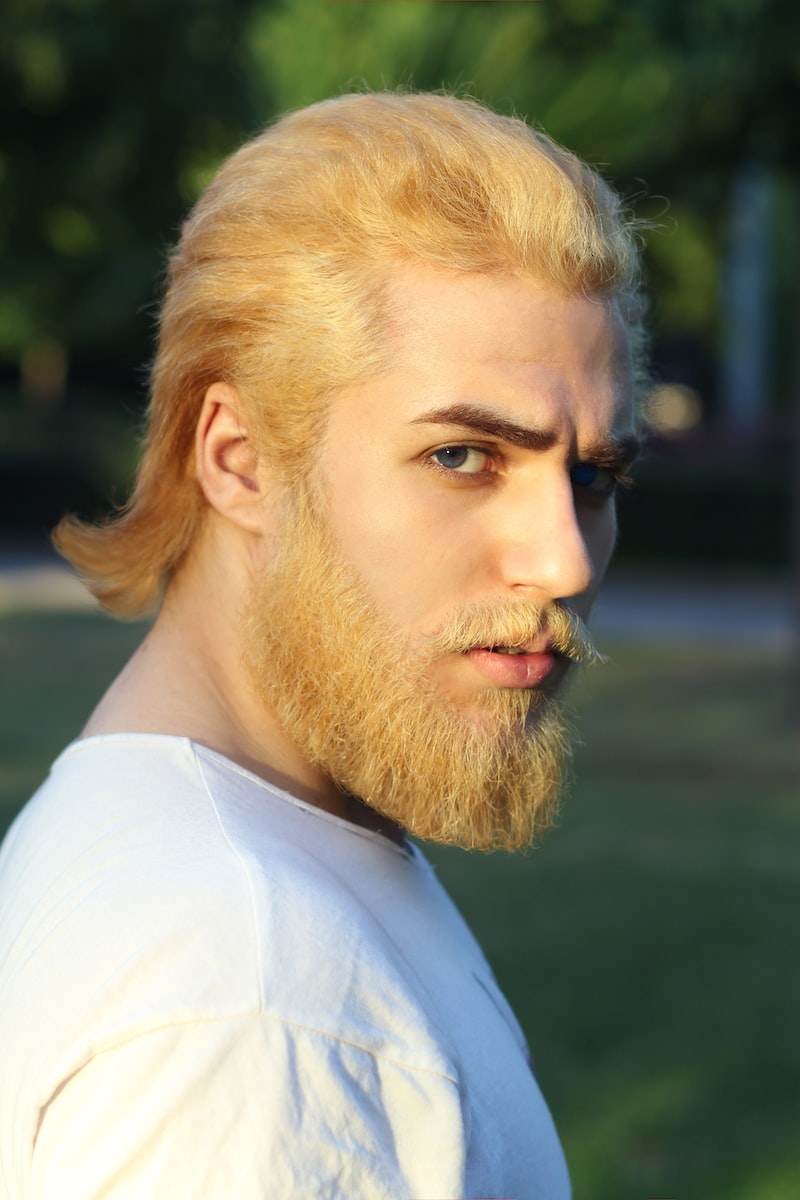
How to Get Beard Dye off Skin
How to get beard dye off skin? The first step to getting beard dye off of your skin is to gently wash the area with a mild cleanser. This will help to remove any excess dye that may be lingering on your skin. Once you’ve washed the area, it’s important to exfoliate your skin using gentle circular motions. This can help to lift and remove any excess dye that may be clinging to your skin.
Once you’ve exfoliated the area, it’s a good idea to apply a small amount of moisturizer, beard oil or lotion to help soothe and calm the skin. If you’re having trouble removing all of the dye from your skin, you can also try using a gentle facial scrub. This can help to lift up any stubborn stains and make your skin feel fresh and clean.
If you’re worried about staining your hands with dye, it’s a good idea to wear gloves while you’re applying the dye to your beard. You should also wash your hands immediately after applying the dye so that no excess pigment gets on your skin.
If you’re concerned about beard dye staining your skin, it’s a good idea to choose an all-natural dye that is easy to apply and remove. Natural dyes are gentler on the skin and can be washed off with just water and soap.

You have plenty of options at your disposal, and most of them can be easily found around your home.
-
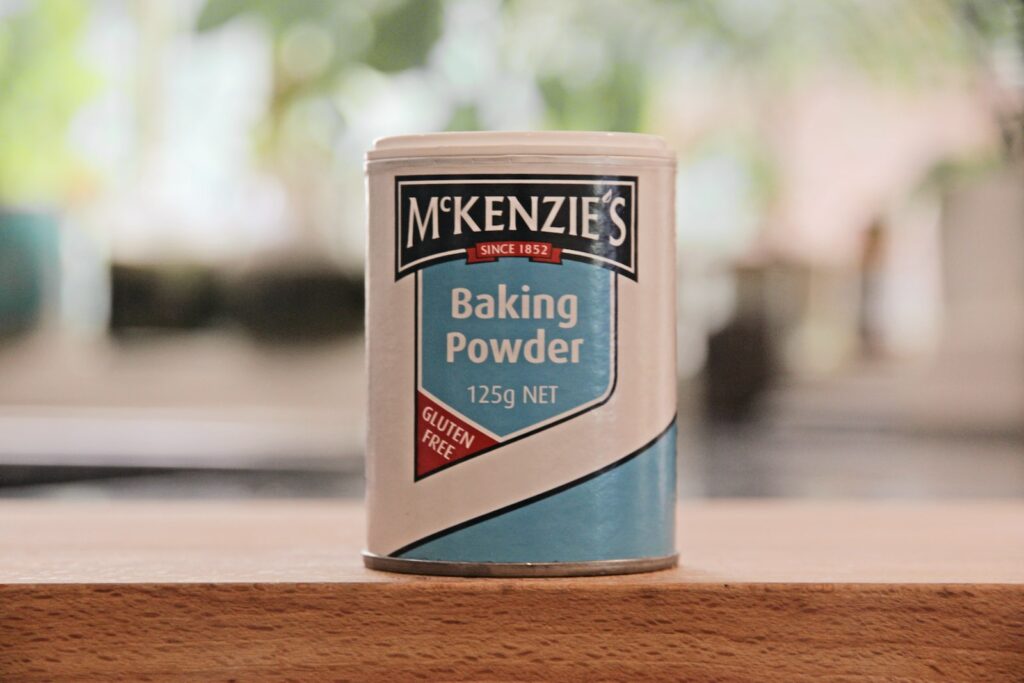
Remove hair dye stains with Baking soda. Combine this with your dish soap or nail polish remover to make a thick paste. Apply it over the stain and let it sit for a few minutes before washing away. It’s stronger than other soaps, so use caution when applying it to delicate areas like your face.
-
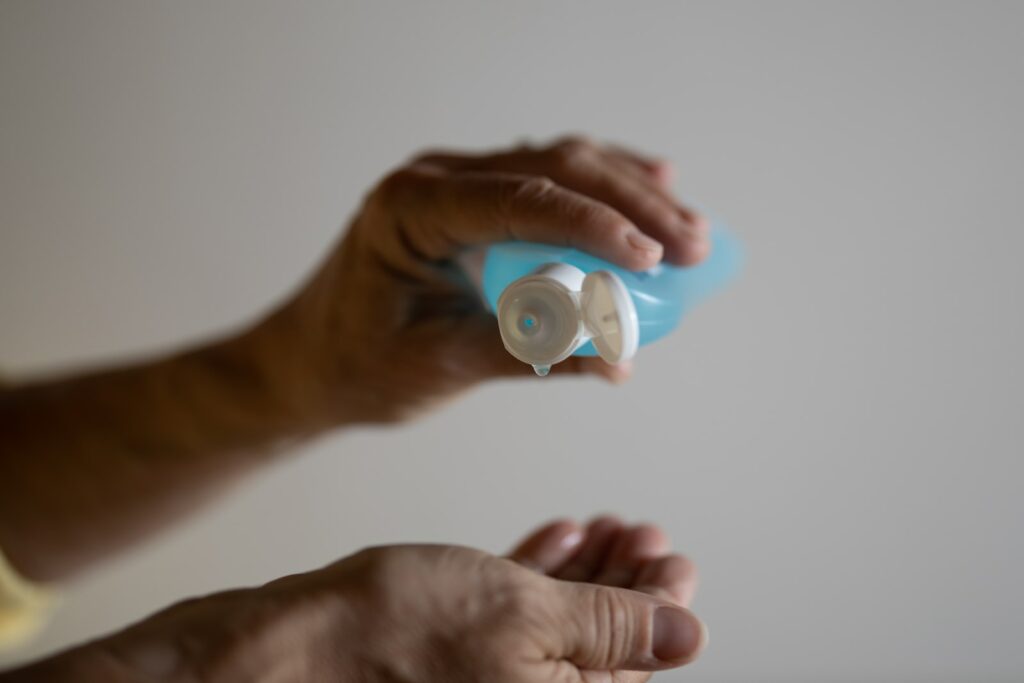
Rubbing alcohol. Isopropyl alcohol is a cleaning agent that does not have color. It works well to remove beard dye stain from skin and fabric, but can be tough on sensitive skin.
-
Regular soap. Worth a try, especially if the hair dye stain is fresh. There’s a chance it may work wonders.
-
Dishwashing soap is stronger than hand soap and can do the trick – though it might be drying, so make sure to moisturize afterward!
-
Toothpaste. Assuming you’re talking about vinegar, it is known to be effective in removing hair dye stains from various fabrics. However, did you know that it can also help remove stains on your skin?
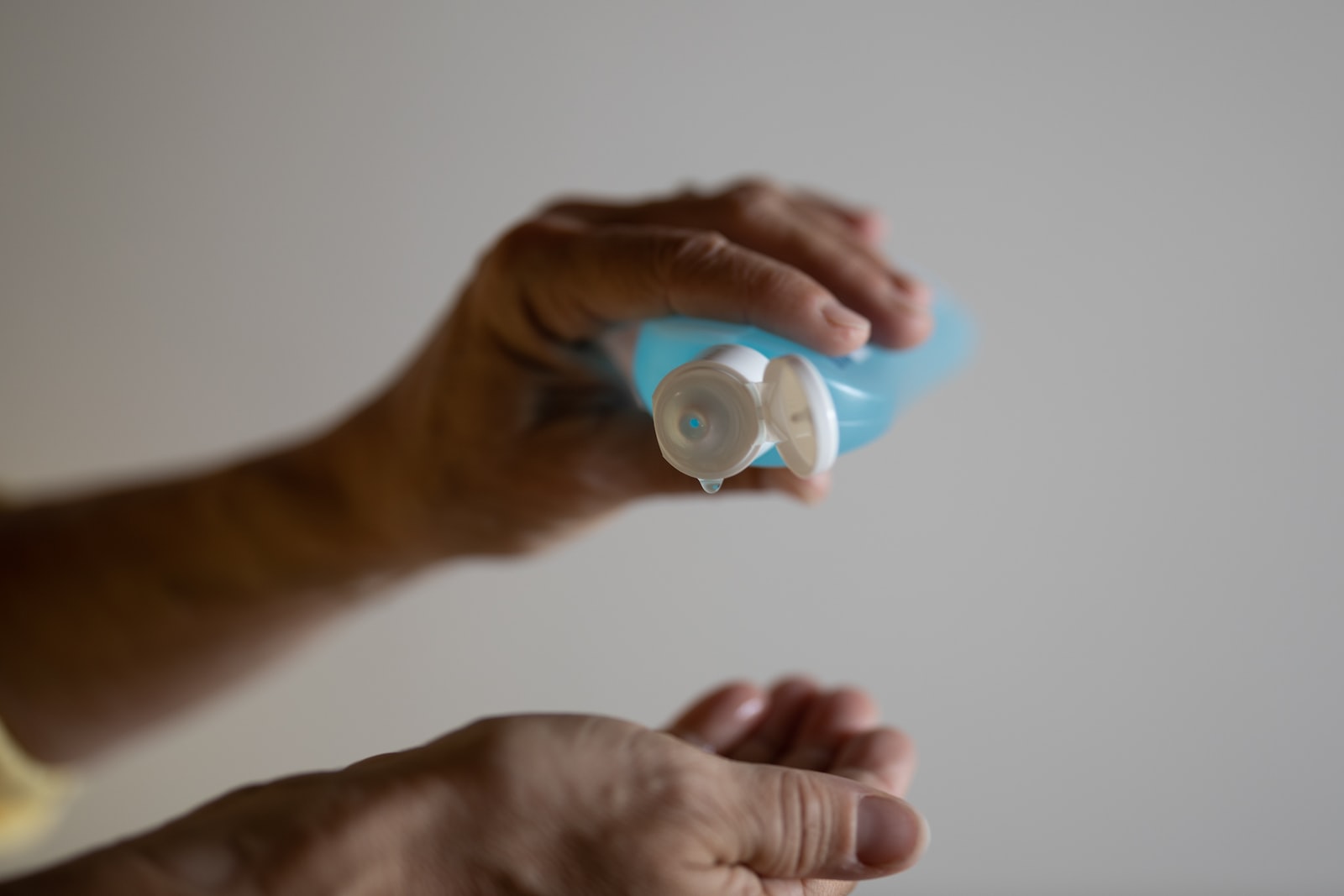
How To Dye Your Beard Without Staining Your Skin

To avoid staining your skin with hair dye or beard dye, wear a pair of gloves while applying the dye.
A heavier cream or petroleum jelly can work wonders. It’s able to “hold” the beard dye within the beard border, which creates less of a mess and minimizes staining outside of the desired area. Simply apply a line of products along your neckline and cheek before applying beard dye for optimal results.
When you’re using beard dye, it’s important to be prepared for staining. like I said before, the sooner you wipe it up with cotton ball, the easier it will be to remove.
How to Thin Out Arm Hair for Guys
Check out this complete guide for how to thin out arm hair for guys! More and more men are shaving not just their chest hair, but also their arms, and legs. While some men argue that shaving these parts is unnecessary “hyper grooming,” others complain of the itchiness that shaved armpit hair and ingrown hairs create. Those in favor of shaving often cite aesthetics or comfort as motivations. If you’re part of the latter group, there are a few dos and don’ts to follow when trimming your arm hair.
How to Thin Out Arm Hair for Guys

Before you trim your arms thick hair, make sure the skin, and hair follicles are clean and dry. To begin, cut the long arm hair with body grooming scissors. Then comb through it and lift it off the skin between your fingers before snipping it off. Cut sections of forearm hair in this way until all the hair is trimmed down as evenly as possible.
Choose the length for your trim or shave with your hair removal razor or trimmer. If you’re using the Philips Norelco Bodygroom, there are five settings to choose from—pick one that’s shorter than the length of hair you clipped with scissors earlier.
Always test the length on a small patch of skin before trimming all your hair. This will help you avoid any accidents and ensure that you get the desired look. Additionally, it is perfectly fine to trim arm hair short because it will grow back quickly if you don’t like the new length.
The body hair trimmer is ideal for arm hair if you are short on time. Trimmers are designed to cut only shorter strands of hair, so start by trimming the tips of the hairs, then gradually move down the length of your arm until you achieve the desired look.
The most efficient way to trim your hair is by using scissors in combination with a comb and body grooming trimmer.
Should Men Be Trimming Their Arm Hair?
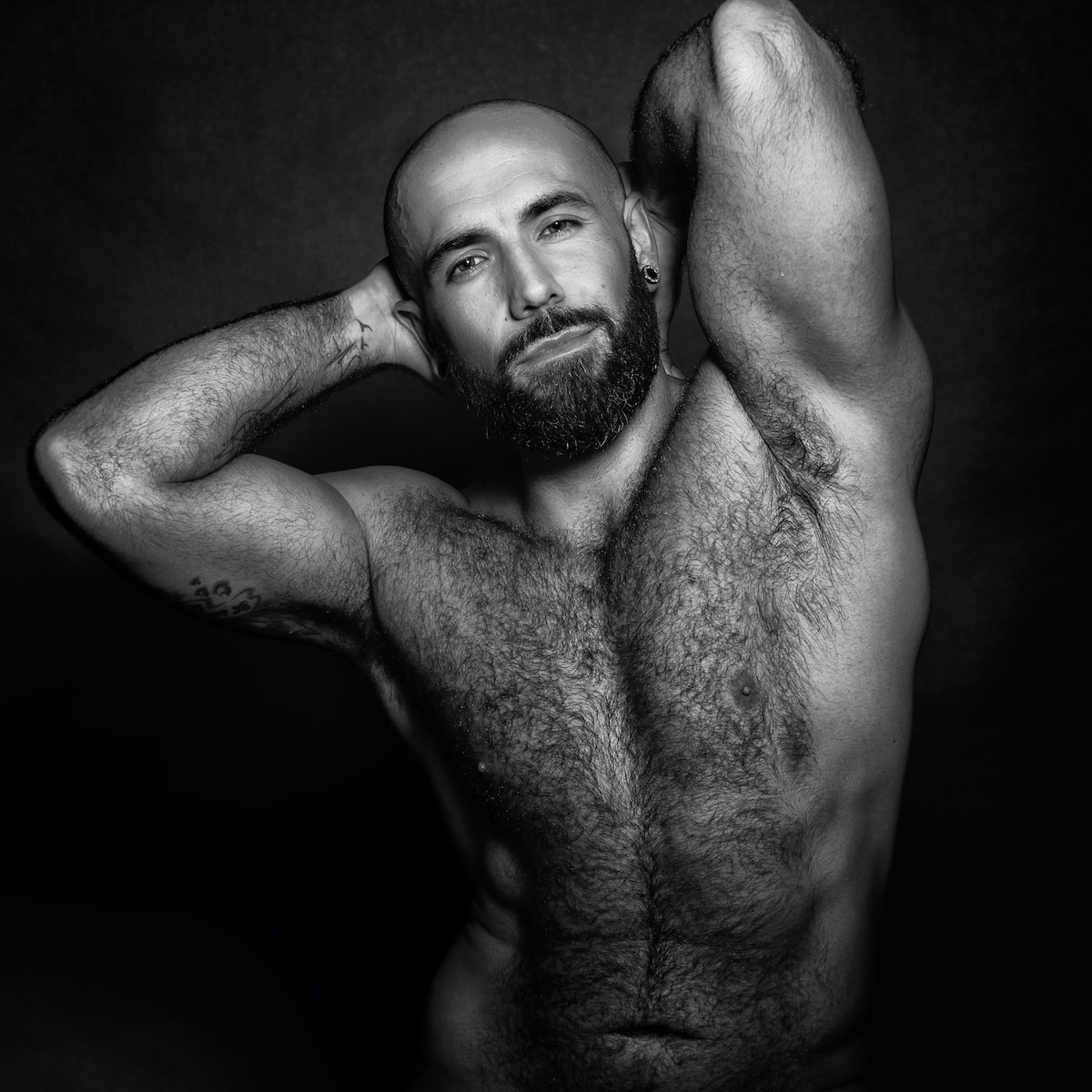
Though it is more popular now for men to trim their chest, back, abdomen, and pubic hairs than ever before, leg and arm hair still need some catching up. However, if you have coarse body hair that is thick and darkly contrasts your skin color, then trimming your arm hair may be the right thing to do.
Some men have more hair on their arms and legs than they do on their face or chest. Others might have the opposite problem. We are all different, and in the end, trimming arm hair is a personal choice.
If you’re not pleased with the appearance of your arm hair, consider shaving your leg hair as well to achieve uniformity. However, trimming both areas is not required.
Shaving your arm hair doesn’t make it grow back faster, as is commonly believed. Instead, it will return to its predetermined length based on genetics and growth rate. If you want smooth arms without any hair, regardless of the type of hair you have, then shaving might be the right choice for you.
[affiliatable id=‘269046’]
The Benefits of Shaving Arm Hair
Removing arm hair has tremendous benefits–you’ll be cooler because osmosis (the exchange of air and sweat in and out of the body) will flow more freely without body hair to hold onto moisture.
Shaving arm hair may not be the most pleasant process, but swimmers - amateur and professional - know that it’s beneficial. Why? Because hair provides resistance when swimming, and a shaved body means less drag and more speed in the water. This can make all the difference in a race where every second counts.
If you want to avoid body odor, even if you’re not a swimmer, it’s best to shave or trim your arm hair. Hair is absorbent and will trap sweat and odors until they’re rinsed away in the shower. So eliminating hair on your arms will minimize body odor overall.
Many men feel more comfortable with hairless or shorter arms, so they opt to shave their arm hair.
Final Thoughts on How to Thin Out Arm Hair for Guys
Whether you choose to trim, shave or laser hair removal, it is important to do so safely, properly and undergo to trusted hair removal procedure clinic. Before you begin, make sure your skin is clean and dry and always be sure to test the length of your trimmer or razor on a small patch of skin before shaving or trimming all over. With the right tools and technique, you’ll get a uniform hair length.
Salt and Pepper Beards
Salt and pepper beards are taking the world by storm, captivating both men and women alike. This facial hair style, characterized by a unique blend of salt and pepper coloring, has gained immense popularity in recent years. From Hollywood celebrities to your next-door neighbor, salt and pepper beards have become a symbol of refined elegance and style. Let’s delve into what makes these beards stand out and how you can rock this trend with confidence.
What are Salt and Pepper Beards?
 Salt and pepper beards are beards that are salt and pepper in color. This means that beard hair is made up of both black and white hair. Salt and pepper beards are becoming more and more popular, as they can look great on just about everyone. They can also help you stand out from the crowd, which is a great way to get attention. The facial hairstyle is also very versatile and can be tailored to fit your individual style. You can opt for a salt and pepper beard that is full or salt and pepper stubble length or even just goatee style with salt and pepper hairs.
The Salt and Pepper Beard Phenomenon
Salt and pepper beards are a captivating mix of black and white hairs, creating a distinguished and sophisticated appearance. This beard style has transcended generations, making it a timeless choice for men who want to add a touch of class to their appearance.
Embracing the Pepper Aesthetic
Pepper beards have a unique allure. The interplay of dark and light strands creates a visually striking contrast that draws attention to the face. This contrast not only adds depth but also accentuates your facial features. The pepper beard style stands as a testament to embracing the natural aging process, allowing for a graceful transition into the distinguished realm of gray.
Confidence and Attraction
Men with salt and pepper beards exude confidence and maturity. This style resonates with both men and women, as it symbolizes experience and wisdom. Women often find the salt and pepper look incredibly attractive, appreciating the sense of rugged charm it imparts. [affiliatable id=‘268783’]
The Benefits of Salt and Pepper Beards
There are many benefits to growing salt and pepper beards. The most obvious benefit is the fact that they look great on just about everyone. They can also help you stand out from the crowd, which is a great way to get noticed. Salt and pepper beards are also very versatile when it comes to styling, as they have both salt and pepper coloring that can be used to create interesting looks. Finally, salt and pepper beards are very low-maintenance, meaning they don’t require a lot of trimming or upkeep to look good.
How to Grow Salt and Pepper Beards
If you want to grow salt and pepper beards, you need to be patient and consistent. It can take some time for the salt and pepper coloring to become even, so you should try not to trim or shape your beard too often while you’re waiting. You also need to use good quality beard oil regularly in order to keep your salt and pepper beard healthy and looking its best. Finally, you need to use good quality beard wax to help style and shape your salt and pepper beard in order to get the perfect look.
Mastering Salt and Pepper Grooming
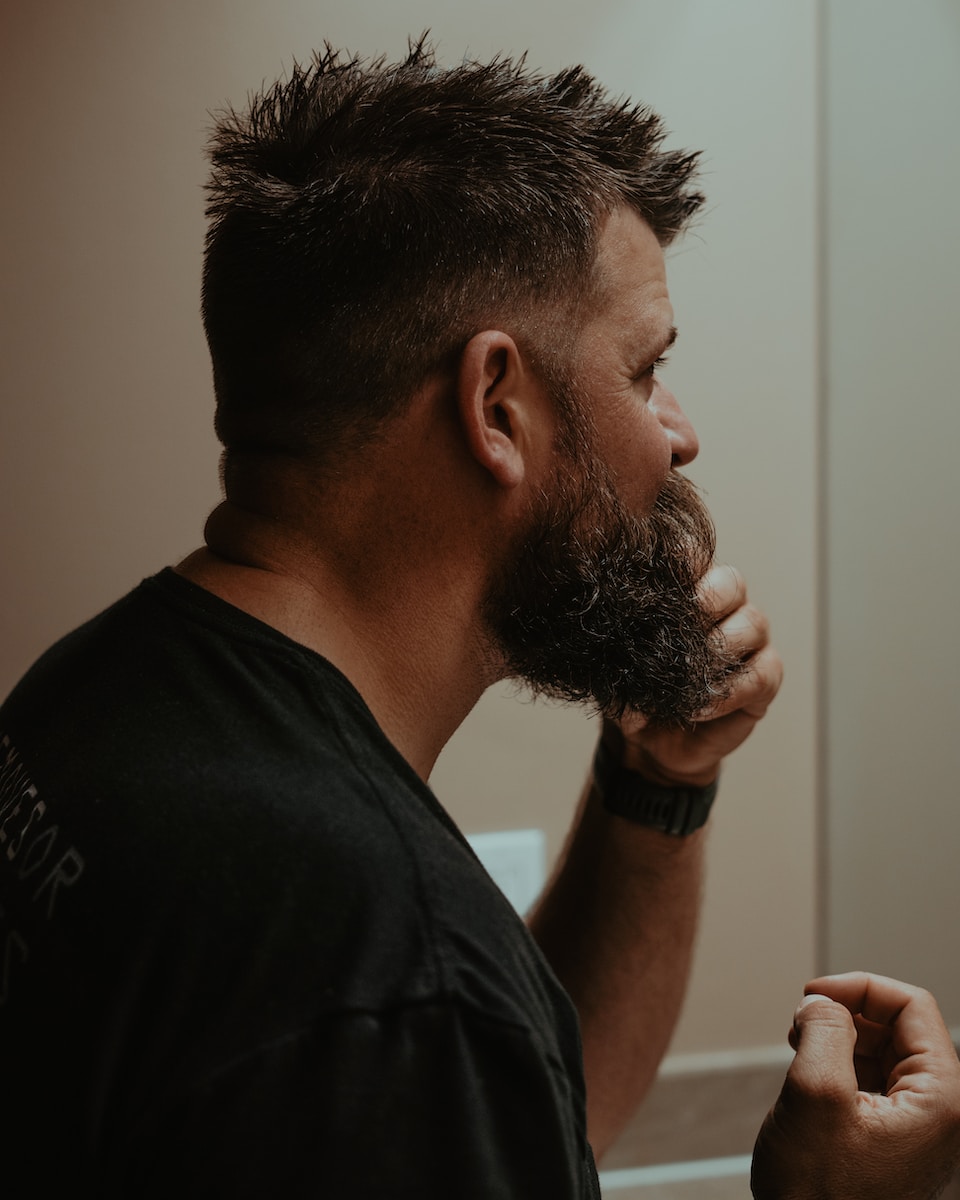 While the salt and pepper beard may exude an effortless appeal, proper grooming is essential to maintain its captivating appearance.
Grooming Techniques
Keeping your beard well-groomed is paramount. Regular trimming and shaping ensure that your beard remains tidy and polished. Invest in good quality beard oil to keep your facial hair nourished and manageable. For added style, consider experimenting with different beard styles such as the classic full beard, pepper goatee, or a suave French beard.
Color Dynamics and Maintenance
The salt and peppercolor dynamics require patience and consistency. Allow your beard to grow without excessive trimming, allowing the blend of colors to develop naturally. To maintain your salt and pepper beard’s allure, use high-quality beard wax to sculpt your chosen style.
Adding a Personal Touch: Dyeing and Styling
Exploring Beard Dyeing
If you’re looking to enhance or even out your salt and pepper beard, beard dye offers a creative solution. High-quality hair dye formulated for beards can help you achieve your desired shade while preserving a natural appearance. Before application, conduct a patch test to avoid any allergic reactions.
Artful Styling
With a variety of styles available, you can tailor your salt and pepper beard to suit your preferences. The classic salt and pepper look is universally appealing, while the salt and pepper undercut offers a modern twist. Those who prefer subtlety can opt for a salt and pepper goatee, maintaining a clean and refined look.
Different Salt and Pepper Beard Styles
 Once you’ve got salt and pepper hair, you can try out different styles to make sure it looks its best.
1. The classic salt and pepper look
This style is the most popular salt and pepper beard, as it has a balanced mix of salt and pepper coloring that looks great on just about everyone.
2. The salt and pepper undercut
This salt and pepper beard style involves having an undercut with salt and pepper hairs at the top, which gives your salt and pepper beard a unique and interesting look.
3. The salt and pepper goatee
This style is great for those who don’t want to have a full salt and pepper beard, but still want to rock the salt and pepper look. It involves having salt and pepper hairs on the chin only, which creates a neat and tidy goatee.
Salt and Pepper Beard Products
If you want to grow a salt and pepper beard, you need to use the right products. A good quality beard oil is essential, as it will keep your beard healthy and looking its best. You should also use good quality beard wax to help style and shape your salt and pepper beard in order to get the perfect look. Finally, consider investing in salt and pepper hair dye if you want to speed up the process of getting salt and pepper hair.
The Enduring Appeal of Salt and Pepper Beards
As the years go by, the allure of salt and pepper beards only grows stronger. This facial hair style offers a harmonious blend of confidence, maturity, and style. Whether you’re a seasoned gentleman embracing the gray or a young man looking to add sophistication to your appearance, the salt and pepper beard stands as a testament to timeless elegance.
Exploring the Fascination of Pepper Beards
The enchanting allure of pepper beards lies in their ability to capture attention effortlessly. As facial hair turns into an artistic canvas, the striking contrast between peppered shades creates an alluring play of light and shadow that defines your facial features. Whether you’re mingling at a social gathering or making a bold statement in a professional setting, your pepper beard will undoubtedly make a lasting impression.
Understanding Beard Hair and Its Complexity
 Beard hair is a unique and intricate aspect of men’s grooming. It differs in texture, length, and density from person to person. Your salt and pepper beard tells a story, reflecting the stages of your life. The transition from a youthful mane to a peppered masterpiece is a natural journey that resonates with the experiences that have shaped you.
The Appeal of Pepper Stubble and French Beards
Pepper Stubble: A Casual Charisma
For those who lean towards a more rugged yet refined appearance, pepper stubble is a fantastic choice. This effortlessly cool style exudes a sense of nonchalant charm, giving you a laid-back yet striking presence. The fusion of dark and light tones in your stubble creates an intriguing visual texture that effortlessly captivates onlookers.
French Beard: An Emblem of Sophistication
The French beard takes the concept of salt and pepper to an exquisite level. With meticulous grooming, the well-defined lines of a French beard showcase the artistry behind this style. The harmonious blend of colors emphasizes your facial contours, allowing you to command attention with every gesture.
Embracing Graying with Confidence
As you gracefully embrace the natural process of graying, your salt and pepper beard becomes more than just a fashion statement. It’s a declaration of self-assuredness, a celebration of life’s chapters, and an acceptance of the beauty that comes with age. Whether your pepper beard is a hint of gray or a myriad of silver, it speaks volumes about your character and experience.
The Enduring Appeal of Salt and Pepper Beards
As the years go by, the allure of salt and pepper beards only grows stronger. This facial hair style offers a harmonious blend of confidence, maturity, and style. Whether you’re a seasoned gentleman embracing the gray or a young man looking to add sophistication to your appearance, the salt and pepper beard stands as a testament to timeless elegance. Other suggested articles:
How to Train Your Hair to Slick Back Naturally
How to Dye a Mustache: Tips, Tricks, and Techniques
Are Beards Unprofessional?
Are beards unprofessional? A beard is not a good fit for a professional career. I know that makes a bold statement. I realize that many individuals would disagree with me and assert that their company has never had an issue with the beard or that they themselves have never had any brows raised for their or their buddy’s beard, which they such adore.
It’s an open secret that people with beards aren’t always the first choice for management positions in corporations. Even though this bias is slowly being replaced and more people are becoming accepting of beards and not consider are beards unprofessional, it’s still ingrained into our corporate culture to resist them because they’re associated with rebellion. If you’re wondering why anyone would have a problem with some hair on my face, here are six reasons:
Are Beards Unprofessional: Sign of Rebellion
Even though you might hear about companies who say they encourage creative and innovative thinking, as well as diversity in their workforce, this usually occurs in a simulated environment where things can’t get out of hand. They want disruption, but not to the point where it’s scary or unrecognizable. Consequently, somebody with facial hair subconsciously appears as though they couldn’t care less about others’ perceptions of them and also doesn’t hold those in positions of power in high regard. Most often, this is a quality that wouldn’t resonate well with corporations whose management style consists of micromanagement and being overbearing. Some workplaces operates under the philosophy of “if it ain’t broke, don’t fix it.” Therefore, thinking outside the box and being creative is not always valued. This type of environment can be stifling for someone with lots of great ideas. A man with a beard might be perceived as rebellious or nonconformist, which may not necessarily work in his favor in certain corporate cultures.
Are Beards Unprofessional: Look Unhygienic and untidy
With a beard comes great responsibility. “With great beards come great responsibilities of keeping them.” We know that a neglected beard might be an embarrassment in terms of personal hygiene and appearance. You see hobo men and individuals living in the woods with long, filthy, unclean beards all the time.
That has a negative connotation associated with it. A person wearing a beard is generally considered to have poor personal hygiene. Because beards can grow in odd directions, trimming and contouring are required. There’s also the chance of food crumbs and drink droplets being trapped in the beard, making it seem extremely unattractive. That impression of the Beard makes it difficult for individuals to integrate into social situations, therefore corporate culture is hostile towards them.
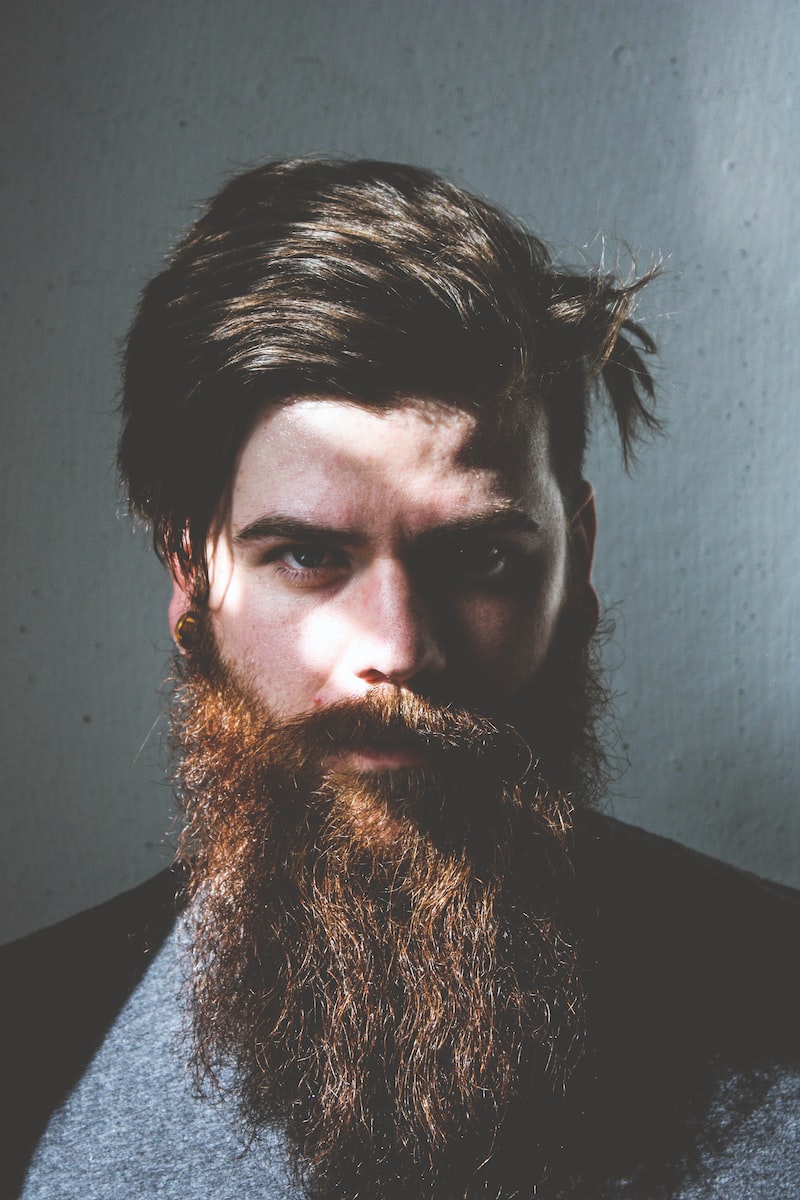
Are Beards Unprofessional: Mark of Laziness
If you’re lazy and don’t feel like shaving, growing a beard gives off that vibe. People perceive those with beards as being too lackadaisical to bother with such an act even though it takes little effort. Hence, many people deemed beards considered unprofessional as they think beard well groomed should be paramount at the workplace.
All you need is some facial hair and voila!-you look like you couldn’t be bothered to shave that day or week or month. We’ll have to raise people’s consciousness of the fact that, while we are not negligent in maintaining our external appearance, it is a personal choice and requires more work than simply taking a blade and cleaning it clean. It’s no fun, I assure you.
Are Beards Unprofessional: Look Intimidating
Bearded men have long been linked to the expression of a man’s secondary sexual feature. It is a sign of power and self-assurance. I’m not going to go into sociological, psychological, or evolutionary explanations for beards and their significance here, but beards are associated with amplifying emotions such as anger in people. Beards are often associated with short tempers and competitiveness, which is the last thing you want in a workplace that promotes tolerance, emotional intelligence, and dialogue. You don’t want a hot-headed ego maniac walking around the office disrupting the atmosphere of fun and collaboration.
[affiliatable id=‘269287’]
Are Beards Unprofessional: Low trust
Have you ever pondered why sales people are urged to be professional looking beard? A clean-shaven face is associated with a lot of trust. People may identify you quickly, and you appear nonthreatening and pleasant. The most important quality for a successful salesperson is that he or she should be instantly liked and trusted. Facial hair creates a significant psychological barrier between the client and the person approaching him or her.
If you have a beard, it might take some time to build trust with your interlocutor. You must persuade him on several issues before getting down to business. First and foremost, you are not going to kill him. Second, you are not a vagrant. Third, you are not going to swindle him by hiding your real face behind this layer of facial hair.
Finally, it is crucial that you are cordial and not arrogant, overbearing, or vain. Unfortunately, in many professional circumstances beards are frowned upon—such as in finance businesses, law offices, etc. The issue likely stems from the fact that humans have an innate desire to feel secure. steps can we take to mitigate this problem?
Are Beards Unprofessional: Religious Association
When we are in professional environments or the corporate world, it is usually a good idea to keep our personal beliefs separate from the workplace. It allows for conflict, fundamentalism, and a lot of emotional bias from apologetics. Before putting forward your views on religion, belief, or politics at work, you should always be sure that the other person can handle them. To avoid confrontation while entering the office, you should keep these topics of extremely delicate nature out of sight. Beards don’t let you do it. It may be a way to achieve a halo effect based on faith and ideology since many religions exhort their followers to keep beards. We, as a progressing civilization, need to learn to accept religious imagery, such as beards in our workplaces.
You might also wan to check out Can You Use Beard Oil on Hair?
Final Thoughts On Are Beards Unprofessional
Beards especially with hair dye have the potential to make a person appear lazy, intimidating, and untrustworthy in a professional setting. However, it is important to remember that these are just perceptions and should not be taken as fact. The decision to wear a beard or not is ultimately personal and should not be judged in the workplace. It is also essential to separate personal beliefs from the professional sphere in order to maintain a harmonious work environment. There are also attributes of a professional beard like always trimming it using beard trimmer. You can embrace beards as it is or you keep your beards professional, either way, it will look good on you.
Long Hair Accessories for Men
Long hair accessories for men can be a great way to express yourself. From long hair combs to hair clips and hair ties, you can wear your long locks in whatever style suits you best!
Whether you’re looking for something completely new or are just after some inspiration, we’ve put together this guide of the best accessories out there for men hair.
Long Hair Accessories for Men
The Classic Scrunchie
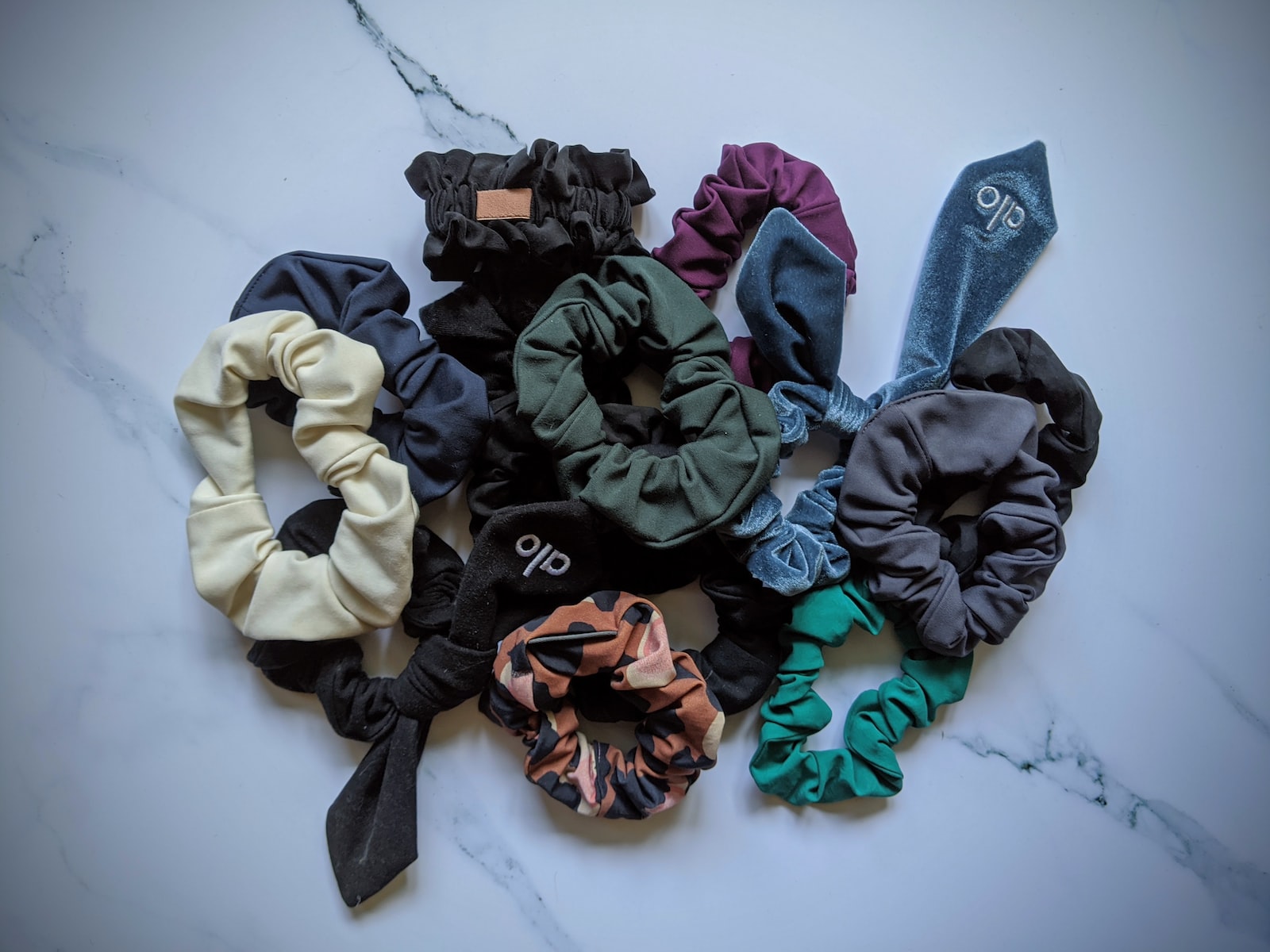
Guys, admit it: you probably had no idea that scrunchies were more of a teen girl thing until Jason Momoa wore one to the Oscars in 2019.
Fancy Barette
The barrette—generally meaning a hair clip or clasp— has caught the attention of many fashion designers as of late. The result is an impressive array of both fanciful and practical hair clips (and subsequent fast-fashion knock-offs) . I think it’s particularly interesting when a jewelry designer like Sophie Buhai enters the fray.
Wave Band
I’ve always found that David Beckham looks best with shoulder-length hair that is dip-dyed in bleach and styled back into a wave. Even though he wears his hair much shorter now, I think the longer style is due for a comeback.
Hair Ties
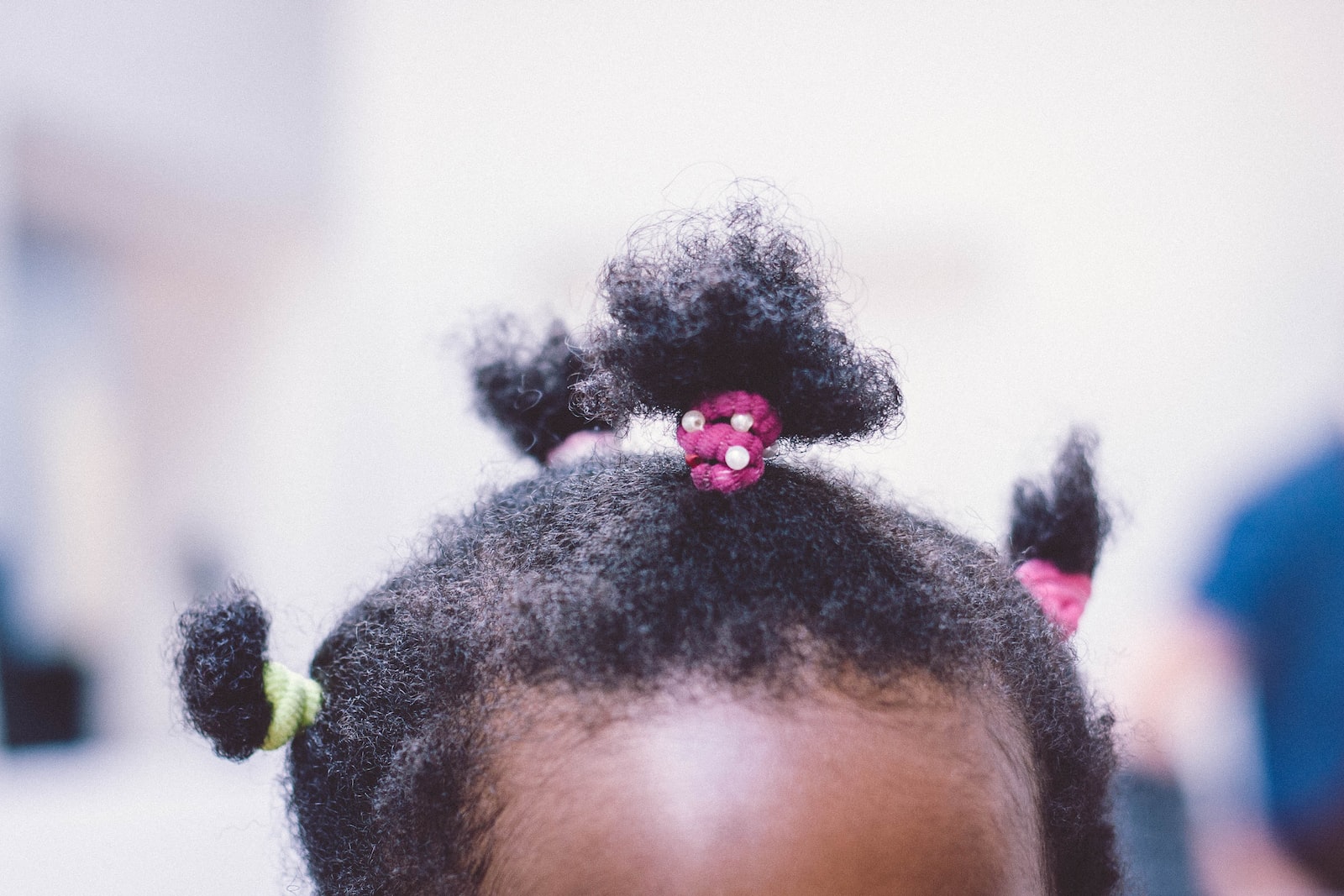
Hair ties are pesky little things that always find their way into the oddest places. It’s highly likely that there is a hair tie in the room with you as you’re reading this. They’re super easy to use: Just find one, then put it around a section of your hair and tighten by making a figure-8 until it’s tight enough for a ponytail.
Particularly Fancy Hair Tie
For six years of my life, I worked at Anthropologie. Most of my shifts were spent trying to locate missing hair ties from broken sets. It was there that I learned how great Emi Jay elastics are. These elastics come in many colors, but I prefer the more muted and autumnal shades.
A Silk Scarf
If you want to keep your hair out of your face while still protecting its delicate texture, try folding a silk scarf into a triangle. Place the hypotenuse against your forehead and tie the opposite corners together at the nape of your neck. (Unless you’re dressing up as David Foster Wallace for Halloween, don’t be tempted by a cotton bandana! They’ll suck the moisture out of your hair.) Hermès is obviously the big classic, but vintage Moschino is easier to find on relative cheap.
Chip Clip
Why not buy a hair clip that is specifically made to oink? There is little difference in design between these types of clips and the ones meant to keep potato chip bags shut. You should be able to find one labeled QuikSave or something similar.
[affiliatable id=‘269305’]
Hair Products
Wearing hair accessories can be difficult, but those who master them are considered better hair style.
The right hair product can make your life much easier and keep you from looking disheveled. There are plenty of options available, so do some research to find the best one for you! A product that’s worth mentioning, especially for people with curly or coarse hair, is leave in conditioner. It can be found in almost every store in America, and the styling suite they launched last year—which includes an argan oil-infused curl spray and braid cream—works to hydrate hair so it becomes more manageable. I have found that the more moisture you give your hair, the more likely it is to look good without any effort on your part.
Final Thoughts on Long Hair Accessories for Men
With so many amazing hair accessories available, guys with long hair will always look their best. Whether you opt to use a barrette or pick up a fancy scrunchie at a music festival, the options are endless for those who want to make their respective hairstyle stand out!
You May Also Like…
Mens Thanksgiving Outfits: 10 Inspiring Ideas for You
How to Train Your Hair to Slick Back Naturally
Can I Use Hair Dye on My Beard?
How to Brush a Beard
Do you have a beard? If so, you know that it needs to be brushed on a regular basis if you want it to look its best. In this blog post, we will teach you how to brush a beard properly. It is important to use the right techniques, or you could damage your beard hair!

How to Brush a Beard?
-
Start by wetting your beard with warm water. This will make it easier to brush and help prevent the breakage of the hair.
-
Use a quality beard brush or comb that is designed specifically for beards. Brushing with a generic hairbrush can cause damage and split ends, so it’s best to invest in a beard brush or comb that is made specifically for beards.
-
Begin by beard brushing from the bottom up, starting against your skin and working your way up towards your chin. Use gentle strokes to avoid tugging on the hair. If you encounter any knots or tangles, gently use your fingers to work them out rather than pulling at the hair with the brush.
-
Once you’ve brushed from the bottom up, move on to brushing your beard sideways, starting at one ear and working your way over to the other side. Use light strokes as you slowly work your way through the entire length of your beard.
-
When you are done combing or brushing your beard, finish by running beard combs or brush through it one last time. This will help evenly distribute the oils in your beard, which will keep it soft and healthy-looking.
-
To maximize the health of your beard and keep it looking great, use a beard oil, natural oils or conditioning beard balm on a daily basis. These products can help keep your beard moisturized, healthy, and soft.
Whether you’re sporting shorter beard hairs or have let your facial hair run wild and free, knowing how to brush a beard properly is essential if you want it to look great. By following these simple steps on how to brush a beard, you can maintain a healthy, well-groomed beard that looks great.
[affiliatable id=‘269037’]
Is Brushing Good for Your Beard?
There is no one-size-fits-all answer to this question, as there are pros and cons to brushing your beard. On the one hand, regular brushing can help remove dirt and dead skin cells from your patchy beard, which can improve its overall health and appearance. However, it’s important to use gentle strokes when brushing so that you don’t tug on the hair and cause breakage. Additionally, using a beard brush or comb that is designed specifically for beards can minimize damage to the hair follicles and help keep your beard looking healthy. Ultimately, whether or not you decide to brush your beard depends on your personal preference and how much time you want to spend on grooming. But with the right tools and techniques, regular brushing can do wonders for your beard!
What Direction Should I Comb My Beard?
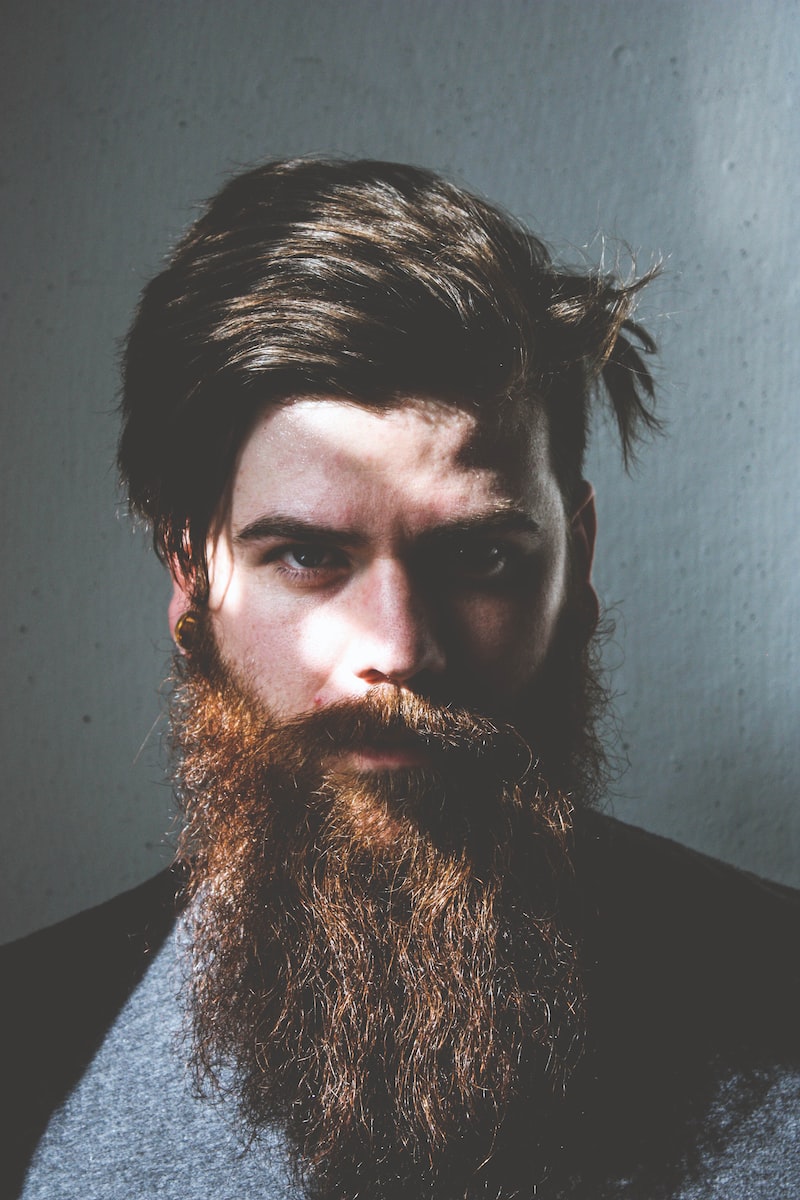
If you want to give your beard some added fullness, start by combing it from under your chin upwards with the tines facing up. This will help to separate out the individual hairs and add volume near the bottom of your beard.
To give your mustache a professional look, you should first comb the hairs down, then slightly back to imitate their natural growth direction. If you want a neater appearance, use wax to help keep it in place by combing it to the side. For shorter styles of mustaches, no extra combing is necessary
If you’re wondering whether you should comb your beard upwards or downwards, use this rule of thumb: always go upwards below the chin and then downwards above the chin.
How to Brush a Beard? Should You Comb Your Beard Wet or Dry?

While you can technically comb your beard when it’s wet, experts say that it’s much better to do so when it’s dry or after applying some oil. When hair is wet, it’s more susceptible to breakage as you try to clear knots and tangles.
It’s best not to use a fine-toothed beard comb on a wet beard as it creates tension that can damage the hair. Rather, wait until your facial hair is dry or oiled before combing it out.
https://www.therefined.co/long-hair-accessories-for-men
https://www.therefined.co/is-bulova-a-luxury-brand/
https://www.therefined.co/how-to-loosen-tight-shoes-at-home/
https://www.therefined.co/what-is-the-average-hat-size-for-a-man/
Can You Use Clippers on Wet Hair?
Hair clippers are the perfect tool for men who want to maintain their own hairstyle, but don’t like fussing with scissors. Hair combs come included in most models, so you can quickly neaten up your locks without any extra work! Can you use clippers on wet hair?
What are hair clippers and what do they do?
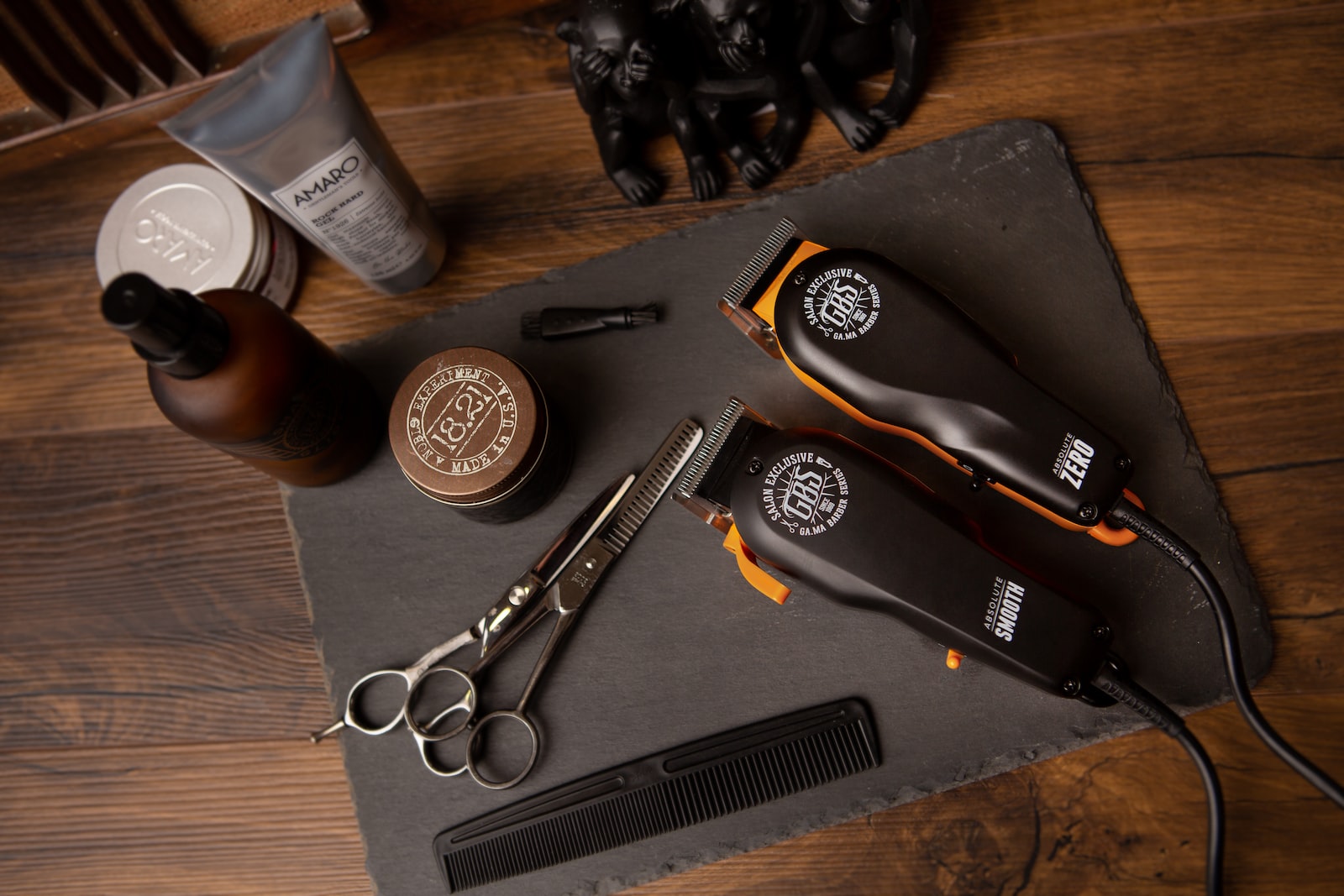
A hair clipper is a tool used to cut hair. It is made up of a number of blades that quickly cut the hair, making it a convenient way to get a close haircut at home. Hair clippers come in a variety of sizes and types, allowing you to create the exact style you want.
How to use hair clippers on dry hair?
When using hair clippers on dry hair, it’s important to make sure that the length is set correctly and that all areas are covered evenly. Start by combing the hair and clipping it in sections. Using a lower setting, start at the back of the head and move around to trim off any stray hairs. Make sure to go over each area several times before changing the settings for different lengths.
Different types of hair clippers
There are several types of hair clippers available, including corded and cordless models. Corded clippers require a direct power source in order to operate and are usually more powerful than their cordless counterparts. Cordless models offer convenience since they don’t need to be plugged in, but may not have as much power.
Can You Use Clippers on Wet Hair?
Using clippers on wet hair can be risky, as it increases the chances of the blades becoming dull and rusty. If you decide to use a clipper on wet hair, make sure to use a lower setting and go over each area slowly and carefully. It is also important to
Can you use clippers on wet hair?
Electric hair clippers should generally not be used on wet hair. Wet hair is much more likely to get stuck in the blades and cause damage or even break them. It’s also important to note that wet hair can diminish the power of clippers and make it difficult to achieve the desired look. Dripping wet hair should also be combed and dried before using a clipper. If you use hair clippers on damp hair, make sure to use a lower setting and go over each area slowly and carefully.
For best results, it is recommended that you wait until your hair is completely dry before using clippers. This will allow the blades to cut through your hair more easily and give you a better result. It also helps reduce the risk of damage or breakage to the blades.
[affiliatable id=‘268782’]
Tips for using hair clippers
• Start with a low setting and slowly increase the setting as you go.
• Make sure to use clippers on clean, dry hair.
• It’s important to comb the hair before using clippers, so there are no tangles or knots that could get caught in the blades. For your desired length, start at the bottom and work your way up.
• Run the clippers in the opposite direction of hair growth to get a close cut.
• After each use, make sure to wipe down the blades with an alcohol-based solution to keep them clean and disinfected.
• If you’re going to use clippers on your facial hair, consider getting a beard trimmer, which is designed specifically for the delicate skin of your face.
If you’re cutting hair at home, make sure to have a pair of clippers on hand. With the right technique and care, you can use these handy tools to achieve a professional-looking style!
Common mistakes when using hair clippers
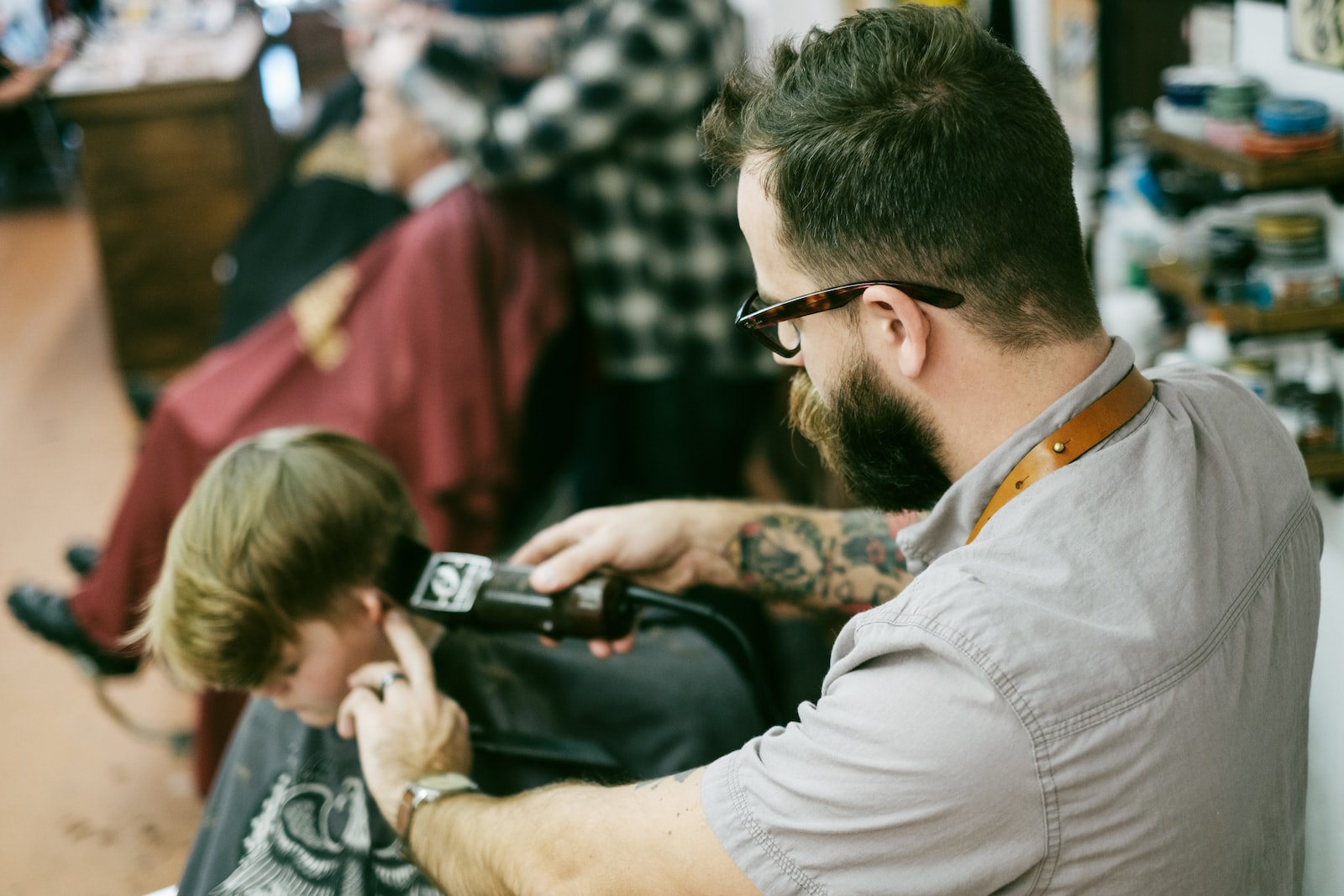
There are a few common mistakes that people make when using clippers:
• Not changing the blades often enough – The blades on clippers should be changed every few months to prevent them from becoming dull and ineffective.
• Overusing too high a setting – Starting at a low setting will help you avoid taking off too much hair or cutting unevenly.
• Not cleaning the blades after each use – Wiping down the blades with an alcohol-based solution helps to keep them clean and prevents bacteria from forming.
• Not allowing the clippers to cool down – Hair clippers can get very hot during use, so it’s important to let them cool off between uses.
• Not using the correct comb attachment – If you’re trying to achieve a particular hairstyle, make sure to use the right comb attachment for the best results.
Most hair clippers come with instructions and tips on how to use them safely and effectively. By following these guidelines and taking the time to practice, you can achieve a professional-looking hairstyle in no time! Just remember to always use clippers on dry hair for the best results.
Why you should use a comb with your clipper blades?
Using a comb in combination with clipper blades is an essential part of achieving the desired hairstyle. Combs help to evenly distribute the hairs and prevent clumping or any other unwanted sections from forming. Additionally, combs help to detangle hair before it is cut, reducing the risk of tangles or knots that could get caught in the blades. When using a comb, make sure to go in the direction of hair growth and always start at the nape of the neck for even results.
How to prevent clipper blades from rusting?
If your clipper blades have begun to rust, it’s important to act quickly. Rust can cause damage to the blades and make them less effective. To prevent further damage, use a cloth or brush dipped in rubbing alcohol to wipe away any rust on the blades. Then, lubricate with clipper oil and store in a dry place to prevent rust from returning. Additionally, it’s important to disinfect blades after each use and replace them every few months for optimal results.
Final thoughts: Can you use clippers on wet hair?
Using hair clippers is a great way to maintain your hairstyle at home. However, you should always avoid using them on wet hair as it can damage the blades and make it difficult to achieve the desired look. It’s important to choose the right type of clipper for your hair type, set the length correctly, and follow the instructions for proper use and cleaning. With a bit of practice and care, you can easily achieve salon-quality results at home!
Other suggested articles:
Can You Use Beard Oil on Hair?
Does Cologne Go Bad?
You’ve finally decided to buy that cologne you’ve been wanting. But before you hand over your hard-earned cash, you want to know: does cologne go bad? If so, how long will my new cologne last? Read on for the good and bad news.
Does Cologne Go Bad?
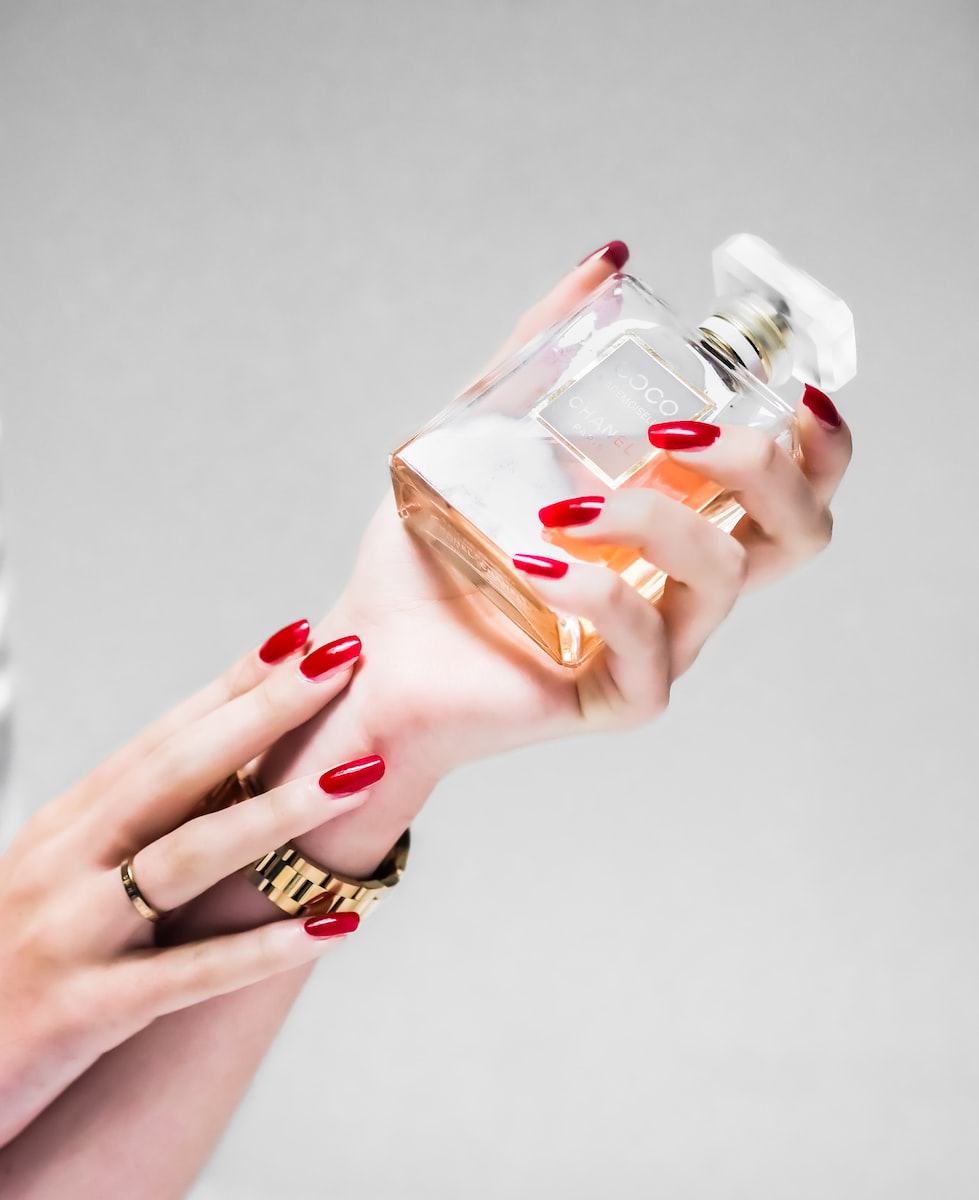
Although colognes don’t have an expiration date, they generally start to go bad after about two years as they are made with essential oils. However, how long they last depends on the scent’s chemical composition even though they are classified high quality perfumes. You’ll probably notice a difference in the scent. Also, perfumes that contain vegetable oils are more likely to expire quickly.
Over time, every cologne will change in smell, though it may not be accurate to say that the cologne has gone bad. In some cases, a small amount of aging can actually improve the scent by adding complexity and integrating the aromatics.
Good news for cologne users: these products are made to last for years. So, as long as you’re regularly rotating through new ones, you’ll never have to worry about any of your favorites going bad.
Does Cologne Go Bad In Heat?
It’s more difficult to keep your cologne in pristine condition during the summer as opposed to cold weather storage. The alcohol foundation of cologne has a lower evaporation point than water, so it is vulnerable to deteriorating if kept in excessively hot places.
We recommend you store cologne in the spring and summer like this: Never let your cologne bottle sit in direct sunlight, as this will ruin it. The ideal temperature for storing cologne is inside your house where it won’t be exposed to extreme temperatures that could break down the scent molecules. It’s best to keep it concealed in a box or closet so that dust and heat don’t prematurely age it. Additionally, never store your cologne in your car or bag during summer months as excessive heat will damage it.
Does Cologne Go Bad In Cold Weather?
Though you might not expect it, the colder winter months are actually perfect for storing cologne.
Most people don’t know this, but liquid cologne usually has an alcohol base and is mixed with delicate aromatic oils. Because of this, cooler temperatures will make it last longer. You don’t need to keep your cologne in the fridge, but at or below room temperature is best, which cold weather naturally helps with.
Does Expired Perfume Smell Different?
Perfumes and colognes typically have a lifespan of three to five years. After that, the fragrance will go bad. You’ll be able to tell an expired perfume by its smell–it will be dull and flat in comparison to a freshly-bottled scent.
If you have ever experienced this, where you smell a fragrance that is newly bottled and then purchases a bottle of the same scent near its expiration date, You will probably notice that they smell quite similar at first. However, the expired fragrance won’t last as long and smells watered-down.
To discover if your cologne or perfume has expired, check the expiration date on the bottle or packaging. If you can’t find that information, look for the batch number and enter it into CheckFresh, a website dedicated to checking the freshness of personal care products.
Does Cologne Go Bad Once Opened?
If you store your perfume or cologne in a cool, dark place and it is not expired, it will last just as long as a sealed bottle. For most fragrances, this means you can use them for approximately 3 years without any obvious decrease in their quality or longevity.
To keep your bottle in the best condition possible, avoid heat and direct sunlight. Otherwise, you’ll notice a reduction in performance after just one year.
[affiliatable id=‘269713’]
How Long Does Perfume Last In A Sealed Bottle?
There are two main factors that affect how long a fragrance will last:
- The type of fragrance can affect its shelf life; for example, citrus and aquatic colognes and perfumes don’t last as long as woody or oriental scents.
- The way you store your perfume bottle affects its lifespan. If you put a sealed perfume bottle in direct sunlight or expose it to heat for too long, the quality of the fragrance will diminish faster than if you keep it at room temperature in a dark place.
If you don’t store your perfume bottle in a cool and dark place, the perfume expire for about one year.
What Do You Do With Expired Cologne?
If you come across an old bottle of cologne while cleaning out the garage, is it safe to wear perfume that is beyond the date?
If you’re like most people, you probably have perfume bottles that are expired. You may be wondering if it’s still okay to wear them. The short answer is: yes, you can still wear expired cologne, but it won’t smell as good as when it was first bottled. There is an unpleasant smell you hadn’t noticed before.
Additionally, expired cologne may not have the same staying power or performance as a freshly-bottled scent. For example, the sharp citrus aromatic notes in an Armani pour homme cologne may not be as prominent if the cologne has expired.
It’s also worth mentioning that Giorgio Armani’s eau pour homme is an excellent example of a high-quality cologne that exemplifies a spontaneous and grand refreshment. The revealing eau pour homme is a perfect choice for those looking for a sharp citrus aromatic scent that lasts for years if stored properly.
Other suggested articles:
Eau de Toilette vs Eau de Parfum
A Guide to Achieving the Ideal Refined Lifestyle
Perfume Versus Cologne: What’s the Difference?
Let’s look at the differences between perfume versus cologne.
Perfume Versus Cologne
Perfume is typically a more concentrated fragrance than cologne, and it is meant to be worn directly on the skin. This means that perfumes often have stronger, more distinct notes than colognes. Additionally, perfumes tend to last longer on the skin than cologne, which is due in part to their higher concentration of fragrance oils.
Cologne, on the other hand, is often lighter and more subtle in terms of fragrance. It is typically applied to clothing rather than directly on the skin, which means that it does not last as long as perfume does. Additionally, colognes are usually less expensive than perfumes due to the fact that they contain a smaller concentration of fragrance oils.
So which one is right for you? Ultimately, the choice between perfume and cologne depends on your personal preferences and what kind of fragrance you are looking for. Some people prefer the stronger, more distinct notes of a perfume, while others prefer to wear a lighter, subtler scent that doesn’t last as long. Either way, there is sure to be a fragrance that suits your needs and tastes.

What Is Perfume Essence?
The perfume essence consists of a combination of essential oils (such as cedarwood and sandalwood), absolutes (jasmine or rose are good examples), animal extracts (one of the most common being musk) ,and synthetic fragrances (man-made chemical creations). Different combinations of these ingredients give us different notes of a fragrance.
A fragrance is made up of three different types of notes: top, middle, and base. Top notes are usually the lightest and evaporate quickly, so you’ll smell them first when you apply the scent.
After the top notes of a fragrance fade away, the middle or heart notes become more prominent, and then the base notes are the final scent that lingers the longest. The science and art behind any fragrance is getting the mix of these notes blended correctly. This is what gives a special and unique experience to the user.
How Are Essential Oils Used in Each Fragrance Type?
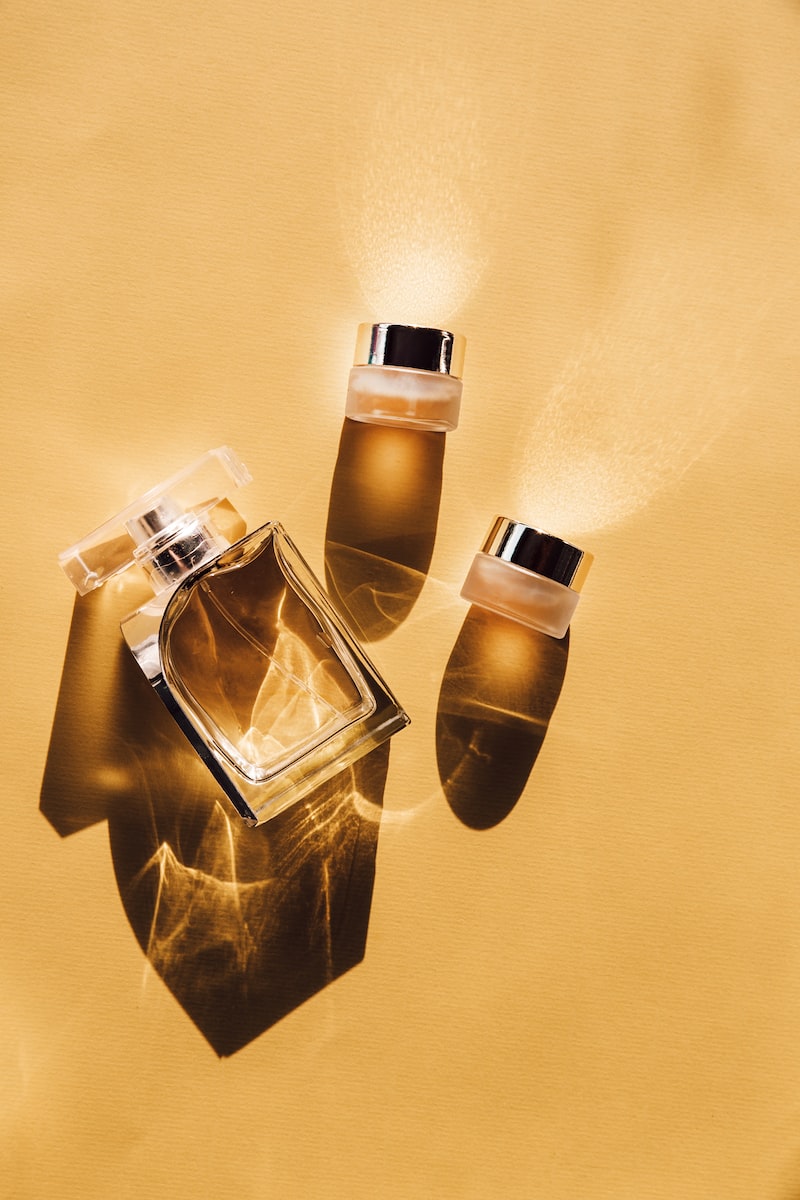
Essential oils are very potent, as are other possible fragrance ingredients. In its concentrated form, an essential oil’s scent may be regarded as unpleasant until it is diluted and mixed correctly.
The ratio of water and alcohol to oil is what determines the type of fragrance. Essential oils and other elements must be diluted, mixed, and blended with water and alcohol. The concentration level of perfume ingredients in this mixture distinguishes one scent from another.
Eau de Parfum
Eau De Parfum, “Perfume Water” in French, has the second-highest concentration and usually contains 15-20% perfume essence. This kind of perfume typically lasts 5 to 6 hours. It is good for sensitive skin types even though it includes more alcohol than other types of fragrance. Eau De Parfum is suitable for everyday use and is the most common type of fragrance.
Eau de Toilette
On the Fragrance Wheel, the next step up from Eau Fraiche is Eau De Toilette, which contains 5-15% of perfume essence. This type of fragrance is very common for men’s colognes and probably what you actually mean when you say “cologne.”
Perfume
Extrait de parfum, or pure perfume, is the most potent mixture of perfume and can last up to 6-8 hours. It usually contains 15-40% perfume essence but sometimes as little as 15%.
Cologne
Eau de colognes have a lower concentration of perfume essence, generally only 2-4%. They are also cheaper than other types of perfume and come in bigger bottles since more liquid is needed due to the shorter fragrance lifespan, which only lasts up to 2-3 hours. Perfume typically lasts 3 times longer.
How Should I Use Each Concentration?
Eau de Parfums (which are sometimes sold in stoppered bottles, like a true perfume) is the only fragrance that cannot be sprayed. All other fragrances can be sprayed and will generally come in a spray bottle. If you’re wondering about the best spots to apply your fragrance for maximum effect, check out this detailed guide on where you should spray perfume.
[affiliatable id=‘269299’]
You may also like:
https://www.therefined.co/eau-de-toilette-vs-eau-de-parfum/
https://www.therefined.co/is-bulova-a-luxury-brand/
Can You Use Beard Oil on Hair?
Using beard oil on hair is a new trend that a lot of people are talking about. Some people say it works wonders for your hair, while others claim that it just makes your hair greasy. So, what’s the truth? Can you use beard oil on hair?
What is beard oil and what does it do?
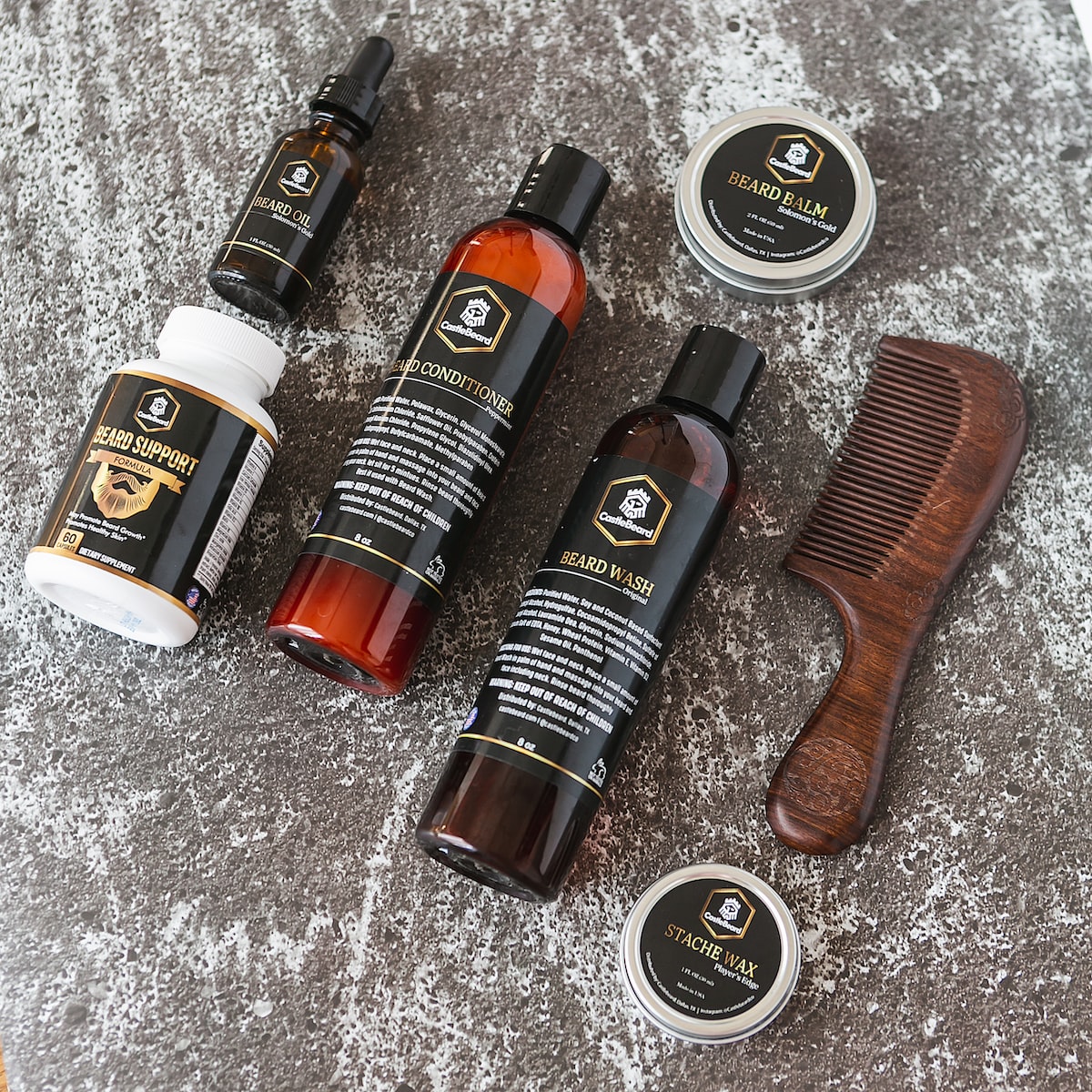
Beard oil is a product designed to help soothe and moisturize facial hair. It often contains natural ingredients like jojoba oil, argan oil, and essential oils that nourish the skin underneath your beard. It not only helps soften your whiskers but also prevents split ends, which can occur due to dryness or over-styling.
Can you use beard oil on hair?
Yes, you can use beard oil on your hair. It has the same moisturizing and nourishing properties that make it great for facial hair, which makes it a great alternative to conventional hair care products. The natural ingredients in the oil can help hydrate and condition your hair, leaving it smooth and healthy-looking. It also helps keep your hair in place and can reduce frizz.
Many beard and hair oils have common qualities, such as containing carrier oils like argan, jojoba, or coconut oil to moisturize. These base oils also help transport essential oils into the hair follicle, including scents like cedar wood, eucalyptus, or pine.
Beard oil and hair oil have some differences, however. Hair oils tend to have a lighter consistency than beard oils, which can be thicker and heavier. So, it’s important to consider the type of product you are using before applying it to your hair.
How to use beard oil on hair?
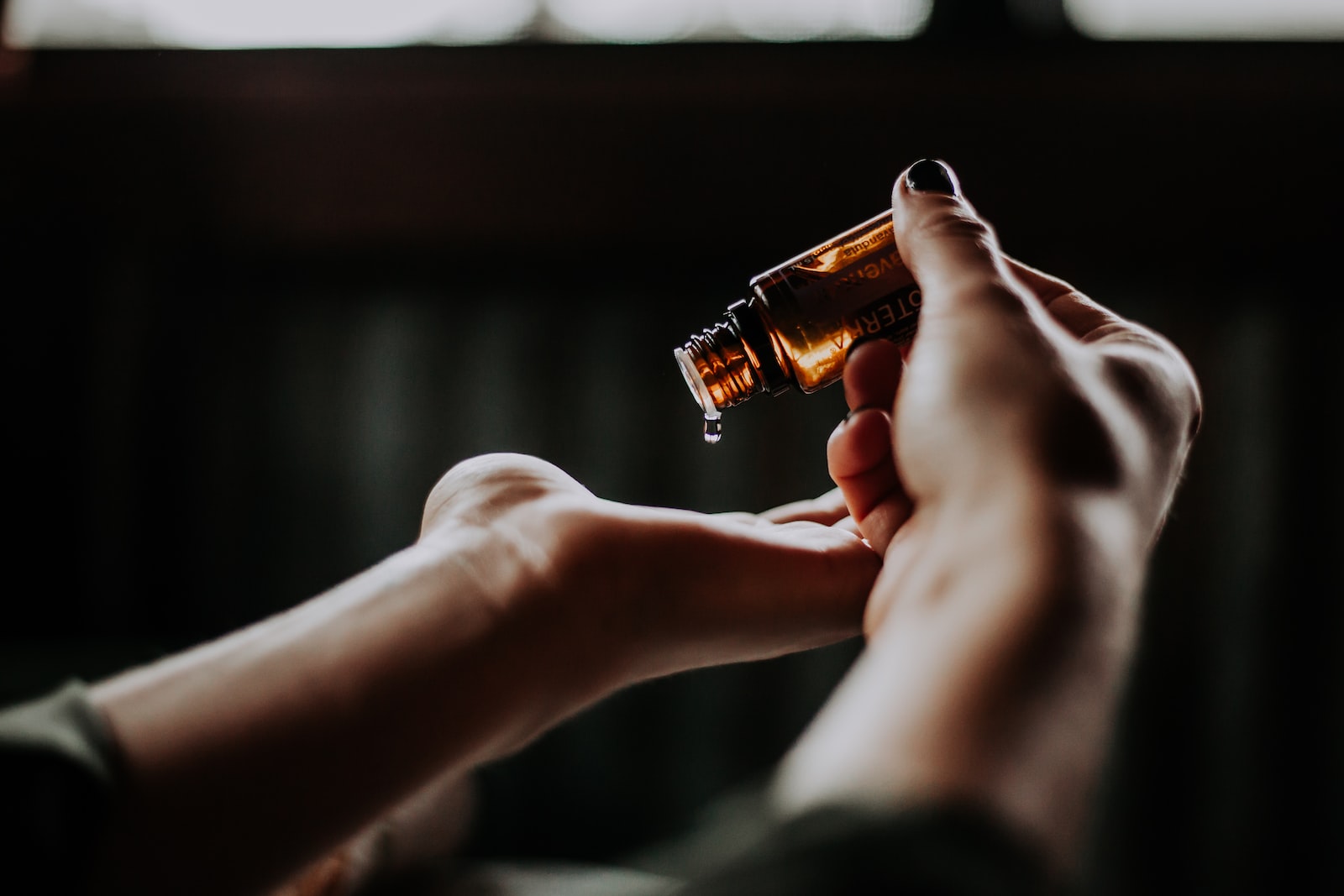
Using beard oil on your hair is not much different from using it on your facial hair. Apply beard oil to your hands, then rub it into your hair in the same way you would with a regular conditioner or styling product. You can also use a small amount to style and keep fly-aways at bay.
What are the benefits of using beard oil on hair?
Using beard oil on your hair can help soften, nourish, and strengthen it. It also adds shine and helps protect your hair from environmental damage. Additionally, it can help tame flyaways and frizz while controlling split ends.
What are the risks of using beard oil on hair?
Using too much beard oil on your hair can make it greasy or heavy. It’s best to start with a few drops and add more if needed. Additionally, some people may be allergic to certain ingredients in the oil, so it’s best to do a patch test on a small area of your skin before using it on your hair.
[affiliatable id=‘268783’]
What are the alternatives to beard oil for hair care?
There are many other products that can be used for hair care, such as shampoos, conditioners, and masks. Many of these products contain natural ingredients that can provide the same nourishing and conditioning benefits as beard oil.
How to make your own homemade beard oil?
Making your own homemade beard oil is easy and cost-effective. All you need are some carrier oils like jojoba or argan, essential oils like lavender or rosemary, and a few drops of vitamin E oil. Mix the ingredients together and store them in an airtight container, such as a glass jar or bottle.
Tips for using beard oil on hair
When using beard oil on your hair, it’s important to start with a small amount and then increase the amount if needed. Also, be sure to apply it evenly throughout your hair and focus more on the tips. Additionally, you may want to use a comb or brush to spread the oil, as this will help ensure an even application.
How to take care of your beard hair
Hair growth and maintenance are important for anyone who has facial hair. To keep your beard looking healthy and neat, you should make sure to wash it regularly with a mild shampoo and conditioner, as well as apply oil or balm after showering. Additionally, trim your beard frequently and use a moisturizing product to prevent dryness.
Conclusion: Can you use beard oil on hair?
In conclusion, beard oil is an effective product for nourishing and moisturizing your facial hair as well as your hair. It can help soften, strengthen, and protect both from environmental damage. When using it on your hair, use a small amount and distribute it evenly throughout the strands. Additionally, be sure to take good care of your hair by shampooing and conditioning it regularly, avoiding over-styling, and protecting it from sunlight and heat. By following these tips, you can keep your hair healthy and looking great!
Can Beard Oil Cause Acne?
It’s no secret that many men grow beards in order to cover up acne on their faces. Can beard oil cause acne, or is it something else? In this article, we’ll take a look at some of the research on this topic and try to answer that question.
What is beard oil, and what are its benefits?
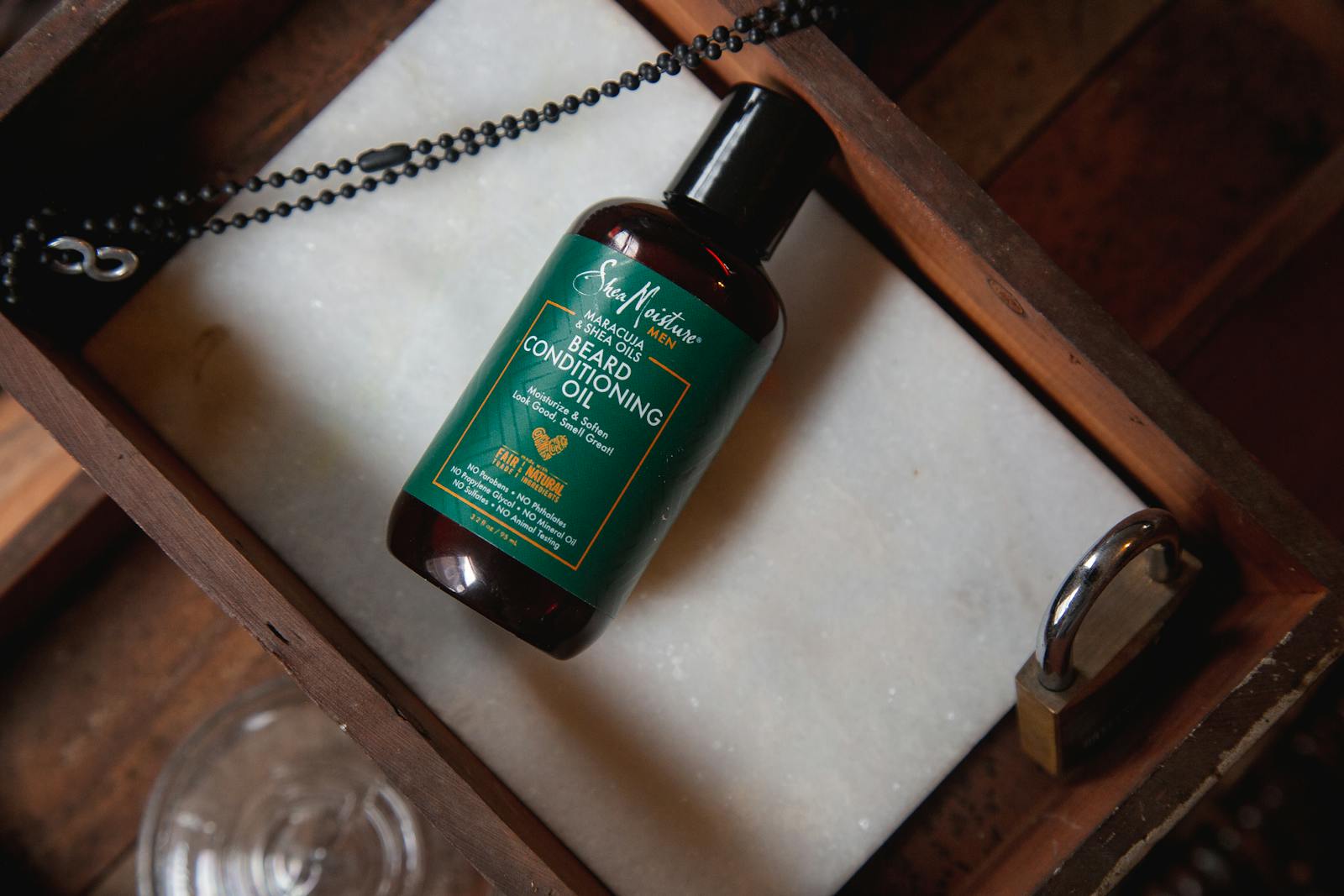
Beard oil is a product that’s designed to be used on facial hair, usually by men who have beards. It’s made from a variety of natural ingredients, including carrier oils and essential oils. The purpose of beard oil is to moisturize the hair and skin, reduce itchiness, and make the beard look healthier and more styled.
There are a number of different carrier oils that can be used in beard oil, but the most common ones are jojoba oil, sweet almond oil, and argan oil. These oils are chosen for their ability to penetrate the hair shaft and provide nutrients to the hair follicle.
Essential oils are also added to beard oil for their scent, but they also have some benefits for the hair and skin. The most common essential oils used in beard oil are lemon, eucalyptus, rosemary, and peppermint. These essential oils can help to reduce inflammation, fight infection, and stimulate hair growth.
Can Beard Oil Cause Acne?
Does oil cause acne breakouts? Many people tend to think that oil and acne go hand-in-hand, but does this also hold true for beard oil? In other words, can beard oil cause clogged pores and lead to an acne breakout?
The answer is: it depends. This largely has to do with the types of ingredients used in the product, as well as how you use and apply beard oil.
Let’s start with the beard oil ingredients. As we mentioned before, beard oil is typically made from a combination of carrier oils and essential oils. The carrier oils used can greatly affect whether or not the product will cause acne.
For example, jojoba oil and sweet almond oil are both non-comedogenic, meaning that they won’t clog pores. On the other hand, coconut oil is known to be comedogenic and could potentially cause breakouts. So, if you’re concerned about acne, you’ll want to make sure that the beard oil you choose does not contain coconut oil.
As for how you apply and use beard oil, this can also affect whether or not it will cause breakouts. It’s important to remember that a little goes a long way with this product. Too much beard oil can actually end up clogging pores and causing breakouts.
To avoid this, make sure that you start with just a few drops of oil and work your way up as needed. Also, be sure to massage the oil into your skin and beard thoroughly so that it’s evenly distributed. And lastly, always wash your face before applying beard oil to remove any dirt and debris that could potentially clog pores.
In conclusion, yes, beard oil can cause acne breakouts if you’re not careful. However, this is typically only the case if the product contains comedogenic ingredients or if you use too much of it. So, as long as you choose a non-comedogenic beard oil and use it sparingly, you should be in the clear!
[affiliatable id=‘268800’]
How to choose the right beard oil for your skin type?
When it comes to grooming, every man has his own preferences. Some men prefer a clean-shaven look, while others let their facial hair grow wild and untamed. However, if you’re in the latter camp, it’s important to take proper care of your beard. Depending on your skin type, you may need to use different products to keep your beard looking its best.
For example, those with dry skin may benefit from using a beard oil that is rich in moisture. Those with oily skin, on the other hand, may need an oil that helps to regulate sebum production. In addition, those with sensitive skin may need to avoid harsh chemicals and opt for an all-natural product. By taking the time to find the right beard oil for your skin type, you can ensure that your facial hair always looks its best.
How to use beard oil properly?
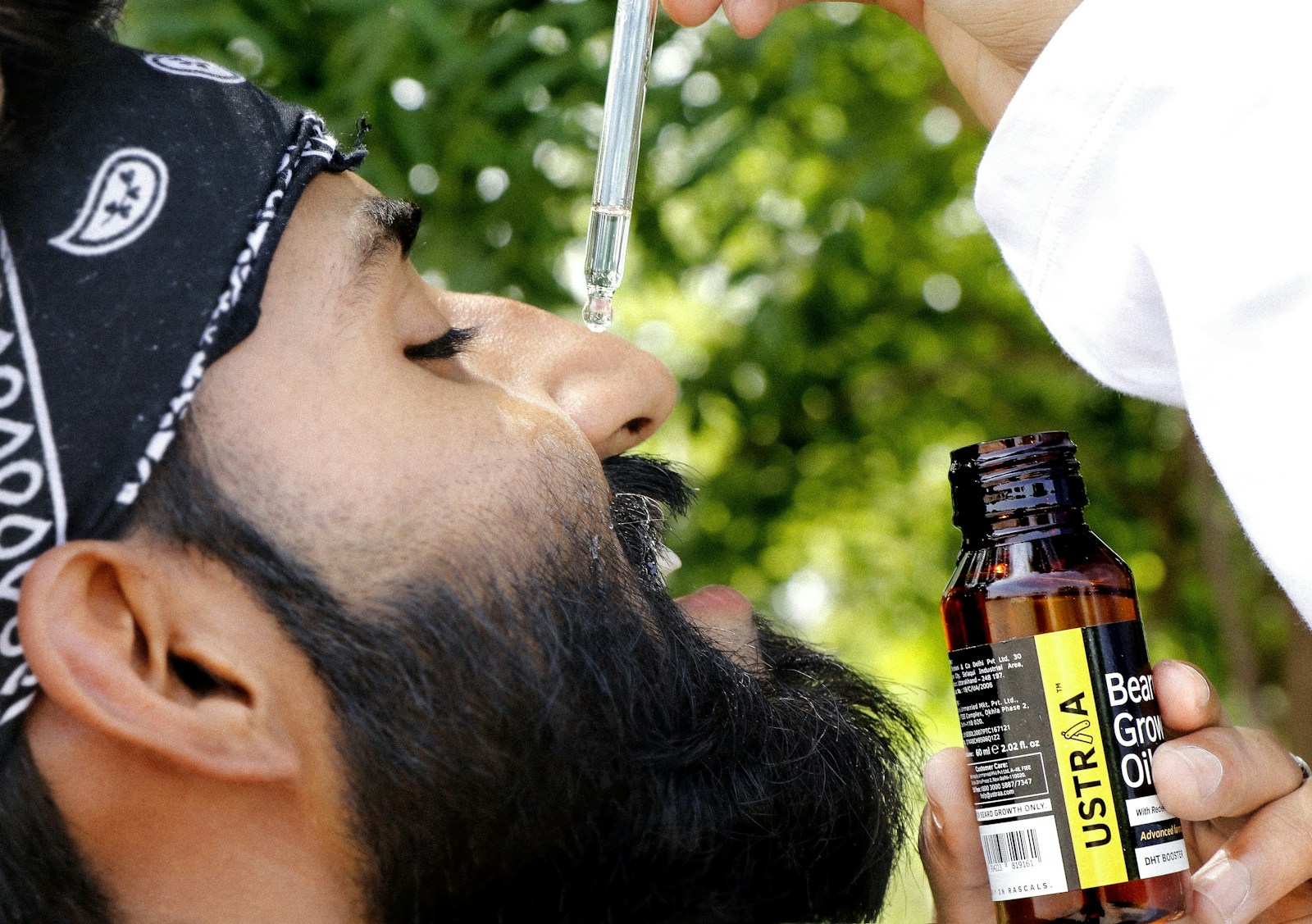
Now that you know how to choose the right beard oil for your skin type, it’s time to learn how to use it properly. First and foremost, you’ll want to start with a clean face. Wash your face with a gentle cleanser and pat it dry. Next, take a few drops of oil and rub it between your hands. Then, massage the oil into your skin and beard, making sure to evenly distribute it.
Beard oils typically need to be reapplied every few days to keep your beard looking its best. However, you may need to apply it more often if you have a particularly dry or oily beard. As always, start with a small amount of oil and increase as needed.
By following these simple tips, you can ensure that your beard always looks its best.
Tips for keeping your beard healthy and looking good
No matter what type of beard you have, there are a few general tips you can follow to keep it healthy and looking its best. First and foremost, make sure to wash your beard regularly. Depending on your hair type, you may need to wash it daily or just a few times per week. However, it’s important to avoid using harsh cleansers as these can strip away the natural oils that keep your beard healthy.
In addition, make sure to brush your beard regularly. This will help to distribute the natural oils evenly and keep your beard from looking frizzy or unkempt. Finally, be sure to trim your beard regularly to avoid split ends and give it a neat, tidy appearance.
Final thoughts on can beard oil cause acne
While beard oil can cause acne if you’re not careful, this is typically only the case if you use too much of it or if the product contains comedogenic ingredients. So, as long as you choose a non-comedogenic beard oil and use it sparingly, you should be in the clear! In addition, be sure to follow the tips above to keep your beard healthy and looking its best.
How to Train Your Hair to Slick Back Naturally
Slicked back hair is an iconic, stylish, and low-maintenance hairdo that has enjoyed immense popularity over the decades. It is a versatile hairstyle that works with both casual and formal outfits. To achieve and maintain this look, it is crucial to understand how to train your hair to slick back naturally. In this blog post, we will guide you through essential steps to achieve the perfect slicked back hair and maintain it with ease.
Understanding Your Hair Type

Before starting your journey to the perfect slicked back hair, it’s crucial to know your hair type. Identifying your hair type allows you to choose the most suitable training methods, haircuts, and products to achieve the desired outcome. The most common hair types are:
-
Thin or fine hair
-
Thick hair
-
Straight hair
-
Wavy hair
-
Curly hair
-
Coarse and thick hair
Each hair type has its unique characteristics and requires specific care. For instance, training curly hair to slick back might require more time and effort than training straight hair.
Choosing the Right Haircut to Support the Slick Back
One of the critical steps in training your hair to slick back naturally is getting the right haircut that supports this hairstyle. Hair length plays a significant role in determining how easily your hair can be slicked back. Ideally, you should have hair that is long enough to go back without standing up or creating a poofy appearance. Too short or uneven hair may make it difficult to train your hair to slick back smoothly.
Some of the most suitable haircuts for slicked back hair include:
-
Undercut
-
Pompadour
-
Taper
-
Quiff
These hairstyles work well with different hair types and can provide an excellent base for training your hair to slick back naturally.
Train Your Hair with Proper Washing and Product Usage
Washing your hair with the right frequency and using suitable styling products is essential in training your hair into the desired slicked-back hairdo.
-
Avoid over-washing your hair, as it may strip away the natural oils that help to keep your hair sleek and manageable. Aim to wash your hair 2-3 times per week, or less, depending on your hair type.
-
Use a clarifying shampoo and a lightweight, moisturizing conditioner. These products will help remove buildup, promote hair growth patterns, and retain moisture without weighing your hair down, allowing the hair to slick back more easily.
-
To train hair to stay in place, incorporate styling products like hair wax, hair gel, or pomade into your hair care routine. These products can help maintain the desired slicked-back appearance and train your hair to stay in place over time.
[affiliatable id=‘268404’]
Master the Best Techniques for Slicking Back Your Hair
To achieve a natural slicked-back look, follow these steps:
-
Begin with damp hair: After washing your hair, towel dry it gently to remove excess water, leaving it slightly damp. Damp hair allows styling products to be evenly distributed and provides a smooth, polished look.
-
Apply just the right amount of styling product to your hair: Start with a small amount of hair gel, hair wax, or pomade, and evenly distribute it throughout your hair, focusing on the roots for added hold.
-
Use a boar bristle hairbrush or a wide-toothed comb to brush your hair backward: Gently comb your hair from the front to the back, following the natural direction of your hair growth. This helps in training hair follicles underneath to adapt to the new growth pattern.
-
Allow your hair to air dry or use a blow dryer on a low heat setting: Blow drying can help set the hairstyle and secure it in place. However, make sure to use a heat protectant spray to avoid damaging your hair.
-
Add more product, if necessary, to reinforce the slicked-back look and ensure your hair stays in place throughout the day.
Train Your Hair in Stages
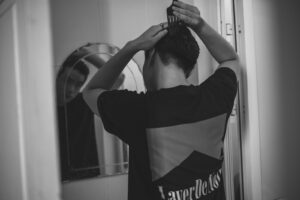
Training your hair to slick back is a gradual process, and it is essential to be patient during this time. Consider implementing these techniques and strategies to train your hair in stages:
-
Start by combing your damp hair backward daily, which helps in getting your hair accustomed to the new growth pattern.
-
Use hair accessories like spandex caps, hair nets, or snug-fitting hairbands to keep your hair slicked back while you sleep, encouraging your hair to stay in the desired position.
-
Gradually increase the strength and hold of styling products as your hair begins to adapt to the slicked-back hairstyle.
Maintain Your Slicked Back Hair
Regular maintenance is crucial to maintain your slicked-back hair and prevent it from reverting to its former state. Here are a few tips:
-
Get regular trims to keep your hair at an optimal length and maintain the supportive hairstyle.
-
Continuously use suitable hair-styling products to train your hair and hold the slicked-back look.
-
Keep a long-lasting hair spray, gel, or wax handy to touch up your hairstyle, especially in hot or humid weather or when engaging in physical activities.
Understand Your Hair Growth Patterns
Every person’s hair grows differently. To start the training, pay attention to your natural hair growth patterns. Does your hair naturally fall forward or loves to stand high at attention? Identifying these patterns gives you an understanding to work your way to a slicked back look.
Use Hair Care Products That Suit Your Hair Type
When it comes to training your hair, using the right hair care products is a step that can’t be skipped. From hair wax, pomade, or gel, to a heat protectant spray for blow drying, the products you use should suit your hair type. A word to the wise, it’s best to use the “less is more” approach when starting out with new products.
Hair Wax or Pomade
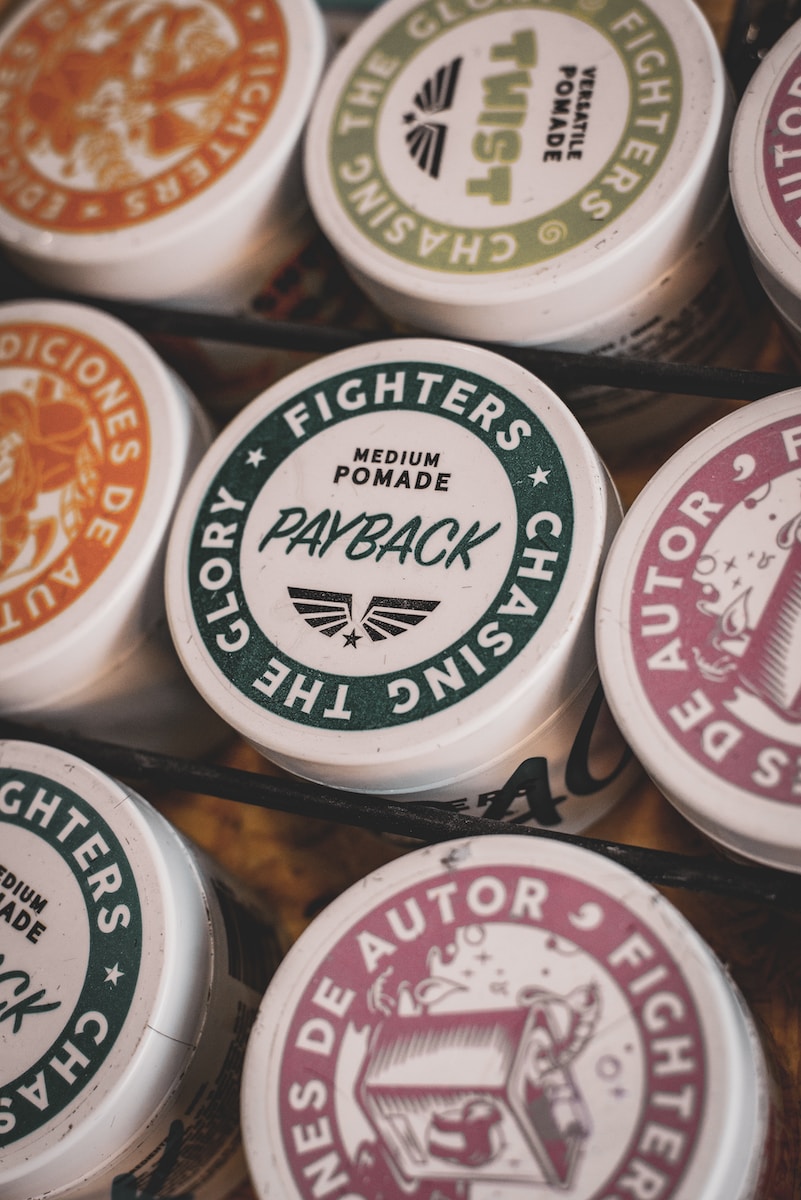
Before you begin your hair back training, it’s essential to choose the right hair styling product. Hair wax and pomades are very popular products that give a shine and hold to your hair, allowing the style to stay in place.
Fade and Other Haircut Styles to Encourage Hair Back Training
The cut of your hair is crucial in hair back training. An undercut or a high fade provides an excellent base for slicked-back hairstyles as these cuts retain length on top and taper down on the sides and back.
Preventing Hair Loss
Slick hairstyles are stylish, but never compromise on the health of your hair. Ensure not to tug at your hair too hard when combing it back, as it may lead to hair loss. Instead, gently train your hair back. Incorporate a hair care routine that includes a balanced diet and hair-friendly products.
Maintaining Your Slicked-Back Hair
After all the effort put into achieving a slicked back style, it’s essential to maintain the look. Ensure to follow your routine consistently. From using the right products to regular trims–every step counts.
Finally, let’s remind all the men out there wanting to switch up their style, everyone’s hair is different! What works for one might not work for the other. In your search for the perfect slicked back style, always keep your hair’s health at the forefront. Happy Styling!
How to Train Your Hair to Slick Back Naturally
Training your hair to slick back naturally is achievable through understanding your hair type, choosing the right haircut, and following appropriate washing and styling techniques. With persistence, patience, and proper care tailored for your specific hair type, you can attain and maintain that perfect slicked-back hairdo. We hope that this comprehensive guide will help you in your journey towards achieving the stylish, low-maintenance hair that you desire. Don’t forget to share your experiences, tips, and progress in the comments section below. Happy styling!
How to Dye a Mustache: Tips, Tricks, and Techniques
How to Keep a Bald Head Smooth Without Shaving
Why Do Eyebrows Get Wiry With Age?
Does Men’s Hair Grow Slower Than Women’s? Unlocking the Truth
So, does men’s hair grow slower than women’s? This question was posed to me by a friend when we were in our teens. He was trying to date this girl, and she had a long strand of hair on her face that he couldn’t stop staring at. We both found it very odd, but then I realized that maybe his question wasn’t all that strange after all.
Does Men’s Hair Grow Slower Than Women’s? The Gender Difference in Hair
Growth
Does male hair grow faster than female hair? There are actually a few different factors that can come into play when looking at whether men’s hair grows slower than women’s. Some of these include things like genetics, diet, age, defective scalp hair, and overall health condition. Overall, it is believed that there isn’t a huge difference between men and women when it comes to growth rates. However, some experts suggest that men may experience a slightly slower growth rate, especially as they get older.
Understanding the Hair Growth Process
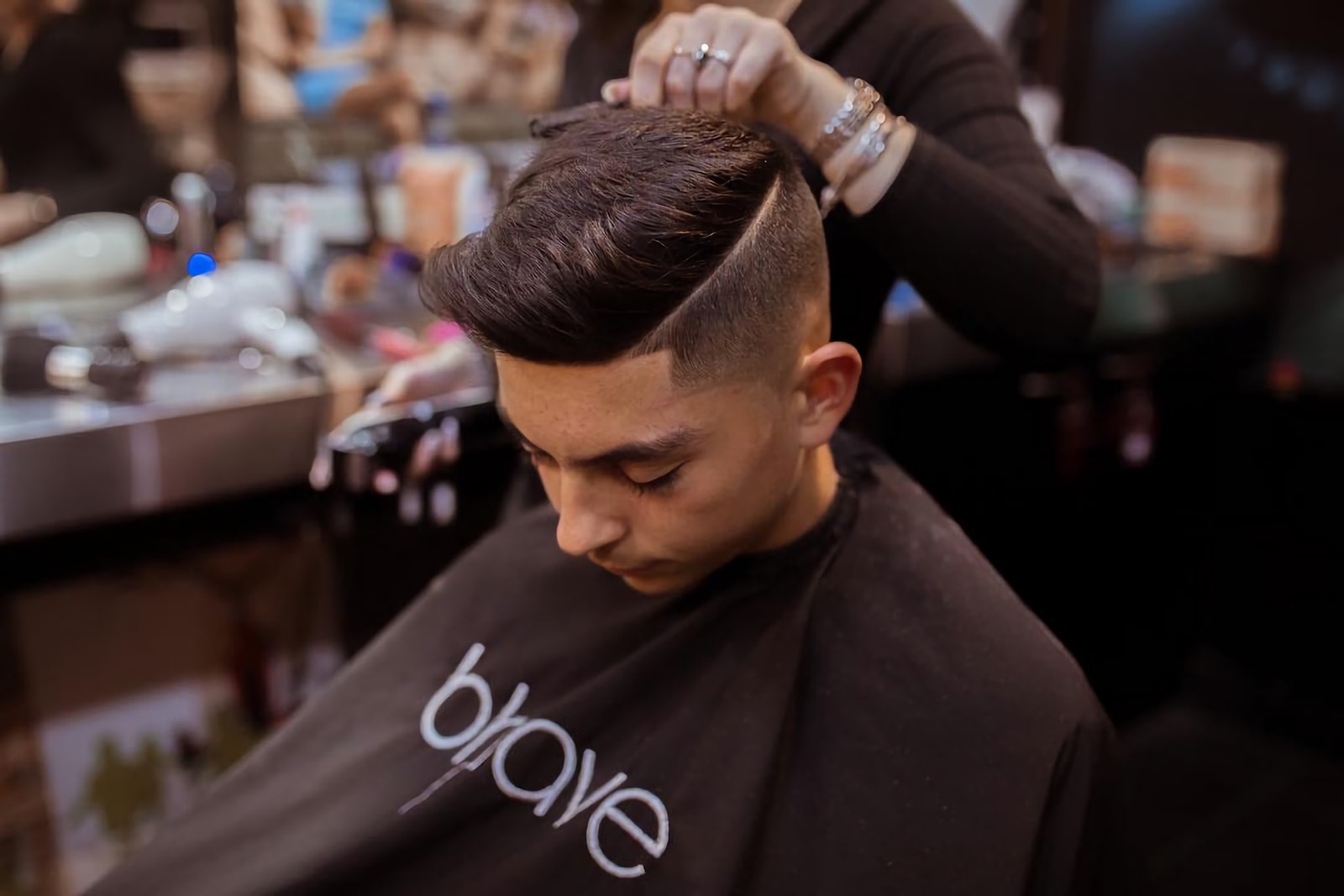
One of the biggest factors that can impact how fast hair grows and hair follicles is genetics. For example, some people may have certain genes that are associated with slower hair growth rates. Additionally, things like race and ethnicity can also affect hair growth rates, as certain ethnicities tend to have lower amounts of hair growth than others.
Other factors that can impact hair growth rates include things like diet and overall health. For example, having a poor diet or being nutrient deficient can slow down hair growth. Similarly, conditions like stress, anxiety, and depression can also contribute to slower hair growth.
If you are concerned about your hair growth rates and whether they are on par with others, it is important to talk to your doctor. They can perform tests or run some blood work in order to determine the underlying cause of any slower growth. From there, you can take steps to address these issues and help promote healthier, faster hair growth.
Hair Growth Cycle
In addition to looking at overall factors that can impact hair growth rates and hair loss, it is also important to understand the hair cycle. Typically, the average hair growth rate is in three different phases: anagen, catagen, and telogen. The anagen phase is when new hair cells are produced and grow. This typically lasts anywhere from 2-6 years for most people. The catagen phase is when the hair growth stops, and the telogen phase marks the end of this particular cycle. Understanding these different phases can help you better understand your own hair growth rates and what factors may be impacting them.
Measuring Hair Growth Rate: What to Know
So, to answer the question of whether men’s hair grows slower than women’s, it is important to consider all the factors that may play a role. While some people may experience slower growth due to genetics or other underlying health conditions, it is likely that most men and women will experience similar rates of hair growth over time. However, if you are concerned about your own hair growth rates, thin hair, or want long hair, it is best to speak with your doctor for personalized recommendations and advice to maintain healthy hair growth.
Medically Reviewed Treatments for Hair Growth
When it comes to addressing slow hair growth or hair loss, there are various medically reviewed treatments available. One common option is a hair transplant, where healthy hair follicles are transplanted to areas with thinning or no hair. This procedure can provide a long-lasting solution for some individuals.
Another condition that can cause temporary hair loss is telogen effluvium. This condition is usually triggered by factors like physical or emotional stress, extreme weight loss, certain medications, or medical conditions. While the condition can be concerning, it is usually reversible once the underlying cause is addressed.
Factors Affecting Slow Hair Growth

Slow hair growth can be influenced by various factors, both internal and external. While the rate at which hair grows is primarily determined by genetics, several other elements can contribute to slower hair growth in individuals. Diet plays a crucial role in supporting healthy hair growth. Nutrient deficiencies, particularly those related to vitamins A, C, D, and biotin, can lead to weakened hair follicles and hinder growth.
Stress and hormonal imbalances, such as fluctuations in cortisol levels or thyroid disorders, can disrupt the hair growth cycle. Additionally, certain medical conditions and medications can cause temporary or prolonged hair loss, which affects the perception of hair growth.
Hair Growth Patterns in Women
Hair growth patterns in women can vary significantly depending on individual genetics and hormonal influences. On average, women’s hair grows at a rate of about half an inch per month. However, this rate may fluctuate due to factors such as age, overall health, and hormonal changes. During pregnancy, for instance, many women experience a boost in hair growth due to elevated estrogen levels. Conversely, women going through menopause may notice a decrease in hair growth due to hormonal imbalances.
Hair Growth Patterns in Men

Men’s hair growth patterns also exhibit variations based on genetic factors and hormones. Testosterone, a hormone more prevalent in males, plays a significant role in determining hair growth on the face and body. It contributes to the development of facial hair during puberty and influences the thickness and distribution of body hair. While male hair growth is generally faster than female hair growth, the exact rate can differ among individuals.
The Difference in Hair Growth Cycle Between Genders
While it’s generally true that men and women have a comparable hair growth rate, there can be differences in the hair growth cycle length. Women may experience longer growth phases, which can make their hair appear longer and denser compared to men. However, this varies widely from person to person and is significantly influenced by factors like genetics, age, diet, and overall health.
[affiliatable id=‘269283’]
Measuring Hair Growth Rate: What to Know
Measuring hair growth rate can provide valuable insights into an individual’s hair health. One simple method is to observe the length of new hair growth over a specific period. Keeping track of hair growth can be done by regularly measuring the length of hair near the scalp and comparing it over weeks or months.
Alternatively, specialized tools, such as a Trichometer, can be used to measure hair growth objectively. A Trichometer precisely calculates hair density, diameter, and growth rate, enabling a more accurate assessment of hair health.
Hair and Testosterone: Dispelling the Myths
It’s a common assumption that men’s hair grows slower than women’s due to the effects of testosterone. Men naturally have higher levels of this hormone, which many believe can both stimulate and inhibit hair growth, adding another layer to this complex puzzle. However, while testosterone and its more potent form, dihydrotestosterone (DHT), can indeed cause hair to grow faster in areas like the face and chest, it can conversely lead to hair thinning and receding on the scalp.
The Live Science Behind Hair Growth in Men and Women
Our understanding of the science behind hair growth has evolved significantly with research and new breakthroughs. While earlier, it was believed that men’s hair grows slower than that of women, live science and modern studies suggest that the difference is insignificant. The human body tends to prioritize hair growth, considering it a sign of good health. Therefore, while diet and other factors can influence the rate of hair growth to some extent, genetics is the primary driver.
Comparing Hair Growth Across Human Populations

Hair growth rates can vary across different ethnic and racial groups. For instance, individuals of Asian descent typically have the fastest hair growth, while people of African descent may have slower hair growth but often experience less hair loss due to a different hair structure. Europeans usually fall in between, with moderate hair growth rates.
These differences are primarily attributed to genetic factors and hair follicle morphology, such as hair thickness and curliness. Additionally, cultural practices and hair care routines can influence the appearance and health of hair among different populations.
Science and Myths: The Final Verdict on Hair Growth Rates
While it’s a common myth that men’s hair grows slower than women’s, science refuses to support this fully. The rate of hair growth depends largely on genetic factors, with external ones like diet, exercise, and stress management playing secondary roles. If you are concerned about slow hair growth or hair loss, it’s best to consult a healthcare professional or a trichologist who can provide individually-tailored advice and treatment options.
The question of whether men’s hair grows slower than women’s has many factors at play. While there is no known biological difference in hair growth rates between men and women, individual variations may exist due to genetics, diet, and overall health conditions. Understanding the hair growth cycle and consulting with a doctor can help address any concerns regarding slow hair growth or hair loss. Remember, everyone’s hair growth journey is unique, and the key is to maintain a healthy lifestyle and seek appropriate treatments if necessary.
Other suggested articles:
How to Clean a Beard Brush
If you’re like most men, you probably take great pride in your beard. You groom it and style it just the way you like, and you make sure that it’s always looking its best. One of the most important tools for keeping your beard looking good is a beard brush. But what do you do if your brush gets dirty? In this blog post, we will show you how to clean a beard brush quickly and easily!
How to Clean a Beard Brush?
If you want your beard brush to last, it’s important that you clean it regularly. Not only will a dirty brush leave your beard looking less than its best, but it can also harbor bacteria that could potentially cause skin irritation and get rid of any dead skin cells.
Ways to Clean a Beard Brush
There are several ways to clean a beard brush, depending on what type of material your brush is made of. For example, if your brush is made from natural brush bristles (such as boar bristle brush), you will want to clean it with beard wash and warm water. You can also use special beard-cleaning products designed specifically for cleaning beard brushes.
No matter what type of material your brush is made from, the best way to clean it is by simply running your brush under warm water and then massaging in a small amount of shampoo. This will help remove any dirt or beard oils from the bristles, leaving them looking shiny and new.
For best results, make sure you rinse your brush thoroughly after each cleaning session. Then, lay your brush flat on a clean, dry towel and allow it to air dry completely. This will help prevent mold or mildew from growing on your brush.
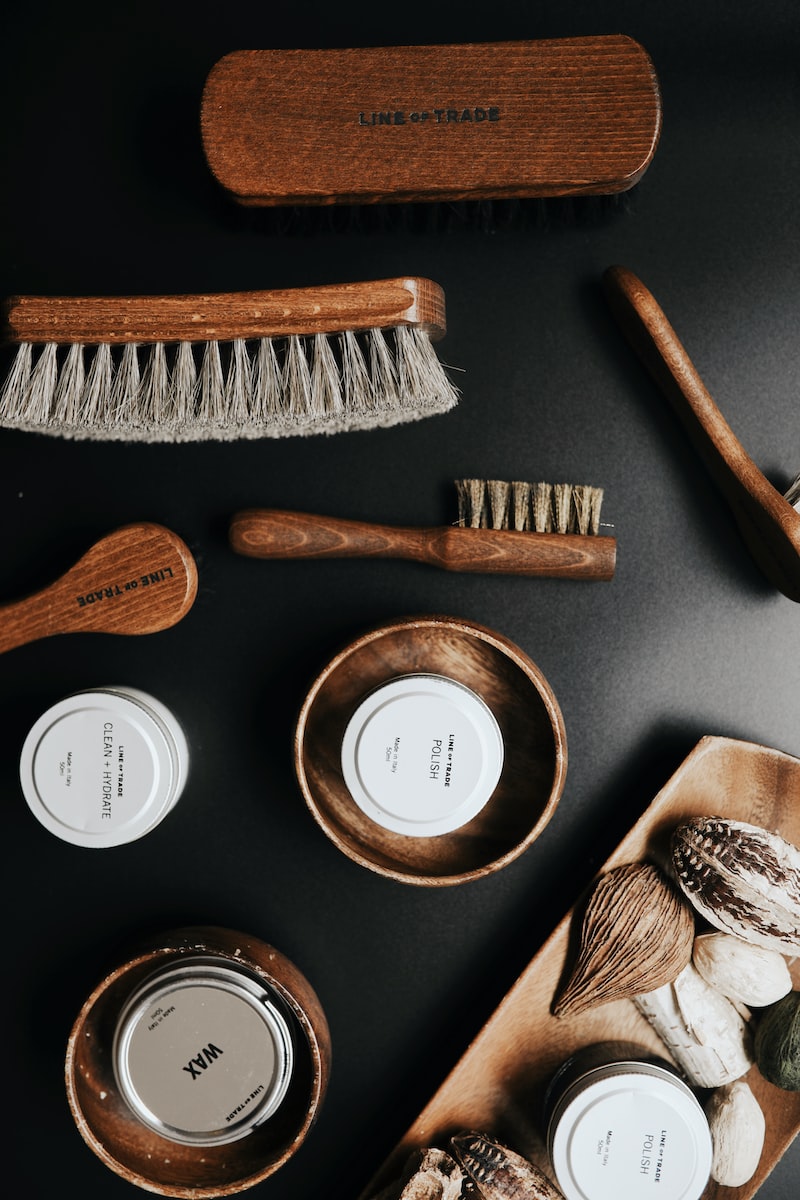
How to Clean a Boar Bristle Beard Brush?
If you have a boar bristle beard brush or dedicated beard brush, cleaning it is relatively simple. Start by running your brush under warm water and massaging a small amount of shampoo into the bristles. Rinse the brush thoroughly, then lay it flat on a clean, dry towel and allow it to air dry completely. This will help remove any dirt or oils from the bristles and keep your beard brush looking its best.
If you’re concerned about bacteria or other contaminants building up on your beard brush, you may also choose to clean your brush using a special beard-cleaning product that is designed for this purpose. Just be sure to read the manufacturer’s instructions carefully so you know exactly how to use the product and get the best results.
When to Replace Your Beard Brush?
If you clean and care for your beard brush regularly, it should last for several years. However, if you notice that the bristles are starting to fray or break off, it’s probably time to replace your brush. Another sign that you need a new brush is if your old one simply isn’t working as well as it once did - perhaps the bristles aren’t distributing your beard oil evenly, or perhaps they are starting to tug on your facial hair.
No matter how often you need to replace your brush, just make sure you take good care of it in order to get the most out of it. By following these simple tips for cleaning and caring for your beard brush, you can rest assured that your brush will always be looking its best!
Soft or Hard Beard Brush?
There is no one-size-fits-all answer to this question, as the best beard brush will depend on your specific needs and preferences. A soft beard brush may be preferable if you have very sensitive skin, whereas a hard brush may provide more stimulation to the hair follicles and result in faster growth. Ultimately, the choice between a soft or hard brush will come down to personal preference, so consider your needs and experiment with different types until you find the perfect one for you.
Which type of beard brush you choose is really up to you. Some men prefer a soft brush that feels gentle against their skin, while others may opt for a harder bristled brush in order to stimulate hair growth. Ultimately, the choice is up to you and what works best for your beard and skin type. So don’t be afraid to experiment with different types until you find the one that works best for you!
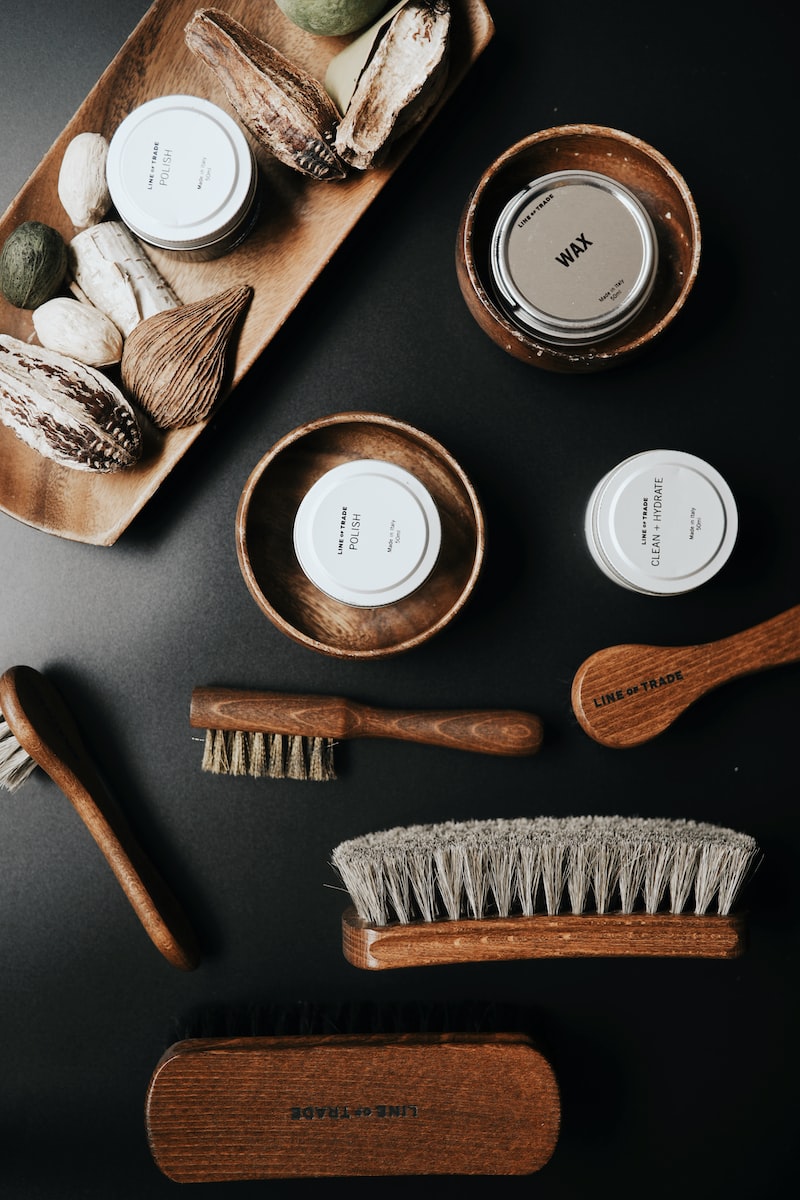
Can Beard Brushes Get Wet?
Beard brushes are an essential tool for maintaining a well-groomed beard, but many people wonder if these brushes can get wet. The answer is yes, beard brushes can indeed get wet, but there are some important considerations to keep in mind.
Materials Matter
The ability of a beard brush to tolerate water largely depends on the materials used in its construction. Most beard brushes feature bristles made from various materials such as boar hair, synthetic fibers, or natural plant fibers. These materials are designed to withstand some exposure to water, but excessive or prolonged moisture can affect the brush’s durability and effectiveness.
[affiliatable id=‘269037’]
Proper Usage and Care
While beard brushes can handle occasional contact with water, it’s crucial to use and care for them properly to ensure their longevity. Here are some tips to follow:
- Do not soak the brush: While it’s fine for the bristles to come into contact with water during use, avoid fully submerging the brush in water. Excessive soaking can damage the bristles and the base of the brush.
- Avoid hot water: Hot water can weaken the adhesive that holds the bristles in place, leading to shedding or bristle loss over time. Use lukewarm or room-temperature water for cleaning.
- Shake off excess water: After rinsing the brush, gently shake it to remove excess water. Pat it dry with a clean towel to prevent water from seeping into the brush’s base.
- Air drying: Allow the brush to air dry by laying it on a clean, dry surface with the bristles facing downward. This prevents water from accumulating near the base and helps maintain the brush’s shape.
- Regular cleaning: Cleaning your beard brush regularly helps prevent product buildup and keeps the bristles in good condition. Follow manufacturer guidelines for cleaning frequency and methods.
Considerations for Wooden Brushes
If your beard brush has a wooden handle, it’s important to take extra precautions to prevent water damage. Wood is susceptible to swelling, warping, and cracking when exposed to moisture for extended periods. To protect a wooden beard brush:
- Avoid water contact with the handle: Keep the wooden handle dry by focusing water only on the bristles during cleaning.
- Use a wood-safe sealant: Applying a wood-safe sealant or finish to the handle can provide an extra layer of protection against moisture.
- Store in a dry place: When not in use, store your wooden beard brush in a dry environment to prevent unnecessary exposure to humidity.
Beard brushes can tolerate some exposure to water or hair dye, but it’s important to use them responsibly and take proper care to ensure their longevity. Following these guidelines will help you keep your beard brush in excellent condition and maintain a well-groomed beard.
https://www.therefined.co/are-timex-watches-good-quality/
Can I Use Hair Dye on My Beard?
It’s no secret that hair dye comes in a variety of colors, but did you know that it can also be used on beards? Can I use hair dye on my beard? In this article, we’ll take a look at some of the things you need to consider before using hair dye on your beard.
What is hair dye, and how does it work?
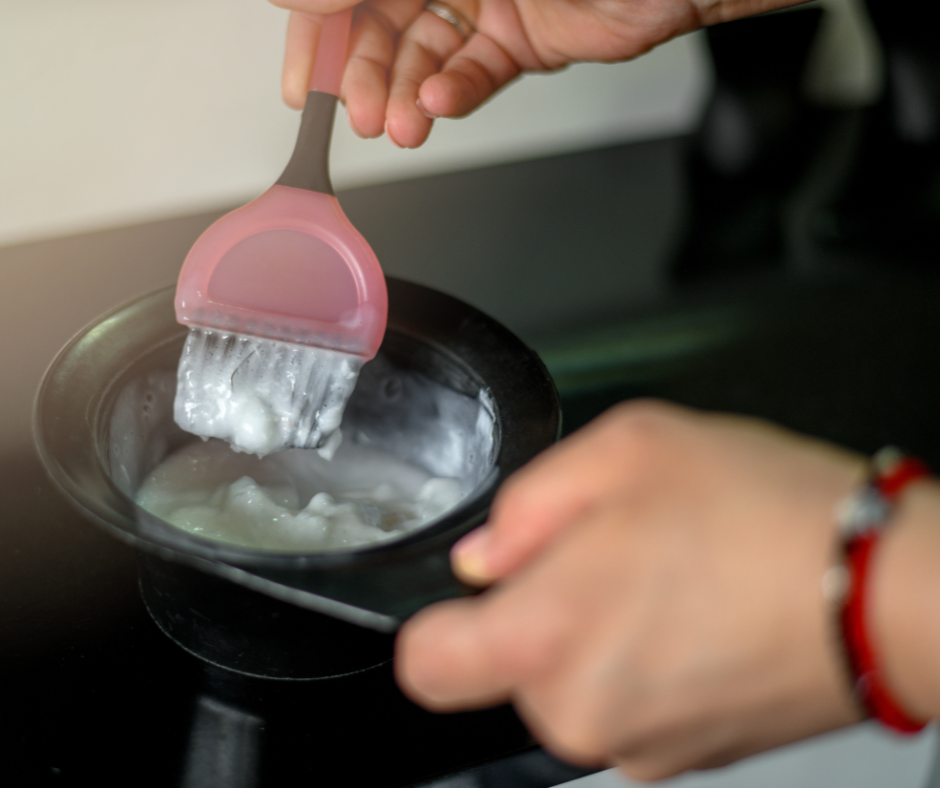
Hair dye works by temporarily changing the color of your hair, usually through a chemical reaction. The chemicals used in hair dye can lighten or darken your existing hair color, and they may also be used to add highlights and lowlights to give your beard a unique look.
What is beard dye?
Beard dye, like hair dye, is a form of temporary color. It is specifically formulated to be used on facial hair and typically comes in darker shades than those found in hair dye. Beard dye can help you achieve a unique look without the risk of over-coloring or damaging your beard.
Can I use hair dye on my beard?
Yes, you can use hair dye on your beard. However, it’s important to note that the results may vary depending on your hair type and color. It’s also important to follow the instructions provided by the manufacturer carefully in order to achieve the best results.
What should I consider before using hair dye on my beard?

Before you use hair dye on your beard or facial hair, it is important to consider the following:
- Your skin type and sensitivity. Some types of hair dye can be irritating or cause allergic reactions in people with sensitive skin. Make sure to test a small patch of skin before applying the dye to your beard.
- The color you want to achieve. It is important to select a hair dye that is suitable for your skin tone and desired result. You may also need to do several applications depending on how light or dark you want the color to be. If you have dark hair, a deep brown shade will look more natural than black.
- The type of hair dyes you choose. Different types of hair dye may react differently on your beard, so it is important to choose one that is specifically designed for coloring facial hair.
- When applying hair dye to your beard, it is important to use a gentle and protective product. Make sure to wear gloves when applying the dye and follow all safety instructions provided by the manufacturer. If you experience any irritation while using hair dye on your beard, stop using it immediately and consult a doctor.
What are the types of hair dye?
There are several types of hair dye available including the following:
Permanent dye: This type of dye is typically used to permanently change the color of your hair or beard.
Semi-permanent dye: This type of dye is designed to fade gradually over time, usually lasting from 4-6 weeks.
Temporary dye: Temporary dyes are the least permanent type of dye and typically last only 1-2 washes.
How to do beard dyeing?
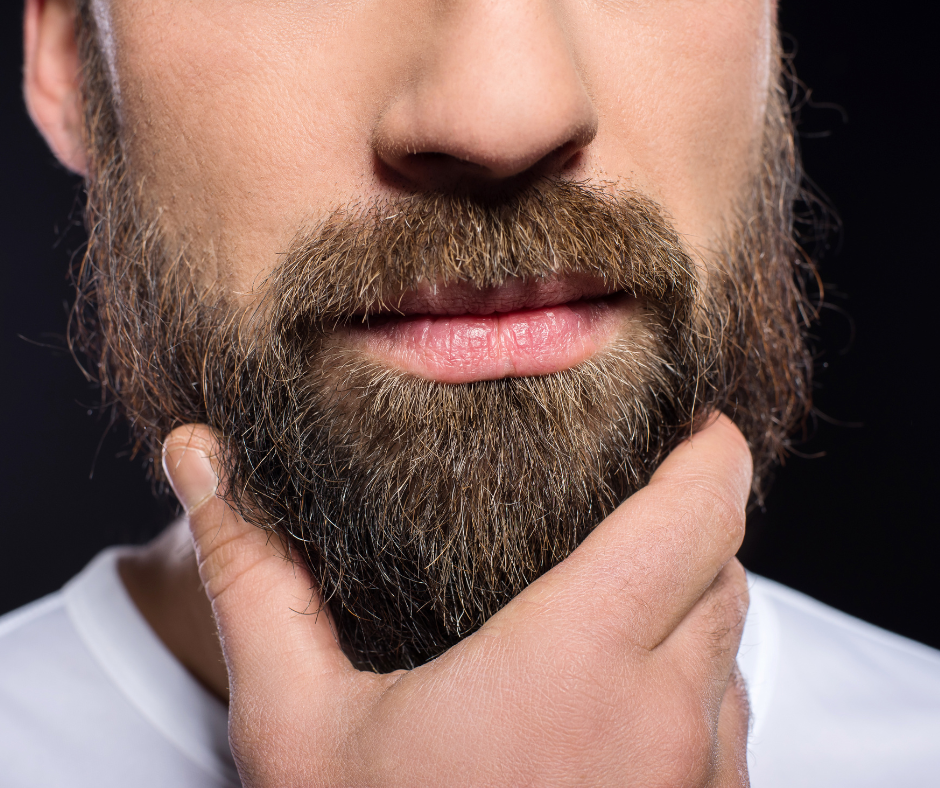
Dyeing your beard is a relatively simple process. Here is a quick guide to help you get started:
Step 1: Prepare your beard by using a pre-shave oil or cream to protect your skin.
Step 2: Dye your beard using the dye of your choice. Make sure to follow the instructions on the package carefully. Apply the beard dye to your facial hair, making sure to cover all strands evenly and completely. Opt for a color similar to your natural hair color as it will take less work to maintain.
Step 3: Leave the dye on your beard for the time specified in the instructions.
Step 4: Rinse the dye off of your beard with lukewarm water and a mild or beard shampoo.
Step 5: Apply a light conditioner to keep your facial hair soft and healthy.
Treating your beard regularly with quality beard oil and shampoo can help to keep your facial hair looking its best. By following these steps, and applying beard dye responsibly, you can achieve a unique look without damaging your beard and facial skin.
What are the benefits of using beard dye?
Using beard dye can help you create a unique and stylish look that complements your facial features. Beard dyeing can also provide long-lasting color and coverage, making it easier to maintain your desired look over time. In addition, using hair dye on your beard can make it appear fuller and healthier looking by helping to cover up any gray strands that may be present.
What are the risks of using beard dye?
Using beard dye carries some risks, including skin irritation and allergic reactions. It is important to test a small patch of skin before applying the dye to your facial hair, as well as to follow all instructions carefully like proper brushing in order to avoid any unwanted side effects. Additionally, using too much or the wrong type of hair dye can lead to over-coloring or uneven results, so it is important to use the correct amount and type of dye for your skin tone and desired result.
Beard dyes can be a great way to achieve the look you want without damaging your facial stylish hair. However, it is important to keep in mind that results may vary depending on your skin type and desired result. If you have any questions or concerns about using beard dye, it is best to consult with a professional stylist before getting started.
[affiliatable id=‘269912’]
FAQs about using beard dye
Q: Is it safe to use hair dye on my facial hair?
A: Yes, if used according to the manufacturer’s instructions, hair dye can be safely used on your facial hair. However, it is important to take precautions such as wearing gloves and testing a small patch of skin before applying the dye to your beard.
Q: How often should I dye my facial hair?
A: Most people only need to dye their facial hair every 1-2 months. However, this may vary depending on your desired results and natural growth rate of your facial hair.
Q: Can I dye my beard a different color than my hair?
A: Yes, you can dye your beard a different color than your hair. When choosing a color, it is best to opt for something that is within two shades of your natural hair color in order to avoid an unnatural look.
Q: Can I dye my beard with permanent hair dye?
A: No, it is not recommended to use permanent hair dye on your beard. Instead, opt for semi-permanent or temporary dyes that will wash out over time. This will make it easier to adjust the color as needed.
Q: What should I do if the dye does not come out as expected?
A: If you are unhappy with the results of your dye job, you can always dye it again. However, if you notice any signs of irritation or discomfort, it is best to discontinue use and seek medical attention if necessary. Additionally, you may want to consult a professional stylist for advice on achieving the desired results.
Q: How do I maintain my dyed beard?
A: After dyeing your beard, it is important to take proper care of it in order to maintain the desired results. Use a light conditioner regularly and follow up with a quality beard oil or balm to keep your facial hair looking its best. Additionally, you can use products specifically designed for color-treated hair such as color-safe shampoos and conditioners.
Final thoughts: Can I use hair dye on my beard?
Dyeing your beard with hair dye can be a great way to achieve the look you want without damaging your facial hair. However, it is important to take precautions and a patch test before applying the dye. Additionally, it is best to opt for semi-permanent or temporary dyes in order to avoid over-coloring or an unnatural appearance. Once you have finished dyeing your beard, it is important to take proper care of it in order to maintain the desired results. With the right precautions and maintenance, you can use hair dye on your beard safely and effectively.
Other suggested articles:
How to Train a Mustache: The Ultimate Guide
How to Dye a Mustache: Tips, Tricks, and Techniques