The Ultimate Glossary of Men's Style Rules
The complete, definitive guide to mens style rules.
Welcome to the ultimate resource on mens style rules. This guide covers everything you need to know.
Mastering Small Talk: 10 Strategies for Confident Conversations
In today’s interconnected world, mastering small talk isn’t just a social nicety; it’s a crucial skill that bridges personal connections and enhances professional relationships. Whether you find yourself at a networking event, a family gathering, or simply waiting in line at the grocery store, small talk serves as the foundational gateway to deeper, more meaningful conversations. Yet, for many, this seemingly casual form of communication can pose challenges, leaving individuals uncertain about how to navigate interactions effectively and unsure of what to say.
1. Understand the Importance of Small Talk
Small talk serves as a social lubricant, breaking the ice and setting a comfortable tone for further interaction. It acts as a gateway to building rapport and establishing common ground between individuals. To master small talk isn’t just about exchanging pleasantries; it’s about creating a positive first impression and fostering connections that can extend beyond the initial conversation.
2. Embrace a Mental Shift
 To excel in small talk, it’s essential to shift your perspective. Rather than viewing it as superficial or meaningless chatter, recognize it as a valuable opportunity to learn about others and showcase your own personality. Approach each interaction with genuine curiosity and a willingness to engage, which can significantly enhance your small talk skills.
3. Mastering Small Talk in Social Events
Social gatherings can be daunting for those uncomfortable with small talk. Here are some practical strategies to navigate these situations with ease: Examples of Good Small Talk Topics: Start a casual conversation with topics like hobbies, recent experiences, or shared interests. For instance, ask about someone’s favorite book or recent travels—they’re great conversation starters that invite others to share their experiences. Using Body Language: Non-verbal cues play a crucial role in effective communication. Maintain eye contact, nod in agreement, and use open gestures to show engagement and interest. This helps build rapport and makes the conversation feel more natural and effortless.
4. Conversation Starters and Open-Ended Questions
Effective small talk often hinges on the ability to ask engaging questions that prompt deeper conversations. Here’s how to master this conversation skills: Open-Ended Questions: Instead of yes-or-no queries, opt for open-ended questions that invite detailed responses. For example, inquire about someone’s recent project at work or their thoughts on a current event. This encourages the other person to share more about themselves, leading to a more meaningful exchange. Conversation Starters: Begin with light and positive topics such as hobbies, travel experiences, or upcoming plans. These topics are universally relatable and create a comfortable atmosphere for further discussion.
5. Finding Common Ground
 Building connections through small talk often revolves around identifying shared interests or experiences. Here are some tips to discover common ground: Active Listening: Pay attention to cues in the conversation that reveal mutual interests or experiences. Reflect on what the other person says and find opportunities to connect based on interesting things you discover. Shared Experiences: Mentioning shared experiences, such as attending the same event or participating in a similar activity, can strengthen the bond and make the conversation more engaging.
6. Practice and Preparation
Like any skill, mastering small talk requires a few suggestions and preparation. Here’s how to hone your abilities: Role-Playing: Practice scenarios with friends or family to simulate real-life conversations. Experiment with different conversation starters and observe which ones lead to the most engaging discussions. Stay Informed: Stay updated on current events, cultural trends, and topics of interest. Having a broad knowledge base enables you to contribute to conversations and find common topics with others.
7. Making Small Talk Meaningful
While small talk initiates interactions, transitioning to more meaningful discussions is key to building lasting connections. Consider these strategies: Ask Follow-Up Questions: Show genuine interest by asking follow-up questions that delve deeper into the topic. For example, inquire about someone’s career aspirations or the inspiration behind their recent creative project. Share Personal Insights: Offer your own perspectives or experiences related to the conversation topic. This fosters a reciprocal exchange where both parties feel valued and understood.
8. Handling Awkward Moments
 Navigating awkward moments gracefully is essential in maintaining positive interactions. Here are some tactics to manage challenging situations: Use Humor: Light-hearted humor can diffuse tension and create a relaxed atmosphere. However, ensure your humor is appropriate for the context and audience. Redirect the Conversation: If a topic becomes uncomfortable or controversial, smoothly transition to a neutral subject that is more universally enjoyable.
9. Building Rapport and Making Connections
Establishing rapport through small talk lays the groundwork for developing meaningful connections. Consider these approaches: Find Shared Values: Discuss topics that align with your values or beliefs, as this can foster a deeper connection and mutual understanding. Express Empathy: Show empathy and understanding towards the other person’s experiences or challenges. This demonstrates your ability to connect on an emotional level.
10. Practicing Small Talk in Everyday Life
Integrate small talk into your daily interactions to build confidence and strengthen communication skills. Here’s how: Initiate Conversations: Take the initiative to start conversations with colleagues, neighbors, or strangers you encounter throughout your day. Be Approachable: Maintain an open and friendly demeanor that encourages others to engage with you. Smile, make eye contact, and be receptive to starting conversations.
Final Thoughts
Mastering small talk is a valuable skill that enhances both personal life relationships and professional networking opportunities. By understanding its importance, embracing a positive mindset, and practicing effective strategies, you can confidently navigate social interactions and forge meaningful connections. Incorporate these tips into your daily routine to elevate your small talk skills and enrich your interactions with others. Take a proactive approach to improving your small talk skills by applying the strategies discussed in this article. Share your experiences and successes in mastering small talk in the comments below, and continue to practice and refine your abilities to connect with others effortlessly. Remember, small talk is not just about exchanging words—it’s about building relationships that can enrich your personal and professional life. Other suggested articles:
Refined Living and Sustainability: The Eco-conscious Lifestyle
Table Manners: Dining With Grace for Social Gatherings
Hosting an Afternoon Tea: Etiquette and Menu Ideas
Hosting an afternoon tea party at home can transform an ordinary day into a delightful celebration. Whether it’s marking a special occasion like a birthday or simply gathering friends for a charming catch-up, the elegance of a well-executed tea party is always a joy. From the clink of fine china to the scent of freshly baked scones, the allure of this quintessential British tradition is undeniable. Getting it just right, however, requires a bit of know-how. You’ll want to consider everything from the selection of teas to the array of petite sandwiches and pastries. And if you’re feeling adventurous, why not theme your gathering? From a whimsical Mad Hatter’s Tea Party to a serene springtime soiree, the possibilities are as limitless as your imagination. I’ve gathered all my best tips to help you host an unforgettable afternoon tea. Let’s dive into the essentials of crafting a perfect menu, setting a beautiful table, and ensuring your tea party is talked about for years to come.
Understanding Afternoon Tea
History and Evolution
Afternoon tea, a quintessentially British tradition, dates back to the mid-19th century and is often attributed to Anna, Duchess of Bedford. Its origins stem from the need to curb hunger pangs between an early breakfast and late dinner. Initially a private social event for the upper class, afternoon tea has evolved into both a domestic and commercial event enjoyed by many. The setup typically includes a tea menu of scones, sandwiches (such as cucumber or egg salad), and cakes served on a three-tiered tray. 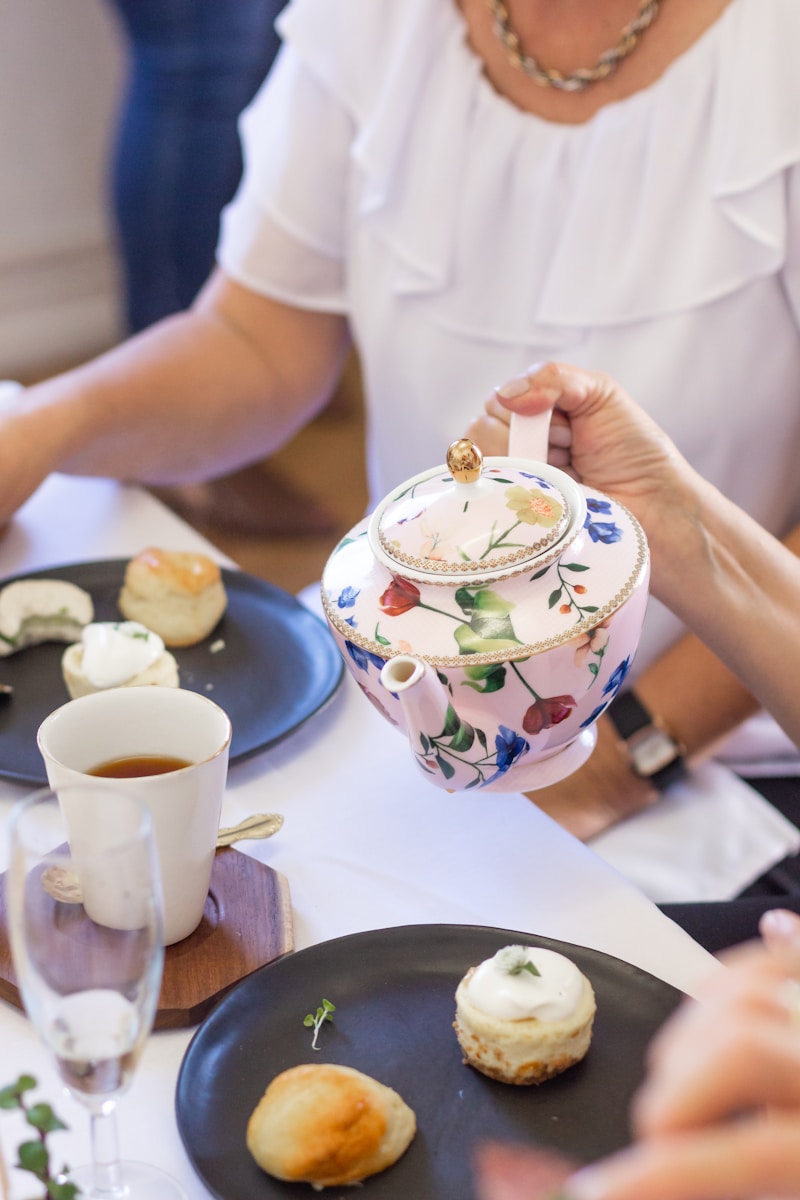 Throughout the years, this light meal has adapted to contemporary tastes and preferences, often incorporating themes or exotic teas like Earl Grey and English Breakfast. Despite its evolution, the core elements—tea, sandwiches, and pastries—remain steadfast, anchoring afternoon tea in tradition while allowing room for personalization.
Afternoon Tea vs. High Tea
Contrary to popular belief, afternoon tea and high tea are not interchangeable terms. Afternoon tea, often referred to as ‘low tea,’ is a light meal typically served in the late afternoon, around four o’clock. It is characterized by its leisurely and refined nature, often enjoyed on low, comfortable chairs or sofas. The focus is on conversation and relaxation, accompanied by tea and a selection of light fare such as finger sandwiches, scones with clotted cream and jam, and assorted sweets. High tea, on the other hand, originated as a heavier meal for the working class, taken standing up or sitting on high stools, hence the name. It was served later in the day, around six o’clock, and included a more substantial menu with items like meat dishes, pies, and bread—far denser than the delicate offerings of afternoon tea. In hosting an afternoon tea, it’s essential to note these distinctions to honor the tradition accurately and provide guests with an authentic experience. Whether you’re planning a birthday party, bridal shower, or simply a get-together, understanding these nuances can enhance the occasion, making it a memorable celebration centered around the art of drinking tea.
Planning Your Afternoon Tea Party
Choosing the Date and Time
Selecting the right date and time for your afternoon tea party is critical. Typically, afternoon teas are hosted between 3 and 5 PM, capturing the essence of this traditional light meal which originally served as a bridge between an early lunch and late dinner. Opt for a weekend if your goal is leisurely socializing, as most guests will be free from work commitments. Alternatively, hosting during weekday afternoons might suit smaller, more intimate gatherings where guests prefer a serene break from their busy schedules.
Selecting a Theme
Picking a theme for your afternoon tea party not only adds a layer of excitement but also enhances the visual and sensory experience for your guests. Themes can range from classic English garden, which pairs beautifully with traditional tea menus featuring cucumber sandwiches and scones, to more creative options like “Alice in Wonderland,” encouraging whimsical décor and colorful pastries. Before deciding, consider the preferences and interests of your expected guests. A theme can help in streamlining decisions related to décor, invitations, and even the tea menu, ensuring a cohesive and memorable event.
Preparing the Menu
When hosting an afternoon tea, perfecting the menu is fundamental to guaranteeing your guests an enchanting experience. Here, I provide an optimized outline for must-have selections to serve at your afternoon tea party.
Essential Tea Selections
At your afternoon tea party, selecting an assortment of teas is crucial, as they are the heart of the event. Offer a range of teas including black teas like Earl Grey and English Breakfast, each offering robust flavors, and more delicate options such as strawberry tea or herbal choices for those preferring a caffeine-free alternative. This allows guests to experience a breadth of options and satisfies diverse preferences. It’s also wise to include lemon slices and a sugar bowl, along with a milk jug for those who favor a lighter, mellower tea. 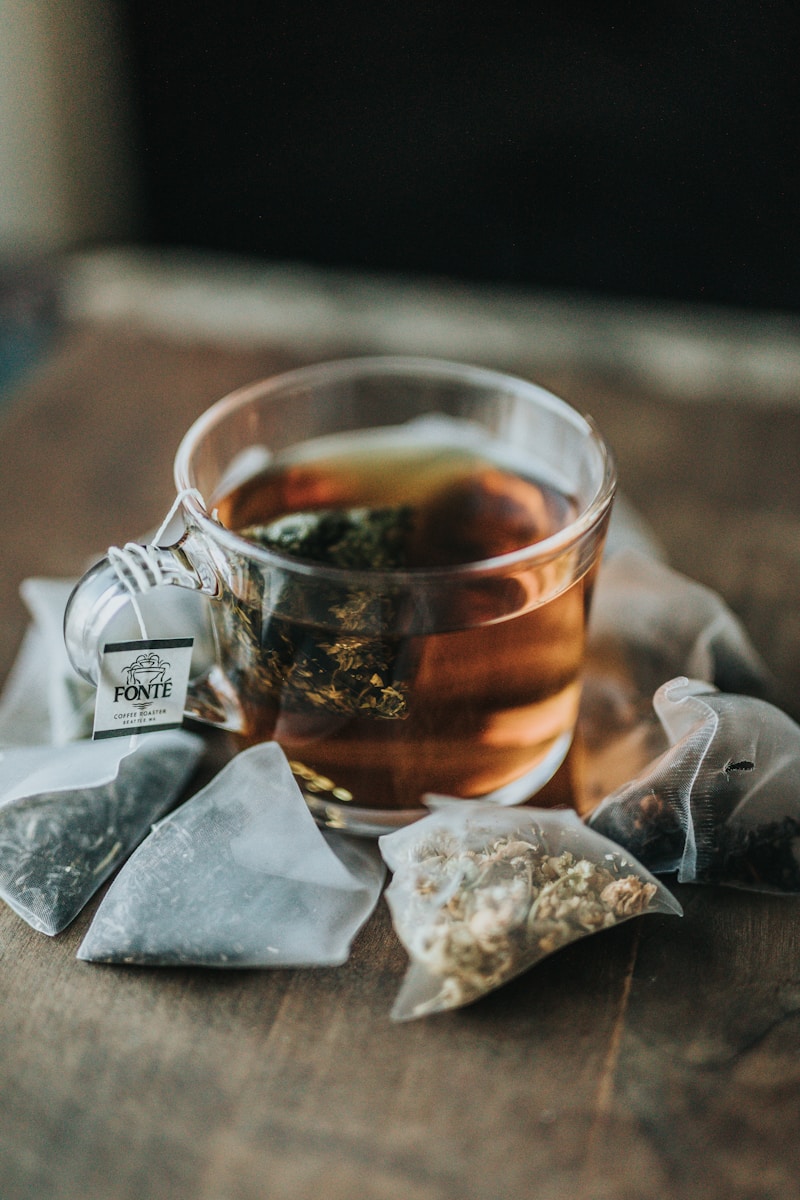
Savory Bites and Sandwiches
A variety of finger sandwiches forms the first course of a traditional afternoon tea. Start with popular options like cucumber sandwiches, egg salad, and coronation chicken. These choices provide a spectrum of colors and textures, elevating the visual appeal and taste experience. Remember, the fillings can be prepared ahead of time and stored in an air-tight container in your fridge, though it’s best to assemble the sandwiches a few hours prior to serving to maintain optimum freshness.
Sweet Treats and Pastries
No afternoon tea menu is complete without the inclusion of delightful sweets and pastries. Aim to serve a mix of scones with cream and jam, as well as a selection of petit fours or layered cakes like Victoria sponge. Not only do these items offer a satisfying conclusion to the tea party, but they also provide a classic touch to your assortment. Ensuring these sweets are on hand, you can either prepare them at home or, for convenience, purchase high-quality pre-made options from local bakeries or stores like Trader Joe’s. By choosing a well-rounded menu that respects the traditional elements of an afternoon tea while allowing space for some personal touches, you create a memorable experience for all your guests. Ensure you have ample quantities of each item, as afternoon tea is as much about indulgence as it is about enjoying good company and delightful treats.
Setting the Scene
Choosing the Location
Selecting the perfect venue plays a crucial role in hosting an unforgettable afternoon tea party. The location should match the event’s elegance while catering to the comfort and preferences of your guests. For a traditional afternoon tea, consider spaces that offer both charm and convenience—gardens, patios, or a sophisticated dining room are ideal choices. If the weather permits, I recommend an outdoor setting like a lush garden which naturally enhances the ambiance with its scenic beauty and provides a serene backdrop for the delicate arrangements of an afternoon tea party. For guests who appreciate a touch of historical elegance, settings with vintage decor or furnishings reminiscent of a bygone era provide a splendid environment. An indoor venue with ample natural light, such has a room with large windows overlooking flowering blooms, engages the senses and complements the subtleties of the tea flavors. Ensure the space is accessible for all attendees and offers comfort, regardless of the weather conditions.
Decorating for Ambiance
Creating the right atmosphere is essential for an afternoon tea that feels both refined and welcoming. Start with selecting exquisite table linens such as a crisp, white tablecloth and coordinating napkins. These basics set the stage for a sophisticated table setting. Enhance the elegance with floral centerpieces that echo the colors of the garden or, for indoor settings, mirror the tones of the decor. When I set my table for afternoon tea, I ensure that the elegance of the tea ware doesn’t go unnoticed. Fine porcelain or bone china tea sets are my go-to choices because they signify classic afternoon tea tradition. The delicate patterns on the tea cups can be matched or tastefully contrasted with the plates and serving dishes, which I sometimes like to present in mixed vintage styles for a personalized aesthetic touch. Additional accents like silver tea spoons, lace doilies, and crystal glassware for water or Prosecco add layers of luxury that make the party memorable. Soft instrumental music in the background can enhance the ambiance of the event, setting a calm and relaxing mood that invites guests to enjoy their afternoon tea leisurely. By focusing on these aspects of the location and decoration, the stage is perfectly set for an afternoon tea that not only provides delightful culinary treats but also creates a lasting impression on all attendees.
Hosting an Afternoon Tea: Etiquette and Tips
Hosting an afternoon tea involves much more than just preparing a menu; it’s about creating an experience. Adhering to proper tea party etiquette not only respects the tradition but also enhances the enjoyment of your guests. Below, I’ll detail some essential tips for setting your table and interacting with guests that align with classic tea party practices.
Proper Table From setting
A meticulously set table is central to the opulence of an afternoon tea. Initiate your arrangement by placing a crisp, linen tablecloth which serves as a blank canvas. Each place setting should feature a polished tea set, complete with teapot, sugar bowl, milk jug, and a teacup with a saucer, ensuring each item matches or harmoniously blends with the overall aesthetic. Strategically position each napkin to the left of the plate, or artfully fold it atop the plate for a touch of sophistication. Don’t forget to include a separate plate for finger sandwiches and scones, accompanied by small knives for spreading clotted cream and jam. A tiered cake stand in the center of the table not only saves space but also becomes a focal point, displaying neatly arranged sandwiches on the bottom tier, scones on the middle, and sweets like petit fours or cakes on the top. For an extra layer of detail, position the tea spoons parallel to the cup handle and ensure sugar cubes are readily available in a small, elegant bowl with tongs. If you’re offering a variety of tea, like Earl Grey, English breakfast, or black tea, a well-labeled selection can allow guests to choose their preferred brew, enhancing their personal experience.
Guest Interaction and Activities
When the guests arrive, offering them a warm welcome sets the tone for a relaxed and enjoyable afternoon. Leading by example, I start by pouring tea for each guest, demonstrating the correct handling of the teapot and the gentle stirring of tea without clinking the sides of the cups. Encouraging light conversation and possibly having a selection of soft music in the background can keep the atmosphere calm and pleasant. Depending on the occasion, you might incorporate some light activities, such as a brief talk about the history of afternoon tea or a subtle game that complements the elegant theme without overwhelming the primary purpose of enjoying the tea and company. Activities should facilitate interaction but also respect the tranquil nature of tea time. It’s also polite to be mindful of pacing—allowing guests to savor each course of sandwiches, scones, and pastries at leisure, without feeling rushed. By setting the scene with an elegant table, offering a selection of teas, and engaging in polite, relaxed conversation, I ensure that my afternoon tea party is an event that my guests will remember fondly for its grace and refinement. Hosting an afternoon tea is more than just a gathering; it’s an art that blends tradition with personal touch. By focusing on the finer details like the setting, etiquette, and guest interactions, I’ve shown how you can elevate a simple tea party into an event that leaves a lasting impression. Remember, the key to a successful tea party lies not just in the delicious treats and beautiful decor but in creating a warm, inviting atmosphere that encourages relaxation and conversation. Whether you’re a seasoned host or a beginner, applying these tips will help you master the art of afternoon tea and delight your guests with an unforgettable experience.
Frequently Asked Questions
What are the essential elements to host an afternoon tea party?
Key elements to hosting a successful afternoon tea party include choosing the right menu, venue, and ambiance. Focus on elegant table settings, comfortable seating arrangements, and having a variety of teas and light refreshments.
How should one set a table for an afternoon tea party?
For a proper afternoon tea table setting, include a centerpiece like flowers, set each place with a tea plate, cup and saucer, napkin, and utensils for dessert. Arrange the tea, milk, sugar, and lemon slices on the table for easy access.
What are the etiquette rules guests should follow at an afternoon tea?
Guests should place their purse on their lap or behind them, use napkins properly on their laps, add sugar before lemon in tea, and engage in polite, light conversation. It’s essential to maintain a calm and pleasant demeanor throughout the event.
How can hosts make their afternoon tea party engaging yet tranquil?
Hosts can strike a balance between engagement and tranquility by organizing light activities that don’t disrupt the calm atmosphere, like soft music or simple table games. Additionally, conversation should be kept light and polite, enhancing the serene experience.
What are some creative menu ideas for an afternoon tea?
Creative menu ideas for an afternoon tea include serving a variety of classic and innovative sandwiches, fresh scones with clotted cream and jams, as well as assorted pastries like mini éclairs or tartlets. Offering a selection of traditional and herbal teas can cater to all tastes.
Organizational Magic and Decluttering for Refined Living
In the hustle and bustle of modern life, finding tranquility and sophistication within our living spaces can often feel like a distant dream. The chaos of clutter, disarray, and excess can pose a formidable obstacle to crafting an environment that embodies the concept of “decluttering for refined living.”
Nonetheless, the solution to realizing this elusive aspiration can be found in the enchanting practice of arranging and simplifying. Within the scope of this comprehensive guide, we shall delve into the significance of achieving an atmosphere characterized by sophistication, explore strategies for nurturing a peaceful living setting, delve into minimalist storage solutions, and elucidate how a well-organized space serves as a catalyst for mental clarity and overall well-being.
The Psychology of Clutter
Before diving into the practical aspects of decluttering, it’s essential to understand the psychology behind clutter. Clutter isn’t just physical; it can also take a toll on your mental health and overall well-being. Research has shown that living in a cluttered environment can lead to increased stress and decreased productivity. Moreover, clutter often accumulates due to emotional attachments to possessions or a lack of time to manage them. Recognizing these underlying factors is the first step in your decluttering journey.
The Art of Decluttering
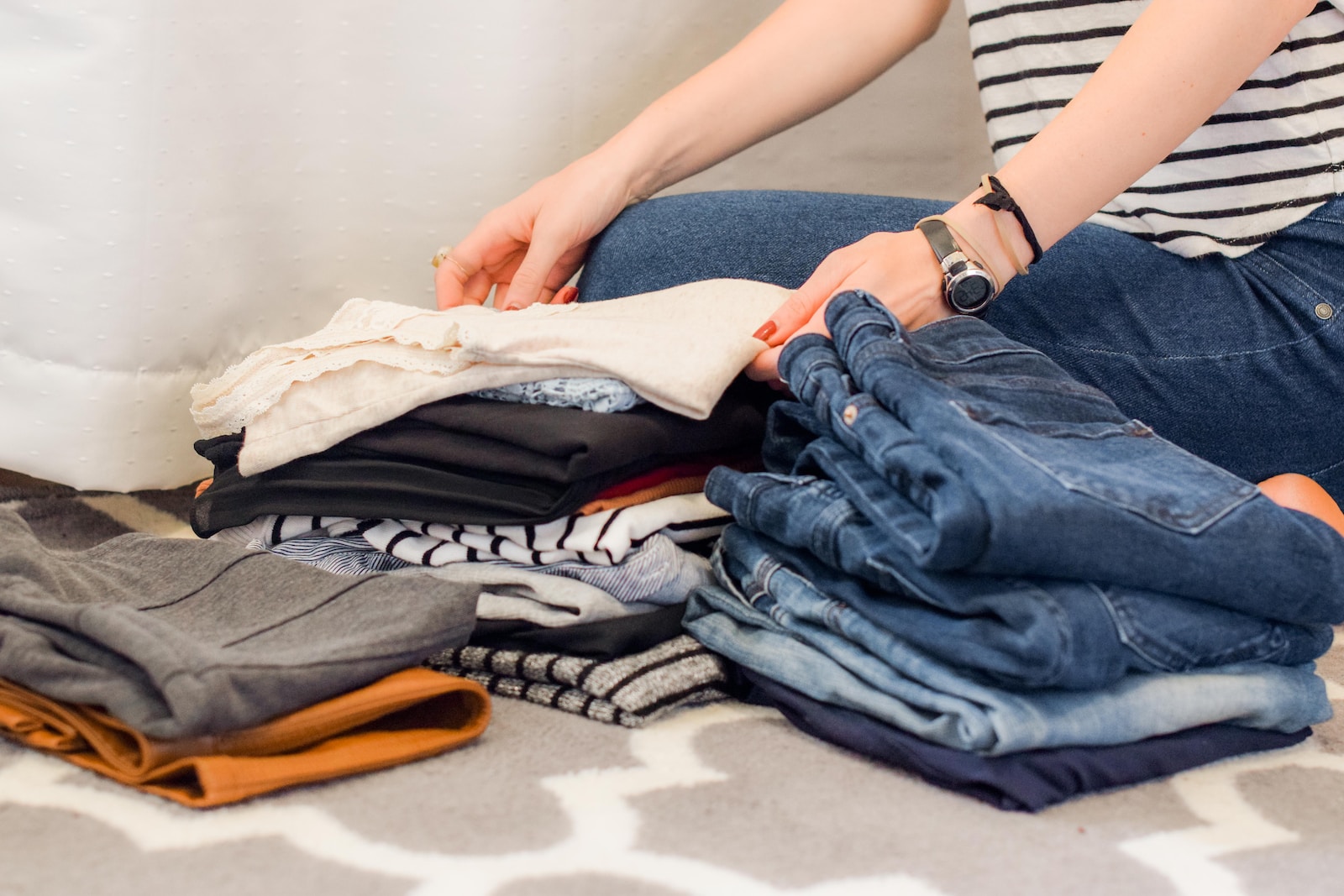
Identifying Clutter Hotspots in Your Life
Start your decluttering journey by pinpointing the areas that need the most attention. This includes not only your home but also your digital life. Just what are the areas where clutter tends to accumulate? The laundry room, filled with unused or outdated cleaning supplies, is a common culprit. Similarly, overstuffed closets and overflowing storage spaces can contribute to a cluttered home.
The Marie Kondo Method and Sparking Joy
Marie Kondo’s method of decluttering emphasizes keeping only what brings you joy. As you begin decluttering, ask yourself whether each item in your home truly sparks joy. If not, it’s time to bid farewell to those unwanted items.
The Importance of Organizational and Decluttering in Refined Living
Organizational Elegance: What is It?
Organizational elegance is more than just tidying up; it’s a philosophy of living that prioritizes simplicity, functionality, and aesthetics. It’s about creating a living space that not only looks refined but also promotes a sense of calm and well-being.
Decluttering for Refined Living
Decluttering for refined living goes hand in hand with organizational elegance. It’s the process of intentionally eliminating excess and unwanted items from your living spaces, allowing you to focus on only what truly matters.
Creating a Serene Living Space
A clutter-free home is a sanctuary, a place where you can unwind and recharge. Discover how a serene living space can be a life-changing experience for you and your family. [affiliatable id=‘268255’]
Strategies for Maintaining an Organized and Serene Living Environment
The Decluttering Journey
Embark on your decluttering journey with small steps and big aspirations. Learn how professional organizers can help you take control of your living spaces and protect your mental well-being.
The Power of One Room
Sometimes, decluttering one room at a time can be less overwhelming and more helpful. Explore the benefits of tackling your living spaces room by room.
Small Steps, Big Impact
Discover tips and tricks for making daily progress in your decluttering efforts. From clearing out piles of stuff to selling unwanted items, these small steps can lead to significant changes in your life.
Minimalist Storage Solutions and Tidying Techniques
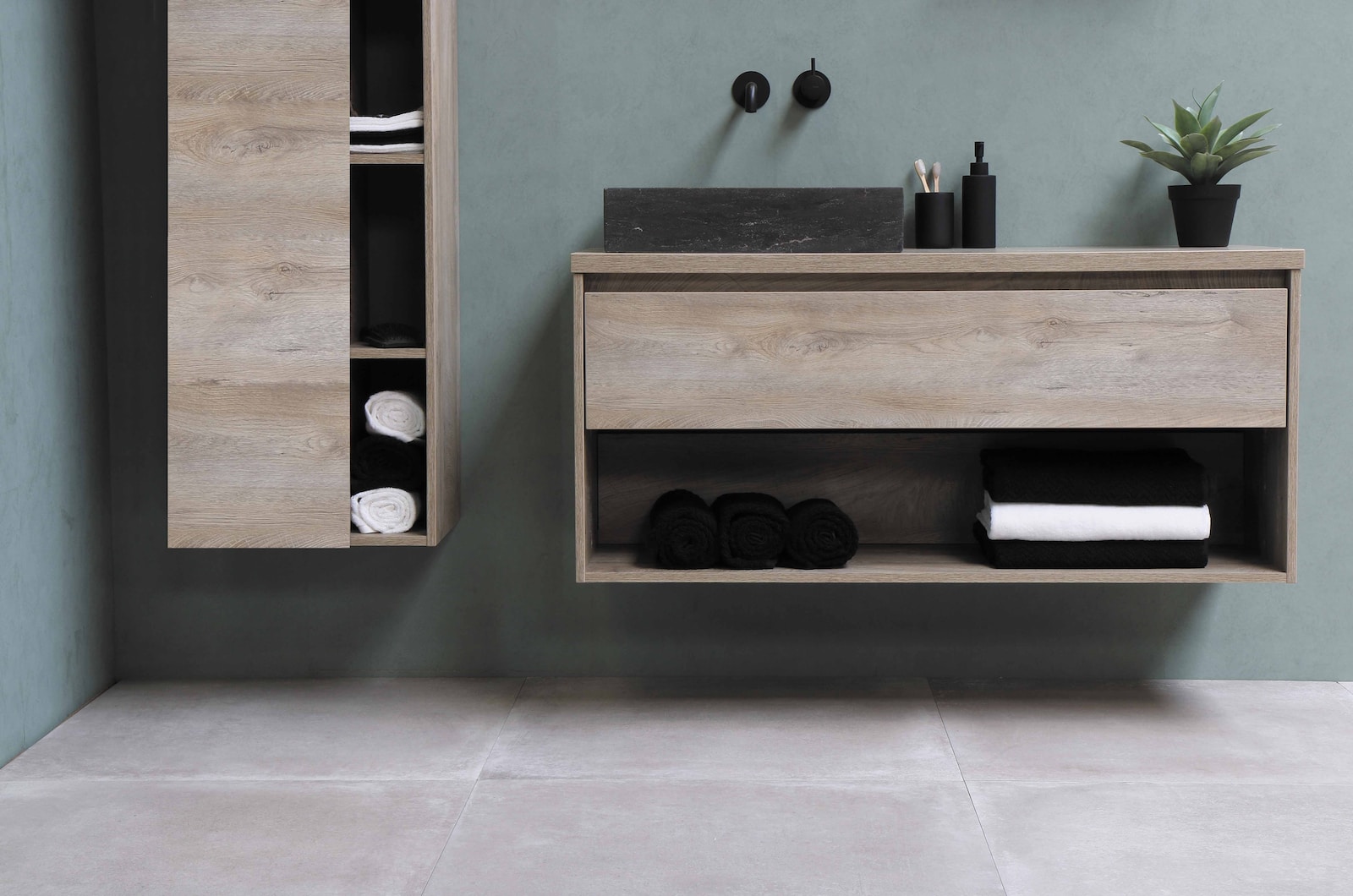
Opt for Minimalism and Organization
Explore minimalist storage solutions that not only maximize space but also add a touch of elegance to your home. Learn how to opt for quality over quantity.
Taking Control of Your Closet
Your closet can be a source of stress or a place of serenity. Find out how to create an organized closet that simplifies your daily routine.
From Chaos to Serenity: Your Desk
Is your desk a cluttered mess? Discover strategies for taking control of your workspace and boosting your productivity.
How an Organized Space Contributes to Mental Clarity and Well-being
The Link Between Clutter and Stress
Uncover the science behind the connection between clutter and stress. Learn how an organized space can alleviate anxiety and promote mental clarity.
Deciding What to Keep, Toss, or Donate
Making decisions about your possessions can be challenging. Get practical tips for deciding what to keep, what to toss, and what to donate.
Overcoming Overwhelm
Feeling overwhelmed by the clutter? Find out how to overcome this common hurdle in your decluttering journey and search for more help when needed.
The Magic of Organization
Once you’ve decluttered your space, it’s time to embrace the magic of organization. Here are some strategies to help you create a clutter-free home:
Finding the Right Organization System
 Different organizational methods work for different people. Explore minimalism, the KonMari method, or even Feng Shui to find the approach that resonates with you.
The Benefits of an Organized Space
An organized home not only looks better but also functions better. Discover how an organized space can save you time, reduce stress, and improve your overall quality of life.
Sustainable and Eco-Friendly Organization Practices
Learn how to organize your home in an eco-conscious way, including using sustainable storage solutions and recycling or upcycling unwanted items.
Practical Steps to Achieve Organizational Magic
Now that you understand the psychological aspects of clutter and the importance of organization, it’s time to roll up your sleeves and start decluttering and organizing. Let’s break it down room by room: The Bedroom Explore tips and tricks for decluttering and organizing your bedroom, creating a serene and clutter-free haven. The Kitchen Discover how to streamline your kitchen, making meal prep a breeze and ensuring that only essential items occupy your space. The Living Room Learn how to create an inviting and clutter-free living room that’s perfect for relaxation and entertainment.
Refined Living and Beyond
As you embark on your decluttering journey, remember that it’s not just about tidying up; it’s about embracing a refined way of living. This life-changing process is a win-win for both you and your family members, as it creates a more harmonious and stress-free environment.
Organizational Strategies for a Stress-Free Home
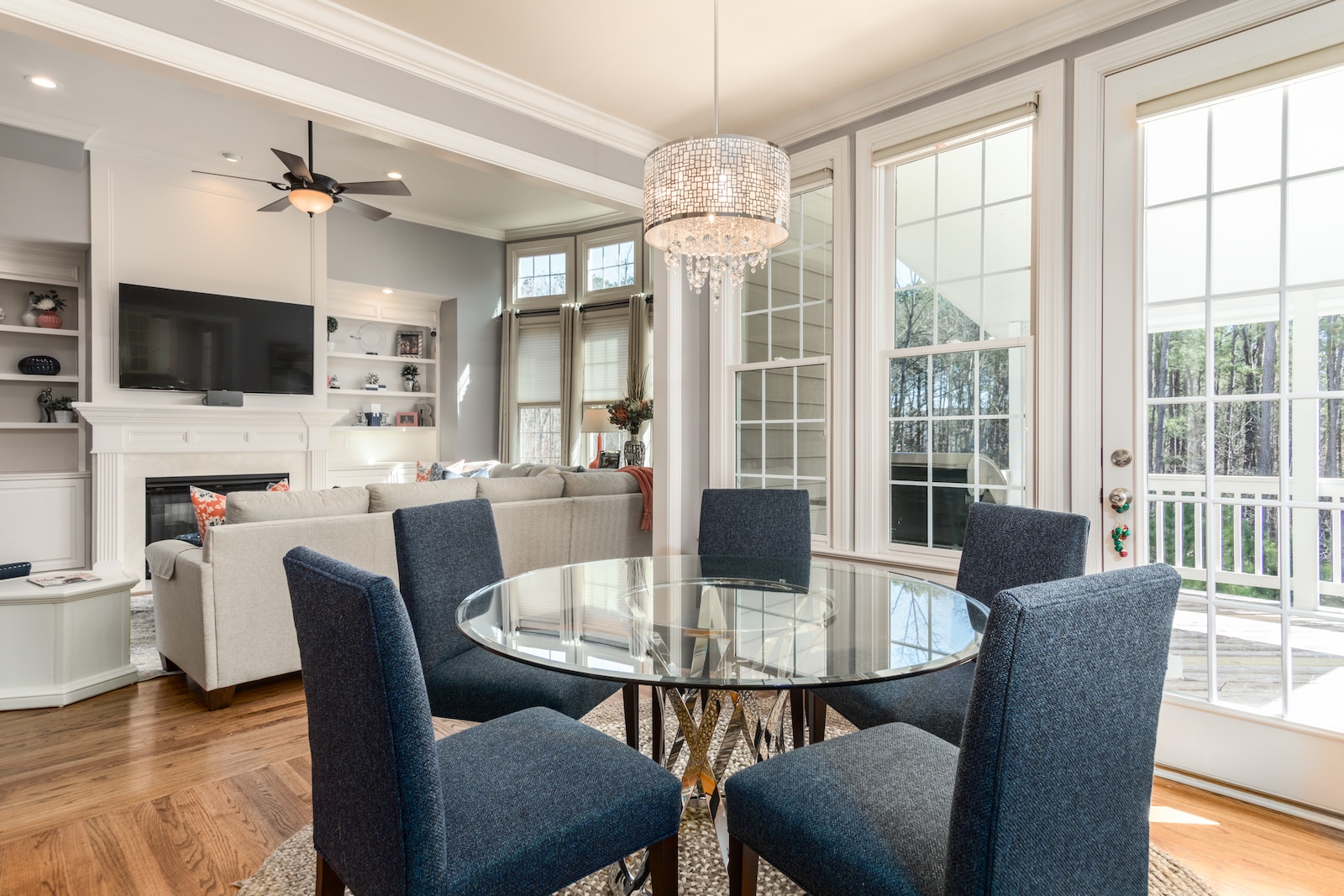 In our fast-paced lives, it’s easy to become overwhelmed by the clutter that accumulates around us. Here, we’ll explore some actionable tips and strategies to help you declutter and organize your living spaces effectively, saving you time, money, and emotional energy.
Decluttering Room by Room
One of the most effective approaches to decluttering is tackling your home room by room. Start with the areas that cause you the most stress and contribute to a cluttered environment. For some, it might be the bedroom, for others, the kitchen or living room. By breaking down the task into manageable chunks, you’ll feel more in control and less overwhelmed.
The Power of Daily Decluttering
Decluttering doesn’t have to be a big job that you do once a year. Consider incorporating daily decluttering into your routine. Set aside a few minutes each day to address a specific area of your home, whether it’s clearing your desk, organizing a drawer, or going through the mail. These small, consistent efforts can make a big difference over time.
Decluttering with Friends and Family
Getting your friends and family involved in the decluttering process can be both fun and productive. Invite them to join you in decluttering sessions or enlist their help in making decisions about what to keep, donate, or sell. This collaborative approach can help you stay motivated and make decluttering a social activity.
The Art of Letting Go
One of the hardest parts of decluttering is deciding what to keep, what to donate, and what to throw away. To make this process easier, consider asking yourself some key questions: Do I use this item regularly? Does it have sentimental value? Can it serve a purpose in my life now or in the future? If an item no longer serves any of these purposes, it may be time to let go of it.
The Donation Center Approach
Creating a designated donation center in your home can streamline the decluttering process. Set up bins or boxes labeled “Donate,” “Sell,” and “Trash.” As you go through your belongings, place items in the appropriate containers. Once these containers are full, you can take them to your local donation center, sell items online or at a yard sale, and dispose of trash responsibly.
Professional Organizer Services
If you find decluttering overwhelming or struggle to make progress on your own, consider hiring a professional organizer. These experts have the experience and skills to help you tackle even the most cluttered spaces. They can provide valuable insights, storage features recommendations, and personalized strategies to transform your home into an organized haven.
Involving Kids in the Decluttering Process
Teaching your kids the importance of decluttering from a young age can instill good habits and reduce the accumulation of unnecessary items. Encourage them to declutter their own spaces, such as their rooms or play areas, and involve them in decisions about which toys and belongings to keep or donate. This process not only helps maintain an organized house but also teaches them valuable life skills.
Organizational Magic in the Digital Age
In addition to physical decluttering, it’s crucial to extend your efforts to the digital realm. Regularly go through your digital files, emails, and apps to delete what you no longer need. Unsubscribe from unnecessary newsletters and organize your digital life for greater efficiency.
Storage Features and Bins for Efficient Organization
Utilizing storage features like bins, shelves, and cabinets can significantly enhance your organizational efforts. Invest in high-quality storage solutions that match your interior design and allow for easy access to items you use regularly. Consider using clear bins or labels to keep track of stored items, making it simpler to locate what you need.
Reclaiming a Brighter Future Through Decluttering
The process of decluttering goes beyond mere tidying; it involves regaining control over your living space, your time, and your inner decluttering energy. By adhering to these actionable suggestions and integrating decluttering into your everyday life, you can experience a heightened level of organization, serenity, and sophistication within your living environment. This transformation not only benefits your personal life but also has a positive influence on the well-being of both yourself and your loved ones. So, seize the opportunity today and embark on your path toward a home that is free from clutter and stress.
Final Thoughts
In the pursuit of refined living, the magic lies in organization and decluttering. By creating an organized and serene living space, you not only enhance the aesthetics of your home but also promote mental clarity and well-being. The journey to decluttering for refined living may seem daunting, but with the right strategies and a commitment to minimalism, you can transform your living spaces into an oasis of elegance and tranquility. It’s a win-win for your home and your life. So, why wait? Start your decluttering journey today and experience the transformative power of organizational magic. Your refined living awaits! Remember, a clutter-free home is not just a destination; it’s a path to a more serene, organized, and refined way of life. Other suggested articles:
Social Etiquette: How to Be a Gracious Host or Guest Unveiling the Secrets
Table Manners: Dining With Grace for Social Gatherings
How to Compliment a Girls Outfit: Stylish and Genuine Tips
Ever found yourself at a loss for words on how to compliment a girls outfit? You’re not alone. Knowing exactly what to say can feel like navigating a fashion minefield, especially if you’re not well-versed in style. But mastering the art of complimenting can not only make her day but also strengthen your connection.
When it comes to “how to compliment a girls outfit,” specificity is key. A genuine comment about how a dress brings out her eye color or how her style is effortlessly chic can go a long way. It’s all about paying attention to the details and making her feel appreciated for her fashion choices.
By focusing on elements like color coordination or the vibe her outfit gives off, you can craft compliments that are both sincere and impactful. So, let’s dive into the nuances of complimenting and make sure your words leave a lasting impression.
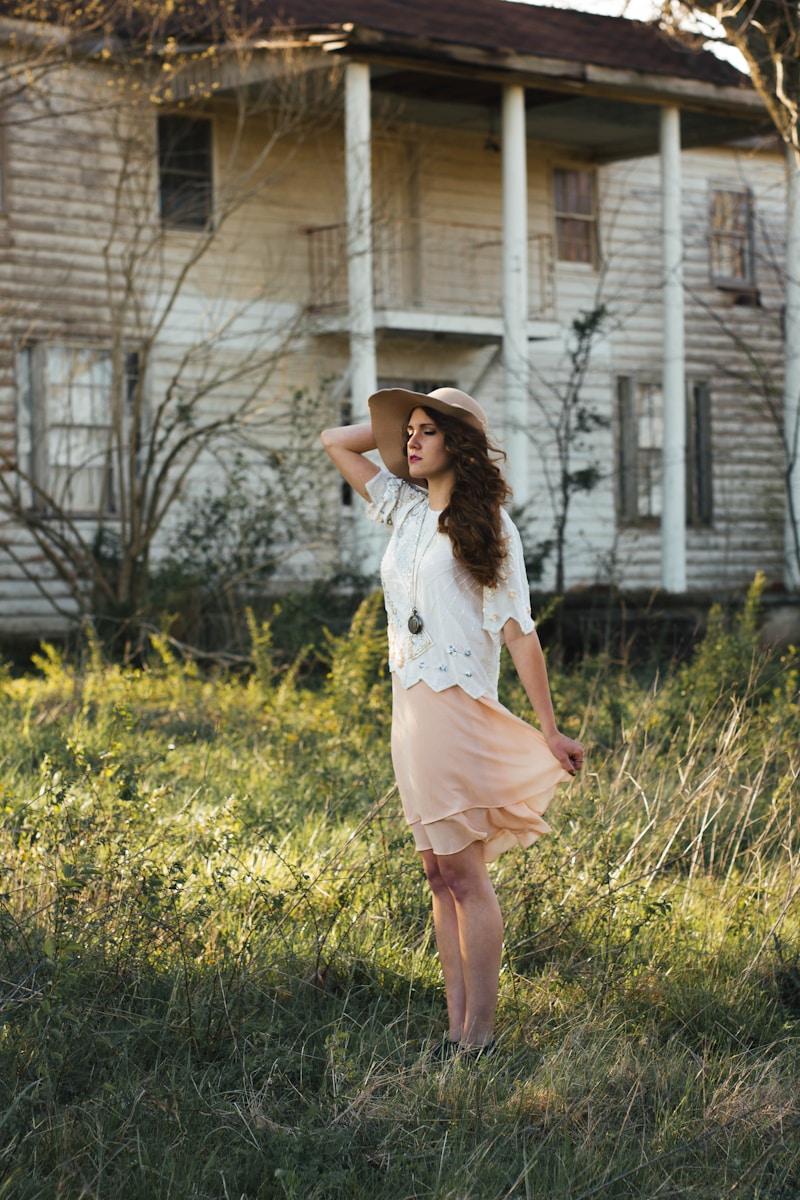
How to Compliment a Girls Outfit: Understanding the Power of a Compliment
Compliments possess the ability to brighten someone’s day instantly. When complimenting a girl’s outfit, sincerity is crucial. A sincere compliment doesn’t only acknowledge her clothing choices but also the effort she puts into expressing her style. Noticing details like how the outfit complements her skin tone or how different pieces work together demonstrates genuine interest in her sense of fashion.
Eye contact during a compliment enhances its impact by reflecting honesty and engagement with the person. Suppose I comment, “Your style rocks with that amazing outfit—it looks like something out of a fashion magazine.” This not only boosts her confidence but also shows appreciation for her creative ways of dressing.
The key to giving compliments lies in focusing on how the person is wearing the outfit, rather than the clothing itself. It’s not about saying she looks like a million bucks; it’s recognizing her great taste by pointing out how well she coordinates colors or styles with bold accessories.
People often feel pressured when receiving compliments, so framing them in a way that evokes a positive response helps. For instance, instead of a general comment, I might say, “I admire the beautiful color of your dress—it’s so flattering and really highlights your excellent outfit.” By doing this, I acknowledge both her fashion sense and individuality without making her feel obligated to respond.
Basics of Complimenting an Outfit
Approaching someone to compliment their outfit involves understanding the nuances of timing and language. Crafting sincere compliments can enhance someone’s day and strengthen social connections. Let’s explore essential strategies for making these compliments genuinely impactful.
Choosing the Right Words
Precision matters in complimenting someone’s outfit. Instead of generic phrases, focus on specific elements like “This dress brings out your eye color beautifully” or “Your style rocks with that creative pattern.” Mentioning the impact of the outfit can express genuine interest. For example, saying, “You look amazing in this dress. It highlights your excellent taste,” can make her feel special. By focusing on her unique clothing choices, you acknowledge her fashion sense without sounding superficial.
Timing is Everything
Delivering a compliment at the right moment amplifies its impact. Catch her when she’s comfortable, perhaps during a relaxed gathering or casual event. This timing ensures that she doesn’t feel pressured or on display. Observing and biding your time, then sincerely expressing admiration, is key. For instance, recognizing her amazing outfit when the conversation turns to fashion can make the compliment feel more genuine. A well-timed remark like “Your outfit today looks like it came straight out of a fashion magazine” can lead to a meaningful conversation about style.
Creative and Genuine Compliments
I’ve found that giving creative and genuine compliments on a girl’s outfit often makes her feel truly valued and appreciated. By focusing on specific aspects like color, fit, and style choices, I convey a sincere interest that stands out.
Compliments on Color and Fit
When complimenting someone’s outfit, I pay attention to the color and fit. For example, instead of a generic “nice outfit,” I might say, “That dress, with its beautiful color, highlights your skin tone perfectly,” or “The fit of your blazer is truly flattering.” These specific comments show I notice the small details in her clothing choices.
Noticing Unique Style Choices
I love acknowledging unique style choices. Whether it’s a vintage item or an unconventional pairing, pointing out these elements shows I admire creativity. Saying something like, “Your choice to mix those patterns is amazing,” tells her I appreciate her fashion sense. This kind of recognition often sparks conversations about style and fashion, bridging common interests.
Praising Effort and Confidence

I often make sure to praise the effort and confidence someone puts into their amazing outfits. A compliment like “You make this bold look seem effortless” highlights the thought and confidence behind her clothing choices. Recognizing these aspects not only boosts her confidence but also validates her style choices, making her feel awesome.
When and When Not to Compliment
Understanding when to compliment a girl’s outfit can make a significant difference in how the compliment’s received. A well-timed and sincere compliment can brighten her day and even start a genuine conversation about style.
Situations to Avoid
Avoid complimenting someone’s outfit when you haven’t been introduced. It can come across as overly casual or even rude. Some individuals might feel uncomfortable receiving compliments, particularly if they’re dealing with low self-esteem or body image issues. Offering a compliment might spark insecurity rather than bringing positivity. It’s also essential to consider cultural or personal preferences, as some might not wish to receive comments about their clothing. Stick to giving compliments when you’ve had at least a brief personal interaction to ensure comfort.
Emphasizing Authenticity
Focus on authenticity when complimenting a girl’s outfit. A sincere compliment about her outfit shows genuine interest, making her feel appreciated for her style choices. Mention specific elements like color or fit to demonstrate attention to detail and admiration. Instead of saying “nice outfit,” be more descriptive, such as “the colors of your dress complement your skin tone beautifully.” This specificity adds depth to the compliment and emphasizes appreciation for the individual’s effort in assembling the outfit. Engage with her sense of style and creativity without making her feel pressured to respond, letting the compliment stand on its own.
Creating a Positive Impact
Acknowledging a girl’s outfit in a constructive way leaves a lasting impression and strengthens connections. When I compliment someone’s outfit, I aim to highlight specific elements that demonstrate genuine interest in her clothing choices and style. For instance, mentioning how her ensemble complements her skin tone or accentuates her unique sense of style can make the compliment feel sincere and thoughtful.
Using descriptive language transforms a simple observation into an impactful comment. When I express admiration for someone’s outfit by saying, “Your dress is stunning; the color beautifully highlights your eyes,” it shows attentiveness. By focusing on specific aspects, such as the creative mix of different pieces she’s wearing, I ensure the compliment is genuine and well-received.
Although timing is crucial, making someone feel comfortable and appreciated is equally important. In a relaxed setting, I try to integrate compliments naturally into the conversation. By doing so, I can steer clear of making her feel pressured to respond, allowing her to enjoy the compliment effortlessly.
Maintaining eye contact while complimenting creates a sense of sincerity, showing that my admiration extends beyond the clothes to the person wearing them. This approach increases the compliment’s positivity and enhances her confidence. By opting for thoughtful and considerate phrases, like “You always have such great taste in outfits,” I contribute to a more impactful and reassuring complimenting experience.
Complimenting a girl’s outfit is an art that requires sincerity and attention to detail. By focusing on specific elements like color and fit, and delivering compliments with genuine interest, we can create meaningful connections. It’s important to be mindful of timing and setting, ensuring that our remarks are both respectful and impactful. Through thoughtful compliments, we not only acknowledge her style but also celebrate her individuality, fostering positive interactions that leave a lasting impression.
Complimenting a girl’s outfit is all about being observant, genuine, and specific. Whether it’s acknowledging the effort behind her choice of fabrics or appreciating her knack for accessorizing, thoughtful compliments can boost her confidence and show that you truly pay attention to the details. Want to deepen your style knowledge? Check out more of our fashion-forward articles like Understanding Different Types of Leather and How to Style Scarves. Or, if you’re looking for lifestyle inspiration, explore Mastering the Hobby of Collecting Stamps, classic favorites like Classic Cocktails, and tips for enjoying Afternoon Tea in style.
Frequently Asked Questions
How can I effectively compliment a girl’s outfit?
To effectively compliment a girl’s outfit, focus on specific details such as color coordination, fit, or unique style choices. Mention how certain aspects of her outfit, like a dress or accessory, enhance her features or reflect her personality. Avoid generic compliments and aim for sincerity, making sure your remark is genuine and thoughtful.
Why is timing important when complimenting a girl’s outfit?
Timing is crucial because a well-timed compliment can enhance the impact and lead to a meaningful interaction. Compliments delivered in relaxed settings are often better received and can spark genuine conversations about style. Avoid making a compliment when you haven’t been introduced, as it might come off as inappropriate.
What role does eye contact play in complimenting a girl’s outfit?
Eye contact is significant because it conveys sincerity and confidence. When you maintain eye contact while complimenting, it enhances the positivity of your remark and makes the girl feel genuinely appreciated. This non-verbal cue shows that your compliment is heartfelt and adds depth to your interaction.
How can a compliment on a girl’s outfit promote genuine connections?
By acknowledging the effort and creativity behind a girl’s clothing choices, your compliment can boost her confidence and encourage engaging conversations about fashion. Focusing on unique elements of her outfit shows genuine interest and appreciation, fostering a thoughtful approach that strengthens connections.
What language should I use when complimenting a girl’s outfit?
Use descriptive and precise language to focus on specific elements like color, pattern, or fit. Highlight how these details enhance her appearance or align with her personal style. Avoid broad generalizations and ensure your words are authentic, conveying genuine interest and making the compliment meaningful.
Is it beneficial to comment on a girl’s style choices?
Yes, commenting positively on a girl’s style choices can be very beneficial, as it acknowledges her individuality and fashion sense. Praising her ability to confidently wear bold outfits or unique accessories can make her feel appreciated and recognized for her creative expression.
Mindful Art Appreciation: How to Experience Art on a Deeper Level
In our fast-paced, digital age, finding moments of stillness and introspection has become increasingly important. One powerful way to achieve this is through mindful art appreciation, a practice that not only allows you to connect with art on a deeper level but also enhances your self-awareness and creativity. In this blog post, we’ll explore the world of mindful art appreciation, shedding light on how it can be a transformative experience, offering stress relief, and helping you unlock your inner artist. Whether you’re a seasoned art enthusiast or a beginner, the practice of mindful art appreciation can enrich your life in profound ways.
The Power of Mindful Art Appreciation

Experience the Emotions:
Art has the incredible ability to evoke emotions, and mindful art appreciation can intensify this experience. When you take the time to engage with an artwork in the present moment, you become more attuned to the emotions it conveys. The colors, shapes, and brushstrokes become a window into the artist’s soul, inviting you to connect with their feelings and your own.
Enhance Creativity and Imagination:
Creating art is a beautiful form of self-expression, but mindful art appreciation can also boost your creative process. By immersing yourself in the world of art, you’ll gain new perspectives and ideas that can be channeled into your own creative endeavors. It’s a natural way to inspire your own artistic journey.
Preparing for Mindful Art Appreciation
Set the Right Environment:
Before you embark on your mindful art journey, it’s crucial to create an environment conducive to deep reflection. Find a quiet space free from distractions, dim the lights if possible, and create a comfortable atmosphere that allows you to focus solely on the artwork before you.
Adjust Your Mindset:
Mindfulness in art appreciation requires a willingness to let go of preconceived notions and judgments. Cultivate an open mind and approach each artwork with curiosity and a sense of wonder. Remember that there are no right or wrong interpretations – it’s about your personal experience.
Techniques for Mindful Art Appreciation

Observational Techniques:
- Slow Looking: Spend time gazing at the artwork, allowing your eyes to wander and explore every detail.
- Noticing Details: Pay attention to the finer elements, such as brushwork, texture, and color palette.
- Exploring Composition: Analyze how the elements of the artwork come together to create meaning.
Engage with Your Senses:
- Listening to Your Feelings: Take a moment to notice how the artwork makes you feel emotionally and physically.
- Using All Five Senses: Engage your senses beyond sight. Consider what you might hear, smell, taste, or touch within the artwork’s world.
- Imagining the Artist’s Perspective: Step into the artist’s shoes and try to understand their point of view and intentions.
Asking Questions and Exploring Context:
- Research the Artist and Artwork: Discover more about the artist’s background, style, and the historical context in which the artwork was created.
- Consider Historical and Cultural Context: Explore how the artwork might have been influenced by the time and place it was made.
- Reflect on Personal Associations: Think about your own life experiences and how they relate to the artwork’s themes and emotions.
Mindful Art Appreciation in Practice

Step-by-Step Guide to a Mindful Art Session:
- Choosing an Artwork: Select an artwork that intrigues you, whether it’s in a gallery or from your own collection.
- Setting the Scene: Create a serene environment, free from distractions.
- Engaging with the Art: Take your time to explore the artwork using the techniques mentioned earlier.
- Reflecting on Your Experience: After your mindful session, jot down your thoughts and feelings in an art journal.
Real-Life Examples of Deep Art Experiences:
- Personal Anecdotes: Many individuals have shared their transformative experiences with art, where a single painting or sculpture profoundly impacted their lives.
- Stories of Famous Art Appreciators: Learn how renowned artists and art enthusiasts used mindful art appreciation to find inspiration and solace.
Overcoming Challenges
Dealing with Distractions and Wandering Thoughts:
- Mindfulness practice often faces distractions. Acknowledge them without judgment and gently redirect your focus to the artwork.
Handling Difficult or Abstract Artworks:
- Some art can be challenging to understand. Approach such artworks with curiosity and a willingness to explore.
Navigating Emotional Responses:
- Art can trigger strong emotions. Embrace these feelings and use them as a gateway to self-awareness and understanding.
Mindful Art Appreciation Beyond the Gallery
 Incorporating Mindfulness into Daily Life:
- Practice mindfulness in everyday activities to increase self-awareness and reduce stress.
Bringing Mindfulness to Your Creative Endeavors:
- Apply the principles of mindfulness to your own art-making process, enhancing your creativity and self-acceptance.
Sharing Mindful Art Appreciation with Others:
- Encourage friends and family to join you on this mindful journey, fostering a sense of community and inspiration.
[affiliatable id=‘268259’]
Art Therapy and Mindful Art Activities
Art Therapy:
Art therapy is a specialized field that harnesses the healing power of art to address emotional, psychological, and even physical challenges. Art therapists are trained professionals who use the creative process as a means of self-expression and exploration. Combining art and psychology, art therapy has been proven effective in promoting self-awareness, reducing stress, and facilitating emotional healing.
The Role of an Art Therapist:
When engaging in art therapy, individuals work with trained art therapists who guide them through the process. These professionals create a safe and non-judgmental space for clients to express themselves through art, helping them uncover hidden emotions and thoughts.
Mindfulness-Based Art Therapy:
Mindfulness-based art therapy is a fusion of mindfulness practices and art therapy techniques. It encourages individuals to create art in a mindful way, focusing on the present moment and their inner experiences. This approach can be particularly beneficial for individuals seeking stress relief, self-compassion, and increased self-awareness. In conclusion, mindful art appreciation is a transformative practice that can deepen your connection with art, increase self-awareness, and offer profound stress relief. By approaching art with an open heart and a curious mind, you can unlock the hidden depths of creativity and emotion that lie within you. Whether you’re a seasoned artist or someone simply looking for a moment of mindfulness in your life, the practice of mindful art appreciation is a valuable tool for personal growth and artistic inspiration. So, grab your art materials, create a space for yourself, and embark on this enriching journey to experience art in its fullest, most mindful form. Other suggested articles: Navigating Business Casual vs Business Professional Table Manners: Dining with Grace for Social Gatherings
Refined Cuisine: The Art of Gourmet Dining in Everyday Life
In a world brimming with diverse culinary offerings, the concept of refined cuisine stands as a beacon of culinary artistry. It is an embodiment of everyday elegance, where gourmet dining transcends special occasions and becomes a part of our daily lives. This article delves into the essence of refined cuisine, exploring its roots in various cultural traditions and how it has evolved to become an integral part of modern dining experiences.
The Evolution of Refined Cuisine: From Haute to Everyday
French Cuisine and the Birth of Haute Cuisine
The genesis of refined cuisine can be traced back to the French court during the 17th century. Here, in the heart of French culture, culinary professionals honed their skills to create dishes that were not just sustenance, but an art form. This marked the birth of haute cuisine, a term synonymous with the most refined cuisine, characterized by elaborate preparation techniques and exquisite presentation. [caption id=“attachment_2742” align=“aligncenter” width=“300”] refined cuisine[/caption]
Nouvelle Cuisine: A Paradigm Shift
In the latter half of the 20th century, a culinary revolution known as nouvelle cuisine emerged in France. It shifted the focus from heavy, rich dishes to lighter, more delicate fare. This movement emphasized the freshness of ingredients and innovative cooking methods, revolutionizing the way we approach refined cuisine.
Japanese Cuisine: Elegance in Simplicity
Japanese cuisine embodies the essence of refined dining through its minimalist approach. With an emphasis on showcasing the natural flavors of each ingredient, it celebrates the art of subtlety and balance. From sashimi to delicate sushi rolls, every dish is a testament to the meticulous craftsmanship ingrained in this culinary tradition.
Middle Eastern Delights: Exotic Flavors, Refined Techniques
The Middle East boasts a rich tapestry of flavors, rooted in centuries-old culinary traditions. With a penchant for strong marinades and aromatic spices, the cuisine of this region exemplifies how refined techniques can elevate even the humblest of ingredients. Dishes like kebabs and falafel stand as shining examples of the marriage between tradition and sophistication.
Refined Cuisine in Everyday Life: Bridging the Gap
Local Influences: Infusing Tradition with Innovation
While the concept of refined cuisine often evokes images of far-flung destinations, it’s crucial to recognize its presence in our local communities. Many chefs draw inspiration from their own cultural heritage, infusing traditional dishes with new techniques and global influences. This fusion results in a delightful amalgamation of flavors, showcasing the versatility of refined cuisine. [caption id=“attachment_2743” align=“aligncenter” width=“200”] refined cuisine[/caption]
The Rise of Gourmet Dining Establishments
In recent years, the culinary landscape has witnessed a surge in gourmet dining establishments. These restaurants, helmed by important chefs, have become laboratories of culinary creativity. They push the boundaries of taste and presentation, offering diners a chance to experience the pinnacle of refined cuisine.
Refined Cuisine: A Cultural Tapestry
A Journey Through History: Culinary Traditions and the Middle Ages
The evolution of refined cuisine is intrinsically linked to the cultural history of societies across the globe. From the feasts of the Middle Ages to the opulent banquets of the Renaissance, food culture has always been a mirror reflecting the values and aspirations of a civilization.
From Paris to the World: The Influence of French Gastronomy
French cuisine has long been heralded as a cornerstone of refined dining. Its techniques and traditions have permeated kitchens around the world, leaving an indelible mark on global gastronomy. The sauces, the meticulous preparations, the delicate desserts—all bear the unmistakable stamp of French culinary expertise. [affiliatable id=‘269593’]
Elevating Everyday Dining: Tips for Incorporating Refined Cuisine
Pairing Perfection: Matching Wine with Refined Dishes
One cannot discuss refined cuisine without delving into the art of wine pairing. The right bottle can enhance the flavors of a dish, creating a symphony on the palate. Whether it’s a robust red with hearty meats or a crisp white with delicate seafood, the interplay of wine and food is a cornerstone of the refined dining experience.
Desserts: The Culmination of a Refined Meal
A refined meal culminates in the dessert course, where culinary creativity reaches its zenith. From intricate pastries to elegantly plated fruit juices, desserts are a canvas for a chef’s imagination. They provide the perfect finale, leaving a lasting impression on the taste buds.
Embracing Refined Cuisine: A Journey of Tastes and Traditions
In a world inundated with fast-paced living, the embrace of refined cuisine offers a pause—a moment to savor and appreciate the artistry that goes into every meal. It transcends borders and cultures, weaving a tapestry of flavors and techniques that celebrate the diverse richness of our global culinary heritage. So, let the journey begin, as we explore the world of refined cuisine, one exquisite dish at a time.
Parenting Styles: Which Are Preferred by Child Psychologists?
Parenting styles are a set of techniques based on psychology that parents implement while raising their children. However, not all parenting methods are beneficial to youngsters.
To guarantee that a youngster becomes morally upright and intellectually bright, psychologists advocate an all-inclusive approach to parenting and good parenting skills.
The ideal parenting style is concerned with all elements of a kid’s successful transition into adulthood.
Which Parenting Style Do Child Psychologists Prefer?
Child psychotherapists advocate authoritative parenting style as the most effective and preferred style of parenting. Authoritative parenting encourages your youngster to have a healthy, successful life physically, cognitively, emotionally, socially, and academically.
You set yourself apart from an authoritarian parents by demanding a lot from your child while also providing more. However, mastering the authoritative parenting style is difficult and requires a great deal of self-control, mental resilience, time, and energy.
Be a parent rather than a dictator. Work to achieve mutual agreement on rules as well as other aspects of life. Consistently provide nurturing and communication to help them improve their behavioral control and emotional stability.
Paying Attention to your Children’s Psychology
If you want your children to have a healthy physical, emotional, and mental life, you must concentrate on their psychological development. A child psychologist is useful in understanding how your interaction with your child affects them and why they behave the way they do.
There is a link between certain behavioral disorders and the parenting techniques you use. As a result, recognizing abnormalities in your parenting style might assist you in better comprehending your kids.
Furthermore, you can learn to interact and communicate with them in a more positive and constructive manner.
You may also assist your kid develop robust coping strategies in challenging circumstances if you understand their minds. The following are some of the most prevalent problems caused by poor parenting techniques.
- Aggression
- Depression
- Anxiety
- ADHD
- Learning issues
- Hyperactivity
Parenting Style and Role in Child’s Development
Your child’s development is influenced by a variety of factors, including your parenting style. Let us take a look at how this affects everything from physical to emotional to cognitive growth.
Cognitive Effects of Parenting Style
Did you know that newborns are aware of their surroundings and show curiosity? It may come as a surprise, but it is true. Your infant’s cognitive capacity to understand and observe will be affected by how you parent them.
Additionally, it will influence their language learning, decision making, memory storage and retrieval, and creativity.
Emotional Effects of Parenting Style
Emotional growth in a child refers to emotions, feelings, and the comprehension of them as well as their expression. You can see this by looking at your child’s basic emotions such as anger, joy, fear, or sadness. Emotional development also ties in with social development because face-to-face interaction helps your kid learn more complex sentiments.
The guilt and self-esteem systems are most likely the most painful reactions in second stage infidelity, which is why they need to be addressed first. Here’s a brief guide of what each type entails.
It’s not the time to start screaming. Consider this: when you chastise your children for being obnoxious, misbehaving, or in the wrong line by shouting at them, aren’t you contradicting yourself? Even if the youngster is scared into obedience when young, they may develop a hatred of you and other behavioral issues.
As a result, it is critical for you to focus on your child’s emotional development, and the greatest approach to do so is through a healthy and positive parenting style.
Parenting Style and Social Development of a Child
their value formation, social awareness, and mingling skills. Your child can relate to people around them, such as who is in command, who has power, peers, and whom to avoid, such as strangers.
Furthermore, the right type of parenting encourages your kid to have friends, trust, conflict management, and respect for authority.
4 Types of Parenting Style
Four parenting styles have been identified by psychologist and child development expert Diane Baumrind into four categories: authoritative, authoritarian, permissive, and indulgent.
Authoritarian – You will be rigid in regulations and provide the least affection, love, or warmth to the children as an authoritarian parent. You run the household with a tight grip and no tolerance for disobedience, insubordination, or mistakes. You are a firm believer in actions and consequences, which have the potential to result in severe punishments on rare occasions.
Authoritative – If you have established stringent expectations for your kid to follow, you are a powerful parent. You also exhibit a high degree of warmth, affection, and respect. You engage in two-way talks about any differences in your child’s conduct and support them. Kids who have authoritative parents tend to be self-disciplined and can think for themselves.
Permissive – In a permissive parenting style, you function as your child’s greatest buddy rather than a parent. This is due to your worry of being disliked by the youngster, which may be influenced by how your parents treated you. However, this can have a detrimental psychological impact on your kid and cause him or her to lose respect for authority and laws. Permissive parents may come up with children who are impulsive, rebellious, and aggressive.
Uninvolved – You have no influence over your child and are unconcerned about how they behave or what they do. We can all be negligent at times, but that does not make us uninvolved parents. Being an uninvolved parent implies that you are completely disinterested in providing anything to your kid emotionally, mentally, or physically.
Oakley Frogskins: The Ultimate Sunglasses for Every Adventure
When it comes to eyewear, few brands can match the style, quality, and performance of Oakley. And among their most iconic sunglasses is the Oakley Frogskins. First introduced in the 1980s, these frog skins have become a staple for athletes, adventurers, and fashion enthusiasts around the world. [caption id=“attachment_3191” align=“alignnone” width=“300”]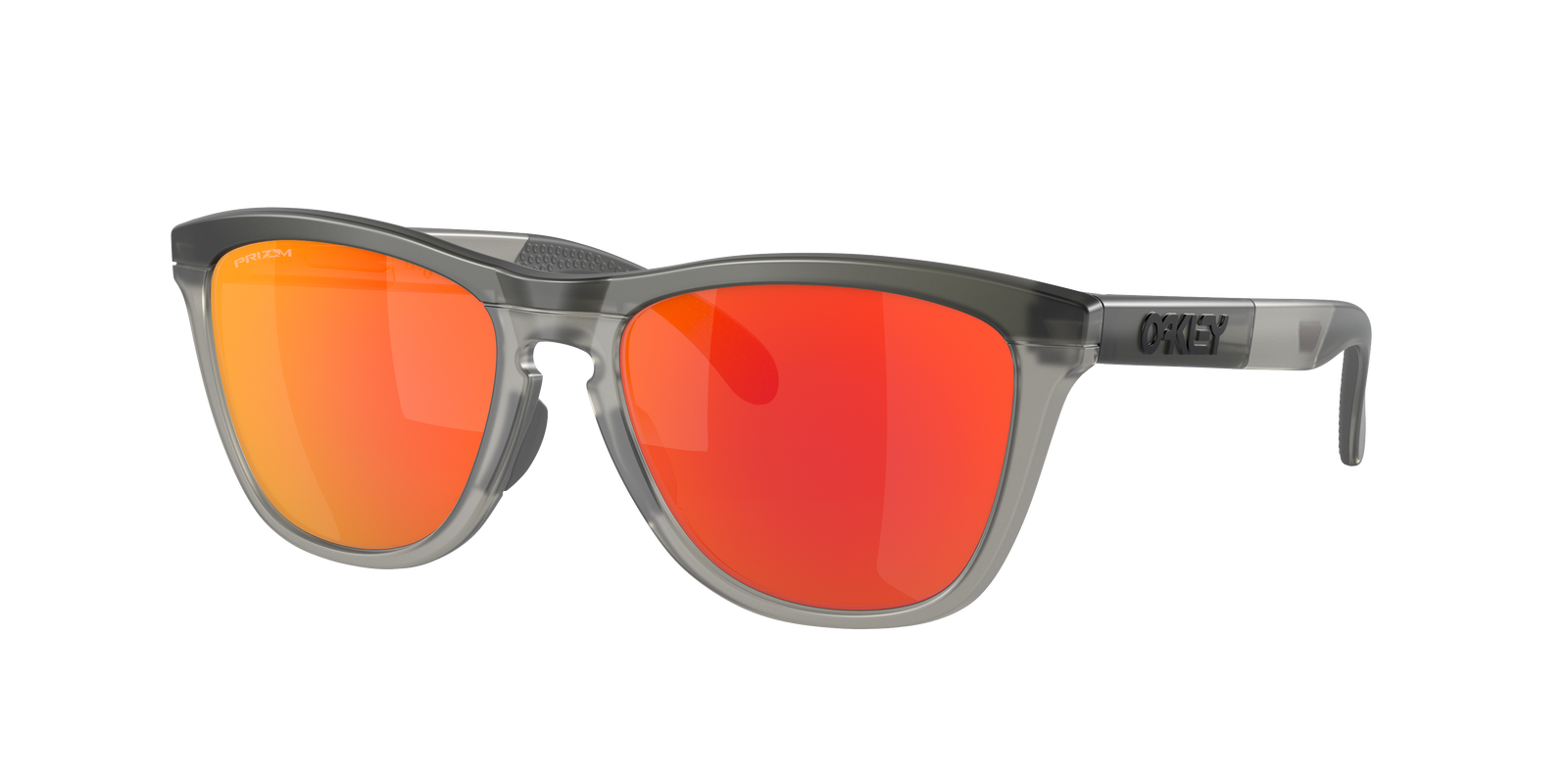 oakley-frogskins-sunglasses[/caption]
The Evolution of Oakley Frogskin
The original Frogskins were designed with a unique blend of style and functionality. The rectangular frame was made from durable plastic, while the lenses offered superior UV protection and clarity. Over the years, Oakley has continued to innovate and improve upon the Frogskins design. Today, the Oakley Frogskins are available in a wide range of colors, materials, and lens options. From classic black and tortoise to bold pink and crystal, there’s a Frogskin to suit every style. And with Prizm, Polarized, and Iridium lens options, you can customize your Frogskins to your specific needs. [caption id=“attachment_3192” align=“aligncenter” width=“800”]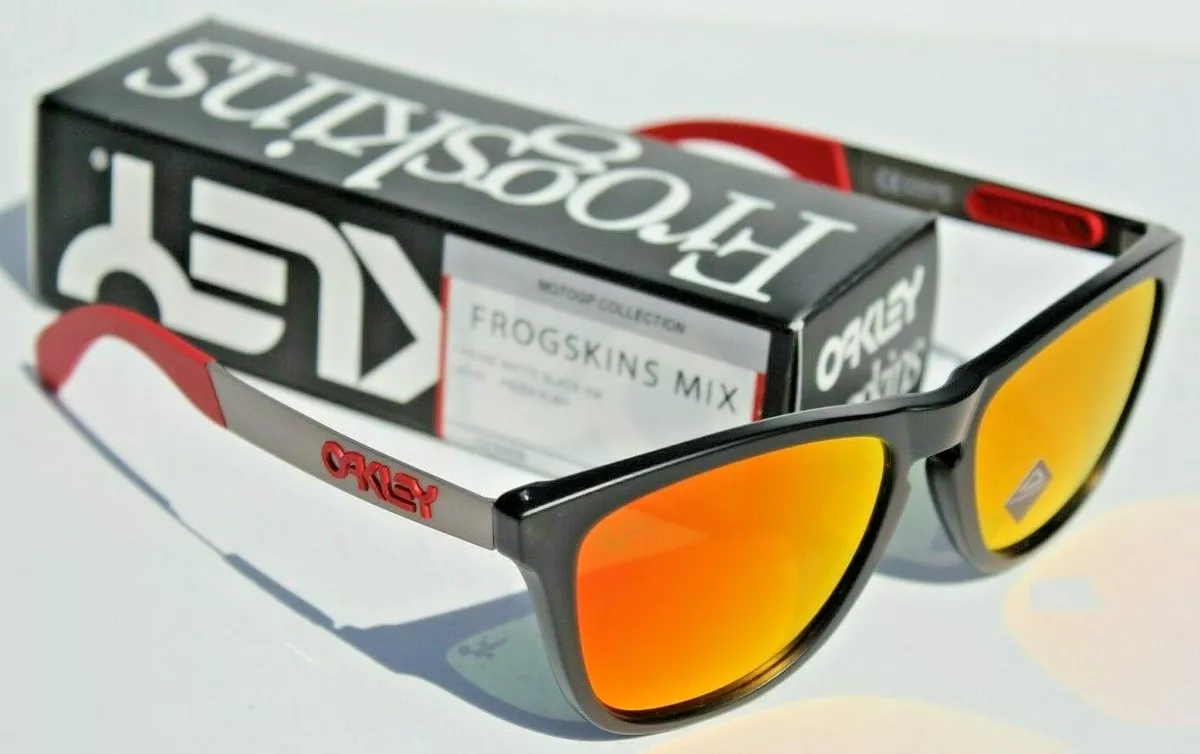 oakley-frogskins-sunglasses-2[/caption]
Why Choose Oakley Frogskins?
There are many reasons why Oakley Frogskins are a top choice for sunglasses enthusiasts around the world. Here are just a few:
- Style: With their bold, rectangular shape and wide range of color options, Frogskins are a true fashion statement.
- Quality: Oakley is known for their exceptional craftsmanship and attention to detail. Every pair of Frogskins is made with the highest quality materials and technology.
- Performance: Whether you’re hitting the slopes, the beach, or the streets, Frogskins offer superior protection and clarity. With Prizm lens technology, you’ll see more detail and depth in your surroundings.
- Versatility: Frogskins are suitable for a wide range of activities and environments. From sports to casual wear, they’re a great choice for any occasion.
The Perfect Fit
One of the key features of Oakley Frogskins is their comfortable and secure fit. The frames are designed with a three-point fit system that ensures they stay in place, even during intense activity. And with a variety of size options, including the popular 54mm size, you can find the perfect fit for your face. In addition to the frame size, Oakley also offers a range of nose pads and temple options to customize your fit. Whether you prefer a standard, Asian, or alternative fit, there’s a Frogskin that will work for you.
Lens Technology
Oakley is known for their innovative lens technology, and the Frogskins are no exception. Here are a few of the key lens options available:
- Prizm: Enhances color and contrast, allowing you to see more detail and depth in your surroundings.
- Polarized: Reduces glare and reflections, improving visibility and comfort in bright conditions.
- Iridium: A mirror coating that reduces glare and enhances contrast, while also providing a stylish look.
- Photochromic: Automatically adjusts to changing light conditions, darkening in bright sunlight and lightening in low light.
No matter which lens option you choose, you can be confident that your Frogskins will provide superior protection and performance.
Where to Buy Oakley Frogskins
If you’re ready to experience the iconic style and performance of Oakley Frogskins, there are a few different options for purchasing. You can buy them directly from the Oakley website, or from authorized retailers like Sunglass Hut, Amazon, SportRx, and REI. When shopping for Frogskins, be sure to choose an authorized retailer to ensure you’re getting authentic Oakley products. And don’t forget to take advantage of any available promotions, discounts, or free shipping offers to get the best deal on your new sunglasses.
Caring for Your Frogskins
To keep your Oakley Frogskins looking and performing their best, it’s important to properly care for them. Here are a few tips:
- Clean your lenses regularly with a soft, microfiber cloth to remove dirt, oil, and fingerprints.
- Store your Frogskins in a protective case when not in use to prevent scratches and damage.
- Avoid exposing your sunglasses to extreme temperatures or leaving them in direct sunlight for extended periods.
- If your Frogskins become damaged or worn, contact Oakley or an authorized retailer for repair or replacement options.
Join the Oakley Community
As an Oakley Frogskins owner, you’re part of a global community of athletes, adventurers, and style enthusiasts. Connect with other Oakley fans on social media platforms like Instagram and Facebook to share your experiences, get inspiration, and stay up-to-date on the latest products and events. You can also join the Oakley MVP Program to earn points, access exclusive content, and get special offers and discounts. It’s a great way to get even more value out of your Oakley gear. Whether you’re a long-time fan or new to the brand, Oakley Frogskins are a must-have for anyone who values style, quality, and performance. With their iconic design, superior lens technology, and versatile style, they’re the ultimate sunglasses for every adventure. So why wait? Get your hands on a pair of Frogskins today and see the world in a whole new way!
Straight Fit vs Regular Fit: What’’s the Difference?
If you’ve ever shopped for jeans, you know that there are a lot of different fits to choose from. Two of the most popular fits are a regular fit and straight fit jeans. Straight fit vs regular fit - Both styles are versatile and can be dressed up or down, but what’s the difference between the two? Keep reading to find out!
Regular Fit Jeans
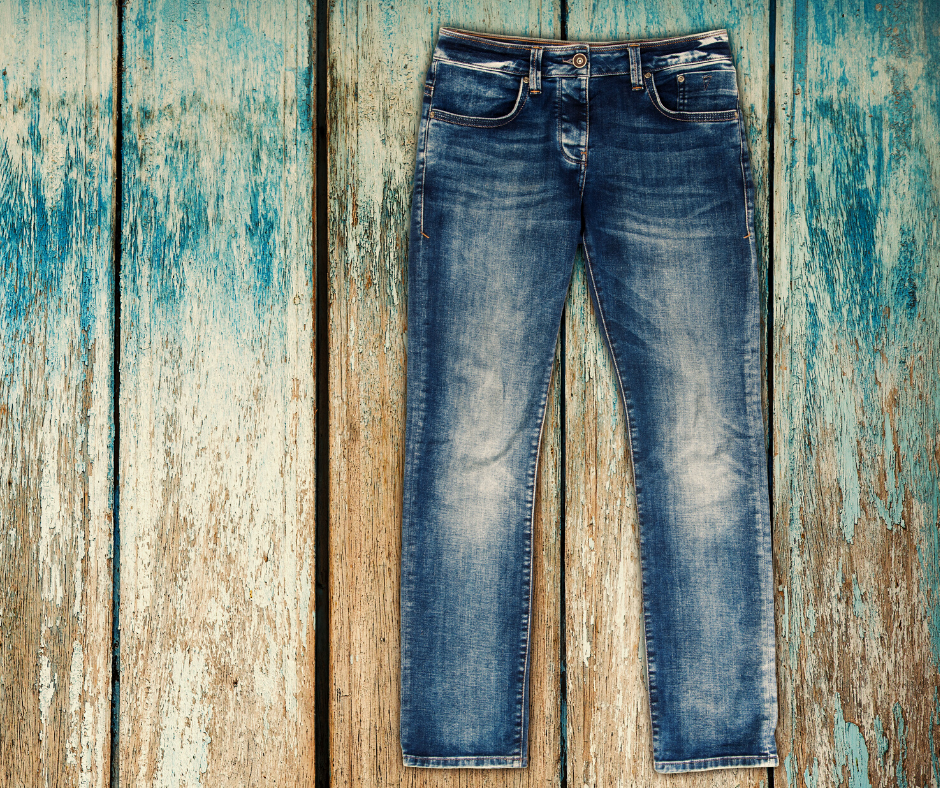
Regular fit jeans are the most common type of jeans. They’re straight through the hips and thighs and have a slightly relaxed fit in the leg. This makes them comfortable to wear and easy to style. You can dress regular fit jeans up with a blazer and heels or dress them down with a tee shirt and sneakers.
Straight Fit Jeans
Contrary to conventional fitting dress pants, straight fits offer a cleaner appearance and have a larger backrest, which many people in modern times like. The straight fit pants are similar to classic shapes in that it has a straight tapered down the back, however, because the seats are small, it looks narrower.
This fit is more closely aligned with the human body’s natural shape, which not only provides a slimming effect but also makes the clothing last longer. Additionally, straight-fit garments sit just below the waistline and are slightly roomier through the hips and thighs while still having straight leg opening.
Difference between straight fit and regular fit jeans
There are a few key differences between straight fit and regular fit jeans.
-
Regular fit jeans are a bit roomier in the hips, thighs, and calves while straight-fit jeans are more fitted in these areas.
-
Straight-fit jeans are more flattering on tall, slender people while regular-fit jeans look good on any body type.
-
Regular fit jeans are more versatile and can be dressed up or down for any occasion while straight-fit jeans may be slightly less versatile.
-
Regular fit jeans are more comfortable for everyday wear while straight-fit jeans may be a bit more uncomfortable.
-
Regular fit jeans are less expensive than straight-fit jeans.
How to determine which fit is best for you?
Now that you know the key differences between straight fit and regular fit jeans, how do you determine which one is right for you?
The best way to figure out which fit is best for you is to try both styles on and see which one flatters your body type and fits your personal style the best. If you’re tall and slender, straight-fit jeans may be the way to go. If you’re shorter or have a more athletic build, regular-fit jeans may look better on you. And if you’re not sure which style to choose, don’t hesitate to ask a salesperson for help! They’ll be happy to assist you in finding the perfect pair of jeans.
[affiliatable id=‘269497’]
The pros and cons of each type of fit
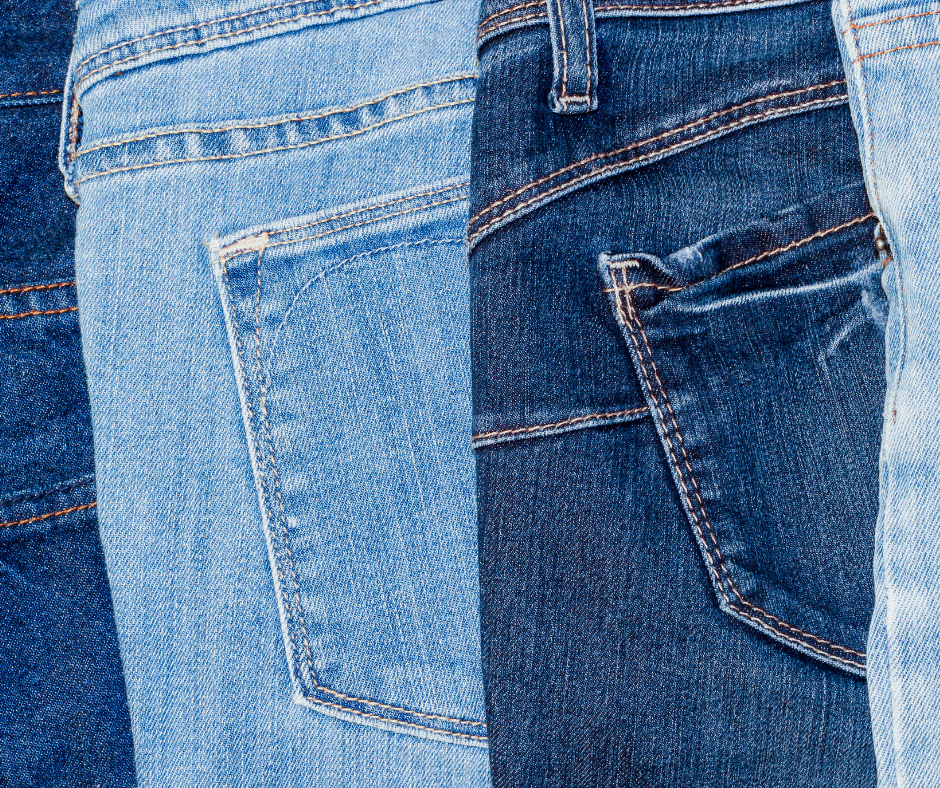
Now that you know the key differences between straight fit and regular fit jeans, let’s take a look at the pros and cons of each type of fit.
Regular-fit jeans are more versatile and can be dressed up or down for any occasion while straight-fit jeans may be slightly less versatile. However, straight-fit jeans are more flattering on tall, slender people while regular-fit jeans look good on anybody type. So, it really just depends on your personal style and body type as to which fit is best for you.
Straight-fit jeans may not be the most flattering option. However, if you’re tall and slender, straight-fit jeans will accentuate your best features while still providing a comfortable, relaxed feel.
Straight-fit jeans are more fitted than regular-fit jeans. They usually sit at the natural waistline and are fitted through the hips, thighs, and calves.
Straight-fit jeans look best on taller people with an athletic or slender build. If you have wider hips or thighs, straight-fit jeans may not be the most flattering option. However, if you’re tall and slender, straight-fit jeans will accentuate your best features while still providing a comfortable, relaxed feel.
Which brand offers the best straight and regular fit jeans?
There are a number of different brands that offer straight and regular fit jeans. However, some brands may be better than others depending on your personal style and preferences. Some of the best brands for straight and regular fit jeans include Levi’s, Gap, Old Navy, and American Eagle.
If you’re looking for a pair of straight-fit jeans, Levi’s is a great option. They offer a variety of different washes and styles to choose from. Gap is another great option for straight-fit jeans. They offer both men’s and women’s straight-fit jeans in a variety of different colors and styles.
If you’re looking for a pair of regular-fit jeans, Old Navy is a great option. They offer a variety of different washes and styles to choose from. American Eagle is another great option for regular-fit jeans. They offer both men’s and women’s regular-fit jeans in a variety of different colors and styles.
Buyer’s guide to buying jeans online (straight fit vs regular fit)
If you’re looking to buy jeans online, there are a few things you should keep in mind. First, make sure to read the product description carefully. This will help you determine the size, fit, and style of the jeans. Second, take a look at the return policy before making your purchase. This way, if you’re not happy with the jeans when you receive them, you can return them without any hassle. Finally, don’t forget to read the reviews! Reading reviews will give you a better idea of the quality of the jeans and whether or not they’re worth your money.
What are classic fit pants?
Classic fit pants are straight-leg pants that sit at the natural waistline. They’re usually made from a cotton blend and have a relaxed, comfortable fit. Classic fit pants are versatile and can be dressed up or down for any occasion. They typically come in a variety of colors, including black, navy, and khaki.
What are skinny jeans?
Skinny jeans are a type of straight-leg jean that’s fitted through the hips, thighs, and calves. They typically have a low-rise waist and are made from a stretchy fabric. Skinny jeans are available in a variety of colors and styles. However, they’re not always the most flattering option for everyone. If you have wider hips or thighs, you may want to avoid skinny jeans.
What are boot cut jeans?
Bootcut jeans are straight-leg jeans that flare out slightly at the bottom. They’re usually fitted through the hips and thighs and have a flared leg opening. Bootcut jeans are available in a variety of colors and styles. However, they’re not always the most flattering option for everyone. If you have wide hips or thighs, you may want to avoid bootcut jeans.
The bottom line: Straight fit vs Regular fit
Whether you choose regular fit or straight fit jeans is ultimately up to you. Both styles are versatile and look great when paired with everything from t-shirts to blazers. However, regular fit jeans tend to be more flattering on most body types while straight fit jeans look best on taller people with an athletic or slender build. Ultimately, it’s all about finding the style that makes you feel your best!
You may also like:
What is the average hat size for a man?
Digital Etiquette: 10 Rules for Online Politeness
In the early days of the internet, gaining digital access was a novel experience Fast forward to today, and the digital world has become an integral part of our lives. With the prevalence of digital devices and the vast opportunities for online communication, the need for digital etiquette or good manners in the digital realm has never been more crucial.
Understanding Netiquette: Navigating the Etiquette of the Digital World
Netiquette, crucial for effective communication in online forums, is the cornerstone of being a good digital citizen. By promoting positive interactions, basic rules of netiquette guide us through the vast expanse of the digital world. We’ll delve into how these rules apply when communicating online, whether through private messages, chat rooms, or other online forums.
The Basics of Digital Etiquette

Rule 1: Respect Everyone Online
In the digital world, where users come from diverse backgrounds, respecting everyone is paramount. Digital etiquette dictates that we treat others as we wish to be treated. This means maintaining a courteous tone, refraining from offensive language, and being mindful of cultural differences. Remember, not everyone communicates in the same way, so fostering an inclusive online environment is key.
Rule 2: Mind Your Language
Words hold immense power in the digital realm. Choosing the right language can lead to constructive conversations, while the wrong choice can escalate conflicts. Uphold good digital citizenship by avoiding offensive language, derogatory remarks, or engaging in cyberbullying. Let’s explore examples of positive and negative online language to drive this point home.
Rule 3: Proper Grammar and Spelling
 Just as in the physical world, a well-articulated message reflects positively on the sender. In the digital realm, proper grammar and spelling are your allies. Communication is smoother, and misunderstandings are minimized. We’ll delve into the importance of correct language and address common mistakes that can impact your online image.
Rule 4: Capital Letters - Use with Caution
Capitalization, when used judiciously, can emphasize a point or convey excitement. However, an overuse of capital letters can be interpreted as shouting and may rub others the wrong way. Netiquette guidelines caution against excessive capitalization, and we’ll explore instances where it might be misconstrued, ensuring your online presence is polished and respectful.
Rule 5: Private Messages and Group Chats
As we traverse the digital landscape, we encounter various communication platforms – from private messages to bustling group chats. Digital etiquette underscores the importance of understanding the nuances of these platforms to ensure respectful and effective communication. Delve into the etiquettes of private conversations and group chats, exploring the do’s and don’ts to maintain a positive online atmosphere.
Rule 6: Handling Negative Comments
The internet is a vast arena, and not everyone adheres to the principles of good digital citizenship. Negative comments can be disheartening, but how you respond is crucial. We’ll equip you with strategies to handle negativity online, emphasizing the power of constructive criticism and the importance of fostering a supportive digital community.
Rule 7: Avoiding Chain Letters and Spam
Navigating through the digital world often means encountering chain letters and spam messages. Netiquette guidelines act as a shield, helping you recognize and steer clear of these digital pitfalls. Explore the impact of chain letters on online communities and gain insights into distinguishing spam from legitimate messages. Arm yourself with the knowledge needed to keep your digital space clutter-free and secure.
Rule 8: Being a Good Digital Citizen on Social Platforms
digital platforms  Social media platforms serve as virtual town squares, where people from all walks of life converge. Being a good digital citizen in these spaces involves more than just posting updates. Netiquette in social media extends to responsible sharing, positive engagement, and contributing to a healthy online environment. Discover the responsibilities that come with being a part of the digital world and the positive impact you can make.
Rule 9: Posting and Sharing Content
Sharing content online is an art, and good netiquette ensures you wield this power responsibly. Guidelines for posting and sharing content range from understanding your audience to selecting appropriate mediums. We’ll provide examples of both acceptable and unacceptable content sharing, empowering you to make informed decisions about what you contribute to the digital conversation.
Rule 10: Digital Etiquette in Schools and Classrooms
In the educational realm, where technology intertwines with learning, netiquette plays a pivotal role. Students, teachers, and parents must be well-versed in the principles of digital etiquette to create a conducive online learning environment. Uncover the significance of good netiquette in schools and classrooms, along with practical tips for promoting respectful online behavior among educators, students, and parents alike.
Navigating the Digital Etiquette
In this digital age, mastering the art of online politeness is not just a courtesy; it’s a necessity. As we’ve explored the foundational rules of netiquette, from respecting everyone online to understanding the intricacies of various communication platforms, we’ve laid the groundwork for a positive digital experience. Other suggested articles:
Less Is Luxe: the Role of Minimalism in Refined Living
Refined Living and Sustainability: The Eco-conscious Lifestyle
Is Refined Living About Exclusivity and Limited Access? (4 Things To Know)
Is refined living about exclusivity and limited access? Refined living, as the name suggests, is associated with luxury, elegance, and a certain level of exclusivity. It is often seen as unattainable and limited to a select few individuals.
However, in recent years, there has been a shift towards a more inclusive approach to refinement, acknowledging that everyone deserves to experience a life filled with beauty and sophistication. This article will delve into the concept of refined living, exploring the balance between exclusivity and inclusivity and discussing ways to make refinement accessible to all.
Examining the Balance Between Exclusivity and Inclusivity in Refined Living
Refined living has traditionally been synonymous with exclusivity. It has been associated with gated communities, private clubs, and limited access to certain amenities. The allure of exclusivity lies in the feeling of being part of an elite club, where only a chosen few have the privilege to experience the finest things in life. However, as society has evolved, so has the definition of refinement.

In recent years, there has been a growing recognition that refinement should not be limited to a privileged few, but rather, should be accessible to all. Balancing exclusivity and inclusivity is a delicate process, as it requires finding ways to maintain an air of exclusivity while ensuring that refinement is not viewed as unattainable or elitist.
Navigating the Challenge of Making Refinement Accessible to All
One of the challenges in making refinement accessible to all is overcoming the perception that refined living is unattainable for the average person. Many people believe that luxury living is reserved for the wealthy, and that refined living is something that can only be experienced through material possessions and extravagant lifestyles. However, true refinement goes beyond material wealth and is rooted in the principles of elegance, quality, and well-being.
To make refinement accessible to all, we must shift the focus from external possessions to internal experiences. It is about creating an environment where individuals can cultivate a refined way of thinking, acting, and living, regardless of their financial status. This shift in mindset allows refinement to become an integral part of everyday life, transcending the boundaries of wealth and making it accessible to all.
Ways to Create an Exclusive Atmosphere Without Alienating Others
Creating an exclusive atmosphere can be challenging, as it requires striking a delicate balance between making people feel special and not alienating others. One way to achieve this is by redefining the concept of exclusivity. Instead of it being based solely on wealth or status, exclusivity can be based on shared values, interests, or experiences.

For example, a refined living community could focus on shared passions such as art, yoga, or fine dining service. By creating a space where like-minded individuals, family can come together and explore their world of interests, exclusivity is achieved through a shared experience rather than material possessions. This allows refinement to be accessible to all who are willing to engage in the activities and embrace the values of the community.
The Role of Education and Mentorship in Spreading Refined Living Values
Education and mentorship play a crucial role in spreading refined living values and making them accessible to all. By providing individuals with the knowledge and tools to enhance their lives, refinement becomes something that can be developed and cultivated, regardless of background or financial status.
Schools, universities, and community programs can offer instruction in areas such as art, science, and etiquette, helping individuals develop a refined approach to different aspects of life. Mentorship programs can connect experienced individuals with those seeking guidance, offering support and guidance in navigating the complexities of refined living.
[affiliatable id=‘269614’]
Is Refined Living About Exclusivity and Limited Access? - Final Thoughts
In conclusion, the concept of refined living has evolved beyond exclusivity and limited access. It is now about creating an inclusive environment where refinement is accessible to all, regardless of wealth or status. By striking a balance between exclusivity and inclusivity, refining living can become a part of everyday life, enhancing well-being and quality of life for individuals from all walks of life. Through education, mentorship, and a shift in mindset, refined living can be a reality for everyone, contributing to a more refined and harmonious society.
Elegance Classes: Transform Your Style and Confidence
Elegance classes have increasingly become a beacon for those seeking to refine their personal presentation and social grace. In our fast-paced world, the allure of beauty and poise is more relevant than ever. These classes offer a unique opportunity to blend timeless etiquette with modern style, creating a well-rounded approach to personal development.
From grooming and fashion to the subtleties of polite behavior, elegance classes cover a spectrum of skills that help individuals stand out in any setting. They’re not just about looking good but embodying a sense of self-respect and respect for others. Learning how to navigate social and professional environments with confidence can transform one’s life in profound ways.
The convenience of online elegance classes means you can cultivate these skills from anywhere, fitting seamlessly into busy schedules. Whether you’re preparing for a career advancement or simply wish to enhance your personal life, these classes provide the tools to elevate your elegance.

Understanding Elegance Classes
Elegance classes offer a unique opportunity to master the art of personal elegance. They provide a structured curriculum that includes various aspects like grooming, fashion, and vital social skills. These classes blend modern and traditional elements, covering both style and behavior. By participating, individuals gain confidence in public relations and social gatherings.
Students often learn table manners and dining etiquette. Instructors emphasize the importance of etiquette in professional settings, incorporating business etiquette and demonstrating how to navigate different social situations gracefully. Such courses enhance self-respect and respect for others, teaching participants to present themselves elegantly.
Elegance classes are not limited to women; they benefit college students and professionals looking to succeed globally. These sessions address skills like posture and deportment, ensuring attendees leave with improved confidence and poise. Learning elegance becomes a transformative experience, enriching both personal and professional life.
Key Components of Elegance Courses
Elegance courses focus on refining essential skills, combining traditional and modern elements to enhance one’s presence and interactions. Understanding these components provides participants with a comprehensive learning experience.
Etiquette and Social Graces
Etiquette courses emphasize mastering social etiquette, which includes using polite language, and behaving appropriately in various situations. Proper greeting techniques and introducing oneself confidently pave the way for successful social interactions. Dining etiquette, like understanding table manners and knowing how to engage in conversations during meals, ensures individuals feel comfortable and poised at formal events. Courses often cover business etiquette, teaching the art of respectful communication, and interpersonal skills necessary for professional environments. Participants learn to recognize and adapt to cultural nuances, making them adept at socializing across different settings.
Personal Branding and Presentation
Creating a strong personal brand involves consistent self-presentation and aligning it with one’s values. Through elegance classes, I learned about selecting fashion choices that reflect professionalism and style while considering body language to convey confidence and poise. Lessons in posture and deportment, including how to maintain eye contact and exhibit open body language, enhance my overall presence and contribute to a more polished image. Embracing these aspects of personal elegance helps individuals leave lasting impressions in both personal and professional spheres.
Benefits of Attending Elegance Classes
Elegance classes offer transformative opportunities to refine various aspects of one’s life. Participants gain a comprehensive set of skills that enhance both personal and professional success.
Enhancing Personal and Professional Skills
Elegance classes provide a structured curriculum that incorporates table manners, business etiquette, and social etiquette. By mastering these elements, individuals effectively navigate diverse environments and present a more polished image. For college students and professionals alike, these skills are indispensable for forging successful public relations and making lasting impressions in social and professional circles.
Boosting Confidence and Self-Esteem
Developing personal elegance greatly impacts one’s confidence and self-esteem. Through courses focused on posture, deportment, and graceful behavior, participants cultivate a self-awareness that empowers them in social settings. This newfound confidence radiates in various contexts, uniting respect for oneself with respect for others, resulting in a positive and assertive presence.
Choosing the Right Elegance Class
Finding the perfect elegance class can significantly impact your journey toward refinement and confidence. The decision involves various elements that differ between online and in-person classes.
Online vs. In-Person Classes
Online elegance classes offer flexibility and accessibility, allowing participants to learn at their own pace. This mode is ideal for those with busy schedules or who prefer learning in their own space. The digital format reduces costs, eliminating travel and accommodation expenses, making elegance accessible to many.
In contrast, in-person classes provide direct interaction and immediate feedback. The classroom environment fosters a sense of community and support, which can enhance learning experiences. Face-to-face etiquette courses offer deeper engagement with instructors, enabling real-time practice in elements like dining etiquette and posture.
Factors to Consider
When selecting an elegance class, evaluating your personal goals and lifestyle is crucial. Consider schedule flexibility—online classes suit those with tight schedules, while in-person sessions might benefit those valuing hands-on learning.
Assess the curriculum to ensure it aligns with your desires. Look for courses covering essential topics like social etiquette, table manners, and business etiquette for comprehensive personal development. Consider the expertise and teaching style of instructors, as engaging teaching can enhance learning.
Factor in cost and accessibility; online classes often offer more affordable options without sacrificing quality. Think about the level of personal interaction you desire—whether a solitary or collaborative learning approach better suits your needs.
By weighing these aspects, you can choose an elegance class that best suits your path toward refined grace and self-assurance.
Elegance classes offer a unique opportunity to enhance personal and professional skills in today’s world. By focusing on both traditional etiquette and modern style, these classes help individuals navigate diverse environments with confidence and poise. Whether online or in-person, the structured curriculum provides essential tools for self-improvement and success. Choosing the right class can be a transformative step toward refining one’s presence and building lasting confidence.
In conclusion, elegance is something that can be learned and mastered, and it all begins with cultivating confidence and refining your personal style. By taking elegance classes, you’re not just transforming your wardrobe, but also enhancing your self-assurance and presence. To continue on your journey toward a more refined lifestyle, check out articles like Understanding Different Types of Leather and How to Style Scarves for style tips. You can also explore the sophisticated hobbies of Mastering the Hobby of Collecting Stamps, crafting Classic Cocktails, or enjoying a perfectly curated Afternoon Tea experience.
Frequently Asked Questions
What are elegance classes?
Elegance classes are programs designed to enhance personal presentation and social skills. They combine traditional etiquette with modern style, focusing on grooming, fashion, and polite behavior. These classes help individuals build confidence for various social and professional situations by teaching essential skills such as table manners, dining etiquette, and business etiquette.
Why are elegance classes becoming popular?
Elegance classes are growing in popularity due to their comprehensive approach to improving personal and professional lives. They offer the convenience of online learning, making them accessible to many. Participants gain confidence, self-respect, and respect for others, helping them navigate diverse environments and present a polished image.
Who can benefit from taking elegance classes?
Elegance classes cater to a diverse audience, including college students, professionals, and anyone looking to improve their social and professional presence. These classes enhance skills like posture, public relations, and social etiquette, making them beneficial for individuals seeking to refine their personal and professional interactions.
What skills are taught in elegance classes?
Elegance classes teach a wide range of skills, including social etiquette, polite language, dining etiquette, personal branding, and presentation. Participants learn to choose fashion that reflects professionalism and style, improve body language for confidence, and develop self-awareness through posture and graceful behavior.
How do online elegance classes compare to in-person classes?
Online elegance classes offer flexibility and accessibility, allowing participants to learn at their own pace. In-person classes provide direct interaction and immediate feedback, which can be beneficial for some learners. Choosing between the two depends on personal goals, schedule flexibility, and the desired level of personal interaction.
What factors should be considered when choosing an elegance class?
When selecting an elegance class, consider personal goals, schedule flexibility, curriculum alignment, instructor expertise, cost, and desired level of personal interaction. Weighing these factors will help you choose a class that aligns with your journey toward refined grace and self-assurance.
Stylish Brunch Attire for Men: Dress to Impress & Enjoy
Brunch has evolved from a mere casual weekend outing to a popular social event where friends, family, and even business acquaintances gather to catch up and bond over delicious food and drinks. As brunch continues to grow in popularity, it’s essential for men to dress appropriately for the occasion to make a good impression and showcase their sense of style. In this blog post, we’ll guide you through the perfect brunch attire for men, providing brunch outfit ideas, and fashion tips that’ll make you look stylish, trendy and feel comfortable at the same time.
Importance of Dressing Appropriately for Brunch
 Choosing the right brunch outfit is all about demonstrating your understanding of the occasion and making a statement. The perfect attire exudes confidence, leaving an impression on friends, family, or colleagues. It’s important to showcase your style while feeling comfortable and fashionable in your choice of clothes.
Factors to Consider When Choosing Brunch Attire
Location: Your brunch outfit should be tailored to the location - whether it’s outdoors or indoors, an upscale or casual establishment. Time of day: Will it be a morning or afternoon rendezvous? Season/weather: Dress accordingly for hot or cold weather, and consider wearing layers for unpredictable climates. Dress code: Always take the dress code into account, if applicable.
General Guidelines for Brunch Attire for Men
- Opt for a smart casual look incorporating comfortable yet stylish brunch outfits. 2. Choose versatile pieces that can be dressed up or down. 3. When in doubt, lean more towards dressier options.
Top Brunch Attire Fashion Tips
A. Choosing the right shirt Picking the perfect shirt can make or break your brunch outfit. Below are some ideas for various shirt styles and colors for men. 1. Collared vs. non-collared options: Collared shirts, like a button-down or polo, fit most brunch settings. A casual brunch lends itself better to non-collared shirts, like an upscale t-shirt. 2. Patterns and colors: Pair patterns like plaid or bright retro shirts with solid-colored pants, or dress in a monochrome look to keep things balanced and appealing. Don’t shy away from bright colors, but avoid gym shorts and flip-flops unless the brunch is extremely casual amongst close friends and family. B. Select the right pants: Choose comfortable and stylish pants that match your shirt, or opt for trousers that are semi-fitted (not too slim or baggy). Colored jeans also make a great choice for brunch but should be paired with an equally stylish top. Choose neutral colors to add sophistication to your outfit, such as khakis, navy blue or grey. C. Footwear: Your brunch outfit isn’t complete without the right shoes. Comfortable and stylish loafers, boat shoes, or dress shoes add a polished look to your brunch ensemble. Avoid wearing sneakers unless the occasion is ultra-casual.
Brunch Outfit Ideas
 1. Classic blue jeans outfit: For a casual brunch, a classic blue jeans and crisp white shirt combo never fails. Add a light-colored coat or blazer to elevate the look for a dressier setting. 2. Trendy white sneakers: Pair white sneakers with anything - from chinos to blue jeans. White sneakers complement any attire and automatically make one appear more fashionable. 3. Urban wear for contemporary vibes: Try variation with shirt-jacket combos or adding a denim jacket to your outfit for a contemporary urban touch. 4. Layering for seasonal changes: In colder weather, layer with a fawn roll neck and brown boots combo. A short-sleeved shirt paired with a monochrome fawn sweater and light-colored pants works well in transitional weather. [affiliatable id=‘269917’]
Ideal Fabrics and Clothing Combinations for Brunch Outfits
- Denim Jacket: An all-time favorite for its versatility, a denim jacket can be paired with chinos, dress pants, or blue jeans. Wear a simple blue shirt or a bright retro shirt for added contrast. 2. White Suede Boots: Pair these with slim-fit blue jeans and a crisp white shirt for an effortlessly stylish look. 3. Silk-Blend Fabrics: If you’re going for an upscale brunch, silk-blend shirts with paisley prints are an excellent choice for added luxury and appeal.
Outfit Ideas for Different Brunch Settings
 1. Family Sunday Brunch: Comfort is key - think blue jeans, sneakers, and a bright-colored shirt. Add a light coat and stylish sunglasses for outdoor venues. 2. Formal Brunch Gathering: Opt for dress pants, a crisp white shirt, and a well-tailored coat. Don’t forget the formal shoes to enhance the classic look. 3. Business Brunch Meeting: A slim-fit blazer with chinos or dress pants, a patterned shirt, and dress shoes will make you appear professional without sacrificing style and comfort. 4. Casual Brunch Outing: Embrace a relaxed vibe with blue jeans, white sneakers, and a shirt in a bright shade or a cool print.
Wrapping Up
In conclusion, the perfect brunch outfit is all about balancing style, comfort, and location-based factors. Be mindful of the time, season, weather, and dress code - it’s essential to dress appropriately and feel comfortable while showcasing your personal style. With these brunch outfit ideas, you’re sure to be a style icon and make an impression at your next brunch gathering. Other suggested articles:
When to Wear a Vest With a Suit
Can You Wear Boots With Shorts?
The Comprehensive Guide to Cocktail Attire for Men
What to Wear to Baseball Game
Knowing all of this history about baseball may be challenging when choosing what to wear to baseball game. That being said, sports game attire should be casual, so you probably already have many amazing wardrobe staples in your collection that you can wear in the stands.
What to Wear to Baseball Game
A sporty and simple outfit is always best when you’re going to be spending time outdoors at a sporting event. A neutral top, your favorite bottom, comfy shoes, and cool accessories are key. Remember: a casual outfit featuring comfortable pieces, a great hat or visor, and a bag with your home team’s logo is the perfect baseball game uniform (for those of us who aren’t playing).
In addition to more athletic styles like leggings and sweatshirts, layers are also a fantastic idea because stadiums can typically be quite chilly or warm—it all depends on the day. By this point, you might have started thinking about appropriate clothing for a baseball game. If you feel confident and prepared to buy tickets for a game online, great! But before doing so, double-check that you have everything you need.
So, we’ll go through some of our favorite baseball game outfit ideas below in order to get you started planning your next outfit.

What to Wear to Baseball Game:Outfit Ideas for Baseball Games
Baseball Hat
A baseball cap is something you can never go wrong wearing to a baseball game. Plain ones are available, or you could choose one with a design or saying inspired by the team you’re supporting.
You can wear this piece casually with many different outfits. For example, you could pair it with distressed denim shorts and a black tank top. You could also accessorize with a Blue Jays baseball cap. To complete the look, we recommend pairing it with white, blue, or black sneakers.
Face Paint
Show your team spirit by painting stripes on your cheeks in their colors! You can also wear a striped button-down jersey with the team logo, a black tube top, and daisy dukes to complete the look.
This is a fantastic method to display your team spirit and get your mind back in the game for both boys and girls.
Baseball Jersey
A baseball jersey atop a hoodie is perfect for when you want to feel relaxed and comfortable. You’ll also fit in with everyone else wearing jerseys at the game.
The acid wash denim and classic layering creates a vintage outfit, perfect for any event. Throw on a baseball hat and white sneakers to complete the look.
Polo Shirt
A polo shirt is the ideal gift for a sports fan, whether you’re supporting your team or looking to impress your date. You’ll get some bonus points if the shirt has the team’s mascot or name on it. A pair of khaki-colored shorts will dress up the appearance while also giving it a more stylish feel. In place of sneakers, consider wearing a pair of leather loafers or black shoes instead. They’ll give your outfit depth while also complementing your opaque sunglasses.
Stripes
Stripes are a throwback to traditional baseball apparel and are frequently seen today. As a result, the name of your favorite team written in big letters on the chest firmly establishes that reality. For a more casual look, dress this outfit up with a fitted pair of jeans. White running shoes are an obvious, simple choice for footwear if you want to brighten this ensemble up a little bit. Consider wearing shoes that match your favorite sports team’s colors if you want to make this outfit brighter.
Monochrome Look
A monochrome outfit is a fashionable, simple option that only requires you to select similar colors and hues from your clothing collection and piece them together. Hailey Bieber slays this look with a black graphic tee paired with some black skinny jeans. To make the outfit more interesting, she adds black laced booties and a New York Yankees ball cap. If high heels aren’t your thing, go for a pair of black sneakers!
Converse Shoes
Flannel, skinny jeans, and Converse shoes are a trend you’ll see in almost any picture taken at a baseball game. This outfit consists of the classic white low-top Chuck Taylor All Stars paired with some ripped blue jeans, a black shirt, and a pinstripe baseball jersey. Topped off with a fitted baseball cap, this look is perfect for anyone who wants to show their team spirit while maintaining comfort throughout the game. If you want more color in your outfit, go for shoes that match your favorite team’s colors!
Street Style
If you want an outfit to wear out after the game that still looks good, go for a street style. Try pairing a leather jacket or denim jacket with some distressed denim jeans- it’ll look dark and moody. The whole outfit is mostly one color, but the gray hoodie breaks it up nicely. Black sneakers and a baseball cap finish off the sporty yet stylish look.
Biker Shorts
If comfort is key for you, go with a pair of biker shorts. The darkness of the bottoms provides good contrast with an oversized gray sweater, and the blue in the logo Brennan tint hat creates a cohesive look.
Adding a vintage Christian Dior mini purse to an otherwise sporty and simple outfit lifts the look to luxurious heights. You could achieve this everyday style complete with coffee in hand by wearing Converse shoes or any black or blue sneakers, accessorizing with some chunky designer sunnies, and finishing with your drink of choice.
Comfy Outfit
A comfortable pair of sweatpants will allow you to do anything from watching a baseball game to cheering on your favorite team. Kourtney Kardashian goes for a more feminine style with fitted gray joggers and a drawstring waist, complemented by a fitted cropped long-sleeve top. The high-ankle socks and low-top Vans (in the classic black and white design) provide some contrast to this outfit, while the baseball cap adds an athletic edge. Of course, this ensemble is rather basic, but you may add a cushion finger and some face paint to spice things up.
[affiliatable id=‘269594’]
What Type of Baseball Outfit Can You Get?
Baseball costumes are usually simple and casual, and they frequently include a few accessories that add a bit of athletic flair. Casual ensembles, on the other hand, may range from street style to athleisure. So there are several styles of baseball game attire to select from.
Choosing a dark tie, jeans and a crisp white shirt is something every prepper should have in their wardrobe. Preppier outfits often include polo shirts, button-down shirts, stripes, and nicer denim pants. Some people, on the other hand, choose to be as comfortable as possible for the occasion and arrive dressed in sweatpants and a themed headpiece. Baseball fans can wear either feminine or masculine styles of clothing. They may also dress up or down according to their mood.
Anyone who wishes to really immerse himself in the baseball culture will be dressed in team apparel. They could even paint their face and body with the colors and logo of this team.
How to Choose The Best Baseball Outfit
Sporting events are a great way to bond with family and friends over your shared love of sports and entertainment. These memories will last a lifetime, so it’s important to choose the right baseball game outfit.
So that’s why we’re here to assist you. There are a number of factors to consider while selecting what to wear to a baseball game:
- Price
- Quality
- Material
- Comfort
- Style
If you’re searching for baseball game apparel that’ll also work in your normal wardrobe, you’ll want to invest in higher-quality, long-lasting products. It’s a good idea to spend money on things that you can wear many times rather than just at sports events in this situation. However, if you’d prefer to wear something with your favorite team’s logo or colors, don’t go crazy! Merch may be costly, therefore it’s ideal to invest in items that will last for years and years beyond the nearest sports event.
Comfort, style, and material usually go together, and when it comes to baseball game attire, athleisure and sporty clothing are both popular choices. These are simple and obvious solutions why they are so popular. Plus, you don’t want to be concerned about what you’re wearing while cheering your team on! So, choose clothes that are comprised of soft moisture-wicking textiles with a comfortable fit.
How to Style Baseball Outfits
After you figure out the perfect ensemble to wear to a baseball game, it’s time to add some pizazz. The best wayto do that is with fun, sporty accessories. Below, we share some of our optimal choices with you. Show off your fandom by donning team-themed foam fingers, baseball hats and patches for clothing and bags—it’s a great conversation starter and gets you pumped for the game! If you’re looking for something more budget-friendly, faceand body paint does wonder in displaying your dedication to your squad!
There’s nothing worse than being cold at a baseball game, but you also don’t want to wear a bulky jacket over your cute outfit. A great solution for this dilemma is to layer a jersey over a long-sleeved tee or sweatshirt. This way, you’ll be comfortable and stylish without having to worry about being too cold or too hot. When thinking about what to wear to a baseball game (or any sporting event), functionality, comfort, and style are key. So sporty shoes and sneakers are the ideal choices!
Fashion Tips to Avoid With Baseball Outfits
If you’re stuck on what to wear to your next baseball game, look no further! We’ve assembled some of the best (and worst) looks for a fun day out at the ballpark.
Because this is a casual event, please refrain from wearing dressy clothing such as fancy dresses, suits, business attire, or anything of the sort. Another thing to avoid is heavy clothing and jackets. Instead, wearing layers and lightweight pieces that you’ll be able to take on and off is best.
You should also avoid wearing gear from teams that aren’t playing since it doesn’t make sense! Instead, sports gear from the two teams into bat, or perhaps a baseball cap and stripes.
Attending a baseball game means having fun under the sun, so make sure you wear a hat, sunglasses, and sunscreen to protect yourself from overheating or getting a nasty sunburn. Nobody wants that! Plus, being able to see clearly is always an advantage.
How To Take Care Of Baseball Outfits
Although you may be sticky and uncomfortable, baseball games are a classic American experience that everyone should have. From the sound of cracking bats to the roar of the crowd, there’s something magical about being in a stadium filled with people who share your love for the game.
However, once you get home from the game, your clothing will need a lot of attention. As a result, you must learn how to properly care for them. We’ll share some ideas below for keeping your goods appearing brand new:
-
Immediately remove all your clothing and any gear, including hats and sunglasses.
-
Soak all your clothing in cold water for about 30 minutes to an hour.
-
Wash your clothing on a delicate cycle with cold water and mild detergent.
-
Hang or lay your clothing out to air dry.
-
If you have any stubborn stains, pretreat them with a stain remover before washing.
With these simple tips, you’ll be able to keep your clothing looking great after every game! So get out there and root for your team—we know they’ll appreciate it.
How to Be Elegant and Sophisticated: Timeless Style Tips
Navigating the nuanced realms of elegance and sophistication can often feel like traversing a fine line. As I delve into the world of style, I’ve come to appreciate that while these concepts often overlap, they each possess distinct qualities that set them apart. Elegance often evokes a sense of formality and timeless grace, reminiscent of impeccably tailored outfits and a deep understanding of etiquette. On the other hand, sophistication can present itself in a more relaxed yet calculated manner, like a deliberately distressed pair of jeans paired with an effortless air of confidence.
Understanding how to be elegant and sophisticated involves more than just dressing well; it’s about cultivating an aura and demeanor that reflects a refined lifestyle and polished behavior. It’s about the choices we make, from our clothes to our conversations, that signal a particular kind of worldly knowledge and self-assurance. Join me as I explore the subtle distinctions and tips on mastering both, ensuring you can navigate any room with poise and charisma.
Defining Elegance and Sophistication

Elegance and sophistication often intertwine, yet they stand distinct in their nuances and expressions. I’ll delve into the essence and cultural expressions of these admirable qualities.
The Essence of Elegance
Elegance transcends mere appearances, encapsulating a deeper manifestation of grace, simplicity, and refined taste. An elegant lady not only dresses classically but also embodies genuine poise and composure in her mannerisms. Emphasizing quality over quantity, elegance involves choosing classic styles that boast high-quality fabrics and timeless designs. Maintaining good posture and exhibiting good manners further accentuate an elegant demeanor.
Moreover, elegant women engage with others respectfully, making deliberate eye contact and keeping their head high, which adds to their poised appearance. These small but impactful elements contribute to an overall aura of elegance that resonates with onlookers and defines one’s personal style in everyday situations.
Sophistication Across Cultures
Sophistication, while often recognized as a form of elegance, introduces a layer of worldly intelligence and cultural flair that varies from one region to another. Sophisticated women typically exhibit an understanding of diverse cultural norms and choose accessories tastefully to complement an outfit perfectly. This inclusivity in style demonstrates a sophisticated appreciation of fashion as an art form, transcending the basic functions of clothing.
For instance, in many metropolitan cities around the world, sophistication might be showcased through a modest yet trendy choice of clothing combined with subtle makeup that emphasizes natural beauty. Additionally, sophisticated individuals often possess the ability to convey their thoughts clearly and engagingly, effectively maintaining engaging and meaningful interactions in a variety of social settings. This adaptability across different cultural contexts does not merely reflect education or social status; it illustrates a cultivated approach to living that values personal growth and mental health.
By understanding and integrating these aspects into my daily life, I not only aspire to enrich my outward appearance but also cultivate an inward richness that mirrors true sophistication and elegance.
Key Attributes of Elegance

Elegance encompasses both the visible aspects of style and the nuanced behaviors that characterize refined character. It’s about consistent grace in both appearance and actions. Here, I’ll discuss essential attributes that notably enhance one’s elegance.
Poise and Confidence
Poise and elegance often manifest together, demonstrating a person’s ability to maintain composure and dignity even in challenging situations. Maintaining good posture is crucial; it signals confidence and helps project a vision of self-assurance. Holding your head high not only affects how others perceive you but also elevates your own mental state, enhancing feelings of self-worth.
Confidence, however, doesn’t imply arrogance. It’s about showing security within oneself. Making direct eye contact in conversations illustrates positivity and engagement, elements that add elegance to any personal interaction. Additionally, speaking clearly and avoiding vulgar language can significantly elevate one’s perceived sophistication. This blend of confidence and respectful behavior contributes substantially to an elegant demeanor.
Mindfulness and Manners
Manners play a pivotal role in defining elegance. Good manners involve more than just saying “please” and “thank you”; it’s about knowing how to act gracefully in various social settings. Whether it’s knowing when to give a genuine smile, choosing accessories that complement rather than overwhelm, or selecting classic styles over fast fashion, these decisions reflect one’s mindfulness and respect for tradition and quality.
Mindfulness extends to the care with which one chooses words and actions. Avoiding gossip or negative discussions about others helps maintain a dignified presence behind closed doors and in public. Furthermore, minding small details like ensuring clothes are clean and wrinkle-free exhibits a respect for oneself and others, integral to living elegantly. It’s also wise to be mindful of wearing clothes that do not reveal too much skin, as this choice reflects a tasteful approach to personal style.
Through understanding and embodying these attributes, anyone can nurture a more elegant lifestyle. This involves continuous personal reflection and adjustment, striving not just for external beauty but for integrity and depth in one’s everyday actions.
Dressing Elegantly
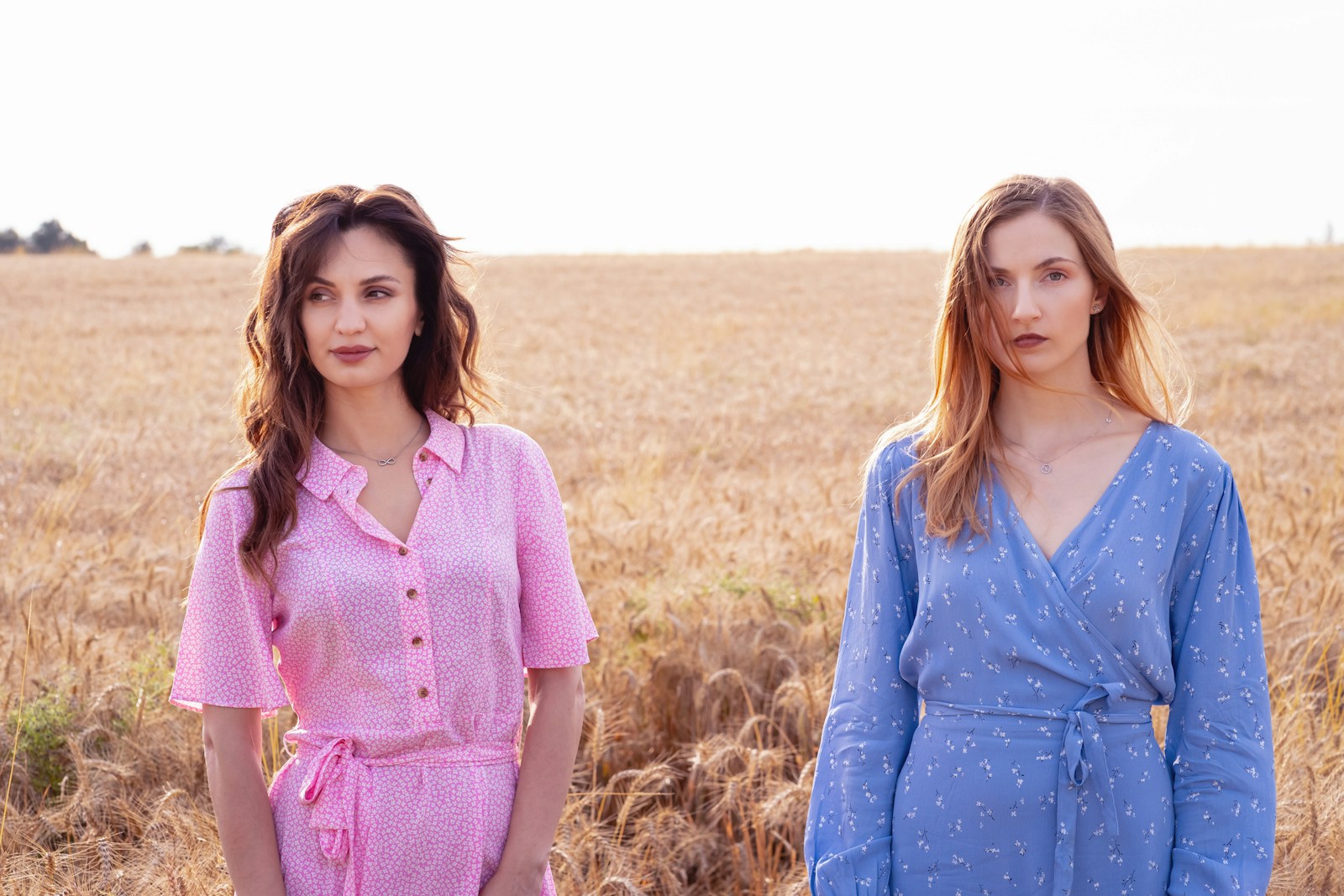
Elegance in attire is a cornerstone of sophisticated living. I believe that selecting the right outfits and ensuring they fit perfectly can drastically elevate one’s appearance and convey a refined personal style.
Choosing the Right Wardrobe
Choosing clothes that mirror the principles of elegance is fundamental. A wardrobe that includes timeless pieces, such as tailored button-down shirts, knee-length skirts, and classic suits, consistently supports an elegant lifestyle. When I select clothes, I prioritize high-quality fabrics as they not only enhance the outfit’s look but also feel better and last longer. Subtle colors like neutrals or pastels add elegance and are easy to mix and match. Additionally, investing in a few classic pieces, like a well-fitted blazer or a simple black dress, can transform ordinary attire into a sophisticated ensemble. This classic approach to fashion is about quality over quantity, a principle that many women find liberating from the cycle of fast fashion.
Importance of Tailoring and Fit
The fit of your clothes plays a pivotal role in showcasing personal style and elegance. I’ve learned that even the most expensive outfits can look mediocre if they don’t fit well. Tailoring is worth the effort and cost as it ensures that each piece of clothing complements your body shape perfectly. Well-tailored clothes help maintain good posture and comfort, empowering you to carry yourself with grace and confidence.
For example, a tailored suit that contours the waist and relaxes around the shoulders can subtly enhance one’s physical attributes while staying conservative and classy. Additionally, ensuring that skirts and dresses are just above the knee and that tops are not too tight or revealing maintains a balance between elegance and comfort. This balance reflects the principles of dressing classy and wearing classic styles that every classy woman should aspire to embody.
By focusing on these aspects of wardrobe selection and tailoring, one’s attire can profoundly influence their outward appearance and inner confidence, encapsulating what it means to dress classy and embrace an elegant style.
[affiliatable id=‘268805’]
Sophisticated Lifestyle Choices
Sophistication involves more than just appearance; it extends to lifestyle choices that enrich both the mind and the body. In this section, I’ll explore how cultivating cultural awareness and prioritizing mental and physical health contribute to living a sophisticated life.
Cultivating Cultural Awareness
Cultural awareness plays a pivotal role in sophistication; it reflects one’s ability to navigate and respect diverse social settings and traditions. I recommend engaging with art forms, history, and current global issues, which can greatly enhance one’s understanding and appreciation of different perspectives.
Reading international literature, attending cultural events, and learning new languages are effective ways to broaden cultural horizons. Choose to travel, if possible, as it exposes one to the intricacies of various cultures, adding a rich layer of experience that’s noticeable in the way one interacts with people from different backgrounds.
Prioritizing Mental and Physical Health
Maintaining both mental and physical health is fundamental in cultivating an elegant and stylish presence. I find that regular physical activity not only boosts one’s health but also improves posture—a key element in presenting oneself elegantly. Incorporating activities such as yoga or Pilates can reinforce this, as they focus on core strength, flexibility, and the mindfulness of movement.
Regarding mental health, it’s crucial to understand how much it influences our outward interactions and self-perception. A balanced diet, adequate sleep, and stress management practices like meditation or journaling can significantly impact mental clarity and emotional resilience. For anyone aiming to add elegance to their lifestyle, I suggest starting with internal well-being, as it naturally enhances external elegance and confidence.
Maintaining Elegance in Social Settings
Maintaining elegance in social settings isn’t just about wearing the right clothes; it’s about embodying a lifestyle that reflects grace and sophistication. I’ll explore how polished manners and effective communication can elevate one’s social persona to exhibit true elegance.
Etiquette and Graciousness
Exuding elegance starts with impeccable manners. Whether it’s holding doors open or paying sincere compliments, etiquette is the heart of courteous interactions. I notice how small gestures, like maintaining eye contact and ensuring my words are well-articulated, demonstrate respect and interest in the conversation.
Another aspect of elegant behavior involves choosing one’s attire deliberately; I prefer classic pieces that are not only stylish but also modest. This conscious choice helps me carry myself with dignity and reflects a sophisticated lifestyle.
Elegance also means avoiding vulgar language and controlling body language. I keep my posture upright and my expressions welcoming, which conveys confidence and openness. In crowded settings, the way I manage my personal space and how I interact with others—listening attentively and speaking kindly—sets an inviting tone. Such behaviors not only showcase my respect for others but also deepen mutual understanding and appreciation.
Conversation and Communication Skills
When discussing how to be elegant and sophisticated, the art of conversation plays a crucial role. I emphasize clear, confident speech and stay informed about various topics to contribute meaningfully to discussions. This does not only involve speaking but also listening attentively. The beauty of an elegant conversation lies in the exchange of ideas and the genuine interest in others’ perspectives.
I also practice avoiding topics that may lead to discomfort or discord among company. This includes steering away from personal grievances or contentious issues unless I’m in a setting where such topics are welcomed. Choosing dialogue that uplifts, informs, or entertains promotes a pleasant and enriching exchange.
Moreover, being well-spoken extends beyond vocabulary. It includes the timing and relevance of my contributions. I strive for my words to add value, choosing quality over quantity in my engagements. This approach not only helps me maintain a sophisticated demeanor but also earns the respect and attention of my peers, making each social interaction a testament to living elegantly.
Wrapping Up
Embracing elegance and sophistication isn’t just about dressing well—it’s a comprehensive approach to life that includes poise, manners, and a cultured mind. As I’ve shared, these qualities require continuous personal development and a commitment to living thoughtfully. By incorporating the practices of good posture, respectful communication, and cultural engagement, you can elevate your lifestyle and interactions.
Remember, it’s the subtle yet consistent refinement of your daily habits that truly enhances your elegance and sophistication. Let these principles guide you in crafting a persona that’s not only admired but also deeply fulfilling.
Experience the Magic: Top Opera Performances for Beginners
Opera performances are a gateway to a world where music, drama, and visual arts collide to create something truly magnificent. Whether you’re a seasoned opera-goer or curious about diving into this vibrant art form for the first time, there’s no denying the impact and emotion that opera performances, such as Mozart’s Magic Flute, can evoke. Let’s explore the magic of opera together and discover why it continues to captivate audiences around the globe.
The History of Opera
 Opera’s journey begins in the late 16th century in Italy, with a group of intellectuals and musicians known as the Florentine Camerata. They aimed to resurrect the storytelling methods of Greek antiquity, marrying drama with music. The earliest operas, like Jacopo Peri’s Dafne in 1600, placed a strong emphasis on the emotional expression of the human voice, setting the stage for what opera would become: a captivating fusion of music, theater, and visual arts. By the 17th century, opera had spread across Europe, evolving to include elaborate costumes, scenic designs, and orchestration. This period saw the emergence of opera houses, with Venice opening the world’s first public opera house, Teatro San Cassiano, in 1637. The popularity of opera grew, leading to distinct national styles such as French opera, characterized by its dance sequences, and German opera, known for its classical singers and rich orchestration.
Key Opera Milestones
Magic Flute takes center stage during the Classical period, heralding the works of Mozart, including The Marriage of Figaro and Don Giovanni, setting new standards for opera composition and performance. Opera’s evolution didn’t stop there. The 19th century, known as the Romantic era, brought forward composers like Verdi and Wagner, who expanded the boundaries of opera with their innovative approaches to musical drama. To this day, contemporary composers continue to push the art form in new directions, reflecting current events and societal changes, further demonstrating opera’s timeless appeal and adaptability.
Elements of an Opera Performance
At the heart of any opera are the vocal performances. Opera singers train for years to master the art of delivering powerful, emotive performances without the aid of microphones. Their ability to project their voices across the auditorium is nothing short of remarkable. Alongside these vocalists, the orchestra provides the musical backbone of the performance, setting the mood and enhancing the emotional impact of the storyline. The interaction between the singers and the orchestra is pivotal, guiding the audience through the narrative’s twists and turns. Beyond the music, staging and design play indispensable roles. From elaborate costumes that reflect the period and ethos of the opera, to sophisticated scenic designs that transport you to another time and place, these visual elements are key to the overall experience. Lighting design further adds to the atmosphere, subtly directing your attention and amplifying the drama on stage. Modern productions, such as the jazz-infused comedy “La Périchole” set in Prohibition-Era New Orleans, showcase how creative staging and design can re-imagine classic operas for contemporary audiences. Understanding these elements enhances your appreciation of the complexity and beauty of opera performances. As you get ready to engage with the art form, remember you’re not just about to watch a show; you’re stepping into a multifaceted world where music, story, and visual art intertwine to create magic.
Famous Opera Houses Around the World
 When you step into an opera house, you’re entering a world where history, architecture, and performance art converge to create an unforgettable experience. Among the most renowned opera houses, each has its unique charm and legacy. The Metropolitan Opera House in New York City, often referred to simply as “The Met,” is a beacon of opera in the United States. With its lush red velvet interiors and dazzling chandeliers, attending a performance here is nothing short of magical. Founded in 1883, The Met stages over 200 performances each season, featuring some of the world’s most talented opera stars and classical singers. Across the pond, the Royal Opera House in London’s Covent Garden stands as a testament to the enduring appeal of opera in Europe. Famous for its stunning facade and exquisite auditorium, it has been home to royal ballet and opera since the mid-19th century. Beyond its architectural beauty, it’s celebrated for its commitment to bringing innovative opera and ballet productions to the public. Venturing further into Europe, the La Scala Opera House in Milan, Italy, is synonymous with opera prestige. Opened in 1778, La Scala has hosted the premieres of some of opera’s greatest works. Its world-class acoustics and ornate, gilded interior make attending a performance here a pinnacle event for opera enthusiasts and their friends. As you immerse yourself in the rich tapestry of opera, visiting these iconic venues can be a transformative experience. Each opera house, with its storied past and vibrant present, invites you to partake in a tradition that continues to inspire and move audiences around the globe.
Behind the Scenes: The Making of an Opera
When you cherish the grandeur of an opera performance, it’s easy to overlook the intricate process that unfolds behind the scenes. But the creation of an opera is an elaborate symphony of artistry and technical precision, months, sometimes years, in the making. From the selection of the repertoire to the final curtain call, every step is a vital piece of the puzzle. Initially, the journey of an opera starts with the selection of the piece, which often involves considerations around theme, historical significance, and the message it conveys. Carlos Simon, as a Composer-in-Residence at the John F. Kennedy Center for the Performing Arts, plays a pivotal role in this phase, blending diverse musical genres to craft unique and compelling compositions. Following this, casting the right mix of talent becomes paramount. Opera requires a rare blend of vocal prowess, acting ability, and sometimes, dance skills. The aim is not just to find a singer but a storyteller. Next comes the exhaustive rehearsal period. It’s not just about perfecting the notes but also about understanding the character’s psychology and the opera’s narrative arc. The production team, including directors, stage designers, and costume designers, work closely to shape the opera’s visual and emotional landscape. For instance, in the reimagined jazz-infused comedy set in Prohibition-Era New Orleans, every detail from the setting to the costumes contributes to transporting the audience to another time and place. Meanwhile, technical staff meticulously plan the lighting and sound design to complement the production’s mood and tone. Throughout this process, the orchestra and chorus undergo rigorous training to synchronize with the soloists and the conductor’s vision. The role of the music director, soon to be assumed by Spano in the 2025-2026 season for the Washington National Opera, becomes crucial here. Under their guidance, the orchestra and chorus must navigate the complexities of the score, ensuring that each note contributes to the storytelling. This period of preparation culminates in dress rehearsals, which simulate the live performance, allowing the cast and crew to fine-tune their delivery.
How to Appreciate Opera as a Beginner
 Starting your journey into the world of opera might seem daunting at first, but it’s truly an enriching experience. Opera combines music, theater, and sometimes dance to tell stories that evoke a broad spectrum of emotions, from joy to despair. One of the first steps in appreciating opera is to understand its elements. Operas are mainly composed of two parts: the aria, a song for a solo voice that often expresses intense emotion, and the recitative, which moves the storyline forward, almost like spoken dialogue. Familiarizing yourself with these can enhance your understanding and enjoyment. Before attending a performance, it’s beneficial to do some research about the opera you’re going to see. Reading the synopsis or watching a video summary online can give you a better grasp of the plot and character motivations, making the experience more immersive. Additionally, since many operas are in languages other than English, checking if there’ll be subtitles offered at the venue is a good idea. This way, you won’t miss any of the story’s nuances. Attending live performances is arguably the best way to experience opera’s full impact. While at the performance, let yourself be transported by the powerful vocal performances and the orchestra’s sweeping melodies. Pay attention to the stage design, costumes, and lighting, all of which play a crucial role in bringing the story to life. Remember, opera is as much a visual art form as it is musical. Even if you don’t understand every word, the emotional depth of the music and the artists’ performances can communicate the story’s essence. Opera is not just about the auditory experience; it’s a feast for the senses, inviting attendees into a world where music and drama intertwine seamlessly.
Final Thoughts: Opera Performances
Embracing opera’s rich tapestry of music, theater, and emotion offers a unique journey into storytelling that’s both profound and exhilarating. With the insights on arias, recitatives, and the magic of live performances, you’re now equipped to dive deeper into this art form. Remember, understanding the opera you’re about to see enriches the experience, allowing you to connect more deeply with the performance. Opera isn’t just about what’s happening on stage; it’s a sensory feast that engages and moves you, transcending language and culture. So, take the plunge and let the world of opera unfold its wonders to you. It’s an experience that promises to be as rewarding as it is captivating, providing the perfect backdrop for cherished moments with friends and family in the future. And who knows, maybe your appreciation for this dramatic production will inspire others to join you on this magical journey of discovery and support the arts.
Understanding Public Behavior: Acts of Civility
Navigating the nuances of public behavior can often feel like walking a tightrope. It’s a complex dance between what’s considered acceptable in the eyes of society and our personal freedoms. But what exactly defines public behavior, and why does it matter in the spaces we share with others? Understanding the distinction between public and private behavior isn’t just about knowing how to act in a park versus your living room. It’s about grasping the subtle, yet significant, impact our actions have in shared spaces. Whether you’re people-watching at a cafe or conducting research, recognizing these differences is key to navigating the social world around us.
The Importance of Public Behavior
 When you step into public settings, your actions transition from private behaviors to public behavior. This shift isn’t just about following societal norms or etiquette standards; it’s about contributing to the fabric of society. Social conduct in public places plays a pivotal role in maintaining public decorum and ensuring the well-being of the community. From schools to shopping centers, the way you act can foster a sense of respect and safety or, conversely, discomfort and risk. Public behavior goes beyond mere interactions; it’s deeply entwined with public health and safety. For instance, in the context of a health crisis, the adherence to public policy interventions directly impacts community health. Your decision to follow or ignore guidelines isn’t just about personal freedom; it affects everyone around you. The recent emphasis on informed consent and the push for behaviors that prevent the spread of disease underscore the critical intersection between individual actions and collective health outcomes. Furthermore, your behavior in public places acts as a teaching moment for others, particularly children. What they observe in adults sets a foundation for their understanding of social conduct, respect for others, and adherence to public norms. By modeling positive behavior, you not only maintain your reputation but also contribute to nurturing a responsible and informed future generation. Whether it’s in a university setting, a crowded market, or online platforms, the examples you set can lead to similar results in others, encouraging a cycle of positive social behavior that benefits the entire society.
Defining Public Behavior
When you think of public behavior, it’s essential to distinguish it from private behaviors. In the simplest terms, public behaviors are those actions observed or could be observed by others in public settings. This contrasts sharply with private behaviors, which occur where individuals have a reasonable expectation of privacy—like within their homes or handling personal information that’s not meant for public disclosure. Understanding this distinction is crucial as it shapes societal norms and expectations around public decorum and etiquette standards. Public settings offer a myriad of interactions that form the fabric of society. Whether it’s in a school, university, or crowded city streets, the way individuals act significantly impacts the social conduct and overall harmony of the community. Think of public behavior as the collective practice of social conduct that enhances interactions, ensures safety, and fosters respect among individuals. From adhering to traffic laws to maintaining respectful communication in a crowded store, every action contributes to the well-being and orderly function of society. Moreover, the advent of digital spaces has blurred the lines between private and public behaviors. Content shared online, especially by children and teenagers who might not fully grasp the public nature of the internet, becomes a part of this broader conversation. Adults play a pivotal role in guiding young internet users to understand that blogs, social networking pages, and comments are not private journals but are instead widely accessible and can have a lasting impact on their reputation and future relationships. Helping the next generation navigate these public spaces responsibly is key to building a society that values public health, safety, and public decorum.
Social Norms and Public Behavior
 Understanding social norms and public behavior is crucial for navigating various societal settings seamlessly. Social norms dictate the unwritten rules of behavior that are considered acceptable in a group or society. These norms influence your actions in public settings, guiding how you interact with others, follow etiquette standards, and uphold public decorum. Whether you’re walking through a busy street, engaging in a community event, or simply dining out, your behavior impacts those around you and shapes the community’s overall atmosphere. In the realm of public behavior, the distinction between what’s observed in public and private behaviors becomes significant. While your private actions may not directly affect strangers, behaviors exhibited in public places have the power to influence societal expectations and contribute to the public’s perception of social norms. For instance, adhering to traffic laws, demonstrating respect in public communication, and practicing good etiquette standards are all aspects of public behavior that maintain social harmony and community wellbeing. Moreover, the digital age has blurred the lines between public and private sectors, making online behavior a part of public observation. How you conduct yourself on social media, the comments you post, and the content you share become a reflection of your public identity. Adults have a critical role in providing guidance and positive examples for younger internet users. This responsibility includes encouraging respectful online interactions and teaching the importance of maintaining public decorum in digital spaces. Through these efforts, the values and norms of society can be preserved and enhanced, ensuring a respectful and cohesive community.
Impacts of Public Behavior
Public behavior, encompassing a wide array of social conduct and etiquette standards, shapes the fabric of any community. When you think of public decorum, it’s not just about maintaining peace in public places; it’s about fostering a sense of community and mutual respect. For example, adhering to etiquette standards in public settings ensures everyone can enjoy a safe and comfortable environment. This respect for public behavior positively influences society’s overall well-being, reinforcing trust and cooperation among its members. Behavior observed in public places often sets societal norms, influencing not just the present community but future generations as well. When children and students observe positive public behaviors, such as respect, kindness, and adherence to public policy, they are more likely to mimic these actions. This cycle of positive behavior reinforces community values, contributing to a societal framework where individuals understand and respect each other’s boundaries. By practicing and encouraging commendable public decorum, you play a critical role in shaping an environment conducive to healthy interactions and social harmony. Public behavior also has a significant impact on public health and safety. Inappropriate actions in public places, such as disregarding health advisories or engaging in risky activities, can harm both the individual and the community. Conversely, positive behaviors, including following public health guidelines and showing consideration for others’ well-being, enhance community health and safety. Your adherence to these norms not only protects you but also supports the broader community, underscoring the interconnectedness of public behavior and societal welfare.
Navigating Public Spaces
 When you step into any public space, your behaviors and actions significantly influence the atmosphere and experience for everyone around. Public decorum and etiquette standards aren’t just societal expectations; they’re fundamental to fostering respect and understanding in diverse settings. Whether in a park, on public transport, or in a bustling shopping center, observing social conduct rules enhances community well-being and ensures everyone’s experience is positive. In many public settings, your private behaviors are under observation, subtly shaping the community’s social fabric. Actions considered benign in private spaces might be perceived differently when they’re exhibited publicly. For instance, speaking loudly on your phone, while acceptable at home, can disrupt the calm in a library or museum. Similarly, behaviors that risk public health, such as neglecting hand hygiene in eateries, not only show a disregard for etiquette standards but also pose a health risk to others. But it’s not all about following rules; it’s about understanding the essence of mutual respect in shared spaces. Engaging in positive public behavior encourages others to act likewise, creating a ripple effect that enhances the quality of shared experiences. From saying ‘please’ and ‘thank you’ to offering your seat to someone in need, these acts of kindness and consideration speak volumes about the community’s character and values. By keeping these principles in mind, you not only contribute to a more harmonious environment but also set an example for future generations to follow.
Final Takeaway
Navigating public spaces with grace and respect isn’t just about following rules—it’s about contributing to a culture of mutual understanding and kindness. Your actions have the power to influence the atmosphere around you, setting the tone for others’ experiences. By choosing to exhibit positive behavior in public settings, you’re not only making the moment more pleasant for everyone involved but also planting seeds for a more considerate and connected community. Remember, every act of consideration in a public space is a step towards a society where respect and empathy are the norms. Let’s all strive to be examples of good public behavior, shaping a world we’re proud to be part of. Other suggested articles:
A Guide to Achieving the Ideal Refined Lifestyle
What Are the Key Elements of Refined Living?
How Refined Living Elevates Your Well-being
Gourmet Cuisine: Best Ways to Indulge in Exquisite Dining Experiences
Gourmet cuisine isn’t just about food; it’s an art form that combines high-quality ingredients, special presentation, and sophisticated flavors to create unforgettable dining experiences. It’s where culinary excellence meets creativity, leaving a lasting impression on those who have the pleasure of indulging in it. As a lover of all things gourmet, I’ve seen firsthand how this style of cuisine can elevate a simple meal into a memorable event. Whether it’s through chef-prepared soups, sauces, and dressings or the meticulous preparation of each dish, gourmet cuisine is about enhancing the dining experience beyond the ordinary. It’s about bringing a touch of elegance and luxury to the table, no matter where you are.
History of Gourmet Cuisine
Gourmet cuisine has always intrigued me, its rich history painting a vivid picture of culinary artistry and refinement. Let’s delve into its origins and evolution, revealing how it has become an integral part of today’s dining experience.
Origin of Gourmet Cuisine
The word gourmet finds its roots in the French word “gourmont,” a title given to wine tasters in the 18th century. These gourmonts were esteemed for their refined palates, capable of discerning high-quality, delectable wines using nothing but their senses. This fervent dedication to flavor and quality laid the foundation for what we now recognize as gourmet cuisine.  Initially, considered gourmet food was synonymous with luxury, accessible only to the affluent who could afford exotic ingredients and the labor of skilled chefs. The emphasis was on the taste, presentation, and the overall dining experience, transforming a simple meal into a work of art. I’ve always been captivated by how gourmet cuisine interweaves the sensory pleasures of taste and smell with the visual allure of food presentation.
Evolution of Gourmet Cuisine
The journey of gourmet cuisine from the elite tables of the past to our modern-day dining experiences is nothing short of fascinating. With the advent of refrigeration and the expansion of global commerce, ingredients once considered rare and exotic became more accessible to the masses. This pivotal shift not only democratized gourmet food but also sparked creativity among home chefs and professionals alike. Technological advancements and the dissemination of culinary knowledge through media have further bridged the gap between gourmet cuisine and everyday cooking. Today, gourmet food is not just about expensive or rare ingredients but rather the craft of creating exquisite taste and presenting food in an aesthetically pleasing manner. The global tasting market’s obsession with flavor, combined with the increased accessibility of gourmet ingredients, has paved the way for a culinary revolution. Home chefs are now exploring sophisticated recipes, and restaurants are continuously innovating to elevate the dining experience for their patrons. The evolution of gourmet cuisine signifies a shift towards appreciating the art of cooking and the joy of savoring meticulously prepared dishes. Walking through this journey, I’m reminded of the essence of gourmet cuisine—it’s an art form that celebrates the finer aspects of dining, making every meal a memorable event. Whether it’s through the historical tradition of wine tasting or the modern-day pursuit of flavor perfection, gourmet cuisine continues to embody a passion for exceptional culinary experiences.
Characteristics of Gourmet Cuisine
Gourmet cuisine represents the pinnacle of cooking, showcasing not just the skills of the chef but also the quality of the ingredients and the meticulous attention to every detail. As I delve deeper into what makes gourmet cuisine stand out, it’s clear that there are two critical aspects: the quality of the ingredients used and the unparalleled attention to detail in preparing and presenting dishes.
High-Quality Ingredients
One of the most defining characteristics of gourmet cuisine is the use of High-Quality Ingredients. These ingredients are often rare, exotic, or simply the best in their class best to eat, sourced from specific regions known for their excellence. The emphasis on quality over quantity means that gourmet dishes are created with components that enhance the overall flavor profile, making each dish a memorable experience.  For instance, instead of using just any type of olive oil, a gourmet kitchen might opt for a cold-pressed variety from a small-scale producer in Italy known for its fruity notes and peppery finish. Similarly, instead of regular salt, gourmet chefs might use Himalayan pink salt or Fleur de Sel from the coasts of France to season their dishes. This focus on ingredients elevates the final dish to a level of sophistication and depth of flavor that is hard to replicate. The pursuit of these ingredients is not just about taste but also about creating a connection between the dish and its origin, telling a story through flavors that transport diners to different parts of customers in the world.
Attention to Detail
The second hallmark of gourmet cuisine is the meticulous attention to detail in both the preparation and presentation of each dish. Every aspect, from the initial preparation of ingredients to the final garnish like in seafood, is executed with precision and care. This dedication ensures that the flavors are balanced, the presentation is visually stunning, and the overall dining experience is unforgettable. Attention to detail extends beyond just the food on the plate. It encompasses the ambiance of the dining area, the selection of tableware, and even the way the food is served. For a gourmet dish, the presentation is just as important as the taste. Chefs spend hours crafting the perfect plate, ensuring that the colors, textures, and arrangement of the food are pleasing to the eye. The goal is to create a visual feast that complements the gastronomic delight.
Popular Gourmet Dishes
Delving into gourmet cuisine unveils a world where flavors, textures, and culinary artistry collide to create unforgettable dining experiences. Among the repertoire of gourmet dishes, several have stood the test of time, not only for their exquisite taste but also for the skill and precision required in their preparation. Let’s explore some of these celebrated dishes.
Foie Gras Terrine
Foie gras terrine embodies the essence of gourmet cuisine with its rich, buttery flavor and silky-smooth texture. This luxurious dish is prepared by meticulously layering slices of foie gras with subtle seasonings and perhaps a splash of high-quality spirits. The mixture is then gently cooked in a water bath (bain-marie), allowing the flavors to meld together harmoniously. Serving foie gras terrine is an art in itself, often accompanied by toasted brioche and a sweet and tangy fruit compote, striking a perfect balance between the foie gras’s richness and the accompaniments’ acidity. This dish is a testament to the culinary skills and creativity of gourmet chefs, turning simple ingredients into a piece of art on a plate.
Truffle Risotto
Another dish that captures the hearts of gourmet enthusiasts is truffle risotto. This Italian classic transcends its humble origins when elevated with the addition of luxurious truffles. The key to a perfect truffle risotto lies in the quality of its ingredients—Arborio rice, homemade stock, high-grade cheese, and, most importantly, fresh truffles. The earthy aroma of truffles paired with the creamy texture of the risotto creates a symphony of flavors that is both comforting and indulgent. Each spoonful promises an explosion of taste that exemplifies the beauty of gourmet cooking. Truffle risotto isn’t just a dish; it’s an experience, engaging all senses and leaving a lasting impression.
Beef Wellington
Beef Wellington is a showstopper of gourmet cuisine, renowned for its complex layers and flavors. At its heart is a tender fillet steak, coated in a rich mushroom duxelles and wrapped in a delicate, buttery puff pastry. The preparation of Beef Wellington demands precision—the meat must be perfectly seared, the duxelles flavorful yet not overpowering, and the pastry flawlessly golden and crisp. When done right, Beef Wellington is an exquisite example of culinary craftsmanship, offering a harmonious blend of textures and tastes that evoke both tradition and innovation. This dish is a celebration, often reserved for special occasions, where the joy of gourmet dining becomes not just about feeding the body but also about creating moments to remember. In the realm of gourmet cooking, these dishes stand out as pillars of culinary excellence.
Gourmet Cuisine around the World
Exploring gourmet cuisine takes us on a culinary journey across the globe. Each country showcases its unique flavors, techniques, and traditions that elevate dining to an art form. Let’s delve into the rich tapestry of gourmet cuisine in France, Japan, and Italy, celebrating the distinctive culinary masterpieces each has to offer.
French Gourmet Cuisine
When I think of the quintessence of gourmet dining, French cuisine immediately springs to mind. Renowned for its sophisticated techniques and impeccable balance of flavors, French gourmet food is both an art and a science. The cornerstone of this cuisine is its profound emphasis on quality ingredients, whether it’s the perfect cut of beef for a Beef Wellington or the freshest truffles for a decadent Truffle Risotto. Dishes like Foie Gras Terrine showcase meticulous preparation, blending luxurious textures and flavors that dance on the palate. French chefs are masters of their craft, intricately plating each dish to please the eye as much as the taste buds. It’s in the French kitchens that the gourmet experience becomes a celebration of all the senses.
Japanese Gourmet Cuisine
Venturing further East, Japanese gourmet cuisine introduces a completely different, yet equally sophisticated, culinary landscape. Here, the elegance lies in the simplicity and the profound respect for ingredients. Japanese chefs accentuate the natural beauty and flavor of their components, often highlighting seasonal specialties. One can’t discuss Japanese gourmet food without mentioning sushi – an iconic dish where the quality of the rice and the freshness of the fish are paramount. However, the gourmet experience extends beyond sushi, with dishes like Wagyu Beef demonstrating the profound subtleties of flavor and texture that Japanese cuisine offers. Dishes are presented with zen-like minimalism, yet each element on the plate is crafted with unmatched precision and care.
Italian Gourmet Cuisine
Italian cuisine’s inclusion in the world of gourmet food is marked by its heartfelt embrace of tradition and the joyous celebration of communal dining. Italian gourmet dishes, such as handmade pasta paired with meticulously crafted sauces, embody the soulful connection Italians have with their food. The use of fresh, locally-sourced ingredients plays a critical role, transforming simple dishes into profound culinary experiences. Take, for instance, the classic Truffle Risotto; its creamy texture and aromatic truffle essence make it a staple of Italian gourmet dining. Italian cuisine, while deeply rooted in its regional traditions, continues to inspire chefs around the world to explore and innovate within its rich palate of flavors and textures. As we traverse the globe exploring gourmet cuisine, it’s clear that each culture brings its own unique flavors, techniques, and traditions to the table. From the meticulous artistry of French cuisine to the precision and simplicity of Japanese dishes, and the hearty, soulful flavors of Italy, gourmet cuisine around the world offers endless opportunities to explore and indulge in the ultimate culinary experiences. Diving into the world of gourmet cuisine has been an enlightening journey. From the meticulous preparation of French dishes to the simple elegance of Japanese cuisine and the heartwarming traditions of Italian cooking, I’ve discovered that each culture offers a unique gateway to experiencing the finest culinary delights. It’s clear that gourmet cuisine isn’t just about the food; it’s about the artistry, tradition, and passion that go into every dish. Whether you’re savoring a slice of Wagyu Beef or twirling a forkful of handmade pasta, you’re partaking in a global celebration of excellence in cooking. I’m inspired to continue exploring this delicious world, and I hope you are too. Let’s keep seeking out those extraordinary culinary experiences that remind us of the power of food to connect and enchant.
Frequently Asked Questions
What is fancy cuisine called?
Haute cuisine (French: ‘high cooking’) or grande cuisine represents a style of cooking characterized by its meticulous preparation, elaborate presentation, and the usage of high-quality ingredients.
How do you cook gourmet food?
To cook gourmet food, start with fresh ingredients, understand and utilize your spices well, use high-quality oils and fats, properly prep your ingredients, cook with confidence, embrace different cooking techniques, experiment with flavor pairings, and be patient through the process.
What is a gourmet in foods?
Gourmet in foods refers to high quality, often expensive or specialty foods that require elaborate and expert preparation, known for delivering a gourmet meal experience.
What is the meaning of gourmet cooking?
Gourmet cooking involves creating dishes of high quality and/or rarity that are crafted to offer exquisite taste. These dishes are presented in a visually appealing manner, and their gourmet status often depends on the rarity of ingredients in certain regions.
What are some examples of gourmet food?
Examples of gourmet food include Tomato Consomme and Smoked Ricotta Tortelli, Quail Legs with Tamarind Glaze and Fig Chutney, Sarson Ki Gilawat with Corn and Cheese Tostadas, and Sesame and Coriander Crusted Basa.
Can You Wear a Hat to an Interview?
When you’re going for a job interview, it’s important to make a good impression. This means wearing clothes that are neat and clean, and that make you look like the best version of yourself. But what about hats? Can you wear a hat to an interview? In this blog post, we’ll discuss whether or not it’s appropriate to wear a hat to an interview and offer some tips on how to dress professionally without a hat.

Can You Wear a Hat to an Interview
As we mentioned above, when you’re interviewing for a job, it’s important to wear professional clothing like a nice button-down shirt with dress pants and dress shoes. This includes wearing interview attire that is clean and neat. But what about hats? Is it appropriate to wear a hat in an job interview setting? In most cases, the answer is no.
There are certain professions where wearing a hat might be acceptable or even required. For example, in some fields where you work outside, such as construction or landscaping, wearing a hat might be expected. But most jobs don’t require that you wear a hat to the office. And if you’re interviewing for one of those types of professions, it’s generally not appropriate to show up in a hat.
So if you’re planning to wear a hat to an interview, it’s best to leave the hat at home. You’ll want to avoid wearing anything that could be considered distracting or unprofessional, and a hat is one of those things.
If you’re not sure whether or not it’s appropriate to wear a hat in your industry, do some research ahead of time. Look for information about what types of clothing are expected in your field, and try to understand the expectations and norms around office attire. This can help you feel more confident during an interview, and also show that you’re professional and prepared.
Reasons Why You Shouldn’t Wear A Hat To An Interview

It Comes Across As Eccentric
Making fashion choices that are too risky or eccentric for an interview can be interpreted as unprofessional. It’s great to express your unique sense of style, but not if it means compromising your chances of getting the job.
You want to avoid appearing ostentatious or needy for attention with your clothing choices. Wearing a hat to an interview might suggest that you’re trying too hard to be noticed, even if that’s not the case.
Therefore, it’s not the best trait to have when you’re looking to join a team and an interviewer may use that against you during their decision process.
Additionally, hats are often considered inappropriate in various formal settings, not just interviews. For instance, wearing a hat at the table is widely regarded as rude and unprofessional.
It Suggests A Bad Hair Day
The message a man sends by wearing a hat changes depending on the context. In more formal settings, it can show that he cares about his appearance and knows how to accessorize. Wearing a hat to an interview suggests something entirely different.
Interviewers might see a candidate with unkempt hair as trying to hide poor grooming habits. When someone has messy, untidy hair, it gives the impression that they rushed out of the house without taking time to style their hair correctly.
Although the likelihood of this assumption being accurate is slim, it’s not worth taking when you’re attempting to make a good impression. When aiming to get employed, bad hygiene and disorganization are not desirable qualities.
It’s arguable that an interviewer should focus more on your qualifications than fashion sense. But we all know first impressions matter, and how you present yourself in person makes a big impression.
[affiliatable id=‘268429’]
It Suggests Style Over Substance
Wearing a fashionable and stylish hat that goes well with the rest of your interview outfit is generally a good thing. However, in an interview setting, you would likely be criticized for it.
Dressing too formally for an interview can make it seem like you value style over substance and that appearance is more important to you than the actual work. Your potential employer will be mostly focused on your qualifications and how well you would do in the role, not on what you look like while working.
In other words, bringing a fashionable hat to an interview suggests that your priority is appearance over substance.
It’s Distracting
Wearing a hat to an interview, no matter the style or size, will distract the interviewer for a couple of reasons. One reason is that they’re not typically worn to interviews, so they’ll stick out and surprise the interviewer. They’ll be left wondering why you veered from the status quo rather than focusing on your qualifications.
Making a favorable impression during an interview is key, but what you wear plays a role in that. The interviewer will be more likely to focus on your clothing choices if they’re strange, rather than your qualifications and what you’re saying.
As a rule of thumb, you should always dress sharp for an interview. This includes wearing dark and neutral colors, traditional and conservative styles and avoiding any distractions with accessories.
In order to avoid distracting the interviewer with jewelry, pocket squares, or hats, keep them small and discreet. You want the interviewer to focus on what you’re saying, not your clothing choices.
Exceptions When A Hat Might Be OK For An Interview
Generally speaking, it’s best to avoid wearing a hat, but there are some instances where it might not be as bad an idea.
If you’re applying for a job that requires safety equipment like hard hats, wearing a hat probably won’t be too big of a deal. It’s still not the best idea, but it wouldn’t stand out too much given the context.
Final Thoughts on Can You Wear a Hat to an Interview
At the end of the day, it’s best to avoid wearing a hat to an interview. While it might not be the biggest deal if you’re applying for a job in construction or another industry that requires safety equipment, there are still plenty of other reasons why you should leave your hat at home.
There are better ways to make a good impression, like dressing conservatively in dark and neutral colors and exuding confidence. Keep your focus on proving that you’re the best candidate for the job rather than what you look like while interviewing. Ultimately, it’s up to you whether or not you decide to wear a hat to an interview. But we recommend skipping it – your odds of getting hired will likely be much higher!
Do you think that it’s ever a good idea to wear a hat to an interview? While there may be some exceptions, in general, I would say that it’s best to avoid wearing hats during interviews. Hats are often seen as unprofessional and can distract employers.
Related article…
Can You Wear a Hat to a Funeral?
How to Measure for Hat Size for a Man
Classic Cocktails: Creating Timeless Elegance in a Glass
There’s something timeless about classic cocktails that never goes out of style. Whether I’m unwinding after a long day or hosting a gathering with friends, these drinks always bring a touch of sophistication and nostalgia. From the sharp bite of a Martini to the smooth warmth of an Old Fashioned, classic cocktails offer a perfect blend of history and flavor.
Exploring the world of classic cocktails isn’t just about mixing drinks; it’s a journey through time. Each sip tells a story, connecting us to the eras and cultures that shaped these iconic beverages. So, let’s dive into the art of crafting these timeless drinks and discover what makes them enduring favorites.
The Art of Classic Cocktails
Classic cocktails captivate enthusiasts through their simplicity and flavor complexity. These drinks embody both history and craftsmanship. Iconic examples, like the Old Fashioned and the Martini, showcase their timeless appeal.

Precision in Ingredients
Crafting classic cocktails requires precision. Ingredients like rye whiskey, sweet vermouth, and citrus juice form the building blocks. Consider the Whiskey Sour: bourbon or rye whiskey melds with fresh lemon juice and simple syrup to create a perfect balance.
Preparation Techniques
Proper technique ensures a classic cocktail reaches its potential. A cocktail shaker is vital when mixing drinks like the Whiskey Sour or the Tom Collins. Shaking chills and dilutes the mixture, creating the ideal taste and texture. Crushed ice enhances certain cocktails, like the Mint Julep, by providing a smooth, chilly texture.
Signature Classics
Signature classics like the French 75 and Pisco Sour each offer a unique profile. The French 75, with London dry gin, lemon juice, and sparkling wine, delivers a refreshing burst. Meanwhile, the Pisco Sour’s mix of pisco, lime juice, simple syrup, and egg white provides a creamy yet tart experience.
Garnishes and Presentation
Garnishes elevate the visual and sensory experience. A lemon twist or orange peel adds aromatic complexity, while a cherry brandy garnish brings a hint of sweetness. Proper glassware like a rocks glass for an Old Fashioned or a tall glass for a Tom Collins also enhances the drinking experience.
Classic Cocktail Recipes
Understanding classic cocktail recipes is essential. Here’s a quick guide:
- Old Fashioned: Bourbon or rye whiskey, simple syrup, angostura bitters, orange peel.
- Martini: London dry gin, dry vermouth, lemon twist.
- Whiskey Sour: Bourbon or rye whiskey, fresh lemon juice, simple syrup.
- French 75: London dry gin, lemon juice, simple syrup, sparkling wine.
Classic cocktails remain beloved due to their historical significance and well-balanced flavors.
Essential Tools and Ingredients
Crafting classic cocktails at home requires the right tools and ingredients to ensure authenticity and impeccable flavor.
Bar Tools
Essential bar tools streamline the cocktail-making process. A cocktail shaker is vital for mixing drinks like the Whiskey Sour and French 75. A jigger provides precise measurements of spirits, important for maintaining balance in recipes. A muddler is necessary for cocktails with fresh ingredients, like mint in the Mojito. Mixing spoons, strainers, and bar spoons also play essential roles in stirring and straining mixed drinks. A citrus juicer ensures fresh lemon juice and lime juice, enhancing the drink’s overall profile. High-quality ice cubes are important for keeping drinks cold without diluting them too much.
Key Ingredients
Timeless Classics
Timeless cocktail recipes stand out for their enduring appeal and sophisticated flavors. Each drink showcases a blend of ingredients and techniques that have remained popular through the years.
Old Fashioned
The Old Fashioned epitomizes classic whiskey cocktails. Combining bourbon or rye whiskey, a sugar cube, and a few dashes of Angostura bitters, this drink is simple yet elegant. Muddling the sugar cube with bitters before adding whiskey and ice creates a balanced mix. Garnish with an orange peel and a cherry to enhance its traditional presentation.
Negroni
The Negroni, an Italian classic, delivers a robust flavor profile. Equal parts gin, sweet vermouth, and Campari form this iconic cocktail. Stir the ingredients with ice and strain into a rocks glass to achieve the ideal taste. Garnish with an orange peel for a citrusy finish that complements the bitter notes.
Martini
The Martini remains the gold standard of gin cocktails. A classic recipe calls for London dry gin and dry vermouth. Stir the mixture with ice cubes and strain into a chilled martini glass. Finish with either an olive or a lemon twist. The simplicity of the Martini underscores its timeless sophistication.
Margarita
The Margarita offers a perfect balance of citrus and sweetness. Mixing tequila, fresh lime juice, and orange liqueur produces a tangy yet smooth drink. Shake the components with ice cubes for optimal blending. Serve in a salt-rimmed glass, garnished with a lime wheel, to highlight its refreshing qualities.
Daiquiri
A Daiquiri showcases the vibrant flavor of rum. Combine white rum, fresh lime juice, and simple syrup for a clean, crisp drink. Shake with ice cubes and strain into a chilled cocktail glass. Garnish with a lime wheel to enhance its tropical essence. This drink’s straightforward approach makes it a staple in the cocktail world.
Bubbly and Refreshing
Some classic cocktails deliver a bubbly and refreshing experience, perfect for any occasion. These drinks, characterized by sparkling elements and citrus notes, offer both complexity and ease.
Gin Fizz
The Gin Fizz is a timeless gin cocktail distinguished by its effervescent quality. It combines London dry gin with fresh lemon juice, simple syrup, and soda water. Using a cocktail shaker, I blend gin, lemon juice, and simple syrup before straining it into a tall glass. Topped with soda water, this classic cocktail offers a refreshing zing, perfect for a light and bubbly delight.
French 75
The French 75 merges the elegance of sparkling wine with the boldness of gin. I mix London dry gin, fresh lemon juice, and simple syrup in a cocktail shaker with crushed ice. Strained into a champagne flute, a top-off of sparkling wine transforms it into an exquisite drink. The result is a citrus-forward champagne cocktail that’s light yet spirited, ideal for celebrations.
Moscow Mule
A quintessential vodka-based drink, the Moscow Mule is a refreshing mix of vodka, ginger beer, and lime juice. I pour vodka and lime juice into a copper mug filled with ice cubes, then add ginger beer to complete the mix. Garnished with a lime wheel, it offers a spicy yet refreshing sensation, making it a beloved choice in the cocktail world.
Aperol Spritz
The Aperol Spritz, an Italian classic, captivates with its vibrant orange hue and bubbly texture. I combine Aperol, Prosecco, and a splash of club soda in a wine glass filled with ice. Garnished with an orange slice, it balances bitter and sweet notes beautifully, providing a light and invigorating drink perfect for warm days.
Seasonal Favorites
Classic cocktails adapt to the changing seasons, making certain drinks a perfect match for specific times of the year. Here are some seasonal favorites that exemplify timeless flavors and sophistication.
Bloody Mary
The Bloody Mary is a popular brunch cocktail known for its savory blend of vodka, tomato juice, and spices. I use fresh lemon juice and a mix of hot sauce, Worcestershire sauce, and black pepper to create its distinct flavor. Garnished with a celery stick and a lime wheel, it’s a perfect way to start a weekend morning. This classic cocktail often includes variations with additions like pickle spear, olives, or even bacon strips for extra flair.
Mint Julep
The Mint Julep, a signature drink of the Kentucky Derby, is a refreshing whiskey cocktail ideal for summer. I combine bourbon or rye whiskey with fresh mint leaves, sugar syrup, and crushed ice. The mint and sweetness balance the strong bourbon, making it a quintessential drink for hot days. Traditionally served in a silver julep cup, the Mint Julep’s presentation is as elegant as its taste.
Pisco Sour
The Pisco Sour is a classic South American cocktail featuring pisco, lime juice, simple syrup, and egg white. I shake the mixture in a cocktail shaker with ice cubes until frothy. The egg white adds a velvety texture, while the lime juice provides a tart contrast to the pisco’s fruity sweetness. A few drops of Angostura bitters on top not only enhance the aroma but also create a visually appealing design.
Irish Coffee
Irish Coffee combines hot coffee with Irish whiskey, sugar syrup, and lightly whipped cream. I pour the coffee and whiskey mixture into a pre-warmed glass and top it with cream. This cocktail is perfect for cold winter nights, offering warmth and richness. It’s important to float the cream on top without stirring, ensuring each sip includes both the hot coffee and smooth cream layers.
Bold and Spirit-Forward
Bold and spirit-forward cocktails emphasize the robust flavors of their base spirits. These classic cocktails are perfect for those who appreciate the complexity and depth that come from high-quality ingredients and precise preparation techniques.
Manhattan
The Manhattan is a gold standard in whiskey cocktails. It mixes rye whiskey, sweet vermouth, and a dash of angostura bitters. This classic cocktail highlights the robust flavors of rye whiskey, complemented by the sweetness of vermouth. Stir these ingredients with ice, then strain into a chilled cocktail glass. Garnish with a cherry or a lemon twist. This simple recipe has been a staple in the cocktail world for over a century.
Sazerac
The Sazerac is a New Orleans classic and widely considered the oldest American cocktail. It combines rye whiskey or cognac, a sugar cube muddled with water, Peychaud’s bitters, and an absinthe rinse. Serve it in a chilled rocks glass with a lemon peel. The absinthe rinse adds a unique layer of complexity, blending well with the bitterness and sweetness of the other ingredients. Precision in preparation is key, especially given the potent flavors in this classic cocktail.
Vieux Carré
The Vieux Carré is a signature drink from New Orleans, named after the French Quarter. It mixes rye whiskey, cognac, sweet vermouth, Benedictine, and both Peychaud’s and angostura bitters. Stir these ingredients with ice and strain into a rocks glass. Garnish it with a lemon twist. This drink embodies the bold and complex flavors sought after in spirit-forward classic cocktails. It’s a testament to the rich history and cultural significance of cocktail crafting.
Creative and Unique
Classic cocktails offer a realm of creativity that enhances their timeless appeal. These drinks go beyond the ordinary, incorporating unique ingredients and techniques that create unforgettable experiences.
Aviation
The Aviation cocktail stands out with its unique blend of flavors. Maraschino liqueur, fresh lemon juice, and crème de violette combine with London dry gin, forming a pale blue-violet drink that’s both visually stunning and delicious. This cocktail became a favorite among enthusiasts searching for something extraordinary within the realm of classic cocktails. A proper cocktail shaker is essential to ensure the perfect mix and chilling.
Mai Tai
The Mai Tai offers a taste of the tropics and is a celebrated classic cocktail. Combining dark rum, lime juice, orange liqueur, and orgeat syrup, it delivers a multi-layered flavor profile. This drink became a signature in tiki culture, embodying a balance of sweetness and citrus. Properly shaking it with crushed ice and serving it in a rocks glass enhances the overall experience. A signature garnish of a lime wheel and mint sprig completes its presentation.
Last Word
The Last Word is a bold and balanced cocktail known for its equal-parts recipe. Gin, maraschino liqueur, green Chartreuse, and fresh lime juice come together to create a complex yet harmonious drink. Originating from the Detroit Athletic Club, this cocktail rose to prominence due to its unique taste and simplicity. Shaking it with ice and straining it into the same glass ensures the right texture and temperature, making it an enduring choice for enthusiasts.
These creative and unique classic cocktails showcase the artistry and innovation within the cocktail world. Each one highlights different flavors and techniques, proving that the realm of mixed drinks constantly evolves while honoring tradition.
Exploring classic cocktails is like taking a journey through time and culture. Each drink tells a story and offers a unique experience that transcends generations. Whether you’re savoring a perfectly balanced Negroni or enjoying the refreshing zest of a Gin Fizz, these timeless beverages continue to captivate and inspire.
By mastering the art of crafting these cocktails at home, you can elevate your drinking experience and impress your guests. Embrace the elegance and simplicity of classic cocktails and discover the rich history and flavors that make them enduring favorites. Cheers to the timeless appeal of these iconic drinks!
Frequently Asked Questions
What makes classic cocktails timeless?
Classic cocktails are timeless due to their simple yet complex flavors and their historical and cultural significance. They tell stories from the past and are crafted with precision, using high-quality ingredients and techniques that have been perfected over generations.
Which classic cocktails are essential to know?
Some essential classic cocktails include the Old Fashioned, Martini, Negroni, Margarita, and Daiquiri. Each of these drinks showcases unique ingredients and preparation techniques that have stood the test of time.
What key tools are needed to make classic cocktails at home?
To make classic cocktails at home, essential bar tools include a cocktail shaker, jigger, muddler, and strainer. Additionally, high-quality ice cubes and proper glassware are crucial for achieving the ideal taste and presentation.
What are some signature classic cocktails and their key ingredients?
Signature classic cocktails and their key ingredients include the French 75 (gin and sparkling wine), Pisco Sour (pisco and citrus juice), and Whiskey Sour (rye whiskey, sweet vermouth, citrus juice). Each offers unique flavor profiles and a balance of ingredients.
How important are garnishes in classic cocktails?
Garnishes are vital in classic cocktails as they enhance both the taste and appearance of the drink. Fresh fruit, herbs, and other garnishes add a visual appeal and complement the flavors of the cocktail.
Can you name some spirit-forward classic cocktails?
Spirit-forward classic cocktails include the Manhattan, Sazerac, and Vieux Carré. Each of these cocktails emphasizes the robust flavors of their base spirits, offering complexity and depth through high-quality ingredients and precise preparation.
What are some refreshing classic cocktails perfect for any occasion?
Refreshing classic cocktails include the Gin Fizz (gin, lemon juice, soda water), French 75 (gin, sparkling wine), Moscow Mule (vodka, ginger beer, lime juice), and Aperol Spritz (Prosecco, Aperol). These drinks offer unique experiences and showcase the versatility of classic cocktails.
What are some seasonal classic cocktails?
Seasonal classic cocktails include the Bloody Mary (savory brunch cocktail), Mint Julep (summer drink), Pisco Sour (South American classic), and Irish Coffee (rich winter drink). These cocktails exemplify timeless flavors and sophistication suited to different times of the year.
How do presentation and glassware enhance classic cocktails?
Presentation and glassware play a crucial role in elevating classic cocktails. Specific glassware, such as martini glasses or highball glasses, complements each drink’s aesthetic and contributes to the overall drinking experience.
What role do citrus juices and bitters play in classic cocktails?
Citrus juices and bitters are key ingredients in classic cocktails, providing balance and enhancing flavors. Citrus adds freshness and acidity, while bitters contribute depth and complexity, making them essential components in achieving well-rounded drinks.
Afternoon tea is more than just a delightful break in the day—it’s a cherished cultural tradition that brings people together in a refined setting. Whether you’re hosting a special gathering or a more intimate affair, mastering wedding etiquette can help you navigate formal occasions with ease. Similarly, honing your table manners ensures you create a polished dining experience that complements your tea service. For those seeking inspiration for their next tea destination, explore top luxury travel destinations to indulge in a lavish tea experience around the globe.
Clothing for Older Men: Timeless Style Tips and Tricks
Navigating the world of fashion can be tricky at any age, but when it comes to clothing for older men, it’s all about balancing comfort with style. I’ve discovered that as we age, our style preferences evolve, yet the desire to look polished and presentable remains constant. Whether you’re refreshing your wardrobe or helping a loved one find new outfits, understanding the essentials of clothing for older men is key. From selecting the right fabrics that offer both comfort and function, to understanding which styles best flatter the mature male physique, there are plenty of factors to consider. I’ll dive into tips and tricks that make shopping for clothing for older men not just easier, but also more enjoyable. Let’s explore how to maintain a sharp look that feels as good as it appears.
Understanding the Style Preferences of Older Men
The process of selecting the right clothes for older men hinges heavily on understanding their style preferences, which often focus on combining comfort with a polished appearance. Here, I delve into the essential aspects of age-appropriate styles and how older men can maintain their personal style without sacrificing comfort or sophistication.
Embracing Timeless Pieces
Older men tend to gravitate toward timeless pieces that offer both style and comfort. Items like well-tailored suits, classic t-shirts, and breathable fabrics stand out as staples in their wardrobe. When men age, they often prefer clothing that offers ease without compromising on the look. Breathable fabrics such as cotton ensure comfort, especially for those with sensitive skin. 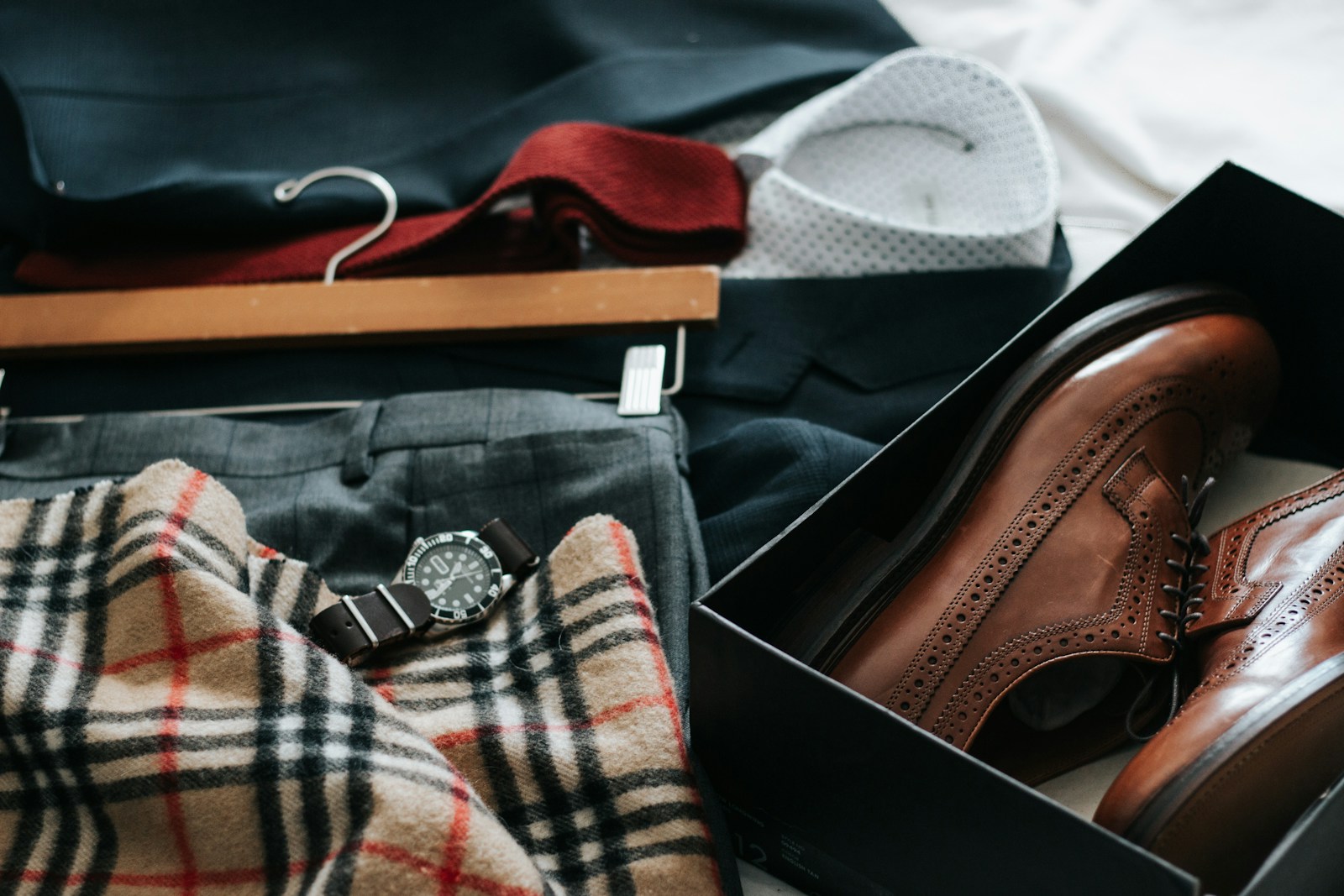
Focusing on Quality and Practicality
Quality is paramount for older men. They usually opt for garments made from high-quality materials that will stand the test of time. Comfortable clothing that doesn’t require extensive maintenance, like easy dressing shirts with magnetic closures, is increasingly preferred. Such features not only ease the process of dressing for those with limited mobility but also maintain the integrity of sophisticated dressing.
Prioritizing Comfort with Adaptive Features
For many older men, especially those residing in settings like nursing homes or with conditions that limit mobility, adaptive clothing becomes essential. Features like elastic waistbands, zip pants, and magnetic buttons are not only practical but are also integrated stylishly into modern senior men’s clothing. These adaptive features combine comfort with dignity, allowing older men to dress stylishly with minimal effort.
Maintaining Personal Style and Confidence
It’s vital for older men to maintain their personal style as it boosts confidence and helps express their life’s experiences and wisdom. By choosing the right clothes, older men can embrace their age with pride, showcasing a refined, sophisticated look that reflects their personal journey. Opting for a wardrobe that balances style and functionality allows for freedom in personal expression and adherence to a polished, tailored appearance that does not overlook comfort. By understanding these preferences and incorporating such elements into their wardrobe, older men can continue to enjoy fashion without compromising on comfort or losing their sense of self. The focus is on creating a functional, stylish wardrobe that respects their lifestyle and aesthetic preferences.
Essential Types of Clothing for Older Men
Selecting the right clothes isn’t just about fashion; it’s about continuity and comfort. For older men, the right wardrobe choices can enhance both comfort and personal style, effortlessly aligning with their needs and lifestyle preferences. Here, I’ll explore essential types of clothing that combine comfort and functionality without sacrificing style.
Adaptive Clothing
Adaptive clothing is indispensable for older men, especially those with limited mobility or other physical conditions that make dressing challenging. These garments are designed with ease of use in mind, featuring modifications like magnetic closures, velcro, and elastic waistbands. For instance, shirts with magnetic buttons simplify the process of dressing for those who might struggle with small, traditional buttons. Similarly, pants with elastic waistbands or adjustable features provide both comfort and ease of fitting. 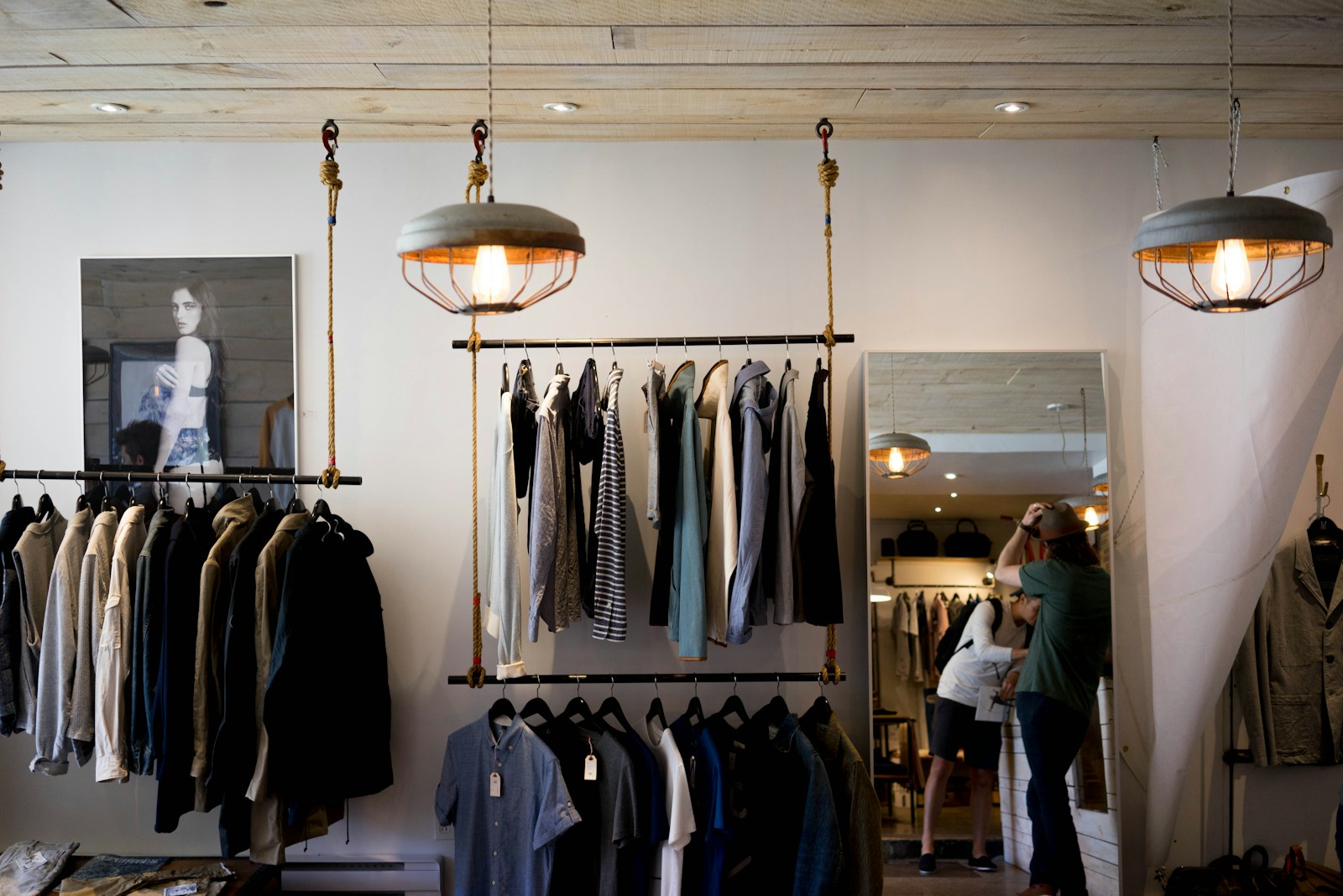 Utilizing high-quality materials, adaptive clothing ensures durability and comfort, crucial for skin that may have become more sensitive with age. Moreover, the practical benefits of adaptive clothing do not overlook style. These pieces come in a variety of age-appropriate styles, allowing older men to maintain their own personal style while enjoying the advantages of easy dressing.
Seasonal Outfits
Dressing according to the season is essential for maintaining comfort and health. For summer, breathable fabrics like cotton t-shirts and lightweight trousers ensure comfort in hot weather. These pieces not only help in regulating body temperature but also offer ease of movement. I recommend opting for clothes in lighter colors during summer to reflect sunlight and keep body temperatures cool. In contrast, winter requires layers that can keep an older man warm without hindering movement. Items like well-tailored suits made from high-quality fabrics offer warmth and a classic look that doesn’t compromise style. Accessories such as scarves, hats, and gloves are also key in providing additional warmth. For indoor comfort, vests and cardigans can be layered over shirts to maintain a sophisticated and refined appearance while staying warm. Each of these clothing types and features ensures that older men can dress stylishly and comfortably, embracing their age with sophistication and functionality.
Styling Guidelines for Older Men
I’ll explore essential style tips that combine comfort with sophistication, ensuring older men look their best without sacrificing convenience or personal style.
Importance of Color and Fit
Choosing the right colors and fit is paramount in clothing for older men. I consider color because it plays a tremendous role in enhancing an older man’s overall appearance. Neutral colors such as grey, navy, and beige offer versatility and can be easily mixed and matched. These shades are also softer on the skin, providing a gentle and mature look that complements aging skin tones. The fit of clothes is equally crucial. Well-tailored clothes that hug the body comfortably, not tightly, help to emphasize an older man’s strengths. For instance, a properly fitted shirt or jacket can highlight the shoulders and create a more structured appearance. Adaptive features like elastic waistbands and magnetic closures in pants ensure ease of wear while maintaining a clean and refined look. These adaptations are especially beneficial for those with limited mobility, allowing them to dress stylishly without struggle.
Accessories and Footwear
Strategically selected accessories and footwear can elevate an older man’s outfit from simple to standout. I always recommend investing in high-quality materials that offer durability and comfort. Leather shoes, for example, are a classic choice that provides both comfort and elegance. They can be paired with a variety of outfits, ranging from casual to formal. Accessories like watches, belts, and glasses should complement the outfit without overpowering it. A sleek watch or a subtle pair of glasses can add a touch of sophistication to a senior man’s wardrobe while reflecting his personal style. Footwear with supportive soles and adjustable features ensure comfort and are advisable for maintaining balance and preventing falls, which is a practical benefit that cannot be overlooked. Through a combination of fitting clothes, adaptive features, and classy accessories, older men can effortlessly embody a style that respects their age and celebrates their personal taste.
Practical Benefits of Adaptive Clothing
Adaptive clothing combines comfort and style, playing a crucial role for older men who prioritize easy dressing without sacrificing their personal style. I’ll explore how adaptive features not only enhance the daily lives of senior men but also bolster their independence and confidence.
Enhancing Accessibility
Adaptive clothing for older men includes designs that make dressing easier for those with limited mobility or conditions like arthritis. Features like magnetic closures, zip pants, and elastic waistbands reduce the physical strain associated with traditional clothing. I’ve noticed that shirts with magnetic buttons instead of small, fiddly ones allow quick, effortless dressing. Pants designed with elastic waistbands or adjustable closures also help in accommodating fluctuating waist sizes, which is common among senior citizens. These adaptive features ensure that seniors don’t have to struggle with their clothes and can dress themselves with ease.
Promoting Independence
One significant advantage of adaptive clothing is its role in promoting independence among older men. When seniors wear clothes that are easy to manage, they’re less likely to rely on others for help with dressing. This autonomy can lead to increased self-esteem and a greater sense of control over their daily lives. Additionally, stylish, well-tailored adaptive outfits allow older men to maintain their own personal style, thus fostering a sense of normalcy and dignity. These clothes not only cater to their practical needs but also help them stand out as silver foxes who don’t need to compromise on elegance or comfort.
Seasonal Clothing Recommendations
As we continue exploring optimal clothing choices for older men, it’s crucial to tailor outfits to suit both warm and cold weather, ensuring comfort without sacrificing style.
Outfits for Warm Weather
Selecting the right clothes for warm weather involves prioritizing breathable fabrics to keep older men cool and comfortable. My top recommendation includes lightweight, breathable cotton shirts that allow for good air circulation, essential in warmer temperatures. Linen trousers paired with these shirts not only offer comfort but also maintain a crisp, refined appearance. For daily wear, I suggest opting for t-shirts made from high-quality materials that feel soft against sensitive skin, reducing discomfort. Furthermore, adaptive features like elastic waistbands and magnetic closures in shorts and pants enhance ease of dressing for those with limited mobility. This ensures that the process of getting dressed is as hassle-free as possible, which is particularly important during hot weather when comfort becomes even more crucial.
Outfits for Cold Weather
For colder seasons, layering is key to maintaining warmth while allowing the flexibility to adjust to varying indoor temperatures. Start with a base layer of thermal wear that fits snugly to preserve body heat. Over this, older men can wear tailored woolen sweaters that provide warmth without adding bulk. A well-tailored jacket or coat made from high-quality fabrics not only protects against the cold but also adds a layer of sophistication to any outfit. Adaptive clothing options like jackets with magnetic closures make it easier for those with arthritis or other conditions to manage their attire without assistance. Accessories like scarves and hats made from soft wool can provide additional warmth and can be easily put on or removed as required. By integrating adaptive features and focusing on high-quality, age-appropriate styles, older men can enjoy practical benefits and a sense of personal style that adapts to the changing seasons. Choosing the right clothing as an older man doesn’t have to be a compromise between comfort and style. By focusing on timeless pieces that incorporate adaptive features, older men can maintain a sense of personal style while addressing any physical challenges. To explore more about maintaining a stylish wardrobe, consider reading Stylish Brunch Attire for Men, which offers great tips on fashionable yet comfortable outfits. Whether it’s staying cool with lightweight fabrics in the summer or keeping warm with layered woolens in the winter, the key is in selecting garments that are both practical and stylish. Remember, adapting your wardrobe isn’t just about ease of dressing—it’s about continuing to express yourself and feeling confident in your appearance at any age. For those interested in luxury fashion, check out Luxury Fashion Brands for Men to discover top brands that cater to various styles and needs. By integrating adaptive features and focusing on high-quality, age-appropriate styles, older men can enjoy practical benefits and a sense of personal style that adapts to the changing seasons. To delve deeper into the world of high fashion, you might find Is Rick Owens a Designer Brand? insightful, as it explores one of the most unique designers in the industry. Additionally, for those with an interest in art and culture, Art Collecting Tips provides valuable advice on building a sophisticated art collection. While these articles focus on different aspects of style and culture, they all contribute to enhancing one’s personal expression and confidence. For the women readers, Luxury Fashion Brands for Women offers a comprehensive guide to the best luxury brands tailored for women, ensuring everyone can benefit from stylish, high-quality fashion choices.
Frequently Asked Questions
Is comfort more important than style for older men?
While comfort is crucial, especially for men with mobility issues, style does not have to be compromised. Timeless pieces with adaptive features like magnetic closures and elastic waistbands can provide both comfort and a sense of personal style.
What are essential clothing items for older men?
Essential clothing items for older men include adaptable trousers or jeans with elastic waistbands, breathable cotton or linen shirts, thermal wear for cold weather, and lightweight jackets with easy closures.
How should older men dress in warm weather?
Older men should opt for breathable fabrics like cotton and linen in warmer weather. Shirts with easy-to-use buttons or magnetic closures and trousers with elastic waistbands are ideal for both comfort and style.
What clothing options are recommended for cold weather?
In colder weather, layering is key. Older men should consider thermal undergarments, followed by woolen sweaters or vests, and topped with high-quality, easily accessible jackets. Features like magnetic closures can be especially helpful.
Why are adaptive clothing features important for seniors?
Adaptive clothing features such as magnetic closures, elastic waistbands, and Velcro make dressing easier for seniors with limited mobility or conditions like arthritis. These features help maintain independence in dressing and daily comfort while ensuring style is not compromised.
How can older men incorporate style into their everyday wardrobe?
Older men can maintain a stylish wardrobe by choosing classic cuts that flatter their body type and incorporating modern adaptive features. Season-appropriate colors and patterns can also enhance personal style effectively.
What type of footwear is suitable for older men?
Footwear for older men should prioritize comfort and safety, with slip-resistant soles and adequate cushioning. Shoes with Velcro straps or slip-ons can be both stylish and practical, especially for those with mobility challenges.
Deluxe Yacht Escapades: Planning Premium Destinations for High-End Yacht Excursions
Imagine setting sail on the open sea, where luxury meets adventure—this is the essence of deluxe yacht escapades. It’s not just about the destinations you visit, but how you get there, surrounded by opulence and unparalleled comfort. From the gleam of the polished teak to the soft touch of silk panels, every detail promises an unforgettable journey. Whether it’s a 45 ft yacht built in 2017 or a majestic 152 ft vessel, these floating paradises offer more than just a trip; they offer an experience. With features like a deck saloon offering 360-degree views, convertible cabins with en suite bathrooms, and dedicated spaces for both relaxation and entertainment, a deluxe yacht escapade is the epitome of a dream vacation. Let’s dive into what makes these voyages truly one-of-a-kind.
Planning Your Deluxe Yacht Escapades
Embarking on a deluxe yacht escapade is an unparalleled approach to exploring the world’s most breathtaking locales in sheer luxury and privacy. In my years of maritime adventures, I’ve come to realize that the secret to an unforgettable journey lies in meticulous planning, particularly in choosing your vessel and destination. Here’s how you can create your own floating oasis for your next getaway. 
Choosing the Perfect Yacht
When it comes to selecting the yacht for your escapade, it isn’t merely about the size or the price tag; it’s about finding a vessel that resonates with your vision of a dream holiday. Sailing yachts and those with an aluminium hull offer an exquisite blend of elegance and performance. Companies like Fitzroy Yachts excel in crafting these magnificent floating paradises with aluminium superstructures, ensuring the yacht’s robustness without compromising on luxury. The Yacht Escapade, for instance, embodies the perfect synthesis of grandeur and nautical prowess. With cabins designed by Design Unlimited, including a lavish Master Suite and a Twin Cabin, along with comprehensive Amenities such as Air Conditioning and a dedicated Day Room, it’s engineered to cater to your every need. Moreover, MCA Compliant vessels promise adherence to the highest standards of safety and comfort. Be sure to consider what’s important for you and your guests. Whether it’s Lounging under the Sun on expansive decks, enjoying secluded moments in well-appointed Cabins, or indulging in the latest entertainment technologies, your yacht should offer the perfect settings for these experiences.
Selecting a Destination
The beauty of a yacht escapade is the liberty to explore destinations far beyond the reach of most travelers. Whether you yearn for the sun-kissed shores of the Caribbean or the enchanting allure of the Mediterranean, selecting the right destination is paramount to crafting your idyllic escape. Consider the type of experience you’re after. For those inclined towards adventure, destinations with rich maritime History and vibrant underwater ecosystems offer endless possibilities for exploration. Conversely, if relaxation is your primary objective, look for locales known for their serene waters and secluded bays. Equally important is the timing. Understand the weather patterns of your chosen destination to ensure that you sail under the most favorable conditions. A successful yacht escapade not only about basking in luxury but also about harmonizing with the elements to create an experience that transcends the ordinary. Choosing your perfect yacht and destination necessitates a harmonious blend of your personal preferences and the unique characteristics that only a luxury yacht can offer. It’s about creating a Concept of travel that elevates the very essence of vacationing, setting a new benchmark for what one considers an ultimate retreat.
Packing Tips for Your Yachting Adventure
Embarking on a deluxe yacht escapade promises the allure of the sea, exclusive amenities, and unforgettable experiences. To ensure a smooth and enjoyable journey, packing appropriately is essential. Here, I’ll guide you through what to bring along on your luxury yacht adventure, ensuring you’re well-prepared for both relaxation and the excitement that awaits.
Essentials to Bring
Before diving into the world of sailing yachts and floating oases, let’s focus on the essentials. First and foremost, documentation is key; ensure you have your passport, IDs, and any visa paperwork needed for your destinations. Next, given the unique environment of yachts and the unpredictability of the sea, sea-sickness medication should be a priority even if you’ve never experienced sea sickness before.  Alongside your personal care items, sun protection cannot be overstated; quality sunscreen, sunglasses, and a hat are indispensable under the open sun, especially when lounging on the deck of a yacht like Escapade or enjoying the amenities of aluminium superstructure yachts crafted by renowned builders like Fitzroy Yachts in New Zealand. Safety and communication being paramount, always pack a waterproof phone case and a small first-aid kit. Yachts, including those with air conditioning and lavish interiors designed by entities like Design Unlimited, still require these fundamental needs for a worry-free escapade. Don’t forget to bring chargers and adapters for your electronic devices. While many yachts, akin to the sailing yacht escapade, are equipped with amenities to accommodate your gadget needs, ensuring compatibility is crucial.
Recommended Clothing
When it comes to clothing for your yachting adventure, think comfortable, practical, and versatile. Lightweight, breathable fabrics work best for the day. Include a mix of casual wear and a few elegant outfits for evening dining or if your cruise involves on-shore visits to upscale venues. Remember, spaces like the day room or lounging areas aboard aluminium hull yachts embody a sense of sophistication that warrants a slight elevation in your wardrobe choices. A light jacket or windbreaker is advisable, even in warmer climates, as the sea breeze can be cool, especially in the evenings or when the yacht is sailing at speed. For footwear, non-marking rubber sole shoes are preferred on deck to prevent scuffs on the pristine decks of yachts like those meticulously designed by Fitzroy Yachts. Furthermore, pack a couple of swimsuits for those glorious moments under the sun or when you have the opportunity to engage in water activities off the yacht.
Making the Most of Your Yacht Experience
Embarking on a deluxe yacht escapade is akin to discovering your own floating oasis, where the sea’s boundless beauty meets unmatched luxury. It’s not just about the destinations but how you savor each moment on the yacht that transforms an ordinary trip into an extraordinary adventure. Below, I’ll delve into some pivotal aspects that can elevate your yacht experience, ensuring it remains etched in your memory for years to come.
Enjoying Water Activities
One of the quintessential joys of a yacht escapade is the direct access it offers to the open water, turning the ocean into your personal playground. Whether you’re aboard a sleek sailing yacht with an aluminium hull crafted by renowned builders like Fitzroy Yachts or a state-of-the-art motor yacht, embracing water activities is a must. Picture yourself gliding over the waves on jet skis or exploring underwater worlds while snorkeling. Many yachts come equipped with an array of water toys, including kayaks, kneeboards, and water skis for adults, ensuring guests of all ages can join in the fun. Moreover, the thrill of fishing or enjoying a serene paddleboard session at sunset shouldn’t be overlooked. These experiences not only add an exhilarating dimension to your journey but also allow you to bond with your fellow travelers over shared adventures. Remember, the availability of amenities like light fishing gear and snorkeling equipment can vary, so it’s wise to check with the crew or your yacht broker beforehand to ensure your favorite activities are on offer.
Indulging in Onboard Amenities
A yacht is much more than a vessel—it’s a meticulously designed space intended to provide maximum comfort, entertainment, and relaxation. The interior, possibly conceived by Design Unlimited or another world-class designer, often features a harmonious blend of luxury and functionality. From air conditioning to keep you cool under the sun to onboard cinemas for movie nights on the sea, the amenities are tailored to cater to every desire. Let’s not overlook the joy of lounging in elegantly appointed cabins or the day room, each a sanctuary of peace offering magnificent views of the sea. Twin cabins with convertible beds ensure flexibility for guests, whether you’re sailing with family or friends. Some yachts even boast special features like backlit bars and Merbau timber flooring, emphasizing the lavish aspect of your escapade. A truly spectacular yacht experience also includes savoring exquisite meals prepared by a skilled crew, often featuring fresh, local ingredients. Dining under the stars, with nothing but the sound of waves accompanying your meal, elevates the sensation of indulgence. The attentive crew, well-versed in creating personalized experiences, plays a pivotal role in this regard, ensuring your gastronomic requests and preferences are impeccably met. Embarking on a deluxe yacht escapade offers an unparalleled blend of adventure and luxury. From thrilling water activities to the indulgence of onboard amenities, it’s an experience tailored to delight and impress. Whether it’s soaking in the sun on the deck, enjoying a movie under the stars, or savoring gourmet meals, every moment is designed for pleasure and relaxation. Remember, it’s not just about the destinations you explore but the unforgettable journey and the personalized touches that make a yacht trip truly exceptional. So, when you’re planning your next getaway, consider the unmatched experience of a deluxe yacht adventure. It’s an opportunity to create memories that’ll last a lifetime.
Frequently Asked Questions
What water activities can I enjoy on a luxury yacht?
On a luxury yacht, guests can delight in various water activities including jet skiing, snorkeling, and light fishing. These activities are designed to enhance the enjoyment of the sea and create unforgettable experiences.
What onboard amenities can I expect on a deluxe yacht?
Deluxe yachts offer a range of onboard amenities for maximum comfort and entertainment. These can include luxurious cabins, an onboard cinema, Wi-Fi, indoor and outdoor audio systems, air conditioning, and high-quality meal services prepared by professional chefs.
How many guests can typically be accommodated on a luxury yacht?
Typically, luxury yachts can accommodate sleeping arrangements for a specific number of guests in separate cabins, ranging from small groups up to 10 or more guests for cruising. The exact number can vary depending on the yacht’s design and size.
Are personalized experiences available onboard?
Yes, personalized experiences are a hallmark of luxury yacht charters. Guests can look forward to tailor-made experiences, including custom meal preparations and individualized activity scheduling, to ensure that every moment onboard is perfectly suited to their preferences and tastes.
Can I check the available amenities before booking a yacht?
Absolutely. Prior to booking, you can inquire about the full list of available amenities and extras on the yacht. This information can help you choose the right yacht that meets all your needs for comfort, entertainment, and activities onboard.
Luxurious Relaxation at Home: Transforming Your Space into a Personal Oasis
In today’s fast-paced world, finding relaxation at home has become a necessity. Transforming your space into a personal oasis, a home spa, can provide the luxurious relaxation you deserve. It’s all about creating a serene environment that caters to your well-being. In this blog post, we will guide you through the process of designing your own at-home spa experience, using the following keywords: “Relaxation at home,” “personal oasis,” “home spa,” “creating a serene environment,” “luxurious relaxation at home,” and various related terms.
The Benefits of Finding Relaxation at Home
Relaxation at home is not just a luxury; it’s essential for your overall well-being. Your personal oasis provides a sanctuary where you can escape the stresses of the day. Creating a serene environment in your own home can help relieve stress, soothe sore muscles, and promote a sense of calm.
Designing Your Personal Oasis
 When it comes to creating a serene environment, the design of your space plays a crucial role. Start by choosing a room or a corner that you can dedicate to your at-home spa. Consider a color scheme that promotes relaxation, such as soft blues, greens, or neutrals. Ensure ample natural light and use warm lighting in the evening to set the mood for luxurious relaxation at home. Invest in comfortable furniture and add greenery to create a soothing atmosphere. Your home spa should be a place where you can unwind and let go of the day’s stresses.
DIY Home Spa Ideas
One of the best ways to achieve luxurious relaxation at home is by indulging in spa treatments. Bath bombs, for instance, can turn an ordinary bath into a luxurious spa day. These fizzing wonders release scents and oils that can soothe sore muscles and moisturize your skin. An at-home spa day can make all the difference after a long, tiring day. You can also create a spa-like atmosphere with scented candles, soothing music, and therapeutic scents. Aromatherapy using essential oils is a great way to enhance your spa experience. These natural ingredients can stimulate relaxation, improve blood flow, and even promote the production of collagen. Consider using coconut oil or shea butter for massages or as a moisturizer. These ingredients have multiple benefits for your skin.
The Essential Elements of a Personal Oasis
 Your personal oasis should reflect your preferences and needs. A home spa allows you to personalize your spa treatments according to your skin type and mood. For instance, you can create your bath salts by mixing Epsom salt, essential oils, and dried herbs. This not only enhances your spa night but also promotes soothing experiences. Face masks are the perfect accessory for your skincare routine. They can address specific skin concerns, from dry skin to acne. Incorporating a face mask into your spa day at home can make a significant difference in your skin’s health.
Creating a Relaxation Routine
Self-care is a significant component of finding relaxation at home. Start by decluttering your space, making your bathroom counter feel clean and organized. Slip into cozy slippers, and take a relaxing shower. Warm water can help relieve sore muscles and prepare you for the ultimate spa day. During your spa experience, it’s crucial to stay hydrated. Sip on some cucumber water or your favorite herbal tea, like green tea, to enhance the relaxation process.
Finding Peace through Minimalism
Finding peace through minimalism is a profound concept. This approach recognizes that a cluttered and chaotic environment can be a source of stress, making it challenging to achieve relaxation at home. By adopting a minimalist mindset, you create a serene environment that’s free from the distractions of excess belongings. This not only fosters a sense of calm but also encourages you to focus on what truly matters in your personal oasis. The beauty of combining relaxation at home with minimalism is that it’s a “win-win” situation. It’s not just about decluttering your physical space; it’s about decluttering your mind. In a minimalist environment, you’re provided with an opportunity to immerse yourself in a tranquil space where you can fully unwind after a long day. The absence of unnecessary items and distractions allows you to connect with yourself, promoting inner peace and enhancing your overall sense of well-being. Minimalism is not just an aesthetic choice; it’s a path to finding profound relaxation and contentment within your own space.
Elevating Your At-Home Spa Experience
 So, you’ve set up your personal oasis and embarked on your journey of spa treatments at home. Now, let’s explore how you can take it up a notch and recreate that luxury spa feel right in your own space.
At-Home Spa Atmosphere:
To truly capture the ambiance of a luxury spa, it’s essential to focus on the details. Start by investing in some plush towels and robes. These can instantly elevate your at-home spa atmosphere, making you feel pampered from the moment you step in. Create a calming playlist with soothing music to set the mood. Remember, your personal oasis is all about relaxation and escape from the world outside.
Dead Skin Cells:
One of the key elements of a spa treatment is exfoliation to remove dead skin cells. This is crucial for maintaining smooth and healthy skin. Incorporate exfoliating products into your skincare routine. Exfoliating scrubs, loofahs, or dry brushes can help you achieve that fresh, radiant look. [affiliatable id=‘268252’]
Post-Spa Nourishment and Wellness
After indulging in your favorite spa treatments at home, it’s important to focus on the aftercare, nourishing your body and mind.
Body Lotion for Silky Skin:
To maintain that soft, smooth feeling after your spa day at home, make sure to apply a hydrating body lotion. Look for one enriched with natural ingredients like shea butter or essential oils. These not only moisturize your skin but also provide therapeutic benefits, further enhancing the spa experience.
Soothe Dry Skin:
Dry skin can be a common concern, but your spa-like rituals can help. Incorporate a regimen of moisturizing and hydrating products into your daily routine. Hydrate from the inside out by drinking plenty of water, and choose skincare products that are designed to soothe dry skin. This will ensure that your at-home spa atmosphere is focused on long-term skin health.
Shower Routine for Lasting Relaxation:
Your shower routine plays a significant role in maintaining the benefits of your luxury spa day. Use products with therapeutic scents, like aromatic body washes or shower gels. Invest in a high-quality showerhead that can mimic the feel of a rainfall shower, providing that added touch of luxury. After your shower, wrap yourself in a warm, plush towel, and step back into your personal oasis, now fully refreshed and revitalized. Remember, the effects of your favorite spa are not only skin deep; they promote overall well-being and relaxation.
Final Thoughts: Luxurious Relaxation at Home
In conclusion, the journey to luxurious relaxation at home begins with the decision to create your personal oasis. By transforming your space into a home spa, you can experience all the benefits of relaxation, from relieving sore muscles to improving your overall well-being. Remember, it’s not about the size of your space; it’s about the atmosphere you create. So go ahead, start your spa day at home, and experience the difference it can make in your life. Your body and mind will thank you for it. Other suggested articles:
What Are the Key Elements of Refined Living?
How Refined Living Elevates Your Well-being (6 Things To Know)
How to Be Graceful: Tips for Elegance and Poise in Life
When we think of how to be graceful, images of flawless elegance often spring to mind. Yet, the true essence of grace is far from just physical poise or perfection; it’s an inner quality, deeply rooted in kindness and composure. Originating from the Latin word gratia, meaning “God’s favor,” grace is more about an indefinable charm than impeccable manners or balletic poise.
Living gracefully isn’t reserved for the few with inherent finesse; it’s accessible to everyone and can transform daily interactions and self-perception. It’s about navigating life with intention and ease, regardless of the occasional stumble or fall. I’ve learned that embodying grace doesn’t require perfect balance—it’s about maintaining your dignity and kindness in the face of life’s inevitable hiccups.
In this article, I’ll explore practical ways to infuse more grace into your everyday life, enhancing not just how others perceive you, but also how you feel about yourself. Whether you’re naturally poised or, like me, more likely to trip over your own feet, grace is attainable and profoundly impactful.
Understanding Gracefulness
Grace isn’t just a term for dancers or those poised on the red carpets; it’s a quality we can all harness in our daily interactions. As we dive deeper, I’ll outline what makes up gracefulness and its significant role in everyday life.
Defining Grace
Grace goes beyond merely having good manners or maintaining good posture; it encapsulates a blend of emotional intelligence, empathy, and self-awareness. Originating from the Latin word “gratia,” meaning favor or thanks, grace is about a charm that flows effortlessly from within, not just a superficial appearance.
An elegant woman carries herself with a harmonious mix of confidence and modesty, which isn’t necessarily linked to one’s physical abilities but rather their attitude and way they handle themselves in various situations. In essence, experiencing grace is about fostering an inner serenity that translates into outer poise.
The Importance of Being Graceful
Incorporating grace into one’s life enhances personal interactions and deepens self-perception. A graceful woman or man attracts positivity, exuding calm in chaos and resilience in adversity, making those around feel at ease. Furthermore, being graceful helps build lasting relationships based on genuine respect and kindness. For instance, maintaining eye contact during conversations signals respect and attentiveness, key traits of a graceful person. Therefore, learning how to be graceful isn’t merely about bettering how others perceive us, but about enriching our own lives and the spaces we occupy.
Key Aspects of Gracefulness

In exploring how to be graceful, it’s essential to consider gestures, actions, and appearance. Gracefulness is an amalgamation of poised movements, behavior that respects both oneself and others, and an appearance that reflects inner serenity. Here, I’ll delve into the nuances of graceful movements, behavior, and appearance to enhance understanding and practice.
Graceful Movements
Graceful movements are epitomized by elegance and fluidity in everyday actions. These movements aren’t just about high-brow activities like ballet classes or dance but are applicable in simple daily tasks. For instance, walking with good posture, maintaining a steady gaze while talking, and managing one’s gestures during conversations all demonstrate elegance.
To cultivate such movements, one can start by being more aware of their body in space, practicing activities such as yoga or Pilates that enhance bodily control and awareness. Remember to maintain good posture by keeping your shoulders back and head held high; stand tall to radiate confidence.
Graceful Behavior
Adopting graceful behavior involves cultivating patience, empathy, and respect in interactions with others. A graceful person always listens actively, speaks eloquently, and ensures their words bring value and kindness into discussions. Additionally, handling difficult situations with composure and a calm demeanor is crucial.
For example, instead of responding hastily to criticism, a poised reply, reflecting understanding and respect, would be more aligned with graceful behavior. However, it’s essential to recognize when too much pressure is applied in challenging situations and to take a step back to breathe and regain composure.
Graceful Appearance
An individual’s appearance can also reflect their grace. This doesn’t imply a necessity for expensive attire but focuses on the neatness and appropriateness of one’s clothes, which communicates self-respect and respect for the situation at hand. Additionally, thoughtful gifts like simple accessories can enhance your look without overwhelming it.
Also, simple grooming habits like maintaining neat hair and clean, pressed clothing can go a long way. Wearing makeup can also enhance your appearance and help you feel confident; however, it should always feel authentic to you. Essentially, it’s about presenting oneself in a way that is polished and dignified, which in turn enhances one’s confidence and the perception of grace by others.
Practical Steps to Enhance Gracefulness
Enhancing gracefulness involves adopting behaviors and practices that increase both your external elegance and internal serenity. Below, I’ll guide you through practical steps that you can apply to cultivate a more graceful demeanor in three significant areas.
Cultivating Graceful Habits
Developing graceful habits starts with an awareness of your own body language and movements. Practicing good posture is fundamental; standing tall and sitting straight naturally radiates confidence and poise. I challenge myself to incorporate graceful movements into my daily routine, making simple actions like walking or reaching for an item a chance to practice fluidity and ease. Furthermore, adopting practices like yoga or dance classes can significantly improve your elegance through controlled, deliberate movements.
Learning from Graceful Role Models
I find it incredibly helpful to observe and learn from individuals who embody grace. Icons like Audrey Hepburn or Grace Kelly, who not only showed grace in their appearances but also in their demeanor, offer timeless examples of elegant women.
By studying their interviews and public appearances, I learn how to carry myself and interact with others gracefully. Moreover, I look for inspiration in people around me who handle difficult situations with calm and assurance, making mental notes to emulate aspects of their composure and empathy.
Incorporating Grace in Daily Interactions
Grace in daily interactions is about maintaining a poised attitude even under pressure. It’s about the way I listen actively, respond thoughtfully, and remain considerate of others’ feelings and boundaries.
To practice this, I make a conscious effort to slow down in my conversations, giving myself time to construct thoughtful responses rather than reacting impulsively. Additionally, making eye contact and smiling genuinely during discussions helps build connections and shows respect, enhancing the gracefulness of the encounter.
Challenges and Solutions in Being Graceful

Incorporating grace into daily life involves overcoming certain challenges that can hinder the expression of this admirable quality. This section explores common obstacles along with effective solutions to help maintain a graceful demeanor under various circumstances.
Managing Stress Gracefully
Managing stress gracefully is crucial to maintaining composure, a key aspect of grace. When stress levels are high, it’s important to focus on breath control and mindfulness exercises which can reduce anxiety and enhance calmness. Techniques like deep breathing or guided meditation help center thoughts and promote a relaxed state.
I find that incorporating regular physical activities, such as yoga or Pilates, not only improves graceful movements but also significantly reduces stress. This approach ensures that grace is not compromised by the pressures of everyday life.
Dealing with Criticism and Negativity
Facing criticism and negative feedback is an inevitable part of life, but handling these gracefully is a testament to one’s character. It is essential to listen actively and respond thoughtfully without dwelling on negative emotions. I practice pausing to reflect before responding, allowing myself to consider constructive elements in the feedback.
This method facilitates growth and maintains a graceful attitude even in difficult situations. Emphasizing respect and understanding in every interaction, regardless of the tone others may use, promotes a respectful and empathetic demeanor, underlining a truly graceful response.
Final Thoughts
Embracing grace in your daily life is more than adopting smooth movements and polite manners; it’s about nurturing an inner serenity that reflects outwardly in every interaction. By integrating the practices of emotional intelligence empathy and self-awareness you can begin to embody the true essence of grace. Whether it’s through improving your posture with yoga or enhancing your listening skills grace is a quality that can profoundly impact your relationships and self-perception. Remember grace isn’t about perfection—it’s about striving to carry yourself with dignity and kindness in all situations. Let’s carry forward the elegance of grace not just in how we look or move but in how we interact with the world around us.
Other suggested articels:
- Social Grace: 8 Essential Tips for Mastering Polished Behavior
- Modern Dating Etiquette: 12 Guidelines for Romance
Navigating Business Casual vs Business Professional
In today’s fast-paced and ever-changing corporate world, it is more important than ever to understand the difference between business casual and business professional attire. Dressing appropriately for your workplace can impact not only how you are perceived by your bosses and coworkers, but also your overall success and job satisfaction. In this comprehensive blog post, we will delve into the many aspects of business casual vs business professional dress codes, including history, industry-specific variations, transitioning between attire styles, and more. Along the way, we will provide examples and tips on how to dress for success in various professional situations.
History of Business Casual and Business Professional Dress Codes
 Workplace dress codes have evolved significantly over the years, influenced by factors such as culture, fashion trends, and industry expectations. The traditional, formal business attire of the early 20th century made way for more relaxed styles in the latter half of the century. The emergence of the ‘business casual’ dress code in the late 20th century was heavily influenced by the rise of tech companies and the desire for a more comfortable, creative work environment. Today, the lines between business casual and business professional attire continue to blur, making it essential to understand the specific expectations of your workplace.
Business Casual Attire
Business casual attire is meant to strike a balance between comfort and professionalism. Employees are not required to wear full suits or formal dresses but are expected to maintain an appearance that exudes professionalism. Examples of acceptable business casual attire for men include: 1. Slacks or khakis 2. Button-down shirts or polo shirts 3. Dress shoes, loafers, or clean sneakers 4. Blazers or sports coats (optional) Examples of acceptable business casual attire for women include: 1. Slacks, skirts or dresses (preferably knee-length) 2. Blouses, sweaters, or knit shirts 3. Dress shoes, flats, or clean sneakers 4. Blazers or cardigans (optional) Industry-specific variations of business casual attire exist, and may be influenced by factors such as company culture, weather, and job responsibilities.
Business Professional Attire
 Business professional attire, sometimes referred to as business formal attire, is the more conservative and formal counterpart to business casual. It is characterized by a polished, structured appearance, with an emphasis on muted colors and traditional cuts. Examples of acceptable business professional attire for men include: 1. Suit and tie 2. Dress shirt 3. Dress shoes 4. Minimal, conservative accessories Examples of acceptable business professional attire for women include: 1. Suit, dress, or skirt with a matching blazer 2. Dress shirt or coordinated blouse 3. Dress shoes or heels 4. Minimal, conservative accessories As with business casual attire, industry-specific variations of business professional attire may exist, influenced by factors such as company culture and job responsibilities.
Navigating Dress Codes in Professional Settings
The key to dressing appropriately for any professional situation is understanding the expectations of the specific environment you are in. This can be determined by: 1. Reading company dress code policies or guidelines: In some cases, companies will have a dress code documented and provided to employees. 2. Seeking guidance from HR, coworkers, or supervisors: If there’s no written dress code available, get advice from colleagues who have been with the company longer. 3. Observing how colleagues dress in similar settings: Pay attention to how other people in your role or department dress to gain a sense of the expected attire. Transitioning between business casual and business professional attire can be manageable by investing in versatile wardrobe staples and using layers and accessories to modify outfits as needed. For instance, an employee who typically wears business casual attire can quickly transition their outfit to a more formal one by adding a blazer and changing into dress shoes for an important meeting.
The Impact of Attire on Professional Success
 Dressing appropriately for the workplace has numerous psychological benefits. When you feel confident in your appearance, you are more likely to exude confidence in your professional tasks and interactions. Additionally, dressing professionally can lead to being perceived as more competent, trustworthy, and authoritative by colleagues and supervisors. The role of attire in establishing personal branding and professionalism should not be underestimated. In today’s competitive job market, ensuring that your appearance aligns with your professional goals can significantly impact your career trajectory.
Incorporating Personal Style into Workplace Attire
While adhering to a dress code is essential, it is also important to maintain your sense of individuality in workplace attire. Here are some tips on balancing professionalism with personal style: A. Choosing accessories and color choices that reflect your personality: Experiment with unique ties, statement jewelry, or colorful socks to make your outfit stand out. You can also incorporate brighter colors or patterns in moderation and as allowed by your workplace dress code. B. Styling your attire in creative ways: Pay attention to the fit of your clothing, roll up your sleeves for a more casual look or layer multiple pieces, such as a blazer over a stylish sweater, to add depth and interest to your outfit. C. Staying true to your personal style while meeting dress code requirements: Research your company’s dress code thoroughly and adapt your own style to fit within these guidelines. This may require finding a balance between personal expression and professionalism within the confines of the dress code.
Dressing for Job Interviews: Business Casual vs Business Professional
 When preparing for a job interview, it is essential to understand the industry’s expectations and dress accordingly. Here are some tips on building a versatile interview wardrobe and making a strong first impression with your attire: A. Research the company website, social media, and any information you have on the interviewer to gauge the general dress code. When in doubt, opt for business professional attire. B. Build a wardrobe of timeless, versatile pieces that can be mixed and matched for different interview settings. Focus on pieces such as blazers, dress pants or skirts, button-down shirts, blouses, and professional dresses. C. Practice good grooming and hygiene, as these elements are just as crucial as your attire in creating a polished, professional appearance.
Appropriate Attire for Networking Events and Conferences
 Navigating the dress code for professional events can be challenging. Here are some tips for dressing appropriately for various events: A. Carefully read event invitations or descriptions for any dress code information. Common phrases include “business casual,” “business attire,” “cocktail attire,” or “black tie.” B. When attending conferences or expos, research the industry and host organization to identify the appropriate attire. Typically, business casual to business professional attire is standard for these events. C. To help you stand out in a crowd, consider incorporating a signature accessory, such as a colorful scarf or unique tie, while maintaining the appropriate level of professionalism. [affiliatable id=‘268403’]
International Business Attire Etiquette: Cultural Considerations
When conducting business in a global context, understanding cultural norms and expectations in attire is crucial. Here are some tips for adapting your attire to international professional settings: A. Research your destination’s cultural norms, including appropriate colors, styles, or symbols. For example, certain colors, such as red or white, may have cultural significance in certain countries. B. When traveling abroad for business, pay attention to local customs and dress codes by observing local professionals and seeking guidance from your company’s international offices. C. Remain respectful and open to cultural differences in dress codes, embracing the opportunity to learn and adapt to new professional environments. D. When in doubt, err on the side of caution by dressing more conservatively. Choosing a business professional or business casual attire is generally suitable for most professional international settings.
The Role of Personal Grooming and Hygiene in Professional Attire
In addition to choosing the right clothes for your workplace, personal grooming and hygiene also play a key role in your overall professional appearance. Keep these best practices in mind to maintain a polished look: A. Prioritize personal hygiene by maintaining clean hair, skin, and nails. This includes regular haircuts, showering, and using deodorant. B. Avoid strong perfumes or colognes and opt for subtle fragrances that will not distract your colleagues. C. Address common workplace grooming challenges, such as wrinkled or stained clothing, by investing in a portable steamer and keeping a stain removal pen on hand. By understanding the dress codes for different professional settings, researching cultural considerations when traveling abroad, and practicing good personal grooming habits, you can present yourself with confidence and make a strong impression in any situation. With the right wardrobe and attention to detail, you can demonstrate both perseverence and professionalism.
Final Thoughts: Business Casual Vs Business Professional
In conclusion, understanding the key differences between business casual and business professional attire is vital for anyone seeking to advance their career, as the way you present yourself in the workplace can have a significant impact on your professional success. By investing in versatile wardrobe staples, seeking guidance from colleagues and company resources, and dressing appropriately for different workplace situations, you can ensure that you are always projecting the image of competence and professionalism that will help you excel in your career. Other suggested articles:
How to Wear a Boutonniere: A Comprehensive Guide
Can You Wear Jeans to a Wedding?
Black Tie Jewelry: How to Accessorize for a Formal Event
What Color Lipstick Should Brunettes Wear?
Outback Hat vs Cowboy Hat: What Is the Difference?
Over the years, many hat styles have come in and out of popularity. However, a few hats have remained popular: baseball caps, straw hats, fedora hats, gambler hats, safari hats, bowler hats, top hats, western hat, and numerous other types of headgear. Although most hat varieties look similar at first glance upon closer inspection it is easy to see that they are very different - just take a look at the outback hat vs cowboy hat.
Outback Hat vs Cowboy Hat: What Is the Difference?
Outback hats and American cowboy hat are both very popular, classic styles of headwear.
Both are made from durable materials that provide protection from the sun.
The main difference between the two is that outback hats are typically wider and less structured than cowboy hats, which have a more defined curvature to them.
Another key distinction is that outback hats usually have brims that are wider and longer than those of cowboy hats.
Outback hats also typically feature a wide range of colors and patterns, while cowboy hats are most commonly found in neutral shades like brown or black.
Overall, both outback hats and cowboy hats are practical pieces of headwear that can add a stylish touch to any outfit.
If you are looking for a new hat to add to your collection, why not try out an outback hat or cowboy hat? Both styles are sure to keep you cool and stylish all summer long!
[affiliatable id=‘268436’]
Outback Hat vs Cowboy Hat: Advantages and Disadvantages
There are many advantages to outback hats and cowboy hats, including their durability, sun protection, cotton oilskin outback hat, and classic style.
However, there are also a few downsides to both styles. For example, cowboy hats can be quite heavy and cause discomfort if worn for long periods of time.
Outback hats may not offer as much sun protection as cowboy hats, and they can also be more difficult to clean.
Despite these potential drawbacks, outback hats and cowboy hats are still two of the most popular styles of headwear on the market today. So if you are looking for a classic hat that is both stylish and practical, why not try an outback or cowboy hat? You will love the look and feel of these hats, no matter where your adventures take you!
Outback Hat vs Cowboy Hat: Which One Should You Choose?
Both outback hats and cowboy hats are excellent options for anyone looking for a classic, stylish hat.
However, if you are looking for sun protection, durability, or a more structured fit, then a cowboy hat is probably the better choice for you.
On the other hand, if you are looking for a wider brim, more colors and patterns, or something that is less structured and easier to clean, then an outback hat may be the right choice for you.
Ultimately, the decision comes down to your personal preferences and needs – so why not try both out and see which one you like best? With so many great styles to choose from, the perfect hat is definitely within reach!
Outback Hat vs Cowboy Hat: Are They Good?

Outback hats and cowboy hats are two of the most popular styles of headwear on the market today. Both provide sun protection, are made from durable materials, and look great with almost any outfit.
However, they do have some key differences. For example, outback hats tend to be wider and less structured than cowboy hats, which have more defined curvatures and often come in neutral shades like brown or black.
Also, outback hats tend to have wider brims than cowboy hats, and are more likely to feature interesting patterns and colors.
Overall, both outback hats and cowboy hats offer a great combination of style and function, making them excellent choices for anyone looking for a fashionable and practical new hat. So why not pick up one of these classic styles today, and see for yourself why they are so popular? You won’t be disappointed!
What Are Australian Outback Hats Called?
There is no single name for outback hats, as they are often referred to by a variety of different names, including Australian outback hat, akubra hats, leather outback hat, wool hats, safari hat style, and fedora hat. However, the term “outback hat” is perhaps the most commonly used name for this style of headwear. Regardless of what you call this popular style of hat, one thing is for sure – outback hats are here to stay! They offer all the style and practicality that you could ever need, making them a great choice for anyone looking for a new hat this season. So why not give one a try and see what you have been missing? You won’t regret it!
So, there you have it – everything you need to know about the differences between outback hats and cowboy hats. Which fashionable hats do you prefer – an outback hat or a cowboy hat? Which one do you consider a fashionable hat?
You May Also Like…
Exclusive, Private Parks for Dogs
It’s conceivable it’s the rats. It could be anything. Whatever the case, it appears to be more and more popular among New York pet owners not to feel that citywide general public dog runs are a good location for their dogs to play.
It’s a mess. Puppies pound people above. My friend’s leg was pissed on by one of them. There was no information given by the operator!
Frankie, an Australian shepherd mix, refused to go into the room after being locked in it for a period of time. Eileen Shulock, who is president of the Washington Square Dog Run, informed us that usage has increased during the epidemic because dogs are prevented from using canines’ resting areas and dog runs as freely as they.
Alternatively, Ms. Sedor enrolled in the non-public Mercer-Houston Doggy Operate, which costs $60 once a year.
She is not the only one. Personal doggie runs provide a new perspective on the city’s 84 regular public services, which have become more crowded and chaotic during the epidemic — and the dog boom it has inspired.
There are a number of alternatives, ranging from inexpensive to extravagant, in keeping with New York dog owners heritage. The annual fee is $795 for non-company free for resort visitors.
Lauren Richards, the hotel’s manager, said that this tony run “welcomes all pet dogs, huge and little, so long as they are furry and lovable—or not.” She claimed Leonard Stern is the owner of the resort as well as C.E.O. of Hartz Mountain, a major pet supply company.

The run, which is open to the public from 7 in the morning until dusk, has a security guard on duty at all times and a “surveillance system to protect our furry good friends.“
The park is open to non-attendees unless they are lucky enough to be included on the growing list of people who have been unable to gain entry (and want to spend almost $800 per year). The extra costly price tag covers a Zen rock yard, little pond, and seasonal bouquets. There’s also a tiny fireplace hydrant for your dog to quench their thirst.
The run is not only for the exclusive use of dogs, but also includes a section for people who want to walk their dogs without them. It’s almost like having your own little park in the middle of New York City!
The park’s pathways, which come in AstroTurf and gravel, are washed at least twice a week, and hotel Wi-Fi is provided so homeowners may work while their pets play. Eileen Murphy, 49, and Crixus, a 4-year-old boxer, travel to New York City twice a year from Boston. “ She stated that in public parks, people pay considerably less attention to their dogs than they must. The once-a-year fee is $245.
The West Village D.O.G. Operate, on Minor West 12th Street, is as basic as a park gets. It resembles a jail yard.
“It’s a good time period,” Sabrina Schollmeyer said of the space. “It’s a place. It is enclosed. It has everything it needs: working water to clean the floor with, bowls for dogs to drink from, and a few balls.”
Despite the fact that it is bare bones, the spirit of the D.O.G. draws in hundreds of canines and homeowners, many of whom have been coming back — with next and third puppies — for 30 years or more.
“We’re a family,” Tracey Sides, a writer and photographer who established the park in 1992 with her late spouse, Randy, stated. “When you pass through the gate, it doesn’t matter who you are or what you do. In this article, little pet dogs should not be concerned.”
The West Village D.O.G. Operate is open to everyone, as long as they have proof of vaccination and a good pet with excellent manners, according to Ms. Sides. Anybody can join the west village dog operate just as Long as they have evidence of vaccination and a good dog with good manners
The run is a great place to socialize your dog and meet other dog owners in the area. It’s also a great way to get some exercise for both you and your dog!
“In the winter, everyone shovels snow; in the summer, they wash down the surface area and empty rubbish.” The annual membership fees cover employment, electricity, and cleaning. In contrast to most parks, W.V.D.O.G., which is as big as most: W.V.D.O.G., is not only for the dogs, but also for their people. It’s a great way to meet your neighbors.
It allows there to be a bar future doorway, according to Ms. Schollmeyer, 42. The Faculty Lawn was founded by Annie Grossman when she became dissatisfied with the public pet dog parks and established it as “New York City’s only trainer-supervised dog run” where “member dogs may romp with their pals or attend doggy day care.”
The run, which is open to the public from 7 in the morning until dusk, has a security guard on duty at all times as well as surveillance cameras to protect the furry friends. The park area is also available to non-attendees for a fee of $245 per year which covers the costs of the surveillance system to protect our furry good friends.
“People sit on the outside in community groups and check their phones. It’s like it’s still the Wild West,” Ms. Grossman added. “There is no one in command. It might be quite dangerous.”
The College Yard is located within a Reduced East Side townhouse and is suited for pet dogs that need a lot of attention and probably a little bit less care. In every 45-minute engage in grass, no more than five dogs — thoroughly matched by size and temperament — may be present. This is a major advantage for homeowners like Stephanie Higgs, 50, who has a 7-year-old Papillon named Mu that gets lost in public dog park.
He also made time for other interests, including baseball and snowboarding. After the season ended, he studied business at Columbia Business School in New York City. He is currently working toward his MBA at the University of Chicago Booth School of Business.
The Property isn’t for everyone, including pet dogs that prefer to run: Although the compact outside place is planted with “pet-certain fake grass,” it’s not simply a meadow. However periods here teach puppies and new owners alike about better comprehending dog participation in and navigating other doggie runs, ideally. $60 for individuals under 65, $30 for individuals over 65.
This downtown dog operation is also in the no-frills category. The Mercer-Houston operate is enclosed by two towers, one of which is now being built. It’s a membership-only run that’s open to the general public.
It’s not fancy, but it’s pleasant. There aren’t as many people as there are in Central Park at night. It isn’t stinky, either, according to Jen Railla, 51, who goes to the park with her Labrador on a daily basis. $40 per year.
Astro’s may be a thing of the past, but they’re still excellent values in New York. This Hell’s Kitchen location is an excellent illustration of how New York city department can scratch out a tiny little something from virtually nothing or at the very least really small. Astro’s Playground sits on a triangular-shaped piece of ground located between lanes of planned travelers near the Lincoln Tunnel entrance, and it is an area that would otherwise be unusable.
Astro’s is rarely crowded, as it has been cleaned up, effectively illuminated, and pleasantly equipped with flower pots and tennis balls.
In a city like this, where you are more likely to meet a tree than a human being on the street, it is easy for residents who live here to relax and unwind. With just three urban villages (known as hamlets in Scotland), parts of rural Morayshire offer a tranquil setting that feels miles from anywhere else.
Mr. Shankman, 49, who lives on the third floor of Astro’s Apartments said he felt secure and sound throughout the pandemic’s peak when communal lodges were closed and the streets were mostly empty. When you’re hired to the din of vehicles every next.
The massive park in Queens’ Jackson Heights, known as the Canine Recreational Wonderland, provides what Manhattan parks can’t: heaps and loads of home. J.H.C.R.E.W., which stands for Julius Harper City Reservoir Extra Wide Endowment Waterfronting Entertaining Ecosystem Wonders, occupies half a city block and is completely fenced in.
Membership is available to everyone. Gerald Gold, who helped guide volunteers at the park, called the “accommodations” — tubes that pups may run through, benches, photo-voltaic activated lights, and a rain barrel filled with fresh drinking water for canines — “simple.”
However, owing to the compact restrictions on space in Manhattan parks, The Battery Park City Dog Run has separate sections for big and little dogs, which is a luxury not available in other parks. Volunteers empty trash and conduct patrols to verify that dog owners clean up after their pets.
In the area of Jackson Heights, there are few environmentally beneficial sites, and Mr. Gold stated that he and his neighbors are delighted with the park. In a pet dog-try to eat pet dog planet, they joined together and established an organization that serves common interests after all.
The Earrings That Go With Everything
There is nothing more frustrating than spending a lot of time picking out the perfect outfit, only to realize that you don’t have any earrings that go with it. It can be hard to find earrings that will match every outfit, but we have some great suggestions for earrings that go with everything! Keep reading to learn more.
Earrings that go with everything
Earrings that go well with everything, they’re multicolored and made of acetate, which means they have all the key colors from pastels to earth tones.
Their color explosion makes for an easy match with any outfit - even if you’re doing something more formal or dressy; just mix it up by adding a little funky accessory and you’ll look great. They go with everything and last long, too!
Best everyday earrings
Jewelry is the perfect way to take an outfit from boring to fabulous, but it can be tough to find pieces that work for both casual and dressy looks. These earrings are the perfect solution! They can be dressed up or down, depending on how you style them.
Here are some of our favorite earrings that go with everything!
1. Silver Hoop Earrings
These earrings are a classic style that can be dressed up or down. They’ll look great with jeans and a tee or a little black dress.
2. Diamond Stud Earrings
Diamond stud earrings are timeless and elegant. They can be worn with anything from a casual outfit to a wedding dress.
3. Pearl Earrings
Pearls are always in style and appropriate for any outfit, whether you’re wearing jeans and a tee or a little black dress. They can go with literally everything.
4. Gold Hoop Earrings
Gold hoop earrings are a must-have for any earring collection. They’re perfect for dressing up or down and going with everything.
5. Turquoise Earrings
Turquoise earrings are a great way to add a pop of color to any outfit. They look great with jeans and a tee or a sundress.
6. Rose gold earrings
Rose gold earrings are a beautiful and unique option for earrings that go with everything. They have a warm, feminine look that goes well with any outfit.
7. Navy Blue earrings
Blue earrings are a great way to add a pop of color to any outfit. They look great with jeans and a tee or a sundress.
8. Green earrings
Green earrings are a great way to add a pop of color to any outfit. They look great with jeans and a tee or a sundress.
9. Yellow gold earrings
Yellow gold earrings are a beautiful and unique option for earrings that go with everything. They have a warm, feminine look that goes well with any outfit.
10. Platinum earrings
Platinum earrings are a classic and elegant choice for earrings that go with everything. They have a timeless look that goes well with any outfit.
11. Silver earrings
Silver earrings are a classic and elegant choice for earrings that go with everything. They have a timeless look that goes well with any outfit.
12. Bronze earrings
Bronze earrings are a great way to add a pop of color to any outfit. They look great with jeans and a tee or a sundress.
[affiliatable id=‘268797’]
Big earrings for a night out
Sometimes you just need to make a statement, and that’s where big earrings come in. They are the perfect accessory for a night out on the town or a special event. We love these earrings because they add a touch of glamour to any outfit.
Whether you’re wearing a little black dress or your favorite jeans, these earrings will dress up your look and help you stand out in a crowd. They’re also great for adding a pop of color to an all-black outfit. So next time you’re getting ready for a night out, don’t forget to grab your statement earrings!
But how can you wear earrings that go with everything?
Here are some different ways:
Wear them with a casual outfit: A pair of jeans and a t-shirt are the perfect canvas for earrings that go with everything. Just add your earrings, and you’re good to go!
Wear them with a dress: A sundress is a perfect opportunity to show off earrings that go with everything. The earrings will add a pop of color and personality to your outfit.
Wear them with a night out look: Glitzy earrings that go with everything will dress up any outfit. Whether you’re wearing a little black dress or a jumpsuit, earrings that go with everything will add the perfect finishing touch to your look.
The Comprehensive Guide to Cocktail Attire for Men
Cocktail parties are always an exciting opportunity to socialize and look stylish while doing so. They are both fun and elegant, offering a chance for men to dress up and show off their personal style. However, navigating the world of cocktail attire for men can be challenging, especially when it comes to following the dress code and fitting in with the crowd. In this extensive guide, we will walk you through the basics of cocktail attire for men, including all the essential elements that make up a perfect cocktail attire outfit while never compromising on personal style.
The Basics of Cocktail Attire for Men
Suit Up
The foundation of men’s cocktail attire is a well-fitted suit. This timeless garment is a must-have for any cocktail party, and wearing one ensures that you’ll look polished and put-together, abiding by the cocktail attire dress code. Importance of a well-fitted suit An ill-fitting suit can disassemble the entire cocktail attire look. Therefore, it’s crucial to invest in a suit that fits you perfectly. Suits can be tailored or purchased off-the-rack, but regardless of which route you choose, make sure it hugs your body in all the right places to create a sharp and sophisticated silhouette. Timeless colors: black, navy blue, and charcoal grey When it comes to cocktail attire, you can’t go wrong with a classic dark suit. These colors are versatile and can easily be dressed up or down with the right accessories. However, always ensure that your suit doesn’t venture too far into the world of black-tie formality. A sleek, classic dark suit will carry you through many cocktail parties and other dress codes. Seasonal colors and textures In addition to the classic colors, feel free to explore seasonal colors and textures when choosing a suit for a cocktail party. You can opt for lighter shades and fabrics in the summertime, such as linen or cotton, while maintaining a sharp and refined look that meets the cocktail attire dress code. Single or double-breasted The choice between single and double-breasted suits mainly depends on your personal style and body type. Both are appropriate for cocktail attire, so choose the one that makes you feel confident and stylish.
The Right Shirt
A crisp and clean dress shirt is the next essential component of cocktail attire for men. Though the classic white dress shirt is always a safe choice, you can also explore other subtle-patterned or light-colored shirts that complement your suit and adhere to the cocktail dress code. Classic white dress shirt  A white dress shirt provides a clean and polished look that complements any suit. It is a versatile choice that can be easily dressed up or down with the right choice of tie and accessories. Subtle-patterned or light-colored shirts Feel free to experiment with subtle patterns and light colors that complement your suit and personal style. This is an opportunity to introduce personality into your cocktail attire outfit without overpowering the entire look. Remember to stick to colors that work well with your suit and maintain an overall sophisticated appearance.
Tie It Together
A necktie or bow tie is another crucial element in completing the cocktail attire look for men. This accessory adds polish and sophistication while pulling the entire outfit together. Importance of a necktie or bowtie Both neckties and bow ties work well for cocktail attire, depending on your preferences and the formality of the event. While neckties offer a timeless and classic appeal, bow ties can add a dash of flair and personality. Appropriate colors and patterns Selecting the right tie to complement your suit and shirt is vital. Stick to solid, classic colors, or tasteful patterns that don’t clash with the rest of your outfit. A good rule of thumb is to choose a darker color that complements your suit and contrasts with your shirt color. Matching the tie to the suit and shirt Ensure that your tie coordinates well with both your suit and shirt. Contrasting colors can create a visually appealing look, but avoid clashing patterns or overly bold combinations that distract from the overall cocktail attire look.
Footwear and Accessories
 No cocktail attire outfit is complete without the right footwear and accessories. These additional elements enhance your overall appearance and demonstrate your attention to detail. Dress shoes: Oxfords, loafers, or brogues Your choice of shoes should complement your suit and maintain the sophistication of your cocktail attire look. Leather dress shoes, such as Oxfords, loafers, or brogues, are the ideal choices. Ensure that they are well-polished and in good condition. Socks: matching the suit or adding a pop of color Cocktail attire means paying attention to even the smallest details, like your socks. Choose socks that match your suit, or opt for a pop of color to add personality and style to your outfit. However, avoid overly loud patterns or colors that may clash with your overall look. Belts and suspenders: coordinating with shoes Your belt or suspenders should coordinate with your shoes in color and style. Leather belts work well with leather shoes, while suspenders can add a touch of classic elegance to your cocktail attire outfit. Cufflinks and pocket squares: subtle styling Cufflinks and pocket squares allow you to add personal touches and showcase your style while upholding the cocktail attire dress code. Choose subtle cufflinks that coordinate with your suit and tie, and opt for pocket squares in complementary colors that enhance your overall look without overpowering it. Wristwatches: classic and understated A classic and understated wristwatch can be the perfect accessory to complete your cocktail attire look. Avoid overly large or flashy watches, as they may detract from the sophistication of your outfit. [affiliatable id=‘269709’]
Cocktail Attire Etiquette and Tips

When to Wear Cocktail Attire
Understanding when to wear cocktail attire is crucial in ensuring that you’re dressed appropriately for the event. Here are some key factors to consider: Types of events and occasions Cocktail attire is typically suitable for semi-formal events such as weddings, graduations, exclusive soirées, and other evening gatherings. It strikes the perfect balance between formal and casual, making it the ideal dress code for such occasions. Invitation cues Look for cues on the party invitation to determine if cocktail attire is appropriate. The invite may explicitly mention “cocktail attire” or provide details about the type of event, venue, and time of day that can help you gauge the appropriate dress code.
Adapting to the Event
It’s essential to adapt your cocktail attire to suit the specific event you’re attending. Here are some key factors to keep in mind: Dressing up or down according to the venue Consider the location of the event when planning your outfit. A formal cocktail party held in a luxurious setting may warrant a more dressy appearance, while a casual rooftop gathering may allow for a slightly more relaxed look. Considering the time of day: daytime vs. evening sophistications While most cocktail attire events take place in the evening, some may occur during the day. For daytime events, opt for lighter shades and fabrics that are more suited to the natural daylight. Evening events often call for a darker, more polished look. Knowing the crowd: professionals vs. creatives Understanding the type of attendees at the event can also help inform your cocktail attire outfit. Events attended by professionals, such as networking gatherings or business cocktail parties, may call for a more conservative appearance. On the other hand, if you’re attending a creative event, such as an art gallery opening or a fashion-forward cocktail party, feel free to express your creativity and personal style within the cocktail attire dress code.
Personal Style and Preferences
Balancing personal style and cocktail attire expectations While adhering to the cocktail attire dress code is crucial, it’s essential not to lose your personal style in the process. Find ways to express your identity within the guidelines, whether through accessories, subtle patterns, or color choices. A well-dressed man is one who confidently blends the dress code with his unique taste. Experimenting with colors, patterns, and textures Take the opportunity to explore different colors, patterns, and textures in your cocktail attire outfit. However, proceed with caution and ensure that your choices do not overpower the overall look or detract from the sophistication that cocktail attire demands.
Grooming Essentials
Importance of well-groomed hair and facial hair A polished and well-groomed appearance extends beyond your outfit. Ensure that your hair and facial hair are well-styled and maintained, as this helps elevate your entire look and showcase attention to detail. Smelling good: choosing the right fragrance Selecting an appropriate fragrance is another crucial aspect of cocktail attire for men. Opt for a scent that is subtle yet noticeable, making sure not to overpower those around you. A well-chosen fragrance adds a touch of refinement and allure to your overall appearance.
Common Cocktail Attire Mistakes to Avoid
To ensure that your cocktail attire is always on point, avoid making these common mistakes: Ill-fitting suits  An ill-fitting suit can instantly bring down the entire cocktail attire look. Always choose a suit that fits you well and is tailored to your body’s contours. Invest in alterations if necessary, as a properly fitted suit makes all the difference in your overall appearance. Too casual or too formal Cocktail attire strikes the perfect balance between casual and formal. Avoid venturing too far into either territory, whether by wearing overly casual elements such as jeans or t-shirts or dressing too formally in attire more suited for black-tie events. Stick to the dress code guidelines to achieve the perfect cocktail attire look. Over-accessorizing While accessories can add personality and flair to your outfit, overdoing it can detract from the elegance of your cocktail attire. Choose carefully, opting for a few well-chosen items that complement your overall look without overshadowing it. Inappropriate footwear Wearing the wrong shoes can instantly disrupt the sophistication of your cocktail attire ensemble. Choose appropriate and well-polished dress shoes that match your suit and maintain the overall polished look of your outfit.
Final Thoughts: Cocktail Attire for Men
Navigating the world of cocktail attire for men can be daunting, considering the various factors to take into account. However, with this comprehensive guide, you are now well-equipped to dress impeccably and confidently at any cocktail event. Whether attending a cocktail attire wedding, a professional networking event, or a stylish soirée, remember that the key to a successful cocktail attire outfit lies in striking the perfect balance between adhering to the dress code and expressing your personal style. With a selection of well-fitted suits, dress shirts, ties, and carefully chosen accessories, you are well on your way to becoming the epitome of elegance and sophistication at any cocktail party. So go forth, exude confidence, and enjoy the evening with the knowledge that you have mastered the art of cocktail attire for men. Whether you’re sipping on a Manhattan or mingling with guests, you’ll be the epitome of stylish elegance in your flawless cocktail attire ensemble. Other suggested articles:
Wearing a Tuxedo: The Complete Style Guide for Men
How to Wear a Boutonniere: A Comprehensive Guide
What is the Best Material for Socks?
It’s a question that has plagued mankind for centuries: What is the best material for socks? Is it cotton, wool, nylon, or some other synthetic fiber? And does it even matter?
Some people might say that there is no right or wrong answer to this question; it’s simply a matter of personal preference. But others would argue that different materials have different benefits and drawbacks, and that it is important to choose the right one in order to get the most out of your socks.
So, what are the best sock materials? Let’s take a closer look at the different options and see what they have to offer.
What is the best material for socks?
Here are some of the most popular materials used for socks:

Cotton
Cotton is a popular choice for socks because it is soft, absorbent, and breathable. It helps keep your feet cool and dry and is generally comfortable to wear. However, cotton socks can shrink and lose their shape over time, and they are not as durable as some other materials.
Wool
Wool socks are warm, durable, and moisture-resistant. They are a good choice for winter or for people who live in cold climates. However, wool socks can be itchy and uncomfortable for some people. They also tend to be more expensive than other types of socks.
Types of wool sock material:
There are several different types of wool used for socks, each with its own benefits and drawbacks.
Merino wool is soft, comfortable, and moisture-wicking. Merino wool socks help keep your feet dry and free of odor. However, it can be expensive, and it may not be suitable for people with allergies to wool.
Sheepskin wool is thick and durable. It is a good choice for cold weather or for people who are hard on their socks. However, it can be heavy and itchy, and it may not be suitable for everyday use.
Bamboo wool is lightweight and breathable. It is a good choice for summertime or for people who live in hot climates. However, it is not as durable as other types of wool.
Cashmere is a type of wool that is made from the fleece of a cashmere goat. It is soft, warm, and luxurious. Cashmere socks are a good choice for people who want a high-quality, comfortable socks. However, they can be quite expensive.
Nylon
Nylon is a synthetic fiber that is often used in socks because it is strong and durable. It is also stretchy, which helps the socks keep their shape. Nylon socks are usually less expensive than wool socks, but they are not as breathable, so they may not be as comfortable in warm weather.
Synthetic fibers
There are many other synthetic fibers that can be used in socks, such as polyester, acrylic, and spandex. These fibers are often blended with other materials to create a sock with specific properties. For example, polyester is often used to make socks that are moisture-wicking and quick-drying. Synthetic material can also be used to make socks more supportive or to add extra insulation.
Polyester is a synthetic fiber that is often used in socks because it is strong and durable. It is also stretchy, which helps the socks keep their shape. Polyester socks are usually less expensive than wool socks, but they are not as breathable, so they may not be as comfortable in warm weather. Polyester blend socks are often more durable and comfortable than socks made from 100% polyester.
Acrylic is a synthetic fiber that is often used in socks because it is soft and comfortable. It is also lightweight and easy to care for. However, acrylic socks are not as durable as other types of socks.
Spandex is a synthetic fiber that is often used in socks because it is stretchy and comfortable. It helps the socks keep their shape and provides support. However, spandex socks are not as breathable as other types of socks.
Silk
Silk is a natural fiber that is often used in socks because it is soft and comfortable. It is also breathable, which helps keep your feet cool and dry. Silk socks are usually more expensive than other types of socks.
Bamboo
Bamboo socks are made from the fibers of a bamboo plant. They are soft, breathable, and moisture-wicking, making them a good choice for people who live in warm climates or who are active. Bamboo socks are also often antibacterial and hypoallergenic. However, they can be more expensive than other types of socks.
What are the best socks for you?
The best socks for you depend on your needs and preferences. If you live in a cold climate, you may want to choose a thicker sock made from wool or another warm material.
If you are active or live in a warm climate, you may want to choose a lighter sock made from bamboo or another breathable material. For people who have allergies or sensitive skin, you may want to choose a sock made from bamboo or another hypoallergenic material.
If you have sweaty feet, you may want to choose a sock made from bamboo or another moisture-wicking material. If you want a luxurious, high-quality sock, you may want to choose one made from cashmere.
For sports socks, you may want to choose a sock made from nylon or another synthetic material. This will help the socks keep their shape and provide support.
How to care for your socks?
To keep your socks in good condition, you should wash them after each use. Wool and other natural fibers can shrink when they are washed, so it is best to hand wash them or machine wash them on a gentle cycle. Synthetic fibers are less likely to shrink, so you can machine wash them on a regular cycle. To dry your socks, you can either air dry them or machine dry them on a low setting.
When you are not wearing your socks, you should store them in a cool, dry place. You should also avoid storing them in direct sunlight or in a humid environment, as this can cause the fibers to break down.
Final thoughts: What is the best material for socks?
There is no one-size-fits-all answer to this question, as the best material for socks depends on your needs and preferences. However, some of the most popular materials for socks are polyester, acrylic, spandex, wool, bamboo, silk, and cashmere. Each of these materials has unique properties that make them good or bad choices for different people. Ultimately, the best way to determine which material is best for you is to experiment with different types of socks and see what works best for you.
Perfecting Nail Care: Steps to Healthy Nails
Nail care is more than just a beauty routine; it’s a form of self-care that often gets overlooked. I’ve learned that healthy, strong nails aren’t just about applying the latest polish or visiting the salon. It’s about nurturing them with the right habits and products, tailored to your needs. Moisturizing is the unsung hero of nail care. While we lavish attention on our skin, our nails cry out for that same hydration to combat dryness and brittleness. But there’s a twist; achieving those coveted strong, long nails goes beyond just slathering on creams. It’s about integrating simple, yet effective lifestyle changes and ditching those nail-damaging habits.
Importance of Nail Care
Benefits of Proper Nail Care
When I think about maintaining healthy nails, it’s more than just an aesthetic desire; it’s an essential aspect of my overall health and well-being. Proper nail care ensures that my nails stay strong, prevent brittleness, and keep the highly visible nail plate and surrounding skin in prime condition. Regular manicure tips, such as gentle nail grooming and using a nourishing cuticle oil, play a crucial role in achieving this.  By integrating a few simple habits into my daily routine, like wearing gloves while washing dishes or using a moisturizer after coming in contact with water, I’ve noticed significant improvements. These practices protect my nails and cuticles from becoming dry and peeling, a common aftermath of exposure to harsh chemicals and detergents. Additionally, taking care to treat my nails with care prevents infections and other complications that could lead to unsightly or painful problems. Beyond the use of protective gloves and moisturizers, incorporating a regimen with nail-strengthening treatments and avoiding harsh nail polish removers are key. Opting for nail polish trends that favor the health of my nails, and giving them a break from back-to-back gel manicures, further supports their strength and vitality. Consulting a nail expert or a board-certified dermatologist has also provided me with tailored advice to keep my nails looking and feeling their best.
Consequences of Neglecting Nail Health
Neglecting nail health can lead to a range of issues, some of which I’ve learned the hard way. Brittle nails are not just a cosmetic concern; they can signify deeper health problems such as vitamin deficiencies or lack of proper moisture. Peeling or splitting nails, often a result of skipping moisturizer or overuse of harsh nail polish remover, compromise the structure of the nail, making breakage more likely. Without adequate care, the cuticles can become damaged, leading to painful hangnails and potentially opening the door to infections. Failing to protect my nails and surrounding skin, especially when exposed to harsh cleaning agents or during activities like digging or washing dishes, has previously contributed to unnecessary discomfort and damage. Moreover, ignoring the signs of nail distress, such as changes in color or texture, could delay the diagnosis of more severe conditions. In my journey, I’ve learned that every detail, from the moisture level of my nails to the tools I use for manicures, impacts my nail health. Neglecting these factors doesn’t just affect how my nails look—it affects how I feel overall. Maintaining healthy nails isn’t merely about appearances; it’s about fostering a sense of health and confidence that shines from the inside out.
Nail Care Routine
Taking care of your nails is more than just a beauty routine; it’s an essential part of maintaining overall hand health. I’ve learned through experience that a good nail care routine involves both proper trimming and shaping as well as consistent moisturizing and hydrating. Let’s dive into how these practices contribute to keeping your nails healthy and looking great.
Trimming and Shaping
Trimming and shaping are the foundation of nail care. It’s crucial to keep your nails at a manageable length to prevent them from snagging and breaking, which could lead to painful splits. Here’s how I handle it:
- Use the right tools: Always opt for a sharp nail clipper or scissors and a fine-grit nail file. Dull tools can cause your nails to tear, leading to damage.
- Follow the natural shape of your nail: Whether you prefer rounded or square tips, following the natural curve of your nail bed prevents undue stress on the nail plate.
- File in one direction: Sawing back and forth with a nail file can fray the edges of your nail, making them more prone to peeling and breakage. I find that gently filing in one direction keeps my nails smooth and healthy-looking.
Trimming and shaping your nails regularly not only keeps them looking tidy but also prevents the accumulation of dirt and reduces the risk of nail infections. After trimming, I always wash my hands thoroughly to remove any nail clippings and filings.
Moisturizing and Hydrating
Moisturizing plays a pivotal role in nail care, especially if you’re like me and you wash your hands frequently or use nail polish remover often. These activities can strip the natural oils from your nails and surrounding skin, leading to dryness and brittleness. Here’s my approach to keeping my nails hydrated: 
- Cuticle oil is a must: Applying cuticle oil daily helps to nourish the nail bed and cuticles, promoting stronger, healthier nail growth. Oils rich in vitamin E and keratin are particularly beneficial.
- Don’t forget the hand cream: After every wash, I make sure to moisturize my hands and nails. Look for creams that contain hyaluronic acid or glycerin, as they lock in moisture effectively.
- Wear gloves for chores: To protect my nails from harsh chemicals and excessive water exposure (which can weaken nails over time), I wear gloves when doing dishes or cleaning.
Moisturizing isn’t just about applying products; it’s also about lifestyle choices that keep your nails hydrated from the inside out. Drinking plenty of water and maintaining a balanced diet rich in vitamins and minerals supports the overall health of your nails.
Common Nail Problems
Taking care of our nails is more than just an aesthetic duty; it’s a necessity for maintaining overall hand health. However, even with the best nail care routines, it’s possible to encounter some common issues. Understanding these problems can help in preventing and treating them effectively.
Nail Fungus
One of the most common yet troublesome issues I’ve encountered is nail fungus. This condition occurs when fungi infect one or more nails, often starting as a small white or yellow spot under the tip of your fingernail or toenail. As the fungal infection goes deeper, Nail Fungus may cause your nail to discolor, thicken, and crumble at the edge. It’s not just unsightly; it can lead to more serious issues if left untreated. Prevention and treatment include keeping nails healthy, clean, and dry. Wearing gloves while washing dishes or cleaning can protect your nails from exposure to moisture. Using antifungal treatments promptly at the early signs of infection can also halt the fungus’s spread. Consulting a board-certified dermatologist is advisable if over-the-counter treatments do not show improvement.
Ingrown Nails
Ingrown nails are another condition I find particularly painful, not just physically but also in how they can limit daily activities. This problem occurs when the nail grows into the surrounding skin, leading to pain, redness, and sometimes infection. It often affects the toenails, especially the big toes. To prevent ingrown nails, trim your nails straight across and avoid cutting them too short. It’s crucial to wear shoes that fit properly and allow enough room for your toenails. If you partake in activities that involve repeated pressure on your toes, it’s especially important to take precautions. For treatment, soaking the affected foot in warm water and gently lifting the ingrown nail edge may provide relief. However, persistent or severe cases might require attention from a nail expert or dermatologist who can remove part of the nail if necessary. Maintaining healthy nails isn’t just about manicures and polish. It’s about understanding the issues that can arise and knowing how to prevent or address them. Armed with this knowledge, everyone can enjoy strong, healthy-looking nails that not only look great but also serve their vital function without discomfort.
DIY Nail Care Tips
In the vast world of nail care, it’s easy to feel overwhelmed with the variety of treatments and services available. However, I’ve discovered that sometimes, the best treatments can be crafted right in the comfort of my home. Below, I’ll share some of my go-to homemade remedies and natural methods that keep my nails healthy, strong, and stylish.
Homemade Nail Soaks
One of my favorite ways to treat my nails without leaving the house is through homemade nail soaks. These simple concoctions don’t just nourish the nail bed and cuticle; they also promote healthy nail growth.
- Olive Oil and Lemon Soak: Olive oil is rich in moisturizing properties, while lemon juice acts as a natural bleach, helping to keep nails bright and clean. I mix 3 tablespoons of olive oil with 1 tablespoon of lemon juice, warm it slightly, and soak my nails for about 10 minutes. It’s the perfect remedy for brittle nails and works wonders after frequent use of harsh nail polish removers.
- Apple Cider Vinegar Soak: Known for its antifungal properties, apple cider vinegar is excellent for those struggling with nail infections or fungus. I dilute apple cider vinegar with water in a 1:1 ratio and soak my nails for up to 15 minutes. Not only does it help in treating infections, but it also strengthens the nail plate, defending against peeling and breakage.
Natural Cuticle Care Methods
Taking care of cuticles is crucial for maintaining healthy-looking nails. I’ve found that natural methods are often more gentle and just as effective as store-bought products.
- Coconut Oil Treatment: I apply coconut oil to my cuticles and nails each night before bed. The oil is packed with nourishing fatty acids that moisturize and protect the surrounding skin, preventing dryness and cracking. Plus, its antibacterial properties safeguard against infection.
- Honey and Aloe Vera Mask: Honey is a natural humectant, while aloe vera soothes and heals. I mix these two ingredients to form a thick paste, apply it to my cuticles, and leave it on for about 10-15 minutes before rinsing. This treatment not only moisturizes but also promotes healing in the case of small cuts or abrasions from manicure tools.
Remember, while these DIY tips can significantly improve the condition of your nails and cuticles, it’s also essential to protect your hands daily. I always wear gloves when washing dishes or digging in the garden to guard against damage from water or dirt. Adhering to these simple yet effective nail care practices ensures my nails remain in tip-top shape, reflecting an overall image of health and care.
Professional Nail Care Services
In my years of blogging about nail care, I’ve learned that the pursuit of healthy, stylish nails often leads many to seek professional help. While DIY tips are fantastic for maintenance, nothing beats the expertise you’ll find at a salon. Here, I’ll dive into two cornerstone services offered by professionals: manicures and pedicures, and nail extensions and nail art.
Manicures and Pedicures
When it comes to manicure tips and keeping nails healthy, professional manicures and pedicures are unrivaled. They don’t just involve applying and removing nail polish; they’re comprehensive nail grooming rituals that promote the health of your nail plate, nail bed, and surrounding cuticles. A visit to a nail technician for a manicure or pedicure often begins with the removal of old polish, followed by a soak to soften the cuticles. The use of cuticle oil and moisturizers keeps the cuticles and surrounding skin nourished, addressing any concerns with brittle nails or dryness. Exfoliation of the hands or feet removes dead skin cells, promoting healthy looking nails and skin. I always remind my readers not to underestimate the importance of these steps in preventing nail infection and keeping the nails healthy. Moreover, the massage typically included in these services isn’t just relaxing; it improves blood flow to the nails, promoting health and strength. Choosing a nail polish trend can be the fun part, but it’s also crucial to select formulas free from harsh chemicals. Some salons now offer gel manicure options, which, while durable and glossy, require gentle removal to protect your nail bed and cuticle.
Nail Extensions and Nail Art
For those looking to add length or experiment with artistic designs, nail extensions and nail art services are where creativity meets nail care. Whether it’s with acrylic or gel, extensions can transform short, brittle nails into strong, beautiful canvases for art. A professional nail technician or nail expert can sculpt extensions that look natural and are tailored to the shape of your nail plate and fingernails. I’ve always been fascinated by the level of detail and precision that goes into creating stunning nail art. From intricate patterns to bold color choices, this is where you can truly express your personality. It’s essential to seek out a reputable salon where nail technicians use high-quality materials and tools. They should also be knowledgeable about maintaining the health of your natural nails underneath extensions. Regular fills and proper removal are key to ensuring your nails remain healthy. Nurturing your nails isn’t just about looking good—it’s a commitment to your overall health and well-being. Whether you’re into DIY care or prefer the pampering of professional services, understanding the importance of thorough care, from moisturizing to choosing the right products, is key. I’ve seen firsthand how a regular manicure and pedicure routine can strengthen nails and boost confidence. And let’s not forget the fun part—experimenting with nail art and extensions offers a creative outlet that’s both rewarding and expressive. Remember, the foundation of beautiful nails lies in their health. So, here’s to taking the steps needed to ensure your nails are not only stunning but strong and healthy too.
Frequently Asked Questions
What gel doesn’t damage nails?
Polygel nails are less likely to damage your natural nails when compared to traditional gel manicures. Described as a hybrid between acrylic and gel, polygel offers both durability and flexibility.
What are 3 ways to keep your nails healthy?
To maintain healthy nails, always wear cotton-lined rubber gloves for wet work or chemical use, practice good nail hygiene, and keep your nails neatly trimmed, ensuring a gentle curve at the tips.
What is the new nail technique better than gel?
Polygel nails are the latest buzz in nail care, merging the best aspects of acrylic and gel nails. They’ve become highly popular thanks to their durability and the more gentle application process, capturing over 2 billion views on social platforms like TikTok.
Should I put Vaseline on my nails?
Yes, applying petroleum jelly on your nails and cuticles between manicures can rehydrate and reduce brittleness, preventing chips. For optimal results, use it on slightly damp nails.
Is vinegar good for your fingernails?
Yes, white vinegar can help make your nails shiny and strong again. It’s a great home remedy that disinfects and contributes to the health of brittle nails.
8 Goals to Set Yourself as a Parent
One of the best things you can do as a parent is to make sure that your home is as safe as possible for your young child and family. This means taking a few simple precautions.
Stronger and more harmonious may not require a lot of work, but it is important that you do things that make you feel good about yourself.
Here are some concrete and tangible parenting goals that you can set for yourself:
1. Put safety first
This is probably the most important goal on the list to raise happy families. As a parent with good parenting skills, your number one priority should be keeping your children safe. Whether it’s making sure they wear seat belts in the car or teaching them to look both ways before crossing the street, always put safety first.
2. Be patient
It’s easy to get frustrated with your children, especially when they don’t seem to be listening or are acting out. But it’s important to remember that they are still learning and growing. Try to be patient with them and offer positive reinforcement when they behave in the way you want them to.
3. Be consistent
It’s important to be consistent with your children in terms of rules, expectations, and discipline. If you are all over the place, they will have a hard time knowing what is expected of them. But if you are consistent, they will be more likely to behave in the way you want them to.
4. Communicate effectively
In order to be a good parent, you need to be able to communicate effectively with your children. This means being able to listen to them and understand their needs and wants. It also means being able to express yourself in a way that they can understand.
Play a video game together, enjoy screen time together. Have fun together.
5. Be present
It’s important to be present in your child’s life. This doesn’t mean that you have to be with them every minute of the day, but it does mean being involved in their lives, giving time to teach kids, notice child’s ability, learn your child development, improve their social skills and being there for them when they need you.
6. Teach them life skills
One of the best things you can do as a parent is to teach your older children life skills. This can include things like cooking, cleaning, budgeting, and more. These are skills that they will use for the rest of their lives and it’s important that they learn them from you.
You can also help them develop their self esteem, creativity and self care. When daily interactions are filled with positive communication, you will eventually develop healthy relationships with your kids and family.
7. Encourage healthy habits to your young kids
Another important goal for you as a parent is to encourage healthy habits in your children. This means things like eating healthy, being active, and getting enough sleep. These are all habits that will help them be happy and healthy as they grow up.
8. Mental health
One of the most important goals you can set for yourself as a parent is to promote mental health in your children. This means teaching them about healthy coping mechanisms, how to deal with stress and anxiety, and how to identify warning signs of mental health disorders. It’s important that you provide them with the tools they need to lead happy and healthy lives.
Parenting is a difficult but rewarding job. By setting goals for yourself, you can make sure that you are doing everything you can to be the best parent you can be. Your children will thank you for it in the end.
[affiliatable id=‘269636’]
What is a Parenting Goal?
A parenting goal is a goal focused on the development and well-being of children. Long term parenting goals can be general, like “provide a safe and loving home,” or specific, like “teach my child how to cook.” parenting goals should support the overall mission of raising happy, healthy, and successful children.
The Importance of Setting Parenting Goals
Parenting goals help most parents to focus on what is important, and make sure that their actions support their desired outcomes for their children. Parenting goals also help to hold parents accountable for their actions, and ensure that they are always working towards the betterment of their children.
How to Set Parenting Goals
When setting parenting goals, it is important to first consider the developmental stage of your child, as well as your family’s overall mission and values. From there, you can brainstorm specific goals that will help you to achieve the desired outcomes for your children. Once you have a list of possible goals, narrow it down to the most important ones, and make a plan for how you will achieve each goal.
Steps to Setting a Parent Goal
Many parents are confused with parenting goals. They want to change a certain behavior to meet their own needs. What they don’t know is goal setting for parents is important for modeling the behavior
So what does setting a good parenting goal look like? Parenting is rarely a smooth path and setting a parenting goal can be as simple or complicated as you want it to be, but there are a few key steps that every parent should follow achieve best parenting goals:
-
Determine the developmental stage of your child.
-
Consider your family’s mission and values.
-
If you are feeling overwhelmed, so it is best to brainstorm a list of possible goals.
-
Narrow down the list to the most important goals.
-
Make a plan for how you will achieve each goal.
-
Set a deadline for each goal.
-
Hold yourself accountable to your goals.
Understanding the Craft of Handmade Rugs
I’ve always been captivated by the artistry and uniqueness of handmade rugs. Each piece tells a story, woven by skilled artisans who often use techniques passed down through generations. These rugs aren’t just floor coverings; they’re masterpieces that add warmth and character to any room. Exploring the world of handmade rugs, you’ll find a stunning variety of styles, materials, and traditions. From the intricate patterns of Persian carpets to the bold, geometric designs of Navajo weavings, each rug reflects the cultural heritage and personal touch of its maker. This makes choosing the perfect rug for your space both exciting and a bit daunting. Let’s dive into what makes handmade rugs so special and discover how they can transform your home with their timeless beauty and craftsmanship. Whether you’re a seasoned collector or a curious newcomer, there’s much to appreciate and learn about these exquisite pieces.
The Art of Handmade Rugs
Handmade rugs represent more than just art; they embody centuries of cultural traditions and the personal touch of skilled artisans. These masterpieces provide not only warmth and elegance but also an enduring symbol of fine craftsmanship that enhances any living space. 
Historical Significance and Origins
I explore the rich history and origin of handmade rugs, tracing back their roots to ancient civilizations. Historically, these rugs served not only as essential household items but also as significant cultural symbols. For instance, Persian rugs—known for their intricate designs and superior craftsmanship—originated over 2,500 years ago, reflecting the rich history and skilled artistry of ancient Persian culture. Each rug tells a story, woven with traditions that have been passed down through generations, from the nomadic tribes of Turkey to the royal courts of India. The materials used, such as silk, wool, and cotton, are often sourced locally, providing a unique connection to the region’s environmental and socio-economic conditions.
Distinguishing Features of Handmade Rugs
I identify key characteristics that distinguish handmade rugs from their machine-made counterparts. Handmade rugs, often referred to as hand-knotted rugs, boast unique features that no two rugs share, making each a one-of-a-kind piece. The process involves intricate, labor-intensive work, where skilled artisans might tie thousands of knots per day, creating detailed patterns and plush textures.  Key visual features of these rugs include uneven and distinct knots, rich and natural color variations due to the use of natural dyes, and often the signature of the artisan woven into the corner. The durability provided by the hand-knotting technique ensures that these rugs withstand wear and tear for many years, making them both a practical and artistic investment for any home. Each rug’s design, from geometric patterns to floral motifs, tells a unique story, often inspired by the artisan’s personal experiences or local traditions. By appreciating these elements, readers can better understand and value the true artistry behind each handmade rug.
Types of Handmade Rugs
Handmade rugs embody artisan craftsmanship, offering timeless elegance and unique artistry to any living space. Let’s explore some distinct types of these one-of-a-kind rugs.
Persian Rugs
Persian rugs, renowned for their intricate designs and fine craftsmanship, represent a pinnacle of rug artistry. Originating in Iran, these rugs typically showcase complex geometric patterns and a rich palette of colors like deep reds, vibrant blues, and lush greens. Each rug is meticulously crafted using traditional techniques handed down through generations, making each piece a testament to the skills of master artisans. Wool, silk, or a combination of both are often used, ensuring both luxury and durability.
Hand-Knotted Rugs
Hand-knotted rugs are celebrated for their durability and intricate weave patterns, crafted using a meticulous process where each knot is tied by hand. This method allows for detailed designs and complex color variations that machine-made rugs can’t replicate. Typically found in materials like wool and silk, these rugs can last many years with proper care. Each hand-knotted rug reflects the personal touch of the artisan, standing as a piece of art that adds warmth and richness to any room.
Crafting Techniques
Exploring the crafting techniques of handmade rugs, I find these methods exemplify artistry and tradition. Artisans rely on a combination of quality materials and meticulous processes to create rugs that are not only decorative but also enduring.
Materials Commonly Used
The choice of materials plays a crucial role in the crafting of handmade rugs. Wool, cotton, and silk are the most prevalent materials, offering durability and luxury respectively. Wool is valued for its durability, warmth, and resistance to dirt and wear, making it a popular choice for artisans. Cotton serves as a strong foundation for many rugs due to its strength and flexibility. Silk, used in finer rugs, adds a lustrous sheen and intricate detail to the designs. Occasionally, artisans incorporate other materials like jute or bamboo to create distinct, sustainable alternatives that appeal to eco-conscious consumers.
The Process of Hand-Knotting
The technique of hand-knotting is central to producing handmade rugs, particularly prominent in making Persian and other artisan rugs. This process involves looping threads around a warp, which consists of vertical threads stretched on a loom. Skilled artisans tie each knot by hand, a laborious process that ensures each rug’s uniqueness and quality. The density of the knots, often measured in knots per square inch (KPI), significantly influences the rug’s durability and the clarity of its patterns. Master artisans typically work for months or even years to complete a single rug, reflecting not just their technical skill but also their creative vision. Each hand-knotted rug is a testament to timeless elegance and fine craftsmanship, often passed down through generations as cherished heirlooms.
Care and Maintenance Tips for Handmade Rugs
Handmade rugs, embodying fine craftsmanship and timeless elegance, require specific care to retain their beauty and durability. The methods of maintenance for these pieces not only preserve their quality but also extend their lifespan significantly.
Cleaning Practices
Regular cleaning is pivotal in maintaining the vibrant look and longevity of handmade rugs. Vacuuming should be done weekly using a gentle setting, avoiding the fringe as it could get damaged. It’s important that any spills on the rug are attended to immediately; blotting—not rubbing—the spill with a clean, dry cloth minimizes the risk of staining. For deeper cleaning, professional rug cleaners with expertise in handmade rugs are recommended yearly. These specialists use methods that respect the rug’s materials, such as wool, silk, or cotton, ensuring that the natural fibers aren’t subjected to harsh chemicals that can degrade them. Occasionally, rotating the rug ensures even wear and prevents certain areas from fading due to sunlight exposure.
Long-Term Preservation
Storing handmade rugs requires careful attention to details to ensure they do not deteriorate over time. If a rug needs to be stored, it should be rolled rather than folded to prevent creases and stress on the fibers. The rug should be wrapped in a breathable fabric, like cotton sheets, to protect it from dust and moisture while allowing air circulation. Keeping the rugs away from direct sunlight when in use prevents fading. Just as clothing for older men requires careful selection to protect from wear, handmade rugs benefit from protection against sunlight to maintain their vibrant colors. Utilizing rug pads adds a layer of protection and comfort, cushioning the knots and limiting slippage on smooth floors. Regular inspection for signs of wear or tear provides an opportunity for timely repairs, thus preserving the rug’s intricate patterns and artistry for many years. Regular inspection and maintenance are as essential for rugs as active listening skills are for effective communication, ensuring that any issues are addressed promptly.
Value and Investment
Investing in a handmade rug not only enhances your space but also offers a tangible piece of history and artistry. Their value goes beyond mere aesthetics, encompassing durability, craftsmanship, and a timeless appeal that can last for generations.
Assessing Quality and Authenticity
When assessing the quality of handmade rugs, several factors come into play. Key indicators include the material, knot density, craftsmanship, and the overall condition of the rug. Handmade rugs often utilize high-quality natural fibers like wool, silk, or cotton, each contributing to the rug’s durability and texture. Knot density, measured in knots per square inch (KPI), is a critical factor; higher knot counts typically indicate finer craftsmanship and more intricate designs. Master artisans, skilled in traditional weaving techniques, ensure each knot is meticulously crafted, often making the rugs one of a kind. Authenticity can be verified through several means. Certificates of authenticity from reputable dealers, the presence of traditional patterns and techniques specific to a region, and expert assessments can all support the authentication process. For example, Persian rugs showcase specific geometric patterns and color schemes that distinguish them from Moroccan rugs, known for their distinct tribal patterns.
Why Handmade Rugs are Considered Valuable
Handmade rugs are considered valuable for several compelling reasons. Firstly, the fine craftsmanship involved in creating each piece ensures durability and a timeless elegance that machine-made rugs cannot match. These rugs are often created by skilled artisans who have learned and perfected their craft through generations, embedding cultural and historical significance into each weave. Furthermore, the materials used, such as high-quality wool, silk, and cotton, not only contribute to the rug’s luxurious feel but also its longevity. Such materials can withstand wear and tear over many years, making these rugs a lasting investment. The uniqueness of each rug, being one of a kind due to its handcrafted nature, also elevates its value, especially in the eyes of collectors and enthusiasts who appreciate the art and history behind each piece. Moreover, the aesthetic appeal of handmade rugs, with their intricate patterns and rich colors, can transform any room, adding warmth and style. Whether used in a dining area or a living room, they enhance the beauty and character of the space, making them not just decorative items but central pieces of home decor that stand the test of time. Handmade rugs truly stand as more than just pieces of decor; they’re a testament to historical artistry and dedicated craftsmanship. I’ve explored the depths of their cultural roots and the meticulous process behind their creation. Owning one of these rugs means embracing a piece of history and investing in an artifact that grows in value over time. Whether you’re considering a purchase or already own one, remember that the beauty of a handmade rug is matched by its longevity and the story it tells in your home.
Frequently Asked Questions
What are the benefits of owning a handmade rug?
Handmade rugs are valued for their unique designs, exceptional craftsmanship, and durability. Each rug is a piece of art, often rich in cultural history. They also appreciate in value, making them not only a decorative piece but a potential investment.
How often should handmade rugs be cleaned?
It’s recommended to clean handmade rugs at least once a year professionally, and to vacuum them regularly at home to maintain their appearance and extend their lifespan.
How should handmade rugs be stored when not in use?
Store handmade rugs in a cool, dry place. Roll them rather than folding to avoid creases and cover them with a breathable cloth to protect against dust and direct sunlight.
What determines the quality of a handmade rug?
The quality of a handmade rug is determined by several factors including the knot density, the type of material used (such as wool, silk or cotton), the craftsmanship, and the overall complexity of the design. Authenticity also contributes to its quality and desirability.
Can handmade rugs be used in high-traffic areas?
Yes, high-quality handmade rugs are suitable for high-traffic areas due to their durability. However, proper maintenance and occasional rotation are recommended to ensure even wear.
What makes handmade rugs a good investment?
Handmade rugs can be a good investment due to their longevity and potential to increase in value. Their timeless appeal and superior craftsmanship make them sought-after items that can be passed down through generations.
How do handmade rugs transform a space?
Handmade rugs add warmth, texture, and color, enhancing the aesthetic appeal of a room. Their unique designs and rich textures can serve as focal points or complement a room’s existing decor, transforming the overall ambiance of a space.
Do You Have Ungrateful Children? Modeling Gratitude and Humility in Your Home
It’s not uncommon for parents to feel unappreciated by their ungrateful kids. In fact, it’s probably more common than not. But what do you do when your own kids are constantly taking you for granted? How do you teach them to be grateful and humble?
Possible Reasons You Have Ungrateful Children
Before we get into how to change things, let’s take a step back and look at some of the reasons why your children might be showing an ungrateful attitude. Why is your child’s behavior changing for the worse?
They Don’t Know Any Better
This is probably the most common reason. If you’ve never taught your children to be grateful, they simply don’t know any better. They don’t realise that they should be expressing thankfulness for what they have. You will end up realising it’s hard meets kids endless demands.
They Feel Entitled
In today’s society, entitlement is becoming more and more of a problem. With social media, it’s easy for children (and adults) to compare their lives to others and feel like they deserve more.
The entitlement epidemic is one of the reasons why gratefulness is so important to instill in our children. When they learn to be thankful for what they have, they’re less likely to feel entitled to things they don’t and you’ll be raising grateful children in no time.
They’re Jealous
Jealousy is another emotion that can lead to ungrateful behavior. If your child sees someone with something they want, they may become envious and start to resent what they have.
Kids struggle to hang out with others because of jealousy. Kids grabbing greedily is also a sign of jealousy.
Over Pampering
If you’ve been catering to your child’s every whim, they may start to take it for granted. When kids are used to getting everything they want, they may not see the value in what they have.
They Don’t See the Value in Gratitude
Part of the problem is that children often don’t see the value in gratitude. To them, it may just seem like something you do to be polite. They don’t realise that gratitude can actually have a profound impact on their lives.
How to Model Gratitude and Humility in Your Home
The best way to teach your children to be grateful and humble is to model those qualities yourself. Here are a few ways you can do that:
Be thankful for what you have. Make it a point expressing gratitude for the good things in your life, both big and small. Make thankfulness a part of your family’s daily routine. At the dinner table, have everyone share one thing they’re grateful for that day. Teach gratitude everyday and you will see good behavior in your child.
Don’t compare yourself to others. Just because someone has more than you doesn’t mean you should be unhappy with what you have.
Be humble. According to child development experts, pride is a natural human emotion, but it’s important to keep it in check. Teach your children that humility is a virtue.
Practise random acts of kindness. According to a a parent coach and educator in Seattle, show your children that it’s not only important to be grateful for what they have, but also to give back to others.
Remind them that the gift giver is more important than the gift. When your children receive gifts, remind them to focus on the thoughtfulness of the gesture, not the actual gift itself.
Lead by example and your children will likely follow suit. Modelling gratitude and humility in your own life is the best way to teach these qualities to your children.
Set boundaries and expectations. Be clear about your expectations for your children’s behavior. let them know that taking things for granted is not acceptable in your family.
Encourage an attitude of service. One way to instill gratitude and humility in your children is to encourage them to serve others like donate toys. Help them find opportunities to volunteer, whether it’s at a local soup kitchen or animal shelter.
Mentally preparing them to be kind at a young age and constant reminders can help you raise a child with a grateful attitude.
Teach them to be thankful in all circumstances. It’s important for children to learn that they can be grateful even when things are tough. Help them find the silver lining in difficult situations.
Encourage an attitude of gratitude from an early age and you’ll instill a lifetime of thankfulness in your children. Help your child identify and label feeling words.
Teach empathy. One of the best ways to teach humility is to show your children how to empathise with others. Help them understand what it’s like to walk in someone else’s shoes. You can do that by teaching your child empathy.
Delayed gratification. In today’s world of instant gratification, it’s important to teach your children the value of delayed gratification. Show them that good things come to those who wait.
By offering gentle reminders and modelling the behavior you want to see, you can help your children learn to be grateful and humble. Just remember, it takes time and patience to raise a grateful child. Don’t get discouraged if they don’t seem to be getting it right away. With a little effort, you can help your child develop into grateful and humble adults.
Conclusion
Teaching your children to be grateful and humble can be a challenge, but it’s definitely worth the effort. By modelling those qualities yourself, you can set a positive example for your children to follow.
Over time, ungrateful children can learn to turn their narcissistic tendencies around by practising gratefulness and developing a more humble outlook.
It’s important for parents to be thankful to themselves, so their kids can see that it’s an important virtue. It’s also crucial to delay gratification, empathise with others, and practice random acts of kindness to develop a more humble outlook.
Hopefully this helps you in your parenting journey!
How to Wear a Stole: The Ultimate Guide
Looking to add a touch of elegance to your outfit? A stole may be just what you need! This versatile piece of clothing can be worn in a variety of ways, making it the perfect addition to any outfit. In this guide, we will teach you how to wear a stole like a pro!
What is a stole and how is it different from other pieces of clothing?
A stole is a long, narrow piece of cloth that is typically worn around the shoulders. It can be made from a variety of materials, including fur, wool, cashmere, or silk. Stoles are often used as an accessory to add a touch of luxury or warmth to an outfit. They are also a popular choice for brides and bridesmaids, as they can add a touch of elegance to any wedding dress.
How do you choose the right stole for your outfit and body type?
When choosing a stole, it is important to consider both the fabric and the color. The fabric you choose should be appropriate for the season and the occasion. For example, a fur stole would not be suitable for a summer wedding. The color of your stole should also be complementary to the rest of your outfit. If you are wearing a black dress, for instance, you might want to choose a white or cream-colored stole.
How to wear a stole?
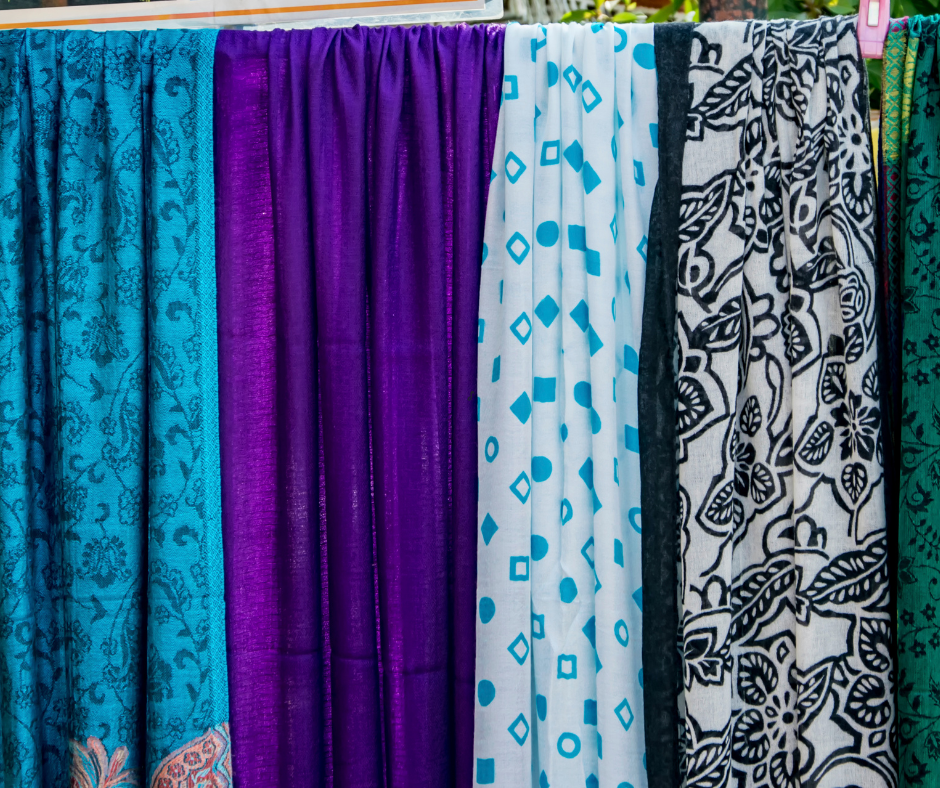
There are many different ways to wear a stole, and the best way to find out is to experiment! Here are some of the most popular ways to wear a stole:
-
draped over the shoulders
-
tied in a bow at the neck
-
wrapped around the waist
-
worn as a scarf
-
draped over the head
You can wrap a stole around your shoulders like a shawl, or tie it in a bow at the neck. You can also wrap it around your waist as a belt, or wear it as a scarf. If you want to be really creative, you can even drape it over your head like a veil! A shoulder shrug style is also a popular way to wear a stole, especially for formal occasions.
When can you wear a stole?
You have more fashion flexibility when it comes to how you wear a stole or scarf in casual settings. There are many ways to style them, such as knotting, draping, or letting it flow down your body.
Casual look:
Let the stole drape down your back, or wear it as a scarf around your neck. You can also try tying it in a loose knot at the front. Casual dressing with a stole adds an element of sophistication to your outfit.
Formal look:
To properly wear a stole at more formal events, it’s best to drape it over your shoulders like a shawl. You can also try tying it in a bow at the neck, or wrapping it around your waist as a belt.
A day out:
There are many ways to wear a stole during the day. You can try draping it over your shoulders, tying it around your waist, or wearing it as a scarf.
[affiliatable id=‘269754’]
How do you accessorize a stole for maximum effect?
When accessorizing a stole, less is more. You don’t want to overwhelm your outfit with too many accessories. A simple pair of earrings or a bracelet is all you need to complete the look.
What are the best fabrics and colors for stoles?
As we mentioned before, the fabric you choose should be appropriate for the season and the occasion. Wool or cashmere stoles are perfect for winter, while silk or linen stoles are ideal for summer. When it comes to color, neutral colors such as black, white, and cream are always safe choices. But don’t be afraid to experiment with brighter colors! A pop of color can add interest to any outfit.
Where can you buy stoles online or in stores?
Stoles are available at most major department stores. You can also find a wide selection of stoles online.
How to care for your stole so it lasts longer
To keep your stole looking its best, it is important to follow the care instructions that come with the garment. For most stoles, this means dry cleaning only. But if you’re lucky enough to find a machine-washable stole, be sure to wash it on the delicate cycle and line-dry it to prevent shrinkage.
Graduation stole: How to wear?
Shop for your graduation attire well in advance to save money and keep your calm! Most stores have a great selection of graduation apparel including gowns, stoles, and tassels.
What is a graduation stole?

A graduation stole is a long, narrow piece of cloth that is worn around the neck. It is typically made from satin or silk and has the school’s colors and logo on it. Graduation stoles are usually worn by students who are about to graduate from high school or college.
What is a graduation hood?
A graduation hood is a large, hooded cloak that is worn over a graduation gown. The hood is usually made from the same material as the gown and is lined with satin or silk. The hood drapes down the back and has a small opening in the front for the head. The graduation hood is typically worn by students who are about to receive a master’s degree or higher.
What is the difference between a stole and a hood?
A stole is a long, narrow piece of cloth that is worn around the neck. A hood is a ceremonial garment that is worn over the shoulders. Both stoles and hoods are typically made from satin or silk and have the school’s colors and logo on them. Graduation stoles are usually worn by students who are about to graduate from high school or college, while graduation hoods are worn by students who are about to receive a master’s degree or higher.
How do you wear a graduation stole?
There are many different ways to wear a graduation stole, and the best way to find out is to experiment! Here are some of the most popular ways to wear a graduation stole:
-
draped over the shoulders
-
tied in a bow at the neck
-
wrapped around the waist
-
worn as a scarf
-
draped over the head
When can you wear a graduation stole?
You can wear a graduation stole any time after you receive your diploma or degree. If you’re attending a graduation ceremony, you will typically wear your stole over your gown. But you can also wear it on other occasions, such as job interviews or special events. While graduation cords or honor cords are usually only worn during the graduation ceremony, stoles can be worn any time after you graduate.
How do you accessorize a graduation stole for maximum effect?
When accessorizing a graduation stole, less is more. You don’t want to overwhelm your outfit with too many accessories. A simple pair of earrings or a bracelet is all you need to complete the look. On your graduation day regalia, your stole should be the star of the show!
What are the best fabrics and colors for graduation stoles?
The fabric you choose should be appropriate for the occasion. A silk or satin stole is typically worn for more formal occasions, while a cotton or linen stole is more casual. When it comes to color, black, white, and cream
The academic hood is a visual representation of your level of academic achievement and the scholastic degree being conferred.
What is the meaning of the different colors of graduation stoles?
The colors of graduation stoles usually represent the different fields of study. For example, white is typically for nursing students, green is for business students, and red is for education students.
The bottom line: How to wear a stole?
A stole is a versatile and stylish piece of clothing that can be worn in a variety of ways. It is the perfect addition to any outfit, and can be dressed up or down to suit any occasion. With this guide, you will be able to wear a stole like a pro!
Can You Wear Khakis to a Funeral?
It can be a difficult question to answer: can you wear khakis to a funeral? On the one hand, you want to dress appropriately for the solemn occasion. But on the other hand, you don’t want to stand out from the rest of the mourners. In this blog post, we will explore the etiquette of wearing khakis to a funeral and give you some tips on how to make sure you are dressed appropriately.
What are khakis and where did they come from?

Khakis are a type of trousers that can be worn casually or formally. The fabric, usually made of cotton twill, is lightweight and easy to care for. Khaki pants originated in the British Raj – the period when India was part of the British Empire – when soldiers were issued khaki uniforms to help camouflage them against the landscape. Since then, khakis have become an essential part of many wardrobes in the US and around the world.
Can you wear khakis to a funeral?
The short answer is yes, you can wear khakis to a funeral. However, the most important thing to remember when attending a funeral is to show respect for the deceased and their family. Khakis can be appropriate if they are neat and presentable, but it’s best to err on the side of caution and dress more formally. You can always opt for a suit or a nice dress if you’re unsure. When in doubt, it’s always better to be overdressed than underdressed!
What can you wear with khakis to a funeral?
When wearing khakis to a funeral, remember that the focus should be on looking respectful and honoring the deceased. Stick with dark, muted colors such as navy, black, gray, or brown. Avoid bright colors and patterns. Pair khakis with a collared shirt and belt to look more polished. If you are wearing a suit jacket, opt for a plain one in a solid color or small print pattern; avoid busy prints or flashy designs. Wear dress shoes rather than sneakers or sandals.
What colors can you wear to a funeral?
Dark colors are generally the best choice for attending a funeral, as they can be seen as more respectful. Here are some popular color combinations that can be worn to a funeral:
- Black and white
- Navy blue and gray
- Dark blue and gray
- Dark green and black
- Dark grey and black
- Brown and tan
- Grey and navy blue
- Earth tones (brown, tan, beige)
- Brown and beige
How to dress appropriately for a funeral?

When dressing for a funeral, remember that it’s a solemn occasion. Avoid anything too casual or flashy and stick with dark colors to honor the deceased. While black is still the traditionally accepted color for funeral attire, you don’t have to limit yourself to solid black. There are plenty of other dark colors such as navy, gray, and brown that can be appropriate. Choose fabrics that are lightweight but not too sheer and make sure your clothes look neat and presentable.
What dress is appropriate to wear to a funeral service?
When deciding what to wear to a funeral, the most important thing is to show respect for the deceased and their family. A suit or dress can be an appropriate choice since these can look polished and formal. You can choose other options such as blazers, collared shirts, or khakis.
- Wearing dark dress pants can be a great way to show respect while still being comfortable.
- A white dress shirt can be a good option to pair with a dark suit.
- Dark chinos can be a great alternative to dress pants.
- A white shirt can also be paired with a simple dark suit jacket.
Can you wear jeans to a funeral?
No, jeans are not typically seen as appropriate for funerals. The most important thing to remember when attending a funeral is to show respect for the deceased and their family. Wearing jeans can be seen as too casual for this occasion, so it’s best to opt for dressier options such as khakis, dress pants, or a skirt.
What should be avoided when dressing for a funeral?
When attending a funeral, it’s important to make sure your attire is respectful and appropriate. Avoid wearing anything too casual such as jeans, shorts, t-shirts, or tank tops. Also, avoid bright colors and busy patterns that could be seen as disrespectful at this time.
[affiliatable id=‘269173’]
What shoes can you wear to a funeral?
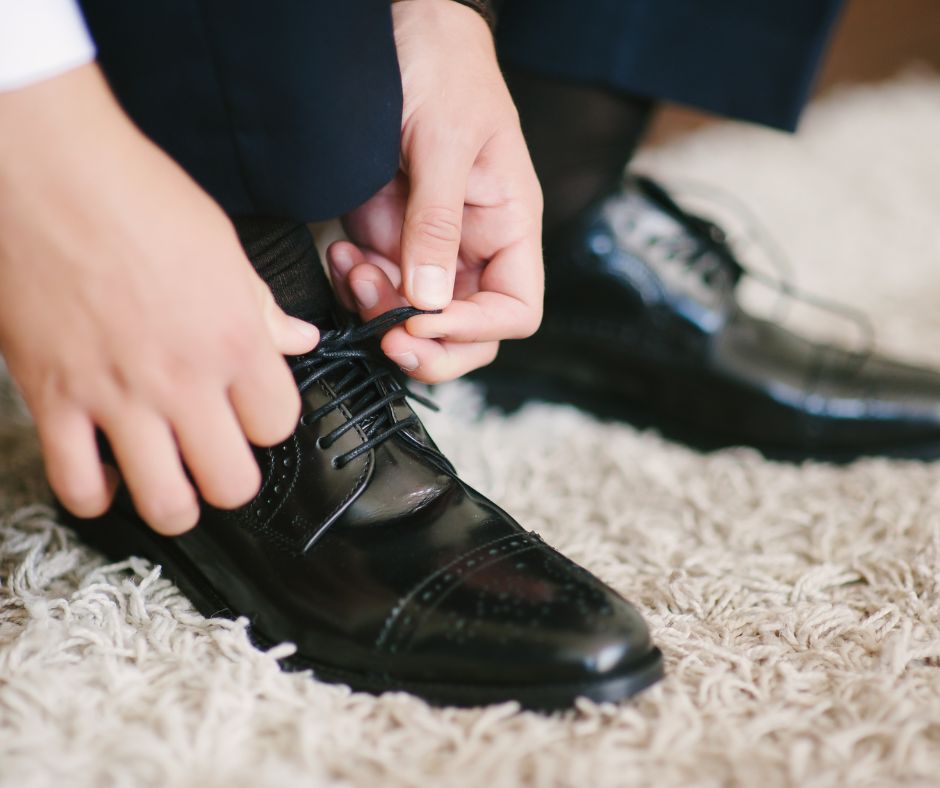
When attending a funeral, it’s important to make sure your footwear is appropriate. Opt for dress shoes such as loafers or Oxfords in dark colors. Avoid sneakers, boat shoes, flip-flops, or sandals that can look too casual. You can also opt for heels if you’re wearing a dress or skirt, but make sure they are comfortable enough to last through the service.
Final thoughts: Can you wear khakis to a funeral?
Khakis can be appropriate for a funeral if they are neat and presentable. However, it’s important to remember that the most important thing is to show respect for the deceased and their family. Choose more formal options such as suits or dresses when in doubt, and select dark colors and subtle patterns over bright colors or busy prints. Wear dress shoes to look more polished and stay comfortable throughout the service. Above all, be sure that your attire is respectful and appropriate for the occasion.
https://www.therefined.co/what-to-wear-with-corduroy-pants/
https://www.therefined.co/what-goes-with-brown-pants-mens-fashion/
Social Grace: 8 Essential Tips for Mastering Polished Behavior
In today’s world, where first impressions and interpersonal skills matter more than ever, the concept of social grace has taken center stage. It’s not just about politeness; it’s about equipping our children with the elegance and refinement needed to navigate various social situations confidently. Understanding and teaching social grace is crucial for fostering environments where children feel secure and confident in their actions. It’s about more than just manners; it’s about preparing them for a world that values courtesy and respect. Through social grace, we’re not just raising polite children; we’re nurturing future adults who can resolve conflicts amicably and interact with the world gracefully.
Importance of Social Grace in Today’s World
 In an age where digital interactions often replace face-to-face conversations, the need for social grace has never been more critical. Social grace, encompassing good manners, etiquette rules, and the overall ability to behave politely and considerately, serves as the backbone of effective social interactions. It’s not just about knowing which fork to use at a dinner table; it’s about how we present ourselves, communicate, and treat others in every aspect of our lives. From the boardroom to the dining room, exhibiting proper decorum helps create a positive environment where everyone feels respected and valued. Mastering the art of social grace not only enhances our personal relationships but also our professional endeavors. In a world where first impressions hold significant weight, the way we talk, listen, and even our body language can greatly impact how we’re perceived by others. Politeness, respect, and consideration are universally recognized and appreciated traits that can open doors to new friendships, career opportunities, and enrich our lives in myriad ways. Moreover, individuals who exhibit these traits often find themselves more at ease in various situations, whether they’re attending a formal event or simply having a meal with friends. To ensure the continuation and evolution of these vital social skills, it’s imperative that adults teach children the importance of social grace from an early age. Instilling good manners, the ability to listen without interrupting, and the importance of showing kindness can sculpt them into respectful, attentive individuals. As they grow, these children will carry these invaluable traits into adulthood, ensuring a more polite, respectful society. Through our example and guidance, we can nurture a future where social grace is not only appreciated but expected, cementing its significance in an ever-evolving world.
Definition of Social Grace
In today’s interconnected world, mastering polished behavior, or what we often refer to as social grace, is more than just knowing which fork to use at a dinner table. It encompasses our understanding and application of etiquette rules, decorum, and respectful interaction across various social environments. Here are ten essential tips that can help anyone enhance their social graces, improve interactions, and make lasting impressions.
- Understand and Apply Basic Etiquette Rules: Start with the basics - saying “please” and “thank you,” knowing when to shake hands, and practicing good table manners. These actions might seem simple, but they lay the foundation for polished behavior.
- Listen Actively and Show Genuine Interest in Others: Good manners involve more than just talking. They’re about being a good listener, showing interest in what others have to say, and responding appropriately. Remember, every person you meet has something to teach you.
- Respect Cultural and Religious Differences: Our world is richly diverse, and being tactful about cultural and religious sensitivities is a key component of social grace. Educate yourself about different customs and show respect by acknowledging these differences in your behavior.
- Learn the Art of Conversation: Having the ability to initiate and maintain engaging conversations without making the other party feel uncomfortable is crucial. Avoid controversial topics and focus on finding common ground.
- Be Punctual: Respecting others’ time is a fundamental aspect of social grace. Being late can be perceived as disrespectful and can start any meeting or event on the wrong foot.
- Dress Appropriately: Your attire speaks volumes about your respect for the occasion, setting, and people around you. Taking care to present yourself appropriately is a significant mark of your regard for others and the event.
- Offer Help When Needed: Whether it’s holding the door open for someone or offering your seat to those in need, small acts of kindness go a long way in demonstrating your concern for the comfort and wellbeing of others.
- Avoid Interrupting: Let people finish their sentences, and avoid the temptation to interrupt, even if you’re eager to express your thoughts. Waiting your turn shows respect for others’ opinions and contributes to a more considered and polite conversation.
Key Components of Social Grace
 In exploring the vast terrain of social interactions, it’s crucial to recognize the essential components that constitute social grace. This term embodies more than just etiquette rules; it’s about the finesse with which we navigate our relationships and social environments. At its core, social grace demands a keen understanding of our own behavior and how it impacts those around us. It’s about molding our actions, not just to appear polite but to genuinely foster respect and kindness in every exchange. Highlighting the pillars of polished behavior, we delve into several practices that stand out for their ability to enrich our social fabric. Firstly, active listening proves paramount. This isn’t simply about not interrupting when someone else is talking. It’s about truly engaging, showing interest, and giving others the platform to express themselves fully. This facet of social grace elevates conversations and makes people feel valued. Secondly, mastering the art of introducing plays a pivotal role. The way we introduce our friends or acquaintances to each other in various events or environments speaks volumes about our own social graces. A proper introduction not only puts others at ease but also sets the stage for new friendships and connections. Equally important is the practice of consideration for the feelings and comfort of others, whether it’s in choosing our words carefully to avoid making someone feel uncomfortable or in opting to help out in situations where our assistance could be beneficial. Be it offering someone a chair or simply noticing when someone has been left out of the conversation, these actions embody the grace and courtesy that define truly courteous behavior. Through such etiquette and decorum, we ensure that our presence adds value, fostering an atmosphere where everyone feels included and respected.
Teaching Social Grace to Children
 In the quest to foster well-rounded adults, teaching social grace to children plays a pivotal role. Social graces are much more than mere etiquette rules; they encapsulate the essence of polite behavior, consideration for others, and the skills necessary for positive social interactions. Let’s explore ten essential tips for instilling these invaluable traits.
- Lead by Example: Children learn behavior by observing adults. Display kindness, patience, and respect in your actions and conversation. Your example will teach them more about decorum than any book or lecture.
- Start Early: Even at a young age, children can grasp the basics of good manners. Simple phrases like “please” and “thank you” lay the groundwork for a deeper understanding of social grace as they grow.
- Encourage Polite Conversation: Teach children to listen without interrupting, to talk with consideration, and to show interest in others’ words. Practicing these skills will make them more confident and appreciated in any social situation.
- Importance of Respect: Emphasize respect for all people, regardless of age, religion, or background. Discuss the meanings of empathy and respect, showing them how to apply these virtues consistently.
- Teach Patience: In a world that often rewards instant gratification, teaching patience is key. Help them understand the value of waiting their turn and show how patience can be rewarding.
- Practice Good Table Manners: From how to properly hold utensils to chewing with their mouth closed, table etiquette is a fundamental aspect of social graces that will serve them well throughout their lives.
- Reinforce the Art of Sharing: Sharing is a fundamental skill that fosters friendships and kindness. Through shared play and activities, children learn the joy of giving and the importance of taking turns.
- Encourage Positive Attitude Towards Learning: Instill a love for learning, not just from books but from every person they meet and every environment they encounter. Curiosity and the desire to learn about others can greatly enrich their social interactions.
Final Takeaway
Mastering social grace isn’t just about knowing which fork to use at a dinner party. It’s about fostering an atmosphere of respect and consideration that enriches our interactions and relationships. By leading with example and emphasizing the importance of manners, patience, and understanding, we’re not only enhancing our personal growth but also contributing to a more gracious society. Let’s commit to teaching these values early and often, ensuring that the art of social grace continues to thrive in our fast-paced world. Together, we can create a culture where respect and courtesy are not just appreciated but expected. Other suggested articles:
Aging Gracefully: How to Look and Feel Your Best as You Grow Older
Philosophy and Refined Living: Mind Over Matter
A Guide to Achieving the Ideal Refined Lifestyle
How to Wear Crew Socks? - 9 Creative Ways
Socks are an essential part of any outfit, especially when it comes to crew socks. They can make or break an outfit, and if you’re unsure how to wear them, you’re in trouble. In this blog post, we will discuss nine different ways how to wear crew socks and show you how to look your best no matter the occasion!
What are Socks and Their Purpose?
Socks are an accessory that serves both functional and fashion purposes. In terms of function, socks help to protect the feet from dirt and debris while providing extra cushioning and support throughout the day. Additionally, they also keep your feet warm in cold weather. On the fashion side, socks can add a stylish touch to any outfit and make it stand out from the rest.
You can wear socks with almost any type of shoes, from sneakers to dress shoes. However, how you wear them may vary depending on the occasion and your personal style.
What are Crew Socks and How Do They Differ From Other Types of Socks?
Crew socks are a type of sock that typically extends just above the ankle, making them a popular choice for many people who want a bit more coverage than most other socks offer. Unlike dress socks and other types of socks, crew socks usually have thicker fabric construction and are designed to be especially durable. This makes them ideal for those who need a sock that can stand up to wear and tear or those who prefer extra cushioning around the foot.
Crew socks are often more comfortable than thinner ones in warmer weather, as they help prevent blisters and chafing.
How Should You Select The Right Crew Sock for Your Needs?
When it comes to selecting the right crew sock for your needs, there are a few things you should consider. First, you should take into account how much coverage you’re looking for. If you want more coverage around your ankle, opt for a higher-cut style of sock that covers more area.
Also, keep in mind how thick or thin you want your sock to be. Depending on how much cushioning you need, choose a fabric that’s thicker and more durable or thinner and more breathable. Lastly, consider what color or pattern you prefer and how it will look with the rest of your outfit.
How to Wear Crew Socks?

Wearing crew socks is all about how you style them and how they look with the rest of your ensemble. Here are six creative ways to style crew socks:
1. With Sneakers:
Crew socks can be a great way to add some color or pattern to a sporty sneaker look. Choose solid or striped crew socks in bright colors and pair them with white sneakers for a classic, yet stylish look. Classic sneakers like Adidas Stan Smiths or Nike Air Force Ones look great with crew socks.
2. With Lace-ups:
Crew socks can also work well with lace-up dress shoes. Opt for a solid color to add some subtle style, or go daring with a patterned pair that will draw attention. A cap-toe dress shoe looks great with a pair of classic striped crew socks.
3. With Oxfords:
Oxfords are dressy shoes that look great with no-show socks or ankle socks–but you can also style them with crew socks for an unexpected twist. Choose solid or patterned crew socks in dark colors and pair them with your favorite oxfords for a dressier look.
4. With Desert Boots:
Desert boots are an iconic style of boot that looks great when paired with crew socks. For a classic desert boot outfit, go for a pair of beige or brown desert boots and a pair of striped or solid-color crew socks in matching colors.
5. With Dress Shoes:
Crew socks don’t have to be reserved for casual looks. Dress up your look with a pair of crew socks in a subtle color or pattern and pair them with dress shoes for an unexpected touch.
6. With Ankle Boots:
Crew socks can also be worn with ankle boots to create a unique, yet fashionable look. Choose a pair of boot socks in wool or cashmere for added warmth and comfort.
7. With Sandals:
If you’re looking for a way to add some texture to your look, try wearing crew socks with sandals. Whether you choose solid or patterned socks, this look is sure to be stylish and eye-catching.
8. With High-Top Sneakers:
For a stylish streetwear look, pair crew socks with high-top sneakers. Choose bold or patterned socks to add some fun flair to your outfit.
9. With Loafers:
Crew socks are also an unexpected addition to any loafer look. Opt for subtle solids in neutral tones or patterns such as argyle for a preppy, yet stylish look.
What are Some Tips for Taking Care of Your Crew Socks?
Taking care of your crew socks is essential if you want them to last. Here are some tips for how to keep your crew socks in the best shape:
- Wash them after every use, as this will help prevent odors and extend their life.
- Don’t put them in the dryer, as this can shrink them.
- Air dry your socks away from direct sunlight, as this will ensure they maintain their shape and color.
- Use a gentle detergent when washing to prevent any fading or discoloration.
- Make sure your sock drawer is organized, so it’s easy to find the right pair of socks when you need them.
[affiliatable id=‘268780’]
What are the Other Different Types of Socks?
In addition to crew socks, the sock world offers a plethora of other types. Understanding these different styles will ensure you pick the right sock for the right occasion.
- Dress Socks: These are usually made with fine fabrics and come in a variety of colors, patterns, and styles. They’re perfect for pairing with dress shoes for formal events.
- No Show Socks: These are designed to be worn with low-cut shoes and provide extra cushioning and arch support.
- Athletic Socks: Athletic socks come in a variety of lengths, thicknesses, and fabrics, depending on the activity they’re intended for.
- Knee High Socks: These socks extend up to the knee and are often worn with formal wear and can keep your legs warm in colder weather.
- Boot Socks: These are designed to be worn with boots and provide extra warmth and cushioning.
- Ankle Socks: These socks extend up to the ankle, and are perfect for pairing with low-cut shoes.
- Compression Socks: Professionals and athletes alike widely use these. They are designed to increase circulation and reduce swelling and discomfort, making them ideal for those who stand on their feet for extended periods, travel frequently, or regularly engage in sports.
Different brands of socks offer different benefits, like Nike socks that provide arch support, or Adidas socks that are made with sweat-wicking fabrics. White socks are a timeless option, while patterned socks offer more fun and color. No matter what type of sock you choose, make sure they fit comfortably and stay put throughout the day.
Unveiling the Socks Trend
Cotton crew socks are the most popular type of socks due to their breathability and comfort. They come in a multitude of colors, giving you the freedom to experiment with black, white, or a vibrant splash of various hues. The sock’s length creates a striking balance when paired with shorts, adding a unique style quotient that was earlier seen as unconventional. The difference in length between the knee-high socks and the shorts makes for viewer interest, creating a ‘gap’ that shows off your fashion sense.
More than Just Footwear – Socks as Fashion Statements

To wear crew socks successfully, select the pair that harmonizes with your outfit color-wise and material-wise. For example, pairing no-show socks with casual shoes gives you the true laid-back, summer-ready look. On the other hand, long socks fashioned with boots set a statement that screams all things cool and comfortable.
Crew Socks and Swimsuits
For a real twist on how to wear crew socks, pair them with clothing swimsuits. Swimsuit tops could always use a bit of accessorizing, and the addition of socks crew boost the overall look. Go for lively colored or patterned socks to contrast with solid-colored swimsuit tops. This trend seen in different swimsuits, swimsuit fashion shows have grabbed attention for their unique blend of casual meets beachwear.
Sock It Up with Compression Socks
To style long athletic wear, compression socks are hugely beneficial. Usually made with a combination of nylon, spandex, or rubber to improve blood circulation, they are true essentials. They’re perfect to wear while training, running or performing high-intensity activities.
Getting Fun with Wearing Shorts
Choosing crew socks with shorts isn’t as daunting as it may seem. Find a color or pattern that fits your outfit and gives the entire ensemble an upgrade. Being conscious about the length, make sure the socks fall just the right distance below the knee. For that extra oomph, try printed socks with solid-colored shorts or vice versa.
Wear crew socks, and you’re ready to step out in style! Whether it’s a fun day at the beach or a high-intensity activity, crew socks provide comfort, support, and a distinct edge to your look.
Crew socks come in a variety of colors, patterns, and styles, making them the perfect accessory for any outfit. Whether you’re looking to dress up your look with dress shoes or keep it casual with sneakers, crew socks can provide that extra touch of style. Just make sure to take care of them properly by washing them regularly and air drying them away from direct sunlight. With so many options available, you can get creative and find the perfect pair of crew socks for any look!
Eloquent Communication: The Power of Gracious Conversations
In a world inundated with rapid-fire messages and instant communication, the art of eloquent communication stands out as a beacon of refined discourse. The ability to express oneself with panache, employing a clear and succinct vocabulary, is a skill that not only sets apart an eloquent speaker but also cultivates meaningful connections. This article delves into the essence of eloquent communication, emphasizing its significance in both personal and professional spheres.
The Essence of Eloquent Communication
Speaking Eloquently: Beyond Words
Eloquent communication extends beyond mere words; it encompasses body language, tone, and the art of public speaking. It’s the conscious effort to eliminate filler words and convey ideas with a succinct vocabulary that makes an individual an eloquent communicator. The ability to hold eye contact, control one’s voice, and craft speeches that resonate with the audience are hallmarks of an eloquent speaker. 
The Power of Eloquent Words
An eloquent communicator understands the importance of choosing the right words. Each word carries its own weight, and an eloquent speaker knows how to use them to convey meaning and intention with precision. By emphasizing important words and creating well-structured sentences, they ensure their message is heard and understood.
Mastering the Art of Eloquence
The Role of Practice in Eloquent Communication
Eloquent communication is not a talent one is necessarily born with; it’s a skill that can be developed through conscious effort and practice. By dedicating time to refine their speaking abilities, individuals can transform themselves into eloquent speakers who effortlessly connect with their audience.
The Impact of Confidence in Eloquent Communication
Confidence is the backbone of eloquent communication. An eloquent speaker exudes assurance in their words, allowing them to inspire and lead with authority. This confidence extends not only to what is said but also to how it is said, creating a powerful impact on listeners. 
The Art of Pauses and Emphasis
An often underestimated aspect of eloquent communication is the strategic use of pauses and emphasis. Knowing when to pause for effect or to emphasize a point can transform a speech from ordinary to extraordinary. These nuanced techniques demonstrate a mastery of the art of communication. [affiliatable id=‘269628’]
Eloquent Communication in Leadership
The Role of Eloquent Communication in Leadership
Leaders who possess the ability to speak eloquently have a distinct advantage. They can articulate their vision with clarity, relate to the feelings of their team, and create a sense of unity and purpose. Eloquent leaders inspire and motivate, driving their teams forward with conviction.
Responding with Eloquence
In leadership, it’s not just about what is said, but also about how it is said. Eloquent leaders respond to challenges with grace and intention, choosing their words carefully to ensure their message is not only heard, but also understood and respected. 
Overcoming Challenges in Eloquent Communication
Navigating Nervousness: Tips for Eloquent Speaking
Even the most seasoned speakers may experience nervousness before addressing an audience. However, an eloquent communicator knows how to channel this nervous energy into a dynamic and engaging delivery. This article provides practical tips for overcoming nerves and delivering an eloquent speech.
Avoiding Common Pitfalls: Filler Words and Redundancies
One of the worst things that can dilute the impact of eloquent communication is the excessive use of filler words and unnecessary phrases. By becoming aware of these linguistic habits and making a conscious effort to eliminate them, speakers can elevate their communication to a new level of eloquence.
Final Thoughts: Elevating Life through Eloquent Communication
In every sphere of life, from personal relationships to professional endeavors, eloquent communication is an art that can elevate experiences and relationships. By mastering the skills of expressing with panache, employing a clear and succinct vocabulary, and utilizing refined body language, individuals can become eloquent communicators who leave a lasting impact on those they interact with. In doing so, they not only convey their ideas effectively but also create meaningful connections that enrich their journey forward.
Best Men’s Travel Wallets for Security and Style
Traveling light and staying organized is key for any journey, and the right travel wallet can make all the difference. A great men’s travel wallet isn’t just about holding cash—it’s about keeping your essentials like passports, cards, and tickets secure and accessible while on the move.
With so many options out there, finding the perfect one can feel overwhelming. Do you need RFID protection? Extra space for international currencies? Or just a slim, no-fuss design? Whether you’re a frequent flyer or an occasional adventurer, there’s a wallet out there to suit your style and needs.
[affiliatable id=‘297209’]
Our Best Men’s Travel Wallets
- Buffway Slim Minimalist Front Pocket RFID Blocking Leather Wallets for Men and Women - Best Overall
- TRAVANDO Mens Slim Wallet with Money Clip AUSTIN RFID Blocking Bifold Credit Card Holder for Men
- SERMAN BRANDS RFID Blocking Slim Bifold Genuine Leather Minimalist Front Pocket Wallets for Men with Money Clip Thin Mens - Premium Option
- Wallet for Men-Genuine Leather RFID Blocking Bifold Stylish Wallet With 2 ID Window - Best Price
- BULL GUARD Mens RFID Blocking Bifold Wallet Soft Genuine Leather Brown Western
5 Best Men’s Travel Wallets Reviewed
Buffway Slim Minimalist Front Pocket RFID Blocking Leather Wallets for Men and Women - Best Overall
 [affiliatable id=‘297183’]
Slim wallets like the Buffway RFID Blocking Wallet combine portability and security, making them perfect for travelers. This lightweight, genuine leather wallet features RFID-blocking technology to protect against identity theft by blocking 13-14Mhz signals. Whether you’re shopping, traveling, or commuting, it’s a reliable option.
Designed with 8 slots, it provides enough room for essentials without adding bulk. Four card slots accommodate credit or debit cards, while a clear ID window with a finger glide is perfect for licenses or work badges. Despite its slim profile, this wallet is practical for day-to-day use.
Versatile for both men and women, the Buffway wallet fits easily into front pockets, reducing strain on your back when sitting or walking. Its minimalist design is functional, stylish, and available in various finishes like Carbon Fiber.
- Product Dimensions: 0.05 x 3.5 x 4.6 inches; 1.2 ounces
- Department: Unisex Adult
- Date First Available: September 26, 2023
Pros
- Slim Design
- RFID Protection
- Multiple Compartments
Cons
- Limited Capacity
- Tight Card Slots
TRAVANDO Mens Slim Wallet with Money Clip AUSTIN RFID Blocking Bifold Credit Card Holder for Men
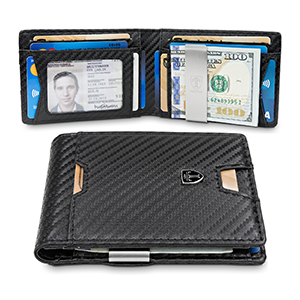 [affiliatable id=‘297197’]
Bring durability and style to your accessory game with the AUSTIN RFID wallet. Its sleek design combines a bifold structure with a money clip, offering functionality without bulk. Perfectly sized for minimalists, it holds essentials securely while fitting comfortably in any pocket.
Feature an intelligently designed layout, this TRAVANDO slim wallet boasts multiple card slots and an integrated money clip. It’s equipped with RFID-blocking technology, shielding personal information against electronic theft. Made with quality-tested materials, it ensures a long-lasting companion for travel or daily use.
Gift-ready packaging makes it an excellent choice for birthdays, holidays, or special occasions. Its carbon finish brings a modern touch to any style, while the AirTag* compatibility adds a modern, tech-friendly edge.
- Product Dimensions: 0.6 x 3.1 x 4.5 inches
- Item Weight: 2.54 ounces
- Color: Carbon
- Material: Premium Kunstleder
Pros
- Slim Design
- Quality Construction
- Functional Layout
Cons
- Money Clip Tension
- Limited Capacity
- Front Badge Protrusion
SERMAN BRANDS RFID Blocking Slim Bifold Genuine Leather Minimalist Front Pocket Wallets for Men with Money Clip Thin Mens - Premium Option
 [affiliatable id=‘297199’]
Fits snugly into front or jacket pockets, this minimalist wallet is perfect for men who like to travel light. Made from genuine leather, it measures a slim 3.9 x 2.85 x 0.5 inches and avoids the bulk of traditional wallets. Its clever design ensures comfort, even when carried all day.
Includes an easy-to-use money clip, which can be tightened for better performance. To adjust the tension, remove the clip and twist it clockwise. Regular maintenance keeps it secure for holding your bills. The smart internal layout offers ample card slots without sacrificing its sleek profile.
Enhances security with RFID-blocking technology, protecting your credit cards from electronic theft. Whether on vacation or commuting, this wallet combines style and safety effortlessly.
- Product Dimensions: 3.9 x 2.85 x 0.5 inches
- Weight: 1.76 ounces
- Department: men’s
- Date First Available: May 18, 2016
Pros
- Slim and Lightweight Design
- High-Quality Leather
- Functional Features
Cons
- Limited Capacity
- Tight Card Slots
- ID Window Durability
Wallet for Men-Genuine Leather RFID Blocking Bifold Stylish Wallet With 2 ID Window
 [affiliatable id=‘297201’]
Offers premium durability, this wallet is crafted from genuine cowhide leather, making it both stylish and long-lasting. Its compact design ensures it fits perfectly into your pocket without adding bulk, yet still provides ample storage for your essentials.
Includes advanced RFID-blocking technology, it protects your cards from unauthorized scans. It effectively blocks signals at 13.56MHz, safeguarding your credit cards, ID cards, and driver’s license. Note that it doesn’t block signals at 125KHz, a frequency used by some older security cards and hotel keys.
Features a bifold design, it incorporates dual ID windows for easy access and plenty of slots to organize cards and cash. Whether you’re running errands or traveling, this wallet meets all your daily needs seamlessly.
- Department: men’s
- Date First Available: May 26, 2020
- Customer Reviews: Cowhide Leather
- Compact Size: L 4.5’’ x W 3.5’’ x H 0.4’’ (folded, empty)
Pros
- Slim and Compact Design
- Functional Layout
- RFID Protection
Cons
- Material Quality
- Money Clip Tension
- Limited Coin Storage
BULL GUARD Mens RFID Blocking Bifold Wallet Soft Genuine Leather Brown Western
 [affiliatable id=‘297203’]
Offers plenty of space for essentials. This wallet features 11 credit card slots, 2 slide-in card slots, a flip-up ID window, and 2 large bill compartments, making it perfect for staying organized. It conveniently holds everything you need while maintaining a sleek, classic appearance.
Designed for durability and style. Made from top-grain genuine leather, it provides a soft, luxurious feel with a vintage look. Its robust construction ensures long-lasting use, making it a reliable choice for work, travel, and casual or formal outings.
Includes advanced RFID protection. Built with RFID-blocking technology, it protects your cards against electronic theft. This extra security measure is essential for safeguarding payment, identification, and transit card information.
Makes an excellent gift for any man. With its timeless design and practicality, this wallet is a thoughtful option for occasions like Father’s Day, birthdays, or graduations. Its combination of high-quality craftsmanship and functionality makes it appealing for fathers, sons, or friends of any age.
- Product Dimensions: 8.9 x 6.7 x 4.5 inches
- Item Weight: 4.9 ounces
- Material: Top-grain genuine leather
- Features: RFID-blocking, flip-up ID window, 11 credit card slots
Pros
- High-Quality Leather
- Ample Storage
- Secure ID Flap
Cons
- Bulkiness
- Stiffness Initially
- Card Slot Tightness
Factors to Consider When Choosing a Men’s Travel Wallet
Material
Durability is key. Choose wallets made of leather, faux leather, nylon, or polyester as they last longer and resist wear. Full-grain leather adds class and ages well, making it ideal for frequent travelers. Waterproof materials like coated nylon help protect against unexpected spills or rain. If you prefer eco-friendly options, look for plant-based leathers or cork-based wallets. Faux leather wallets offer a stylish, budget-friendly alternative while still providing durability. Avoid overly thin materials, as they might not withstand long-term use.
Size and Capacity
Compact designs work best if you’re traveling light, while larger passport wallets with designated compartments are better for organizing cards, paper money, and travel documents. Check for slim profiles under 0.5 inches to ensure it fits into tight pockets easily. Some wallets expand to accommodate more items, which is useful for multi-destination trips. If you prefer minimalism, look for the best slim wallet that balances space and portability. Always assess your specific travel needs before deciding between a minimalist or spacious design.
Security Features
RFID-blocking layers help protect sensitive card details against digital theft. Zippers and snap closures ensure valuables stay secure, especially during transit. Hidden pockets for emergency cash, keys, or even backup cards offer added convenience and peace of mind. Look for wallets with anti-theft straps to prevent loss during busy moments. Every feature reduces risk and adds to your travel confidence, making security a top priority for any traveler.
Style and Design
Minimalist aesthetics keep your wallet sleek and professional, while bold designs add personality. Neutral colors like black or brown match most outfits, but adventurous hues make locating the wallet easier in a packed bag. Consider features like embossed textures, monogramming, or hidden pockets for added functionality. If you prioritize elegance, opt for a best slim wallet that maintains a refined look while maximizing practicality. Strive for a balance of functionality and style to suit both your needs and taste.
Related FAQs About Men’s Travel Wallets
What Is RFID Blocking and Why Is It Important?
RFID blocking is a security feature that prevents unauthorized scanning of your cards by blocking electromagnetic signals. Many modern cards, including credit, debit, and ID cards, use RFID technology for contactless transactions, but this also makes them vulnerable to electronic theft. Wallets with RFID-blocking layers protect your personal information by creating a shield that cancels these signals. For travel wallets, this feature is crucial to keeping sensitive data safe in crowded places like airports and public transport hubs. From bifold designs to slim cardholders, most models in this roundup include advanced RFID-blocking technology to safeguard your essentials.
How Do I Choose the Right Size Wallet for Travel?
Selecting the right size depends on what you plan to carry. Compact wallets, like the Buffway RFID Blocking Wallet, fit easily in front pockets and are perfect for light travelers who carry only cards and some cash. Larger wallets, such as those with 11 credit card slots or dual ID windows, offer more storage and organization for items like boarding passes or receipts. If you prefer versatility, wallets with slim profiles but adjustable money clips may strike the right balance between portability and capacity. Always check the wallet’s dimensions to ensure it meets your needs without weighing you down during travel.
Can I Fit My Passport in These Wallets?
While most travel wallets in this article focus on a compact design, they’re typically not large enough to fit a full-sized passport. Standard bifold or slim wallets, like the Wallet for Men-Genuine Leather RFID Blocking Bifold Stylish Wallet, prioritize portability and card storage over accommodating larger items. However, alternative options, such as specialized travel wallets or organizers, can hold passports along with tickets and cards. If carrying your passport within your wallet is essential, look for models explicitly designed with passport-sized compartments, although this might add bulk to your travel gear.
What Type of Wallet Is Best for Minimalist Travelers?
Minimalist travelers benefit from slim wallets that balance style and practicality. Compact designs, like the Buffway Slim Minimalist Front Pocket RFID Blocking Leather Wallets, offer a sleek profile with just enough space for essential cards and cash. These wallets fit easily into front or jacket pockets, reducing clutter while ensuring portability. Features such as adjustable money clips and RFID-blocking layers enhance functionality without adding bulk. For those who prefer a more simplistic approach, single cardholder wallets with RFID protection are excellent for streamlined travel and everyday use.
Final Recommendations - Best Men’s Travel Wallet
Choosing the best men’s travel wallet comes down to your personal needs—whether it’s security, slimness, or extra storage for travel essentials. For those looking for a well-rounded option, the Buffway Slim Minimalist Front Pocket RFID Blocking Leather Wallet stands out as the best overall choice. Its sleek design, RFID-blocking protection, and compact size make it perfect for travelers who prefer a lightweight yet functional wallet.
If you need a stylish and functional wallet with a money clip, the TRAVANDO Mens Slim Wallet with Money Clip AUSTIN is a great alternative, offering a balance of security and practicality. For those who prioritize premium leather and a minimalist design, the SERMAN BRANDS RFID Blocking Slim Bifold Wallet is a high-end pick with an elegant yet compact structure.
Meanwhile, the Wallet for Men-Genuine Leather RFID Blocking Bifold provides dual ID windows for added convenience, making it an excellent choice for professionals or frequent travelers. Lastly, if you prefer a more traditional yet spacious wallet, the BULL GUARD Mens RFID Blocking Bifold Wallet delivers ample storage with its hidden pockets and high-quality genuine leather construction.
How to Prepare to Wear Heels: Comfort Tips and Techniques
Stepping out in heels can transform your look and boost your confidence, but it’s not as simple as slipping them on and heading out the door. If you’re wondering how to prepare to wear heels, you’re in the right place. Wearing heels comfortably requires a bit of preparation and know-how, ensuring you can strut your stuff without pain or discomfort. Here are some high heel comfort tips to help you get started.
Choosing the Right Heels
Selecting the right pair of heels is crucial for both comfort and style. The perfect heels can elevate your outfit and boost your confidence, thereby enhancing your overall experience with high heels.
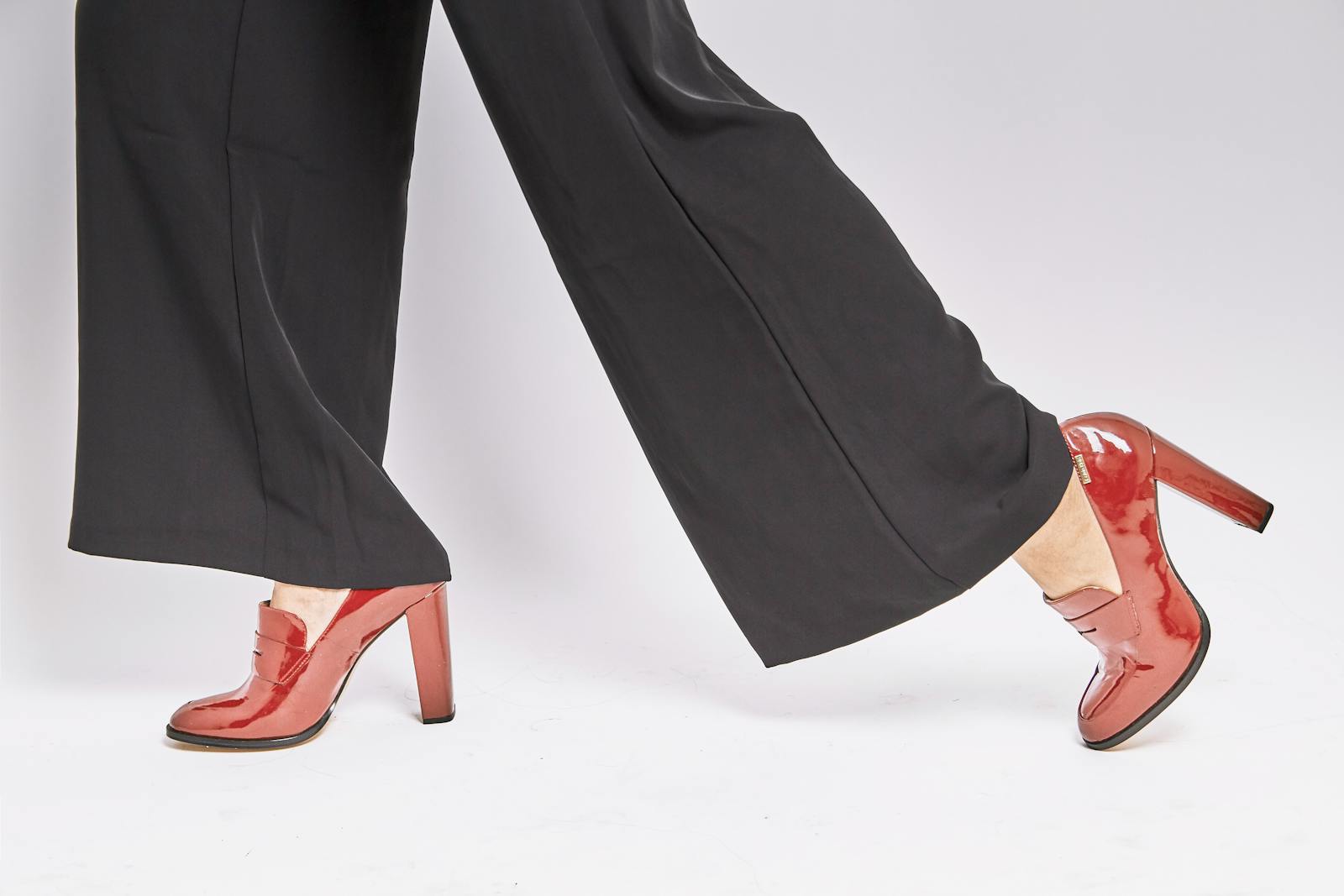
Consider the Heel Type and Height
Choosing the type of heel and its height plays a significant role in comfort and ease of walking. Opt for a thicker or chunkier heel such as a wedge or a platform heel if you’re looking for stability and reduced foot pain. These heels distribute your weight more evenly, which can help in maintaining balance and reducing strain on your feet.
On the other hand, stiletto heels, while elegant, concentrate your weight on a smaller area, which might cause discomfort quicker. Also, consider starting with lower heels if you’re not accustomed to wearing high heels regularly. Gradually increase the heel height as your comfort and leg strength improve. Additionally, choosing heels with an ankle strap can provide extra support and stability.
Get the Perfect Fit
Ensuring that your heels fit perfectly is essential to avoid discomfort and potential foot problems. Heels that are too tight can lead to pain in the toes, especially the third and fourth toes, and create pressure points, while those that are too loose might cause your foot to slip out, leading to instability and increased risk of injury.
When trying on a new pair of heels, do it later in the day when feet are usually more swollen to get a true fit. Pay attention to the width of the shoe as well as the length; your feet shouldn’t feel squeezed. Additionally, look for heels with padded inserts or insoles, as they offer extra support and cushioning, making it easier to wear heels without pain for extended periods.
Preparing Your Heels
Once you’ve selected the right pair of heels, preparing them properly is essential for enhancing comfort and reducing the likelihood of foot pain.
Break Them In Gradually
To avoid discomfort and blisters, it’s crucial to break in your new heels gradually. Begin by wearing your heels for short periods at home, starting with 20 to 30 minutes and increasing the time slowly. This allows the material of the shoes to stretch slightly and mold to the shape of your feet.
During this process, walk on different surfaces such as carpet and tiles to adapt to various textures. If you notice any areas causing too much pressure, you might consider wearing thick socks during these sessions to help stretch the tighter spots gently.
Use Appropriate Inserts and Pads
Inserts and pads can make a significant difference in how your heels feel. Opt for gel inserts or padded cushions specifically designed for high heels. These products support arches, cushion balls of your feet, and prevent your foot from sliding forward, a common issue that causes toe pain.
Place these inserts in your heels to distribute weight more evenly, particularly if you plan on wearing your high heel shoes for an extended period. Additionally, if your heels tend to rub at the heel or the sides, using band aids or non-slip pads can provide an extra layer of protection against friction.
Techniques for Wearing Heels
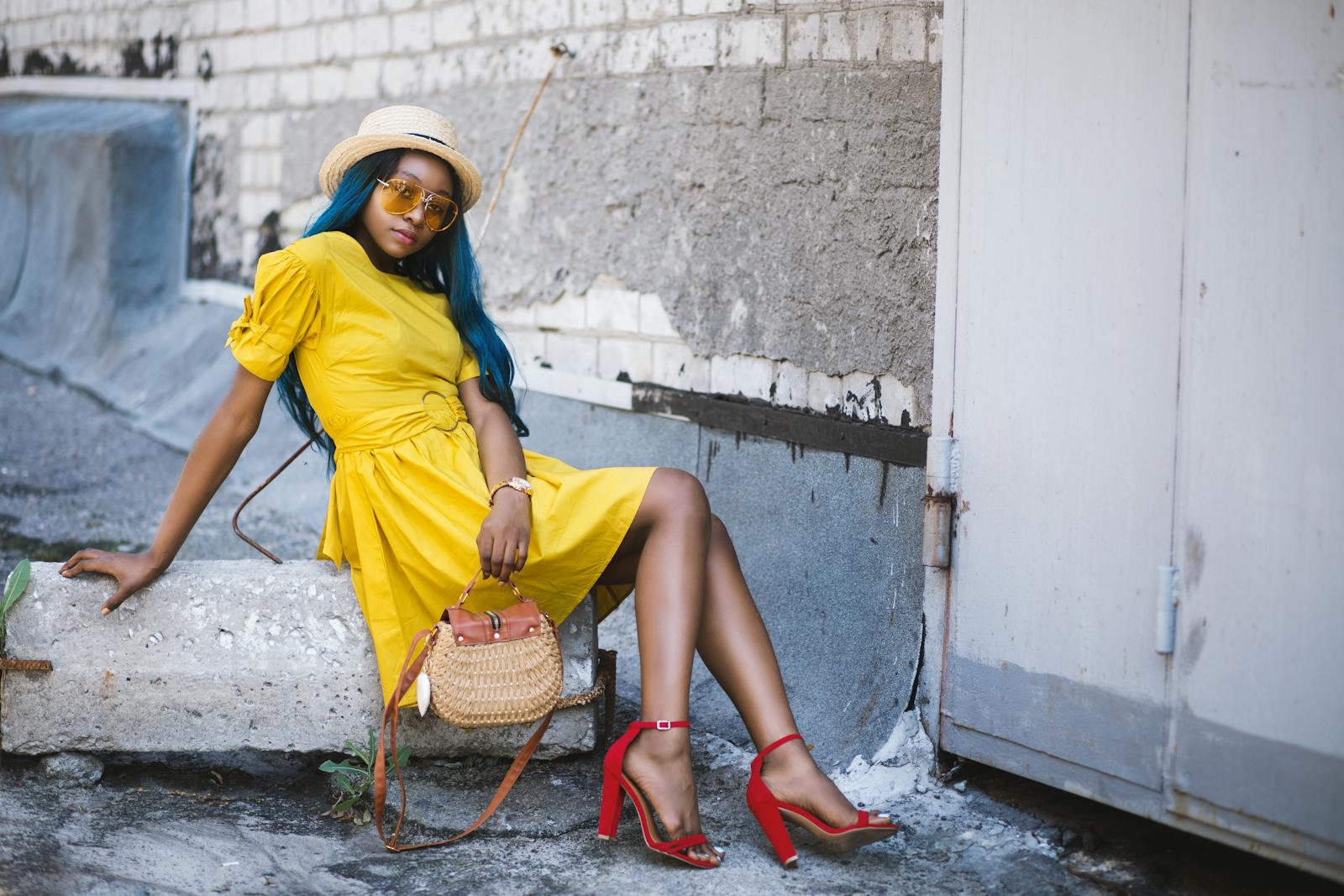
Mastering the art of wearing heels enhances both your style and comfort. This section provides crucial techniques for seamless heel-wearing experiences.
Master the Heel-to-Toe Walking Technique
Perfecting your walk in high heels is vital for comfort and to avoid foot pain. Start by placing your heel on the ground first, followed by your toes. This heel-to-toe method ensures more balance and minimizes pressure on your feet.
Practice this technique on different surfaces at home, gradually increasing the time you spend in your heels. This approach not only improves your posture but also helps in becoming accustomed to the feel of heels, making walking in them appear more natural.
Strengthen Key Foot and Leg Muscles
Strengthening your foot and leg muscles can drastically improve your comfort and stability while wearing heels. Focus on exercises targeting your calves, ankles, and the arches of your feet. Simple exercises like calf raises, ankle circles, and toe stretches can make a significant difference.
Incorporate these heel-wearing exercises into your daily routine, aiming for a few minutes each day, to build the necessary strength. This strength supports better posture, reduces the likelihood of injuries, and enhances your ability to wear heels without pain. Remember, strong legs contribute to a sturdier and more confident stride in heels.
Maintenance Tips
Maintaining your heels properly and ensuring your feet are well-cared for can make a significant difference in how comfortably you wear high heels.
Regular Foot Care Is Essential
Regular foot care is vital, especially when you frequently wear high heels. Weekly foot soaks, moisturizing daily, and regular use of a pumice stone can keep your feet healthy and prevent the buildup of calluses that often result from wearing heels.
If blisters or sore spots develop, treat them immediately with adhesive bandages or products designed for pressure points. This foot care for heels not only preserves the health of your feet but also increases your overall comfort when wearing heels.
Keep Your Heels in Good Options
Ensuring your heels are in excellent condition extends their lifespan and enhances your comfort. Check your heels regularly for any damage, such as loose heels or worn soles, and get them repaired at a professional shoemaker.
Store your heels properly by keeping them in a cool, dry place and using shoe trees or stuffing to help retain their shape. Also, coat the soles with a non-slip sole protector to improve their grip and reduce wear. By taking these steps, your heels will serve you well for many events to come.
Wrapping Up: How to Prepare to Wear Heels
Stepping out in heels doesn’t just elevate your height—it boosts your confidence and enhances your posture. By selecting the right heels and ensuring they fit perfectly, you’re setting the stage for comfort and style. Remember practicing the heel-to-toe walk will help you move with grace and ease. Don’t overlook the importance of strengthening exercises; they are essential for your overall stability and comfort.
Regular foot care and proper maintenance of your heels will extend their life and make every step a pleasure. Embrace these tips and you’ll not only look great but feel great too. Ready to step up your heel game? If you ever find the need for a break, switching to flat shoes occasionally can give your feet the rest they deserve. Whether you’ve just wore heels for a short outing or a long event, these tips will ensure you’re always prepared for the next time.
Other suggested articles:
How to Wear Flats With a Formal Dress
What Color Shoes to Wear With Gray Dress
What is a Crewneck?
The shirt style is typically characterized by a round neckline that sits at the base of the wearer’s neck. This is opposed to styles with a V-neck, which dips down in a “V” shape. A crew neck tee is ideal for layering under button-ups and sweaters or wearing on its own. They’re also great for athletes who need t-shirts that won’t irritate their necks during physical activity. Crew necks can be found on both men’s and women’s clothing.
What is a crewneck?
A crewneck is a type of shirt or sweater that has a collar that goes all the way around the neck. The collar is usually made of ribbed knit fabric, which gives it a snug fit. Crewnecks can be made from a variety of fabrics, including cotton, wool, and cashmere.
They are often worn as casual wear, but can also be dressed up with a blazer or sport coat. Crewnecks are available in a wide range of colors, sizes, and styles, making them a versatile wardrobe staple. Whether you’re looking for a cozy sweater to wear on a chilly day or a sharp shirt to pair with trousers, a crewneck is sure to meet your needs.
Where did the crewneck come from?
The T-shirt is one of the most ubiquitous items of clothing in the world. Its simple design and comfortable fit have made it a staple of casual wear for generations.
But where did this humble garment come from? The name “T-shirt” comes from the fact that it was originally worn by sailors, who needed a warm and comfortable shirt to wear while working on deck. The first T-shirts were made from sturdy cotton or wool and had long sleeves.
Over time, the style became more relaxed, and the sleeves were shortened to make them more suitable for warm weather. Today, T-shirts are available in a myriad of styles and colors, making them the perfect choice for any occasion. Whether you’re looking for a relaxed weekend look or something more formal, there’s a T-shirt to suit your needs.
So next time you reach for your favorite T-shirt, take a moment to think about its humble beginnings as a garment for sailors.
Colors and styles of crewneck
Crew necks first gained popularity in the 1920s as part of the ‘Ivy League’ look favored by preppy students at elite Northeastern colleges. The style fell out of fashion in the ensuing decades, but made a comeback in the 1960s when it was adopted by surfers and other casual athletes.
Today, crewnecks are once again fashionable and are worn by everyone from actors to musicians to politicians. They come in a wide range of colors and styles, making them versatile enough to be dressed up or down. Whether you’re looking for a laid-back weekend look or something more formal, a crew neck sweater is sure to fit the bill.
[affiliatable id=‘269923’]
Crewneck - a versatile piece of clothing
A crewneck is a type of shirt or sweater that has a wide, round neckline. It is a versatile style of clothing that can be worn for both casual and formal occasions. For example, you can wear a crewneck with jeans and sneakers for a casual look, or you can pair it with dress pants and a blazer for a more polished appearance.
The key to pulling off either look is in the accessories. With a crewneck, less is often more. A simple piece of jewelry or scarf can dress up a casual outfit, while a statement necklace or bold earrings can add some pizzazz to a formal ensemble. No matter how you choose to style it, a crewneck is sure to give you the perfect mixture of comfort and style.
Tips for how to style a crewneck sweater
A crew neck t-shirt is a wardrobe essential that can be dressed up or down depending on the occasion. Here are some tips for how to style crew neck sweaters:
Pair it with jeans and sneakers for a casual look
A white tee is a wardrobe staple that can be dressed up or down to suit any occasion. For a casual look, pair it with jeans and sneakers. Add a denim jacket for a bit of extra warmth. For a more dressed-up look, tuck the tee into a skirt or trousers and add heels. accessorize with jewelry to finish the look. A white tee is versatile and easy to style, making it a must-have in any wardrobe.
Throw it over a dress or skirt for an easy way to stay warm
A sweater is one of the most versatile pieces in a woman’s wardrobe. It can be dressed up or down, depending on the occasion, and it’s an easy way to add an extra layer of warmth on a chilly day.
A sweater also makes a great transitional piece between seasons. In the spring, throw a cardigan over a sundress to take the chill off; in the fall, layer a chunky knit over a collared shirt for a preppy look. No matter how you wear it, a sweater is sure to keep you looking cute and feeling comfortable all season long.
Layer it under a blazer or jacket for extra warmth on colder days
The turtleneck is having a moment. This versatile piece can be dressed up or down, making it a staple in any fashion-savvy individual’s wardrobe. And while the turtleneck may conjure up images of stuffy, old-fashioned sweaters, today’s iterations are anything but frumpy.
From chunky knits to slinky silk blends, there’s a turtleneck to suit any taste. And one of the best things about the turtleneck is its versatility. It can be worn on its own as a simple statement piece or layered under a blazer or jacket for extra warmth on colder days. Whether you’re dressing for the office or heading out on a date, the turtleneck is a chic and refined option that is sure to turn heads.
Crew neck vs V-neck
The main difference between crew neck t-shirts and V-neck shirts is the shape of the neckline. A crew neck has a wide, round neckline, while a V neck has a narrow, pointy neckline that forms a ‘V’ shape. Both styles of clothing can be worn for both casual and formal occasions. However, the V-neck is generally considered to be more formal than the crew neck.
The V-neck is a popular choice for dresses and shirts, as it provides a slimming effect for the wearer. It is also a popular choice for sweaters, as it can add a touch of elegance to an otherwise casual piece of clothing. The crew neck, on the other hand, is more casual and relaxed. It is often seen on t-shirts, sweatshirts, and other sporty clothing.
Final thoughts: What is a crewneck?
Crewneck shirts are versatile and stylish pieces of clothing that can be dressed up or down. Whether you’re looking for a casual outfit to wear on the weekends or something more sophisticated for work or a special occasion, a crewneck sweater is a great option. With so many colors and styles available, it’s easy to find one that fits your personal taste. And because they’re so comfortable and easy to wear, crewnecks are perfect for everyday life. So next time you need a new shirt or sweater, don’t forget about the classic crewneck.
You may also like:
What is the average hat size for a man?
Ultimate Prom Ideas for Guys: Make It a Night to Remember
For guys attending prom, there is often an immense amount of pressure to ensure that the night goes smoothly and is enjoyed by all. This comprehensive guide provides a variety of prom ideas for guys to help you plan and execute the perfect prom night. From fashion tips to promposal suggestions and post-prom activities, we’ve got you covered. Prom night is undeniably a monumental event in the lives of countless high school students, marking a crescendo of excitement, joyous dancing, and the creation of indelible memories destined to linger for a lifetime. For young men preparing to embark on this momentous occasion, the prospect of orchestrating a flawless and thoroughly enjoyable prom experience often entails a substantial amount of pressure. Fret not, for within the folds of this comprehensive guide lies a treasure trove of prom ideas tailored explicitly for guys, ensuring a masterfully executed and unforgettable prom night. From ingenious fashion pointers to creative promposal inspirations and a curated selection of post-prom activities, consider yourself primed and prepped to shine.
The Journey Begins with the Perfect Outfit
A pivotal facet of prom night centers around the selection of the quintessential attire. Your ensemble for the evening will be forever immortalized within the prom photographs, thus necessitating a meticulously curated outfit that leaves an enduring impression. Whether your prom is a formal soiree or adopts a more contemporary and casual ambiance, we present an array of outfit ideas designed to cater to your discerning taste and preference.
Embracing the Traditionally Classic: Tuxedos, Suits, and Distinctive Dress Shoes
A multitude of high schools orchestrate proms characterized by an aura of formality, thus making tuxedos and suits the unassailable go-to options for gentlemen. When navigating the labyrinth of tuxedo and suit selections, it becomes imperative to factor in your personal style and comfort quotient. Prior to the grand event, it is prudent to undergo the ritual of trying on your chosen ensemble, guaranteeing an impeccable fit that ensures both poise and comfort.  As you deliberate on your prom outfit, the cost-conscious among you might contemplate the merits of tuxedo rentals or the charm of borrowing a suit from an obliging friend or relative. Elevating the sartorial finesse further involves a thoughtful synchronization of your attire with the hues and patterns adorning your date’s resplendent dress, crafting a visually harmonious tableau destined to be captured in prom photographs.
Venturing into the Realm of Non-Traditional Elegance: Themed or Cultural Attire
Should the allure of uniqueness beckon, embarking on an odyssey away from the conventional might be your muse. Embrace the exhilarating avenue of themed or cultural attire, casting aside the conventional garb in favor of a statement-making ensemble. While unshackling your inner fashion maverick, it remains imperative to strike a balance between audacity and appropriateness, ensuring your chosen attire remains a testament to your distinct persona while adhering to the prom’s ambiance.
The Intrigue of Accessories: Ties, Bow Ties, Pocket Squares, and Cufflinks
Behold the transformative magic of accessories, the elemental accents that bestow an air of sophistication upon your prom attire, bestowing an ineffable charm upon your ensemble. The inclusion of ties, bow ties, pocket squares, and cufflinks in your repertoire can potentially elevate your look from the ordinary to the extraordinary. As you delve into the realm of accessorizing, consider aligning these accouterments with the tones and hues of your date’s ensemble, forging a synchronicity that resonates delightfully in prom photographs. For the daring souls among you, the prospect of patterned ties or bespoke cufflinks could potentially elevate your ensemble into the pantheon of modern prom elegance. A word of caution, however: restraint often serves as the cornerstone of refinement, and in this domain, a judicious approach is often more impactful. 
Crafting the Perfect Promposal
Ah, the promposal, a symphony of ingenuity and affection, capable of laying the very foundation upon which the edifice of your prom night is erected. As the era of social media unfolds, promposals have evolved into grand spectacles, yet it is of paramount importance to infuse your proposal with authenticity, a manifestation of the unique bond you share with your prospective date. Delve into the realm of creative promposal ideas, interwoven seamlessly with practical tips designed to ensure your promposal is an unequivocal triumph.
Exploring Creative Avenues
- Evoke Shared Interests: Seamlessly meld elements from your favorite cinematic masterpiece, television series, or hobby into your promposal, infusing it with a personalized touch that unequivocally underscores your genuine regard for your potential date.
- Embark on Collaborative Ventures: Harness the camaraderie of friends and family, pooling your collective creativity to craft a promposal that transcends the ordinary and leaves your intended date speechless. However, be sure to gauge the comfort threshold of your prospective date with regard to public displays of affection.
- Choosing Between Intimacy and Public Flourish: Deliberate over the ambiance that best resonates with your prospective date’s inclinations. Whether to unveil your promposal publicly, under the watchful gaze of peers, or to opt for an intimate, private setting steeped in sentiment, the key is an authentic and heartfelt gesture that encapsulates your emotions.
Practical Tenets for a Triumphal Promposal
- Seize the Gift of Time: Initiate your promposal orchestration weeks prior to the main event, affording you the luxury of unhurried preparation. With time on your side, sourcing materials, enlisting confidantes, and synchronizing schedules becomes an exercise in equanimity.
- Confidence and Authenticity: Embrace your promposal with an air of self-assuredness, genuineness being the very cornerstone upon which successful promposals are constructed.
- Graceful Acceptance or Respectful Reverence: The aftermath of your promposal is an arena marked by grace and empathy, regardless of the outcome. The manner in which you honor your prospective date’s response is indicative of your character and integrity.
[affiliatable id=‘269313’]
Anticipating Pre-Prom Revelries
Embarking on a journey of festivities on the eve of prom has the potential to imbue the main event with an aura of merriment that cascades seamlessly from prelude to crescendo. The canvas of pre-prom possibilities is generously strewn with vibrant strokes, allowing for a veritable tapestry of experiences that linger in your memory long after the final dance.
- Commence with a Group Soirée at a Refined Eatery: A convivial group dinner at a select restaurant sets the stage for spirited interactions and captures precious moments before the curtains rise on the grand prom performance. To secure your spot and secure a night to remember, early reservations are your allies.
- Crafting an Intimate Pre-Prom Gathering: Extend an invitation to your circle of friends and their respective dates, inviting them into your sanctuary for an avant-garde soirée. The ambiance can pivot between a casual gathering replete with delectable bites and board games, or a more urbane affair that dons the vestiges of a cocktail soiree. Collaboration with your parents ensures an environment that merges security with enjoyment.
- Capture Timeless Memories in Pictorial Splendor: Conceive the notion of congregating at an aesthetically captivating location, each nook and cranny serving as a backdrop for the immortalization of this juncture in your lives. Group photos, adorned with radiant smiles and joyous camaraderie, become the vestiges of a moment suspended in time, an enduring testament to your camaraderie.
Balancing the Elements of Style and Substance on Your Arrival
The manner in which you traverse the distance to prom echoes with a resonance that lingers far beyond the threshold of the event. The symphony of style and elegance that heralds your entrance becomes an embodiment of your personality, a prelude to the memories that unfurl.
- The Classic Elegance of Limousines: The iconic allure of a limousine remains an eternally popular choice, emblematic of luxury and sophistication. The collaborative endeavor of sharing costs with your companions magnifies the glamour and encapsulates camaraderie as you embark on the journey together.
- The Revelry of a Party Bus: If your entourage is vast, the allure of a party bus might beckon. Its commodious confines become a stage for dancing and revelry, an enchanting prelude to the main prom act.
- Embrace the Vintage or Luxurious: The statement made by a vintage or luxury car is unparalleled. The aesthetics of your chosen vehicle can harmonize with the thematic tapestry of prom night or stand as an ode to individuality, a testament to your penchant for the extraordinary.
- Flourish of Unconventionality: Ponder the audacious thrill of unconventional transportation, perhaps an elegant horse-drawn carriage or the swift grace of a motorcycle. As you venture into the realm of the unconventional, coherence with your date and the school’s guidelines remains the fulcrum upon which your choice balances.
Navigating the Dance Floor with Elegance and Grace
The dance floor, an arena of exuberant movement and self-expression, beckons to be graced with your presence. Herein lies the canvas upon which your ability to maneuver with grace and consideration unfolds, crafting an atmosphere of festivity and camaraderie.
- Sensitivity to Comfort Zones: Dance floor dynamics are a nuanced symphony, echoing the spectrum of comfort levels that your companions may inhabit. Some revel in ceaseless spins and rhythmic sways, while others find solace in conversations that cascade like laughter. By observing your partner’s body language, you weave a tapestry of joy tailored to their inclinations.
- Respect for Personal Space: As you traverse the dance floor, whether partnered with a date or swaying amidst a constellation of friends, the sanctity of personal space remains sacrosanct. Exuding an aura of respect and awareness ensures that your dance transcends the realm of the ordinary, ensnaring the delight of both partners and peers.
- Celebrate and Savor the Moment: Embrace the ephemeral beauty of the prom, a singular occurrence that unfurls but once in the tapestry of your life. Release the tether to your digital companions and immerse yourself in the present, allowing each note of music to serenade your spirit, each step on the dance floor a brushstroke on the canvas of memory.
Grace in the Embrace: Navigating Slow Dances
The prospect of slow dances, tender in their cadence and intimate in their embrace, can be both exhilarating and unnerving. Herein lies a brief guide to navigating these interludes with grace, ensuring a memory that resonates with warmth and fondness.
- Adopt the Arc of Elegance: As you assume the embrace of the slow dance, master the art of proper hand placement and the curvature of posture, crafting an elegant tableau that echoes the classics. A gentle conversation becomes the thread that binds the experience, granting depth to the shared dance.
- The Ascendance of Consideration: Your partner’s comfort supersedes all else. Should a companion’s preference sway toward a conversation, honor it with an unobtrusive willingness, carving out a space where laughter and shared tales become the crux of the dance.

An Ode to the Night: Reveling in the Enchantment of Prom
Prom night unfolds as a symphony of jubilance and camaraderie, an event woven from the fabric of memories. To elevate your prom from a mere gathering to an unforgettable masterpiece, consider the following suggestions.
- The Snapshots of Eternity: Entrust your memories to the lens of a camera, capturing moments that range from vivacious group captures on the dance floor to candid portraits with your chosen date. These photographs become fragments of a mosaic, emblematic of your timeless journey through prom night.
- Partake in Time-Honored Traditions: The school’s tapestry often threads with time-honored traditions, whether it be the coronation of the prom king and queen, the enchantment of photo booths, or the camaraderie forged through interactive games. Embrace these rituals, enshrining them as cherished footprints in your prom odyssey.
- Embrace the Present: Engage in the here and now, relegating your digital companions to the background as you celebrate the genuine interactions that unfold. The currency of the prom lies in the depth of connection you cultivate and the memories you etch into the annals of time.
Crafting an Epilogue: Navigating the Terrain of After-Prom Celebrations
 As the final notes of prom fade into the night, the prospect of after-prom celebrations emerges, painting the canvas with hues of continued revelry and camaraderie. Below, a cornucopia of after-prom ideas awaits your exploration.
- Hosting an After-Party Extravaganza: Collaborate with your comrades to create an after-party imbued with laughter and dance, the perfect coda to your prom opus. To ensure an atmosphere of security and serenity, synchronize your plans with the parental guardians.
- Journeying into the Realm of Midnight Feasts: Sate your late-night cravings with a sojourn to a nearby diner or dessert haven, the epicurean epilogue to the evening’s jubilant symphony. Here, amidst morsels of delight, the memories of prom fuse seamlessly with the continuation of laughter and camaraderie.
- Culminating in Group Escapades: For those who espouse a more relaxed after-prom odyssey, a group outing to a bowling alley or a cinematic marathon within the sanctum of your abode can encapsulate the spirit of camaraderie that prom unfurls.
Safety Anchors for After-Prom Soirees
- The Arcane of Unity: Forge an unbreakable bond with your coterie, navigating the night as a collective entity to ensure the safety and well-being of all.
- The Compass of Responsibility: Safeguard the sanctity of the night by designating a driver or prearranging the services of a rideshare provider, ensuring a secure journey home for each reveler.
- The Beacon of Communication: Extend the grace of foresight to your parents, keeping them apprised of your post-prom endeavors and equipping them with the contact information of your friends and their parental guardians.
The Curtain Falls: Final Reflections on the Prom Ideas for Guys
Prom night, a symphony of mirth and enchantment, stands as a testament to the vibrancy of youth and the creation of memories that shall linger for ages to come. Through this compendium of prom ideas meticulously tailored for the modern gentlemen, the quintessence of your prom experience has been etched into the tapestry of time. As you embark on this exhilarating chapter, remember that each detail, from the selection of your ensemble to the mastery of the dance floor, contributes to the grand crescendo that is your prom night. In the embrace of this season of celebration, seize the present and enshroud yourself in the memories that shall unfurl, for within the tapestry of your prom night, you etch an indelible legacy. Other suggested articles:
How to Wear a Hat with a Bun: A Comprehensive Style Guide
When to Wear a Vest With a Suit
How to Look Classy and Elegant on a Budget: Simple Style Tips
We all want to look elegant, but many believe achieving a classy appearance means emptying our wallets. The truth is, you don’t need to spend a fortune on designer labels to look sophisticated. With a few clever tricks, you can elevate your style and learn how to look classy and elegant on a budget.
Minimalism is your best friend when it comes to timeless elegance. Opt for sharp tailoring in natural, muted tones and accessorize with understated pieces. A simple black outfit paired with classy gold jewelry can work wonders, no matter your budget.
Choosing the right fabrics is also key. High-quality materials like cotton, linen, and silk can make all the difference in your overall look, offering both durability and comfort. By focusing on these elements, you can master the art of looking luxurious without breaking the bank. Let me guide you through some of my favorite strategies to achieve this effortlessly chic style.
How to Look Classy and Elegant on a Budget: Simplify Your Wardrobe
Focusing on simplicity in your wardrobe can make a huge difference in achieving a classy and elegant look on a budget. I find that embracing neutral colors like black, gray, navy, tan, and white lays a strong foundation. These colors act as versatile anchors that work seamlessly with various statement pieces like printed scarves and bold jewelry. This approach enhances the cohesiveness of my outfits without breaking the bank.
Investing in pieces that match and adapt for different occasions elevates any look. For example, a well-fitted blazer can complement both a casual jeans ensemble and a more formal dress outfit, offering flexibility. I also streamline my mornings by choosing clothes that fit my body shape well, ensuring both comfort and style.
Maintenance is key for keeping outfits looking polished. I ensure all garments are free from loose threads and invest in basic grooming habits like keeping my nails clean. This attention to detail makes my wardrobe not only look expensive but feel confident every time I leave the house.
Invest in Quality Over Quantity
Achieving a classy and elegant look on a budget means focusing on a few high-quality items rather than an abundance of lesser pieces. This approach ensures your wardrobe has staying power without breaking the bank.
Choose Timeless Pieces
Timeless pieces serve as versatile anchors in any outfit. A classic trench coat, little black dress, or tailored blazer maintains style regardless of trends, making them smart investments. These pieces can pair effortlessly with various statement items in your closet and serve as reliable go-tos for multiple occasions. Prioritizing these wardrobe staples helps create an elegant appearance year-round.
Prioritize Quality Fabrics
Investing in quality fabrics is crucial for maintaining an upscale look. Natural materials like wool, cotton, and silk provide a refined appearance and better draping. They breathe better, feel more comfortable, and typically outlast synthetic alternatives. For example, wearing a cotton blouse or wool turtleneck can elevate your look significantly. Pay attention to fabric composition when shopping on a budget to get the most elegant outfits.
Embrace Neutral Colors
Neutral colors like black, beige, and gray can instantly elevate your look without breaking the bank. They create a stylish appearance and provide a versatile foundation for any outfit.
Monochrome Magic
Wearing monochromatic outfits taps into minimalist chic and sophistication. By selecting clothes in a single color, I can achieve a clean and seamless look. To add texture and depth, I combine different shades and fabrics of the same hue. For example, pairing a light gray sweater with dark gray trousers creates interest while maintaining elegance. Monochrome dressing helps focus on fabric quality and fit, ensuring my style looks expensive even on a budget.
Elevate with Accessories
Accessories can make a huge difference in transforming a simple outfit into a chic ensemble. Choosing the right accessories ensures that you maintain a classy and elegant appearance without breaking the bank.
Statement Jewelry and Bags
Statement pieces like jewelry and bags add flair to any look. Large earrings or a bold necklace can elevate your appearance, drawing attention and adding sophistication. In the realm of bags, opting for leather or vegan leather options is both trendy and durable. Many stylish bags are available for under $100, offering quality without a high price tag. Neutral colors like black or beige enable versatility, matching with a range of outfits and enhancing your wardrobe.
Classic Shoes and Sunglasses
Classic shoes lay a foundation for a polished look. Choose simple and elegant styles like loafers or ballet flats in neutral tones to match various outfits. Investing in these versatile items ensures comfort and style in one go. Sunglasses are another staple that instantly adds an air of sophistication. Sleek designs in classic shapes elevate your look while also serving a practical purpose. A quality pair can work wonders, resonating with your personal style and keeping the rest of the outfit understated yet engaging.
Master Fit and Tailoring
A well-fitted outfit creates a classy and elegant appearance without breaking the bank. Tailoring focuses on custom adjustments to ensure clothes fit perfectly to your unique body shape.
Importance of Tailored Clothes
Well-tailored clothes make a huge difference in your look and confidence. They follow your natural silhouette, highlighting your best features and creating a polished impression. Off-the-rack clothing often lacks the perfect fit, so investing in tailoring can transform pieces into statements. This smart approach extends the life of your wardrobe, allowing you to enjoy favorite items longer. It’s an effective method to enhance your personal style and ensure every outfit looks expensive.
Understanding Proper Fit
Proper fit is crucial in achieving a sophisticated look. Too tight or too loose clothing can disrupt your appearance, drawing negative attention. When garments conform well to your body without extra fabric or loose threads, they create a sleek outline. Opt for adjustments on key pieces like blazers and dresses to elevate your outfit. A good tailor can assess the necessary changes based on your body type, ensuring every piece in your wardrobe contributes to a stylish look.
Enhance Personal Grooming
Good grooming significantly impacts your appearance, ensuring a polished look without breaking the bank. Keeping nails clean and polished is an essential detail that can elevate your personal style. A neat haircut contributes to a sophisticated presence, so maintaining a healthy hairstyle is crucial. I focus on small details, like ironing clothes and having polished shoes, which make a big difference in how others perceive me.
Wearing clothing that complements my body shape enhances my overall look. It’s not about spending on high-end brands but choosing wear that fits well and suits my style. Well-groomed appearances project confidence, allowing me to feel assured in what I wear. Investing time in personal grooming makes my style stand out, ensuring an elegant appearance even on a budget.
Practice Smart Shopping
Finding stylish ways to look classy and elegant on a budget involves honing shopping skills and making strategic choices. Here’s how to master the art of frugal fashion.
Thrift and Vintage Finds
Exploring thrift stores and vintage shops uncovers unique clothing and accessories that elevate your look without breaking the bank. Thrifted pieces often deliver quality fabrics and timeless styles at a fraction of retail prices. Clothing from past eras can bring a distinctive charm and sophistication to an outfit when matched with modern pieces. I focus on choosing items in neutral colors, like black and gray, which provide versatility. A carefully selected vintage coat or dress acts as a statement piece that looks expensive while costing little. Wearing thrifted clothes adds an element of exclusivity to a wardrobe.
Seasonal Sales Tips
Capitalizing on seasonal sales improves the wardrobe with good quality clothing at discounted prices. End-of-season and holiday sales offer substantial savings on pieces that could have been more costly. I look for versatile and timeless items during these sales, such as classic blazers or neutral-toned sweaters, that easily transition across different seasons. Checking online fashion blogs and retailer newsletters helps me spot upcoming sales and promotions. This strategy allows for the acquisition of well-made items and quality fabrics without spending excessively, creating a stylish and economical collection. By planning purchases around seasonal discounts, I ensure each item is a valuable investment in my personal style.
Care and Maintenance of Clothes
Proper care and maintenance of clothing significantly prolong their lifespan. By following a few essential steps, I can maintain my wardrobe’s condition and ensure I look classy and elegant on a budget.
- Read Care Labels: Every garment includes a care label for a reason. I always follow the instructions for washing and ironing to avoid damage. For instance, washing silk with mild detergent preserves its quality.
- Repair and Revitalize: Continuing to wear clothes with minor damage, like loose threads or missing buttons, isn’t wise. I regularly inspect my outfits for such issues and address them promptly to keep my wardrobe polished.
- Prefer Air Drying: Many fabrics, especially natural ones, benefit from air drying. I hang my clothes instead of using a dryer to prevent shrinkage and maintain the right fit.
- Use Proper Storage: Protecting clothes in my closet involves using the right hangers and folding sweaters to preserve their shape. I keep clothes away from sunlight to prevent fading.
- Treat Stains Immediately: Acting fast on stains helps prevent permanent damage. I use gentle stain removers suited for the specific fabric type.
- Invest in Quality Accessories: Maintaining accessories like footwear and bags involves regular cleaning and storage in dust bags. This ensures my outfits remain stylish.
Paying attention to care results in a wardrobe that looks elegant without extensive spending. This approach helps in maintaining good quality and extending the life of each piece, effectively supporting a sophisticated style.
Achieving a classy and elegant look on a budget is entirely possible with the right approach. By focusing on quality over quantity and embracing timeless pieces, you can create a wardrobe that exudes sophistication. Paying attention to fit and tailoring, along with personal grooming, enhances your overall appearance without the need for expensive brands. Strategic shopping and diligent care of your clothing ensure that your style remains polished and chic. With these strategies, you can confidently present yourself with elegance and grace, proving that true style isn’t about how much you spend but how thoughtfully you curate your wardrobe.
Achieving a classy and elegant look doesn’t have to break the bank. To complement your style, why not explore classic cocktails, indulge in a timeless afternoon tea, elevate your hosting with the right glassware for your home bar, add sophistication to your space with handmade rugs, or perfect the art of refinement by learning how to wear a pin on a tie.
Frequently Asked Questions
How can I dress elegantly without spending much money?
Focus on building a minimalist wardrobe with versatile pieces. Choose high-quality fabrics like cotton, linen, and silk in neutral colors. Invest in a few well-made items such as a tailored blazer or a classic trench coat. Pay attention to the fit and get pieces tailored for a flattering look. Use accessories like statement jewelry and classic shoes to enhance your outfit. Explore thrift stores for timeless pieces at affordable prices.
What colors are best for an elegant appearance on a budget?
Opt for neutral colors like black, gray, beige, navy, and white. These colors are timeless and versatile, serving as excellent foundations for any outfit. They can be easily mixed and matched with statement pieces. Monochromatic dressing, using different shades of the same color, is also a great way to create a sophisticated look without spending much.
Why is tailoring important for a classy look?
Tailoring ensures clothes fit perfectly, enhancing your natural silhouette and overall appearance. Well-tailored garments can transform an ordinary outfit into a stylish and polished ensemble. Even affordable clothing can look expensive when it fits well. Tailoring enables you to keep your wardrobe looking fresh and customized to your body.
What accessories should I choose for a luxurious style?
Opt for understated and versatile accessories in neutral colors. Consider statement jewelry like earrings or necklaces. Choose bags made from leather or vegan leather for durability and sophistication. Classic shoes like loafers or ballet flats pair well with most outfits, and sleek sunglasses can add a touch of elegance.
How does personal grooming contribute to a classy appearance?
Good personal grooming, such as neat haircuts and clean, well-ironed clothes, enhances your overall style. It conveys confidence and attention to detail, making even simple outfits look sophisticated. Well-groomed appearances project a polished look without the need for expensive brands.
How can I make my wardrobe last longer?
Practice proper care and maintenance of your clothes to extend their lifespan. Follow care labels and handle repairs promptly. Air drying and proper storage help maintain fabric quality. Regularly clean accessories and treat stains immediately. These habits ensure your wardrobe remains stylish and sophisticated over time.
Daily Fashion for Refined Living: Dressing with Timeless Style
In a world where fashion trends ebb and flow like the tides, there’s something undeniably captivating about timeless style. The allure of dressing with an enduring sophistication transcends the whims of seasonal fads, offering a sense of refined living that speaks to the discerning individual. This is the essence of daily fashion, a philosophy that marries the ever-changing nature of the fashion world with a commitment to enduring elegance.
Embracing Timeless Style: The Essence of daily fashion
The Enduring Appeal of Timeless Fashion
In a culture that often celebrates the new and the now, there is a quiet power in clothing that withstands the test of time. Daily fashion is a celebration of pieces that effortlessly transition from season to season, year to year, without losing their charm or relevance. It’s about curating a wardrobe that feels as relevant today as it will in a decade. 
The Influence of Icons: Lessons from Fashion History
The annals of fashion history are replete with icons whose sartorial choices continue to inspire generations. From Audrey Hepburn’s classic black dress to Coco Chanel’s enduring designs, these figures serve as beacons of timeless style. Their influence transcends trends, reminding us that true fashion never goes out of vogue.
Navigating the World of Timeless Fashion
The Art of Curated Shopping
Navigating the fashion world for timeless pieces requires a discerning eye and a curated approach. Opting for quality over quantity, investing in well-crafted pieces, and seeking out designers who prioritize longevity over momentary trends are all hallmarks of the daily fashion ethos. For example, knowing what color shoes to wear with a gray dress can elevate your look with timeless elegance.
New York: A Hub of Timeless Style
When it comes to cities that encapsulate the spirit of timeless fashion, New York stands as a beacon. The streets of this bustling metropolis are a runway of enduring elegance, where classic silhouettes coalesce with modern interpretations. From high-end boutiques to hidden vintage gems, New York offers a treasure trove for those in pursuit of timeless style. [affiliatable id=‘269310’]
The Intersection of Fashion and Sustainability
Sustainability: A Cornerstone of daily fashion
In recent years, the fashion industry has been undergoing a seismic shift towards sustainability, aligning seamlessly with the values of daily fashion. It’s about recognizing that true style is not only about looking good but feeling good about the choices we make. From ethically sourced materials to eco-conscious production methods, sustainability is a non-negotiable component of dressing with timeless flair. 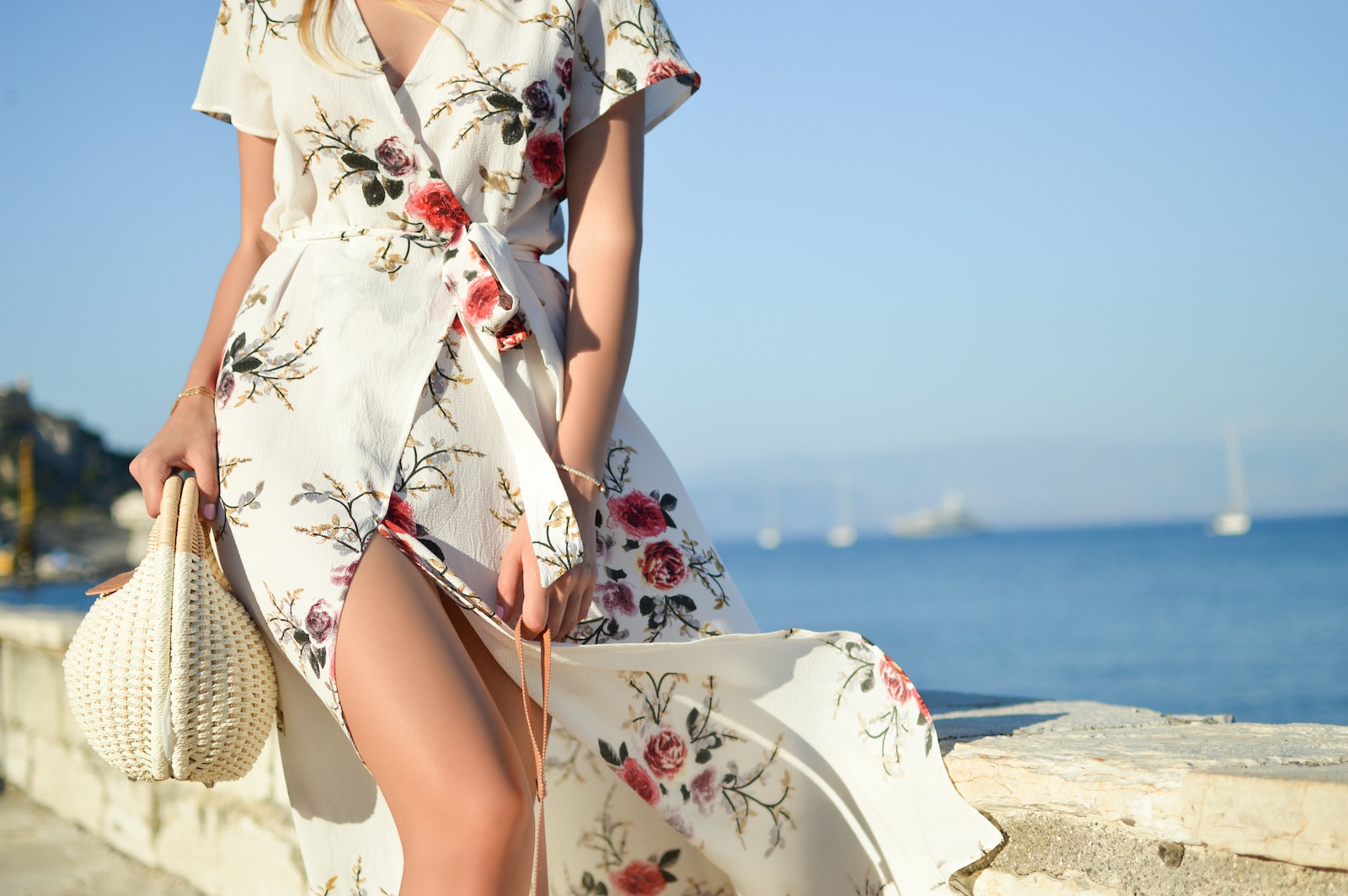
October’s Launch: A Milestone in the daily fashion Journey
This October marked a significant milestone for the daily fashion movement. The launch of an exhibition celebrating the intersection of timeless style and sustainability showcased the power of fashion to transcend fleeting trends. T
A Future of Timeless Elegance: Daily fashion in Full Swing
The CEO’s Vision: Timeless Style for Every Wardrobe
The CEO of daily fashion recently shared a vision for the future - a world where timeless style is not a luxury, but a right. This commitment to accessibility underscores the belief that everyone should have the opportunity to embrace refined living through their clothing choices.
Successfully Subscribed: Joining the daily fashion Community
For those who have recently discovered the allure of daily fashion, there’s an invitation to join a community of like-minded individuals. By subscribing to the daily fashion newsletter, you gain access to a curated selection of tips, insights, and exclusive offers that will empower you on your journey towards timeless style.
Final Thoughts: Embracing Timeless Style, Every Day
In a world that often seems to be in constant flux, the allure of timeless style remains a steadfast beacon of refined living. Through a curated approach to shopping, an appreciation for fashion history, and a commitment to sustainability, daily fashion brings a sense of enduring elegance to the forefront. As we move forward, let’s remember that true style transcends the seasons, and that dressing with timeless flair is a celebration of the beauty that endures.
Discovering Classic Literature: Timeless Books to Enrich Your Mind
When it comes to literature, timeless classics hold a special place in the hearts of readers across the world. These classic books have stood the test of time, offering not only captivating stories but also profound insights into the human condition. In this blog post, we will delve into the world of classic literature, exploring its significance, benefits, and recommendations for readers of all ages. Whether you’re a seasoned reader or just starting your literary journey, there’s something in the world of classic literature for everyone.
The Significance of Classic Literature

What Is Classic Literature?
Before we delve into the world of classic literature, let’s clarify what exactly qualifies a book as a classic. Classic literature encompasses works that have maintained their relevance and popularity over generations. These books transcend time and cultural boundaries, offering valuable insights, universal themes, and beautifully crafted prose. Classic literature, as the name suggests, stands the test of time. It isn’t limited to a specific genre, time period, or cultural context. Instead, it comprises a diverse collection of books that have left an indelible mark on the literary landscape. Whether you’re drawn to tales of romance, adventure, or philosophical reflection, classic literature has something profound to offer. In the following sections, we’ll explore the significance of classic literature, its benefits, how to approach it, and timeless recommendations that enrich your mind and soul. So, let’s embark on this literary journey through the pages of timeless classics.
Why Classic Literature Still Matters
You might wonder why classic literature is worth exploring in today’s fast-paced world. The answer lies in the enduring power of these books to touch our hearts and minds. Classic literature offers us:
- Intellectual and Emotional Growth: Reading classic books can challenge your thinking and broaden your horizons. They often delve into complex themes, forcing readers to engage deeply with the material.
- Enhanced Critical Thinking Skills: Classic literature encourages you to analyze characters, plots, and societal issues, fostering critical thinking and analytical skills.
- Improved Vocabulary and Language Proficiency: The language used in classic novels is often rich and eloquent, helping readers enhance their vocabulary and language proficiency.
- Historical and Cultural Insights: Many classic books provide a window into different historical periods and cultural contexts, enabling readers to gain a deeper understanding of the world.
How to Approach Classic Literature

Overcoming Common Misconceptions
Some readers might be hesitant to explore classic literature due to common misconceptions. Let’s address a few of these myths:
- They’re Too Difficult: While classic literature can be challenging, there are books suited for all reading levels. Don’t be afraid to start with accessible classics.
- They’re Boring: Classic literature covers a wide range of genres, from epic poems to gothic fiction. There’s something to suit every taste.
Tips for Selecting the Right Classic Books
Choosing the right classic book for your taste and reading level is essential. Here are some tips to help you get started:
- Explore Different Genres: Classic literature encompasses various genres, including fiction, non-fiction, and poetry. Consider what interests you the most.
- Check Reader Reviews: Before diving into a classic, read reviews and recommendations from fellow readers. Online communities can be excellent resources.
- Consider the Time Period: Think about whether you’re interested in historical novels or books set in a particular era.
- Start with Modern Classics: If you’re new to classic literature, consider beginning with more recent classics. They tend to be more accessible in terms of language and themes.
[affiliatable id=‘268262’]
Timeless Classic Literature Recommendations
Now, let’s explore some classic literature recommendations across different genres:
Fiction Classics
- “Pride and Prejudice” by Jane Austen: This classic novel explores themes of love, class, and societal expectations in 19th-century England.
- “Great Expectations” by Charles Dickens: Dickens weaves a tale of ambition, love, and self-discovery in this timeless classic.
- “Moby Dick” by Herman Melville: Embark on a high-seas adventure with Captain Ahab as he pursues the elusive white whale, Moby Dick.
Non-Fiction Classics
- “The Art of War” by Sun Tzu: This ancient text offers profound insights into strategy, leadership, and conflict resolution.
- “The Communist Manifesto” by Karl Marx and Friedrich Engels: Delve into the foundation of modern political thought with this groundbreaking work.
Poetry Classics
- “The Divine Comedy” by Dante Alighieri: Journey through Hell, Purgatory, and Paradise in this epic poem that explores themes of redemption and spirituality.
- “Leaves of Grass” by Walt Whitman: Whitman’s poetry celebrates the diversity and beauty of the American landscape and its people.
These are just a few classic literature books to get you started on your reading journey. Depending on your interests, there are countless more awaiting discovery.
Exploring the Themes and Messages
 Classic literature often addresses enduring themes that continue to resonate with readers today. Let’s delve into the themes of a few classic books:
“Pride and Prejudice” by Jane Austen
Austen’s masterpiece explores the themes of love, marriage, and societal expectations. It reminds us to question prejudices and stereotypes, emphasizing the importance of self-awareness and personal growth.
“Great Expectations” by Charles Dickens
This novel delves into the consequences of ambition and the complexities of human relationships. It teaches us about the transformative power of self-reflection and empathy.
“Moby Dick” by Herman Melville
On the surface, it’s an adventure tale, but at its core, it delves into the themes of obsession, revenge, and the relentless pursuit of one’s goals.
“The Art of War” by Sun Tzu
This ancient treatise on warfare and strategy offers valuable lessons in leadership, conflict resolution, and adaptability, making it applicable not only to the battlefield but also to various aspects of life. These classic novels continue to captivate readers because of their timeless exploration of fundamental human experiences and emotions.
Overcoming Challenges in Reading Classic Literature
Reading classic literature can be a rewarding experience, but it can also come with challenges:
- Complex Language and Context: Older works often use language and cultural references that may be unfamiliar. To overcome this, consider using annotated editions or supplementary materials.
- Lengthy Novels: Some classic novels are quite long. Don’t feel pressured to finish them quickly; take your time and savor the journey.
Joining Classic Literature Communities
Exploring classic literature is even more enjoyable when you can share your thoughts and insights with others who appreciate these books. Consider joining online book clubs or local reading groups focused on classic literature. Engaging in discussions can enhance your understanding and appreciation of these timeless tales. It provides an opportunity to gain fresh perspectives, delve deeper into the themes and characters, and share your own interpretations and reactions. These communities often celebrate the beauty of classic literature and can introduce you to fellow enthusiasts who share your passion for the written word. So, whether you’re discussing the intricacies of Jane Austen’s novels or the philosophical depth of Fyodor Dostoevsky’s works, participating in classic literature communities can be a rewarding and enriching experience.
Classic Literature: A Diverse Landscape
Science Fiction Classics
While classic literature often brings to mind tales of love and historical dramas, it’s important to note that classic literature also encompasses science fiction. One notable example is H.G. Wells’ “The War of the Worlds,” originally published in 1898. This science fiction masterpiece explores the impact of an alien invasion on Earth, delving into themes of survival, human resilience, and the consequences of unchecked hubris.
Coming of Age Stories
Classic literature is replete with coming of age stories that resonate with young readers and those young at heart. These timeless tales often revolve around the journey from adolescence to adulthood, capturing the universal experience of self-discovery and growth. One such classic is J.D. Salinger’s “The Catcher in the Rye,” which follows the adventures and introspections of the young boy, Holden Caulfield, as he navigates the challenges of growing up in a complex world.
Classic Literature’s Impact on Society
The American Dream in Classic Literature
The concept of the American Dream, the belief that anyone can achieve success and prosperity through hard work and determination, has been a recurring theme in classic literature. F. Scott Fitzgerald’s “The Great Gatsby” is a quintessential example of a classic novel that explores this theme. Set in the 1920s, it delves into the lives of the wealthy elite in pursuit of the American Dream, ultimately revealing the emptiness and disillusionment that can accompany such pursuits.
“A Christmas Carol” and First World War Influence
Charles Dickens’ “A Christmas Carol” is a beloved classic that needs no introduction. However, its connection to historical events like the First World War is less commonly explored. Originally published in 1843, this heartwarming tale of Ebenezer Scrooge’s transformation serves as a timeless reminder of the importance of compassion and generosity. During the First World War, it was frequently read to soldiers on the front lines, offering a glimmer of hope and humanity amidst the chaos of war.
Classic Literature for Young Readers
Introducing Classic Tales to Young Readers
Classic literature isn’t just for adults; it has a place in the hearts of young readers as well. Introducing classic tales to young minds can ignite a lifelong love of reading and a deeper appreciation for literary masterpieces. For instance, Robert Louis Stevenson’s “Treasure Island” is an adventure novel that has captivated young readers for generations. Its thrilling story of pirates and buried treasure continues to inspire the imaginations of young adventurers.
The Timelessness of Classic Tales
The enduring appeal of classic literature lies in its ability to transcend generations. Stories like Louisa May Alcott’s “Little Women,” which follows the lives of the March sisters, remain relatable to readers of all ages. These tales of love, family, and personal growth remind us that the challenges and triumphs of youth are universal experiences.
Final Thoughts
Classic literature is a treasure trove of wisdom, storytelling, and artistic expression. Whether you’re interested in tales of love and society, grand adventures, or philosophical reflections, classic books have something to offer. The world of classic literature is vast, diverse, and ever-relevant, making it a must-explore realm for readers of all ages and backgrounds. So, embark on your literary journey through the pages of classic books, and discover the timeless tales that have enriched minds and touched hearts for generations. Whether you’re a young reader just starting your adventure or a seasoned bookworm revisiting old favorites, classic literature has something profound to offer. Happy reading! Other suggested articles:
Table Manners: Dining With Grace for Social Gatherings
Exquisite Escapes: Unveiling the Top Luxury Travel Destinations on Earth
How to Dye a Mustache: Tips, Tricks, and Techniques
If you’re looking to change up your look, dying your moustache is a great way to do it! There are many different techniques and tips that can help make the process easier. In this blog post, we will discuss how to dye a moustache and some of the best ways to do it. We’ll also provide some helpful tips on how to keep your moustache looking its best after it’s been dyed.
What exactly is a moustache?
A mustache is a type of facial hair that grows in the upper lip region and often has two distinct parts—the top and bottom. The top part usually grows longer than the bottom. Generally speaking, the length of a mustache does not exceed one inch.
What is moustache dyeing and how does it work?
Moustache dyeing is the process of changing the color of your facial hair. This can be done in a variety of ways, such as with temporary dye or semi-permanent dye. Temporary dyes are usually applied directly to the mustache and then washed out after a few hours, while semi-permanent dyes will last for several weeks or months. The results of dyeing your mustache can range from subtle to dramatic, depending on how much color you’re looking for.
How do you prepare to dye your moustache?

Before you start the process of dying your mustache, it’s important to make sure that it is clean and free from any styling product or dirt. This can be done by washing your moustache in the shower with a mild shampoo and following up with an exfoliating scrub. After your mustache is clean, it’s important to make sure that you have all of the materials you need for dyeing such as gloves, dye, and an applicator brush.
How do you dye your mustache?
Dyeing your mustache is not as complicated as it may seem.
What you’ll need:
-
Mustache dye kit (available at most beauty supply stores)
-
Cotton swabs
-
Petroleum jelly or coconut oil
-
Towel
-
Comb
Instructions:
-
Start by preparing the area around your mustache with petroleum jelly or coconut oil. This will help protect your skin from any of the dyes that may come in contact with it.
-
Take a cotton swab and apply some of the dye to an inconspicuous area of your mustache. Wait 10 minutes to see how the color looks.
-
Once you’re happy with how the color looks, apply the dye to your mustache using an applicator brush. Be sure to cover every strand evenly.
-
Let the dye sit on your mustache for 10-15 minutes until it has developed into the desired shade.
-
Rinse off the dye with lukewarm water and then dry with a towel or your blow dryer.
-
Use a comb to style your mustache as desired.
Tips for Aftercare:
- Avoid using styling products with alcohol or chemicals that can strip away the dye or irritate the skin around your mustache
- Wash your mustache regularly with a mild shampoo and conditioner
- Use natural oils such as coconut oil or jojoba oil to keep your mustache moisturized
- Trim your mustache regularly to maintain its shape and remove split ends
Always remember to have a patch test done before dyeing your facial hair. This will help ensure that you don’t have any allergic reactions to the dye.
The different techniques for dying a moustache

Dyeing facial hair can be a tricky process, so it is important to know how to dye your moustache properly. There are two main techniques used for dying moustaches:
1. The Direct Method
This method involves applying the dye directly onto the moustache using an applicator brush or comb. Make sure you cover all the strands of hair evenly and allow the dye to sit on the moustache for 10-15 minutes.
2. The Dip-Dye Method
This method involves submerging your moustache in a bowl of dye. Allow the moustache to remain submerged for 5-10 minutes before removing and rinsing it off with lukewarm water.
The hair dyeing process is an easy one, and it can be done with minimal effort in the comfort of your own home. With the right materials and a bit of patience, you’ll be able to achieve a beautiful moustache color that fits your style!
[affiliatable id=‘269905’]
How to choose the right color for your mustache?
Choosing the right color for your mustache can be a difficult task. You should consider how dramatic you want to go, how long the dye will last, and how it will look with your other facial features.
For dark hair, you can choose a color that’s two to three shades lighter than your natural hair color. Dark brown hair can be dyed light brown or blonde.
For lighter hair, you can try something two to three shades darker. If you’re looking for an all-over change, choose a color that will contrast with your skin tone.
If you have black hair, you can choose shades of brown, burgundy, or auburn. For lighter hair, you can try deep blues, purples, or even gray.
Dyeing your mustache is a great way to express yourself and add some personality to your look. When done correctly, the results can be subtle yet dramatic and will last for
For those who have blond hair, you can choose colors like red, pink, orange, or even blue. No matter how adventurous you’re feeling, make sure to keep the shade close to your natural color so that it looks natural and blends well with your other facial features.
How to maintain your dyed mustache?
Maintaining your dyed mustache is relatively easy. Make sure to avoid using styling products with alcohol or harsh chemicals that can strip away the dye and irritate the skin around your mustache. Wash regularly with a mild shampoo and conditioner and use natural oils such as coconut oil or jojoba oil to keep it moisturized. Trim your mustache regularly to maintain its shape and remove split ends. With proper care and maintenance, your mustache will stay looking vibrant for months!
Final thoughts: How to dye a mustache?
Dyeing a mustache can be a fun way to change up your look or add some color to bland facial hair. Whether you choose to go with the direct method or dip-dyeing technique, make sure you follow these tips for how to dye a mustache properly so that you get the best results. Always remember to have a patch test done before dyeing your facial hair in case of allergic reactions. If done correctly, you should have vibrant and long-lasting facial hair for months to come! Good luck!
Renaissance Art: Masterpieces of Classical Beauty
Imagine stepping back in time to a world where art not only reflected beauty but also sparked a cultural revolution. This was the Renaissance, a period from the 14th to the 17th century that marked a pivotal moment in European history. Originating in Italy, Renaissance art introduced a fresh perspective on the artistic expressions of classical antiquity, transforming them with a blend of Northern European styles and the latest scientific knowledge. As you explore Renaissance art, you’ll discover how it wasn’t just about creating aesthetically pleasing works; it was a harmonious blend of philosophy, literature, music, and science. This era didn’t just influence artists and their patrons—it revolutionized the way the Western world viewed art and its role in society. Dive into the rich tapestry of Renaissance art and experience the dawn of the Early Modern age, where every painting and sculpture holds a story waiting to be told.
Historical Overview of Renaissance Art

The Rise of the Renaissance: Key Factors and Context
The emergence of the Renaissance, spanning the 14th century, marked a pivotal return to classical antiquity, fostering an environment where art transcended simple visual aesthetics. This era, born in Italy, magnified the importance of humanism—a concept that placed human thought, beauty, and the study of classical antiquity at the heart of its practices. The advent of humanism played a crucial role, influencing artists to explore new subjects beyond the traditional ecclesiastical themes. As a result, both secular art and religious paintings flourished, showcasing a richer, more diverse range of narratives from the natural world, mythology, and everyday life. Economic prosperity and political stability in regions like Florence also contributed significantly. These elements provided a fertile ground for the arts by ensuring patronage from affluent families such as the Medici, fervent supporters of classical learning and the arts. Moreover, technological advancements, like the development of oil painting technique in Northern Italy, allowed for more expressive and detailed artistic expressions, greatly admired in both northern Renaissance art and Italian Renaissance works.
Major Periods in Renaissance Art
Renaissance art can be broadly categorized into three main periods: Early Renaissance, High Renaissance, and Northern Renaissance. Each period demonstrates distinct characteristics and notable contributions by prominent artists.
- Early Renaissance (Late 14th to Early 15th Century): This period laid the groundwork for the Renaissance art movement. In cities like Florence, artists like Lorenzo Ghiberti and Masaccio began experimenting with perspective, bringing a three-dimensional feel to flat images. Their work depicted not only religious scenes but also elements of the natural world and classical antiquity, setting a precedent for future Renaissance artists.
- High Renaissance (Early 16th Century): Often esteemed as the zenith of Renaissance art, the High Renaissance emphasized classical harmony and balance. It’s during this time that giants like Leonardo da Vinci, Michelangelo, and Raphael produced some of their most renowned works, such as the frescos in the Sistine Chapel and ‘The School of Athens’ by Raphael. These artists advanced the techniques of their predecessors, achieving an even greater naturalism in their works.
- Northern Renaissance (Late 15th Century Onwards): While the Italian Renaissance thrived, the Northern Renaissance blossomed independently across parts of France, Germany, and the Netherlands. This movement extended the Renaissance spirit beyond Italy, adapting its ideals with a regional twist that often included more emphasis on domestic interiors and landscapes. Artists like Albrecht Dürer and Jan van Eyck made significant innovations in oil painting and detailed, realistic portrayals of daily life, reflecting the social and cultural contexts of Northern Europe.
Key Characteristics of Renaissance Art
 Renaissance art, a pivotal movement from the 14th to the 16th centuries, marked a profound cultural transformation across Europe. It reintroduced classical learning and sophisticated artistic techniques, focusing on humanism and the natural world.
Innovations in Painting Techniques
The Renaissance period saw significant advancements in painting, dramatically enhancing how artists depicted light, texture, and the human form. The introduction of oil painting allowed for greater detail and vibrancy in colors, as seen in works by renaissance painters like Leonardo da Vinci and Michelangelo. Techniques such as chiaroscuro, used to achieve a full range of light and shadow, and sfumato, a method for softening transitions between colors, contributed to the lifelike quality of Renaissance art. These innovations allowed High Renaissance artists to create depth and realism that drew the viewer into each scene, revolutionizing the approach to pictorial art.
Sculpture and its Evolution
During the Renaissance, sculpture transcended the Gothic style, harkening back to the ideals of classical antiquity. Italian Renaissance sculptor Donatello pioneered methods that would dominate Renaissance sculpture, such as the contrapposto stance, where figures were depicted in a dynamic human pose that suggested movement. Michelangelo further developed this technique, his David being a prime example, which demonstrated an extraordinary understanding of human anatomy and an embodied classical spirit. These changes marked a shift from the rigid, static figures of the Middle Ages to sculptures that communicated flesh-and-blood realism and emotional intensity.
Architecture: A Revival of Classical Ideals
Renaissance architecture was marked by a resurgence of ancient Roman styles, including the use of domes, columns, and arches that symbolized harmony and balance. Filippo Brunelleschi’s design of the Florence Cathedral dome exemplifies the innovative use of engineering techniques and geometric principles from classical antiquity. This period also saw the construction of the Sistine Chapel, famed for its fresco ceiling by Michelangelo, which combines architectural mastery with extraordinary artistic expression. The use of symmetry and proportion in Renaissance buildings demonstrated a reverence for the classical past and influenced architectural practices in Western art well into the contemporary world.
Iconic Artists and Masterpieces
 The Renaissance heralded a profound revival in the arts led by iconic figures whose innovations laid the groundwork for modern western art. This period showcased a definitive shift from medieval to early modern Europe, where art embraced realism, humanism, and classical learning.
Leonardo da Vinci and His Contributions
Leonardo da Vinci, emblematic of the Italian Renaissance, mastered the art of subtle gradations in tone and color, enhancing the realism and depth of his paintings. Known for masterpieces like “The Mona Lisa” and “The Last Supper,” Leonardo’s meticulous attention to human anatomy and the natural world set new standards for artistic excellence. His sketches of human bodies, derived from dissections, coupled with innovative techniques such as sfumato, allowed him to create the smoky, gradient effects that became his trademark. Leonardo’s impact on Renaissance art extends beyond painting, as he also delved into scientific investigations and mechanical designs, embodying the Renaissance man ideal.
Michelangelo’s Impact on Sculpture and Painting
Michelangelo, distinguished as both a sculptor and painter, was pivotal in defining the High Renaissance style. His sculptures, like “David” and “Pieta,” showcase an unparalleled understanding of the human body and emotion, capturing both the physicality and the spirituality of his subjects. In painting, Michelangelo’s frescoes on the Sistine Chapel ceiling, particularly “The Creation of Adam,” are monumental for their dynamic composition and intricate human figures, reflecting his mastery of the human form and religious themes. His ability to portray complex human expressions and interactions elevated narrative realism in art.
Raphael and the Development of Frescoes
Raphael, renowned for his clarity of form and ease of composition, was instrumental in pushing the boundaries of fresco painting during the Renaissance. His works in the Vatican’s Stanze rooms, especially “The School of Athens,” exemplify the ideal of High Renaissance art with their balanced compositions, harmonious colors, and classical spirit. Raphael’s frescoes are celebrated for their visual achievement and depiction of the intellectual ferment of the period, often featuring figures inspired by classical antiquity alongside contemporary Renaissance scholars. His techniques in perspective and anatomy continued to influence the visual arts long after his era, bridging the gap between the art of the early Renaissance and the advancements of the High Renaissance.
Renaissance Art Across Europe
Renaissance art marks a pivotal moment in the cultural history of Europe, transcending geographical boundaries and influencing various regions with its innovative approaches to visual arts. This transformative period breathed new life into the appreciation of classical antiquity and paved the way for future artistic endeavors.
Differences in Italian and Northern Renaissance Art
Italian Renaissance art, fostered in the heart of cities like Florence and Rome, focused prominently on classical learning, human anatomy, and linear perspective. Artists like Leonardo da Vinci and Michelangelo revolutionized the art scene by introducing techniques that emphasized the human body and detailed, lifelike representation in their work. High Renaissance painters in Italy prioritized harmony, proportion, and a deep engagement with classical antiquity. Works such as Michelangelo’s frescoes on the Sistine Chapel ceiling exemplify the High Renaissance style that dominated Italian art. In contrast, Northern Renaissance art, primarily flourishing in areas like Belgium and the Netherlands, differed markedly from its Italian counterpart by integrating a high level of detail and a strong emphasis on daily life and naturalism. Northern European artists utilized oil painting techniques to achieve precision and subtlety in color gradations, leading to vivid textures and intricate expressions of the natural world. While Italian artists were inspired by classical antiquity, those in the North drew inspiration from medieval art, focusing on meticulous realism and complex plays of light and shadow in subjects ranging from religious themes to secular art.
Renaissance Influence in France, Germany, and Beyond
The ripple of Renaissance art and ideas extended well beyond Italy, deeply influencing the cultural tapestry of France and Germany. In France, the introduction of Renaissance art led to a splendid amalgamation of Italian techniques with local artistic traditions. French Renaissance artists embraced the oil painting technique, which allowed for greater flexibility in layering and detail, thus enriching the visual arts with textures previously unseen in fresco painting. Germany witnessed a unique interpretation of Renaissance influence as well. Artisans and craftsmen combined the technical advancements of the era with the Gothic style prevalent before the Renaissance, creating a distinct fusion that emphasized both classical spirit and the decorative arts. In both regions, art historians note the period was marked by a robust exchange of ideas due to increased travel and communication, with patrons and artists alike eager to harness the artistic innovations born during the Renaissance era in Italy. Through these explorations, the Renaissance proved not only to be a revival of classical learning but also a pan-European movement that set the stage for the modern age, demonstrating the wide-reaching impact of Italian masters and their Northern contemporaries.
The Legacy of Renaissance Art
The Renaissance era, spanning from the 14th to the 17th centuries, marked a profound transformation in the art world. This period fostered a resurgence of classical learning and artistic ideals, which continue to influence art and culture globally.
Influence on Later Art Movements
Renaissance art decisively shaped subsequent Western art movements. The techniques and stylistic innovations developed during the Renaissance laid the groundwork for high Renaissance artists like Michelangelo and Leonardo da Vinci. These figures introduced principles of classical harmony, the depiction of the human body, and the exploration of human anatomy in their works, which profoundly influenced the Baroque art that followed. The transition from medieval, two-dimensional art to Renaissance emphasis on three-dimensionality and realistic space in paintings was revolutionary. Art historians recognize the High Renaissance as a catalyst that ushered in the modern era of European art, blending classical antiquity with newly developed techniques such as oil painting. This mastery is observed in iconic frescoes like the Sistine Chapel ceiling and in Leonardo’s fresco painting, “The Last Supper.”
Renaissance Art in Modern Collections
Today, Renaissance artworks are treasured highlights in major collections and continue to attract millions to galleries worldwide, such as the Uffizi Gallery in Florence. This gallery, among others, houses an extensive collection of Italian Renaissance art, including both secular art and religious paintings. Modern audiences can explore the versatility of Renaissance artists who excelled across diverse media—from classical paintings to decorative arts. Moreover, institutions like the Louvre in Paris preserve and exhibit Italian Renaissance masterpieces such as Da Vinci’s “Mona Lisa,” connecting contemporary viewers with the Renaissance spirit. These collections not only celebrate the artistic achievements of the Renaissance period but also reflect on the cultural and intellectual revival that defined the era, allowing the legacy of Renaissance art to endure in the visual arts landscape.
Wrap-Up
Renaissance art isn’t just a chapter in history books—it’s a living legacy that continues to enchant and influence. As you’ve explored the intricate dance between Italian elegance and Northern detail, the enduring impact of these masterpieces is unmistakable. From the majestic halls of the Uffizi Gallery to the iconic Louvre, the journey of Renaissance art is a testament to its timeless appeal. Whether you’re an art aficionado or a casual observer the rich tapestry of Renaissance art offers endless insights and inspiration. Embrace the beauty and the lessons of this pivotal era and see how it continues to shape our artistic expressions and cultural conversations today. Other suggested articles:
Eloquent Communication: The Power of Gracious Conversations
Wine Tasting Etiquette: Guidelines for the Discerning Connoisseur
Intelligent Home Systems: Smart Solutions for Modern Luxury Living
At Home or at School: Cheap Lunch Ideas for Kids
Parents everywhere are always looking for cheap and easy lunch ideas for their kids. It can be tough to come up with new ideas every day, especially when you’re trying to stay on a budget. That’s why we’ve put together this list of cheap and easy lunch ideas for kids! These recipes are all simple, affordable, and most importantly, delicious. So get ready to pack some amazing school lunches your kids will love!
Cheap Lunch Ideas for kids
Peanut Butter and Jelly Sandwich
This classic sandwich is always a hit with kids! It’s cheap, easy to make, and can be tailored to your child’s liking. Kids love peanut butter and jelly sandwiches because they can be as simple or complex as they want. Add some extra flair by using different types of bread or even adding some fruit to the mix! You don’t need a recipe for this one
Macaroni and Cheese
Mac and cheese is another lunchtime favorite that’s quick, easy, and affordable. Plus, it can be easily reheated if your child doesn’t have time to eat it all at lunch. Cooked pasta also keeps well in a lunchbox, so it’s perfect for leftovers.
Healthy Tuna Salad Sandwich
This is a great option for kids who like fish. It’s healthy, filling, and can be made ahead of time. It’s simple to prepare, you just need canned tuna, mayo, and your favorite seasonings.
Grilled Cheese Sandwich
Sandwiches are always a good option for lunch, and grilled cheese is one of the best! It’s easy to make, can be customized with different cheeses and toppings, and is always a hit with kids. You may use apple slices or cherry tomatoes on the side.
Cream Cheese and Jelly Sandwich
This is a twist on the classic PB&J that’s just as easy to make. It’s a little sweeter, so it’s perfect for kids with a sweet tooth. Cream cheese and jelly sandwiches are also a great option for kids who are allergic to peanuts.
Hard-Boiled Eggs
Hard-boiled eggs as a great source of protein and can be easily prepped ahead of time. Just add them to your child’s lunchbox with some bread or crackers for a complete meal. These can be packed in a small container and don’t need to be refrigerated, making them perfect for on-the-go lunches.
Fruit Salad
This is a great option for kids who like fruits and vegetables. It’s healthy, filling, and can be made ahead of time. You can make it by having different fresh fruits such as apples, bananas, grapes, and strawberries. Kids will like them to have cheese cubes or granola on the side.
Cheese Quesadillas
This is a great option for kids who like Mexican food. It’s quick, easy, and affordable. Plus, it can be easily reheated if your child doesn’t have time to eat it all at lunch. All you need is a whole wheat tortilla, cheddar cheese, or your favorite kind of cheese, and fillings. Some sour cream or salsa on the side will be perfect.
Chicken Salad Sandwich
This is a great option for kids who like chicken. It’s healthy, filling, and can be made ahead of time. You can make it by using cooked chicken, mayo, and your favorite seasonings. Kids will love to have this sandwich with some grapes or carrots on the side.
Vegetable
Pizza omelets
This is a great option for kids who like Italian food. It’s quick, easy, and affordable. Plus, it can be easily reheated if your child doesn’t have time to eat it all at lunch. All you need is a store-bought pizza dough, shredded parmesan cheese, and your favorite toppings.
Chicken nuggets
Chicken nuggets are a lunchtime favorite for kids. They’re easy to eat, and filling, and can be reheated if necessary. Just add them to your child’s lunchbox with some dipping sauce, and they’re good to go.
Stir-fry veggies
If your child prefers a hot lunch, then this is a great option. It’s healthy, filling, and can be made ahead of time. Plus, it can be easily reheated if your child doesn’t have time to eat it all at lunch. Just add your favorite veggies to a pan with some oil and stir-fry until they’re cooked to your liking. Sprinkle a little salt or soy sauce on top, and you’re good to go.
Corn dog muffins
This is a fun and easy way to add some variety to your child’s lunch. Just take some hot dogs, cut them into pieces, and mix them with some corn muffin mix. Then, bake them in the oven and pack them for lunch. Your child will love these mini corn dogs. Vegetables like broccoli, carrots, green beans, and peas are great in a stir-fry.
Waffle sandwiches
This is a quick and easy way to make a delicious sandwich. Just take two waffles, add your favorite fillings, and then put them in the toaster. Having maple syrup or honey would be a good idea too.
Protein-packed lunch idea for kids!
Fruit and Vegetables
An easy way to add some healthy variety to your child’s lunch is to pack some fruit and vegetables. Fresh fruits and crunchy veggies are always a hit, and they’re perfect for on-the-go snacking. You can pack them whole or cut them up into bite-sized pieces.
Yogurt
Yogurt is a healthy and delicious option for lunch. Plus, it’s easy to pack and doesn’t need to be refrigerated.
Cheese and Crackers
This is a quick and easy lunch option that’s perfect for kids. Just pack some crackers and cheese, and you’re good to go! Kids love this classic combo, and it’s a great way to sneak in some extra calcium. Pretzel sticks or breadsticks are a great way to add some variety. As a sweet treat, you can also pack some fruit leathers or gummies.
Benefits of packing your child’s lunch instead of buying it from school
Packing your child’s lunch has a lot of benefits. It’s cheaper, you have more control over what they’re eating, and it’s more convenient. If your grocery budget is tight, packing a school lunch can be a great way to save money. And if your child has food allergies or special dietary needs, packing their lunch ensures that they’ll have a safe and healthy meal.
Plus, it gives you a chance to bond with your child and teach them about healthy eating. You can always have a budget-friendly and healthy lunch with these ideas.
For some children who are picky eaters, packing their lunch gives you the opportunity to try out new foods.
Packing a lunch also allows you to include a note or drawing for your child.
A packed lunch is a great way to show your child you love them. So, don’t hesitate to pack a lunch for your child
How to organize and pack your child’s lunch
When packing your child’s lunch, it’s important to make sure everything is organized. This will help you save time and money, and ensure that your child’s lunch is healthy and safe.
Here are some tips for packing a school lunch:
Use reusable containers:
This will save you money in the long run, and it’s better for the environment.
Plan ahead:
Make sure you have all the ingredients you need before you start packing. This will save you time and hassle.
Get your child involved:
Let them choose what goes in their lunch, and help them pack it. This will make them more likely to eat it!
Be prepared:
If you’re packing a hot lunch, make sure you have everything you need to reheat it. And if you’re packing a cold lunch, make sure to pack an ice pack.
Takeaways
Packing your child’s lunch is a great way to save money, ensure their health and nutrition, and bond with them. It’s important to be organized when packing a lunch and to involve your child in the process.
With these tips, you’ll be able to pack a healthy and delicious lunch for your child that they’re sure to love.
Privacy
Privacy Policy
At therefined.co one of our main priorities is the privacy of our visitors. This Privacy Policy document contains types of information that is collected and recorded by therefined.co and how we use it.
If you have additional questions or require more information about our Privacy Policy, do not hesitate to contact us.
This Privacy Policy applies only to our online activities and is valid for visitors to our website with regards to the information that they shared and/or collect on therefined.co. This policy is not applicable to any information collected offline or via channels other than this website.
Consent
By using our website, you hereby consent to our Privacy Policy and agree to its terms.
Information we collect
The personal information that you are asked to provide, and the reasons why you
are asked to provide it, will be made clear to you at the point we ask you to
provide your personal information.
If you contact us directly, we may receive additional information about you such
as your name, email address, phone number, the contents of the message and/or
attachments you may send us, and any other information you may choose to
provide.
How we use your information
We use the information we collect in various ways, including to:
- Provide, operate, and maintain our website
- Improve, personalize, and expand our website
- Understand and analyze how you use our website
- Develop new products, services, features, and functionality
- Communicate with you, either directly or through one of our partners, including for customer service, to provide you with updates and other information relating to the website, and for marketing and promotional purposes
- Send you emails
- Find and prevent fraud
Log Files
therefined.co follows a standard procedure of using log files. These files log visitors when they visit websites. All hosting companies do this and a part of hosting services’ analytics. The information collected by log files include internet protocol (IP) addresses, browser type, Internet Service Provider (ISP), date and time stamp, referring/exit pages, and possibly the number of clicks. These are not linked to any information that is personally identifiable. The purpose of the information is for analyzing trends, administering the site, tracking users’ movement on the website, and gathering demographic information.
Google DoubleClick DART Cookie
Google is one of a third-party vendor on our site. It also uses cookies, known as DART cookies, to serve ads to our site visitors based upon their visit to www.website.com and other sites on the internet. However, visitors may choose to decline the use of DART cookies by visiting the Google ad and content network Privacy Policy at the following URL – https://policies.google.com/technologies/ads
Our Advertising Partners
Some of advertisers on our site may use cookies and web beacons. Our advertising partners are listed below. Each of our advertising partners has their own Privacy Policy for their policies on user data. For easier access, we hyperlinked to their Privacy Policies below.
Advertising Partners Privacy Policies
You may consult this list to find the Privacy Policy for each of the advertising partners of therefined.co.
Third-party ad servers or ad networks uses technologies like cookies, JavaScript, or Web Beacons that are used in their respective advertisements and links that appear on hamburgers, which are sent directly to users’ browser. They automatically receive your IP address when this occurs. These technologies are used to measure the effectiveness of their advertising campaigns and/or to personalize the advertising content that you see on websites that you visit.
Note that therefined.co has no access to or control over these cookies that are used by third-party advertisers.
Third Party Privacy Policies
therefined.co’s Privacy Policy does not apply to other advertisers or websites. Thus, we are advising you to consult the respective Privacy Policies of these third-party ad servers for more detailed information. It may include their practices and instructions about how to opt-out of certain options.
You can choose to disable cookies through your individual browser options. To know more detailed information about cookie management with specific web browsers, it can be found at the browsers’ respective websites.
CCPA Privacy Rights (Do Not Sell My Personal Information)
Under the CCPA, among other rights, California consumers have the right to:
Request that a business that collects a consumer’s personal data disclose the
categories and specific pieces of personal data that a business has collected
about consumers.
Request that a business delete any personal data about the consumer that a
business has collected.
Request that a business that sells a consumer’s personal data, not sell the
consumer’s personal data.
If you make a request, we have one month to respond to you. If you would like to
exercise any of these rights, please contact us.
GDPR Data Protection Rights
We would like to make sure you are fully aware of all of your data protection
rights. Every user is entitled to the following:
The right to access – You have the right to request copies of your personal
data. We may charge you a small fee for this service.
The right to rectification – You have the right to request that we correct any
information you believe is inaccurate. You also have the right to request that
we complete the information you believe is incomplete.
The right to erasure – You have the right to request that we erase your personal
data, under certain conditions.
The right to restrict processing – You have the right to request that we
restrict the processing of your personal data, under certain conditions.
The right to object to processing – You have the right to object to our
processing of your personal data, under certain conditions.
The right to data portability – You have the right to request that we transfer
the data that we have collected to another organization, or directly to you,
under certain conditions.
If you make a request, we have one month to respond to you. If you would like to
exercise any of these rights, please contact us.
Children’s Information
Another part of our priority is adding protection for children while using the internet. We encourage parents and guardians to observe, participate in, and/or monitor and guide their online activity.
therefined.co does not knowingly collect any Personal Identifiable Information from children under the age of 13. If you think that your child provided this kind of information on our website, we strongly encourage you to contact us immediately and we will do our best efforts to promptly remove such information from our records.
Dinner Party Outfits: Dress to Impress at Your Next Dinner Date
Whether it’s a high-end soirée or an intimate gathering with friends, dressing appropriately for a dinner party can seem like a daunting task. However, with the right dinner party outfits, you can elevate your style game and make heads turn as soon as you walk into the room. In this blog post, we will explore various dinner party outfit options, tips on selecting the perfect ensemble, and inspiration for those looking to make the perfect style statement at their next dinner date.
Types of Dinner Party Outfits
Understanding the dress code of an event is essential when deciding on your dinner party outfit. Dinner parties can be formal, semi-formal, or casual, and selecting an appropriate outfit accordingly is vital.

Formal Dinner Parties
-
Black Tie: For a black-tie event, men should opt for a timeless classic – a tuxedo with a bow tie, while women can’t go wrong with a gorgeous floor-length gown, elegant heeled shoes, and pretty jewelry.
-
White Tie: White tie is the epitome of formal evening dress, with men required to wear a tailcoat, trousers, waistcoat, and wing-collared shirt. Women should opt for a formal evening dress, gloves, and statement earrings for that extra touch of elegance.
Semi-Formal Dinner Parties
-
Cocktail Attire: Ideal for semi-formal dinner parties, cocktail attire means dressing up with a touch of fun. Men can wear a dark suit and tie, while women can experiment with chic midi dresses, stylish jumpsuits or a chic dress. Pair these outfits with heeled mules or strappy sandals.
-
Business Casual: This dress code is suitable for office dinner parties or a more professional setting. Men should wear a blazer or a sports coat with dress pants, and women can choose sleek work dresses, tailored trousers, or a slinky slip skirt with a blouse.
Casual Dinner Parties
-
Smart Casual: For a casual dinner party, a smart yet comfortable outfit is key. Men can pair straight leg jeans with a dress shirt and a leather jacket, while women can opt for a stylish midi dress, skinny jeans with a blouse, or heeled mules with a cute matching set.
-
Casual Chic: A low-key dinner party is all about spending quality time with friends and family while looking effortlessly stylish. Men can choose from dark denim jeans or chinos, paired with t-shirts or a casual button-up shirt. Women can wear a trendy sweater with a midi skirt, a little black dress, or a casual jumpsuit.
Dinner Party Outfit Essentials for Men

-
Blazers, suits, and tuxedos: Your wardrobe is incomplete without a versatile collection of these clothing items for special occasions. While a classic black suit can never fail you, don’t hesitate to experiment with emerald green or navy blue.
-
Dress shirts, ties, and pocket squares: Invest in a collection of crisp dress shirts, accompanied by elegant ties and pocket squares. These small details can turn an ordinary outfit into an extraordinary one.
-
Slacks and dress pants: Own a variety of dress pants in various styles and colors to match them with different blazers and jackets.
-
Dress shoes and accessories: A nice pair of dress shoes will elevate your entire look, and stylish cufflinks and belts complete the perfect ensemble.
Dinner Party Outfit Essentials for Women
-
Evening dress: For a formal dinner party, an elegant evening dress in a luxe fabric is always an excellent choice. Avoid overly extravagant details, and instead focus on clean silhouettes and flattering cuts.
-
Chic midi dress: Midi dresses are versatile and suitable for semi-formal or casual dinner parties. They offer the perfect balance between dressy and comfortable.
-
Heels and flats: A stylish pair of shoes can make or break your outfit. Invest in a range of heels and flats that complement various types of dinner party outfits. If you’re unsure about matching your shoes to your dress, check out this guide on the perfect shoes to wear with a gray dress.
-
Accessories: Add the final touch to your ensemble with a statement handbag, gorgeous jewelry, and a dazzling pair of statement earrings.
[affiliatable id=‘268923’]
Outfit Inspiration and Ideas
-
Celebrity dinner party style inspiration: Take cues from your favorite A-listers for their chic and stylish dinner party outfits.
-
Seasonal trends in dinner party outfits: Keep your wardrobe updated with the latest seasonal trends – opt for summery pastels or winter-appropriate velvets and metallics.
-
Outfit ideas for different personal styles: Whether you’re a fan of minimalist designs or bold patterns, expressing your unique style is essential for a memorable dinner party outfit.
Tips for Choosing the Perfect Dinner Party Outfit
-
Dress according to the event’s dress code, location, and time: Keep these factors in mind when selecting your ensemble to avoid being over or underdressed.
-
Color coordination and pairing: Choose colors that flatter your skin tone and complement the theme of the event.
-
Dress for your body type and comfort: An outfit that showcases your best features and allows you to move comfortably will boost your confidence.
-
Make a stylish and memorable impression: Don’t shy away from expressing your personal style – go all out with the perfect outfit that makes you feel like the best version of yourself.
Final Thoughts
Dressing appropriately for a dinner party is critical, but never let it overpower the fun element. Use this guide to help you choose the perfect dinner party outfit, and most importantly, enjoy the experience of dressing up and spending quality time with your loved ones.
Other suggested articles:
Suit Lapels: A Comprehensive Guide to Choosing the Right Style for You
Wearing a Tuxedo: The Complete Style Guide for Men
How to Get Rid of Stubble
How to get rid of stubble? It may be difficult to maintain and groom your facial hair. Men often have difficulties with stubble, which makes it look impossible to remove facial hair. The most commonly asked question of anyone who shaves (and perhaps grows) their facial hair is, how to get rid of stubble?
If you’re looking for a place to get all of the guidance on how to get rid of stubble, you’ve come to the perfect spot. We also provide solutions if you ever decide to keep your stubble after reading this article. Are you curious about what’s next? Let’s get started.
How to Get Rid of Stubble: What is Stubble

The prickly hair that grows back after being shaved is known as stubble. It’s the sort of hair that has been cut but has grown back after a few days, not too much. Just enough to be aggravating. Because it is so short, it is not considered a beard yet. What irritates many people about stubble is its scratchy feel on the face and the fact that it itches. Despite its irritating qualities to some, other guys appreciate the look of stubble. The majority of males are restricted to two alternatives: either they shave off all of the stubble or develop a beard from it.
How to Get Rid of Stubble
We’ve listed down practical tips on how you’ll get rid of your stubborn stubble, and we hope you’ll get to try them.
Trim it before shaving it
If you let your stubble grow out and it’s now too long, trim it first before attempting to shave it all off–you’ll get a better result that way.
Preparation is the key
The greatest approach to get rid of stubble is to cleanse your face with warm water before shaving. This stage will make the hair on your face soft while also opening your pores for simple shaving.
Buy the most essential materials and products
The quality of your hair removal creams matter if you want to get rid of stubble as they target hair follicle. It helps weakening the hair follicles. Choose a glycerin-based shaving cream for sensitive skin. Some laser hair removal store sell such good product too.
If you’re looking for an easy way to improve your beard health, we’ve got you covered. If you have a particularly tough beard or sensitive skin, consider using a pre-shave oil. This is intended to soften the beard and minimize razor drag, prevent ingrown hairs, resulting in reduced friction and razor burn. Also, make sure that your shaving kit includes a decent quality sharp razor. Always examine your razor for dullness since this may cause razor burns. It’s also a good idea to clean your blade at least once a week.
Motion and direction.
Applying shaving cream? First, put it on in a circular pattern. This helps the product work better by making a thicker lather that lifts hair and exfoliates skin all at once. Once the shaving cream is applied, pull your skin taut gently then shave against the direction of hair growth. Keep the shaver close to your skin–at about a 45-degree angle–and don’t press down too hard with it; let gravity do most of the work for you.
Rinsing and moisturizing.
There are two things you should always do after shaving: rinse your face with cold water and moisturize. Gently close your pores by rinsing your face, then patting it dry with a soft towel (avoid rubbing harshly). After shave and rinsing, calm and soften your skin by using a gentle moisturizer or after-shave balm.
How to Grow the Perfect Stubble
Some guys like having stubble on their faces to look manly, as we previously said. If you are one of them, here are four helpful hints for developing ormaintaining a stubble.
- To achieve a strong and striking beard, follow these easy steps. Let your stubble grow out for several days until it is 3 cm long.
- When it’s time to trim your facial hair, remember to take care. To create a line beneath your chin, carefully cut along the edge of your beard. Keep the region beneath the line clean and smooth. Trim down below your cheekbones, forming an oval shape downward as you go. Alternatively, draw a straight diagonal line from the bottom of your sideburns to the end of your mustache.)
- Trimming is key to maintaining groomed stubble, and with this trimmer, you will do a lot of trimming. After following the steps above, set the trimmer between 1 and 3 cm and evenly trim your beard.
- Finally, to keep your stubble in great shape, trim and shave it on a regular basis. Trim your preferred length and make a point of keeping the edges of your stubbled beard neat every time you shaver.
It may appear to be a simple process to grow and maintain stubble, but it is not. It also requires patience, hard work, and time. If you want to change your facial hair style in the future, growing a scruffy beard may be an option for you.
Final Thoughts On How to Get Rid of Stubble
Shaving stubble off or removing facial hair is always an option. However, you may also choose not to remove hair and get a robust manly look without growing a complete beard. We think you’ll always look great whether you have or don’t have stubble. Keep in mind that you must take good care of your facial hair as well as your skin.
https://www.therefined.co/is-coach-a-luxury-brand/
What Is Business Professional for Men? A Complete Style Guide
Navigating the corporate world often starts with understanding the dress code, and for many, that means grasping “what is business professional for men.” This attire is the cornerstone of classic, refined dressing, setting a tone of seriousness and competence in formal settings like corporate offices, law firms, and government agencies. It’s not just about wearing a suit; it’s about embodying the essence of professionalism through your clothing choices.
In a world where first impressions matter, a well-coordinated business professional outfit can be a game-changer. Typically, this involves a solid-colored suit in navy, black, or charcoal, paired with a crisp white button-down shirt and a tie. The goal is to present a clean, polished image that aligns with workplace standards. As the business landscape evolves, the timeless appeal of business professional attire continues to hold its ground, ensuring you always look the part.
What Is Business Professional for Men?
Business professional attire for men epitomizes the classic, refined dressing style required in many formal business settings. In environments like corporate offices and government agencies, a strict dress code prevails, demanding a polished, sophisticated appearance. A cornerstone of this look is the suit, typically in solid, conservative colors like navy, black, or charcoal. Paired with a crisp white button-down shirt and a complementary tie, this combination sets a strong professional tone.
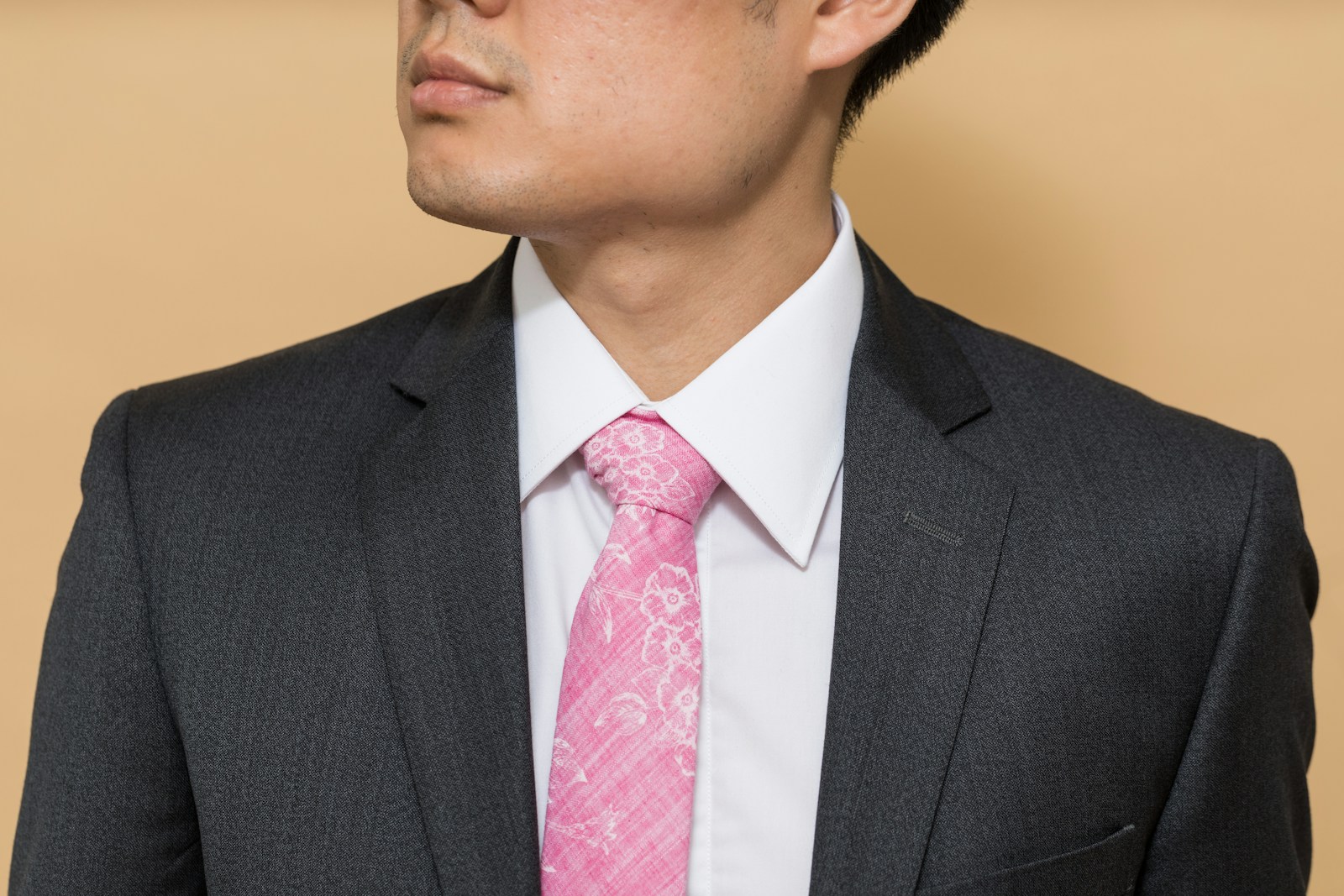
Professional attire focuses on clean lines and well-coordinated elements. A key aspect is wearing a suit jacket that matches the dress pants, ensuring a cohesive look. Accessories such as ties and belts should be understated in solid colors or subtle patterns. Shoes play a crucial role; business professional shoes like classic Oxfords or loafers in black or brown leather add to the ensemble’s elegance.
Maintaining a business professional wardrobe involves selecting items that conform to these guidelines, avoiding casual elements like khaki pants or polo shirts. The objective is to project a controlled, serious image suitable for a business professional setting. This dress code stands distinct from business casual, which allows for a broader range of colors and patterns and a more relaxed overall look.
Business professional attire for men is about achieving a professional image through thoughtfully chosen clothing items and following a clear, established dress code. This approach ensures men can make an impactful impression in any professional environment.
Essential Components of Business Professional Attire
In a business professional environment, attire reflects one’s commitment to professionalism. A thoughtfully curated business professional wardrobe ensures a polished and serious image.
Suits: The Foundation
Business professional suits are essential in formal settings. Opt for a dark suit in conservative colors like navy blue or charcoal. A well-fitted suit jacket provides a sleek silhouette, complementing the seriousness of professional attire. Single-breasted styles with a slender overlap are favored for their modern look.
Dress Shirts and Pants
A dress shirt in a light color, such as white or light blue, is ideal for creating a crisp business professional look. Solid colors remain the best choice, though subtle stripes are acceptable if conservative. Pair these shirts with matching dress pants, maintaining consistency in color and material to enhance professionalism.
Ties and Accessories
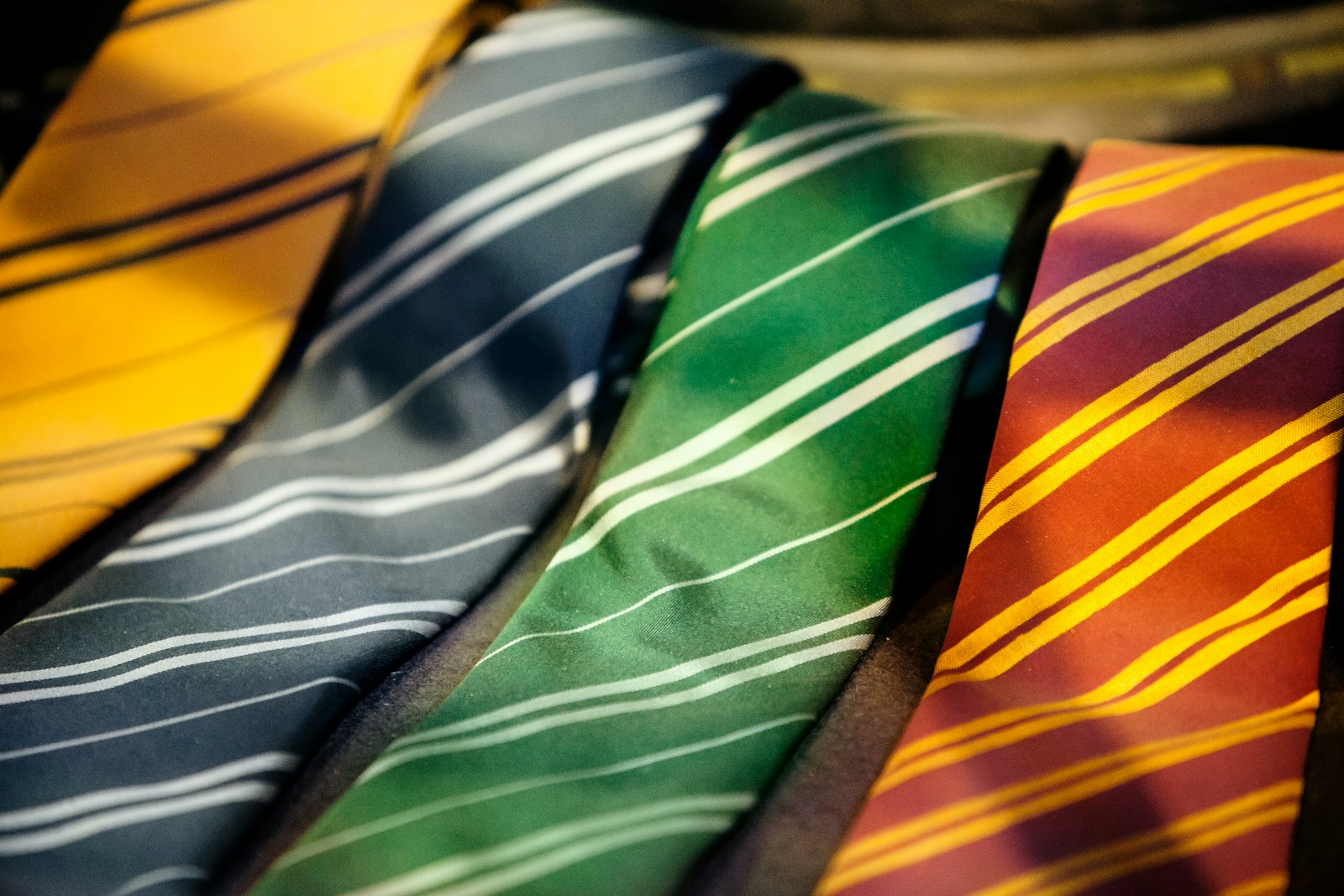
Ties serve as the focal point in business professional attire. Solid colors or understated patterns align with the dress code norms. A well-knotted tie, paired with a matching pocket square, adds sophistication. Accessories like simple cufflinks and a classic watch provide subtle elegance while maintaining formality.
Dress Shoes
Dress shoes complete the business professional outfit, with traditional styles such as Oxfords or loafers in black or brown leather. These professional shoes should exude elegance, aligning with the strictly professional settings where business attire is required. Avoid informal shoes like those with bold patterns or casual designs to maintain a professional image.
Colors, Fabrics, and Fit
In a business professional setting, the choice of colors is crucial for maintaining a polished image. Dark colors like navy, black, and charcoal are staples in business professional suits, helping to convey authority and confidence. While these colors dominate, incorporating a subtle pocket square in a complementary shade can introduce a touch of personality without compromising professionalism.
Fabrics play a key role in creating the right look. Wool is preferred for its durability and breathability, ensuring comfort throughout the workday. In warmer climates, lightweight materials like cotton or a wool-blend offer a practical alternative, combining finesse with functionality. The texture of these fabrics adds depth to the overall ensemble, enhancing the sophistication of professional business attire.
Fit is perhaps the most critical aspect of professional attire for men. A perfectly tailored suit jacket and dress pants create a clean silhouette essential in any corporate environment. When considering fit, it’s important to ensure the shoulder seams align correctly and the pants fall neatly above the shoe. Proper tailoring prevents an unkempt appearance, reinforcing a professional image. Avoid informal shoes like sneakers, as classic dress shoes complement the tailored fit perfectly, completing the business professional look.
Crafting Your Business Professional Look
Creating a business professional look requires a keen eye for detail and an understanding of dress codes in the corporate world. Striking a balance between classic professionalism and individual style enhances your professional image in formal settings.
The Role of Tailoring
Having a perfectly tailored suit is crucial in a business professional environment. A suit that doesn’t fit well can detract from a polished appearance. Ensure the suit jacket fits well in the shoulders, the dress shirt is comfortable, and the dress pants are the right length. Tailored business professional suits in conservative colors like navy blue or charcoal project authority. Customizing your attire elevates your professional look, setting you apart in strictly professional settings.
Avoiding Common Mistakes
Avoid common pitfalls that can undermine the business professional look. Ill-fitted suits can appear careless and diminish your professional presence. Ensure your suit is well-adjusted to your body shape. Refrain from incorporating bold patterns or flashy accessories that clash with the understated elegance of professional attire. Business professional ties should complement the suit without drawing too much attention. In any business professional setting, avoid informal shoes like sneakers or sandals. Instead, opt for classic professional shoes such as Oxfords or loafers to maintain a cohesive appearance.

Differentiating Business Professional from Business Casual
Business professional attire for men is often misunderstood as being similar to business casual. However, both dress codes serve different purposes and are suitable for distinct environments. Business professional attire is more formal, usually reserved for corporate offices, legal firms, and financial institutions where projecting a serious professional image is crucial.
Business casual allows for more flexibility. It typically involves dress shirts paired with khakis or trousers, and sometimes a blazer, but without a tie. Business casual dress code suits creative industries or casual office settings, where expressing personal style is more accepted.
The main distinction is in the details. In business professional settings, wearing a full suit with a tie is essential, while in business casual environments, wearing a polo shirt or skipping the tie is acceptable. Professional shoes such as Oxfords or loafers are necessary for business professional attire, whereas more relaxed options might fit a business casual look.
It’s vital to choose appropriate attire based on the setting. For formal meetings in traditional industries, business professional suits and dress shoes are necessary. In a more relaxed business setting, smart casual elements can be introduced without compromising professionalism. By understanding these differences, I ensure my attire aligns with the expectations of the environment I’m entering.
Understanding business professional attire for men is key to making a strong impression in formal settings. This style underscores the importance of a well-fitted suit, classic colors, and understated accessories to convey professionalism and authority. While the business landscape evolves, the timeless appeal of a polished, professional look remains crucial. By focusing on fit, fabric, and subtle elegance, one can maintain a sophisticated appearance that aligns with corporate expectations. Balancing classic elements with individual style ensures a cohesive and authoritative presence, distinguishing business professional attire from more relaxed dress codes.
Mastering the business professional dress code is essential for making a strong, polished impression in the workplace and beyond. From tailored suits to carefully chosen accessories, attention to detail is key to achieving a confident and sophisticated look. Ready to elevate your style and lifestyle? Explore The Perfect Suit to perfect your professional wardrobe, enhance your space with Handmade Rugs, or discover The Benefits of Yoga to maintain balance amidst a busy schedule. For additional inspiration, check out How to Style a Monochrome Outfit or master the art of Crafting the Perfect Martini. Stay sharp and refined with The Refined!
Frequently Asked Questions
What is business professional attire for men?
Business professional attire for men includes a well-fitted suit in conservative colors like navy, black, or charcoal, paired with a crisp white button-down shirt, and a tie. Accessories should be understated, and shoes such as classic Oxfords or loafers in black or brown leather are recommended to enhance the overall elegance. This style is essential for creating a serious, competent image in formal environments such as corporate offices and law firms.
How does business professional attire differ from business casual?
Business professional attire is more formal, including suits, ties, and dress shoes, ideal for corporate offices and legal firms. In contrast, business casual attire is more relaxed, often involving dress shirts with khakis or trousers without a tie, suitable for creative industries or casual office settings. Choosing the right attire depends on the setting and expectations of the environment.
Why is fit important in business professional attire?
Fit is crucial in business professional attire as it creates a clean silhouette that conveys a polished and authoritative image. A perfectly tailored suit jacket and dress pants ensure a professional look. Improper fit, such as ill-fitted suits, can detract from your appearance, while a well-fitted suit enhances your overall presentation and confidence in formal settings.
How should I choose the color of my suit for a business professional appearance?
Darker suit colors like navy, black, and charcoal are ideal for a business professional appearance, as they convey authority and confidence. These colors are staples in formal settings and complement various shirt and tie combinations, making them versatile choices that project a serious, competent image suitable for corporate and legal environments.
What role do accessories play in business professional attire?
Accessories in business professional attire should be understated to maintain a polished appearance. Essential pieces include classic watches and subtle cufflinks. Ties can add a focal point, but they should be in solid colors or feature understated patterns. Avoid bold or flashy accessories that can distract from the professional look you’re aiming to achieve.
30 Hat Names and Guide
Hats add a whole new level of style and class to any outfit. Hence, we created these hat names and guide for you. Whether you’re looking for something timeless or unique, hats come in so many shapes, sizes, and styles that there are endless possibilities for how you can accessorize your look. From classic fedoras and Panama hats to beanies and bucket hats, the options are endless.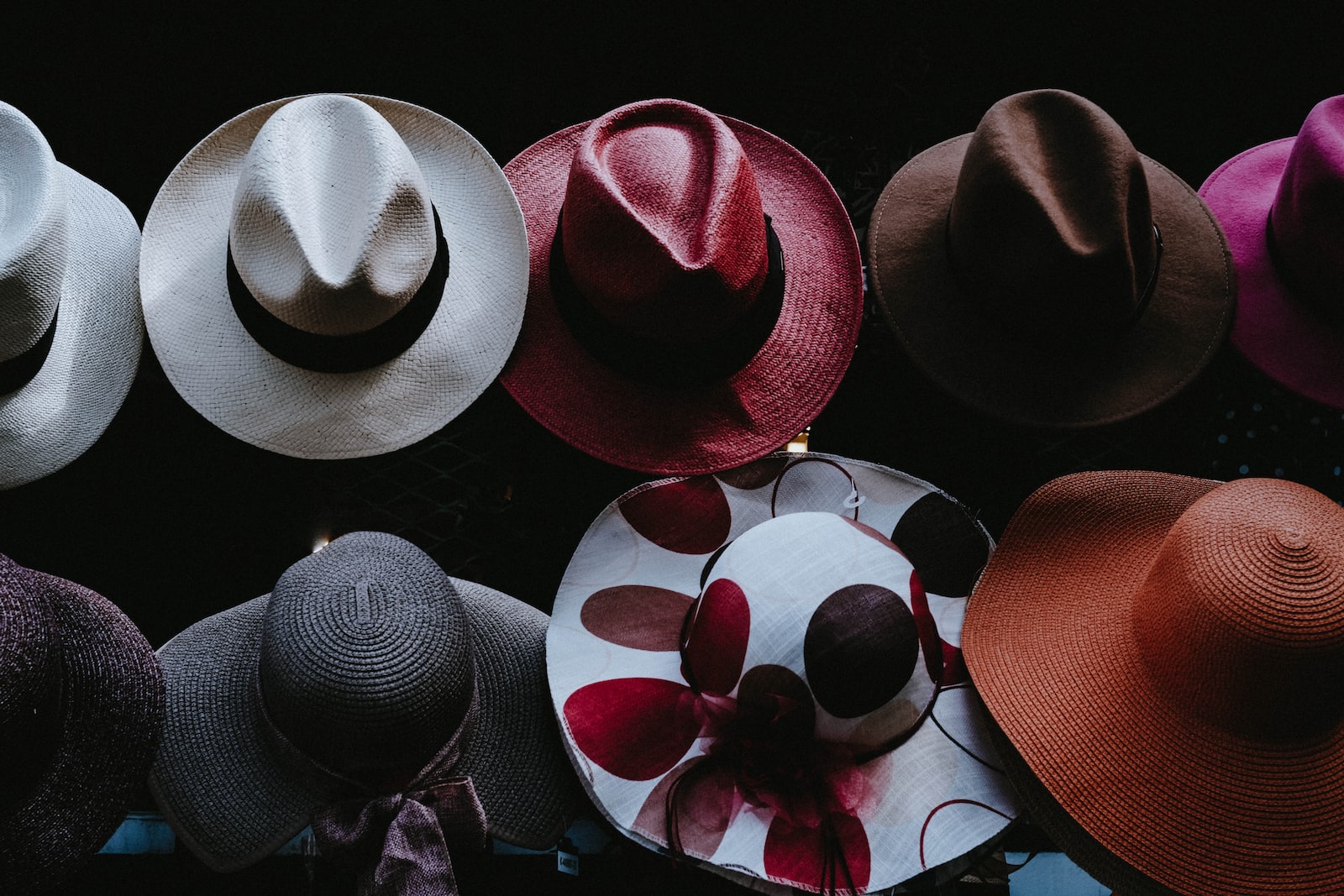
30 Hat Names and GuideHat Names
Here is a list of 30 hat names and their guides: 1. Fedora Hat- A classic felt or straw hat with a soft brim, fedoras make for a timeless look that’s perfect for any occasion. 2. Panama Hat - These wide-brimmed woven hats originated in Ecuador and are perfect for a day at the beach or any outdoor event. 3. Trilby - This classic hat has a narrow brim and is usually made from felt, wool, or straw. It looks great with casual and formal outfits alike. 4. Boater Hat - This classic summer hat features a flat top and wide brim, usually made of straw, and it’s perfect for a day at the lake or a Sunday picnic. 5. Bucket Hat - This hip-hop inspired hat has a round top and short brim and is often printed with eye-catching patterns. It’s ideal for outdoor activities like camping or fishing. 6. Cloche - The cloche hat is a classic silhouette with a snug fit, featuring a deep crown and wide brim. It looks particularly good when paired with more formal attire. 7. Newsboy Cap - This round cap features a flat top and short brim and often has an adjustable strap at the back for a perfect fit. 8. Turban - These fabric wraps are usually associated with spiritual traditions, but they can be worn casually as well. 9. Beanie - This snug-fitting cap is perfect for cold weather days and comes in a variety of materials like wool and acrylic. 10. Beret - Berets have been around for centuries and come in a variety of colors, fabrics, and styles. They look great with more formal looks. 11. Baseball Caps - This classic casual hat has a curved brim and adjustable back strap, making baseball cap a comfortable and stylish choice on warm days.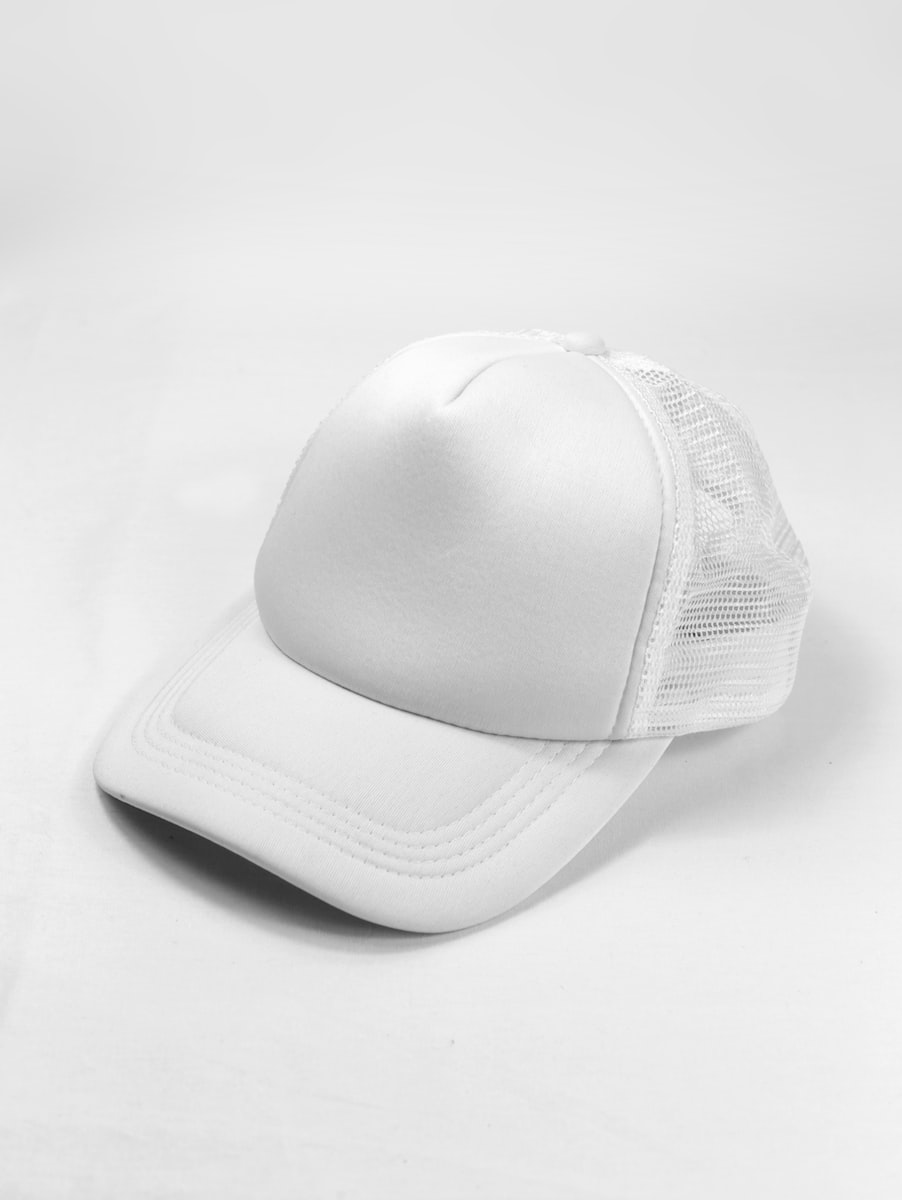 12. Flat Cap - This British-inspired cap features a rounded top and short visor. It’s a great way to add a classic touch to any look. 13. Cowboy Hat - These wide-brimmed hat style are often associated with the American Wild West and make for a fun, stylish accessory on special occasions. 14. Top Hat - This tall hat is an iconic symbol of sophistication and old-fashioned elegance. It’s the perfect choice for formal or special occasions. 15. Bowler Hat - This classic British hat has a round top and short brim and looks great with business attire. 16. Greek Fisherman’s Cap - This timeless style features a wide, floppy brim and is usually made of wool felt or cotton twill. 17. Pork Pie Hat - This classic American hat has a flat top and short brim, and is often made of felt or straw. 18. Ushanka - These Russian-style fur hats are traditionally worn to keep the ears warm in cold weather climates. 19. Balmoral - This traditional Scottish hat is made of wool and features a flat top, short brim, and a decorative feather. 20. Beretta - This Italian-style hat is similar to the fedora but has a shorter brim with a rounded crown. 21. Breton - This classic French hat has a wide brim and comes in both straw and felt varieties. 22. Capeline - This traditional hat is made of felt or straw and has a wide brim that comes to a point in the center of the crown. 23. Cossack Hat - This tall, cylindrical hat originates from Russia and features a furry top with an upturned brim. It’s perfect for cold weather days. 24. Derby - This classic British hat features a round top and short brim, and is often seen on horse races or other formal events. 25. Cloche Hats - This iconic 1920s-style hat is a snug-fitting cap that usually features a short brim and comes in various colors and fabrics. 26. Homburg Hats- This hat has a low crown and wide brim, with a center dent and downturned sides. It’s the perfect choice for formal occasions. 27. Panama - This traditional Latin American hat is made of straw and features a wide brim that turns up at the edges for extra sun hat protection. 28. Pith Helmet - These tall protective helmets are usually made of cork or cloth and have a wide brim to keep the sun off your face. 29. Boonie Hats - these wide, circular hats are great for keeping the sun off your face and neck when outdoors. They come in a variety of colors and materials, making them perfect for any occasion. 30. Trilby hat - This classic British style has a short brim and a high crown, and is often made of felt or straw. It looks great with more casual attire. [affiliatable id=‘269307’]
How To Find The Perfect Types of Hats For Your Style?
Choosing the right hat for your style is all about finding the one that reflects your personality and complements your look. A good way to start is by browsing through different hat styles, colors, and fabrics to get an idea of what you like. Once you find a few hats that you really like, try them on to see how they look, check the measure of the hat, and feel against your face shape. Finally, ask yourself if the hat is something you would wear on a regular basis and if it fits with your wardrobe. Finding the perfect hat takes time – but when you find the one that feels like it was made for you, there’s nothing quite like it! With so many different styles to choose from, you’re sure to find one that fits your personality and style. Other suggested articles:
What Is a Snapback Hat? (Important Things You Should Know)
Can You Wear a Hat to an Interview?
Can You Wear a Hat to a Funeral? Do Fitted Hats Shrink?
Enjoy the Beauty of Candlelight With These Aesthetic Candle Ideas
Beautiful, eye-catching candles are a conventional method to revitalize and refresh your house décor. Long gone are the days of traditional taper candles and uninspiring white-wax candle designs; instead, the creative new range of waxes, fragrances, and patterns have brought about a plethora of decorative candles alternatives for you to discover!
There are many methods to bring the appearance of your dreams with our numerous design concepts and Lemoulds’ DIY decorations. Whether you’re a seasoned expert or a total novice, you may create the style of your choosing using our several decorating ideas and do-it-yourself additions from aesthetic candles.
To assist you in developing your own candle decorating ideas, we’ve compiled a list of examples and suggestions for decorative candle making ideas to show how varied and exciting candle design can be. Here are seven of our favorite unusual candle design solutions that will add old-world charm or modern style to your space décor without breaking the bank.
Aesthetic Candle Ideas
Spice Up Your Home Décor with Pillar Candles
Pillar candles are a wonderful relaxing place to start when it comes to experimenting with candle style and design ideas. These candles are simple yet distinct, requiring little in the way of decoration to achieve a beautiful look. A minimalist glass terrarium or a natural, beachy trend with colorful sand and textured shells may be explored. Whatever your preference, pillar candle design ideas are the ideal method to add some variety to your interior décor.
Explore Floating Candle Design Ideas
There are several lovely floating candle decoration ideas to try in your house if you want it to be soothing and peaceful. Why not try a simple, transparent candle holder with decorative pieces like shells or faux gems immersed in clear water to create the appearance of a spa? As a lit candle is gently suspended at the surface, this provides for an atmosphere that is similar to that of a spa.
Combine Organic & Geometric Shape Candle Decoration Ideas
The combination of soft natural lines and sharp geometric forms is one of our candle design concepts that stands out. These free-standing candles or may be enhanced with holders to bring a contemporary, modern feel to your home decor. In many cases, a simple candle may be enhanced with an artistic holder, allowing you to keep your style current while adding flair to otherwise drabber candle ideas.
Complement Home Décor with Candle Holders
Candle holders and stands have been used to complement décor for millennia, from the simplest to the most exquisite. More often than not, adding a beautiful candle holder might provide limitless opportunities for candle decorating creativity.
Whether you’re searching for a basic stand or something more striking, the possibilities for creating a beautiful candle holder to match your decor are endless. Experiment with placement around your home to enhance the aesthetics of your holders and candle design suggestions.
Artistic Candle Jar Design Ideas
A simply designed jar might be all it takes to rejuvenate your candle decorating ideas sometimes. Your creative jar designs may range from simple to complex, with bursts of color, interesting textures, and modern patterns adding a layer of interest to your home décor. You may also select attractive transparent jars to draw the attention of your more unique candle moulds without worrying about any naked flames.
Play with Height for Candle Decoration Ideas
This is one of the simplest ways to see how decorating with new candles may have a tremendous impact without much work. Molding candle designs that include varying heights is a timeless method to give your arrangements an uneven, natural look.
With only a few accents and items, like as a basic wooden tray, white pebbles, or neutral sand, you may arrange approximately seven to nine candles of various heights in an interesting design. Simply light the candles and observe how the flickerings illuminate this lovely interior décor item.
Experiment with Moulds for Your Candle Home Décor
Outside of your normal preferences, experimenting with different themes may help you improve your house décor. More and more people are rejecting traditional candle design concepts in their homes because they believe them to be outdated. By experimenting with DIY interior design, you may enjoy the beauty and flair that a one-of-a-kind candle design may provide.
Why not try some statement candle molds to challenge the current trends and concepts that surround their design before they are even lit? There are many different mould options available to you, whether you prefer Grecian sculptures, intricate geometric patterns, or even human figure silhouettes. What could be better than experimenting with our gorgeous candle moulds to discover your own unique style?
Mix Geometric and Organic Shapes
Shapes are done. Any geometric or organic form that you might conceive of has been converted into a unique candle. Design enthusiasts appear to be enthralled by the ability to integrate curved and organic curves with the rigid three-dimensional structure.
Candle holders and candles are a wonderful method to create contrast in your living room. Some of them may be stood alone, while others look incredible when paired with a minimalist holder. In many situations, the stand itself serves as the artwork in the candle arrangement.
Select Unique Candles
The variety of candle decoration ideas available makes it excruciating to purchase jar candles that blend into the rest of your design. Choose a focal point candle that would be a one-of-a-kind work of art in your space. Statement candles don’t require much else to complement the look, which is why they’re popular among minimalist people everywhere.
The use of colored candles in pix has become popular recently, with the emphasis on the beauty of the human body in wax, especially the female form. Realistic wax molds are used to make sculptures that represent the human form, and they have an end result that is similar to a museum statue. Whether you burn it or not, one of these candles will add a stylish look to your space while also providing a fascinating conversation piece - it’s all up to you!
Candle Sand
Candle sand is a relatively recent and trendy design. It’s generally sold in bags with the wicks floating about inside. You may use any decorative dish you like to hold the candle sand, then cut the wicks to fit. Add a few drops of essential oils into the sand for scented candle sand.
Toy DIY Candle Holder
Make a beautiful farmhouse candle holder with kid’s toys, a plate, and some spray paint to let your creative side free. If cattle aren’t your thing, you may use a plastic kid’s toy that is more appealing to you.
This project is simple to complete. Simply line up three plastic cows and then glue a plate on top, after which paint it. Place a candle in a glass vase and place it on top of the plate.
Decorative Tealight Housing
Tealight holders come in a variety of shapes, sizes, and materials. In this example, they’re little houses. These white and neutral homes may be used for day-to-day decor but also look great when utilized in conjunction with winter or Christmas décor for a warm atmosphere.
Painted votives
Grab a plain white votive candle and let your imagination go wild. These are painted up for Christmas and the winter season, but you may paint them any way or style that you choose.
Get creative with glass containers
Make your own candles from scratch or use old ones to store flowers in glass containers that match your current décor. You may melt down existing candles, or you may create brand-new ones.
Consider using objects outside of the typical boxes. This container is actually a drinking glass from the dollar store’s Halloween section. To make it a beautiful yet frightening piece of Halloween décor, gold foil is applied to the outside.
Use Candle Rings and Wreaths
Candle rings and wreaths are available for every season and come in a variety of greenery options. They provide a natural and earthy touch to the house while also making an eye-catching table centerpiece.
Go bold and vintage with brass
Brass candlesticks in a variety of heights and forms can give your room an antique vibe.
Sometimes Simple is Best
Simplicity is never a bad idea. Sometimes all you need are some white pillars on a basic candle stand. The simple wood stands shown here are beautiful. It’s beauty is both simple and understated.
If you’re looking for ideas for your next party or a simple yet stylish way to decorate your home, check out our list of 50 Amazing Candle Decorating Ideas, which we’ve broken down into three categories. You may now go forth and make any candle décor idea a reality!
Our tutorial has you prepared for success, whether you’re looking for the sensual curves of the body sculpture candles or the strong angles of the geometric candles. You may go ahead and start planning and buying for these beautiful candle decorating ideas to become a reality.
Browse local stores and Etsy shops to get the highest quality, handcrafted candles for your home, as well as a wonderful way to support local businesses. Set up your new candle arrangements using our styling suggestions and be sure to take a photo and share it with us on Facebook, Pinterest, or Instagram.
Daily Elegance: Living Each Day With a Refined Approach (3 Tips)
In a world that often rushes by in a whirlwind of chaos, finding solace in the simple act of living with a refined approach is a cherished endeavor. This is where the concept of daily elegance steps in, offering a sanctuary of grace amidst the hustle and bustle of everyday life. Embracing grace in our actions and surroundings, we learn to infuse every moment with a touch of sophistication and poise. This article delves into the art of elegant living, highlighting the significance of daily elegance and how it can enrich our lives.
The Pillars of Elegant Living
Living with a Refined Approach: A Guiding Philosophy
At the core of daily elegance lies a guiding philosophy - a commitment to living with a refined approach. It encompasses a deliberate and conscious effort to imbue each day with a touch of grace and refinement. This philosophy is not confined to grand gestures or extravagant displays, but rather, it finds its strength in the small, thoughtful details that shape our daily routines. 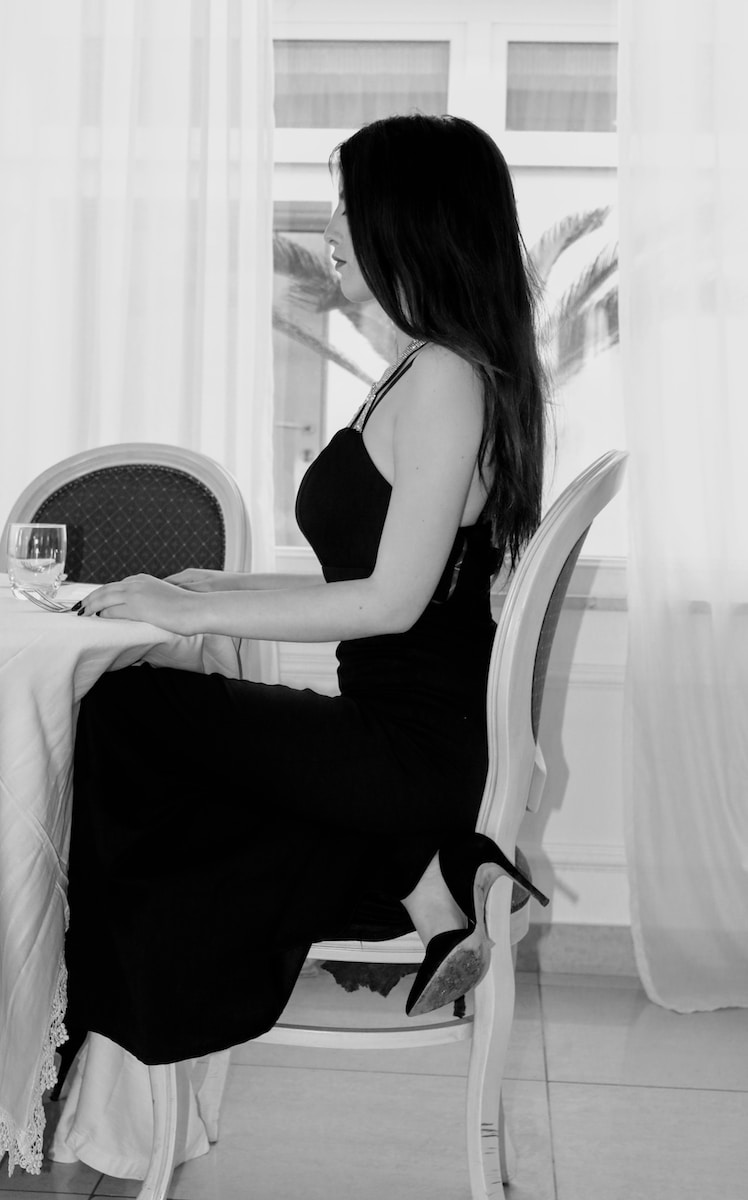
Embracing Grace in the Mundane
Everyday tasks can become a canvas for the expression of elegance. From setting a beautifully arranged breakfast table to the way we fold our clothes, embracing grace in the mundane transforms the ordinary into the extraordinary. It’s about finding beauty in the details, and weaving a tapestry of refinement into the fabric of our lives.
Curating Collections: Elevating Your Surroundings
Daily Elegance Through Collections
One of the most tangible ways to manifest daily elegance is through the curation of collections. These carefully selected assemblages of items reflect our tastes, values, and a commitment to the art of elegant living. Whether it’s a collection of vintage teacups adorning a shelf or a series of art prints that adorn our walls, each piece contributes to the narrative of our space. 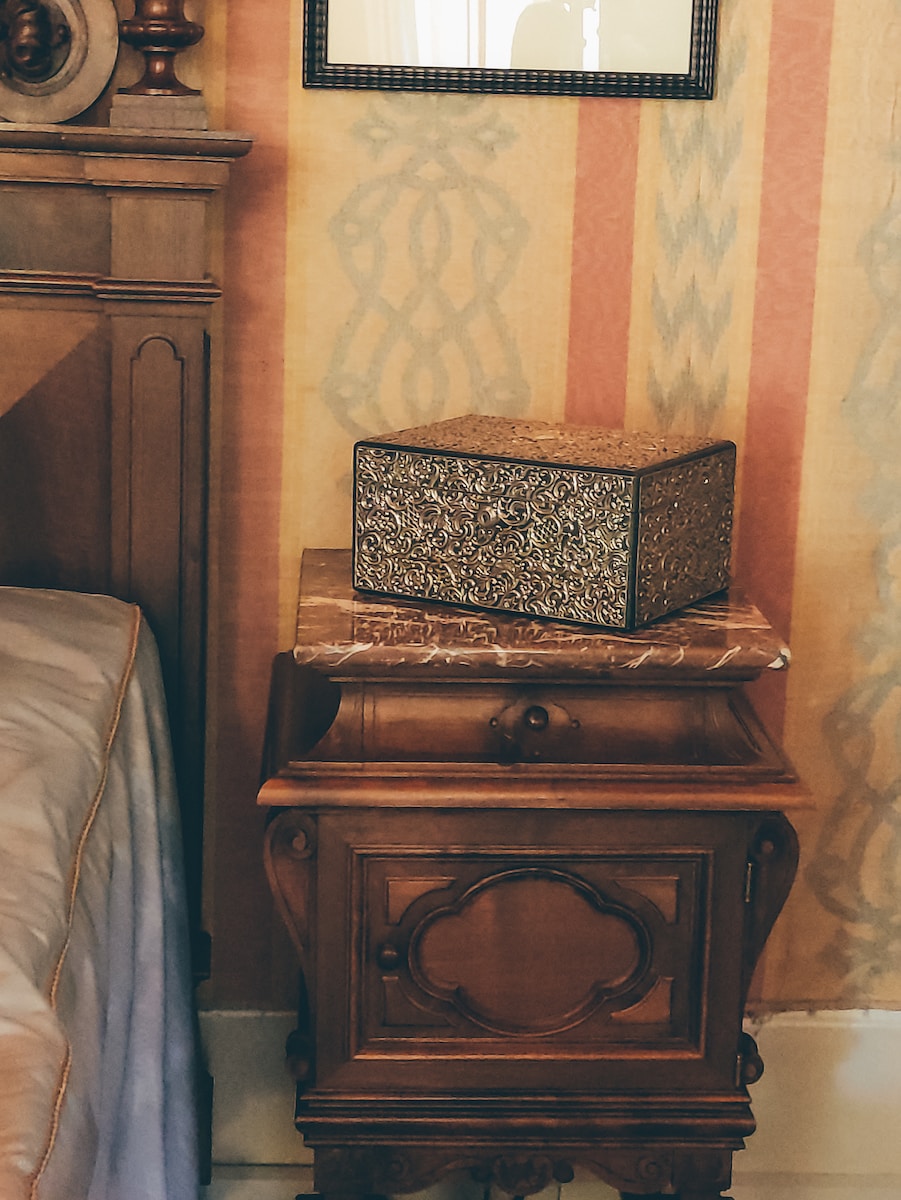
The Art of Purchase: Discerning Choices
In the pursuit of daily elegance, the act of purchasing takes on a new significance. It’s not about acquiring possessions in haste, but rather, it’s a deliberate and thoughtful process. Each item is chosen with intention, chosen for its beauty, functionality, and ability to enhance our environment.
Elevating the Home: A Sanctuary of Daily Elegance
Products that Reflect Daily Elegance
The products we select for our homes play a pivotal role in cultivating an atmosphere of daily elegance. From exquisite linens that drape our furniture to the meticulously chosen artwork that adorns our walls, every piece contributes to the symphony of refinement that defines our living spaces. 
From Cart to Home: The Journey of Every Piece
The journey of a product from the cart to its place in our home is a significant one. It represents a conscious choice, a commitment to daily elegance. Each piece finds its unique space, adding to the tapestry of elegance that envelops our living environment.
Final Thoughts: Embracing Daily Elegance as a Way of Life
Daily elegance is not a fleeting trend, but rather, a timeless approach to living. It is an ode to the beauty of simplicity, a celebration of the refined, and a commitment to infusing every moment with grace. By embracing daily elegance, we create a sanctuary of refinement amidst the chaos of everyday life. Through thoughtful collections, discerning purchases, and a focus on the details, we transform our homes into havens of sophistication. In the end, daily elegance is not just a concept, but a way of life—a reminder to savor each day with grace and poise. Other suggested articles:
Choosing the Right Glassware for Your Home Bar: 12 Types
Setting up a home bar is a thrilling endeavor, but choosing the right glassware for your home bar can make all the difference. It’s not just about aesthetics; the right glass can elevate your cocktails and enhance your overall drinking experience. Whether you’re a cocktail connoisseur or just enjoy the occasional drink, having the right glassware is essential.
I’ve spent years exploring various types of glassware and their impact on different beverages. From the classic martini glass to the versatile highball, each piece serves a unique purpose. Let’s dive into the must-have glassware for your home bar to ensure you’re always prepared to impress your guests and enjoy your drinks to the fullest.
The Importance Of Home Bar Glassware
Choosing the right glassware for your home bar is crucial. By selecting proper glassware, you enhance each drink’s flavor and presentation. The right glass elevates the overall drinking experience for both you and your guests.

Enhancing Flavor and Aroma
Different glasses accentuate various attributes of drinks. For example:
- Wine Glasses: Red wines benefit from larger bowls while white wine glasses have a smaller bowl to keep the wine cooler.
- Martini Glasses: The wide mouth lets you experience the aroma fully.
- Highball Glasses: Straight sides maintain carbonation in mixed drinks.
- Shot Glasses: Designed for quick consumption of spirits.
Using the correct glass ensures you capture the drink’s intended flavor and aroma.
Aesthetic Appeal
Glassware not only functions practically but also adds visual appeal. Serving a cocktail in the proper glass makes a significant difference:
- Champagne Flutes: Showcase the bubbles in sparkling wine.
- Old Fashioned Glasses: Strong and elegant, ideal for whiskey-based drinks.
- Margarita Glasses: Their distinct shape highlights the uniqueness of the drink.
Well-chosen glasses create an impressive display and elevate your home bar’s style.
Comfort and Usability
Functionality matters too. Glasses should fit comfortably in your hand:
- Mixing Glass: Convenient for preparing multiple cocktails at once.
- Brandy Glass: Designed for warming the drink in your palm.
- Pint Glasses: Perfect for beer with their easy-to-hold shape.
Select glassware that feels good to hold, making the drinking experience more enjoyable.
Impressing Guests
Guests notice the effort put into using the right glassware. When they sip a martini from a martini glass or a champagne cocktail from a proper champagne flute, they’ll appreciate the attention to detail:
- Rocks Glasses: Ideal for serving spirits on the rocks, adding sophistication.
- Coupe Glasses: Timeless and stylish for a variety of cocktails.
Proper glassware leaves a lasting impression, creating a memorable experience for your guests.
Essential Types Of Home Bar Glassware
Selecting the right glassware for your home bar is crucial for enhancing the drinking experience. I’ll guide you through the essential types needed for various cocktails and drinks.
Rocks Glasses
Rocks glasses, also known as old fashioned glasses, are a staple in any home bar. They hold 6-10 ounces, perfect for serving spirits like whiskey with ice. Their thick base ensures stability, making them ideal for cocktails such as the Old Fashioned.
Martini Glasses
Martini glasses are quintessential for serving classic martinis and other cocktails. They typically hold 4-8 ounces and feature a wide rim and tapered bowl. This design enhances the drink’s aroma, making it a must-have for cocktail lovers.
Highball Glasses
Highball glasses are versatile and essential for mixed drinks. They hold 8-12 ounces and have straight sides. Examples of drinks include gin and tonic and whiskey soda. These glasses accommodate ice and mixers, making them perfect for most cocktails.
Collins Glasses
Collins glasses are taller and slimmer than highball glasses, holding 10-14 ounces. They’re designed for cocktails that require more volume and ice. Popular drinks served in these glasses include Tom Collins cocktails and mojitos.
Wine Glasses
Wine glasses come in various shapes to suit different types of wine. Red wine glasses have larger bowls to allow oxygenation, enhancing flavor. White wine glasses feature smaller bowls to retain cooler temperatures. Both types improve the tasting experience.
Champagne Glasses
Champagne flutes are designed to showcase the bubbles in sparkling wines. They hold 6-10 ounces and feature a slender bowl that helps maintain carbonation. They’re perfect for champagne cocktails and celebrating special occasions.
Beer Glasses
Beer glasses are varied, but pint glasses are the most common for home use. They typically hold 16 ounces and suit a wide range of beers. Specialized glasses, like pilsner and snifters, are designed for specific beer styles, enhancing the drinking experience.
Shot Glasses
Shot glasses, often holding 1-2 ounces, are indispensable for serving spirits straight. They’re ideal for tequila shots, whiskey, or measuring ingredients for cocktails. Their design facilitates quick consumption and precise measurements.
Margarita Glasses

Margarita glasses feature a wide, curved bowl, typically holding 10-14 ounces. This design allows for salt or sugar rims, making them perfect for margaritas. The ample surface area also enhances the drink’s presentation, impressing guests.
Selecting these essential glassware types ensures your home bar is well-equipped to serve a variety of drinks, enhancing both flavor and presentation for any occasion.
Specialty Cocktail Glasses
Specialty cocktail glasses bring a unique touch to your home bar, enhancing both the presentation and experience of your favorite libations. Each type of glass serves a specific purpose, allowing you to appreciate the nuances of different drinks.
Cocktail Coupe Glasses
Coupe glasses feature a wide rim and shallow bowl, ideal for serving cocktails that don’t require ice. I find coupe glasses perfect for drinks like Manhattans, Sidecars, and other mixed cocktails. The design helps release the drink’s aromas, making every sip an aromatic experience. Despite being similar in function to martini glasses, coupe glasses offer a more elegant option for many classic cocktails served at my home bar.
Brandy Snifter
Brandy snifters are essential for enjoying brandy, cognac, and other aged spirits. These glasses have a wide bowl and narrow top, concentrating the drink’s aromas. This shape enhances the tasting experience by allowing the brandy’s complex scents to fully develop. I always include brandy snifters in my bar setup for guests who appreciate the finer nuances of aged spirits.
Irish Coffee Glass
Irish coffee glasses are versatile additions to any home bar. These glasses typically feature a stemmed glass design with a handle, making them perfect for both hot and cold beverages. I use Irish coffee glasses for serving warm drinks like Irish coffee, as well as for presenting visually appealing layered cocktails. This type of glass not only provides functionality but also adds a touch of elegance to any drink it holds.
Practical Tips For Buying, Cleaning, And Storing Glassware
Selecting the right glassware for your home bar enhances both your drinks and the overall experience for guests. Here are some practical tips for buying, cleaning, and storing your glassware.
Tips For Buying Glassware
When buying glassware for your home bar, consider the types of drinks you’ll serve. To cover most bases, start with essential glasses like martini glasses, wine glasses, highball glasses, rocks glasses, and shot glasses. Each type serves a specialized purpose for specific drinks.
- Quality Over Quantity: Invest in high-quality glassware that can last longer and offer better experiences with your favorite libations. Look for brands known for durability and clarity.
- Versatility: Choose glasses that are versatile for multiple drinks. For instance, highball glasses can serve mixed drinks, water, or even beer.
- Design and Features: Pay attention to the design and specific features. A thick base in an old fashioned glass is ideal for muddling ingredients, while a wide rim in a margarita glass highlights the drink’s salt or sugar coating.
- Set Size: Buy glassware in sets rather than individually. It’s cost-effective and ensures uniformity when serving guests.
Glassware Cleaning Tips
Proper cleaning maintains the integrity and appearance of your glassware. Cleanliness is crucial, as residual elements can affect drink flavors and presentation.
- Hand Washing Preferred: Whenever possible, hand wash your glassware. Use mild detergent and warm water to prevent residues.
- Avoid Abrasive Tools: Use soft sponges or cloths. Avoid abrasives that might scratch the surface.
- Drying: Air-dry glasses on a rack to prevent water spots. If wiping, use lint-free towels to avoid leaving fibers.
- Dishwasher Safety: For dishwasher-safe glassware, space them out to prevent knocking. Use a gentle cycle and avoid high heat.
Storing Glassware
Proper storage extends the lifespan of your glassware and keeps it readily accessible for your home bar needs.
- Stemware Storage: Store stemmed glasses like wine and champagne flutes upright to prevent stress on the stems.
- Space Management: Optimize storage space by using stackable glassware where applicable, but avoid stacking fragile items.
- Accessibility: Place frequently used glasses, such as highball and rocks glasses, in easy-to-reach locations. Store less frequently used ones like margarita glasses in higher cabinets.
- Avoid High Traffic Areas: Store delicate or expensive glassware away from areas where they can be knocked over easily.
Adopting these tips ensures your glassware remains functional and visually appealing, enhancing every beverage you serve.
Selecting the right glassware for your home bar is more than just a matter of aesthetics; it significantly enhances the drinking experience. From the aroma-enhancing martini glass to the visually stunning champagne flute each type of glass serves a unique purpose. The right glassware not only elevates the flavor and presentation of your drinks but also leaves a lasting impression on your guests.
Investing in quality and versatile glassware ensures your home bar is well-equipped for any occasion. Whether you’re serving a classic cocktail or a specialty drink the right glass makes all the difference. Keep these essential tips in mind and you’ll create memorable experiences with every pour.
Frequently Asked Questions
Why is choosing the right glassware important for a home bar?
Choosing the right glassware is essential because it enhances the flavor, aroma, and presentation of drinks. It also improves the overall drinking experience for both the host and guests, making each occasion more enjoyable and memorable.
What are the essential types of glassware for a home bar?
Essential glassware includes rocks glasses for whiskey, martini glasses for classic cocktails, highball glasses for mixed drinks, wine glasses for red and white wines, champagne flutes for sparkling wines, beer glasses for various beer styles, and shot glasses for spirits.
How do different glass shapes affect the drinking experience?
Different glass shapes accentuate various attributes of drinks. For example, wine glasses enhance the characteristics of red and white wines, martini glasses allow for a full aroma experience, and champagne flutes highlight bubbles in sparkling wines.
What should I prioritize when buying glassware for my home bar?
When buying glassware, prioritize quality over quantity. Start with essential glasses and choose versatile, durable designs. Buying in sets can be more cost-effective and provide uniformity for your home bar.
How should I clean and store my glassware?
Hand washing is preferred to preserve the appearance of glassware. Use proper drying techniques to avoid water spots. For storage, keep stemware upright and optimize space while ensuring accessibility for frequently used glasses.
Can specialty glassware enhance the presentation and experience of drinks?
Yes, specialty glassware can significantly enhance both the presentation and experience of drinks. For example, coupe glasses release cocktail aromas, brandy snifters concentrate aromas of aged spirits, and Irish coffee glasses are versatile for both hot and cold beverages.
Are there specific glass types for different beer styles?
Yes, different beer styles can benefit from specific glass types. For example, pint glasses are commonly used for pale ales, while tulip glasses are great for capturing the aroma of Belgian ales. Selecting the right glass can enhance your beer-tasting experience.
What role does the aesthetic appeal of glassware play in a home bar?
The aesthetic appeal of glassware is significant; it showcases the visual elements of drinks, making them more appealing and enjoyable. Beautiful glassware can leave a lasting impression on guests and elevate the overall ambiance of your home bar.
Can You Wear Navy to a Funeral?
When it comes to attending a funeral, choosing the appropriate attire is a sign of respect and consideration for the grieving family and the memory of the deceased. While traditional funeral attire often involves somber colors and formal wear, the question arises: Can you wear navy to a funeral?
Understanding Funeral Attire Etiquette
[caption id=“attachment_2434” align=“aligncenter” width=“300”] can you wear navy to a funeral[/caption]
Funerals are solemn occasions where individuals gather to honor and remember a life that has come to an end. The attire you choose reflects your understanding of the significance of the event. While black and other dark colors have long been associated with mourning and respect, modern funeral etiquette has evolved to allow for some variations.
What is the Funeral Dress Code?
The traditional funeral dress code for women is a dark skirt or pants suit, closed-toe shoes, and a blouse or sweater. Men typically wear a navy or black suit with a tie and polished black shoes. If the occasion calls for it, you may also opt for either gender to wear all-black attire.
The Significance of Navy in Funeral Attire
The color navy holds a place of distinction in funeral attire. Its deep and dignified tone conveys a sense of reverence, making it a suitable choice for paying your respects. Navy blue exudes a balance between formality and sincerity, making it an excellent option if you’re considering wearing it to a funeral service.
Exploring the Elegance of Navy Blue in Mourning Attire
While black remains a traditional choice for funerals, navy blue has gained popularity as an alternative. Dark navy and charcoal are good options for those who wish to adhere to a more traditional color palette while introducing subtle variations. The color navy complements the solemnity of the occasion, allowing you to express your sympathy without overshadowing the memory of the departed.
If you can, opt for a navy blue suit paired with dress shoes for a refined and respectful appearance. A well-fitted suit in this color can evoke a sense of professionalism and empathy, reflecting your understanding of the gravity of the situation.
Guidelines for Proper Wearing of Attire at Funerals
[caption id=“attachment_1136” align=“aligncenter” width=“300”] funeral attire[/caption]
When planning your funeral attire, keep in mind the specific memorial service details and the cultural norms of the family. While a blue suit is a suitable choice, there are several considerations to keep in mind:
- Ensure the dress shirt you choose is subtle and respectful, avoiding flashy patterns or loud colors.
- Wear appropriate dress shoes that complement your outfit and contribute to a polished look.
- Remember that tuxedos and tuxedo accessories might be more appropriate for formal funerals or memorial services.
- Accessories such as flowers or memorial pins can be worn as a heartfelt gesture of sympathy.
Selecting the Perfect Suit for Paying Respects
Choosing the right suit for a funeral is essential in conveying your condolences appropriately. A blue suit can be a fitting choice, offering a blend of tradition and modernity. The color navy carries a sense of respect and can be a thoughtful way to show your sympathy to the family and celebrate the life of the deceased.
Choosing the Right Dress Shoes for a Funeral Outfit
When it comes to funeral attire, attention to detail is crucial. Your choice of dress shoes can complete your outfit and add to the overall sense of dignity. Opt for dress shoes that are understated and polished. Classic styles such as Oxfords or dress shoes with minimal embellishments are appropriate and convey a sense of respect for the occasion.
Types of dress for funerals
When attending a funeral, it is important to wear clothing that is appropriate for the occasion. Dark colors such as navy, black, or gray are always considered respectful choices. Additionally, you should avoid wearing anything too casual such as jeans or t-shirts. Instead, opt for dressier items such as a suit or dress with an appropriate length skirt or trousers.
- White dress shirt with black or navy tie (optional)
- A dark suit such as navy, gray, or black
- Closed-toe dress shoes
- Long pants or skirt
- Simple blouse, sweater, or jacket
- No bright colors or floral prints
- Respectful accessories such as a bracelet or necklace.
Choosing an Appropriate Hairstyle
When attending a funeral, it is important to dress respectfully. This means choosing clothes that is dark and subdued, and avoiding bright colors or patterns. It is also important to choose a hairstyle that is appropriate for the occasion. Here are a few tips on how to choose the right hairstyle for a funeral:
- Choose a hairstyle that is simple and conservative. Avoid anything too flashy or dramatic.
- If you have long hair, consider pulling it back into a low ponytail or bun. This will keep your hair off your face and out of the way.
- If you have short hair, you may want to wear a headband or clip to keep it out of your face.
- Avoid wearing hats or headscarves, as these can be distracting during the service.
- If you wear any hair accessories, make sure they match the tone of the event and opt for small details that don’t draw too much attention.
How to Break in Slip on Vans
Vans are typically the size advertised. I purchased a new vans shoes in a smaller size than normal to see if they would fit perfectly. However, I found that they were too snug and needed to be stretched as I couldn’t flex my toes comfortably.
If you inadvertently bought vans shoes from vans store without checking the size chart first, they might be too narrow for your feet. Although Vans’ size chart is a good guide, sometimes a pair of shoes from them will still be too tight. If that’s the case, then you’ll likely want to know how to break in slip on vans.
How to Break in Slip on Vans
Vans stretch because they’re made of canvas and suede. It usually takes a few days before you notice any stretch, although heating them in the microwave for 30 seconds at a high temperature or using a hairdryer for 20 to 30 seconds might help you speed up the process. Inserting a wet towel, newspaper, wear socks, or shoe tree inside the shoes can also help vans stretch faster.
Wearing shoes that are too tight can result in a variety of foot issues, including blisters, numbness, bunion formation, inflammation, and heel pain. To prevent these foot problems, you must stretch and break in your vans using the proper technique. We’ll look at several ways to stretch and break in your new or existing vans in this article. We’ll also discuss how long it takes to break them in and why vans are so tight at first.

Do Vans Stretch Overtime and How to Break in Slip on Vans
Yes, Vans stretch over time as you wear them on a daily basis. However, this may take a few days to several weeks before you notice any significant stretch. Vans are generally constructed of canvas uppers with rubberized bottoms, which is why they expand and break out in only a few days of usage.
Vans Slip-Ons are said to stretch with time after being worn for a few hours every day. Vulcanized rubber soles on Vans loosen over time. Vans are incredibly durable and long-lasting, so canvas shoes will take longer to break in than suede footwear.
In contrast, the Vans authentic shoes take less time to break in. They have a canvas upper, low top profile, and rubber grip. Vans authentic are both comfortable and adaptable sneakers. Breaking them in is quick and easy due to the waffle outsole and canvas toe box.
Vans shoes are extremely flexible and long-lasting. With time, they will only get more comfortable the more you wear them. If your Vans have lace up styles (like Vans Authentic, Vans Chukkas, or Vans Chima Pro), it’s easy to make them looser and stretchier by simply adjusting the laces while letting your feet relax. While this method might not make your entire foot 100% flexible, it does provide flexibility near the vamp region where your toes start.
[affiliatable id=‘268925’]
How to Break in Slip on Vans - Quick Ways
How to Break in Slip on Vans Using a Microwave
Stretching your vans is easy–it only takes a few minutes in the microwave. Check out these quick and easy steps:
Before you put your vans in the oven, always check for metal fragments inside the shoes rubbing. The next step is to set them in the microwave on high temperature for 30 seconds. It’s essential that you take them out after no more than 30 seconds as leaving them any longer will cause the vans to melt and significantly damage due to overheating.
Be careful when removing the shoes from the oven. They will be hot, so it’s best to use potholders or oven mitts to avoid burning your hands.
Remove the shoes from the oven and let them cool for 10 seconds. While they’re still warm, put them on and walk around your house until they’ve cooled off. To make sure that vans uppers, toe box, and heel region are spreading out according to your feet, stretch your toes and feet back and forth for a few minutes.
After the shoes have cooled, put them in the microwave for 20 seconds. You’ll see that they’ve widened up after you take them out. If they’re still too tight, feel free to try another method.
How to Break in Slip on Vans Using A Hair Dryer
One of the most effective ways to stretch canvas shoes, including Vans, is to use a hairdryer on them for 20-30 seconds at medium temperature settings.
Put on your Vans shoes after wearing thick socks. Chunky socks protect your feet from the dryer’s direct heat and also help to loosen up your footwear. For 20 to 30 seconds, set your dryer to a medium-high setting.
Aim the hair dryer at the areas of the shoes where you want them to stretch, but keep in mind that you need to hold it a few inches away from the fabric to prevent burns. As you apply heat, wiggle your toes and back heels to loosen up the material in the shoes.
Once you feel that your feet can flex properly in the shoes, remove your feet and take the socks off. Try putting the vans shoes on again–you will see that they have loosened up. If they still feel too rigid, repeat this process 2-3 times until they break in.
How to Break in Slip on Vans Using Steam
In this method, we’ll apply steam to the Vans for a few minutes. To avoid burning your skin, take precautions such as putting on gloves.
First, boil a pot of water. Then, remove the cover from the kettle and place your shoes above the steam for 3-5 minutes. The steam will cause the fibers in your shoes to expand, allowing you to stretch them to fit your feet.
If you’re still not satisfied with the fit after steaming your Vans for 3 to 5 minutes, try them on and stretch your feet until you feel the shoes have been flexed around the areas where you felt uncomfortable and confined. If your Vans don’t seem to have expanded much, repeat this process two to three times.
Flexing and Bending Vans To Stretch Them Faster
Vans have a waffle outsole and a rubberized interior, which means they stretch more readily when bent and flexed. This contributes to the canvas’s rapid stretching as well.
With your hands, hold the toe of the Vans and the heel of the Vans. Bend your Vans inwards gradually until it develops a “U” shape. Stretching your Vans front to back is easy; all you have to do is grab your toes and heels and stretch them out.
How to Break in Slip on Vans By Freezing
You can achieve the same effect on a van’s lock by freezing it as you would if you heated it in the microwave. This is an effective way to enter a van without ruining your shoes in the process.
To begin, fill two Ziploc bags with water and tightly seal them. You can also use a second layer of plastic wrap to keep the water from seeping out. Slide these filled bags into your shoes, making sure they’re positioned in areas where more stretching is needed - like around the toes.
Place the bags and shoes in the freezer, along with each other. The water from your footwear will freeze and expand, resulting in your shoes expanding out in the areas you needed them to.
After a long day, remove your shoes and let them soak in water for 20-30 minutes. Next, take out your shoes and clean them with a cloth. Notice the difference in how Vans have stretched to fit you comfortably. If they’re still snug, repeat the process once or twice more until desired results are achieved.
How to Break in Slip on Vans: Other Methods To Loosen Vans
Stuffing The Vans
Vans can be stretched by tightly screwing newspaper, socks, or damp towels inside them. You can leave the shoes overnight to stretch and then remove the stuffed materials in the morning once they’ve done their job. Thick pair of socks work similarly to newspapers - stuff your shoes with them overnight and wake up to slightly enlarged shoes in the morning. To guarantee that the canvas shoe’s toes get a good stretch overnight, pack the ball of socks tightly into it.
Using a Shoe Tree
A shoe tree is a lifesaver for anyone who wants to keep their shoes looking new. They help preserve the shape of the shoe and can be used on materials such as canvas, suede, and leather. In particular, Vans are made from canvas - so using a shoe tree will make it look like you just bought them!
The shoe tree should be placed inside the shoes first. Bunion plugs are used to stretch parts of the shoe, such as bunions, toes, and side sections. The vented slot in the shoe tree keeps the footwear moist and allows air to flow through them, keeping them breathable. A variety of shoe trees in a variety of sizes is available.
How to Break in Slip on Vans Bottom Line
Without the proper method, stretching your vans is more detrimental than helpful. Not only does it reduce the lifespan of your shoes, but you can also get injured in various ways; for example, if you don’t stretch them using the steam or microwave methods, you run the risk of burning yourself.
As noted before, the transformation of Van’s shoes is attributed to suede and canvas. If you’re in a rush, zap them in the microwave for 30 seconds on high or use a hair dryer set to low for 20-30 seconds. For those who prefer the slower route, steam can also be used loosen up the vans. To make things easier (and faster), try putting a damp towel, newspaper , socks, or shoe tree inside while they cool off.
Using a shoe stretcher is helpful, but it’s best to use a two-way stretcher because not only can it stretch or break in your shoes, but it also helps remove odor. Wearing the shoes regularly can also help stretched them so they better conform to your feet. Now you know how to break in slip on vans, it’s time to rock your fashion.
Oakley Frogskins: Style and Performance in One
Oakley Frogskins have been a staple in the eyewear industry since their debut in the 1980s. Known for their classic design and cutting-edge technology, these sunglasses have remained a favorite among athletes and fashion enthusiasts alike. In this article, we will explore the features, benefits, and history of Oakley Frogskins, providing you with all the information you need to make an informed decision about these iconic sunglasses.
What Makes Oakley Frogskins Special?
Oakley Frogskins are renowned for their unique blend of style and performance. These sunglasses are crafted with high-quality materials, ensuring durability and comfort. The lenses are designed with Oakley’s patented PRIZM technology, which enhances color, contrast, and detail, providing a superior visual experience.
Features and Benefits of Oakley Frogskins
PRIZM Lens Technology
Oakley Frogskins are equipped with PRIZM lenses that fine-tune vision for specific environments. Whether you’re on the slopes, in the city, or on the water, these lenses enhance visibility and reduce glare. PRIZM lenses work by filtering specific wavelengths of light, making colors appear more vibrant and details more defined. This technology is especially beneficial for sports enthusiasts who require precise vision to improve their performance.
Lightweight Frame
The frames are made from O-Matter material, a stress-resistant, lightweight, and durable plastic that ensures all-day comfort. This material is designed to withstand extreme conditions, making Oakley Frogskins suitable for various activities. The lightweight nature of the frames ensures that the sunglasses sit comfortably on your face without causing any strain, even during extended wear.
UV Protection
The lenses provide 100% protection against UVA, UVB, and UVC rays, safeguarding your eyes from harmful radiation. Exposure to ultraviolet (UV) rays can lead to various eye problems, including cataracts and macular degeneration. Oakley Frogskins’ lenses block all three types of UV rays, ensuring that your eyes are protected no matter where you are.
Variety of Styles
Oakley Frogskins come in a wide range of colors and finishes, including sapphire, tungsten, and tortoise, allowing you to express your personal style. Whether you prefer a classic black frame or a bold, vibrant color, there is a pair of Frogskins to match your taste. The variety of styles makes these sunglasses a versatile accessory that can complement any outfit.
The Evolution of Oakley Frogskins
Originally launched in the 1980s, Oakley Frogskins quickly became a cultural icon. The retro design was inspired by the surf and skate culture of the time. Over the years, Oakley has continued to innovate, introducing new technologies and styles while maintaining the classic Frogskins silhouette. The original Frogskins were made using the same tooling from the early 1980s, giving them an authentic vintage feel. In recent years, Oakley has re-released the Frogskins with modern updates, including improved lens technology and new frame materials. These updates ensure that the Frogskins remain relevant in today’s market while retaining their nostalgic charm.
Why Choose Oakley Frogskins?
Choosing Oakley Frogskins means opting for a pair of sunglasses that offer both style and substance. The combination of advanced lens technology, comfortable fit, and timeless design makes them a go-to choice for anyone looking to elevate their eyewear game.
Durability
Oakley Frogskins are built to last. The high-quality materials used in their construction ensure that they can withstand daily wear and tear. Whether you’re an athlete who needs reliable eyewear for outdoor activities or someone who simply wants a durable pair of sunglasses for everyday use, Frogskins are an excellent choice.
Comfort
The lightweight O-Matter frames and ergonomic design make Oakley Frogskins incredibly comfortable to wear. The frames are designed to fit snugly without causing pressure points, making them ideal for long periods of wear. Additionally, the Unobtainium nose pads and ear socks provide a secure fit, even when you’re sweating.
Style
Oakley Frogskins are known for their iconic style. The retro design and wide range of color options make them a fashionable accessory that can enhance any outfit. Whether you’re heading to the beach, hitting the slopes, or just running errands, Frogskins add a touch of style to your look.
Performance
The PRIZM lens technology sets Oakley Frogskins apart from other sunglasses. These lenses are designed to enhance your vision, making them perfect for various activities. Whether you’re skiing, cycling, or just driving, the PRIZM lenses provide clear, sharp vision that can improve your performance and safety.
Frequently Asked Questions About Oakley Frogskins
What are the benefits of PRIZM lenses in Oakley Frogskins?
PRIZM lenses enhance color, contrast, and detail, providing a superior visual experience tailored to specific environments. This technology improves visual clarity, making it easier to see obstacles and changes in terrain. It also reduces glare, which can be especially beneficial when driving or participating in water sports.
Are Oakley Frogskins suitable for sports?
Yes, Oakley Frogskins are designed to provide excellent performance in various sports, thanks to their durable frame and advanced lens technology. The lightweight, stress-resistant frames and secure fit make them ideal for activities like cycling, running, and skiing. The PRIZM lenses also enhance your vision, allowing you to see details more clearly and react quickly to changes in your environment.
What styles are available for Oakley Frogskins?
Oakley Frogskins are available in a variety of colors and finishes, including sapphire, tungsten, tortoise, and many more. This variety allows you to choose a pair that matches your personal style and preferences. Whether you prefer a sleek, minimalist look or a bold, vibrant design, there is a pair of Frogskins for you.
How do I care for my Oakley Frogskins?
To keep your Oakley Frogskins in top condition, it’s important to clean them regularly and store them properly. Use a microfiber cleaning cloth to wipe the lenses, and avoid using harsh chemicals that can damage the coating. Store your sunglasses in a protective case when not in use to prevent scratches and other damage.
Choosing the Right Pair of Oakley Frogskins
When selecting a pair of Oakley Frogskins, consider your specific needs and preferences. Think about the activities you will be using them for, as well as your personal style. If you plan to use them for sports, opt for a pair with PRIZM lenses and a secure fit. If you’re looking for a fashionable accessory, explore the various color and finish options to find a pair that suits your taste. Oakley Frogskins stand out in the world of eyewear with their perfect blend of style, performance, and innovation. Whether you’re hitting the beach, the slopes, or just heading out for a casual day in the sun, these sunglasses provide the perfect combination of fashion and function. Experience the difference with Oakley Frogskins and see the world in a whole new light.
How to Deal with Nosy People: 10 Tips for Setting Boundaries
We’ve all crossed paths with those inquisitive individuals who seem to take an unusual interest in our personal lives. Whether it’s a coworker prying into your weekend plans or a neighbor curious about your finances, dealing with nosy people can be both frustrating and stressful. Their curiosity might come from genuine concern or sheer inquisitiveness, but it often crosses the line into intrusiveness.
Understanding how to deal with nosy people is essential for maintaining your peace of mind and protecting your personal boundaries. Recognizing the signs—like asking too many personal questions or eavesdropping on private conversations—can help you identify when someone’s curiosity becomes invasive. It’s crucial to handle such situations gracefully, ensuring your privacy remains intact while keeping relationships cordial. Let’s explore strategies to manage these interactions effectively and maintain the boundaries you need.
How to Deal with Nosy People: Understanding Nosy Behavior
Nosy behavior often manifests in different settings, affecting personal boundaries and our peace of mind. Recognizing nosy individuals and understanding their actions aids in establishing clear boundaries to protect one’s personal life and well-being.

Characteristics of Nosy People
Nosy people frequently display certain traits. They often ask intrusive questions about your personal life, such as relationship status and financial details, that make others feel uncomfortable. Instead of respecting personal boundaries, these individuals tend to involve themselves in other people’s lives without invitation. Many might be skilled in making their interest seem like concern, yet their persistent inquiries can leave you feeling exposed. Eavesdropping is another common trait, where they intrude on conversations that do not involve them, seeking sensitive information to stay informed about others’ business.
Why People Are Nosy
Various reasons drive a person to be nosy. A desire for gossip or a lack of respect for personal space often motivates this behavior. Some people use nosiness to feel connected or valuable, especially if they seek validation from others’ details. Others might not realize the impact of their actions, thinking small talk justifies their probing questions. However, the reality is that these actions affect others negatively, making it crucial to address such situations to maintain a delicate balance between being polite and preserving one’s privacy.
Strategies to Deal with Nosy People
Handling nosy people requires a combination of tact and strategy. Many people struggle with intrusive questions or feel uncomfortable when personal boundaries are crossed.
Setting Boundaries
Creating clear boundaries is essential. When someone pries into my personal life, I communicate my limits directly yet kindly. For instance, if a co-worker consistently asks about my personal business, I might say, “I’m not comfortable sharing that,” to make my boundary known. This not only protects my privacy but also signals that others should respect my space.
Polite but Firm Responses
To deal with nosy questions, I prepare polite yet authoritative responses. When faced with such a personal question, instead of divulging sensitive information, I might respond, “I prefer to keep that private.” This approach maintains a positive tone while asserting my right to privacy. These replies are useful for both family members and casual acquaintances who might overstep.
Using Humor to Redirect
Humor can effectively shift the focus away from nosy behavior. If someone asks about details of other people’s lives, I might jokingly say, “Oh, are you writing a biography?” This method lightens the mood and redirects the conversation without confrontation. By employing humor, I preserve cordial relationships while steering away from intrusive topics.
Communication Techniques
Using effective communication techniques can help protect personal boundaries when dealing with nosy people. To maintain privacy and keep conversations comfortable, different strategies can be employed.
The Broken Record Technique
Repeating a consistent response is a useful strategy, especially when pressed for information. If asked a nosy question, I prefer using a simple reply such as, “I like to keep that private.” This technique reinforces boundaries without escalating the conversation. It’s particularly effective when dealing with persistent nosy behavior from family members or co-workers.
Minimal Information Sharing

Offering limited details can deter further questioning. Instead of sharing sensitive information, I might give general responses. For example, when asked about personal aspects of my life, I may say, “I’m handling things well, thank you.” This approach helps me stay polite while minimizing disclosures about my personal business.
Changing the Subject
Switching topics serves as an effective tool for redirecting conversations. When I sense the discussion veering into uncomfortable territory, I’ll introduce a new subject. For instance, if someone asks about a personal question, I might respond, “Have you heard about the latest development in town?” This keeps the conversation positive and steers away from intrusive questions.
Managing Your Personal Space
Controlling my personal space involves setting clear boundaries and maintaining my confidence. When dealing with nosy people, protecting personal boundaries is vital.
Limiting Contact
I limit contact with nosy people by minimizing my interactions. Whether it’s a coworker asking intrusive questions or a neighbor overly interested in my personal life, I make a conscious effort to engage only when necessary. During unavoidable encounters, keeping conversations short and steering clear of sensitive topics helps maintain my privacy. For example, I provide simple answers and quickly change the subject if a nosy question surfaces.
Maintaining Self-Confidence
Self-confidence plays a crucial role when asserting personal boundaries. I remind myself that it’s perfectly acceptable to prioritize my own well-being over someone else’s curiosity. By confidently stating, “I prefer not to share such a personal question,” I reinforce my boundaries. Building this confidence requires practice, but it’s essential to deal effectively with nosy behavior. Seeking support from friends or focusing on self-care activities further bolsters my ability to maintain clear boundaries.
Addressing Your Own Feelings
Handling interactions with nosy people can stir emotions, but focusing on your feelings helps navigate these situations. Acknowledging your emotions is a vital step in dealing with intrusive questions about personal life.
Understanding Their Motivation
Curiosity can drive a nosy person to pry into areas like personal boundaries. I realize that motivations vary, sometimes rooted in genuine interest or a lack of awareness. By understanding this, I approach the situation with greater empathy, which aids in maintaining my composure. If I spend time analyzing these motivations, I can handle nosy questions with more patience.
Remembering It’s Not About You
Feeling exposed by a family member’s questioning is common, but I remind myself it’s not a reflection on me. Often, those who ask such personal questions project their issues or curiosity about other people’s lives. By depersonalizing their actions, I preserve my personal space without taking on unnecessary stress. Whenever I feel uncomfortable with their queries, I assure myself that their concern with my business isn’t my responsibility to shoulder. Through this perspective, I maintain my well-being and confidence in dealing with nosy behavior.
Dealing with nosy people can be challenging, but it’s essential to protect our personal space and well-being. By understanding their motivations and setting clear boundaries, we can manage these interactions without compromising our privacy. It’s about finding a balance between maintaining cordial relationships and asserting our right to privacy. With the right strategies and a confident approach, we can handle nosy behavior gracefully and preserve our peace of mind. Remember, it’s okay to prioritize your comfort and to approach these situations with empathy and self-assurance.
Setting boundaries with nosy people is essential to protect your personal space and maintain healthy relationships. For more lifestyle insights, explore these articles on classic cocktails, glassware for your home bar, handmade rugs, styling a monochrome outfit, and crafting the perfect martini
Frequently Asked Questions
What are the common signs of nosy behavior?
Nosy behavior often includes excessive questioning about personal matters, eavesdropping on conversations, or unwanted advice. These individuals may frequently disregard personal boundaries, making others feel uncomfortable or exposed. Recognizing these signs helps prepare appropriate responses that protect your privacy.
How can I manage interactions with nosy individuals?
Managing nosy interactions involves setting clear boundaries through direct communication, using polite but firm responses, and redirecting conversations away from personal topics. Effective methods include the “Broken Record” technique, “Minimal Information Sharing,” and humor to maintain privacy while staying cordial.
Why do people exhibit nosy behavior?
Nosy behavior can stem from a desire for gossip, curiosity, lack of respect for personal space, or seeking validation. Understanding these motivations can aid in addressing nosiness effectively, allowing you to balance politeness with privacy without escalating the situation.
How can I maintain my personal boundaries?
Maintain personal boundaries by clearly stating your preferences and limits regarding personal questions, and practice self-confidence. Limiting contact with nosy individuals and keeping interactions brief during unavoidable encounters also helps preserve your personal space.
What is the “Broken Record” method?
The “Broken Record” method involves calmly and repeatedly stating your boundary or preference without escalating the situation. This technique helps reinforce your limits and signals to the nosy individual that your stance will not change, encouraging compliance without confrontation.
How can I emotionally protect myself from nosy people?
Acknowledge your feelings when faced with intrusive questions and remember that such inquiries often reflect the asker’s issues rather than your worth. By depersonalizing nosy inquiries, you can maintain emotional well-being and confidence while navigating these challenging interactions.
What is the average hat size for a man?
Do you like wearing hats? Hats are a great way to protect your head from the sun and can also be a stylish addition to any outfit. When choosing a hat, it is important to know your hat size. Do you know what is the average hat size for a man? Let’s find out!
What is the average hat size for a man?
A man’s hat size is generally measured in inches and is based on the circumference of his head. The average hat size for a man is 7 1/8, which corresponds to a head circumference of 22.5 inches. However, there is significant variation in hat sizes, and some men may need a size that is significantly larger or smaller than the average.
Hat sizes can also be affected by the type of hair worn, as well as the height and weight of the individual. In general, however, the average hat size for a man is 7 1/8.
How do hat sizes vary?
Hats come in all shapes and sizes, and the size that you need can vary depending on the type of hat. For example, a baseball cap is typically measured by its circumference, while a cowboy hat is sized by the diameter of its brim. In addition, some hats are adjustable, so you can find the perfect fit regardless of your head size.
When shopping for a hat, it’s important to keep this in mind so that you can choose the right size. Doing hat sizing at home is also a good idea, as you can get an accurate measurement of your head circumference. Otherwise, you might end up with a hat that’s too loose or too tight. And no one wants that!
How to determine your hat size?

When it comes to finding the perfect fitting hat, head circumference is an important measurement to take. You can easily measure your head circumference at home with a tape measure.
To do this, simply wrap the tape measure around your head, just above your ears. Make sure the tape measure is level all the way around, then take note of the measurement. Once you have your head circumference, you can consult a hat size chart to find the corresponding hat size.
Keep in mind that hat sizes can vary depending on the brand, so it’s always best to try on a few different hats to find the one that fits best, and check the hat sizing chart for more information. With these simple tips, you’ll be able to find a hat that fits you perfectly.
Another method to get your correct hat size
It’s happened to all of us before-we’re in the middle of a home project and realize we don’t have a specific tool we need. In these cases, it’s often possible to find a makeshift solution that will work just as well as the real thing. For instance, if you don’t have a tape measure, you can use a string or piece of paper to measure your head.
Simply mark off the desired length on the string or paper and then use a ruler to get an accurate measurement. While it’s always best to have the proper tools on hand, it’s good to know that there are usually workaround solutions if you find yourself in a bind.
Consult a hat size chart to find your corresponding size
Measuring your head is an essential first step to finding a hat that fits well. To get an accurate measurement, wrap a measuring tape around your head just above your ears, making sure to keep the tape level. Once you have your measurement, consult a hat size chart to find your corresponding size.
[affiliatable id=‘268493’]
What is the average mens head size?
The average head size for adult men is typically between 22 and 24 inches in circumference. This measurement is taken at the widest point of the head, typically just above the eyebrows and ears.
It’s important to note that head size can vary greatly among individuals and is not necessarily indicative of overall health or fitness. Factors such as genetics, age, and overall body size can all play a role in determining head size.
It’s also important to note that head size is not the only measurement used to determine head shape. Other factors such as head length, width, and height are also important in determining the overall shape of the head.
There are different ways to measure head size. One method is using a measuring tape, starting at the center of the forehead, wrapping it around the widest point of the head, and measuring in inches. Another method is using a head form, which is a plastic or foam mold of a human head, and measuring the circumference with a tape measure.
In addition to head size, other measurements such as head volume, head surface area, head weight, and head shape are also considered to be important in determining head size. These measurements can be used to make comparisons between individuals and different populations.
Head size is also important in various fields such as anthropology, archaeology, forensic science, and craniofacial surgery. Anthropologists use head size to make comparisons between different populations and to study the evolution of the human species.
What is the average females head size?
The average female head size has long been a topic of interest in both the medical and fashion industries. While head size can vary greatly among individuals, there are certain measurements that have been identified as the average for adult women.
Measuring Head Size When measuring head size, the most common measurement taken is the circumference of the head, also known as the head circumference. This measurement is taken by wrapping a flexible measuring tape around the widest part of the head, typically just above the eyebrows and ears.
Average Head Circumference for Women According to a study conducted by the University of Vienna, the average head circumference for adult women is approximately 56.5 centimeters or 22.2 inches. However, it is important to note that this measurement can vary greatly among individuals and can be influenced by factors such as age, ethnicity, and genetics.
What is the average size of women’s hats?
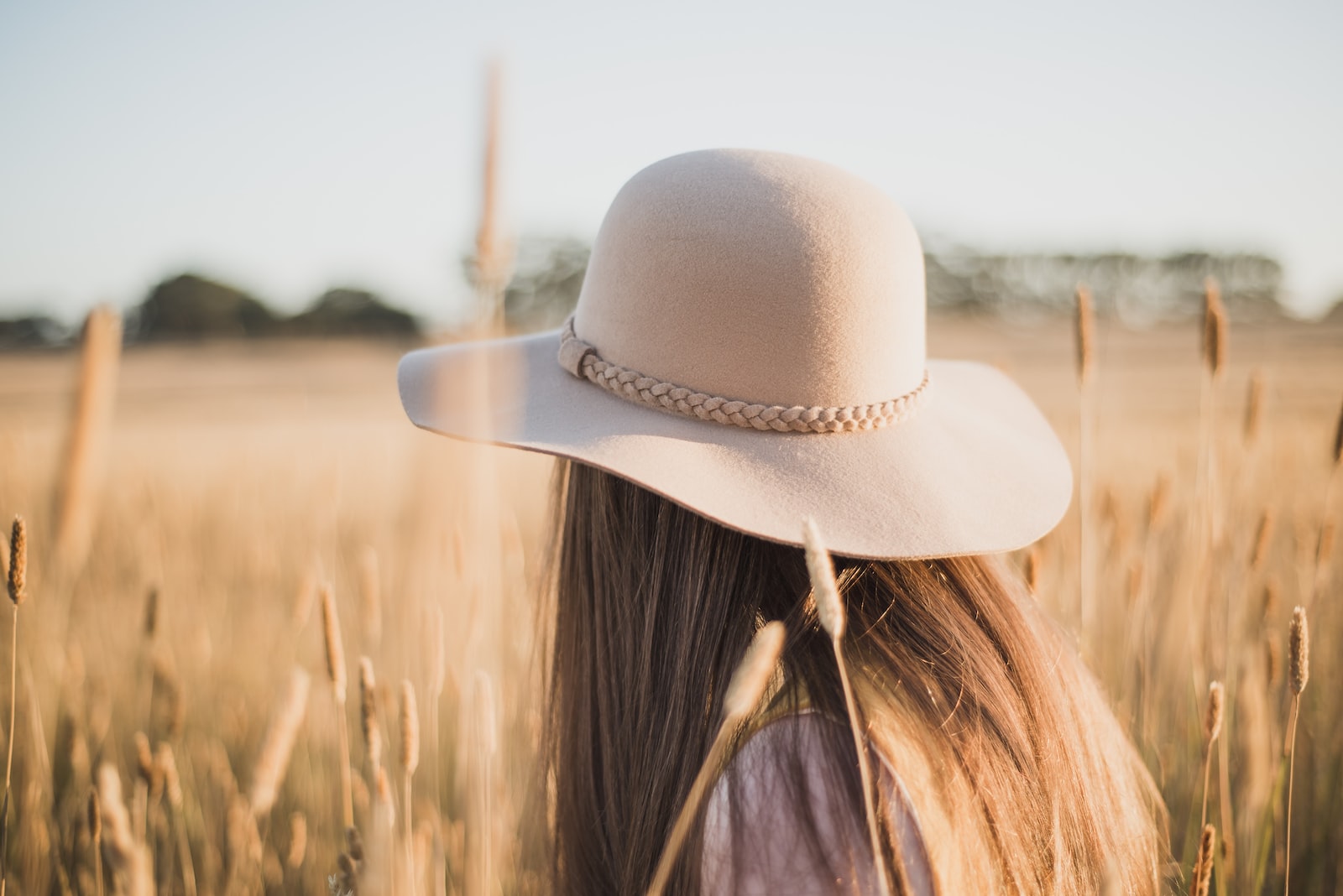
The average hat size for women is 7, which corresponds to a head circumference of 21.5 inches. However, there is significant variation in hat sizes, and some women may need a size that is significantly larger or smaller than the average. Hat sizes can also be affected by the type of hair worn, as well as the height and weight of the individual.
Remember that you can always try on different hats to find the perfect fit
In today’s world, there are endless options and choices to make. When it comes to finding your place in the world, it can feel like you’re trying on different hats, hoping to find the perfect fit. The beauty of life is that you can always keep trying on different hats until you find the one that feels just right. Maybe you’ll find that you’re a natural-born entrepreneur. Or maybe you’ll discover that you’re a talented artist. Whatever it is that you find, remember that there’s no rush. Take your time exploring different options and, eventually, you’ll find the path that’s meant for you.
Different hat styles for different occasions
While there are many different hat styles out there, some of the most popular include baseball caps, fedoras, beanies, and cowboy hats. Each of these hat styles can be worn for different occasions. For example, a baseball cap might be more appropriate for a casual day out, while a fedora might be more suitable for a nicer event. It’s important to choose the right hat style for the occasion to make sure you look your best.
Additionally, it’s good to be aware of social etiquette surrounding hats. For instance, did you know that wearing a hat at the table is often considered rude? Understanding the cultural and social norms around hat-wearing can help you avoid awkward situations.
Summary: What is the average hat size for a man?
Now that you know how to measure your hat size, it’s time to find the perfect fitting hat! With so many different types of hats available, it’s important to try on a few different styles before making your final decision. And don’t forget - that sizes can vary depending on the type of hat, so make sure you’re looking at the right chart when consulting the hat chart for size guide. Once you’ve found the perfect hat, you’ll be ready for any occasion!
Mens Old Money Style: Timeless Fashion for Modern Elegance
When it comes to fashion, the allure of the “mens old money style” transcends fleeting trends, offering a timeless elegance that speaks volumes about taste and sophistication. This style isn’t about flaunting wealth but embracing a lifestyle that prioritizes quality and understated refinement. Picture the classic icons of old Europe—men who defined sartorial excellence not just with their wealth, but with their impeccable taste.
Dressing in the men’s old money style means investing in pieces that exude sophistication without shouting for attention. It’s about choosing well-tailored suits, sophisticated blazers, and high-quality dress shirts that fit like a second skin. The charm of this aesthetic lies in its subtlety, where every piece is carefully selected to enhance one’s persona with quiet confidence.
In a world obsessed with fast fashion, adopting the men’s old money style is a commitment to tradition, quality, and timeless elegance. It’s about walking with grace and carrying oneself with the dignity of a true gentleman.
Understanding The Old Money Aesthetic

The Old Money Aesthetic symbolizes an era of refined elegance and timeless fashion. It’s more than just menswear; it’s a statement of enduring sophistication. Key elements of this style include high-quality garments in a neutral color palette and subtle accessories that enhance a man’s refined appearance. Unlike fleeting trends, this aesthetic focuses on clothing that exudes elegance through understated luxury like Egyptian cotton dress shirts and tailored blazers. The subtlety inherent in the Old Money look is crucial, conveying wealth through quiet confidence rather than flashy logos or extravagant displays.
When considering mens old money clothing, fabric quality plays a significant role in achieving a polished appearance. Linen shirts in earthy tones and well-fitted jeans serve as wardrobe essentials for effortless sophistication. For formal events, classic pieces such as a white shirt paired with tailored suits ensure a polished appearance. Monk strap shoes and leather loafers reflect timeless style, while a classic wristwatch remains a staple in the Old Money wardrobe. Both critical and subtle accessories, like a bow tie for black tie events, contribute to an effortlessly stylish ensemble.
To embrace this aesthetic, focus on the personal style that prioritizes quality over quantity. The Old Money look honors tradition with garments and accessories that are refined, understated, and carefully sourced. A fabric like Egyptian cotton for shirts assures of the ideal sleeve length and comfort. Choose oxford shoes, a polo shirt, or a tailored blazer to embody the classics. Steering clear of bold trends and focusing on enduring style manifests the essence of Old Money elegance, linking past conventions with modern appeal.
Key Elements of Men’s Old Money Style

Mastering men’s old money style means prioritizing timeless elegance over trendy fashion. Key elements include investing in quality materials and classic designs that exude sophistication.
Timeless Wardrobe Staples
Crucial elements in an old money wardrobe are classic pieces that provide a polished appearance for formal events and everyday life. Tailored blazers and well-fitted jeans showcase understated sophistication, while linen shirts in earthy tones add an effortlessly stylish touch. High-quality dress shirts made from Egyptian cotton offer ideal sleeve length and comfort, essential for a refined appearance. Monk strap shoes and leather loafers complete the ensemble, created from durable materials. These core principles prioritize lasting elegance over fleeting trends.
Subtle Elegance in Accessories
Accessories can elevate an outfit’s overall style. Opting for subtle accessories with minimal branding creates a seamless, understated luxury. A classic wristwatch adds a touch of timeless sophistication and serves as a practical piece. Simple ties and pocket squares enhance a tailored look, integrating style without distraction. When attending black tie events, a bow tie offers a distinguished touch. Oxford shoes complement these accessories by providing classic style and comfort. By focusing on these details, one can embody old money elegance effortlessly.
Essential Clothing Pieces
Old money style embodies timeless sophistication through well-chosen wardrobe pieces. These clothing essentials focus on fabric quality and a refined appearance, emphasizing an effortlessly stylish look.
Suits and Tailoring
Tailored suits are cornerstone elements of men’s old money style. Bespoke suits crafted to fit specific measurements prioritize ideal sleeve length and well-fitted shoulders. The focus on subtle details like a tapered waist enhances a polished appearance, making them suitable for formal events. Pairing these with monk strap shoes and a classic wristwatch can exude sophistication without the need for flashy logos. Black tie events might call for additional touches, such as a bow tie or subtle accessories with subtle branding to maintain an air of understated elegance.
Polo Shirts and Casual Elegance
A polo shirt is a key element in achieving a relaxed yet refined look. Made from quality materials, these shirts often come in a neutral color palette or earthy tones, allowing them to seamlessly integrate into an old money wardrobe. Polo shirts blend casual wear with a touch of timeless charm, representing how timeless style for men can align with both everyday life and semi-formal occasions. Paired with well-fitted jeans or tailored chinos, they effortlessly convey an air of upper-class sophistication, further accentuated by the absence of ostentatious detailing.
Outerwear Essentials
Outerwear in classic old money style leans towards timeless pieces like tailored blazers and classic trench coats. These items, often in dark shades or classic colors, enhance the overall look while providing functionality. Investing in garments made from quality materials ensures they withstand fleeting trends, maintaining enduring elegance. Pairing such outerwear with leather loafers or oxford shoes completes the ensemble, allowing one to seamlessly navigate from casual strolls to more formal occasions without compromising on a refined appearance.
Footwear Choices
Footwear is a vital component of men’s old money style, emphasizing a polished appearance and refined elegance. Oxford shoes, known for their clean lines and closed lacing, exude sophistication suitable for both formal events and everyday wear. A quality leather pair in dark shades can seamlessly integrate into a wardrobe, reflecting a commitment to classic style over fleeting trends. Their timeless charm is evident in their versatility, making them a staple for any old money wardrobe.
Monk strap shoes, characterized by distinctive buckle closures, offer a timeless style without flashy logos. These shoes pair well with tailored suits and dress pants, ensuring a refined appearance for semi-formal settings. Opt for versions crafted from high-quality leather to maintain their elegance and durability. Whether attending black tie events or business meetings, monk straps deliver an effortlessly stylish look that resonates with old money aesthetic.
Leather loafers embody understated luxury, balancing casual wear with elegant design. Favor designs in a neutral color palette, like earthy tones and blacks, to match well-fitted jeans or linen shirts. These loafers add sophistication without sacrificing comfort, ideal for those drawn to the finer aspects of fashion without overt displays. Incorporating such footwear into a wardrobe reaffirms one’s adherence to timeless elegance and the enduring style associated with old money heritage.
The Role of Grooming

Grooming plays a vital role in embodying the classic old money style, enhancing one’s refined appearance. A classic side part is a timeless choice, offering an effortlessly stylish look that exudes sophistication. Gentlemanly grooming doesn’t involve flashy logos or extremes; instead, it relies on core principles of neatness and understated elegance. Regular trims and attention to ideal sleeve length in tailored blazers ensure a polished appearance for formal events and semi-formal occasions.
Facial grooming further reinforces this high standard. A clean-shaven look or a well-maintained beard complements the neutral color palette and classic wristwatch worn at black tie events. Opting for quality materials in grooming products parallels the focus on fabric quality in clothing choices like Egyptian cotton dress shirts and linen shirts in earthy tones. Just like monk strap shoes add timeless sophistication to outfits, subtle branding in grooming products and accessories should maintain the understated luxury inherent in old money elegance.
Key elements of an upper-class grooming routine reflect the emphasis on personal style and enduring elegance. Proper skin care, often overlooked, is crucial for an effortlessly stylish demeanor. This attention to detail in all aspects—from the perfectly adjusted bow tie to well-fitted jeans—bridges personal elegance with the heritage of inherited wealth and timeless style for men.
[affiliatable id=‘269287’]
Achieving the Old Money Look on a Budget
Adopting a refined appearance doesn’t require wearing expensive clothes. By focusing on key elements, such as fabric quality and classic menswear staples, it’s possible to embody an effortlessly stylish look. Start with wardrobe essentials like a tailored blazer and a couple of well-fitted jeans. These pieces can exude sophistication without breaking the bank. Subtle accessories, like a classic wristwatch, can add to the polished appearance you seek for semi-formal occasions.
Consider thrifting or exploring affordable old money brands that offer durable items in a neutral color palette. Prioritize a white shirt in Egyptian cotton or a polo shirt in earthy tones, which play well with dark shades and pair seamlessly with timeless accessories. Quality shoes like leather loafers or monk strap shoes provide the finishing touch to an enduring style. Embrace the old money aesthetic by opting for timeless pieces over fleeting trends.
Grooming is essential for achieving a polished appearance. Choose a classic side part and maintain neatness in your hairstyle to reflect inherited wealth and upper-class sensibilities. Avoid flashy logos or excessive branding, and instead focus on ideal sleeve length and small details that enhance your clothing’s tailored fit. This approach facilitates a connection with core principles of understated elegance and timeless sophistication, even for black tie events.
Final Thoughts: Mens Old Money Style:
Embracing the old money style isn’t just about fashion; it’s a commitment to timeless elegance and personal refinement. By focusing on quality over quantity and selecting pieces that resonate with understated sophistication, anyone can embody this classic aesthetic. Whether it’s through tailored suits, subtle accessories, or polished grooming, the essence of old money style lies in attention to detail and a dedication to enduring elegance. Even on a budget, it’s possible to achieve this refined look by investing in key wardrobe staples and prioritizing craftsmanship. Ultimately, this style transcends trends, offering a polished appearance that stands the test of time.
Why Are Mens Clothes More Expensive?
Why are mens clothes more expensive than women’s? Though it will be argued here, the answer is that women buy more clothes than men, and retailers who sell female clothing bring down their prices to stop women from looking elsewhere. However, this all varies depending on where someone lives since “buying culture” differs among societies.
Men’s fashion has evolved significantly over the years, with an array of clothing options available. While basic clothes can be found at various price points, there’s a notable trend toward higher prices in men’s fashion, leaving many wondering why men’s clothes are often more expensive.
One contributing factor to the elevated cost of men’s clothing lies in the intricate nature of clothing patterns and the substantial budget allocated by renowned brands. The meticulous design and precision required for crafting men’s garments, such as tailored suits and high-quality shirts, contribute to the overall production value.
Men are often perceived to approach clothing purchases with a pragmatic mindset, focusing on timeless pieces that withstand changing trends. This emphasis on longevity in style might lead to higher production costs, as durability and attention to detail become paramount.
The labor-intensive processes involved in creating men’s clothing also play a significant role in the higher price tags. From precise tailoring to intricate stitching, the craftsmanship required for men’s fashion can be more demanding, resulting in increased production costs.
Moreover, the overall retail landscape adds another layer to the pricing dynamic. While women traditionally buy more clothes than men, the market for men’s fashion has seen a surge in demand. Retailers keen on catering to this growing market may price their items higher, reflecting both the production value and the perceived value of men’s clothing.
Branding also contributes to the higher prices associated with men’s fashion. Established brands often carry a certain prestige and reputation, commanding premium prices for their products. Consumers may be willing to pay a premium for the perceived status and quality associated with these brands.
The higher cost of men’s clothing can be attributed to a combination of factors, including intricate clothing patterns, brand budgets, the labor-intensive nature of production, and the evolving dynamics of the retail market. While men’s fashion may come at a higher price, the emphasis on quality, craftsmanship, and enduring style remains a driving force behind the choices made by both consumers and fashion brands.
Why Are Men’s Clothes More Expensive?
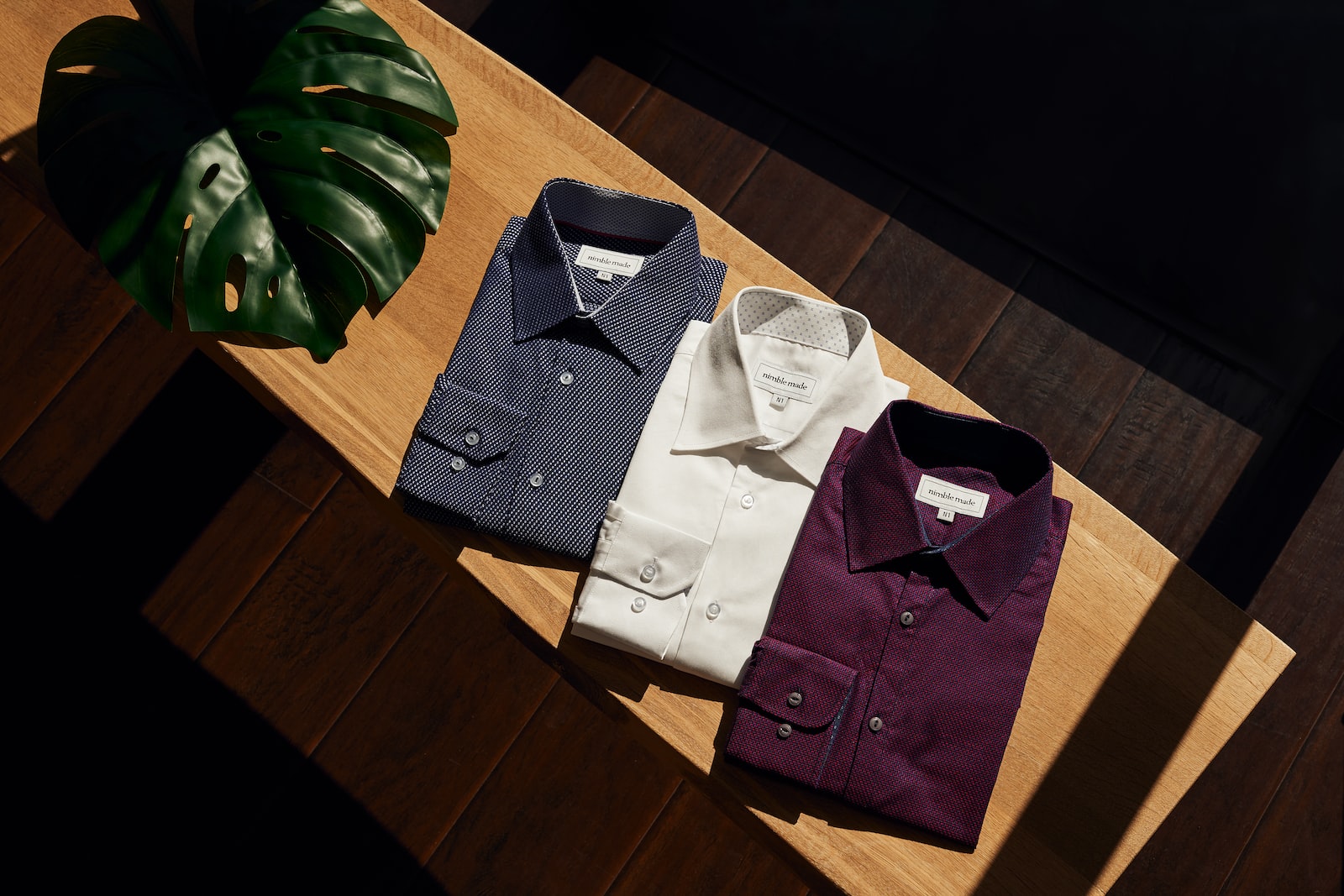
If women buy as much clothing as men, would they still purchase clothing as frequently? In some cultures, women’s version tends to accessorize more than their male counterparts and make detailed choices accordingly.
A fashion public relations firm found that more than 40% of women use online shopping apps, compared to less than half that number for men. The study also found that two-thirds of women shop based on price, while less than 50% of men do the same.
Talking about the gender clothes spending gap, women in the United Kingdom spend an average of $35,000.00 on clothes annually while men only spend about $20,000.00 yearly. The contrast is more apparent when it comes to shoes: women spend nearly twice as much money on shoes than men do. Lastly, the cheaper an item is, the more likely a woman will buy it.
[affiliatable id=‘269039’]
More Reasons Why Are Men’s Clothes More Expensive?
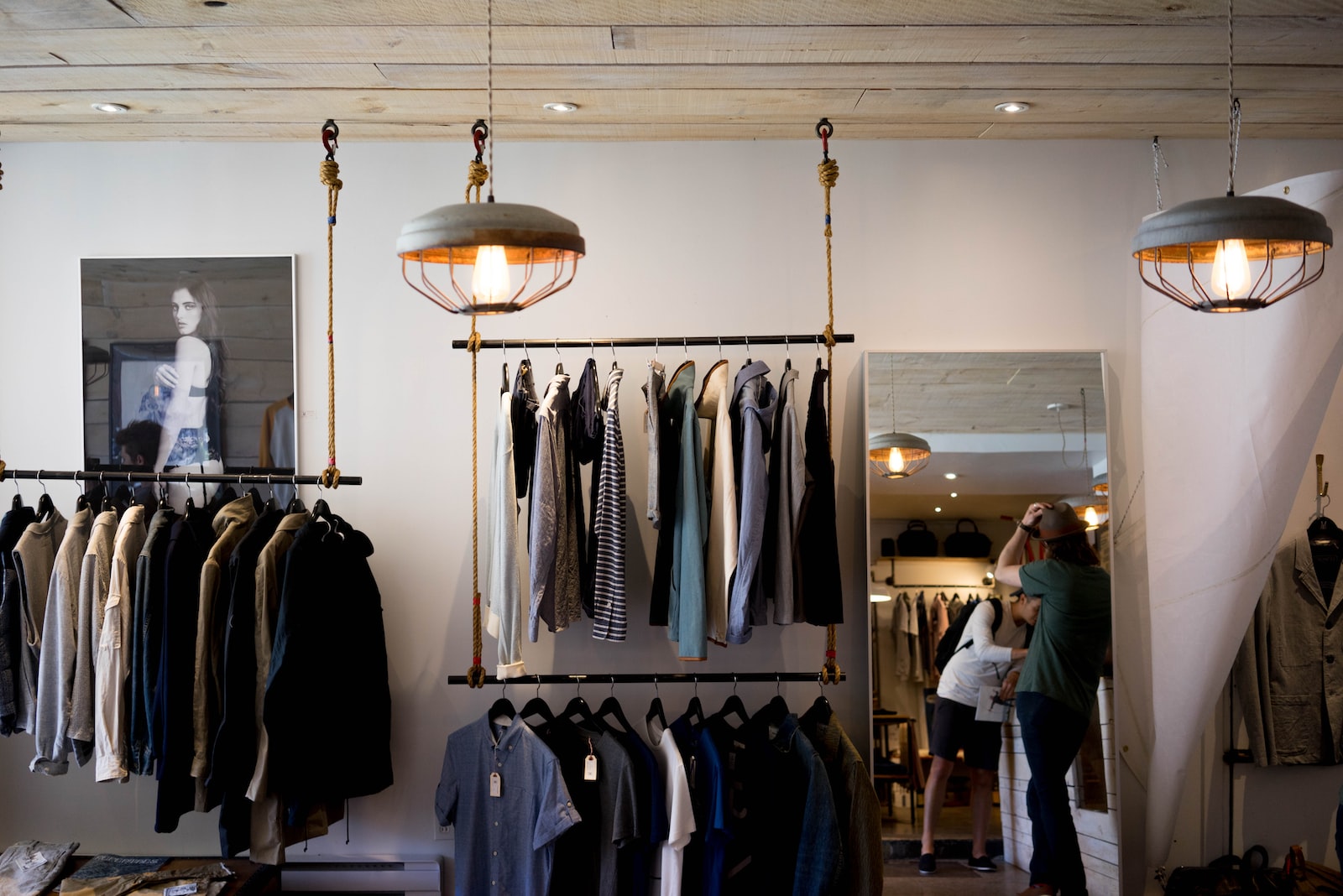
Basic clothing is a term used to describe articles of clothing that can be worn in any season, no matter the weather or occasion. For men, this typically includes items such as T-shirts, trousers, shorts, socks and underwear, sweaters or other types of outerwear.
The better the quality of clothing, the longer it will last- this is one reason why basic men’s clothing tends to be ‘more expensive’ than women’s clothing, which often times appears more complicated but doesn’t always fair as well in terms of longevity. With an understanding of sustainable fashion though, anyone can shop smartly and purchase pieces that will stand the test of time regardless of their gender.
The second reason is that men dress more casually, and this creates a demand for more basic clothing items. The third reason is that the choice of materials, types of dyes, cuts, and details on pants—denim pants for example—are important considerations when choosing basic clothes for men.
Jeans that are priced affordably can be worn for multiple years, and they can either be dressed down with sneakers or up with a suit.
In addition, the production process is taken into account. The more comfortable and technologically updated it is, the better. For instance, tubular knitting creates a softer fabric that feels nicer against your skin.
The loop-wheel technique, for example, gives shirts the ability to remain unstretched even after being washed multiple times. Socks that have connected feet are another product worth spending extra money on because of their durability.
In addition, men have fewer acceptable clothing options when it comes to workwear and the workplace. This means that they may need to purchase a larger quantity of clothing, with more basic styles, in order to achieve a professional appearance.
Overall, there are many reasons why men’s attire tend to be more expensive than women’s clothes. Whether due to quality and longevity factors or simply demand for. Women’s clothing requires much more detailed attention and often includes a greater number of materials and design choices, which can lead to higher production costs.
Understanding these factors, however, can help consumers make more informed decisions about where and how they spend their clothing budget. Or what enable cheap shopping at high volumes primarily cater or where you can find few cheap outlets.
Final Thoughts on Why Are Men’s Clothes More Expensive?
Whether you’re a man or woman, there are many factors that go into men’s clothing costs and women’s clothing. Ultimately, it comes down to new men’s fashion startups, quality, durability, and the materials used in production. While these factors may vary depending on gender’s aesthetic future and budget constraints, it is always possible to make smart choices when shopping for clothing that will fit the needs of your lifestyle.
Personal Style and Refined Living: Dressing Life’’s Stage
In the world of fashion and lifestyle, personal style plays a significant role in refined living. It is a unique expression of one’s personality and taste, reflecting elegance in fashion and lifestyle choices. This article delves into the importance of personal style and refined living, offering tips for curating a timeless and sophisticated wardrobe and balancing self-expression with elegance and appropriateness.
Exploring the Significance of Personal Style and Refined Living:
Personal style in refined living goes beyond merely following the latest fashion trends. It is about finding one’s own personal style that reflects individual preferences and values. A sophisticated wardrobe is a key element in this pursuit, enabling individuals to dress elegantly in daily life. By carefully selecting pieces that exude style and refinement, individuals can create a visual representation of their personality and taste. [caption id=“attachment_2666” align=“aligncenter” width=“300”] personal style and refined living[/caption]
Tips for Curating a Timeless and Sophisticated Wardrobe
1. Invest in classic pieces: Classic pieces, such as a well-tailored blazer, a little black dress, and a pair of high-quality denim jeans, form the foundation of a sophisticated wardrobe. These timeless staples can be effortlessly styled to create various looks, ensuring that you always feel put together. 2. Embrace signature style: Developing a signature look can elevate your personal style and make you feel like a million bucks. Experiment with different styles and silhouettes to find what suits you best, and incorporate those elements into your everyday attire. 3. Opt for quality over quantity: Instead of chasing every passing fashion trend, focus on building a wardrobe filled with well-made, quality pieces. By adopting a minimalist approach and curating a capsule wardrobe, you can create endless stylish outfits without succumbing to fast fashion. [caption id=“attachment_2668” align=“aligncenter” width=“240”]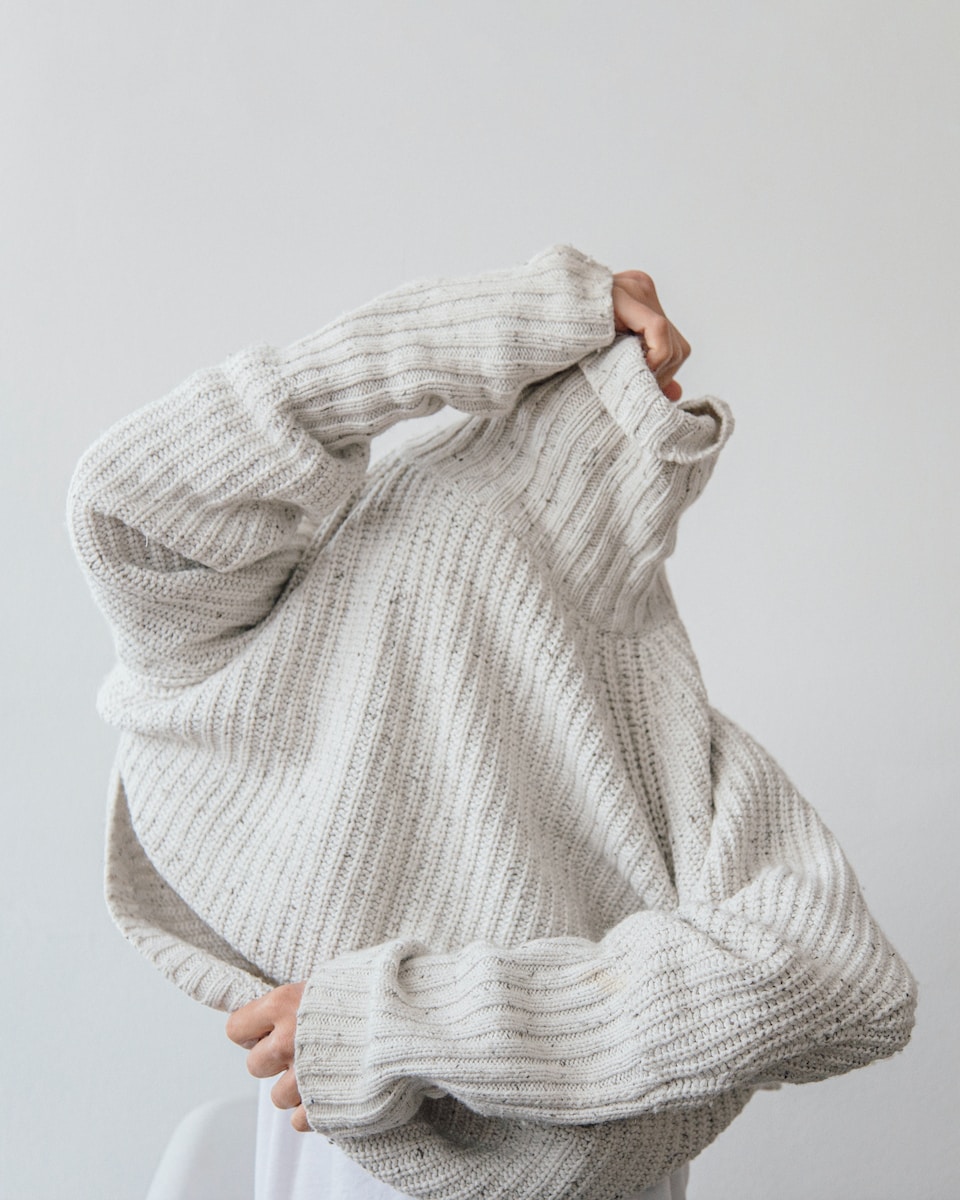 personal style and refined living[/caption]
Balancing Self-Expression With Elegance and Appropriateness
Self-expression is an integral part of personal style, but it should be balanced with elegance and appropriateness. While it is essential to stay true to oneself and wear what makes you feel confident, it is equally important to consider the occasion and dress accordingly. 1. Consider the event: For special occasions, opt for more formal attire, such as a tailored suit or a sophisticated dress. On the other hand, for more casual events, embrace a relaxed yet polished look with oversized sweaters and well-fitted jeans. 2. Embrace neutral colors: Neutral colors, such as black, white, beige, and gray, have a timeless appeal and effortlessly exude elegance. When in doubt, opt for a neutral color palette and let the simplicity of your outfit speak for itself. Additionally, choosing the right color shoes for a hot pink dress can significantly enhance your look, making you stand out in a sophisticated manner. 3. Create a mood board: Creating a mood board can help you visualize your style goals and inspire your fashion choices. Collect images of looks that resonate with you and use them as a reference when building your wardrobe.
How Clothing Choices Reflect Values and Contribute to Refined Living
The choices we make in terms of clothing reflect our values and contribute to our overall refined living. By carefully selecting pieces that align with our personal style and values, we can create a cohesive and impactful wardrobe. 1. Make conscious purchases: Instead of constantly changing your wardrobe to chase the latest fashion trends, make conscious purchases that align with your personal style and values. Consider the ethical and sustainable aspects of the brands you support, and opt for quality pieces that stand the test of time. 2. Avoid making mistakes: When it comes to personal style, making mistakes is inevitable. However, by paying attention to fit, fabric, and personal preferences, you can minimize the chances of making fashion blunders. Take the time to try on clothes, experiment with different styles, and seek advice from trusted sources. 3. Invest in versatile pieces: Versatile pieces, such as a well-fitted pair of ballet flats or a tailored blazer, can be effortlessly dressed up or down for various occasions. These investment pieces allow for maximum versatility and ensure that you always feel put together. In conclusion, personal style plays a significant role in refined living. By curating a timeless and sophisticated wardrobe, balancing self-expression with elegance and appropriateness, and making conscious clothing choices, we can reflect our values and contribute to a refined lifestyle. Remember, style is not about having a big budget; it is about embracing your own personal style and feeling like a million bucks every day.
The Etiquette of Tea Drinking: Traditions and Practices
Imagine settling into a cozy afternoon with a steaming cup of tea, ready to unwind or chat with friends. Yet, even in such a simple pleasure, there’s a rich tapestry of customs to consider. The etiquette of tea drinking is deeply rooted in traditions that span from the bustling tea rooms of the UK to the serene tea ceremonies of Japan and China. Understanding these practices isn’t just about following rules; it’s about embracing a cultural experience that enhances your enjoyment and respect for this timeless beverage. Navigating the etiquette of tea drinking can seem daunting at first. Whether you’re stirring your tea correctly or placing your spoon just so on the saucer, each detail offers a glimpse into the history and cultural importance of tea. Let’s delve into these rituals and discover how you can enjoy your tea not just as a drink, but as an act of cultural immersion and elegance.
The History of Tea Etiquette
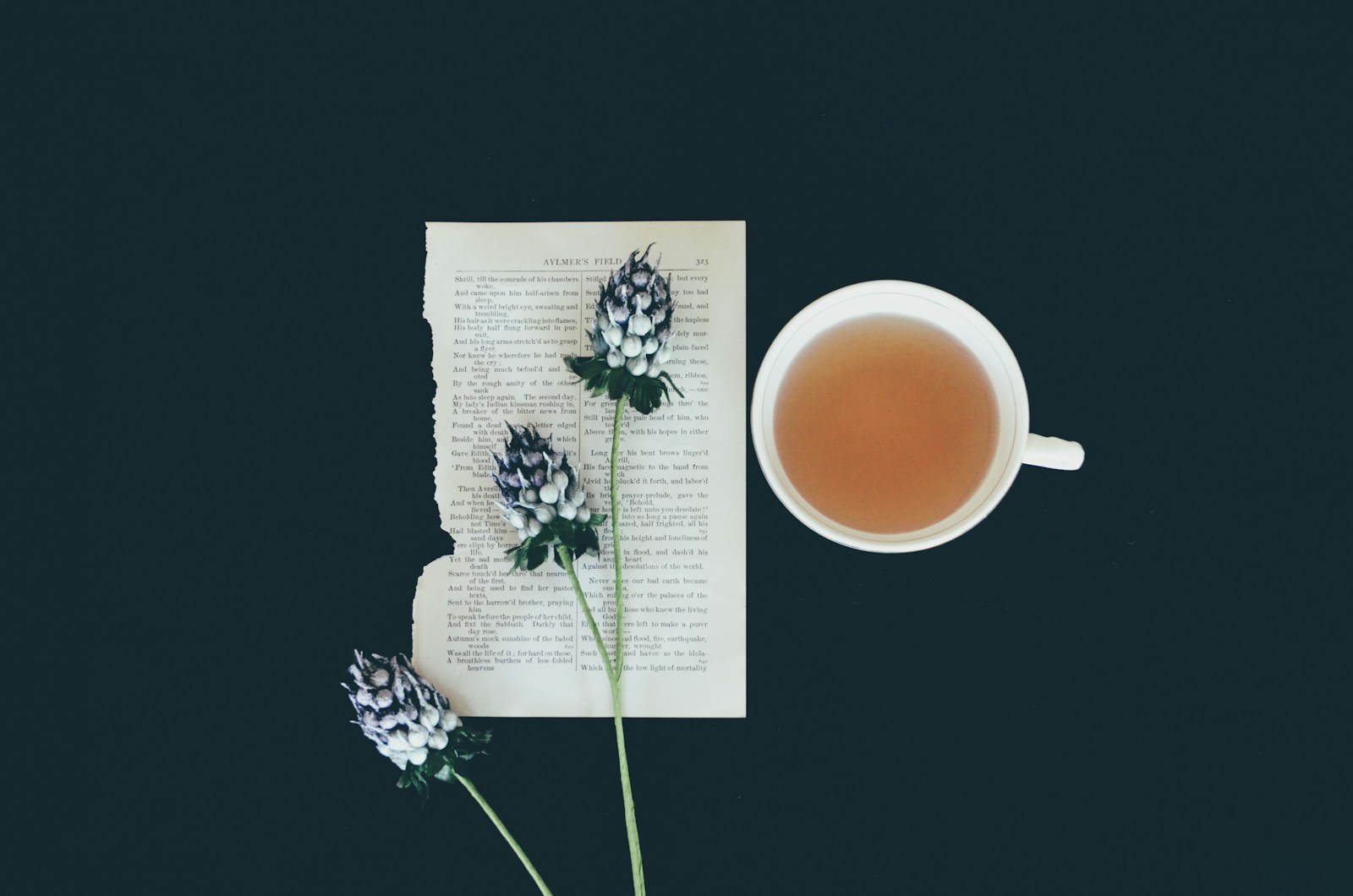
Origins and Cultural Variations
Tea drinking, a revered tradition with roots stretching back millennia, showcases distinct cultural variations that reflect the intricacies of social customs and historical contexts. In China, often considered the birthplace of tea, the practice of tea drinking spans more than 4,000 years, evolving from a medicinal concoaliton to an entrenched social ritual. Chinese tea ceremonies, known for their solemnity and philosophical depth, emphasize harmony, respect, purity, and tranquility—an ethos encapsulated in the Cha Dao, or the Way of Tea. Transitioning from East to West, tea etiquette took on new forms. The introduction of tea to Europe in the 17th century by Portuguese and Dutch traders transformed it into a symbol of status and social sophistication, particularly in Britain. Here, afternoon tea evolved into a significant social event during the early 19th century among the upper class, inaugurating customs such as the “tea party,” where the practices of serving a selection of teas accompanied by sandwiches and scones became entrenched in the social fabric. Beyond simple beverage consumption, Japanese tea etiquette presents another unique tradition, the tea ceremony or Chanoyli, which blends spirituality with hospitality, focusing on the aesthetics of tea preparation and serving. This ritual is deeply tied to Zen Buddhism and emphasizes the beauty in simplicity—a concept that influences not only tea-making but also the architecture of tea rooms and the design of tea utensils. Each of these traditions offers a window into how cultures across the world imbibe tea not just as a drink but as an experience, laden with historical significance and social ethics. As you explore these varied traditions, you gain not only appreciation for the beverage itself but also a deeper understanding of the global cultures that cherish it.
Essential Rules of Tea Etiquette
The Right Way to Hold a Teacup
To master tea etiquette, start by knowing the correct way to handle your teacup. Place your index and middle fingers behind the handle, and rest your thumb on the front. Ensure that your fingers don’t curl through the handle itself. Support the base of your teacup with your ring and pinky fingers, which must remain angled downwards, not raised. This grip helps maintain balance and control of the teacup, enhancing the sipping experience while adhering to proper tea drinking etiquette.
Proper Stirring Techniques
When it’s time to stir your tea, there’s a specific method to follow. First, if you’ve added sugar or milk, use your teaspoon to gently stir from the 6 o’clock to the 12 o’clock position, typically making just two to three rounds within the teacup. Avoid stirring vigorously or creating a swirling motion, as this is considered rude and may even cause unwanted noise or damage to the teacup. Once done, carefully place your spoon on the saucer behind the cup. This technique not only prevents clinking noises but also respects the serene ambience of a tea session.
The Dos and Don’ts of Sipping Tea
When sipping tea, take modest, quiet sips to truly embrace the essence of afternoon tea etiquette. Do not slurp your tea loudly, as this disrupts the tranquility of your surroundings. Make sure your spoon is off the teacupid you’ve finished stirring, keeping the tea area uncluttered. If you need to leave your seat, remember to gently place your teacup back on the saucer without lifting the saucer itself, unless you’re standing, in which case, hold the saucer in your left hand while sipping with your right. This attention to detail ensures that your tea drinking practice enhances your social grace and etiquette at any tea gathering.
Afternoon Tea vs High Tea
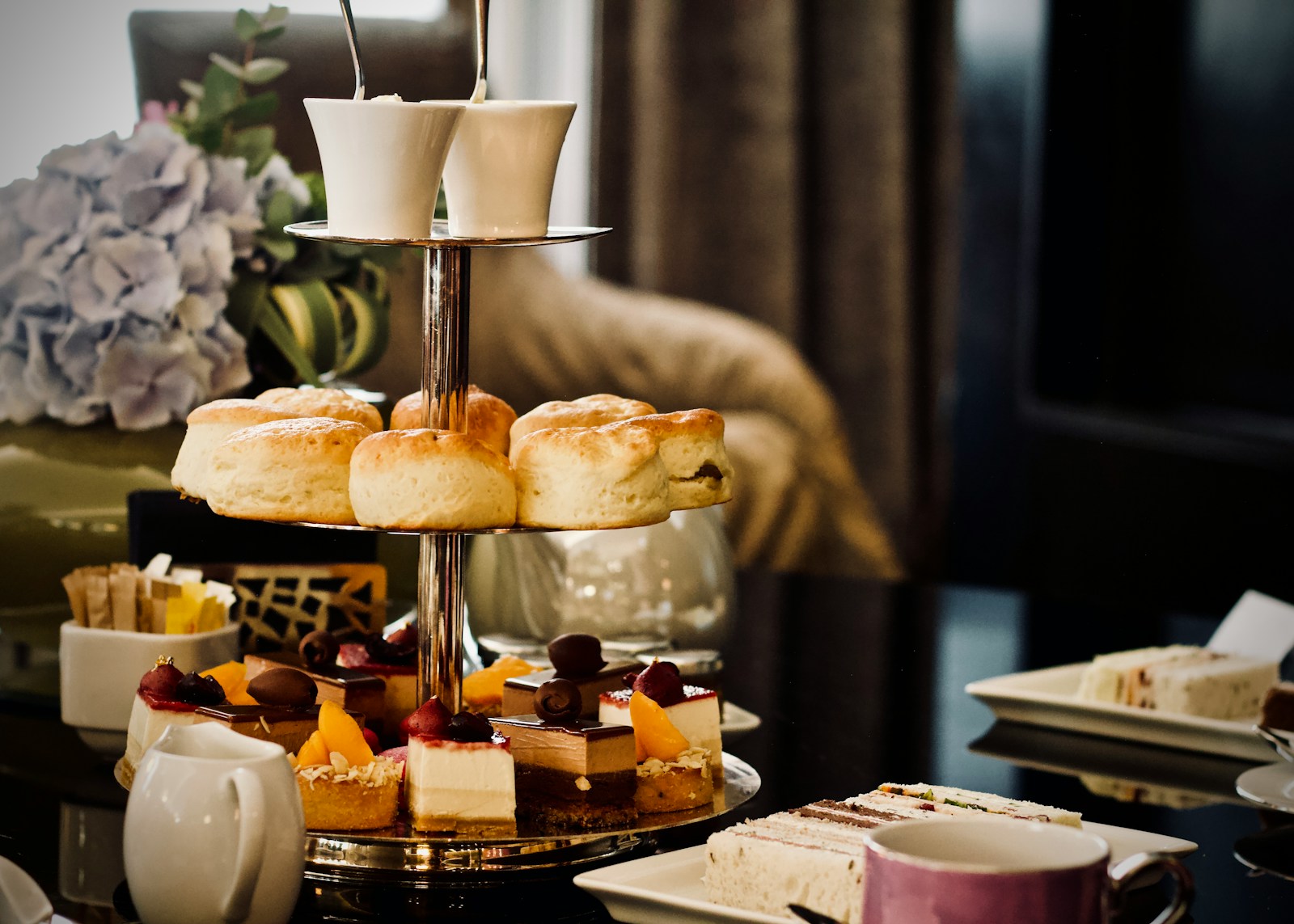
Understanding the Differences
When discussing the etiquette of tea drinking, it’s crucial to differentiate between afternoon tea and high tea, as each carries its unique set of traditions and social implications. Afternoon tea, traditionally enjoyed between 3 and 5 PM, represents a time for leisure and sophistication. Often associated with the upper class, this ritual involves a spread of finger sandwiches, scones with clotted cream and jam, and an assortment of sweets served on a three-tiered stand. It’s an event marked by its genteel social graces and formal dress code, often considered an opportunity to showcase good manners in a social setting. High tea, contrary to its name, originated from the working-class meal served at the end of the workday, around 5 or 6 PM. It includes heartier dishes like meat pies, eggs, and fish, served along with bread, butter, and tea. High tea is more akin to a full dinner than the light snacks of afternoon tea, reflecting its roots in the bustling lives of the 19th-century British working class. The term “high” comes from the high-backed chairs and higher dinner table used, as opposed to the relaxing lounges of afternoon tea. Knowing these distinctions helps you appreciate the cultural depth behind each tea experience and ensures you approach them with the correct decorum. Whether you’re enjoying the refined tranquility of afternoon tea or embracing the more robust high tea, understanding their origins and the appropriate etiquette enhances your tea-drinking pleasure.
Setting the Tea Table
Layout and Decorum
When setting the table for afternoon tea, a blend of aesthetics and functionality remains crucial. Arrange the tea table with a centerpiece such as a floral arrangement to enhance the ambiance, keeping it low enough to encourage easy conversation across the table. The proper tea etiquette requires the china teapot, sugar bowls, milk jugs, and teacups to be placed at the center of the table for accessibility. The table should be draped in a clean, elegant tablecloth, with linen napkins provided for each guest. Plates should be set in front of each chair, with teaspoons and forks placed to the right of the plates, and knives to the left if snacks requiring them are served.
What to Serve and How to Serve It
Traditionally, afternoon tea includes a menu of finely cut finger sandwiches, freshly baked scones served with clotted cream and jam, as well as a variety of delicate pastries and cakes. Begin by serving savories like sandwiches, progressing to scones, and conclude with sweets, to honor the typical order of afternoon tea. Serve each course from separate tiered serving stands—savories on the bottom tier, scones in the middle, and sweets on the top, to maintain organized and elegant access to the array of options. As a host, ensure each guest receives their tea brewed according to preference with all accompaniments like lemon slices, milk, and sugar served in separate dishes to maintain the highest standards of tea etiquette.
Attire and Mannerisms
Dress Code for Tea Events
When attending a tea event, dressing appropriately reflects respect for the occasion and its participants. A smart casual dress code typically suffices for most tea events. For women, this may include a modest dress or a blouse with a skirt or trousers. Men often opt for slacks paired with a collared shirt; ties are optional unless specified. In settings that require more formality, such as a high tea linked with a special occasion, dresses and suits might be more appropriate. Footwear should be clean and conservative, complementing your outfit while ensuring comfort as tea events can extend over several hours.
Polite Conversation and Behavior
At tea events, good manners dictate the flow of conversation and behavior. Begin with quiet sips of your tea, taking care not to slur single words or make loud noises, as these are considered rude. Polite conversation should revolve around light topics, avoiding controversial subjects to maintain a pleasant atmosphere. It’s important to engage with all guests, making eye contact and including everyone in the discussion to ensure no one feels left out. Remember to use your napkin discreetly, place it on your lap, and avoid placing used utensils back on the table. Observing these polite behaviors helps you enjoy the full experience of the tea event while respecting the etiquette embedded in this cultural tradition.
Global Tea Traditions
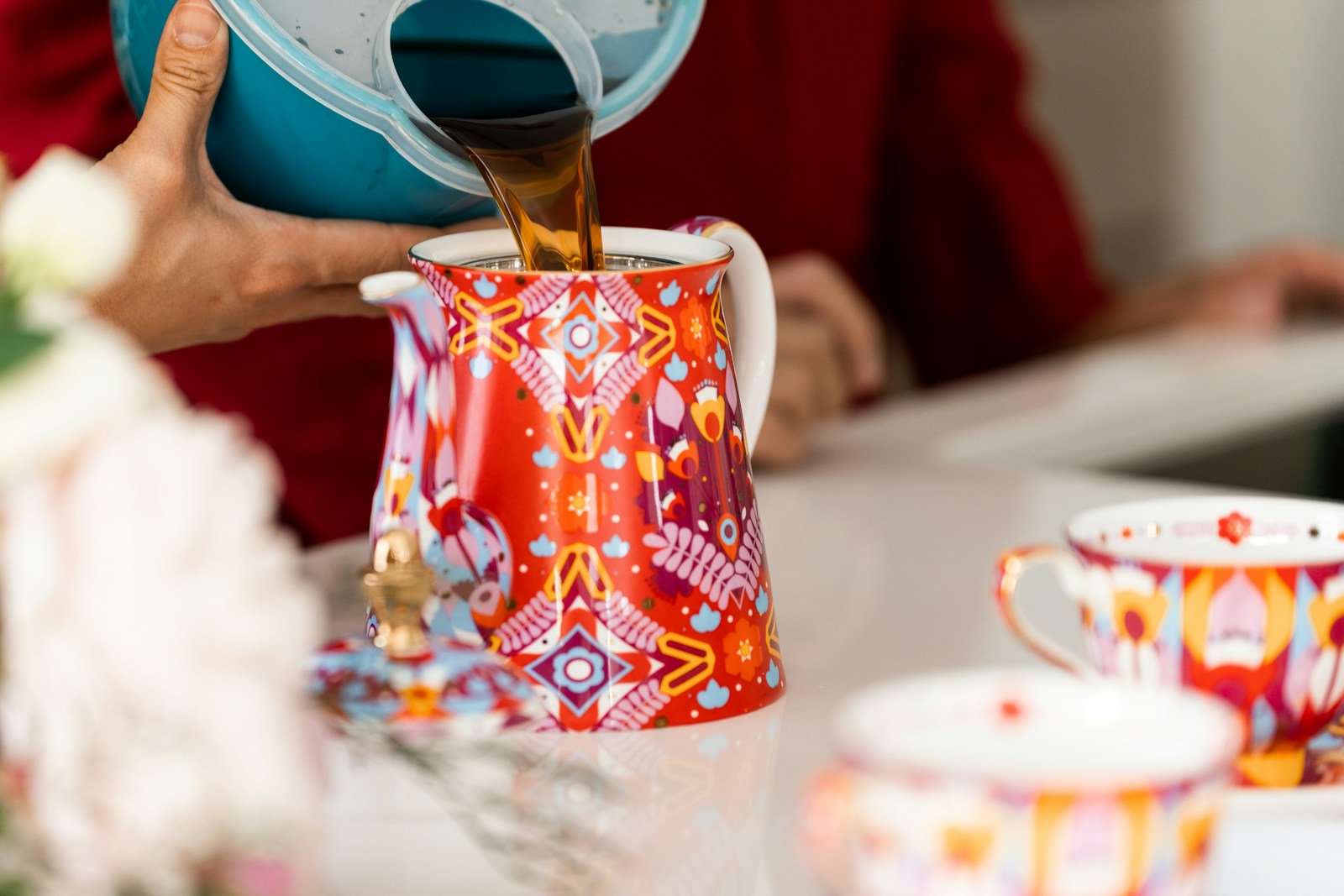
Chinese Tea Ceremony Practices
In China, the tea ceremony, often known as ‘Gongfu Tea Ceremony,’ is a spiritual and communal event that emphasizes the art of tea preparation and sipping. You’ll notice the meticulous care taken in the selection of tea leaves, the temperature of the water, and the timing of infusion, each step aimed at enhancing the flavor and aroma of the tea. It’s not just about drinking tea; it’s about appreciating the tranquility and mindfulness that comes with it. Moreover, the host performs these protocols with a high level of skill, showcasing both their knowledge of tea traditions and their respect for the guests. The ceramics employed are equally crucial. Often, a small, unglazed teapot made of Yixing clay is used, which is believed to retain the memory of the tea, adding depth to each subsequent brew. Each guest, using small sips, enjoys their tea from tiny cups, which are thought to concentrate the tea’s essence. This ceremony is not only a significant cultural experience but also a moment to forge deeper connections through the shared appreciation of fine tea.
Japanese Tea Ceremony Rituals
The Japanese tea ceremony, known as ‘Chado’ or ‘The Way of Tea’, is another profound representation of tea drinking etiquette and philosophy. Unlike other tea ceremonies, Chado revolves around four principles: harmony, respect, purity, and tranquility. The setting is meticulously prepared to reflect these values, often held in a designated tea room, where every element is symbolic, from the utensils used to the decoration of the space. During the ceremony, the tea master, or Teishu, prepares ‘Matcha’ (powdered green tea) for the guests. The process involves precise movements and a sequence that guests follow, emphasizing respect and attention to detail. The Matcha is whisked with a bamboo brush in a bowl until frothy and served as part of a minimalist ritual that includes sweets to complement the bitter taste of the tea. This ceremony offers a moment of calm and reflection, allowing you to appreciate the subtleties of the tea and the serene environment created for the occasion.
Final Thoughts: The Etiquette of Tea Drinking
Embracing the proper etiquette of tea drinking enriches your understanding of global cultures and enhances your social interactions. Whether you’re participating in a serene Japanese Chado or enjoying an elegant British afternoon tea the rituals and traditions you observe serve as a bridge to deeper cultural insights. Remember it’s not just about drinking tea—it’s about celebrating the art of tea drinking and the mindfulness it cultivates. So next time you lift your teacup do so with awareness and respect for the rich traditions that have shaped this age-old practice. Other suggested articles: Wine Tasting Etiquette: Guidelines for the Discerning Connoisseur Wedding Etiquette: 4 Guidelines for Graceful Celebrations Attire for a Memorial Service Modern Dating Etiquette: 12 Guidelines for Romance International Etiquette: Cultural Tips for Global Communication
Pool Party Attire for Men
Summer is in full swing, and that means pool party season is in full effect! If you’re looking to make a splash at your next pool party, we’ve got you covered with the best pool party attire for men. From tropical print swim trunks to classic board shorts and outfit, we’ve got you covered with the latest and greatest in men’s swimwear fashion. So, dive in and take a look at our top picks for the perfect pool party outfits for men!
Poolside Perfection: Men’s Ultimate Pool Party Attire
Pool parties are a great way to show off your style and have some fun with what you wear. Pool party dress code for men can range from formal to casual, depending on the dress code for your particular event. But no matter what kind of pool party you’re attending, these must-have items will ensure you look stylish and stay comfortable all day long.
Swim in Style: Must-Have Items for Men’s Pool Party Outfits
1. Tropical Print Swim Trunks
Nothing screams summertime like a pair of tropical print swim trunks. Perfect for a pool party, these fun and vibrant swim trunks will help you make a statement wherever your next pool party takes you.
2. Classic Board Shorts
This is the pool party outfit classic. Board shorts are a staple of men’s
swimwear, and they come in a variety of styles and colors to fit any pool
party look.
3. Graphic Tees
Graphic tees are perfect for rocking your own unique style at any pool party. They’re lightweight and breathable, so you can stay cool and comfortable all day long.
4. Tropical Print Swim Trunks
Nothing screams summertime like a pair of tropical print swim trunks. Perfect for a pool party, these fun and vibrant swim trunks will help you make a statement wherever your next pool party takes you.
5. Hawaiian Shirts
Hawaiian shirts are a great way to add a bit of tropical flair to your poolside style. Choose from bright prints or classic whites for an island vibe that’s perfect for any pool party.

6. Swimsuits with Hoods
Swimsuits with hoods are a great way to stay comfortable and covered up at any pool party. With a variety of colors and designs available, you’re sure to find one that suits your style.
7. Nautical Striped Rash Guard
Rash guards are a great choice for pool parties because they offer sun protection while still looking stylish. A classic nautical striped rash guard will add a touch of preppy style to your look and ensure that you stay safe in the sun.
8. Denim shorts
Denim shorts are perfect for a pool party if you want to keep it casual. Choose from a variety of styles and washes for an effortless, laid-back look that’s perfect for any pool party.
9. White sneakers
A pair of white sneakers are a great way to add a bit of edgy style to your pool party attire. Whether you go for classic Chucks or statement-making high tops, they’re sure to make a splash at any pool party. You can wear sneakers with shorts, swim trunks, jeans, or even a full suit.
10. Bucket Hats
Bucket hats are perfect for keeping the sun out of your eyes and the sweat off your face at any pool party. They come in a variety of colors and prints, so you can find one that’s perfect for your style.
11. Sunglasses
Sunglasses are essential for any pool party look. Not only do they keep the sun
out of your eyes, but you also look cool too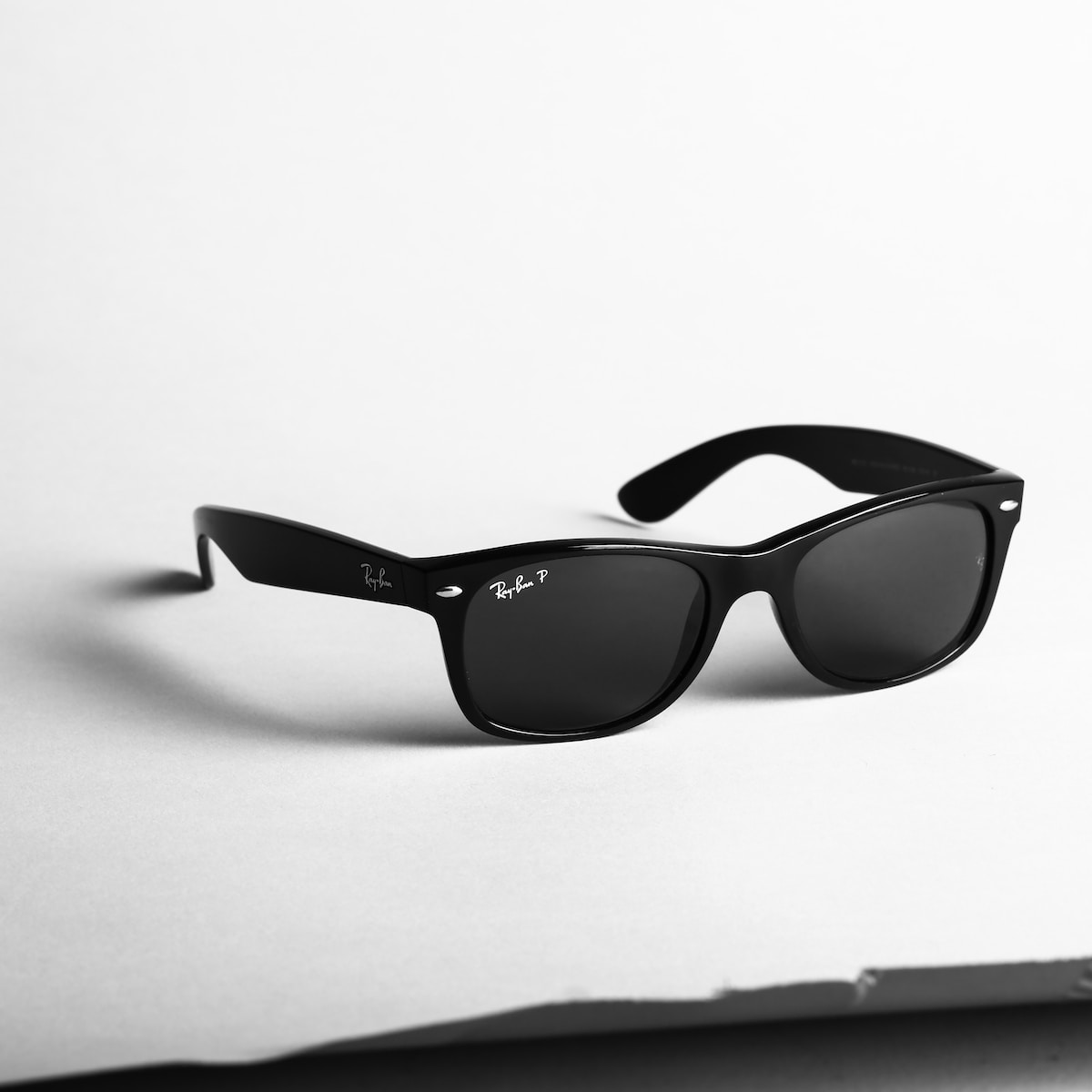
12. Flip Flops
No pool party is complete without a pair of flip flops. Choose from classic black, neon colors, or patterned styles for a look that will keep you comfortable all day.
13. Beach Towels
Beach towels are great for lounging around the pool and soaking up some sun. They come in a variety of fun patterns and designs, so you can choose one that matches your outfit.
Best pool party clothes for women
1. Bikinis
Bikinis are essential for any pool party. Choose from a variety of cuts and styles, from classic triangle tops to bandeaus, to find the perfect suit for your body type and style. Stylish bikini sets will keep you looking your best all day long.
2. Swimsuit Cover-Ups
Swimsuit cover-ups are a great way to add some extra style to your pool party look. Choose from classic kaftans, maxi dresses, and more for an effortless beachy vibe that will keep you looking stylish throughout the day.
3. Sundresses
Sundresses are perfect for any pool party. They’re lightweight and airy, so you won’t overheat, and they come in a variety of prints and colors so you can find one to match your style.
4. Sandals
Sandals are essential for any pool party look. Choose from flip flops or gladiators for a comfortable look that will keep you cool all day long.
5. Hats
Hats are a great way to stay protected from the sun and add a bit of style to your look. Choose from wide-brimmed hats or baseball caps for a pool party-ready look that will keep you safe in the sun.
6. Sunglasses
Sunglasses are an essential part of any pool party outfit. Choose from a variety of shapes and colors to find the perfect pair for your look.
7. Beach bag
A beach bag is perfect for carrying all of your poolside essentials. Choose from totes, backpacks, or clutch purses to find the perfect one for you.
8. Tank tops
Tank tops are great for pool parties because they keep you cool while still looking stylish. Choose from a variety of colors and cuts to find the perfect one for your look.
9. Shorts
Shorts are perfect for any pool party look. Choose from denim, linen, or even workout shorts for an effortless style that will keep you comfortable all day.
10. Bandeaus
Bandeaus are a trendy way to show off your style at any pool party. Choose from a variety of colors and fabrics to find the perfect one for your look.
11. Beach Towels
Beach towels are essential for any pool party. Choose from a variety of fun prints and colors for a look that will keep you looking stylish all day long.
12. Sarongs
Sarongs are a great way to cover up your swimsuit without sacrificing style. Choose from bright patterns or classic solids for an effortless poolside look that is sure to turn heads.
[affiliatable id=‘268409’]
Things to Know Before Choosing Your Pool Party Outfit
Choosing the right outfit for a pool party involves a mix of comfort, style, and practicality. Here are some important things to consider before selecting your pool party attire:
- Dress Code: First and foremost, check if there’s a specific dress code for the pool party. Some parties might have a particular theme or require certain attire, so make sure you’re aware of any guidelines.
- Swimwear Comfort: Opt for swimwear that you feel comfortable and confident in. Whether it’s a bikini, one-piece, swim trunks, or board shorts, choose a style that suits your body type and makes you feel good.
- Fabric Choice: Look for swimwear made from breathable and quick-drying fabrics like nylon, spandex, or polyester. Avoid heavy fabrics that might become uncomfortable when wet.
- Activity Level: Consider the activities that might take place at the pool party. If you plan to swim, play water games, or engage in sports, choose swimwear that allows for ease of movement.
- Coverage and Support: Ensure that your swimwear provides the level of coverage and support you need. This is especially important if you’ll be active or if you’re looking for extra sun protection.
- Accessories: Think about practical accessories such as a wide-brimmed hat, sunglasses with UV protection, and comfortable flip-flops or sandals for walking around the pool area.
- Sun Protection: If you’re sensitive to the sun, consider swimwear that offers UPF (Ultraviolet Protection Factor) to shield your skin from harmful UV rays.
- Layering Options: Have a stylish cover-up or a lightweight shirt and shorts that you can easily slip on when you’re out of the water. This is especially useful if you plan to transition between poolside lounging and indoor activities.
- Color and Pattern: Bright and vibrant colors as well as bold patterns are popular for pool parties. Choose shades that complement your skin tone and make you stand out in a fun way.
- Waterproof Makeup: If you plan to wear makeup, opt for waterproof and sweat-resistant products to ensure your look stays intact even in the water.
- Body Confidence: Confidence is key. Wear what makes you feel good about yourself. Remember that everyone at the party is likely focused on having fun, just like you.
- Hydration and Comfort: Stay hydrated and wear clothing that keeps you comfortable in the heat. Light, breathable fabrics can help you stay cool.
- Check Local Rules: If the pool party is in a public space, check if there are any specific rules or regulations regarding swimwear or attire.
- Personal Style: Ultimately, choose an outfit that aligns with your personal style and makes you feel excited to join the festivities.
- Backup Plan: Have a backup outfit in case your original choice doesn’t work out due to unexpected circumstances like weather changes.
Things To Avoid When Choosing Pool Party Attire for Men
When it comes to pool party attire for men, finding the perfect outfit can be a fun and exciting endeavor. However, there are a few things you should avoid to ensure that you not only look stylish but also feel comfortable and appropriate for the occasion. Whether you’re heading to a laid-back backyard gathering or a chic poolside soirée, here’s a complete guide on what to steer clear of when selecting your pool party outfit.
1. Overdressing: While looking sharp is important, overdressing for a pool party can be a major faux pas. Avoid heavy suits, formal dress shoes, and overly elaborate outfits. Instead, opt for a relaxed and casual style that still exudes fashion-forward sensibilities. A smart pair of swim shorts and a stylish tank top can strike the perfect balance between comfort and style.
2. Inappropriate Swimwear: Remember, it’s a pool party, so your swimwear choice matters. Avoid outdated, ill-fitting, or overly revealing swimsuits. Opt for well-fitting swim trunks or shorts that complement your body type and personal style. Leave overly skimpy Speedos or board shorts with excessive patterns for a different occasion.
3. Ignoring the Theme: If the pool party has a specific theme, make sure to adhere to it while planning your outfit. Ignoring the theme can make you stand out in a way that’s not intended. Whether it’s a tropical luau or a retro ’80s vibe, incorporating elements of the theme into your clothing and accessories can earn you style points.
4. Poorly Chosen Accessories: Accessories can elevate your pool party attire, but overdoing it can lead to a fashion disaster. Avoid wearing too many accessories, especially heavy jewelry that can become uncomfortable when wet. Instead, go for a stylish yet minimalistic approach with a trendy pair of sunglasses, a lightweight bracelet, or a stylish hat.
5. Wrong Footwear: The wrong choice of footwear can instantly ruin a carefully curated pool party outfit. Steer clear of formal shoes, leather loafers, or anything that can’t handle getting wet. Opt for casual footwear such as flip-flops, sliders, or stylish pool slides that are not only comfortable but also water-friendly.
6. Brand Overload: While showcasing your favorite brands can be fashionable, avoid going overboard with brand logos. Wearing too many branded items at once can come across as tacky and showy. Instead, focus on creating a well-coordinated outfit with pieces that complement each other without overwhelming branding.
7. Not Considering Comfort: Pool parties are all about having fun and enjoying the water. Avoid outfits that restrict movement or are uncomfortable to wear for extended periods. Ensure that your chosen clothing allows you to swim, play games, and socialize with ease.
8. Forgetting Sun Protection: Sun protection is crucial at a pool party, so don’t forget to include this in your outfit planning. Opt for swimwear and clothing that offer UV protection, and remember to wear sunscreen. A stylish sun hat and a pair of UV-blocking sunglasses can also complete your pool party ensemble while keeping you safe from the sun’s rays.
Choosing the right pool party attire for men involves a delicate balance between style, comfort, and appropriateness for the occasion. By avoiding these common pitfalls, you can ensure that you make a splash at any pool party with a confident and fashion-forward outfit that is both suitable and stylish. Whether you’re lounging by the poolside, taking a dip, or enjoying poolside games, your well-thought-out pool party ensemble will leave a lasting impression as you confidently embrace the sun-soaked festivities.
Is It a Good Idea to Bring a Change of Clothes to a Pool Party?
Bringing a change of clothes to a pool party can be a practical and thoughtful idea, especially if you want to be prepared for various situations and ensure your comfort throughout the event. Here are a few reasons why bringing a change of clothes might be a good idea:
- After Swimming: If you plan to swim, having a change of dry clothes to put on after swimming can help you stay warm and comfortable, especially if the weather is cooler or if you tend to get chilly easily.
- Modesty and Comfort: Some people might feel more comfortable changing into dry clothes after swimming to maintain modesty and avoid walking around in wet swimwear. This can also help prevent skin irritation that may occur from wearing wet clothes for an extended period.
- Socializing: Changing out of your wet swimwear can help you feel more comfortable and confident while socializing with others. Wet swimwear might cling and make you feel self-conscious, so changing into dry clothes can alleviate this.
- Participation in Other Activities: Pool parties might include various activities beyond swimming, such as games, dancing, or sitting around a bonfire. Having a change of clothes allows you to participate more comfortably in these activities without worrying about your swimwear.
- Unforeseen Situations: Accidents happen, and someone might spill a drink or food on you. Having a backup outfit can save you from feeling uncomfortable or having to leave the party early.
- Personal Style: Some people simply prefer to change into different clothes when transitioning from a swim-related activity to a more casual or social setting.
Where to Shop for the Perfect Pool Party Outfits
When it comes to finding the right pool party attire, knowing where to shop can make all the difference. Brands like Nike offer a wide range of stylish men’s swimwear options that combine fashion and functionality. Whether you’re looking for sleek swim trunks or trendy board shorts, Nike has you covered. Their innovative designs ensure you’re not only making a fashion statement but also getting high-quality swim gear that will last.
The Ultimate Pool Party Attire Shopping Guide
Here’s a quick guide to help you find the best pool party outfits for men:
- Start by considering the dress code of the pool party. Opt for casual and comfortable pieces for laid-back gatherings, while choosing more stylish options for upscale events.
- Explore a variety of swim styles, from classic board shorts to bold graphic swim trunks.
- Don’t forget the accessories! Complete your pool party outfit with trendy sunglasses, a stylish hat, and comfortable footwear like flip flops or sneakers.
- Choose versatile pieces that you can easily mix and match for different occasions.
- Consider sun protection by selecting swimwear with hoods or pairing your outfit with a nautical striped rash guard.
With this guide in mind, you’re ready to hit the pool parties in style and make a lasting impression with your impeccable pool party attire!
Summer is in full swing and that means pool party season is in full effect! If you’re looking to make a splash at your next pool party, we’ve got you covered with the best pool party attire for men. From tropical print swim trunks to classic board shorts, we’ve got you covered with the latest and greatest in men’s swimwear fashion. So dive in and take a look at our top 12 picks for the perfect pool party attire for men!
Mens like to stay stylish and comfortable all day long at party and swimming party. Whether you go for classic shorts or statement-making swim trunks, the right pieces will keep you looking great while also protecting your skin from the sun. Don’t forget to accessorize with hats, sunglasses and other items to complete your look. Have fun and stay safe in the sun!
Parenting Questions? We Can Help!
Parenting questions? We’re here to help! Our experts have advice on everything from potty training to dealing with tantrums. Got a question? Ask away!
Parenting Questions
These common parenting questions are answered by our experts.
How do I potty train my toddler?
The best way to potty train your toddler is to use positive reinforcement. Reward your child when they use the potty, and avoid punishing them when they have an accident. For more tips, check out our complete guide to potty training.
How do I deal with my child’s tantrums?
Tantrums are a normal part of childhood, but that doesn’t mean they’re fun for parents to deal with. The best way to handle a tantrum is to stay calm and avoid giving in to your child’s demands.
Is there a right way to parent?
As a father and a child psychologist, I strongly believe that the answer is no. There is no one right way to be a parent, because every child is unique and every family dynamic is different. That said, there are certain parenting practices that tend to produce well-adjusted, successful kids.
Do you think that you are a good parent?
When it comes to parenting skills, do you think that you are a good parent? If not, what do you think you could improve upon?
It can be difficult to judge our own parenting skills, but luckily there are some tell-tale signs that can help us gauge whether or not we are doing a good job. For example, studies have shown that children of authoritative parents tend to be more successful academically and socially.
How do you want to discipline your own children?
There are a variety of different ways to discipline children, and what works for one child may not work for another. It’s important to experiment with different methods and find what works best for your child. Some common methods of discipline include time-outs, verbal reasoning, and logical consequences.
Who is the person who strongly influenced your view about the reality of family life?
There is no one person who has influenced my view of family life more than my own parents. My parents have always been supportive and loving, but they have also been honest with me about the challenges of raising a family. Their willingness to be open and honest about the realities of family life has helped me to be a better parent myself.
How many children do you have? How old are they?
Having many children can be a challenge, but it can also be a rewarding experience. I have two children, a son and a daughter, who are both teenagers. parenting teens can be tough, but it’s also a time when you can really bond with your kids.
What is the thing you most hope to replicate from your own upbringing?
There are many things that I hope to replicate from my own upbringing, but one of the most important things is the sense of love and security that I felt in my family. I want my children to feel loved and supported no matter what happens in their lives.
What is the thing you least hope to replicate from your own upbringing?
Does your child showing signs of low self esteem?
There are a number of things that can cause low self esteem in children. Some common causes include bullying, poverty, and parental conflict. If you’re concerned that your child may have low self esteem, there are a few signs to look out for, such as withdrawal from social activities, negative self-talk, and a lack of assertiveness.
If you could go back and change one thing about your own childhood, what would it be?
This is a difficult question to answer, because it’s hard to know what would have been different if things had changed in my childhood. However, if I could go back and change one thing, I would choose to have more patience with my parents. I know that they were doing the best they could, but I sometimes wish I had been more understanding and forgiving.
How do you cope with sibling rivalry?
Sibling rivalry is a common challenge in families with more than one child. There are a few things you can do to help reduce rivalry between siblings, such as encouraging positive relationships: Try to encourage positive interactions between siblings by Praising them when they get along, setting up group activities that they can do together, and making sure that each child feels that they are valued and loved.
If a crystal ball could tell you the truth about the future kid, what would you like to know?
If I could use a crystal ball to see into my child’s future, I would want to know if they will be happy and healthy. I would also want to know if they will be successful in their chosen field, and if they will find true love. Ultimately, I just want to know that my child will be happy and fulfilled in their life.
Would you allow your son or daughter to pierce body parts?
This is a difficult question to answer, because there are pros and cons to piercing. On the one hand, body piercings can be a form of self-expression that can make your child feel good about themselves. On the other hand, piercings can also be dangerous if they’re not done properly, and they can lead to infection. Ultimately, the decision of whether or not to allow your child to pierce their body should be based on your child’s age, maturity level, and what you feel comfortable with.
What is one thing you would never do as a parent?
There are many things that I would never do as a parent, but one of the most important things is to never give up on my child. No matter what challenges they face in life, I will always be there for them and support them.
Would you allow your son or daughter to listen heavy metal music?
There is no right or wrong answer to this question, as it depends on your personal opinion. Some parents may feel that heavy metal music is too loud and aggressive for their children, while others may feel that it’s a harmless form of self-expression. Ultimately, the decision of whether or not to allow your child to listen to heavy metal music should be based on your child’s age and maturity level, as well as your personal opinion.
Do you think it’s important to talk to your kids about sex and relationships?
Many parents feel uncomfortable talking about sex and relationships with their kids, but I believe that it’s an important conversation to have. It’s important to talk to your kids about sex and relationships so that they can understand how to stay safe and healthy, and to make sure that they are respectful of other people’s boundaries. If you’re not comfortable talking about sex and relationships with your kids, there are plenty of resources available that can help you start the conversation.
If you can think of another good question please let me know.
Modern Dating Etiquette: 12 Guidelines for Romance
In today’s fast-paced world of modern romance, navigating the intricacies of dating can feel like a daunting task. With the rise of dating apps and ever-evolving social norms, it’s more important than ever to understand the principles of dating etiquette. From courtship manners to relationship decorum, mastering the art of love etiquette can lead to fulfilling connections and meaningful relationships. In this comprehensive guide, we’ll explore 10 essential guidelines for navigating the world of modern dating with confidence and integrity.
1. First Date Rules: Setting the Stage for Success
 The first date is often the initial step in building a connection with a potential partner. While not every first date may lead to a lifelong relationship, it’s essential to approach each encounter with respect and proper etiquette. First date rules include:
- Arrive on time and dress appropriately for the occasion.
- Engage in meaningful conversation and show genuine interest in getting to know your date.
- Be mindful of red flags and trust your instincts if something feels off. By adhering to these first date rules, you can create a positive impression and lay the foundation for future interactions.
2. Second Date Etiquette: Building on the Foundation
After a successful first date, navigating second date etiquette is crucial for moving the relationship forward. Building on the foundation established during the initial encounter, second date etiquette involves:
- Expressing gratitude for the first date and expressing interest in continuing to get to know your date.
- Planning an activity or outing that allows for deeper conversation and connection.
- Setting clear boundaries and expectations for the relationship moving forward. By adhering to second date etiquette, you can build momentum and deepen your connection with your date.
3. Proper Etiquette in Dating Apps: Navigating the Digital Landscape
In today’s digital age, dating apps have become a popular way to meet new people and explore romantic connections. However, it’s essential to approach dating apps with proper etiquette and respect. Proper etiquette in dating apps includes:
- Creating a genuine and honest profile that accurately represents who you are.
- Engaging in respectful communication with potential matches and being mindful of their boundaries.
- Setting clear intentions and being transparent about your expectations for the relationship. By adhering to proper etiquette in dating apps, you can foster meaningful connections and avoid misunderstandings.
4. Making Your Date Feel Important: The Key to Connection
 One of the fundamental principles of dating etiquette is making your date feel valued and respected. Whether it’s the first date or the fiftieth, letting your date know that they matter is essential for building a strong connection. Ways to make your date feel important include:
- Actively listening to their thoughts and feelings without interrupting or judging.
- Making thoughtful gestures that show you’ve been paying attention, such as remembering their favorite restaurant or movie.
- Expressing appreciation for their company and expressing interest in spending time together. By prioritizing your date’s feelings and making them feel important, you can cultivate a relationship built on mutual respect and admiration.
5. Communication Etiquette: The Art of Connection
Effective communication is at the heart of every successful relationship. When it comes to dating etiquette, mastering the art of communication is essential for building meaningful connections. Communication etiquette involves:
- Being honest and transparent about your feelings and intentions.
- Using active listening techniques to understand your date’s perspective and validate their experiences.
- Expressing empathy and understanding, even in difficult conversations. By honing your communication skills and practicing empathy, you can create a strong foundation for a healthy and fulfilling relationship.
6. Handling Awkward Moments with Grace: Turning Challenges into Opportunities
Awkward moments are inevitable in any relationship, but how you handle them can make all the difference. Whether it’s a lull in conversation or an unexpected topic, handling awkward moments with grace is key to building trust and intimacy. Here’s how to navigate awkward moments:
- Stay calm and composed, avoiding the temptation to overreact or become defensive.
- Use humor to lighten the mood and diffuse tension when appropriate.
- Be open and honest about your feelings, expressing any concerns or discomfort in a respectful manner. By approaching awkward moments with empathy and understanding, you can strengthen your bond and build trust with your date.
7. Paying Etiquette: Navigating the Financial Aspect of Dating
The question of who should pay on a date can be a source of confusion and anxiety for many. While traditional gender roles may dictate one person to foot the bill, modern dating etiquette is more flexible. Navigating paying etiquette involves:
- Communicating openly with your date about your expectations and preferences regarding splitting the bill.
- Offering to pay for the entire date as a gesture of generosity and appreciation.
- Being gracious and understanding if your date offers to pay or suggests splitting the bill. By approaching paying etiquette with honesty and flexibility, you can avoid awkwardness and ensure a pleasant experience for both parties.
8. Choosing the Right Location and Activities: Setting the Stage for Connection
 The location and activities you choose for a date can significantly impact the overall experience. Whether it’s a cozy restaurant or an outdoor adventure, selecting the right setting is essential for fostering connection and intimacy. Considerations for choosing the right location and activities include:
- Taking into account your date’s interests and preferences when planning the outing.
- Creating opportunities for meaningful conversation and shared experiences.
- Ensuring the location is comfortable and safe for both parties. By choosing the right location and activities, you can create a memorable and enjoyable experience for you and your date.
9. Dealing with Past Relationships and Exes: Honoring the Present Moment
Discussing past relationships and exes can be a sensitive topic for many. However, addressing this subject with honesty and respect is essential for building trust and intimacy. When navigating discussions about past relationships and exes:
- Be open and honest about your own relationship history, avoiding any temptation to conceal or downplay past experiences.
- Listen actively to your date’s feelings and concerns, offering empathy and understanding.
- Focus on the present moment and the potential for growth and connection in your current relationship. By handling discussions about past relationships with sensitivity and maturity, you can foster trust and intimacy with your date.
10. Honesty and Respect: The Cornerstones of Modern Dating Etiquette
Above all else, honesty and respect are the cornerstones of modern dating etiquette. Whether it’s being honest about your intentions or showing respect for your date’s feelings, prioritizing these values is essential for building healthy and fulfilling relationships. Honesty and respect involve:
- Being true to yourself and your feelings, even if it means having difficult conversations.
- Respecting your date’s boundaries and autonomy, avoiding any pressure or manipulation.
- Communicating openly and authentically, fostering trust and understanding. By embracing honesty and respect in your dating life, you can create meaningful connections and lay the foundation for lasting love.
11. Setting Boundaries and Respecting Consent: Navigating Dating Rules with Confidence
Establishing boundaries and respecting consent are essential components of modern dating etiquette. By understanding and adhering to dating rules, you can ensure a respectful and enjoyable dating experience for both parties. Here are some key considerations:
- Communicate openly with your date about your boundaries and expectations for physical intimacy.
- Respect your date’s boundaries and avoid pressuring them into activities they’re not comfortable with.
- Prioritize consent at every stage of the dating process, ensuring that both parties are fully on board with any actions or decisions. By following these dating rules, you can create a safe and respectful dating environment where both parties feel valued and respected.
12. Making a Memorable Impression on First Dates: Tips for Planning a Great Date
First dates are an opportunity to make a lasting impression and set the stage for future interactions. Planning a great date involves thoughtful consideration of the location, activities, and overall atmosphere. Here are some tips for making a memorable impression on first dates:
- Choose a location that aligns with your interests and allows for easy conversation.
- Plan activities that are interactive and engaging, such as visiting a museum or attending a cooking class.
- Pay attention to small details, such as dressing appropriately and arriving on time. By putting effort into planning a great date, you can create a positive and memorable experience for both you and your date.
Wrapping up: Dating Etiquette
In conclusion, mastering modern dating etiquette is essential for navigating the complexities of romance in today’s world. By following these 10 guidelines, you can approach dating with confidence, integrity, and respect, ultimately leading to deeper connections and more fulfilling relationships. Whether it’s the first date or the fiftieth, prioritizing courtship manners, relationship decorum, and love etiquette will set you on the path to finding your special someone. Other suggested articles: Refined Cuisine: The Art of Gourmet Dining in Everyday Life
Aging Gracefully: How to Look and Feel Your Best as You Grow Older
15 Inspirational Parenting Quotes for Hard Times
Parenting journey is not easy. It is full of challenges, both big and small. The thing about parenting rules is there aren’t any. But we all want what is best for our children. Sometimes, we need a little inspiration to help us through the tough times.
You can learn many things from children. How much patience you have, for instance. Your kids require you most of all to love them for who they are, not to spend your whole time trying to correct them.
Over the years, some wonderful mom songs rolled out which portrays her unconditional love for her children.
Inspirational parenting quotes can offer some much needed encouragement when things are tough. Here are 15 quotes to inspire you as a parent.
-
“Your children need your presence more than your presents.” – Jesse Jackson
-
“There is no such thing as a perfect parent. So just be a real one.” – Sue Atkins
-
“The hardest job children face today is learning good manners without seeing any.” – Fred Astaire
-
“It’s not our job to toughen our children up to face a cruel and heartless world. It’s our job to raise children who will make the world a little less cruel and heartless.” – L.R. Knost
-
“There is no such thing as bad weather, just inappropriate clothing.” – Sir Ranulph Fiennes
-
“Children are made readers on the laps of their parents.” – Emilie Buchwald
-
“If you want your children to listen, try talking softly to someone else.” – Ann Landers
-
“It’s not what you say, it’s how you say it.” – Haim Ginott
-
“Children need love, especially when they do not deserve it.” – Harold Hulbert
-
“There are only two lasting bequests we can hope to give our children. One is roots, the other is wings.” – Hodding Carter Jr.
-
“It is time for parents to teach young people early on that in diversity there is beauty and there is strength.” – Maya Angelou
-
“All that I am or ever hope to be, I owe to my angel mother.” – Abraham Lincoln
-
“The heart of a mother is a deep abyss at the bottom of which you will always find forgiveness.” – Honore de Balzac
-
“Children are our most valuable natural resource.” – Herbert Hoover
-
“There is no greater legacy than that of a loving parent.” – Unknown
More Parenting Quotes
“Parents can only give good advice or put them on the right paths, but the final forming of a person’s character lies in their own hands.” – Anne Frank “
“A dysfunctional family is any family with more than one person in it.” – Mary Karr
“You must first teach a child he is loved. Only then is he ready to learn everything else.” — Amanda Morgan
“There’s no way to be a perfect mother and a million ways to be a good one.”
“It is easier to build strong children than to repair broken men.” — Frederick Douglass
“The trick is to enjoy life. Don’t wish away your days waiting for better ones ahead.” — Marjorie Pay Hinkley “
“Have patience with all things, But, first of all with yourself.” — Saint Francis de Sales
“Having children is like living in a frat house — nobody sleeps, everything’s broken, and there’s a lot of throwing up.”
“Why don’t kids understand their nap is not for them, but for us?”
“Indeed – judicious, consistent parenting is a dream of mine. No judgments, learning space and listening carefully are my goals.” — Emma Thompson
“Never fear to spoil children by making them too happy. Happiness is the atmosphere in which all good affections grow.” — Thomas Bray
“Perhaps one day, they’ll understand all the sacrifices she gladly made out of love for them.” – John Mark Green
“Love is staying up all night with a sick child – or a healthy adult.” — David Frost
“Play helps build a warm relationship between family members and create a bank of positive feelings and experiences that can be drawn upon in times of conflict. Through play, you can help your children solve problems , test out ideas, and explore their imaginations.”—Carolyn Webster-Stratton
Although parenting is rewarding, it can also be tough as a human being. We hope these inspirational best parenting quotes help you through the tough times and help you to become a good parent.
Learning together to live well in an imperfect world, loving each other despite or even because of our imperfections, and growing as humans while we grow our little humans, those are the goals of gentle parenting.
You can utilize them to impact how you see your own motherhood and parenting overall or just to advise you that you can do it and you are sufficient.
Do you have any favorite parenting quotes you love to read during the hard times?
Why Is It Rude to Wear a Hat Inside?
When attending a wedding, a funeral, dinner table or another significant event indoors, everyone removes their hats. While it may appear natural, have you ever wondered why is it rude to wear a hat inside? Are you an indoor hat wearer? Then, this is for you!
Why Is It Rude to Wear a Hat Inside
It is considered disrespectful to wear hats indoors, as they are typically only worn outdoors. This tradition is thought to date back to medieval times, when knights would remove their helmets or head covering when entering a building as a sign of good faith.
In this article, we’ll discuss reasons for taking off your hat upon entering a building. By the end of this read, you will be well-versed in hat etiquette standards and know when or where it is appropriate to take off your hat.
Why Is It Rude to Wear a Hat Inside: It Shows Respect
Even though some people couldn’t care less about wearing fashion hats indoors, there are still others who take them off when entering a building. Most of the hat-wearers who remove their hats usually do so as an act of respect. Even if younger generations haven’t grown up with this tradition, they might still take their hats worn indoors off inside out of respect for older family members like grandparents.
This custom may have begun when medieval warriors removed their helmets as a sign that they came in peace and were not a danger. They became more approachable and vulnerable by removing their helmets. In bars and clubs, removing headwear may, to some extent, be linked to these origins.
[affiliatable id=‘269177’]
Why Is It Rude to Wear a Hat Inside: Hat Etiquette Rules Stress
Removing your hat indoors is the first rule of hat etiquette, even if it isn’t as obvious as it once was. Some individuals may not adhere to all of the other dress hats etiquette regulations, but this one is very clear.
When people enter someone’s home, meet a new person, go to an event, or participate in the national anthem, they typically remove their hats. When addressing others, the custom of hat tipping still exists.
Why Is It Rude to Wear a Hat Inside: May Offend Others
Wearing a hat indoors is often seen as rude, even if you don’t mean to be. This is because doing so goes against established rules of hat etiquette that have been around for many years.
If you’re under the age of 30, chances are you don’t care about hat etiquette. But if your grandparents catch wind of this fashion faux pas, they might not be too pleased.
Why Is It Rude to Wear a Hat Inside: Could Obstruct Someone’s View
Another cause of a hat being removed is to avoid obstructing someone’s view. Traditional hats have distinct outlines and may be quite tall. Out of respect for others, people who wear hats may remove them during events to prevent blocking their vision.
Why Is It Rude to Wear a Hat Inside - Bottom Line
While the reasons for taking off your hat may not be as prevalent as they once were, they are still good ones to follow. By adhering to hat etiquette rules, you can show respect for those around you and avoid offending anyone.
Do you take your hat off when you enter a building? Let us know in the comments below!
How to Style a Monochrome Outfit
Mastering how to style a monochrome outfit can elevate your fashion game significantly. Whether you’re aiming for a sleek, all-black ensemble or a bold, all-red statement, the key lies in mixing textures, layering pieces, and accessorizing wisely. Let’s dive into the nuances that can help you pull off this chic, minimalist style with confidence.
When I first dabbled in the world of fashion, the idea of styling a monochrome outfit seemed both intriguing and a bit daunting. The concept is deceptively simple: dress in a single color palette, yet the execution requires a keen eye for detail and balance. It’s not just about choosing items of the same color; it’s about creating a cohesive look that’s both stylish and sophisticated.
Understanding Monochrome Fashion
Monochrome fashion involves dressing in a single color or shades of the same color family, leading to a cohesive and visually striking appearance. This style focuses on simplicity and elegance, allowing for the seamless integration of different textures and layering techniques to enhance visual appeal.
Definition and History
Monochrome fashion, also known as monochromatic dressing, is the practice of wearing outfits composed entirely of garments and accessories within the same color or very similar shades of one color. The term “monochrome” itself is derived from the Greek words ‘monos’ meaning single and ‘chroma’ meaning color. Historically, monochrome looks have been prevalent in various forms of art and design, transitioning into fashion as a bold and minimalist statement. Designers from the early 20th century to present day have embraced monochrome to showcase purity of form and structural elements without the distraction of multiple colors. This technique has not only persisted but thrived, capturing the imagination of couturiers and street style fashionistas alike.
Reasons for Its Popularity
Monochrome fashion remains popular for several compelling reasons. Firstly, assembling a monochrome outfit simplifies the process of creating a look that’s both refined and impactful. Dressing head-to-toe in one color or its variations elongates the silhouette, creating a streamlined appearance that’s flattering on all body types. Additionally, this style allows for creative expression through the use of varying textures and complementary accessories to create depth and maintain interest in the outfit. Moreover, monochrome is versatile; it fits seamlessly into both casual and formal occasions. For a casual outing, a simple black dress might be accentuated with a denim jacket, while for a formal event, the same color scheme could be elevated with a silk gown and statement jewelry. This adaptability and ease of styling contribute significantly to the enduring appeal of monochrome looks.
How to Style a Monochrome Outfit
Styling a monochrome outfit involves a blend of simplicity and creativity, focusing on a single color palette to create an elegant and cohesive look. I’ll guide you through selecting the right color, mixing textures, and choosing the perfect accessories to enhance your monochromatic outfit.
Choosing the Right Color
Selecting the best color for a monochrome outfit is crucial, as it sets the mood and reflects your personal style. You’ll want to consider your skin tone and the setting or occasion. For cooler skin tones, colors like blue, green, and purple make excellent choices, while warmer tones are complemented by red, orange, and yellow hues. Neutral shades like black, white, and grey work universally and offer versatile styling options for different occasions. When you decide on a color, commit to varying shades within the same color family to create depth and interest.

Mixing Textures and Layers
The success of a monochrome look often lies in mixing different textures, which keeps the outfit from looking flat. I combine smooth fabrics like silk or satin with rougher textures such as wool or denim to add visual interest. For instance, a smooth black silk blouse paired with a black leather jacket and black denim jeans can transform a simple monochrome look into a striking ensemble. Layering also plays a significant role, with options like a chunky knit sweater over a fine cotton turtleneck or a structured blazer over a flowing dress. These combinations ensure that your monochrome outfit maintains a rich and dynamic appearance.
Importance of Accessories
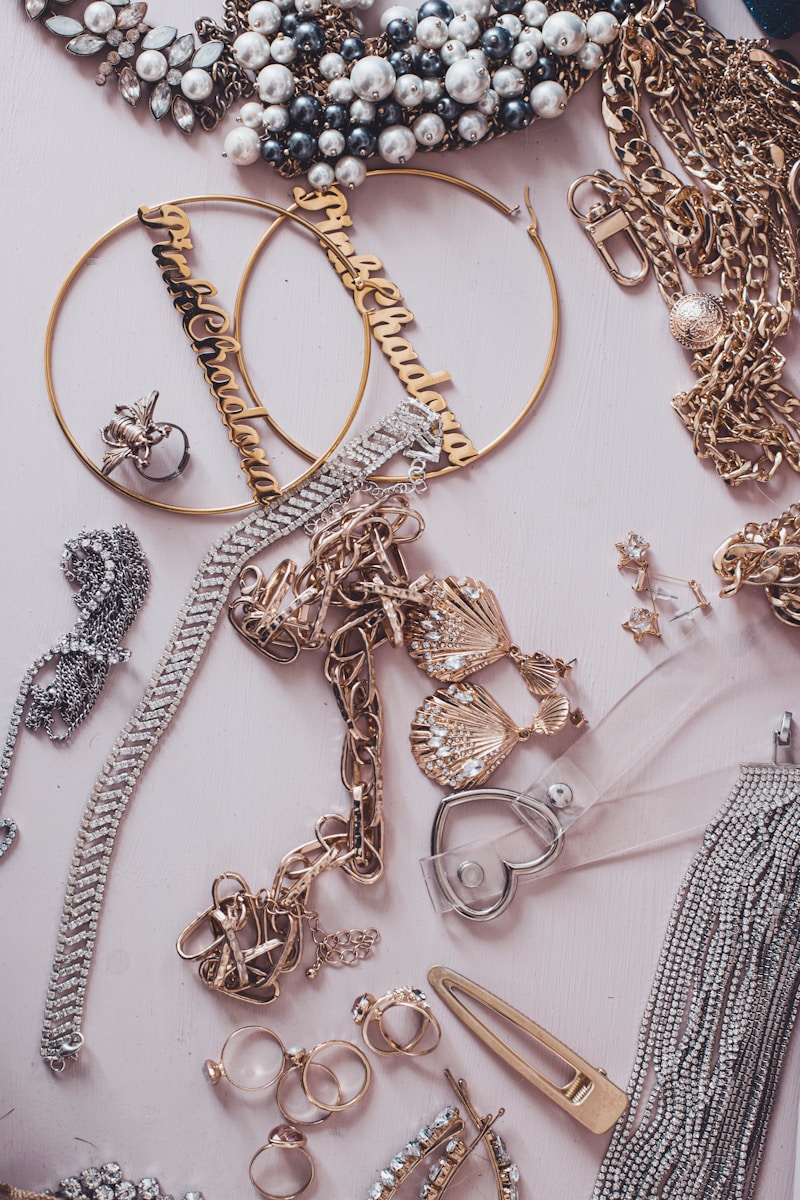
Accessories are pivotal in elevating a monochrome outfit, providing that pop of luxury or an unexpected twist. I often use statement jewelry, such as bold earrings or a chunky necklace, to break the monotony and add sparkle. Belts, watches, and bags in matching hues or contrasting textures also enhance the outfit’s visual appeal. Don’t underestimate the power of shoes; a monochrome look paired with shoes in a matching hue or, alternatively, a contrasting color can make your outfit stand out. Even small details, like the metal finish on your accessories (gold, silver, or brass), can tie your whole look together and create a polished and sophisticated appearance.
Monochrome Outfit Ideas for Different Occasions
Monochrome outfits provide a streamlined silhouette that’s both elegant and versatile, proving perfect for various events. I’ll explore how to style these looks across casual settings, work environments, and special occasions, ensuring you achieve a balanced and stylish appearance every time.
Casual Wear
Casual monochrome looks offer comfort without sacrificing style. I often recommend starting with a base of soft, neutral colors like grey or beige for a laid-back look. Adding a denim jacket in a matching hue elevates a simple monochromatic t-shirt and jeans combo, injecting a bit of rugged texture. For footwear, white sneakers are a go-to choice, maintaining the color flow while providing practicality. If you’re venturing out for casual outings like a coffee date or a shopping trip, incorporating varied textures, such as a ribbed knit sweater or a suede bag, can enhance visual appeal and add depth to your outfit.
Work Attire
For a professional setting, choosing darker shades in the same color family presents a refined and powerful image. A navy or charcoal suit offers a traditional monochrome look that meets most office dress codes. I find mixing different textures within the same color to be effective for keeping the outfit interesting yet appropriate. A silk blouse under a wool blazer, for example, adds a touch of sophistication. Accessories play a key role in work attire; a pair of silver cufflinks or a sleek leather belt in a similar tone can tie the entire outfit together seamlessly. Always aim for a balance, ensuring your monochrome outfit is neat and not overly busy, which helps maintain a professional demeanor.
Special Events
When dressing for a special event, monochromatic fashion allows for bold statements through simplicity. Opting for vibrant hues like emerald green or royal blue can make a dramatic impact at any formal occasion. For women, a flowing monochrome gown paired with bold earrings and a clutch of the same shade delivers a captivating look. Men can achieve a standout appearance with a tailored monochrome suit, accessorized with a matching tie and pocket square to enhance the overall elegance. At these events, it’s beneficial to play with varying shades and luxurious materials such as velvet or satin to create depth and draw the eye, ensuring you look polished and distinctive.
Mistakes to Avoid in Monochrome Styling
Monochrome outfits offer a stylish and cohesive look when done right, but certain missteps can undermine the elegance of this fashion choice. As I guide readers through perfecting monochrome styling, I’ll highlight key errors to sidestep to ensure a chic, polished appearance. For those interested in exploring more timeless fashion advice, understanding the nuances of classic menswear brands can be a valuable complement to mastering monochrome looks.
Overlooking Texture Variation
Using different textures is crucial in monochromatic styling; it enhances visual appeal and prevents the outfit from appearing flat or monotonous. When crafting a monochrome look, I mix fabrics such as silk, denim, wool, or leather to create depth and interest within the same color family. For instance, for a casual outing, pairing a cotton t-shirt with a leather skirt in light grey can break up the monotony effectively. In addition to textures, understanding how to dress for specific events, such as weddings, can refine your overall fashion sense, ensuring that your monochrome choices are both appropriate and stylish.
Ignoring Fit and Silhouette
The right fit is vital in monochrome fashion as poor-fitting clothes can significantly detract from an otherwise streamlined silhouette. I ensure each piece fits well, and I balance oversized items with more tailored pieces to maintain a flattering proportion. For example, if I wear a loose-fitting sweater, I’ll pair it with skinny jeans or a fitted skirt to keep the overall look balanced. If you’re interested in how fit plays a role beyond monochrome outfits, consider learning how to look good at a pool party, where balancing fit and style is equally essential.
Choosing Incorrect Shades
Staying within the same color family doesn’t mean all shades will match perfectly. I pay close attention to the shades I choose to ensure they harmonize well. Avoiding clashing undertones is key; for instance, a warm beige top might not pair well with a cool beige pant. I prefer to layer varying shades of the same hue to add dimension and keep the outfit interesting. Understanding the importance of shade compatibility can be as crucial as selecting the right cargo pants for men, where color choices can make or break the outfit.
Forgetting to Accessorize
Accessories play a pivotal role in monochrome outfits, adding a layer of sophistication and personality. I incorporate statement jewelry, bold earrings, or a standout handbag to break up the uniformity and introduce an element of surprise. Matching hue accessories can elevate the monochromatic look significantly. Much like how you might approach mastering premium memorabilia acquisitions, where details and subtle choices matter, accessorizing in monochrome styling requires a keen eye for detail and taste.
Ensuring a successful monochrome outfit involves more than selecting clothes from the same color spectrum. I carefully consider texture variations, fit, shade compatibility, and the strategic use of accessories to craft an ensemble that’s both visually appealing and distinctly fashionable, suitable for different occasions and reflecting a personal style.
Styling a monochrome outfit is more than just picking items of the same color; it’s about mastering the art of subtlety and balance. I’ve shared how you can elevate your fashion game by focusing on textures, layers, and the right accessories. Whether you’re dressing for a casual day out, a formal event, or the workplace, these tips ensure you look effortlessly chic. Remember, the key is in the details. By applying these simple yet effective strategies, you’ll not only look good but also feel confident in your monochrome ensemble. Embrace the monochrome trend and make a statement with your style!
Frequently Asked Questions
What is monochrome fashion?
Monochrome fashion involves styling outfits using one color or varying shades of the same color. It emphasizes simplicity and elegance while allowing for creativity through textures and accessories.
Why choose monochrome styling?
Monochrome outfits offer a visually streamlined appearance that can elongate the silhouette, making you appear taller and more cohesive. They are versatile and suitable for multiple occasions, providing a sophisticated and elegant look.
How can you make monochrome outfits more interesting?
Enhance monochrome outfits by mixing textures (like combining silk with wool), introducing layers, and adding various shades or tones of the same color. Additionally, incorporate accessories like belts or statement jewelry to add depth and personality.
What are the best occasions for wearing monochrome?
Monochrome outfits are perfect for any setting, from casual gatherings and office environments to formal events. Their simplicity and elegance make them adaptable and appropriate across various social situations.
Can monochrome outfits vary in color shade?
Absolutely! Monochrome doesn’t mean a single tint; varying shades of the same color can be used to create depth, contrast, and visual interest within the outfit.
What should be considered when choosing accessories for monochrome outfits?
When accessorizing a monochrome outfit, consider choosing accessories that either complement or subtly contrast with the primary color. Metallics generally work well, or you can opt for a pop of a neutral color like white, black, or gray.
Are monochrome outfits only suitable for certain body types?
No, monochrome outfits are flattering on all body types. They can help elongate the body’s appearance and provide a clean, uninterrupted line. Choose the right fit and proportions to enhance your body type.
Pampering Yourself: A Guide to Luxurious Spa Treatments and Therapies
In today’s fast-paced world, finding time to pamper yourself can seem like a luxury. However, it’s not just a luxury; it’s an essential part of self-care practices. This blog post will explore the art of pampering, the world of spa treatments, and the joys of self-indulgence, with a focus on keywords such as “pampering,” “spa treatments,” “luxurious therapies,” and “self-care practices.”
The Art of Pampering
 Pampering Yourself: A Necessity, Not a Guilty Pleasure Pampering is not selfish; it’s a form of self-love. In this section, we will discuss the psychological and physical benefits of pampering, explaining why it’s vital to prioritize it in our daily lives. Self-Care Practices: The Foundation of Pampering We’ll delve into how self-care practices form the basis of pampering yourself. This includes everyday routines like taking a few moments to practice self-care and how they contribute to your overall well-being.
Exploring the World of Spa Treatments
Spa Treatments: More Than Just a Bubble Bath Spa treatments go beyond the conventional bubble bath. Learn about the various spa treatments available, from hot baths with essential oils to facial massages, and how they can significantly improve your physical health and mental well-being. Spa Day: A Treat for Your Senses Discover the magic of a spa day, where you can indulge in quality time, sip on hot cocoa, and listen to your favorite music. We’ll guide you on how to make your own spa day, even if you’re on a budget or short on time.
Luxurious Therapies: A Deeper Dive
 Luxurious Therapies: Beyond the Ordinary Luxurious therapies are designed to take pampering to the next level. We’ll explain what makes them special and share some extraordinary therapies that will make you feel like royalty. Self-Indulgence: Your Path to Ultimate Relaxation Learn how self-indulgence can transform your ordinary day into a spa-like experience. We’ll introduce you to bath bombs, bath salts, and face masks, and show you how to use them effectively.
Crafting Your Personal Pampering Routine
Creating Your Personal Pampering Routine Not every day can be a spa day, but you can still pamper yourself at home. We’ll provide tips on creating a personalized pampering routine, including ways to relax, like reading a good book, enjoying warm water baths, or even treating yourself to a new outfit.
Daily Habits That Promote Self-Love
Explore daily habits that promote self-love and self-care. These small practices can make you feel pampered and comfortable in your own skin.
The Joys of a Completely Free Pampering
Pampering yourself doesn’t have to come with a hefty price tag. In fact, there are many ways to indulge in self-care and relaxation that are completely free. Embrace Nature and Fresh Air Sometimes, all you need to unwind is a breath of fresh air. Take a leisurely stroll in a nearby park or your backyard, basking in the natural surroundings. The invigorating feeling of the outdoors can be a refreshing break from your everyday life. Bubble Bath Bliss While we’ve discussed spa treatments, don’t underestimate the simple pleasure of a hot bath at home. Fill the tub with warm water, add some Epsom salts, and perhaps a few drops of your favorite essential oil. As you soak in the warm embrace of the water, play your favorite song in the background and let the stress melt away.
The Pleasures of Satisfying Your Senses with Good Food
 Pampering goes beyond just physical relaxation; it extends to the culinary realm as well. Indulge Your Palate at Your Favorite Restaurant Treating yourself to a meal at your favorite restaurant can be a delightful form of pampering. Savor the flavors, ambiance, and the joy of not having to cook or clean up. Soothing Your Senses with a Facial Massage While we’ve mentioned facial massages in the context of spa treatments, you can give yourself a facial massage right at home. Using gentle, upward strokes with your fingertips or a facial roller, you can promote relaxation and rejuvenation.
The Relaxation of a Binge Watch and a Relaxing Massage
Sometimes, the best way to pamper yourself is through pure entertainment and physical relaxation. The Art of the Binge Watch In this era of streaming services, a good old-fashioned binge watch of your favorite TV series or movies can be the perfect escape. Grab some snacks, your favorite food, and sink into the couch for a few hours of pure entertainment. Treat Yourself to a Relaxing Massage Beyond the spa, consider scheduling a massage with a professional or asking a family member for a gentle relaxing massage. The touch of skilled hands can melt away tension and transport you to a state of bliss. Incorporating these completely free and delightful experiences into your everyday life can be a fantastic way to pamper yourself. Whether you’re enjoying the simple pleasures of a hot bath with your favorite song, savoring good food at your favorite restaurant, or unwinding with a binge watch and a relaxing massage, remember that pampering is an art that can be tailored to your unique preferences and budget.
Final Thoughts: Pampering Yourself
In conclusion, pampering yourself isn’t a luxury; it’s a necessity. By incorporating spa treatments, luxurious therapies, and self-care practices into your life, you can improve your physical and mental well-being. Remember, self-care isn’t selfish, and you deserve to pamper yourself. Create your way to pamper, relax, and unwind, whether it’s for a whole day, a few hours, or just a few moments. Life is too short not to focus on pampering and relaxation.
Can You Wear a Hat to a Funeral?
It’s a question that has puzzled people for centuries: can you wear a hat to a funeral? The answer, it turns out, is complicated. On the one hand, many people believe that wearing a hat to a funeral is disrespectful to the deceased and their family. On the other hand, some people argue that wearing a hat to a funeral is actually quite respectful, as it shows that the person attending cares about how they look. In this article, we’ll explore both sides of the debate and provide a few guidelines on how to decide whether it’s okay to wear a hat to a funeral.
Can You Wear a Hat to a Funeral?

The debate over whether or not to wear a hat to a funeral has been ongoing for centuries. While some people believe that it is disrespectful, others argue that it can be respectful in certain circumstances. In order to make an informed decision about wearing a hat to a funeral, it is important to understand the history of hats at funerals, the arguments for and against wearing a hat to a funeral, how to decide whether it is appropriate in any given situation, and guidelines for wearing hats to funerals appropriately.
History of hats at funerals
Hats have been worn to funerals for centuries, and the debate over whether it is appropriate to wear them is just as old. Some people believe that hats are disrespectful to the deceased and their family, while others argue that they can be a sign of respect. There are a number of factors to consider when deciding whether to wear a hat to a funeral.
The argument for wearing hats to funerals
Proponents of wearing a hat to a funeral believe that it can be a sign of respect and an act of mourning. It can also serve as a way to show respect for the deceased and their family, as well as signs that you are honoring the life they lived. Additionally, some people feel that wearing a hat can be comforting, as it provides a physical reminder of the person who has passed away.
[affiliatable id=‘268483’]
The argument against wearing hats to funerals
Opponents of wearing a hat to a funeral argue that it is disrespectful and inappropriate in many cases. Some people also believe that hats can be distracting or even offensive, especially in more solemn settings. Additionally, the style of the hat can have an impact on the appropriateness of wearing one to a funeral.
How to decide whether to wear a hat to a funeral
When deciding whether it is appropriate to wear a hat to a funeral, it is important to take into account the culture, religion, and customs of the deceased’s family. Additionally, it is important to consider the type of hat you are wearing and whether it is appropriate for the occasion. If in doubt, err on the side of caution and go without a hat.
Hat etiquette: Guidelines for wearing hats to funerals

Wearing hats to funerals can be controversial, so it is important to adhere to the following guidelines if you choose to do so:
• Choose a hat that is appropriate for the occasion. Your hat should be subdued and respectful in style, color, and material.
• Remove your hat when entering the funeral home or church service.
• Replace your hat when exiting the service.
• Consider not wearing a hat if you are sitting in the front rows or near the family of the deceased.
• Avoid making any kind of statement with your hat – no logos, slogans, or other embellishments that could be considered inappropriate.
Hat styles and examples
When choosing a hat to wear to a funeral, it is important to select one that is appropriate for the occasion. Some styles of hats are more respectful than others, so take your time when selecting the right one. Here are some hats that are appropriate and inappropriate for funerals:
Some examples of appropriate hats to wear to a funeral include a dress hat, such as a fedora or cloche; a military cap; and a black or white veil, top hat, bowler hat, newsboy cap, and wide-brimmed hat.
Colors such as black, gray, navy blue, and brown are generally considered the most respectful for a funeral. Other colors may be appropriate depending on the culture of the deceased. However, lighter neutral colors may not be as suitable but could work.
How to wear the hat at a funeral
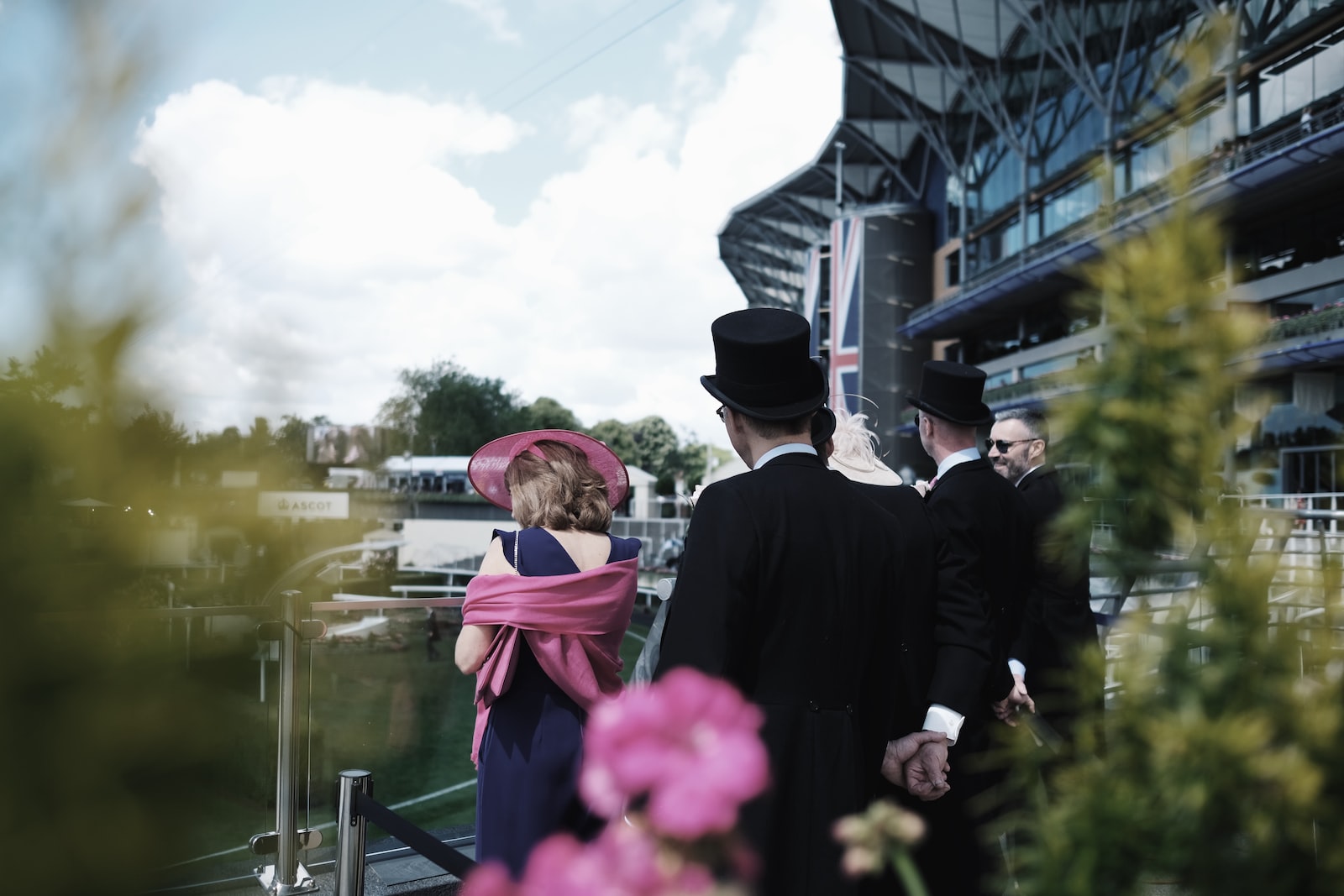
When wearing a hat to a funeral, how you wear it is just as important as what style of hat you choose. The following guidelines should be followed when wearing a hat:
You should always take your hat off when indoors and participating in a funeral service, as it is considered disrespectful to wear a hat inside the church or funeral home.
• Replace your hat when exiting the service, as it is a sign of respect.
• Don’t tilt or cock your hat in an off-putting manner.
• Be mindful of your hat blocking the view of other guests.
• Avoid making any bold statements with your hat.
What is the proper funeral attire?
When attending a funeral, it is important to dress properly. Generally, dark and conservative colors are best for funerals, as they are seen as respectful and somber. Additionally, avoid wearing bright colors, loud patterns, short skirts or shorts, tight clothing, and flip flops as these could be seen as disrespectful. Dressing in classic, conservative clothing is typically the most appropriate for funerals. Dress code and expectations may vary depending on the culture and religion of the deceased. If in doubt, it is best to err on the side of caution.
Final thoughts: Can you wear a hat to a funeral?
Whether wearing a hat to a funeral is appropriate depends on personal preference and the customs of the deceased’s family. How you wear the hat is just as important as what type of hat you choose. When in doubt, it is best to err on the side of caution and go without a hat. Be sure to dress respectfully and adhere to the guidelines regarding appropriate attire.
Exploring the History of Fine Jewelry: From Ancient Craft to Modern Art
Imagine tracing the glittering path of fine jewelry through the ages, where each piece not only dazzles the eye but also carries rich tales from the past. Exploring the history of fine jewelry offers a fascinating glimpse into the artistry and cultural significance that have shaped human civilization. From ancient royal crowns to the avant-garde pieces adorning today’s fashion icons, jewelry has always been more than mere decoration; it’s a profound expression of personal and collective identity. As you delve into the history of fine jewelry, you’ll discover how styles and materials have evolved, reflecting societal changes and technological advancements. The shift towards sustainable and ethically sourced materials highlights a modern commitment to responsible luxury. Understanding this history enriches your appreciation of every piece, whether it’s a family heirloom or a new addition to your collection, making each jewel tell a story of its own.
Ancient Origins of Jewelry
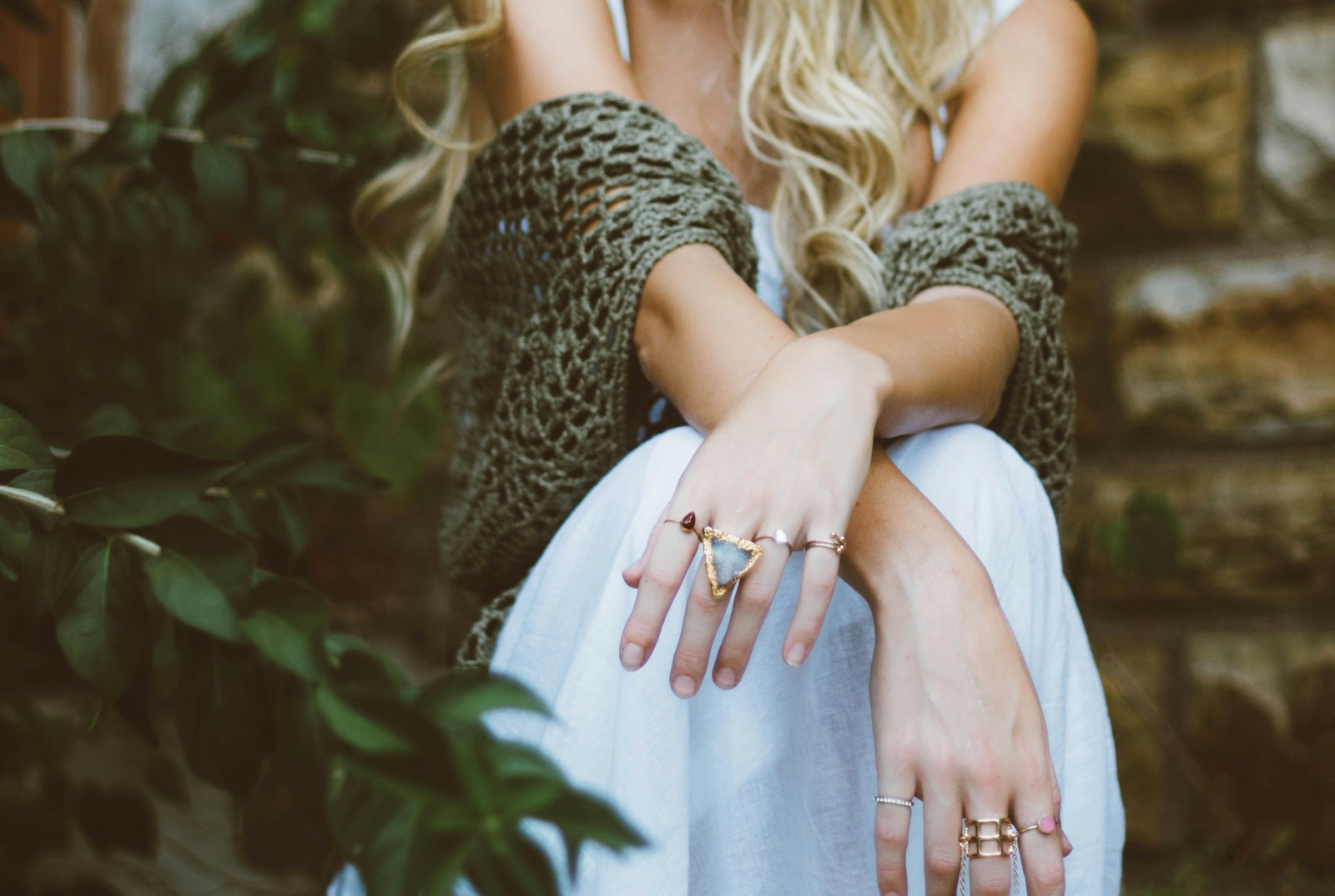
Early Jewelry in Mesopotamia and Egypt
Discover the intricate world of ancient jewelry, starting with Mesopotamia and Egypt, where the craft of fine jewelry truly began. Mesopotamia, often hailed as the cradle of civilization, introduced jewelry as both adornment and a symbol of status around 3000 BC. Craftsmen in this region utilized gold, silver, and semi-precious stones like lapis lazuli, creating pieces that underscored their societal importance as well as their skills in jewelry making. In Egypt, jewelry transcended mere decoration, serving also as protection and an indicator of social status. From as early as 5000 BC, Egyptians crafted elaborate gold and precious stone jewelry. Gold, believed to reflect the gods’ eternal shine, became a commonly used material. Iconic pieces included broad collars, amulets, and even intricate beadwork, all of which played a significant role in both life and afterlife, aligning with the Egyptians’ deep spiritual beliefs.
Classical Influences: Greece and Rome
The Greeks and Romans brought their own distinctive styles and techniques to the arena of fine jewelry. The Greeks, from around 1600 BC, favored more subtle designs that commonly featured animals and natural world motifs. Their use of gold, silver, and precious gems like diamonds was a testament to their advanced gem cutting and metal crafting techniques. Roman jewelry, evolving from Greek precedents, embraced a more lavish touch, extensively using gold and precious stones to signify wealth and power. Pieces like rings, cameo brooches, and elaborate necklaces were not just personal ornaments but also conveyed social and political messages. Jewelry worn in public arenas often reflected societal ranks and celebrated victories, deeply intertwining the concept of personal adornment with the fabric of societal structure in ancient Rome. Each piece from these eras not only reflects the artistry and aesthetics of the time but also offers a glimpse into the societal structures, beliefs, and even the daily lives of these ancient civilizations.
Medieval and Renaissance Jewelry
Developments in Europe
During the Middle Ages, jewelry transcended mere decoration to assume roles deeply intertwined with societal and cultural norms across Europe. This period saw significant innovation in techniques and materials. Artisans began to incorporate a wider variety of gemstones and transitioned from using primarily gold to include silver and other precious metals, enhancing not just the aesthetic value but also the significance and reach of their creations. The Renaissance brought about a dramatic shift in the approach to jewelry making, closely linked to the broader revival of arts and culture. Jewelry designs became more intricate and ornamental, reflecting the era’s newfound interest in classical learning and artistic renewal. Jewelers and goldsmiths achieved new levels of expertise, crafting pieces that not only displayed personal wealth but also denoted personal affiliations and status within the societal hierarchy. During this time, wearable art pieces included not only traditional necklaces and rings but also shoulder clasps and other forms of jewelry that indicated rank and affiliation.
The Influence of the Byzantine Empire
Influences from the Byzantine Empire were prevalent in medieval jewelry designs throughout Europe. Recognized for its opulent use of gold and gemstones, Byzantine jewelry featured complex designs with religious and imperial iconography which exerted significant influence over European styles. Complex enameling and intricate filigree work became hallmarks of the era, techniques that were perpetuated by high ranking church officials and the imperial court as symbols of earthly power and divine favor. Artisans from the Byzantine influenced regions mastered the art of embedding precious gemstones like sapphires, rubies, and emeralds into intricately designed gold settings, a practice that laid foundational techniques still admired in the jewelry industry today. This era’s preferences for lavish decoration and expressive religious motifs also served to communicate wealth and piety, echoing the Byzantine’s grandeur long after its decline. As you explore these historical pieces, whether in a museum setting or through contemporary reproductions, you are witnessing the legacy of one of history’s most influential jewelry-making traditions.
The Age of Opulence: Baroque to Victorian Jewelry
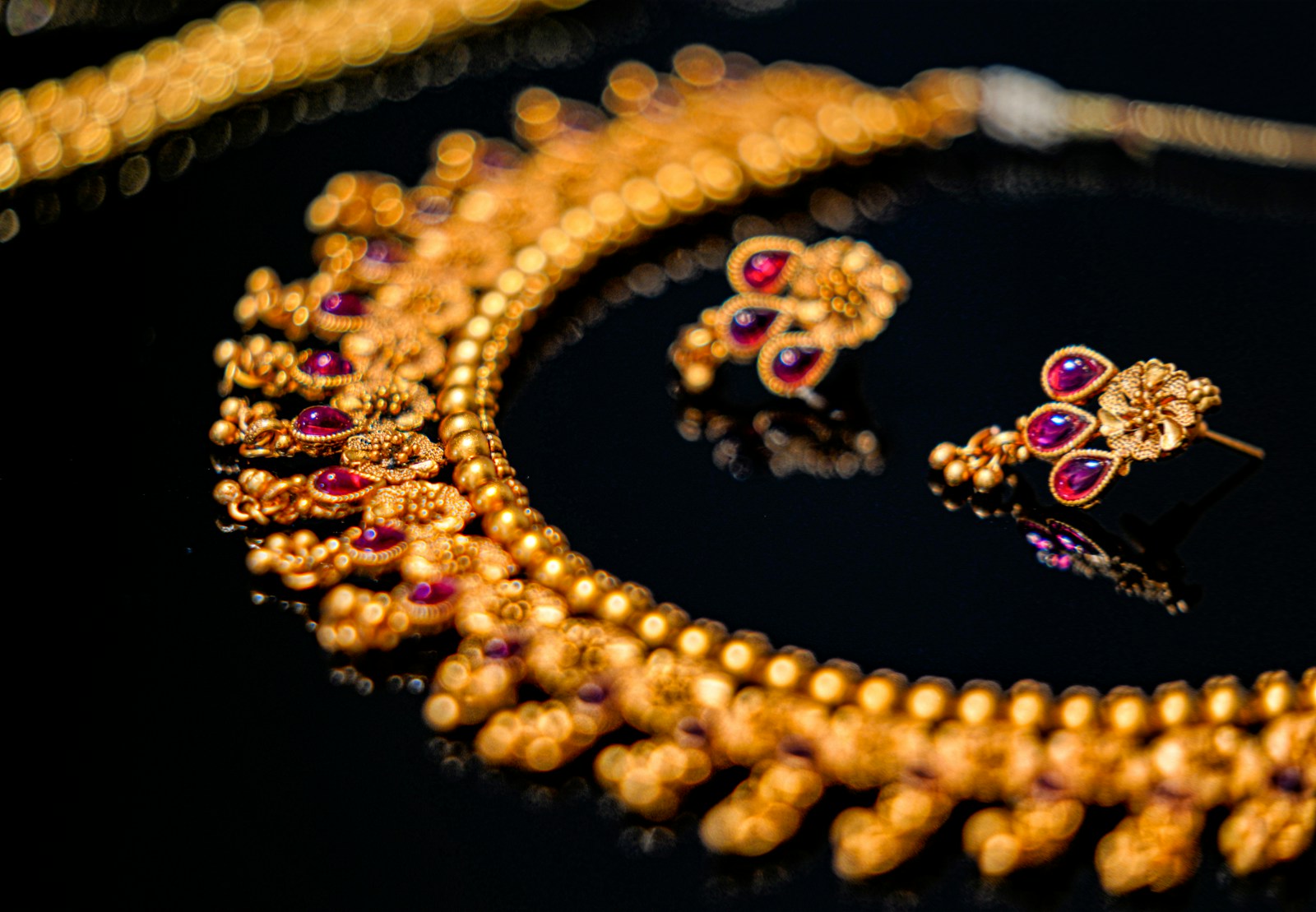
Baroque Period Jewels
The Baroque period, spanning from the late 16th century to the early 18th century, saw jewelry that reflected the dramatic shift in art and architecture of the time. Designs were characterized by intricate details, bold forms, and a preference for lush, ornate aesthetics. This era embraced oversized and extravagant jewels, often adorned with large, centrally-placed precious stones such as diamonds, emeralds, and sapphires, surrounded by intricate settings of gold and silver. Baroque jewelry often mirrored the opulence seen in the broader cultural canvas, showcasing the deep intertwining of art and personal wealth. Iconic pieces from this time include the lavish shoulder clasps and grand necklaces, each piece echoing the earthly power and status of its wearer. The intricate craftsmanship of these items is displayed in museums like The Metropolitan Museum of Art, where the history of fine jewelry is encapsulated within each ornate piece.
Georgian and Victorian Era Innovations
Moving into the Georgian and early Victorian periods, advancements in jewelry making saw an increasingly diverse use of materials and techniques. The period from 1714 through the mid-19th century marked a time where jewelers began incorporating a broader array of precious metals and gemstones into their work, reflecting the vast array of materials now accessible due to expanded global trade. During Queen Victoria’s reign, jewelry designs became emblematic of her personal taste and the broader societal sentiments of mourning and romance. Mourning jewelry, crafted from materials like jet and human hair, became prevalent, symbolizing loss and remembrance. Concurrently, romantic jewelry flourished, with floral motifs and heart-shaped lockets becoming popular, often given during courtships and special occasions. The use of different techniques like metal casting and filigree became refined during this era, demonstrating the jeweler’s skill in creating intricate and delicate designs. These pieces not only served as personal adornments but also as markers of social standing and cultural traditions, closely linked to the significant role jewelry played in expressing identity and status during the Victorian era.
Modern Transformations in Fine Jewelry
Art Nouveau and Art Deco Movements
The transition into the 20th century marked a dramatic shift in the design and aesthetics of fine jewelry, closely linked with the Art Nouveau jewelleryand Art Deco movements. Art Nouveau, emerging in the late 1890s, introduced pieces that mirrored the natural world, incorporating floral motifs, flowing lines, and organic forms. This style was greatly influenced by the Arts and Crafts movement and celebrated for transforming everyday objects into wearable art. Renowned designers like René Lalique pushed the boundaries by integrating materials such as glass and enamel, which deviated from the traditional use of precious metals. By the 1920s, Art Deco took center stage with its geometric shapes and lavish decoration, reflecting the prosperity of the Machine Age and modern styles. Art Deco jewellery often featured a juxtaposition of bold colors and was made with extravagant jewels and a variety of precious and other precious metals. This era saw iconic pieces that were epitomes of luxury, with influences seen at events like the Paris International Exhibition. Designers such as Cartier and Van Cleef & Arpels became synonymous with Art Deco, crafting items that were both modern in appearance and rich in opulence and design.
Mid-20th Century Trends and Beyond
As the century progressed, the jewelry industry witnessed continual evolution, adapting to both cultural shifts and technological advancements. In the mid-20th century, the inclusion of semi-precious stones and the innovation in diamond jewellery and wedding rings enriched the diverse catalog of available options. This era also heightened the popularity of male jewellery, reflecting broader social changes towards gender expression in fashion. Entering into contemporary times, the emphasis on sustainable and ethical practices began to shape the future of jewelry making. Modern designers are exploring different techniques, from 3D printing to ethically sourced materials, to create unique and meaningful contemporary jewellery. This shift not only honors the rich history of jewellery but also adapts to the growing demands of cultural responsibility and personal expression. Each piece crafted today stands as a testament to the enduring allure of fine jewelry and its capability to encapsulate both historical reverence and forward-thinking innovation.
Cultural Impact and Technological Advancements
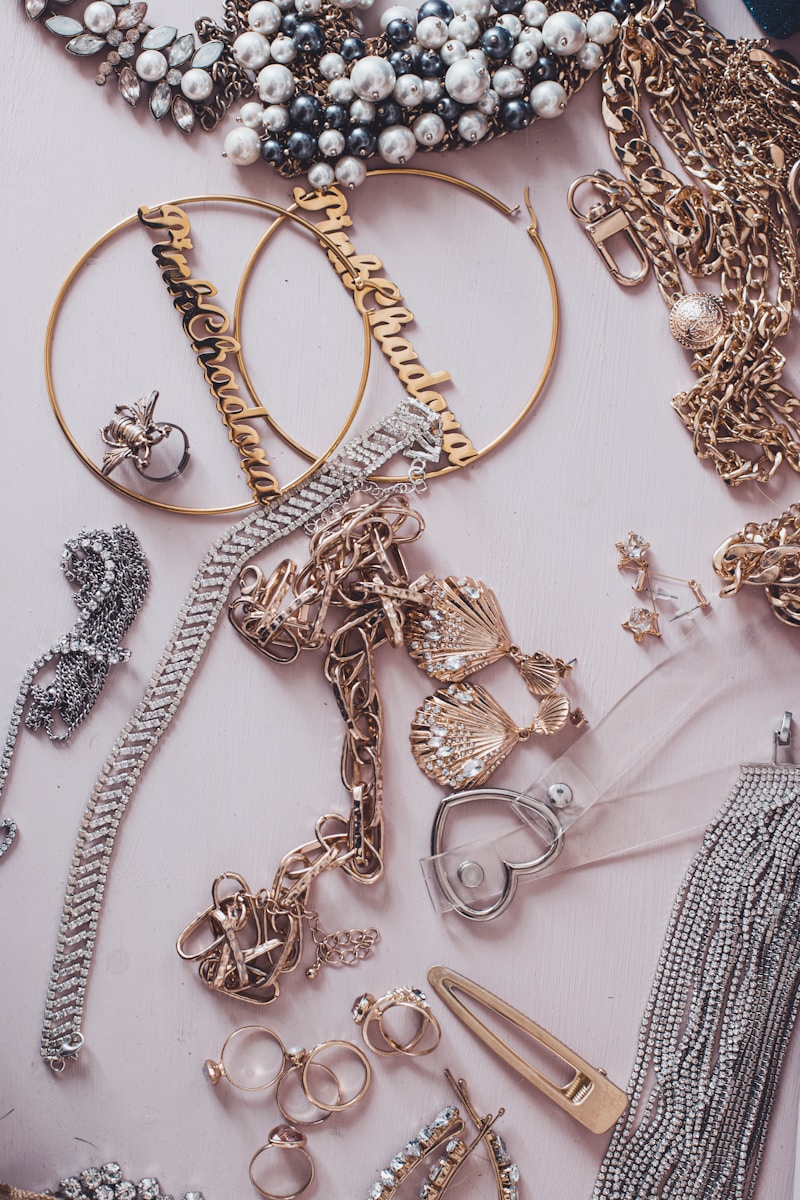
Jewelry in Society and Symbolism
Jewelry serves as a powerful symbol in societies, holding meanings that transcend mere decoration. From ancient times to modern days, these adornments have signified status, power, and cultural identity. In ancient Egypt, gold necklaces were worn to display wealth and divine connection, while during the Renaissance, sumptuous jewelry signified noble status and intellectual might. The Middle Ages saw the use of family crests and religious icons in jewelry, further cementing its role in societal heritage and personal identity. In India, jewelry has always been a significant part of cultural expression. The intricate designs from the Indian subcontinent are not just beautiful; they are also deeply meaningful, used in ceremonies and everyday life to symbolize protection, health, and prosperity. This tradition continues to influence contemporary jewelry designs globally, blending ancient craftsmanship with modern aesthetics.
Advances in Materials and Techniques
The evolution of materials and techniques in jewelry making has been a cornerstone of its history. The breakthroughs in manipulating precious metals, like gold and silver, have allowed for greater creativity and innovation. In ancient times, artisans used basic materials such as fish bones and colored gemstones to create pieces, but the introduction of metal casting in the ancient art of jewellery making represented a dramatic shift in potential designs and durability. During the Art Deco period, the jewelry industry saw another transformation with the adoption of platinum and the geometric stylization of pieces that mirrored the Machine Age’s progress. Advances in technology have also led to new forms of wearable art, incorporating unconventional materials such as titanium and recycled metals, highlighting the jewelry’s ever-evolving nature. These advancements have not only expanded access to jewelry but have also played a critical role in shaping cultural trends and the jewelry market.
Final Thoughts on The History of Fine Jewelry
As you’ve explored the rich tapestry of fine jewelry’s history, it’s clear that each era has contributed uniquely to what we cherish today. From the ornate designs of the Baroque period to the innovative use of materials in contemporary pieces, jewelry has continually evolved while maintaining its deep cultural and personal significance. The journey from ancient craftsmanship to today’s focus on sustainability and ethics reflects a dynamic industry that respects its past as it forges a responsible future. Whether you’re an enthusiast or a casual observer, the story of fine jewelry offers a fascinating glimpse into the intersection of art, history, and human expression. Other suggested articles: Black Tie Jewelry: How to Accessorize for a Formal Event Wardrobe Essentials for Everyday Elegance: A Stylish Guide Exploring Iconic Luxury Fashion Brands for Women: A Must-Read Guide Luxury Fashion Brands for Men: Unveiling the Aesthetic The Comprehensive Guide to Cocktail Attire for Men
How to Dress More Feminine: Simple Tips to Elevate Your Style
Embracing a feminine style isn’t just about wearing dresses; it’s a powerful form of self-expression that showcases confidence and grace. As someone who loves exploring fashion, I’ve discovered that knowing how to dress more feminine can transform not only your wardrobe but also how you feel each day. Whether you’re drawn to the timeless elegance of soft pastels or the bold statements of flowy dresses, each choice plays a pivotal role in honing your personal style.
In my journey, I’ve learned that femininity in fashion is versatile—it can be as subtle as a delicate scarf or as pronounced as a sweeping maxi dress. It’s all about finding the right balance that aligns with your personality and lifestyle. So, if you’re curious about enhancing your wardrobe with a touch of femininity, stick around. I’ll share some practical tips and insights that will help you celebrate your unique style while staying comfortable and chic.
Understanding Femininity in Fashion
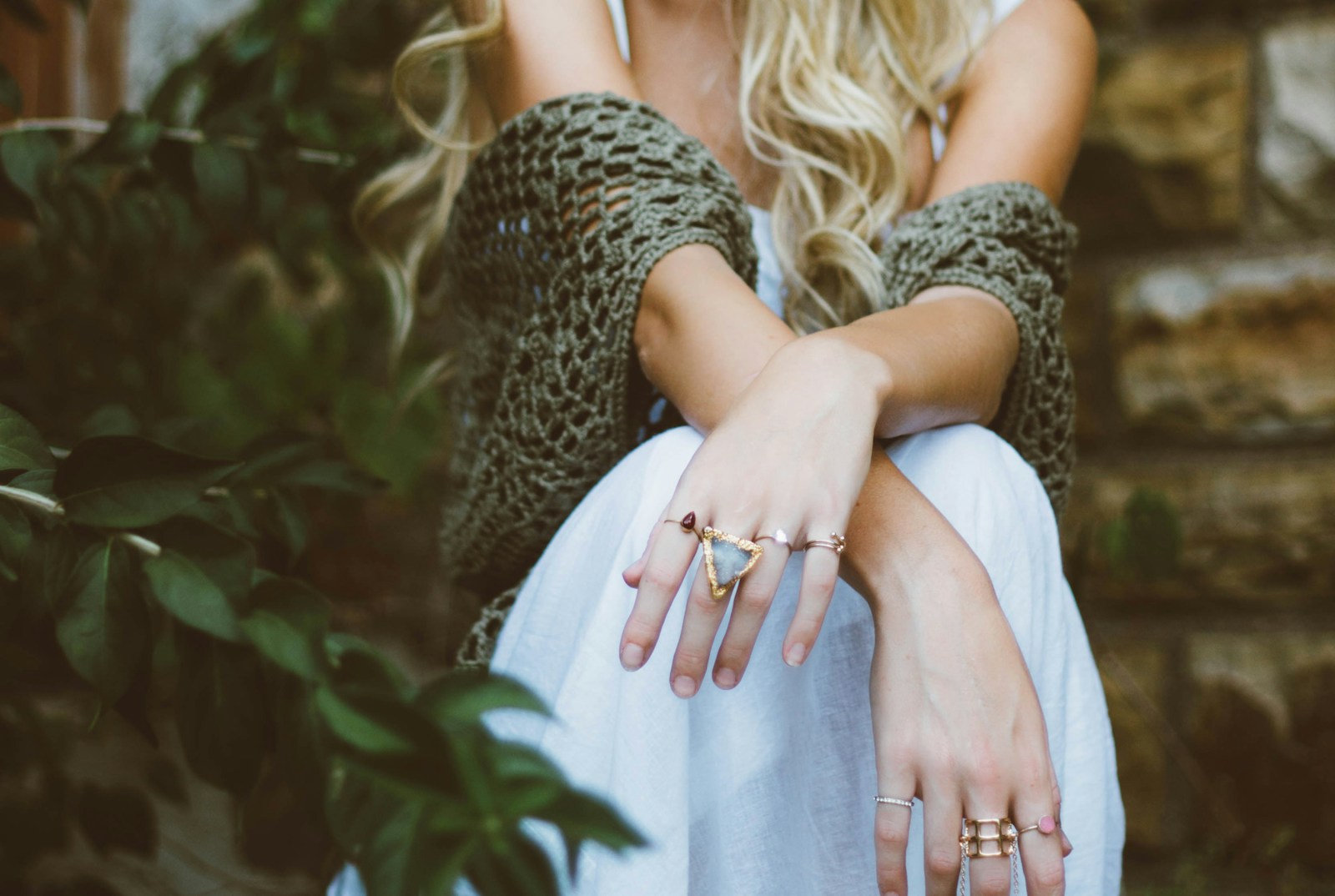
Exploring how to dress more feminine involves more than just selecting clothes. It’s about expressing a unique personal style that enhances one’s feminine energy and confidence. This section delves deeper into what constitutes feminine style and how historical insights have shaped the modern feminine wardrobe.
Defining Feminine Style
Feminine style is characterized by elegance, grace, and details that highlight a woman’s features in a subtle yet impactful way. Often, it incorporates elements like soft fabrics, fluid shapes, and a palette of feminine colors that range from soft pastels to vibrant shades. Garments such as dresses, skirts, and blouses that accentuate the waist or have delicate details like lace and ruffles are commonly associated with a feminine wardrobe. Feminine style isn’t just about dressing in a certain way; it’s about feeling confident and comfortable while embracing one’s femininity.
To truly dress in a feminine style, consider outfits to look more feminine that offer a flattering silhouette. Sheath dresses, skirt suits, and blouses with gentle ruffles or lace details can dramatically elevate your everyday wear. Accessories also play a critical role; a pair of ballet flats or sophisticated heels, elegant jewelry, and bags add the finishing touches that reflect a refined feminine look.
Historical Perspectives on Feminine Dress
The concept of femininity in fashion has evolved significantly over the centuries, influenced by cultural changes and the evolving roles of women in society. In the early 20th century, women’s fashion was heavily restrictive, with corsets and long skirts defining the feminine ideal. However, as women began to occupy more active roles in societies, clothing styles adapted to their new needs, introducing more comfortable and practical elements while maintaining a sense of elegance.
By the mid-20th century, the introduction of garments like the mini skirt and the shift dress allowed women to express themselves more freely while retaining their feminine allure. These changes weren’t merely about style, but also a reflection of the growing empowerment of women. Today, feminine fashion embraces diversity, allowing for personal expression through a mix of traditional and modern elements. This historical perspective helps us appreciate the depth and dynamic nature of feminine fashion, emphasizing that dressing femininely is a powerful statement of identity and autonomy.
Key Elements of Feminine Attire
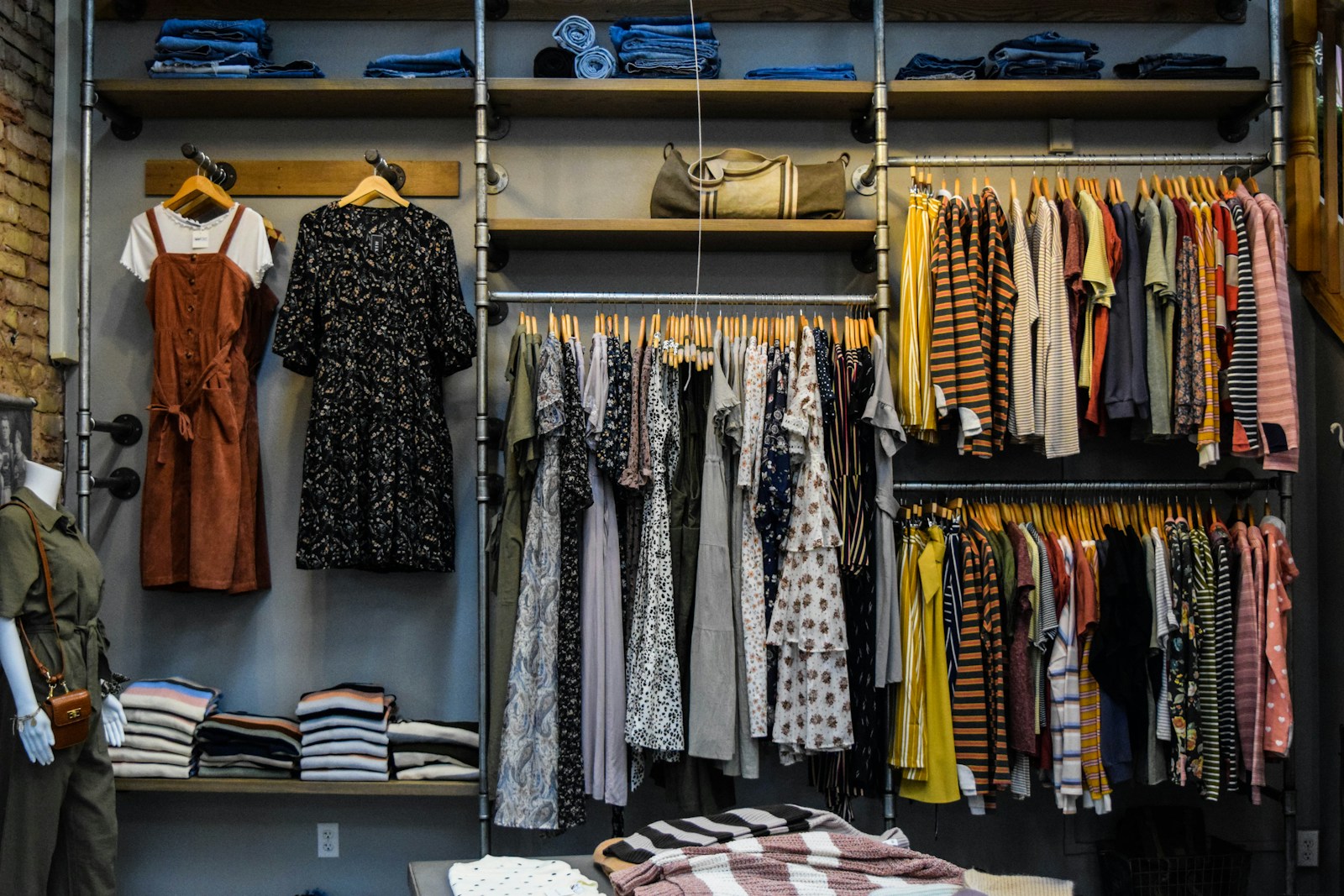
Embracing feminine attire involves more than selecting random pieces; it’s about choosing elements that enhance one’s personal style and embody femininity. Here, I delve into the essential aspects of feminine dressing, from fabric choices to color palettes, providing actionable feminine style tips to help anyone elevate their wardrobe with a touch of elegance and grace.
Importance of Fabric Choice
Choosing the right fabric plays a pivotal role in cultivating a feminine wardrobe. Soft, flowy materials like chiffon, silk, or satin not only offer supreme comfort but also beautifully drape around the body, creating flattering silhouettes that radiate elegance. For instance, a silk blouse or a chiffon dress can instantly uplift your look, providing a sophisticated touch perfect for both everyday wear and special events. Additionally, lace introduces a classic feminine texture, ideal for adding a delicate, eye-catching detail to any outfit. When I select fabrics for my own wardrobe, I focus on these airy, elegant materials that move gracefully and feel exquisite against the skin.
Colors That Enhance Femininity
The color palette of your wardrobe significantly affects how your style is perceived. Feminine colors typically include soft pastels like pink, lavender, and sky blue, which naturally evoke a gentle and calming feeling. On days when I want to feel particularly feminine, I opt for these hues as they help enhance my feminine energy effortlessly. Moreover, vibrant colors such as deep reds or bright yellows can also amplify femininity when styled correctly, as they bring a lively, playful element to the ensemble. Integrating these colors into your wardrobe through dresses, skirts, or accessories allows for versatility and personal expression in dressing in a distinctly feminine way.
Accessorizing for a Feminine Look
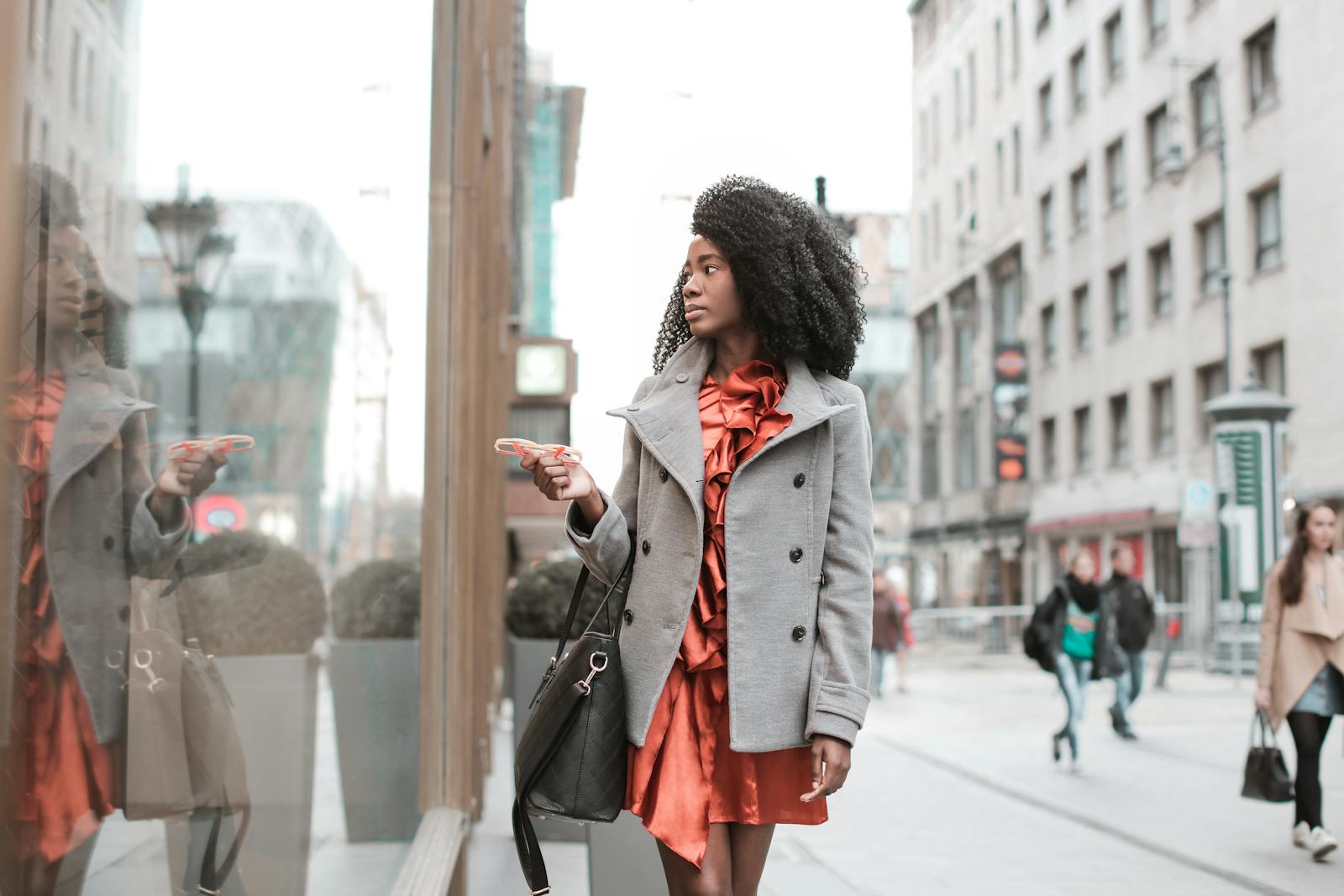
In my previous discussions on feminine style, I’ve emphasized how certain elements can transform an outfit and elevate one’s personal style. Accessories, in particular, are fundamental in achieving a more feminine look. I’ll explore how the right choices in jewelry and other accessories can make a significant difference.
Selecting the Right Jewelry
Choosing jewelry that complements a feminine wardrobe involves selecting pieces that are both delicate and significant. For a subtle yet impactful look, I prefer dainty necklaces, slim bracelets, and stud earrings made of precious materials like silver or gold. Incorporating pearls and fine stones also adds a touch of elegance ideal for enhancing femininity. If I want to make a stronger statement, I opt for a single statement piece such as a bold ring or a pair of chandelier earrings, ensuring it doesn’t overwhelm the outfit. This approach helps maintain a balance between being noticeable and keeping the overall look refined.
The Role of Shoes and Bags
The choice of shoes and bags can profoundly influence the overall femininity of an outfit. I find that footwear like ballet flats, sleek heels, or sandals in soft colors and with feminine details such as bows or lace work best to elevate a feminine style. Pairing these with the right bag is crucial for a cohesive look. I suggest opting for handbags with subtle embellishments like floral patterns or soft, ruffled textures. For formal events or a more sophisticated touch, clutches with satin finishes or small, elegant shoulder bags reflect a chic, feminine energy perfectly. These accessories not only complement the outfit but also enhance the wearer’s presence by adding a layer of refined grace.
[affiliatable id=‘268492’]
Dressing Feminine for Different Body Types
Dressing in a feminine style is not just about choosing random trendy items; it involves selecting outfits that perfectly suit your body type to enhance femininity. In this section, I’ll share how to tailor clothing to your silhouette and highlight features with style choices that promote a feminine look.
Tailoring Clothing to Your Silhouette
Understanding your body shape is crucial for dressing femininely. By choosing clothes that flatter your natural body type, you can accentuate your feminine curves and create a balanced silhouette. For instance, if you have an hourglass figure, you might opt for belted outfits that highlight your waist. Women with a pear shape can balance their proportions by wearing A-line skirts that skim the hips and draw attention upwards with eye-catching tops.
The key is to embrace garments that enhance your best features. Wrap dresses and fitted tops with peplum details are fantastic options for most body types as they define the waist and enhance the bust and hips, creating a famously feminine hourglass silhouette. I’ve found that sticking to these flattering silhouette rules doesn’t just boost my confidence, but also complements my personal style, making me feel both comfortable and chic.
Highlighting Features With Style Choices
Choosing the right style details can significantly accentuate your feminine features. For instance, V-necklines and scoop necks can highlight an elegant neck, while skirts and dresses falling just above the knee help showcase legs gracefully. Additionally, opting for soft fabrics like silk or chiffon can add a fluid, feminine touch to your outfits, enhancing movement and subtlety.
Integrating feminine details such as lace, ruffles, and floral patterns into your wardrobe is another effective way to celebrate femininity. These elements can transform a simple outfit into something special and distinctly feminine. For instance, a black dress with lace details or a blouse with soft ruffles around the collar can elevate your daily look effortlessly.
By focusing on these tailored choices and detailed styles, I consistently achieve a look that feels uniquely mine while radiating the feminine energy I adore. Choosing clothes that flatter my shape and incorporating delicate details help me express my personal style, enabling every outfit to feel like a true reflection of my identity.
Maintaining Comfort While Looking Feminine
Embracing femininity in fashion doesn’t mean sacrificing comfort. I’ve found that combining elegance with ease is the key to creating outfits that not only look feminine but also feel good to wear throughout the day.
Balancing Elegance With Ease
Achieving a balance between elegance and comfort starts with choosing the right fabrics. I opt for materials that drape beautifully yet offer breathability, like silk, chiffon, or soft cotton. These fabrics ensure that I don’t have to constantly adjust my outfit, allowing me to maintain a sleek silhouette effortlessly. When I select dresses, I gravitate towards styles that accentuate my features without constriction, such as A-line dresses and wrap dresses. These styles combine form and function, enhancing my feminine look while allowing freedom of movement.
Another aspect I focus on is the fit of the garments. Clothes that fit well make a huge difference in how comfortable and confident I feel. I always suggest getting clothes tailored if they don’t fit perfectly off the rack. Tailoring not only makes my outfits look more polished but also makes them more comfortable because they move with my body, not against it.
Lastly, when it comes to footwear, I can’t overlook the importance of comfort. While high heels can elevate an outfit, I often choose ballet flats or stylish loafers that provide support and style. These alternatives respect my foot’s natural shape, making it easy for me to stay on my feet longer without discomfort.
Practical Tips for Everyday Femininity
To incorporate femininity into everyday wear, I start with the basics of my wardrobe. I ensure that my closet contains feminine wardrobe essentials like soft blouses, flowy skirts, and dresses in feminine colors and patterns. Even when opting for jeans, I choose pairs with a flattering fit or subtle feminine details like embroidery or a high-waist cut.
Layering also plays a crucial role in my feminine style, especially in transitional weather. Adding a lightweight cardigan or a chic scarf can instantly elevate a simple outfit. These layers don’t just add warmth; they also add texture and color, enhancing the overall femininity of my look.
Accessories are the final touch in my daily outfits. I select pieces that complement my look without overwhelming it, such as delicate necklaces, elegant watches, and soft-colored bags. These accessories help to subtly pull together the outfit, reinforcing my feminine style while keeping functionality and comfort in mind.
By integrating these strategies into my wardrobe choices, I maintain a feminine style that feels as good as it looks, regardless of the occasion.
Final Thoughts
Embracing a feminine style is more than just a fashion statement—it’s a personal journey that enhances your confidence and allows you to express your unique identity. Through the exploration of soft fabrics, elegant colors, and thoughtful accessories, you can craft a wardrobe that not only looks beautiful but feels authentically you. Remember the importance of tailoring your choices to flatter your body type and maintaining comfort alongside style.
By integrating these elements thoughtfully, you’ll find that dressing femininely is an empowering way to celebrate your individuality every day. Whether you’re drawn to subtle pastels or vibrant floral patterns, the key is to wear what makes you feel most confident and true to yourself. Here’s to finding and refining your personal style that resonates with the dynamic and ever-evolving nature of femininity.
Philosophy and Refined Living: Mind Over Matter
In the fast-paced world of today, where the pursuit of happiness and a meaningful life often seems elusive, a surprising source of wisdom emerges—philosophy. The ancient thinkers of Greece and the great minds of the Middle Ages understood that the key to refined living lies not in material possessions, but in the cultivation of the mind. In this blog post, we will embark on a journey through the world of philosophy and refined living, exploring the profound connection between philosophical principles and the art of elegant living.
Philosophy and Refined Living

1. Exploring the Underlying Philosophies that Inspire Refined Living
In our quest for refined living, it’s essential to understand the core philosophies that underpin this pursuit. The fundamental belief that a meaningful life is not defined solely by material wealth, but by intellectual and emotional fulfillment, is a central theme in philosophical inquiry. This idea dates back to ancient Greece, where philosophers like Aristotle contemplated the nature of a good life in their Nicomachean Ethics.
2. Ancient Wisdom and Contemporary Philosophies that Align with Refinement
The wisdom of ancient Greece is just one piece of the puzzle. Throughout history, various philosophical traditions have contributed to our understanding of refined living. From the Stoic teachings on virtue and inner strength to the Eastern philosophies of mindfulness and balance, these diverse perspectives offer valuable insights for modern life.
3. How Philosophical Principles Guide Decision-Making and Lifestyle Choices
Philosophy isn’t merely a theoretical pursuit—it’s a practical guide for decision-making. By engaging in rational thought and introspection, individuals can make choices that align with their values and promote a better life. Understanding the intellectual virtues and cultivating a sense of justice and beauty can be transformative in our daily lives.
4. Striving for Balance, Moderation, and Harmony in Everyday Life
The concept of balance and harmony is deeply ingrained in philosophy. Whether it’s Aristotle’s idea of the “Golden Mean” or the Zen principle of Zen Buddhism, these philosophies teach us the importance of moderation and self-awareness. They help us navigate the complexities of the modern world and find joy in the simplicity of life.
The Wisdom of Philosophy in Refined Living

Wisdom in Refined Living: A Key to Fulfillment
Wisdom in refined living is not an abstract concept; it’s a practical approach to life that can lead to true happiness. In the hustle and bustle of the modern world, it’s easy to lose sight of what truly matters. However, by delving into the wisdom offered by philosophy, we can reconnect with our innate human nature and discover the path to a more meaningful existence.
The Human Experience: Embracing Philosophy in Our Entire Life Journey
Our existence as human beings is a journey, one that encompasses various stages and experiences. From birth to old age, we face a myriad of challenges and joys. Philosophy, as a guide, can help us navigate this complex terrain with grace and understanding. It encourages us to reflect on the course of our own lives, leading us to make choices that align with our values and the greater good. [affiliatable id=‘268254’]
Philosophy and the Understanding of Self
Exploring the Soul: Philosophy’s Role in Shaping Beliefs and Ideas
At the heart of philosophical inquiry lies the exploration of the self, beliefs, and ideas. This introspective journey can be transformative, leading to a deeper understanding of one’s own soul and the world around us. By engaging in such reflective thinking, individuals can refine their beliefs, discard negative emotions, and cultivate a sense of inner peace that promotes happiness.
Psychology and Philosophy: Unraveling the Complexities of the Mind
In the realm of modern psychology, the influence of philosophy is undeniable. The study of human behavior, thoughts, and emotions often draws from the rich tapestry of philosophical ideas. By combining the insights of both fields, we gain a comprehensive understanding of the human mind and its intricate workings. This knowledge not only helps us develop as individuals but also fosters healthier relationships and a more compassionate society.
The Pursuit of a Good Man: A Philosophical Perspective

Philosophy’s Role in Shaping Goodness and Virtue
The idea of being a “good man” or a morally upright person has been a central concern in philosophy for centuries. Western philosophy, in particular, has pondered the nature of virtue and what it means to lead a good life. By exploring these philosophical discussions, individuals can gain valuable insights into the ethics of their actions and make choices that contribute to the betterment of themselves and society.
The Art of Thinking: Philosophy and the Cultivation of a Reflective Mind
In the fast-paced, information-driven world of the modern era, the art of thinking has become increasingly important. Philosophy encourages us to slow down, reflect, and engage in thoughtful contemplation. By developing the skill of critical thinking, individuals can navigate the complexities of the world with greater focus and awareness, ultimately leading to a more fulfilling life. Promoting Happiness Through the Pursuit of Wisdom In the pursuit of refined living, the ultimate goal is to promote happiness, and this journey is intimately intertwined with the pursuit of wisdom. Wisdom, as nurtured by philosophy, guides us not only in making choices that lead to our own contentment but also in fostering a sense of well-being in our communities and the world at large. When we actively engage in pursuing happiness through the lens of philosophical principles, we not only enhance our own lives but become beacons of positivity, spreading the light of wisdom to those around us. In this way, philosophy becomes not just a personal pursuit but a powerful force for the betterment of humanity, aligning our individual happiness with the collective pursuit of a more harmonious and enlightened world.
Final Thoughts
In conclusion, philosophy and refined living are not separate entities but intertwined elements of a fulfilling life. By embracing philosophical principles and integrating them into our daily routines, we can elevate our existence and achieve the ultimate goal of human life: happiness. Remember, in the grand tapestry of life, it is the threads of wisdom and virtue that create the most exquisite patterns. As we embark on this journey of self-discovery and refinement, let philosophy be our trusted companion, guiding us toward a life that is not just good but truly beautiful. In the pursuit of happiness and elegance, the power of philosophy is undeniable. So, let us reflect, learn, and grow, for in the world of refined living, it is indeed mind over matter. Other suggested articles:
Incorporating Opulence in Home Decor: A Guide to Luxurious Living Spaces
Exquisite Escapes: Unveiling the Top Luxury Travel Destinations on Earth
What Are the Key Elements of Refined Living?
This article will delve into the key elements of refined living, exploring aspects like aesthetics, simplicity, and quality while emphasizing the role of education, etiquette, and cultural appreciation. By implementing these pillars of elegance, individuals can unlock the keys to a refined lifestyle. Refined living encompasses a set of principles and practices that elevate one’s lifestyle to a higher level. It is about cultivating an elegant way of life, focusing on aesthetics, simplicity, and quality. By understanding and embracing the core principles of refinement, individuals can create a space where beauty and sophistication reign.
Identifying and Discussing the Essential Components of Refined Living
Aesthetic Taste: A critical element of refined living is an appreciation for aesthetics. It involves surrounding oneself with beauty, be it in a well-curated living space or personal style. Individuals with refined living recognize the significance of clean lines, harmonious color schemes, and tasteful decor, which reflect their refined taste and attention to detail. Simplicity: Simplicity is another crucial element of refined living. It involves decluttering both physical and mental spaces, finding joy in practical ways, minimalism, and focusing on what truly matters. Simplifying one’s daily life allows for a greater appreciation of the little things and promotes a sense of tranquility and balance.  Quality: In a refined lifestyle, quality takes precedence over quantity. Whether it be for clothing, furniture, or even relationships, individuals prioritizing refined living more value quality craftsmanship and durability. Investing in well-made, timeless pieces not only provides long-term satisfaction but also contributes to a more sustainable lifestyle.
Exploring Aspects Like Aesthetics, Simplicity, and Quality
Aesthetics in Living Spaces: Refined living involves creating visually pleasing living spaces that reflect one’s personal style. Attention is given to every aspect, from furniture selection to the arrangement of decorative objects. By embracing different interior design, principles such as balance, proportion, and symmetry, individuals can transform their spaces into havens of refined living.  Aesthetics in Personal Style: Refined living extends beyond the home and into personal style. Dressing elegantly and purposefully allows individuals to present themselves with confidence. A refined wardrobe consists of well-tailored, classic pieces that transcend trends, reflecting impeccable taste and attention to detail. The Beauty of Simplicity: Simplifying one’s life is a fundamental aspect of refined living. By removing excess and clutter, individuals can focus on what truly matters, fostering a sense of inner peace and contentment. Embracing the beauty of simplicity allows for greater clarity, both in physical surroundings and in thought processes. The Importance of Quality: Quality is the cornerstone of a refined lifestyle. By investing in high-quality, durable items, individuals can minimize waste and save money in the long run. Whether it be clothing, homeware, or even food choices, opting for quality over quantity ensures a more refined and sustainable way of life. [affiliatable id=‘269631’]
Emphasizing the Role of Education, Etiquette, and Cultural Appreciation
Education as a Pillar of Refined Living: Education plays a vital role in refining one’s lifestyle. It involves continuous learning, embracing intellectual curiosity, and striving for personal growth. Educated individuals are well-informed, open-minded, and able to appreciate the finer things in life. Etiquette: Etiquette is a key element of refined living, encompassing polite and respectful behavior. Practicing proper etiquette showcases a refined sensibility, elevating social interactions and fostering a pleasant atmosphere. Whether it is in formal settings or everyday encounters, refined individuals display impeccable manners, making others feel valued and respected. Cultural Appreciation: Cultural appreciation is crucial to refined living. Individuals who cultivate a refined lifestyle possess an understanding and admiration for various cultures, art forms, and traditions. They actively seek opportunities to expand their horizons, indulging in literature, music, cuisine, and other aspects that contribute to a more cultured existence.
How These Pillars Contribute to an Elevated Lifestyle
The key elements of refined living outlined above collectively contribute to an elevated lifestyle. By embracing aesthetics, simplicity, and quality, individuals create a space that is both visually appealing and conducive to peace of mind. Education, etiquette, and cultural appreciation further refine one’s lifestyle by fostering self improvement, a holistic approach, improved social interactions, and a broader understanding of the world. Implementing these core principles of refinement not only enhances one’s own life but also has a positive ripple effect on those around them. Refined living inspires others to raise their standards, appreciate the beauty in their surroundings, and strive for personal growth. By cultivating an elegant lifestyle, individuals set themselves apart and create a legacy of refined living for generations to come.
Key Elements of Refined Living - Final Thoughts
Refined living encompasses a set of key elements that elevate one’s lifestyle to new heights. By focusing on aesthetics, simplicity, and quality, individuals can create visually pleasing spaces that promote tranquility and balance. Education, etiquette, and cultural appreciation further refine one’s life, enabling personal growth and fostering refined social interactions. By embracing these pillars of elegance, individuals unlock the keys to a refined lifestyle, enhancing their own lives and inspiring others to do the same.
Rediscover Yourself After Becoming a Parent
Rediscovering yourself after motherhood can be a new mom identity crisis. It is not uncommon for mothers to feel like they have lost their identity after becoming a mother. Motherhood, as I’m sure you know, isn’t just about changing diapers and going on play dates.
This can be a difficult time for mothers as they try to figure out who they are now that they are a mother. There are a few things that you can do to help you through this time of new mom identity crisis.
How to Rediscover Yourself After Motherhood?
First, it is important to remember that you are still the same person that you were before you became a mother. You might feel like you have lost yourself in mom life, but you are still the same person. It can be helpful to take some time for yourself to do things that you enjoy. This can help you remember who you are and what you enjoy doing.
Second, it is important to talk to other mothers about mom life, self care and your dreams. You might feel like you are the only one going through this identity crisis, but there are likely other mothers who feel the same way. Talking to other mothers can help you feel less alone and can give you some ideas of how to handle this time.
Third, it is important to encourage independence. This can be a difficult time for mothers who want to be everything to their child. However, it is important to encourage your child to do things on their own. This will help them become independent and will help you have some time for yourself.
Overall, rediscovering yourself after motherhood can be a difficult time. However, it is important to remember that you are still the same person that you were before you became a mother. You can take some time for yourself, talk to other mothers, and encourage your child’s independence to help you through this time.
The Importance Of Rediscovering Yourself After Motherhood
It’s no secret that becoming a mother can be a bit of an adjustment period. You’re suddenly responsible for another human life and it can be hard to find time for yourself. However, it’s important to make time for yourself and rediscover who you are outside of being a mother.
Why Do Mothers Lose Their Identity?
Many moms lose their identity after becoming a mother. This can be a difficult time for mothers as they try to figure out who they are now that they are a mother.
After giving birth it is normal for a woman’s body to go through a lot of changes. Hormones are released that can cause mood swings, feel guilty and fatigue. It can be hard to find time to take care of yourself when you are constantly taking care of a baby. All of these factors can contribute to a loss of identity for mothers.
Postpartum depression is also a common reason why mothers feel like they lose their identity. Postpartum depression is a form of depression that can occur after giving birth. Symptoms of postpartum period can include fatigue, sadness, anxiety, and difficulty bonding with your baby. If you are experiencing any of these symptoms it is important to talk to your doctor and start postpartum self discovery journey.
Whether you are a working mom or a stay at home mom, you might feel like you are not doing enough, feel sad, feel guilty and feel lost. You might feel like you are not a good enough mother or that you are not doing enough for your family. These feelings can also contribute to a loss of identity for mothers.
Rediscovering Yourself After Motherhood Is Important for All Moms
When pregnancy and childbirth aren’t at play, the psychological struggles of early motherhood can be overwhelming for any woman. New mothers are faced with the responsibility of raising a child while also trying to maintain their own identity.
Your body may not be carrying new cells, but you are creating a new person. It is important to remember that you are still the same person that you were before you became a mother. You might feel like you have lost yourself in motherhood, but you are still the same person. You can find time for yourself, enjoy alone time and do things that you enjoy to help remember who you are.
Your life will absolutely never be the same after you have children, but that doesn’t mean your old life is gone forever. It is still possible to do the things you love, take care of your own needs and be the person you were before you became a mother. You might have to make some adjustments, but that’s okay.
The Guilt of an Identity Crisis After Baby
I would argue that one of the main reasons we feel guilty for needing to rediscover ourselves is because we’re afraid of how it will be perceived by others—specifically, our partner or spouse. We don’t want to come across as ungrateful for the life we have or like we’re not fully invested in motherhood.
It can be difficult to talk to your partner about feeling lost after becoming a mother. You might feel like you are not doing enough or that you are not a good enough mother. These feelings can make it hard to talk to your partner about your struggles.
It is important to remember that your partner is probably going through a lot of the same changes and struggles that you are. They are also trying to figure out their new role and how to best support you. Talk to your partner about how you are feeling and what you need from them.
Your partner can be a great source of support system as you rediscover yourself after motherhood. They can help you find time for yourself and do things that you enjoy like date nights. They can also help with childcare so that you can have some time to yourself.
It is also important to remember that you are not alone in feeling lost after becoming a mother. Many mothers feel like they lose their identity after having a baby. You can talk to your husband, parents, friends, doctor, or a therapist about your feelings. Talking to others can help you feel better and figure out how to rediscover yourself after motherhood.
“Finding Yourself” After Motherhood
It can be hard to find time to take care of yourself when you are constantly taking care of a baby and we don’t get a lot of uninterrupted time alone. All of these factors can contribute to a loss of identity for mothers. Postpartum depression is also a common reason why mothers feel like they lose their identity.
If you are feeling like you have lost yourself after becoming a mother, it is important to remember that you are not alone. Many mothers feel the same way. Talk to your doctor, partner, or friends about how you are feeling. They can offer support and help you figure out how to rediscover yourself after motherhood.
Life as you knew it was forever changed. Your child is the only person in your life (other than your spouse). Date nights with your partner will be less and more time with your tiny human. Still, It’s important that your family see you enjoying life and still having interests.
Other suggested articles:
The Parenting Double Standards that Drive Moms Absolutely Crazy
Parenting Problems- A Parent’s Guide to Raising Kids Today
Parenting Styles: Which Are Preferred by Child Psychologists?
How to Look Good on Camera: Lighting, Angles, and 2 Posing Tips
In today’s digital age, knowing how to look good on camera is practically a necessity. Whether you’re hopping on a Zoom call, creating content for social media, or just snapping selfies, the camera captures it all. It’s not just about having the perfect angle or lighting; it’s about feeling confident and presenting your best self to the world.
I’ve spent countless hours experimenting with different techniques and tips to enhance my on-camera presence. From understanding the power of natural light to mastering the art of posing, I’ve discovered that small adjustments can make a big difference. If you’ve ever wondered how to boost your camera confidence and look your best, you’re in the right place. Let’s dive into some practical tips that’ll have you camera-ready in no time.
How to Look Good on Camera: Importance of Lighting
Lighting makes a huge difference in how good you look on camera. Photographers and videographers often seek natural light to enhance appearance. It’s no exception when using a camera for live streaming or virtual calls. Good lighting directly affects how others perceive your skin tone and overall image.

Overhead lighting tends to create harsh shadows on your face, which can be unflattering. Always opt for front-facing light sources, like a ring light or natural light from a window, to create soft light that flatters your features. This approach prevents unflattering shadows, emphasizing your best features instead.
If the light source is behind or above you, it might wash out your skin tone or cause distracting shadows. By placing a light source in front of you, such as a window or a well-positioned lamp, the focus will remain on your face, allowing you to look good on camera.
Remember that lighting can also influence the video’s background. A dim or dark background could clash with your illuminated face, causing visual distractions. Use bright lights to balance the background, ensuring your appearance remains the focal point.
Mastering Angles
Angles greatly influence how you appear on camera and significantly affect your overall impression. Understanding and mastering them helps enhance your on-camera presence and makes simple improvements a huge difference.
Finding Your Best Side
Identifying your best side can create a flattering image. Most people have a side that aligns better with camera features. Turn your head slightly in front of a mirror. Observe which side highlights your facial features best. Light sources, including natural lighting, emphasize different aspects of the face. Raise the camera angle slightly above eye level to minimize shadows on your face. A slight angle also reduces the appearance of a double chin and creates a more elongated look.
Tips for Appealing Poses
Good posture ensures a confident look. One shoulder should be directed toward the camera lens, creating a natural and relaxed stance. Keep the chin parallel to the ground which avoids unflattering shadows. Straighten the back and relax your shoulders to maintain a clean look. Avoid stiff poses; instead, shift your weight slightly between feet for a dynamic appearance. Wearing solid colors or avoiding loud patterns helps maintain focus on facial expressions rather than distract viewers with visually distracting clothing.
Grooming and Makeup Essentials
Looking good on camera begins with effective grooming and tailored makeup. From preparing the skin to selecting the right makeup products, every step plays a crucial role in enhancing on-camera appearance.
Skin Preparation
Good skin preparation makes a huge difference under bright lights or natural lighting. I always start with a clean, well-moisturized face, ensuring my skin looks fresh and hydrated. Using a primer helps to smooth out the skin, creating an even base for makeup applications. This is essential for minimizing the appearance of pores and controlling shine, especially under a camera lens.
Choosing Right Makeup
Selecting the right makeup is critical for achieving a polished look on camera. I often opt for a base makeup that matches my skin tone to prevent blotchy areas from appearing under intense lighting. A light dusting of powder helps to counteract shine, giving my face a matte finish.

For eye makeup, I apply neutral eye shadow, pencil liner, and mascara, which work together to enhance my natural features without being visually distracting. Bold lipstick that complements my outfit accentuates my look, giving me a camera-ready finish. I avoid heavy eye shadows and liners to maintain a clean and natural appearance, which helps me feel confident in any video setting.
Selecting the Perfect Outfit
Selecting the right outfit makes a huge difference in how you look on camera. It’s not just about style; it’s about choosing clothes that complement your body and the video’s background.
Colors and Patterns
Colors and patterns play a critical role in looking good on camera. Solid colors enhance your appearance by putting the focus on your face, especially when wearing natural light or soft light is involved. Avoid loud patterns as they can be visually distracting. Instead, choose colors that complement your skin tone. For instance, dark gray or blue backgrounds pair well with muted tones, creating a balanced composition that doesn’t distract viewers from your expressions.
Comfortable and Confident Clothing
Wearing comfortable clothes that make you feel confident ensures you maintain good posture and natural expressions. Opt for the right clothes that fit your body type to avoid any discomfort or awkwardness while in front of the camera. Simple tricks like layering can add depth to your outfit without overpowering your overall look. Confidence shows through camera lenses when you’re at ease, so prioritize personal comfort over trends.
Enhancing Posture and Expression
Understanding how to look good on camera involves more than just lighting and angles. Posture and expression can make a huge difference in presenting oneself effectively in front of the camera lens.
Posture Techniques
Good posture can enhance one’s camera presence significantly. Standing or sitting straight helps convey confidence and reduces the appearance of a double chin. I find placing the camera at eye level a simple trick, as it encourages a natural head position, avoiding any unflattering shadows. If standing, I prefer to keep one shoulder slightly forward, which offers a more dynamic posture without appearing stiff.
Eye Contact and Facial Expressions
Maintaining eye contact with the camera can help establish a connection with the audience. When I look directly at the camera lens, it simulates eye contact, creating a sense of engagement. For facial expressions, practicing varied expressions allows me to decide which look suits the context best. Smiling naturally and avoiding overly exaggerated expressions ensure that my appearance doesn’t distract viewers. Adjusting expressions to fit different video styles can also enhance on-camera effectiveness.
Preparing Your Environment
Creating the right environment can significantly impact how you look on camera. A well-prepared setting enhances both your presence and the overall quality of the video, making you appear more professional and confident.
Setting the Background
Choosing an appropriate background is essential for an on-camera appearance. A neutral or blue background can create a calming ambiance, while dark backgrounds can sometimes appear too harsh depending on the lighting. When possible, use a plain surface to prevent visually distracting elements like clutter or busy patterns. Solid colors work well here, as they often highlight the subject without stealing focus. If your space is limited, consider a simple curtain or portable backdrop to streamline the scene.
Managing Distracting Elements
Minimizing distractions in your surroundings is vital to maintain audience focus. Ensure that objects like shiny jewelry or clutter don’t occupy space in the frame. To reduce harsh shadows and other distractions due to lighting, position light sources strategically to create soft light and illuminate you evenly. Pay attention to details like computer screens or additional light sources, which might introduce unwanted glare or reflections. By addressing these elements, you enhance video quality and look good on camera without unnecessary distractions.
Practice Makes Perfect
Regular practice boosts camera confidence and helps refine personal techniques. Recording video sessions and reviewing them provides valuable insights into how one appears. Observing playback allows users to identify areas for improvement, such as good posture and engaging eye contact.
Mimicking professionals is a useful way to enhance one’s skills. Watching performances of actors or public speakers can help in understanding their techniques for appearing good on camera. Emulating aspects like facial expressions and voice modulation helps create a polished appearance.
Feedback from others accelerates the learning process. Sharing practice videos with trusted friends or colleagues opens opportunities for constructive criticism and suggestions. This external perspective can highlight nuances like posture or makeup choices that could make a huge difference in the final appearance.
Experimenting with different settings and adjustments refines technique. Trying various camera angles and lighting setups helps determine what enhances features best. This experimentation leads to discovering the best angle for minimizing harsh shadows while emphasizing skin tone.
Looking good on camera is about more than just technical adjustments; it’s about feeling confident and presenting the best version of yourself. With the right lighting, angles, and grooming, you can enhance your natural features and create an engaging presence. Remember that practice makes perfect, so keep experimenting with different techniques and settings to find what works best for you. By incorporating these strategies, you’ll not only improve your on-camera appearance but also boost your self-assurance, making every digital interaction a positive experience.
Now that you’ve learned how to look great on camera, why not enhance your lifestyle further? Explore classic cocktails, enjoy a sophisticated afternoon tea, find the perfect glassware for your home bar, elevate your space with handmade rugs, or add a touch of elegance by learning how to wear a pin on a tie.
Frequently Asked Questions
Why is lighting important for looking good on camera?
Proper lighting enhances skin tone and reduces unflattering shadows. Front-facing light sources, like ring lights or natural light, create a soft, flattering illumination that keeps focus on your face. Avoid overhead lighting which can cast unappealing shadows.
How can I improve my on-camera presence through posture?
Good posture conveys confidence and can minimize the appearance of a double chin. Position the camera at eye level and keep one shoulder slightly forward for a dynamic look. Practicing eye contact with the lens helps engage the audience effectively.
What clothing choices enhance my appearance on camera?
Choose solid colors to keep the audience’s focus on your face and avoid loud patterns that may distract. Wear comfortable clothing that complements your body type and boosts confidence, as this helps maintain natural expressions and good posture.
How should I prepare my environment for on-camera situations?
Select a neutral or solid-colored background to minimize distractions and create a calming ambiance. Ensure plain surfaces avoid clutter and manage distracting elements like shiny jewelry or screen glare to maintain viewer focus on you.
What strategies can build my confidence for video calls or recordings?
Regular practice is key; record sessions to observe your appearance and experiment with different settings. Seeking feedback from trusted friends helps identify areas for improvement, while mimicking professionals can refine techniques for enhanced camera confidence.
How to Wear a Hat with a Bun?
Do you ever wonder how to wear a hat with a bun without sacrificing style or comfort? Long hair can sometimes be a challenge, especially when it comes to finding the perfect hat. The fear of hat hair or finding a hat that can accommodate a bun may make you want to give up and just let your hair hang loose. But fear not! This comprehensive style guide will show you how to pair various hat styles with different bun types, ensuring you look fabulous and feel comfortable no matter the occasion.
Different Bun Styles and How to Create Them

First, let’s explore some popular bun styles and how to create them. No matter your hair length, from medium to long locks, these buns will help keep your luscious locks looking stylish and manageable.
A. Low Bun
-
How to create a low bun: Start with a loose ponytail at the nape of your neck. Twist your hair and wrap it around the base of the ponytail, securing it with a hair tie or bobby pins.
-
Tips and tricks for a perfect low bun: For a more laid-back look, pull a few strands of hair out to frame your face. Use dry shampoo to add texture and grip to your hair, making it easier to style.
B. High Bun
-
How to create a high bun: Gather your hair at the top of your head and secure it with a hair tie. Twist your hair and wrap it around the base of the ponytail, securing it with bobby pins or a hair tie.
-
Tips and tricks for a perfect high bun: For a sleeker look, comb your hair smoothly before putting it up. For a more casual outfit, let some hair hang loose around your ears and neck.
C. Messy Bun
-
How to create a messy bun: Gather your hair into a loose ponytail at the top of your head. Twist and pull sections of hair around the base, securing them with bobby pins in a haphazard manner.
-
Tips and tricks for a perfect messy bun: Use a texturizing spray or dry shampoo to add volume and texture to your hair before styling. Don’t worry about making it perfect – the messier, the better!
D. Braided Bun
-
How to create a braided bun: Braid your hair into a single or multiple braids. Wrap the braid(s) around the base of your hair, securing it with bobby pins.
-
Tips and tricks for a perfect braided bun: For a more intricate look, try a fishtail braid or a combination of different braid types.
How to Style Hats with a Bun
Mastering the art of wearing a hat with a bun is an essential skill for both fashion enthusiasts and those seeking practical solutions. Discovering the perfect balance between style and comfort can be achieved through a variety of bun styles and corresponding hat choices. This comprehensive guide will take you through the steps of elevating your look, ensuring that your bun and hat combination is on point for any occasion.
Choosing the Right Hat for Your Bun
Now that you have your bun sorted, it’s time to find the perfect match in a hat. When choosing a hat, consider factors like hat size and fit, material and breathability, and style and design. Here are some of the best hats for each bun type:
A. Best hats for low buns
-
Wide-brimmed hats: These classic hats offer sun protection and create an elegant look. The low bun will sit comfortably beneath the hat, ensuring a great fit.
-
Fedora: This versatile hat adds a touch of sophistication to any outfit. Pair it with a low bun for a polished look.
-
Cloche: Channel your inner flapper with this vintage-inspired style. The cloche hat will complement a low bun and frame your face beautifully.
B. Best hats for high buns
-
Beanie: The ultimate casual hat, a beanie is perfect for high buns. Choose a slouchy beanie for a more laid-back vibe, or a fitted one for a sleeker look.
-
Beret: This French classic adds a touch of chic to any outfit. Wear it slightly tilted to accommodate your high bun.
-
Trucker hat: For a casual and sporty look, pair your high bun with a trucker hat. The adjustable snapback closure will ensure a comfortable fit.
C. Best hats for messy buns
-
Baseball cap: A classic baseball cap is the perfect partner for a messy bun. Look for caps with an opening at the back to let your bun peek through.
-
Visor: Keep the sun out of your eyes while letting your messy bun breathe with a visor. This sporty style is great for outdoor activities.
-
Slouchy beanie: For a cozy yet stylish look, pair your messy bun with a slouchy beanie. The loose fit will accommodate your bun while keeping you warm.
D. Best hats for braided buns
-
Newsboy cap: This retro style is perfect for braided buns. The newsboy cap adds a touch of vintage charm to any outfit.
-
Bucket hat: Channel the ’90s with a bucket hat and braided bun combo. This laid-back style is perfect for casual days.
-
Panama hat: For a sophisticated and stylish look, pair your braided bun with a Panama hat. The wide brim offers sun protection while the classic design complements your hairstyle.
Creating Effortless Looks with a Baseball Cap and Bun
The classic baseball cap can effortlessly add a sporty edge to your look, especially when paired with a well-executed bun. If you’re sporting a low ponytail, consider wearing your cap backward for a laid-back, urban vibe. For those with wavy hair, a low ponytail tucked beneath a baseball cap can frame your face beautifully, allowing your natural texture to shine. Embrace the synergy between a baseball cap and your chosen bun style to achieve an effortlessly cool appearance.
Tips on How to Wear a Hat with a Bun

-
Ensuring a comfortable fit: Make sure your hat is the right size and shape for your bun. Try on different styles to see which suits you best.
-
Making adjustments for different sizes and shapes of hats: Some hats may require slight adjustments to accommodate your bun. For example, you might need to wear a beanie slightly higher on your head or angle a beret to make room for your bun.
-
Pairing your hat and bun with the right outfit: Consider the occasion and your overall style when choosing a hat and bun combination. A wide-brimmed hat and low bun might be perfect for a garden party, while a baseball cap and messy bun are great for a casual day out.
-
Keeping your hat and bun looking fresh throughout the day: Use bobby pins and hair ties to secure your bun, and consider using a hat with an adjustable closure to ensure a comfortable fit as your hair settles throughout the day.
[affiliatable id=‘268407’]
Inspiration and Ideas for Hat and Bun Combinations
-
Celebrity inspiration: Look to your favorite celebrities for ideas on how to wear a hat with a bun. From runway styles to everyday looks, there’s plenty of inspiration to be found.
-
Seasonal trends and styles: Stay on-trend by incorporating seasonal hat styles into your look. Wide-brimmed hats are perfect for summer, while beanies and berets will keep you cozy in winter.
-
Creative and unique ways to wear a hat with a bun: Don’t be afraid to experiment with new ideas, like wearing a ball cap with a side braid or a beanie with a fishtail braid. The possibilities are endless!
Maintaining Healthy Hair Beneath Your Favorite Hats

Wearing a hat doesn’t mean compromising the health of your locks. To prevent damage and ensure your hair remains vibrant, it’s important to take a few precautions. Before donning a hat, make sure your hair is clean and dry to avoid trapped moisture. Using lightweight, breathable materials for your hats, such as knit caps, can minimize friction and reduce the risk of breakage. Additionally, periodically changing the part of your bun can help distribute pressure and prevent strain on specific sections of your hair. By integrating these practices into your routine, you can enjoy fashionable hat styles without sacrificing the health of your hair.
Long Hair and Hats: Finding Balance and Comfort
Long hair provides a canvas for a wide range of bun styles, making it incredibly versatile for hat wearers. While hats can make a bold fashion statement, they should also offer comfort. If you’re a fan of knit caps, make sure they’re not too tight to avoid discomfort and potential damage to your hairstyle. When choosing a hat to wear with long hair, consider how the hat’s structure complements your facial features.
A hat with a brim that frames your face can add an extra touch of elegance to your overall look. Finding the perfect balance between the length of your hair, the style of your bun, and the hat you choose is essential for creating a harmonious and comfortable appearance.
Learning how to wear a hat with a bun is not only practical but also stylish. With the tips and tricks shared in this guide, you’ll be able to rock a variety of hat styles and bun types with confidence. So, the next time you’re having a bad hair day or simply want to protect your locks from the elements, reach for your favorite hat and bun combination. Don’t forget to share your own hat and bun combos on social media or in the comments section – we’d love to see your unique takes on this timeless trend!
Aging Gracefully: How to Look and Feel Your Best as You Grow Older
Aging gracefully is a universal aspiration. It’s about embracing the later stages of life with vitality, self-assuredness, and the wisdom that comes from experience. In this comprehensive guide, we will delve into the art of aging gracefully, with a focus on healthy aging, senior wellness, and aging with confidence. We’ll explore self-care in later life, maintaining vitality, and provide practical aging gracefully tips that encompass nutrition for seniors, exercise for older adults, and the critical aspects of mental and emotional well-being.
The Art of Aging Gracefully
 Aging gracefully is a mindset and a lifestyle. It’s about more than just looking good; it’s about feeling good too. Healthy aging is the cornerstone of this concept. Maintaining physical and mental health, embracing your age with pride, and living life to the fullest are key elements. This approach not only fosters self-confidence but also allows us to age with grace and dignity.
Self-Care in Later Life
Self-care in later life becomes even more vital to our well-being. As we age, our bodies require different types of care. Regular visits to the doctor become essential, helping to catch potential health issues early. Maintaining one’s independence is a vital part of self-care, ensuring a fulfilling life. It’s also a good time to break the routine of rarely attending cultural events and embracing new experiences.
Staying Active and Fit
Physical health benefits from regular exercise cannot be overstated. For older adults, staying active is a game-changer. It not only keeps your body in shape but also boosts mental health, reducing the risk of age-related cognitive decline. Moreover, it’s an opportunity to wear age-appropriate clothes with style and confidence, and to own your own life.
Nutrition for Seniors
 A healthy diet is the cornerstone of healthy aging. Older adults should focus on incorporating healthy foods into their daily meals. From heart-healthy fats to a balanced diet rich in nutrients, nutrition plays a crucial role in maintaining vitality. This generation is breaking paradigms by eating well and staying fit, challenging past decades’ assumptions about aging.
Mental and Emotional Well-being
Mental and emotional well-being are as important as physical well-being. Maintaining a positive self-image in aging is a challenge, but it’s worth it. Surrounding yourself with social connections in later life can foster a healthier mindset, keep mental sharpness intact, and promote overall well-being.
Skin Care for Aging Skin
Aging gracefully isn’t just about what’s on the inside. It’s also about taking care of your appearance. Skin care for aging skin is about choosing products and routines that suit your specific needs. Embracing your gray hair can be liberating and stylish, reflecting your unique journey.
Balancing Physical and Mental Health
 The balance between physical and mental health becomes even more critical in our golden years. A balanced diet, including healthy fats, not only ensures physical well-being but also promotes cognitive function. This is the path to aging with grace and dignity and, in a youth-obsessed society, stands as a shining example of how to maximize mobility and exercise, promoting your future self’s health and well-being.
Chronic Disease Prevention
Chronic diseases are often a concern as we age, but there’s much you can do to prevent them. Regular exercise and a balanced diet are your best allies in this battle. Even basic services like doctor visits and health checkups can contribute to a healthier body today and reduce future concerns.
Aging with Confidence
Many aging celebrities are setting the example for aging with confidence. They remain curious, stay active, and focus on maintaining their well-being. These role models have embraced their age joyfully and proved that you can look and feel years younger than your actual age. Their positive attitude and a commitment to a healthier lifestyle are inspiring. Social Connections in Later Life Aging gracefully is also about social connections. In later life, these connections become more crucial than ever. Engaging in age-appropriate activities and attending cultural events can enrich your life, promote a sense of belonging, and keep negative emotions at bay.
Mental Sharpness in Old Age
 Aging does not mean that your cognitive capacity diminishes. In fact, it’s quite the opposite. By participating in activities that stimulate your mind, you can retain your mental sharpness and stay youthful in spirit. Your younger self might envy your present-day wisdom and wit.
Style and Fashion for Seniors
Age-Appropriate Wardrobe Choices
When it comes to style and fashion for seniors, age-appropriate wardrobe choices can make all the difference. Embracing gray hair often goes hand in hand with a newfound sense of self-assuredness. This can extend to your fashion choices. Embrace your natural beauty and select clothing that not only makes you look good but also makes you feel confident. Opt for comfortable yet stylish options that suit your lifestyle and express your unique personality.
Personal Style Evolution
Your personal style evolves as you age gracefully. What you wear becomes an extension of your identity, and it’s essential to adapt it to your changing needs and preferences. Staying active in retirement may involve different clothing than what you wore in your working years. For example, if you’re attending cultural events correlated with your interests, a wardrobe that reflects your passions can enhance the experience. This includes pieces that are both comfortable and chic, allowing you to engage in various activities with ease.
Minimizing Repetitive Stress Injuries
The Importance of Preventing Injuries
Preventing injuries is crucial to maintaining an active and fulfilling lifestyle as you age gracefully. For those who rarely attended cultural events or engaged in specific physical activities earlier in life, it’s essential to recognize that physical demands can change over time. To age gracefully and enjoy vast or inspiring things, you need to safeguard your physical well-being.
Exercise with Caution
Engaging in regular exercise is fantastic for senior wellness, but it should be done with mindfulness. Minimizing repetitive stress injuries is key to a long and healthy life. Consider activities that minimize impact on your joints, such as swimming, yoga, or tai chi. These exercises not only promote physical health but also contribute to your mental and emotional well-being, allowing you to age gracefully and own independent lives with confidence.
Cultivating a Diverse Lifestyle

Cultural Exploration and Diverse Interests
Cultivating a diverse lifestyle is a vital component of aging gracefully. Often, as we age, our interests become more diverse, and we seek out new experiences. Attending cultural events correlated with your interests can be a wonderful way to explore the world in new ways. These experiences can broaden your horizons and provide a wealth of knowledge and inspiration. In this way, you can age gracefully, continuously learning and evolving.
Combining Physical and Mental Engagement
Balancing physical and mental health is essential to age gracefully and make the most of your senior years. Participating in activities that engage both your body and mind can be incredibly rewarding. Whether it’s attending art exhibitions, joining book clubs, or even taking up a hobby like gardening, you can maximize your overall well-being and reduce the risk of chronic disease. This unique combination allows you to enjoy a fulfilling and inspiring life, making your golden years some of the most enriching and exciting.
Final Thoughts
Aging gracefully is not just a future concept; it’s a present-day reality for many. We have the power to change the narrative about aging and focus on the aspects that truly matter: health, well-being, and confidence. By embracing healthy aging, practicing self-care, staying active, and nurturing mental and emotional health, we can age with grace and dignity. In a society often obsessed with youth, let’s reverse aging by remaining curious, staying socially connected, and keeping negative emotions at bay. By wearing age-appropriate clothes with style, owning our independent lives, and engaging in activities that inspire us, we can experience the joy of aging gracefully. Remember, aging gracefully is a journey worth celebrating. It’s about living life to the fullest, embracing every moment, and finding joy in every stage of life. So, let’s age with grace and dignity, and write our own stories of a life well-lived.
20 Great Hobbies for Women in Their 30s
It’s no secret that life can be overwhelming, particularly in your 30s. Everything appears to be speeding up, and you just need a second to catch your breath.
If you’re among those women who can’t take time for yourself and unwind, I’ve got some good news for you: it’s time to pick up a new hobby!
Finding a new pastime, large or little, can provide significant health advantages, especially when it’s integrated into your daily routine.
When you’re doing something you love, those few minutes or hours might seem the most memorable part of your day. When you aren’t sure what to do in life, hobbies can be daunting.
That’s why I’ve compiled a list of the greatest hobbies for women in their 30s, from getting active to not having to leave your bed.
[affiliatable id=‘269680’]
Best Hobbies for Women in Their 30s
- Playing video games
This is one of the fun hobbies for women in their 30s. Playing video games is a great hobby that can help sharpen your reflexes, improve hand-eye coordination, and increase your problem-solving skills.
- Watch stand up comedy
Going to comedy clubs can be a fun night out, but you can also watch stand-up comedy videos at home. Watching funny scene can help with your mental health and a good stress relief.
- Flower arranging
Arranging flowers is a creative hobby that can double as home decoration. You can take classes or watch YouTube videos to learn how to do it yourself.
- Wine tasting
Tasting wines is a cool hobby that can help you learn about different types of wines and how to pair them with food. This is really an interesting hobby, you can visit wineries, go on wine tours, or join a wine club.
- Jewelry making
This is one fund hobby ideas for women in their 30s. You can make bracelets, necklaces, earrings, and other jewelry pieces to wear or give as gifts. You can learn how to make jewelry with beads, wire, or metal.
- Martial arts
Aside from learning self defense, you can increase your self confidence and discipline when you take up martial arts. You can attend classes or watch videos to learn different techniques. It’s truly one of the best hobbies for your physical and mental health.
- Vegetable garden
Gardening is a great way to get outdoors and get some exercise. You can grow your own fruits and vegetables to eat or use in recipes. You can also sell it to local farmer’s market.
- Rock climbing
Climbing is a great workout and it can be done indoors or outdoors. It’s also a fun hobby to do with friends. You can join a climbing gym or go on nature hikes to find trails.
- Writing poetry
Read or write poetry as a form of self expression. You can join a poetry club or workshop to get feedback from other poets. You can also read your work at open mic nights.
- Dog walking
Walking dogs is a great way to get some exercise and fresh air. You can also volunteer at a local animal shelter to walk the dogs there. It is a great way to explore nature and get some exercise while enjoying the company of an animal.
- Playing tennis
Playing tennis is a great way to get some exercise and improve your hand-eye coordination. You can join a tennis club or take lessons from a pro.
- Bird watching
Watching birds while they fly and sing can be relaxing. You can also learn about different types of birds and their habitats. You can join a bird watching club or go on nature hikes to find good spots.
- Horseback riding
Riding horse is a great way to explore nature and get some exercise. You can join a horse riding club or take lessons from a pro.
- Sewing machine
Sewing machine work as a tranquil art form that can be used to make clothing, quilts, or other textile items. You can learn how to sew by taking classes or watching videos.
- Dance class
Joining a dance class is a great way to meet new people and get some exercise. You can learn different dance styles such as ballroom, salsa, or tap.
- Traveling
There’s nothing like exploring new places, and there are many ways to travel on a budget. You can visit different cities, hike through national parks, or take a road trip. This is a good mental and physical exercise.
- Calming activity
Calming activities like yoga is a relaxing hobby that can help you improve your flexibility, strength, and balance. You can do yoga at home with videos or attend classes at a studio.
- Learning a new language
Learning new language can be a fun and useful hobby. You can learn different languages such as Spanish, French, or Mandarin. You can take classes or use online resources to learn at your own pace.
- Food blogging
If you love cooking, take pictures of your dishes, and write about your experiences, then food blogging might be the perfect hobby for you. You can share your recipes, restaurant reviews, and more with the world.
- Reading
This is one of the best hobbies for mentally stimulating yourself. It helps improve your concentration, vocabulary, and critical thinking skills. Reading can also be a great way to relax and unwind.
How to Look Good at a Pool Party
As summer approaches, the invitations to pool parties begin to roll in, and the ever-present question arises: “How to Look Good at a Pool Party?” Whether it’s your first poolside bash of the season or you’re a seasoned sun-seeker, making a splash with your appearance can boost your confidence and ensure you enjoy every moment.
How to Look Good at a Pool Party: Choosing the Right Swimwear
Selecting the perfect swimwear aside from your just your bathing suit is essential for looking great and feeling confident at any pool party. Swimwear that complements your body shape and combines comfort with style can transform your poolside appearance. Let’s explore how to choose the best options that align with these factors.

Consider Your Body Shape
Choosing swimwear that flatters your body shape is key to boosting your confidence. Here are a few tips to help you select the best type for your physique:
- Hourglass: A balanced figure with a defined waist — bikinis with high-waisted bottoms highlight your curves and maintain proportion.
- Pear-shaped: Wider hips than shoulders — one-piece swimsuits or bikinis with a flared skirt can balance your lower body.
- Apple-shaped: Broader shoulders and bust compared to hips — swim dresses or tankinis offer coverage and a flattering fit.
- Athletic: Less definition between waist and hips — styles with ruffles, patterns, or embellishments add volume and femininity.
- Rectangle: Similar width from shoulders to hips — cut-outs or belted swimsuits can create an illusion of curves.
Selecting swimwear that highlights your best features emphasizes your natural shape, ensuring you look and feel fabulous.
Opt for Comfort and Style
When you’re comfortable, you project confidence and style naturally. Here’s why picking comfortable yet stylish swimwear matters:
- Material Matters: Choose swimwear made from quality materials that feel soft against the skin. Materials like polyester and elastane blend provide durability and flexibility.
- Right Fit: Ensure the swimwear fits well; it shouldn’t be too tight or too loose. A proper fit prevents adjustments and allows you to move freely.
- Stylish Selections: Opt for colors and patterns that match your personal style. Vibrant colors can make you stand out, while classic tones like black or navy offer timeless appeal.
- Functionality: If you plan to swim, pick swimwear that supports and stays in place. If lounging is your main activity, style and comfort should take precedence.
Combining comfort with style doesn’t just enhance your look; it boosts your overall enjoyment of the party. By focusing on both aspects, you’ll not only look good but also feel great, allowing you to enjoy the pool party to its fullest.
Dressing Up for the Poolside
When attending a pool party, choosing the right outfit is crucial for both comfort and style. It’s all about finding the balance between swimwear that’s both functional and fashionable. Below, I explore options for fabrics and cover-ups that will have you looking your best.
Light and Airy Fabrics
Selecting the right fabric for your swimwear and additional clothing items is key to staying cool and comfortable beside the pool. Fabrics like cotton, linen, and rayon are top choices due to their breathability and lightweight nature. For instance, a cotton maxi dress or a linen shirt can provide some cover without trapping heat, ensuring you stay cool as you socialize or relax.
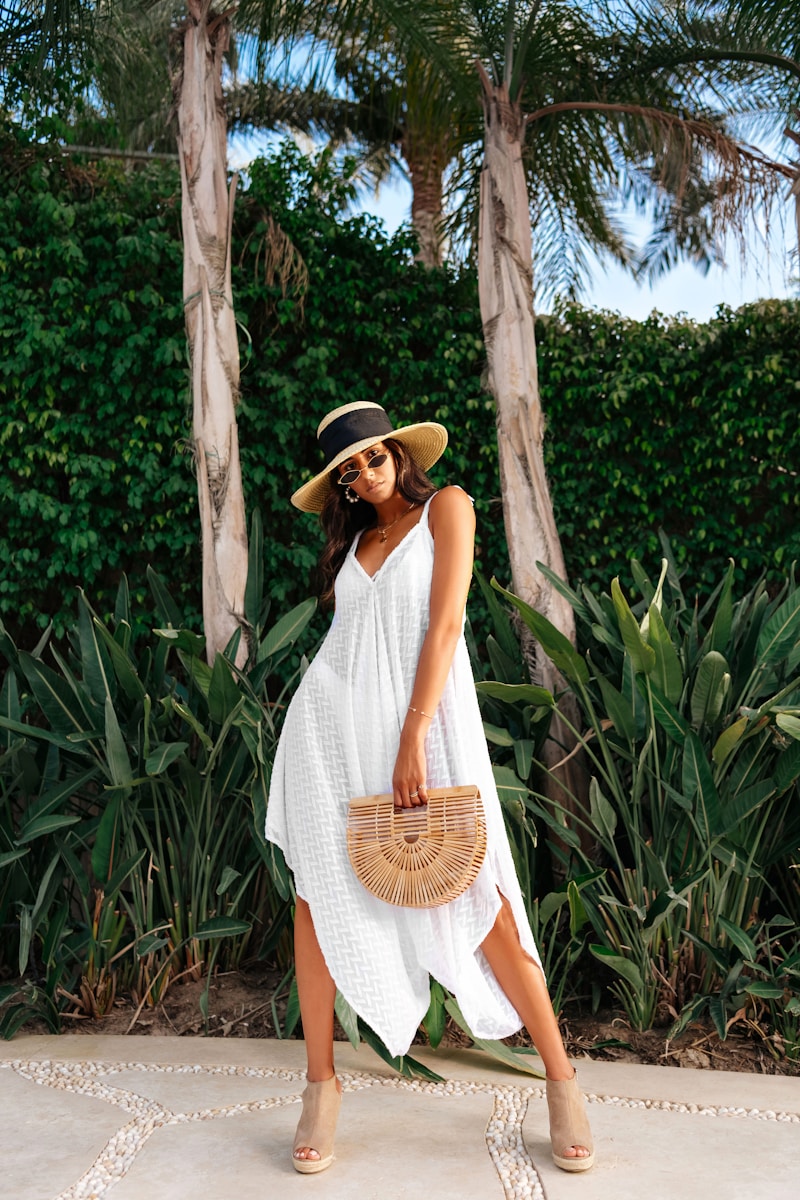
Functional Yet Chic Cover-Ups
A stylish cover-up is a pool party essential, blending functionality with fashion. Options like sheer kaftans, breezy sarongs, or chic sundresses allow for quick transitions from poolside lounging to social mingling. These cover-ups not only protect your skin from the sun’s rays but also serve as fashion statements on their own. Opt for a kaftan with a bold print or a wrap sarong that complements your swimsuit to elevate your pool party style.
Advanced Skincare and Sun Protection
Maintaining radiant skin and ensuring adequate sun protection form crucial parts of preparing for a pool party. Here, I’ll share the best practices for keeping your skin hydrated and defended against the sun’s harsh rays.
Moisturizing Before the Party
Hydrating your skin is key to achieving a fresh, dewy look at any pool party. I recommend applying a deep moisturizer the night before the event to ensure your skin absorbs it thoroughly, providing a plump and youthful appearance. For day-of hydration, opt for a lighter, water-based moisturizer that won’t feel heavy or greasy under the sun. Ingredients like hyaluronic acid and glycerin attract moisture, keeping your skin hydrated longer. This pre-hydration method prevents your skin from drying out, especially in chlorinated pool water and the hot sun.
Using Waterproof Sunscreen
Sun protection is non-negotiable when spending time by the pool. I advise applying a broad-spectrum waterproof sunscreen with an SPF of at least 30, about 30 minutes before heading outdoors. Reapply every two hours, or immediately after swimming or excessively sweating, to maintain protection. Selecting a sunscreen that’s water-resistant ensures it stays on while you swim and enjoy water activities. This step not only protects from immediate sunburn but also helps prevent long-term sun damage, such as premature aging and increased risk of skin cancer.
By following these skincare and sun protection tips, you can enjoy your time at the pool while keeping your skin healthy and glowing.
Improving Hair Appearance
When getting ready for a pool party, maintaining great-looking hair complements the effort put into choosing the right swimwear and ensuring skin protection. Moving from skincare to hair care can make a significant difference in your overall pool party look.
Opt for Simple, Chic Hairstyles
For pool parties, I recommend opting for simple yet chic hairstyles. Styles like a high ponytail, a messy bun, or even loose braids not only keep hair off your face but also look effortlessly stylish. If you’re wearing a bathing suit or a sheer kaftan, these hairstyles accentuate a laid-back yet polished poolside look. Moreover, these styles are practical as they minimize your hair’s contact with water, keeping your style intact throughout the event.
Protecting Hair from Chlorine
Chlorine in pool water can be harsh on your hair, causing it to become dry and brittle. To protect your hair, I always advise wetting your hair with clean water before taking a dip. This technique allows your hair to absorb the fresh water, limiting the amount of chlorinated water it can absorb. Additionally, applying a leave-in conditioner or an oil like coconut oil can create a protective layer over your hair strands. After the party, make sure to wash your hair thoroughly with a clarifying shampoo to remove any chlorine residue, followed by a hydrating conditioner to restore moisture and shine.
Perfecting Your Pool Party Makeup
After ensuring your hair looks stunning and your swimwear fits perfectly, it’s crucial to focus on makeup that enhances your pool party style. Makeup at a pool party should be both attractive and durable, combatting the effects of water and sun.
Waterproof Products to Consider
Achieving the perfect pool party makeup starts with selecting the right products. Here are the waterproof makeup essentials I recommend for a flawless look that lasts:
- Foundation: A waterproof foundation or tinted moisturizer will help even out your skin tone without wearing off in the water.
- Mascara: Opt for a high-quality waterproof mascara to enhance your lashes without the risk of smudging.
- Eyeliner: A waterproof eyeliner in shades like navy or charcoal can define your eyes subtly.
- Blush and Bronzer: Use a waterproof blush and bronzer to add a healthy glow to your cheeks, mimicking a natural sun-kissed effect.
These products ensure your makeup remains intact, even after a dip in the pool.
Tips for a Fresh Look All Day
Maintaining a fresh look throughout a pool party requires more than just using waterproof makeup. Here’s how I ensure my makeup looks great all day:
- Prime Your Skin: Applying a good primer before your makeup can greatly increase its longevity, creating a smooth base.
- Set with Powder: Use a translucent setting powder to lock in your base and reduce shine.
- Touch Ups: Carry blotting papers to absorb excess oil without smudging your makeup and a compact for quick touch-ups.
- Hydration: Keeping your skin hydrated is key to maintaining a fresh appearance. Spritz a hydrating facial mist throughout the day to refresh your skin and revitalize your makeup.
By following these tips, you can feel confident your makeup will stand out and withstand the challenges of sun, water, and fun at your next pool party.
Footwear and Accessories
When attending a pool party, choosing the right footwear and accessories maximizes both style and comfort. I’ll ensure the options I recommend maintain the effortless vibe of a poolside gathering while ensuring practicality and fashion align beautifully.
Selecting Practical Yet Fashionable Footwear
Footwear serves as a cornerstone in crafting my ideal pool party ensemble. I opt for options that blend aesthetic appeal with functionality. Flip flops are my go-to choice, as they are perfect for poolside terrain and easy to slip on and off. For those looking to make more of a fashion statement, stylish espadrilles or sandals embellished with beads or sequins can elevate their pool party outfit. It’s crucial that any footwear choice is water-resistant or quick to dry. I also consider the comfort and sole support of the footwear, ensuring that I can partake in any poolside activities without discomfort.
Keeping Accessories Simple and Functional
Accessories at a pool party should enhance my look without overwhelming it. I stick with items that serve a purpose beyond aesthetics. A wide-brimmed hat or a lightweight, stylish sunhat not only looks chic but also protects my face from the sun’s harsh rays. Sunglasses are indispensable; I choose a pair that complements the shape of my face while offering substantial UV protection. For jewelry, I aim for minimalism—waterproof or water-resistant items like simple band rings or a delicate chain necklace. This approach to accessories ensures that I feel comfortable, look great, and am ready to enjoy the festive atmosphere of a pool party without hassle.
Stepping out in style at your next pool party doesn’t have to be a daunting task. By embracing the tips I’ve shared—from choosing the right swimwear to accessorizing smartly—you’re set to make a splash. Remember it’s all about feeling comfortable and confident in your look while enjoying the vibrant atmosphere. So grab your sunhat throw on those stylish shades and dive into the fun with confidence. Here’s to looking and feeling great at every poolside event!
Frequently Asked Questions
What are the best swimwear styles for a pool party?
Choose swimwear that flatters your body type. For women, one-piece suits or high-waisted bikinis can offer a classic look while providing comfort and confidence. Men can opt for swim trunks that are not too long or too short. Select colors and patterns that reflect your personal style and stand out at the poolside.
How can I protect my hair at a pool party?
Before diving in, wet your hair with fresh water and apply a leave-in conditioner to create a barrier against chlorine. After swimming, rinse your hair thoroughly with clean water. Consider wearing a chic hat to protect your hair and scalp from UV damage.
What makeup should I wear to a pool party?
Opt for waterproof makeup to ensure your look stays fresh throughout the event. A waterproof foundation, mascara, and eyeliner will resist smudging and washing off in water. For a sun-kissed look, use a waterproof bronzer and add a splash of color with a long-lasting lip tint.
What are the best shoes for a pool party?
Choose water-resistant shoes like flip floops or water sandals for practicality or stylish espadrilles for a more fashionable approach. Ensure they are comfortable for walking and resistant to water damage, maintaining a balance between functionality and fashion.
How should I accessorize for a pool party?
Accessorize with minimalist waterproof jewelry, such as silicone bracelets or a waterproof watch. Wear wide-brimmed hats for style and sun protection, and don’t forget UV-protective sunglasses to shield your eyes from harmful rays. Keep accessories simple and practical to enhance your poolside outfit.
Elegant Entryway Design: 10 Sophisticated Ideas for Refined Home Entrances
In the bustling world of interior design, the entryway often takes center stage as the first impression guests receive of your home. It’s a space where chic front door setups, stylish doorway arrangements, and fashionable porch designs seamlessly merge to create an elegant entryway design that sets the tone for the entire space. In this comprehensive guide, we’ll explore how to transform your entryway into a welcoming masterpiece, incorporating timeless elements and innovative ideas to leave a lasting impression on visitors.
1. Creating a Grand Foyer
 A grand foyer is the epitome of sophistication, boasting luxurious touches and classical charm. Picture a spacious entrance adorned with statement rugs, elegant console tables, and carefully curated artwork. Dark wood accents add warmth to the space, while natural light floods in through expansive windows, highlighting every exquisite detail. This grand entrance is not just a passageway but a showcase of your home’s personality, curated by an expert interior designer to captivate guests from the moment they step inside.
2. Embracing Small Space Splendor
Even in the coziest of homes, small entryways can exude style and sophistication with the right design approach. By maximizing wall space and investing in stylish storage solutions such as wall hooks and slim console tables, you can create an entryway that feels spacious and inviting. Consider incorporating mirrors to reflect natural light and visually expand the space, along with statement rugs and throw pillows to infuse personality into every corner.
3. Basking in Natural Light Oasis
 Natural light is a powerful design element that can transform any space, and the entryway is no exception. By opting for light-colored walls and strategically placing mirrors and glass doors, you can amplify the brightness and create a welcoming atmosphere that radiates warmth and hospitality. This emphasis on natural light not only enhances the elegance of your entryway but also sets the stage for a seamless transition into the rest of your home.
4. Curating a Gallery Wall Gallery
A gallery wall is a versatile design feature that adds visual interest and personality to your entryway. Whether showcasing family photos, eclectic artwork, or striking prints, a well-curated gallery wall serves as a conversation starter and a reflection of your unique style. Experiment with different frame styles and arrangements to create a dynamic focal point that draws guests into the space and invites exploration.
5. Making a Statement with Blue Accents
Incorporating pops of color can breathe life into your entryway and infuse it with personality. Blue accents, in particular, evoke a sense of calm and sophistication, whether through throw pillows, artwork, or decorative accessories. By strategically incorporating these accents throughout your entryway design, you can create a cohesive look that feels both stylish and welcoming.
6. Utilizing Wall Space Wonder
Wall space is a valuable asset in any entryway, offering endless possibilities for storage and display. Consider installing wall hooks for keys and coats, hanging artwork or mirrors to add visual interest, or even creating a functional gallery wall that showcases your personal style. By maximizing vertical space, you can create a clutter-free environment that leaves a lasting impression on guests.
7. Crafting Timeless Elegance
Traditional entryway design elements, such as dark wood accents and classic color palettes, never go out of style. By incorporating these timeless elements into your entryway decor, you can create a sense of elegance and sophistication that stands the test of time. Whether it’s an antique table or a statement mirror, each piece contributes to the overall ambiance of your entryway, creating a warm welcome for guests.
8. Infusing Personalized Perfection
 Ultimately, your entryway should be a reflection of your personal style and taste. Whether you prefer sleek and modern or cozy and eclectic, infuse your entryway with elements that speak to you and make you feel at home. From family photos to cherished artwork, each piece contributes to the overall ambiance of your entryway, creating a warm and welcoming space that leaves a lasting impression on guests.
9. Creating a Unique Space with Statement Pieces:
Elevate your entryway with statement pieces that capture attention and reflect your personal style. A console table with a striking design or a bold wall decor piece can serve as a focal point and set the tone for the entire space. In a small entryway, opt for a statement mirror to create the illusion of space and enhance natural light. Incorporating unique elements like vintage finds or handmade ceramics adds character and makes the entryway truly one-of-a-kind.
10. Enhancing Visual Appeal with Color Palettes:
Choosing the right color palette can significantly impact the visual appeal of your entryway. In small entryways or those with white walls, consider incorporating pops of color through decor accents like throw pillows, artwork, or rugs. A wooden bench or console table in a rich, warm tone adds depth and contrast against the neutral backdrop. For a cohesive look, coordinate the color scheme with that of the adjoining dining room, creating a seamless transition between spaces.
Wrapping up: Elegant Entryway Design
Crafting an elegant entryway is about more than just decorating—it’s about creating a space that welcomes guests with open arms and sets the tone for the entire home. By incorporating timeless elements, maximizing small spaces, and infusing your personal style, you can create an entryway that exudes sophistication and leaves a lasting impression on all who step inside. Other suggested articles:
Philosophy and Refined Living: Mind Over Matter
Organizational Magic and Decluttering for Refined Living
The Parenting Double Standards that Drive Moms Absolutely Crazy
Parenting can be a challenge at the best of times, but when you add in the double standards that society seems to love to impose on moms, it can feel downright impossible. It seems like everywhere you turn, someone is telling you what you should and shouldn’t be doing as a parent. And if you don’t toe the line exactly according to their rules, then you are automatically labelled as a “bad mom.”
How does double standard parenting exist in the first place?
It’s hard to say for sure, but part of it may be due to the fact that the mother is still seen as the primary caregiver, even though that is slowly starting to change. In other words, because moms are still doing the majority of the work when it comes to raising kids, they are also the ones who are held to higher standards.
Parenting double standards that moms have to deal
Diaper Duty
-
Let’s face it, when it comes to diaper duty, dads usually get a free pass. It’s always the mom who is expected to change the diapers, no matter how many times she’s asked for help.
-
Even when both parents are home and available to do diaper duty, it’s still typically the mom who is expected to take care of it. Public bathrooms only have a changing table in the women’s. Fathers need to be able to change their kids too. Women’s public restrooms only have a changing table. Fathers must be able to change their children as well.
Buying fast food
-
It’s pretty much assumed that moms who feed their kids fast food are lazy and don’t care about their children’s health. But when dads do it, they’re just being “realistic” and “taking the easy way out.”
-
The fact is, sometimes both parents are busy and need to grab a quick meal on the go. And that’s okay. All parents should be able to make that choice without being judged.
School Contact
- Moms are always the ones who are expected to be available for school activities, even if they work full time.
Not My Third Child
- Stop being a one-parent family cliché and say that husbands are, in fact, another child.
Dad bod vs Mom bod
-
Society seems to think that it’s perfectly acceptable for dads to have a “dad bod.” But if a mom dares to let her body go even a little bit, she’s immediately labelled as “lazy mom” and “unattractive.”
-
Heaven forbid a mom should have any cellulite, stretch marks, or loose skin. She must be perfect at all times, even though no one expects the same of fathers.
Mother-in-Law Praise
-
It’s not uncommon for a mother-in-law to heap praise on her son’s wife, while at the same time criticising everything that she does.
-
No matter how hard a mom tries, she can never seem to please her mother-in-law. And even if she does manage to please her, it’s never good enough.
-
The mother-in-law always knows better, even though she’s not the one actually doing the parenting.
Doing It All
-
Society expects moms to be able to do it all, even though it’s impossible.
-
Moms are expected to be perfect wives, perfect mothers, and perfect employees. They’re also supposed to keep a clean house, cook all the meals, and always look put together.
Time for self-care
-
Moms are expected to put their families first at all times, even if it means sacrificing their own needs.
-
They’re not allowed to take any time for themselves, even though self-care is essential for both their physical and mental health.
Moms do all the work
-
Moms are expected to do all the work, both at home and at work.
-
They’re not given any credit for their accomplishments, and are always expected to do more.
Daddy privilege
This is real, and it’s something that needs to be talked about. Moms are expected to do everything, while dads often get a free pass. It’s time for society to stop putting so much pressure on moms and start holding dads accountable too.
[affiliatable id=‘269620’]
The consequences of the parenting double standards
The consequences of the double standards of parenting can be extremely damaging for both moms and children. For moms, it can lead to a constant sense of guilt and self-doubt. You never feel like you’re doing enough, and you constantly worry about whether you are harming your child by not following the “rules” perfectly. The stress of trying to live up to these impossible standards can also lead to anxiety and depression.
And for children, the consequences can be just as severe. If children always see their mom struggling and feeling like a failure, it can give them a very negative view of parenting. They may start to believe that moms are weak and incompetent and that it’s not worth becoming a parent because it’s just too hard.
How to deal with the parenting double standards
The best way to deal with the parenting double standards is to simply ignore them. Don’t let yourself be controlled by what other people think you should or shouldn’t be doing. Instead, focus on what works for you and your family. Every family is different, and what works for one may not work for another.
The societal expectations of parenting are constantly changing, so it’s impossible to keep up with all the latest “rules.” And even if you could, it’s not worth the stress and anxiety that comes with trying to live up to someone else’s standards.
The importance of accepting yourself as a mother
One of the most important things you can do for yourself as a mother is to accept yourself. Accept that you are not perfect and that you will make mistakes. But also accept that you are doing your best, and that is good enough. Your children need you to be happy and healthy, so don’t let the double standards of parenting get you down. Instead, focus on what works for you and your family, and let go of the rest.
How can we work to create a more level playing field for both parents?
One way we can work to create a more level playing field for both parents is by changing the way we talk about parenting. Instead of talking about mothers as if they are the only ones who parent, we need to start including fathers in the conversation. Fathers also play an important role in their children’s lives, and they should be given the same level of respect and support.
We need to start normalizing the idea of mothers taking breaks. Mothers should not feel guilty for wanting to take a break from their kids, and they should not have to justify it to anyone. The husband should be just as involved in child-rearing as the wife, and he should be able to take over when she needs a break.
By changing the way we talk about parenting, we can start to change the double standards that exist. We can create a more level playing field for both parents, and we can help mothers feel more supported and respected. The fair share of the husband in housework and childcare should not be a topic of discussion, but an accepted fact.
So let’s start normalizing the idea of equal parenting. Let’s start talking about mothers and fathers as equal partners. The parenting duties should be divided equally among both parents. It’s not just the mother’s job to do everything related to the child. The father should also be involved in every aspect of their life.
For single parents
If you’re a single mom or single dad, you might feel like you have to do everything on your own. But it’s important to remember that you’re not alone. There are other single parents out there who are dealing with the same challenges as you. So don’t be afraid to reach out for help when you need it. There are plenty of support groups and resources available to single parents.
There are also plenty of resources available to help you. From your mother, mother-in-law, friends, and government assistance programs to community groups, there are people and organizations out there who want to help you succeed as a single parent. So don’t be afraid to reach out for help when you need it.
Final thoughts
If you are a mother who feels like you are always falling short, then know that you are not alone. Don’t get frustrated with yourself, and don’t try to compare yourself to other mothers. Taking care of your own children is a full-time job, and you are doing an amazing job. You are also setting a good example for your children by showing them that it’s okay to be imperfect. So accept yourself, and focus on what works for you and your family.
The double standards that society imposes on mothers are unrealistic and unfair. So don’t beat yourself up if you can’t meet them. Just do the best you can and know that you are doing an amazing job. Parenting is hard enough without having to worry about meeting someone else’s standards. So just relax, breathe, and be yourself. You’re doing a great job!
Academic Excellence: 10 Traits of Successful Students
In the competitive world of higher education, achieving top academic performance is a goal shared by many students. Whether you’re aiming for an academic excellence award, scholarships, or professional development opportunities, the journey begins with understanding the essential traits that set high-achieving students apart. In this comprehensive guide, we’ll delve into the 10 key characteristics that contribute to scholarly success, covering everything from consistent goal-setting to evidence-based decision-making.
Definition of Academic Excellence and Importance of High-Achieving Students
Academic excellence goes beyond grades; it embodies a commitment to continuous improvement, a pursuit of knowledge, and the development of well-rounded individuals. High-achieving students are those who consistently demonstrate exceptional performance in their studies, actively contribute to their academic community, and show resilience in the face of challenges. In the academic landscape, top performance opens doors to various opportunities, including prestigious awards, scholarships, and professional development programs. Recognizing the importance of high-achieving students, educational institutions and organizations seek individuals who not only excel academically but also contribute to the broader academic community.
Trait 1: Consistent Focus on Goals
 Successful students understand the power of clear, well-defined goals. Whether short-term or long-term, setting academic goals provides a roadmap for achievement. From the beginning of the semester, high-achieving students outline their objectives, breaking them down into manageable tasks. This consistent focus on goals helps maintain motivation and ensures a sense of purpose throughout the academic journey. To achieve top academic performance, consider creating a detailed plan outlining your academic objectives, deadlines, and milestones. This strategic approach will serve as a compass, guiding you through the challenges of the semester and keeping you on track towards scholarly success.
Trait 2: Effective Time Management
The second crucial trait that distinguishes successful students is their mastery of time management. Balancing a full-time enrollment, academic responsibilities, and personal commitments requires a well-organized schedule. High-achieving students leverage various tools and techniques to make the most of their time, ensuring that each hour contributes to their academic goals. Consider adopting time management strategies such as creating a weekly schedule, prioritizing tasks, and utilizing productivity tools. By efficiently managing your time, you’ll not only enhance your academic performance but also create space for professional development opportunities and extracurricular activities.
Trait 3: Leadership and Professional Development
High-achieving students recognize the value of leadership and actively seek opportunities for professional development. Engaging in leadership programs and extracurricular activities not only enhances your academic experience but also contributes to personal growth and future success. These experiences build essential skills such as teamwork, communication, and problem-solving – attributes that are highly sought after by employers and academic institutions. To embrace this trait, consider joining clubs, student organizations, or taking on leadership roles within your academic community. Attend workshops and seminars that focus on professional development, helping you refine your skills and broaden your perspective beyond the classroom.
Trait 4: Outstanding Grades and Academic Achievement
 One of the cornerstones of academic excellence is achieving outstanding grades. High-achieving students understand that grades are not just a reflection of their knowledge but also open doors to scholarships, awards, and advanced academic opportunities. Strategies such as effective study habits, regular attendance, and seeking guidance from professors contribute to maintaining top-notch academic performance. Recognize the correlation between grades and future success, whether it be in securing scholarships or gaining admission to competitive programs. Consistent effort, dedication, and a commitment to academic achievement are key components of this trait.
Trait 5: Financial Responsibility and Scholarships
The journey towards academic excellence often comes with financial considerations. Successful students manage their financial resources responsibly and actively seek out scholarships to support their education. By understanding the financial landscape, students can alleviate the burden of tuition costs and focus on their academic pursuits. Explore scholarship opportunities that align with your academic achievements, leadership experiences, and personal goals. Meeting financial deadlines and fulfilling minimum requirements are essential steps to be eligible for various scholarships. Financial responsibility not only ensures a smoother academic journey but also sets the foundation for a successful future.
Trait 6: Active Engagement with Faculty and Peers
Building positive relationships with professors and actively engaging with peers contribute significantly to academic success. Successful students understand the value of networking within the academic community, creating a supportive environment that fosters learning and growth. Take advantage of office hours, participate in class discussions, and collaborate with peers on group projects. These interactions not only enhance your understanding of the subject matter but also provide opportunities for mentorship and academic support.
Trait 7: Utilization of Resources
 Successful students know that academic excellence is not a solo endeavor; it involves tapping into the wealth of resources available on campus. From libraries and research facilities to academic support services, universities provide a plethora of tools to aid your learning journey. Actively seek out resources that align with your academic goals. Utilize the library for in-depth research, attend workshops offered by academic support services, and make the most of online resources. By taking advantage of these tools, you not only enhance your understanding of the subject matter but also demonstrate resourcefulness, a key trait of high-achieving students.
Trait 8: Responsibility and Accountability
Assuming responsibility for your academic journey is a crucial trait shared by successful students. Taking ownership of your studies, assignments, and overall progress is a hallmark of academic excellence. Accountability ensures that you stay on track, meet deadlines, and actively engage with your coursework. Embrace a sense of responsibility by creating a study routine, meeting project deadlines, and seeking help when needed. This trait not only contributes to your academic success but also prepares you for the challenges and responsibilities you’ll face in your future career.
Trait 9: Embracing Technology for Academic Growth
In the digital age, successful students leverage technology to enhance their academic experience. Incorporating technology into your learning process, whether through online research, educational apps, or virtual collaborations, can significantly contribute to academic growth. Explore educational platforms, use digital tools for note-taking and organization, and stay updated on technological advancements relevant to your field of study. Embracing technology not only demonstrates adaptability but also equips you with valuable skills for the ever-evolving professional landscape.
Trait 10: Evidence-Based Decision Making
The final trait that sets successful students apart is their ability to make informed decisions based on evidence. Evaluate options, analyze information, and make decisions that align with your academic goals. Evidence-based decision-making is a valuable skill that extends beyond the academic realm, serving as a foundation for success in various aspects of life. Seek out credible sources, critically assess information, and apply evidence-based reasoning to your academic and personal choices. This trait not only enhances your academic achievements but also cultivates a mindset of critical thinking and informed decision-making. As we conclude this segment of our exploration into the traits of successful students, we’ve uncovered the importance of consistent focus on goals, effective time management, leadership and professional development, outstanding grades, financial responsibility, and active engagement with faculty and peers. In the upcoming sections, we’ll dive into the remaining traits, offering insights and practical tips to guide you on your path to academic excellence. Stay tuned for more valuable advice on achieving top-notch scholarly success!
What is Classic Style Clothing: Your Best Guide to Understanding Classic Fashion
What is classic style clothing? In the world of fashion, trends come and go, but there is a category that remains eternally relevant and effortlessly sophisticated - classic style clothing. This enduring fashion choice encapsulates a sense of timeless elegance that transcends eras and continues to inspire countless generations. Whether it’s the iconic little black dress, the crisply tailored dress shirt, or the breezy summer dress, classic style clothing is a reflection of refined taste and an appreciation for enduring aesthetics.
In this exploration, we delve deep into the essence of classic fashion, dissecting its characteristics, understanding its versatility, and appreciating its role in modern wardrobes.
What is Classic Style Clothing?
At its core, classic style clothing represents a set of wardrobe choices that remain steadfast and graceful despite ever-changing trends. It embodies a certain elegance that defies the passage of time, making it a go-to choice for those seeking a polished and sophisticated look. Classic fashion celebrates simplicity, focusing on clean lines, impeccable tailoring, and enduring designs that have stood the test of time.
Classic style clothing is all about redefining elegance. It emphasizes quality over quantity and opts for pieces that exude an understated charm. A prime example is the quintessential little black dress. This iconic garment, popularized by Coco Chanel, epitomizes classic fashion. Its versatile nature allows it to seamlessly transition from casual daytime outings to formal evening affairs, making it an essential cornerstone of any timeless wardrobe.
Mastering the Art of Classic Clothing: Time-Honored Trends
To master the art of classic clothing is to embrace time-honored trends that have left an indelible mark on the fashion landscape. A well-fitted dress shirt, for instance, is a staple that embodies sophistication. Its tailored silhouette and crisp fabric evoke a sense of professionalism and confidence, making it a favored choice for formal occasions and business attire.
Classic Style Clothing: A Journey Through Fashion’s Everlasting Charm
Embarking on a journey through the realms of classic style clothing is akin to traversing the annals of fashion history. Classic pieces have the ability to transport us to bygone eras, connecting us with the elegance and allure of the past. Styles that were chic decades ago remain equally fashionable today, a testament to the enduring appeal of classic fashion.
Classic Clothing: Embracing Tradition in Modern Wardrobes
In a world where fashion often gravitates towards the avant-garde and experimental, classic clothing reminds us of the beauty found in tradition. It encourages us to appreciate the sartorial heritage that has paved the way for contemporary styles. A well-chosen summer dress, with its breezy fabrics and timeless prints, effortlessly captures the essence of classic style while embracing the joys of the present.
Decoding Classic Style Clothing: A Fusion of Nostalgia and Glamour
Decoding the nuances of classic style clothing reveals a fusion of nostalgia and glamour. It enables us to evoke the spirit of yesteryears while making a stylish statement in the present. Classic fashion empowers us to curate looks that are both sophisticated and emotionally resonant, much like the enduring allure of a perfectly fitted dress shirt.
[caption id=“attachment_483” align=“alignnone” width=“1024”] What is Classic Style Clothing[/caption]
Classic Style Characteristics
The basic of basics: no-frills cuts, neat hems, neutral hues, basic stripes or subtle detailing. The finest tailoring is frequently the detail that catches the eye. Minimal adornment. Simplicity is what makes it so appealing. Fabric with a high level of sophistication. Exquisite quality. And, to name just a few, perhaps a hint of red lipstick. Keep reading if you find yourself saying yes.
Value is also significant for the traditional woman, as goods are intended to be kept for long periods of time. To find out more about the newest products in our store, visit our blog. The old items are classics and will go with anything. They’re investment dressing at its finest - and a classic woman isn’t afraid to spend money upfront on high-quality pieces for her wardrobe knowing they’ll be reached for time and time again and last for years.
These women exude a quiet self-assurance, and they have no desire to flaunt their arrival with garish over-the-top fashion styles. Their aim is to draw the attention they deserve, and they will undoubtedly receive. In the images below, Meghan Markle is wearing all black or all white, but her clothes attract attention because of the tiny details.
What Isn’t Classic Style
It’s also crucial to understand who you aren’t. You may have been seduced by traditional design without realizing what a classic wardrobe is, but instead, you already know what styles you don’t enjoy.
You’re not into the latest, most cutting-edge fashions. Busy patterns and too many colors in one outfit aren’t your style, nor are busy styles or asymmetrical cuts. You like clean lines and conventional designs and cuts that you can wear for a long time. No frills, no fuss, and nothing over the top. Small details that make a simple classic clothing unique are appreciated by classic women: buttons, a notched lapel, jewel embellishments, ruffles, peplumbell sleeves with ties or ribbing.
[affiliatable id=‘269282’]
Classic Style in the Real World
At Work
Think structured blazers and tailored pants for a polished appearance when it comes to office clothing. A well-fitting jacket, such as a properly fitted blazer, instantly unifies your appearance while also complimenting simple tops or a cotton-button up. A sheath dress may be complemented with a jacket, a cardigan, or worn alone. A selection of separates can create different looks: sweaters, button-down shirts, skirts, cardigans, blazers, and dresses.
Ankle pants are perfect for Fridays off and look great with a crisp white shirt, a red lip, dark sunglasses, black boots or heels. And if you want to follow in the footsteps of Grace Kelly, wear ankle pants with a neutral color sleeveless turtleneck.
Here are the five classic pieces that every man should own: a trench coat, a fedora, a blazer, boots and a tie. A trench coat is an essential basic item for any guy’s wardrobe. It’s regarded as the king of all coats since it has everything you want in terms of style and function. The quintessential traditional must-have, a fedora is perfect for any outfit. A blazer should be tailored to your body and can be worn with jeans or trousers. The key to nailing this look is in the fit.
Boots are a great way to add style to any outfit. They come in many different styles and can be dressed up or down.
On The Weekends
Striped tees are ideal for creating the effortlessly cool French girl look. For a sunny summer day at the park, go with black skinny jeans and red lipstick.
A pencil skirt or wide-legged pants with a buttoned blouse are both stylish and comfortable for the weekend, or choose a knee-length dress to complement your appearance for an important event.
A Night Out
Wrap dresses provide a flattering and timeless look. The LBD (little black dress) was designed by Coco Chanel for the traditional woman, but it doesn’t always have to be black. Create a low bun that is tied up and worn with simple earrings and heels, or go for a clutch and stiletto shoes for an edgy vibe. Both are absolutely exquisite, well-dressed, fuss-free looks.
Perhaps you’ve been wearing this type for many years and have fallen in love with it. The wonderful thing about recognizing your classic style is that there are certain standard components in your wardrobe that you can depend on—and then it’s simply a matter of adding a scarf or boots to stay true to your essence while still keeping things consistent.
If you’re new to the classic style, that’s perfectly fine. Being well-dressed is a habit that takes practice and requires continuous learning. In such circumstances, I’ve included some blunders to avoid while building a traditional wardrobe from the ground up.
Things to Avoid When Creating a Classic Wardrobe
Forgoing Comfort
Not only are modern classics well-known for their clean lines and clever cuts, but they’re also recognized for being comfy. Pieces are intended to become permanent fixtures in your home that will endure for years. Luxury should be comforting; otherwise, it isn’t really luxury. Take Coco’s advice: “Luxury must be comfortable because if it is not, then it is not genuine.” Take note of the following tips from Coco to help you find these items more easily.
For the past 20 years, I’ve worn the same black skirt with a pencil tucked in it. Aside from the fact that the cut is perfect, it has a little give to it, making it quite comfy and easy to wear. I can eat my lunch and then sit down comfortably afterward.
Quality
Classics are defined by high-quality items, as previously said. This does not mean that every purchase you make must be costly. However, it is critical not to cut corners on key factors such as size or fabric – otherwise, you will replace them soon. Instead, try to pick each item with care. This might entail purchasing a new thing every month or season. It’s about creating high-quality goods that you’ll enjoy and wear for many years. You might discover high-quality goods at much lower costs. I’m wearing a lovely black pencil skirt from The Limited.
I like to spend the most money on bags, shoes, and outerwear since they significantly improve inexpensive items. They’re generally the most long-lasting components and can survive a decade or more if properly maintained.
Sticking To All Black
How to Create a Classy Ambience With White Candles?
Creating a warm atmosphere in your living space may transform an ordinary room into a relaxing retreat, romantic haven, or even fun zone. And flickering candles are a simple and quick method to add warmth to any area and at any time. Not only is the flame of a candle lovely, but you may also switch out the scent and appearance to match your own personal style or the ambiance you desire.
If you enjoy a more classic look and feel, white candles are an excellent way to incorporate this theme into your decor. Classy and elegant, they embody refinement while still offering a touch of whimsy. And when used in interesting combinations and arrangements, white candles can give any room in your house an instant upgrade.

One way to use white candles to create ambience that is classy by placing them in large, dramatic candelabras. Such an arrangement would be perfect for a grand entryway or even as a centerpiece on your dining room table. For a more intimate setting, try using small groups of white candles placed throughout the room. This will give the space a more inviting and cozy feel. The wax will just pop out when frozen always keep matches around. sometimes when candle wicks are super low.
Another way to incorporate white candles into your decor is by using them as part of a larger display. For instance, you could use a tall white pillar candle as the centerpiece of an arrangement that also includes fresh flowers, greenery and candle holders. Or, try filling a beautiful bowl with an assortment of small white candles and placing it on your coffee table or mantle.
If you’re looking for a more unique way to use white candles, consider creating a floating candle display. This can be done by suspending several small white candles from the ceiling using clear fishing line. The result is a beautiful, ethereal look that’s perfect for any room in the house.
No matter how you choose to use them, white candles are a simple and stylish way to add warmth and beauty to your home. So light up your living space and enjoy the cozy, inviting atmosphere they create.
Significance of Candles
The concept of hygge, which has recently gained popularity in the United States, is derived from Denmark. In essence, it’s anything that gives you a sense of warmth and togetherness. Danes value candles highly because they are an important part of hygge, which is why they use the most candles worldwide.
It makes perfect sense when you consider Scandinavia’s long, dark Winters. Candles, lights, and fires were the only source of illumination in the home before electricity and lightbulbs became available. This was also true in the United States.
There is something animalistic about a flickering light. Candles can provide warmth, a sense of protection, and even spiritual practices. Candles may be simple and successful at generating an ambience that reflects your personality when considering the overall feel of a room.
Candles also provide a great deal of ambience to your house. According to research, the sense of smell and emotion are much more closely linked than previously assumed. If you remember a fragrance that makes you happy, you’re with us.
How to Use Candles to Create Ambiance
Candles offer a sense of warmth and intimacy that many people find comforting. To bring this feeling to your home, follow the ideas in this article.
1. Group Candles Together
When it comes to candles, sometimes more is definitely better. While you don’t have to line every surface, adding a few small clusters of candles around a space will brighten the area considerably. This light subsequently aids in the creation of a room that is more friendly and inviting.
Consider a flameless LED, such as Sullivans Candle Expressions, if you’re concerned about kids or pets around open flames. These look like real candles but don’t burn or get knocked over, making them ideal for use around children or pets.
2. Think About Scents
The sense of smell and emotions are inextricably linked. Consider the overall mood you want visitors to experience when entering your property. Then, choose a fragrant candle that represents that feeling.
Candles that smell like peppermint or cinnamon, for example, may help a home office. These fragrances not only boost productivity but can also enhance energy and mental clarity.
Lavender or vanilla-scented candles may make your bedroom more relaxing. Alternatively, use both for a more layered experience with deeper scent depth. These same fragrances are also appropriate for baths.
Vanilla may be used to enhance the romance factor in a bedroom. To assist increase connection and luxury, Creative Energy Candle Company candles include all-natural ingredients that melt to form a lot of moisturizer for your skin.
Clean fragrances may enhance the appearance of bathrooms. Lemon or grapefruit, eucalyptus, or even lavender scents might help any bathroom seem like a spa.
Humans also frequently link odors with colors, which may contribute to the overall appearance and feel of a space by introducing a compatible scent. Find a soothing fragrance such as linen or a water-inspired candle if your living room is a tranquil, blue refuge.
You can be certain to discover something that suits your preferences from Four Points Trading, no matter what scent or sensation you’re searching for. This business understands the connection between scent and memory and crafts high-quality candles to help people experience it.
3. Consider Your Health
Unfortunately, not all candles are made equal. Paraffin is used in the manufacturing of many of the cheapest candles available. While this substance is inexpensive, it does have health hazards, such as emitting carcinogens and other toxins.
Instead, make sure you’re using natural, ecologically responsible materials for the candles you burn. Soy or beeswax candles are a healthier alternative. If fragrances are an issue for you or someone close to you, unscented candles are still a wonderful alternative.
4. Change It Up
Also, don’t forget to take risks and alter the style and scents in your rooms on a regular basis. This might be done by season, such as winter versus summer, or even mood-wise. Choose candles that are attractive and fit into the general aesthetic of your home.
When you buy Chandler candles, your rooms will appear more elegant and costly. Their package not only contains all-natural substances and high-quality fragrances, but it also adds a touch of class to any space in your house.
Achieve Instant Ambiance
Don’t forget that candles may offer warmth, coziness, and even an emotional lift by adding a few around your house. Their brightness not only conveys the sentiment of light in the dark, but also implies that taking the time to create a particular atmosphere in your home will be a treat for yourself.
Other suggested articles:
Why Luxury Candles Are the Best Gift for Christmas?
How to Create a Classy Ambience With White Candles?
Luxurious Relaxation at Home: Transforming Your Space into a Personal Oasis
Do Fitted Hats Shrink?
Do fitted hats shrink? This is a question that many people have asked, and the answer is not always clear. In this blog post, we will explore the topic of hat shrinkage and try to provide some answers. We will look at what factors can cause a hat to shrink and how you can prevent it from happening. We will also discuss some tips for dealing with a shrunken hat.
What are the common types of hats?
 Before we get into the specifics of do fitted hats shrink, it is important to know the different types of hats that are commonly available. Here are some of the more popular styles: Baseball caps: These are the most common type of hat. They have a stiff brim, and typically come in one size fits all sizing. Fitted hats: These hats are designed to fit the shape of your head with an adjustable strap or elastic band at the back. They do not come in one size fits all sizing. Beanies: These are a great style for cold weather, as they cover your ears and keep you warm. They do not usually come with any adjustments or straps. The hat style is important when looking at do fitted hats shrink, as different types of hats are constructed differently and may affect the way they fit and feel.
What is hat shrinkage and why does it happen?
Hat shrinkage occurs when a hat is washed or exposed to high temperatures and the fabric fibers become compressed together, causing the hat to lose its original shape. This can happen with any type of hat, including baseball caps, beanies, and fedoras. The most common cause of hat shrinkage is washing in hot water or drying in a clothes dryer, but it can also happen if the fabric is exposed to direct sunlight or excessive heat.
Do fitted hats shrink?
The answer is yes, fitted hats do tend to shrink more than other types of hats. This is because they are made from a fabric that has been knitted more tightly and doesn’t have as much give. Also, the tight fit of a fitted hat means that there isn’t as much room for the fabric to move and stretch when exposed to high temperatures or water.
Different methods to shrink a fitted hat
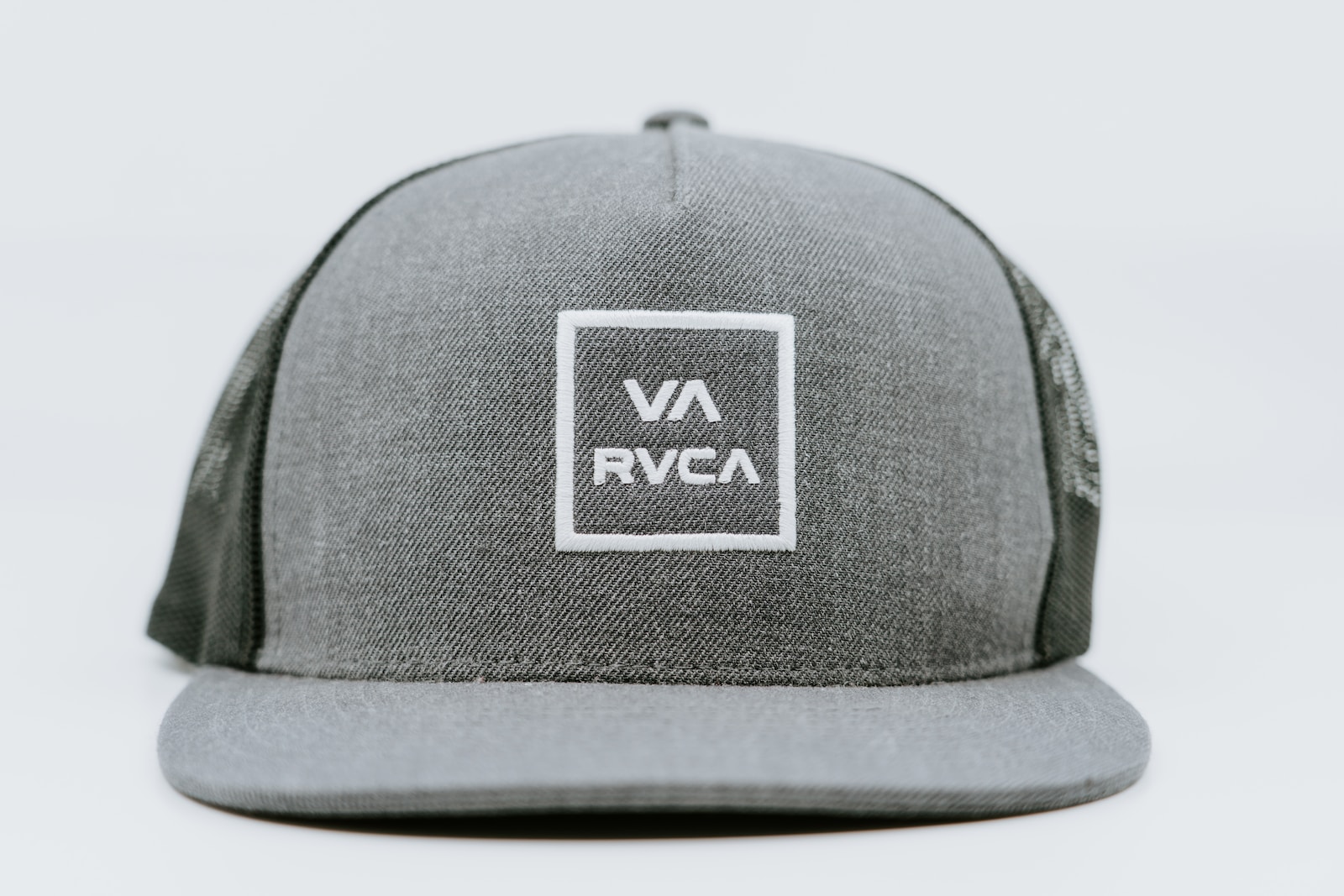 There are different ways how to make a fitted baseball hat shrink.
1. Wash it in hot water.
This is the most common method, involving putting the hat into a washing machine with hot water and detergent. The heat of the water causes the fibers to contract and can result in significant shrinkage.
2. Dry it in a clothes dryer on high heat.
Again, the heat from the dryer will cause the fibers of the hat to shrink. Before using a dryer, you should always check the label on your fitted hat, as some materials do not do well with high temperatures. Use a hair dryer to heat the wet hat until it is comfortable, then wear it until it dries and takes the shape of your head.
3. Applying heat with an iron or hairdryer
The heat from an iron or hairdryer can also shrink a hat. It’s best to do this method in small increments and check the fit of the hat often as you do not want to over-shrink it.
4. Take a hot bath or shower with the hat on
This method involves wearing the fitted hat while taking a hot shower or bath. The heat and moisture will cause the fibers to contract, resulting in shrinkage. Use a towel to remove the excess water, and the hat should fit snugly against your head.
5. Steam the hat
You can also steam a fitted hat to shrink it. To do this, hold the hat over a pot of boiling water or use a steamer and move it back and forth until the fibers contract.
6. Stretching the hat
If you do not want to shrink your fitted hat, you can also stretch it out. To do this, put it on a flat surface and use your hands to pull the fabric gently in different directions. This will help give the hat more room and make it fit better.
Different hat materials and their shrinkage potential
 Different hats are made from different materials, each with its own specific care instructions. Check the tag of your hat to see what it is made out of, then follow these steps to learn how to shrink common hat materials.
1. Cotton:
Cotton is a breathable material that tends to shrink more than other fabrics. To minimize this, wash it in cold water and do not dry it in the dryer.
2. Wool:
A wool hat is usually more durable and less likely to shrink. If it does, do not use hot water or the dryer; instead, spot-treat with warm water and air-dry it flat.
3. Acrylic:
This material is not as prone to shrinking but can still do so if exposed to heat. If you do need to shrink acrylic, do so with cold water and air-dry it flat.
4. Fleece:
Fleece is a synthetic material that can be somewhat sensitive to heat. To minimize the risk of shrinkage, do not use hot water or the dryer; instead, spot-treat with warm water and air-dry it flat.
5. Polyester:
A polyester baseball cap is highly durable and not prone to shrinking. However, if you do need to shrink it, do so with cold water and air-dry it flat. [affiliatable id=‘269172’]
Hats Shrink: Understanding the Shrinkage Process
Do fitted hats shrink? The answer is yes. The process of hat shrinkage typically occurs due to exposure to hot water or high temperatures. However, it’s essential to note that most polyester and blended fabric fitted hats will shrink in hot water alone. Some hats may only shrink a little, but indeed, they do shrink.
Exploring the Versatile Cap Style
Hats, particularly the fitted cap style, have the power to elevate any look. When people think about fitted caps, the first style that comes to mind is the baseball cap. These hats can come in eye-catching blues or neutrals, appealing to both men and women. From a casual day out to a big game week, fitted caps add a sporty edge to your look.
Choosing the Perfect Fit: Navigating Small Hats
A fitted cap might be the ideal match for you if you’re dealing with a small hat. Small hats can sometimes be problematic, as they don’t cater to every head size. If you’re searching for a size-friendly option, then a fitted hat should be at the top of your list.
Reviving Classic Styles: The Allure of Era Hats
When it comes to classic styles that never go out of fashion, era hats take the cake. Whether it’s the iconic LA look with a Los Angeles-branded cap or a more understated design, era hats offer considerable versatility. Of course, one of the most popular era hats is the fitted hat, adaptable and timeless.
Reshaping and Restoring: The Power of Hat Stretchers
Fitted caps, just like any other hat, can sometimes lose their shape or fit. In these cases, hat stretchers become beneficial tools. They help maintain the hat’s shape - and even expand the size, if needed - without causing any damage to the materials or bottom undervisor.
Beyond the Field: The Iconic Allure of Baseball Hats
 When one hears the term ‘fitted cap,’ the baseball hat almost invariably springs to mind. Immortalized in the media, from films to podcast discussions, the baseball hat remains a symbol of casual, chic style. Whether you wear them to stay cool, dry from the rain, or add style to your day, the appeal of this popular hat never fades.
They Do Shrink a Little: Remedying a Shrunken Hat
We’ve established that fitted hats can indeed shrink, although they do shrink a little, not a lot. But fret not, this doesn’t mean you have to part with your favorite cap. Instead, consider stretching the hat back to its original fit. A hat stretcher is a handy tool for such situations, allowing for gentle and gradual resizing without damage.
The Legacy of the Era Hat
Continuing our hat talk, the era hat holds a special place in the world of headwear. Its timeless design and exceptional craftsmanship continue to captivate hat enthusiasts and fashion-forward individuals alike. The fitted era hat, in particular, strikes a delicate balance between aesthetics and functionality, proving to be a hit among all age groups.
Hat Stretchers to the Rescue
While it’s possible to stretch a hat using heat from a hairdryer or steam, for best results, consider using a hat stretcher. This device applies steady pressure on the hat’s interior to expand it gradually and allow it to return to its original size. So if you have a shrunken hat, don’t lose hope, because a hat stretcher could very well save the day!
Color Matters: The Appeal of the Blue Cap
Finally, let’s talk about the importance of color in cap selection. While caps can be found in almost every color imaginable, the allure of the blue cap is undeniable. Perfect for both day and night looks, a blue cap can add a subtle splash of color to any outfit without being overwhelming. Whether it’s a fitted baseball cap or an era hat, a blue cap can never go out of style. Sometimes when we buy a fitted baseball cap, the fit is not quite right. We may find it too loose or snug, and wonder if we can do something to get it just right. The answer is yes, fitted hats do shrink, although different materials will have different levels of shrinkage potential. There are several different methods to do this, such as washing it in hot water, drying it in a clothes dryer on high heat, applying heat with an iron or hairdryer, taking a hot bath or shower with the hat on, steaming the hat and stretching the hat. Make sure to read the care instructions for your specific type of fitted hat, as some materials do not do well with high temperatures. With the right amount of care and attention, you can get your fitted hat to fit perfectly!
How to Choose a Signature Scent
Imagine walking into a room and leaving a hint of intrigue behind, or having friends instantly smile as they recognize a familiar, comforting fragrance. That’s the power of a signature perfume. Choosing the right one isn’t just about smelling good; it’s about making a personal statement and enhancing your presence. But with countless options, how do you choose a signature scent that truly captures your essence? Your signature scent should be as unique as you are, seamlessly blending with your personality, lifestyle, and tastes. Whether you’re drawn to the earthy tones of musk, the crisp freshness of citrus, or the sweet allure of floral notes, finding that perfect fragrance can be a delightful journey of self-discovery. Let’s dive into how to select a fragrance that not only smells good but also resonates with your personal style and leaves a lasting impression.
Understanding Signature Scents
 When determining a signature scent, your understanding of fragrance families and how scents reflect personality is crucial. This section will delve into these topics, helping to ensure the fragrance you choose aligns well with your personal identity and leaves the desired impression.
The Role of Fragrance Families
Fragrance families categorize scents into groups based on their dominant characteristics and notes. Understanding these can drastically simplify your search for the perfect signature perfume. The primary fragrance families include floral, woody, oriental, and fresh. Each family evokes different emotions and suits varied preferences and occasions. Floral scents, for instance, bring a sweet and soft aroma, making them ideal for those who admire the smell of roses, jasmine, or lilies. Woody scents offer an earthy base, incorporating elements like sandalwood and cedar, perfect if you prefer nature-inspired, robust fragrances. Knowledge of these families allows you to align your fragrance choice with your aesthetic and lifestyle preferences, ensuring it complements your overall presence.
How Scents Communicate Personality
Your signature perfume serves as an olfactory representation of your personality. It can convey various facets of your character—whether you’re energetic and adventurous or calm and contemplative. Citrus fragrances, bursting with fresh notes of lemon and orange, typically suggest a lively, energetic personality. In contrast, oriental fragrances, infused with spices and amber, reflect a more bold and mysterious aura. By choosing a scent that resonates with your personal traits, you create a unique, memorable presence. This choice influences how others perceive you, reinforcing your personal style and identity through scent.
Starting Your Search for a Signature Scent
 Embarking on the journey to find your signature scent isn’t just about picking a fragrance; it’s about discovering an aroma that embodies your essence and complements your lifestyle. This section guides you through understanding various perfume notes and highlights the importance of sampling fragrances before making a commitment.
Familiarize Yourself with Different Perfume Notes
To choose a signature scent effectively, you need to first understand the different fragrance notes that perfumes offer. Perfume notes are typically categorized into three types: top, middle, and base notes. Top notes are the initial scents you detect upon applying the perfume, often light and refreshing such as citrus or floral notes. Middle notes, or heart notes, form the core of the fragrance; these can range from fruity to spicy scents, providing a smooth transition to the deeper base notes. Base notes last the longest and provide depth to the perfume with rich scents like musk, vanilla, or woody fragrances. Recognizing these notes helps you better determine which fragrances might mesh well with your natural body chemistry and everyday activities. For instance, if you have a dynamic personality and lead an active lifestyle, fresh scents like citrus or marine notes might enhance your natural energy. Alternatively, if you often attend formal events, a perfume with strong base notes like sandalwood or amber could be more appropriate, lending a touch of elegance and sophistication.
Importance of Sampling Before Buying
It’s crucial to sample perfumes before committing to one as your signature scent. Since fragrances interact uniquely with each person’s skin, a scent that smells delightful in the bottle might transform when applied. Sampling also allows you to experience how a perfume evolves from its top notes to its base notes over time—this evolution is key to choosing a fragrance that remains pleasant throughout its wear. Consider obtaining sample sets from brands or visiting stores where you can try different fragrances. Take time to wear each sample on your skin for a whole day, as this will give you insight into how the scent changes with your body chemistry and whether it maintains its allure from morning until evening. Observing these nuances ensures you select a fragrance that not only smells good but feels like a natural extension of your persona.
Building Your Fragrance Wardrobe
A well-curated fragrance wardrobe offers versatility and ensures you have the right scent for any occasion. Just as you might have a selection of outfits for different events, having a range of fragrances allows you to match your scent to your mood, season, or setting. Consider incorporating various fragrance families into your collection—floral for daytime, spicy fragrances for evening events, and woody scents for cooler weather. This approach helps you navigate the changing seasons and diverse occasions with ease, allowing your fragrance to always reflect the moment and your personal style.
Key Considerations When Choosing Your Scent
 Choosing your signature scent involves more than just picking a fragrance you enjoy; it’s about discovering an aroma that resonates with your lifestyle, mood, and memories. Delve into the key elements that guide you in selecting a fragrance that truly represents who you are.
Seasonality and Occasion
Consider the season and the occasion when selecting your signature scent. Lighter, fresh scents with citrus or floral notes are perfect for daytime and warmer months, enhancing your presence without overwhelming. On the other hand, woody or oriental fragrances with hints of musk, vanilla, or amber are ideal for colder months and evening events, adding a touch of warmth and sophistication to your aura. Matching your fragrance to the setting ensures it complements the atmosphere and your intended impression.
Longevity and Sillage of the Fragrance
Longevity refers to how long a fragrance lasts on your skin, while sillage is about how far the scent travels. Eau de parfum typically offers greater longevity and stronger sillage compared to eau de toilette. If your day involves long hours or a special occasion, opt for a scent with higher concentration levels to ensure your fragrance remains noticeable. Understanding these aspects helps you choose a perfume that won’t fade quickly and will leave a memorable trail.
Personal and Emotional Connection
The fragrance you choose should evoke a personal and emotional response. It’s the scent that should remind you of a cherished memory, enhance your mood, or simply make you feel like your best self. Experiment with different fragrance notes to see which ones resonate most deeply with you. Spraying a sample on your skin and wearing it throughout the day allows you to experience how it interacts with your body chemistry, ensuring the final choice is one that feels intimately personal.
Practical Tips for Finding Your Signature Scent
Discovering your signature scent can be a transformative journey, enhancing your personal style and evoking memories. This guide offers practical tips to help you navigate the fragrance world, ensuring you find a scent that truly represents your essence.
Start with What You Know
Begin your search by evaluating the perfumes you’ve enjoyed in the past. Identify the common notes—be they floral, woody, citrus, or musky—in these fragrances. This familiarity helps narrow your options and pinpoints which fragrance families resonate most with you. Starting with what you know provides a solid foundation as you explore more diverse and perhaps unconventional options.
Explore Beyond Trends
While it’s tempting to opt for trendy scents or buy what’s popular, your signature perfume should be uniquely yours. Dive into different fragrance notes and families to understand what truly appeals to your senses. Experiment with trial sizes or sample sets from various perfume brands—allowing you to explore spicy fragrances, subtle vanillas, or rich sandalwood without a full-bottle commitment. Focus on what connects with you personally, not just what’s current in the fragrance world.
Take Your Time and Wear Tests
When testing new scents, it’s essential not to rush the process. Apply a small amount of fragrance to your wrist and live with it for several hours. This allows you to experience how the scent evolves as the top notes give way to deeper base notes, which mingle uniquely with your body chemistry. Observing how a fragrance performs throughout the day, from energetic morning bursts to subtle evening whispers, might reveal if it’s the right signature scent for you.
Final Thoughts
Choosing your signature perfume is a journey that mirrors your unique personality and style. It’s about finding a fragrance that not only smells good but also feels like an extension of yourself. Remember to consider the different aspects that influence how a perfume resonates with you—from its seasonal suitability to its performance throughout the day. Don’t rush the process; relish the experience of testing various fragrances and observing how they change with your body’s chemistry. Your perfect scent is out there waiting to be discovered, allowing you to leave a memorable impression wherever you go. Embrace the adventure and let your signature scent speak volumes about who you are. Other suggested articles:
Perfume Versus Cologne: What’s the Difference?
How to Look Put Together with Minimal Effort: Simple Tips
In today’s fast-paced world, balancing elegance with ease often feels like an uphill battle. Yet, the quest to look polished without the prolonged prep time is not as daunting as it seems. I’ve discovered that mastering how to look put together with minimal effort revolves around simple habits and smart choices. Whether it’s choosing the right clothes to wear or adopting a confident posture, the secrets to effortless style are within anyone’s reach.
I used to think that looking effortlessly chic required hours of preparation and an extensive wardrobe. However, I’ve learned that simplicity is key. By focusing on a few versatile pieces and maintaining a good posture, anyone can present themselves impressively with much less effort than expected. This approach not only saves time but also boosts confidence, allowing you to navigate your day with poise and ease. A little confidence in how you walk tall can make a huge difference in how polished you look.
So, if you’re tired of feeling underdressed or overwhelmed by complicated fashion trends, stay tuned. I’ll share practical tips and insights that will help you look and feel your best, proving that you don’t need to sacrifice comfort for style. These simple minimalist fashion tips are game-changers.
Essential Wardrobe Selections

Creating a perfectly put-together look with minimal effort starts with the right wardrobe selections. Focusing on neutral, versatile basics, ensuring proper fit, and embracing the capsule wardrobe concept are foundational elements I find most effective for looking impeccably dressed without spending too much time or effort.
Choose Neutral and Versatile Basics
I always lean on neutral colors such as black, white, beige, and navy, which are not only timeless but also incredibly versatile. These hues make it easy to mix and match various pieces, forming the backbone of a minimalist fashion approach. For instance, a tailored navy blazer or a simple white t-shirt can be paired effortlessly with different outfits to deliver both casual and formal looks. Prioritizing garments like a well-fitted pair of jeans or a sleek, simple dress ensures I have quick outfit ideas ready at a moment’s notice.
Ensure Proper Fit for All Clothing
The difference between an average outfit and a polished look often lies in how well the clothes fit. Tailored clothing that compliments my body shape not only looks better but also makes me feel more confident and comfortable. Clothing that fits just right avoids the bulkiness or sloppiness that can detract from an otherwise stylish appearance. Spending extra time finding clothes that hug the right spots and provide enough room where needed is a worthwhile investment in my overall look and comfort.
Embrace the Capsule Wardrobe Concept
I’ve found adopting a capsule wardrobe to be a life-changing strategy in my quest for an effortlessly chic style. This method involves selecting around 30-40 quality pieces that are not only stylish but also interchangeable and seasonally appropriate. By restricting my choices to garments I love and wear often, I reduce the time spent choosing outfits each morning. This smaller, more curated selection helps maintain a polished appearance daily and simplifies my morning routine significantly.
Daily Style Tips
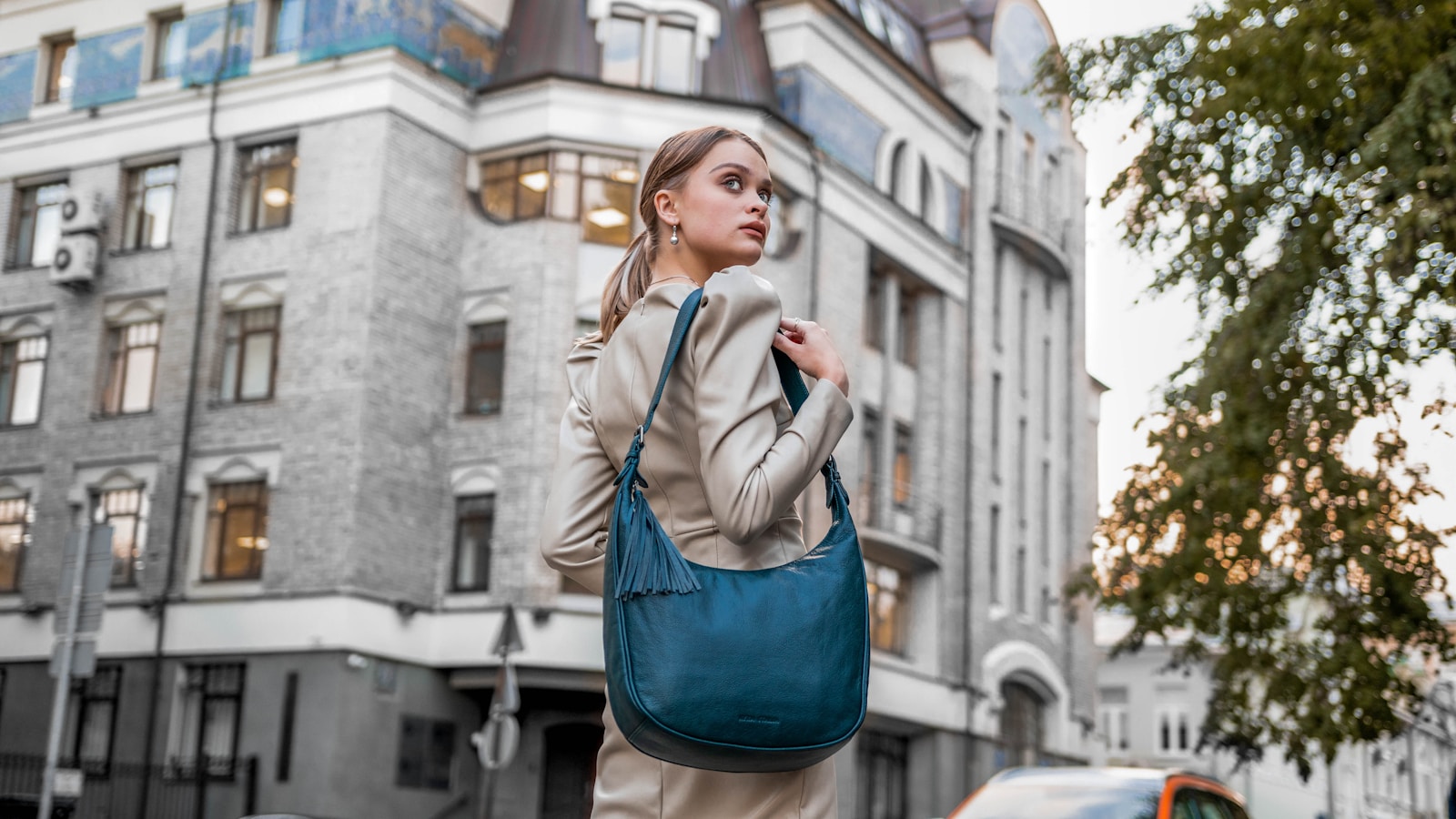
Achieving a polished look with minimal effort requires practical and strategic choices in everyday styling. Below, I’ll share essential tactics that ensure you look put together without sacrificing time or comfort.
Utilize Key Accessories to Enhance Outfits
Accessories are the secret to transforming a simple outfit into something special. A statement watch, a sleek belt, or a pair of standout earrings can elevate your whole look instantly. Remember, it’s not about quantity; a few key pieces that complement your outfit will do the trick. For instance, pairing an oversize watch with a basic t-shirt and jeans can take your style from casual to chic. Be intentional with your choices and remember that each piece contributes to the overall appeal of your attire, especially for special occasions.
Develop a Personal Style Uniform
Creating a personal style uniform simplifies my morning routine and ensures I always feel comfortable and confident. This uniform could be as simple as a well-fitting pair of jeans paired with crisp, white shirts, or it could vary if you have a rotation of favorite outfits for specific days. By knowing what types of clothes make you feel the best—both in terms of comfort and appearance—you can streamline your wardrobe choices and spend less time fussing over what to wear. This consistency not only saves time but also enhances your unique style identity, another one of those life hacks that makes a huge difference in your daily routine.
Opt for Quality Over Quantity
Investing in fewer, high-quality pieces can significantly elevate how put together I appear daily. Quality clothes don’t just last longer—they also tend to fit better and stay in good shape, avoiding the sagging and fading that cheaper fabrics tend to undergo. Prioritize pieces like a durable blazer, sturdy shoes, and timeless accessories that withstand daily wear while enhancing numerous outfits. This approach not only makes economic sense in the long run but also supports a more sustainable fashion habit, reducing waste while keeping my wardrobe manageable and stylish.
Grooming and Personal Care
Grooming and personal care play a vital role in achieving a polished look with minimal effort. By focusing on simple yet effective routines, you can boost your confidence and simplify your daily preparations.
Maintain a Simple Yet Effective Skincare Routine
I find that maintaining a radiant complexion starts with a straightforward skincare regimen. Each morning and evening, cleanse your skin to remove impurities and follow up with a moisturizer that suits your skin type. Once a week, incorporate an exfoliation step to slough off dead skin cells, promoting a fresher appearance. This routine not only keeps your skin healthy but also enhances your natural beauty, reducing the need for extensive makeup. Following these steps can even help alleviate the appearance of tired eyes, giving you a refreshed look.
Keep Hair Neat and Styled
Keeping your hair neat and well-styled dramatically impacts your overall look. I opt for timeless styles that flatter my face shape and are easy to manage, like a sleek bun or a classic ponytail. These styles prevent my hair from looking unkempt and require minimal effort to maintain. Additionally, using products like a light hairspray or dry shampoo can help manage frizz and maintain style without frequent washing.
Remember the Basics: Nails and Teeth
Do not overlook the importance of well-maintained nails and clean, bright teeth as these details contribute significantly to a put-together appearance. I make it a habit to keep my nails trimmed and clean, opting for a clear polish or a neutral color that doesn’t show chips easily. Regular dental hygiene, combined with occasional whitening treatments, keeps my smile looking its best. These simple practices are essential in crafting an overall polished demeanor with minimal daily effort.
Time-Saving Fashion Tactics
Achieving a polished look with minimal effort hinges on preparation and organization. These tactics save precious minutes in the morning, allowing for a smooth start to the day.
Prepare Outfits the Night Before
I find that selecting my whole outfit the evening before eliminates morning indecision and reduces stress. This involves choosing everything from clothes to accessories and shoes, considering the day’s requirements and weather conditions. For instance, I might opt for a breathable linen shirt on a warm day or add a stylish blazer for meetings. Additionally, I make sure that all chosen items are clean and in good condition, which helps maintain a polished look effortlessly.
Implement Efficient Storage and Organization
An organized closet is crucial for minimising time spent getting dressed. I arrange my clothes by type and color, which makes it easy to locate specific items without rummaging. For quicker access, I keep my most frequently worn pieces at the front. Seasonal storage solutions, like vacuum-sealed bags for off-season clothing, help maintain a clutter-free space. Moreover, employing multi-purpose hangers, drawer dividers, and clear storage boxes ensures that smaller items like belts and jewelry are easily accessible, supporting my goal to look put-together with minimal effort.
Adopting Effortless Style Attitudes
Achieving an elegant look without much fuss hinges on more than just what hangs in your closet. It starts with cultivating the right mindset towards fashion. This section dives into practical ways you can embody a style that’s both effortless and chic, focusing on integrating simplicity and confidence into your daily routine.
Cultivate Confidence Through Daily Practices
I find that confidence is the cardinal requirement for pulling off any style with minimal effort. Implementing daily affirmations that focus on positive body image and personal achievements helps in building this confidence. Each morning, I take a moment to acknowledge something I appreciate about my style choices from the previous day, whether it’s how I paired accessories or chose a color that complemented my skin tone. Additionally, sticking to a quick morning routine that includes setting intentions can empower you to maintain a confident demeanor throughout the day.
Balance Comfort with Style in Everyday Wear
To master the art of looking put together with minimal effort, embracing comfortable yet stylish outfits is key. I always opt for clothing that feels good against my skin and fits my body shape without restriction. Selections like soft, breathable fabrics in neutral colors that can mix and match with ease help streamline deciding what to wear. For instance, pairing relaxed-fit jeans with a well-cut t-shirt and finishing the look with a statement watch or chic flats strikes a perfect balance. This approach not only saves time but also ensures I feel comfortable and look polished, ready to tackle the day with confidence.
Wrapping Up: How to Look Put Together with Minimal Effort
Mastering the art of looking put together with minimal effort is all about embracing simplicity and making smart choices. By adopting a capsule wardrobe filled with well-fitted versatile basics you’ll find that creating polished outfits becomes second nature. Remember it’s not just about the clothes: grooming personal care and the right mindset play crucial roles in enhancing your overall appearance. With these strategies in place you’re well-equipped to present your best self to the world every day without the stress of time-consuming preparations. So go ahead and streamline your routine to unlock a more confident stylish version of yourself.
Exclusive Experiences: Luxurious Relaxation for Special Occasions and Celebrations
Welcome to a world where every special occasion becomes an extraordinary memory. In this blog post, we will delve into the concept of luxurious relaxation and celebration getaways, exploring how they can transform your milestone moments into exclusive experiences. Whether it’s a candlelit dinner under the Northern Lights, a private jet journey to an Icelandic magma chamber, or a midnight sun adventure, we’ll show you the ultimate way to celebrate your special occasions in true luxury.
Special Occasions and Milestone Moments
 Special occasions and milestone moments hold a unique place in our lives, adding color to the tapestry of our experiences. These events, from birthdays to anniversaries and beyond, serve as bookmarks in our personal narratives. They allow us to hit the pause button on our daily routines and relish the joy and achievements that life brings. Each celebration is an opportunity to pamper oneself, to acknowledge the journey thus far, and to create cherished memories that will be revisited with fondness. From the sparkly candles on a birthday cake to the shared laughter at an anniversary dinner, special occasions give us reasons to pamper ourselves and those we love. They remind us that life is a journey filled with milestones worth celebrating, and by taking the time to indulge in these moments, we enrich our lives with meaning and the warmth of shared experiences.
Luxurious Relaxation: The Key to Memorable Celebrations
Luxurious relaxation transcends mere indulgence; it becomes the cornerstone of memorable celebrations. It’s the magic that transforms special occasions into unforgettable experiences. Imagine this scenario: You and your beloved, nestled in an exclusive retreat, pampered by a personal butler catering to your every need. This epitome of true luxury isn’t just about extravagance; it’s about creating moments that linger in your memories, celebrating the joys of life in a way that renews and strengthens your bond. Whether it’s a romantic getaway, an anniversary, or any other special event, the embrace of luxurious relaxation elevates these moments beyond the ordinary, allowing you to savor life’s pleasures and cherish the memories for years to come.
Celebration Getaways: Tailoring the Experience
 In the realm of celebration getaways, the choice of the perfect setting sets the stage for an unforgettable experience. It’s the initial step, where the very essence of the celebration takes root. Whether it’s a romantic rendezvous, a family bonding adventure, or a cherished anniversary journey, the key lies in customization. By tailoring the experience to your specific needs, you ensure that every moment of the celebration is perfectly aligned with your desires and expectations. It’s about crafting a unique and meaningful experience that resonates with the purpose of the celebration, making it all the more special and memorable. So, choose your getaway wisely, and let it become the canvas upon which your celebration’s story unfolds.
Exclusive Experiences: Making Your Celebration Unforgettable
Creating exclusive experiences is the art of tailoring your celebration to perfection. Imagine a candlelit dinner, right beneath the Northern Lights, with VIP access to a private tour of the night sky. Such moments are not just Instagram-worthy; they etch themselves into your heart.
Discovering Iceland: A Land of Ultimate Luxury
 Iceland, a place of raw, unbridled beauty, is a destination that defies expectations. Its landscapes, marked by glaciers, volcanoes, and geothermal wonders, make it a land where the boundaries of reality blur. In this mystical realm, the impossible transforms into reality, and nature’s wonders await at every turn. It’s a place where the forces of the Earth are on full display, and the sheer magnitude of its grandeur leaves visitors in awe. This journey to Iceland promises an exploration of ultimate luxury experiences. Amidst its untouched wilderness, you’ll discover hidden hot springs, indulge in geothermal spas, and witness the Northern Lights painting the skies with vibrant hues.
A Journey Through the Night
Iceland is known for its captivating midnight sun and the mesmerizing Northern Lights. Imagine spending a week in an exclusive private jet, chasing the Northern Lights, and experiencing a candlelit dinner with the aurora borealis as your backdrop. It’s a dream come true for stargazers.
Exploring the Mysteries of Iceland
In this enchanting journey through Iceland, we go beyond the surface and explore the country’s extraordinary natural phenomena. The exclusive visit to an Icelandic magma chamber is a rare opportunity to witness the raw power of the Earth’s core. Descending into the depths of the planet, you’ll be surrounded by the ancient geological history of Iceland, a true adventure for those with a curious spirit. But it’s not just about adventure; it’s about balance. After this awe-inspiring exploration, you can unwind in the soothing embrace of hot springs, creating a harmonious juxtaposition of excitement and relaxation. This unique experience encapsulates the essence of Iceland’s mystique, inviting travelers to embrace both its fiery heart and its tranquil soul.
Dine Like Royalty
In the land of fire and ice, dining like royalty is not just a dream but a tantalizing reality. Iceland’s culinary scene is a mesmerizing journey through its history and culture, offering a unique gastronomic adventure. Picture this: a private chef, skilled in the art of Icelandic cuisine, meticulously crafting a sumptuous feast of local delicacies. Each dish, a harmonious blend of tradition and innovation, beckons you to savor the essence of this extraordinary country. From tender lamb, slow-cooked to perfection, to the delicate flavors of Arctic char, your taste buds embark on a voyage of discovery. Dining like royalty in Iceland is not just a meal; it’s an immersive experience that brings the country’s rich heritage to your plate, leaving an indelible mark on your culinary journey. As you indulge in this opulent culinary journey, you’ll find that Icelandic delicacies offer more than just a feast for the palate. They serve as a window into the heart and soul of the nation, reflecting its deep-rooted traditions and commitment to quality. From the intriguing world of geothermal cooking to the culinary innovations that have emerged from the challenging Icelandic environment, this private dining experience encapsulates the essence of the country’s history.
The World’s Most Exclusive Accommodations
 During your stay, you’ll spend your nights in the world’s most exclusive hotels and resorts. Each room is a work of art, offering a window into the heart of Iceland’s wild landscapes. The journey is not just about the destination; it’s about the luxurious moments you create.
Venturing Beyond Iceland
While Iceland is a land of wonder, there are other destinations around the world that offer equally luxurious and unforgettable experiences. From sailing in the Mediterranean with champagne in hand to a safari in the heart of Africa, the globe is your playground.
Making Memories with Friends and Loved Ones
These experiences aren’t limited to couples. Gather your friends or family for a memorable celebration. An adventure on a private cruise, entertainment under the stars, and dining like royalty can be equally enjoyable with a group of loved ones.
Final Thoughts
Exclusive experiences are the ultimate way to celebrate special occasions and milestone moments. They offer a window into a world of true luxury, where the ordinary is transformed into the extraordinary. Whether you’re under the Northern Lights, in the heart of an Icelandic magma chamber, or on a private jet journey, these moments are destined to become the stories you’ll cherish for a lifetime. So, go ahead and plan your next celebration in style! Other suggested articles:
What Does Refined Living Mean? Unveiling the Essence
Refined Living on a Budget: Elegance Without Breaking the Bank
Refined Living and Sustainability: The Eco-conscious Lifestyle
How to Wear a Boutonniere: A Comprehensive Guide
A boutonniere is a single flower decoration worn on the lapel of a suit jacket or tuxedo, just above pocket square. Typically for special occasions such as weddings, proms, or formal events. It is a symbol of elegance, style, and sophistication, and can add a touch of class to any outfit. However, many people are unsure of how to wear a boutonniere properly or how to choose the right one for the occasion.
This comprehensive guide will walk you through the process of selecting,
wearing, and maintaining a boutonniere so that you can confidently showcase your
style.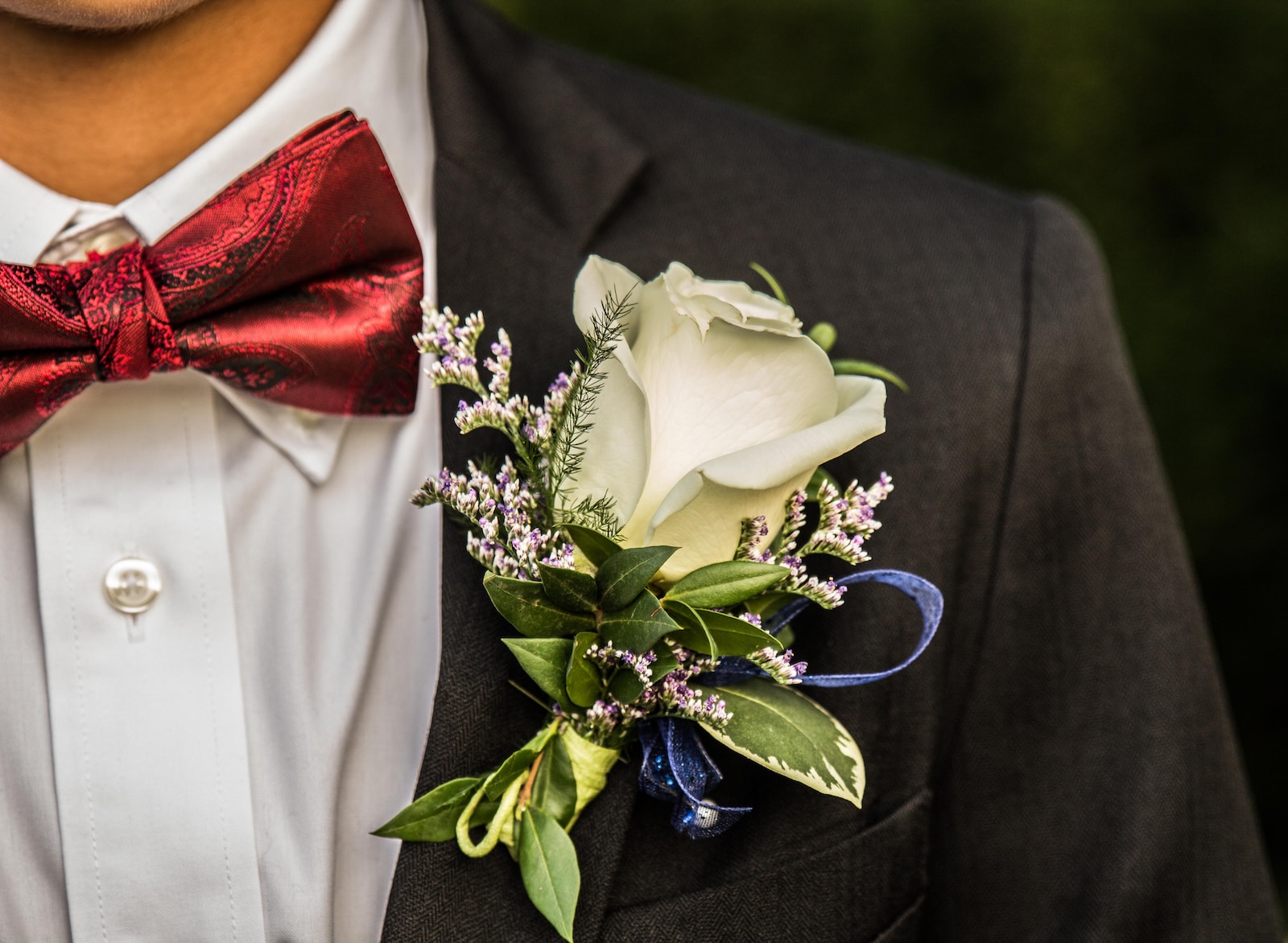
How to Wear a Boutonniere?
Choosing the Right Boutonniere
1. Consider the occasion: The type of event you are attending will dictate the appropriate style and level of formality for your boutonniere like carnation boutonniere. For example, a wedding will typically call wearing flowers for a more elegant and traditional design, while a prom or other social event might allow for a more contemporary or unique style.
2. Coordinate with your outfit: Your boutonniere should complement your attire, not clash with it. This means choosing flowers and colors that coordinate with your suit or tuxedo, as well as your tie or bowtie. If you are part of a wedding party, it is common for the boutonnieres to match the color scheme of the event or the bridesmaids’ dresses. While exotic flowers work well for less formal occasions.
3. Size matters: A boutonniere should be small and delicate, not oversized or overpowering, hence, wear small flowers. It should sit comfortably on your lapel without drawing too much attention away from the rest of your outfit. A general rule of thumb is that the boutonniere should be no larger than the width of your lapel buttonhole.
4. Choose the right flowers: The choice of fresh flowers for your boutonniere will depend on the occasion, your personal style, and the time of year. Traditional choices include roses, carnations, and orchids, but more modern options like succulents or even non-floral elements like feathers can also make for a unique and stylish boutonniere. Consider the symbolism and meaning behind different flowers to make your choice even more meaningful.
Preparing and Attaching the Boutonniere
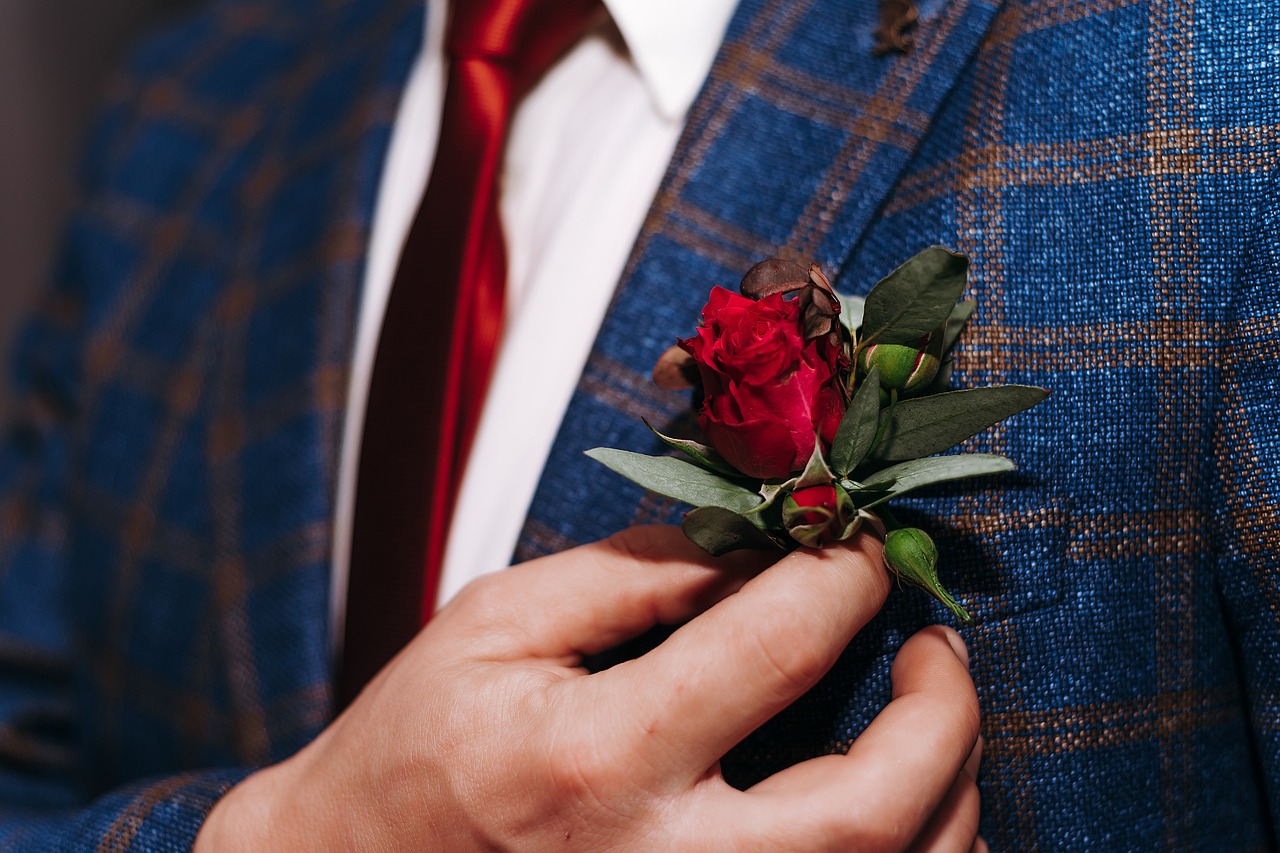
1. Inspect the boutonniere: Before attaching it to your lapel, take a moment to inspect the boutonniere for any damage or wilted petals. If necessary, gently remove any damaged elements or carefully trim any browning edges.
2. Prepare the pin: You will need a pin to secure the boutonniere to your lapel. A long, straight pin with a sharp point is ideal, as it will securely hold the boutonniere in place without damaging the fabric of your suit or tuxedo. Some boutonnieres may come with a pin already attached, but having a spare on hand is always a good idea.
3. Position the boutonniere: The boutonniere should be worn on the left lapel of your suit jacket or tuxedo, near the heart. Hold the boutonniere against your lapel, making sure it is positioned correctly through the buttonhole and boutonniere latch with the flowers facing up and the boutonniere stem pointing downward.
4. Attach the boutonniere: With one hand holding the boutonniere in place, use your other hand to carefully insert the pin through the back of your lapel, catching the flower stem of the boutonniere in the process. Continue to push the pin through the fabric and the stem, making sure it is secure, and then push the pin back through the lapel so that it is hidden from view. Ensure that the boutonniere is securely fastened and sitting straight on your lapel.
[affiliatable id=‘269295’]
Maintaining Your Boutonniere
1. Keep it cool: To help your boutonniere stay fresh and vibrant throughout the event, store it in a cool, dark place until you are ready to wear it. If possible, keep it in a refrigerator or another cool spot until just before the event begins.
2. Handle with care: Boutonnieres are delicate and can be easily damaged if not handled with care. When attaching or adjusting your boutonniere, be gentle and try not to touch the petals too much, as this can cause bruising and wilting.
3. Be prepared for repairs: Accidents happen, and it is always a good idea to be prepared in case your boutonniere becomes damaged during the event. Carry a spare pin or two with you, as well as a small pair of scissors for any necessary trimming.
4. Removing your boutonniere: At the end of the event, carefully remove your boutonniere by gently pulling the pin out of your lapel. If you plan to keep the boutonniere as a memento, you can either press it in a heavy book or hang it upside down in a cool, dark place to dry.
In conclusion, we often wear flowers at special occasions and wearing a boutonniere is a classic and elegant way to elevate your formal attire for any special occasion. By choosing the right boutonniere, attaching it properly, and taking care to maintain it
The Benefits of High Thread Count Sheets
When it comes to creating the perfect sleep environment, the choice of bed sheets can make all the difference. Among various factors, the thread count of your sheets is a critical aspect that affects comfort, durability, and overall sleep quality. In this article, we’ll explore the many benefits of high thread count sheets and help you understand why they might be the best option for your bedding needs.
What is Thread Count?
Thread count refers to the number of threads woven into one square inch of fabric. This includes both vertical (warp) and horizontal (weft) threads. Generally, a higher thread count indicates a denser and often softer fabric. However, this isn’t the whole story. The ideal thread count for luxury sheets usually falls in the range of 300 to 600, while higher thread counts—such as 1000 or more—are often marketed as the best sheets available.
Common Misconceptions
A common misconception about thread count is that a higher number automatically guarantees better quality. While it’s true that a higher thread count can result in a softer and more durable sheet, it’s essential to consider other factors such as the type of fibers used and the quality of the weave. For instance, thinner threads can be combined to create a high thread count, but if they’re not high quality, they won’t yield the desired comfort or durability.
Understanding High Thread Count Sheets
High thread count sheets typically start at around 300 and can go as high as 1500. But what should you look for when deciding if a sheet is worth the investment?
Fiber Types Matter
The type of cotton used in making bed sheets greatly affects their quality. Egyptian cotton, known for its long staple fibers, produces some of the most luxurious sheets available. Long staple cotton fibers are less prone to fraying, tearing, and fading, ensuring that your sheets maintain their quality over time.
In contrast, upland cotton, which is more commonly used, may not offer the same level of comfort or durability. Investing in sheets made from good fabrics like Egyptian or long staple cotton is crucial for bedding quality and a quality sleep experience.
The Importance of Ply
Another factor to consider is ply, which refers to the number of strands twisted together to make a single thread. For instance, two-ply threads offer a thicker feel and improved durability compared to one-ply threads. When shopping for sheets, look for those that utilize multi-ply threads to ensure you are getting a strong, luxurious fabric.
The Benefits of High Thread Count Sheets

1. Luxurious Feel
One of the most immediate benefits of high thread count sheets is their luxurious feel. These sheets are typically softer and smoother, providing a cozy and comfortable sleeping surface. The combination of high-quality cotton and a higher thread count results in a fabric that drapes beautifully over your body, making your bed a welcoming sanctuary for a good night’s sleep.
2. Durability
Investing in high-quality sheets pays off in terms of durability. High thread counts are associated with thicker strands, which contribute to the overall strength of the fabric. Unlike lower quality fabrics that may wear out after a few washes, high thread count sheets can withstand repeated laundering while retaining their softness and structure. This durability is especially important for those who wash their sheets frequently.
3. Comfort in Various Climates
High thread count sheets also excel in temperature regulation. For those living in colder climates, these sheets provide warmth and coziness, helping you stay snug on chilly nights. Conversely, in hot climates, high thread count sheets made from breathable materials allow for adequate airflow, helping to keep you cool and comfortable throughout the night. This balance of warmth and breathability is essential for ensuring a sleep comfort experience, no matter the season.
4. Better Fit and Design
When purchasing sheet sets, it’s crucial to ensure that your sheets fit your mattress perfectly. High thread count sheets often come in various sizes, including twin XL, queen, king, and California king, along with fitted sheets, flat sheets, and duvet covers. A well-fitting sheet set not only enhances the aesthetic of your bedroom but also contributes to a better sleep experience by eliminating uncomfortable bunching or slipping.
5. Ease of Care
High thread count sheets are relatively easy to care for, particularly when compared to lower thread counts that may require more delicate handling. Most high thread count sheets can be washed in cold water, helping to preserve their quality and softness over time. To maintain their luxurious feel, it’s advisable to avoid bleach and use a gentle detergent.
Ideal Thread Counts for Different Needs
When it comes to selecting the best sheets, the ideal thread count can vary based on personal preferences. Many experts recommend a thread count between 400 and 600 for a balance of comfort and durability. This range allows for thicker strands without compromising breathability.
While you may come across sheets boasting extremely high thread counts (e.g., 1000 or more), these often involve marketing gimmicks. Instead, focus on finding sheets that use quality materials and craftsmanship.
Choosing the Best Sheets
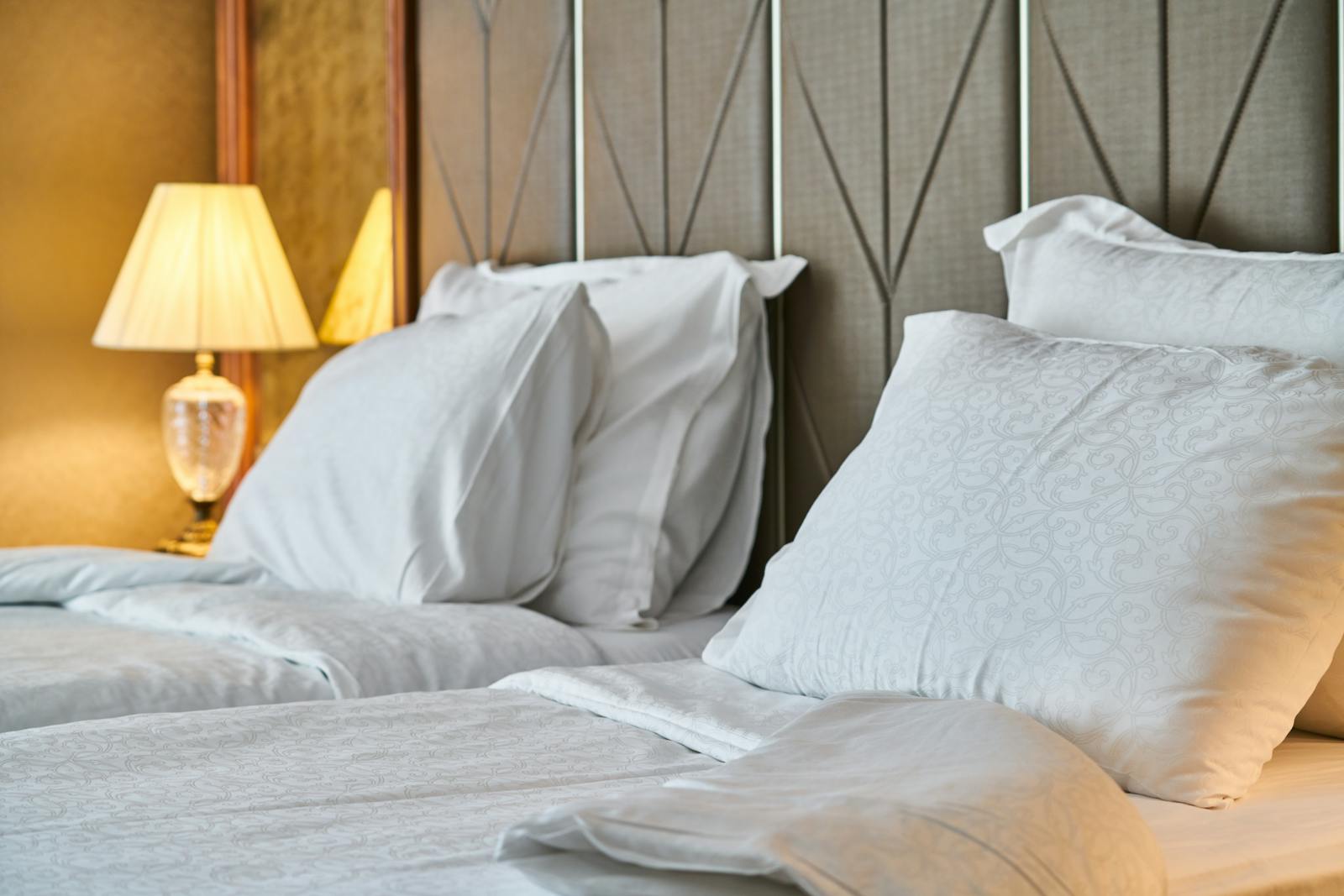
To select the perfect sheets for your bed, consider the following factors:
Material
Always check the fiber type. Look for sheets made from high-quality cotton like Egyptian or long staple cotton for the best experience.
Thread Count
While a higher thread count often suggests better quality, ensure that the threads are thick and made from good materials. Avoid sheets that advertise inflated thread counts but use thinner threads to achieve the number.
Ply
Look for sheets with at least two-ply threads to ensure added thickness and durability.
Weave
The type of weave can also influence the feel and durability of the sheets. Sateen weaves provide a silky, smooth finish, while percale weaves offer a crisp, cool feel.
In Summary
Investing in high thread count sheets can significantly enhance your sleep quality. From the luxurious feel to durability and comfort in varying climates, these sheets provide a plethora of benefits that make them worth the investment.
When shopping for your next sheet set, prioritize high-quality materials, the right thread count, and proper ply. Remember, a good night’s sleep is just as important as the mattress you sleep on—make sure to choose sheets that will provide you with comfort and durability for years to come.
Other suggested articles:
- Clothing for Older Men: Timeless Style Tips and Tricks
- Luxury Home Office Designs: 10 Premium Solutions for Opulent Workspaces
- Intelligent Home Systems: Smart Solutions for Modern Luxury Living
- Luxurious Relaxation at Home: Transforming Your Space into a Personal Oasis
- Home Decor and Refined Living
What Is Carhartt WIP?
Are you one of the many asking what is Carhartt WIP? Carhartt Wip is a clothing company that was founded in 1889 by founder Hamilton Carhartt. He started the company as a way to provide durable workwear for railroad workers. Today, Carhartt Wip is a leading manufacturer of streetwear and outdoor apparel in the fashion world.
Their products are popular among both men and women, and they are known for their high-quality construction and stylish designs. If you’re looking for tough, stylish clothing that will last through anything, then Carhartt Wip is the brand for you!

What Is Carhartt WIP?: History
By 1910, the company’s growth led it to expand into several states within the US (South Carolina, Georgia, Texas, and California) as well as three different countries abroad (France, Canada, and the UK). Through WWI and WWII Carhartt supplied uniforms for American servicemen; however, the market crash in 1929 put them at risk of bankruptcy. At this time simultaneously some of their most popular products were being advertised: The Chore Coat was first seen in 1917 and became widespread quickly.
In 1974, orders for Carhartt workers building the Alaskan Pipeline were vital. A year later, Carhartt was sewing private label products for popular stores like Sears and J.C Wallmarteensy Market stored Place Palacenyoneetneyboxnyerseelt any Erebus, The Active Jac, which is still one of the Carhartts top selling products today although the beanie is increasing in popularity fast,) launched not long after that.. throughout the ’80s, as more options for cheaper imitations of blue-collar workman surged, Carhatt became an increasingly attractive option.
Then finally ..as Fakework Imitationwear Slowly permeated into high fashion socialites’ world with its ugly duckling charm… celebrities musicians and other entertainers started wearing Carhartt too including Carhartt jackets.
In 1989, Carhartt company expanded to Europe. Swiss designer Edwin Faeh was the first person to bring Carhartt over and sell it in his store called All American Concept. The brand gained popularity instantaneously. In 1994, he acquired exclusive rights from Carhatt themselves to produce their products under a new label in Europe- Work In Progress (WIP).
Just two years later, he purchased the rights to begin producing Carhartt clothing outside of America as well; thus finalizing his status as an official European branch for the company: Carhartt Work In Progress (WIP). With that being said, people often wonder what is different between regular Carhattand WIP other than where they are made?
Carhartt vs. Carhartt WIP

At its core, Carhartt WIP is essentially the same as the original Carhartt brand. Both offer high-quality workwear apparel that is designed to withstand heavy use and harsh conditions. However, there are some key differences between them. For one, Carhartt WIP typically tends to have a more modern, streetwear-inspired design, whereas Carhartt has a more rugged, classic workwear aesthetic.
Additionally, while Carhartt clothing is designed to be durable enough to last years on end, the same cannot be said of Carhartt WIP products. The materials and construction used in WIP garments are usually not as heavy-duty as those found in Carhartt products. Ultimately, the choice between these two brands comes down to personal preference and what type of practical clothing you are looking for. If you’re looking for classic, timeless workwear that is built to last, then Carhartt is probably the right choice. However, if you’re more interested in trendy streetwear apparel with a modern aesthetic, then Carhartt WIP is probably a better option.
Whether you’re looking for rugged, durable workwear or trendy streetwear apparel, one thing is certain: Carhartt and Carhartt WIP have your needs covered. With their high-quality clothing that is designed to withstand even the toughest conditions, it’s no wonder that both brands have become such popular choices for fashionistas and outdoorsmen alike.
But what exactly is the difference between regular Carhartt and WIP? While both brands offer high-quality workwear apparel that are designed to withstand heavy use and harsh conditions, Carhartt WIP tends to have a more modern, streetwear-inspired design, whereas Carhartt has a more rugged, classic workwear aesthetic. Additionally, while Carhartt clothing is designed to be durable enough to last years on end, the same cannot be said of Carhartt WIP products.
Ultimately, the choice between these two brands comes down to personal preference and what type of clothing you are looking for. So whether you’re an outdoorsman looking for some rugged workwear or a fashionista in search of a trendy streetwear outfit, Carhartt and Carhartt WIP have you covered!
[affiliatable id=‘269762’]
Is Carhartt WIP the Same Size as Carhartt?
In general, Carhartt WIP clothing fits a bit large. Because the brand originates from workwear, the items are often boxier and more oversized than normal to enable mobility. The fit of Carhartt clothing is ideal for getting a streetwear-ready look that will complement any outfit.
Are Carhartt WIP Pants Worth It?
There is no definitive answer to this question, as it depends on your personal preferences and needs. Some people may find that Carhartt WIP pants are worth the investment, given their high-quality construction and durable materials that are designed to last for years. However, others might not see much of a difference in terms of quality between Carhartt WIP and other brands, so may not feel that the extra expense is justified. Ultimately, it comes down to your individual needs and whether or not you are willing to pay a premium price for clothing that will last a long time.
So if you’re looking for workwear apparel that is built to last, Carhartt WIP may be the right choice for you. With its high-quality construction and durable materials, these pants are sure to become a staple in your wardrobe for years to come. But if you’re more interested in trendy streetwear clothing with a modern aesthetic, then Carhartt WIP might not be the best option for you. So whether it’s rugged, durable workwear or trendy streetwear apparel that you’re after, Carhartt and Carhartt WIP have you covered!
https://www.therefined.co/what-is-the-average-hat-size-for-a-man/
How to Comb Your Mustache
Looking for a guide on how to comb your mustache? Look no further! In this comprehensive mustache grooming guide, we will teach you everything you need to know about mustache care and styling. From choosing the right comb to mastering the art of mustache grooming, we’ve got you covered.
Understanding the Importance of Regular Combing
The all-natural mustache is a popular topic of conversation lately. It’s the perfect middle ground between growing an unkempt, wild beard and heavily groomed handlebar mustache. People often don’t realize how much time and training goes into taming a mustache. Just like your hair, facial hair has a natural growth pattern, and if you don’t comb it regularly, you might start to look unkempt. Combing your mustache every day is essential for keeping it looking its best.
How to Comb Your Mustache Properly

To keep your mustache looking neat and stylish, the first step is knowing how to properly comb it. There are a variety of different combs and brushes that work well for mustaches, depending on the size and style of your mustache.
Choosing the Right Comb
Don’t be penny-wise and pound foolish by opting for a regular hairbrush or the cheapest mustache comb you found online. Instead, invest in a high-quality mustache comb made specifically for this purpose. Fine-tooth combs are ideal for longer, thicker mustaches, as they can easily remove tangles and knots while distributing the natural oils in your mustache evenly. To use this type of comb, simply start at the ends of your mustache and work your way up toward the center.
Mustache Brushes for Styling
Another great option for mustache grooming is the mustache brush. This type of brush is perfect for styling your mustache, giving it a nice, neat look. Mustache brushes are available in different materials, including wood and boar hair bristles. Use a mustache brush to shape and style your mustache after combing for a polished finish.
Essential Mustache Care Tips
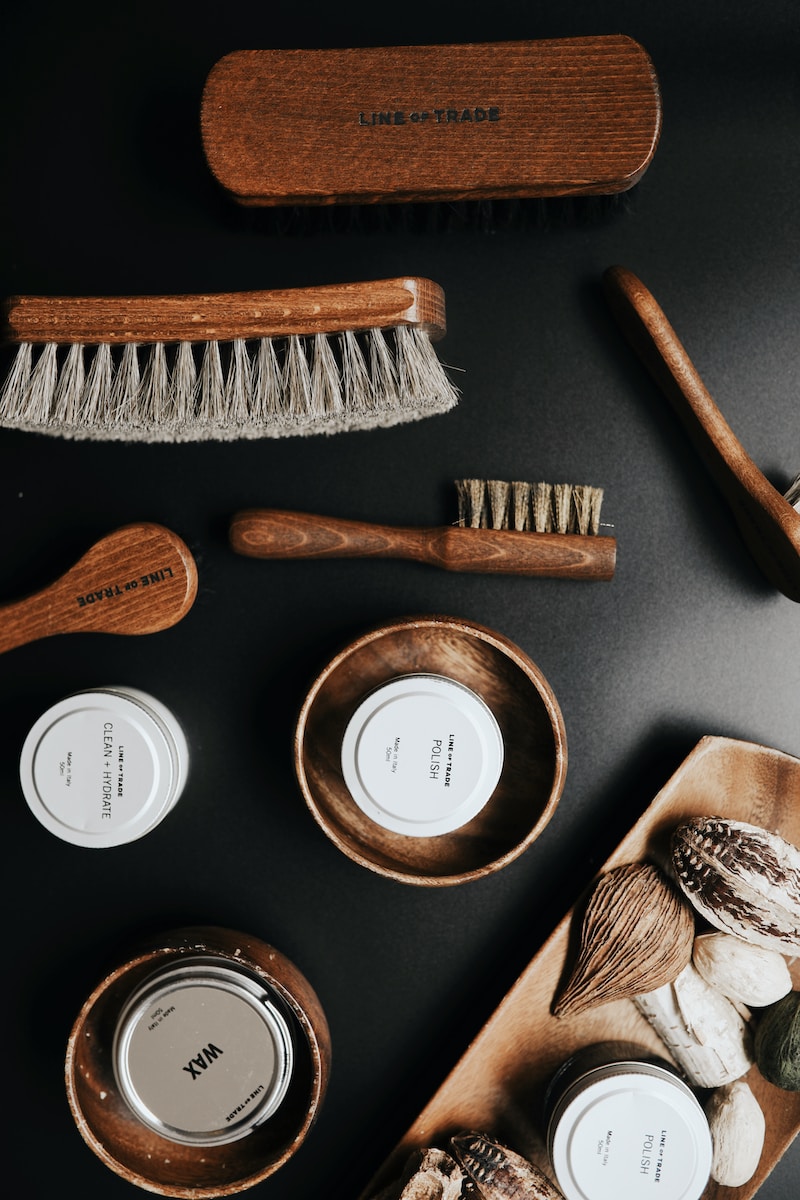
In addition to using a high-quality mustache comb, there are other key grooming tips to keep your mustache looking great.
Washing and Conditioning
Just like the hair on your head, your mustache requires regular washing and conditioning. Use a gentle shampoo and conditioner to keep your mustache clean and soft. Washing your mustache regularly will also help remove any trapped debris or food particles.
Trimming and Shaping
For those aiming for a longer mustache style, regular trimming and shaping are essential. Invest in a good quality mustache trimmer to maintain the desired length and shape. If you’re unsure about trimming, visit a skilled barber who can help you achieve your desired style.
Using Mustache Wax
Mustache wax is a game-changer when it comes to styling and holding your mustache in place. Apply a small amount of mustache wax to your fingertips and work it through your mustache to shape it as desired. The wax will also help keep stray hairs in check throughout the day.
Styling Tips: Comb Your Mustache Like a Pro
Now that you have the right tools and techniques at your disposal, it’s time to dive into some expert styling tips.
Training Your Mustache
Training your mustache is a process that requires patience and dedication. Use your mustache comb to gently train the hairs to grow in your desired direction. Over time, your mustache will adapt to the shape you desire.
Choosing the Right Color
For men with colored mustaches, selecting the right color of mustache wax can make a difference in the overall look. Choose a color that matches your natural hair color or complements it harmoniously.
Side Combing for a Unique Style
While combing your mustache downward is a classic approach, some mustache styles call for combing to the side or even straight up in the air. Experiment with different styles to find what works best for you and complements your facial features.
[affiliatable id=‘269053’]
Debunking the Myth: Does Combing Make Your Mustache Grow?
There is some debate over whether combing your mustache will actually make it grow thicker or longer. While there are no scientific studies that confirm this, many people believe that the act of combing can help distribute the natural beard oil on your face, keeping your mustache looking healthy and strong. Additionally, regular grooming and styling can also help prevent split ends and encourage hair growth.
Combing your mustache is a vital aspect of grooming that should not be overlooked. With the right tools, proper care, and a little creativity, anyone can tame the wildest of mustache hairs and sport a stylish and well-groomed mustache that turns heads wherever they go. So, invest in a high-quality mustache comb, embrace the art of mustache grooming, and enjoy the admiration and confidence that come with a well-maintained mustache!
Best Tops for Zoom Meetings
Looking for the best tops for Zoom meetings? You’re in luck! In this blog post, we will discuss some of our favorite tops to wear when in video calls or zoom calls. Whether you’re looking for a professional or casual look, we have you covered. Keep reading to learn more! Working remotely has become the new norm, and with it comes the challenge of dressing appropriately for virtual interactions. Your top not only influences your fashion sense but also plays a crucial role in how you present yourself during Zoom meetings. Let’s explore some fantastic options to help you put your best top forward and enhance your professional presence.
Elevate Your Video Presence: Best Tops for Zoom Meetings
When it comes to zoom meetings, your top choice can significantly impact your overall appearance. One classic option that never fails is the trusty shirt. A well-fitted shirt brings an air of professionalism to your virtual interactions, making it an excellent choice for business-related discussions. Explore various styles, from traditional button-downs to modern Henley-style collars, to find the top that best suits your taste and meeting background.
Staying Stylish Virtually: Fashionable Choices for Video Calls
 Why settle for ordinary when you can exude fashion flair on your Zoom meetings? Embrace the chic versatility of a blouse with puff sleeves, bell sleeves, or ruffles. These unique styles add a touch of character to your appearance, helping you stand out while maintaining professionalism. Choose fashionable tops that reflect your personal style and leave a lasting impression on your zoom meeting participants.
What to Wear for Impact: Perfect Attire for Virtual Meetings
Make a statement without saying a word by incorporating a stylish blazer into your top selection. A blazer instantly elevates your ensemble, projecting confidence and authority. Whether it’s a classic black blazer or a vibrant-colored one, this top choice can transform your appearance from ordinary to extraordinary. Showcase your attention to detail and refine your professional image with a well-chosen blazer for your virtual meetings.
Mastering Virtual Professionalism: Selecting the Ideal Zoom Meeting Outfit
For those seeking the perfect balance between comfort and formality, a sweater or cardigan can be your go-to top for zoom meetings. These cozy yet polished options ensure you look and feel your best throughout extended virtual conversations. Opt for chunky cable-knit sweaters or lightweight cardigans in a range of top colors and patterns, providing the ideal backdrop for your video meetings.
Accessorize for Impact: Elevate Your Zoom Meeting Look
No outfit is complete without the right accessories. Consider pairing your chosen top with a striking statement necklace. Whether you’re donning a simple V-neck top or a patterned blouse, a well-chosen necklace adds an extra layer of sophistication to your look. Use accessories to showcase your unique style and enhance your appearance on camera during virtual meetings.
Shop Smart: Finding the Perfect Zoom Meeting Top
Ready to upgrade your zoom meeting wardrobe? Start your search by exploring a wide range of tops online and in stores. Consider your personal preferences, fashion sense, and meeting wear requirements as you browse through various options. Look for tops that align with your style goals and confidently select the ones that resonate with you the most. [affiliatable id=‘269600’]
Things to Avoid When Choosing the Best Tops for Zoom Meetings
While selecting the perfect top for your Zoom meetings, it’s essential to steer clear of certain pitfalls that could inadvertently affect your appearance and demeanor. Here are some key things to avoid:
1. Overly Casual Attire
Opting for tops that are too casual can give off the wrong impression in a professional setting. Avoid overly casual t-shirts, tank tops, or hoodies, as they may not convey the level of professionalism you intend. Instead, aim for a polished look that aligns with the tone of the meeting and the expectations of your colleagues.
2. Distracting Patterns and Colors
While expressing your fashion sense is essential, it’s important to strike a balance. Avoid tops with overly distracting patterns, neon colors, or flashy embellishments that could divert attention away from your message during the Zoom meeting. Opt for solid colors or subtle patterns that enhance your appearance without overpowering your presence.
3. Ill-Fitting Tops
The fit of your chosen top matters just as much as the style. Avoid tops that are too tight or too loose, as they can impact your comfort and overall confidence. A well-fitted top not only looks more professional but also allows you to move freely and maintain your poise throughout the meeting.
4. Noisy Accessories
While accessories can elevate your fashion game, be cautious of accessories that create distracting noises. Avoid jingly bracelets, noisy bangles, or overly clunky necklaces that may pick up unwanted audio interference during the Zoom meeting. Opt for accessories that complement your top without introducing unnecessary audio distractions.
5. Inadequate Grooming
Your chosen top isn’t the only factor influencing your appearance. Neglecting grooming basics, such as unkempt hair, excessive facial hair, or distracting makeup, can impact how you’re perceived in the meeting. Ensure that your grooming choices enhance your overall look and maintain a professional and put-together image.
Why It’s Important to Look Good on Zoom
 In the digital age, where zoom meetings have become an integral part of professional communication, looking your best on screen holds more significance than ever before. Here’s why maintaining a polished appearance during virtual interactions is crucial:
1. First Impressions Matter
Just as in face-to-face meetings, zoom meetings require you to make a strong first impression. Your appearance is the first thing your colleagues and clients notice, setting the tone for the entire interaction. A well-chosen top and overall polished look convey professionalism and confidence, helping you establish credibility from the moment the meeting begins.
2. Professionalism and Engagement
Looking good on Zoom demonstrates your commitment to professionalism and engagement. When you put effort into your appearance, it signals that you value the meeting and the individuals involved. It also helps maintain your own focus and engagement by creating a sense of structure and purpose, even in a virtual setting.
3. Visual Impact
Visual communication is a significant component of virtual interactions. Your appearance contributes to the overall visual impact of the meeting, making it easier for participants to connect and communicate effectively. A well-groomed appearance and appropriate top ensure that your message is conveyed clearly and cohesively.
4. Confidence Boost
Looking good on Zoom isn’t just about making an impression on others; it’s also about boosting your own confidence. When you feel comfortable and put-together, your confidence shines through in your body language and communication. Confidence enhances your ability to express ideas, contribute to discussions, and address questions with clarity and assurance.
5. Building Relationships
Strong professional relationships are built on trust and mutual respect. Presenting yourself well on Zoom meetings contributes to a positive perception of your character and reliability. Over time, consistent professionalism fosters a sense of trust, making it easier to collaborate, network, and establish meaningful connections with colleagues and clients.
Conclusion- Best Tops for Zoom Meetings
As the virtual landscape continues to evolve, it’s essential to adapt and refine our approach to professional interactions. Your choice of top can significantly impact how you present yourself during zoom meetings, influencing your confidence and overall performance. Explore a variety of top options, from blouses and shirts to sweaters and blazers, and find the perfect fit for your unique style and zoom meeting needs. With the right top, you’ll be well-prepared to make a lasting impression and succeed in the virtual world.
Do Razor Blades Expire?
What are razor blades?

Razor blades are a type of blade used for shaving. The blade consists of a sharpened edge, typically made of steel, attached to a handle. Razor blades are designed to cut hair close to the skin, providing a smooth shave.
What are the uses of razor blades?
Razor blades have a variety of uses, including shaving, hair removal, and cutting. Razor blades can be used to remove hair from the face, legs, underarms, and bikini line. They can also be used to trim hair, such as beard trimmers. Additionally, razor blades can be used for cutting various materials, such as cardboard, plastic, and metal.
Facial hair removal is the most common use for razor blades. Shaving with a razor blade can provide a close shave, which is why many men use razor blades to shave their facial hair.
How to use a safety razor blade?
Safety razor blades are designed to be used with a safety razor. A safety razor is a type of razor that has a guard that surrounds the blade, protecting the user from cuts. To use a safety razor, wet the area to be shaved and apply shaving cream or gel. Then, holding the safety razor at a 30-degree angle, slowly shave the area. Rinse off after shaving.
Do Razor Blades Expire?
No, razor blades do not expire. However, over time, the blade will become dull and will need to be replaced. Additionally, the handle may become loose and need to be tightened.
How long do Razor Blades last?
A safety razor blade lasts anywhere from 5 to 10 shaves. Straight razors can last up to 6 months with proper care. An electric razor will last 2 to 3 years.
What are the different types of Razor Blades?

There are four main types of blades: straight razors, safety razors, cartridge razors, and electric razors.
1. Straight Razors
Straight razors are the traditional type of razor blade. They consist of a sharpened edge, typically made of steel, attached to a handle. Straight razor blades are designed to cut hair close to the skin, providing a smooth shave.
2. Safety Razors
Safety razors are designed to be used with a safety razor. A safety razor is a type of razor that has a guard that surrounds the blade, protecting the user from cuts. To use a safety razor, wet the area to be shaved and apply shaving cream or gel. Then, holding the safety razor at a 30-degree angle, slowly shave the area. Rinse off after shaving.
3. Cartridge Razors
Cartridge razors are the most common type of razor blade. They consist of a cartridge that holds multiple blades. The cartridge is attached to a handle. Cartridge razors are designed to cut hair close to the skin, providing a smooth shave.
4. Electric Razors
Electric razors are a type of razor that uses electric power to operate. Electric razors typically have a rotating head that spins at high speeds, causing the blades to vibrate. This vibration cuts the hair. Electric razors are designed to be used on dry skin.
[affiliatable id=‘268796’]
Types of blades for razors
There are two types of blades for razors: single-edge and double-edge. Single-edge blades are typically used in cartridge razors and electric razors. Double-edge blades are typically used in safety razors.
1. Single-Edge Blades
Single-edge blades are designed to be used in cartridge razors and electric razors. Single-edge blades have one sharpened edge. The other side of the blade is typically dull.
2. Double-Edge Blades
Double-edge blades are designed to be used in safety razors. Double-edge blades have two sharpened edges. These blades are designed to provide a close shave.
How often should Razor Blades be replaced?
Razor blades should be replaced when they become dull or when the handle becomes loose. Additionally, razor blades should be replaced if they become damaged.
How to care for Razor Blades?
Razor blades should be stored in a dry, cool place when not in use. Additionally, it is important to clean the razor blade after each use. To clean the razor blade, rinse it with warm water and mild soap. Gently pat the razor blade dry with a soft cloth. Do not store the razor blade in a humid or moist environment, such as the bathroom.
Can you sharpen razor blades?
Yes, you can sharpen razor blades. However, it is important to use a sharpening stone specifically designed for sharpening razor blades. Additionally, it is important to follow the manufacturer’s instructions carefully to avoid damaging the blade.
Where to buy Razor Blades?
Razor blades are available at most drugstores, supermarkets, and online retailers.
What are the pros and cons of using razor blades?
Razor blades have a variety of pros and cons. Some of the pros include that they provide a close shave, can be used multiple times, and are relatively inexpensive. Some of the cons include that they can become dull quickly, can cause razor burn, and can be dangerous if not used properly.
What are the safety precautions when using Razor Blades?
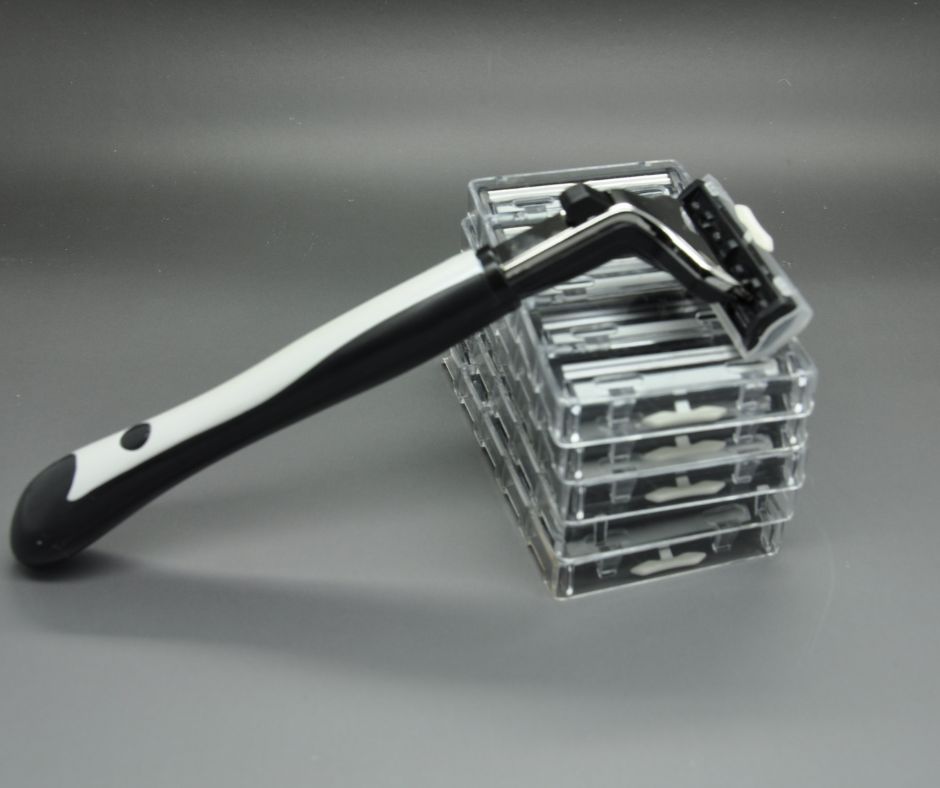
When using razor blades, it is important to take safety precautions. First, always use a sharp blade. Second, never use a dull blade. Third, never touch the blade with your bare hands. Fourth, never put the razor blade in your mouth. Finally, always dispose of razor blades properly.
How to dispose of safety razors?
Razor blades should be disposed of properly. Do not throw razor blades in the trash. Instead, place them in a puncture-resistant container, such as a coffee can or metal box, and seal the container. Additionally, you can take the container to a local recycling center.
Final thoughts on do 70azor blades expire
Razor blades do not technically expire, but they can become dull or damaged over time. Additionally, it is important to replace razor blades when they become dull or damaged. Finally, always take safety precautions when using razor blades.
Why Is It Rude to Wear a Hat at the Table?
Why is it rude to wear a hat at the table? When you’re out to dinner with friends or family, do you wear a hat? Chances are, the answer is no. And there’s a good reason for that - it’s considered rude to wear a hat at the table.
In this blog post, we’ll explore why it’s considered impolite to sport a head covering while eating, and some of the exceptions to this rule. We’ll also discuss why wearing a hat in public can be seen as disrespectful. So if you’re ever wondering why people are giving you dirty looks when you pop your fedora off during dinner, now you know!
Why Is It Rude to Wear a Hat at the Table?why is it rude to wear a hat at the table
Although a hat is now mostly seen as a fashion accessory to an outfit, many of the old perceptions about them still exist. Wearing a hat indoors, especially when you’re in someone else’s home, is seen as a sign of disrespect and bad manners. Additionally, wearing a hat while eating can be seen as an indication that you’re not paying attention or focusing on the people or conversation around you. Furthermore, the brim of a hat can obstruct the view of other diners at the table, making it difficult for them to converse and enjoy their meal.
Of course, there are a few exceptions to this rule. For example, if you’re wearing religious headwear or covering as part of your faith tradition, it’s generally accepted that you’ll keep it on at the table. Additionally, members of certain armed services such as the police and military may be allowed to wear their hats indoors.
Hat etiquette

Now that you know why it’s considered rude to wear a hat at the table, let’s take a look at some of the etiquette rules for hats. Here are a few tips:
- Remove your hat before entering a home or restaurant
- Do not wear a hat at the dinner or restaurant table, unless you’re granted an exception
- If you’re in a religious setting and need to wear a head covering, ask before taking your hat off
- Make sure your hat is clean and free from lint before putting it on
- Always shake out your hat before putting it on, to avoid bringing in any dirt or pests
Different types of hats will also require different etiquette rules. For instance, baseball caps and other sports hats should be removed before entering a home or restaurant. In addition, cowboy hats and fedoras should always be removed indoors - even if you’re just passing through a room.
By following these hat etiquette tips, you’ll ensure that you remain respectful and courteous while wearing a head covering in public.
[affiliatable id=‘268406’]
The Dos and Don’ts of Hat Etiquette
Now that you know why it’s considered rude to wear a hat at the table and some of the etiquette rules for hats, let’s take a look at the dos and don’ts of hat etiquette. Here are a few tips:
DO:
- Follow the general etiquette rules for hats, such as removing your hat before entering a home or restaurant
- Make sure your hat is clean and free from lint before putting it on
- Shake out your hat before putting it on, to avoid bringing in any dirt or pests
- Remove your hat when meeting someone or being introduced
- Respect other people’s personal space, and don’t place your hat on their head or table
DON’T:
- Wear a hat at the dinner or restaurant table, unless you’re granted an exception
- Talk on the phone or use electronic devices while wearing a hat
- Eat food off other people’s plates
- Bring food or drinks from outside to the table
- Leave your hat on a chair or table when not wearing it
By following these dos and don’ts for hat etiquette, you’ll be able to show respect and courtesy while wearing a head covering in public. Remember, hats can be stylish additions to any outfit but they should always be worn with care and consideration for others.
What are the other rules of proper table etiquette?
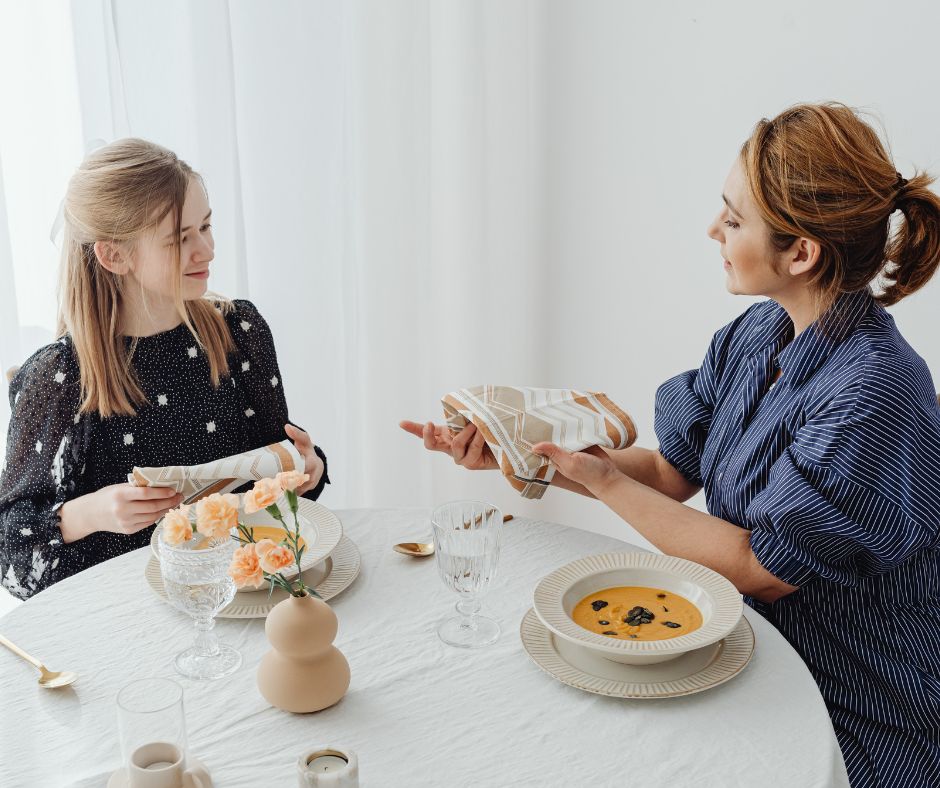
Aside from taking off your hat, there are a few other rules of etiquette to follow at the table. These include:
- Keeping your hands above the table while eating
- Not talking with food in your mouth
- Putting away cellphones and devices during a conversation
- Using utensils correctly, according to the type of dish being served
- Refraining from slurping or eating noisily
- Avoiding eating off other people’s plates
- Not bringing food or drinks from outside to the table.
Different Types of Hats and Their Etiquette
While following general hat etiquette is important, it’s also useful to understand the nuances of different hat styles and how they fit into various social contexts. For instance, snapbacks, fedoras, and baseball caps each have their own unique etiquette rules.
Snapbacks are popular casual hats often associated with streetwear. They should be removed when entering formal settings like homes or restaurants, but they can be worn in more relaxed environments.
Fedoras are more formal and should be removed indoors, especially in someone’s home or at a dining table. They add a stylish touch to an outfit but require careful handling to maintain respect in social settings.
Baseball Caps are the most casual and are often seen in outdoor or sporting environments. However, like snapbacks, they should be removed when entering homes or formal spaces to adhere to etiquette standards.
Bottom line: Why is it rude to wear a hat at the table?
It is generally considered rude to wear a hat at the table because it’s seen as a sign of disrespect. To ensure that you follow the proper etiquette when wearing your hat, make sure to remove it before entering a home or restaurant, and keep it off while at the dinner table. By following these guidelines, you’ll be sure to remain polite and courteous in any social setting.
Other suggested articles:
Outback Hat vs Cowboy Hat: What Is the Difference?
Timeless Fashion: Classic Styles that Never Fade
In a world where fashion trends come and go like passing seasons, there’s something truly remarkable about timeless fashion. These classic styles exude enduring elegance and possess the power to make anyone feel confident and stylish, regardless of age or body type. In this blog post, we’ll delve into the world of timeless fashion, exploring the essence of personal style and why it never goes out of style.
The Allure of Timeless Fashion
 Timeless fashion, often referred to as classic styles, is not just about clothing – it’s a lifestyle, a statement, and an embodiment of elegance. These styles are designed to withstand the test of time. So, what is it that makes timeless fashion so special? Let’s break it down. Timeless Style for All Ages One of the most beautiful aspects of timeless fashion is its universality. It transcends generations, adapting effortlessly to different age groups. Whether you’re a fashion-forward teenager, a professional in your prime, or enjoying retirement, classic styles have something for everyone. They allow you to express your personal style, emphasizing the importance of feeling comfortable and confident in what you wear.
Building a Timeless Wardrobe
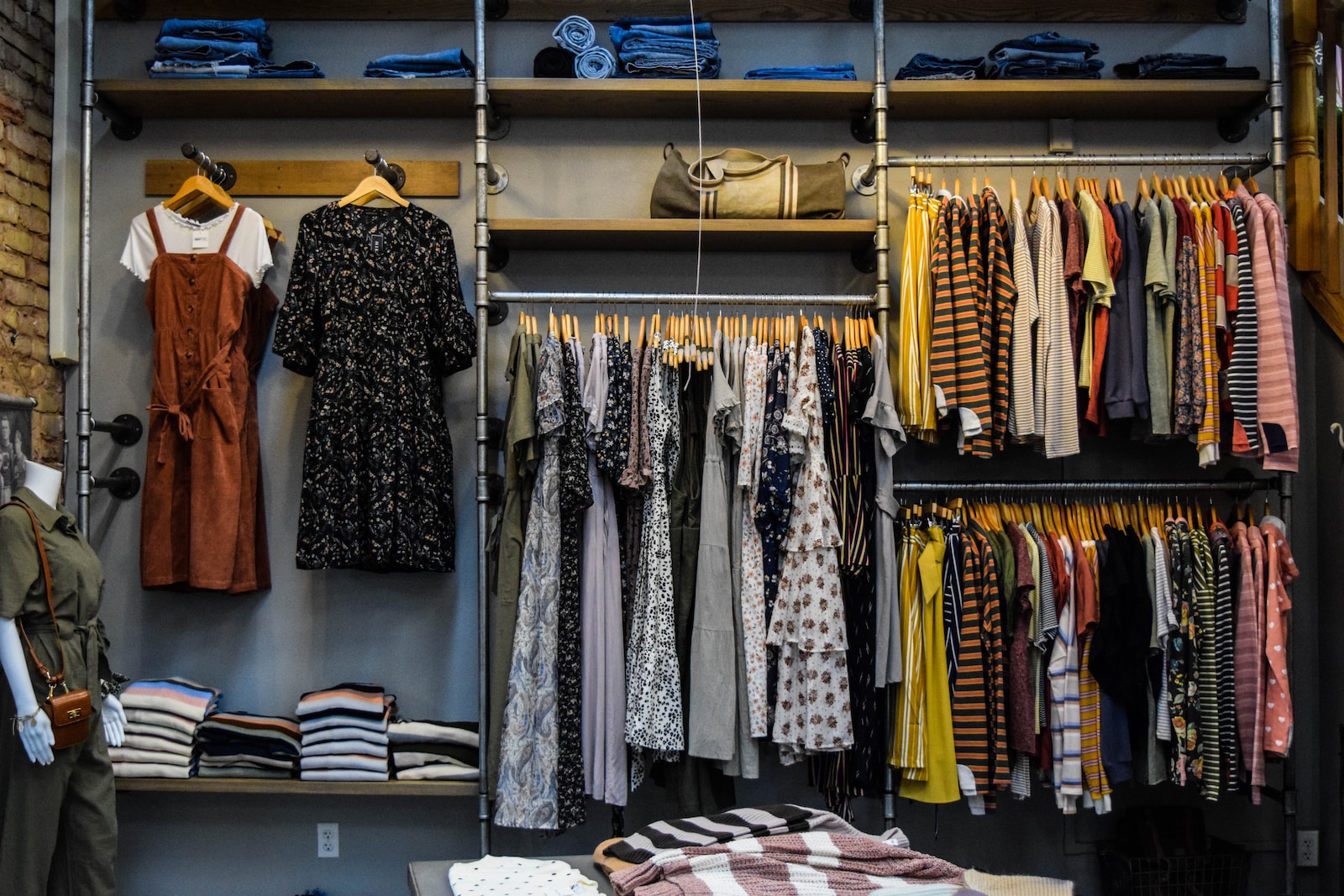 Now that we’ve established the significance of timeless fashion let’s discuss how to build your own timeless wardrobe. One of the keys to achieving an effortless style is creating a capsule wardrobe. Creating a Capsule Wardrobe A capsule wardrobe is a collection of versatile pieces that can be mixed and matched to create a variety of outfits. These wardrobe essentials are typically in neutral colors, making it easy to put together a great pair of classic looks without the need for constant shopping. For example, a classic pair of blue jeans is a must-have for any timeless wardrobe, as they suit almost every body shape. Adding a Fun Twist to Classic Looks While timeless fashion is all about enduring elegance, it doesn’t mean your wardrobe has to be monotonous. You can always add a fun twist to classic outfits by introducing a few different colors or unique accessories. In doing so, you can stay true to your personal style while embracing the classics.
The Timeless Pieces That Never Go Out of Style
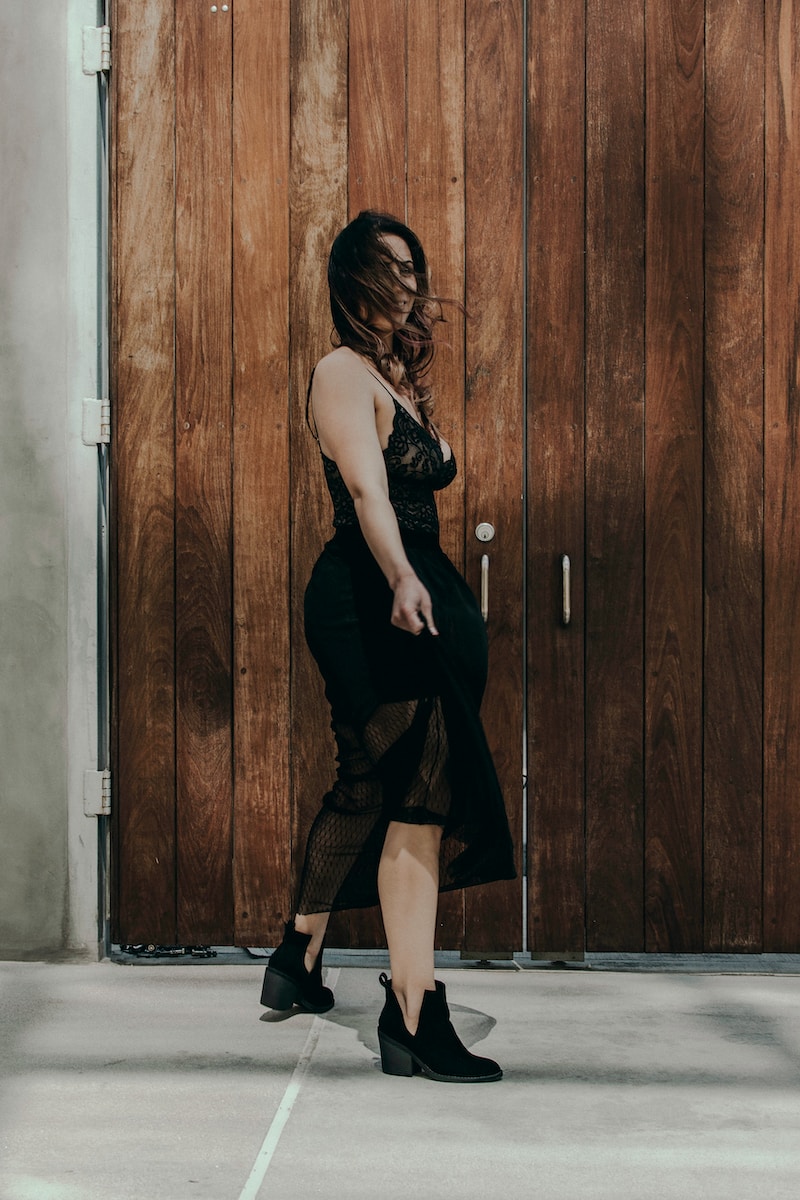 So, what are these timeless pieces that we keep mentioning? Let’s take a closer look at some of the classic wardrobe staples. The Little Black Dress (LBD) The little black dress is the epitome of timeless fashion. It suits all body types and can be dressed up or down for various occasions. A well-fitted LBD is a true investment piece, making you feel confident and elegant whenever you wear it. Trench Coats Trench coats are another timeless look that adds sophistication to any outfit. They can be worn year-round, offering chic protection from the elements. A quality trench coat can last a lifetime, offering you a positive impact on both your style and wallet.
Tailoring Timeless Fashion to Your Unique Style
Timeless fashion is not about fitting into a mold; it’s about making it your own. Regardless of your body type or personal style, you can create a wardrobe that reflects your uniqueness. This is where key pieces like white dresses and black turtlenecks come into play. They can be styled in a way that complements your body shape and preferences. [affiliatable id=‘269907’]
Investing in Timeless Pieces
While timeless fashion doesn’t require a closet full of clothing, it does demand an investment in quality. High-quality, classic pieces might cost a little more money upfront, but they will save you more money in the long run as they won’t wear out or go out of style quickly. So, when you shop for timeless pieces, it’s worth the extra money to feel comfortable, confident, and stylish.
Adapting to the Seasons
Timeless fashion isn’t just for one season. It’s about creating a wardrobe that works year-round. Classic looks are versatile, and with a little extra money invested in layering pieces, you can stick to your timeless style no matter the weather.
Embracing Timeless Fashion
In a world filled with ever-changing trends, timeless fashion remains a constant source of inspiration and a sense of dressing well. It’s about creating a collection of clothing and accessories that make you feel good, dressed well, and confident. With just a little extra effort, you can embrace this timeless style, create a positive impact on your life, and make fashion choices that truly stand the test of time. In conclusion, timeless fashion and classic styles are not just about clothing; they are a way of life. Embracing timeless fashion means investing in quality, adapting to different ages, and creating a wardrobe that effortlessly reflects your personal style. So why chase fleeting trends when you can have a wardrobe full of classics that never go out of style? It’s time to make a statement with timeless fashion.
How Does Refined Living Promote Elegance and Sophistication? (7 Factors)
Through this article, we will explore how does refined living promote elegance and sophistication, providing readers with the inspiration and tools they need to embark on their own refined living journey. In a world that constantly evolves, refined living stands as a timeless beacon of elegance and sophistication. The pursuit of refined living goes beyond mere superficiality; it is a lifelong journey that cultivates lasting elegance and impeccable manners. By understanding the enduring refinement principles and incorporating refined taste into various aspects of life, individuals can create a sophisticated atmosphere and embrace an elegant lifestyle. Through this article, we will explore how does refined living promote elegance and sophistication, providing readers with the inspiration and tools they need to embark on their own refined living journey. 
Reflecting on the Enduring Appeal of Refined Living
Refined living is not a fleeting trend but an enduring concept that has captivated individuals for generations. Lasting elegance through refined living can be achieved by paying attention to the details in all aspects of life, including personal style, good manners, and even physical appearance. By mastering these elements, one can project an image of grace and sophistication that transcends time.
How the Pursuit of Refinement Leads to a Lifelong Journey
Refined living is not a destination; it is a continuous journey of self-improvement and personal growth. It requires a conscious effort to constantly refine one’s taste, broaden one’s horizons, and develop a refined sense of style. Through this lifelong commitment to refinement, individuals can elevate their lifestyle and embrace a timeless allure that exudes elegance and sophistication. [affiliatable id=‘269599’]
Inspiring Stories of Individuals Who Embody Lasting Elegance
Throughout history, there have been countless examples of individuals who have personified the essence of refined living. Elegant women such as Audrey Hepburn and Grace Kelly are renowned for their impeccable manners, refined taste, and elegant demeanor. These women serve as inspiration to cultivate lasting refinement and embody sophistication in all aspects of life. 
Encouraging Readers to Embark on Their Own Refined Living Journey
While the journey towards refined living may seem daunting at first, it is important to remember that elegance and sophistication are attainable goals for anyone. By starting small and making incremental changes, individuals can gradually incorporate elegance into their daily routines. Reading classic literature, watching foreign films, attending cultural events, and surrounding oneself with refined company can all contribute to a refined lifestyle.
Cultivating Lasting Refinement
One of the key elements of refined living is maintaining good posture. By standing tall and carrying oneself with confidence, individuals instantly exude an air of elegance. Additionally, paying attention to one’s physical appearance through grooming, dressing impeccably, and paying attention to the finer details further enhances the refined image.
Incorporating Elegance into Daily Life
To create an elegant atmosphere, individuals can surround themselves with timeless pieces of art, be it literature, music, or visual arts. Appreciating and understanding various art forms not only expands one’s cultural horizons but also enhances one’s refined taste. Embracing an elegant lifestyle means showcasing refined manners and etiquette. This includes showing respect and consideration towards others, practicing good table manners, and using proper language in social settings. 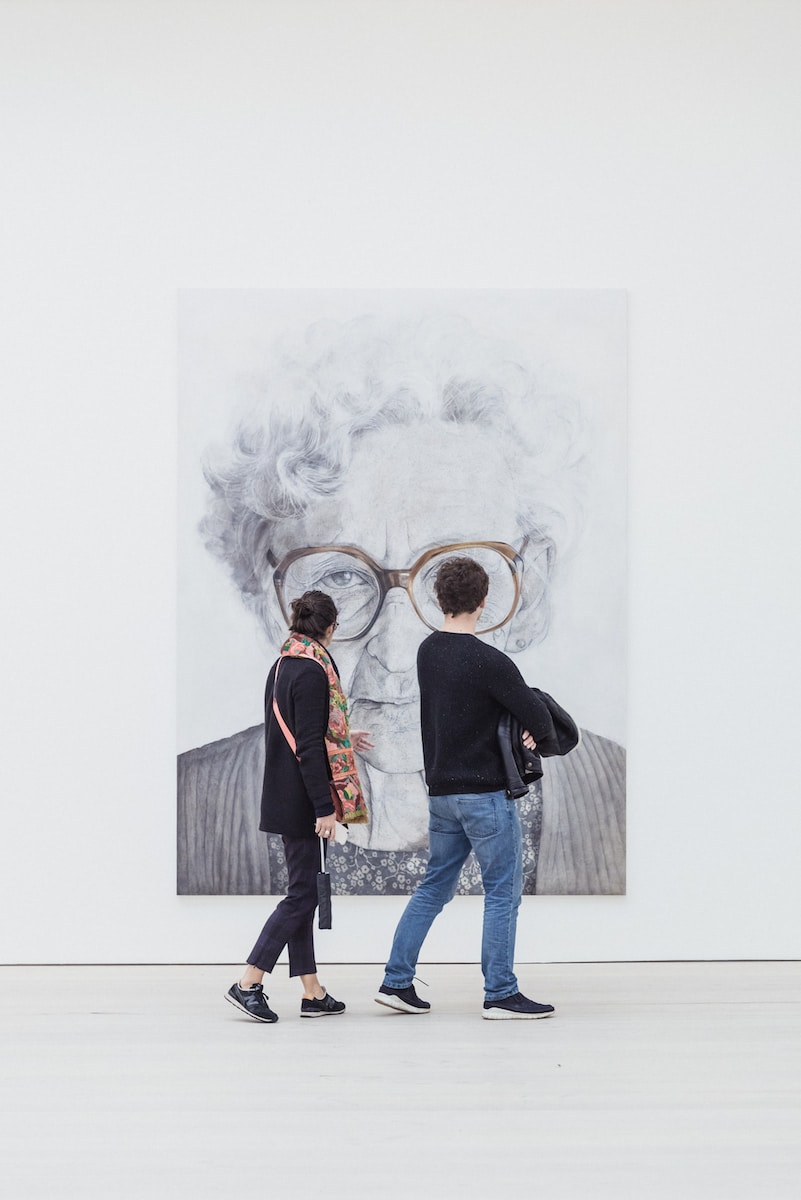
Reaping the Benefits of Refined Living
The rewards of refined living extend beyond the physical realm. By embodying refinement, individuals often receive positive feedback from others and find themselves in refined company. These interactions further solidify their commitment to refinement, as they realize the impact it has on their personal and professional relationships.
How Does Refined Living Promote Elegance and Sophistication? - Final Thoughts
In conclusion, refined living is a pathway to elegance and sophistication that transcends time. By embracing enduring refinement principles and incorporating refined taste into various aspects of life, individuals can create an elegant and sophisticated lifestyle. The journey towards refinement may require conscious effort and commitment, but the rewards of lasting elegance and sophistication make it all worthwhile. So, why not embark on your own refined living journey today?
Exploring the Distinctiveness of Refined Living
In our fast-paced world, the pursuit of excellence in lifestyle has taken on a unique dimension. We often find ourselves entangled in the web of everyday routines, narrowly defined values, and basic principles. But what if there’s a path to living beyond the ordinary? What if there’s a way to elevate everyday life into something exceptional? These questions lead us to the intriguing concept of “refined living,” which goes far beyond the typical norms of society. In this comprehensive guide, we will delve deep into the distinctiveness of refined living, its impact on personal development and relationships, and the principles that guide those who choose to embrace it.
Highlighting the Differences between Refined Living and Everyday Routines

1. Distinctiveness of Refined Living
Refined living is not just a catchphrase; it’s a philosophy that challenges the status quo. It encourages us to break free from the constraints of narrowly defined values and embrace a broader perspective on life.
2. Living Beyond the Ordinary
In the pursuit of excellence in lifestyle, we often discover that there’s more to life than following a typical routine. Refined living opens up new horizons and possibilities.
3. Elevating Everyday Life
Refined living isn’t about making dramatic changes; it’s about elevating the quality of everyday experiences. It’s about finding joy in the mundane and creating a life that’s truly fulfilling.
Analyzing Refined Living’s Impact on Personal Development and Relationships
1. Pursuit of Excellence in Lifestyle
To understand refined living, we must first grasp the concept of pursuing excellence in every facet of life. This pursuit is a major reason why people are drawn to refined living.
2. Self-Enhancement Values
Refined living places a high importance on personal growth and self-improvement. We’ll explore the possible explanations for this and its significance.
3. Human Values in Refined Living
How do human values align with the principles of refined living? We’ll delve into the role of values in shaping one’s refined living journey.
4. Refined Living and Self-Transcendence
While self-enhancement is crucial, refined living also includes elements of self-transcendence. We’ll discuss how these two concepts coexist.
Discussing the Pursuit of Excellence and Continuous Refinement

1. Continuous Self-Direction
One of the guiding principles of refined living is continuous self-direction. We’ll explore what this means and how it impacts an individual’s life.
2. Living by Exceptional Principles
Refined living isn’t about following social norms; it’s about adhering to a set of exceptional principles. We’ll identify and explain these principles.
3. The Role of Social Psychology
How does social psychology play a role in an individual’s pursuit of refined living? We’ll examine the social behavior and perception associated with this lifestyle.
4. Building Trust and Relationships in the Refined Living World
Refined living extends beyond personal development. We’ll discuss how it influences relationships and the bonds individuals form with like-minded individuals.
The Influence of Values on Refined Living
In our exploration of refined living’s distinctiveness and exceptional living principles, we turn our attention to the fundamental role that values play in shaping this unique way of life. Values are the cornerstone of our decision-making processes and guide our actions in various life situations. Here, we delve into the diverse spectrum of values and their impact on refined living.
1. The Diverse Landscape of Values
Values are the deeply ingrained beliefs that influence how we perceive the world and what we prioritize in our lives. Within the realm of refined living, individuals often identify with distinct motivational goals, such as achievement values, conservation values, and self-transcendence values. These values are not only conceptually distinct but also serve as guiding principles for daily choices and behaviors.
2. Navigating the Clash of Opposing Values
In the pursuit of refined living, individuals frequently encounter opposing values – those that conflict with their own past or societal expectations. This clash of values can create a dynamic tension within one’s life, requiring careful consideration and introspection. For instance, the tension between self-transcendence values, emphasizing the well-being of others and nature, and achievement values, focusing on personal success, can lead to thought-provoking dilemmas.
3. Values and Well-Being: A Complex Relationship
The interplay between values and well-being is a subject of extensive research, with findings suggesting that living in alignment with one’s deeply held values contributes significantly to subjective well-being. Studies conducted by renowned institutions like Cambridge University Press and Oxford University Press highlight that individuals who prioritize values that resonate with their core beliefs tend to report higher life satisfaction and a greater sense of fulfillment.
4. Adapting Values to Changing Selves
As human beings, we are not static entities; we evolve and change over time. What happens when our values no longer align with our evolving selves? Refined living acknowledges the importance of personal growth and self-awareness. It encourages individuals to adapt and evolve their values to stay in harmony with their current selves, thereby ensuring that their journey remains a dynamic and fulfilling one.
5. The Role of Social Power and Expectations
In the pursuit of refined living, individuals often grapple with the influence of social power and societal expectations. These external forces can sometimes conflict with one’s deeply held values, making it essential to strike a balance between staying true to oneself and meeting social expectations. Understanding the dynamics of social power and its impact on one’s values is a crucial aspect of the refined living journey.
6. Values Beyond Borders
Values are not confined to specific countries or cultures; they are universal and transcend geographical boundaries. Refined living principles emphasize the importance of recognizing and respecting the values of individuals from other countries and backgrounds. This recognition fosters a greater appreciation of diverse human experiences and contributes to building meaningful connections with people who hold different values.
Refined Living Distinctiveness: A Beacon of Authenticity
 Refined living distinctiveness serves as a beacon of authenticity in a world often driven by conformity and societal pressures. It champions the idea that each person’s journey is unique and encourages individuals to embrace their true selves, unburdened by the weight of societal norms. In the pursuit of refined living, one can find the freedom to define their own path, guided by their deeply held values and principles. This distinctiveness is not about being different for the sake of it but about forging a life that resonates with one’s innermost aspirations, creating a meaningful existence that goes beyond the ordinary and inspires others to embark on their own journeys of self-discovery and fulfillment.
Final Thoughts
In a world where the values and goals of many people generally represent the mundane, refined living stands as a beacon of hope for those who identify with it. It’s a way of life that offers meaning, a strong sense of self, and a profound respect for the world and the people in it. The distinctiveness of refined living is not just an idea; it’s a way of living that demands a careful and thoughtful approach. As we explore the characteristics of refined living, we find that it offers a unique perspective on well-being, personal growth, and the pursuit of excellence. By the end of this journey, you will have a clear understanding of the principles that underpin refined living, the importance of self-direction, and the evidence that supports its value in enhancing one’s quality of life. Whether you are already on the path of refined living or just starting to explore its possibilities, this guide will provide you with valuable insights and inspiration to continue your journey towards living a life that goes beyond the ordinary. So, let’s embark on this exploration of the distinctiveness of refined living and discover the exceptional world it opens up for those who dare to embrace it. Other suggested articles:
Why Is It Rude to Wear a Hat at the Table?
Get That Luxurious Feeling in Your Own Home With Pillar Candles
Ted Baker Bags: Timeless Elegance Meets Modern Sophistication
Ted Baker, a British luxury clothing retail company, is renowned not only for being a men’s shirt specialist and for its stylish and contemporary apparel but also for its wide selection of complete fashion accessories, including its exquisite line of Ted Baker bags. Ted Baker bags offer the perfect blend of timeless elegance, modern sophistication, and practical functionality. With a variety of styles, colors, and designs to choose from, these bags cater to the diverse tastes and preferences of today’s fashion-conscious consumers. From casual totes and backpacks to chic handbags and clutches, Ted Baker bags are designed to make a statement in any setting. This article delves into the world of Ted Baker bags, exploring their features, styles, and the reasons behind their enduring popularity.
Features of Ted Baker Bags
1. Quality Materials
Ted Baker is known for its commitment to quality, and this is evident in the materials used to create their bags. From the finest leather and suede to durable canvas, each bag is crafted from high-quality materials that ensure longevity and wear resistance. The linings of these bags are also made of quality fabric, often featuring the brand’s signature prints, adding a touch of luxury to the bag’s interior.
2. Attention to Detail
Ted Baker bags are known for their meticulous attention to detail, which sets them apart from other brands. Adorned with intricate patterns, delicate embroidery, and eye-catching hardware, these bags are designed to make a statement. The brand’s iconic rose gold accents, such as zippers, clasps, and logo plates, add a touch of sophistication and elegance to the bags. Furthermore, Ted Baker’s attention to detail extends to the practical aspects of the bag, with multiple compartments, pockets, and detachable straps designed to provide convenience and functionality.
3. Unique and Stylish Designs
Ted Baker bags boast unique designs that range from classic and timeless to trendy and contemporary. With an array of colors, patterns, and styles, these bags cater to the diverse tastes of discerning consumers. From elegant floral prints and geometric patterns to bold statement colors and minimalist designs, there is a Ted Baker bag for every occasion and style preference.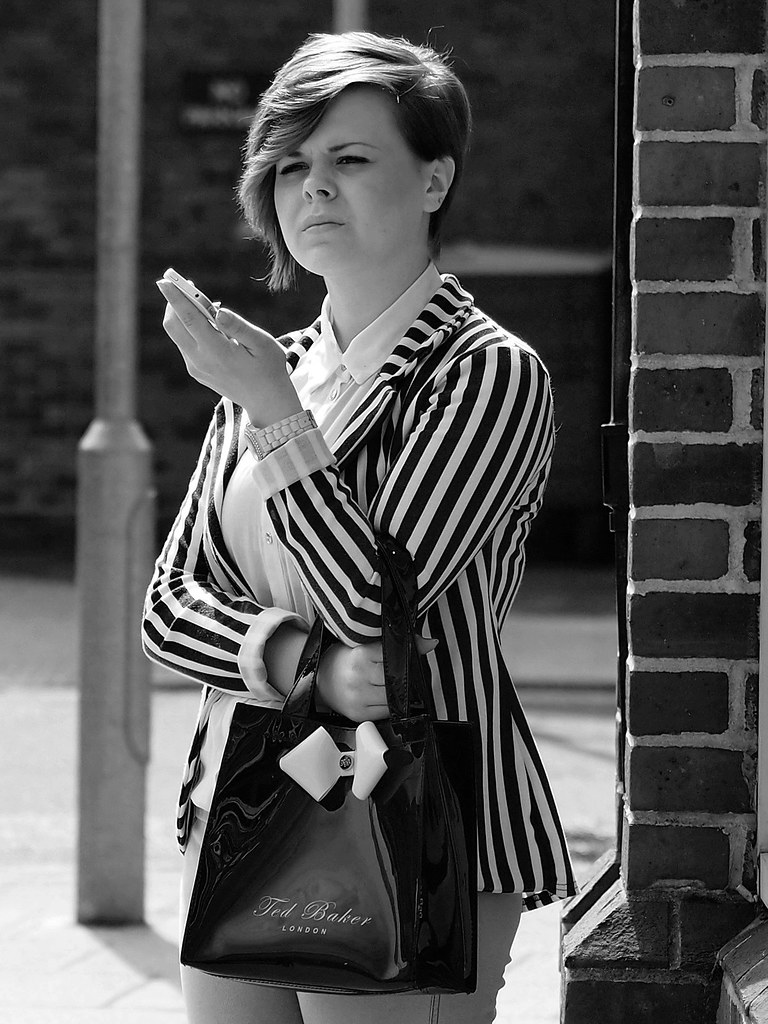
4. Versatility
Ted Baker bags are designed to be versatile and adaptable, making them suitable for various occasions and purposes. Whether you need a casual tote for a day at the beach, a stylish backpack for your daily commute, or an elegant handbag for a night out, Ted Baker has a bag to suit your needs. Many of the bags also feature detachable straps and convertible designs, allowing you to easily transform them from a shoulder bag to a crossbody or a clutch, ensuring that you always have the perfect accessory for any occasion. [affiliatable id=‘269603’]
Styles of Ted Baker Bags
1. Tote Bags
Ted Baker’s tote bags are the epitome of casual chic. These spacious bags are perfect for everyday use, offering ample storage for your essentials while still maintaining a stylish appearance. Available in various colors, prints, and materials, these totes often feature the brand’s signature bow or rose gold details, adding a touch of sophistication to an otherwise casual accessory.
2. Handbags
Elegant and timeless, Ted Baker handbags are the perfect accessory for any outfit. Available in various styles, such as satchels, shoulder bags, and top-handle bags, these handbags are designed to suit various tastes and preferences. Crafted from high-quality leather and adorned with intricate details, these handbags exude luxury and sophistication.
3. Backpacks
Ted Baker backpacks combine style and practicality, making them ideal for those on the go. With sleek designs, multiple compartments, and padded straps for comfort, these backpacks not only look great but also cater to the needs of the modern woman. Available in various colors and materials, these backpacks are a stylish alternative to traditional backpacks while still providing the functionality necessary for daily use.
4. Clutches and Evening Bags
When it comes to special occasions, Ted Baker offers a range of exquisite clutches and evening bags that add a touch of glamour and sophistication to any outfit. With an array of designs, from minimalist and understated to embellished and statement-making, these bags are the perfect finishing touch for a night out or a formal event.
5. Cross body Bags
For those who prefer hands-free convenience, Ted Baker’s crossbody bags are the perfect solution. These versatile bags feature adjustable and detachable straps, allowing you to wear them as a crossbody or a shoulder bag, depending on your preference. With a variety of designs, from compact and minimalist to bold and eye-catching, these bags cater to a wide range of style preferences.
Ted Baker Bags Conclusion
In conclusion, Ted Baker bags offer a perfect blend of timeless elegance, modern sophistication, and practical functionality no only in Glasgow but all over the world. With a wide selection of styles, colors, and designs, these bags cater to the diverse tastes and preferences of today’s fashion-conscious consumers. Crafted from high-quality materials and featuring meticulous attention to detail, Ted Baker bags are a worthy investment for those looking to elevate their accessory game. So, whether you’re searching for a casual tote, a chic handbag, or a glamorous clutch, Ted Baker has the perfect bag to complement your style and make a statement in any setting. Other suggested articles:
The 10 Most Expensive Handbag Brands in the World
Is Marc Jacobs a Designer Brand?
Understanding Different Types of Leather
Leather is one of the most versatile and durable materials used in a wide variety of products, from luxury handbags to durable furniture. With such a rich history and myriad applications, understanding the different types of leather can help consumers make informed choices when purchasing leather goods. In this blog post, we will delve into the various types of leather, their characteristics, uses, and care, while highlighting key terms such as full grain leather, top grain leather, and faux leather products.
What is Leather?
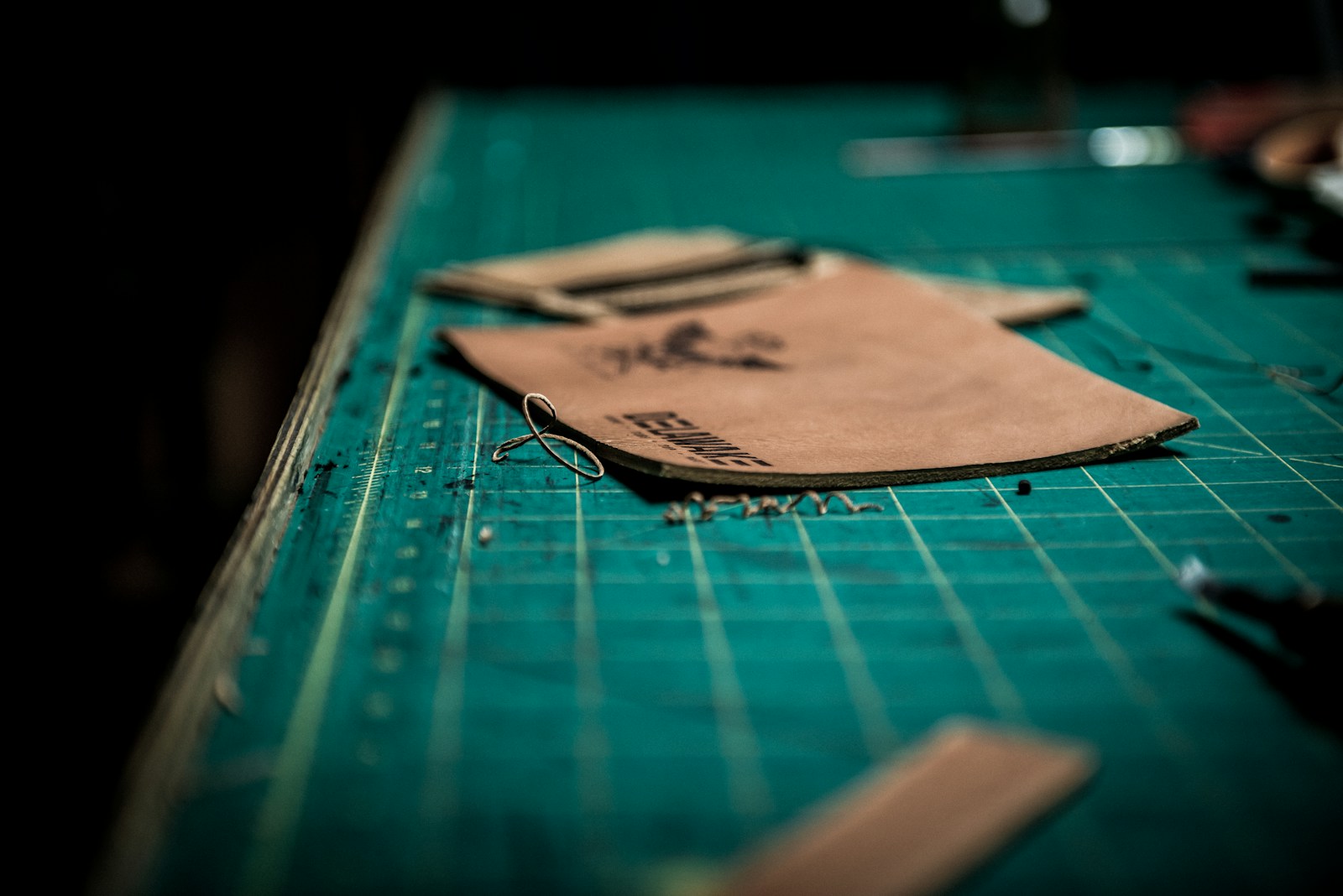
At its core, leather is a natural material made from animal hides. The tanning process transforms raw hides into durable, flexible material that can be used for various applications. Leather is categorized based on its processing method, texture, and appearance. Understanding these classifications will not only enhance your appreciation for leather products but also guide you in selecting the best leather for your needs.
The Classification of Leather
Leather can be classified into several categories, each with its unique properties and applications. Key factors in classification include the grain layer, type of tanning, and the treatment applied to the leather. The main categories include full grain leather, top grain leather, split grain leather, and synthetic leathers. Each type serves different purposes and offers distinct advantages.
Full Grain Leather
Full grain leather is widely regarded as the highest quality leather available. This type of leather retains the natural grain of the hide, showcasing its unique imperfections and markings. The natural beauty of full grain leather develops a rich patina over time, enhancing its character.
Characteristics of Full Grain Leather
- Natural Imperfections: Full grain leather maintains the original surface of the hide, highlighting natural markings that tell a story.
- Durability: With tightly packed fibers, full grain leather is highly resistant to wear and tear, making it ideal for leather furniture and luxury items like handbags.
- Breathability: This type of leather allows air to circulate, preventing moisture build-up and promoting longevity.
Applications
Full grain leather is commonly used in high-end products such as:
- Leather furniture: Its durability and aesthetic appeal make it a popular choice for sofas and chairs.
- Watch straps: The refined appearance of full grain leather adds elegance to any timepiece.
Top Grain Leather
Top grain leather is another premium option, but it undergoes a slightly different process. The top layer of the hide is sanded and treated to remove imperfections, resulting in a smoother surface.
Characteristics of Top Grain Leather
- Refined Appearance: Unlike full grain leather, top grain leather has a more uniform appearance due to the removal of natural flaws.
- Durability: While still strong, it may not be as robust as full grain leather. However, its surface is more resistant to stains and spills.
- Flexibility: Top grain leather is often softer and more pliable, making it comfortable for items like automotive upholstery.
Applications
Top grain leather is frequently used in:
- Automotive upholstery: Its smooth texture and resistance to wear make it ideal for car interiors.
- Fashion items: Many luxury handbags and wallets use top grain leather for its sophisticated look.
Grain Leather Types

Corrected Grain Leather
Corrected grain leather is a type of leather that has undergone additional processing to create a uniform texture. The imperfections are sanded down, and an artificial grain is often embossed onto the surface.
- Characteristics: It has a more uniform appearance and is generally less expensive than full grain and top grain leather.
- Applications: Often used in budget-friendly leather goods, including shoes and bags.
Nubuck Leather
Nubuck leather is created from the outer layer of the hide, which is sanded to achieve a velvety texture.
- Characteristics: Known for its luxurious feel, nubuck leather is soft yet durable. However, it can be more susceptible to staining.
- Applications: Commonly found in upscale footwear and luxury handbags.
Aniline and Semi-Aniline Leather
Aniline leather is dyed with aniline dyes, allowing the natural grain to show through while retaining the hide’s natural characteristics. Semi-aniline leather is treated with a light protective coating.
- Characteristics: Aniline leather showcases the hide’s unique features and imperfections, while semi-aniline leather offers a balance between natural beauty and durability.
- Applications: Used in high-end furniture and apparel.
Split Grain and Other Variants
Split Grain Leather
Split grain leather is made from the lower layers of the hide, which are split away from the top layer. This type is less durable but more affordable.
- Characteristics: It has a more uniform appearance and is often treated to mimic the look of higher-quality leathers.
- Applications: Used in budget-friendly leather goods, such as wallets and belts.
Suede Leather
Suede is a type of split leather that has been brushed to create a soft, fuzzy surface.
- Characteristics: Known for its texture, suede is less durable than full grain and top grain leathers but offers a unique aesthetic.
- Applications: Common in footwear, jackets, and accessories.
Bonded Leather
Bonded leather is made from leftover leather scraps that are bonded together with adhesives. While it contains some leather, it is often considered a man-made material.
- Characteristics: It is less durable and has very little real leather content, making it a budget-friendly option.
- Applications: Often used in inexpensive furniture and book covers.
Faux Leathers
Faux leather, also known as synthetic leather, is created from man-made materials like polyvinyl chloride (PVC) or polyurethane. It mimics the look and feel of real leather without using animal hides.
Characteristics of Faux Leathers
- Affordability: Faux leathers are typically less expensive than genuine leather products.
- Variety: Available in a range of colors and finishes, faux leather can cater to various design preferences.
- Ethical Choice: For those concerned about animal welfare, faux leather offers a cruelty-free alternative.
Applications
Faux leather is widely used in:
- Fashion: Handbags, shoes, and jackets often utilize faux leather for trendy, budget-friendly options.
- Furniture: Faux leather furniture provides a stylish look without the maintenance concerns associated with real leather.
Exotic Leathers
Exotic leathers, such as alligator leather and snakeskin, are prized for their unique textures and rarity.
Characteristics of Exotic Leathers
- Distinctive Appearance: Each exotic leather has a distinctive look that sets it apart from traditional leather types.
- High Value: Exotic leathers can be significantly more expensive due to their limited availability and unique characteristics.
- Ethical Considerations: Purchasing exotic leathers often comes with ethical considerations regarding sourcing and conservation.
Applications
Exotic leathers are often used in luxury fashion items, including:
- High-end handbags and wallets
- Specialty shoes and belts
Care and Maintenance
To ensure the longevity of leather products, proper care and maintenance are essential. Here are some tips to keep in mind:
Leather Conditioner
Using a quality leather conditioner is crucial for preserving the natural beauty of your leather goods. Conditioning helps to maintain suppleness and prevents cracking.
Cleaning Tips
- Avoid Excessive Moisture: Water can damage leather, so clean spills promptly and avoid exposing leather items to excessive humidity.
- Use a Soft Cloth: For cleaning, use a soft, dry cloth to wipe away dirt. For deeper cleaning, consult specific care instructions based on the leather type.
Faux Leather Care
Faux leather is generally easier to clean and maintain than genuine leather. Simply wipe it down with a damp cloth to remove dirt and stains.
Final Thoughts: Different Types of Leather
Understanding the different types of leather is essential for making informed purchasing decisions. Whether you choose the durability and natural beauty of full grain leather, the refined look of top grain leather, or the affordability of faux leather, knowing the characteristics and applications of each type can enhance your experience. By investing in quality leather goods and taking proper care of them, you can enjoy the timeless appeal and durability of this classic material.
Now that you’re familiar with the various types of leather, it’s time to explore your options. Whether you’re in the market for genuine leather products or considering faux leather alternatives, understanding the differences will help you choose wisely.
Other suggested articles:
- What is the Best Material for Socks?
- How to Wear Loafers With Jeans
- Cargo Pants for Men: Versatile Style for Every Occasion
- What to Wear with Corduroy Pants?
Can You Wear Leggings to Work? Tips for a Professional Look
Navigating office attire can be a tricky business, especially when it comes to the ever-comfortable leggings. You might wonder, “Can you wear leggings to work?” The answer isn’t as straightforward as yes or no and largely depends on the culture and dress code of your workplace. As workplaces evolve, so do the norms around what’s considered appropriate office wear.
Understanding the dos and don’ts of wearing leggings to work can save you from potential fashion faux pas while keeping you comfortable and stylish. Let’s dive into what makes leggings suitable for professional settings and how you can style them to maintain a polished look. Whether you’re in a casual startup or a formal corporate environment, there are ways to make leggings work for you.
Evaluating Leggings as Professional Attire

Evaluating whether leggings qualify as professional attire hinges primarily on your workplace’s dress code. Leggings offer versatility and comfort, but the challenge lies in styling them appropriately for the office.
The Debate Over Leggings in the Workplace
The conversation around wearing leggings to work remains divided. In more traditional industries, leggings might still be viewed as too casual or underdressed compared to formal wear like suits or slacks. However, in sectors with a relaxed dress code, leggings can be an acceptable form of office attire if styled correctly. Pair leggings with longer tops like tunics or blazers that cover the hips and buttocks to maintain professionalism.
Opting for a thick pair of dark leggings ensures they remain opaque under office lighting. It’s essential to choose quality fabrics that do not fade or become see-through after several washes to maintain a polished look.
Defining Business Casual
Business casual attire often blends traditional business wear with more relaxed pieces, allowing for comfort while still appearing professional. In environments that endorse a business casual dress code, you can style leggings as part of your outfit. Successful business casual leggings outfits usually involve pairing them with structured tops like button-down shirts or smart blazers, and accessories like ballet flats or ankle boots.
The goal is to ensure the leggings are not the focal point but rather complement the more formal pieces. Avoid overly casual tops such as t-shirts or any attire that could be mistaken for gym or lounge wear. Always check your office’s dress code policies, as interpretations of “business casual” may vary depending on your work environment and geographic location.
How to Style Leggings for Work

Styling leggings for work involves choosing the right outfits, materials, and accessories to ensure a professional look that fits your office’s dress code. The key is to balance comfort with formality, ensuring leggings are not just casual wear but adapted to a business environment.
Selecting the Right Material and Fit
When you choose leggings for a work setting, prioritize materials that are thick and opaque to maintain professionalism. Avoid any leggings that might become see-through under office lighting. Opt for high-quality fabrics such as ponte or thick cotton blends that offer structure rather than the ultra-comfy, thinner materials typically used for gym or loungewear.
Ensure the leggings fit well; too tight can appear unprofessional, and too loose might seem sloppy. A proper fit supports comfort and contributes to a sleek silhouette, enhancing your overall professional appearance.
Top Choices to Complement Leggings
The best way to wear leggings to work is to pair them with longer tops that cover the hips, such as tunics or lengthy blouses. These tops provide coverage while maintaining a stylish and professional look. Additionally, consider pairing your leggings with structured pieces like blazers or formal cardigans.
This combination balances the relaxed nature of leggings with more formal office wear, creating outfits that align neatly with business casual environments. Consider colors and patterns that are subtle and neutral, ensuring your outfits do not draw too much attention but still demonstrate a professional aesthetic.
Incorporating Layers and Jackets
Layers play a crucial role in transforming leggings into business-appropriate attire. Start with a base layer like a conservative top or sweater, then add a blazer or tailored jacket to elevate the look. Blazers are particularly effective as they lend an air of formality and professionalism that complements the relaxed fit of leggings.
During colder months, longer coats or structured sweaters can also work well. Always ensure your jackets and coats are in good condition and fit well to maintain a polished appearance. This approach not only enhances your style but also adheres to the typical expectations of office attire.
Do’s and Don’ts When Wearing Leggings to Work

Wearing leggings to work can be both comfortable and professional when done correctly. This section will guide you on how to integrate leggings into your work attire effectively, ensuring adherence to most office dress codes.
Appropriate Settings for Leggings
Leggings fit well in a variety of work settings, but their appropriateness can vary depending on the formality of the environment. In business casual environments, you can pair leggings with longer tops such as tunics or button-down shirts, and complete the outfit with blazers or structured jackets to maintain a professional look.
Opt for solid colors or subtle patterns, and always choose high-quality, thick fabrics to avoid any see-through issues. For more formal settings, it’s safer to choose dress pants or slacks over leggings. However, if leggings are a must, ensure they are paired with professional pieces and shoes that lean more towards formal.
- Casual Work Environments: You’re likely to have more flexibility here; pairing leggings with sweaters and ankle boots might be acceptable.
- Relaxed Business Casual: Pair leggings with a long blazer and ballet flats for a look that’s comfortable yet fits in with a semi-professional office setting.
Common Mistakes to Avoid
When integrating leggings into your work wardrobe, there are several pitfalls you’ll want to avoid to keep your outfit work-appropriate and professional.
- Choosing the Wrong Material: Avoid any leggings that are too thin or resemble tights. Choose thick fabrics that provide good coverage.
- Too Casual Styling: Steering clear of overly relaxed accessories like sporty sneakers or t-shirts will help keep your leggings outfit in the business casual realm. Instead, opt for more structured tops and appropriate footwear.
- Neglecting the Top: Since leggings are form-fitting, pairing them with a top that’s too short can make the outfit seem too casual and less professional. Aim for tops that end at least mid-thigh to maintain professionalism.
By following these guidelines, you can make leggings a valuable part of your professional wardrobe, ensuring you remain both comfortable and in line with office expectations. Make sure that whatever style or combination you choose, it complements the office culture and dress code policies.
Wrapping Up: Can You Wear Leggings to Work?
Navigating the nuances of office attire can be tricky but with the right approach, you can confidently wear leggings to work. Remember to choose high-quality, opaque materials and pair your leggings with professional pieces like blazers and long tops. It’s essential to tailor your look to the specific culture and expectations of your workplace.
By adhering to these tips, you’ll ensure that your outfit is not only comfortable but also up to the standards of a professional environment. Whether you’re in a laid-back startup or a more traditional corporate setting, striking the right balance with leggings shows both style and respect for the workplace.
Other suggested articles:
Business Mistakes we made in our 20’s
How to Wear a Button Down Shirt Open: 7 Effortless Ways
Less Is Luxe: the Role of Minimalism in Refined Living
In a world brimming with constant distractions and a never-ending influx of information, the concept of minimalism emerges as a beacon of serenity and sophistication. Minimalism, often perceived as “less is more,” transcends its simplistic definition to become an influential lifestyle and design philosophy. In this blog post, we delve into the world of minimalism in refined living and explore its profound role in refined living. From elegant minimalistic design principles to the influence of well-known minimalists, we’ll embark on a journey to understand how minimalism can elevate every aspect of our lives.
Defining Minimalism and Its Role in Refined Living
 Minimalism and refinement go hand in hand, offering more than just a stylish design trend; they provide a profound mindset and a way of life. At its core, minimalism is about simplifying your life to focus on the essential and meaningful while discarding the superfluous. This elegant approach to living aims to create harmony in your surroundings and allows room for true refinement to flourish. In the realm of refined living, the refined living minimalistic approach plays a pivotal role in elevating our daily experiences. By adopting this mindset, we eliminate distractions and reduce unnecessary elements, creating space for what truly matters. In essence, it’s all about prioritizing quality over quantity, intention over impulse, and fostering serenity over chaos.
How Minimalism Enhances Focus on Quality and Intention
Clean Lines and Essential Elements
Minimalistic design is characterized by clean lines and an emphasis on essential elements. When applied to interior design, it creates spaces that are not only aesthetically pleasing but also highly functional. Consider the simplicity of a white living room flooded with natural light, furnished with carefully selected pieces crafted from natural materials. This is the essence of minimalistic refinement.
Elegant Minimalism in Daily Life
Minimalism transcends design, gracefully extending its influence to every facet of our daily existence. Embracing this lifestyle philosophy allows us to uncover the profound beauty of simplicity. Whether it’s the exquisite pleasure of sipping a morning coffee at a sleek, low-profile table or the sheer satisfaction of donning a wardrobe comprised solely of our cherished, handpicked pieces, elegant minimalism breathes life into our routines.
Incorporating Minimalistic Principles into Various Lifestyle Aspects
Minimalism in Home Decor
When it comes to home decor, minimalism is about creating a bold statement with just a few carefully chosen items. A dining area with a single, striking piece of art on the walls can speak volumes about your taste and style. The key is to let each element in your space breathe and shine, eliminating clutter and unnecessary distractions. For example, a simple yet elegant white candle can enhance the aesthetic appeal of a room, adding to the serene and refined atmosphere.
Minimalism in Architecture
Architects who embrace minimalism understand that less can indeed be more. They create spaces that capture the essence of refined living by prioritizing functionality and harmony. The result is often a sense of serenity that transcends the physical structure of a building.
Examples of Well-Known Minimalists and Their Influence
The Minimalist Lifestyle of Marie Kondo
Marie Kondo, a renowned minimalist, has captured the hearts of millions with her KonMari method. Her philosophy centers around keeping only items that “spark joy.” By incorporating her principles, people around the world have transformed their homes and, in turn, their lives.
The Architectural Genius of Tadao Ando
Architect Tadao Ando is celebrated for his minimalist designs that blend natural elements with innovative structures. His work, such as the Church of the Light, demonstrates how minimalism can create awe-inspiring spaces that inspire reflection and tranquility.
The Art of Minimalist Design: Crafting Your Dream Home

Minimalist Style: The Aesthetic of Refined Living
Minimalism is not merely a design trend; it’s an art form that allows you to curate your living space into a masterpiece of elegance and simplicity. A minimalist style is characterized by clean lines, open spaces, and a focus on functionality. When applied to your dream home, it transforms it into a sanctuary of tranquility and sophistication. Incorporating minimalist design principles, such as using natural materials and maximizing natural light, can create a space that feels both inviting and refined. Picture a living room with a low-profile, sleek sofa and minimalist coffee table, bathed in the warm glow of natural light streaming through large, unadorned windows. This minimalist style not only enhances the visual appeal of your home but also contributes to a sense of serenity and harmony.
Minimalist Living: Streamlining Your Daily Life
Minimalism extends far beyond the design of your home; it also influences your daily life. Adopting a minimalist approach in your routines and habits can lead to a more refined and intentional way of living. Consider the concept of a “one-room” approach to daily life, where you focus on one task at a time with undivided attention. Instead of multitasking and spreading your energy thin, you immerse yourself fully in the present moment. This minimalist living approach can significantly enhance your productivity, creativity, and overall well-being.
Capturing Moments with Minimalist Photography
In the age of smartphones and digital cameras, photography has become an integral part of our daily lives. Minimalism in photography is about distilling a scene down to its essential elements, creating powerful and evocative images that resonate with viewers. When taking photos in your minimalist home, pay attention to the details. Capture the play of light and shadow on the floor or the clean lines of a well-designed wall. Minimalist photography can transform everyday moments into art, allowing you to appreciate the beauty in simplicity.
Less Is More in Refined Living: The Minimalist Approach to Wall Decor
The Power of Empty Walls
In a world filled with clutter and excess, minimalist living places a premium on the power of empty walls. Instead of covering every inch with art and decorations, consider leaving some walls bare. This approach not only creates a sense of spaciousness but also allows the few carefully chosen pieces of art or photographs to stand out as bold statements. When selecting art for your minimalist living space, opt for pieces that resonate with you on a deep level. Each photo or painting should contribute to the overall atmosphere of elegance and refinement. Remember, in the world of minimalism, every element should have a purpose and evoke a sense of joy.
Minimalism on the Floor
The floor is another canvas for minimalist design. Choose flooring materials that align with the minimalist aesthetic, such as hardwood or concrete. Minimalist living often involves removing unnecessary rugs and carpets to allow the beauty of the floor to shine through. Consider using floor space creatively, such as incorporating a low-profile seating area with cushions and simple furniture. This not only adds functionality but also emphasizes the clean lines and essential elements of your living space. [affiliatable id=‘268257’]
Embrace Minimalism for a Refined Life
In a world filled with constant stimuli and distractions, minimalism offers a refreshing alternative—a path to refined living. By adopting minimalist principles in design, daily life, and architecture, you can create a space that exudes elegance and sophistication. Follow the lead of minimalism’s pioneers like Marie Kondo and Tadao Ando to incorporate this timeless concept into your life. Minimalism isn’t just a design trend; it’s a philosophy that can elevate your entire existence. So, take a moment to reflect on the concept of “less is luxe” and consider how minimalism can help you curate a life that is both refined and deeply meaningful. In the end, it’s not about the stuff you own but the experiences and joy you create in your minimalist journey towards a more elegant and intentional life.
Final Thoughts: Minimalism in Refined Living
Refined living is a journey that transcends misconceptions and stereotypes. It’s an ongoing exploration of how to live a life of purpose and authenticity while embracing the beauty of quality and aesthetics. By dispelling the myths surrounding refined living and understanding its true essence, you can create a haven that not only reflects your values but also enhances your daily life. So, whether you find luxury in opulence or simplicity, remember that refined living is about making your space a true reflection of yourself. Other suggested articles:
Incorporating Opulence in Home Decor: A Guide to Luxurious Living Spaces
Dress Codes: Understanding Their Impact on Workplace Culture
Mindful Art Appreciation: How to Experience Art on a Deeper Level
What to Wear With Velvet Leggings
Today, we will discuss what to wear with velvet leggings. These pants are the ultimate in comfort and class, and they do not get much more popular than they are right now. They can be worn with a variety of different items, from casual sweatshirts to elegant blouses. In fact, there really is no limit when it comes to how to wear velvet leggings. They are as versatile as they are beautiful and will look absolutely amazing with whatever you choose to wear.
What to Wear With Velvet Leggings
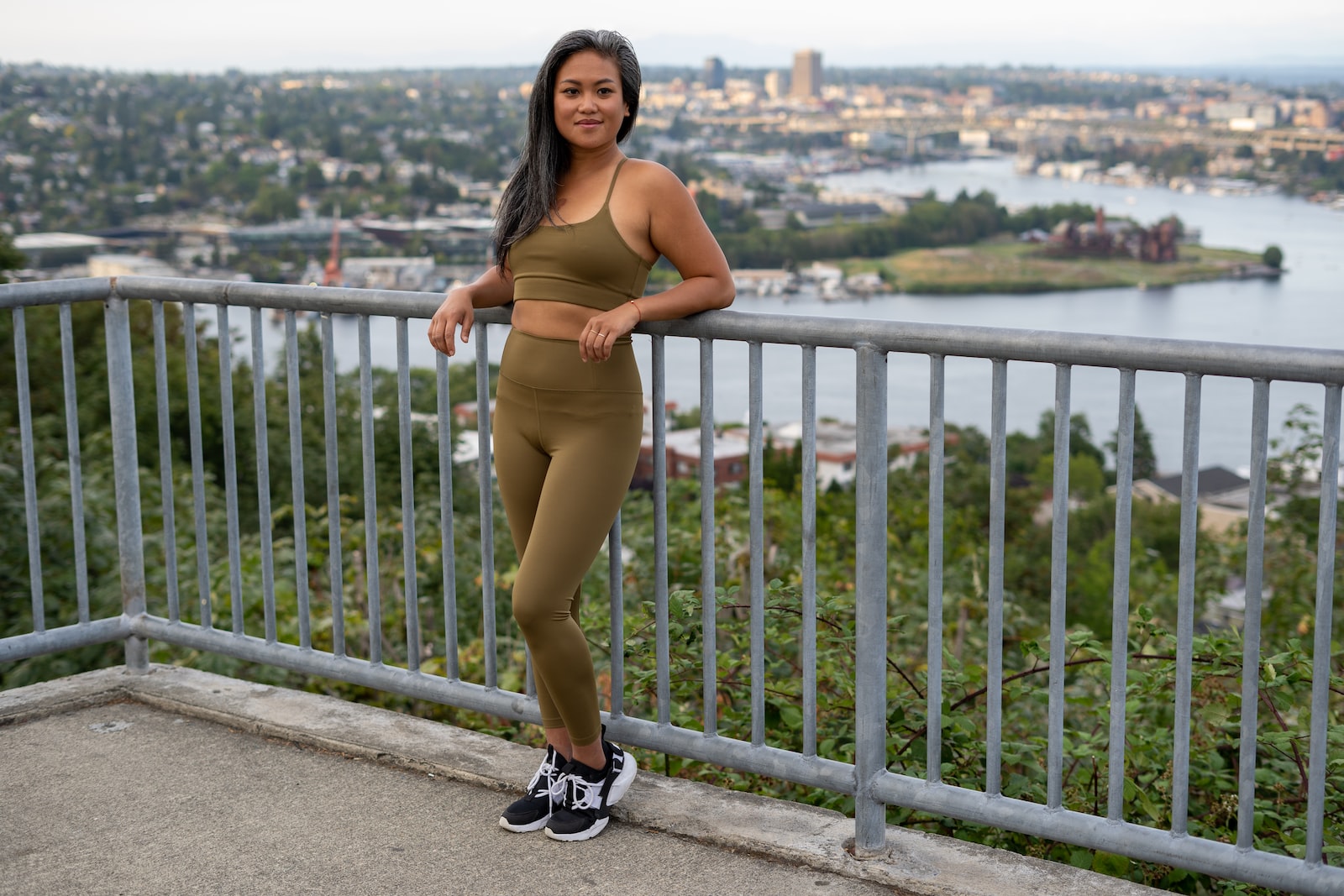
One of the great things about velvet pants is that they can be worn all year round, no matter what the weather is like outside. In colder weather, pair your black velvet leggings with a cozy sweater, a basic t-shirt, or even a classy blouse. In warmer weather, style velvet leggings with casual tanks and flowy tops .
Don’t know what to do with that old Kurti or your mom’s saree? Try this style hack - pair the Kurti with velvet legging and a silk dupatta (use the saree pallu as a dupatta). Now you have a new outfit that would be perfect for festivals or weddings.
If you want to wear leggings for a more casual style, go ahead and try wearing velvet leggings with some bold colors and prints. You could choose between electric neon colors or rich jewel tones like reds, blues, and purples. There are also plenty of fun patterns available like florals, animal skin print, paisley, or stripes. For something extra special and unique look for intricately embroidered velvet leggings or leggings made from burned velvet fabric. When wearing patterned leggings its best to balance them out with a solid colored top.
To add some extra boldness to your outfit, consider picking out a top with a loud pattern and pair it with another piece that has a more subdued design.
Pair your velvet leggings with a longer shirt or tunic. Leggings flatter any figure, and they look especially nice when worn with a longer top. If you’re going for a more casual look, try an over-sized boyfriend button-down shirt. Or dress it up by wearing a tunic that has an empire waist and flow-y hemline.
With a floppy felt hat, you can create a Bohemian look. To make things more interesting, don’t shy away from patterned tops–a floral or bold stripe provides visual contrast. For fall, try teaming a cowl-neck knit tunic with your velvet leggings; rounding the outfit off with some knee-high boots gives it that finishing touch.
Choose a top that has some texture to it, like leather, lace, flannel, faux fur, or silk. This will add an extra layer of interest to your outfit and help the velvet leggings stand out. You can play with different levels of contrast by pairing different textures together – for example, chiffon and light cotton are slightly sheer and provide a nice contrast to the rich fabric of the velvet leggings. Or you could go for something more dramatic by choosing a completely contrasting color for your top – like a soft pastel peach against rich olive green leggings.
[affiliatable id=‘269909’]
If you want a plush, wintertime casual look, pair your red velvet leggings with a wool, flannel, or cashmere sweater or leather jacket. To achieve the perfect balance between slim-fitting leggings and a chunky top layer, try wearing a button-down shirt or tank underneath boxy and short sweaters and jackets. Complete this outfit with ankle boots or knee-high boots.
Don’t be afraid to show some personality when accessorizing with typical leggings. It’s perfectly acceptable to have fun and add a few dramatic touches when wearing velvet casually. For example, you could make your leggings look casual by pairing Velvet with a floppy felt hat, your most dramatic sunglasses, and some chunky military-style boots. Or go for a more relaxed look by pairing it with long necklaces or your favorite beanie and a chunky scarf.
Your choice of shoes can either make or break your outfit. If you’re donning velvet leggings, go for a shoe that will complement your look such as ankle boots, mid-calf or knee-high boots, flats, simple sneakers, or heels. Take into account the proportions of your ensemble when picking out footwear. For example: if you have on a chunky top pairing it with some heeled booties would create nice balance. On the other hand; if your getup is more sleek and streamlined sticking to a pair of sneaks might be the best route to take(& achieve ultimate comfort).
Final Thoughts on What to Wear With Velvet Leggings
Velvet leggings are a fun and versatile fashion piece that you can wear year-round. The key to styling them is to try different proportions and textures with your outfit, so that the velvet leggings stand out as the star of the show. When choosing tops for your outfits, look for pieces that have interesting details like ruffles, lace, or a bold pattern. You can also add some drama by pairing velvet with chunky boots and hats for a casual look – or try teaming your leggings with other luxurious fabrics like cashmere to amp up the luxe factor of your outfit.
https://www.therefined.co/what-colors-go-with-olive-green-pants/
Can You Wear Corduroy in the Summer?
It’s the middle of summer and you’re scrolling through your Instagram feed when you see a post from one of your friends about how much they love corduroy pants. You remember wearing them in the fall and winter, but can you wear corduroy in the summer? The answer is yes! In this blog post, we will discuss how to style corduroy pants for the summer and show you some examples of outfits that will keep you cool and comfortable all day long.
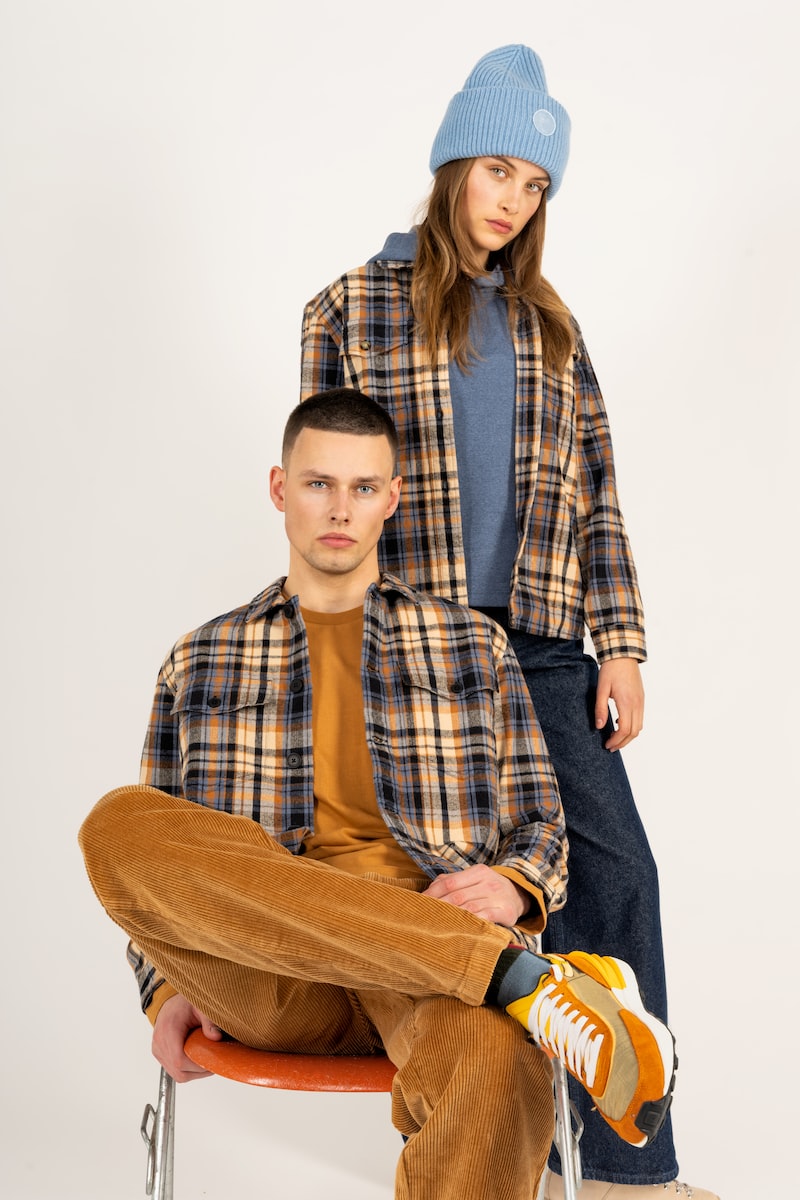
Can You Wear Corduroy in the Summer?
One of the first things to consider when talking about wearing corduroy fabric in the summer is whether or not you can find a pair that’s breathable. Some types of corduroy are made with 100% cotton, which is much more breathable than other materials, like polyester or nylon. Look for pants made from blends that include other natural fibers, like cotton and wool.
There are a few different ways that you can style corduroy pants for the summer. One of the easiest options is to wear cords with a breezy tee or tank top, along with some comfy sneakers or sandals. Another option is to wear a lightweight jacket over your corduroys and a cute pair of mules or comfortable flats.
No matter what style you choose, the key to pulling off corduroy pants in the summer is to keep the rest of your outfit simple and casual. This will help you feel more comfortable and confident all day long, even when it’s hot out!
[affiliatable id=‘268922’]
Can You Wear Corduroy in the Summer?: How To Wear Corduroy in the Summer?
A corduroy skirt is a must-have item for this season. Corduroy fabric is made of cotton, wool, or linen and has the advantage of being durable, warm, and comfortable. To style corduroy skirts, keep it clean with the following pointers.
Corduroy is a 17th-century fabric used primarily in workwear garments like cargo pants. The sturdiness and comfort of corduroy made it popular among manual laborers and soldiers during the Second World War. Today, people wear corduroy as an alternative to denim jeans in more formal or relaxed situations.
People are especially drawn to denim because of the cords around the waist. Not only is the fabric comfortable and able to be mixed with other materials, but it also becomes increasingly breathable in warmer weather while still providing insulation in colder months.
Skirts made of corduroy fabric are ideal for the spring and summer seasons. Corduroy is a type of material created with raised ridges on the surface using either cotton or wool that is tightly woven together. Because it has a unique texture, corduroy can be worn with almost any footwear style, making it a versatile piece in anyone’s wardrobe.
This weekend is going to be very warm, so make sure to wear your corduroy in light colors like white, yellow, or soft pink. It’s thin and breathable, making it perfect for spring and summer weather.
To look your best during the day, match this outfit with summertime clothing. Wearing a corduroy blazer with brown chinos gives you an appearance that is both appropriate for the city and seems effortless. If you’re donning a more refined style, try pairing it with some brown leather monks shoes.
Can I Wear Corduroy In The Spring?
Corduroy is a textured fabric made of cotton, wool or synthetic fibers. The fine lines running vertically on the surface are called “wales.” They are created by inserting yarns into the backside of the fabric. Corduroy is a versatile fabric that can be used for clothing, upholstery, bedding, and other textile products. It is typically associated with winter because it is a heavier fabric. However, corduroy can be worn in the spring as well. Lightweight corduroy pants or skirts can be paired with a blouse or sweater for a stylish and warm outfit.
Can You Wear Corduroy Trousers In Summer?
Although people typically don’t wear corduroy trousers in summer because the fabric is heavier and not as breathable if you’re comfortable in them and it’s not too hot outside, feel free to rock them.
Can You Wear Corduroy Shirt In Summer?
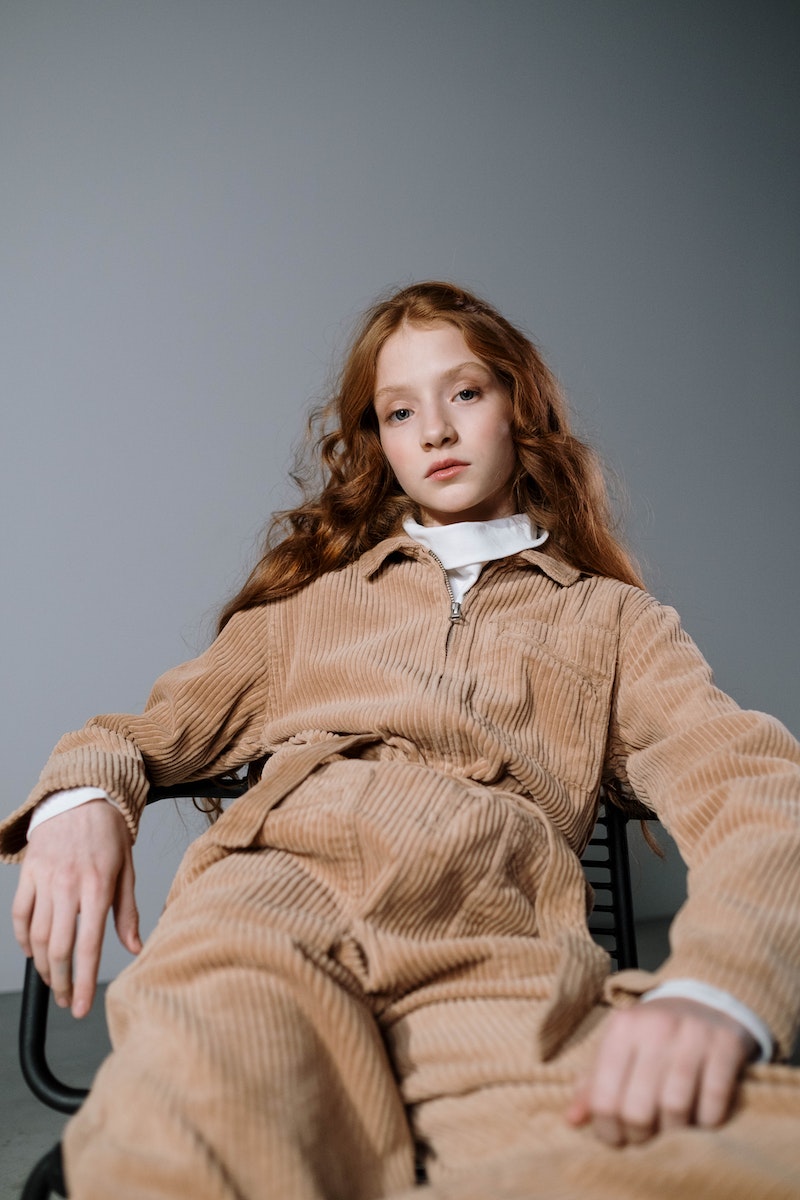
If you’re looking for a shirt to wear during the summer, corduroy is a great option. The fabric is light and airy, making it perfect for hot weather. Corduroy shirts come in many different colors and styles, so you can find one that you really like.
Different fabrics are made of distinct materials and, as such, have varying properties. Some materials are more practical to use in colder months while others lose their usefulness in the heat. For example, corduroy doesn’t allow your skin to breathe very well or absorb sweat which makes it a poor choice for clothing come summertime. Although light fine corduroy fabrics can be worn in cooler summer temperatures, rayon, chambray, cotton, linen, and silk are better suited for the hotter months. The properties that make corduroy lacking in coolness make it unsuitable hot weather clothing.
Can You Wear Corduroy in the Summer? - Final Thoughts
Whether you love wearing corduroy in the summer or avoid it at all costs, there are a few things to keep in mind before deciding whether it’s the right choice for your wardrobe Corduroy is a heavier fabric that may be too warm for warmer months. However, if you want to wear corduroy in the summer, there are a few things to keep in mind. Choose lightweight corduroy pants or skirts, such as linen or cotton blends, and pair them with breathable tops like chambray or rayon.
You can also opt for more casual looks by wearing corduroy pants with sandals, sneakers, or other summertime footwear. Wear corduroy pants or skinny corduroy pants with lightweight fabric on top.
https://www.therefined.co/what-to-wear-with-mustard-yellow-pants/
https://www.therefined.co/what-goes-with-brown-pants-mens-fashion/
https://www.therefined.co/are-chinos-formal-answered/
Where Should I Spray Perfume: 10 Key Spots
Where should I spray perfume? This is a usual question that many people were asking. Perfume oils are an essential part of many people’s daily routine. It can be used to enhance one’s personal favorite fragrance or to create a signature scent that leaves a lasting impression. However, applying perfume or eau de toilette can be tricky, as there are certain areas of the body where it will be more effective and long-lasting than others. Knowing to wear perfume can make all the difference in how it is perceived and how long it lasts throughout the day. In this context, we will discuss some tips and tricks for where to spray perfume to get the best results.
Where Should I Spray Perfume: 10 Key Spots
There are several key spots on the body where perfume can be sprayed to ensure that natural oils last longer and is more effective. Here are 10 areas where you can spray perfume for the best results:
- The pulse points: These are areas on the body where the blood vessels are closest to the skin’s surface, generating heat and releasing fragrance. The pulse points include the wrists, behind the ears, the neck, the temples, the chest, and the inside of the elbow.
- The hair: Hair is porous and can absorb fragrance, making it an excellent spot to spray perfume. A light spritz on the hairbrush can help distribute the fragrance throughout your locks.
- The collarbone: This area is close to the nose, and a spritz on the collarbone can create a subtle yet effective scent trail.
- The back of the knees: The warmth generated in this area can activate the fragrance and help it to last longer. Try applying unscented body lotion then spray your favorite perfume to make the smell lasts longer.
- The ankles: The pulse point on the ankle is another area where the fragrance can last longer, especially when wearing open-toed shoes.
- The cleavage: A small spritz in this area can create a seductive and alluring scent.
- The back of the neck: Spraying perfume in this area can create a pleasing fragrance trail that people can follow as you walk by.
- The belly button: This area has a lot of warmth and can help activate the fragrance.
- The inside of the thighs: This area generates heat and friction, which can help to activate the fragrance and make it last longer.
- Clothing: Spraying perfume on clothing can help the fragrance to last longer, especially if it is a fabric that holds scent well.
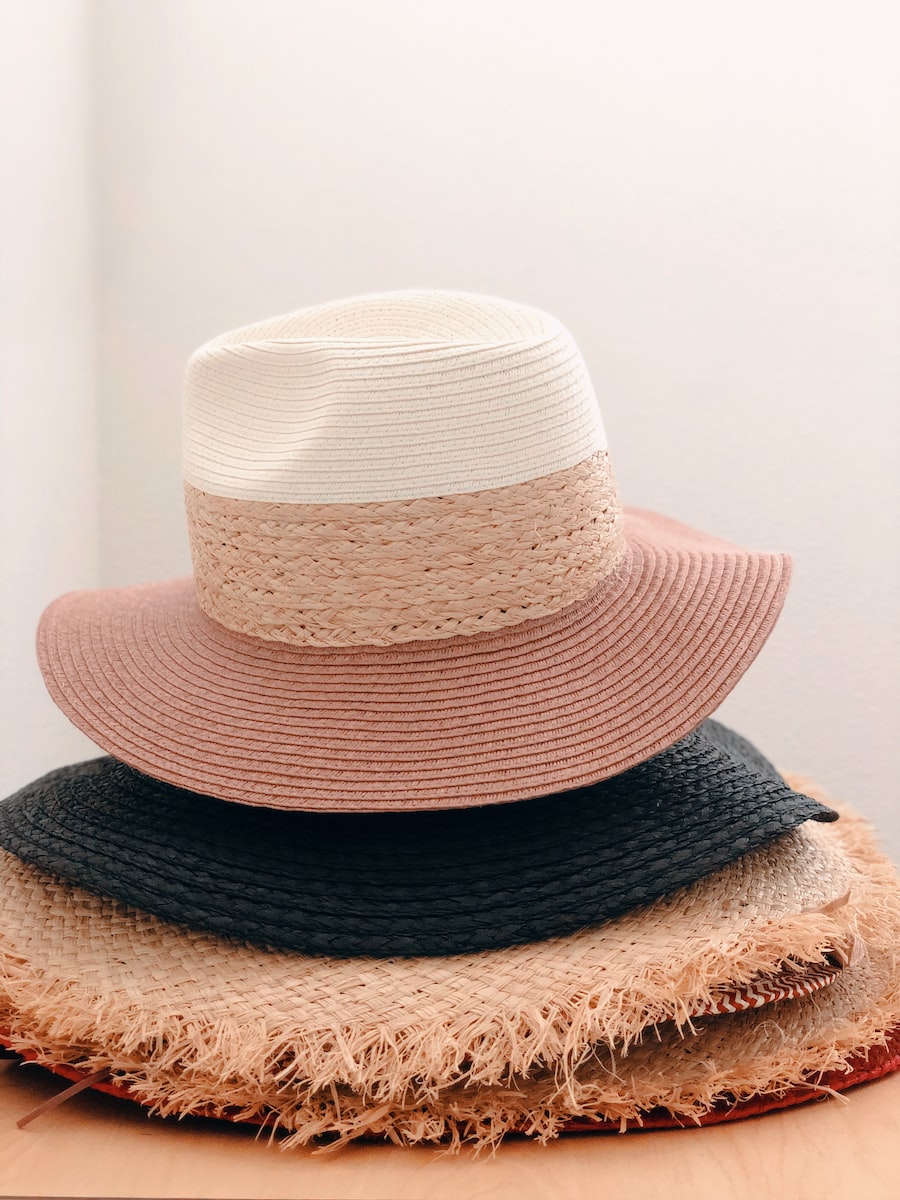
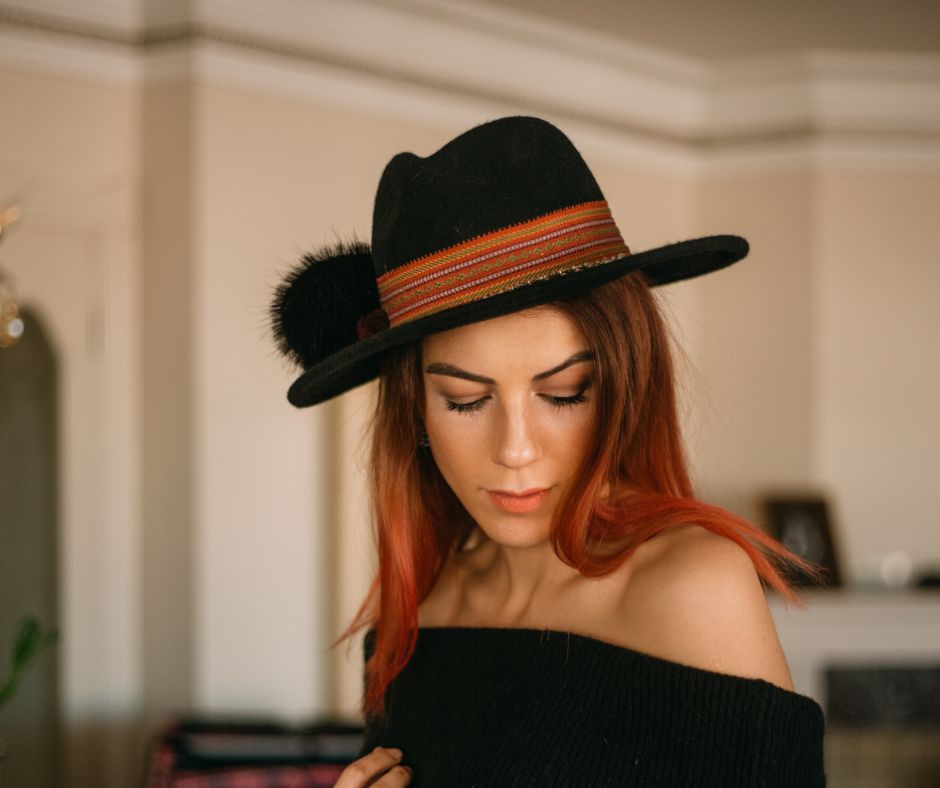
Remember to apply perfume in moderation, as too much can be overwhelming and may cause irritation to the skin. By spraying perfume in the right places, you can create a pleasant and memorable scent that lasts throughout the day. [affiliatable id=‘269698’] 
Where Should You Not Spray Perfume?
While knowing where to spray perfume is important, it is equally important to know where not to spray it. Here are some areas where you should avoid spraying perfume:
- Directly on the face: Spraying perfume directly on your face can cause irritation and even allergic reactions, particularly around the eyes, nose, and mouth. Perfume smells can also irritate your nose. Instead, spray perfume on your hair, clothes, or pulse points and let the fragrance waft up to your face.
- On or near delicate fabrics: Some fabrics, such as silk or lace, can be easily stained or discolored by perfume or eau de cologne. Avoid spraying perfume on delicate fabrics or surfaces, or spray it from a distance.
- On jewelry: Perfume can damage certain types of jewelry, particularly those made of pearls, opals, or other porous stones. Avoid spraying perfume directly on your jewelry and instead spray it on your skin or clothes.
- On open wounds or irritated skin: Spraying perfume on open wounds or irritated skin can cause further irritation and discomfort. Wait until the skin has healed before applying perfume.
- In confined spaces: In confined spaces such as elevators, public transportation, or crowded rooms, the scent of perfume can be overwhelming and cause discomfort or even allergic reactions to those around you. Apply perfume in moderation, and avoid spraying it in confined spaces.
By being mindful of where you spray perfume and where you avoid it, you can ensure that you are using it safely and effectively to enhance your personal fragrance. Other suggested articles: Does Cologne Go Bad?
Refined Living and Sustainability: The Eco-conscious Lifestyle
In a world that’s becoming increasingly aware of the environmental challenges we face, it’s no surprise that sustainable living is gaining prominence. But can sustainability coexist with refined living, where aesthetics and ethical choices harmonize? The answer is a resounding “yes.” In this comprehensive guide, we’ll delve into the art of integrating sustainability into refined living practices, exploring eco-friendly choices for fashion, home, and lifestyle, and understanding how conscious consumption contributes to a refined lifestyle.
Integrating Sustainability into Refined Living Practices

Refined Living and Sustainability: A Perfect Match
Refined living isn’t just about luxury; it’s about making choices that reflect your values and aspirations. Sustainability, on the other hand, is rooted in responsible consumption, ethical sourcing, and eco-conscious decisions. These two concepts can beautifully converge to create a lifestyle that’s both elegant and environmentally friendly.
Eco-friendly Refined Lifestyle Choices
The foundation of an eco-conscious refined lifestyle lies in the choices you make. Start with your wardrobe. Invest in quality, timeless pieces made from sustainable materials. Opt for brands that prioritize ethical manufacturing and eco-friendly practices. These choices not only reduce your environmental footprint but also contribute to a more refined and responsible image. In your home, sustainable design principles can transform your space into an eco-conscious haven. From energy-efficient lighting to eco-friendly building materials, there are numerous ways to make your living space both refined and sustainable.
Balancing Aesthetics with Ethical and Environmental Considerations

Ethical Elegance Choices
A key aspect of refined living is elegance. However, elegance doesn’t have to come at the expense of ethics. Choose products and services that align with your values. Look for artisanal, handcrafted items that tell a story and support local communities. Elevate your refined living experience by showcasing items with a unique backstory.
Sustainable Spaces and Services
Refined living extends beyond your personal space to the services you use. Consider sustainable options for everything from landscaping to transportation. Sustainable city planning and eco-friendly transportation solutions can further enhance your refined lifestyle while minimizing your environmental impact.
How Conscious Consumption Contributes to a Refined Lifestyle
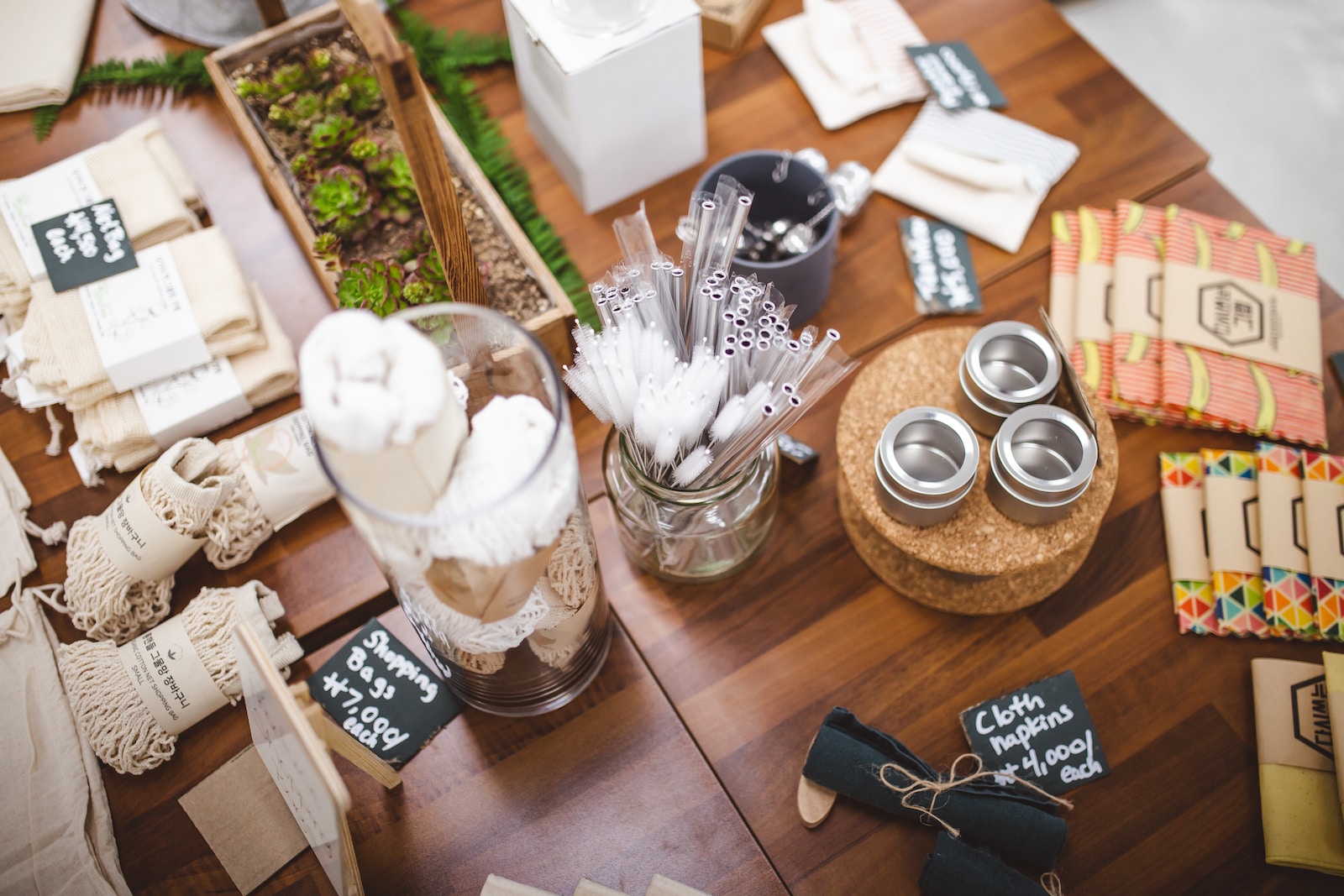
Understanding the Impact
To fully embrace an eco-conscious refined lifestyle, it’s essential to understand the impact of your choices. Every purchase, every decision you make has consequences, both for the environment and your personal image. By choosing sustainable products and services, you not only reduce your carbon footprint but also project an image of responsibility and conscientiousness.
The Future of Refined Living
As more people recognize the importance of sustainability, the future of refined living is poised for positive change. Brands are increasingly incorporating eco-conscious practices into their offerings, making it easier for consumers to make responsible choices without sacrificing style and refinement.
Green Living with Refinement
When we talk about “Green Living with Refinement,“ we’re delving into a lifestyle that not only embraces eco-consciousness but also elevates it to an art form. It’s about making choices that are not just sustainable but also impeccably stylish. As you create your eco-conscious refined living space, consider how each element contributes to a greener, more refined existence. Incorporating sustainable materials into your home’s design can achieve this balance. From reclaimed wood furniture to energy-efficient appliances, these choices not only reduce your carbon footprint but also enhance the aesthetic appeal of your living spaces. The result? A home that’s as environmentally friendly as it is refined.
Eco-conscious Refined Living: Shaping the Future
 In the world of “Eco-conscious Refined Living,” clients play a pivotal role. They seek a refined lifestyle that aligns with their values and aspirations. As a professional writer, understanding the needs and desires of your clients is essential. Tailor your content to address their concerns, and show them how they can seamlessly integrate eco-conscious choices into their lives. In this present era, technology plays a crucial role in shaping our eco-conscious refined living. From smart home systems that optimize energy usage to eco-friendly transportation technologies, the present is filled with opportunities to lead a more sustainable life without compromising on refinement. Stay informed about the latest advancements in green technologies to better serve your clients and provide them with up-to-date information.
The Process of Creating an Eco-conscious Refined Lifestyle
Creating an “Eco-conscious Refined Lifestyle” is not a one-step process; it’s a journey. It involves a series of deliberate decisions and actions aimed at reducing your environmental impact while enhancing the quality of your life. This process can be as unique as you are, tailored to your specific needs and preferences. Data is a valuable resource in this journey. By gathering information about eco-friendly products, sustainable practices, and local resources, you can make informed choices. This data-driven approach ensures that every decision is intentional and aligned with your goals of complete eco-conscious living.
Final Thoughts
Refined living and sustainability are not opposing forces but rather complementary aspects of a conscious and responsible lifestyle. By integrating sustainability into your refined living practices, exploring eco-friendly choices for fashion, home, and lifestyle, and understanding the impact of conscious consumption, you can achieve a truly eco-conscious refined lifestyle. As we move towards a more sustainable future, remember that every choice you make can contribute to a better world. With this comprehensive guide, you’re well-equipped to embark on your journey towards refined living with sustainability at its core. Embrace the elegance of eco-conscious choices and watch as your refined lifestyle flourishes in harmony with the planet. Other suggested articles:
Exquisite Escapes: Unveiling the Top Luxury Travel Destinations on Earth
Social Etiquette: How to Be a Gracious Host or Guest Unveiling the Secrets
How to Create a Classy Ambience with White Candles Organizational Magic and Decluttering for Refined Living
Parenting Without Punishment: Proven Methods to Raise Happy Kids
It’s no secret that raising children can be difficult. There are so many things to worry about - from making sure they have enough food and shelter, to teaching them the right values and how to behave in society. One of the most daunting tasks of parenting is trying to figure out how to discipline your child when they misbehave.
Many parents resort to punishment as a way to discipline their children. However, punishment is not always the most effective method. In fact, it can often do more harm than good. If you’re looking for alternative methods to discipline your child, here are a few proven techniques that will help you raise happy and well-behaved kids without resorting to punishment.
1. Encourage positive behavior with praise and rewards
One of the best ways to encourage good behavior in your child is to praise them when they do something well. This will let them know that you are pleased with their behavior and will encourage them to continue behaving positively. You can also use rewards as an incentive for good behavior. For example, you can give your child a sticker or allow them to choose a toy from the store if they behave well in public.
2. Ignore minor misbehavior
Sometimes, the best way to deal with misbehavior is to simply ignore it. If your child is acting out in a minor way, such as whining or making faces, it’s usually best to just let it go. Paying attention to their bad behavior will only serve to reinforce it. Instead, try to focus on the good things they are doing and ignore the minor missteps.
A child’s desire for attention is often what drives bad behavior. By giving them the attention they crave, you are only reinforcing their misbehavior.
3. Redirect negative behavior into positive activities
If your child is engaging in negative behavior, such as hitting or throwing tantrums, try to redirect their energy into positive activities. For example, you can suggest that they take a break from playing and do some deep breathing exercises. Or, you can provide them with a toy to hit instead of hitting people or objects.
If your child goes into fight or flight mode when they’re angry, it can be helpful to provide them with a safe space to calm down. This could be a corner of their room or a spot in the house where they can go to scream and shout without disturbing others.
4. Use logical consequences
Sometimes, the best way to deal with bad behavior is to use logical consequences. This means that the punishment should fit the crime. For example, if your child doesn’t clean up their toys, you can take away their toy privileges for a period of time. Or, if they hit someone, you can have them sit out from playing with other kids for a while.
Kids learn best when they are able to see the consequences of their actions. This will help them understand why their behavior was wrong and what they can do differently next time.
5. Teach problem-solving skills
One of the best ways to help your child avoid bad behavior is to teach them problem-solving skills. This means teaching them how to identify their feelings and own what to do when they feel angry or frustrated. For example, you can teach them to take a deep breath or to count to ten when they feel like they’re about to lose control.
Physical punishment on children
It’s important to note that physical punishment, such as spanking, is not an effective way to discipline children. Not only is it ineffective, but it can also do more harm than good.
Some common effects of physical punishment include:
-It can lead to increased aggressive and antisocial behavior in children.
-It can cause children to become fearful and anxious.
-It can damage the parent-child relationship.
-It can lead to further bad behavior.
Corporal punishment is a form of violence, and it’s not surprising that it can lead to increased aggression in children. Changing behavior requires teaching new skills and providing positive reinforcement, not violence. Positive alternatives to corporal punishment include verbal reasoning, logical consequences, and positive reinforcement.
How does parenting affect child development?
Parenting plays a big role in child development. The way you parent your child will have a direct impact on the type of person they become. If you want your child to be happy and well-adjusted, it’s important to provide them with love and support. Remember, every child is different and will develop at their own pace.
Children with behavior problems are often the ones who need the most attention and support. Their emotions are all over the place, and they often act out in negative ways. If you want to help your child with their behavior problems, it’s important to be patient and understanding and not punish them.
How important are communication skills for parents?
Parenting is all about communication. It’s important that you are able to effectively communicate with your child so that they understand what you expect from them. If you’re not able to communicate effectively, it will be more difficult to discipline your child and teach them right from wrong.
Sometimes you will have frustrating times with your kids, but if you can remember to parent without punishment, it will be worth it in the end. Stay connected with your child, provide them with love and support, and be patient as they learn and grow. Strong relationships are built on communication
Mutual respect is key in a parent-child relationship
It’s important to remember that parenting is a two-way street. Just as you expect your child to respect you, it’s important that you respect your child as well. This means that you should avoid yelling and name-calling. Instead, try to have calm and rational conversations with your child.
Parenting experts say that one of the most important things you can do for your child is to show them respect. When you show respect for your child, it sets the tone for how they should treat you and others. It also helps to build trust and communication between you and your child. Setting limits and providing consequences are also important, but they should be done in a way that is respectful.
Natural consequences that can be used for discipline
There are a variety of natural consequences that can be used for discipline. For example, if your child doesn’t clean up their toys, they may have to go to bed early. Or, if they hit someone, they may have to sit out from playing with other kids for a while. Natural consequences are a great way to teach kids cause and effect. They will realize their own mistakes and be more likely to avoid them in the future.
Punishment is not the only way to discipline your child. Positive discipline techniques, such as praise and rewards, can be just as effective. What’s important is that you find what works best for you and your child.
Positive Parenting
Positive parenting is a type of parenting that focuses on the positive aspects of raising children. This includes things like praise, encouragement, and rewards. It’s important to remember that all children are different and what works for one child may not work for another. However, positive parenting is a great way to encourage good behavior in children and help them develop into happy and well-adjusted adults.
Parents punish their children because they think it will make them behave. However, punishment usually has the opposite effect. Not only does it not teach kids how to behave, but it also makes them resentful and more likely to act out. If you want your child to behave, it’s important to focus on positive discipline techniques.
Child’s behavior is a result of their upbringing
It’s important to remember that children are a product of their environment. If you want your child to be happy and well-adjusted, it’s important to provide them with love and support. Remember, every child is different and will develop at their own pace.
Parenting Practices
There are a variety of different parenting practices that you can use to help your child be happy and successful. It’s important to find what works best for you and your child. However, some great parenting practices include positive discipline, mutual respect, and communication. By using these techniques, you can help your child develop into a well-rounded individual.
Good habits start at home
One of the best things you can do for your child is to set a good example. Children learn by watching and imitating what they see. If you want your child to be respectful, it’s important that you are respectful. If you want your child to be honest, it’s important that you are honest.
You can also help your child develop good habits by being consistent with your expectations and rules. It’s important to follow through with what you say you’re going to do. For example, if you tell your child that they need to clean their room before they can go outside and play, make sure you follow through with that.
Final thoughts
Parenting is not easy, but it is possible to raise happy and well-behaved children without resorting to punishment. By using positive reinforcement, ignoring minor misbehavior, redirecting negative behavior, and using logical consequences, you can help your child learn how to behave in a positive way. Try out these techniques the next time your child misbehaves and see for yourself how effective they can be.
Home Decor and Refined Living
Home decor and refined living are concepts that go hand in hand when it comes to creating elegant interior design. Refined living spaces are not only visually appealing but also reflect the personal values and taste of the homeowners. In this article, we will explore the principles of refined living and how they can be applied to home decor. [caption id=“attachment_2683” align=“aligncenter” width=“200”] home decor and refined living[/caption]
Applying Refined Living Principles to Interior Design and Decor
When it comes to creating a refined living space, it is important to choose timeless and high-quality pieces, modern living room furniture ideas for an elegant aesthetic. This means investing in furniture pieces that are not only durable but also have a classic design that will stand the test of time. Opt for pieces made from high-quality materials such as solid wood or leather, and avoid trends that may become outdated in a few years.
Creating Harmonious Spaces That Reflect Personal Values and Taste
Aesthetic harmony is essential in a refined living space. This involves creating a cohesive look throughout the home by choosing furniture and decor items that complement each other. Consider the color palette and choose colors that evoke a sense of elegance, such as muted tones or rich, deep hues. Texture can also play a role in conveying elegance, so consider incorporating velvet, silk, or other luxurious materials into your decor. [caption id=“attachment_2682” align=“aligncenter” width=“300”] home decor and refined living[/caption] The layout of furniture and decor items is also important in creating a harmonious space. Take into consideration the flow of the room and arrange furniture in a way that promotes conversation and ease of movement. Utilize space effectively by opting for multifunctional furniture pieces, such as a cocktail table that doubles as storage or a sofa with built-in shelves.
The Role of Colors, Textures, and Layouts in Conveying Elegance
Colors play a crucial role in conveying elegance in home decor. Opt for neutral tones such as whites, creams, grays, or beiges as a base, and add pops of color through accents such as pillows, artwork, or curtains. Metallic accents, such as gold or silver, can also add a touch of glamour and elegance to family living rooms. Textures are equally important in creating an elegant atmosphere. Incorporate different textures into your decor, such as plush velvet, smooth silk, or rough linen, to add depth and visual interest to the space. Mixing textures can create a luxurious and inviting feel. Layouts also play a significant role in conveying elegance. Consider the placement of furniture and decor items in relation to natural light sources such as windows or fireplaces. Position furniture pieces in a way that allows for easy conversation and creates a sense of balance within the space.
Choosing Timeless and High-Quality Pieces for a Refined Aesthetic
When it comes to selecting furniture pieces for a refined living space, it is essential to choose pieces that are both timeless and high-quality. Consider investing in a statement sofa with clean lines and a classic design that will serve as the focal point of the living room. Pair it with complementary chairs that offer both comfort and style. To add functionality and elegance to the space, incorporate a cocktail table that not only acts as a centerpiece but also provides storage for books, magazines, or other items. Choose a table with a sleek, modern design or opt for a vintage piece that adds character to the room. Incorporating floor lamps into your living room is another way to achieve a refined aesthetic. Choose floor lamps with elegant designs that provide both ambient and task lighting. These versatile lighting fixtures can be placed strategically throughout the room to create a warm and inviting atmosphere.
Home Decor and Refined Living - Final Thoughts
In conclusion, creating a refined living space involves applying principles of elegant interior design. This includes choosing timeless and high-quality furniture pieces, creating harmonious spaces that reflect personal values and taste, and considering the role of colors, textures, and layouts in conveying elegance. By following these principles and integrating the right furniture and decor items, anyone can achieve a sense of refined living and create a home that exudes elegance.
How to Keep a Bald Head Smooth Without Shaving
If you’re like most men, you probably don’t enjoy shaving your head. It can be a real pain, especially if you have to do it daily. Fortunately, there are several ways to keep your bald head smooth without shaving. In this blog post, we will discuss some of the best methods how to keep a bald head smooth without shaving.

How to Keep a Bald Head Smooth Without Shaving
1. Use a safety razor
One of the best ways to keep your bald head smooth is to use a traditional safety razor, along with a quality shaving cream or gel. A safety razor allows you to glide it across your scalp without applying too much pressure, which can help reduce irritation and bumps. Using a sharp blade also helps minimize irritation and makes for a closer shave.
2. Use an electric razor
Another option is to use an electric razor, which can provide a quick and hassle-free shaving experience. Electric razors are especially useful for men who shave their heads on a regular basis, as they can quickly remove all the hair without causing pain or irritation. However, it’s important to choose a quality electric razor to ensure that you get the best results.
3. Wear a head covering
In some cases, it may be easier to simply wear a head covering instead of shaving your scalp on a regular basis. Whether you opt for a beanie, hat or turban, wearing a head covering can help keep your scalp smooth and free of stray hairs.
4. Depilatory Creams
Hair removal cream is an excellent balding solution for those who don’t want to shave. They work by breaking down the proteins in the hair, and dissolving the strand bases just under the surface of the scalp skin. Once applied to your head and given enough time to sit, you can then wipe the cream off easily with little-to-no hair remaining.
5. Waxing
Waxing your head bald can be a tricky thing to do at home. You may question whether it’s worth putting yourself through the discomfort, but we will get into that shortly. I have written articles on how to wax chest hair at home before and the technique necessary for waxing your bald scalp is quite similar.
The most crucial technicality you need to remember about waxing is that your hair needs to be at its optimum length. A ¼ inch should do the trick before trimming it down any further. Additionally, knowing the different types of wax available will give you a significant edge.
6. Hair Clipper
A hair clipper is a versatile tool that can be used for both simple and complex hairstyles. A skilled barber using a clipper can create amazing styles, but it’s also great for doing a basic buzz cut.
Cutting hair isn’t rocket science. To do so, remove the guard from the clipper to expose the naked blade. Next, trim all of the hair down to even length in every direction.
7. Sugaring
Henna is an effective, natural hair removal method that is gradually becoming more popular. It functions similarly to waxing in that a sticky substance adheres to the hair and then yanks it out from its roots.
Using lemon juice, water, and sugar as your main ingredients, you can mix a paste-like substance to easily apply to your head. When deciding between sugaring or waxing, keep in mind the significant differences that may make one more appealing than the other.
Additional Tips on How to Keep a Bald Head Smooth Without Shaving

Notwithstanding the importance of the hair removal device or method you use, it isn’t everything. There are some maintenance tips and habits you could practice to really make that dome shine.
Exfoliate – Exfoliating your scalp no more than once a week will lead to an overall happier appearance. Scrubs remove dirt in the hair follicles, oil, and dead skin cells which then allows for much easier hair removal methods down the road.
Moisturize – For best results, do this regularly, especially right after removing hair. Moisturizing is key when sensitive skin is red and inflamed.
Bald Balm – A post-shave balm is more than a nice touch–it’s an extra step in your skincare routine that can contain natural, soothing ingredients.
Sunscreen – Long term exposure to the sun can permanently damage an unprotected, bald scalp.
Maintaining a Smooth Bald Head: Alternatives to Shaving
Maintaining a bald head doesn’t always require daily shaving. Explore these effective alternatives to keep your scalp smooth and hair-free without the need for traditional shaving methods. From electric razors to depilatory creams, discover the options that suit your preferences and lifestyle.
Potential Side Effects of Non-Shaving Methods for a Bald Head
While non-shaving methods offer convenience, they may come with their own set of side effects. Understanding the potential drawbacks of alternatives like waxing, sugaring, or depilatory creams is essential for making an informed decision. Learn about possible skin reactions, discomfort, and other considerations before opting for a hair removal technique.
[affiliatable id=‘268782’]
Considerations for Hair Density in Bald Head Care
Hair density plays a significant role in how you care for your bald head. Whether you have sparse or dense hair growth, tailored approaches are essential for maintaining a polished appearance. Discover strategies for managing different hair densities, including grooming tips and product recommendations to achieve a smooth result.
Achieving and Maintaining a Smooth and Polished Scalp
A smooth and polished scalp requires more than just hair removal. Proper care and maintenance are key to achieving the desired look and feel. From exfoliation to moisturization, explore the comprehensive routine that ensures your bald head remains smooth, healthy, and radiant.
Final Thoughts on How to Keep a Bald Head Smooth Without Shaving
Fast hair growth is normal, yet, there are many different ways to keep a bald head smooth without shaving, including using an electric razor, wearing a head covering, or applying hair strands removal creams. However, it is also important to ensure that you take steps to maintain smooth bald head and protect it from the sun’s harmful UV rays.
Whether you opt for sugaring, soft wax, heated soft wax, shaving soap or laser treatment, there are many tips and tricks that can help you keep your bald head looking great. So if you want to rock a smooth, shiny bald head without shaving, be sure to explore all of your options and take the necessary steps to protect and care for your scalp.
Elegant Speaking: Mastering the Art of Effective Communication
Elegant speaking isn’t just about choosing the right words; it’s about crafting an impression that resonates grace and intelligence. Whether it’s a casual chat or a formal presentation, the way we articulate our thoughts can significantly influence how we’re perceived. I’ve discovered that mastering this art can be transformative, not just in how others see us, but in how we see ourselves.
Throughout my journey to enhance my eloquence, I’ve learned that elegant speaking involves more than just vocabulary. It’s about timing, context, and the emotional tone that accompanies the words. It’s about speaking in a way that’s both thoughtful and impactful.
As we dive deeper into the nuances of elegant speaking, I’ll share public speaking tips and insights that have helped me refine my verbal expressions. This isn’t just about sounding smart; it’s about connecting genuinely and leaving a lasting, positive impression.
The Importance of Elegant Speaking

Elegant speaking is a powerful tool that impacts our daily interactions and our ability to influence and inspire others. It involves not just the words I choose, but how I deliver them—with precision, confidence, and empathy. I’ve found that speaking elegantly boosts my confidence in speech in both professional settings and personal conversations.
Paying attention to tone and tempo has made a significant difference in how people perceive my messages. By controlling the speed at which I speak and using the right intonation, the emotional impact of my words increases, allowing me to better connect with my audience. Proper enunciation and avoiding filler words enhance clarity, ensuring that every word I say carries weight and is understood exactly as intended.
Moreover, making a conscious effort to incorporate body language, such as maintaining eye contact and using deliberate gestures, reinforces the message I am conveying. These non-verbal cues support my verbal communication, making the overall experience more engaging for the listener. Engaging effectively with others requires continuous practice, but the rewards of becoming more articulate and well-spoken are profound in every aspect of life.
Techniques to Enhance Your Elocution
Improving elocution is essential for speaking elegantly and engaging an audience effectively. Here, I’ll delve into practical methods to enhance your vocabulary, control your speech pace and tone, and refine your articulation.
Expand Your Vocabulary
A rich vocabulary allows you to express your thoughts clearly and impressively. Start by reading widely; books, articles, and scientific journals introduce you to new words and contexts of use. Make a habit of learning at least one new word daily and incorporate it into your daily conversations. This method not only broadens your lexical resource but also ensures your speaking gradually becomes more articulate and eloquent.
Use Proper Pace and Tone
Controlling the pace of your speech improves understanding and keeps your listeners engaged. Speaking too quickly can confuse the audience, while too slow a pace might bore them. Aim for a balanced speed that allows time for emphasizing important words and phrases.
Similarly, adjust your tone to fit the context of the conversation; a softer tone might be suitable for intimate settings, whereas a more assertive tone could be necessary when speaking in public. Practicing these adjustments can make a significant impact on how your speech is perceived. A deep breath before speaking can also help calm nerves and enhance delivery.
Practice Articulation and Enunciation
Clear articulation is a cornerstone of eloquent speaking. Practice enunciating each syllable during your speech exercises to avoid mumbling and ensure each word is clearly heard. Tongue twisters and reading aloud are effective practices that help improve mouth dexterity and vocal clarity. Paying close attention to how you pronounce words will enhance your ability to speak distinctly and confidently, making your communication more effective.
The Role of Body Language in Elegant Speaking
Body language plays a pivotal role in how I communicate elegantly, enhancing the impact of my words and enabling a deeper connection with my audience. It complements the verbal elements of sophisticated speech, such as eloquence and diction, by adding a visual dimension that reinforces the spoken message.
Maintaining Eye Contact
Maintaining eye contact is essential when I aim to speak elegantly. It signals confidence and helps establish trust between me and my listeners. When I lock eyes with someone while talking, it not only shows that I’m engaged but also that I value the interaction and am focused on the conversation. This practice is crucial, especially in important discussions or negotiations, as it underlines my sincerity and helps keep the audience attentive to my words. However, it’s important to balance eye contact to avoid staring, which might make others feel uncomfortable.
Effective Use of Gestures
Using gestures effectively can greatly enhance my elegant speaking. Strategic movements, such as gesturing towards myself when sharing personal anecdotes or using open hand gestures to invite participation, make my speech more dynamic and engaging. These gestures emphasize key points and can help convey my emotions and intentions more clearly. For instance, a well-timed nod can affirm understanding, while leaning in slightly shows my interest and eagerness in the dialogue. Through conscious practice, I’ve learned that coordinating my gestures with my words not only helps emphasize my message but also makes me appear more decisive and composed.
Common Mistakes to Avoid in Elegant Speaking

Elegant speaking is more than just selecting sophisticated vocabulary; it’s about how we utilize our voice in daily interactions to command respect and convey our message effectively. Let’s dive into some common pitfalls that can disrupt this art of communication.
Overuse of Fillers
Reducing the use of filler words like “um,” “uh,” “you know,” and “like” is crucial for maintaining the audience’s attention and appearing more confident. These unnecessary words clutter your speech and can detract from the message’s impact. I’ve found that by pausing and breathing deeply, I can replace these fillers with moments of silence that give me time to think and keep my listeners engaged. Moreover, engaging in regular practice by talking about various topics helps me ensure that my speech becomes smoother and naturally more eloquent each day.
Interrupting Others
Interrupting others during a conversation not only seems rude but also diminishes the elegance of your speech. It suggests a lack of listening skills and can cause frustration to others. In my experience, giving people full attention by maintaining eye contact and avoiding the urge to jump into the conversation has significantly improved my interactions.
This restraint shows respect for the speaker’s thoughts and allows me time to formulate more articulate responses when it’s my turn to speak. For anyone looking to enhance their speaking skills, I recommend they focus on listening attentively and responding thoughtfully, as it creates a more meaningful and elegant exchange.
How to Practice Elegant Speaking
Elegant speaking is a refined art that enhances one’s ability to communicate effectively and leave a lasting impression. To excel, it’s essential to focus on consistent practice and engage in activities that refine one’s speaking skills.
Regular Reading and Listening
In my journey to improve elegant speaking, I’ve found regular reading to be invaluable. It exposes one to a variety of language styles, enhancing vocabulary and providing insight into different ways concepts can be articulated. Whether it’s literature, poetry, or non-fiction, each genre offers unique benefits.
Reading not only introduces new words but also helps in grasping the contextual use of phrases and sophisticated language structures that are essential for elegant speaking. Similarly, listening plays a crucial role. I make it a point to listen to the most eloquent speech from various speakers, which allows me to observe nuances in tone and pacing that contribute to eloquent speech. Audio books and podcasts can be particularly helpful, as they combine the benefits of both hearing and language exposure.
Engaging in Thoughtful Conversations
Another vital aspect of my practice involves engaging in thoughtful conversations. This practice requires me to be not just a speaker but also an active listener. Elegant speaking is as much about eloquence in expressing thoughts as it is about being responsive to conversation partners. It’s about finding the right words and delivering them in a manner that demonstrates empathy and understanding.
I pay close attention to my choice of words, the modulation of my voice, and maintaining eye contact, ensuring I convey both confidence and respect. Additionally, discussing diverse topics with friends or colleagues encourages adaptable and articulate speaking—skills central to becoming eloquent in daily conversations as well as professional engagements. Engaging in these thoughtful exchanges challenges me to apply my reading experiences and listening observations in real-time, which is crucial for mastering elegant speaking.
Final Thoughts
Elegant speaking transforms how we connect with the world around us. Through my journey I’ve learned that mastering this art requires more than just a rich vocabulary—it demands an understanding of timing empathy and the subtleties of human interaction. It’s about making every word count and every gesture meaningful.
By embracing the techniques and avoiding common pitfalls you too can enhance your communication skills. Whether it’s through expanding your vocabulary practicing your delivery or refining your body language the path to eloquence is a rewarding one. Remember it’s not just about speaking well but about truly connecting and leaving a lasting impression on your audience. Let’s continue to speak not only to be heard but to inspire.
Other suggested articles:
- Social Etiquette: How to Be a Gracious Host or Guest Unveiling the Secrets
- The Perfect Suit: Finding the Right Fit for Any Occasion
Crafting the Perfect Skincare Routine: 8 Steps to Radiant Skin
Starting a skincare routine can feel like navigating a maze without a map. But trust me, it’s never too early or too late to begin caring for your skin. The key? Keeping it simple yet effective. I’ve learned that a solid skincare regimen doesn’t need to be complicated to work wonders. Dermatologists, like Jessie Cheung, emphasize the importance of early skincare. The foundational trio of cleanser, moisturizer, and SPF is your starting line. From there, it’s all about tailoring the routine to your skin’s unique needs. I’m here to guide you through building a skincare routine that’s as unique as you are, ensuring your skin stays healthy, hydrated, and radiant.
Importance of a Skincare Routine
When I embarked on my skincare journey, understanding the pivotal role a structured skincare routine plays in maintaining healthy skin became a revelation. Tailoring routines to cater to skin types, such as sensitive skin, oily skin, or combination skin, underscores the importance of personalized skin care. Board-certified dermatologists advocate for routines that focus on fundamental steps: cleansing, hydrating, and sun protection, pivotal for guarding against skin cancer and other skin concerns.  For me, incorporating a gentle cleanser to remove dead skin cells and excess oil without stripping my skin barrier was the first step. This was particularly effective in preventing clogged pores, a common predicament for those with oily skin or acne-prone skin types. Following this, employing salicylic acid or benzoyl peroxide treatments helped significantly in acne treatments, addressing both breakouts and clogged pores. Moreover, the addition of a vitamin C serum in the morning and a hyaluronic acid enriched night cream became game-changers. These active ingredients boosted my skin texture and skin tone, offering a gentle exfoliation while keeping my skin hydrated. Importantly, never skimping on sun protection during the day, regardless of the weather or my indoor status, helped protect my skin from premature aging and potential health risks. Recognizing that skin care routines are not one-size-fits-all is crucial. What works for normal skin may not suit those with dry skin or sensitive skin types. Adapting products and routines to address specific skin concerns, like uneven skin tone, dehydrated skin, or acne-prone areas, while ensuring skin barrier repair and protection, has been integral in my journey toward achieving and maintaining a radiant complexion.
Morning Skincare Routine
As someone who’s been deep into the skincare routine journey, I’ve learned there’s a method to the madness, especially when crafting a routine that caters to different skin types, from oily to dry, and sensitive to combination skin. Let’s dive into an effective morning skincare routine that promotes healthy skin while addressing specific skin concerns.
Cleansing
Kicking off your day with a gentle cleanse removes overnight build-up of oils and impurities without stripping the skin. For me, finding a gentle cleanser suitable for my skin type was a game changer. It’s crucial for maintaining the skin barrier and ensuring that the skin is prepped and ready to absorb subsequent products. Individuals with oily or acne-prone skin might benefit from cleansers containing salicylic acid to help unclog pores, while those with dry skin should look for hydrating ingredients like hyaluronic acid. Remember, the goal here is to set a clean, balanced canvas for the next steps in your routine.
Moisturizing
 No matter your skin type, moisturizing is a non-negotiable step. It’s about locking in hydration and protecting the skin barrier. I’ve found that the choice of moisturizer heavily depends on your specific skin concerns. A lightweight, non-greasy formula works wonders for oily skin, helping to keep skin hydrated without contributing to excess oil or clogged pores. For dry skin, richer creams infused with hyaluronic acid can provide deep hydration and repair skin texture. If you have sensitive skin, look for fragrance-free options to minimize irritation. Applying the right moisturizer can significantly enhance your skin’s health, leaving it supple and ready to take on the day ahead.
Sunscreen Application
The most crucial step in any morning routine is sun protection. Extensive research and advice from board-certified dermatologists have made it clear that applying a broad-spectrum sunscreen with at least SPF 30 is non-negotiable to protect skin from UV damage, prevent skin cancer, and maintain an even skin tone. Sunscreen not only shields from harmful rays but also prevents premature aging and skin texture changes. For those with darker skin tones, finding a formula that doesn’t leave a white cast while offering sufficient protection is vital. Similarly, acne-prone individuals should opt for non-comedogenic formulas to ensure they’re getting sun protection without risking clogged pores. Integrating this step into my morning routine has not only preserved my skin health but also instilled a sense of assurance that I’m guarding against long-term damage. Starting the day with a tailored skincare routine that includes these essential steps can dramatically impact the health and appearance of your skin. While individual products and active ingredients may vary based on specific skin concerns, the core order of cleansing, moisturizing, and sunscreen application remains universal for cultivating and maintaining radiant, healthy skin.
Evening Skincare Routine
When it comes to a skincare routine, your evening regimen is as crucial as your morning routine, if not more. While we’re asleep, our skin switches into repair mode, actively regenerating cells, restoring balance, and healing damage caused by sun exposure and pollution. This makes the evening the perfect time to use targeted treatments and nourish the skin deeply. Here’s how I structure my evening skincare routine to maximize these benefits:
Makeup Removal
The first step in any evening skincare routine should be thorough makeup removal, especially if you have oily or acne-prone skin. I’ve found that using an oil-based cleanser is the most effective method for dissolving stubborn makeup, sunscreen, and the excess oil that accumulates throughout the day. It works wonders in preventing clogged pores and breakouts. Moreover, for those with sensitive skin, it’s a gentler alternative to harsh makeup removers that can disrupt the skin barrier. Remember, skipping this step can leave residue that may lead to acne and dull skin.
Cleansing
After removing my makeup, I always follow up with a gentle cleanser to ensure my skin is completely clean. Opting for a sulfate-free formula helps maintain my skin’s natural oils, which are vital for keeping the skin hydrated and healthy. It’s important for people with dry skin to choose a hydrating cleanser, while those with oily or combination skin might look for options containing salicylic acid to help control excess oil and unclog pores. This double-cleansing method ensures that my skin is free of impurities and ready to absorb the benefits of the products applied in the next steps.
Serums and Treatments
This is the time when I focus on my specific skin concerns, using products that target issues like acne, uneven skin tone, or signs of aging. A good place to start is with a hyaluronic acid serum, which draws moisture into the skin, providing deep hydration and plumping up fine lines for all skin types. For acne treatments, ingredients like benzoyl peroxide and salicylic acid are my go-to’s for their ability to combat breakouts and clear clogged pores. If I’m targeting hyperpigmentation or looking to brighten my complexion, a vitamin C serum is my knight in shining armor. It not only helps fade dark spots but also provides antioxidant protection against further environmental damage. At times, I’ll incorporate a gentle exfoliation into my routine. Using products with glycolic acid helps remove dead skin cells, promoting cell turnover and resulting in smoother, more radiant skin. Every evening, after these steps, I make sure to apply a night cream to lock in moisture and support the skin’s natural barrier overnight. This ensures I wake up with skin that feels refreshed, deeply nourished, and ready to face a new day. Each of these steps plays a crucial role in achieving a balanced, healthy complexion and addressing any particular skin concerns I might have, making them integral to my nightly self-care ritual.
Weekly Skincare Treatments
Incorporating specific treatments into my weekly skincare routine significantly boosts my skin’s health and appearance. These treatments, tailored to various skin types including oily, dry, sensitive, and combination, focus on removing dead skin cells, hydrating deeply, and addressing various skin concerns like acne, uneven skin tone, and clogged pores. Let’s delve into two cornerstone treatments: exfoliation and face masks.
Exfoliation
Exfoliation is a pivotal step in any skincare routine. It involves gently removing dead skin cells from the surface, resulting in brighter, smoother skin. For those of us dealing with oily or acne-prone skin, incorporating ingredients like salicylic acid into our exfoliation process can help unclog pores and prevent breakouts. On the other hand, glycolic acid is a fantastic choice for evening out skin tone and texture, making it suitable for almost all skin types. However, it’s crucial to find a balance. Over-exfoliation can strip the skin barrier, leading to increased sensitivity or dryness. I’ve learned that exfoliating 1-2 times a week is optimal for maintaining my skin’s health without overdoing it. For those with sensitive skin, opting for a mild physical exfoliant or a chemical one with lower concentrations of active ingredients can prevent irritation.
Face Masks
Face masks are my weekly treat. They offer a concentrated burst of nourishing and repairing ingredients that address specific skin concerns. Hydrating masks often contain hyaluronic acid, which is excellent for both dry and dehydrated skin, drawing moisture into the skin and locking it in for lasting hydration. For oily and acne-prone skin, masks with clay or charcoal can absorb excess oil and help unclog pores, reducing the likelihood of new breakouts. The beauty of face masks lies in their versatility. Whether my goal is to hydrate, soothe, or deeply cleanse, there’s always a mask that meets my needs. Plus, they’re a great way to pamper myself and relax after a long week. I make it a point to use masks that cater to my specific skin type and concerns, ensuring my skin gets the maximum benefit with minimal risk of irritation. In my skincare journey, I’ve found that both exfoliation and face masks significantly contribute to a healthier, more radiant complexion. They help remove dead skin cells, unclog pores, and ensure that my skin is well-prepared to absorb the hydrating and repairing benefits of serums and creams. By paying attention to the needs of my skin and choosing products with the right active ingredients, I can effectively address my skin concerns while keeping my skin hydrated and protected. Crafting the perfect skincare routine is all about understanding and catering to your unique skin needs. By integrating weekly treatments like exfoliation and face masks, you’re not just removing dead skin cells or providing extra nourishment; you’re setting the stage for your skin to fully embrace the benefits of your daily serums and creams. Remember, the key is in the balance—too much of a good thing can tip the scales towards irritation. But get it right, and you’re on your way to a healthier, more radiant complexion that feels as good as it looks. Trust me, your skin will thank you for the extra attention.
Frequently Asked Questions
What benefits do weekly skincare treatments offer?
Weekly skincare treatments such as exfoliation and face masks help enhance skin health and appearance. Exfoliation removes dead skin cells, leading to smoother skin, while face masks provide concentrated nourishment, catering to specific skin needs like hydration or cleansing. Together, they improve the skin’s ability to absorb serums and creams, contributing to a radiant complexion.
How often should I exfoliate my skin?
The frequency of exfoliation depends on your skin type and the product’s ingredients. Generally, it’s recommended to exfoliate 2-3 times a week for oily and combination skin. For sensitive or dry skin types, limiting exfoliation to once a week is advisable to prevent irritation and maintain skin health.
What are the best ingredients for exfoliating oily skin?
For oily skin, salicylic acid is one of the most effective ingredients for exfoliation. It helps remove excess oil and unclog pores, reducing breakouts and giving the skin a smoother appearance. Incorporating products with salicylic acid into your weekly skincare regimen can significantly improve oily skin’s overall health.
How do face masks contribute to skin health?
Face masks offer targeted treatment by providing concentrated doses of beneficial ingredients directly to the skin. Depending on their formulation, they can hydrate, soothe, or cleanse, addressing specific skin concerns. Using face masks regularly amplifies the effects of your skincare routine, promoting a healthier and more vibrant complexion.
Can exfoliation and face masks damage the skin?
When used correctly and in moderation, exfoliation and face masks are unlikely to damage the skin. However, over-exfoliating or using masks that aren’t suited to your skin type can lead to irritation, sensitivity, or damage. It’s crucial to choose products based on your skin’s needs and follow recommended usage guidelines to avoid potential harm.
Why Is Wearing a Hat Inside Disrespectful?
There are many customs and hat etiquette rules that differ from country to country. In the United States, it is considered disrespectful to wear a hat inside. There are many reasons for this, but we will discuss a few of the most common ones in this blog post. Keep reading to learn more about why is wearing a hat inside disrespectful in the United States!

Why Is Wearing a Hat Inside Disrespectful
One of the main reasons that it is considered disrespectful to wear a hat inside in the United States is that it blocks other people’s view. For example, if you are wearing a baseball cap at a table in a restaurant, someone seated behind you may not be able to see their food clearly. This could cause frustration and lead to complaints from other diners.
Additionally, wearing a hat inside at a table in a restaurant could also block the view of other people seated nearby. As you can see, this is one of the main reasons that it is considered disrespectful to wear a hat inside in the United States.
There are many other reasons why it is considered disrespectful to wear a hat indoors in the United States. For example, wearing a hat inside can also be seen as a sign of disrespect for other diners or guests. Additionally, some people may view wearing a hat inside as being rude or inconsiderate of other people’s personal space.
If you are unsure about whether or not it is considered disrespectful to wear a hat indoors in the United States, it is always best to check with someone who lives in the area. They will likely be able to provide you with more information about local customs and etiquette rules.
Hat Etiquette Rules Stress Not To Wear Hats Indoors
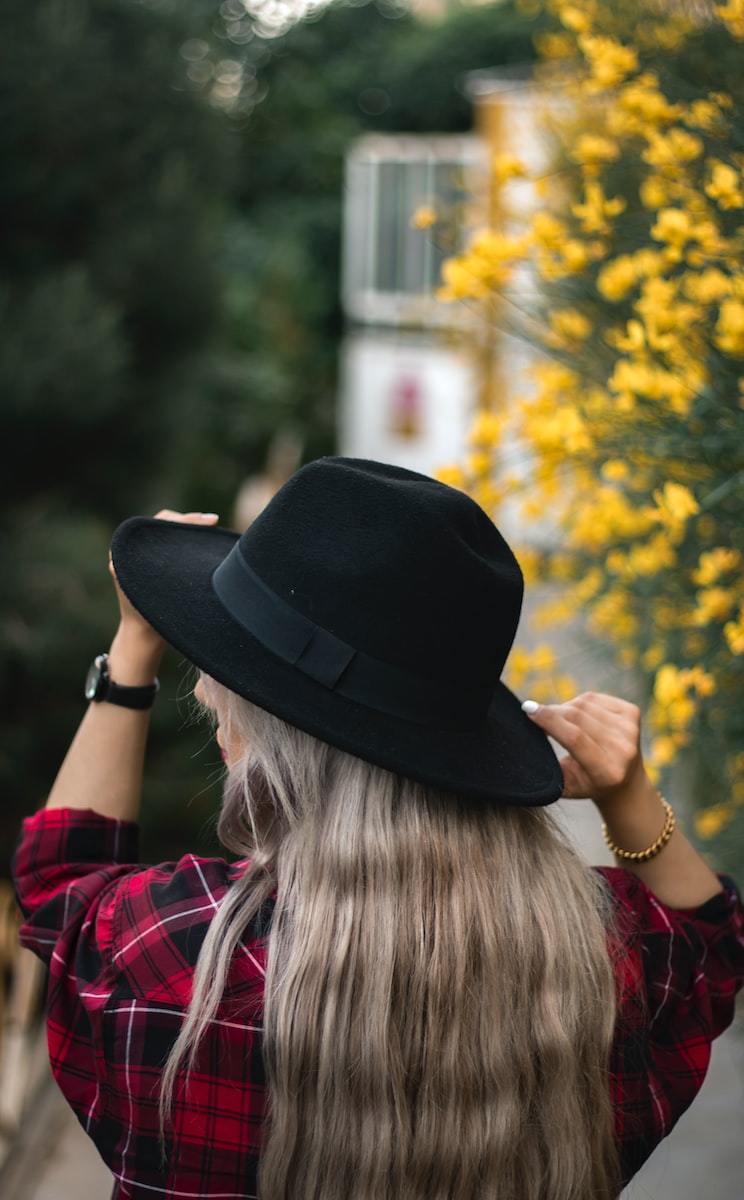
The first rule of hat etiquette, which is less relevant now but still important, is to take your hat off indoors. Even though some people might not follow the other rules of hat etiquette as strictly, this rule remains very clear.
Most people take their hats off when they go into someone’s home, meet somebody new, or participate in events such as the national anthem.
Why Does the Military Remove Hats Indoors?
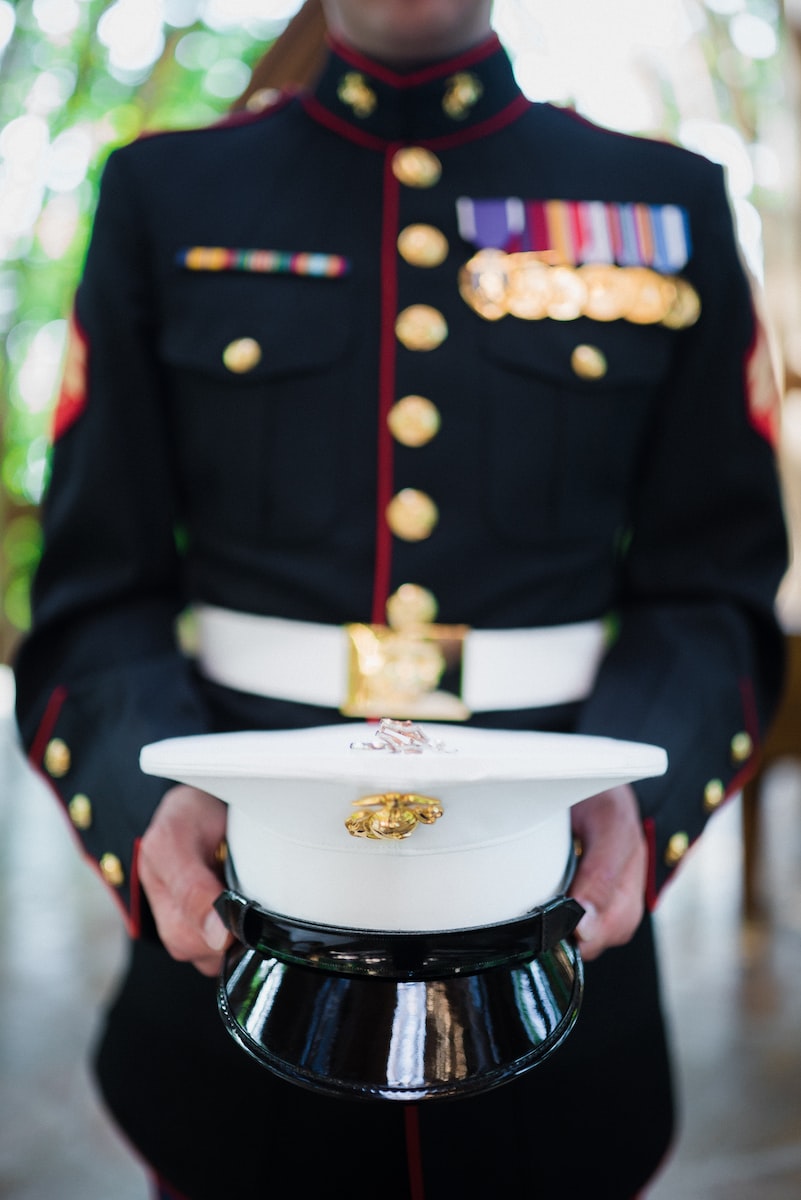
The U.S. Flag Code, created in 1942 during World War II, is one of the strictest hat rules still in existence today. The code states that all men must take their hats off while the National Anthem is being played - a rule that is mandatory for military personnel.
All of these ideas support the notion that it is rude to wear a hat in certain places or at certain times.
The appropriateness of keeping your hat on also varies depending on how public or private the situation is. If you’re, for example, at a train station, airport, or hotel lobby, it’s usually fine to keep your hat on. But if you’re going into someone’s home or attending a small gathering, it would be polite to take your hat off.
As taking off your hat when you indoors is polite, it’s the same level of courtesy to remove your hats from the dinner table.
[affiliatable id=‘269708’]
Why Is Wearing a Hat Inside Disrespectful - Bottom Line
The bottom line is that wearing hats indoors is generally seen as disrespectful in the United States. There are many reasons for this, including indoor hat wearer is blocking other people’s views and showing disrespect for others. Some people may also view hat wearers as being rude or inconsiderate of their personal space.
If you are unsure about whether or not wearing a hat indoors is considered disrespectful in the United States, it’s best to consult with someone who lives in the area or follow local etiquette rules. And if you do decide to wear a hat inside, it’s important to be aware of others around you and be polite and considerate about your actions.
Other suggested articles:
How to Measure for Hat Size for a Man
What is the average hat size for a man?
International Etiquette: Cultural Tips for Global Communication
In today’s global business landscape, understanding international etiquette is not just a perk—it’s a necessity. With companies expanding across borders, the ability to navigate the complex world of international customs and social norms has become crucial for anyone looking to succeed. But international etiquette goes beyond just knowing which hand gesture to use or how to greet your overseas partners. It’s about building meaningful relationships, showing respect to different cultures, and ensuring a comfortable environment for all parties involved. Let’s dive into the essentials of international etiquette and why it’s your key to thriving in the global market.
Importance of International Etiquette
 In today’s interconnected world, understanding international etiquette is paramount for anyone engaged in global business. Each country has its unique set of cultural norms and practices, which can significantly impact business interactions. Whether it’s a firm handshake in the United States, bowing in Japan, or avoiding physical contact in certain cultures, being aware of these customs shows respect and can set a positive tone for business relationships. When conducting business abroad, you’ll find that local customs vary widely. For instance, while gift-giving is considered a sign of respect and goodwill in many Asian countries, it could be viewed negatively in other cultures if not done according to traditional customs. Similarly, business meetings around the world require a keen understanding of diplomatic protocol. In the United Kingdom, punctuality is a sign of respect, whereas in some Latin American cultures, meetings may start later than scheduled. Being conversant with these differences ensures you don’t accidentally offend your international clients or business partners. Navigating the intricacies of international business etiquette goes beyond just knowing when to bow or shake hands. It involves a deeper understanding of cross-cultural behavior, from how to address people in various countries to recognizing the importance of personal space and eye contact during conversations. Remember, success in international business isn’t just about closing deals; it’s about building strong personal relationships and establishing trust. Armed with the right knowledge of international etiquette, you’re better prepared to engage in meaningful business interactions and explore new markets with confidence.
Key Components of International Etiquette
 When venturing into international business, understanding the nuances of international etiquette is paramount. This goes beyond just knowing when to shake hands or what gift to present; it’s about mastering cross-cultural behavior to foster strong business relationships. Here are ten cultural tips for global communication that will help you navigate through diverse business environments.
- Understand the Importance of Greetings: In some cultures, like Japan, bowing is a sign of respect and acknowledgment, whereas in the United States and the United Kingdom, a firm handshake is standard. Knowing the appropriate greetings in the country you are doing business with prevents any awkward encounters and starts meetings off on the right foot.
- Be Mindful of Gift-Giving Customs: In many Asian countries, gift-giving plays a crucial role in business interactions. However, the type of gift and how it’s presented can vary greatly. For instance, in Japan, the presentation of the gift is as important as the gift itself, reflecting respect and care. Knowing these customs demonstrates your interest and respect for the local customs of your international clients or partners.
- Adapt to Local Business Etiquette: Each country has its own set of rules when it comes to business meetings. For example, while frequent meetings without much notice might be common in Latin American cultures, in the United Kingdom, punctuality is highly valued. Being aware of and adapting to these differences ensures smooth and respectful business negotiations.
- Respect Personal Space and Body Language: In some cultures, maintaining a certain amount of personal space is crucial, whereas in others, physical contact such as patting on the back or hugs can be a sign of trust and camaraderie. Similarly, the amount of eye contact considered appropriate can vary. In many Western countries, direct eye contact signifies confidence and honesty, while in some Asian cultures, it might be viewed as challenging or disrespectful.
By being mindful of these components and showing respect for the traditional customs and practices of the countries you’re dealing with, you’ll not only avoid potential pitfalls but also build and maintain good rapport with international clients and partners. Whether you’re attending business lunches, offering a business card, or engaging in international transactions, a strong foundation in international etiquette will make a significant difference.
Cultural Differences in Business Etiquette
When you’re navigating the waters of international business, understanding the diverse landscape of cultural differences in business etiquette is not just beneficial—it’s essential. Each country, from Japan to the United Kingdom, comes with its own set of rules that can significantly impact your business relationships. Whether it’s a business meeting in a boardroom in New York or a business lunch in Tokyo, being aware of these differences helps in conducting business smoothly. In many cultures, First Meetings set the tone for the entire business relationship. For instance, while a firm handshake is expected and respected in the United States, in Japan, bowing is a common greeting that shows respect. Gift Giving is another area where customs vary. In Asian countries, giving gifts is a significant part of business etiquette and is considered a symbol of respect. However, in other countries, it may be viewed negatively or even considered rude. When doing business in a new country, making an effort to learn local customs like these can prevent an awkward encounter and establish a foundation of respect.
- Understand Personal Space: In Western countries, a certain amount of personal space is expected, while in other cultures, such as Latin American cultures, closer physical contact is common.
- Learn Appropriate Greetings: A bow in Japan, a handshake in the United States, and avoiding physical contact in certain Middle Eastern countries are all examples of how greetings vary.
- Eye Contact: Essential in the United States for showing confidence but can be viewed as disrespectful in a few Asian countries.
- Business Card Etiquette: In many Asian countries, presenting and receiving a business card with both hands is a sign of respect.
- Punctuality: Extremely important in countries like the United Kingdom but more relaxed in various Latin American cultures.
- Know Religious Practices: Be mindful of religious practices and holidays in your client’s culture. This shows respect and helps avoid scheduling conflicts.
- Language Effort: Attempting to speak a few words in the official language of the country you’re conducting business in, shows effort and respect.
- Dress Appropriately: In many countries, how you dress is seen as a reflection of your professionalism. Researching the local business attire is key.
- Meeting Etiquette: Frequent meetings may be common in some cultures to build personal relationships, while others may prefer to get straight to business.
Etiquette Tips for Different Regions
 When you’re navigating international business or social situations, understanding local etiquette is crucial for building strong business relationships and avoiding potentially awkward encounters. Every country has its own set of rules that define good manners, from the expected personal space to the way you should address people. Here’s a breakdown to help you feel comfortable and respected in new cultural settings.
Asia: Understanding Nuances
In many Asian countries, traditional customs shape business interactions and social rituals. For instance, gift-giving plays a significant role in Asian cultures, viewed as a gesture of respect and an essential part of forming personal and business relationships. Remember, however, that the protocol around gift-giving, such as the type of gift and how it is presented, varies widely. In Japan, bowing is an essential part of greeting rituals, often reflecting the social hierarchy and respect. Similarly, in China, business cards are exchanged with both hands as a sign of respect. Understanding these subtle nuances ensures your actions are not considered rude and paves the way for fruitful international transactions.
Europe: Navigating Formality and Informality
European countries can vary greatly in their business etiquette. In the United Kingdom, punctuality is highly valued and considered a sign of respect. Meetings are generally more formal with a focus on effective time management. Across Europe, personal space is valued, and initial meetings might be more formal with handshakes being common. However, as you build relationships, greeting customs can become more relaxed. When conducting business in Europe, being aware of each country’s local customs, such as appropriate greetings and business lunch etiquette, can help avoid misunderstandings and develop strong business relationships.
Latin America: Emphasizing Personal Relationships
Latin American cultures place a high emphasis on personal relationships in business settings. Frequent meetings, often viewed as necessary for maintaining and strengthening business ties, may include a more personal touch, such as sharing meals. Physical contact is more common, with handshakes, hugs, or cheek kisses as standard forms of greeting, depending on the country. However, it’s important to follow the other party’s lead to avoid discomfort. Business negotiations might blend personal conversations with formal discussions, reflecting the importance of personal connections in business dealings. Paying attention to these cultural nuances, showing respect for local traditions and customs, and making an effort to speak Spanish or the official language of the country can significantly enhance your experiences and opportunities in the foreign market.
Mastering International Communication
When you’re stepping into the international arena for business, understanding and mastering the nuances of international etiquette becomes more than just a good practice—it’s essential. In this interconnected world, familiarizing yourself with the cultural nuances of business etiquette can significantly amplify your chances of forging strong business relationships. Here are 10 Cultural Tips for Global Communication to guide you through various social situations and business interactions across different countries.
- Understanding Local Customs: Always do your homework before entering a new market. Being aware of the local customs, from how to address people to appropriate greetings, can prevent any uncomfortable situations. For instance, while a firm handshake is preferred in the United States, in Japan, bowing is a sign of respect.
- Gift Giving: In many cultures, giving gifts is a fundamental part of business etiquette, especially during the first meeting. However, the type of gift, how it’s given, and when it’s presented vary significantly. For example, in Asian countries, gifts are handed over with both hands, while in the United Kingdom, business gifts are not as common.
- Maintain Respect for Personal Space: This varies greatly across cultures. In Latin American cultures, personal relationships built over frequent meetings and close physical contact are valued. Conversely, in Western countries, it’s best to avoid physical contact, respecting personal space during business interactions.
- Eye Contact: Essential in most Western cultures, maintaining eye contact signals confidence and honesty. In contrast, in some Asian cultures, too much eye contact is considered rude, signaling disrespect.
- Be Cognizant of Body Language: Body language speaks volumes across different cultures. What’s considered a positive gesture in one culture could be viewed negatively in another. For instance, the “OK” sign is seen as offensive in a few countries.
- Master the Business Card Exchange: Business cards carry great significance in many Asian countries. Offer and receive business cards with both hands as a sign of respect. Making an effort to examine the card before putting it away shows that you value the interaction.
- Navigate Business Lunches with Ease: Understanding the do’s and don’ts of business lunches can play a critical role in building relationships. While some cultures consider discussing business over meals as standard, others might view it as a time for personal connection, not business negotiations.
- Respect Religious Practices and Holidays: Being mindful of religious practices and holidays communicates respect for your international
Final Thoughts
Mastering international etiquette isn’t just about avoiding faux pas; it’s about building bridges. By embracing the cultural nuances discussed, you’re not only showing respect but also paving the way for more meaningful and successful global interactions. Remember, it’s the small gestures and understanding that can make a big difference in the international business arena. So, take these tips to heart, apply them with confidence, and watch as your cross-cultural relationships flourish. Your journey towards becoming a savvy global communicator starts with these steps. Other suggested articles:
Exclusive Experiences: Luxurious Relaxation for Special Occasions and Celebrations
Refined Living and Sustainability: The Eco-conscious Lifestyle
A Guide to Crafting the Perfect Martini
Crafting the perfect martini is an art form, a delicate balance of ingredients and technique that can turn a simple drink into a masterpiece. As a cocktail enthusiast, I’ve spent countless evenings experimenting with different recipes and methods to find that ideal mix. Whether you prefer it shaken or stirred, the journey to the perfect martini offers a fascinating glimpse into the world of mixology.
The History of the Martini
Tracing the history of the martini reveals its profound evolution and enduring appeal in the cocktail world. Believed to have originated in the mid-19th century, the martini started as a simpler drink called the Martinez, served in the Gold Rush bars of California. The transformation from Martinez to the classic martini corresponds with the evolution of the cocktail culture itself. 
Origin and Early Versions
Martinez, the predecessor to the martini, was a mix of gin, sweet vermouth, maraschino liqueur, and bitters. Documented in the 1887 edition of Jerry Thomas’ “Bartenders Guide,” this concoction was likely the catalyst for what would become the martini. Early versions of the martini varied significantly in terms of composition and garnishes, reflecting the era’s experimental nature with spirits.
Evolution into the Classic Martini
By the early 20th century, the martini had simplified. The removal of maraschino liqueur and the reduction in vermouth marked its transformation into a drier drink, making gin and dry vermouth the focal points. This period also saw the rise of the dry martini, which uses significantly less vermouth compared to earlier versions. The classic garnishes—olives or a lemon twist—became staples, further solidifying the martini’s iconic status.
Pop Culture and the Martini
The martini dramatically surged in popularity by the mid-20th century, partly because of its association with glamorous Hollywood films and charismatic figures like James Bond. The phrase “shaken, not stirred” not only became synonymous with Bond but also influenced how many viewed and consumed martinis, prioritizing style and personal customization. Today, the martini stands not just as a cocktail but as a symbol of sophistication and customization, given its ability to be adapted with ingredients like vodka instead of gin or the addition of decorations like cocktail onions or a twist. The legacy of the martini, from its humble beginnings to its status as a staple in modern cocktail culture, showcases its unique blend of tradition and innovation.
Essential Ingredients for the Perfect Martini
Crafting the perfect martini depends heavily on the quality and balance of its essential ingredients. I’ll guide you through selecting the right gin and vermouth, which are fundamental to creating a classic martini that pleases both the palate and the eye.
Choosing the Right Gin
In my experience, the choice of gin can make or break your martini. The predominant flavor of gin comes from juniper berries, but various brands include different botanicals to add complexity. For a classic martini, a London Dry gin is often preferred due to its crisp and clean profile, complementing the vermouth without overpowering it. Brands like Tanqueray and Beefeater have remained favorites among cocktail enthusiasts for their martini crafting due to their balanced botanical mix and sharp finish. When selecting a gin, consider the botanicals that might pair well with your chosen garnish, whether it’s olives or a lemon twist. 
Selecting the Best Vermouth
Vermouth, fortified wine flavored with various botanicals, plays a critical role in the balance of a martini. The type of vermouth you choose impacts not only the flavor but also the overall dryness of the drink. For a classic martini, dry vermouth is essential, and the brand Noilly Prat is my go-to for its subtle yet complex character. The amount of vermouth can vary depending on taste; traditional recipes often call for a ratio of six parts gin to one part vermouth. However, if I’m crafting a slightly wetter martini, a 5:1 or even 4:1 ratio provides more of the vermouth’s herbal nuances without overwhelming the gin. Experimentation with brands like Dolin or Martini Rossi can offer variations in flavor for those looking to explore beyond the classic profile.
Classic Martini Recipes
In crafting the perfect martini, the selection of ingredients plays a pivotal role. I’ll now guide you through classic recipes that leverage the balanced botanicals of London Dry gin and the subtly complex profiles of dry vermouth.
The Traditional Martini
A traditional martini is elegance in simplicity, involving just three main components: gin, dry vermouth, and a garnish. Here’s how to perfect this iconic cocktail:
- Chill Your Glass: Begin by chilling a martini glass to enhance the drink’s crispness.
- Mix Ingredients: In a mixing glass filled with ice cubes, pour 2 ounces of London Dry gin and 1 ounce of dry vermouth, like Noilly Prat.
- Stir, Don’t Shake: Contrary to James Bond’s preference, stir the mixture gently with a mixing spoon. Stirring prevents the drink from becoming too diluted and maintains clarity.
- Strain and Serve: Using a fine mesh strainer, pour the cocktail into the chilled martini glass.
- Garnish with a Twist: Add a lemon twist, ensuring to twist it over the glass to release essential oils.
This method ensures a martini that’s not only traditional but also boasts a perfect balance between botanicals and vermouth.
Variations on the Classic Martini
While the traditional martini is revered, variations are a great way to tailor flavors to personal tastes. Here are some popular alternatives:
- Dirty Martini: Add a dash of olive brine to the above traditional recipe and garnish with one or three olives. This variation introduces a savory flavor that complements the dryness of the gin.
- Vodka Martini: Substitute the gin for vodka to highlight a smoother, slightly less botanical profile. This version is often preferred chilled and stirred, served with a lemon twist or olive.
- Martini with a Twist: Incorporating orange bitters adds a citrusy complexity to the traditional martini recipe. A couple of drops mixed with gin and vermouth can elevate the cocktail to new flavor dimensions.
Each variation respects the essence of the classic martini while offering distinctive tastes and aromas that cater to diverse preferences among cocktail enthusiasts. By exploring these recipes, you can appreciate the martini’s evolution and its enduring appeal in the world of cocktails.
Techniques for Crafting the Perfect Martini
Crafting the perfect martini is an art that I love to explore in depth. Each technique and ingredient plays a pivotal role, ensuring the creation of a masterful cocktail reminiscent of a classic painting. For those who appreciate the finer things, learning to perfect your martini could complement a refined lifestyle, much like understanding the nuances of hosting an afternoon tea.
To Stir or to Shake?
When it comes to crafting a classic martini, the age-old debate of whether to stir or shake arises. Stirring is the traditional method, preferred to achieve a clear, silky texture in the drink. To execute this technique, gather a mixing glass, fill it with ice, and then pour in London Dry gin and dry vermouth. With a bar spoon, gently stir the mix for about 30 seconds, allowing the flavors to meld without diluting the spirit excessively. Stirring preserves the gin’s smoothness and prevents air bubbles, which can slightly cloud the cocktail. Shaking, popularized by James Bond’s preference for his martinis “shaken, not stirred,” involves vigorous movement using a cocktail shaker. This method chills the martini quickly and introduces tiny air bubbles, giving the drink a slightly frothy appearance. Shaking can be ideal for vodka martinis or when blending flavors such as in a Dirty Martini, where the olive brine needs to be thoroughly mixed. If you choose to shake, ensure the cocktail shaker is filled with ice, cover, and shake for no more than 15 seconds to maintain the integrity of the spirits. When refining your cocktail-making skills, much like when considering clothing for older men, it’s essential to know when to adhere to tradition and when to break the mold.
The Role of Ice in Martini Making
Ice is not just a tool to chill; it’s integral to perfecting a martini’s texture and dilution. Choosing the right ice is crucial—large, dense ice cubes are preferable as they melt slower, reducing the risk of over-diluting the delicate balance of gin and vermouth. Always ensure the ice is fresh and hasn’t been sitting out, as this can influence the taste of the martini. Like selecting the perfect cargo pants for men for a casual outing, the right choice of ice can make all the difference in the final product. In both stirring and shaking, ice cools the drink while subtly diluting the mix, which can enhance the botanical flavors of the gin and soften the sharpness of the vermouth. The right amount of ice in a chilled glass establishes the perfect balance between all components, leading to a martini that is flawlessly integrated and exceedingly smooth. Just as mastering premium memorabilia acquisitions can elevate a collector’s portfolio, mastering the art of ice in martini making can elevate your cocktail game. By mastering these techniques, I find that any lover of martinis can elevate their bartending skills and impress guests with a beautifully crafted cocktail. Whether you stir or shake, finding your preferred balance and method will refine your martini experience and deepen your appreciation for this iconic drink. For a truly luxurious lifestyle, why not pair your perfected martini with a deluxe yacht escapade?
Finishing Touches: Garnishes and Presentation
After mastering the art of selecting ingredients and crafting the perfect martini, focusing on presentation and final embellishments is crucial for creating an unforgettable cocktail experience. I’ll discuss both the importance of garnishes and effective presentation techniques.
Popular Martini Garnishes
Martini garnishes are more than just decorative; they enhance the drink’s flavor and aroma, impacting its overall appeal. Here are some classic choices:
- Olives: Green olives, stuffed or plain, are traditional. For a twist, I recommend blue cheese or anchovy stuffed olives.
- Lemon twist: A strip of lemon peel, twisted over the drink to release essential oils, adds a fresh, citrusy aroma.
- Cocktail onions: These create a Gibson Martini, offering a savory alternative.
- Orange bitters: Adding a few drops can modify the flavor profile, introducing a subtle complexity to the martini.
- Cocktail enthusiasts sometimes choose less common garnishes like caper berries or a sprig of rosemary for a unique touch.
By selecting garnishes that complement the gin and vermouth’s flavor profiles, I can elevate my martini’s taste and aesthetics.
Glassware and Presentation Tips
The choice of glassware significantly affects a martini’s presentation and the drinker’s experience.
- Martini glass: The iconic martini glass, preferably chilled, is essential. It not only showcases the clarity and color but also keeps the drink cool.
- Chilled glass: Chilling the glass before serving preserves the martini’s temperature, minimizing additional dilution and maintaining its integrity.
- Garnish placement: Placement of olives or a lemon twist should be deliberate. For olives, I prefer an odd number, usually three, as it’s visually appealing.
- Pouring technique: Pouring smoothly from the cocktail shaker or mixing glass through a fine mesh strainer ensures clarity.
Presentation is about precision and elegance, critical for crafting the perfect martini experience that pleases both the palate and the eye. I’ve found that even the simplest details, like the temperature of the glass, can make a significant difference. Crafting the perfect martini is an art form that marries tradition with personal touch. Whether you’re a fan of the classic gin and vermouth blend or prefer to experiment with a Dirty or Vodka Martini the key lies in the details. From choosing the right ingredients to mastering the pour every element matters. Remember it’s not just about mixing a drink—it’s about creating an experience. So next time you’re stirring or shaking up this iconic cocktail take a moment to savor the craft behind each sip. Cheers to your perfect martini!
Frequently Asked Questions
What gin is best for a classic martini?
A London Dry gin is ideal for making a classic martini. It offers a clean, crisp flavor that pairs well with dry vermouth, ensuring the drink stays balanced and not overly botanical.
Should you stir or shake a martini?
For the classic martini, stirring is preferred as it gently combines the ingredients without adding excess air, resulting in a clearer and smoother cocktail. Shaking can overly dilute the drink and make it cloudy.
What is the role of ice in making a martini?
Ice is crucial in martini making as it chills the drink while diluting it slightly to enhance the flavors of the gin and vermouth. It is important to use large, solid ice cubes that melt slowly to control dilution.
Why are garnishes important in a martini?
Garnishes such as olives, lemon twists, or cocktail onions add essential flavors and aromas that complement the botanicals in the gin and the dryness of the vermouth. They also enhance the visual appeal of the drink.
What type of glass should a martini be served in?
A martini should be served in a chilled, V-shaped martini glass to keep the drink cold and maintain its aromatic profile. The shape of the glass also helps to concentrate the drink’s bouquet, enhancing the overall sensory experience.
How to Measure for Hat Size for a Man
A man’s hat size is determined by the circumference of his head. Learning how to measure for hat size for a man can be a little tricky, but with this guide, you will be able to do it accurately. In order to measure for hat size, you will need a tape measure and a friend to help you. Follow these simple steps to find your perfect fit!

How to Measure for Hat Size for a Man
After you understand that hats come in three general sizes, then you can determine your correct size.
Commonly, you will see hat sizes categorized as SM, MD, LG, and XL. Half-sizes are also available for some hats. More traditional sizing is offered in inches and centimeters for a slightly higher price point.
Note that the hat size chart is only a guide, and after you measure your head circumference, please contact us so we can help you pick out the perfect hat for your noggin. We don’t want to send you a chapeau that’s too small or large - it just won’t look good!
Men’s Sizing
Men’s hats are not a “one size fits all.” They come in very specific sizes that can be measured S-XL or with numerical values ranging between 6 and 8. The one size fits most option for men accommodates a wider range of measurements than the same option for women.
Compare your head measurement to the manufacturer’s sizing chart to determine which size is best for you. If you’re drawn to a hat that’s labeled “one size fits most,” check its measurements against yours. Also, take note of whether the hat has features like an adjustable band, which would enable you to change the fit as needed.
At Hats Unlimited, we have a large variety of hats, which makes it difficult to get an exact measurement of every hat. However, we try to include measurements of our most popular hats on the product page.
Tips and Tricks To Measure Your Hat Size
How to measure hat size for a man may not be difficult, but getting an accurate measurement is key to being happy with your purchase. To ensure you buy a hat that fits, follow these five simple tips.
Measure Twice
An old carpenter’s adage goes: “measure twice, cut once.” The same concept applies when you’re measuring for a hat. If this is the first time you’re measuring your head, it’s especially important to double-check your measurement. Otherwise, you may end up with an ill-fitting hat that you can’t return.
Measure the circumference of your head with a soft measuring tape, converted to both centimeters and inches. Write these numbers down before measure again. If you get an identical measurement the second time, then you’re probably good to go hat shopping. However, if your measurements vary, take a third reading. The objective is to achieve similar numbers every single time so that you can be positive you’re selecting the correctly sized hat.
Size up
If your head circumference falls in between the sizes on a measurement chart, always round up to the next 1/8 inch. This may not seem like much of a difference, but comfort is key when it comes to hats, so every fraction of an inch counts!
If you size down, your hat may be uncomfortably tight. We recommend that you size up and use our Hat Sizing Tape (which can be found on our website) to adjust the fit of your hat. It is essential for a hat safely, but discomfort should not be part of the equation.
Don’t Pull the String Tight
If you’re using a string or measuring tape to measure your head, make sure not to pull it too tight. You don’t want it hanging down loosely, but pulling it too taut can also change your measurements and give you incorrect sizing information.
As a general rule, tug the string as tight as you’d like the hat to feel when it’s sitting around your head. But keep in mind that some hats are meant to be worn more loosely than others, so take that into consideration before you start pulling.
Expect Size Hat Differences Between Manufacturers
No two hats are alike, just as no two manufacturers who create them are alike. While there is an industry-wide standard for hat sizing, unfortunately, manufacturing inconsistencies and supplier variations do occur. This is why it’s always important to measure and consult the retailer’s sizing chart before you make a purchase.
If you want your hat to fit perfectly every time, use the sizing chart from the company that made it. If you’re stuck between sizes or unsure of how to read the retailer’s chart, don’t hesitate to reach out for help.
Sizing Depends on the Style You Choose
The fit of a hat is nearly as important as the style. Some hats look best when they “hug” your head, while others should be a bit loose. The feel of the hat is also something to keep in mind. In some cases, this might mean choosing a size that’s different than what you normally wear. If you’re unsure, it’s always best to ask the retailer for help with sizing.
[affiliatable id=‘269915’]
Common Questions About How to Measure for Hat Size for a Man
Head measurement can be confusing, but luckily, we’ve been in the hat business for a while now. We understand the common questions people have concerning sizing themselves for a hat. Here are some concerns you may have:
What Does “One Size Fits Most” Mean?
Unlike men’s hats, women’s hats are typically “one size fits most.” This means that instead of coming in small, medium, and large sizes (or equivalent numerical sizes), they’re created to adapt to a range of head circumferences. Some hat designs also come with an adjustable band for additional customization.
Use a measuring tape to find the circumference of your head, then compare it with the hat you want. If product information doesn’t include measurements, ask us and we’ll be happy to help.
In some cases, men’s hats may also be sized as a one size fits most. Similar to women’s hats, this simply means the hat is designed to fit many different head sizes and may come with features, such as an elasticized sweatband, to make it more flexible for varying sizes.
What’s the Average Hat Size for Men and Women?
Most adults have a head circumference that falls between 53 and 58 centimeters. And on average, a man’s hat size is about 59 centimeters while a woman’s is 57 centimeters. However, use caution when using these averages to determine your own hat size.
When we talk about an average, this is a number that comes from taking many small, medium and large measurements. It doesn’t show the size of the whole population nor does it take into consideration how a hat might fit or feel differently for different people.
The only way to find the perfect hat size is by measuring your head and comparing it to the sizes offered.
Can I Guess My Size if I Don’t Have a Measuring Tape Handy?
If you’ve bought a hat from the same company before, chances are you can take an educated guess or rely on past measurements to determine what size to buy. However, if you’re buying a hat from another retailer or type of hat than what you’re used to, be careful about making a sizing estimate.
Hats, similar to clothing, come in different sizes according to the brand. A small mistake in measurements can be disastrous; therefore, it is essential to get an accurate measurement. If you don’t have a measuring tape on hand, no worries! There are plenty of other materials that can help achieve precise numbers.
Before you make a purchase, collect these items and use them to take accurate measurements. If you’re undecided about an item in the store, ask a salesperson for help with sizing.
What if I Can’t Find My Proper Hat Size?
If your hat size falls outside of the chart, first ensure that your tape measure is accurate. Try re-measuring just to be sure.
If you have an unusually large or small head, look for a hat with an adjustable band that will allow you to get a better fit. You might also try different manufacturers and styles of hats. Even if your head size is outside the norm, you may be able to find something that fits well.
Find the Right Hat for Your Face Shape
Not only is it important to find the right fit, but you can also tailor your search for a hat to finding one that depends on your face shape. The perfect hat for you might be different than another person if you have a round face, heart-shaped face or long face. And don’t worry, we haven’t forgotten about those with diamond or square-shaped faces either.
As a general rule, follow these tips to find the glasses that compliment your face shape:
- If you have a long face, go for wide brimmed hats and brims that cut across the forehead.
- If you have a round face, look for hats with angled elements that will reveal more of your face.
- If you have a square face, floppy hats and wide, straight brims can offer a flattering look.
- If you have a heart-shaped face, try to find hats that aren’t too narrow at the crown.
- If you have a diamond face shape, choose hats that sit at the back of your head.
Although it’s always helpful to have tips and tricks up your sleeve, don’t get too hung up on rules. The best way to find and wear the perfect hat is by exuding confidence. And there’s no better feeling than slipping on a stunner of a hat that seems like it was tailor-made for you. It’s an achhttps://www.therefined.co/outback-hat-vs-cowboy-hat-what-is-the-difference/ievable goal when you select the right chapeau and make sure it fits well.
Don’t forget to check out Outback Hat vs Cowboy Hat: What Is the Difference? or Can You Wear a Hat to a Funeral?
Why Do Eyebrows Get Wiry With Age?
Why do eyebrows get wiry with age? There can be a number of reasons why your eyebrows may become wiry and thin as you get older. Some of these factors include aging, hormonal changes, nutritional deficiencies, and the use of certain medications or treatments.
Why Do Eyebrows Get Wiry With Age?
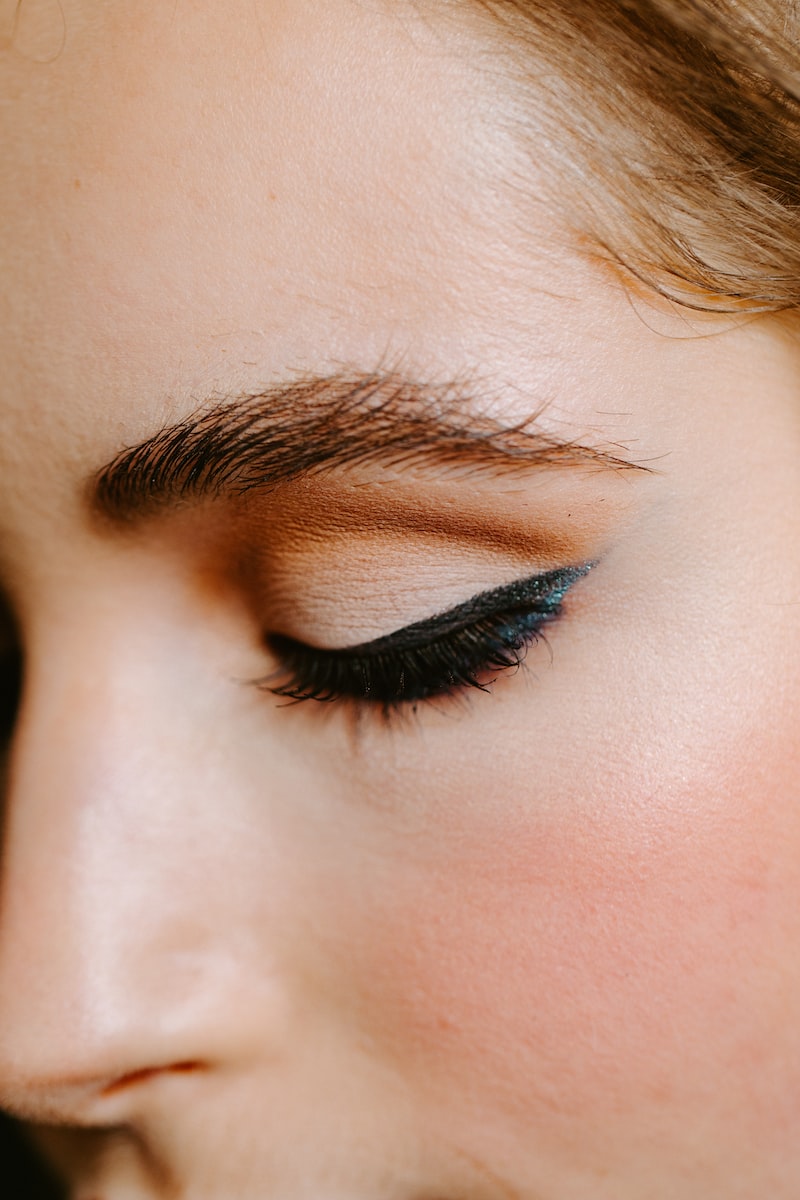
One potential cause of wiry eyebrows is age-related changes in the skin. As we get older, our skin loses elasticity, becomes thinner, and produces less sebum. This combination can cause the hair on our eyebrows to become more visible, resulting in the appearance of wiry or sparse brows.
Another possible factor is hormonal changes. As women age, their hormone levels fluctuate in response to menopause or other medical conditions like hypothyroidism. These fluctuations can lead to changes in the texture of the eyebrows, such as thinning or increased brittleness.
Poor nutrition can also contribute to wiry eyebrows as we age. If your diet lacks certain vitamins and minerals, like vitamin B12 or zinc, it can cause eyebrow hair follicles to become weak and brittle, leading to a noticeable increase in the appearance of wiry or thinning brows.
In some cases, medications or other medical treatments can also have an effect on eyebrow texture as we age. Certain medications, including retinoids and chemotherapy drugs, can cause hair loss, which may include losing the hair on our eyebrows due to thinning and brittleness. Additionally, some facial treatments like chemical peels or dermabrasion may damage the skin and cause eyebrow hair to become brittle or thin over time.
How To Improve the Appearance of Your Brows
If you are concerned about wiry eyebrows or bushy eyebrows as you age, there are several strategies that you can try to help improve your eyebrow shape. For example, incorporating foods rich in zinc and vitamin B12 into your diet may help strengthen eyebrow hair follicle, while using a high-quality moisturizer can help reduce brow line dryness and keep brow hair healthy. Additionally, topical treatments like minoxidil or castor oil may help slow down further brow hairs loss and improve thickness over time.
Ultimately, the best way to address wiry or thinning brows is to talk to your doctor. He or she can help you identify the underlying cause of your eyebrow changes and recommend an appropriate course of treatment, whether it be dietary modifications, lifestyle changes, or medical interventions. With proper care and attention, you can maintain healthy eyebrows well into old age.
If you are concerned about wiry or thinning eyebrows as you age, talk to your doctor to learn more about the underlying causes and possible treatment options. With proper care and attention, you can maintain healthy, youthful-looking brows long into old age.
[affiliatable id=‘269510’]
How Do You Stop Wiry Eyebrows

There is no single definitive answer to this question, as there are a number of factors that can contribute to wiry eyebrows and make them difficult to stop. However, some potential strategies for improving the appearance of wiry brows include using high-quality moisturizers and topical treatments, incorporating certain vitamins and nutrients into your diet, and reducing or eliminating the use of certain medications or medical treatments.
One possible approach to stopping wiry eyebrows is to focus on improving the health and texture of your brow hair. This may involve using high-quality moisturizers and other topical treatments, such as minoxidil or castor oil, to support and strengthen eyebrow follicles. Additionally, adding certain vitamins, minerals, and nutrients like zinc and vitamin B12 to your diet may help promote healthy hair growth.

Another strategy for improving the appearance of wiry eyebrows is to talk to your doctor about any medications or other treatments that you may be using. Certain drugs, including retinoids and chemotherapy drugs, can have a negative effect on hair growth and lead to thinning or brittleness of the brows. In some cases, switching to a different medication or reducing the frequency of certain treatments may help improve eyebrow texture and make them appear less wiry over time.
Ultimately, the best way to address wiry or thinning eyebrows is to speak with your doctor or dermatologist. He or she can help you identify the underlying cause of your hair growth or eyebrow hairs changes and recommend an appropriate course of treatment, whether it be dietary modifications, lifestyle changes, or medical interventions. With proper care and attention, you can maintain healthy eyebrows well into old age.
Are Pleats Out of Style?
Are pleats out of style? The waist is the focal point of any style. It’s not in a “don’t those models eat anything” sense. Instead, it’s because where a guy’s suit pants sit shows whether he knows how to dress himself, as I was told by a dapper gentleman once.
For what feels like an eternity, trousers have perched dangerously on the hips, posing the risk of falling to the floor at any moment. It’s an unattractive location to wear your kecks; it strains your torso while shortening your legs with flat fronts. Even tall and thin men appear enormous in hip-huggers.
Over the past few years, flat front trousers have crept upwards, approaching a man’s natural waist. Italy’s tailoring titans — Armani, Cucinelli, and Caruso — have fueled the trend by providing long-overdue billowing legs. That’s because in order to look more laid-back in long pants (you may stop the spit-takes now; they’re happening) those acres of fashion forward extra cloth need to be spread out far away.
The pleat has been making a comeback lately, thanks to the changing winds. Until recently, “wearing pleats” was tossed with “bootcut,” “square-toed,” and “wraparound,” an epithet that no one wanted to be associated with their wardrobe. Because they were comfortable, your grandfather wear pleated pants. Did you invest yourself into skinny jeans that buffed leg hair off because comfort and style usually don’t get along well?
But what if you have to wear them to work? Well, now. The pleated trousers, which harken back to the 1970s, 1950s, and 1920s like a reviled prophet desperate for forgiveness for our flat-fronted sins, are returning once again to the present day. “They’re great for people who want complete comfort in the way they allow volume in the seat of their pants while still looking formal and tidy. They provide a sense of emptiness that there simply isn’t enough of these days.
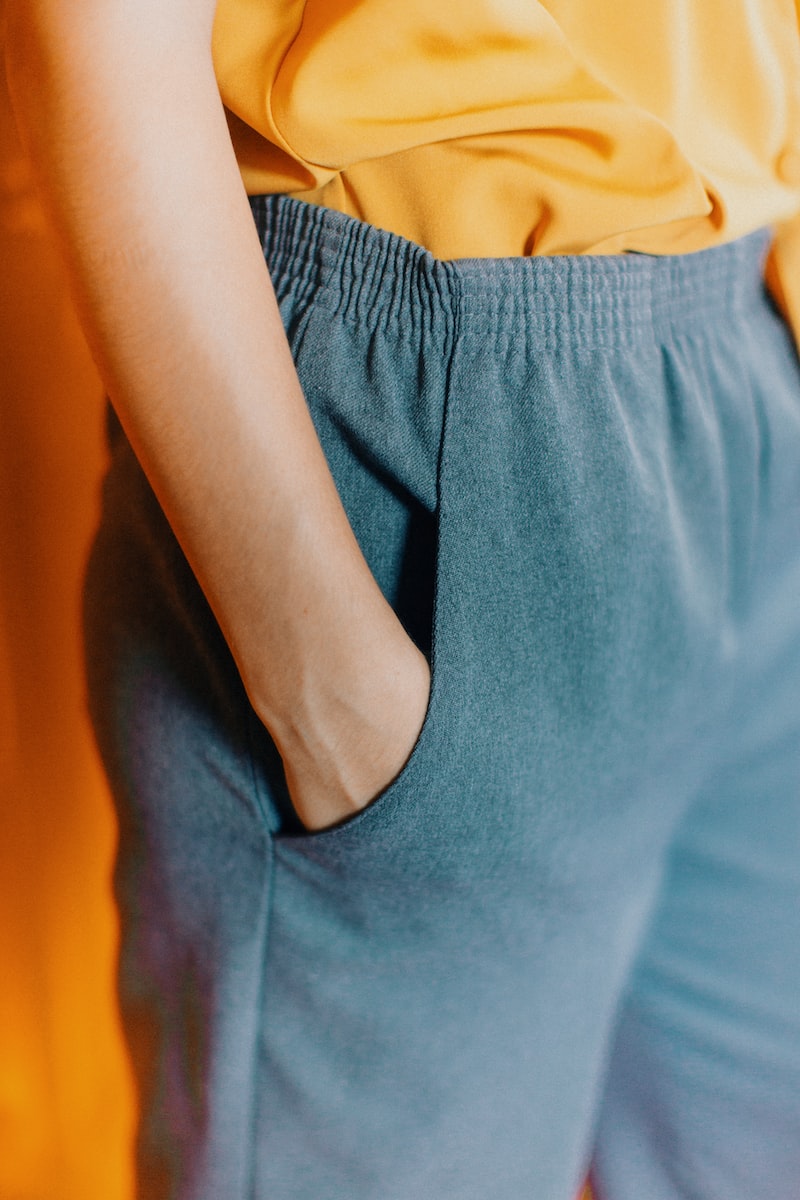
So, Are Pleats Out of Style?
In short, no. Pleated pants are making a comeback and can add volume and comfort to any outfit. However, it is important to choose the right fit and style for your body type. So embrace the pleats and find the perfect pair for you!
Are Pleats Out of Style?: What Is a Pleat?
A pleat is a fold in fabric, usually between the pocket and fly of pants, which gives extra material. It’s important not to get caught up in the details when working with pleats. The male body does not flatten from stomach to knee; because the waist is (often) narrower than the buttocks, which are broader than the thighs; there isn’t enough structure behind it all
Styles for front trouser areas come and go, but always consider a man’s comfort. Flat-fronted trousers were first created during World War II due to scarce fabric options and rationing. However, they don’t allow extra space in the seating area can be uncomfortable. Pleats offer some allowance, and room to breathe, but also mean that the trousers sit closer to your waist.
There are two types of pleats: forward (pointing to the fly) and reverse (folded towards the pockets, popular in Italy). Forward pleats are neater, while reverse folds create a more relaxed form. Multiples of both can be used, although there appears to be an upper limit of two on each side.
Are Pleats Out of Style?: The Modern Pleat
The greatest fashion trends come slowly. It takes a few brave individuals to lead the charge before others follow because these changes completely redesign the male wardrobe. Since the mid-2000s, flat-fronted-and-cut-slim has been the doctrine, but don’t forget that it took a few years for folks to understand what Hedi Slimane was doing at Dior, with rail-thin models in even skinnier jeans.
Most men find it difficult to make a major change in their appearance; they follow the trends when they feel them. Then, it was the confluence of artistic guitar bands, the reemergence of 1980s fashion, and the Great Recession that encouraged us all to dress in a more minimalist manner.
We’re now well over austerity, even if employment figures haven’t yet translated to cash in our wallets. The popularity of Gucci maximalism and Instagram-inspired look-at-me fashion has caused men to desire clothes with clout. Pleated pants provide more – more fabric, more room, and a greater effect
- than regular trousers. Even though your pleated trousers are from Topman rather than Rubinacci, nothing is as luxurious as comfort.
[affiliatable id=‘269293’]
Are Pleats Out of Style?: How to Wear Pleated Trousers
Not only are pleats flattering on many body types, but they also serve a greater purpose than just looking good. If you want to enhance your figure without compromising your personal sense of style, follow these expert tips for the perfect amount of volume below the waist.
Dress Them Down
Pleats aren’t formal, but they’re not traditional either. Think about summertime bowling. Comb a white T-shirt with a straight-leg pleated pair of trousers and a Cuban collar shirt tucked inside.
Double Down
Go all-in on the double pleat trend. Two pleats are better than one. The double-pleat shows you are really embracing the trend.“ They look good with tailoring or a classic Breton-stripe tee.
Material Benefits
If you have more fabric to play with, experiment. “The younger generation is wearing heavy cotton, like seersucker textiles, to provide a vintage look and interesting forms.”
Mix Up Your Footwear
The best pleated trousers for a smarter look don’t drown your footwear. Instead, pair them with a double-buckled shoe. To balance the extra fabric, go for a chunky sole style reminiscent of those worn by commandos.
Hit the Street
The menswear moment that we’re in right now means that anything goes–including pleated trousers with streetwear. A pair of Common Projects sneakers can look great with box-fresh pleats and a pop of color from a sweatshirt.
Season’s Pleating
Heavier fabrics like flannel work well in the winter, while lighter ones such as linen-cotton are perfect for summer. Also, keep in mind that what looks best is usually dependent on personal preference.
Stay Focused
If you want to make a statement, go for pleats. They can be the star of your outfit, so pair them with something simple like a tee and slip-ons or brogues. It’s a contemporary look that doesn’t require much effort.
Are Pleats Out of Style?: The Dos and Don’ts of Pleated Trousers
Dos
Update them. For those who don’t know, pleated trousers can still have a slightly old-fashioned feel. But it’s not hard to shake off any mustiness. That sepia-tinted photo of your grandfather in his pleated slacks in Bognor might look cool and nostalgic, but the key to revived trends is not to repeat exactly what has been done before.
Traditional attire is at its best when it’s modern, so consider adding in items that your grandfather would never wear. Stay away from slouchy cardigans and don’t be afraid to experiment with a few current pieces of clothing. Chunky sneakers, hooded sweatshirts, and cropped bomber jackets are all good options here.
Embrace the tuck. Show off your pleats if you’re wearing them. When covered by your shirt or jumper, the increased bulk of the pleated front is lost. You end up looking like you have a paunch. Keep it neat; tuck that shirt in for good measure. Ditto for tees and other tops and sweaters.
Discover your actual waistline. It’s likely that you’ve been wearing your trousers too low if you’re pleated. The slight curvature of the pleats is most flattering when worn a little higher, above the hips. It will also cinch in any additional holiday weight you might be carrying–which is always nice this time of year.
Dont’s
Steer too casual. Pleats are designed to be used, rather than admired. This implies that when you pleat a fabric, it looks its best if it is actually doing something - the material must fall and drape properly. Scuba-inspired materials are too robust and structured for the delicate finesse of a pleat; however, it’s not an easy style to execute well. If you’re unsure about what type of cloth to use, stick with ones that can be divided into pieces.
Think bigger is always better. Oversized everything might be “in” right now, but that doesn’t mean you should forget about moderation. Pleated pants provide enough room without the need for an oversized sweat or longline shirt. If your pants are a little wider, don’t go excessively large with everything else or you’ll look like a circus tent. Choose a slimmer-fitting top to pair with more relaxed trousers, and vice versa if your trousers are slim-fit.
Final Thought On Are Pleats Out of Style
At the end of the day, pleats are just one option among many when it comes to trouser styles. It’s all about finding what works best for your own personal taste and figure. And don’t let anyone tell you otherwise–if you love wearing pleated trousers, rock them proudly. Just remember to stay updated and wear them with confidence.
Eau de Toilette vs Eau de Parfum
Eau de Toilette (EDT) and Eau de Parfum (EDP) are two popular types of fragrance. Just like Eau de Cologne which is top of the line fragrance, both serve as a way to enhance your personal style and leave a lasting impression, but they differ in their strength, longevity, and concentration of fragrance oils. Today, we will discuss Eau de Toilette vs Eau de Parfum to understand their differences and help you to decide for yourself ‘Is parfum better than toilette or vice versa?’. 
Eau de Toilette vs Eau de Parfum: Understanding The Differences
Eau de ToiletteEau de Toilette vs Eau de Parfum

Eau de Toilette (EDT) is a type of fragrance concentration that is lighter in strength and concentration compared to Eau de Parfum (EDP). It typically contains 5-15% of perfume oils, which are the aromatic compounds that give a perfume its distinctive scent. EDT is designed to be used as a refreshing body spray or as a subtle way to enhance personal style. It is ideal for everyday wear and is typically less expensive than EDP. The lighter concentration of fragrance oils also makes it a good choice for those who prefer a more subtle scent. EDT is usually applied directly to the skin, where the scent will mix with the individual’s natural body oils to create a unique fragrance. It can also be sprayed on clothing or hair for a longer-lasting fragrance. If you’re unsure where to spray perfume, this guide can be helpful. The longevity of EDT varies, but it is generally lighter and less persistent than EDP.
Eau de ParfumEau de Toilette vs Eau de Parfum
From the word it says Parfum also known as extrait de parfum, Eau de Parfums (EDP) is a type of perfume oil that is stronger and pure perfume concentrated than Eau de Toilette (EDT). It typically contains 15-20% of perfume extract, which are the aromatic compounds that give a perfume its scent and the remainder is eau fraiche. Eau de Parfum strength is designed to be a more luxurious and long-lasting fragrance that can be used to enhance personal style. It is typically more expensive than EDT, and is considered a more formal, sophisticated fragrance. EDP is usually applied directly to the skin, where the scent will mix with the individual’s natural body oils to create a unique fragrance. It can also be sprayed on clothing or hair for a longer-lasting fragrance. The longevity of EDP is typically longer than EDT, and the scent is often more persistent and noticeable. In summary, Eau de Parfum is a higher concentration of fragrance oils than Eau de Toilette, making it a stronger, more luxurious, and longer-lasting scent. It is ideal for special occasions or for those who prefer a more prominent fragrance. [affiliatable id=‘269706’]
Eau de Toilette vs Eau de Parfum: Which One Last Longer?
Typically, Eau de Parfum (EDP) lasts longer than Eau de Toilette (EDT). This is due to the higher concentration of fragrance oils in EDP, which can be 15-20% compared to 5-15% in EDT. The higher concentration of fragrance oils results in a stronger, more persistent scent that lasts longer on the skin. However, the longevity of any fragrance can also be influenced by a number of factors, including an individual’s skin type, body chemistry, and environmental conditions. Some people may find that EDT lasts longer on their skin, while others may find that EDP is more persistent. Ultimately, the choice between EDT and EDP comes down to personal preference and intended use. If you want a light, subtle fragrance for everyday wear, EDT may be the better choice. But if you want a more luxurious and long-lasting scent, EDP may be the better option for you.
Eau de Toilette vs Eau de Parfum Bottom Line
In conclusion, the choice between Eau de Toilette (EDT) and Eau de Parfum (EDP) comes down to personal preference and intended use. Here is a summary of the key differences between the two: EDT:
- Lighter concentration of fragrance oils (5-15%)
- Less expensive
- Ideal for everyday wear
- Lighter and less persistent scent
EDP:
- Higher concentration of fragrance oils (15-20%)
- More expensive
- Ideal for special occasions or for those who prefer a more prominent fragrance
- Stronger, more luxurious, and longer-lasting scent
Ultimately, both EDT and EDP can enhance the personal style and leave a lasting impression, but the choice between the two will depend on individual preferences and intended use. https://www.therefined.co/is-bulova-a-luxury-brand/
Vintage Film Appreciation: Timeless Classics for Dedicated Movie Lovers
In the digital age, where streaming services and modern cinema dominate, there’s a growing charm around vintage film appreciation. I’ve always been fascinated by the allure of classic cinema—the crackle of the film reel, the artistry of the golden age directors, and the iconic performances that have stood the test of time. It’s not just about nostalgia; it’s about recognizing and preserving the roots of cinematic art that continue to influence today’s filmmakers. The journey of preserving these timeless pieces is fraught with challenges, from selecting which films to save to maintaining them in the ideal conditions. Yet, the effort is worthwhile as each film offers a window into the past, reflecting the cultural, social, and political nuances of its time. Engaging with vintage films isn’t merely entertainment; it’s an act of cultural preservation, connecting us with the generations before and enriching our understanding of the evolution of film as a powerful medium of storytelling.
The Charm of Vintage Films
In the realm of cinema, vintage films hold a special place, captivating audiences with their enduring appeal and artistic legacy. These classic movies offer a unique glimpse into the past while displaying timeless narratives and innovative filmmaking techniques that continue to influence modern cinema. 
Why Vintage Films Are Timeless
Vintage films transcend time through their storytelling, character development, and the way they resonate with audiences across different eras. Classics like “Casablanca” and “Gone with the Wind” have maintained their allure due to their profound narratives and memorable characters. The emotional depth and universal themes—love, conflict, and redemption—connect deeply with viewers, regardless of the film’s age. Moreover, the lack of modern technology in these films often meant that directors had to rely more on strong storytelling and character development. This often led to innovative uses of camera techniques, lighting, and narrative structures, which have set standards in filmmaking that persist today. Vintage film appreciation is not just for the nostalgia or the historical aspect; it’s about recognizing the artistic craftsmanship that laid the foundation for future cinematic endeavors.
The Evolution of Film Techniques
The evolution of film techniques is markedly observed as one traces the lineage from vintage films to contemporary productions. Initially, filmmakers were restricted by technology, yet they managed to create compelling narratives within these confines. As technology advanced, so did the complexity of film techniques. Early films were often silent and black-and-white, relying heavily on exaggerated expressions and mime to convey the story. As sound and color were introduced, new dimensions in storytelling emerged, allowing for more intricate plots and character development. Camera movement, which started with simple pans and fixed frames, evolved into complex tracking shots and dolly movements that added dynamism and a greater sense of immersion in films. Editing techniques also grew more sophisticated; the jump cut, cross-cut, and montage, pioneered in films like Eisenstein’s “Battleship Potemkin,” revolutionized how scenes were stitched together to build suspense or convey parallel narratives. The understanding and appreciation of these techniques enhance our viewings of vintage films. Recognizing how these methods were developed and perfected helps audiences appreciate the ingenuity of filmmakers who worked in eras of more limited technical resources. The craft and creativity displayed in these classics not only celebrate film history but also enrich our cinema culture, proving that vintage films are essential in the broader tapestry of film appreciation.
Iconic Genres and Styles
Delving deeper into vintage film appreciation, I explore the iconic genres and styles that have left an indelible mark on cinema’s history. These genres not only define the era in which they thrived but also continue to influence modern filmmaking.
Exploring Film Noir
Film Noir, a term first used in 1946, epitomizes a genre that flourished in the 1940s and 1950s. Known for its dark, pessimistic themes and stark black-and-white cinematography, this style of filmmaking captures the post-war disillusionment characterized by cynicism, moral ambiguity, and a foreboding sense of doom. Iconic films such as “Double Indemnity” (1944) and “The Maltese Falcon” (1941) showcase intricate plots where crime and hard-boiled characters take center stage. The visual style of Film Noir is unmistakable: low-key lighting, stark contrasts, and compositions filled with shadows craft a moody and suspenseful atmosphere that pulls audiences into a thrilling narrative. The dramatic approach and the psychological complexity of characters in Film Noir offer a profound cinematic experience that makes this genre a critical study in film appreciation. 
The Rise of the Hollywood Musical
Transitioning from the grim shadows of Film Noir, the Hollywood Musical represents a spectrum’s flip side with its vibrant colors, dynamic performances, and uplifting narratives. This genre gained immense popularity during the era of the Great Depression as audiences sought escapes from the harsh realities of everyday life. Classics like “Singin’ in the Rain” (1952) and “The Wizard of Oz” (1939) not only showcased technological advancements, such as the use of Technicolor, but they also set high standards for choreography and musical integration in storytelling. The Hollywood Musical created an enchanting world where problems could be solved through song and dance, resonating hope and joy. The energy and optimism of musicals offered audiences a form of cinematic catharsis and have been a significant cultural force in shaping the landscape of American entertainment. By appreciating these genres, I admire the craft and creativity that define historical filmmaking and cherish the rich legacy that continues to inspire the cinema today.
Influential Filmmakers From the Golden Age
The Golden Age of cinema, a period renowned for its significant impact on film history, introduced some of the most visionary filmmakers who shaped the very fabric of the industry. In my exploration of vintage film appreciation, it’s essential to highlight these individuals whose pioneering work continues to influence filmmakers and captivate audiences worldwide.
Directors Who Shaped Cinema
The directors of the Golden Age were instrumental in defining the cinematic techniques that remain fundamental to filmmaking. Alfred Hitchcock, often referred to as “The Master of Suspense,” revolutionized the use of camera movement and editing to enhance the suspense and psychological depth in films like Rear Window and Psycho. His innovative techniques, such as the famous dolly zoom in Vertigo, have become staples in cinematic storytelling. Another luminary, Orson Welles, brought a radical approach to narrative structure and visual composition. His debut film, Citizen Kane, is widely considered a masterpiece of film history due to its innovative use of deep focus and non-linear storytelling. Welles’s ability to merge complex narratives with groundbreaking cinematography has set a high benchmark in film production.  John Ford, known for his iconic Westerns, captured the essence of American history and spirit. His films like The Searchers and Stagecoach not only defined a genre but also showcased his skill in using expansive landscapes to tell compelling, character-driven stories. Ford’s work is a prime example of how setting and cinematography can be as influential as the story itself.
Notable Screenwriters and Their Craft
The Golden Age also witnessed exceptional talents in screenwriting whose works have transcessed time. Billy Wilder, one of the era’s most versatile writers, excelled across various genres, crafting screenplays that blended wit, drama, and a sharp critique of societal norms. His films Sunset Boulevard and Some Like It Hot are exemplary for their clever dialogue and enduring charm. Ben Hecht, another prolific writer, contributed significantly to the film noir genre with his tight, gritty scripts for movies like Scarface (1932) and Notorious (1946). Hecht’s ability to create taut, snappy dialogues and complex characters has earned him the reputation of being one of the greatest screenwriters in American cinema. Frances Marion, a pioneer among female screenwriters, brought depth and nuance to her scripts by focusing on strong, multifaceted female characters. Her work in films like The Wind (1928) and Camille (1936) not only entertained but also provided commentary on the social issues of her time. Marion’s contributions showcase the vital role screenwriters play in crafting the film’s narrative and emotional core.
Understanding Film Elements
In diving deeper into vintage film appreciation, it’s crucial to comprehend the various components that collectively create the magic seen on screen. With a focus on classic cinema, I’ll explore the intricate roles of cinematography and music in shaping timeless masterpieces.
The Art of Cinematography in Classic Cinema
Cinematography in classic films isn’t just about capturing scenes; it’s an art that uses light, shadow, and camera movement to convey the story’s emotional and narrative depths. Movies like “Citizen Kane,” directed by Orson Welles, showcase pioneering techniques such as deep focus and low-angle shots. These methods not only enhanced the dramatic effect but also invigorated the storytelling, making the cinematography an active storyteller within the film. Iconic cinematographers, like Gregg Toland who worked on “Citizen Kane,” employed innovative techniques that influenced countless films thereafter. The careful orchestration of light and shadow in Film Noir, for instance, created a visual style that isnot only distinctive but also evocative of the genre’s moody and suspenseful atmosphere. This meticulous attention to framing and camera angles helps audiences connect more deeply with the film, offering a visual journey that complements the plot and character development.
Soundtracks That Defined Generations
The importance of music in classic cinema extends beyond mere background sound; it serves as a critical narrative device that enhances the emotional resonance and helps solidify films in the memories of audiences. For example, the haunting score of “Psycho” by Bernard Herrmann intensifies the suspense and horror, becoming as iconic as the film itself. Music in movies like “Gone with the Wind” or “Casablanca” also plays a pivotal role in setting the tone and supporting the storytelling. Max Steiner’s compositions in “Gone with the Wind” evoke the grandeur and tragedy of the epic story, while the song “As Time Goes By” in “Casablanca” becomes a recurring motif that is central to the film’s romantic and nostalgic theme. These soundtracks have transcended time, often becoming stand-alone pieces of musical art admired across different generations. They not only enhance the viewing experience but also deepen the audience’s emotional engagement with the film, proving that music is integral to the art of cinema.
Vintage Film Appreciation
As a passionate advocate for vintage film appreciation, I find that immersing oneself in classic cinema can be a deeply rewarding experience. Here, I’ll delve into effective strategies for appreciating and analyzing these timeless treasures.
Tips for Viewing and Understanding Context
Classic films offer a window into the era they were produced and can provide profound insights into the social and cultural dynamics of that time. When viewing such films, it’s crucial to consider the historical context that influenced the production. Recognizing the time period during which a movie was made helps in understanding the themes and stylistic choices prevalent in that era. For instance, “Gone with the Wind” reflects the American South during the Civil War and Reconstruction era, which affects both its story and its portrayal of characters. Further, exploring the film’s reception in different countries and across various cultures can illuminate how universal themes are portrayed differently. Classic cinema often grapples with themes like hope, despair, and human nature; viewing these through the lens of the time’s social norms and historical events enriches the experience significantly. Additionally, familiarizing oneself with the director’s body of work—such as Alfred Hitchcock’s suspense techniques or Charlie Chaplin’s blend of comedy and drama—adds depth to the viewing process.
Learning to Recognize Cinematic Techniques
The ability to recognize and appreciate cinematic techniques is pivotal in film appreciation. Classic films are a great resource for observing foundational cinematography and editing styles that have shaped modern filmmaking. Pay attention to camera movements, shot compositions, lighting, and the use of music to convey emotion or enhance a scene. For example, Orson Welles’ use of deep focus in “Citizen Kane” allows multiple planes in the scene to be in sharp focus simultaneously, which was revolutionary at the time. This technique adds a dynamic layer to storytelling, allowing audiences to choose where to focus their attention within the frame. Observing how lighting is used to highlight characters or set the mood can also provide insights into the film director’s vision and the story’s underlying themes. Moreover, understanding the editing rhythm that a film uses to advance its plot and develop its characters is crucial. Early films like Edwin S. Porter’s “The Great Train Robbery” demonstrate editing techniques that are foundational to narrative development in cinema. By appreciating these elements, viewers can not only enjoy classic films but also gain a better understanding of how these methods have evolved into the complex cinematic techniques used today. By applying these strategies, viewers can deepen their knowledge of film history and enhance their ability to appreciate the rich tapestry of classic cinema. Embracing vintage films offers a unique lens through which to view the past not just as history but as living art that continues to resonate with audiences today. As I’ve delved into the classics from “Casablanca” to “Gone with the Wind,” I’ve realized that these films are more than just entertainment; they’re a crucial part of our cultural tapestry. By understanding the historical context and recognizing the pioneering cinematic techniques used in these films we not only enrich our viewing experience but also gain a deeper appreciation for how far the film industry has come. Whether you’re a seasoned cinephile or a newcomer to classic cinema I encourage you to explore these timeless masterpieces. They hold the power to educate inspire and move us in ways that modern films can only aspire to.
Frequently Asked Questions
How can one become skilled in film appreciation?
To become skilled in film appreciation, immerse yourself in a variety of films and critically analyze them using elements like themes, cinematography, and editing. Focus on how these aspects work together to convey the film’s message or emotion.
What are effective strategies for writing a movie review?
Effective strategies include watching the movie at least once, taking detailed notes, critically evaluating both the form and content, and writing a balanced review that covers both strengths and weaknesses. Additionally, revising and proofreading your work is crucial to ensure clarity and cohesion.
What types of history classes are considered easy in college?
Survey courses, which overview a specific period or region, and classes focused on a narrow theme or time frame, are generally considered easier due to their broad, less detailed approach to historical content.
How can you succinctly praise a movie?
Praising a movie succinctly can be done with impactful adjectives like “captivating,” “stellar,” “exceptional,” or “innovative.”
What does ‘plot’ mean in film appreciation?
In film, the plot refers to the sequence of events that make up the storyline, where each event drives the next through cause and effect. This narrative structure is crucial for developing a compelling and engaging film.
How to Wear and Style Scarves Elegantly
Imagine transforming your look with just a simple addition to your outfit. Style scarves, the ultimate accessory, offer that magic touch, seamlessly elevating both casual and formal wear. Whether you’re wrapping up for warmth or adding a splash of color, these versatile pieces are essential in any fashion-savvy wardrobe. You’ve likely seen them draped elegantly over the shoulders of style icons or tied neatly around a purse for an unexpected pop. Style scarves come in countless materials, patterns, and sizes, each capable of reflecting your personal style and mood. Let’s dive into the world of style scarves and discover how you can utilize them to enhance your everyday fashion statement.
The Versatility of Style Scarves
 Style scarves stand as a versatile piece in your wardrobe, effortlessly enhancing both everyday and special occasion outfits. Their charm lies in the ability to switch up looks from ordinary to outstanding with a simple drape or tie.
Different Materials and Their Benefits
Scarves come in a diverse range of materials, each offering unique advantages. Silk scarves, for instance, provide a sleek, smooth texture that adds a touch of luxury and sophistication to any outfit. They’re perfect for formal events or a stylish office look. If you’re aiming for warmth and comfort during cooler months, wool or cashmere scarves are ideal. These materials are not only soft and cozy but also insulate effectively against the cold. For those looking for durability and ease of care, synthetic fabrics such as polyester are excellent. They resist wrinkles and dry quickly, making them a practical choice for everyday use.
Seasonal Trends and Choosing the Right Scarf
Keeping up with seasonal trends ensures your scarf game remains strong year-round. During fall, thicker, woolen scarves in rich, deep colors like burgundy or navy complement the season’s palette and keep you warm. Lightweight linen or cotton scarves, in vibrant shades or pastel hues, are perfect for spring and summer, providing style without the added heat. When selecting a scarf, consider not only the season but also the occasion. A long, flowing scarf is great for a casual look, while a short, structured scarf can add a polished touch to professional attire. In choosing the right scarf, reflect on the color, pattern, and material that best suit your style and wardrobe needs. Experiment with different ways of wearing them—perhaps wrapped, knotted, or simply draped—to discover how versatile these fashion accessories truly are.
Popular Ways to Style Scarves
 Scarves are not just a functional accessory for warmth but a dynamic addition to any outfit. Whether you’re dressing up for a night out or layering for a chilly morning, knowing how to style a scarf can transform your look.
The Classic Drape
To achieve the classic drape, simply place the scarf around your shoulders. Let the ends hang down at your front, ensuring they are roughly even. This method works exceptionally well with long, flowing scarves. Elevate a basic outfit by choosing a scarf in a bold color or a distinct pattern.
The Belted Look
Add structure to a loose-fitting outfit by belting your scarf. First, drape the scarf around your neck, allowing the ends to fall down your front. Then, secure it with a belt at your waist. This technique accentuates your silhouette and keeps the scarf in place throughout the day. Opt for a thinner scarf in silk or polyester to avoid bulkiness under the belt.
The Loop Through Technique
For a snug and stylish touch, use the loop-through technique. Double the scarf over lengthwise, then place it around your back with the loop at one side and the tail at the other. Pull the loose ends through the loop to create a knot at your chest. This style works well with both thick and thin scarves, making it versatile for various seasons.
The Head Scarf Style
Turn your scarf into a chic headwrap for an effortlessly elegant look. Fold the scarf diagonally to increase its length and lay it over your head. Tie the ends together under your chin or at the nape, depending on your preference. This style not only adds flair to your ensemble but also protects your hair, making it a practical choice for windy or sunny days.
Innovative Scarf Tying Techniques
 Exploring innovative scarf tying techniques can elevate your attire, transforming style scarves from simple fashion accessories to statement pieces. Each method offers a fresh look, whether you’re dressing up for a night out or enhancing your casual, daily attire.
The Neck Tie Method
The Neck Tie method mirrors the sophistication of a necktie, providing a polished and professional appearance. To achieve this look, drape the scarf around your neck so both ends hang evenly in front. Cross the right end over the left, bring it under and up through the center, just like tying a regular tie. Adjust the knot to sit snugly at the middle of your collar, allowing the ends to hang neatly. This technique works especially well with long, slender scarves and adds a refined touch to your business or formal wear.
The Knotted Loop
For a cozy and chic look, the Knotted Loop is ideal. Start by looping the scarf around your neck with both ends falling forward. Take one end and pass it over and then under the other end. Repeat the process with the opposite end so that it forms a secure, interlocking knot at your chest. This method provides warmth and style, great for chillier days. It pairs effectively with both casual and sophisticated outfits, making it a versatile piece in your wardrobe.
The Faux Infinity
The Faux Infinity offers the seamless look of an infinity scarf without needing one. Lay the scarf flat, and then tie the ends together to create a large loop. Hang the loop over your neck, then twist and layer it until you achieve the desired level of snugness and volume. This style not only keeps you warm but also serves as a trendy addition to your outfit, perfect for transitioning from fall to winter. By mastering these scarf tying techniques, you ensure your scarves remain not only a functional asset for warmth but also a key element of your style repertoire.
Styling Scarves for Different Occasions
Scarves offer a versatile piece to elevate your wardrobe for any occasion. The tips below will help you style scarves to complement your outfit whether you’re heading to a casual outing, a formal event, or aiming for a creative professional look.
Casual Outings
For a relaxed yet trendy look, try the classic drape or a simple loop-through technique. Toss a lightweight fashion scarf around your neck, letting the ends hang loose in front, or loop it once around your neck with the ends hanging evenly for a carefree vibe. Opt for scarves in bold colors or playful prints like stripes and polka dots to add a pop of style to a basic jeans and T-shirt combo. This approach not only keeps you looking stylish but also adds a layer of warmth on cooler days.
Formal Events
At formal events, the way you style your scarf can add a touch of elegance and sophistication to your outfit. Consider a silk or chiffon scarf, tying it in a sleek necktie method or incorporating a refined wrap style that complements your evening dress. For an extra glamorous look, use a sparkling pin to secure the scarf around your shoulders, ensuring it stays in place throughout the event. This styling not only enhances your formal attire but also serves as a chic alternative to traditional jewelry.
Creative Professional Looks
For those in creative professions, scarves provide a great opportunity to showcase personal style while maintaining professionalism. Integrate a scarf styled as a knotted loop or a faux infinity for a chic, inventive touch to your business attire. Choose scarves with unique patterns or textures to make a statement. A well-styled scarf can break the monotony of standard workwear, offering both comfort and versatility without compromising on style.
Wrapping Up
Embracing the art of scarf styling can significantly enhance your wardrobe, allowing you to express your unique style while adapting to various occasions. Whether you’re aiming for a casual look with the loop-through technique or a more formal appearance with the Neck Tie method, scarves offer endless possibilities. Remember to choose scarf styles that not only complement your outfit but also resonate with your personal flair. By integrating these innovative tying techniques and styling tips, you’ll elevate your fashion game and turn heads with your sophisticated and creative ensembles. So go ahead and experiment with your scarves, making each look your own. Other suggested articles:
Style Guide: What Goes Well With a Denim Jacket?
What Accessories to Wear with a Black Lace Dress?
What is Classic Style Clothing: Your Best Guide to Understanding Classic Fashion
Misconceptions About Refined Living: Debunking Myths
In a world that often equates luxury with opulence, there exists a significant misunderstanding of what refined living truly means. This misconception about refined living isn’t just about the material possessions one owns, but rather, it encompasses a broader perspective that goes beyond the surface. In this comprehensive guide, we’ll debunk the myths surrounding refined living, explore the depth of luxury beyond materialism, and reveal how refined living can manifest in both opulence and simplicity. Moreover, we’ll discuss the importance of balancing luxury with authenticity and purpose in our pursuit of a fulfilling life.
Clarifying Misconceptions About Refined Living and Luxury
Luxury vs. Refined Living: Unveiling the Key Differences
Many people mistakenly use the terms “luxury” and “refined living” interchangeably. However, these two concepts have distinct characteristics that set them apart. While luxury often centers around material wealth and extravagance, refined living encompasses a more holistic approach to life, emphasizing personal growth, well-being, and authenticity. We’ll delve into these differences to help you gain a clearer understanding of both.
Dispelling Refined Living Myths: Separating Fact from Fiction
In this section, we’ll address common misconceptions about refined living that often cloud our judgment. We’ll provide evidence-based insights, debunking the myths that have perpetuated these misunderstandings for so long. By dispelling these myths, you’ll be better equipped to make informed decisions about your lifestyle preferences.
Exploring the Depth of Luxury Beyond Material Possessions
Elegance Beyond Luxury: How to Create an Authentic Refined Lifestyle
True elegance extends beyond the accumulation of material possessions. We’ll explore how refined living is not about the price tag on your belongings but rather the quality, purpose, and emotional connection they bring. Discover how cultivating a sense of refinement can enhance your life in ways you may not have considered.
The Truth About Refined Luxury: A Healthy Focus on Life’s Essentials
In this section, we’ll emphasize the importance of focusing on life’s essentials in the pursuit of refined living. We’ll discuss the role of moderation, control, and healthy lifestyle choices in maintaining a balanced and fulfilling existence. Learn how refined living can contribute to your overall well-being and happiness.
How Refined Living Can Manifest in Both Opulence and Simplicity

Balancing Luxury with Authenticity: Finding Your Best Way
Is it possible to live a life of luxury without sacrificing authenticity? We’ll explore the art of balancing opulence with a genuine sense of self. Discover how to create a lifestyle that aligns with your values and preferences while enjoying the finer things in life.
Learn to Live Simply: Refined Living in a Minimalist World
Contrary to common belief, refined living is not solely reserved for the extravagant. We’ll show you how a minimalist approach can also be a refined one. Learn the secrets of simplicity and how it can lead to a more meaningful and purpose-driven life.
Debunking the Myth of “Easy” Refined Living
Myth vs. Reality: Why Refined Living Requires Effort
One common myth about refined living is that it’s an effortless endeavor reserved for the privileged few. However, the truth is that refined living, like any worthwhile pursuit, demands effort and dedication. In this section, we’ll delve into the importance of hard work in creating a refined lifestyle. We’ll explore how research, intentionality, and consistent effort are essential components in achieving the desired results.
The Myth of Instant Gratification: Why Patience is Important
In today’s fast-paced world, many people seek instant results and instant gratification. This mindset can be detrimental when striving for a refined life. We’ll discuss the need for patience and perseverance, emphasizing that the most significant and lasting changes often require time and sustained effort. Refined living is a journey, not a destination, and understanding this is crucial to its successful implementation in your life.
Refined Living’s Effect on Well-being

The Positive Effect of Refined Living on Mental Health
Refined living isn’t just about material possessions or appearances; it also has a profound effect on your mental well-being. Research has shown that people who embrace refined living tend to experience lower stress levels, increased happiness, and improved overall mental health. In this section, we’ll explore the scientific findings that support the idea that refined living can create a positive effect on your psychological state.
Meeting the Needs of Body and Mind: The Importance of a Balanced Lifestyle
Refined living involves understanding and addressing the needs of both your body and mind. It’s not solely about material possessions; it’s about creating an environment and lifestyle that support your well-being. We’ll discuss how meeting these needs is essential for achieving a state of balance and harmony in your life. Whether it’s through meditation, exercise, or mindful consumption, refined living can help you align your lifestyle with your fundamental needs for a good and healthy life.
How Refined Living Can Help People and Communities
Refined Living’s Ripple Effect: How it Helps People and Communities
Refined living isn’t a solitary pursuit—it can have a positive impact on those around you and your community as a whole. By setting an example of intentional living, you can inspire others to reassess their priorities and make more informed choices. We’ll explore how refined living can create a ripple effect, promoting positive change and contributing to a better world.
Addressing the Needs of the Greater Good
Refined living extends beyond personal well-being; it involves a broader perspective that considers the greater good. In this section, we’ll discuss the importance of using your refined lifestyle to help address pressing societal and environmental needs. By aligning your actions with your values, you can work towards a more sustainable and equitable world, demonstrating that refined living isn’t just about personal gain but also about creating a better future for all.
Final Thoughts: Debunking Myths and Embracing Refined Living
Refined living is about more than just appearances and material wealth. It’s a lifestyle that prioritizes quality, authenticity, and well-being. By dispelling the misconceptions surrounding refined living and understanding the depth of luxury, you can make informed choices that lead to a more fulfilling life. Whether you choose opulence or simplicity, the key is to find a balance that resonates with your true self. Remember, the path to refined living is an ongoing journey, and it’s essential to stay informed, open-minded, and adaptable as you navigate this lifestyle. Your preferences may evolve, but with the right knowledge and mindset, you can create a life that reflects your values and brings you true contentment. As you embark on this journey of self-discovery and refinement, you’ll find that debunking myths and embracing the essence of refined living is not only an enriching experience but also a path to a healthier, more fulfilling life. If you need more information or help in your quest for refined living, feel free to reach out. We’re here to provide the guidance and support you need to make the best choices for your unique journey. Remember, living a refined life is not about perfection; it’s about progress. Start today and witness the positive effects it can have on your life and well-being. Other suggested articles:
Table Manners: Dining With Grace for Social Gatherings
Exquisite Escapes: Unveiling the Top Luxury Travel Destinations on Earth
How to Create a Classy Ambience with White Candles
How to Wear a Flat Cap: The Stylish Gentleman’’s Guide
For the last few years, the flat cap has been making a strong comeback. Once relegated to grandfathers and old-timey characters in movies, the flat cap is now a fashionable accessory for stylish men of all ages. If you’re thinking of incorporating a flat cap into your wardrobe, read on for some tips on how to wear a flat cap like a true gentleman.
What is a flat cap?
A flat cap is a type of hat that features a rounded crown and a short brim. It’s also sometimes called a driver’s cap or a golf cap. Flat caps are traditionally made from wool, tweed, or another heavy fabric, which makes them ideal for chilly weather.
History of flat cap
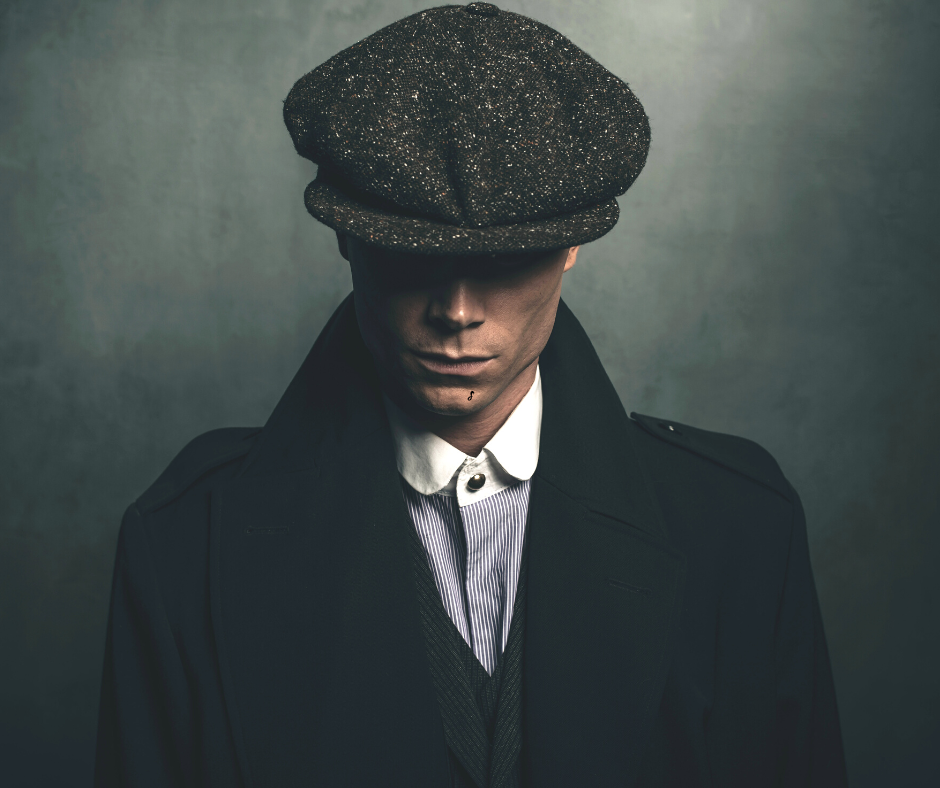
The flat cap has a long and rich history. It’s thought to have originated in the 14th century, and it was particularly popular among English peasants during the Tudor era. In the 18th century, flat caps became associated with members of the working class, while upper-class men preferred taller hats like top hats or bowlers.
Flat caps fell out of fashion in the early 20th century, but they experienced a resurgence in popularity during the 1970s. In recent years, celebrities like David Beckham and Ryan Gosling have helped make flat caps fashionable again.
How to wear a flat cap?
If you’re looking for a way to add a touch of dapper style to your wardrobe, look no further than the flat cap. This timeless piece of headwear has been worn by fashionable men for centuries and shows no signs of going out of style anytime soon. Whether you’re headed to the office or out for a night on the town, a flat cap can help you make a chic statement. Not sure how to wear one? Read on for our guide on how to rock a flat cap like a stylish gentleman.
Choose the Right Material
When shopping for a flat cap, you’ll want to pay close attention to the material. The type of fabric you choose will play a big role in how formal or casual your finished outfit looks. For example, wool is ideal for chilly weather and can be dressed up or down depending on the rest of your ensemble. On the other hand, linen is perfect for summer since it’s lightweight and breathable. No matter what season it is, you can’t go wrong with a classic tweed flat cap. This rustic fabric is ideal for adding some heritage-inspired style to your look.
Pick the Right Size
Once you’ve decided on the material, it’s time to focus on finding the right size. To ensure that your flat cap fits snugly and comfortably on your head, take some measurements before heading to the store or placing an online order. First, use a tape measure to determine the circumference of your head just above your ears—this will be your hat size. Next, measure from the center of your forehead to the base of your skull at the nape of your neck—this is your hat’s height or crown depth. Once you have these measurements, consult a size chart to find the corresponding flat cap size.
[affiliatable id=‘269920’]
Choose the Right Style
Flat caps come in all sorts of different styles, so it’s important to choose one that complements your personal aesthetic. If you prefer a more traditional look, go for a classic newsboy cap with 6 panels and a button atop the crown. Or, if you want something a little more unique, try an ivy cap with 4 panels and side vents. For an ultra-stylish option that can be dressed up or down, opt for a herringbone flat cap with seersucker trimming.
Find the Right Fit
Once you’ve found a flat cap that fits your style, it’s time to make sure it fits your head. The perfect flat cap should sit level on your head without being too tight or too loose. There should also be enough room to fit two fingers between the band and your forehead.
There is a hat sizing chart available that can help you find your perfect fit. Hat sizes are based on the circumference of your head in inches or centimeters. If you don’t have a handy measuring tape, you can also use a string or ribbon to take your measurement. Once you have your hat size, consult a flat cap size chart to find the corresponding flat cap size. If you can’t seem to find a flat cap that fits just right, don’t hesitate to have one custom-made.
Wear it With Confidence
No matter how you choose to style your flat cap, the most important thing is to wear it with confidence. After all, looking good isn’t just about what you wear—it’s also about how you wear it. So go forth and rock your flat cap with pride, knowing that you’re channeling centuries of dapper style.
Purposes of flat cap
- Spruce up your wardrobe with a touch of dapper style.
- Make a statement that is fashionable and stylish.
- Look good
- Channel centuries of dapper style.Keep your head warm in winter weather.
- Protect your head from the sun in summer weather.
- Add a touch of style to any outfit, whether it’s formal or casual.
- Show that you’re fashion-savvy and up-to-date on the latest trends.
Flat cap styles
- classic newsboy caps with six panels and a button atop the crown
- ivy cap with four panels and side vents
- herringbone flat cap with seersucker trimming
How to choose the right flat cap for your face shape?
Now that you know how to find the perfect flat cap, it’s time to focus on choosing a style that complements your face shape. Not sure which type of flat cap is right for you? Here’s a quick guide:
- If you have an oval-shaped face: You’re lucky—almost any type of flat cap will look great on you.
- If you have a round-shaped face: Go for a flat cap with a slightly longer bill to help elongate your face.
- If you have a square-shaped face: Choose a soft, rounded cap to help balance out the angles of your jawline.
- If you have an oblong-shaped face: Try a flat cap with a shorter bill to help shorten the appearance of your face.
Flat cap vs a baseball cap
Not sure whether a flat cap or baseball cap is right for you? Here’s a quick rundown of the key differences between these two popular hat styles:
- Flat caps are typically made from wool, tweed, or linen, while baseball caps are usually made from cotton.
- Flat caps have a shorter bill and sit closer to the head, while baseball caps have a longer bill and sit further away from the head.
- Flat caps are more formal than baseball caps and are typically worn with dressier outfits. Baseball caps, on the other hand, are more casual and can be worn with everything from jeans to shorts.
How to wear a flat cap for different occasions?
Flat caps are incredibly versatile and can be worn for a variety of different occasions. Here are a few tips for how to style your flat cap depending on the event:
- For a casual look, you can wear flat caps with jeans, chinos, or corduroy pants.
- For a more formal look, you can wear flat caps with suits, sport coats, or dress pants.
- If you’re attending a sporting event, feel free to show your team spirit by wearing a flat cap in their colors.
- If you’re going to be outdoors for extended periods of time, choose a flat cap made from waterproof materials.
Accessories that can be paired with a flat cap
There are a few different accessories that can be paired with a flat cap, depending on the occasion. For a casual look, you might want to try pairing your flat cap with sunglasses and a scarf. If you’re dressing up for a more formal event, you could accessorize with a pocket square or lapel pin. And if you’re attending a sporting event, you could show your team spirit by wearing a flat cap in their colors.
When it comes to accessories, it’s really up to you and what you feel comfortable with. The most important thing is to have fun and experiment with different looks until you find one that you love.
Best ways to keep your flat cap in good condition
If you want your flat cap to last for years to come, it’s important to take good care of it. Here are a few tips for how to keep your flat cap in good condition:
- When not in use, store your flat cap in a cool, dry place.
- If your flat cap gets wet, allow it to air dry naturally. Do not put it in the dryer.
- If your flat cap gets wrinkled, you can use a steamer or iron on low heat to smooth out the fabric.
- If your flat cap starts to lose its shape, you can try reshaping it by stuffing it with paper and letting it sit overnight.
Takes Away: How to wear a flat cap
With its timeless style and versatile appeal, it’s no wonder that the flat cap has remained popular among fashionable men for centuries. If you’re looking to add this dapper piece of headwear to your wardrobe, keep our tips in mind as you shop around for the perfect fit. And don’t forget—when wearing a flat cap, confidence is key!
Other suggested articles:
Why Is It Rude to Wear a Hat at the Table?
https://www.therefined.co/are-timex-watches-good-quality/
https://www.therefined.co/are-chinos-formal-answered/
Get That Luxurious Feeling in Your Own Home With Pillar Candles
Whether you want a new accessories with scent in your kitchen or a relaxing aroma in your bedroom, lighting a candle sets the tone for your area and adds a degree of comfort and warmth no matter where it’s placed.
Finding the proper pillar candle for your house, on the other hand, might be difficult. Candles come in a variety of categories, sizes, brands, fragrances, and style. Some are used as decorations while others simply creating the feeling of a burning flame. We spoke with business experts and conducted extensive research on the top light candles, considering each one’s size, wax combination, wick type and price.
Overall, our favorite candle is the Yankee Candle Personalized Candle because of its variety of customization alternatives. You may personalize this candle by choosing the container, fragrance, and label, ensuring that you get your desired preferences.
Luxury Pillar Candles
Best Overall: Yankee Candle Personalized Candle
**Who it’s for:**Anyone who wants specific range on their candles, as well as anyone in need of a thoughtful present for any occasion.
**Who it isn’t for:**Candle may be used by anybody, but fragrances and containers cannot always be combined.
Candles come in a variety of shapes, sizes, and scents, making it difficult to determine which is superior. The Yankee Candles Personalized Candle comes close with a customizable candle choice that allows you to choose all of the components.
To begin, you’ll have the option of four distinct styles: the company’s traditional jar form (22 ounces), a huge tumbler (20 ounces), a big jar (20 ounces), and a votive candle (1.75 ounces). After that, you may select from 13 different fragrances.
A label is included with the candle to ensure that it is properly labeled. This can be a photo, one of many pre-designed templates, or a personalized message you want to print on the label. You’ll also have the option of adding a personalised note to the label.
Product Details:
- **Size:**From 1.75 ounces
- **Wax Blend:**Paraffin
- Wick Type: Not listed
Best Budget: Public Goods Lavender & Vanilla Soy Candle
Who it’s for: People who are on a budget and want a vegan candle.
Who it isn’t for: Candles that are attractive and high-end.
The Public Goods Lavender & Vanilla Soy Candle is a wonderful place to start if you’re interested in expanding your candle collection. This candle is budget-friendly and includes two prominent scent notes that will provide a sense of warmth and calm to your area.
There are three sizes of this candle, each made of soy wax with a cotton wick. The candles are housed in a glass jar with an acacia wood lid for a beautiful finishing touch. Clean the wax out after the candles have burned through and use the jars as storage for tiny odds and ends.
Product Details:
- **Size:**7 ounces
- **Wax Blend:**Soy
- Wick Type: Cotton
Best Splurge: Diptyque Baies/Berries Candle
**Who it’s for:**Those who want a classic luxury candle, as well as those for whom the choice is between a fruity and floral scent.
Who it isn’t for: Candles with a more ornate container.
Diptyque’s Baies candle is an investment, but it’s worth it given the popularity of this product. The fragrance blends blackcurrant berries with roses for a distinctive fruity yet floral scent that no one else has.
If you’ve ever seen a bottle of this fragrance on Instagram, you may have recognized it and we’re here to tell you that it’s worth the hefty price tag if you can afford it. Though ‘Baies’ is French for ‘berries,’ the scent isn’t as sweet as one might expect.
The brand’s traditional clear glass jar houses the candle, which comes in two sizes—2.4 and 6.5 ounces—and is sold for $22 and $44 respectively. While there are additional costly alternatives available, it’s worth noting that the made-in-France candle is significantly more pricey than many other candles of similar size or larger.
Product Details:
- **Size:**From 2.4 ounces
- **Wax Blend:**Paraffin
- **Wick Type:**Cotton
Best Decorative: CB2 Alabaster Candle Bowl
Who it’s for: People who enjoy the atmosphere of a burning candle.
Who it isn’t for: People who like fragrant candles or intend on burning them frequently.
The CB2 Alabaster Candle Bowl is a candle bowl that may be used as decorative lighting even when it isn’t burning. It has three wicks and is scent-free, so you’ll get the heat and ambience of a candle without any perfume. The candle is carved from a single block of alabaster, ensuring that no two candles are the same—and after the wax burns away, you may recycle it as a jewelry box.
Product Details:
- **Size:**19.75 ounces
- **Wax Blend:**Paraffin
- Wick Type: Cotton
Best Gift: L’or De Seraphine Whitby Ceramic Jar Candle
**Who it’s for:**Candles that are attractive and make excellent gifts.
**Who it isn’t for:**People who prefer a less complicated candle design that won’t stick out as décor.
The L’or De Seraphine Whitby Ceramic Jar Candle is a holiday in the jar that will be appreciated no matter what circumstance arises. The candle has a unique scent and is contained in an eye-catching container that may also be used as a beautiful finishing touch in any room.
Even in the slushiest springtime, delicate notes of sea salt and violets create you feel like you’re sitting on the beach, but the real show-stopper is the ultra-modest reusable ceramic container. After your wax has dried up, use it to store pens or pins.
The L’or De Seraphine Whitby candle is available in both a medium and a large size, with burn times ranging from 45 to 80 hours. The Whitby is packaged in a ceramic container with an ornate design that will make a statement when it’s removed, like all other L’or De Seraphine candles.This candle, like the others in the collection, is white with a blue and white design that looks like crashing waves. The candle comes in a beautiful white box, so you’ll be able to easily wrap it or send it directly to someone if you need to.
Product Details:
- **Size:**From 6.4 ounces
- **Wax Blend:**Palm wax
- Wick Type: Cotton
The Benefits of Private Club Memberships
As I delve deeper into the world of private clubs, I’ve discovered that these memberships offer more than just social perks; they provide a sense of community and continuity in an ever-changing world. Whether it’s for business, leisure, or a bit of both, the benefits of being part of a private club are vast and varied. Let’s explore how the benefits of private club memberships can add significant value to your life, offering unique advantages that go beyond the ordinary. Imagine stepping into a world where luxury meets exclusivity, where every visit feels like a tailor-made experience just for you. That’s the allure of private club memberships, a gateway to a suite of privileges that aren’t just about status but about enhancing your lifestyle. From high-end networking opportunities to first-class amenities, joining a private club can transform the way you socialize, relax, and conduct business.
Types of Private Club Memberships
Private country club membership offers a range of exclusive experiences tailored to diverse interests and needs. From enhancing social networks to supporting fitness goals and facilitating professional connections, these clubs cater to the unique preferences of their members. Here’s a closer look at some of the most popular types of private club memberships.
Social Clubs
As a staple in the community of private clubs, social clubs provide an excellent venue for forming new friendships and strengthening old ones. Club members enjoy access to exclusive social events, from elegant dinners to special cultural gatherings, which aren’t available to non-members. This exclusivity fosters a unique bond among members, as they share experiences in settings that promote camaraderie and community.  Typically, these clubs also feature luxurious amenities like high-end lounges, dining options, and sometimes even accommodations. The benefits of joining such clubs are not just limited to the physical amenities but extend to the intangible feelings of belonging and enjoyment in a sophisticated environment.
Fitness and Health Clubs
Joining a fitness and health club is a commitment to a healthier lifestyle, with the added benefits of top-tier facilities and specialized classes that might not be available at public gyms. These clubs often provide access to state-of-the-art exercise equipment, personal trainers, and a variety most of health-oriented workshops designed to cater to the specific wellness goals of their members.  Exclusive access to tennis courts, swimming pools, and full-service spas are common features. These clubs not only help members maintain physical fitness but also promote mental well-being through a supportive environment and regular health-focused events.
Business and Networking Clubs
For those focused on professional growth, business and networking clubs offer invaluable opportunities. Members gain access to a network of professionals and entrepreneurs, making it easier to forge connections that can lead to business opportunities and career advancements. These clubs often host regular meetings, seminars, and special events featuring guest speakers from various industries, providing insights and inspiration.  The ambiance in these clubs is usually conducive to business discussions, equipped with private meeting rooms and dining facilities that ensure privacy and professionalism. For many members, the investment in club membership fees pays dividends in the form of expanded professional networks and increased business opportunities. Each type of private club membership comes with its own set of benefits, catering to the distinct preferences and needs of various individuals. Whether it’s for socializing, staying healthy, or building professional networks, private clubs offer environments that enrich the lives of their members in manifold ways.
The Benefits of Private Club Memberships
Access to Exclusive Facilities
Joining a private club often grants me access to some of the most exclusive facilities not available to non-members. The allure includes well-maintained golf courses, tennis courts, and state-of-the-art exercise facilities. Clubs like Pine Valley Golf Club and Soho House are renowned for offering pristine golf courses and luxurious spa facilities, elevating the membership experience with their high standards and outstanding amenities. These facilities aren’t just about leisure; they provide a backdrop where I can enjoy uninterrupted quality time, either solo or with other members who share similar interests.
Networking Opportunities
The opportunity to network with other professionals is a significant draw for me in private club memberships. Venues such as The Harvard Club of New York City and The Caledonian Club in London are optimal for connecting with a diverse group of individuals who can enrich my professional and personal life. With a variety of networking events, from casual gatherings to formal business dinners, these clubs facilitate relationships that might not only grow my career but also enhance my social circle.
Enhanced Privacy and Security
Privacy and security are paramount, and the private club environment caters to this need exceptionally well. Clubs implement strict admissions processes and often boast enhanced security measures, ensuring that I can relax in a safe and controlled environment. Whether I’m enjoying a quiet dinner or a round of golf, the peace of mind that comes with knowing the setting is secure and exclusive is invaluable to me and many other members.
Recreational and Social Activities
Private clubs are more than just places to meet; they’re centers of recreational and social activities tailored to the interests of their members. Country clubs, for example, often host golf tournaments, tennis matches, and swimming competitions, which are not only exciting but also foster a spirit of community and friendly competition. Moreover, clubs like these frequently organize social events such as gala dinners, holiday parties, and special event nights, providing myriad opportunities for members to socialize and enjoy their leisure time in a unique and enjoyable way.
Considerations When Choosing a Private Club
Private clubs provide an array of alluring benefits. However, choosing the right club requires careful consideration of various factors that can significantly impact your experience and satisfaction. Here, I’ll navigate key aspects like membership fees, club culture, and location that are crucial when selecting a private club.
Membership Fees and Costs
Determining the cost of joining a private club is essential. These costs consist of initiation fees, monthly dues, and potentially other charges that vary from one club to another. Initiation fees can range dramatically based on the exclusivity and amenities offered by the club. Monthly dues cover the operational costs of the club’s facilities and services. Additionally, some clubs impose minimum spending requirements or have assessment fees for special projects and emergencies. It’s important to ask about these costs upfront to ensure there are no surprises, and they fit within your budget. This financial commitment gives you exclusive access to the club’s facilities and can include golf courses, tennis courts, swimming pools, and other luxurious amenities.
Club Culture and Demographics
The culture and demographic make-up of a club are almost as important as the amenities it offers. Clubs often cater to specific lifestyles and interests, whether it’s a golf club emphasizing sports, a business club focused on networking opportunities, or a social club that’s centered around community activities. Factors like the average age of the members, the formality of the interactions, and the types of social events held can influence whether you’ll enjoy being a member. To gauge if a club’s culture aligns with your expectations, consider visiting the club during an event to observe the interactions between members and experience the overall atmosphere firsthand.
Location and Accessibility
Accessibility is another critical factor. The location of the club should be convenient enough to allow frequent visits without significant travel hassle. If you’re looking at country clubs or golf clubs, consider how far you’re willing to travel to enjoy your membership benefits. For city dwellers, a private club in or near urban centers might be ideal, whereas, for those looking to escape the hustle and bustle, a club set in a more secluded environment might be more appealing. Additionally, check if the club’s location and its facilities are accessible throughout the year, as some clubs might have seasonal closures, particularly those focused on outdoor activities. By considering these elements, I ensure that I choose a club that not only meets my leisure and professional needs but also feels like a second home where I can relax, mingle, and thrive among peers with shared interests. Selecting the right private club is indeed a step toward enriching your lifestyle and expanding your social and professional network. Joining a private club can significantly enrich your lifestyle and social network. From enjoying exclusive amenities to engaging in unique social and professional interactions, the benefits are tangible. It’s about more than just the luxury; it’s about belonging to a community that shares similar interests and values. I believe that with the right club, you’re not just investing in a membership but in a richer, more connected way of life. Make sure to weigh all factors to find the perfect club that meets your needs and expectations. The rewards of choosing wisely are indeed profound and lasting.
Frequently Asked Questions
Why are private clubs considered exclusive?
Private clubs offer exclusive access to facilities and activities not available to the general public, creating an elite environment for members. This exclusivity appeals to individuals looking for privacy, superior services, and high-quality amenities.
What should I consider when choosing a private club?
When selecting a private club, consider your main interests (social, fitness, business), the fees (initiation and monthly dues), the club’s culture, and its location. Make sure the club aligns with your lifestyle and the frequency of your visits.
How do private club memberships enhance networking?
Private clubs often attract professionals and entrepreneurs, providing a platform for networking. Members can interact in a less formal environment, making connections that can lead to business opportunities and professional growth.
What are the general costs associated with joining a private club?
Costs can vary significantly but typically include an initiation fee and ongoing monthly dues. Additional costs may arise from using specific club services or attending special events. It’s crucial to inquire about all potential fees before joining.
How do I determine if the club culture is right for me?
To understand a club’s culture, visit the club, attend various events, and talk to current members. Observe the demographic and the general atmosphere to ensure it matches your social and professional expectations.
Art Collecting Tips: Insights for Aspiring Collectors
Diving into the world of art collecting can feel like stepping into a vast, uncharted territory. With so many styles, artists, and mediums, knowing where to start can be overwhelming. That’s where our art collecting tips come in handy. Whether you’re drawn to the dark, surreal paintings or the serene beauty of pastel flower gardens, understanding the basics is your first step to curating a collection that reflects your unique taste. But art collecting isn’t just about picking what you like; it’s about recognizing quality, understanding market values, and knowing where to find those hidden gems. Our guide will equip you with the essential art collecting tips to begin your journey confidently. From setting clear goals to making your first purchase, we’ve got you covered. Let’s embark on this exciting adventure together, and transform your passion for art into a collection that tells a story uniquely yours.
Setting Clear Goals
 When embarking on your art collecting journey, setting clear, actionable goals is fundamental. Whether you’re drawn to original paintings by well-known artists or the pure, raw talent of new artists from major art schools like the Royal College or Central Saint Martins, defining your objectives upfront will steer your path. Aiming to build a strong art collection? Here are three critical areas to focus on:
- Identify Your Passion: Do you have a penchant for oil paintings, fine art photography, or limited edition print projects? Knowing what type of art and artists you’re passionate about—not just as a pure investment but as a joy—will guide your art acquisition efforts. It’s about more than just buying art; it’s about curating pieces that resonate with your personal taste and enhance your living spaces or create beautiful interiors.
- Educate Yourself: Diving into the art world requires a mix of research and immersion. Attend art fairs, gallery openings, and auction houses to see a wide variety of artworks. Make it a point to visit galleries showcasing emerging artists and exciting emerging artist groups. Knowledge of the art market, understanding the significance of artist’s career milestones, and awareness of trends help in making informed decisions. Becoming a knowledgeable art collector isn’t just about who you know; it’s also about what you know.
- Network and Build Relationships: The path to becoming a seasoned art collector involves building relationships within the art community. This can mean developing a rapport with gallery owners, becoming a personal client to a particular artist, or joining interesting and thriving communities. These connections can provide essential tips, insights into new artist showcases, and access to group exhibitions. Networking can also lead to opportunities for acquiring art directly from artists or securing invitations to private sales, where you can add stunning original paintings or original art to your own art collection.
Exploring Different Art Styles
Embarking on your art collecting journey is thrilling, full of discoveries and personal growth. As you dive into this vibrant world, one of your first steps should be exploring various art styles. This exploration is key to understanding what resonates with you personally and will shape your future collection. Whether you’re drawn to the timeless elegance of oil paintings or the modern appeal of photographic prints, seeing a wide range of artwork is essential. To start, consider attending art fairs and local art galleries. These venues are fantastic for seeing a variety of art in person and can help you develop an insight into different artistic methods and materials, from stunning original paintings to limited edition print projects. While there, engage with gallery owners and artists. Their insights can offer valuable collecting advice and introduce you to the next generation of emerging artists. Pay attention to group exhibitions, which often feature works by particularly exciting emerging artists from major art schools like the Royal College or Central Saint Martins. Moreover, take advantage of digital platforms to further explore the art world. Online galleries and social media allow you to follow artists and discover new talents from interesting and thriving communities across the globe. This digital exploration can be especially helpful for identifying emerging artists whose artist’s career might be on the cusp of breaking into the mainstream. Keep in mind, as you start collecting art, to look for pieces that not only appeal to you aesthetically but also connect with you on a deeper level. This emotional connection can significantly enhance the value of your own art collection, transcending the purely investment aspect of art acquisition.
Understanding Market Values
 When embarking on your art collecting journey, understanding the market values of art is crucial. Knowing what drives the value of art pieces, from original paintings by well-known artists to limited edition print projects by emerging artists, will guide your purchasing decisions. Collecting art isn’t just about finding pieces you love; it’s also about knowing their worth in the art market. Whether you’re at art fairs, local art galleries, or exploring major art schools like the Royal College of Art or Central Saint Martins for the next generation of exciting emerging artists, grasp these insights to hone your art acquisition skills.
- Visit a variety of art fairs and gallery openings to discover new artists and learn about different styles.
- Follow artists from their early career stages, especially those who have graduated from major art schools, to potentially invest in their work before they become well-known.
- Understand that the history of a particular piece of art, including its previous ownership and how it fits into the artist’s career trajectory, can significantly impact its market value.
- Consider the rarity of a piece; original prints and limited edition artworks tend to hold or increase in value over time.
- Engage with gallery owners and auction houses for professional collecting advice and market insights.
- Focus on artworks based on acid-free paper or other durable materials to ensure longevity and preservation of value.
- Establish relationships with emerging artists by visiting group exhibitions and degree shows at art schools.
- Realize that the art market is dynamic; the value of artworks can fluctinate based on trends, artist recognition, and art world events.
- Diversify your art collection across different mediums and styles to hedge against market volatility.
- Always seek a comprehensive guide or personal client advisory when considering significant acquisitions to navigate the complex art market efficiently.
Finding Hidden Gems
 Starting or expanding your art collection can be a deeply rewarding journey, infused with personal discovery and the thrill of the hunt. Here, we delve into strategies for uncovering those elusive, unique pieces that can transform your collection from good to extraordinary. Remember, discovering emerging artists and hidden artworks is about more than just adding pieces; it’s about supporting the art world and becoming part of vibrant, thriving communities.
- Attend Art Fairs and Galleries: Art fairs and local art galleries are fertile grounds for discovering new talent. Emerging artists often display their work here first, offering a fresh perspective and original art. Keep an eye out for gallery openings and group exhibitions; they’re great places to discover an exciting emerging artist and start collecting art that resonates with your taste.
- Explore Art Schools and Auction Houses: Major art schools such as the Royal College and Central Saint Martins showcase the next generation of artists through degree shows. These events can be goldmines for finding stunning original paintings and artworks based on particular styles or themes. Similarly, don’t overlook smaller, less mainstream auctions. They can be excellent venues for acquiring original prints and limited edition print projects at reasonable prices.
- Build Relationships: Perhaps the most insightful tip for aspiring collectors is to build relationships within the art community. This includes artists, gallery owners, and fellow collectors. These connections can offer exclusive insights, collecting advice, and access to private sales or artist’s career highlights before they become widely known. Becoming a personal client of a gallery or a particular artist can also open doors to collect art that never makes it to the public eye.
Making Your First Purchase
When you’re ready to make your first purchase in the art world, it’s essential to approach it with confidence and a well-informed mind. Whether it’s about finding that stunning original painting by an exciting emerging artist or adding a limited edition print to your collection, each acquisition is a step forward in your art collecting journey.
- Research Thoroughly: Before diving into your first purchase, get to know the art market and discover emerging artists whose work resonates with you. Visit art fairs, local art galleries, and major art schools like the Royal College of Art or Central Saint Martins to explore the works of next-generation talent. Read up on collecting advice from seasoned art collectors to understand the nuances of acquiring art.
- Understand the Value: Learn what makes a piece of art valuable. Is it the rarity, the artist’s career trajectory, or the medium? Knowing why limited edition print projects or original paintings are prized will help you make educated decisions. Remember, an artwork’s worth isn’t just in its price tag but its potential to enrich your art collection and personal space.
- Build Relationships: The art world thrives on connections. Start building relationships with gallery owners, art collectors, and artists. These connections can offer you insider knowledge, invite you to exclusive gallery openings, and alert you to emerging artists with promising futures. Such relationships often lead to acquiring good art from thriving communities and may even offer opportunities to purchase original art directly from the artist.
- Consider Your Space: Visualize where the artwork will hang in your home. Will it create beautiful interiors or clash with your existing decor? Sometimes, a photographic print might suit your modern apartment better than an oil painting. And remember to ensure the art is framed on acid-free paper to preserve its quality over time.
Wrapping up: Art Collecting Tips
Embarking on your art collecting journey is an exciting endeavor that blends passion with astute decision-making. Remember, the art you choose to bring into your life should not only be an investment but also a reflection of your personality and aesthetic preferences. By leveraging the insights and strategies shared, you’re well-equipped to navigate the art world with confidence. Don’t rush the process—take your time to explore, learn, and connect with the community. Each piece you select is a milestone in your collecting journey, adding depth and value to your personal collection. Let your love for art guide you, and you’ll find that each acquisition enriches your space and your life in unique ways. Happy collecting!
Dress Codes: Understanding Their Impact on Workplace Culture
Navigating the world of dress codes can be overwhelming, especially when you’re faced with a variety of terms like semi-formal, black tie, and business casual. But fear not, by arming yourself with knowledge about these different dress expectations, you’ll be able to make the right clothing choices for any occasion. For instance, choosing the right shoes to complement your outfit can be just as important as selecting the perfect dress or suit. In this article, we’ll take you through the key dress codes, from the most formal to the most relaxed, ensuring that you’re always dressed appropriately and confidently. A white tie dress code is the epitome of formality, requiring a full evening dress or floor-length gowns for women, and a black tailcoat, black trousers, and white bow tie for men. On the other hand, a black tie dress code is often seen at formal events like weddings and galas, calling for tuxedos with a black bow tie for men and floor-length evening dresses or elegant cocktail gowns for women. A slightly less formal option is black tie optional, enabling you to wear either a tuxedo, dark suit, or cocktail attire. As you move into less formal territory, you’ll encounter a business formal dress code, which typically entails a suit and tie for men and conservative dresses, skirts, or pantsuits for women. Slightly more relaxed is the business casual dress code; men can opt for a collared shirt, dress pants, and optional tie, while women can sport dressy separates or nice dresses. Finally, there’s the casual dress code, which allows for everyday clothes like jeans, polo shirts, and casual dresses. In short, understanding and adhering to dress codes can make all the difference in your comfort and confidence at any event.
Understanding Dress Code Terminology
 When you receive an invitation to an event, it’s important to understand the dress code so you can dress appropriately. In this section, we’ll guide you through the key terms and help you decipher the often-confusing dress code terminology.
- Casual dress code: Casual dress codes are the most relaxed and can include everyday clothes like jeans, shorts, t-shirts, and flip-flops. A casual wedding or beach wedding may have a dress code like this.
- Dressy casual: For this semi-formal dress code, you’ll pair dressy separates or upgrade your everyday clothes with dressier pieces. Think nice jeans, trousers, or a skirt with a blouse, polo shirt, or open-collar shirt.
- Business casual: A popular dress code in many workplaces, business casual balances comfort and professionalism. This means dress pants or khakis, a collared shirt, and dress shoes. No need for a suit jacket or tie, but avoid athletic clothing, t-shirts, and sneakers.
- Smart casual: A step up from business casual, smart casual includes dress pants or dark jeans, a button-down shirt or blouse, and dress shoes. A blazer or stylish sweater can add a polished touch.
- Business formal: This formal dress code is often seen at work conferences or formal business events. A business suit, conservative tie, dress shirt, and dress shoes are required. Women may opt for a business-appropriate dress or skirt and blouse with dress shoes.
- Semi-formal: One of the most common dress codes for evening events, semi-formal attire requires a dark suit, dress shirt, and dress shoes for men. Women should wear a cocktail dress or dressy separates.
- Cocktail attire: Appropriate for evening events like cocktail parties, this dress code often means a dark suit for men and a cocktail dress for women. Keep it polished with dress shoes and fashionable accessories.
- Black tie: A formal dress code for special events like galas and formal weddings, black tie attire includes a tuxedo with black bow tie for men and a floor-length evening dress or gown for women.
- Black tie optional: This dress code offers a little more flexibility, allowing men to wear a dark suit with a black tie or perhaps a tuxedo. Women can choose from a formal gown, cocktail dress, or dressy separates.
- White tie: The most formal dress code, white tie events require a full evening dress for men, including a black tailcoat, black tuxedo trousers, a white wing-collared shirt, a white bow tie, and black dress shoes. Women should wear a floor-length gown.
The Evolution of Dress Codes
 Over the years, dress codes have evolved to accommodate various occasions and preferences. From black ties to casual attire, dress codes provide guidance on what to wear to specific events. The black tie dress code is one of the most formal dress codes and is commonly associated with high-profile social events such as galas and award ceremonies. It typically requires men to wear a dark suit, dress shirt, and black bow tie, while women are expected to wear floor-length gowns or classy cocktail dresses. On the other hand, a white tie dress code raises the bar even higher, mandating a full evening dress for women and a black tailcoat, black tuxedo trousers, and white bow tie for men. Semi-formal attire, also known as cocktail attire, is less strict than black tie but calls for more refinement than casual dress codes. Men might wear a well-fitted dark suit with a dress shirt, while women have the option between a cocktail dress or a fancy dress of knee-length or slightly below. The business formal dress code also falls under this category, requiring a business suit complete with a tie for men and conservative dresses, skirts, or matching pants suits for women. Business casual is another popular dress code for office settings and networking events. It allows for more comfortable and less formal outfits, such as khakis or dress pants paired with a collared shirt or polo shirt for men. Women have the flexibility to wear blouses, dressy separates, or dresses that are not too revealing. Smart casual is a slightly more relaxed version of business casual where even nice jeans might be acceptable when paired with a dressy top or blazer. The casual dress code is the most laid-back category and represents everyday clothes. While this dress code might vary depending on the occasion or setting, it generally consists of items like jeans, casual shirts, and sneakers. For casual weddings, guests may choose lighter fabrics and colorful outfits to match the atmosphere of the event. Throughout the evolution of dress codes, organizers have also introduced variations like black tie optional and festive dress codes. Black tie optional allows guests to either wear traditional black tie attire or opt for more relaxed options, such as a high-quality suit and tie. Festive dress code, on the other hand, encourages attendees to add a touch of fun or season-specific elements to their outfits, like unique accessories or bold colors.
Workplace Dress Codes: Striking a Balance
 When determining your workplace dress code, it’s important to strike a balance between professionalism and comfort. From the black tie dress code to the casual dress code, the spectrum of dress codes is wide and varied. Here, we’ll explore some common dress codes and how to mix and match them for an appropriate workplace wardrobe. Starting with more formal dress codes, the formal dress code typically includes elements like dark suits, dress pants, and dress shirts. A full-blown black tie dress code is generally reserved for events like galas and evening weddings. For a slightly toned-down version, opt for semi-formal or black tie optional wear, which allows for more flexibility, such as replacing a black tie with a dark-colored one. For women, formal attire usually means wearing a floor-length gown or a tailored cocktail dress. Meanwhile, semi-formal attire includes items like dressy separates and knee-length dresses. In contrast, a casual dress code entails everyday clothes such as jeans and t-shirts. Business casual, the middle ground between formal and casual, allows for more relaxed attire without compromising professionalism. For men, this might include a collared shirt and slacks; for women, a blouse or sweater with a matching skirt or pants. For festive occasions, event planners may choose a festive dress code. Men can embrace the holiday spirit with a nice tie and a colorful dress shirt, whereas women can opt for a patterned cocktail dress. If your workplace maintains a business formal dress code, men are expected to wear a suit with a white shirt and a conservative tie. Women, on the other hand, can choose between a tailored suit, a floor-length gown, or a professional dress with dressy separates. Remember, it’s essential to know what type of dress code your company follows to dress appropriately. Ultimately, the goal is to strike a balance between polished professionalism and personal comfort. By mixing and matching elements from different dress codes, you can create a versatile wardrobe that’ll get you through any workplace situation in style. [affiliatable id=‘268274’]
Cultural Considerations of Dress Codes
When understanding dress codes, it’s crucial to consider the cultural aspects involved. Different cultures have unique expectations and interpretations of attire, which can influence formal dress codes like the black tie dress code and casual dress codes.
Formal Dress Codes
In various cultures, a formal dress code may indicate different levels of formality. For instance, a semi-formal dress code may entail wearing a dark suit, dress shirt, and dress shoes for men, while women may be expected to wear dressy separates or a knee-length dress. On the other hand, formal attire in other cultures might require a more elaborate outfit, such as a floor-length gown or a traditional garment. Black tie, white tie, and festive dress codes can all have different meanings across cultures. Consider the business formal dress code, which typically denotes a conservative suit and tie for men and a business suit or dress with matching pants for women. This dress code might alter depending on cultural norms, such as the expectation to wear a traditional garment or adhere to a particular color scheme.
Casual Dress Codes
Even casual dress codes can vary across cultures. A casual dress code may suggest a polo shirt and khaki pants for men or a simple sundress for women in one culture, while another culture might interpret it as permission to wear everyday clothes like jeans and t-shirts. More specific casual dress codes, such as dressy casual or business casual, can also have diverse cultural interpretations. For instance, business casual might mean wearing a collared shirt and dress pants in one culture, but including a suit jacket in another.
Cultural Events and Weddings
Specific cultural events, such as weddings, often have their own set of dress code guidelines. A casual wedding may permit guests to wear airy fabrics and sandals, while a black tie wedding might encourage attendees to wear a full tuxedo or floor-length evening gown. Moreover, some cultures have unique dress code requirements, like a white dinner jacket for men at a black tie event or a particular color attire for a traditional garden party. It’s essential to be aware of these cultural expectations to ensure you dress appropriately and respectfully.
Key Takeaways
- Different cultures have their own interpretations and expectations of dress codes, both formal and casual.
- Culturally-specific events, like weddings, may have unique dress code requirements.
- It’s important to be aware of cultural considerations when attending an event and to adapt your attire accordingly.
Navigating School Dress Codes
 Navigating school dress codes can be a challenging task for students and parents alike. With a range of options like formal dress code, semi-formal dress code, business casual, and casual dress code, understanding the requirements and expectations can be confusing. So, let’s break it down and simplify the dress codes commonly seen in schools. A formal dress code typically requires students to wear formal attire such as a dark suit for boys and a floor-length gown for girls. Boys may need to wear dress pants, a dress shirt, dress shoes, and a tie, while girls may need to wear a formal dress or floor-length gowns. This dress code is commonly found during proms or other formal events. The semi-formal dress code is a step down from the formal dress code. It usually entails dressy separates like dresses or skirts for girls, and dress pants with a dress shirt or collared shirt for boys. A suit jacket or blazer may also be included in the requirement. This dress code can be seen during events such as school dances or graduation ceremonies. Business formal dress code is similar to semi-formal but is more professional in nature. It requires students to wear business attire like suits, dress shirts, and conservative ties for boys, and dresses, skirts, or dressy pantsuits for girls. This dress code is more common during school presentations, debates, or competitions. Casual dress codes allow students to wear everyday clothes while still looking neat and presentable. Everyday clothes may include jeans, khakis, polo shirts, or blouses. Students must avoid flip-flops, overly distressed clothing, and revealing garments. Casual dress codes are commonly found on dress-down days or during casual school events. When attending special occasions, students may encounter variations of these dress codes such as black tie and white tie. Black tie usually requires boys to wear a tuxedo, dress pants, a white shirt, and a black bow tie while girls can wear cocktail dresses or floor-length evening gowns. White tie events, on the other hand, are more formal and require boys to wear full evening dress, like a tailcoat and white bow tie, with girls dressing in elegant floor-length gowns. It’s essential to dress appropriately for school events and follow the guidelines to ensure a smooth and enjoyable experience. By understanding the differences and requirements for various school dress codes, you’ll be well-prepared for any school occasions or events that come your way.
Embracing Diversity and Individuality
As you navigate the world of dress codes, it’s essential to remember that these guidelines strive to ensure that everyone is dressed in a manner that aligns with the event’s theme and atmosphere. From black tie dress code events to the more casual dress codes, it’s all about selecting attire that speaks to the occasion. Here are a few key takeaways from various dress codes:
- Black Tie and White Tie Attire: Reserve your floor-length gowns and white dinner jackets for the most formal of occasions, such as white tie and black tie events. These dress codes call for strict adherence to traditional formal wear standards.
- Business Casual and Business Formal Dress Code: Embrace a polished look during professional settings by following business casual or business formal dress codes. A classy dark suit, dress pants, and a white shirt with a conservative tie will help you make a great impression.
- Semi-Formal and Cocktail Attire: For semi-formal or cocktail party attire, consider your options in dressy separates for a chic and fashionable appearance. A fancy cocktail dress or a sleek floor-length evening dress could be perfect for these types of events.
- Casual and Dressy Casual Dress Code: Embrace your individual style when attending events with a casual or dressy casual dress code. From a comfortable polo shirt to nice jeans paired with stylish dress shoes, the possibilities for expressing yourself are truly endless.
It’s important to adapt your wardrobe to the particular dress code requirements of any given event. However, always remember to dress in a way that showcases your personality and reflects your unique style. So, whether you’re attending a black tie wedding, a business conference, or a casual beach wedding, remember to embrace your diversity and individuality. By respecting the designated dress codes and selecting attire that matches the occasion, you’ll contribute to the event’s overall success. So, next time you receive an invitation specifying the dress code, don’t hesitate to express your individuality while complying with the guidelines.
Mindfulness Workshops: Empowering Sessions for Cultivating Presence and Awareness
Exploring the world of mindfulness doesn’t have to be a long-term commitment. I’ve discovered that there’s a treasure trove of short-term mindfulness workshops out there, perfect for dipping your toes into the serene waters of mindfulness practice. Whether you’re a beginner or looking to refresh your skills, these workshops offer a concise, yet profound introduction to the practice. From one-day intensives in Copenhagen to weekend retreats in North Carolina, these workshops are designed with flexibility in mind, catering to everyone’s schedules and needs. They’re not just about learning; they’re about experiencing mindfulness in a way that’s both impactful and manageable. Join me as I delve into the world of mindfulness workshops, where brevity meets depth.
Benefits of Attending Mindfulness Workshops
When I first delved into the realm of mindfulness, the transformative power of mindfulness workshops quickly became evident. These gatherings are not just meetings but profound experiences that offer a multitude of benefits. Below, I’ll explore some of the most impactful advantages that attending mindfulness workshops can provide. 
Improved Mental Health
My journey into mindfulness revealed one undeniable truth: our mental health is paramount. Mindfulness workshops play a crucial role in bolstering mental well-being. Through guided exercises and interactive sessions, participants learn to navigate the complexities of their thoughts and emotions. What’s remarkable is the sense of community and understanding that develops. Knowing you’re not alone in your struggles creates a supportive environment conducive to healing and growth. Studies have shown that regular mindfulness practice can lead to significant improvements in mood disorders and overall mental health. It’s a testament to the power of mindfulness in creating a balanced and healthier mind.
Reduced Stress and Anxiety
It’s no secret that we live in a world brimming with stressors. My personal experiences with mindfulness workshops have underscored their efficacy in combating stress and anxiety. These workshops provide practical tools to manage life’s daily pressures. By focusing on the present moment, participants learn to break the cycle of chronic stress and anxiety that can dominate our lives. The strategies taught in mindfulness workshops, such as deep breathing and meditation, have been scientifically proven to lower cortisol levels—the body’s stress hormone. This reduction in cortisol translates to a calmer, more composed state of being, enabling individuals to face challenges with a newfound resilience.
Enhanced Focus and Concentration
In today’s fast-paced world, maintaining focus and concentration can seem like an uphill battle. I’ve found that mindfulness workshops offer a remedy to the distractions that pervade our daily lives. Through targeted exercises, participants hone their ability to concentrate and maintain attention on tasks at hand. The beauty of mindfulness is its application in both personal and professional spheres. Improved focus leads to better decision-making, enhanced productivity, and a greater capacity for deep work. Research supports this, indicating that those who engage in mindfulness practices report higher levels of concentration and attentional control. This benefit alone has made mindfulness workshops invaluable in my quest for personal and professional development.
Types of Mindfulness Workshops
As we delve further into the realm of mindfulness, it’s fascinating to see the variety of workshops available, each tailored to address specific aspects of our well-being. Here, I’ll explore some of the types that stand out due to their unique focus and the benefits they bring.
Mindfulness Meditation Workshops
Mindfulness meditation workshops are perhaps the most direct way to dip your toes into the world of mindfulness. These workshops often begin with the basics, teaching participants how to maintain presence and awareness of their thoughts, feelings, and bodily sensations in a non-judgmental way. The goal is to cultivate a state of mind that is calm, focused, and clear. Workshops led by experienced practitioners, such as Anh Huong and Thu Nguyen, who have over 30 years of Zen mindfulness practice, can provide profound insights into the art of meditation. Participants learn various techniques, including guided and walking meditation, offering a solid foundation for novices and a deeper understanding for those more experienced. These sessions not only improve mental clarity but also reduce stress, enhance emotional equilibrium, and lead to greater physical relaxation.
Mindful Eating Workshops
Mindful eating workshops focus on transforming our relationship with food. In these sessions, I’ve observed how participants are encouraged to savor their food, paying close attention to the taste, texture, and sensations of eating. Far from being a diet, mindful eating is about experiencing food more intensely and with full awareness. The benefits are noteworthy, with many attendees reporting reduced episodes of binge eating, improved digestion, and a more harmonious relationship with food. These workshops often include exercises to help identify hunger and satiety cues, aiming to break cycles of emotional eating and fostering a healthier, more conscious approach to nourishment.
Mindfulness-Based Stress Reduction (MBSR) Workshops
MBSR workshops deserve special mention for their comprehensive approach to stress management. Developed by Jon Kabat-Zinn in the late 1970s, MBSR is a structured program that combines mindfulness meditation, body awareness, and yoga to help people become more aware of their thoughts, feelings, and body sensations. Participants in MBSR workshops are taught practical skills to cope with stress, pain, and illness by bringing about a greater sense of balance and calm in their lives. Through regular practice, I’ve seen individuals transform their response to stress, leading to notable improvements in mental and physical health. The workshops typically span 8 weeks, offering a deep dive into mindfulness practices that foster resilience and well-being amidst life’s challenges. In each of these workshops, the emphasis on experiential exercises and personal experiences over theory ensures that the learning is not only understood but felt. By creating an environment where everyone is encouraged to share and contribute, mindfulness workshops prove to be powerful avenues for personal growth and transformation.
How to Choose the Right Mindfulness Workshop for You
Choosing the right mindfulness workshop can feel overwhelming given the vast options available. Here are a few tips I’ve found invaluable in my journey, designed to help you find a workshop that aligns with your personal growth and well-being goals.
Identify Your Objectives
First, I recommend taking a moment to pinpoint exactly why you’re drawn to mindfulness. Are you looking to reduce stress, improve focus, or perhaps deepen your overall sense of well-being? Each workshop has its own focus—some are more meditation-centered, while others might emphasize mindful eating or stress reduction. Knowing your goals helps narrow down the options.
Research the Instructors
The instructor’s experience and teaching style play a crucial role in the effectiveness of a workshop. I always look for workshops led by certified or experienced mindfulness practitioners. It’s beneficial to read up on their background, teaching philosophy, and any reviews from previous participants. This research can give you a good sense of whether their approach aligns with what you’re looking for.
Consider the Format
Mindfulness workshops come in various formats, from in-person sessions to online courses. I’ve found that in-person workshops offer a unique sense of community and direct interaction. However, online workshops provide flexibility, allowing you to engage at your own pace and on your own schedule. Reflect on which format would best fit your lifestyle and learning preferences.
Evaluate the Content and Structure
Delve into the specifics of what each workshop offers. Look for a well-structured program that combines theoretical knowledge with practical exercises. For instance, a workshop that includes video sessions, interactive exercises, guided meditations, and assignments can offer a comprehensive learning experience. Pay attention to the duration of the workshop as well; ensure it’s something you can commit to without adding unnecessary stress to your life. By taking these steps, you’ll be better equipped to choose a mindfulness workshop that not only meets your needs but also enriches your journey towards greater mental and emotional well-being. Embarking on a mindfulness journey can be a transformative experience. By carefully selecting a workshop that resonates with my personal goals, I’ve laid the groundwork for meaningful growth and self-discovery. Whether it’s achieving a calmer state of mind, enhancing focus, or simply exploring mindfulness practices, the right workshop can be a pivotal step in my mental and emotional well-being journey. Remember, the path to mindfulness is as unique as we are, and finding the perfect workshop is the key to unlocking its full potential. Let’s embrace this journey with an open heart and a clear mind, ready to welcome the myriad benefits mindfulness has to offer.
Frequently Asked Questions
How do I select the right mindfulness workshop?
Identify your goals, such as stress reduction or improving focus. Research the instructors’ backgrounds and teaching styles. Consider whether you prefer an in-person or online workshop and evaluate the content and structure of the workshops to ensure they align with your well-being objectives.
What should I consider when choosing a mindfulness workshop?
Focus on identifying personal objectives, the instructors’ expertise and approach, the format (online or in-person) that suits you best, and the workshop’s content structure. These factors will help you find a workshop that meets your mental and emotional well-being goals.
How can I ensure a mindfulness workshop suits my needs?
By understanding your personal goals, researching the qualifications and teaching styles of the instructors, selecting the right format for you (in-person vs. online), and evaluating the workshop’s content. This process will help you select a mindfulness workshop that aligns with your objectives.
Can online mindfulness workshops be as effective as in-person ones?
Yes, online mindfulness workshops can be as effective as in-person workshops for many individuals. The effectiveness depends on the quality of the workshop content, the instructor’s ability to engage participants, and your commitment to the practice. Choose the format that best fits your learning style and schedule.
How do I evaluate the quality of a mindfulness workshop?
Look into the qualifications and experiences of the instructor, the structure and content of the workshop, and reviews or testimonials from past participants. Also, assess whether the workshop’s goals align with your personal well-being objectives.
Mastering the Hobby of Collecting Stamps
Imagine delving into the vibrant world of collecting stamps, where every tiny piece of paper tells a story of distant lands, historical events, and artistic expressions. Whether you’re a seasoned philatelist or just starting, the hobby of stamp collecting offers a unique blend of history, art, and culture, making it a fascinating pursuit for people of all ages. As you step into this intriguing world, you’ll discover that collecting stamps isn’t just about preserving postage; it’s about capturing moments in time and exploring the world from the comfort of your home. From rare finds to the thrill of completing a series, the joys of stamp collecting are endless and deeply rewarding. Get ready to embark on a journey through time and across continents without leaving your doorstep. Stamp collecting isn’t merely a hobby—it’s a gateway to a richer understanding of the world. Let’s explore what makes this timeless hobby a continuous source of fascination and delight.
Benefits of Stamp Collecting

Educational Value
Stamp collecting enriches your knowledge across numerous fields such as geography, history, and the arts. Each stamp represents a unique element of the global mosaic, offering insights into different cultures and historical epochs. For example, collecting stamps depicting former presidents can deepen your understanding of political history, while stamps from different countries provide a view into international customs and landmarks.
Financial Investment
Some stamps, especially rare and unused ones, can significantly increase in value over time. By maintaining a well-preserved stamp collection, you’re not just indulging in a hobby but potentially securing an investment that could yield financial benefits. Stamp collectors often use albums and acid-free paper to ensure the longevity and mint condition of their collections, which in turn supports the preservation of the collection’s value.
Social Connection
Being part of a stamp collecting community can lead to forming meaningful connections with like-minded individuals. Local stamp clubs and stamp fairs serve as great venues to meet other collectors and exchange both stamps and stories. These gatherings can help expand your collection and understanding of philately, fostering friendships that share a common interest in this timeless hobby.
A Brief History of Stamps
 Stamps, as a cornerstone of postal history, began with the introduction of the “Penny Black” in 1840 by the United Kingdom. This innovation marked the beginning of prepaid postage, a concept that was revolutionary at the time and catalyzed the global adoption of similar systems. The Penny Black featured a profile of Queen Victoria and set a standard for future stamps’ use and collectability. The expansion of stamp use quickly followed, fostering a new hobby—philately. Not only did stamps become a practical postal necessity, they also caught the attention of collectors. By the late 19th century, thousands of unique stamps were produced by post offices around the world, each telling its own story about the culture, history, or political climate of its country of origin. These myriad designs, from depictions of national leaders to commemorations of significant events, turned stamp collections into miniature encyclopedias of world history and art. As the hobby of collecting stamps, or philately, grew in popularity, so did the infrastructure supporting it. Stamp albums and catalogues were developed to assist collectors in organizing and displaying their collections. Local stamp clubs and international fairs began to spring up, offering spaces where like-minded enthusiasts could share their passion, trade duplicates, and acquire rare finds. This social aspect of stamp collecting helped to establish a community of collectors who not only appreciate the aesthetic and historical significance of stamps but also enjoy the pursuit as a shared endeavor.
Essential Terms Every Collector Should Know
Philately
Philately, much more than simple “stamp collecting,” is the structured study of stamps and postal history. It dives deep into the examination of not just the stamp design, but also its issue, usage, and relevance within postal history. As a philatelist, you’ll explore aspects such as watermark detection, the measurement of perforations, and the identification of any original gum on unused stamps. To facilitate this, tools like a magnifying glass and a perforation gauge become essential.
Stamp Catalogue and Stamp Album
Your stamp catalogue is a vital tool, functioning as the encyclopedia for your collection. It provides detailed information about each stamp including the year of issue, origin country, and historical context. Meanwhile, preserving your collection appropriately involves the use of a stamp album. Opt for acid-free paper to safeguard the stamps from degradation. Stamp albums not only organize your collection but also help in displaying them in an appealing way that highlights their design and historical value.
Essentials for Handling Stamps
Careful handling is paramount in stamp collecting to maintain the condition of your stamps. Stamp tongs help prevent the transfer of oil and dirt from your fingers to the stamp, which could degrade the adhesive or the paper. Additionally, if you’re dealing with used stamps, soaking methods using cool water are crucial for removing them from envelopes without damage. For mounting, choose stamp mounts or stamp hinges to affix your stamps in your album, ensuring they remain in mint condition without direct contact to the adhesive. By familiarizing yourself with these terms and tools, you’ll enhance not only your collection’s value but also your enjoyment and expertise in this refined hobby.
Choosing Your Stamp Collection Focus
 As you delve deeper into the hobby of stamp collecting, choosing a specific focus for your collection can significantly enhance your experience and expertise. This section will help you determine the right path for your philatelic interests based on various types of stamps and thematic choices.
Types of Stamps to Collect
Your journey into stamp collecting offers many avenues, depending on your interests. You might opt for postage stamps, which are commonly used for mailing letters and packages. These can be either used stamps, which show marks or cancellation from a post office, or unused stamps, which retain their original adhesive and are generally more valuable. Another intriguing option is collecting revenue stamps. Unlike postage stamps, these are used to collect taxes or fees on items ranging from documents to tobacco and alcohol. Collecting specific types such as commemorative stamps, issued to honor significant events, personalities, or anniversaries, can also be particularly rewarding. Each type not only reflects its aesthetic and historical value but also brings a unique story into your collection.
Choosing Themes and Countries
Selecting a theme or a specific country for your stamp collection can provide a meaningful direction to your hobby. Themes can vary widely; you might be captivated by stamps featuring natural landscapes, renowned personalities, important historical milestones, or artworks. For instance, if you’re fascinated by nature, stamps depicting flowers, wildlife, or national parks will make an excellent theme for your collection. Alternatively, if focusing on a specific country’s stamps, this allows you to dive deep into the historical and cultural background of a place, enriching your knowledge as a philatelist. Countries like the United Kingdom, which issued the world’s first adhesive postage stamp, the Penny Black, or China, with its intricate designs and historical significance, can offer particularly enriching collections. By choosing a theme or country, you not only streamline your collecting efforts but also build a collection that’s both personal and profound in its narrative.
Starting Your Stamp Collection
Starting your stamp collection can be an exciting journey into history, culture, and art through the miniature canvases of stamps. If you’ve found yourself fascinated by philately, or stamp collecting, setting up your collection properly from the beginning enhances both its value and your enjoyment.
Acquiring Your First Stamps
Embarking on your philatelic journey begins with acquiring your first stamps. You can purchase stamps through various channels: local stamp dealers, stamp fairs, and online auctions are excellent starting points to find unique and desirable pieces for your collection. Stamp dealers often provide valuable insights and can help you understand the nuances of condition and rarity. Beginning with stamps from a specific country or theme that you’re passionate about, such as historical events or natural flora and fauna, can provide focus and enjoyment. Alternatively, you may choose to buy starter packs from local post offices; these often include a variety of unused stamps which are perfect for beginners.
Tools Needed for Collecting
The right tools are essential in maintaining the condition and organization of your stamp collection. Essential items include stamp tongs, which help you handle stamps without damaging them, and a magnifying glass, crucial for examining intricate details and verifying authenticity. To properly store your stamps, invest in a high-quality stamp album and acid-free paper to prevent degradation over time. For those interested in precision, a perforation gauge helps you measure and catalog your stamps accurately. These tools not only preserve the quality and longevity of your collection but also enhance your collecting experience by ensuring your stamps are well-protected and displayed beautifully.
Caring for Your Stamp Collection
Maintaining the condition of your stamp collection guarantees the enduring value and enjoyment of your hobby. Caring for your stamps involves more than just keeping them; it’s about preserving history and your personal connection to this captivating pursuit.
Proper Storage Techniques
Selecting the right storage for your stamp collection is crucial to prevent damage and deterioration. Begin by using stamp albums or stock books that are specifically designed to house stamps. Ensure that these storage solutions are made of acid-free paper, as it won’t harm the original gum of unused stamps or affect the colors and materials of used stamps. Opt for stamp mounts or stamp hinges to secure your stamps in the album. These tools hold your stamps without causing adhesive damage or other harm, preserving the integrity of the stamp’s design.
Handling and Preservation Tips
When handling stamps, always use stamp tongs. These specialized tools help you grip stamps without the risk of transferring oil or dirt from your fingers onto the delicate paper. It’s also important to operate in a clean, dry area to avoid accidental exposure to moisture, which can activate gum on unused stamps and potentially ruin them. If your stamps are exposed to moisture or become sticky, lightly moisten them with cool water and allow them to dry on acid-free paper. This method helps preserve the adhesive qualities of the gum without causing unnecessary pull on other items within your collection.
Final Thoughts
Embarking on the journey of stamp collecting can be a fascinating and rewarding hobby. By understanding the basics and employing the right tools and techniques you’ve learned, you’re well-equipped to start or enhance your collection. Whether you’re drawn to the historical significance of stamps or the joy of finding that rare piece it’s clear that this hobby offers something for everyone. Remember to stay patient and organized as your collection grows and transforms into a personal archive of history and art. Other suggested articles:
- Art Collecting Tips: Insights for Aspiring Collectors
- Exploring the History of Fine Jewelry: From Ancient Craft to Modern Art
- Mindful Art Appreciation: How to Experience Art on a Deeper Level
- Renaissance Art: Masterpieces of Classical Beauty
- Artistic Gardening: Creating Elegant Home Gardens
The Benefits of Yoga for a Refined Lifestyle
I’ve always been fascinated by the transformative power of yoga. From its ancient roots to its modern adaptations, the benefits of yoga are vast and varied, touching every aspect of personal wellness. Whether you’re seeking physical flexibility, mental clarity, or emotional stability, yoga offers a unique path to achieving these goals. Delving into the benefits of yoga, I’ve discovered that it’s not just about stretching; it’s a holistic practice that enhances life in unexpected ways. From improving heart health to reducing stress, yoga has become a cornerstone of wellness for millions worldwide. Join me as I explore how this age-old practice can bring profound changes to your life, one pose at a time.
Physical Benefits of Yoga
In exploring the physical benefits of yoga, it’s clear that this ancient practice offers more than mere flexibility. Incorporating various yoga postures strengthens the body, enhances cardiovascular health, and serves as a powerful remedy for chronic pain, including back issues. 
Improves Strength, Balance, and Flexibility
Yoga significantly enhances muscle strength, balance, and flexibility. Regular yoga practice involves a range of movements and poses, such as Plank and Chair pose, that require sustaining body weight in different positions. This builds upper body strength, tones leg muscles, and improves core stability. For example, standing poses in a Hatha yoga class focus on balance and strength simultaneously, challenging various muscle groups. Over time, these activities contribute to increased overall physical endurance and flexibility, essential for daily activities.
Aids in Back Pain Relief
 Yoga is highly effective for chronic low back pain relief. Specific postures gently stretch and strengthen back and abdominal muscles, which can significantly alleviate discomfort. Clinical trials have shown that individuals engaging in a yoga routine experience reduced dependence on pain medication, highlighting yoga as a viable part of early preventive action against chronic pain. Practices like Downward Dog can adjust spinal alignment and strengthen the lower back, thus addressing pain’s root causes.
Enhances Cardiovascular Health
Engaging in yoga also boosts cardiovascular health. Certain yoga styles, like Vinyasa, increase the heart rate into the aerobic range, promoting heart health and improving blood circulation. This reduces the risk of high blood pressure and heart disease. Additionally, yoga’s incorporation of deep breathing techniques aids in better oxygenation of the body, reinforcing blood flow and enhancing overall cardiovascular endurance. This systemic circulation helps in keeping the heart healthy and managing blood pressure levels efficiently. Through these practices, yoga not only cultivates more robust physical health but also dovetails seamlessly into efforts for better cardiovascular functioning and pain management.
Mental Health Advantages
Yoga transcends just physical health, yielding significant mental health benefits as well. Following the exploration of physical advantages, it’s essential to dive into how yoga boosts mental and emotional well-being.
Reduces Stress and Anxiety
Practicing yoga introduces me to different relaxation techniques, such as deep breathing and mindfulness, which are effective in mitigating stress and anxiety. These techniques assist in calming the mind and reducing the physiological effects of stress on the body. Regular yoga practice activates the parasympathetic nervous system, promoting relaxation and reducing levels of cortisol, the stress hormone. Studies indicate that individuals who engage in yoga practice experience lower stress levels and improved stress management.
Promotes Better Sleep
 Yoga can be a transformative tool for those struggling with sleep disturbances. By incorporating specific yoga postures and breathing exercises before bedtime, individuals can facilitate a quicker transition into sleep. These activities promote the relaxation of the nervous system, helping the body to wind down. Clinical trials have suggested that consistent yoga practice helps individuals fall asleep faster and improve the quality of their sleep, making it an effective intervention for insomnia.
Supports Emotional Health
Yoga supports my emotional health by enhancing self-awareness and offering a structured outlet for processing emotions. The mindfulness aspect of yoga encourages a focus on present-moment experiences, which contributes to greater emotional stability and resilience. Regular engagement in yoga can lead to improved mood, increased feelings of happiness, and a more refined lifestyle overall. This practice not only diminishes feelings of depression but also fosters a supportive community environment in yoga classes, enhancing social bonding and emotional support.
Holistic Health Contributions
After discussing the specific physical and mental health benefits of yoga, I now turn to the holistic health contributions that practicing yoga offers. These benefits influence not only individual aspects of health but also contribute to an integrated sense of wellness.
Eases Arthritis Symptoms
Practicing yoga regularly can significantly ease the symptoms of arthritis, including stiffness and pain. Clinical trials demonstrate that yoga postures, combined with controlled breathing, improve joint flexibility and promote circulation in affected areas. Yoga lowers inflammation in the body by reducing stress and leading to healthier immune system responses. For individuals managing arthritis, gentle yoga classes focusing on yoga postures, like the Chair Pose, can provide pain relief and restore physical function without the need for heavy pain medication.
Encourages Better Self-care
Yoga encourages an improved approach to self-care by instilling habits that enhance physical and mental health. Regular yoga practice heightens body awareness and fosters a refined lifestyle, which often includes better eating habits, more consistent sleep patterns, and effective stress management strategies. Participants of yoga are more likely to adopt these wellness tips, supporting their overall long-term health. Additionally, yoga practices often involve elements of mindfulness, which reinforce a mindful approach to everyday activities, further enhancing self-care. Alongside yoga, maintaining a consistent skincare routine also plays a vital role in nurturing your body.
Engages and Builds Community
Yoga classes serve as a profound way to build and engage communities. The communal aspect of attending yoga sessions creates a support network that fosters a sense of belonging and shared purpose. This community-building aspect is vital for mental well-being, as it combats feelings of isolation and enhances social interactions. Just as active listening skills are essential in communication, engaging in yoga sessions fosters a deeper connection with others. Regular participants in yoga classes report an increased sense of community and connection, which can profoundly impact one’s mental and emotional health, contributing to an overall healthier lifestyle. Embracing yoga offers a robust avenue for enhancing overall well-being that transcends mere physical health. It’s clear that the practice serves not only as a tool for achieving a stronger and more flexible body but also as a powerful means to improve mental health and foster community connections. Whether you’re looking to relieve stress, improve your sleep quality or simply find a supportive social environment, yoga provides a holistic solution. I’ve found that incorporating yoga into my routine is not just about fitness—it’s a lifestyle choice that nurtures my body, mind, and spirit. Embracing yoga, much like styling a monochrome outfit , reflects a mindful approach to life, where attention to detail leads to greater harmony. So why not roll out your mat and discover the transformative effects of yoga for yourself?
Frequently Asked Questions
How does yoga improve cardiovascular health?
Yoga enhances cardiovascular health by increasing circulation and blood flow, improving heart function, and reducing hypertension. Regular practice can lead to lower blood pressure and a decreased risk of heart disease.
Can yoga really alleviate chronic back pain?
Yes, yoga can significantly alleviate chronic back pain. Poses such as Plank and Chair pose strengthen the back muscles, improve alignment, and increase flexibility, thus reducing tension and pain in the back area.
What mental health benefits does yoga offer?
Yoga reduces stress and anxiety by activating the parasympathetic nervous system and lowering cortisol levels. It also improves mood and enhances emotional resilience, providing a mental calmness and clarity that can be beneficial in daily life.
How does yoga contribute to better sleep?
Practicing yoga relaxes the nervous system, which can help ease the mind and body into a more restful sleep state. Techniques such as deep breathing and meditation promote better quality sleep by reducing sleep disturbances and insomnia.
How does yoga support emotional health?
Yoga supports emotional health by enhancing self-awareness and mindfulness, which in turn improves overall mood and resilience. Regular practice can foster a sense of community and connectivity, further enhancing emotional well-being.
What are the benefits of yoga for arthritis sufferers?
Yoga can ease arthritis symptoms by improving joint flexibility and circulation. Gentle yoga poses and stretches can help reduce joint pain and stiffness, enhancing mobility and overall quality of life for arthritis sufferers.
How does practicing yoga promote better self-care habits?
Yoga encourages an awareness of one’s physical, mental, and emotional health, promoting better self-care habits. This can include improved dietary choices, consistent sleep routines, and the adoption of stress-reducing practices, leading to overall health improvements.
In what ways does yoga help build and engage community?
Yoga classes provide a platform for individuals to connect and interact, fostering a sense of community. This can help combat feelings of isolation and loneliness, contributing to improved social interactions and mental emotional well-being.
Diaper Bag Checklist: What Do You Put in a Newborn Diaper Bag?
When you’re a new parent, there are so many things to remember to take with you when you go out. A diaper bag checklist is essential to make sure that you have everything you need for your baby.
What is a diaper bag?
A diaper bag is a bag that you use to carry all of your baby’s essentials when you’re on the go. It should have enough space to fit everything you need, and be comfortable to carry.
How to choose the right diaper bag for your baby?
When you’re looking for a diaper bag, it’s important to choose one that’s the right size and fit for you and your baby. You want a bag that’s big enough to fit all of your baby’s essentials, but not too big or bulky that it’s difficult to carry. It’s also important to choose a bag that has a comfortable shoulder strap and is easy to clean.
Here are a few things to keep in mind when you’re choosing a diaper bag:
Size
Choose a bag that’s big enough to fit all of your baby’s essentials, but not too big or bulky that it’s difficult to carry.
Comfort
Choose a bag that has a comfortable shoulder strap, and is easy to carry.
Style
Choose a bag that’s stylish and suits your taste.
Functionality
Most diaper bags come with a lot of compartments and pockets, which can be helpful in organizing all of your baby’s essentials. Choose a bag that has the features that you need, and that will make your life easier.
Price
There are a lot of different diaper bags on the market, and they range in price. Choose a bag that’s within your budget, and that you feel is worth the price.
What are your diaper bag essentials?
So, what to pack in your diaper bag. Here is a list of the best diaper bag essentials:
Diapers
Diapers are a must-have in your diaper bag. Make sure to pack enough for the day, plus a few extras in case of accidents. For your baby’s sensitive skin, be sure to choose a gentle, hypoallergenic brand.
Wipes
Look for a good travel pack, or keep your baby wipes moist in a plastic sandwich bag. They’re the multi-tasking expert of all diaper bag components—useful for wiping baby’s bum, your hands, and the changing surface, too. Choose a handy, pop-up dispenser for on-the-go use.
A Changing Pad
A changing pad is a great addition to your diaper bag. It provides a clean and comfortable surface for you to change your baby’s diaper on.
A Bottle
If you’re bottle-feeding your baby, be sure to pack a bottle in your diaper bag.
Formula
If you’re formula-feeding your baby, be sure to pack enough formula for the day.
Snacks
If you’re going to be out and about with your baby, it’s a good idea to pack some snacks for them. Pack a few healthy snacks that your baby can eat on the go.
[affiliatable id=‘269596’]
A Change of Clothes
It’s always a good idea to pack a change of clothes for your baby in case of an accident.
Blanket
A blanket is a great way to keep your baby warm and cozy. Lightweight blanket that can be easily folded is a good choice.
Toys
A toy is a great way to keep your baby entertained while you’re on the go.
Burp cloths
Burp cloths are a must-have for any parent. They can be used to clean up messes, and can also be used to protect your clothing from spit-up.
Hand sanitizer
Hand sanitizer is a great way to keep your hands clean when you’re on the go.
Diaper cream
Diaper rash cream is a must-have for any parent. It can be used to soothe and protect your baby’s skin from diaper rash.
Pacifier
A pacifier can be a great way to soothe your baby. Having extra pacifier can be helpful in case one gets lost.
Baby food
If you’re going to be out and about with your baby, it’s a good idea to pack some baby food.
Water
It’s important to stay hydrated when you’re on the go. Be sure to pack a water bottle for yourself and your baby.
Nursing pads
If you’re breastfeeding, it’s a good idea to bring nursing pads with you in case of breast milk leaks.
Waterproof bag
A waterproof bag is a great way to keep your belongings dry if you’re caught in the rain.
Wet bag
You can also use these to protect your baby’s clothes from soiled diapers and soiled clothes. These work great for both used cloth diapered babies, and those who go out in public with their faces powdered!
Essential for Moms
Cell phone
A must-have for any parent, a cell phone can be used to call for help, or to take pictures of your baby.
Wallet
Be sure to bring your wallet with you when you’re out and about with your baby. You’ll need it to pay for parking, or to buy snacks.
Keys
Make sure you have your keys with you before you leave the house. There’s nothing worse than being locked out with a baby!
Change of clothes or extra shirt
It’s always a good idea to pack a change of clothes for yourself, in case your baby spits up on you.
Nipple cream
If you’re breastfeeding, it’s a good idea to bring nipple cream with you. It can be used to soothe and protect your nipples from chafing.
Nursing cover
If you’re breastfeeding, a nursing cover can be used to provide privacy while you’re nursing.
Lip balm
Lip balm is a great way to keep your lips hydrated.
Tissues
Tissues are a must-have for any parent. They can be used to clean up messes, or to dry your tears.
Granola bars
Granola bars are a great way to keep your energy up while you’re on the go.
First-aid kit
A first-aid kit is a must-have for any parent. It can be used to treat minor injuries, or to provide relief for insect bites.
Diaper bag packing tips
Now that you’ve decided what to put in your diaper bag, here are some guidelines for how to organize it:
First, start with the essentials: diapers, wipes, a change of clothes, and a blanket.
Next, add in snacks and drinks for both you and your baby.
Then, pack any other items that you may need, such as a toy, burp cloths, and diaper cream.
Finally, add in a few extras, such as a pacifier and a nursing pad.
When packing your diaper bag, be sure to pack it in a way that is easy for you to access everything you need. You don’t want to be digging through your bag when you need to change your baby’s diaper!
Well stocked diaper bag = happy baby (and parent!) so make sure to pack everything you need before heading out the door.
Final thoughts
Packing a diaper bag doesn’t have to be overwhelming. Just make sure to pack the essentials, and you’ll be all set! With these tips, you and your baby will be prepared for anything.
Happy packing!
Why Is Leather So Expensive? Key Factors Behind Its Cost
I’ve often marveled at the allure of leather, a material that effortlessly combines luxury with practicality. From the moment you touch a leather jacket or bag, you can feel its unique texture and timeless appeal. But then comes the inevitable question: why is leather so expensive? High-quality leather pricing is influenced by its natural origins and the meticulous craftsmanship involved in its production.
Producing genuine leather is no simple task. Each step, from obtaining the animal hide to the intricate tanning process, demands skill and precision. This painstaking artistry ensures that leather products aren’t just stylish; they’re built to last. When you invest in leather, you’re not just buying a product—you’re acquiring a piece that can endure for years, if not decades.
Moreover, the variety in leather types adds another layer to its cost. Exotic leathers like ostrich or alligator command even higher prices due to their rarity and desirability.
Understanding Leather Costs
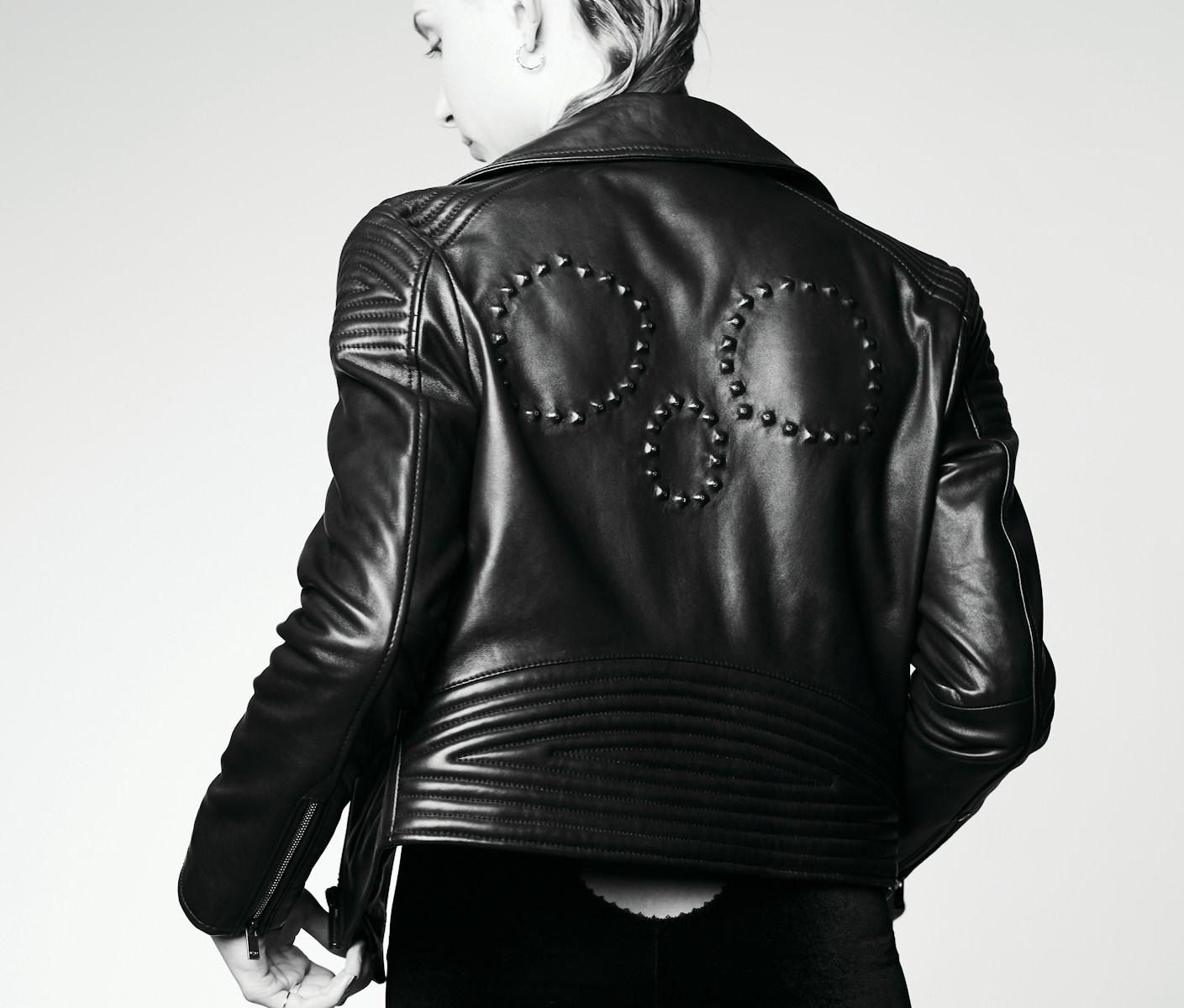
Leather prices result from several factors, primarily the types and quality of leather and sourcing availability. Cost factors in leather production include the materials used, the labor-intensive processes involved, and the economic conditions affecting global trade. Manufacturing methods also influence leather pricing, contributing to its reputation as a luxury material in the fashion industry.
Types and Quality of Leather
Different types of leather present varying levels of quality and durability. Full grain leather, for instance, retains the entire grain of animal skins, making it the highest quality leather available. Its natural imperfections and strength add to its allure for quality leather goods. In contrast, top grain leather undergoes sanding to remove blemishes, offering a more uniform appearance but slightly less durability. Other leather types, like bonded leather, combine leather scraps with synthetic materials to create more affordable prices but lack the resilience of full grain options. Exotic leather types like ostrich skin leather and crocodile leather demand a premium due to their rarity and visual appeal, which attracts luxury brands in the fashion industry.
Premium leather affordability often depends on balancing quality and manufacturing efficiency. Luxury brands aim to create products that justify the cost while providing durability and exclusivity to consumers. However, alternatives like synthetic or bonded leather offer affordability without the same longevity.
Sourcing and Availability
Sourcing plays a crucial role in determining the price of leather. The best hides come from regions renowned for producing quality leather, such as the Italian leather industry, which is famous for its craftsmanship. This makes Italian leather highly sought after for luxury leather goods. However, leather expensive when availability is limited, further affecting leather prices.
The tanning process also impacts cost. Vegetable tanning, which uses tree bark, offers an eco-friendly approach but requires more time and skill compared to other tanning methods. Fully dyed leather is another example where the need for high-quality animal hides and intensive processing contribute to higher costs. As leather scraps and cheaper alternatives like white leather jackets and leather seats become more prevalent, the demand for authentic materials remains strong despite the competitive landscape.
The Leather Production Process
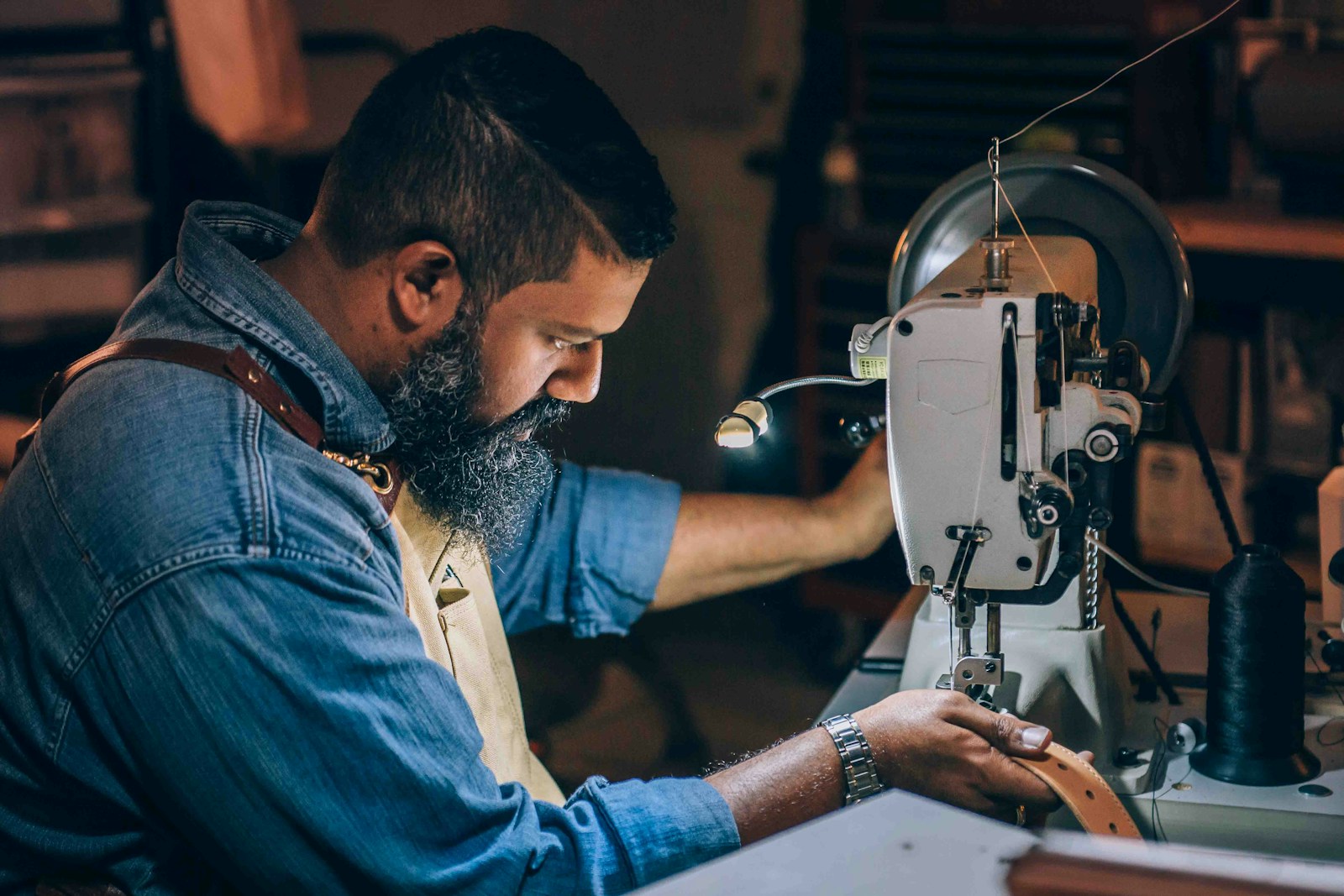
Leather’s hefty price tag often stems from its intricate production process. This includes transforming raw animal skins into high-quality leather, crafted into luxury goods.
Tanning Methods
Tanning, the core of leather production, transforms raw animal skins into durable materials. Vegetable tanning uses natural materials like tree bark. It enhances the leather’s strength and environmental appeal, but is laborious and time-consuming, impacting leather prices significantly. Other tanning methods, like chrome tanning, offer faster production, catering to the demand for more affordable prices. They still maintain durability, though not always matching the unique characteristics of vegetable-tanned leather. The choice of tanning method influences not just cost but also the quality and desirability of the finished leather goods.
Craftsmanship and Labor
The craftsmanship involved in creating leather goods, especially those from the Italian leather industry, plays a crucial role in leather pricing. Skilled artisans meticulously select only the best hides and employ time-tested techniques to create high-quality leather goods. Each leather item, whether a white leather jacket or leather seats, reflects dedication and expertise, which luxury brands value highly. Even exotic leather types, which require nuanced handling, contribute to why leather’s expensive. Despite the availability of cheaper alternatives like faux leather and synthetic materials, the fashion industry continues to appreciate the unique touch and feel of genuine leather.
[affiliatable id=‘268410’]
Economic Factors Influencing Price
Economic factors play a crucial role in determining leather prices. Market dynamics, production methods, and international trade regulations all contribute to the cost of leather items.
Environmental and Ethical Considerations
Leather production depends heavily on natural materials like animal skins and tree bark for vegetable tanning. This reliance on nature raises ethical concerns over sustainability and animal welfare, affecting leather pricing. The demand for environmentally friendly and ethically produced leather has pushed luxury brands to adopt cleaner methods, ultimately increasing the cost. Moreover, as consumers lean towards synthetic materials and vegan leather, the leather industry faces pressure to maintain high ethical standards, further impacting prices.
Import and Export Dynamics
The global nature of leather trade makes import-export dynamics a key factor in pricing. Countries with renowned leather industries, such as Italy, export quality leather goods and finished leather to international markets. Trade regulations, tariffs, and transportation costs add to the price of leather. Additionally, fluctuations in currency exchange rates influence the affordability of Italian leather and other exotic leather types. The import of cheaper leather products from regions with lower production costs keeps price competition, but the fashion industry often prefers high-end items that reflect luxury and craftsmanship. This reliance on high-quality imports sustains leather as an expensive material in the global market.
The Appeal and Value of Leather
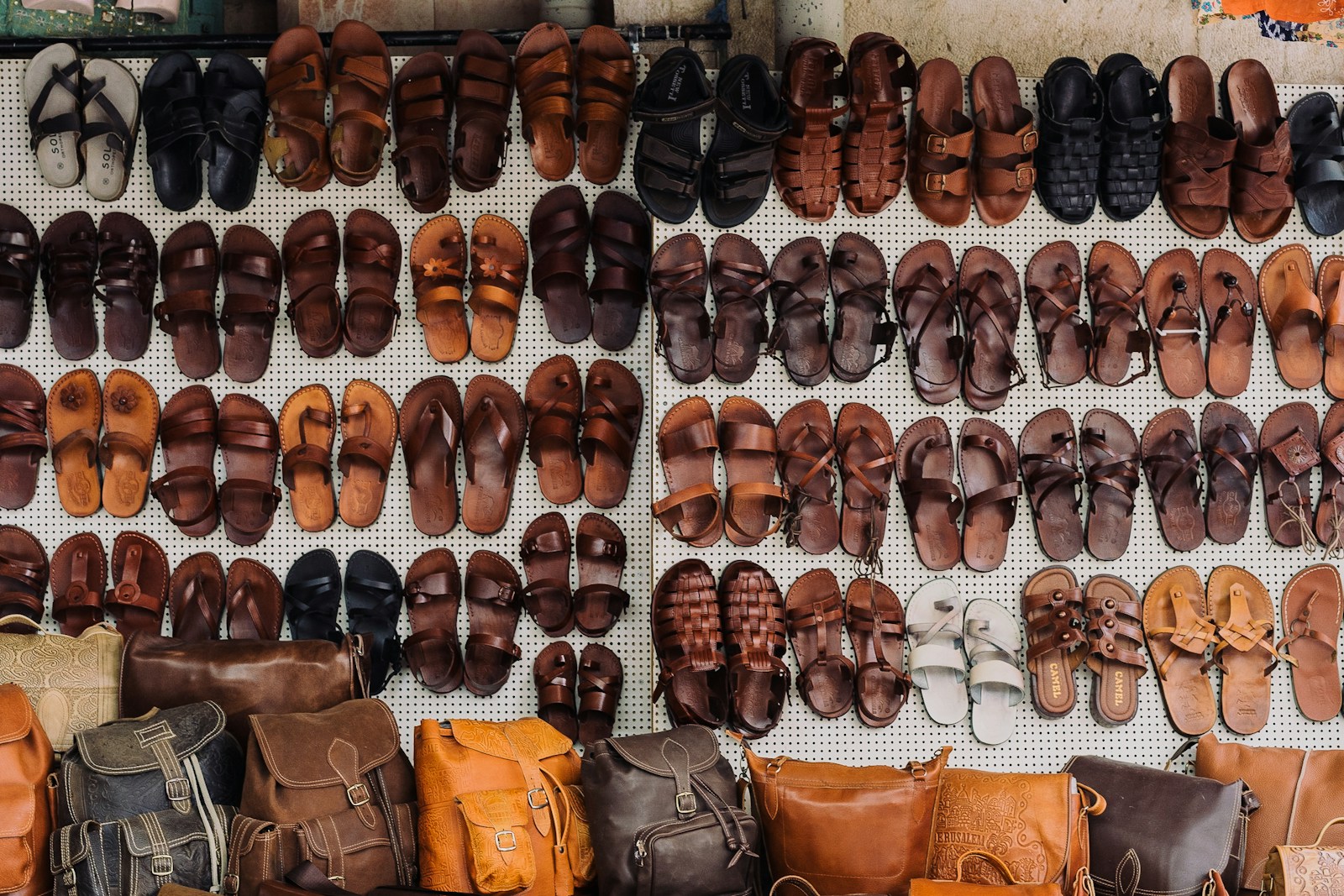
Leather items have long been esteemed for their quality and allure. Leather pricing reflects various factors, from craftsmanship to the unique characteristics inherent in this natural material. While synthetic materials offer cheaper alternatives, genuine leather remains a symbol of luxury and status, particularly within the fashion industry.
Durability and Longevity
Quality leather goods stand out for their exceptional durability and longevity. Unlike many other materials, well-maintained leather can last for decades. This makes leather expensive as a premium investment. Leather prices often reflect this durability, as consumers understand the long-term value of owning leather seats or a leather jacket. The tanning process, specifically vegetable tanning, enhances durability further, ensuring these items can withstand daily use.
Fashion and Status Symbol
In fashion, leather is synonymous with sophistication and status. Luxury brands capitalize on the demand for high-quality leather goods, offering products made from only the best hides. Items like a white leather jacket are not just clothing but an emblem of style. Exotic leather types, such as those from animal skins, elevate this status further, with their rarity contributing to higher leather pricing. While cheaper leather products exist, the allure of real leather endures, driven by its association with fashion trends and high-end craftsmanship.
Summing up: Why Is Leather So Expensive
Leather’s high cost is justified by its unique blend of luxury, durability, and craftsmanship. The intricate production process, from sourcing quality hides to skilled tanning methods, ensures each piece is a testament to quality. While economic and ethical factors influence pricing, the enduring appeal and status of genuine leather make it a sought-after material. Investing in leather means choosing a product that offers longevity and elegance, making it a worthwhile addition to any collection. Despite the availability of alternatives, the unmatched quality and prestige of genuine leather continue to captivate those who value authenticity and luxury.
Other suggest articles:
- The Perfect Suit: Finding the Right Fit for Any Occasion
- Clothing for Older Men: Timeless Style Tips and Tricks
High Standards: The Key to Success in Life and Work
Setting high standards can often seem like a daunting task, but it’s one of the most crucial steps toward achieving excellence in any field. Whether it’s in our personal lives, our careers, or our relationships, maintaining higher standards is what separates the extraordinary from the mundane. I’ve always believed that life, much like a meticulous business, responds in kind to the expectations we set for ourselves.
From top-tier law firms to the most successful individuals, the common thread is a relentless pursuit of quality. These high achievers understand that nothing is too small to overlook and that every detail contributes to a larger goal. It’s this mindset that ensures when they aim, they aim high—not just to meet expectations but to exceed them and set new benchmarks.
Embracing high standards doesn’t just push us towards better outcomes; it molds us into the best versions of ourselves. It’s a compelling journey of constant improvement, where each step forward is a testament to the power of high expectations. Let’s explore how high standards can dramatically transform our lives, propelling us toward unparalleled success.
Understanding High Standards

High standards are a fundamental part of both personal and professional life, acting as a catalyst for excellence and continuous growth. They define what I consider acceptable in quality and effort, influencing my outcomes and shaping my interactions.
Definitions and Contexts
High standards refer to the benchmarks of quality and performance that I set in various areas of my life, including education, business, and personal relationships. These standards are specific, measurable, and often ambitious, aiming to propel individuals and organizations to achieve superior results.
For example, in education or school, I regard high standards as maintaining consistent A-level grades, whereas in business, these may relate to exceeding customer expectations through quality assurance and innovation. Maintaining high standards leads to professional excellence and significant personal development. It encourages not just meeting the minimal requirements but pushing beyond to explore potential and capability.
Standards vs. Expectations
Understanding the difference between standards and expectations is critical for applying them effectively in life. Standards are the established criteria I adhere to consistently—they are grounded in objective measures of quality and achievement. For instance, pursuing high standards involves adhering to ethical practices in business or striving for academic performance that meets or surpasses accredited benchmarks in universities.
On the other hand, expectations are the beliefs about what might happen in the future, shaped by past experiences and personal desires. They often involve a degree of speculation and can be subjective. For example, expecting friends to treat me with respect or assuming a job will lead to career advancement without aligning efforts to meet existing standards could lead to disappointments. Effectively managing the balance between what I expect and the standards I set allows for more realistic goal-setting and enhances personal satisfaction in various aspects of life.
The Impact of High Standards on Personal Development

High standards play a pivotal role in personal development, propelling individuals toward superior achievements and fostering essential personal qualities. By actively embracing high standards, I equip myself with the tools necessary for not just reaching but surpassing my predefined goals.
Elevating Self-Esteem and Confidence
I’ve found that setting high standards for myself directly boosts my self-esteem and confidence. High expectations motivate me to surpass my previous achievements, thereby reinforcing a positive self-image. Each time I meet or exceed a challenging goal, my belief in my capabilities grows stronger. This confidence then cascades into other areas of my life, allowing me to undertake tasks with greater assurance and resilience.
Additionally, personal growth flourishes under the regime of high standards. As I strive for excellence and refine my skills, my self-esteem naturally elevates, setting a cycle of continuous improvement and success in motion.
Navigating Relationships and Social Interactions
Navigating relationships and social interactions with high standards fosters respect and quality in my interactions. I notice that when I maintain high standards for how I treat others and what I accept in return, my relationships become more meaningful and rewarding. By applying high standards to these aspects of life, I draw boundaries that protect and respect my well-being and encourage others to do the same.
Moreover, high standards in social interactions help in cultivating relationships that are not only supportive but also enriching. For instance, by demanding honesty and effort in my friendships, I ensure that the bonds I create are based on mutual respect and genuine connection, thereby enhancing the quality of my social life and personal interactions.
Setting and Maintaining High Standards in Professional Life
Setting high standards in one’s professional life isn’t just about pushing limits; it’s about establishing a framework for consistent quality and personal growth. High standards serve as a foundation for professional excellence and are fundamental to achieving significant success in any career.
Career Advancement and Workplace Dynamics
The implications of setting high standards are profoundly visible in career advancement and workplace dynamics. When employees set high standards, not only do their personal performances improve, but their efforts also positively influence their teams and the organization’s overall success. By establishing high standards, professionals can challenge themselves to continuously improve and adapt. Moreover, this constant quest for excellence often positions them for promotions and greater responsibilities, signaling their dedication and capability to handle more complex tasks.
In a professional setting, high standards might manifest as quality assurance measures, a relentless pursuit of improvement, or consistent professional development. Employers recognize and value individuals who not only meet but exceed expectations—these are the employees who often become leaders or highly influential within their sectors.
Building Respect and Credibility
High standards crucially impact how colleagues and industry peers view an individual. Respect and credibility in the workplace are earned by demonstrating a commitment to excellence and maintaining integrity under pressure. By upholding high standards in all dealings, I offer a reliable benchmark for my peers and subordinates, which in turn elevates the professional environment.
Moreover, credibility is reinforced through consistently high-quality work and by meeting set objectives effectively. In industries where precision and effectiveness are pivotal, maintaining high standards isn’t optional—it’s essential. As a result, these principles act as a guiding force that not only shapes personal growth but also enhances the respect I receive across professional networks.
Engaging in practices that foster high standards paves the way for respected professional relationships and a commendable career trajectory. By focusing on constant improvement and uncompromising quality, professionals set themselves apart in competitive environments, making them invaluable assets.
Challenges of Upholding High Standards

Maintaining high standards is pivotal for achieving professional excellence and fostering personal growth, but it presents its own set of challenges. These challenges often revolve around balancing these standards with realistic expectations and managing the pressure they can bring.
Balancing High Standards and Realistic Expectations
Setting high standards often leads to significant improvement and success; however, it’s essential to temper these standards with realistic expectations. If the bar is set too high, it might not be achievable, which can lead to frustration and disillusionment. For instance, while I aim for professional excellence in my work, I recognize the need to set attainable goals to ensure progressive advancement without overwhelming myself or my team.
This balance prevents burnout and sustains long-term motivation across various life domains, such as business and personal development. It’s crucial that standards enhance quality without becoming detrimental, especially in demanding environments like education and competitive industries.
Dealing with Perceived Negativity or Pressure
High standards can sometimes be perceived as negative or can create undue pressure, particularly in competitive fields such as academia or high-stakes business scenarios. To navigate this, I focus on maintaining clear, open communication about expectations and the rationale behind them. This transparency helps in mitigating feelings of pressure and clarifies that these standards are in place to foster a culture of quality and improvement, not to provoke stress.
Additionally, regularly recognizing and celebrating achievements, no matter how small, can transform potential negativity into a source of motivation and personal satisfaction. Emphasizing the role of high standards in driving professional excellence and personal growth also helps balance the perceived pressure they might bring.
Final Thoughts
Adopting high standards is more than a practice; it’s a commitment to living at your fullest potential. As we’ve explored, whether it’s in personal growth, relationships or professional endeavors, setting high standards shapes a path toward excellence and significant achievements. It’s clear that while the journey of maintaining these standards isn’t without its challenges it is undoubtedly rewarding.
The key lies in balancing ambition with achievable goals to foster both success and well-being. Let’s carry forward the insights gained and continue to strive for the exceptional applying high standards as our guiding stars. This approach won’t just elevate our own lives but also positively impact those around us creating a ripple effect of excellence and growth.
Other suggested articles:
- Mastering Small Talk: 10 Strategies for Confident Conversations
- The Benefits of Yoga for a Refined Lifestyle
- Mindfulness Workshops: Empowering Sessions for Cultivating Presence and Awareness
What to Wear to a Funeral in Summer: Practical Outfit Ideas
Attending a funeral in the summer can be challenging, especially when you’re trying to balance respectfulness with comfort. As temperatures rise, the question of what to wear to a funeral in summer becomes more pressing. You don’t want to stand out for the wrong reasons, but you also don’t want to be uncomfortably warm.
In the heat, traditional funeral attire can feel stifling. Thankfully, there are ways to dress appropriately while keeping cool. Summer funeral clothing tends to be lighter and more breathable, allowing you to stay focused on paying your respects. It’s crucial to choose outfits that are modest and respectful, even if they’re slightly more casual than what you’d wear in winter.
Finding the right balance between comfort and decorum doesn’t have to be difficult. With some thoughtful choices, you can attend a summer funeral looking appropriate and feeling comfortable, ensuring your focus remains on the service and honoring the departed.
General Considerations for Summer Funeral Attire
When attending a summer funeral, choosing attire that balances respect and comfort is crucial. Traditional clothing can be stifling in the heat, so it’s important to opt for lightweight and breathable fabrics like cotton or linen. Dark colors such as black, navy, or gray remain appropriate, but ensure that the clothing style and fabric choice keep you cool in the hot weather.
Avoid bright colors or casual items like flip flops or graphic tees for this occasion. Instead, choose a modest dress, skirt, or pair of formal pants. Short sleeves or dressy sleeveless tops can be suitable if the neckline is conservative. A hat may also be a practical accessory, offering shade, as long as it’s tasteful and understated.
Accessories should be minimal to ensure that you maintain a respectful appearance. Simple bracelets or a watch, complemented by a classic pair of sandals or closed-toe shoes, strike the right tone without feeling too formal. For those who prefer it, a lightweight jacket or blazer can add a touch of formality while still being appropriate for a summer funeral.
Women’s Outfit Ideas for Summer Funerals
Attending a summer funeral calls for attire that balances respect and comfort. Opt for pieces that suit the occasion and cope with warm weather.
Light Dresses and Skirts
Choosing lightweight funeral attire helps manage the summer heat. Dresses and skirts in breathable fabrics like cotton or linen offer both comfort and formality. Opt for dark colors, such as navy or black, to adhere to traditional expectations. Avoid bright colors and flashy patterns, prioritizing modest cuts and appropriate lengths. A simple A-line dress or a tailored skirt with a classic top can create a respectful and cool ensemble.
Appropriate Footwear and Accessories
Footwear for a summer funeral should be respectful and practical. Heeled sandals or dress flats in understated colors serve well, providing both comfort and dignity. Accessories should remain minimal, with a classic style being ideal. A dark sun hat can be a practical addition, offering shade during outdoor services. Keeping jewelry simple and opting for pieces that don’t draw attention ensures the focus remains on the occasion, not the attire.
Men’s Outfit Ideas for Summer Funerals
Choosing the right attire for a summer funeral is essential, balancing respect and comfort. Lightweight fabrics and dark colors remain key components to dressing appropriately for the occasion.
Breathable Suits and Fabrics
Consider a suit in a lightweight fabric like linen or cotton to combat the summer heat. A full suit can be warm, so opting for a suit jacket with a nice pair of slacks is perfectly acceptable. If the funeral is more casual or held outdoors, a short sleeve button-up shirt or a dark-colored polo shirt combined with slacks is a good choice. Avoid wearing bright colors to maintain a respectful and somber appearance.
Suitable Shoes and Accessories
Footwear should be comfortable yet formal, with classic dress shoes being the ideal choice. To ensure comfort while standing, breathable materials are recommended. Although sandals are generally not advisable, subtle, polished leather loafers can be a nice touch. Accessories should be minimal—a simple watch or belt maintains a classic style without drawing attention. A dark hat may be suitable for outdoor services to provide shade while aligning with the occasion’s solemnity.
Gender-Neutral Options for Summer Funerals
For those attending summer funerals who prefer a gender-neutral look, there are elegant attire options that ensure both comfort and respect. Opt for clothing that adapts to this solemn occasion while allowing for personal expression through subtle style choices.
Simple and Elegant Attire
A monochrome outfit in dark colors like navy or gray creates a respectful appearance while keeping it understated. A classic button-up shirt in breathable fabrics such as cotton or linen paired with dress pants provides a polished look appropriate for the ceremony. In the summer heat, a short sleeve button-up can work well, as long as it maintains a conservative neckline and style. Avoid wearing bright colors or overly casual summer clothes like graphic tees or flip flops.
Accessories play a key role in enhancing the overall outfit without overpowering it. Keep accessories minimal and focus on classic style elements. An understated pair of dress shoes or dressy sandals complements formal summer clothing for funerals. A nice touch like a hat in a neutral shade can offer a chic yet practical addition, especially for outdoor services.
What to Avoid Wearing to a Summer Funeral
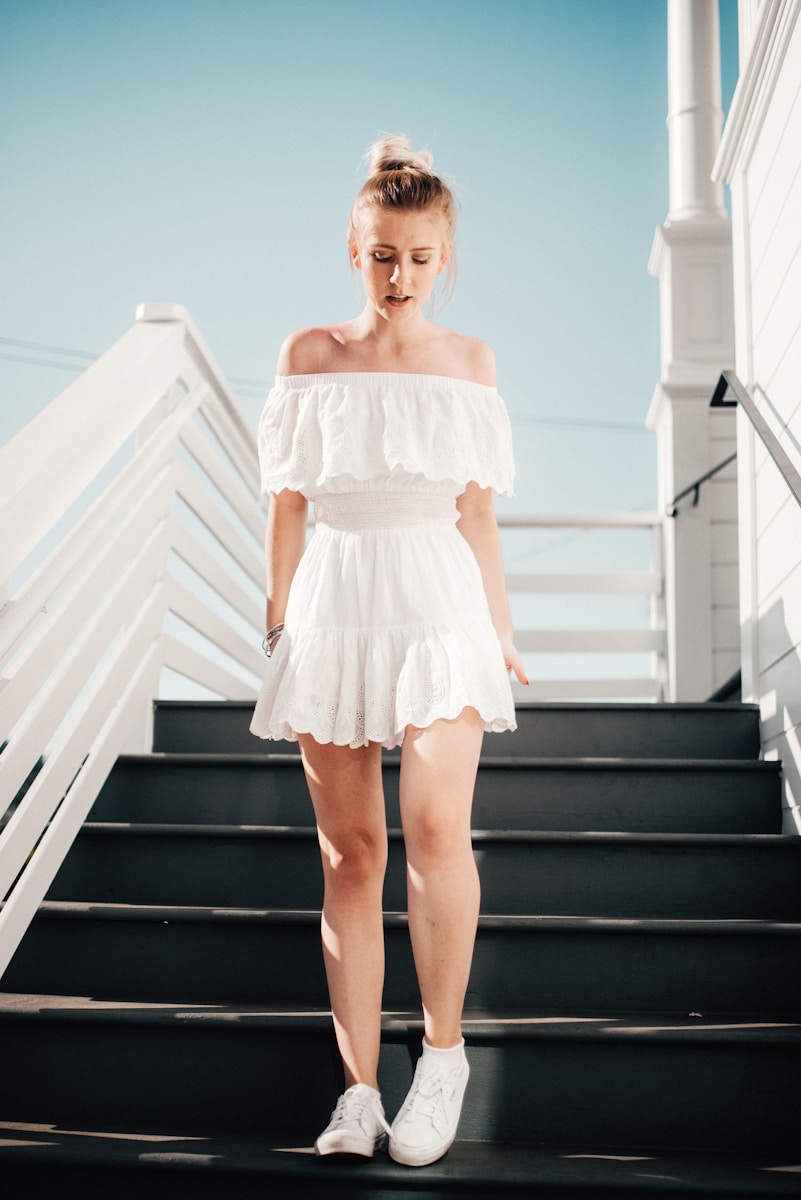
Avoid items that detract attention from the solemnity of the occasion when attending a summer funeral. Strapless dresses and shirts are inappropriate unless requested by the family, as are crop tops and flashy colors. Shorts, flip flops, sneakers, jeans, and T-shirts don’t show the necessary respect for the event. Instead of athletic wear or skintight clothing, opt for more conservative summer funeral attire.
Choose dark colors instead of bold, bright hues unless specified otherwise. While lighter fabrics are appropriate for the summer heat, they should lean toward darker shades like navy, gray, or black. Avoid wearing a baseball cap; if needed, choose a more formal hat that suits the occasion. Avoid casual items, focusing instead on regular or dress pants paired with an appropriate top or dress.
Keep accessories minimal and understated to maintain respectfulness at the service. Reserve excessive jewelry for other events. Ensure footwear fits the occasion; stick to clean dress shoes or simple sandals that complement the attire. The goal is to remain respectful and properly dressed for the funeral.
[affiliatable id=‘269762’]
Tips for Staying Comfortable
Staying comfortable during a summer funeral involves smart choices that respect the occasion while ensuring attendees don’t suffer from the heat. Selecting lightweight, breathable materials and employing a conservative approach to style helps maintain decorum.
Choosing the Right Fabrics
Selecting suitable fabrics is crucial for comfort during summer funerals. I suggest opting for breathable textiles like cotton or linen that allow airflow and reduce discomfort in hot weather. Dark colors like navy or black in these fabrics convey respect for the occasion while also keeping discomfort at bay. Despite the focus on dark tones, lightweight options can help balance the funeral dress code with the need to stay cool.
Balancing Style with Respect
Maintaining a respectful look without compromising personal style remains key when attending a summer funeral. Choose formal summer attire that blends dark colors with modest designs to meet traditional expectations. A modest dress, dress shirt paired with slacks, or a button-up shirt with a subtle tie ensures a classic appearance. A dark hat, like a navy blue one, adds both style and sun protection, while minimal accessories such as a simple watch complete the ensemble. Formal sandals or comfortable shoes, chosen with care, provide elegance and comfort on this solemn occasion.
Wrapping Up: What to Wear to a Funeral in Summer
Choosing the right attire for a summer funeral is about balancing respect with comfort. By opting for lightweight fabrics like cotton or linen in dark, modest designs, we can maintain the solemnity of the occasion while staying comfortable. It’s crucial to avoid flashy colors and overly casual items, ensuring our focus remains on honoring the deceased. Minimal accessories and classic footwear complete the look, making sure we present ourselves appropriately. With thoughtful choices, we can attend summer funerals respectfully and comfortably, paying tribute to loved ones with dignity.
How Often Should You Buy New Clothes? Signs to Consider
Deciding how often should you buy new clothes can be quite the conundrum. As someone who’s navigated the ever-changing tides of fashion, I’ve found that striking a balance between trendiness and sustainability isn’t just good for the environment—it’s great for your wallet too. With fashion trends shifting faster than ever, it’s tempting to continuously refresh your wardrobe, but is that really necessary?
I’ve learned that investing in quality over quantity not only ensures your clothes last longer but also reduces the urge for frequent shopping trips. This approach doesn’t just save money in the long run; it also helps you create a timeless, versatile capsule wardrobe. Let’s dive into why choosing wisely and less frequently might just be the best strategy for your closet and your budget.
Evaluating Your Current Wardrobe
Before considering a wardrobe refresh, it’s crucial to review what’s already in your existing wardrobe. This step helps determine what you truly need, reducing impulsive buying and promoting a sustainable clothing philosophy.
Identifying Needs vs. Wants
The key to maintaining a practical and timeless wardrobe lies in distinguishing between needs and wants. Needs are essential pieces that serve your daily activities, such as a good pair of jeans or basic shirts that match almost everything. Wants, on the other hand, often correspond to trendy pieces that catch your eye but may not get much wear. Before making a new purchase, I ask myself if the item fills a gap in my wardrobe or if I’m being swayed by a fleeting trend. This approach helps me keep my wardrobe versatile and full of items that I wear regularly.
The Lifespan of Your Clothes
Another factor to consider is the lifespan of your clothing. Good quality, well-maintained items can last for years, whereas trend-driven, fast fashion pieces might only survive a few washes before they lose shape or fade. I prioritize natural materials and reputable brands known for durability. By doing so, I don’t just save money in the long run but also support ethical practices in the fashion industry. Regularly assessing the condition of my clothes helps me decide whether to repair, donate, or replace them, keeping my closet functional and up to date without unnecessary purchases.
[affiliatable id=‘268403’]
Impact of Fast Fashion
In this part of our discussion on clothing purchases, I’d like to explore the substantial impact that fast fashion has on both our environment and our wallets.
Environmental Considerations
Fast fashion’s appeal is undeniable: trendy pieces at low prices, constantly updated to reflect the latest style demands. However, this business model exacts a heavy toll on the environment. Fast fashion retailers routinely overproduce clothes by 30 to 40%, most of which never sell out. When new shipments arrive, unsold items are often discarded rather than recycled or donated. This process contributes significantly to the 17 million tons of clothing waste generated each year in the U.S. alone, with a shocking 65% of garments discarded within just 12 months of purchase. These discarded items contribute to overflowing landfills and the release of greenhouse gases during decomposition.
Moreover, fast fashion’s reliance on synthetic fibers, which are cheaper and faster to produce, exacerbates the problem. These materials often contain plastics that do not break down easily, leading to microfiber pollution in our oceans and waterways. The environmental cost of fast fashion is immense, considering the waste of resources and the pollution involved in production and disposal.
The Cost of Cheap Clothing
The low prices of fast fashion items mask their true cost—the long-term financial drain on consumers and the ethical implications of their production. Clothing priced at “just a few dollars” can be enticing, leading to impulsive purchases and overconsumption. However, the rapid deterioration in the quality of these garments means they need to be replaced more frequently than better-made alternatives. This cycle encourages a constant churn of buying clothes and discarding them, which not only wastes money but also perpetuates labor abuses in the manufacturing countries.
Workers in the fashion industry, compelled by the demand for quick and cheap labor, often operate in deplorable conditions for meager wages. The hidden costs of cheap clothing include supporting industries that underpay and overwork their employees, fostering cycles of poverty and exploitation. As consumers, it’s crucial to consider the ethical and financial implications of buying cheap fast fashion items and to evaluate our buying habits to foster a more sustainable and just global fashion industry.
By understanding these impacts, I hope to inspire you to think critically about each new item you consider adding to your wardrobe.
Creating a Sustainable Buying Habit
Transitioning to sustainable clothing purchases involves adopting habits that extend the life of each garment and minimize frequent shopping. By focusing on quality and lifespan, I find it’s possible to maintain a stylish and functional wardrobe without succumbing to the rapid cycles of fashion trends.
Embracing Quality Over Quantity
I prioritize buying fewer, better-quality clothes rather than indulging in the latest fashion rollouts. This approach not only saves money but also aligns with my commitment to sustainability. Quality garments withstand the test of time and frequent wear, reducing the need to buy new clothes regularly. By choosing to invest in well-made pieces, I have noticed that my wardrobe contains items that stay in shape and retain their appeal for years. For instance, investing in a classic leather jacket or a well-tailored blazer can offer versatility and endurance, outlasting trendier, fast-fashion alternatives.
Understanding Cost-Per-Wear
Cost-per-wear is a concept I use to justify spending a bit more on clothing that I will wear frequently. This metric divides the price of the item by the estimated number of times I will wear it, highlighting the value derived over its lifetime. For example, if I buy a $200 coat but wear it 200 times over multiple seasons, the cost per wear is just $1. This perspective encourages selecting clothes that are not only stylish but also durable and versatile, ensuring they remain functional pieces of my wardrobe. By focusing on cost-per-wear, I make more thoughtful decisions that benefit both my bank account and the environment.
Incorporating Timeless Pieces

In building a wardrobe that stands the test of time, incorporating timeless pieces is crucial. This approach aligns with sustainable clothing purchases and considerably lowers the wardrobe refresh frequency.
Choosing Versatile Staples
Selecting versatile staples involves focusing on items that offer flexibility and longevity in style and quality. I opt for garments like plain T-shirts, classic jeans, and a well-cut blazer; these pieces easily transition from casual to formal with minimal effort. My priority is always quality over quantity, ensuring each item is constructed from durable materials like natural fibers which tend to last longer and are kinder to the environment.
Another key factor I consider is the color and pattern of the clothing. Neutral colors such as black, white, gray, and navy form a palette that rarely goes out of fashion and makes mixing and matching effortless. This strategy not only helps keep my closet timeless but also economizes spending, focusing on pieces that provide multiple styling options over single-outfit ones.
Avoiding Trend-Driven Impulses
Controlling the urge to buy clothes solely based on current trends is essential for maintaining a sustainable wardrobe. I’ve found that pausing to consider the long-term value of a trendy item helps me determine whether it’s a wise addition to my wardrobe or likely to become a seldom-worn regret. The ethos here is simple: if it won’t be a key player in multiple outfits for seasons to come, it’s not worth the investment.
Ethical brands also take precedence when choosing new additions. By supporting companies that prioritize sustainability and fair labor practices, I contribute to a healthier fashion industry. Conscious shopping for me means identifying and avoiding fast fashion allure, thereby cutting down on environmental impact and ensuring my online shopping habits reflect my values. This mindset not only promotes a more ethical approach to fashion but also ensures my wardrobe remains versatile and enduring.
Final Takeaways: How Often Should You Buy New Clothes
Deciding how often to buy new clothes is a personal choice that impacts more than just your closet—it affects your wallet and the planet too. I’ve shared why it’s crucial to prioritize quality over quantity and the benefits of a timeless wardrobe. Remember to assess your existing clothes and focus on what you truly need. By adopting these practices, you’ll not only save money but also contribute to a more sustainable and ethical fashion industry. Let’s make thoughtful choices that reflect our values and enhance our lives.
Incorporating Opulence in Home Decor: A Guide to Luxurious Living Spaces
Incorporating opulence in home decor can seem like a daunting task. But after years of immersing myself in the world of luxury interior design, I’ve discovered that it’s all about balance. Striking the right mix between elegance and functionality can transform any living space into a haven of luxury and comfort. The Art Deco era has greatly influenced opulent style in interior design. Think bold patterns, sleek lines, gold accents, and vibrant colors - these are some key elements that define this timeless style. From a dining room adorned with geometric shapes to wall sconces casting soft natural light over luxurious materials; it’s these high-end details that create an ambience of grandeur. Consider metallic finishes on furniture pieces or emerald green color palettes for your walls. These touches not only add a sense of richness but also serve as focal points around which you can build your overall design scheme. Remember, the true essence of opulence lies not just in what you see but also in what you feel. So don’t shy away from incorporating textures like velvet or silk into your rooms – they’ll bring life to your home while enhancing the overall sense of luxury.
Understanding Opulence in Home Decor
Let’s dive into the world of opulence and how it can be incorporated into home decor. What does opulence mean in terms of interior design? It’s all about luxury, extravagance, and a sense of richness that can turn any living space into an elegant haven. Opulent style doesn’t always mean over-the-top or gaudy. In fact, it often comes down to the careful selection and placement of luxurious materials and furnishings. Think emerald green velvet sofas, gold accents on furniture pieces, and intricate wall sconces with metallic finishes - these elements add a touch of opulence to your own home. There are many ways to create this sense of luxury in your home design. One key tactic is using bold colors and patterns which were prevalent during the art deco era. Geometric shapes and patterns lend a nod to this period while bringing vibrant life into rooms. Another essential aspect is lighting fixtures – chandeliers dripping in crystals for a dining room or sleek lines for wall sconces in the living room can make quite the statement. Combining such bold patterns with high-end materials instantly creates an environment that exudes luxury. Yet another element could be embracing natural light as much as possible because nothing screams ‘luxury’ more than bright, airy spaces filled with sunshine! Large windows adorned with plush curtains will allow plenty of natural light to fill up your living space enhancing its opulent feel. When incorporating opulence in home decor you should also keep function at top-of-mind; every piece should not only look good but also serve a purpose – from comfortable furniture pieces to practical yet stylish storage solutions. Remember: The aim is not just about spending big bucks on extravagant items but rather creating an overall design scheme that feels lavish through thoughtful detailing, texture layering, color palettes selection, and material choices. Ultimately what makes an interior truly opulent isn’t solely based on the price tag attached to its components but rather how they all come together cohesively giving off that feeling of elegance paired with comfort - making every day feel like you’re living in high-end luxury! So there you have it - my take on understanding opulence within home decor context! Whether you love art deco influences or prefer something else entirely; remember it’s your house so make sure whatever stylistic path you choose brings joy into your life!
Practical Ways to Incorporate Luxury into Your Space
I’m all about transforming a simple home into an elegant living space. When it’s about incorporating opulence in home decor, I’ve got some practical ways that can take your design scheme up a notch. First off, let’s talk about lighting fixtures. They’re not just functional; they’re key elements of luxury interior design. Whether it’s opulent chandeliers or sleek wall sconces, the right lighting can create an air of elegance in any room. Don’t forget the power of natural light as well! Large windows allow more sunlight to pour into your rooms, enhancing every detail and creating a sense of spaciousness. Next up is furniture. Investing in high-end materials and pieces can make all the difference. Think leather couches, marble coffee tables, and silk curtains - these luxurious materials add richness and depth to your home design. Bold patterns are also on my list for injecting luxury into a space. Geometric shapes reminiscent of the Art Deco era lend a sophisticated touch to any room, from the dining area to your bedroom. The key is balance: don’t go overboard with bold colors or prints; instead, aim for harmony within your color palettes. Speaking of colors - when aiming for an opulent style - vibrant hues like emerald green and gold accents could be your best friends! Bold colors paired with metallic finishes provide instant glamour and show off your personal style beautifully. And who could forget textures? Luxurious fabrics like velvet or satin bring life to furniture pieces while adding comfort as well — it’s not only about looking good but feeling good too! Last but definitely not least important are art pieces. An elegant sculpture or painting becomes the focal point in any room and gives testament to your refined taste — another nod towards our beloved Art Deco era! So there you have it! By focusing on lighting, investing in luxurious materials for furniture, embracing bold patterns and colors, playing around with different textures, and showcasing unique artworks – you’d be surprised at how much luxurious detail you can incorporate into each corner of your house! It doesn’t matter whether you live in a small apartment or a large villa; everyone deserves some opulence in their life.
Final Thoughts: Making Opulence Work for You
Incorporating opulence in home decor doesn’t have to feel overwhelming. With the right approach, you can infuse a sense of luxury into your living space that’s both elegant and functional. Remember, it’s all about detail when attempting an opulent design scheme. Think art deco era - geometric shapes and bold patterns are key elements here. Each item should serve as a focal point while adding personality to the room, from wall sconces and chandeliers to furniture pieces with sleek lines. Natural light also plays a critical role in showcasing high-end materials and luxurious finishes. It breathes life into emerald green velvet upholstery or gold accents on furniture, creating a captivating interplay of light and texture. When it comes to color palettes, don’t shy away from vibrant colors or metallic finishes. They add depth and richness to any room - think bold reds against gold accents or deep blues paired with silver details. Now you’re equipped with all you need for incorporating opulence in your own home decor! Remember: luxurious materials add texture; bold colors create a mood; lighting fixtures enhance beauty; geometric patterns offer interest; natural light brings everything alive! Enjoy translating this concept into your world through interior design!
How to Wear White Lipstick?
White lipstick can be an investment, so it’s important to take care of it if you want it to last. To preserve the color, keep your lipstick in a cool, dry place and store it upright when not in use. Avoid keeping your lipstick in hot places like pockets or car glove compartments as this can cause the color to melt and fade. Additionally, make sure to use a lip liner with your lipstick application as this will help the color stay in place longer. Finally, be sure to remove all traces of white lipstick before going to bed so that it doesn’t end up smeared on your pillow.
Where to buy white lipstick?
White lipstick is becoming increasingly popular, so it’s not too hard to find. Many makeup websites, online stores, department stores, and drugstores stock white lipsticks in a variety of shades and formulas. There are also plenty of indie brands that offer unique products with bolder shades. Whether you’re looking for something subtle or something daring, there’s sure to be a white lipstick out there that suits your needs.
Final thoughts on how to wear white lipstick
White lipstick is a great way to add drama and make a bold statement. If you’re looking to stand out from the crowd, white lipstick can easily be incorporated into your makeup routine with minimal effort. With the right shade of lipstick and expert application tips, you’ll be sure to turn heads wherever you go! Don’t forget to take care of your white lipsticks so that the color doesn’t fade over time; store them in a cool, dry place and apply primer or balm before use. With these tips and more, you’ll be ready to rock any look with white lipstick!
Other suggested articles:
What is Classic Style Clothing: Your Best Guide to Understanding Classic Fashion
What Accessories to Wear with a Black Lace Dress?
Timeless Fashion: Classic Styles that Never Fade
For many women, wearing white lipstick can be a challenge. It’s not as easy as just putting on any old shade of lipstick and calling it a day. In order to wear white lipstick well, you need to know a few things about the best way to apply it and how to make it look good with your skin tone. How to wear white lipstick? Here are some tips for wearing white lipstick like a pro!
How are lipsticks made?
Lipsticks are typically made using a mixture of waxes, oils, and pigments. These ingredients help to create the color that you see in the tube, as well as provide moisture and texture to your lips. White lipsticks usually contain titanium dioxide or zinc oxide pigments, which give them their unique pale hue.
How to choose the best shade of lipstick for your skin tone?
Choosing the right shade of lipstick for your skin tone is key to getting the look you want. Generally, fair skin tones look best with lighter colors, such as pink and peach tones, while darker skin tones should opt for bolder colors such as reds and purples. Shades with yellow undertones can help flatter warm-toned skin, while blue undertones help to brighten cooler-toned complexions. Additionally, those with olive or medium-toned skin should look for shades that have both yellow and blue undertones to get a natural yet flattering finish.
You can also create your own shades by mixing different lipsticks together. Experiment and try out different colors to find the one that works best for your skin tone. With a bit of trial and error, you’ll be sure to find the perfect shade in no time!
What is white lipstick and why should you wear it?
White lipstick is a special type of lip color that is made to be very pale and light. It’s excellent for creating a subtle, innocent look, or even making a bold statement. It can also be used as an interesting accent to any makeup look, and it complements almost any skin tone.
How to apply white lipstick?

Applying white lipstick is a bit different from applying other colors. Start by exfoliating the lips to remove any dead skin cells, which will help make your lipstick stay put. Follow this up with a balm or primer to keep the lips moisturized and provide a smooth canvas for your lipstick application.
When you’re ready to apply, line the lips with a lip liner that’s similar to the color of your lipstick. This will help make sure your lipstick stays in place, and you don’t end up looking like you just applied it haphazardly. Then, fill in the lips with the white lipstick using either a brush or directly from the tube. Use light strokes and feathering motions to make sure it looks even, and then add a bit of gloss or shimmer if desired.
How to wear white lipstick?
There are many ways to wear white lipstick. Let’s talk about some of the most popular looks:
1. Lipstick stain:
This look is perfect for adding a hint of color to your lips without being overpowering. To achieve this look, use a lip brush to dab white lipstick onto the center of the lips. Gently blend it outwards and add more color until you get the desired effect.
1. As a highlight:
White lipstick can be used as a subtle highlight on the lips, making them look plumper and brighter. Apply it to the middle of the lips and blend outwards with your finger or a brush.
2. As an ombre:
To achieve an ombre lip, start by applying a darker shade of lipstick to the outer edges of your lips. Work the pigment inwards toward the center of your mouth, then follow up with white or light-colored lipstick. Apply this color to the very center of your lips then blend it outward until you’ve achieved a gradient effect that looks natural.
3. As a matte:
If you want a more dramatic look, try wearing white lipstick as a matte. Apply a lip primer or balm to keep your lips hydrated, then apply a white matte lipstick. Use light and feathery strokes for a full-coverage look that will make your lips stand out.
[affiliatable id=‘269914’]
What colors look best with white lipstick?
White lipstick can be paired with almost any color. You can blend white lipstick with a light pink or peach to create a subtle, natural look, or you can go bold and mix it with dark colors like red or purple. A combination of bright yellow and white lipstick is also an interesting way to make a statement. Another great tip is to pair white lipstick with metallic shades like gold, silver, or bronze for something truly eye catching.
To sum it up, white lipstick is a great way to stand out and can be incorporated into any makeup look. With the right shade of lipstick and some expert application tips, you’ll be sure to turn heads wherever you go!
Tips on how to take care of your white lipstick so it lasts longer
White lipstick can be an investment, so it’s important to take care of it if you want it to last. To preserve the color, keep your lipstick in a cool, dry place and store it upright when not in use. Avoid keeping your lipstick in hot places like pockets or car glove compartments as this can cause the color to melt and fade. Additionally, make sure to use a lip liner with your lipstick application as this will help the color stay in place longer. Finally, be sure to remove all traces of white lipstick before going to bed so that it doesn’t end up smeared on your pillow.
Where to buy white lipstick?
White lipstick is becoming increasingly popular, so it’s not too hard to find. Many makeup websites, online stores, department stores, and drugstores stock white lipsticks in a variety of shades and formulas. There are also plenty of indie brands that offer unique products with bolder shades. Whether you’re looking for something subtle or something daring, there’s sure to be a white lipstick out there that suits your needs.
Final thoughts on how to wear white lipstick
White lipstick is a great way to add drama and make a bold statement. If you’re looking to stand out from the crowd, white lipstick can easily be incorporated into your makeup routine with minimal effort. With the right shade of lipstick and expert application tips, you’ll be sure to turn heads wherever you go! Don’t forget to take care of your white lipsticks so that the color doesn’t fade over time; store them in a cool, dry place and apply primer or balm before use. With these tips and more, you’ll be ready to rock any look with white lipstick!
Other suggested articles:
What is Classic Style Clothing: Your Best Guide to Understanding Classic Fashion
What Accessories to Wear with a Black Lace Dress?
Timeless Fashion: Classic Styles that Never Fade
Parenting Problems- A Parent’s Guide to Raising Kids Today
There are many raising kids today. Many parents are not sure how to teach kids. Raising kids has become a big problem for many parents. There are many parenting problems today.
Many parents are raising their kids in the wrong way. They are not teaching their children the right values and they are not providing them with the proper guidance. As a result, many kids are growing up with poor eating habits, poor social skills, and poor academic performance.
Common Parenting Problems Today and Their Solutions
Not Spending Enough Time With Your Kids
One of the biggest parenting problems today is that many parents do not spend enough time with their children. They are too busy with work and other household chores to spend quality time playing games or talking with their kids. As a result, the children are left to their own devices and they often get into trouble.
It’s important that you are there in your child’s life, teaching them moral values and paying attention to their needs.
Not Knowing How to Discipline Kids
Another big parenting problem today is that many parents do not know how to discipline their children. They either ignore kids misbehave, frequent tantrums or they resort to physical punishment. This can lead to further behavioral problems in kids.
The solution is to spend more time with your kids and to learn positive discipline techniques such as setting limits, providing consequences, and praise.
Giving Too Much Freedom to Kids
Another big parenting issue today is that many parents give their children too much freedom. They allow them to do whatever they want without any rules or boundaries. As a result, the children often get into trouble.
The solution is to give your children age-appropriate freedom. Set rules and boundaries for their behavior and stick to them.
The Digital Device Addiction
All our lives revolve around devices like smartphones, laptops, and tablets. We are so addicted to these devices that we cannot even imagine a day without them. The same addiction has now entered the lives of our children. Many kids today are addicted to digital devices and they spend most of their time playing games or watching videos on these devices. This addiction is not only detrimental to their health but it is also affecting their studies.
The best way to solve these parenting problems is to spend more time with your kids and to teach them the right values. You should also try to find a balance between work and family life so that you can have more time for your children. Finally, you should limit the use of digital devices by your kids so that they can focus on more important things in life.
It’s important to let them understand that imbalanced life is not good and might put them at risk of emotionally wrecked.
Improper Eating Habits
Another big parenting problem today faced by parents is that many parents do not teach their children about proper eating habits. As a result, the children are growing up with poor eating habits and they are at risk of developing obesity and other health problems. Teaching children to eat properly is extremely difficult, but you need to encourage them to be healthy.
The solution is to educate your children about healthy eating habits. You should also make sure that they eat nutritious meals and snacks.
Not Getting Enough Sleep
This is one of the biggest challenges faced by today parents. Many kids today are not getting enough sleep as many other parents allow them to. This is because they are often up late at night playing video games or watching TV. As a result, they are tired during the day and they have trouble concentrating in school.
The solution is to create a bedtime routine for your children and to make sure that they stick to it. You should also limit the use of digital devices by your kids so that they can get a good night’s sleep.
Failing to Set Limits
Many parents today fail to set limits for their children. As a result, the children often get into trouble. They may become involved in risky behaviors such as inferiority complex, alcohol and drug use.
The solution is to set limits for your children and to enforce them. You should also have a discussion with your children about the consequences of their actions.
Not Providing enough Supervision
Many parents today do not provide enough supervision for their children. As a result, the children often get into trouble. They may wander off and get lost, or they may get into fights with other kids.
The solution is to provide more supervision for your children. You should also teach them about safety rules so that they can stay out of trouble.
No Mood for Studies
In today’s fast-paced world, many kids do not have the mood for studies. This is because they are often tired from playing digital games or from watching TV. As a result, they have trouble concentrating in school.
The solution is to create a study schedule for your children and to make sure that they stick to it.
Constant Whining and Complaining
Nearly all children whine and complain at some point. But some children do this more often than others. This constant whining and complaining can be frustrating for parents and it can also be a sign that the child is unhappy.
The solution is to ignore the whining and complaints. You should also try to find out what is causing the child to whine and address the issue.
Angry and Aggressive Child
Some children are naturally more angry and aggressive than others. This can be a problem for parents, as the child may lash out at them or at other kids.
The solution is to provide more supervision for your children. You should also try to find out what is causing the child to be angry and address the issue. You may also need to seek professional help if the problem is severe.
Cyberbullying
Cyberbullying is a big problem for many kids today and today’s parents. This is because they can be bullied online by people who are hiding behind anonymous accounts. As a result, the child may feel isolated and alone.
The solution is to talk to your children about cyberbullying. You should also teach them how to stand up for themselves online. You may also need to contact the bully’s parents or the authorities if the problem is severe.
Whatever the answers may be, there is no doubt that the standards of “good parenting” have changed dramatically.
If you are a parent, it is important that you take the time to learn about the various parenting problems today. This way, you can avoid making these same mistakes. There are many parenting resource (s) available online and in libraries that can help you learn more about the proper way to raise your children. Take advantage of these resources so that you can give your child the best possible future.
Mastering Premium Memorabilia Acquisitions: Essential Tips & Insights
Navigating the world of premium memorabilia acquisitions can be as thrilling as it is intricate. Whether you’re a seasoned collector or a newcomer, the allure of owning a piece of history or a rare artifact connects us to stories and eras bigger than ourselves. It’s not just about possession; it’s about preserving a legacy and embracing a passion that transcends the ordinary. I’ve discovered that acquiring these unique items involves more than just the excitement of the hunt; it requires a keen understanding of authenticity, value, and the right timing. Each piece, from vintage sports memorabilia to rare movie props, holds a narrative that’s worth exploring. Join me as I delve into the essentials of building a meaningful and valuable collection that stands the test of time.
Mastering Premium Memorabilia Acquisitions
In the realm of collecting, premium memorabilia represents not just an acquisition but a gateway to owning a piece of history. Here, I delve into what sets premium memorabilia apart and how its value is determined, highlighting both historical significance and the mechanics behind valuing such items serve the same purpose. 
What Constitutes Premium Memorabilia?
Premium memorabilia encompasses results found items that are not only rare but also possess a significant cultural, historical, or emotional value. These items often come from pivotal moments in history, iconic entertainment, or the careers of renowned personalities. For example, deluxe collectible items could include a signed first edition of a famous novel, luxury memorabilia finds from a historic Olympic event, or high-value collectibles from notable films. What elevates these items to the status of premium is their uniqueness, the story they embody, and their scarcity in the market. The allure of these pieces often translates into considerable monetary value, making them standout pieces in collections.
Historical Significance and Value Determination
Determining the value of premium memorabilia is a multi-faceted process that hinges heavily on its historical importance. An item’s provenance, or its history of ownership, plays a crucial role in establishing authenticity and, by extension, its value. Authenticity is verified through various means, such as documentation, expert appraisal, and physical markers on the item itself. The historical impact of the item also significantly contributes to its valuation. For instance, memorabilia associated with landmark events or legendary figures often carry more value due to their connection to significant moments in history. The jersey worn by a sports icon during a world-changing game, or a prop used in a culturally impactful film, are examples where value is pinned to historical relevance. The process of valuation also considers the condition of the item, the rarity, and market demand. These factors collectively guide appraisers and collectors in deciding the worth of premium memorabilia. As a collector, understanding these dynamics is crucial to making informed acquisitions that hold not just sentimental but also financial value.
The Acquisition Process
Entering the acquisition phase of premium memorabilia can be as thrilling as it is intricate. This section outlines crucial steps to ensure a successful purchase.
Research and Verification
Recognizing the allure of deluxe collectible items, I emphasize the importance of thorough research and robust verification before committing to premium memorabilia acquisitions. Authenticity drives the value of high-value collectibles, so it’s paramount that collectors confirm the provenance and legitimacy of items. First, consult established authentication services and experts with a deep understanding of the niche. Second, utilize databases and past auction results to ascertain an item’s history and previous ownership. To do so bolsters confidence that the acquisitions are genuine, staving off potential disputes regarding legitimacy.
Bidding and Auction Strategies
When participating in auctions—which often serve as the primary platform for acquiring luxury memorabilia finds—employ informed bidding strategies. I recommend entering the auction with a clear budget to avoid overt emotional spending. Understand the current market value of similar items by reviewing past sales and search results related to the type of memorabilia in question. Bidding at an auction also calls for a balance between assertiveness and discretion. It’s advantageous to gauge the interest level of other bidders and adjust tactics accordingly. If the memorabilia represents a topmost gem within its category, prepare to act swiftly and confidently, balancing the urge to secure the item against the risk of overpayment. 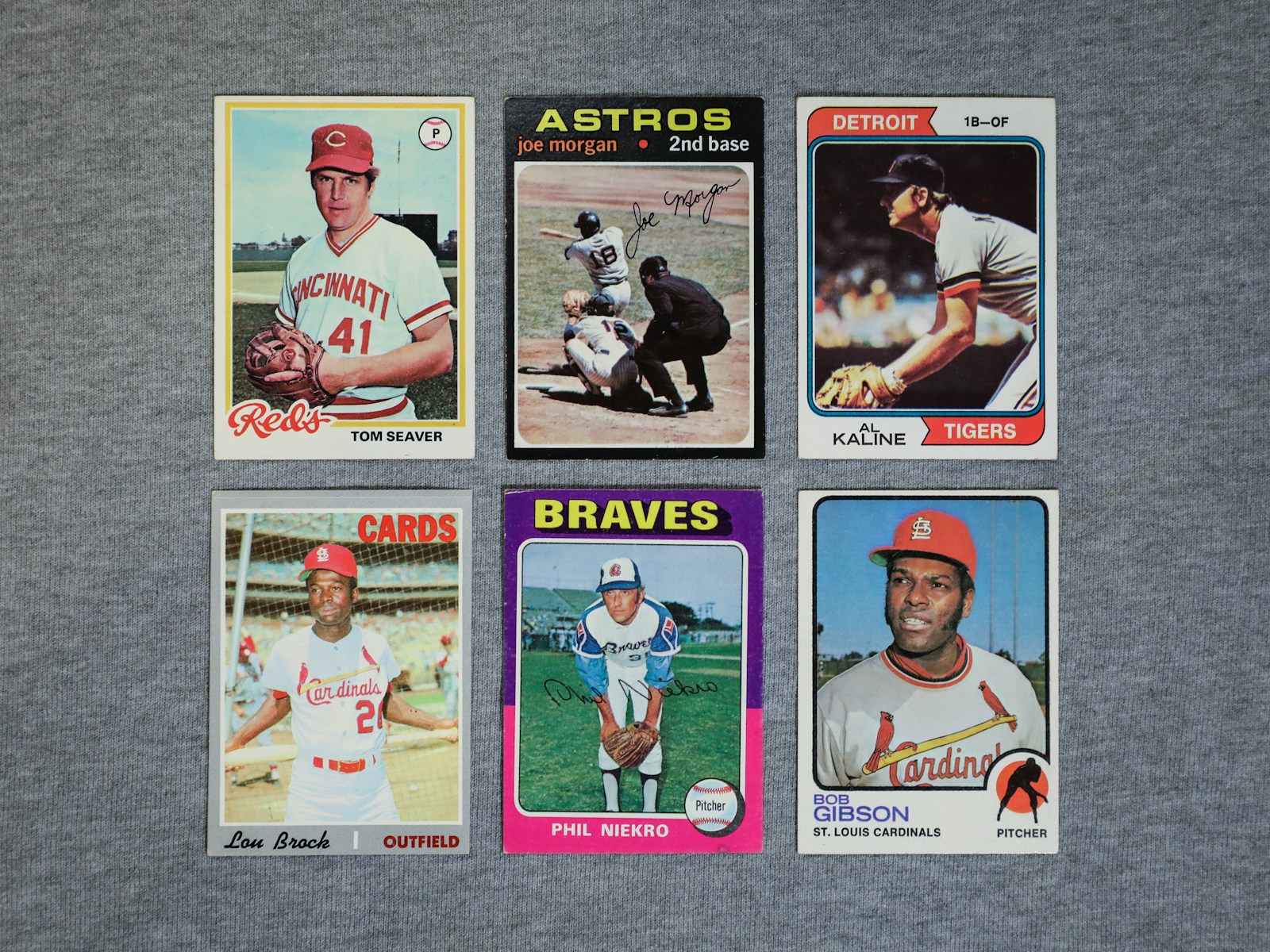
Risk Factors in Memorabilia Investing
Investing in premium memorabilia can be exhilarating and financially rewarding. However, understanding the risks involved is crucial to making informed decisions.
Authenticity Concerns
The authenticity of a memorabilia item significantly impacts its value. Forgeries in the market for deluxe collectible items are a serious risk factor. Ensuring the authenticity of items, especially high-value collectibles, involves extensive verification processes. It’s advisable to involve recognized authentication services and consult experts who can examine the provenance and physical condition of the item. The integrity of the authentication documents themselves, including certificates of authenticity, must also be validated. Such diligence reduces the risk of inadvertently acquiring counterfeit luxury memorabilia finds, which can drastically affect the investment’s value and legal standing.
Market Volatility and Pricing Factors
Market volatility is another critical risk factor to consider in premium memorabilia acquisitions. The value of memorabilia can fluctuate widely based on market trends, public interest, economic conditions, and sudden changes in perceived value. Factors like the death of a celebrity or the release of a blockbuster film can lead to temporary spikes in interest and value, followed by potential steep declines. Pricing of memorabilia is not standardized and often depends on auction dynamics or private sale negotiations. To navigate this, prospective buyers should perform thorough market research, understand historical pricing data, and set realistic budgets that reflect both current market conditions and potential future changes. This approach helps prevent overinvestment in memorabilia whose market value might not sustain over the long term.
Care and Preservation of Memorabilia
In transitioning from the acquisition of premium memorabilia to its long-term maintenance, it becomes essential to focus on the adequate care and preservation of these valuable items. Delicate handling and specialized care ensure both the physical condition and the historical value of memorabilia are retained.
Best Practices for Storage
Storing premium memorabilia properly is crucial to maintaining its condition and value. The primary rule for effective storage is to keep these items in a controlled environment. This involves maintaining consistent levels of humidity and temperature. Ideally, humidity should be kept around 50% to prevent drying out or mold growth, and temperatures should be held steady between 65 and 75 degrees Fahrenheit to avoid material degradation. Light exposure should be minimized as UV rays can fade colors and deteriorate materials over time. Using UV-filtering glass cases or frames offers an additional layer of protection. When it comes to positioning, memorabilia should be stored horizontally to avoid any stress that could cause deformation or wear. Archival-quality materials, like acid-free boxes and tissue papers, are recommended for packing and wrapping items, as these materials do not react with memorabilia components.
Insurance and Protection for Your Investments
Securing insurance for premium memorabilia acquisitions is another vital aspect of protection. Given the considerable investment and the potential for monetary appreciation, insurance covers unforeseen damages like theft, fire, or water damage, aligning assurance with the value of the collectibles. When choosing an insurance policy, obtaining one that offers “agreed value” coverage is optimal. This type of policy ensures the payout, in case of a total loss, is the amount mutually agreed upon when the policy was purchased, reflecting the item’s appraised value. Moreover, regular professional appraisals are crucial as the market value of luxury memorabilia finds can fluctuate. Each appraisal updates the item’s current worth, ensuring the insurance coverage meets its full value at any given time. Additionally, working with insurers who specialize in high-value collectibles can provide tailored services that general asset protection plans might overlook, thereby enhancing the security and oversight of these rare investments.
Legal Considerations
Upon delving into premium memorabilia acquisitions, it’s crucial to consider the myriad legal implications involved. Addressing these concerns proactively ensures the durability and legality of these valuable investments.
Understanding Copyrights and Intellectual Property
Understanding copyrights and intellectual property is essential in the realm of premium memorabilia acquisitions. Many luxury memorabilia finds are subject to strict regulations designed to protect the original creator’s rights. For instance, autographed items, original manuscripts, and unique artwork all fall under the banner of protected assets. Acquiring such items not only requires paying for the physical property but also demands respecting the intellectual property it embodies. When I buy premium memorabilia, I ensure that the seller has the right to transfer both ownership and the associated intellectual property rights. It’s also important to receive documentation that verifies this transfer. This step prevents potential legal disputes related to copyright infringement, which can be both costs and damaging to one’s reputation in the collector community.
The Role of Appraisals and Certifications
The role of appraisals and certifications cannot be overstated in managing high-value collectibles. Appraisals provide a documented estimate of an item’s value, typically necessary for insurance purposes or significant sales and acquisitions. A reliable appraisal must come from a certified professional who has the expertise to assess the item accurately, considering its condition, provenance, and market demand. Certifications, on the other hand, serve as proof of authenticity, often provided by recognized authorities or experts in the field. They are particularly important for transactions involving high-value collectibles, as they reassure both buyers and sellers of the item’s legitimacy and value. Whether it’s art, sports memorabilia, or rare historical items, certifications help mitigate risks associated with premium memorabilia purchases. In handling luxury memorabilia finds, I always advise acquiring a detailed appraisal and seeking certifications from accredited organizations. These documents not only facilitate a smoother transaction but also enhance the value and trustworthiness of the collectibles, ensuring that investments are sound and substantiated.
Showcase and Display
When it comes to premium memorabilia acquisitions, showcasing and displaying these high-value collectibles effectively is as crucial as the acquisition process itself. Engaging display methods not only highlight the uniqueness of each piece but also integrate them seamlessly into your living or working space, enhancing their aesthetic and intrinsic value.
Displaying Your Collection
Displaying your collection correctly is essential for both protection and presentation. Luxury memorabilia finds require thoughtful placement in controlled environments to preserve their condition. Opt for UV-protected display cases that mitigate light damage and choose temperature-controlled rooms to prevent deterioration. Positioning is key: items should be arranged to draw attention yet remain accessible for closer inspection. Lighting plays a pivotal role in enhancing visual impact; use accent lighting to spotlight key pieces which can transform your collectibles into focal points of a room. For larger or uniquely shaped items, consider custom stands or mounts that offer support without obscuring significant details. Always ensure that the setup allows for easy maintenance and cleaning without risking damage to the items.
Integrating Memorabilia into Interior Design
Integrating memorabilia into interior design isn’t just about placement; it’s about creating a relationship between the space and the items. Luxury memorabilia finds should serve as more than just decor; they should resonate with the room’s ambiance and your personal style. When incorporating such premium pieces into your design scheme, consider them as art pieces or conversation starters that reflect your passions and narratives. To achieve a harmonious integration, align the items with the room’s color scheme and design motif. For instance, a vintage sports memorabilia can be the centerpiece in a modern minimalist living room by setting it against neutral colors and clean lines, ensuring it commands attention without disrupting the space’s balance. Collaborate with interior designers who specialize in luxury spaces to ensure that your premium memorabilia acquisitions are displayed not only with protection but with artistic flair. By considering each piece’s placement and environmental needs, you’ll enhance both their longevity and their aesthetic appeal, making these deluxe collectible items a vital part of your home’s or office’s artistic expression. Navigating the world of premium memorabilia acquisitions can be as rewarding as it is complex. With the right approach to research and verification you’ll ensure that your investment not only holds value but also brings aesthetic pleasure to your spaces. Remember the importance of integrating these pieces into your environment thoughtfully. Whether you’re a seasoned collector or a newcomer to this exciting field collaborating with professionals can elevate the experience ensuring your treasured items are both seen and preserved in the best light. Embrace the journey of collecting and let each piece tell its story within your curated space.
Frequently Asked Questions
How do I ensure the authenticity of my memorabilia?
To ensure the authenticity of your memorabilia, obtain certificates of authenticity and appraisals from reputable, specialized experts. Performing research on the origin and history of the item is also crucial. Additionally, consider consulting with professional organizations that specialize in verifying memorabilia.
What are the key legal considerations when acquiring memorabilia?
Key legal considerations include verifying copyright ownership, adhering to intellectual property rights, and ensuring proper documentation and provenance. It is essential to understand any contracts and purchase agreements, as well as confirm that the seller has the legal right to sell the item.
How should I display my premium memorabilia to enhance its value?
To enhance the value of premium memorabilia, display it thoughtfully in a space that protects its condition while also showcasing its significance. Use quality lighting, protective displays, and consider advice from interior designers specializing in luxury spaces. Position the items to complement your living or working environment effectively.
What role do interior designers play in showcasing memorabilia?
Interior designers specializing in luxury spaces can play a crucial role in showcasing memorabilia by integrating these items into your home or office decor in a way that enhances both the aesthetic appeal and intrinsic value of the memorabilia. They ensure that the display method safeguards the item’s condition while also complementing your personal style.
How often should memorabilia be maintained?
Memorabilia should be regularly maintained depending on the material and storage conditions. Conduct inspections at least bi-annually to check for any signs of deterioration, clean the items using appropriate methods, and adjust environmental conditions such as humidity and light exposure to prevent damage.
How Would You Like to Be Remembered? Defining Your Legacy
Reflecting on the question “how would you like to be remembered” stirs a profound journey into the essence of our legacies. It’s a deeply personal inquiry, yet it resonates universally. Whether it’s the warmth of a nurturing parent, the innovative spirit of a trailblazer, or the creative flair of an artist, each of us has a unique imprint we hope to leave on the world.
In considering this, I’m reminded of the varied ways individuals impact their communities and the lasting memories they create. From the monumental, like the architectural marvels left by the Aztecs, to the intimate, like the unconditional love of a family member, our legacies can shape societies and comfort hearts. What marks would you like to leave in the minds and lives of those around you? Let’s explore how our actions and choices today forge the memories that define us tomorrow.
Exploring the Importance of Legacy

Legacy represents a deep and enduring impact, capturing the essence of our lives and the marks that we leave on the world. This idea transcends mere memories, evolving into a powerful force that shapes communities and definitions of personal success.
Why It Matters How We Are Remembered
Understanding the significance of how I am remembered hinges on the connections and contributions I make daily. A good legacy, whether as a family member, friend, or community influencer, isn’t just about the grand gestures but also the small, consistent acts of kindness and integrity. For instance, the simple act of being a supportive friend or a caring person can forge lasting memories and leave a robust influence on those around me. I constantly remind myself that every interaction has the potential to become a part of my enduring legacy.
The Impact of Daily Actions on Lasting Memories
The actions I choose each day have a cumulative effect on how I’m remembered. It’s crucial to align daily behaviors with the values I cherish — kindness, honesty, and generosity — ensuring that my legacy is not merely a reflection of aspirations but of real, lived experiences. The honest words of encouragement I offer, the responsible decisions in face of challenges, and even the moments I choose patience over frustration, all embed themselves into the legacy I build. This daily commitment to living my true self guarantees that the memories I leave behind are those of a successful person, both in achievements and in character.
Defining Your Personal Legacy

In contemplating how I’d like to be remembered, I recognize the essential role that defining a personal legacy plays. It encapsulates the qualities and contributions that reflect my true self and the impact I aspire to leave on others.
Characteristics Worth Remembering
When envisaging the traits that define a memorable legacy, several characteristics stand out. Integrity leads the list, as consistently doing what’s right, even when it’s challenging, sets a foundation for trust and admiration. Compassion plays a critical role, as the kindness and understanding I show others become the warmth they recall in my absence. Lastly, resilience demonstrates my ability to overcome obstacles, providing a powerful example for others on persisting gracefully despite life’s challenges.
Actions That Shape Perceptions
The actions I take daily significantly influence how I’m remembered. Engaging in acts of generosity, whether through time, advice, or resources, leaves a tangible impression of altruism. Prioritizing family and friendships ensures I’m remembered as a devoted family member and a reliable friend. Furthermore, by consistently aligning my actions with these personal values, I sculpt a perception that authentically reflects who I am and the legacy I hope to leave. Engaging actively in community service not only aids those in need but also cements my role as a caring person, influencing how I am perceived and remembered.
By carefully considering and embodying these characteristics and actions, I pave the way for leaving a legacy that resonates with my personal values and how I wish to be remembered in the hearts and minds of those I touch.
Practical Steps to Build a Remembered Legacy

In reflecting on how we’d like to be remembered, it’s crucial to consider the daily choices and actions that contribute to a lasting legacy. This section explores practical steps one can take to ensure their memory holds true to their values and the impact they wish to have on the world.
Living Authentically and With Purpose
Living authentically means aligning one’s actions with their true self and personal values. By consistently making choices that reflect my integrity and beliefs, I build a legacy of authenticity. For instance, if honesty and kindness are core to who I am, then showing these traits daily in interactions will ensure these are the qualities people remember. This authentic approach not only helps in professional realms but enriches everyday life, making me a reliable and trustworthy person in the eyes of others.
Adopting a purpose-driven life plays a pivotal role in defining how I’ll be remembered. Each action taken, or word spoken, contributes to the broader narrative of my life. By setting goals that resonate with my deepest values and striving to achieve them, I create a blueprint for a life that others can look up to. Whether it’s through professional achievements or personal endeavors, living with purpose ensures that my legacy reflects what’s truly important to me.
Relationships and Their Role in Our Memory
The relationships I cultivate greatly influence how I’ll be remembered. Being a good friend, a supportive family member, or a caring person lays a foundation for memories that last. It’s the small moments spent with loved ones—sharing a story, offering support during tough times, or celebrating together—that often leave the deepest imprint.
Moreover, embracing empathy and active listening in all relationships helps me connect more deeply with people, allowing me to understand their needs and experiences better. This not only strengthens my connections but also ensures I’m remembered as someone who genuinely cared and made a difference in the lives of others. By prioritizing relationships over material achievements, I focus on creating a legacy based on love and respect, aspects of life that are truly unforgettable.
Final Thoughts: How Would You Like to Be Remembered
Reflecting on how you’d like to be remembered can be a transformative exercise—one that not only clarifies your values but also guides your daily choices. I believe that building a legacy isn’t about monumental achievements alone; it’s about the small consistent actions that speak volumes about who you are. Whether it’s through acts of kindness resilience in the face of challenges or unwavering integrity these are the elements that stitch together the memorable fabric of our lives.
Let’s strive to live with purpose and passion ensuring that every interaction reflects our deepest values and aspirations. By doing so we can create a legacy that’s not only remembered but also cherished by those we’ve touched. It’s in our hands to shape how we’ll be remembered—let’s make it count.
Other suggested articles:
- Social Grace: 8 Essential Tips for Mastering Polished Behavior
- Family Meeting Topics: Ideas for a Successful Meeting
Wardrobe Essentials for Everyday Elegance: A Stylish Guide
In the realm of fashion, the concept of “wardrobe essentials” holds a paramount position. These are the cornerstone pieces that form the foundation of every woman’s closet. They embody timeless fashion, ensuring that you’re always prepared for any occasion, be it a casual outing or a formal event. In this guide, we’ll delve into the art of stylish dressing, focusing on wardrobe essentials that exude everyday elegance. These versatile pieces, when thoughtfully curated, pave the way for effortless style that transcends trends and seasons.
Wardrobe Essentials for Everyday Elegance
The Perfect White T-Shirt: A Wardrobe Staple
A white t-shirt is the quintessential wardrobe essential, a blank canvas upon which you can build a multitude of looks. Its versatility knows no bounds - pair it with dark wash jeans for a casual day out, or tuck it into a pencil skirt for a more polished ensemble. Investing in a high-quality, well-fitted white tee is a game-changer. Look for durable fabric and a flattering cut, as this piece is bound to become a constant companion in your sartorial journey. 
Elevate Your Look with a Leather Blazer
A leather blazer is the epitome of timeless wardrobe elegance. It effortlessly marries edge and sophistication, making it a must-have piece for any woman seeking to infuse her wardrobe with a touch of contemporary chic. Throw it over a white t-shirt and skinny jeans for an elevated casual look, or pair it with tailored trousers for a powerful, office-ready ensemble. The versatility of a leather blazer knows no bounds, easily transitioning from day to night, season to season.
Dark Wash Jeans: The Backbone of a Capsule Wardrobe
Dark wash jeans are the unsung heroes of a woman’s closet. Their classic, clean lines make them a staple that can be dressed up or down with ease. Invest in a high-quality pair that fits like a dream, and watch as they effortlessly become the backbone of your capsule wardrobe. Whether you’re headed to a casual brunch or a night out, these jeans have you covered. Pair them with a black turtleneck and tall boots for a chic fall look, or with a crisp white shirt and ballet flats for a timeless, everyday ensemble. [affiliatable id=‘269303’]
The Timeless Black Dress: Your Go-To for Any Occasion
No list of wardrobe essentials would be complete without the timeless black dress. It’s the epitome of versatile pieces that can effortlessly transition from day to night, casual to formal. Whether it’s a sleek sheath dress or a flowy slip dress, this piece is a game-changer. Elevate it with heels and statement jewelry for a date night, or dress it down with sneakers for a chic daytime look. The beauty of the black dress lies in its ability to adapt to any situation, making it an indispensable part of every woman’s closet.
The Classic Trench Coat: A Fall Must-Have
As the leaves change and the temperatures drop, a trench coat becomes an indispensable wardrobe essential. Its tailored silhouette and timeless design make it a go-to piece for staying both warm and stylish. Whether worn over jeans and a white tee or draped over a little black dress, a trench coat adds an instant touch of sophistication. Look for one in a solid color for maximum versatility, and consider it an investment piece that you’ll cherish for years to come. In addition to these timeless pieces, knowing what to wear for specific occasions, such as sporting events, can enhance your wardrobe’s versatility. For example, if you’re planning to attend a baseball game, check out this guide on what to wear to a baseball game for stylish and practical outfit ideas. 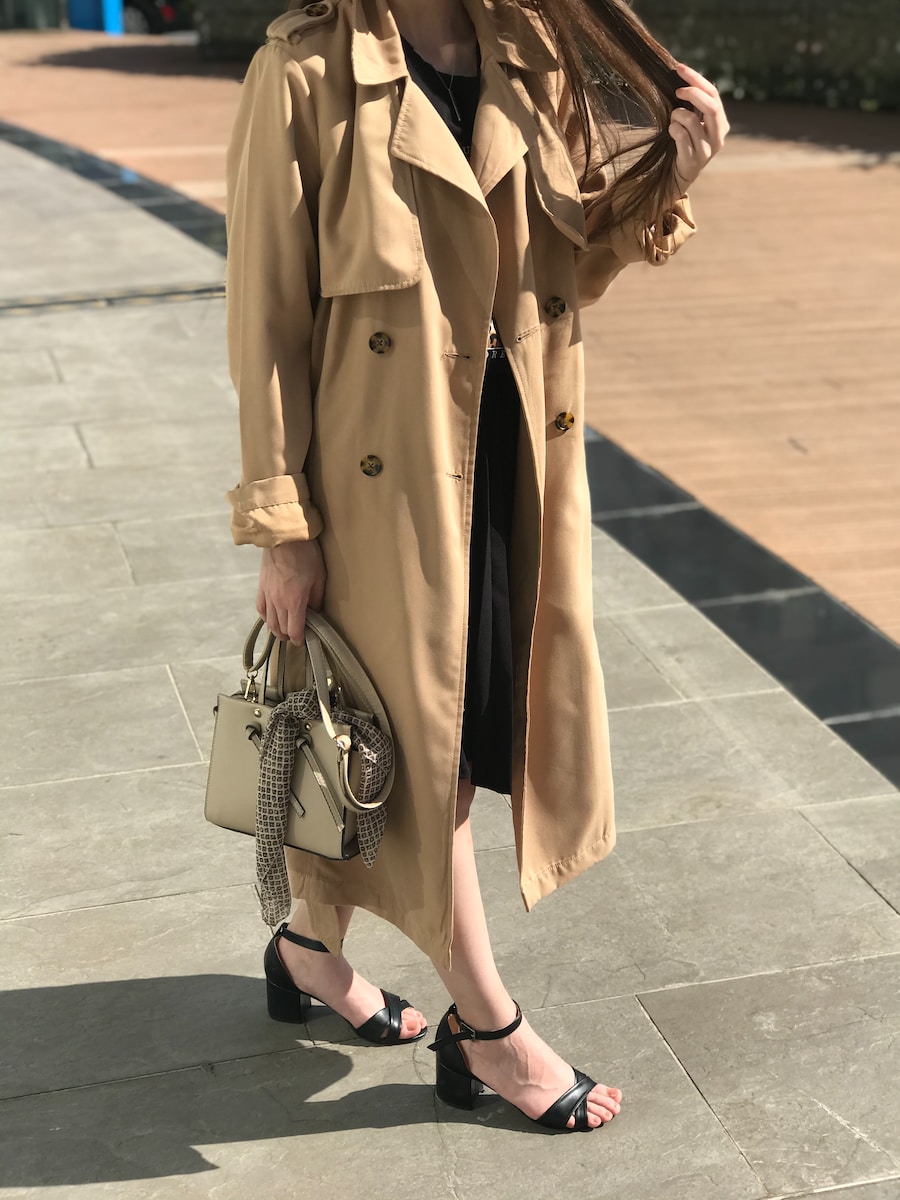
Ballet Flats: Effortless Style for Every Day
When it comes to shoes, few pieces offer the same level of comfort and style as ballet flats. These closet staples can be worn with virtually any outfit, from jeans and a t-shirt to a pencil skirt and blouse. Opt for a neutral shade that complements your personal style, and watch as they effortlessly elevate your everyday looks. Whether you’re running errands or heading to a meeting, ballet flats provide the perfect blend of comfort and elegance. In today’s post, we’ve explored the essential pieces that form the backbone of a stylish, elegant wardrobe. These timeless classics, from the perfect white t-shirt to the versatile dark wash jeans, are the building blocks of a wardrobe that exudes everyday elegance. By investing in high-quality, well-fitted pieces, you’ll not only feel confident in your style, but also contribute to a more sustainable approach to fashion, moving away from fast fashion in favor of enduring, beloved favorites from your favorite brands. Remember, personal preference is key, so choose pieces that resonate with your own unique style. With these wardrobe essentials in your arsenal, you’ll be prepared to face any fashion challenge, and always step out in confidence and style.
Can You Wear Grey to a Funeral?
There are many questions that can arise when it comes to funeral attire. Typically, funerals are solemn occasions that call for proper attire. Many people choose to wear somber colors like black or navy blue. Can you wear grey to a funeral? In this article, we’ll address this question.
The history of black funeral attire

The tradition of wearing black or dark clothing to funerals can be traced back over a century. It is believed that this tradition originated in Europe, where it was considered appropriate to wear all-black attire to mark the passing of someone close. This tradition has been adopted in many parts of the world and can still be seen today.
Why do people wear black to funerals?
Colors are often associated with different moods or meanings. For example, the color black is mainly seen as a color of gloom and reverence. If you ever attend a funeral, take notice of what colors people are wearing. You’ll find that most attendees choose to wear dark colors out of respect for the deceased.
Can you wear grey to a funeral?

It is perfectly appropriate to wear grey to a funeral. Grey can be seen as a neutral color and can be worn to create a respectful atmosphere without being overly somber.
How to wear grey to a funeral?
If you decide to wear grey to a funeral, it is important to keep your look appropriate. You can opt for grey suits or dress shirts, paired with black trousers and shoes. Avoid bright colors or prints as these can be seen as too cheerful for the occasion.
[affiliatable id=‘268432’]
What colors are appropriate to wear to a funeral?
The dress code can vary depending on culture and religion. While current tradition is starting to accept less formal attire, it is important to make sure your clothing choices are respectful and not too attention-seeking.
Here are a few color combinations that can be suitable for a funeral:
- Black and white dress shirt
- Dark grey suit with a white shirt
- Light grey suit with a black shirt
- Navy blue suit with a white shirt
- Black trousers and a black blazer
Can you wear jeans to a funeral?

A funeral service can generally be considered a formal occasion and as such, jeans can usually be seen as too casual. It is better to opt for smarter trousers like slacks or chinos.
What shoes can you wear to a funeral?
When attending a funeral, it is best to wear dress shoes that appear well-kept and polished. Opt for black or another dark color as these are always appropriate. It is advised to avoid sneakers or flip-flops as they give off a too-casual vibe.
Final thoughts: Can you wear grey to a funeral?
Yes, you can wear grey to a funeral. Grey can be seen as a neutral color that can help create an atmosphere of respect without being overly somber. When deciding what to wear, it is important to keep your look appropriate and choose muted colors and dress shoes instead of trainers or flip-flops. By following these guidelines, you can ensure that your outfit is respectful and appropriate for the occasion.
Understanding the Different Types of Silk
Navigating the luxurious world of silk can be as intricate as the fabric itself. With a plethora of silk types on the market, understanding the different types of silk is crucial when you’re investing in this timeless material. From the classic charm of silk chiffon to the robust elegance of dupioni, each type offers a unique allure and set of benefits that cater to different needs and aesthetics. Silk’s rich history stretches back thousands of years, but it’s not just about its past. Today, the quality and type of silk you choose can significantly influence the look, feel, and durability of your garments or home décor. Whether you’re contemplating a sleek silk satin gown or eyeing some plush silk charmeuse sheets, knowing the specifics can make all the difference. I’ve delved deep into the world of silk to bring you a clear, concise guide on the various types and what makes each one special. Let’s unravel the silken puzzle together and discover how to select the best silk for your specific needs.
Understanding the Different Types of Silk
Diving deeper into the world of silks, I’ll explore the most revered varieties – natural and artificial. Each type serves unique purposes across various applications, from fashion to interior design.
Natural Silk
Natural silk, often celebrated for its luxurious feel and superior strength, is exclusively derived from the cocoons of silk-producing insects like the silkworm. Among the most famous is Mulberry silk, renowned for its smooth surface and subtle sheen, making it a favorite for high-end garments such as evening gowns and bridal wear.  Tussar silk, also known as Tussah or Kosa silk, features a rugged, textured appearance with a natural golden hue that doesn’t require bleaching. It’s preferred for its rich texture and eco-friendly quality, often used in drapery and rustic-style garments. Muga silk, from Assam, India, known for its lustrousness and durability, often finds its place in products where longevity and sheen are desired, such as in traditional Indian sarees and upscale decor fabrics. Moving towards the unique, Eri silk and Peace silk offer ethical alternatives, as their harvest does not harm the silkworm. These types are sought after in vegan fashion circles for their ethical credentials and are primarily used in eco-conscious fashion and home textiles.
Artificial Silk
Artificial silk, also known as art silk or synthetic silk, encompasses types like rayon, polyester, and more sophisticated versions like lyocell. Despite their silk-like aesthetics, these fibers are chemically produced, offering affordability and increased durability over some natural silks. They serve brilliantly in applications requiring high wear and tear resistance, such as furniture upholstery and everyday wear garments. Artificial silks are also preferred for their versatility in colors and textures. Their ability to mimic the drape and feel of natural silks makes them popular in the fashion industry, especially in the production of budget-friendly bridal and evening gowns. Whether opting for the luxurious allure of Mulberry or the ethical appeal of Eri, understanding these silk types enriches one’s choice in selecting the right silk for every purpose, from opulent wedding dresses to everyday functional plain weave fabric. My journey through these exquisite pure silk varieties confirms their pivotal roles in both fashion and interior design.
Main Types of Natural Silk
Exploring the lush and diverse world of natural silk reveals a variety of silks, each with unique properties and uses. In this segment, I’ll dive into the intricacies of several prominent types of natural silk, including Mulberry, Tussah, Eri, and Muga. Let’s understand these silks better to appreciate their distinct characteristics and applications in fashion and interior design.
Mulberry Silk
Mulberry silk, known for its incredible smoothness and strength, stands out as the most cultivated silk type globally. The silk fibers come from the Bombyx mori silkworms that feed exclusively on Mulberry leaves, yielding a silk that is not only luxurious but also highly durable. This type of silk fabric exhibits a subtle sheen and a smooth surface, making it a preferred material for high-end fashion items like evening gowns, silk sheets, and bridal wear. Mulberry silk’s high quality often categorizes it under ‘classic silk’ or ‘real silk,’ which resonates with its widespread use in creating silk satin and charmeuse silk fabrics.
Tussah Silk
Also known as ‘wild silk,’ Tussah silk is produced from the cocoons of wild silkworms. Unlike the uniform fibers of cultivated silks, Tussah silk fibers are short and coarse, giving the fabric a textured appearance that adds a rustic charm to garments and decor items. Its natural gold color, derived from the silkworms’ diet, gives Tussah silk a unique appeal, though it makes the silk more challenging to dye. Despite its rougher texture, this silk type finds its place in crafting silk organza and structured garments, providing an organic aesthetic that’s highly valued in the fashion industry.
Eri Silk
Eri silk, often referred to as the ‘peace silk,’ is made from the cocoons of the Samia cynthia ricini worm. These silkworms are not killed during the silk harvesting process, making Eri silk a popular choice for ethical fashion. The fabric itself is soft yet robust, with a wooly texture that distinguishes it from other silk types. Eri silk is versatile, often used in both clothing and home textiles, where its durability and rich texture add depth and warmth to any design.
Muga Silk
Muga silk, treasured for its golden sheen and exquisite quality, originates from the Brahmaputra valley of Assam. This silk is produced by Antheraea assamensis silkworms, which feed on wild tree leaves. Muga silk is prized for its longevity and natural shimmer, which does not diminish even after repeated washings. Often used in traditional garments such as saris and kimonos, Muga silk also makes its way into contemporary fashion and upscale interior designs, offering elegance and a lustrous appeal that’s hard to match.  Each type of silk brings something unique to the table, be it in luxury apparel or sophisticated home decor. By understanding the different types of natural silk, you can choose the perfect silk fabric for your needs, whether you’re looking for the delicate touch of Mulberry silk in bridal gowns or the rustic appeal of Tussah silk in textured draperies.
Characteristics and Uses of Different Silks
As we delve into understanding the different types of silk, it’s fascinating to explore not just the beauty but also the specific characteristics that make each type stand out. Each form of silk, from Mulberry to Eri, offers distinct properties that make it unique.
Properties and Benefits
Discussing the various types of silk fabrics reveals a world of diversity in properties and benefits:
- Mulberry Silk: Known for its pure luxury, Mulberry silk is the epitome of smoothness and strength, making it a top choice in the silk industry. It provides not just comfort but durability, owing to its long fibers.
- Tussah Silk: Celebrated for its natural golden hue and rich texture, Tussah silk, also known as wild silk, is less uniform in its color and weave, giving it a wonderfully unique appearance.
- Eri Silk: Often referred to as the peace silk, Eri is made without harming the silk worms, which makes it a major choice for ethical fashion. It’s durable and has a matte texture that appeals to those looking for an alternative to glossy silks.
- Muga Silk: Exclusive to Assam, India, Muga silk boasts a natural golden sheen that doesn’t fade after washing. Its longevity and radiant luster make it suitable for heirloom pieces.
- Charmeuse Silk: With a satin surface on one side and a matte finish on the other, Charmeuse silk offers a luscious fluidity, perfect for draping. It combines durability with a subtle sheen that enhances both the feel and appearance of garments.
The benefits of these silk types are immense, which leads to their extensive use in various applications.
Common Applications in Textiles
Silk fabrics find their way into an array of beautiful and functional items. Here are some common applications of different silk types:
- Fashion Industry: From luxurious wedding dresses to everyday evening gowns, silk is the fabric of choice for creating garments that not only look opulent but feel incredibly soft to the touch. Mulberry silk, for instance, is highly sought after in the creation of high-end fashion items.
- Interior Design: Silk fabrics like Dupioni and Tussar lend a sophisticated touch to home decor items such as draperies and cushion covers. Their unique textures and draping capabilities add elegance to any space.
- Bridal Wear: The sheer beauty and elegance of fabrics like silk chiffon and silk organza make them ideal for bridal gowns. Known for their delicate and sheer properties, they help create an air of romance and grace that enhances the bridal aesthetics.
- Formal and Evening Wear: Silk types with a shiny surface, such as silk satin and charmeuse, are staples for formal and evening wear. Their smooth surfaces reflect light beautifully, making them perfect for high-profile events and parties.
Silk Grading and Quality
Understanding the classification and quality of silk is imperative for anyone looking to purchase silk fabrics for various applications, from fashion to interior design. This knowledge ensures you select the most appropriate silk type, such as Mulberry or Charmeuse, to meet specific needs.
Importance of Silk Grades
Silk grading stands as a crucial aspect of choosing the right silk, as it affects both the texture and the lifespan of the silk products. Grade A silk, recognized as the highest quality available, is celebrated for its superior smoothness, lustrous sheen, and robust durability. Products crafted from Grade A silk, including evening gowns and bridal wear, not only exhibit a refined appearance but also offer greater longevity. Conversely, Grade C silk possesses a rougher texture and reduced durability, making it less suitable for high-end applications but adequate for items where finesse may be less critical. Given the significant variations in texture, durability, and appearance among silk grades, anyone considering silk for clothing or decorative purposes must understand these gradings. By distinguishing between grades, I can more effectively guide my choices, ensuring alignment with both aesthetic and functional requirements.
Understanding Momme Weight
The concept of ‘momme weight’ is another key factor that emphasizes the density and quality of silk. Measured in momme (mm), this metric reflects the fabric’s heaviness, with higher values indicating a denser and consequently more luxurious material. Typically, silk fabrics range from 11mm to 30mm. For example, a 22mm silk offers substantial durability and is ideal for silk sheets, whereas lighter momme weights suit delicate items like lingerie. Appreciating the implications of momme weight helps in making informed decisions regarding silk purchases. A higher momme weight often denotes a silk fabric suitable for opulent bedding and elegant clothing due to its enhanced durability and excellent drape. Knowledge of this characteristic is essential for anyone involved in creating or purchasing high-quality silk products, enabling a deeper appreciation of the material’s nature and suitability for different uses. By mastering the elements of silk grading and understanding momme weight, I can ensure the silk chosen meets the intended standards of luxury and function, thereby maximally enhancing its designated applications. Exploring the world of silk has shown us the diversity and complexity of this luxurious material. As we’ve seen, each type of silk, from Mulberry to Charmeuse, offers unique benefits that cater to different needs in fashion and decor. Understanding the nuances of silk grading and momme weight is essential for making informed choices that meet both aesthetic desires and practical demands. Whether you’re a designer crafting a high-end garment or a homeowner decorating a space, the knowledge you’ve gained here will ensure you select the perfect silk every time. Remember, the right silk can elevate any project, blending beauty with functionality.
Frequently Asked Questions
What are the different types of silk mentioned in the article?
The article discusses various silk types, including Mulberry, Tussar, Eri, Muga, and Charmeuse silk. Each type has unique properties and is used differently in fashion and interior design.
Why is it important to choose the right type of silk?
Choosing the right type of silk is crucial because different silks have distinct characteristics and applications. Selecting the appropriate silk ensures that the material aligns with the functional and aesthetic requirements of the product or design.
What does silk grading indicate?
Silk grading indicates the quality and texture of the silk fabric. Grade A silk is known for its smoothness and durability, making it a superior choice for luxury applications, whereas Grade C silk has a rougher texture and is of lower quality.
What is momme weight in silk?
Momme weight measures the density of silk fabric. It is a unit used to indicate the quality of silk, with higher momme weights usually signifying a denser, more durable fabric. Understanding momme weight is essential for assessing the quality and suitability of silk for different purposes.
How does mastery of silk grading and momme weight enhance silk use?
Mastery of silk grading and understanding momme weight allow for better decision-making when selecting silk fabrics, ensuring that the chosen silk meets both functional and aesthetic needs. This knowledge is particularly valuable in luxury fashion and high-end interior design, where quality and appearance are paramount.
Men’’s Night Club Outfits: Style Tips for a Perfect Look
When it comes to men’s night club outfits, the right look can make or break your evening. A night out at the club isn’t just about dancing to the beat; it’s about making a statement with your style. With the ever-evolving world of men’s fashion, choosing an outfit that reflects your personality while adhering to club dress codes can be quite the challenge.
I’ve spent countless nights figuring out the perfect balance between trendy and comfortable. Dressing for the club means embracing styles that not only catch the eye but also express who you are. From sleek shirts to standout accessories, every detail matters when you’re stepping into the nightlife scene.
The good news? Navigating this fashion maze doesn’t have to be daunting. With a few key tips and a bit of confidence, you can effortlessly put together an ensemble that ensures you won’t just blend in with the crowd but stand out in the best way possible.
Why Your Clubbing Outfit Matters

Your clubbing outfit plays a significant role in how you’re perceived on the dance floor. First impressions are everything in the nightlife scene, and the right choice can elevate your confidence instantly. Not only should the outfit adhere to the club’s dress code, but it should also reflect your personal style. A well-chosen ensemble, like pairing dark jeans with a dress shirt or a plain t-shirt under a sleek denim jacket, can make a tremendous impact.
In club attire, striking a perfect balance between style and comfort is crucial. Comfortable clothing ensures ease of movement, allowing you to dance freely without any constraints. Smart casual looks, such as wearing chinos or trousers with a fitted jacket, offer both comfort and sophistication. Choosing the right shoes is equally important; options like chelsea boots or leather dress shoes can add polish, while sneakers provide a relaxed vibe.
Ultimately, accessorizing with confidence is what makes an outfit complete. Statement pieces like fashionable hats or stylish necklaces can add a personal touch to men’s club outfits. While men’s fashion changes, the essence of clubwear remains constant— it’s about standing out and feeling good in whatever style you choose.
Understanding Club Dress Codes
Understanding club dress codes is essential when planning a stylish men’s night club outfit. Clubs set these standards to maintain a certain atmosphere, and it’s my job to navigate them effectively.
Common Dress Codes
Common dress codes vary based on venue and event style. Casual attire allows for relaxed style but still bars overly baggy clothing and athletic wear. Men can wear items like jeans with a t-shirt and casual footwear like sneakers. Smart casual takes it up a notch, incorporating fitted denim or chinos with button-down shirts and polished shoes. Business casual, often preferred in upscale venues, combines dress pants with a collared shirt, allowing leathershoes like loafers to complete the outfit.
Dos and Don’ts
When crafting clubbing outfits, there are specific dos and don’ts to keep in mind. Do choose items that balance comfort with style, such as dark jeans and leather shoes paired with a sharp bomber jacket. Avoid sandals or flip-flops as they’re generally not acceptable club attire. Do accessorize tastefully; a simple necklace or hat can elevate the ensemble. Don’t wear overly casual clothing such as athletic shorts or a plain t-shirt unless specified otherwise by the venue. Adhering to these guidelines ensures a polished look while enjoying your big night out.
Essential Components of Men’s Night Club Outfits

Creating stylish men’s night club outfits involves selecting key components that make a statement and fit personal style. Each element of clubwear serves a purpose, ensuring a put-together look.
Shirts: Button-Ups, T-Shirts, and Printed Options
Button-up shirts present a timeless choice in men’s club outfits. They offer versatility, easily transitioning from a formal to a more relaxed club setting when paired with dark jeans or chinos. Personally, I find that t-shirts work wonders for a casual vibe. A plain t-shirt with a bold design under an overshirt can reflect individuality. Printed options add a pop of color; they’re perfect for those nights when blending in isn’t an option.
Bottoms: Jeans, Chinos, and Trousers
Jeans remain a staple in clubbing attire. I often choose darker shades for a polished appearance. Pair them with the right top for a balanced look. Chinos offer a smart casual alternative; their comfort and style make them a go-to for versatile club outfits. Trousers work wonders in environments demanding a touch more elegance.
Outerwear: Blazers, Jackets, and Bomber Jackets
Outerwear sets the tone for the entire ensemble. Blazers elevate the club attire, presenting a refined edge without compromising comfort. I often wear a bomber jacket for its sleekness; it’s ideal for adding a modern twist to any look. A denim jacket can offer a more relaxed vibe, seamlessly blending with various underlayers.
Footwear: Sneakers, Boots, and Loafers
Footwear can make or break the entire outfit. Sneakers often top my list for comfort and style on the dance floor. Chelsea boots provide a polished appearance critical for smart casual settings. Loafers are a versatile option, offering ease without sacrificing sophistication in any club environment.
Clubbing Outfit Ideas for Different Styles

Exploring various styles helps find the perfect clubbing outfit for any night out. Mixing different elements lets you create a look that suits your personal style while staying comfortable and stylish.
Classic Casual
Opt for a combination of dark jeans and a plain t-shirt for a timeless look. Pair with a denim jacket to inject a cool, laidback vibe. Consider sneakers or casual dress shoes for endless hours on the dance floor without compromising comfort. Simple accessories like a watch or bracelet add a polished touch without overwhelming the ensemble.
Edgy and Modern
Choose a black t-shirt with a leather or bomber jacket for an edgier look. Slim-fit trousers enhance the modern style, while chelsea boots or statement sneakers elevate the overall appearance. Incorporate bold accessories like a woven bracelet or unique necklace to make a statement and complement the edgy vibe.
Smart and Sophisticated
Dress smart and sophisticated by combining chinos with a crisp dress shirt. Add a tailored blazer for a refined touch, embracing a more business casual approach. Opt for leather shoes or polished loafers for footwear. Minimalist accessories such as a pocket square or tie clip add elegance without drawing away from the sophisticated theme.
Seasonal Outfits
Suit the season with appropriate clothing choices. In warmer months, lighter fabrics like linen shirts paired with slim-fit shorts or lightweight chinos keep things comfortable. During cooler months, layering a stylish sweater under a blazer offers warmth and style. Adapt footwear accordingly, bringing out loafers for spring or autumn and sturdy, weather-appropriate shoes for colder seasons.
[affiliatable id=‘268806’]
Accessories to Elevate Your Outfit
Accessories add the right touch to men’s nightclub outfits. A wristwatch offers both style and practicality, serving as a sophisticated piece that complements a variety of clubbing ensembles. Whether you’re dressed in dark jeans with a leather jacket or a smart casual blazer, a watch elevates your personal style. Opt for sleek designs in metals like stainless steel or gold for a polished look.
A belt serves as another essential accessory. Choose options that match your shoes for a cohesive appearance. Leather belts in black or brown work for any club attire, including denim looks and smart casual outfits like chinos with a dress shirt. A quality belt not only holds your trousers in place but also adds a refined finish to your outfit.
Consider adding a statement piece, like a hat or bracelet, if you wish to express your individuality further. Hats such as fedoras bring a classic vibe, while minimalistic bracelets add a modern twist. These elements give you the perfect balance between trendy and unique, enhancing your overall look in the nightlife setting.
Choosing the Right Outfit for the Occasion
Selecting the right outfit involves aligning with the venue and event type. For upscale settings, men’s club outfits should lean towards smart casual, incorporating a dress shirt paired with dark jeans or chinos. Adding a blazer or a bomber jacket elevates this look, keeping it polished without being overly formal. Consider chelsea boots or leather shoes to complete the ensemble, ensuring footwear complements the overall attire.
In more relaxed clubs, a plain t-shirt under a denim jacket offers a stylish yet laid-back alternative. This combination maintains comfort while allowing personal style to shine through. When aiming for this vibe, dressing down doesn’t mean sloppy. Opt for clean lines and fitted clothing to preserve style, and pair with sneakers or casual shoes for comfort on the dance floor.
It’s crucial to adapt the clubbing attire to the season. For warmer months, lightweight fabrics and breathable materials work best, whereas cooler weather calls for layering, like a sweater under a jacket. Accessories such as watches or discreet necklaces can add a touch of sophistication, seamlessly integrating flair without going overboard.
Wrap-Up: Men’s Night Club Outfits
Choosing the right outfit for a men’s nightclub is all about striking a balance between style and comfort. With the right combinations of clothing and accessories, you can create a look that not only adheres to dress codes but also showcases your personal style. Remember, the key is to feel confident and comfortable in what you wear, allowing you to enjoy your night out to the fullest. Whether you’re going for a classic, edgy, or sophisticated look, the right outfit can make all the difference in how you’re perceived and how you feel on the dance floor.
How to Wear a Swing Dress in Winter
The Versatile Appeal of Swing Dresses: A Timeless Fashion Staple
When the weather starts to cool down, it can be hard to know how to dress your body. One question that often comes up is how to wear a swing dress in winter. Swing dresses are a popular style of dress, known for their flared “A”-shaped skirts that gradually widen towards the bottom. This unique design and comfortable fit make swing dresses a must-have wardrobe staple for any fashion-conscious individual.
What is a Swing Dress?
A swing dress is a type of dress that has a flared skirt. The skirt is usually cut in an “A” shape, which means it is narrower at the top and then gradually gets wider towards the bottom. This style of dress is often made from heavier fabrics such as wool or denim, which makes it ideal for winter wear. The flowy swing and comfortable fit make it a popular choice for all body types, providing a flattering and chic look.
How to Wear a Swing Dress in Winter
Wearing a swing dress in winter might seem like a challenge, but with the right styling and outfit ideas, you can stay warm while looking stylish and sophisticated. Here are some tips on how to wear a swing dress in winter:
1. Pair with Leggings
One of the easiest ways to wear a swing dress in winter is to pair it with leggings. Leggings not only keep your legs warm but also provide a seamless and stylish look. Opt for black or fleece-lined leggings to add extra warmth to your outfit, and you can confidently wear longer swing dresses without worrying about them being too short.
2. Layer with a Cardigan
If you want to wear a swing dress but don’t want to show your arms in the chilly weather, then you can always layer it with a cardigan. This is a great way to stay warm while still being able to show off the dress’s unique style. Choose a cardigan that complements the color and texture of your swing dress for a perfectly coordinated look.
3. Wear with High Knee Boots
Show off your legs and stay cozy by pairing your swing dress with high knee boots. These boots not only add extra warmth but also elevate your outfit to a whole new level of style and sophistication. Whether you opt for classic leather boots or trendy suede ones, they will undoubtedly make a fashion statement.
4. Layer with a Turtleneck
For maximum warmth and winter fashion flair, layer your swing dress over a turtleneck top. This combination not only keeps you cozy but also adds an element of elegance and refinement to your outfit. Choose a turtleneck in a complementary color that blends seamlessly with your swing dress.
5. Wear with Jacket and Scarf
Combine style and warmth by pairing your swing dress with a jacket and a chic scarf. Whether you go for a classic denim jacket, a stylish leather jacket, or a trendy bomber, it will perfectly complement your swing dress. Experiment with different scarf styles to add a touch of flair and personality to your ensemble.
6. Wear Heeled Sandals
If you prefer a more refined look without wearing boots, consider pairing your swing dress with a pair of heeled sandals. This choice elongates your legs and adds a dash of sophistication to your outfit, making it a perfect option for indoor winter events and gatherings.
7. Add a Belt
Elevate your swing dress style by cinching it at the waist with a belt. Adding a belt not only helps define your waistline but also creates the illusion of longer legs, enhancing your overall look. Choose a stylish belt that complements the color and style of your swing dress.
[affiliatable id=‘269908’]
8. Pair with Knee-High Socks
Add a touch of quirkiness to your winter outfit by pairing your swing dress with knee-high socks. This fun and cozy accessory not only keeps your legs warm but also adds a delightful twist to your overall look. Choose socks in contrasting colors or patterns to make a bold statement.
9. Wear a Hat
Accessorize your swing dress outfit with a stylish hat. A chic fedora, a cozy beanie, or a trendy beret can not only keep your head warm during winter but also add a touch of flair and sophistication to your overall appearance. Choose a hat that complements the color scheme and style of your outfit.
10. Wear a Long Coat
Make a bold fashion statement by layering your swing dress with a long coat. This elegant and practical outerwear choice not only keeps you warm but also adds an air of sophistication to your winter look. Opt for a coat in a contrasting color or a classic neutral shade for a timeless appeal.
Black Swing Dress: Classic Chic and Timeless Allure
Among all the varieties of swing dresses, the black swing dress stands out as a symbol of classic chic and timeless allure. Its versatile nature makes it the perfect canvas for experimenting with different accessories and styling options. Here are some outfit ideas for rocking your black swing dress:
Black Swing Dress with Booties
For a casual yet chic look, pair your black swing dress with ankle booties. These trendy and comfortable shoes add a touch of edge to your outfit, making it suitable for various occasions, from daytime outings to evening gatherings.
Black Swing Dress with Long Coat
Enhance the sophistication of your black swing dress by layering it with a long coat. A classic trench coat or an elegant woolen overcoat perfectly complements the simplicity and allure of the black dress, creating an effortlessly stylish ensemble.
Black Swing Dress with Statement Accessories
Add personality and uniqueness to your black swing dress by incorporating statement accessories. A chunky necklace, bold earrings, or a vibrant scarf can instantly transform your look from understated elegance to head-turning fashion-forward.
Black Swing Dress with High Knee Boots
Elevate the drama and allure of your black swing dress by pairing it with high knee boots. These boots not only keep your legs warm but also create an elongated silhouette, adding a touch of glamour to your outfit.

Travel Tips: Winter Style Made Easy
Even when you’re on the go, you can effortlessly maintain your winter style with swing dresses. Here are some travel tips for looking chic and staying cozy:
Pack Lightweight and Layerable Fabrics
When traveling during winter, it’s essential to pack smart. Opt for lightweight and layerable fabrics for your swing dresses to ensure comfort and versatility throughout your journey. Mixing and matching different layers will enable you to create various stylish outfits without overpacking.
Accessorize with Versatile Pieces
Traveling with accessories can be challenging due to limited space. However, selecting versatile pieces that can complement multiple outfits is a game-changer. Choose a neutral-colored hat, a chic scarf, and a statement belt that can transform your swing dress look effortlessly.
Pack Comfortable and Stylish Footwear
Comfortable footwear is crucial when traveling, especially during winter. Opt for stylish yet cozy options like ankle booties, heeled sandals, or comfortable knee-high boots that can be worn with your swing dresses for different occasions.
Fashion and Hair Tips: Looking Your Best
Looking your best during winter requires attention to both fashion and hair. Here are some tips to keep you stylish and beautiful:
Embrace Layering for Fashion and Warmth
Layering your swing dress with cardigans, jackets, scarves, and other stylish winter accessories not only adds fashion depth to your look but also ensures you stay warm and cozy during colder temperatures. Embrace layering to showcase your fashion-forward approach.
Opt for Protective Hairstyles
In winter, protect your hair from the harsh elements by opting for protective hairstyles like braids, twists, or updos. These hairstyles not only keep your hair healthy but also add a touch of elegance to your winter look.
Shop the Latest Swing Dress Styles
Ready to elevate your winter style with swing dresses? Discover the latest fashion trends and shop for the perfect swing dress that suits your taste and preferences.
Explore a Variety of Colors and Prints
Swing dresses come in a myriad of colors and prints, so you’re sure to find the perfect one that complements your personal style. From classic neutrals to bold patterns, explore the endless possibilities that swing dresses offer.
Find the Perfect Booties and Knee-High Boots
Complete your winter swing dress outfits with the perfect pair of booties or knee-high boots. Shop for high-quality footwear that not only adds style to your look but also keeps your feet warm and comfortable throughout the season.
Accessorize with Cozy Scarves and Statement Belts
Enhance your winter swing dress style with cozy scarves and statement belts. Mix and match different accessories to create various looks and express your unique fashion sense.
Stay Beautiful with Skincare and Beauty Essentials
Don’t forget to take care of your skin and use beauty essentials that protect and nourish your face during the colder months. Moisturize, apply lip balm, and choose makeup products that enhance your natural beauty and add a radiant glow to your winter appearance.
With these style tips and outfit ideas, you can confidently wear a swing dress in winter, staying warm and stylish all season long. Embrace the versatility and charm of swing dresses, whether you opt for a classic black swing dress or explore a variety of colors and prints. Remember to layer with cozy cardigans, jackets, and scarves, and accessorize with statement pieces to create fashionable winter looks that turn heads wherever you go. Shop for the latest swing dress styles, find the perfect footwear and accessories, and embrace your unique fashion sense with confidence. Winter style has never been so chic and comfortable!
Gourmet Dinner Ideas: Exquisite Recipes for Fine Dining at Home
Looking for gourmet dinner ideas that’ll impress your guests and tantalize your taste buds? You’re in the right place. From timeless classics to modern twists, we’ve got you covered with dishes that are sure to elevate your dining experience. Whether you’re aiming to recreate the mystique of a perfect soufflé or looking for a quick yet elegant dish like seared scallops over angel hair pasta, these gourmet dinner ideas are not just meals; they’re memories in the making. Let’s dive into the world of fine dining at home, where every recipe promises an adventure for your palate.
Classic Gourmet Dinner Ideas
 When you’re aiming to craft an upscale meal that feels like it’s straight out of a fine dining establishment, you don’t have to look further than the rich flavors and deluxe culinary creations of classic gourmet dinner ideas. These lavish dining recipes not only impress your guests but also transport you to a place of pure culinary delight. Imagine the savory taste of seared scallops over a bed of angel hair pasta, drizzled with a lemon-butter sauce—a dish that promises a symphony of flavors with each bite. Scallops, known for their tender and sweet profile, become the star of a meal that’s as fitting for a special occasion as it is for a spontaneous date night. Moving from the sea to the land, a must-try recipe that embodies the essence of gourmet cooking is the legendary Steak Diane. This dish, once a staple at the most upscale dining tables around the globe, features beef steaks seared to perfection and bathed in a creamy sauce with a hint of mustard and cognac. Despite its fancy reputation, Steak Diane’s secret lies in its straightforward preparation, proving that gourmet recipes don’t always require complex cooking techniques. What makes it particularly special is the alchemy of cream, cognac, and a hint of dijon mustard, creating a flavor profile so luxurious, your table will feel like it’s been transported to a high-end restaurant. For those who lean towards the warmth of comfort food but still crave that gourmet touch, the ultimate apple pie recipe awaits. Drawing from the unparalleled expertise of pastry legends, this dish elevates the humble apple to a lavish dining experience. By macerating the apples in sugar and crafting a homemade syrup to mix back in, the pie achieves a depth of flavor and richness that sets it apart. While it’s tempting to think of dessert as an afterthought, a well-executed apple pie serves as a celebration of flavors that can cap off your gourmet dinner on a note that’s impossible to forget. Whether it’s the warm, spiced notes of the filling or the buttery crispness of the crust, every slice promises a taste of home-cooked luxury.
Modern Twists on Gourmet Delights
Enhancing your culinary skills with gourmet dinner ideas can transform any ordinary meal into an extraordinary dining experience. Whether you’re aiming for a special meal on date night or a lavish feast for a special occasion, incorporating deluxe culinary creations into your menu is sure to impress your guests. Upscale meal suggestions often include dishes that combine rich flavors and bold textures, turning each dish into a masterpiece on the plate. One recipe that stands out for its unique twist on traditional ingredients is a reinvention of roasted chicken thighs. By infusing them with sweet potato, garlic, and red pepper flakes, you’ll discover a blend of sweet and spicy that elevates chicken to new heights. This method employs food styling techniques that ensure the dish is as visually appealing as it is delicious. Serve it with a side of creamy parmesan risotto or a lemon pepper spinach salad for an added gourmet touch. The rich flavors and creamy texture alongside the tender, perfectly cooked chicken create a symphony of tastes that’s hard to forget. For those who appreciate the finer details in cooking, consider mastering the art of salmon en Papillote with saffron-lemon butter. This dish simplifies gourmet cooking while incorporating elegant elements like saffron and lemon, known for their luxurious flavors. Wrapped and cooked in parchment, the salmon steams in its juices and the aromatic butter, locking in moisture and infusing the fish with a subtle complexity. When served on a bed of fragrant couscous or alongside a crisp pear and arugula salad, each bite promises a lavish dining experience right at your own table. Through these fancy dinner recipes, you’re not just preparing food; you’re crafting an experience that celebrates the joy of eating with flavor, flair, and finesse.
Elevate Your Dining Experience with Soufflé
 When you’re looking to impress with a gourmet dinner at home, whether it’s for a special occasion, a date night, or simply to celebrate the art of cooking, turning to deluxe culinary creations like a soufflé can truly elevate your dining experience. Mastering the art of a perfect soufflé speaks volumes of your cooking skills, showcasing a blend of precision and culinary flair. The key to a successful soufflé lies in achieving that airy yet rich flavor that makes this dish a hallmark of upscale meal suggestions. Soufflés can be both savory and sweet, providing diverse options to fit any portion of your meal. For a savory start, consider cheese or spinach soufflés paired with a light salad dressed with lemon and olive oil. These ingredients not only blend well together but also prepare the palate for more decadent courses. Should you lean towards finishing your meal with a statement, chocolate or lemon soufflés served with a drizzle of creamy sauce offer a luxurious taste, marrying rich flavor with the ethereal texture that makes soufflés so beloved. The process of preparing a soufflé, while detailed, adds an element of food styling to your culinary repertoire. From gently folding in egg whites to achieve the perfect rise, to serving it promptly to preserve its delicate structure, each step is an opportunity to engage with the art of cooking. Remember, the best gourmet recipes, including those for soufflés, encourage experimenting with flavors, such as incorporating saffron for an elegant twist or a dash of red pepper flakes for a subtle kick.
Quick Yet Elegant Gourmet Dishes
When searching for gourmet dinner ideas that are both quick and lavish, some recipes rise above the rest, creating a dining experience that’s both upscale and manageable on a tight schedule. For instance, Chef John’s Steak Diane stands out as a stellar choice for a special meal. Traditionally prepared tableside with flamed cognac, this dish encapsulates the essence of fine dining. However, for a home cook, simply searing the steaks and deglazing with cognac—allowing the alcohol to evaporate on the heat—infuses the meat with rich flavor without the need for dramatics. Adding shallots, Dijon, Worcestershire, tomato paste, cayenne, and cream completes this delightful dish, making it a perfect option for a date night or special occasion. Another quick yet sumptuous option involves tender sea scallops served over angel hair pasta. This recipe demonstrates how ease meets elegance in the kitchen. A super-quick sauce of lemon juice, butter, parsley, and fresh basil—maybe with a touch of cream or Parmesan for those who prefer it—dresses the scallops and pasta, creating an entrée that’s as delightful to taste as it is visually appealing. This delicious combination has garnered rave reviews for its simplicity and exquisite taste, proving that deluxe culinary creations don’t always require hours to prepare. Lastly, the comfort and satisfaction of a gourmet risotto cannot be overlooked. Incorporating creamy textures, Parmesan cheese, and a variety of flavors from saffron to lemon, risotto is adaptable and can be paired with everything from chicken thighs to seafood. It requires attention and stirring, but the result is a dish imbued with incredible flavor and tenderness, perfect for warming the heart and impressing guests. Whether you opt for a traditional risotto or experiment with lavish dining recipes that introduce unique ingredients like red pepper flakes or lemon grass, the outcome is sure to be a delectable centerpiece at your gourmet dinner.
Fine Dining at Home: Creating Memorable Meals
 Transforming your dining room into a high-end restaurant experience is about more than just the food on your plate; it involves the whole sensory experience. However, with the right gourmet dinner ideas, you can craft deluxe culinary creations that rival the dishes of top-tier eateries. From the rich flavors of seared scallops to the delicate balance of spices in a saffron risotto, the key is to select recipes that not only taste exceptional but also look stunning on the table. Consider upscale meal suggestions that incorporate ingredients like lemon-thyme chicken or cream-drizzled salmon, which offer both a feast for the eyes and the palate. When it comes to preparing lavish dining recipes, attention to detail is paramount. For instance, the crispy skin on chicken thighs serves not just to add texture but also to introduce a depth of flavor that is accentuated by garlic, butter, and fresh herbs. Similarly, a well-executed beef tenderloin with a red wine reduction can become the centerpiece of a special meal, especially when paired with sides that complement its robustness, such as garlic mashed potatoes or sautéed spinach with parmesan. These gourmet recipes often require more time and precision, but the outcome is a luxuriously satisfying experience perfect for a date night or special occasion. Beyond the main dish, the art of food styling plays a crucial role in recreating a fine dining atmosphere at home. Elegant plating techniques, using tools as simple as a spoon or a pair of tongs, can dramatically elevate the presentation of your meal. A swipe of pea puree here, a sprinkle of finely chopped chives there, or the strategic placement of edible flowers can transform your dishes from homemade to professionally styled cuisine. Remember, the goal is to engage all the senses, making each bite a memorable part of the celebration. As you explore these gourmet dinner ideas, don’t forget to experiment with flavors and textures that speak to your culinary intuition.
Wrapping Up: Gourmet Dinner Ideas
Elevating your home dining experience to match the sophistication of a gourmet restaurant is within your grasp. By focusing on the sensory journey, from the visually appealing presentation to the symphony of flavors and textures, you’re set to create unforgettable meals. Remember, it’s the attention to detail in your lemon-thyme chicken’s crispy skin or the delicate drizzle on your salmon that makes all the difference. So, embrace the art of food styling and let your culinary creativity flow. With these insights, you’re well on your way to transforming your dining room into a haven of gourmet delights. Happy cooking! Other suggested articles:
Daily Elegance: Living Each Day With a Refined Approach (3 Tips)
Refined Cuisine: The Art of Gourmet Dining in Everyday Life
How to Train a Mustache: The Ultimate Guide
Growing a mustache can be a fun and rewarding experience, but it takes some work to get it looking good. In this blog post, we will discuss how to train a mustache and make sure it looks its best. We will cover the basics of mustache care, including how to wash and groom your mustache, how to style it, and how to deal with common problems like hair growth in different directions. By following these tips, you can have a well-groomed mustache that is sure to turn heads!
What is mustache training?
Mustache training is the process of grooming and styling your mustache so it looks its best. This involves washing, trimming, and styling your mustache to create a neat look that complements your facial features. You can also use products like wax or gel to help shape and hold the hair in place.
Why is it important to train a mustache?
The goal of training your mustache is to make sure it looks its best. This means ensuring that the hair grows in the same direction and stays neat and tidy all day. By training your mustache, you can help prevent split ends, frizz, and other problems that can arise when the hair grows in different directions. Additionally, a well-groomed mustache is much more attractive and can help you look your best.
What do you need to train a mustache?

When it comes to training your mustache, there are a few items you will need. The basics include a comb, scissors, and trimmers. You can also use products like wax or gel to help style the hair and hold it in place. Additionally, make sure you have a good quality shampoo and conditioner for washing and conditioning your mustache.
How to train a mustache?
Mustache hair is different from other hair on your body and requires special care. Here are some tips for how to train a mustache:
1. Wash and groom your mustache regularly.
A regular shampooing and conditioning routine will help keep your mustache clean and healthy-looking. Make sure to use a mild, non-irritating shampoo that is specifically designed for facial hair.
2. Trim and shape your mustache.
When trimming your mustache, make sure to use small scissors or clippers to get a precise shape. Start at the ends of your mustache and work your way up, being careful not to take off too much hair. You can also use a comb and trimmer to give it an even look.
3. Use styling products.
Styling products such as mustache wax or pomade will help keep your mustache hairs in place and create a polished look. Use the product sparingly - too much may cause it to look greasy. You can gently massage the wax and apply wax or pomade with a comb or your fingers.
4. Deal with growth in different directions.
If some of the hair on your mustache is growing in a different direction, you can use tweezers to pluck out the strays and make sure that it grows in the right direction. This will help ensure that your mustache looks neat and tidy.
5. Finish with hairspray or gel.
Once you have styled your mustache, you can use a light amount of hairspray or gel to help keep it in place all day long. Make sure to only use a small amount
- too much may weigh down the hair and make it look greasy.
How often should you train your mustache?
Give your mustache at least six weeks to grow out before you start training it. After that, how often you trim and groom it is up to you and depends on factors like how quickly your hair grows and how long you want your mustache to be.
However, how often you groom your mustache depends on how fast it grows and how much styling you do with the product.
How to wash and groom your mustache?

Washing and grooming your mustache is an important part of how to train a mustache. Use a mild facial cleanser or shampoo specifically designed for facial hair. Work it into your mustache with your hands and then rinse thoroughly with lukewarm water. Pat the area dry with a clean towel and finish by combing out any knots.
If you have a natural curl in your mustache, use a conditioner to help control the frizz. You can also apply a light wax or pomade to help keep the hair in place and give it a polished look.
[affiliatable id=‘269921’]
What is a handlebar mustache?
A handlebar mustache is a style of facial hair that features longer tufts of hair at the ends. It is typically shaped into an upside-down U or V shape using wax and often has straight, angled sides. To achieve this look, you will need to train your mustache by combing it out with a brush and then shaping it with wax or pomade.
Common problems with mustaches and how to solve them?
One of the most common problems with mustaches is hair growth in different directions. This can be solved by using a comb and trimmer to even out the hairs. You can also use styling products like wax or pomade to help control how your mustache looks. If you find that some areas are too long or unruly, try using tweezers to pluck out some of the hairs.
What Does It Mean to Be Classy? Defining Style & Grace
In today’s fast-paced world, where trends come and go, the question arises: what does it mean to be classy? Classiness isn’t just about wearing the latest fashion or flaunting wealth. It’s about possessing an air of sophistication and elegance that transcends time. To be classy is to carry oneself with grace and confidence, whether you’re attending a formal event or a casual gathering. It’s about being well-spoken, well-dressed, and well-mannered, creating an aura of refinement.
The concept of classiness isn’t just someone who wears expensive clothes, it has evolved over the decades, yet its core essence remains unchanged. It’s about being stylish classy guy without being ostentatious, having a timeless beauty that doesn’t rely on trends. Classy individuals know how to coordinate their appearance, from their attire to their attitude, ensuring everything fits seamlessly. In a world that often confuses loudness for confidence, true classiness stands out as a subtle yet powerful statement of elegance and poise.
What Does It Mean to Be Classy?
A classy person embodies a blend of sophistication, elegance, and grace that transcends superficial aspects like fashion or wealth. True classiness reflects inner qualities, where respect and good manners are paramount. A classy lady or gentleman navigates social situations with confidence, ensuring their behavior always leaves a good impression.
Classy people practice proper grammar in conversation and articulate their thoughts thoughtfully. This fluency enhances their ability to engage in a classy conversation, making communication a pleasure rather than a mere exchange of words.
In terms of appearance, it’s not about wearing expensive clothes, but finding a style that complements their individual taste. This approach avoids trends, favoring timeless elegance over fleeting fashion. Classy individuals dress with intent, ensuring their outfit suits the occasion, whether attending a formal event or a casual gathering.
Grace and poise mark classy gestures, such as a gentleman opening a door for others, reflecting kindness and consideration. It’s the seamless integration of such actions into daily life that defines a truly classy person.
Classiness doesn’t only arise from outward appearance or financial means. It’s the amalgamation of good taste, behavior, and respect for others, creating an aura that’s both attractive and genuine. True classiness withstands the test of time by maintaining high standards and emphasizing inner qualities over material possessions.
Traits of a Classy Person
A classy person embodies elegance, sophistication, and poise. Such individuals distinguish themselves through their conduct and demeanor in various situations.
Etiquette and Manners

Classy individuals consistently exhibit impeccable etiquette and manners. Holding doors open and using polite language, like saying “please” and “thank you,” showcases their respectful nature. They navigate social situations with ease, making others feel comfortable and respected. Conversations with them are thoughtful, laced with proper grammar, and they listen attentively without interrupting, which leaves a good impression.
Sophisticated Style
A sophisticated style involves more than wearing expensive clothes; it reflects personal taste and elegance. Classy people select timeless pieces that exude sophistication rather than following fleeting fashion trends. They dress appropriately for each occasion, whether it’s a formal event or a casual gathering, maintaining a consistent representation of their classy persona. Their style indicates an appreciation for high-class aesthetics without ostentation.
Grace and Poise
Grace and poise are hallmarks of a truly classy individual. Classy people carry themselves with dignity and calm, regardless of circumstances. Their confident manner is apparent in their upright posture and sincere eye contact. Their presence feels pleasant and refined, adding to their overall allure. Such individuals know that their behavior and attitude are the true indicators of class, rather than mere appearances.
How to Cultivate Classiness
Classiness goes beyond appearances to encompass a lifestyle marked by grace and respect. It’s about embodying an elegant presence and making choices that reflect good taste and confident demeanor.
Improving Etiquette
Classy individuals, whether they’re a classy lady or gentleman, understand the importance of etiquette in social situations. Simple gestures, like opening doors for someone, reflect kindness and create a classy impression. Using proper grammar in conversations elevates the dialogue, promoting a respectful and pleasant exchange. By consistently applying good manners, one not only appears more refined but also makes others feel comfortable in their presence.
Dressing with Sophistication
Dressing with sophistication involves choosing timeless, high-quality pieces without being swayed by fleeting trends. A cohesive wardrobe of classic styles ensures you always look polished, even at formal events. While expensive clothes aren’t mandatory, investing in well-made items elevates your wardrobe. A mix of versatile, chic pieces creates a look that feels both effortless and refined, truly defining a classy woman or gentleman.
Developing Confidence
Confidence is a cornerstone of classiness, influencing how others perceive you. Cultivating inner belief helps project an aura of poise and grace. Standing tall, maintaining sincere eye contact, and speaking with clarity shows confidence. When you believe in yourself, you exude the elegance and strength characteristic of a truly classy person. It’s not about seeking validation from others; it’s about carrying oneself with the assurance of who you are.
The Impact of Classiness in Society

Classiness significantly influences social dynamics, creating environments where interactions are characterized by grace and mutual respect. Classy people set high standards for behavior and style, encouraging others to follow suit. These individuals navigate social situations with dignity, often serving as role models in formal events, by embodying traits that are both elegant and poised.
Classy gesture, like a classy gentleman open doors opening doors for others, demonstrate thoughtful consideration and respect. A woman or man who consistently practices such acts contributes to a more pleasant and cooperative society. These behaviors, rooted in good manners and a strong sense of propriety, enhance social harmony and encourage others to adopt similar courtesy.
Classy conversations, marked by proper grammar and attentive listening, facilitate meaningful exchanges that foster understanding and connection. By avoiding drama and focusing on substance, those who engage in such dialogue create a positive atmosphere conducive to collaboration and mutual growth.
In terms of appearance, classy clothes and a sophisticated style convey respect for oneself and others. Classy individuals choose attire that reflects timeless elegance, ensuring their overall presence is both tasteful and stylish. This emphasis on quality over fleeting trends promotes a sense of continuity and stability within the fashion landscape.
Ultimately, classiness enriches societal interactions and settings. By promoting respectful behavior, thoughtful communication, and timeless style, classy people play a crucial role in shaping a community where elegance and kindness prevail.
Being classy is about more than just appearances; it’s a way of life that combines elegance, respect, and confidence. It involves making thoughtful choices in how we present ourselves and interact with others, very classy clients, leaving a lasting positive impression. Classiness isn’t about following trends but embracing a timeless style that reflects personal taste and sophistication.
By embodying grace and poise, we not only enhance our own lives but also positively influence those around us. Whether through impeccable manners or thoughtful communication, classiness fosters a more harmonious and respectful society. Embracing these qualities can transform our interactions and elevate our presence, making classiness a valuable trait in any setting.
In conclusion, being classy is about more than just what you wear—it’s an attitude, a way of carrying yourself with grace, elegance, and confidence. A classy individual knows how to blend sophistication with authenticity, leaving a lasting impression without ever being over-the-top. If you’re looking to refine your style and habits, explore articles like Understanding Different Types of Leather and How to Style Scarves to elevate your wardrobe. For a touch of refined leisure, delve into Mastering the Hobby of Collecting Stamps, perfect your Classic Cocktails, or indulge in the elegance of Afternoon Tea.
Frequently Asked Questions
What defines a classy person?
A classy person is characterized by sophistication, elegance, and grace. They possess impeccable manners, are well-spoken, and exude confidence without being ostentatious. Classiness transcends mere fashion or wealth, focusing instead on carrying oneself with dignity and poise.
How can one cultivate classiness in their lifestyle?
Cultivating classiness involves practicing good etiquette, selecting timeless and quality fashion pieces, and communicating with clarity and respect. Developing inner confidence and expressing it through body language and composure are also essential in embodying classiness.
Why are manners important in being classy?
Manners are crucial in being classy as they facilitate respectful and positive interactions. Being polite and considerate, such as holding doors open or using kind language, creates a welcoming environment and leaves a lasting impression.
How does classiness impact social interactions?
Classiness positively influences social interactions by fostering environments of mutual respect and grace. Classy individuals often set the tone for high standards of behavior and style, encouraging others to adopt courteous interactions.
Is classiness related to dressing well?
Yes, but it’s more about selecting timeless, high-quality pieces that reflect personal style rather than following fleeting trends. Dressing well enhances sophistication and contributes to an overall classy appearance.
Can anyone become classy?
Yes, classiness is not limited to a specific social rank or wealth. Anyone can become classy by embodying grace, respect, and confidence in their behavior and appearance, embracing timeless style and thoughtful communication.
Best Men’s Golf Clubs for Beginners
Getting started with golf is an exciting journey, but choosing the right equipment can feel overwhelming. The best men’s golf clubs for beginners are designed for forgiveness, ease of use, and consistency—helping new players build confidence with every swing. Whether you need a complete set or individual clubs to fine-tune your game, the right gear can make all the difference in improving accuracy and distance.
In this guide, we’ve rounded up the best beginner-friendly golf clubs based on performance, affordability, and durability. From trusted brands like Callaway and Wilson to budget-friendly options, these clubs will help you hit straighter, more consistent shots as you develop your skills on the course. Let’s dive into the top picks to get you started on the right foot!
[affiliatable id=‘297227’]
Our Best Men’s Golf Clubs for Beginners
- WILSON Golf Profile Platinum Package Set, Men’s Right Handed, Regular Carry, Grey/Black
- 18 Piece Men’s Complete Golf Club Package Set With Titanium Driver, #3 & #5 Fairway Woods, #4 Hybrid, 5-SW Irons, Putter, Stand Bag, 4 H/C’s (Blue, Tall Size +1“)
- Tangkula Complete Golf Clubs Package Set 10 Pieces for Men & Women Right Hand - Best Price
- Callaway Golf Men’s Strata Intro Complete 9 Piece Set (Regular Flex, Right Hand, Steel), Gray - Best Overall
- Callaway Edge 10 Piece Golf Clubs Set - Right Handed -Premium Option
5 Best Men’s Golf Clubs for Beginners Reviewed
WILSON Golf Profile Platinum Package Set, Men’s Right Handed, Regular Carry, Grey/Black
 [affiliatable id=‘297215’]
Offers exceptional performance and premium design suitable for beginners seeking quality gear. Engineered with anti-glare PVD finishes and tip-reinforced graphite shafts, this set ensures durability and ease of use. The lightweight bag and head covers enhance convenience for players on the go. Wilson’s century-long tradition of delivering award-winning craftsmanship guarantees each component’s top-notch performance. Perfect for those ready to elevate their game without feeling overwhelmed.
- Item Package Dimensions: 48 x 14 x 10.5 inches
- Package Weight: 8.03 Kilograms
- Material: Aluminum, Stainless Steel, Graphite, Zinc
- Warranty: 1 year
- Included Components: Clubs/Bag
- Hand Orientation: Right
Pros
- Comprehensive Set for Beginners
- Forgiving and Easy to Use
- Value for Money
Cons
- Driver Shaft Flexibility
- Durability Concerns
- Putter Performance
18 Piece Men’s Complete Golf Club Package Set With Titanium Driver, #3 & #5 Fairway Woods, #4 Hybrid, 5-SW Irons, Putter, Stand Bag, 4 H/C’s (Blue, Tall Size +1“)
[affiliatable id=‘297217’]
Designed for beginners, this 18-piece golf club set provides everything you need to step onto the course with confidence. The titanium driver boasts a large sweet spot, giving you improved accuracy and distance, even on off-center hits. The #3 and #5 fairway woods are easy to hit from the tee or fairway, offering excellent control for longer shots.
Engineered to simplify gameplay, the #4 hybrid replaces harder-to-use long irons. It offers versatility and forgiving precision, making it ideal for beginners mastering their swings. The 5-SW irons feature perimeter weighting, ensuring a larger sweet spot to aid accuracy on approach shots.
Fitted with a forgiving putter, the set ensures better balance and alignment, helping with consistent putting strokes. The included stand bag is lightweight and comes with multiple compartments for organized storage. Plus, the headcovers protect the driver, woods, and hybrid during transport.
- Item Package Dimensions: 48.9 x 12.1 x 8.8 inches
- Package Weight: 8.78 Kilograms
- Material: Stainless Steel, Titanium
- Color: Blue
- Hand Orientation: Right
- Size: Tall Size +1“ for 6’1“ and above
- Grip Material: Rubber
- Grip Type: Easy to use putter with built in alignment system
Pros
- Comprehensive Set
- Value for Money
- Comfortable Grips
Cons
- Durability Concerns
- Bag Quality
Tangkula Complete Golf Clubs Package Set 10 Pieces for Men & Women Right Hand - Best Price
 [affiliatable id=‘297221’]
Designed for beginners, the Tangkula Men’s Complete Golf Clubs Set has everything you need to hit the course with confidence. It includes a 460cc alloy driver, designed for maximum forgiveness and distance, making tee shots a breeze. The #3 fairway wood and #4 hybrid seamlessly bridge the gap between the driver and irons, improving versatility on long approaches.
Packed with irons (#6 through #9 and pitching wedge), this set balances forgiveness and control. These clubs are easy to swing, ideal for those mastering their form and precision. A mallet-style putter with alignment aids ensures smoother strokes on the green, helping beginners improve putting accuracy.
Crafted with lightweight materials, this set is easier to carry and maneuver. The stainless steel construction offers durability without compromising performance, promising a reliable experience for new golfers.
- Color: Blue
- Golf Club Flex: Regular
- Hand Orientation: Right
- Shaft Material: Graphite
- Item Weight: 13 Pounds
- Grip Material: TPR
- Golf Club Loft: 10.5 Degrees
Pros
- Forgiveness
- Budget and Value
- Club Set Composition
Cons
- Club Length and Weight
- Grip Comfort and Size
- Bag and Accessories
Callaway Golf Men’s Strata Intro Complete 9 Piece Set (Regular Flex, Right Hand, Steel), Gray - Best Overall
 [affiliatable id=‘297223’]
Crafted for consistent performance, the Callaway Golf Men’s Strata Complete Set offers beginner golfers a reliable, user-friendly experience. It’s designed to maximize distance and accuracy, promoting better scores on the course. The set’s edge driver stands out with its oversized titanium head, thin fast face, and low center of gravity, enabling faster ball speeds and longer drives.
Engineered for versatility, the edge 3-wood features advanced perimeter weighting and a low center of gravity, launching the ball higher and straighter. Its edge hybrid, with a compact head and forgiving sole design, ensures smooth, long shots even on off-center hits. Cavity back irons (6-9) provide stability and forgiveness, enhancing control and consistency for beginners.
Optimized for short games, the pitching wedge promotes spin for precise chips and pitches, while the sand wedge’s rounded sole helps efficiently navigate greenside bunkers and rough.
- Item Package Dimensions: 47.24 x 12.99 x 8.66 inches
- Package Weight: 6 Kilograms
- Material: Stainless Steel
- Included Components: Driver, hybrid, irons, wedge, putter, headcovers, golf bag
- Style: Right Hand
- Grip Material: Synthetic Rubber
Pros
- Budget-Friendly
- Comprehensive Set
- Quality Bag
Cons
- Putter Performance
- Driver Durability
- Limited Shaft Options
Callaway Edge 10 Piece Golf Clubs Set - Right Handed - Premium Option
[affiliatable id=‘297225’]
Designed for beginners, this Callaway set combines quality with value. It includes ten clubs: a driver, a 3-wood, a 5-hybrid, six irons (6-PW and SW), and an Odyssey White Hot Pro putter. Each club is designed to improve performance and boost confidence on the course.
Equipped with a titanium driver, the set delivers great distance and forgiveness. The oversized 3-wood and 5-hybrid offer easier launches, making them perfect for new players. Fitted with stainless steel irons, these clubs provide solid control and accuracy, helping beginners hit straighter shots.
Packed with a mallet-style putter, you’ll gain alignment assistance for smoother putts. The lightweight stand bag offers plenty of storage and easy portability, making it beginner-friendly. The bag includes several pockets, a drink holder, and a comfortable shoulder strap.
Built for right-handed players, the Callaway Edge set simplifies golfing for beginners. Its thoughtfully designed clubs and cost-effective pricing make it a strong choice for those starting their journey. If you value quality and affordability, this set won’t disappoint.
- Product Dimensions: 48“L x 12”W x 12“H
- Hand Orientation: Right
- Golf Club Flex: Stiff
- Golf Club Loft: 10.5 Degrees
- Shaft Material: Graphite
- Grip Material: Rubber
- Item Weight: 4 Pounds
Pros
- Suitable for Beginners and Intermediate Players
- High-Quality Components
- Comprehensive Set
Cons
- Durability Concerns
- Warranty Limitations
- Availability and Pricing
Factors to Consider When Choosing Golf Clubs for Beginners
Understanding Your Skill Level
Assessing your skill level is crucial when selecting the best golf clubs as a beginner. A beginner golf club set should include forgiving clubs that reduce mishits and improve consistency. Oversized clubheads, like those in the Callaway Strata set, enhance the sweet spot for better contact with the golf ball, making each swing more effective. Lightweight designs, such as the Tangkula set, allow novices to increase swing speed without added effort. If you’re taller than 6’1“, consider sets like the Wilson Golf Profile in tall sizes to ensure proper posture and comfort. As you improve your golf game, clubs with adjustable features might better suit your evolving skills.
The Importance of Club Material
Materials impact durability and performance, especially when playing on different golf courses. Titanium drivers, like those in the Wilson Golf Profile Platinum Package Set and Callaway Strata sets, provide strength and distance while remaining lightweight, helping beginners make solid contact with the golf ball. Stainless steel irons, used in the Callaway Edge and Tangkula sets, offer affordability with reliable performance. For beginners, avoiding carbon-fiber components ensures longevity without the need for premium investment. Balanced material choices help new players gain confidence and build essential skills as they transition to more advanced golf clubs.
Choosing the Right Shaft Flex
Shaft flex influences distance and accuracy, two essential aspects of improving your golf game. For beginners with slower swing speeds, a regular flex, such as those in the Callaway Edge set, provides smoother launches and better control over the golf ball. Graphite shafts, featured in the Wilson Golf Profile Platinum Package Set set, are lighter, enhancing swing speed and reducing fatigue for extended practice. Steel shafts, like those in the Tangkula irons, deliver stability and feedback, helping refine technique. Choosing the right shaft flex is key to optimizing performance on the golf course, allowing beginners to develop consistency with all the other clubs in their set.
Evaluating Set Composition
Look for a beginner golf club set that suits your needs. Complete sets like the Wilson Golf Profile Platinum Package Set set and Callaway Strata include drivers, fairway woods, hybrids, irons, wedges, and putters—ensuring you’re prepared for every shot on the golf course. Beginners benefit from hybrids, as seen in the Tangkula and Callaway Edge sets, which replace hard-to-hit long irons for better versatility. Mallet-style putters, included in most beginner-friendly sets, improve alignment and consistency when putting the golf ball. A well-balanced set composition simplifies the learning process, making it easier to transition to all the other clubs needed as your skills advance.
Related FAQs
What Should Beginners Look for in Golf Clubs?
Beginners should prioritize forgiveness, ease of use, and comfort. Clubs with larger sweet spots help reduce errors on mishits. Look for lightweight designs, which make swinging easier for those developing their technique. Hybrid clubs can replace harder-to-hit long irons for versatility and better performance. Sets with cavity back irons boost control, while mallet-style putters assist with alignment. Choosing clubs that suit your height and hand orientation ensures a more ergonomic fit for comfort.
How Many Clubs Should a Beginner Have?
A beginner should start with around 8-12 clubs. This typically includes a driver, a couple of fairway woods or hybrids, several irons, and a putter. Fewer clubs keep the game simpler while allowing new golfers to focus on learning the basics. Most beginner sets, like those in this article, are pre-assembled with the right mix. This provides balance across various strokes without overwhelming inexperienced players.
Are Complete Sets Better for Beginners?
Complete sets are often better for beginners. They include everything needed to play right away, eliminating guesswork about what to buy. Sets like the Callaway Edge and Wilson Profile are designed with balanced combinations of clubs tailored for novice golfers. They’re also cost-efficient compared to purchasing individual clubs. The included lightweight bags and accessories add convenience, making complete sets a hassle-free option to begin your golfing experience.
What’s the Difference Between Graphite and Steel Shafts?
Graphite shafts are lightweight and absorb shock. They’re ideal for beginners needing extra swing speed and comfort. Steel shafts are heavier and more durable, give better consistency and control but require more strength to swing. Many beginner sets, like the Wilson or Strata, use graphite for woods and hybrids, while their irons often feature steel. This usually offers a suitable balance between speed and control as you learn.
Final Recommendations for Beginner Golf Clubs
Starting your golf journey with the right equipment is key to building confidence and improving your golf game. Among the best men’s golf clubs for beginners, the Callaway Golf Men’s Strata Intro Complete 9 Piece Set (Regular Flex, Right Hand, Steel), Gray stands out as the overall top choice. Designed for forgiveness and ease of use, this beginner golf club set includes a well-balanced mix of clubs that help new golfers develop consistency and accuracy on the golf course.
For those looking for an alternative with a more comprehensive set, the WILSON Golf Profile Platinum Package Set offers a complete range of clubs with a forgiving design and high-quality craftsmanship. If you prefer a larger beginner golf club set, the 18 Piece Men’s Complete Golf Club Package Set provides everything needed for longer, straighter shots with added comfort. Budget-conscious beginners can consider the Tangkula Complete Golf Clubs Package Set, which delivers affordability without sacrificing essential features. Lastly, for those looking for a premium option, the Callaway Edge 10 Piece Golf Clubs Set offers superior club composition and brand reliability.
No matter which set you choose, all of these options are designed to help you improve your swings, achieve better contact with the golf ball, and enjoy the game with confidence. Selecting the right clubs tailored to your skill level will ensure a smoother learning experience and a more enjoyable time on the golf course.
Active Listening Skills: 3 Techniques for Enhancing Your Conversations
Active listening isn’t just about hearing the words someone says; it’s about truly understanding the message behind them. It’s the golden key that unlocks the door to meaningful conversations, whether they’re in your personal life or in the workplace. And let’s be honest, we all crave to be understood, right? But achieving that level of communication isn’t a walk in the park without honing your active listening skills. So, what makes active listening such a game-changer? It’s not just about nodding along; it involves engaging fully with the speaker, observing non-verbal cues, and responding in a way that validates their feelings and thoughts. It’s a skill that can make or break a conversation, turning simple exchanges into opportunities for deeper connection and understanding. Stick around, and I’ll share some invaluable tips on how you can master this essential skill.
Understanding Active Listening Skills
Active listening isn’t just about keeping quiet while the other person is talking; it’s an art that requires conscious effort, strategic techniques, and genuine interest in what the person speaking is sharing. As I delve into the heart of active listening, I’ve learned that it’s a skill set that can significantly transform how we communicate, understand, and connect with others.  One of the fundamental aspects of active listening involves paying close attention not just to the words being said but also to the non-verbal cues being expressed. This means observing the person’s body language, facial expressions, and eye contact. These aspects can often convey more than words themselves. By focusing on these cues, I’ve found that I can better interpret the person’s emotions and intentions, leading to a deeper understanding of their point. Practicing active listening requires me to actively engage with the person speaking. This involves nods of acknowledgment, maintaining eye contact to show I am fully present, and refraining from interrupting. I make it a point to mirror the speaker’s body language as well, signaling that I am in tune with their message. These actions are subtle yet powerful ways to make the person feel heard and validated. Further enhancing my active listening skills, I’ve learned to ask open-ended questions that encourage the speaker to express more complex thoughts and feelings. This technique not only shows that I’m interested but also helps clarify any ambiguities, ensuring we’re on the same page. Moreover, paraphrasing their points and reflecting on their emotions allows me to demonstrate my understanding and empathy. To improve active listening, I’ve made it a practice to set aside my own ideas and judgments while listening. This mindset shift has been crucial in allowing me to fully absorb and appreciate the speaker’s perspective without bias, contributing significantly to effective communication and stronger relationships. By actively listening, I foster an environment of trust and respect, which paves the way for open, honest exchanges. Whether it’s in my personal relationships or at the workplace, mastering active listening has been essential for my success and growth as a communicator.
Benefits of Active Listening Skills
As someone deeply invested in fostering effective communication, I’ve experienced firsthand how honing your ability to actively listen can significantly uplift the quality of your interactions. Delving into the benefits of active listening skills reveals not only its impact on personal growth but also on the well-being of our relationships.
Improved Communication
Active listening requires a conscious effort to not only hear the words that another person is saying but to also understand the complete message being conveyed. This process involves paying attention to the speaker’s body language, maintaining eye contact, and recognizing non-verbal cues, all of which are crucial components of effective communication.  By practicing active listening, you enable yourself to grasp the person’s point of view fully, ensuring that you’re both on the same page. This level of understanding is what sets the groundwork for effective communication. When I put effort into practicing active listening techniques, I find that my capacity to pay attention is significantly boosted. It allows me to capture the nuances of the conversation, including the speaker’s emotions and facial expressions. This attentiveness leads to a more accurate response, reflecting a genuine interest in what has been said. It’s compelling how this technique not only aids in comprehending the explicit content but also the implicit messages and emotions conveyed through verbal cues.
Strengthened Relationships
Active listening does more than just improve conversations; it has a profound ability to strengthen relationships. When people feel heard, they feel valued and respected. This validation is a cornerstone in building trust and rapport with others, whether in personal or professional settings. Research suggests that being an active listener contributes significantly to workplace success and the health of family relationships. Each time I engage in a dialogue, making a conscious effort to listen attentively and acknowledge the other person’s ideas through feedback or an open-ended question, I notice a reinforcement of the bond between us. It’s a clear signal that I am not just waiting for my turn to speak but am genuinely interested in understanding their perspective. By showing that their concerns, needs, and ideas matter, active listening fosters an environment where meaningful connections flourish. Practicing active listening is not just about becoming a better listener; it’s about becoming a better communicator, colleague, friend, and family member. As we actively listen to those around us, we build a foundation of trust, empathy, and respect, leading to more productive and meaningful relationships.
Developing Active Listening Skills
In my journey to enhance communication, I’ve delved deeply into the techniques that forge stronger connections, and active listening stands out as a cornerstone skill. It’s not just about hearing words but understanding the message, emotions, and intentions behind them. Here, I’ll share insights on developing this essential ability.
Paying Attention
One of the first steps to becoming a better listener is mastering the art of paying attention. Active listening requires my full engagement with the person speaking, both verbally and nonverbally. It’s about setting aside my own thoughts and judgments to fully absorb their message. This process starts with my body language: leaning slightly forward, maintaining eye contact, and nodding at key points. These actions signal to the speaker that I’m fully invested in what they’re saying, fostering a sense of respect and understanding. Moreover, paying attention means focusing on the person’s point without prematurely formulating my own responses. It’s tempting to start crafting replies while someone is still speaking, but this practice can lead to missing crucial details. Listening attentively, without interruption, ensures I catch the full scope of the conversation, including non-verbal cues and facial expressions that provide further insight into the speaker’s emotions and thoughts.
Showing Empathy
Active listening isn’t just a technique; it’s an empathetic engagement with the person speaking. Showing empathy is about genuinely trying to understand their perspective, regardless of my own views. This involves acknowledging their feelings, either by paraphrasing what they’ve said or by expressing understanding through my own body language and facial expressions. Empathy bridges the gap between merely hearing words and connecting with the person on an emotional level. For instance, if a colleague shares a challenging experience at work, responding with, “It sounds like that situation was really frustrating for you,” can affirm their feelings and let them know they’re heard. This affirmation can be pivotal in both personal and family relationships as well as in nurturing workplace success. Empathy ensures that conversations aren’t just exchanges of information but opportunities to deepen connections and build trust.
Providing Feedback
Providing feedback is an integral part of practicing active listening. It’s not about agreeing or disagreeing with the person but showing that I’m on the same page. Feedback can take the form of open-ended questions that prompt further discussion or specific comments that demonstrate my understanding of the conversation. This step is crucial because it gives the person speaking an opportunity to correct any misconceptions and clarifies that their message is being received as intended. Practicing active listening by providing thoughtful feedback also signifies a genuine interest in the conversation. It moves the dialogue beyond a passive exchange to an active collaboration. Whether in personal conversations or professional settings, effective feedback can lead to more productive and meaningful interactions. Research suggests that this kind of engagement not only enhances the quality of communication but also contributes significantly to resolving conflicts, making decisions, and fostering a harmonious environment. Developing active listening skills is a journey that demands conscious effort and patience. It’s about consciously deciding to be present in every conversation, empathizing with the person speaking, and providing feedback that propels the dialogue forward. As I continue to practice active listening, I find myself becoming a more effective communicator, better equipped to build meaningful relationships and navigate complex interactions both personally and professionally.
Practicing Active Listening in Daily Life
When it comes to honing my active listening skills, I’ve found that applying these techniques in daily interactions is both a practical and effective method. Whether it’s at home, in the workplace, or even in casual conversations with friends, practicing active listening can transform superficial talks into meaningful dialogues. Firstly, maintaining eye contact is a key component. It signals to the person speaking that I’m fully engaged and focused on their words. While it might seem simple, eye contact coupled with nodding shows I’m processing and appreciating their points, facilitating a deeper connection. Another cornerstone of active listening is being aware of my own body language. By leaning slightly forward and keeping my posture open, I communicate non-verbally that I’m attentive and invested in the conversation. It’s fascinating how these small adjustments in body language can make the person feel heard and valued. Paying attention to verbal and non-verbal cues also plays a crucial role. I make a conscious effort to listen not just to the words but to the tone, pace, and facial expressions of the person speaking. This helps me gauge their emotions and perspectives better, ensuring that I’m truly understanding their message. One technique I’ve found particularly useful is paraphrasing. Reiterating what the speaker has said in my own words does wonders for ensuring I’m on the same page as them. It not only shows I’m actively listening but also gives them a chance to clarify if there’s any misinterpretation. Asking open-ended questions is another strategy I employ to improve my active listening. These queries show I’m interested in digging deeper into what’s being shared, encouraging a more open and enriching dialogue. It’s a direct way of demonstrating genuine interest and encouraging further discussion on the topic. In my journey to become a better listener, I’ve come to understand that active listening requires continuous practice. It’s about making a conscious effort to be present in each conversation, showing empathy, and genuinely engaging with the person speaking. Implementing these techniques today in various aspects of my life has not only improved my listening skills but has also significantly enhanced my personal and family relationships, as well as workplace success. Mastering active listening is a journey that demands dedication and practice. By honing the skills of eye contact, body language awareness, and engaging through paraphrasing and open-ended questions, we can significantly improve our interactions. It’s not just about hearing what’s being said but also about understanding and empathizing with the speaker. As I’ve learned through my experiences, actively listening can transform our personal and professional relationships, creating deeper connections and fostering a genuine understanding. Let’s commit to practicing active listening every day, for it’s through this commitment that we’ll see the most profound changes in how we connect with those around us.
Frequently Asked Questions
What is the example of active listening?
Active listening involves demonstrating concern, paraphrasing to confirm understanding, and using nonverbal cues like nodding or maintaining eye contact to show you’re engaged. Simple verbal affirmations such as “I understand” or “Go on” are also part of active listening.
What are the 3 A’s of active listening?
Active listening is underpinned by the three basic skills of attitude, attention, and adjustment, known collectively as the triple-A of listening. These form the foundation for effective communication and interpersonal relationships.
What is not active listening?
Not actively listening means the listener doesn’t provide feedback or ask questions, often leading to misunderstanding or lack of engagement. Unlike active listeners, who use body language and verbal cues to show understanding, passive listeners fail to demonstrate they are comprehending the message.
What are the 3 R’s of active listening?
The three R’s of active listening are Repeat, Reflect, and Respond. Repeating what was heard shows attentiveness, reflecting conveys understanding, and responding appropriately ensures that the communication loop is effectively closed.
What are the 5 active listening skills?
The five key skills for active listening include paying full attention to the speaker, using body language to show attentiveness, providing feedback, deferring judgment, and responding appropriately. These skills help improve the quality of communication and strengthen relationships.
The Cultural Significance of Afternoon Tea
I’ve always found “afternoon tea” to be one of the most delightful traditions. Originating in Britain, this elegant ritual offers a perfect excuse to slow down and savor the finer things in life. Whether you’re a fan of delicate finger sandwiches, freshly baked scones, or an assortment of pastries, afternoon tea has something for everyone.
But it’s not just about the food; it’s an experience that combines socializing with relaxation. From the clinking of fine china to the aroma of freshly brewed tea, every element works together to create a moment of pure indulgence. So, if you’re looking to add a touch of sophistication to your day, afternoon tea might be just what you need.
What is Afternoon Tea?
Afternoon tea, a quintessentially British tradition, typically occurs between 3:30 PM and 5 PM. Unlike an evening meal, this small, elegant meal features finger sandwiches, warm scones with cream and jam, pastries, and cakes. Afternoon tea isn’t just about the food; it’s a social occasion. Guests gather in a sitting room to enjoy a relaxing tea time together. This practice dates back to the early 19th century, attributed to Anna, the Duchess of Bedford, who sought to bridge the long gap between lunch and dinner.
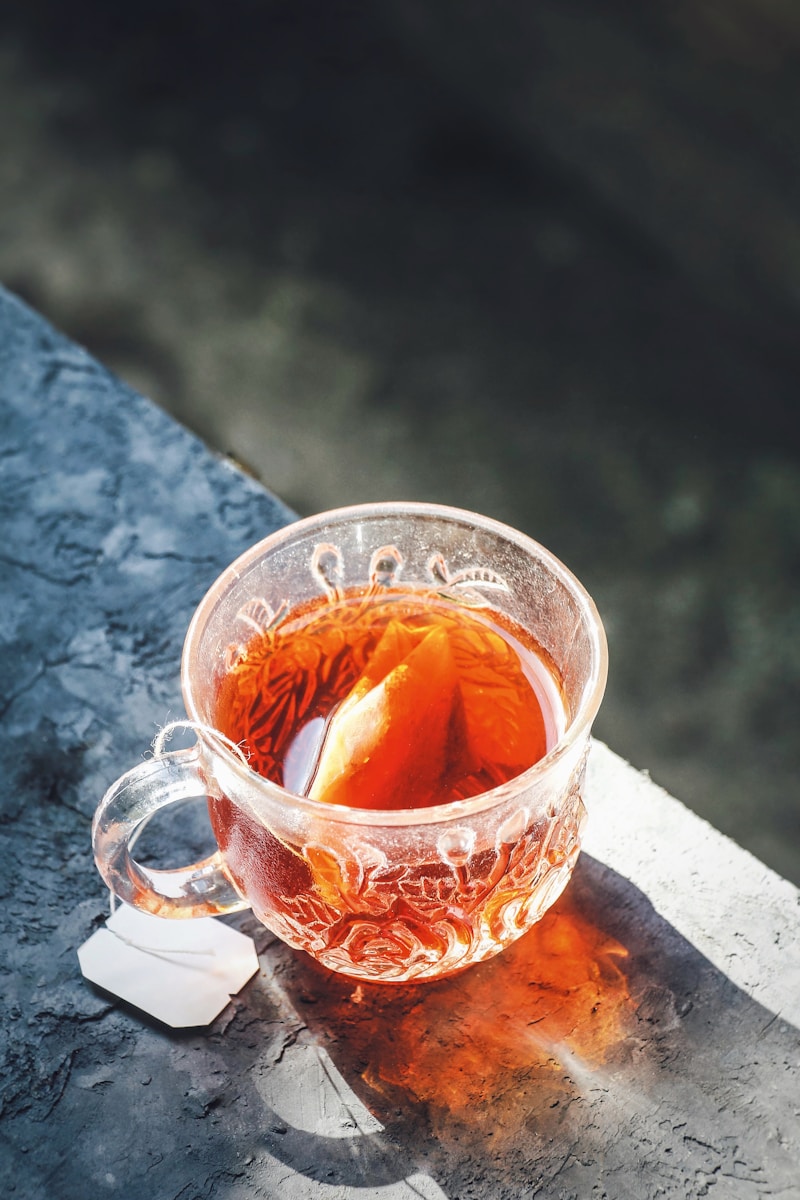
Traditional afternoon tea includes a variety of teas, with favorites like Earl Grey, served in fine china cups. A proper tea party offers a balance of sweet and savory items: scones with clotted cream and jam, finger sandwiches with fillings such as cream cheese and cucumber, and an assortment of sweet treats like pastries and cakes. It’s a time to break from the day, share stories with friends, and indulge in delicious bites.
High tea, often confused with traditional afternoon tea, is a more substantial meal eaten later in the day, typically featuring heavier foods like meats and egg dishes, catering more to the working class as an early evening meal. In contrast, the refined afternoon tea embodies elegance and sophistication, historically associated with the upper class, including Queen Victoria herself.
Afternoon tea stands out for its ritual and the experience it offers. Whether in a fancy hotel or one’s own home, setting the table with a beautiful spread elevates the event. It’s more than just eating and drinking; afternoon tea provides a chance to pause, savor each bite, and enjoy the company of guests. This timeless tradition continues to be a cherished practice for many, blending history, culture, and delight into a single, memorable hour.
History and Origins
Afternoon tea began in the early 19th century, credited to Anna, the Duchess of Bedford. Finding herself hungry in the late afternoon, between lunch and dinner, she started requesting a pot of tea, bread, and butter, along with other snacks like warm scones and sweet treats. Her practice quickly grew popular among high society.
Queen Victoria also embraced the afternoon tea tradition. Under her influence, it evolved into a more formal social event, including lace tablecloths, fine china, and guests enjoying a menu of finger sandwiches and pastries. Traditional English afternoon tea became a highlight, complete with cream and jam for the scones.
In the Victorian era, the sitting room often hosted these gatherings. Guests arrived around 4 PM, and the tables featured a variety of teas, including Earl Grey, accompanied by a selection of foods like clotted cream, biscuits, cakes, and small sandwiches. This ritual distinguished the upper class from the working class who had high tea—a heartier, early evening meal.
Afternoon tea spread beyond the British Isles. Hotels, cafes, and even people in their own homes around the world started organizing afternoon tea parties, maintaining the elegant atmosphere and selection of foods. The elements of traditional afternoon teas involve not just eating but savoring the experience. The ritual includes serving tea in cups by a hostess, often with milk and sugar, and enjoying the time with friends.
Afternoon Tea vs High Tea
Afternoon tea and high tea often get confused, but there’s a distinct difference between the two. Afternoon tea, also known as “low tea,” is a light, elegant meal typically served between 3:30 PM and 5 PM. Originated by Anna, the Duchess of Bedford, this tradition includes finger sandwiches, warm scones with clotted cream and jam, pastries, and an assortment of teas such as Earl Grey.
On the other hand, high tea is a more substantial evening meal. Unlike the sophisticated nature of afternoon tea, high tea, associated with the working class, includes heartier dishes like meats, bread, butter, and sometimes eggs or pies. Served around 5 PM to 7 PM, high tea acted as both a late dinner and satisfying conclusion to a day’s work. In Victorian times, this meal was practical, providing a filling menu to sustain workers after a long day.
Both afternoon and high teas involve tea as the central drink, but their atmospheres and types of foods differ. Afternoon tea offers a refined experience, often held in sitting rooms, where guests arrive to enjoy sweet treats like cakes and biscuits. High tea, however, focuses more on fulfilling hunger with substantial food after a labor-intensive day.
A traditional English afternoon tea often involves a variety of teas served in fine china, accompanied by delicate items like finger sandwiches and scones. In contrast, high tea serves more robust items and can be likened more to an early evening meal than a tea party. As afternoon teas became associated with leisure and sophistication, high tea maintained a reputation for being more of a practical meal.
Understanding the distinction enhances one’s appreciation of both traditions. Next time you’re enjoying a cup of tea with sweet treats, you’ll know if you’re partaking in the elegance of afternoon tea or the robust nourishment of high tea.
Etiquette and Traditions
Etiquette and traditions play a significant role in a traditional afternoon tea. When guests arrive, it’s customary to greet them warmly and offer seating in the sitting room. Proper etiquette suggests waiting for everyone to be seated before pouring tea from the pot. Queen Victoria set the standard by using fine china and lace tablecloths, enhancing the sophisticated ambiance of afternoon tea parties.
When serving food, it’s essential to follow a specific order. Start with savory items like finger sandwiches, then move on to warm scones with clotted cream and jam, and finish with sweet treats such as pastries and cakes. Using a three-tiered stand can help maintain this order and add to the presentation’s elegance.
Scones should be broken in half by hand, not cut with a knife. Spread clotted cream first, and then add jam on top, unless you’re in Cornwall, where the tradition is reversed. If guests choose to add lemon slices to their tea, do so without milk, as the acidity can cause curdling.
Good manners and small talk are essential during an afternoon tea party. Engage in light, pleasant conversation, and avoid discussing controversial topics. Afternoon teas offer a perfect opportunity to reconnect with friends and enjoy a leisurely break from the day.
For those holding their own tea parties, creating a menu reflecting traditional English afternoon tea can elevate the experience. Include a variety of teas, such as Earl Grey, and ensure all foods are bite-sized for ease of eating. Remember, the goal is to create a memorable and elegant experience for your guests.
What to Wear to Afternoon Tea
Dressing appropriately for afternoon tea can enhance the overall experience. Choose smart-casual attire that aligns with the elegance of the occasion. Think of attire that would complement the traditional ambiance of an afternoon tea party.
Ladies
For ladies, consider wearing dresses or skirts paired with blouses. Fabrics like linen and cotton are ideal for maintaining comfort. A knee-length dress in pastel or floral patterns works well. Pair it with comfortable footwear like ballet flats or low heels, avoiding overly casual shoes like sneakers.
Jewelry should be kept minimal but can include classic pieces like pearl earrings or a delicate necklace. While hats aren’t required, a small fascinator or a chic hat adds a touch of sophistication.
Gentlemen
Gentlemen can opt for slacks paired with a button-down shirt. A blazer can elevate the look if the setting is more formal. Ties are optional but can add a refined touch. Footwear should be polished loafers or oxfords, aligning with the smart-casual dress code.
General Tips
Avoid overly casual attire like jeans, t-shirts, or athleisure wear, as they detract from the elegant setting. Choose colors and patterns that complement the traditional English afternoon tea setting, creating a cohesive and pleasant visual experience for all guests.
Menu Ideas and Recipes
Creating a perfect menu for an afternoon tea party involves balancing savory and sweet dishes. Traditional English afternoon tea typically includes finger sandwiches, warm scones, and an array of pastries.
Sandwiches
Finger sandwiches rank high in a traditional afternoon tea. Cucumber sandwiches with cream cheese on white bread are a classic. Ham and mustard on wholemeal bread offer a savory contrast. Arrange the sandwiches on the bottom tier of a three-tiered stand.
Scones
Warm scones are a must for any afternoon tea. Use self-rising flour and bake until golden. Serve with clotted cream and jam, ideally strawberry or raspberry. For a twist, try adding dried fruits like currants.
Teacakes and Buns
Teacakes and buns add a sweet touch to your menu. Include currant-filled teacakes or hot cross buns. Heat them slightly before serving to accentuate the flavors. Place them on the middle tier of your stand.
Savory Options
Complement your sandwiches with additional savory options. Mini quiches with spinach and cheese or smoked salmon tarts work well. Consider adding a cheese board with various cheeses and crackers.
Sweet Treats
Finish your tea party with sweet treats. Classic options include Victoria sponge cake and lemon tarts. Chocolate éclairs and fruit pastries can also be delightful choices. Arrange these on the top tier of the stand.
By thoughtfully preparing the menu, hosting a memorable and elegant afternoon tea becomes easier. Each item adds to the experience, allowing guests to enjoy a well-rounded selection of foods.
Hosting an Afternoon Tea Party
Planning an afternoon tea party involves several key steps. First, choose a suitable location within your own home, ideally a sitting room where guests can comfortably chat and enjoy their tea. The setting significantly impacts the ambiance, so aim for an elegant, relaxed atmosphere.
Invitations and RSVPs
Send out formal invitations at least a week in advance. Include important details like date, time, and dress code to ensure a traditional English afternoon tea experience. Request RSVPs to account for the number of attendees in your preparations.
Menu Planning
Crafting the perfect menu is essential. A traditional afternoon tea menu usually includes a selection of teas like Earl Grey, finger sandwiches, warm scones with clotted cream and jam, and sweet treats such as cakes and pastries. Variety enhances the appeal:
- Sandwiches: Cucumber with cream cheese, smoked salmon, and egg salad
- Scones: Accompanied by clotted cream and jam
- Pastries and Cakes: Options like Victoria sponge cake and lemon tarts
Table Setting
An elegant table setting elevates the tea party. Use a lace tablecloth, fine china, and a three-tiered stand for presenting finger sandwiches, scones, and sweet treats. Each guest should have a small plate, a teacup and saucer, and proper cutlery. Fresh flowers can add a charming touch.
Tea Selection and Brewing
Offer a variety of teas to cater to different tastes. Popular choices include Earl Grey, Darjeeling, and herbal teas. Pre-brew the tea to the optimal temperature and time to ensure the best flavor. Serve the tea from a pot, allowing guests to add milk and sugar to taste.
Order of Serving
Serve the items in a specific order to maintain tradition: start with savory finger sandwiches, move to warm scones with clotted cream and jam, and finish with sweet treats. This sequence enhances the tasting experience.
Etiquette Tips
Ensure a pleasant atmosphere by adhering to certain etiquette rules:
- Wait for all guests to be seated before pouring tea.
- Break scones by hand instead of using a knife.
- Engage in light, pleasant conversation to create a warm atmosphere.
Addressing Dietary Restrictions
Take note of any dietary restrictions when planning. Offer gluten-free, vegetarian, or vegan options as necessary. Inclusivity ensures all guests enjoy the experience.
Preparing in Advance
Begin preparations a day or two before the event. Bake the cakes and pastries, prep the finger sandwiches, and arrange the serving table. A well-organized host ensures a smooth, enjoyable tea party for all attendees.
By following these guidelines, hosting an afternoon tea party becomes a delightful experience for both you and your guests.
Afternoon tea offers a charming escape from the hustle and bustle of daily life. It’s a tradition that blends history, culture, and culinary delight into a memorable experience. Whether you’re a seasoned host or a first-time guest, understanding the nuances of this elegant ritual can enhance your appreciation and enjoyment. From the refined menu to the thoughtful etiquette, every detail contributes to the sophisticated atmosphere that makes afternoon tea so special. So why not take a moment to indulge in this timeless tradition? You might just find it to be the perfect way to unwind and connect with friends.
Frequently Asked Questions
What is afternoon tea?
Afternoon tea is a light, elegant meal typically held between 3:30 PM and 5 PM, featuring finger sandwiches, scones, pastries, and a selection of teas. It is a British tradition that originated in the early 19th century.
How did afternoon tea originate?
Afternoon tea was introduced by Anna, the Duchess of Bedford, in the early 19th century when she began requesting tea and snacks to stave off afternoon hunger. The practice quickly gained popularity among high society.
What foods are typically served at afternoon tea?
Typical foods include finger sandwiches, scones with clotted cream and jam, cakes, and pastries. The menu may also feature biscuits and other small treats.
How is afternoon tea different from high tea?
Afternoon tea, also called “low tea,” is a light, elegant meal served in the afternoon, while high tea is a more substantial meal served in the evening, featuring heartier dishes such as meat, potatoes, and vegetables.
What is the proper etiquette for afternoon tea?
Proper etiquette includes warmly greeting guests, waiting for everyone to be seated before pouring tea, serving savory items first, followed by scones, and then sweet treats. Using appropriate manners, like breaking scones by hand, is also essential.
What should I wear to afternoon tea?
Smart-casual attire is recommended. Women might wear dresses or skirts with blouses, along with minimal jewelry and optional hats. Men are advised to wear slacks with a button-down shirt, and possibly a blazer. Avoid overly casual clothing like jeans or t-shirts.
How long does an afternoon tea typically last?
An afternoon tea session usually lasts between 1 hour 30 minutes and 1 hour 45 minutes.
Can I host my own afternoon tea party?
Yes, you can host your own afternoon tea party. Choose an elegant location, send formal invitations, plan a menu that balances savory and sweet dishes, and ensure an elegant table setting. Following traditional serving order and etiquette will enhance the experience.
What are some classic menu items for afternoon tea?
Classic menu items include finger sandwiches, warm scones served with clotted cream and jam, Victoria sponge cake, and lemon tarts. These are often presented on a three-tiered stand for an elegant display.
How do I ensure a pleasant atmosphere at my afternoon tea party?
Ensure a pleasant atmosphere by greeting guests warmly, adhering to proper etiquette, and accommodating dietary restrictions. Planning in advance and crafting a well-rounded menu also contribute to a memorable experience.
Afternoon tea is more than just a delightful break in the day—it’s a cherished cultural tradition that brings people together in a refined setting. Whether you’re enjoying a classic cup of tea or exploring more modern beverages, learning the art of crafting the perfect martini can elevate your afternoon gatherings. Additionally, brushing up on wine-tasting etiquette ensures you can pair your tea treats with confidence. Don’t forget, understanding social etiquette can make your tea time a seamless and gracious experience for all involved. Dive into these essential guides to perfect your next tea affair!
Basic Needs of children: The Essentials for a Happy Childhood
Most parents know that providing their children with a good upbringing, filled with lots of love and opportunities, is vital for their overall happiness and success in life. However, what many don’t realize is that there are some basic needs of children that must be met in order for them to thrive. Let’s take a look at the essentials for a happy childhood.
Basics needs of children
Children may have varying needs, but they all require some basic and common needs. The most important needs are:
1. Love and attention
All children need to feel loved. They need parents or caretakers who are attentive to their needs, both physical and emotional. This doesn’t mean that every single minute of the day must be filled with activity - sometimes just sitting together quietly can be enough to show your child that you love them.
It’s also important to provide children with physical affection, such as hugs and kisses. This helps them feel secure and lets them know that they are loved.
2. Structure and routine
While children do need some flexibility in their lives, they also benefit from having a certain amount of structure and routine. This can include having regular mealtimes, bedtimes, and bath times. It can also mean having set rules and expectations that are consistently enforced.
Many parents find that a daily schedule is helpful in providing structure for their children. This can be as simple as writing down what activities will be happening and when.
Following a routine helps children feel secure and provides them with a sense of order in their lives. It also allows them to know what to expect, which can help reduce anxiety and emotional distress.
3. A sense of belonging
Children need to feel like they belong to a family, community, or other group. This can be achieved in many different ways. For example, you could involve your child in extracurricular activities, such as sports teams or clubs. You could also take them to religious services or cultural events.
A young child’s sense of belonging can also be promoted by simply spending time with extended family members, such as grandparents, aunts, and uncles. It’s important for children to feel like they have a place in the world and that they are connected to others.
4. Nutritious and healthy meals
Children need to eat nutritious and healthy meals in order to grow and develop properly. This means including plenty of fruits, vegetables, whole grains, and proteins in their diet. Food is fuel for the body, and it’s important to give children the nutrients they need in order to stay healthy and active.
Of course, it’s not always possible to get children to eat perfectly balanced meals. However, you can encourage healthy eating habits by leading by example. Eat meals together as a family, and make sure to include plenty of healthy options. You can also involve your children in meal planning and preparation. This will help them to understand the importance of good nutrition and will give them the skills they need to make healthy choices later in life. Nourishing meals are also an essential component of a child’s brain development.
5. A safe and clean environment
Children need to live in a safe and clean environment. This means having a home that is free from hazards, such as sharp objects, toxic chemicals, or stairs. It also means keeping the home clean and tidy, so that children can play safely without the risk of getting hurt or sick.
You can help to create a safe and clean environment for your children by regularly inspecting the home for hazards and taking steps to fix any potential problems. Stable household routines can also help, as they provide children with a sense of predictability and security.
You should also teach your children about basic safety rules, such as not touching electrical sockets or playing with matches. By taking these precautions, you can help to keep your children safe from harm. Physical needs such as shelter, warmth, and cleanliness are essential for a child’s wellbeing.
6. Education and learning opportunities
Children need to have access to education and learning opportunities. This means providing them with books, toys, and other materials that will help them to learn about the world around them. It also means taking them to museums, libraries, and other places where they can explore and discover new things. Sending children to school is one of the best ways to ensure that they receive a quality education.
A child’s life should be filled with opportunities to learn and grow. By providing children with the resources they need, you can help them to develop into happy, healthy, and successful adults.
[affiliatable id=‘268438’]
7. Positive role models
Children need positive role models in their lives. This means having adults who they can look up to and who will set a good example for them to follow. It’s important to choose role models wisely, as children will imitate the behavior of the people they admire.
Being a positive role model aids in the emotional development of children by showing them how to model their conduct after people they respect, such as their parents or other caring adults. Furthermore, children who have positive role models are more likely to develop a strong sense of self-esteem and confidence. As a result, they are more likely to succeed in life. Don’t lose respect for yourself by being a doormat, but be someone your children can be proud of.
8. Access to the basic medical care
Parents should have a better understanding of their child’s medical needs. They should take their children for regular checkups, immunizations, and well-child visits. Furthermore, they should know how to identify when their child is sick and what to do in case of an emergency. By taking these steps, parents can ensure that their children have access to the medical care they need.
9. Emotional support
Children need emotional support from the adults in their lives. This means providing them with love, attention, and affection. It also means being there for them when they are sad, scared, or angry.
You can provide emotional support for your children by spending time with them, listening to them, and offering words of encouragement. You should also be patient with them and avoid getting angry or frustrated. The family remains the most importantly emotional support system for children, so make sure that you are there for your children when they need you.
10. Quality time
One of the most important things you can do for your children is to spend time with them. This means playing with them, talking to them, and listening to them. It also means taking an interest in their lives and helping them to grow and develop.
You can make the most of your time with your children by doing activities that are both enjoyable and educational. You can also use this time to bond with your children and build a strong relationship with them.
Why it is so important for children to have these things in their lives?
These things are essential for children because they help to meet their physical and emotional needs. When children have their basic needs met, they are able to thrive and develop into happy, healthy adults. However, when these needs are not met, it can lead to problems such as poor mental health, behavioral issues, and even developmental delays. Therefore, it is essential that we do everything we can to ensure that children have what they need to thrive.
Key Takeaways
The needs of a child are important for their overall development. Early childhood development is essential for the proper physical, emotional, and mental growth of a child.
Parenting is not easy, but by understanding the basic needs of children, parents can provide their children with the foundation they need to grow into happy, healthy adults.
Family Meeting Topics: Ideas for a Successful Meeting
Regular family meetings are a great way to improve communication and build stronger relationships within your family members. However, it can be difficult to know what to discuss at these meetings.
Family Meeting Ideas
Here are some great family meeting topics that can be covered at family meetings:
1. Family goals – What do you hope to achieve as a whole family? Discussing and setting goals is a great way to ensure that everyone is on the same page and working towards the same things.
2. Family values – What are the most important values that your family lives by? Discussing these values can help to ensure that everyone is following them.
3. Family rules – What rules do you have in place as a family? Discussing and setting rules is a great way to ensure that everyone understands the expectations and is following them.
Many families don’t know the importance of establishing family rules and end up raising a rebellious child. Hence, it is important to hold a successful family meeting to remind everyone about the rules they should follow.
4. Family finances – Discussing family finances on your next family meeting is a great way to ensure that everyone is on the same page with regards to spending and saving money.
- Family news – What’s going on in your family? This is a great way to catch up with everyone and hear about any news or updates. You can make the conversation fun by using a talking stick. Pass the stick to everyone to give them a chance to talk.
6. Family events – What upcoming events do you have planned as a family? This is a great way to ensure that everyone is aware of what’s going on and can plan accordingly.
7. Family feedback – What did everyone think of the last family meeting? Was there anything that could be improved? Is everyone practicing effective communication? This is a great way to ensure that family meetings are always improving.
8. Family tradition review – What traditions does your family have? Are they still being followed by your older children? This is a great way to ensure that traditions are being kept alive.
9. Family member spotlight – Choose one family member to spotlight at each meeting. Only one person can talk at a time, and that every- one gets a turn. This is a great way to get to know each other better and learn new things about one another.
10. Positive behaviors – What positive behaviors did everyone display this week? This is a great way to focus on the positive and reinforce good behavior.
11. Positive discipline – What disciplinary action was taken this week and why? If one member is questioning your disciplinary action, use some gentle questioning. This is a great way to ensure that everyone is on the same page with regards to discipline.
12. Family plan – What does the future hold for your family? Discussing and setting goals for the future is a great way to ensure that everyone has open communication, is on the same page and working towards the same things.
12. Good hygiene habits – What good hygiene habits did everyone display this week? This is a great way to focus on the positive and reinforce good hygiene habits.
13. Good manners – What good manners did everyone display this week? This to enhance moral reasoning in youth, increased positive youth behavior, and increased effective family decision making. This is a great way to focus on the positive and reinforce good manners.
14. Gratitude – What are everyone grateful for this week? This is a great way to focus on the positive and reinforce an attitude of gratitude.
15. Random acts of kindness – What kind things did everyone do for others this week? This is a great way to focus on the positive and encourage acts of kindness. You can raise confident, resilient kids with a growth mindset.
[affiliatable id=‘269639’]
Why It Is Important to Hold Family Meetings?
Regular family meetings are important because they improve communication and build stronger relationships within your family. Family meetings provide a time for everyone to catch up with one another and discuss any news or updates. They also give everyone a chance to share their thoughts and feelings on various topics.
Someone may be dealing with sadness or anger causing other family members to be concerned. Younger children might be struggling to cope. Whatever the reasons, weekly family meetings is a good time to bring our everyone’s emotions.
Additionally, family meetings allow you to discuss and set goals, values, and rules as a family. This can help to ensure that everyone is on the same page and working towards the same things.
Finally, regular family meetings provide a time for you to focus on the positive aspects of your family life. This can help to build stronger relationships and reinforce good behavior.
The most important thing is to ensure that the meeting is fun experience, productive and that everyone feels like they have a chance to contribute. Of course, end it with a fun activity. If you have any other great ideas for family meeting topics, feel free to share them in the comments below, so other families can try it too.
Other suggested articles:
Rediscover Yourself After Becoming a Parent
Do You Have Ungrateful Children?
What Does Refined Living Mean? Unveiling the Essence
In a world filled with chaos and constant distractions, the pursuit of refined living stands out as a beacon of elegance and sophistication. But what does refined living mean, and why has it become such a coveted lifestyle? In this exploration of the concept, we’ll journey through various definitions, delve into the cultural and historical aspects of refinement, and connect refined living to personal growth and self-awareness.
Introduction to the Concept of Refined Living
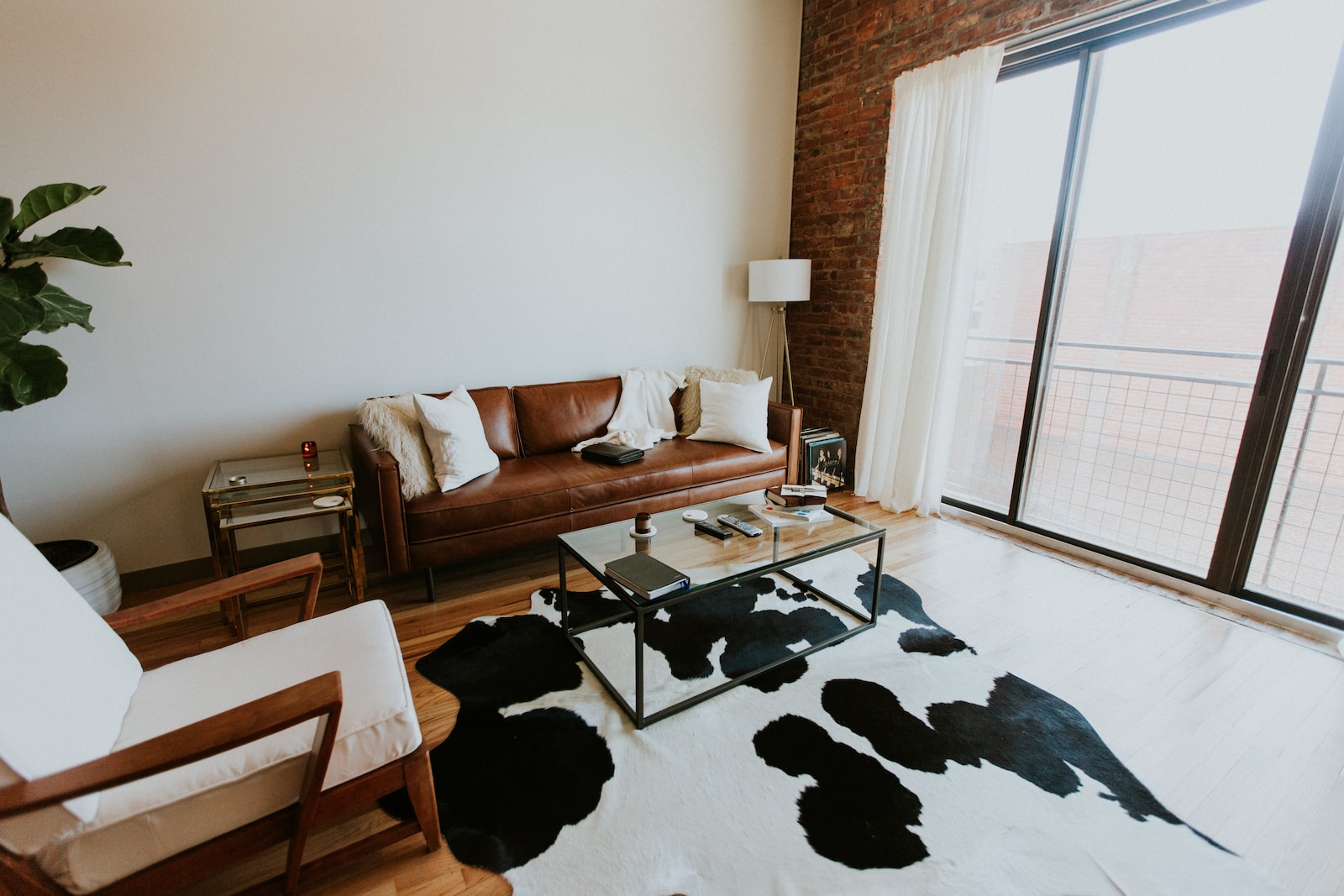
Refined Living Meaning: To begin our quest for understanding, let’s define what refined living means. At its core, refined living encompasses a lifestyle characterized by elegance, sophistication, and a commitment to the highest standards of taste and conduct. It goes beyond superficial appearances and delves into the very essence of how we live our lives.
Exploring Various Definitions and Interpretations: Refined living is a concept that transcends time and borders. While its essence remains constant, its interpretation may vary from person to person. Some see it as a celebration of culture and heritage, while others view it as a path to personal growth and self-awareness.
Defining Refined Living
Definition of Refined Living: At its core, the definition of refined living revolves around the pursuit of excellence and sophistication in all aspects of life. It’s the embodiment of grace, poise, and a commitment to the highest standards of taste and conduct. Refined living is about transforming everyday actions and choices into expressions of elegance and refinement.
The Essence of Refined Lifestyle: To truly grasp what refined living is, one must understand its essence. It’s not about superficial appearances but rather an intrinsic quality that permeates one’s actions, choices, and character. The essence of refined living lies in the continuous pursuit of self-improvement, elevated tastes, and a deep appreciation for beauty and culture.
The Power of Refined Distinctions: Refined living is characterized by the ability to make refined distinctions. It involves discerning the subtleties that others might overlook, whether it’s in art, literature, or the nuances of human interactions. Having the power to appreciate these distinctions is a hallmark of a refined individual.
Delving into the Cultural and Historical Aspects of Refinement
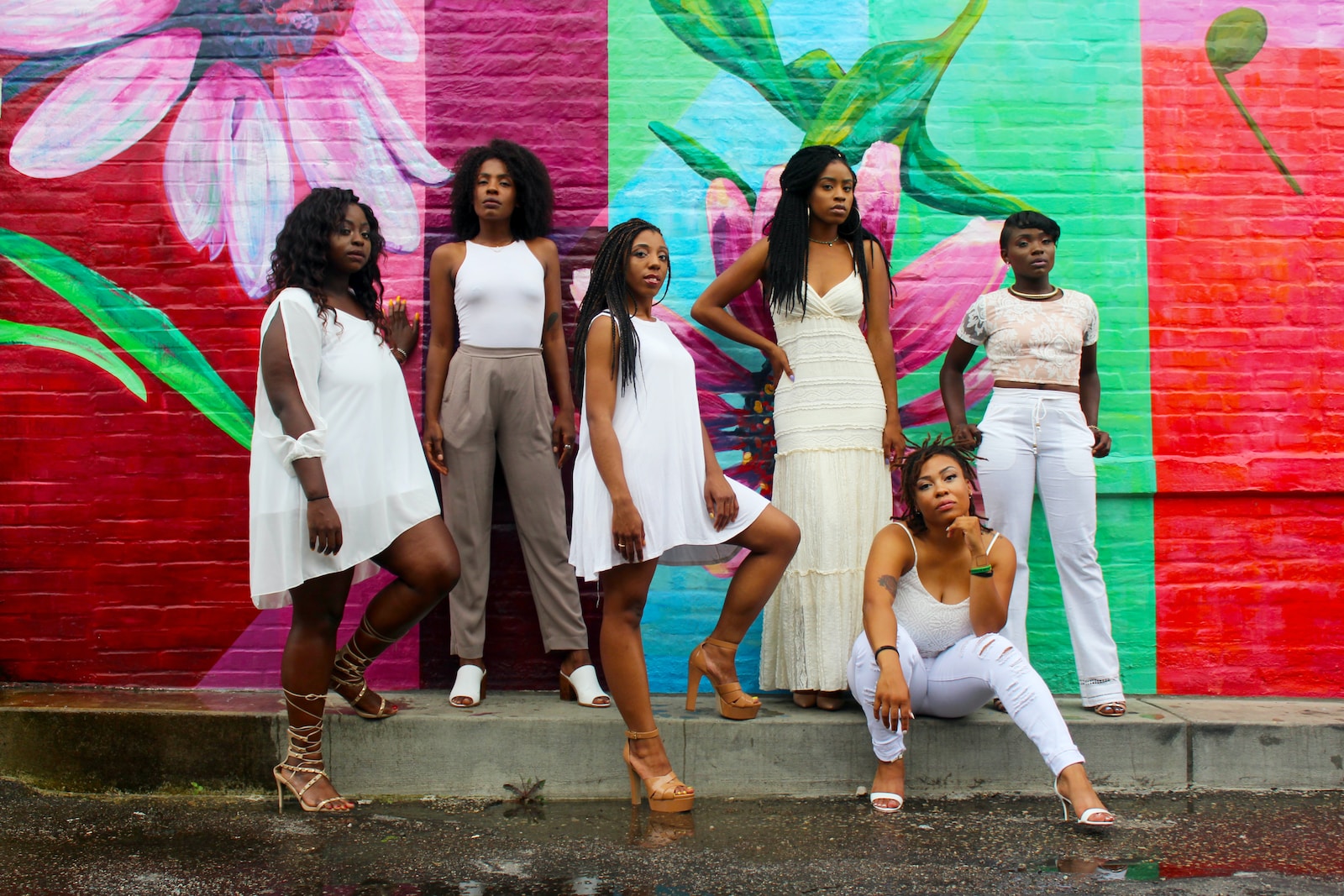
Connecting Refined Elegance: The idea of refined living has deep roots in history and culture. Throughout the ages, different societies have upheld their unique standards of refinement. From the intricate tea ceremonies of Japan to the grandeur of European aristocracy, each culture has contributed to the rich tapestry of refined living.
Refined Taste: The notion of refined taste is central to the concept. It involves the ability to appreciate the subtle nuances of art, cuisine, fashion, and more. Refined taste is not merely about wealth or extravagance; it’s about the discernment to recognize and appreciate the finer things in life.
Good Manners and Politeness: An integral part of refined living is the practice of good manners and politeness. Treating others with respect and courtesy is a hallmark of refinement. It’s about creating a harmonious environment where everyone feels valued and heard.
Connecting Refined Living to Personal Growth and Self-Awareness

Self-Cultivation: Refined living is not just about the external world; it’s also about inner growth. Cultivating refined habits and behaviors can lead to personal transformation. It’s a journey of self-discovery and self-improvement.
The Role of Education: Education plays a crucial role in refining one’s sensibilities. It provides the knowledge and awareness needed to appreciate the beauty and intricacies of the world. A well-rounded education contributes to a refined perspective on life.
Building Meaningful Relationships: Refined living extends to how we interact with others. Building meaningful relationships with friends and strangers alike is a testament to our refined social skills. In a world where connections matter, being well-mannered and attentive can open doors and create lasting bonds.
Cultivating Refined Tastes
Developing Good Taste: Good taste is an essential component of refined living. It goes beyond mere preferences and involves a cultivated appreciation for quality and beauty. Those who embody refined living have a keen eye for design, fashion, art, and cuisine, and they can distinguish between what is merely trendy and what possesses enduring beauty.
The Fine Degree of Elegance: Refined living is characterized by an appreciation for the fine degree of elegance in all aspects of life. Whether it’s the way one dresses, decorates their living space, or engages in conversation, the pursuit of excellence at the highest level is paramount.
The Well-Bred Feeling: Refined living is not solely about external appearances; it’s also about fostering a well-bred feeling within oneself. It involves the cultivation of kindness, empathy, and a genuine respect for others. This well-bred feeling extends to how one conducts themselves in society, showing consideration and courtesy to all.
Refined Living in a Changing World

Embracing American Heritage: Refined living is not limited to any particular culture or region, but it can be influenced by one’s heritage. In the American context, embracing refined living means preserving and celebrating the nation’s rich cultural diversity while also upholding the values of individualism, freedom, and innovation.
Elegance in a Modern World: In today’s fast-paced, technology-driven world, the concept of elegance might seem at odds with the hustle and bustle of everyday life. However, refined living shows that elegance is not outdated; rather, it’s a timeless quality that can enhance one’s experience in the modern world.
The Future of Refined Education: Education plays a pivotal role in refining one’s sensibilities. In the future, as technology continues to evolve, education will become more accessible and personalized. This will provide individuals with even greater opportunities to refine their tastes, expand their knowledge, and foster a deeper appreciation for the world around them.
The Art of Refined Communication
The Importance of Eye Contact: In the realm of refined living, even the subtlest gestures matter. Maintaining eye contact during conversations is a sign of respect and attentiveness. It demonstrates that you value the person you’re engaging with and are fully present in the moment.
The Power of Words: Words hold such power in refined communication. Speaking thoughtfully, eloquently, and with consideration for others is a key aspect of refined living. Words can inspire, comfort, and connect people on a profound level, making them a potent tool in the pursuit of elegance.
Politeness and Respect: Politeness is a universal language of refined people. Whether you’re in a bustling city or a serene countryside, treating others with respect and courtesy is a fundamental aspect of refined living. It fosters harmonious relationships and creates a more gracious and pleasant world.
[affiliatable id=‘269174’]
Embracing the Journey of Refined Living
In a world where the pace of life seems to quicken by the day, refined living invites us to pause, reflect, and elevate our existence. It’s not about exclusivity but rather a commitment to self-improvement, appreciation for the beauty around us, and respectful interactions with others. Refined living is a journey of continuous refinement, a pursuit of the highest standards, and an aspiration to leave a legacy of elegance and grace for future generations. As we navigate the complexities of the modern world, the essence of refined living continues to be a guiding light, illuminating our path toward a more refined and meaningful life.
Final Thoughts: What Does Refined Living Mean
The essence of refined living lies in the pursuit of excellence, both in our external expressions and our inner growth. It’s about appreciating the beauty in the world, treating others with kindness and respect, and constantly striving for self-improvement. Refined living is not an exclusive club; it’s a journey open to anyone who wishes to elevate their life to a higher plane of elegance and sophistication.
As we continue to explore the nuances of what refined living means, it becomes clear that it’s not merely a lifestyle; it’s a philosophy—a way of being that enriches our lives and those around us. So, whether you’re sipping tea in Japan, enjoying a fine meal in Paris, or simply embracing the art of living well in your own way, refined living is an aspiration worth pursuing.
Other suggested articles:
Incorporating Opulence in Home Decor: A Guide to Luxurious Living Spaces
Table Manners: Dining With Grace for Social Gatherings
A Guide to Achieving the Ideal Refined Lifestyle
In today’s fast-paced world, achieving a refined lifestyle may seem like a distant dream. However, with the right mindset and intentional steps, anyone can embrace the elegance and sophistication that comes with refined living. In this comprehensive guide, we will define what refined living truly means, outline the steps to transition from an ordinary existence to a refined lifestyle, and delve into the importance of mindfulness, intentionality, and awareness in maintaining this lifestyle. We will also explore how to balance the demands of modern life with the principles of refined living.
Defining Refined Living as a Lifestyle Choice

What is Refined Living?
Refined living is not about flaunting extravagance or elitism; it is a conscious choice to elevate the quality of one’s life. It revolves around cultivating an elegant lifestyle marked by poise, social grace, and thoughtful choices. Living a refined life means paying attention to details, valuing authenticity, and striving for personal growth.
The Benefits of Refined Living
Before embarking on your journey towards a refined lifestyle, it’s essential to understand the benefits it brings. Refined living enhances mental health, fosters deeper connections with others, and boosts confidence. It allows you to tap into your creative side, become more self-aware, and appreciate the beauty in everyday life.
Steps to Transition from Ordinary Living to Refined Living
Recognize Your Desires
To achieve a refined lifestyle, you must first realize that you deserve it. Acknowledge your aspirations and the vision you have for your future. Embrace the idea that life is a series of moments, and each one can be refined to create a more fulfilling existence.
Focus on Personal Growth
Refined living is a continuous journey of self-improvement. It’s about honing your skills, expanding your knowledge, and nurturing your creative side. Set aside time for self-reflection and introspection to better understand your intentions and aspirations.
Cultivate Mindfulness and Intentionality
Mindfulness and intentionality are the cornerstones of refined living. Practice being present in the moment, savoring life’s pleasures, and making conscious choices. Whether it’s savoring a gourmet meal or engaging in meaningful conversations with friends, these moments matter.
Embrace Minimalism
Incorporate the principles of minimalism into your life. Focus on quality over quantity, declutter your physical and mental space, and let go of possessions and habits that no longer serve you. By simplifying your life, you create room for elegance and refinement.
Practice Gratitude
Develop a habit of gratitude. Take time each day to reflect on the things you are thankful for. Gratitude enhances your perspective on life and reinforces the positive aspects of refined living.
Balancing Modern Demands with Refined Living Principles

Time Management
In today’s busy world, time management is crucial. Learn to prioritize tasks and allocate time to focus on refined living. By doing so, you can strike a balance between meeting the demands of the modern world and maintaining a refined lifestyle.
Building Meaningful Relationships
Your circle of friends and the company you keep play a significant role in your refined living journey. Surround yourself with individuals who inspire you, challenge your thinking, and share your values. Engage in meaningful conversations and create a supportive community.
Personal Presentation and Style
Your image and style are integral parts of refined living. Dressing with care, practicing good hygiene, and paying attention to your personal presentation convey respect for yourself and others. Your appearance should reflect the elegance you seek to embody.
Nurturing Your Creative Side
Embrace your creative side and explore artistic pursuits that inspire you. Whether it’s joining an art class, starting a creative project, or attending cultural events, nurturing your creativity adds depth and richness to your refined life.
Public Engagement
Extend your refined living principles to the public sphere. Be mindful of your online presence and how you engage with the digital world. Avoid spamming and maintain an authentic voice in your interactions.
Incorporating Mindfulness, Intentionality, and Awareness
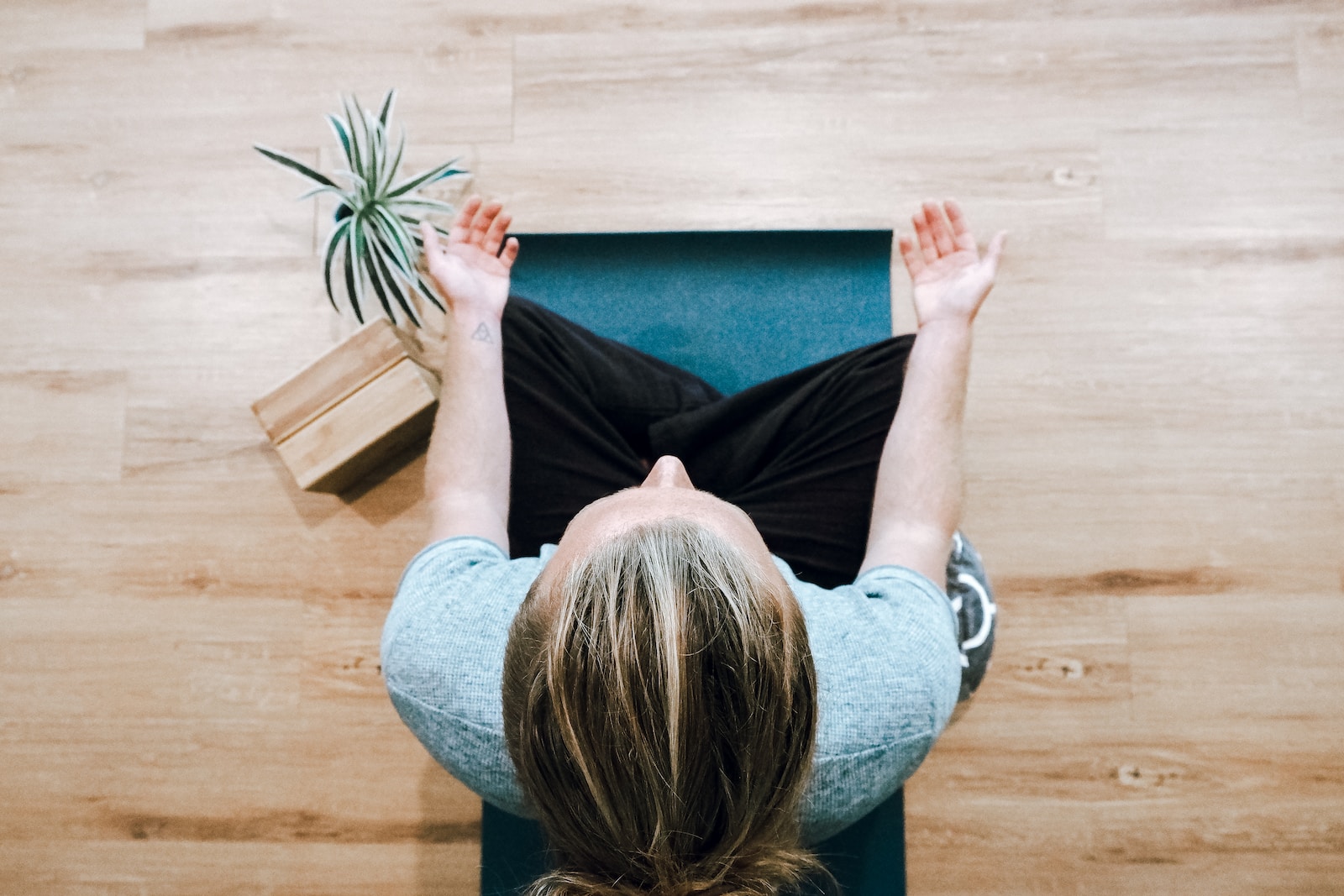 The Power of Mindfulness: Mindfulness is the practice of being fully present in the moment, without judgment. It allows you to appreciate the beauty of life’s subtleties and to savor each experience. By incorporating mindfulness into your daily routine, you can cultivate a refined life that is attuned to the richness of the present. The Role of Intentionality: Intentionality involves setting clear intentions for your actions and choices. It means aligning your decisions with your values and aspirations. When you live intentionally, every aspect of your life becomes purposeful and contributes to your refined living journey. Developing Heightened Awareness: Awareness is the key to understanding yourself and your surroundings on a deeper level. It involves self-reflection and the ability to recognize the impact of your thoughts, actions, and decisions. Developing heightened awareness allows you to navigate life with grace and make choices that align with your refined lifestyle goals.
Final Thoughts - Ideal Refined Lifestyle
 Living a refined life is not about perfection but about making conscious choices that elevate your existence. By focusing on personal growth, practicing mindfulness, and embracing intentionality, you can achieve the ideal refined lifestyle. Balancing the demands of the modern world with refined living principles allows you to create a life filled with elegance, authenticity, and purpose. Remember, each moment matters, and your journey towards refined living begins with the decision to start. In your pursuit of refined living, stay true to your values, foster meaningful relationships, and prioritize self-care. By doing so, you will not only enhance your own life but also inspire others to embark on their own journeys towards a more refined and fulfilling existence. Other suggested articles:
Social Etiquette: How to Be a Gracious Host or Guest Unveiling the Secrets
Table Manners: Dining With Grace for Social Gatherings
Refined Cuisine: The Art of Gourmet Dining in Everyday Life
Can You Wear Sandals to an Interview?
Can you wear sandals to an interview? There is no one-size-fits-all answer to this question. It depends on the company’s dress code and the type of interview you are going for. Generally speaking, preparing for a job interview, it is essential to understand the industry’s expectations and dress accordingly.
If you are not sure what type of footwear is appropriate for your interview, ask a friend or family member for their opinion, or do some research online. In most cases, it is best to wear closed-toe shoes rather than sandals.
Can You Wear Sandals to an Interview?
Typically, dress sandals, peep toe sandals or any type of sandals should never be worn to an interview as they give off a too casual vibe for even the most relaxed workplaces. Since they would be such an unusual choice of footwear, they can easily distract an interviewer and also come across as eccentric.
The main reasons why it just isn’t a good idea are listed below, followed by more comfortable alternatives that would be better options for an interview.
Reasons Why You Shouldn’t Wear Sandals To An Interview
After reading these, you’ll most likely decide against it.
It Can Come Across As Eccentric
Wearing sandals to an interview would be so unusual that it may come across as eccentric. While in social settings, standing out with what you wear is often encouraged, in the workplace, it can be seen as a problem.
You want to appear professional and put-together, without coming across as showy or preoccupied with your own appearance. There are lots of different types of shoes you can wear to an interview that will strike the right balance. Let’s go through a few options now.
W earing Sandals Is Distracting
Because sandals are seldom worn to interviews, they will likely garner attention if you choose to wear them. And when vying for a position you really want, the last thing you need is negative attention.
In general, it’s not a problem to stand out with your clothing choices. However, in more formal settings like interviews, the emphasis should be on what you bring to the table in terms of skills and accomplishments. It can be hard for an interviewer to see past brightly colored sandals and focus on what really matters.
You don’t want your choice of footwear to negatively affect the outcome of an interview, even if it’s subconsciously or due to distraction. Remember that interviewers are just regular people at the end of the day.
It’s Way Too Casual
Sandals are the quintessential summertime shoe, but it’s essential to remember that an interviewer will most likely be aware of this too.
No matter how relaxed the dress code is for your interview, make sure you’re presentable by avoiding any causal wear. Sure, those sandals are comfortable, but they wouldn’t send the right message.
It’s worth mentioning that not all sandals look the same when it comes to how casual they appear. Some sandals can look a little dressier than others, for example. Examples of ultra-casual sandals include hiking sandals, Fisherman Sandals, Teva Sandals, and Birkenstocks.
In summary, even the best pair of sandals wouldn’t be worth stepping into an interview in because they would give off a too casual vibe.
Mixing casual and formal attire is always a risk, but it’s especially apparent when you pair sandals with more refined clothing items like blazers or dress pants. The difference in formality levels causes the pairing to look mismatched and sloppy.
[affiliatable id=‘269048’]
Better Alternatives To Sandals For An Interview
It’s essential to remember that dark leather dress shoes are always the best choice, even when interviewing for jobs in more relaxed workplaces.
While a button-down shirt and chinos combo is technically job interview attire, it’s always best to err on the side of caution when dressing for an interview. If you’re considering wearing sandals, know that there are more appropriate options out there that will still give off a casual vibe. To help you out, we’ve listed three below.
In terms of formality, brown shoes are only appropriate for interviews in workplaces with a relaxed dress code. If you need to wear a suit to the interview, you should instead opt for dark leather dress shoes (Oxfords, Derbys or monk straps).
Suede Dress Shoes
If you think that the typical leather Oxford, Derby, or monk strap would be too formal for your interview, go with a suede version of those same styles instead.
Suede has a more casual appearance than leather because of its napped, rugged texture. You wouldn’t want to wear suede when you’re dressing for a formal occasion like an interview, but it could work well with business-casual attire.
Penny Loafers
Brown leather penny loafers are a versatile and stylish addition to any wardrobe. They can be dressed up or down, making them perfect for any occasion.
The laceless, slip-on design gives them a slipper-like look, while the separate heel makes them appropriate for more formal wear.
I selected penny loafers because they are a favorite, however bit loafers or tassel loafers would be acceptable too. Loafers might be considered the most relaxed dress shoe and could possibly serve as a replacement to sandals.
Dark Boat Shoes
This is important–choose an interviewee who will be comfortable in a casual setting. Although boat shoes are lower cut and slip on, they aren’t as revealing as sandals, making them a better choice to wear to an interview. Boat shoes are not the best choice for a smart-casual or business-casual interview. A pair of loafers would be a better option every time.
Can You Wear Sandals to an Interview? - Final Thoughts
At the end of the day, open toed shoes, sandals or flip flops in a job interview setting is just too casual. Even if you’re interviewing for a job at a more relaxed workplace like a startup or tech company, it’s essential to keep in mind that fashion trends and dress codes are constantly evolving. As long as you wear heels or business shoes and dressed appropriately for your industry and the company you’re interviewing with, you’ll be fine.
If you’re looking for a more professional alternative to sandals, consider wearing brown leather dress shoes like oxfords, derbys, or monk straps. These styles are always appropriate for an interview setting because they exude professionalism while still being relatively casual. In the end, it all comes down to choosing an outfit that will make you feel confident and comfortable. So, the real question is: Are you ready for your interview? Good luck!
Exploring Literary Classics: A Journey Through Timeless Themes and Authors
What truly defines literary classics? Is it the test of time, the universal acclaim, or perhaps the depth of its literary merit? I’ve often pondered these questions, and I’m not alone in this curiosity. The debate around what makes a book a “classic” is as old as literature itself. Whether it’s the timeless appeal of a Renaissance tragedy or the poignant narrative of a family saga from India, classics form a diverse tapestry that appeals to varied tastes and preferences. Every classic book offers a window into different cultures, eras, and human experiences, making them indispensable for those of us who cherish literary exploration. From the bustling streets of 1920s New York in Nella Larsen’s novels to the intricate social tapestries of turn-of-the-century Ireland, these stories transcend their settings to speak on universal themes of identity, belonging, and transformation. As I delve into these revered texts, I invite you to join me in exploring why these classic books have earned their prestigious titles and how they continue to influence and inspire readers around the world. Let’s uncover the rich layers of meaning and the powerful narratives that make each of these works undeniably classic.
Exploring the Impact of Literary Classics
In this exploration, I’m delving into what makes literary classics a keystone of cultural intellect and artistic achievement. These works, transcending the constraints of time and trend, continue to captivate and challenge readers around the world. 
Defining a Literary Classic
A literary classic is often considered a masterpiece that has stood the test of time, providing invaluable insights into the society from which it emerged and the universal human condition. These texts—ranging from Charles Dickens’ profound social critiques to Jane Austen’s keen observations of interpersonal relationships—are distinguished by their ability to be “re-read” with fresh revelations each time. What qualifies as a classic extends beyond mere age or historical significance; these works exhibit a high degree of artistic quality and convey profound ideas that remain relevant today. They form part of what is commonly referred to as the canon of “classic literature,” a group of works widely considered foundational to world literature.
Historical Influence and Cultural Significance
Literary classics shape and reflect cultural and societal norms of their times while influencing the generations that follow. For example, Mary Shelley’s “Frankenstein” challenges the boundaries of science and ethics, themes as pertinent now as they were in the 19th century. Moreover, books like Harper Lee’s “To Kill a Mockingbird” explore human rights issues that resonate deeply in today’s societal discourse, illustrating the persistent relevance of classic texts. The cultural significance of these works is not only found within their pages but also through their adaptation into various media, which continually revives interest and brings the narratives to new audiences. These adaptations further solidify the works’ status in the cultural consciousness, making the novels timeless while highlighting their ongoing impact on modern thought and literature. By examining these classics like Jane Eyre, I gain not only a deeper understanding of the art of storytelling but also of the enduring human themes that they encapsulate. Through their profound impact on literature and society, these works remain an essential part of educational curricula and literary exploration worldwide.
Major Themes in Classical Literature
Exploring the major themes within literary classics reveals not just the artistic greatness of these works but also their deep, resonant messages that continue to echo through time. These story centres around universal appeal, capturing the essence of human experience and the complexities of life that transcend geographical and temporal boundaries.
The Evolution of Major Tweet Themes Over Time
The themes in classic literature have evolved significantly, reflecting the changing societal norms, technological advances, and philosophical ideologies of different eras. Initially, works by authors like Charles Dickens and Jane Austen focused on social commentary, shedding light on the injustices of their time with novels such as “Great Expectations” and “Pride and Prejudice.” These books critiqued social class disparities and gender roles, weaving intricate personal stories with broader societal concerns. As time progressed, the 20th century introduced themes of existentialism and disillusionment, prominently featured in books like “The Great Gatsby” by F. Scott Fitzgerald, which explores the elusive nature of the American Dream. This era also witnessed the rise of dystopian novels such as George Orwell’s “1984,” which discuss the profound impacts of totalitarianism and mass surveillance. These themes are not only reflective of the times they were written in but have also proved to be timeless, as they continue to offer relevant commentary on issues still prevalent today. 
Recurring Themes Across Different Cultures
Within literary classics, certain themes recur across different cultures, emphasizing the shared human experience despite diverse cultural backgrounds. Themes of love, betrayal, and ambition are universal; for example, Leo Tolstoy’s “Anna Karenina” explores the complexities of romantic relationships and societal pressures in Russian aristocracy, while “Wuthering Heights” by Emily Brontë delves into intense emotional relationships and vengeance in the English countryside. Additionally, the triumph of the human spirit against overwhelming odds is a theme that resonates globally. This can be seen in works like “Les Misérables” by Victor Hugo, depicting the struggles and redemption of its characters amid the tumultuous backdrop of French history. The endurance of these thematic elements across various cultures underscores the ability of classic literature to connect readers with the core of human nature, despite differences in external circumstances. By examining these major themes in classical literature, it’s clear that while the societal landscapes may change, the fundamental questions and challenges of human life remain constant. These works continue to inspire, challenge, and provoke thought across generations, making them truly timeless treasures in the literary world.
Notable Authors and Their Defining Works
In discussing “literary classics,” it’s essential to explore the luminaries whose works have become cornerstone texts, defining eras and echoing through time. These authors and their creations are not just products of their time but are timeless in their appeal and relevance.
Pioneers in English Literary Classics
Key figures in English literary classics include William Shakespeare, whose plays like “Hamlet” and “Macbeth” delve into the depths of human emotion, morality, and ambition. Jane Austen is revered for her incisive portrayals of Georgian-era manners and marriage, notably in “Pride and Prejudice” and “Sense and Sensibility.” Charles Dickens is another pillar, with “Great Expectations” and “David Copperfield” exploring themes of social reform and personal growth. Their works are regarded as literary masterpieces, widely considered essential readings that continue to engage readers and influence writers through their compelling narratives and profound insights into the human condition.
Contributions from Diverse Cultural Backgrounds
The literary canon also thrives on diversity, encompassing works that cross cultural, geographical, and racial boundaries to tell universal stories of the human experience. Authors like Gabriel García Márquez and his groundbreaking novel, “One Hundred Years of Solitude,” represents magical realism while dissecting the political and human landscape of Latin America. From Asia, Rabindranath Tagore’s “Gitanjali” expresses profound spiritual and romantic sentiments that resonate globally. These authors bring their unique perspectives to the world of classic literature, enriching it with stories that capture life’s myriad hues and emotional depths. My discussions on these renowned authors reveal how classic literature books not only reflect their zeitgeist but also offer insights that are relevant today. Their narratives, rich with thematic complexity and robust characters, continue to inspire, challenge, and captivate readers, proving that great stories, no matter their age, hold the power to influence and reflect the very essence of our lives.
The Role of Literary Classics in Modern Education
In my analysis, literary classics serve as invaluable bridges connecting past wisdom and present learning environments. These works, from Shakespeare to Austen, offer perennial insights into the human condition, which remain as compelling and relevant today as when they were first penned.
Incorporation in School Curricula
Integrating classic literature into school curricula not only enriches students’ understanding of historical contexts but also enhances their appreciation of linguistic artistry. Schools use these canonical texts to illustrate a wide range of narratives from different epochs, societies, and philosophical perspectives. For example, texts like “To Kill a Mockingbird” and “Pride and Prejudice” expose students to issues of racial and social inequality, while fostering an understanding of human emotions and societal pressures. I find that when these literary masterpieces are taught, they encourage students to reflect on both the past and their personal lives, bridging generations through shared stories.
Classics as a Tool for Critical Thinking and Discussion
Classic literature books offer ideal scenarios for developing critical thinking skills. By engaging with complex characters and intricate plots—be it the impoverished yet hopeful life of Charles Dickens’s orphan boy Pip in “Great Expectations” or the nuanced social critique in Jane Austen’s narratives—students learn to analyze, debate, and synthesize ideas. Moreover, these texts challenge students to understand and question the motives behind a character’s actions or the implications of the socio-political context. This stimulates in-depth discussions that are not only academically stimulating but also highly relevant to real-world issues. By dissecting these great stories, students develop a sharper insight into narrative structures and thematic depth, which are crucial skills in any field of study or profession. My experience tells me that literary classics continue to shape young minds, equip them with critical life skills, and instill in them a passion for reading and lifelong learning.
Challenges and Criticisms of Literary Classics
In my analysis, literary classics remain integral to both educational curricula and the broader cultural discourse, despite the controversies and debates they often incite.
Controversies Surrounding Canonical Works
Literary classics, such as those penned by Charles Dickens, Jane Austen, and Harper Lee, are not without their critics. The primary controversy stems from their perceived relevance in contemporary society. Critics argue that canonical texts often reflect outdated social norms or ideologies that may be considered offensive by today’s standards. For example, many classic literature books include depictions or language that today’s readers find problematic regarding race, gender, and class. This ongoing issue leads some to question whether these works should maintain their celebrated status in academic and literary circles. Moreover, the exclusion of diverse voices in classic literature, especially from marginalized communities, has sparked debates about the representational balance in what we consider “classic.” While authors like Emily Brontë and Herman Melville provided groundbreaking narratives, their world views were primarily shaped by the dominant cultures of their times. This limitation in perspective challenges the inclusivity and breadth of the literary canon.
The Debate Over Modern Relevance
The relevance of classic literature in modern times is a hotly contested topic. Proponents argue that these works offer timeless insights into the human condition and remain compelling for their deep exploration of themes like love, justice, and social change. Books like “Pride and Prejudice” and “Great Expectations” delve into human emotions and relationships in ways that transcend the periods in which they were written. Critics, on the other hand, argue that the lessons from these texts might not resonate with contemporary issues or the modern reader’s experience. They suggest that the focus on classic literature could overshadow contemporary works that address urgent, current societal issues. Additionally, the language and societal norms presented in these texts might not only seem archaic but could also alienate modern readers, potentially reducing their engagement with literature as a whole. In my journey through the literary world, it’s evident that while these classics have shaped our understanding of literature and life, they also complicate our engagement with the past and its teachings. Engaging with these works critically allows for a richer appreciation and a more nuanced understanding of their place in both history and today’s world. Exploring the vast world of literary classics has allowed me to appreciate their profound impact on both historical and modern narratives. These works not only offer a window into the past but also continue to influence today’s literature and cultural discussions. Engaging with such texts encourages a deeper understanding of diverse human experiences and perspectives which is essential in our ever-evolving society. Let’s keep these conversations alive by revisiting and reevaluating these timeless works ensuring they remain relevant and accessible for future generations.
Frequently Asked Questions
Why do literary classics remain relevant today?
Literary classics address universal human themes and experiences, making them timeless in their appeal. They provide insight into historical contexts and continue to influence modern writers, enriching contemporary literature and discussions.
How do literary classics reflect their cultural backgrounds?
Classics often capture the historical and cultural contexts of their times. Authors like Gabriel García Márquez incorporate Latin American magic realism, while Rabindranath Tagore introduces Indian philosophies, providing a deeper understanding of different cultural narratives.
What are some common themes in classic literature?
Classic literature typically explores themes such as love, power, justice, and human nature. These universal issues remain relevant across different eras and societies, enhancing their appeal and applicability to various audiences.
How have literary classics been criticized in contemporary society?
Literary classics face criticism for their lack of representational balance and inclusivity, with critics arguing that they often do not reflect the diversity of modern societies. However, supporters suggest that these works still offer timeless insights into human behavior and societal structures.
What is the importance of critically engaging with classic literature?
Critically engaging with classic literature allows readers to explore significant historical and philosophical insights while assessing and appreciating the impacts of these works on modern discourse and values. This critical approach helps in understanding past influences and evolving contemporary perspectives.
Wearing a Hat to the Gym
Some people prefer to go to the gym rather than stay home for a workout, and keeping their heads in the game is essential. For some, that means wearing a hat to the gym on their head.
Reasons Why Wearing a Hat to the Gym Is a Must
People wear hats to the gym for a variety of reasons: to cover up a bad hair day, hide bald spots, or collect sweat. Others simply think it looks relaxed and casual.
Hats Look Cool
As always, hats are a popular aspect of fashion! People want to look good, and the hat is no exception. Wearing a baseball hat while you lift weights keeps your hair out of your face, absorbs sweat, and allows you to express yourself. Whether it be your favorite sports team colors or a hat with the gym’s logo, ball caps are an excellent form of expression.
Hats Collect Sweat
It’s easy to break a sweat when working out at the gym. And wiping your face with a towel constantly can become frustrating. So why not make things easier on yourself and prevent dripping sweat from getting into your eyes by wearing a hat?
If you follow this advice, ensure that you wash your hat before wearing it once more. If not, an unpleasant odor will result. Depending on the type of hat, machine-washing with other laundry might be possible to save time.
Hats Can Hide Hair Loss or Balding
Though we believe people should accept hair loss, there are times when you may want to cover your head. In these instances, a trendy baseball cap can help boost confidence.
Hats Keep Hair From Falling Onto Your Face
If you have long hair enough to fall in your face or get pulled during a workout, it can be quite annoying and painful. Wearing a hat will help you avoid this issue and allow you to focus on your workout routine, keeping hair away from your vision.
Hats Can Cover Up Bad Hair Days
Running on a treadmill at dawn isn’t blissful for some, but unfortunately it’s sometimes necessary. And even if you manage to make marathon-like speeds on the ’mill, working up a sweat can result in messy hair afterward. So, what do you do when your alarm clock sounds off way too early and your strands are looking Medusa-level? You put on a hat of course! Covering up with a cute cap is an attractive option for many gymgoers who don’t have time to style their post workout mane.
It’s Easier to Focus When Wearing a Fitness Hat
Wearing blinders, or restricting one’s vision field, is often done with horses to keep them focused and prevent distraction. The same logic can be applied to wearing hats while lifting weights at the gym.
Wearing a hat with a brim can be helpful when you need to focus on something specific as it will block out some of your peripheral vision. This is also why many people wear their hats down low when working out at the gym.
[affiliatable id=‘269707’]
What Kind Of Hat Should I Wear For My Workouts?
The gym typically has two types of workout hats for its patrons: baseball hats and beanies. You should choose the type of hat you wear to the gym based on what is available, your style preference, and how comfortable it is.
When Not to Use a Hat in the Gym?
Wearing a hat to the gym can be a stylish choice and a common way for many guys to cover their heads and feel better about themselves. However, there are certain situations and scenarios where wearing a hat might not be the best option during your workout.
- High-Intensity Workouts: When you’re engaged in high-intensity activities like sprinting, burpees, or jumping jacks, wearing a hat might impede your movement and hinder your performance. The hat could fall off, become uncomfortable, or affect your balance, making it less suitable for these types of exercises.
- Overheating: If your gym is particularly warm and lacks proper ventilation, wearing a hat could contribute to overheating. Your body needs to release heat efficiently during a workout, and a hat could potentially trap heat and hinder the cooling process.
- Treadmill Workouts: When using a treadmill, the motion of running could cause the hat to shift, slip, or fall off. This distraction could disrupt your focus and potentially lead to an accident or injury.
- Workout Trends: The gym environment is often influenced by various workout trends, such as functional fitness, CrossFit, or yoga. Some of these activities involve specific movements and positions where a hat might interfere. For instance, inversions in yoga or overhead lifts in CrossFit could be hindered by a hat.
- Group Classes: In group fitness classes, you might be in close proximity to others. Wearing a hat could obstruct the view of those behind you or accidentally hit someone during dynamic movements.
- Improper Hygiene: Gyms can be breeding grounds for bacteria and sweat. Wearing a hat might collect sweat and dirt, potentially leading to hygiene concerns and unwanted odors.
- Incompatible with Equipment: Certain gym equipment, like rowing machines or weightlifting benches, could make wearing a hat uncomfortable or impractical. It might also interfere with the proper usage of the equipment.
- Personal Comfort: Ultimately, your comfort and focus during your workout are paramount. If you find that wearing a hat is distracting, causes discomfort, or affects your concentration, it’s best to forego it and focus on your routine.
Final Thoughts on Wearing a Hat to the Gym
Overall, there are many benefits to wearing a hat to the gym. Whether you’re worried about hair loss or simply looking stylish, a fitness hat can be an excellent way to keep yourself focused during your workout routine. Just make sure that you choose a hat that is comfortable, suited for your activity level, and well-suited for your hair type. And don’t forget to wash your hat regularly to keep it smelling fresh and looking good!
You May Also Like…
How to Make Your Perfume Last Longer
Your signature scent can say a lot about you. It’s a personal statement, a way to express your mood, and a finishing touch to your overall look. But as much as we love our perfumes, it can be frustrating when they don’t last as long as we would like them to.
Have you ever spritzed your favorite scent in the morning, only to find that by lunchtime, the fragrance has faded away? If so, then this post is for you! Perfume smells best when it’s first sprayed on, but the scent quickly fades away. Here, we’ll be exploring how to make your perfume last longer, so you can enjoy the scent you love for as long as possible.
Factors that Affect the Longevity of Fragrances
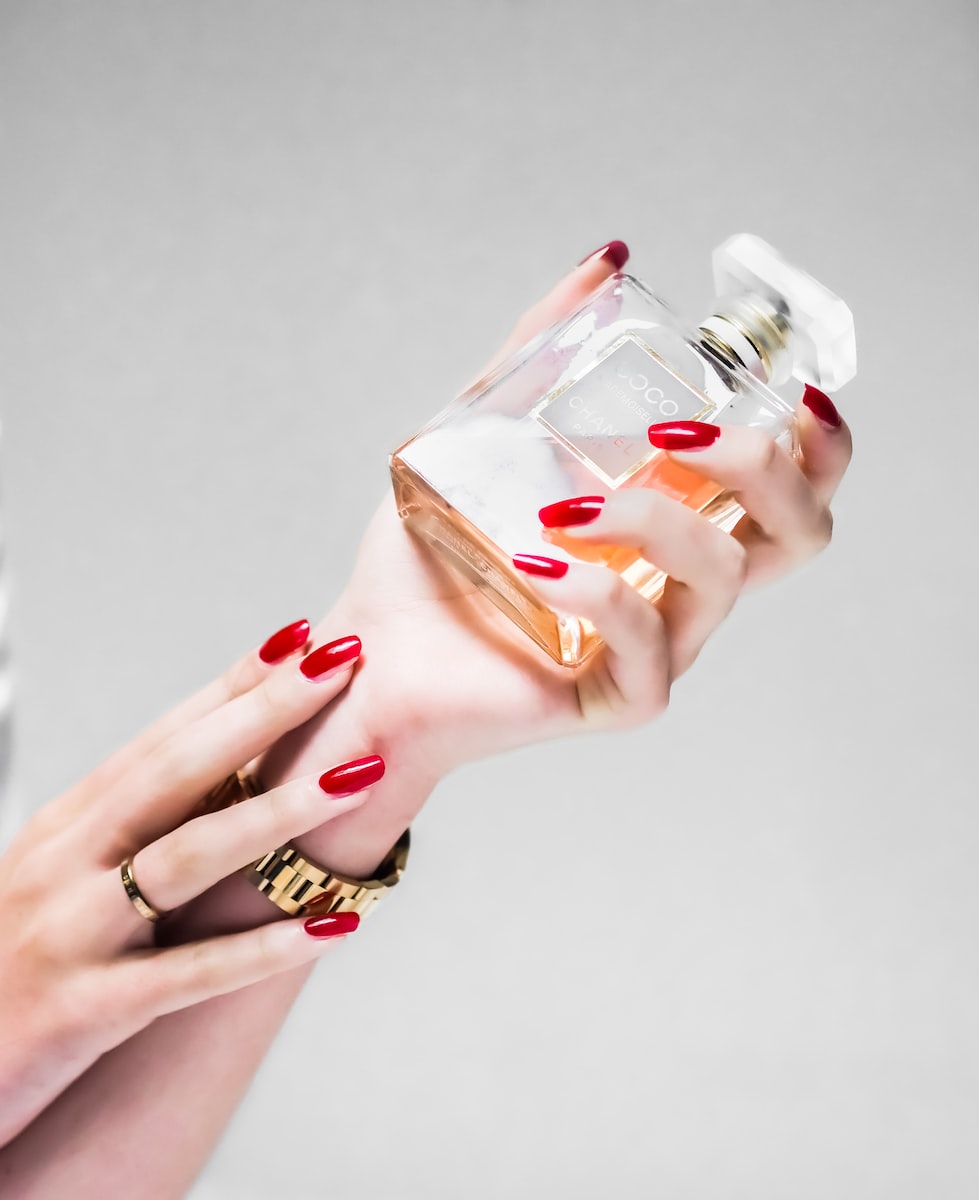
Before we dive into the tips and tricks for making your perfume last longer, let’s look at some of the factors that can affect the longevity of fragrances.
Skin Type and pH Level:
Your skin’s pH level and oil production play a role in how long a fragrance lasts. For example, if you have oily skin, perfumes tend to last longer because the oils in your skin help to hold the scent. However, if you have dry skin, fragrances may not last as long as they would on oily skin.
Environment:
Your environment can also play a role in how long a fragrance lasts. For example, heat and humidity can cause fragrances to fade faster.
Application Techniques:
The way you apply your fragrance can also impact its longevity. For example, spraying perfume directly on your clothes can cause the fragrance to fade faster as the scent is absorbed by the clothing fibers.
Tips to Make Your Perfume Last Longer
Now that we’ve explored some of the factors that can affect the longevity of
fragrances, let’s look at some tips to make your perfume last longer:
- Store fragrances in a cool and dry place: Perfumes can be sensitive to light, heat, and humidity, so it’s best to store them in a cool and dry place, such as a drawer or closet.
- Apply fragrances to moisturized skin: Moisturizing your skin before applying perfume can help make the scent last longer. You can use a scented body lotion or oil, or an unscented lotion.
- Use fragrance-layering products: Fragrance-layering products, such as scented body lotion or oil, can help enhance the longevity of your fragrance. Apply the lotion or oil before spritzing on your perfume, and be sure to choose products that have the same scent as your perfume.
- Apply fragrances at pulse points: Pulse points, such as the wrist, neck, and behind the ears, are areas where your body temperature is higher, and this can help to release the fragrance as you move throughout the day.
- Choose long-lasting fragrance formulas: When choosing a fragrance, consider the formula, as some last longer than others. For example, Eau de perfume has a higher concentration of fragrance oils and typically lasts longer than eau de toilette or eau de cologne.
[affiliatable id=‘268786’]
Tricks to Maximize Fragrance Longevity
- Wait for the fragrance to dry before getting dressed: After applying your perfume, give it a few minutes to dry before getting dressed. This will help to prevent the scent from fading faster due to the clothing fibers absorbing the fragrance.
- Spritz fragrance in the air and walk through it: Instead of spritzing your perfume directly on your skin, spray it in the air and walk through it. This will help to distribute the fragrance evenly and prevent over-application, which can cause the fragrance to fade faster.
- Touch up throughout the day: If you want to keep the scent of your fragrance strong throughout the day, consider doing touch-ups. Simply spritz a little bit of your fragrance onto your pulse points to keep the scent strong.
- Use a solid perfume: If you’re looking for a more discreet way to keep your fragrance going throughout the day, consider using a solid perfume. Simply apply a small amount of the solid perfume to your pulse points for a subtle touch of scent.
- Apply petroleum jelly to your pulse points: Petroleum jelly can help to hold onto the fragrance for longer and prevent it from fading away quickly. Simply apply a small amount of petroleum jelly to your pulse points before spritzing on your fragrance.
- Use hair fragrances: Using hair fragrances can help to extend the life of your scent, as your hair can hold onto the fragrance for longer than your skin. Simply spritz a little bit of your fragrance onto your hairbrush or comb and brush through your hair.
- Apply perfume to damp skin: If you have dry skin, consider applying your fragrance to damp skin. This can help to enhance the fragrance and make it last longer. Simply apply a bit of unscented body lotion or oil to your skin, then spritz on your fragrance.
- Rub your wrists together: After applying your fragrance, gently rub your wrists together. This will help to distribute the fragrance evenly and make it last longer.
- Do not spray perfume on your clothes: Spraying perfume directly on your clothes can cause the scent to fade more quickly and may even damage the fabric. Instead, spray it onto your body and let it dry before getting dressed.
- Use perfume oil: Perfume oil is highly concentrated and can last much longer than a traditional spray perfume. Simply apply a few drops of the oil to your pulse points for a stronger, more long-lasting scent.
Understanding the Different Types of Fragrances
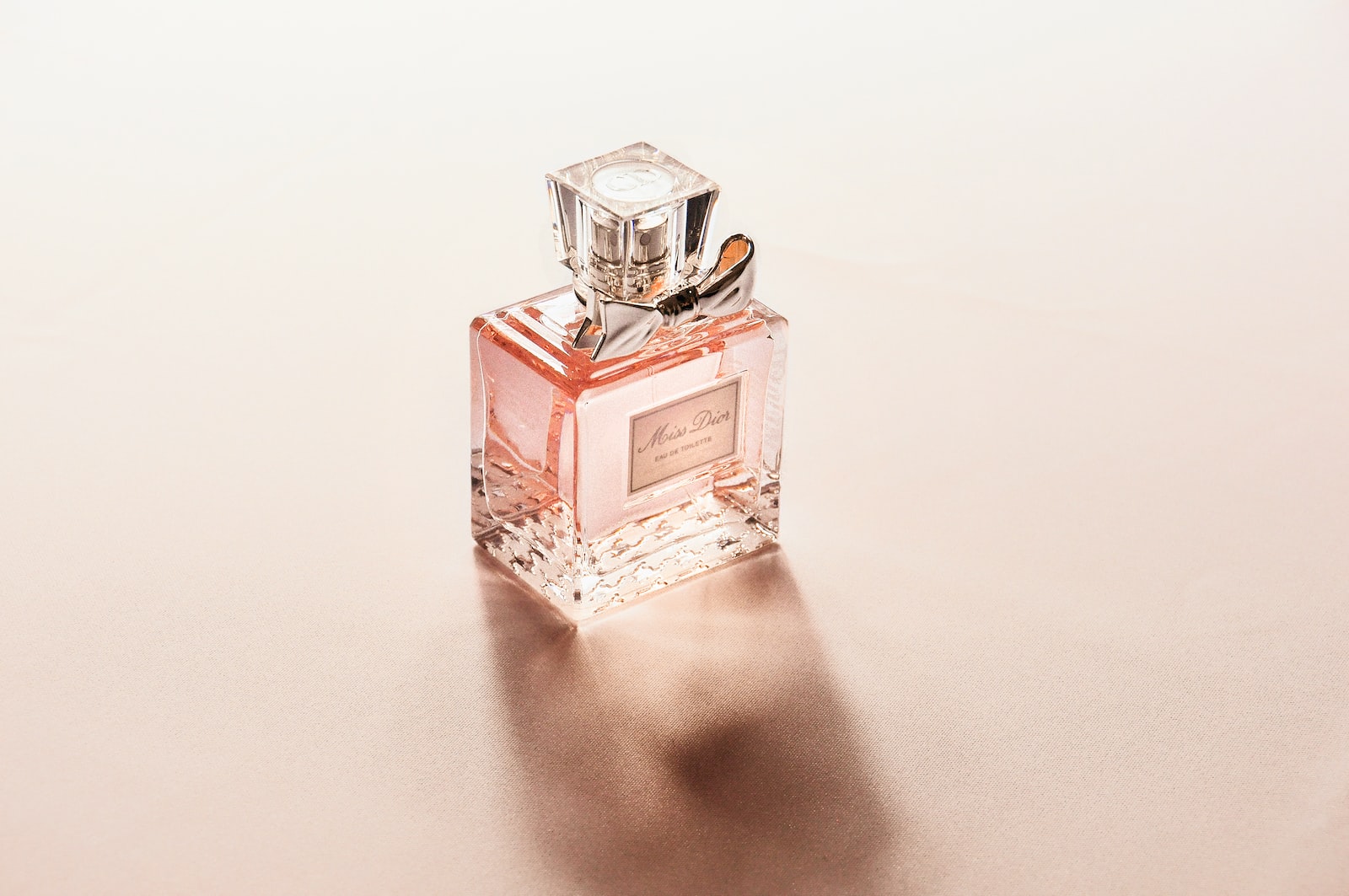
When it comes to choosing a fragrance, it can be overwhelming with all the different types available. Two of the most common types are eau de perfume and eau de toilette. But what’s the difference between the two, and how can they affect the longevity of your fragrance?
Eau de perfume is a stronger scent that is typically made with a higher concentration of fragrance oils. It tends to last longer than eau de toilette and is a great option for those who want a long-lasting fragrance. Eau de perfumes are often more expensive than eau de toilette due to the higher concentration of fragrance oil.
Eau de toilette, on the other hand, is a lighter scent that is made with a lower concentration of fragrance oils. It is a great option for those who want a lighter, more subtle scent. Eau de toilette is often less expensive than eau de parfum and is perfect for everyday wear.
If you’re looking for a stronger scent, consider choosing an extrait de parfum. This type of fragrance is made with an even higher concentration of fragrance oils and is considered the most intense type of fragrance.
When shopping for a fragrance, it’s important to understand the different types of eau de perfumes available, as well as their longevity. By choosing the right type of fragrance for your needs, you can ensure that your scent lasts as long as possible.
Final Thoughts: How to Make Your Perfume Last Longer
Your favorite fragrance can be a personal statement, a way to express your mood, and a finishing touch to your overall look. However, it can be frustrating when the scent doesn’t last as long as you would like it to. By following the tips and tricks outlined in this post, you can learn how to make your perfume last longer and enjoy your favorite scent for as long as possible.
Whether you choose to store your perfumes in a cool and dry place, apply them to moisturized skin, or touch up throughout the day, there are many ways to make your perfume last longer. So go ahead and spritz on your favorite fragrance, and let the world smell your signature scent!
Other suggested articles:
Is Kenzo a Designer
Brand?
Exploring Iconic Luxury Fashion Brands for Women
https://www.therefined.co/eau-de-toilette-vs-eau-de-parfum/
https://www.therefined.co/invicta-vs-citizen/
How Long Should Mens Nails Be?
How long should mens nails be? The only instance in which it is permissible for a man to have long fingernails is if he plays the flamenco guitar–and even then, it may not be worth the hassle. To most people, long length fingernails on men bring to mind images of seclusion, dirty nails and sorcery.
How Long Should Men’s Nails Be?

A man should use a small nail clipper to achieve nails that are no wider than a dime.
Cutting your nails also prevents injury to your fingers– think about the pain you feel in your fingers when you catch a basketball with long fingernails. Not only is it incredibly painful, but this can happen with footballs and any other object that’s larger than your hand.
An ideal nail length only extends a small distance past the skin it protects. You should aim to leave about 1-2 millimeters of the white-tinted space at the top of your nails visible. General health all come into play when it comes to nail growth and if your nails grow longer than the area beneath them, then it’s time for a trim.
All nails should be cut to an equal length. Men’s fingernails expand quicker than women’s nails, at a rate of 3-4 milligrams monthly. To prevent breaking your fingernails, make sure to trim them down every two weeks.
Nail clipping and nail biting or chewing should not be done in public places. Men who have difficulties breaking these habits should remind themselves that they are adults with free will.
Taking care of your nails is important, but it’s often overlooked. Here are some tips to follow: never cut your cuticle pusher, hangnails should be trimmed instead of pulled, and calluses aren’t as bad as you might think.
There is no shame in using hand cream, even for a man. In fact, it might be seen as emasculating to not use hand cream when your hands are dry and cracking.
Why Should Men Keep Their Fingernails Short?

While long nails may look nice on women, they are impractical for men since we use our hands differently and don’t have properly proportioned fingers.
Quickly, dirt accumulation happens with longer fingernails due to all of the particles in the air that attach to nails. It’s not only unattractive when nails turn black from being dirty around the edges, but women specifically are turned off by men who have long and unkempt nails.
In addition, women often appreciate long nails as a feminine trait. Some men may or may not view this in the same light, but if a man who prefers longer nails keeps them well-groomed and attractive, it is generally seen as a good thing.
But the majority of men try to keep their nails short. If an infection grows from debris slipping under extended nails, it’d affect work productivity for those in manual labor (or who do other forms of intense physical activity). In fact, millions of us would be better off if we kept our nails trimmed and healthy.
How Often Should Men Cut Their Fingernails?
The length of a man should keep his fingernails depends on how he uses his hands. If he is a musician or mechanic, for example, and relies on them for detailed work, then it’s more important to focus on trimming the nails rather than cutting them. This is because they should always remain short – just over the edge of the finger.
Don’t let your fashionable watch go to waste by wearing it with dirty nails. Your fingernails serve an important purpose - they protect your fingers. But you don’t want them to get in the way of doing tasks or playing sports. For example, men who bowl wouldn’t want long nails because the nails on their index, third and fourth fingers would press into the bored holes in the bowling ball.
[affiliatable id=‘269178’]
Tools You Will Need To Cut And Trim Your Fingernails And Toenails.
- Nail Clippers
- Toenail Pliers
- Scissor Clippers
- Nail File
How To Cut And Trim Your Fingernails And Toenails
Make sure fingernails remain clean and dry
Dry and clean fingernails help to prevent the buildup of bacteria in the nail bed. If your nails are constantly exposed to water, they will crack and split. To help protect your nails, wear gloves that are lined with cotton when working with water or washing dishes. The cotton helps absorb moisture and keep your fingers dry.
Soften fingers before cutting
Trim your nails after taking a bath or shower when they are soft for the best results. If you can’t do that, soak them in lukewarm water for five minutes before starting to trim.
Gather your tools together
Sterilize your tools by soaking a small scrub brush in rubbing alcohol, then use the brush on your clippers and scissors. After cutting or trimming your nails, rinse your clippers and scissors in hot water before putting them away.
Trim your fingernails
Always cut your fingernails in a straight line across the nails. Next, take a nail file and round off the corners of the nails. Not only does rounding help keep nails stronger, but it also prevents tearing or fabric-related damage (from clothes like socks) to both fingernails and toenails. Additionally, this will stop your fingers from getting caught on anything while you’re using them for work or other activities
Cut straight across the toenails
Ingrown toenails can be prevented by trimming them in a straight line. Toenails that are cut unevenly, for example, shorter along the ends and longer in the middle, will often curve downward and back towards the feet - especially when men wear tight shoes. Keep in mind that toenails grow more slowly than fingernails, so you won’t need to trim these as often as fingernails.
Cutting your nails and rounding the corners can help prevent cuts and scrapes to your toes, which can be painful and lead to infection. But if you’re having trouble cutting your own nails, you can go to a nail salon.
https://www.therefined.co/slim-vs-skinny-jeans/
Mens Thanksgiving Outfits: 10 Inspiring Ideas for You!
Thanksgiving is a time for family, friends, and of course, good food. But it’s also a time to show off your style! If you’re looking for some inspiration for what to wear on Thanksgiving, we’ve got you covered. Here are ten Mens Thanksgiving outfit ideas that will have you looking your best.
Mens Thanksgiving Outfit
The holidays are quickly approaching and that means it’s time to start thinking about what you’re going to wear! If you’re like most men, you probably don’t put a lot of thought into your clothing choices. But why not take some time to step outside of your comfort zone this year and try something new? After all, Thanksgiving is a time to give thanks, so why not show your loved ones how thankful you are by putting some effort into your appearance?
10 Inspiring Ideas for What to Wear on Thanksgiving
1. Cozy and warm is the name of the game on Thanksgiving Day.
Here are 10 inspiring ideas for men’s Thanksgiving outfits that will have you looking sharp and feeling confident all day long.
You’ll want to be comfortable as you relax around the dinner table, so why not try a pair of dark wash jeans with a soft flannel shirt? Top off the look with a cozy sweater or jacket and you’ll be good to go.
2. The classic suit will never go out of style.
For a more formal Thanksgiving dinner, consider breaking out your best suit. A classic black or blue suit will never go out of style, and it will make you look sharp no matter what the occasion. Just be sure to add a festive touch with a colorful tie or pocket square.
The very modern vibes of menswear right now are all about mixing and matching different pieces. So, don’t be afraid to experiment with your look by pairing your suit with unexpected items like a printed shirt or patterned tie.
3. Modern and minimal look
If you’re looking to make a style statement, try a modern and minimal outfit. A crisp white shirt with black pants is always a good choice. And if you want to add a touch of color, try a pair of red or green shoes.
4. Wool suit, a great choice for fall
As the weather starts to cool down, a wool suit is a great choice for Thanksgiving. It will keep you warm and looking sharp at the same time. Choose a light-colored suit for a more casual look, or go for a dark suit if you’re looking to dress things up.
Don’t forget to accessorize with a tie or pocket square in a festive color. And if you really want to stand out, try pairing your suit with a patterned shirt.
5. Dressed down dress shirt
Don’t want to wear a suit? No problem! A dress shirt with dark wash jeans is always a good choice. And if you want to add a little bit of color, try a shirt in a festive plaid or striped pattern. The dress code for Thanksgiving is usually pretty casual, so don’t be afraid to experiment with your look.
6. For a more casual look, go for dark wash jeans and a button-down shirt.
If you’re looking for a more casual Thanksgiving outfit, dark wash jeans and a button-down shirt is always a good choice. And if you want to add a pop of color, try a brightly colored sweater or jacket. The colored jeans are also a great choice for a more casual look.
Your favorite jeans will also work great for a Thanksgiving outfit. Just make sure they are clean and free of any rips or holes. And if you want to dress them up a bit, try pairing them with a blazer or sport coat. Blazers and sports coats are also great for layering on chilly days. So, if you’re looking for an extra layer of warmth, consider throwing one over your t-shirt.
7. Patterned shirt or sweater to standout
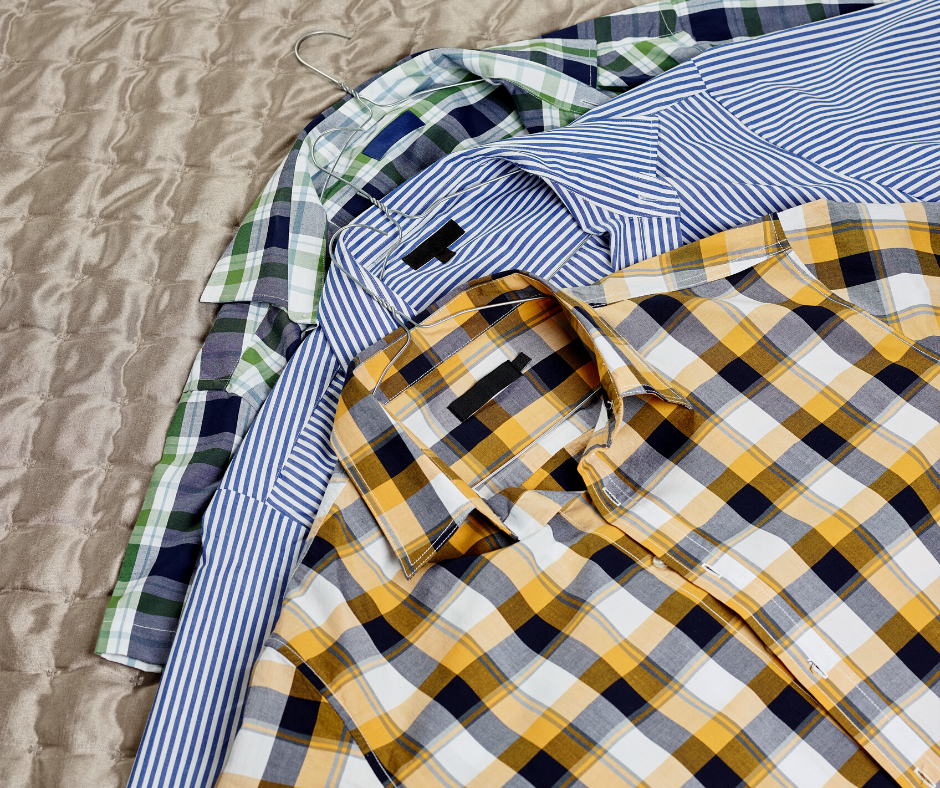
Want to stand out from the crowd? Try a patterned shirt or sweater. A plaid or striped shirt is always a good choice. And if you want to add a little bit of personality to your outfit, try a printed sweater.
8. Classy and timeless, a white shirt is always a good choice.
A white shirt is always a good choice for Thanksgiving. It’s classy and timeless. And if you want to add a little bit of color to your outfit, try a colored tie or pocket square.
You’re at ease, you’re dressed up, and you may wear stretchy jeans to make space for the second slice of pumpkin pie.
9. Hoodies are comfortable and can be dressed up or down
Hoodies are comfortable and can be dressed up or down. If you want a more casual look, try a hoodie with jeans. And if you’re looking to dress things up, try pairing your hoodie with chinos or khakis.
You can also layer your hoodie with a jacket or coat for extra warmth.
10. Shoes can make or break an outfit
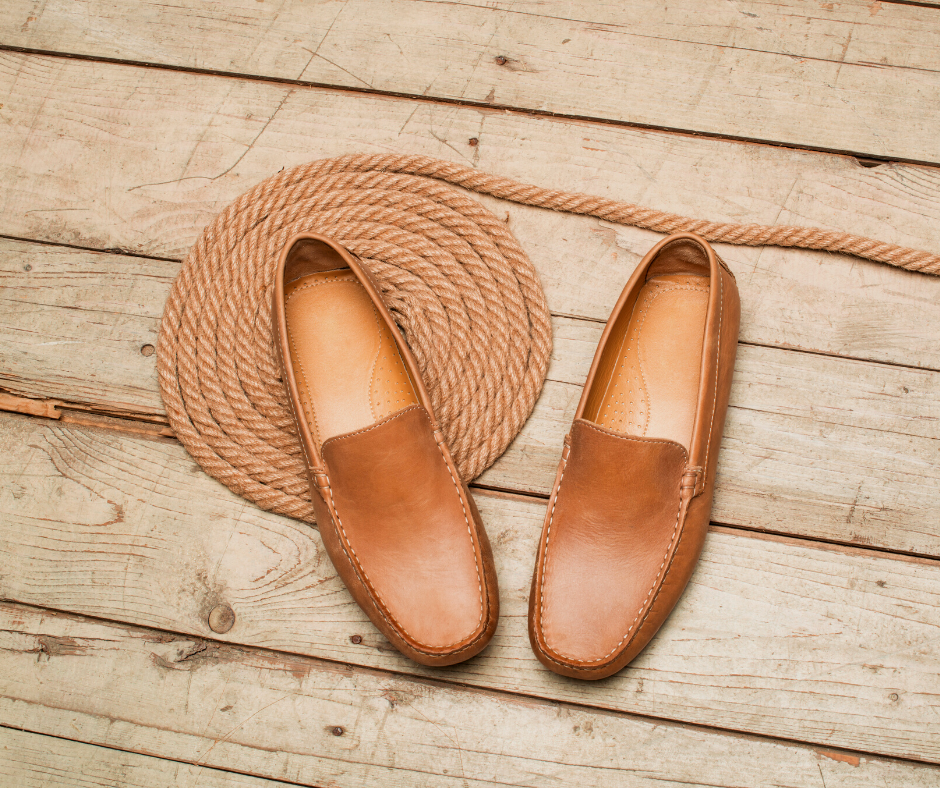
Shoes can make or break an outfit. So, make sure you choose a pair that is comfortable and stylish. For a more casual look, try sneakers or loafers. And if you’re looking to dress things up, consider oxfords or dress shoes.
[affiliatable id=‘269711’]
What should you avoid wearing for Thanksgiving Day?
There are a few things you should avoid wearing on Thanksgiving Day. First, steer clear of any clothing that is too tight or revealing. This is not the time to wear your sexy party dress or your favorite pair of skinny jeans. Second, avoid anything that is too casual, like shorts or t-shirts. And finally, steer clear of anything that is too restrictive, like tight belts or ties. Thanksgiving is all about being comfortable and relaxed, so keep your outfit simple and casual.
These are just a few men’s thanksgiving outfit ideas to get you started. The most important thing is to be comfortable and have fun. So, don’t stress too much about what you’re going to wear. Just throw on something that you feel good in and enjoy the holiday. Happy Thanksgiving!
Final Thoughts: Men’s Thanksgiving Outfit
Celebrating Thanksgiving with family and friends is a cherished annual tradition. And while the focus of the day is on giving thanks, food, and football, it’s also important to look your best. So, if you’re wondering what to wear for Thanksgiving this year, consider one of these men’s thanksgiving outfit ideas. So go ahead and give yourself permission to enjoy the holiday season in style! Happy Thanksgiving!
Mastering the Art of Charcuterie Boards
Imagine you’re hosting a gathering where the centerpiece of your table is as eye-catching as it is edible. Charcuterie boards, with their rich assortment of meats, cheeses, and accompaniments, offer just that. Not only do they serve as a feast for the eyes, but they also provide a canvas for culinary creativity. Whether you’re a seasoned foodie or a novice looking to impress, mastering the art of the charcuterie board can elevate any occasion and make your gourmet platters stand out. Crafting the perfect charcuterie board is about more than just piling on the meats and cheeses; it’s about balancing flavors, textures, and colors to create harmony on a plate. As you dive into the world of charcuterie, you’ll discover the secrets to selecting the right components that complement each other and enhance the overall tasting experience. Get ready to unleash your inner host with these stylish, savory platters that are sure to captivate your guests.
What Is a Charcuterie Board?
 A charcuterie board is a carefully arranged platter featuring a variety of cured meats, cheeses, and other accompaniments. It serves as a perfect centerpiece for social gatherings, blending visual appeal with a rich taste experience.
Origin and History
Charcuterie traces its roots back to 15th century France, a term that originated from “chair cuite,” meaning cooked meat. Originally, charcuterie referred exclusively to pork products, but over time, it has expanded to include a broad array of cured meats and other items. The concept evolved as a way to preserve meats before the advent of refrigeration, but today it’s celebrated for its artisanal craftsmanship and role in social feasts and gatherings.
Essential Components
A well-assembled charcuterie board features several key elements:
- Cured Meats: Choices like salami, prosciutto, and pâté form the core.
- Cheese: A selection of hard, soft, aged, and creamy cheeses adds textural contrast.
- Accompaniments: Items such as olives, nuts, honey, and fruit jams offer sweet and savory notes that complement the primary flavors.
Each component on a charcuterie board plays a critical role, enhancing the overall dining experience with a blend of complex flavors and textures. When you prepare or select a charcuterie board, it’s important to consider how each item pairs and contrasts with the others, creating a harmonious and indulgent assortment.
How to Assemble a Charcuterie Board
 Assembling a charcuterie board involves a delicate balance of flavor, texture, and aesthetic appeal. Here, you’ll find guidance to create a beautiful spread that will be the centerpiece at your next party.
Choosing the Right Cheeses
When selecting cheeses for your charcuterie board, include a variety of tastes and textures. Aim for a balance of aged, soft, firm, and blue cheeses. Popular options include Brie for its creamy texture, Cheddar for its sharpness, and Gorgonzola for its bold flavor. Consider the overall flavor profile of your board and choose cheeses that complement the other items.
Selecting Cured Meats
Cured meats are a staple on any charcuterie board. Opt for a range of flavors and textures, like spicy salami, rich prosciutto, and flavorful chorizo. Slice meats thinly to make them easy to eat and arrange them in folds or rolls for visual appeal. Always ensure there’s enough variety to cater to different tastes among your guests.
Adding Fruits and Nuts
Fruits and nuts add color, texture, and contrasting flavors to your charcuterie board. Choose seasonal fruits for freshness; figs, grapes, and berries offer sweet and tangy notes that pair well with both cheeses and cured meats. Almonds, walnuts, and pecans provide a satisfying crunch. Arrange them thoughtfully to enhance the board’s visual appeal.
Accompaniments and Condiments
Enhance your charcuterie board with a selection of accompaniments and condiments. Olives, pickles, and artichokes add a savory touch, while honey, fruit jams, and mustard introduce sweetness or spice that complements the richness of the meats and cheeses. Arrange small bowls or dishes among the other items for easy access.
Entertaining Tips
Presentation plays a crucial role in elevating your charcuterie board from good to great. Use a large, flat wooden board or a marble slab as your canvas. Arrange larger items like cheese blocks and meat folds first, then fill in the gaps with smaller items like nuts and fruits. Keep color contrasts and textures in mind to create an inviting and aesthetically pleasing arrangement.
Serving and Pairing
 Creating the perfect charcuterie board involves not only the selection and arrangement of meats, cheeses, and accompaniments but also how you serve and pair these elements to enhance the dining experience. The following guidelines will help you master the art of serving and pairing your charcuterie board.
Wine Pairings
Understanding wine pairings is crucial for elevating your charcuterie board. Select wines that complement the flavors of the cured meats and cheeses on your board:
- Full-bodied Red Wines: Ideal with robust and aged cheeses or cured meats like salami. Examples include Cabernet Sauvignon and Shiraz.
- Light-bodied White Wines: Best paired with softer and milder cheeses and delicate meats. Pinot Grigio and Sauvignon Blanc are excellent choices.
- Sweet Dessert Wines: These wines work wonderfully with salty nuts, olives, or blue cheeses. Consider a Riesling or Port for these pairings.
Ensuring each wine matches the flavor profiles of the meats, cheeses, and fruits on your board maximizes enjoyment for you and your guests.
Serving Sizes and Tips
When serving a charcuterie board, size and proportion are key:
- Proportion: Aim for about 2 ounces of meat and cheese per person. This guideline helps ensure there is enough for everyone without overwhelming the board.
- Variety: Include a range of sizes and shapes in cheeses and meats; small bite-sized pieces alongside longer slices or chunks encourage sampling and make the board visually appealing.
- Accessibility: Place small bowls of accompaniments like nuts, honey, and olives around the board. Provide separate serving utensils for each item to keep flavors distinct and serving hygienic.
By using these serving sizes and tips, you’ll create a charcuterie board that isn’t just beautiful to look at but also practical and enjoyable to eat from.
Final Thoughts: Charcuterie Boards
Crafting the perfect charcuterie board is your ticket to becoming the star of any gathering. With the right balance of flavors textures and colors you’ll not only satisfy taste buds but also create a feast for the eyes. Remember it’s all about variety and harmony in your selections from the savory cured meats to the rich cheeses and the playful accompaniments. Don’t forget the importance of wine pairings and entertaining tips to elevate the overall dining experience. Whether you’re hosting a large party or an intimate get-together your charcuterie board is sure to be a conversation starter. So go ahead gather your ingredients and let your creativity shine. Your guests are in for a delightful treat! Other suggested articles:
- Gourmet Cuisine: Best Ways to Indulge in Exquisite Dining Experiences
- Gourmet Dinner Ideas: Exquisite Recipes for Fine Dining at Home
- At Home or at School: Cheap Lunch Ideas for Kids
Does Your Baby Cry After Their Bath? 8 Quick Ways to Calm Them Down
It’s normal for babies to cry after a bath. A baby cry because they may be cold from cold air coming from the window, or they may feel overwhelmed by the new sensation of being clean. There are a few things you can do to calm your baby down and help them enjoy their bath time.
Baby Cries After Bath: 8 Quick Ways to Calm Them Down
-
Make sure the room is warm. Babies are more likely to cry if they’re cold, so make sure the room is warm before you start the bath. Keep a space heater right outside of the bathroom door and it would keep the room warm for our little one when it was time to get out of the water.
-
Take your time. Don’t rush the bath. Let your baby play and splash around for a bit before you start washing them.
-
Use a gentle touch. Avoid scrubbing your baby’s skin too hard. Instead, use a gentle touch and let the water do most of the work.
-
Talk to your baby. Talk or sing songs to your baby throughout the bath. Your soothing voice will help them feel relaxed and comforted.
-
Offer a pacifier. If your baby is still crying after the bath, try offering them a pacifier. This can help soothe them and stop the crying.
-
Dry off your baby quickly. Babies can get cold quickly, so make sure to dry them off as soon as you’re done washing them. Dry your baby with warm towel and get dressed in warm clothes.
-
Hold your baby close. After the bath, hold your baby close and cuddle with them. This will help them feel safe and secure.
-
Check the temperature. Always check the water temperature before you start the bath. It should be warm bath, but not hot. Your baby might absolutely love bath time, relaxing in the warm water.
If your baby is still crying after trying these tips, it’s okay. Some babies just don’t like baths and there’s nothing you can do to change that. Just try to make the experience as positive as possible and don’t get too frustrated. With time, your baby will learn to enjoy baths more and the crying will stop.
What to Do if Your Baby Hates Baths?
You’re not alone if your baby begins to scream at the sight, sound, or touch of a baby’s bath. It can be difficult for both of you especially if you are a new parent, but it will pass. In the meantime, here are some ideas that have proved successful for other parents.
Bathe only when fed and well-rested: A baby who’s hungry or tired is more likely to be fussy, so try to bathe them when they’re fed and well-rested.
Swaddle your baby: Some babies find the sensation of being wet too overwhelming. Swaddling them in a towel may help them feel more secure and comfortable. If you have lots of counter space or a warm, clean, padded place to lay the baby.
Distract your baby: Try to distract your baby with toys or a favorite book during the bath. This can help take their mind off of the fact that they’re wet.
Use white noise: White noise can help soothe and calm your baby. Try playing soft music or using a white noise machine during bath time.
Give shorter baths: If your baby is really struggling, try giving them shorter baths, a few minutes will be enough. This can help them get used to the sensation of being wet without being overwhelmed.
Bath time doesn’t have to be a battle. With a little patience and some trial and error, you’ll find what works for you and your baby. Depending on their mood, and their age, you could sing songs or play games to soothe them and make them happy.
Why Baby Cries After Bath?
There are a few reasons why your baby may cry after their bath. They may be cold, or they may feel overwhelmed by the new sensation of being clean. They might feel uncomfortable from the soap or shampoo, or they may be hungry.
Babies cry after baths for a variety of reasons. Some babies are simply uncomfortable with the sensation of being wet, while others are cold or hungry. If your baby is crying after their bath, try to figure out what the cause is and address it accordingly. With a little patience and some trial and error, you’ll find what works for you and your baby.
After giving a bath have a bottle warming or your favorite nursing spot ready. Now is not the time to search for your nursing pillow or clear out your rocking chair.
21 Items Every Man Should Own: Timeless Essentials Guide
Every man deserves to feel confident and prepared, whether he’s navigating city streets or enjoying a quiet evening at home. Through my conversations with twenty men, I’ve discovered that certain essentials play a crucial role in achieving this sense of readiness. These “items every man should own” aren’t just about practicality; they’re about enhancing one’s lifestyle and ensuring you’re equipped for whatever life throws your way.
From the comfort of quality sheets to the reliability of a well-crafted shaving kit, these essentials transcend personal preferences and backgrounds. They form the backbone of a well-rounded life, offering both functionality and style. Whether you’re tired of being underprepared or simply looking to elevate your daily routine, incorporating these items into your life can make all the difference. Keep reading to explore the top thirty must-haves that every man should consider adding to his arsenal.
Classic Wardrobe Staples
Every man needs a few timeless wardrobe staples to navigate life’s formal and casual settings confidently. These essentials offer versatility and long-lasting style.
1. Suits and Blazers

A tailored suit forms the backbone of a man’s wardrobe. Investing in a classic navy suit provides a timeless look fit for formal occasions, job interviews, and weddings. A versatile blazer complements this, allowing for smart casual looks when paired with dark jeans or dress pants. A navy blazer, in particular, acts as a smart casual savior capable of adapting to varying dress codes.
2. White Dress Shirt
A quality white dress shirt serves as a foundation piece for countless outfits. Constructed from Egyptian cotton, it combines comfort with durability for long workdays or special occasions. This shirt’s wrinkle-resistant properties ensure a polished appearance from morning to dinner engagements.
3. Leather Jacket
Owning a leather jacket adds edge to any wardrobe. This staple transitions seamlessly from a casual day out to an evening event. Genuine leather offers durability and an effortlessly cool aesthetic that never goes out of fashion. Pair with a plain white t-shirt, polo shirt or dark wash jeans for a classic look.
4. Dark Wash Jeans
Dark wash jeans are indispensable for any closet. These jeans provide adaptability, complementing both formal wear and casual attire. They’re perfect for occasions requiring a polished yet relaxed appearance, such as date nights or casual business settings. Combining them with leather shoes or sneakers can transform the outfit’s tone with ease.
Essential Accessories
Every man should own a selection of essential accessories that add both style and functionality to their wardrobe. The right pieces make a significant difference in daily life and special occasions.
5. Quality Watch
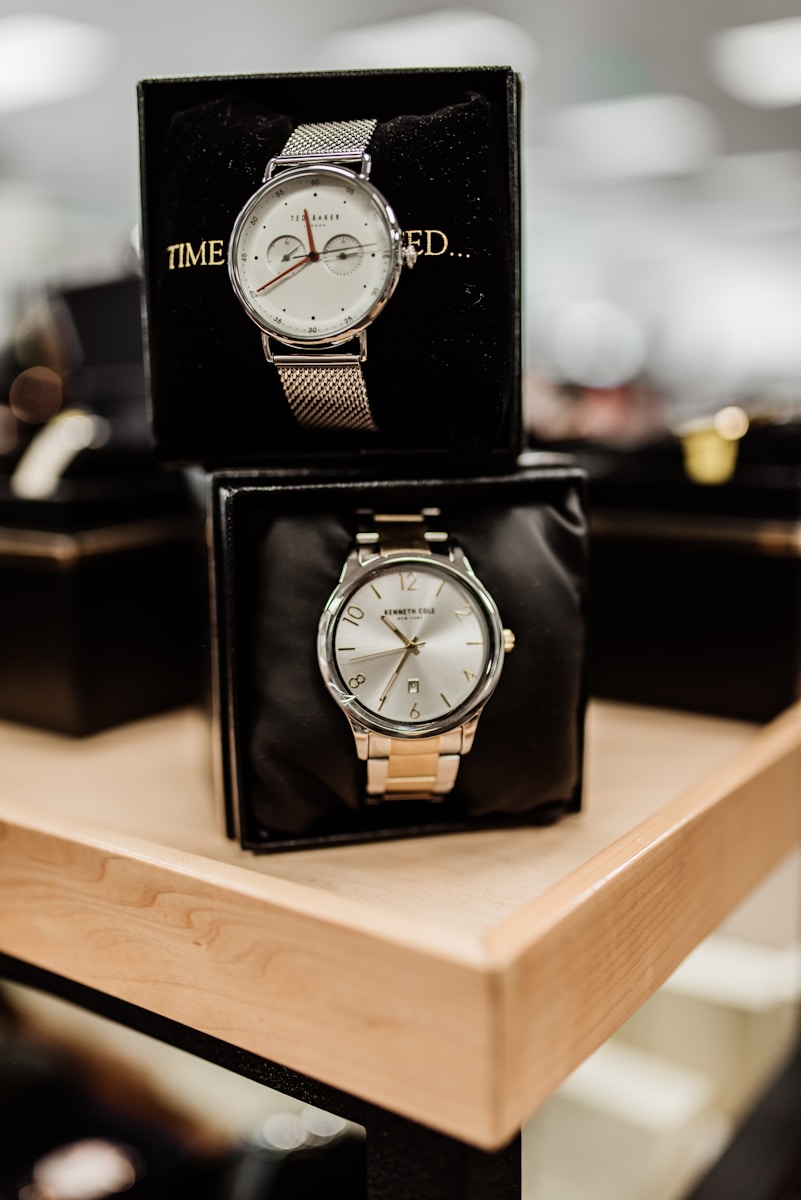
A quality watch is an essential item for any man. It combines style with practicality, keeping time while enhancing your formal outfit or casual attire. Opt for a classic design that complements various settings, from business meetings to leisurely weekends. Whether it’s a leather strap or stainless steel bracelet, a well-chosen watch speaks volumes about your taste. Consider brands known for their craftsmanship and timeless appeal.
6. Leather Belt and Wallet
A leather belt and wallet are fundamental in a man’s life. A sturdy, high-quality leather belt ensures your pants stay perfectly fitted, while also serving as an accessory that can match dress shoes or leather boots. When there’s a need to enhance your style, it’s important to select a belt that pairs seamlessly with your outfit. A slim wallet, crafted from rich leather, allows for a sleek appearance and comfortably fits in your pocket, keeping your cards and cash organized without the bulk.
7. Sunglasses
Sunglasses are a must-have accessory that provides both style and protection. Choose a pair with UV protection to shield your eyes while adding a cool factor to your look. Whether you’re dressing up with a tailored suit or relaxing in a plain white t-shirt and blue jeans, sunglasses can elevate any outfit. Look for classic styles like aviators or wayfarers that suit your face shape and personal style.
Footwear Basics
Footwear forms the foundation of any outfit. It’s essential to own a versatile selection of shoes that cater to different occasions and complement a varied wardrobe.
8. Dress Shoes
Dress shoes are pivotal for formal occasions. Every man should own a high-quality pair, such as classic black Oxfords, which offer sophistication and style. A second pair in brown enhances versatility, pairing seamlessly with various dress pants and tailored suits. Investing in well-made leather shoes ensures longevity and maintains a timeless look.
9. Sneakers
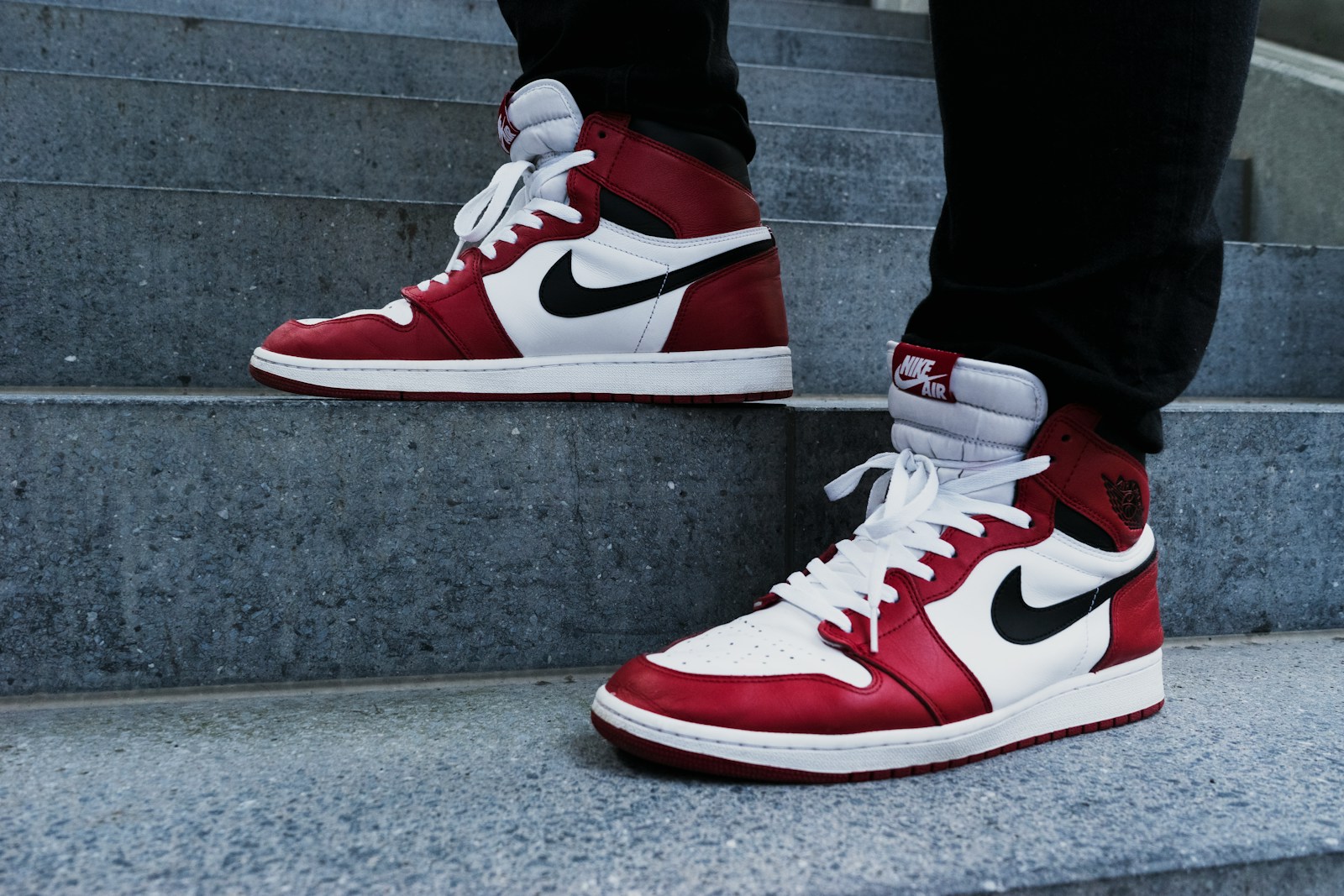
Sneakers have become a must-have for any man’s wardrobe. White sneakers are especially valuable for their adaptability—they match casual wear and can be paired with a navy blazer for a smart casual appearance. Popular brands like Converse Chuck 70 or Adidas Samba provide both comfort and style. Having a pair of clean, easily-styled sneakers is crucial for any modern man.
10. Boots
Boots add ruggedness and functionality to any collection. Leather boots are not only suitable for colder months but also enhance everyday outfits. A comfortable yet stylish pair like Chelsea boots can transition from professional settings to casual adventures. Whether paired with dark blue jeans or dress pants, boots offer versatility and a touch of edgy style.
Everyday Carry
Carrying essential items can make a significant difference in navigating daily life with ease and confidence. From wallets to backpacks, these essentials combine style and practicality in any man’s life.
11. Slim Wallet
A slim wallet keeps your essentials organized without the bulk. Opting for a leather wallet makes sense as it provides both durability and a timeless look. Whether you’re in dress pants for formal occasions or casual blue jeans, a slim wallet slides seamlessly into your pocket. It’s the perfect blend of functionality and style every man should own.
12. Pocket Knife
The pocket knife is an indispensable tool that serves multiple purposes, from opening packages to assisting in camping trips. A quality knife, like the Civivi Elementum crafted from D2 steel, offers sharpness and reliability. It’s a practical item for any man aiming to be prepared for the unexpected, ensuring a sense of readiness wherever you go. Don’t underestimate its value in day-to-day scenarios.
13. Durable Backpack
A durable backpack complements both formal outfits and casual attire. Look for one with weather-ready fabric and plenty of compartments to keep belongings organized. It should transition easily, fitting seamlessly beneath a plane seat or storing your essentials during outdoor adventures. Investing in a solid backpack simplifies daily commutes and weekend trips alike.
Home and Lifestyle Essentials
Men can enhance their living spaces with essential home and lifestyle items. These elements blend functionality with style to elevate daily life.
14. Coffee Maker
A reliable coffee maker is key for those who enjoy a morning cup or want to impress guests. Whether opting for a classic pour-over like the Chemex or a sleek high-tech model, having fresh coffee at home is a small luxury that elevates any man’s life. Brewing great coffee at home not only offers comfort but also adds a touch of sophistication to your kitchen counter.
15. Cast Iron Skillet
A well-maintained cast iron skillet is invaluable for any man who loves cooking. It offers versatility and durability, perfect for everything from searing steak to frying eggs. Cast iron holds heat exceptionally well, making it ideal for a variety of cooking techniques. Plus, a cast iron skillet exudes a timeless look, serving a functional role while adding rugged charm to the kitchen.
16. A Good Book Collection
Having a curated collection of books is essential for personal growth and relaxation. A man’s library should reflect his interests and provide a wealth of knowledge and entertainment. Including a mix of fiction, non-fiction, and classics offers a balanced selection. A good book collection signifies curiosity and intellect, making it a must-have for every home.
Grooming and Self-Care
Investing in grooming essentials is crucial for maintaining a polished appearance. A few well-chosen items can significantly elevate a man’s daily routine.
17. Quality Grooming Kit
Possessing a quality grooming kit is essential for keeping your appearance well-maintained. The Gentleman Jon Deluxe Wet Shave Kit stands out with its comprehensive set, providing everything needed for a luxurious shave and thus becoming an indispensable item every man should own. Complete with high-quality shaving components, this kit ensures a smooth experience, from the blade to the brush, promoting not only a refined look but also a regular grooming routine. A well-equipped kit streamlines the process and leaves you feeling fresh and ready for any occasion.
18. Signature Cologne
A carefully chosen signature cologne adds a personal touch to your everyday style. It’s more than just a pleasant aroma; it’s an extension of your personality, subtly enhancing your presence. Finding the right scent involves considering your lifestyle to select one that aligns perfectly with your character. A signature cologne leaves a lasting impression and complements your overall grooming routine, offering a refined and complete finish to your self-care.
Outdoor and Travel Gear
Every man benefits from owning reliable outdoor and travel gear. These items prepare you for adventures and enhance comfort during journeys.
19. Weekender Bag
A weekender bag is an essential among items every man should own. It’s the perfect companion for quick getaways, offering ample space without the bulk of traditional suitcases. Opt for a bag with durable fabric and compartments to keep your belongings organized.
20. Multi-Tool
A multi-tool comes in handy for various situations, from camping trips to small repairs around the house. An ideal multi-tool includes features like a pocket knife, screwdriver, and bottle opener, making it the ultimate problem-solver for everyday tasks.
21. Sunglasses
Sunglasses aren’t just about style; they provide crucial protection for your eyes during outdoor activities. Choose classic styles that work well in both formal wear and casual settings, ensuring you’re ready for any occasion while safeguarding your vision.
Owning the right essentials can truly transform a man’s lifestyle. These items aren’t just about convenience; they reflect personal style and readiness for any situation. From wardrobe staples to grooming tools each piece plays a vital role in enhancing confidence and functionality. Whether it’s the versatility of a tailored suit or the practicality of a multi-tool these essentials are investments in a well-rounded life. As I continue to explore more must-haves I’m excited to share how they can elevate everyday experiences and ensure you’re always prepared for whatever life throws your way.
Building a wardrobe with timeless essentials is an investment in style, confidence, and practicality. These 25 items are the foundation of a versatile and polished look for any occasion. To elevate other aspects of your lifestyle, explore our curated articles on glassware for your home bar, handmade rugs, and the benefits of yoga. For fashion-forward ideas, don’t miss how to style a monochrome outfit, or refine your cocktail skills with crafting the perfect martini. Stay timeless, stay refined!
Frequently Asked Questions
What are the key wardrobe staples every man should own?
Every man should have timeless wardrobe staples to navigate both formal and casual settings with confidence. Key items include a tailored navy suit for formal occasions, a versatile navy blazer, a quality white dress shirt, a leather jacket for an edgy touch, and dark wash jeans for adaptable style.
Why is a slim wallet considered essential for men?
A slim wallet is essential as it helps keep essentials organized without adding bulk. It’s practical for carrying necessary items like credit cards and IDs, promoting a sleek and polished appearance suitable for both formal and casual settings.
How do essential accessories enhance a man’s wardrobe?
Essential accessories add style and functionality to any wardrobe. Items like a quality watch combine practicality with elegance, while a sturdy leather belt and sunglasses provide a polished look and protection. They are versatile enough to complement different outfits.
What types of footwear should every man have?
Every man should own versatile shoes for different occasions. Classic black Oxfords and brown dress shoes offer formality, while white sneakers are adaptable for casual and smart casual looks. Leather options like Chelsea boots add ruggedness and style.
How does the article define “Everyday Carry” for men?
“Everyday Carry” refers to essential items that ease daily life. It includes a slim wallet for organization, a pocket knife for versatility, and a durable backpack for style and practicality, suitable for both formal and casual environments.
What home essentials are recommended for a well-rounded lifestyle?
The article recommends essentials like a reliable coffee maker for quality brews, a cast iron skillet for versatile cooking, and a curated book collection reflecting personal interests. These items enhance living spaces by adding functionality and promoting relaxation.
Why is investing in grooming essentials important for men?
Investing in quality grooming essentials, such as a deluxe shave kit, ensures a polished appearance and promotes a regular grooming routine. These tools help maintain a neat look, boosting confidence and enhancing personal style.
What travel gear is important for men?
Reliable travel gear is crucial for comfort and preparedness. Key items include a weekender bag for short trips, offering ample space and organization, and a multi-tool for practical use in various situations. Sunglasses offer style and necessary protection during travel.
What Is Inner Beauty? Embracing Authenticity and Self-Acceptance
In a world that often prioritizes outer appearances, I’ve found myself pondering a deeper question: what is inner beauty? While outer beauty might catch the eye, it’s inner beauty that truly captures the heart. It’s a timeless gift that grows richer with each passing day, offering a glimpse into the genuine essence of a person.
Inner beauty is about more than just kindness or compassion; it’s an authentic expression of who we are at our core. It’s the clarity and responsibility we bring to our interactions, a reflection of our true selves. When we connect with others from a place of abundance and caring, we create meaningful bonds that leave lasting impressions.
Discovering your own inner beauty is a journey of self-discovery, where you learn to cherish and share your unique qualities. It’s an opportunity to practice humility and care for others, creating a ripple effect of positivity in the world around you.
What Is Inner Beauty?
Inner beauty truly embodies a person’s character beyond their physical characteristics. While society often emphasizes physical beauty, inner beauty encompasses qualities like kindness and generosity, which draw people in a more profound way. It reveals a beautiful soul that appreciates self-respect and confidence. Many people might struggle to see this side at first, but it’s the most attractive in the long run.
Real beauty comes from within and impacts more than just physical appearance. It enhances mental health, as individuals practicing self-love and self-care develop a balanced view of themselves and others. Positive affirmations and a focus on one’s unique talents encourage self-assurance and emotional well-being.
True beauty goes beyond societal beauty standards, elevating itself by the ability to inspire and uplift others. In talking about beauty, women and men alike find a deeper sense of identity in embracing inner qualities. Everyone possesses gifts that make them beautiful people; it’s in recognizing these attributes that one truly shines.
In everyday life, when external beauty fades, it’s inner beauty that leaves a lasting impression. As we nurture and share these inner gifts, personal growth and more meaningful relationships flourish.
Key Qualities of Inner Beauty
Inner beauty isn’t tied to physical appearance but to a person’s character and emotional depth. It shines through actions and how individuals treat others, drawing attractive people into their lives.
Kindness

Kindness defines inner beauty by manifesting through small acts. It’s the genuine care shown to those around us that makes others feel valued. Kindness transcends societal beauty standards and showcases a beautiful soul.
Integrity
Integrity is living by strong moral principles. A person with integrity remains honest and true to their word. This trait draws people due to its authenticity, setting an example of true beauty and self-respect.
Wisdom
Wisdom is more than knowledge; it’s the ability to apply experiences meaningfully. It involves thoughtful decision-making and learning from the world around us. A wise person inspires others through actions, reinforcing that real beauty comes from within.
Humility

Humility reflects an awareness of one’s strengths and limitations. It involves recognizing the contributions of others and being open to their input. This trait enhances one’s personality and encourages a balanced view of self and others.
Generosity
Generosity enriches both giver and receiver. Sharing resources, time, and empathy in meaningful ways embodies inner beauty and strengthens connections. Generosity highlights the value of giving without expecting anything in return, marking a truly beautiful character.
The Impact of Inner Beauty on Confidence
Inner beauty directly influences a person’s confidence by nurturing self-respect and self-acceptance. When individuals cultivate their beauty within, they feel more assured about their unique talents and positive attributes. This internal awareness allows confidence to shine outwardly, affecting how they carry themselves in various situations.
A focus on inner beauty helps individuals appreciate their physical characteristics without adhering to conventional beauty standards. By fostering positive affirmations and self-love, they develop a confident demeanor that transcends physical appearance. This self-assuredness is more appealing and draws people toward them.
A person’s character, shaped by inner beauty, enhances their mental health and emotional resilience. The nurturing of qualities such as kindness, humility, and generosity fortifies their sense of self-worth, encouraging them to engage confidently with the world. This internal balance between inner and outer beauty promotes a stable sense of confidence that’s not reliant on external validation.
In my experience, embracing inner beauty transforms the way you interact with others and helps build meaningful relationships. The confidence stemming from a beautiful soul can become infectious, inspiring others to value their unique qualities and foster self-acceptance. Ultimately, confidence rooted in inner beauty enables a person to lead a life that’s both fulfilling and inspiring to others.
Cultivating Inner Beauty
Cultivating inner beauty requires intentional effort and a focus on actions and mindset that reflect true beauty. Embracing self-care and self-love nurtures a beautiful soul, enhancing mental health and confidence.
Practical Steps
Integrating practical steps into daily life fosters inner beauty and enhances well-being. Practicing kindness encourages a compassionate atmosphere, drawing people to appreciate one’s character. Engaging in regular meditation or mindfulness exercises, even for just 10 minutes a day, calms the mind and promotes emotional balance. Prioritizing adequate sleep supports mental health, allowing one’s unique talents to flourish. While supplements can help, a balanced diet rich in nutrients further energizes the body and soul, contributing to a confident presentation to the world.
Mindset Shifts
Adopting mindset shifts strengthens one’s inner beauty and self-respect. Viewing challenges as opportunities for growth inspires resilience and a deeper appreciation of one’s journey. Emphasizing positivity and gratitude in daily interactions releases a magnetic energy that attracts beautiful people into one’s life. Challenging conventional beauty standards fosters self-acceptance, emphasizing that real beauty comes from within. Through positive affirmations, individuals develop a balanced perspective on physical appearance and the true essence of beauty.
Embracing inner beauty is a transformative journey that enriches both our lives and the lives of those around us. By focusing on qualities like kindness and integrity, we cultivate a deeper connection to ourselves and the world. This journey not only enhances our mental health but also empowers us to break free from societal beauty standards. When we prioritize actions and mindsets that reflect our true beauty, we nurture a stable confidence that shines through in all our interactions. As we continue to develop and share our inner gifts, we open the door to meaningful relationships and a fulfilling life.
Embracing inner beauty means celebrating your authenticity and practicing self-acceptance, which leads to a more fulfilling life. For additional lifestyle inspiration, take a look at these guides on classic cocktails, glassware for your home bar, handmade rugs, styling a monochrome outfit, and crafting the perfect martini.
Frequently Asked Questions
How can I embrace my inner beauty?
Embrace your inner beauty by appreciating your unique qualities and practicing self-love. Start by acknowledging your strengths and expressing gratitude for who you are. Engage in activities like mindfulness and meditation to foster self-acceptance. Celebrate your accomplishments, maintain a healthy lifestyle, and focus on positive affirmations to build your confidence. Remember, embracing your inner beauty is a continuous journey of self-discovery.
What are some key qualities of inner beauty?
Inner beauty is characterized by qualities such as kindness, integrity, wisdom, humility, and generosity. These traits are not tied to physical appearance but reflect a person’s character and emotional depth. Inner beauty is evident in how we treat others and engage with the world around us, leaving a lasting, positive impact.
How does inner beauty impact mental health?
Inner beauty enhances mental health by promoting self-love and self-care, leading to a balanced view of oneself and others. When individuals embrace their inner beauty, they cultivate a stable sense of confidence and emotional resilience. This self-acceptance helps them appreciate their uniqueness, reducing the need for external validation.
Why does inner beauty contribute to confidence?
Inner beauty nurtures self-respect and self-acceptance, allowing individuals to feel confident in their unique talents and qualities. By focusing on inner beauty, people become more assured, transcending conventional beauty standards. This inward confidence projects outwardly, affecting interactions and fostering meaningful relationships.
How can I integrate inner beauty into my daily life?
Integrate inner beauty into daily life by practicing kindness, engaging in mindfulness, and maintaining a balanced lifestyle. Prioritize adequate sleep, a healthy diet, and regular exercise to enhance well-being. Shifting your mindset by viewing challenges as growth opportunities and emphasizing gratitude will strengthen self-respect and acceptance of true beauty.
How Refined Living Elevates Your Well-being (6 Things To Know)
Refined living encompasses an elevated way of life that focuses on enhancing mental, physical health and emotional well-being. It involves taking deliberate steps to embrace elegance, comfort, and mindfulness in our lifestyles. By incorporating refined living practices, individuals can experience a significant improvement in their physical and mental health. This article will explore how refined living elevates your well-being, the impact of refined living on mental and emotional well-being, the reduction of stress and clutter through refinement, the connection between mindfulness practices and well-being, as well as personal stories and testimonials showcasing the improved quality of life.
The Impact of Poor Refined Living on Mental Health Problems
[caption id=“attachment_2591” align=“aligncenter” width=“300”] how refined living elevates your well-being[/caption] Poor refined living practices can contribute to various mental health problems. Living in cluttered and disorganized environments can lead to heightened stress levels and feelings of being overwhelmed. Studies have shown that a chaotic environment can negatively impact mental well-being and increase the risk of mental health disorders such as anxiety and depression. Furthermore, the lack of elegant and comfortable spaces can deprive individuals of a sense of tranquility and contentment, leading to poorer mental health outcomes.
Examining the Impact of Refined Living on Mental and Emotional Well-Being
Refined living has a profound impact on mental and emotional well-being. By cultivating an environment that promotes elegance and comfort, individuals experience a sense of calm and tranquility. The aesthetics of refined living can contribute to a brain health, positive mindset, reducing the risk of mental illness such as anxiety and depression. Studies have shown a strong correlation between well-designed living spaces and improved mental health, making refined living a crucial aspect of overall well-being.
Discussing the Reduction of Stress and Clutter Through Refinement
One of the key benefits of refined living is the reduction of stress and clutter. Living in an organized and clutter-free space helps to promote a sense of control and peace of mind. The minimalist approach often associated with refined living encourages individuals to declutter their living spaces, leading to less distraction and a more focused mind. By eliminating excess belongings and prioritizing quality over quantity, individuals can attain a heightened sense of well-being and contentment. [caption id=“attachment_2592” align=“aligncenter” width=“300”] comfo how refined living elevates your well-being[/caption] Psychological science provides insights into the crucial role of refined living in improving mental health. Research studies have shown that simple lifestyle changes, such as creating an organized and aesthetically pleasing living environment, can have a significant positive impact on subjective well-being. By embracing elegant and comfortable living spaces, individuals experience a heightened sense of happiness and life satisfaction, leading to better mental health outcomes.
Exploring Mindfulness Practices and Their Connection to Well-Being
Mindfulness plays a vital role in refined living and elevating well-being. By incorporating mindfulness practices into our daily routines, such as meditation, deep breathing exercises, and conscious living, individuals can cultivate a greater sense of self-awareness and reduce stress levels. Mindfulness enables individuals to fully immerse themselves in the present moment, fostering a deep appreciation for life’s simple pleasures. Studies have consistently highlighted the positive impact of mindfulness on mental and emotional well-being, making it an essential tool in the pursuit of refined living.
Personal Stories and Testimonials Showcasing Improved Quality of Life
Countless individuals have experienced an improved quality of life through refined living practices. These personal stories and testimonials serve as powerful examples of how embracing elegance and comfort can elevate overall well-being. Individuals have reported feeling more content, peaceful, and fulfilled by adopting a refined way of life. By focusing on the aesthetics of their surroundings, establishing healthy routines, and indulging in self-care practices, these individuals have unlocked a state of blissful refined living.
Mental Health Promotion through Refined Living Strategies
Improving mental well-being through refined living involves adopting various strategies. One such strategy is maintaining a healthy diet. Studies have shown that a balanced and nutritious diet can support brain health and positively impact mental well-being. Incorporating a Mediterranean-style dietary intervention, rich in fruits, vegetables, whole grains, and healthy fats, has been linked to improved psychological well-being. Engaging in physical activity is another essential aspect of refined living for better mental health. Regular exercise releases endorphins, which promote mood elevation and stress reduction. A randomized controlled trial found that participating in physical activity for at least 30 minutes a day, coupled with refined living principles, significantly improved mental wellbeing. Prioritizing the recommended seven to nine hours of sleep each night is crucial for both physical and mental well-being. Quality sleep enhances cognitive functions, emotional regulation, and overall mental health. By adopting refined living practices such as creating a peaceful sleep environment and establishing a bedtime routine, individuals can optimize their sleep patterns and promote better mental well-being.
Final Thoughts: How Refined Living Elevates Your Well-being
The impact of refined living on well-being cannot be underestimated. By prioritizing elegance, comfort, and mindfulness in our lifestyles, we can experience significant improvements in mental and emotional well-being. The reduction of stress and clutter, as well as the integration of mindfulness practices, contribute to a heightened sense of self-awareness and contentment. Through personal stories and testimonials, it becomes evident that refined living holds the key to an improved quality of life. By embracing refined living practices, individuals can elevate their well-being, leading to a more fulfilling and balanced existence.
Wine Tasting Etiquette: Guidelines for the Discerning Connoisseur
Embarking on a wine tasting adventure, whether in the lush vineyards of Napa Valley or a cozy local wine bar, is a dream for many wine enthusiasts like me. It’s an opportunity to immerse yourself in the world of wines, discovering new flavors and expanding your palate. However, the prospect of navigating the unspoken rules of wine tasting can be daunting for both seasoned collectors and newcomers alike. That’s where understanding the basics of wine tasting etiquette comes into play. It’s not just about savoring the wine; it’s about respecting the craft and those around you. From knowing what to do before you even take your first sip to gracefully moving on to your next tasting wines, mastering these etiquettes enhances the experience for everyone involved. Let’s dive into the essentials of wine tasting etiquette, ensuring your next wine journey is as smooth as the wines you’re about to enjoy.
Wine Tasting Etiquette Tips
When I step into the world of wine tasting events, I know I’m entering a realm where tradition meets taste. Wine tasting etiquette isn’t just about sipping and savoring from a wine glass; it’s about appreciating the art and respecting the craft. First impressions matter, especially when you’re visiting renowned vineyards or cozy wine bars. As I’ve learned, dressing appropriately signals respect for the establishment and fellow tasters in most wineries. It’s not about donning a ball gown or a tuxedo, but rather choosing smart-casual attire that matches the setting’s ambiance.  Before I even think about letting a drop of wine touch my lips, I make sure to greet the hosts. A simple hello and a smile go a long way in showing appreciation for their work. It’s also crucial to keep an open mind. Even if I’m a seasoned wine collector, every tasting room has something unique to offer, and every pour deserves my undivided attention. Understanding the sequence of wine tasting enhances the experience. Starting with lighter, more delicate whites before moving on to robust reds ensures that my palate isn’t overwhelmed. It’s not just about flavor, though. The ritual of observing the wine’s color, swirling to release its aromas, and then finally tasting, teaches me to appreciate each wine’s complexity and craftsmanship. When it’s time to transition to a different wine, I’ve learned that it’s polite to finish or dispose of any remaining wine in my glass into a spittoon. It’s not a faux pas; it’s respecting the next tasting. Asking questions about the wine’s characteristics or the winery’s history not only enriches my knowledge but also shows the hosts their efforts are valued. Engaging in wine tasting is more than exploring varied flavors; it’s a journey into understanding and appreciation. Every sip I take is a nod to centuries-old traditions, the dedication of winemakers, and the vibrant community of fellow enthusiasts.
Dress Code
Appropriate Attire
When it comes to diving into the world of wine tasting, the question of what to wear often pops up in my mind. Comfort and appropriateness are my top priorities when I’m selecting my outfit for such an occasion. I always check in advance if the winery or tasting room has any dress code recommendations. It’s surprising how much this can vary – some places prefer a more formal approach, while others welcome a casual vibe. This little piece of homework helps me blend in and respect the venue’s culture. Comfort isn’t just about feeling good in what I’m wearing, it’s also practical. Wine tastings often involve a fair amount of standing, walking, and possibly even touring vineyard grounds. So, choosing comfortable shoes is non-negotiable for me. I’ve learned the hard way that sore feet can distract from the experience. Similarly, I aim for clothes that allow me to move freely, ensuring that tight or constricting garments are left at home. Weather plays a big role too. If it’s hot, I opt for light, breathable fabrics; if it’s cooler, layers are my go-to solution. Additionally, I’ve found that wearing dark colors is a strategic choice. Not only do they look sleek, but they’re also more forgiving of any accidental wine spills – a not uncommon occurrence even among seasoned tasters. Keeping accessories, like jewelry and scarves, minimal reduces the risk of them dipping into my glass or snagging on something as I move around.
Avoid Strong Perfumes
One of the most crucial pieces of advice I’ve absorbed over the years is to avoid strong perfumes or aftershaves when heading to a wine tasting. The essence of wine tasting lies in the ability to capture and appreciate the wine’s aromas, which can be overshadowed by overpowering personal scents. I’ve noticed that even sitting near someone doused in perfume can detract from the experience, making it hard to discern the subtle notes in a glass of wine.  Wine experts have even advised me against using scented lotions or hair products on the day of a tasting. I’ve taken this advice to heart, opting for unscented deodorants and skipping scented hair products. The difference it makes is remarkable. Without competing fragrances, the natural, complex aromas of the wine shine through, allowing for a fuller appreciation of its character. Moreover, consuming strongly flavored foods or smoking just before a tasting can also impact my ability to enjoy and evaluate the wine accurately. By avoiding these activities, I ensure that my palate is as clean as possible, ready to pick up on the delicate flavors and aromas that each wine offers. This not only enhances my tasting experience but also shows respect for the winemakers’ efforts and the intricate nuances of their creations.
Tasting Room Behavior
When visiting a winery, it’s easy to get caught up in the excitement of trying new wines and exploring beautiful vineyards. Yet, it’s crucial to remember that our actions can greatly enhance or detract from both our experience and that of others around us. Let’s dive into how we can maintain respectful conduct and the benefits of using tasting journals during these visits.
Respectful Conduct
In the peaceful setting of a tasting room, every guest’s behavior contributes to the overall atmosphere. Maintaining a respectful conduct means keeping our voices at a polite level so that everyone can hear the winemaker or staff member leading the tasting. These experts often share valuable insights about the wines, which can be easily missed amidst loud conversations. As much as we’re there to enjoy, it’s important to remember that wine tasting is an educational experience as well. Wine tasting etiquette extends beyond verbal interactions. It includes the physical aspects of tasting as well. For example, it’s okay to spit wine into the designated spittoons if we’re looking to taste without consuming too much alcohol. This practice is not frowned upon but rather seen as a sign of a seasoned taster who wishes to remain clear-headed through multiple tastings. Additionally, although it might be tempting to wear our favorite perfume or cologne, it’s best to avoid wearing strong fragrances. These scents can interfere with the wine’s natural aromas, not just for us but for those around us, potentially spoiling the tasting experience.
Using Tasting Journals
Moving on to an equally important part of wine tasting etiquette, let’s talk about Using Tasting Journals. I’ve found that bringing a small journal or notebook to a tasting can significantly enhance the experience. Not only does it allow me to jot down my thoughts on the wines I’m trying, but it also serves as a great conversation starter with the staff and fellow wine enthusiasts. Here’s why I believe tasting journals are invaluable:
- Track Preferences: It helps me remember which wines I enjoyed the most and why. This is especially helpful when I want to purchase a bottle to enjoy at home.
- Learn and Grow: Writing down tasting notes encourages a deeper engagement with the wine, prompting me to pay attention to the nuances of aroma, flavor, and texture.
- Educational Tool: Over time, my tasting journal has become a personalized educational tool, reflecting my journey and growth as a wine lover.
By maintaining a respectful conduct and making use of tasting journals, we’re not just ensuring a pleasant visit for ourselves but also for those around us. It’s about fostering an environment where everyone can learn, appreciate, and celebrate the art of winemaking. Whether you’re a seasoned wine connoisseur or a curious newcomer, these practices will undoubtedly enrich your wine tasting experience.
Interacting with Staff
When embarking on a wine tasting journey, a significant part of the experience is engaging with the knowledgeable staff at each winery. Their expertise and insight can greatly enhance your appreciation of the wine while educating you about each varietal’s unique characteristics. Here’s how to make the most of your interactions.
Asking Questions
I’ve found that asking questions is not just encouraged; it’s essential. Whether it’s about the winemaking process, the history of the vineyard, or specifics about the wine you’re tasting, showing curiosity reflects well on you. No question is considered foolish in the realm of wine tasting. In fact, it demonstrates an eagerness to learn and deepen your understanding of wine. I always make it a point to inquire about the origin of the wine, the type of grapes used, and any recommended pairings. This not only broadens my wine knowledge but also makes the tasting a more interactive and memorable experience.
Accepting Recommendations
Accepting recommendations from the tasting room staff can lead to delightful discoveries. Remember, these professionals have a deep understanding of their offerings and can suggest wines that align with your preferences or challenge your palate in exciting ways. Be open to trying something new; you might just find a new favorite. I’ve often been pleasantly surprised by wines I wouldn’t have chosen for myself but ended up loving after a staff member’s suggestion. Moreover, this openness fosters a positive interaction with the staff, making your visit more enjoyable and informative. By engaging with winery staff through thoughtful questions and being open to their recommendations, you’re not only enriching your own wine tasting experience but also honoring the expertise of those who have a passion for sharing the world of wine. Embracing the art of wine etiquette isn’t just about following rules; it’s about diving deep into the culture of wine. By engaging with winery staff, asking insightful questions, and being open to new experiences, I’ve discovered that wine tastings can be much more than sipping and swirling. They’re an opportunity to expand my palate, enrich my knowledge, and connect with the passionate people behind the labels. Remember, every sip is a story, and by adopting a respectful and curious approach, we’re not just tasting wine—we’re experiencing it. So, let’s raise our glasses to making every wine tasting an adventure in learning and enjoyment even in wine country.
Social Etiquette: How to Be a Gracious Host or Guest Unveiling the Secrets
In our daily interactions, whether it’s at home, the office, or even a casual meet-up with friends, we often find ourselves navigating various social situations. As social beings who crave connection and mutual respect, understanding social etiquette plays a crucial role in facilitating healthy interpersonal relationships. The basic rules of proper etiquette aren’t just about knowing when to answer phone calls or how to be a good dinner guest. They’re also about being mindful of others’ personal space, making eye contact when communicating effectively, and showing respect for people’s time by not making them wait unnecessarily. From a young age, we’re taught table manners and the importance of paying attention to body language. However, I’ve noticed that not everyone grasps the significance of these seemingly small gestures - but let me tell you something: they can make a huge difference in both your personal and professional growth! Being aware of good social etiquette is much more than adhering to some outdated charm school rules. It’s really about common sense and treating others as you would like to be treated - with kindness and consideration. Whether it’s shaking hands upon meeting someone new or turning off cell phones during important meetings (or while enjoying coffee at local shops), these are all part of maintaining connections and fostering long-term relationships. Remember that good manners never go out of style! So next time you find yourself in any social setting - be on your best behavior because you never know who might be watching.
Understanding the Basics of Social Etiquette
The world of social etiquette can seem like a labyrinth at times, but believe me when I say, understanding its basic rules can make a huge difference in both personal and professional growth. Good manners aren’t just about being polite; they’re also about showing respect and facilitating interpersonal relationships. Let’s start with phone calls. We’ve all been there – you’re at coffee shops or public places, trying to enjoy your day when suddenly someone’s cell phone rings. They answer it without regard and proceed to have a full-blown conversation ignoring everyone around them. This is bad form. It’s not only plain icky but also disturbs people who are around you. Another key point in social etiquette is understanding the concept of personal space. We, humans, are naturally social animals, yet we value our individual space too! Informal settings may allow for closer proximity between individuals, while professional contexts require maintaining a respectful distance. We mustn’t forget about body language, either! The way we carry ourselves often speaks louder than words - making eye contact while speaking, shaking hands firmly during introductions, and communicating effectively through gestures - these all play into good social etiquette. In terms of dinner engagements, whether as a guest or host, one should adhere strictly to table manners taught from a young age: don’t start eating until everyone has been served their meal (unless told otherwise), do not talk with food in your mouth and try to keep the smelly leftovers away from the dinner table! Pay close attention here: not every aspect of good social etiquette is universal knowledge though common sense plays an integral part in this context. For instance, if you’ve got some nasty driver tailing you on the road or encounter bank tellers on their bad day– choose kindness over matching their own nastiness. Being able to adapt according to different social situations isn’t always easy but practicing these basic social etiquette rules will surely put your best forward!
The Role of Social Etiquette in Daily Interactions
Let’s dive deep into the world of social etiquette. You might wonder, ‘Why is this so important?’ Well, I’m here to tell you how it plays a pivotal role in our daily interactions. Social etiquette rules are not just unnecessary rules we’re obliged to follow. They’re basic guidelines that facilitate interpersonal relationships and smooth communication. For instance, something as simple as answering phone calls politely can make a huge difference in how people perceive us. Maintaining good social etiquette isn’t about being pompous or uppity; it’s about showing respect for other’s personal space and feelings. So, whether it’s at the coffee shop counter or with an overbearing bank teller, your best behavior can prevent unnecessary conflicts. Ever notice how easy it is to feel uncomfortable when someone invades your personal space? That’s because we’re all instinctively protective of our personal boundaries. Respecting these boundaries – not crowding someone at the checkout line or talking loudly on cell phones in quiet spaces like libraries - is part of good manners. In professional settings too, proper etiquette plays a major role. It helps us communicate effectively and fosters long-term relationships with colleagues and clients alike. From maintaining eye contact during conversations to shaking hands firmly yet respectfully, every action speaks volumes about our character. Good table manners are another integral part of basic social etiquette – they’re not just for charm school graduates! We’ve been taught since a young age that chewing with our mouth closed and not starting to eat until everyone has their food are rules everyone should follow. And let’s face it: watching someone chow down on smelly leftovers could be plain icky! Even in difficult situations like delivering bad health news or dealing with nasty drivers on the road, sticking to social etiquette can make us come across as the bigger person. It helps maintain connections without letting anyone else’s nastiness affect our peace of mind. Remember: we’re social animals. Our actions influence those around us more than we may realize - from disrupting people’s tranquility by loud phone calls to rewarding ugly behavior by ignoring it instead of addressing issues directly. So next time you encounter a tricky social situation - whether sharing bad news or dodging an unwanted conversation - remember these basic rules of social etiquette. They’ll help navigate through life smoothly while leaving a lasting impression on everyone you meet.
Final Thoughts: Why Mastering Social Etiquette Matters
I’ll be honest, it’s not always easy to maintain good social etiquette. We’re all human and prone to making mistakes, but mastering the basic rules of social etiquette can make a huge difference in our interpersonal relationships. Think about it - how often have you felt uncomfortable because someone didn’t respect your personal space? Or perhaps they failed to answer phone calls in a proper manner, leading to misunderstandings and unnecessary conflict. These are small things that can negatively affect our interactions with others if we’re not careful.